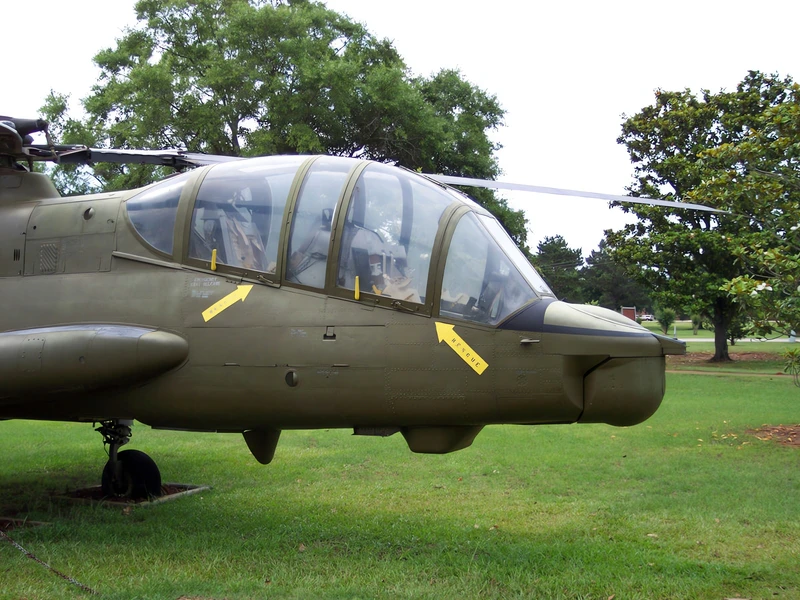
Lockheed AH-56 Cheyenne | |
|---|---|
| Državi | Zda |
| Vlogo | Napad helikopter |
| Prvi let | 21. september 1967 |
| Zgrajena | 10 |
V Lockheed AH-56 Cheyenne je bil jurišni helikopter, ki ga je razvil Lockheed za ameriško vojsko. Zrasel je iz programa naprednega sistema za podporo zračnemu ognju (AAFSS) vojske, da bi postavil prvi namenski jurišni helikopter. Lockheed je zasnoval Cheyenne z uporabo štirikratnega sistema togega rotorja in konfiguriral letalo kot sestavljeni helikopter z nizko nameščenimi krili in potisnim propelerjem, nameščenim na repu, ki ga poganja turbogredni motor General Electric T64. Cheyenne naj bi imel zmogljivost hitrega spremstva, da bi zagotovil oboroženo spremstvo za transportne helikopterje vojske, kot je Bell UH-1 Iroquois.
Vir: Lockheed AH-56 Cheyenne na Wikipediji
| AH-56 Cheyenne Walk Around | |
|---|---|
| Fotograf | Mike Fortin |
| Lokalizacijo | Neznano |
| Fotografije | 22 |
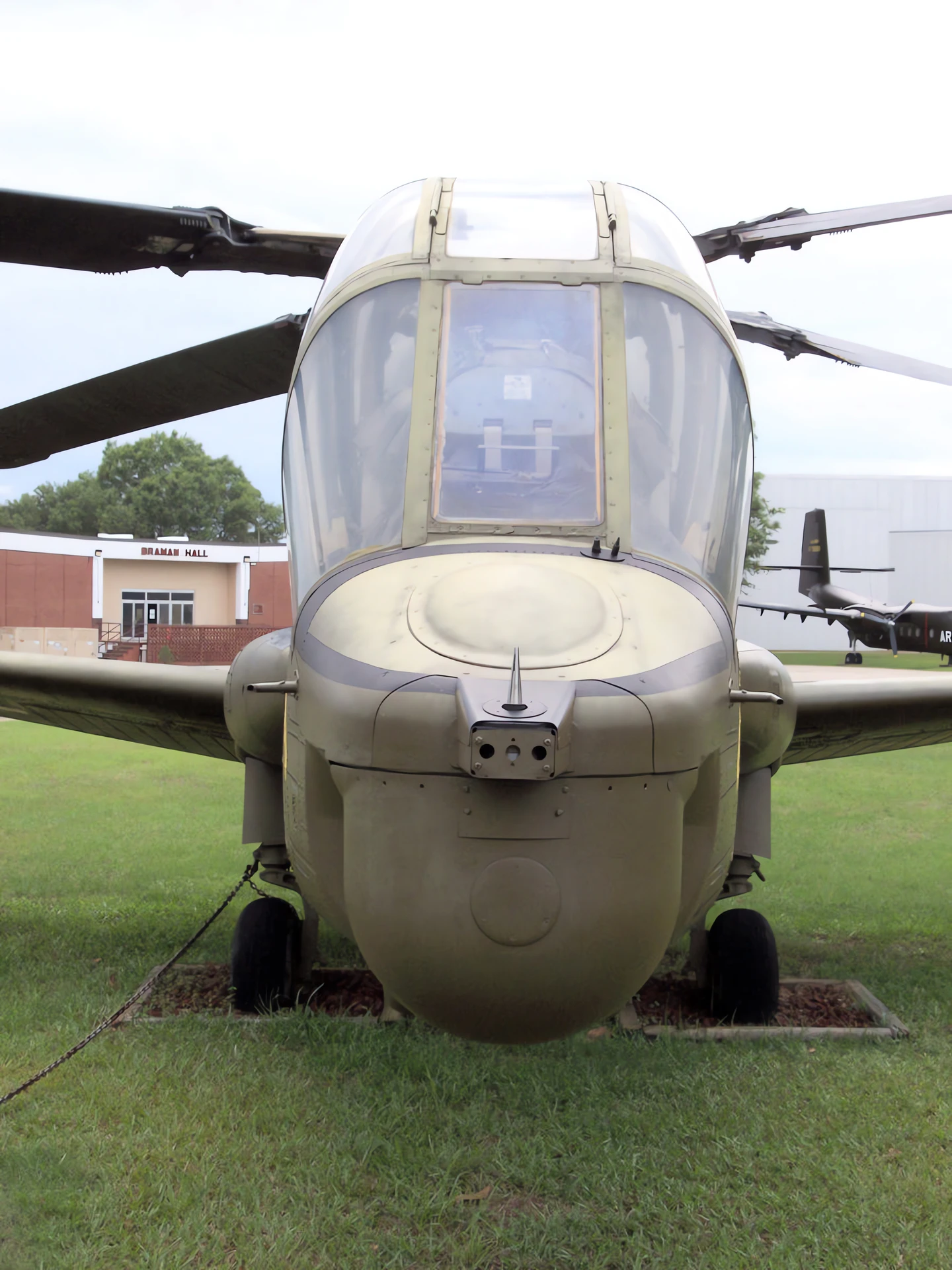
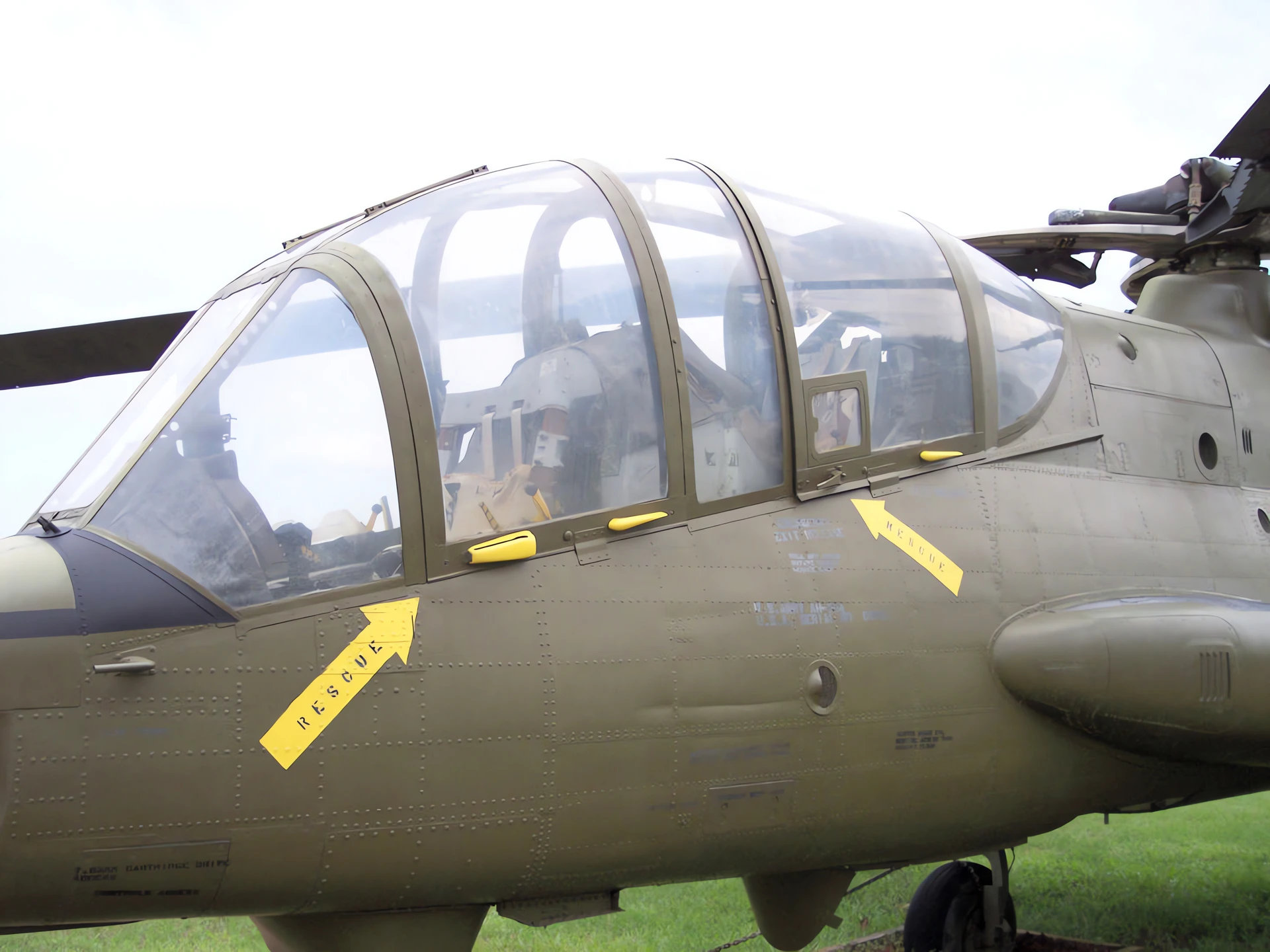
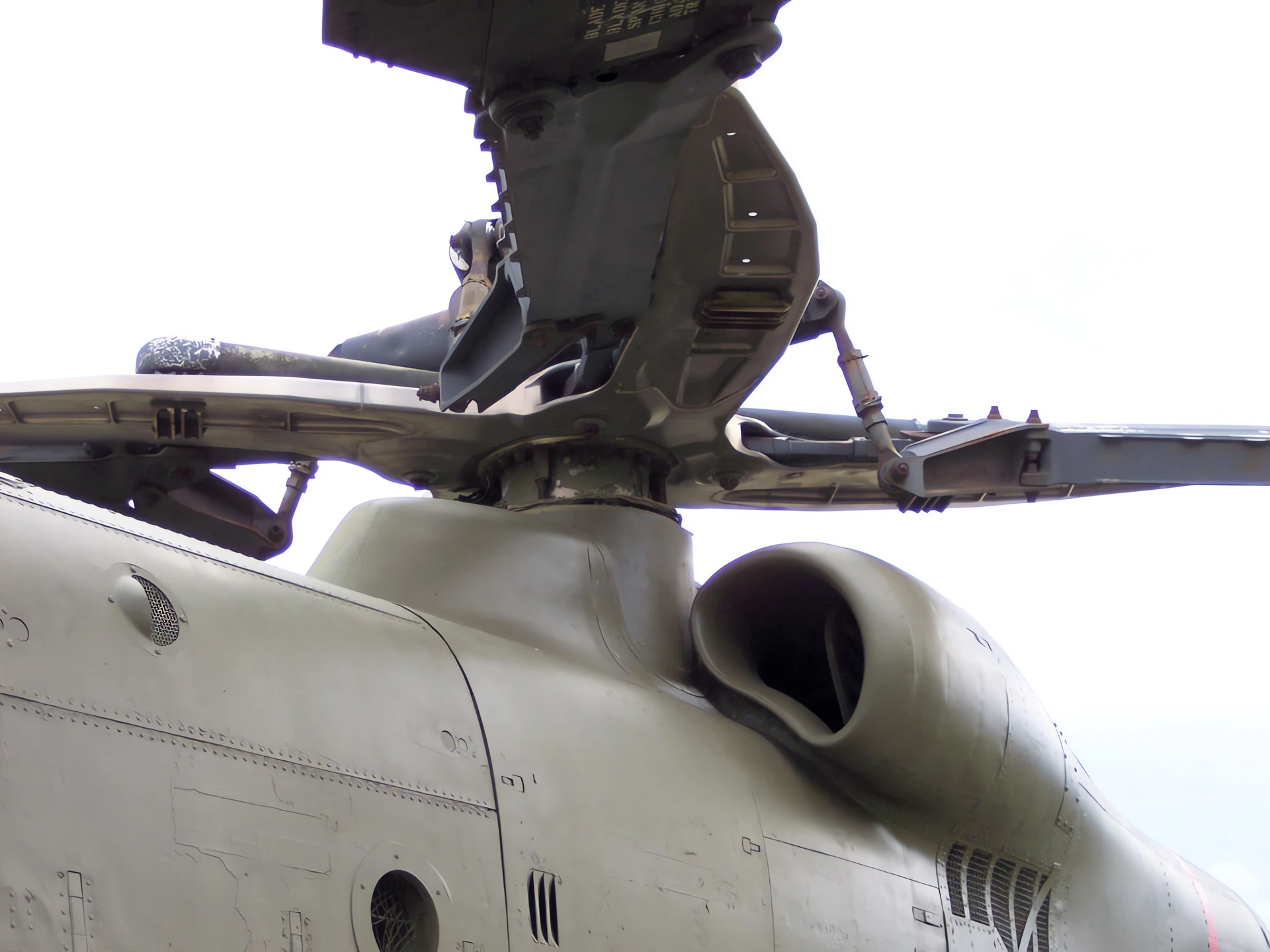
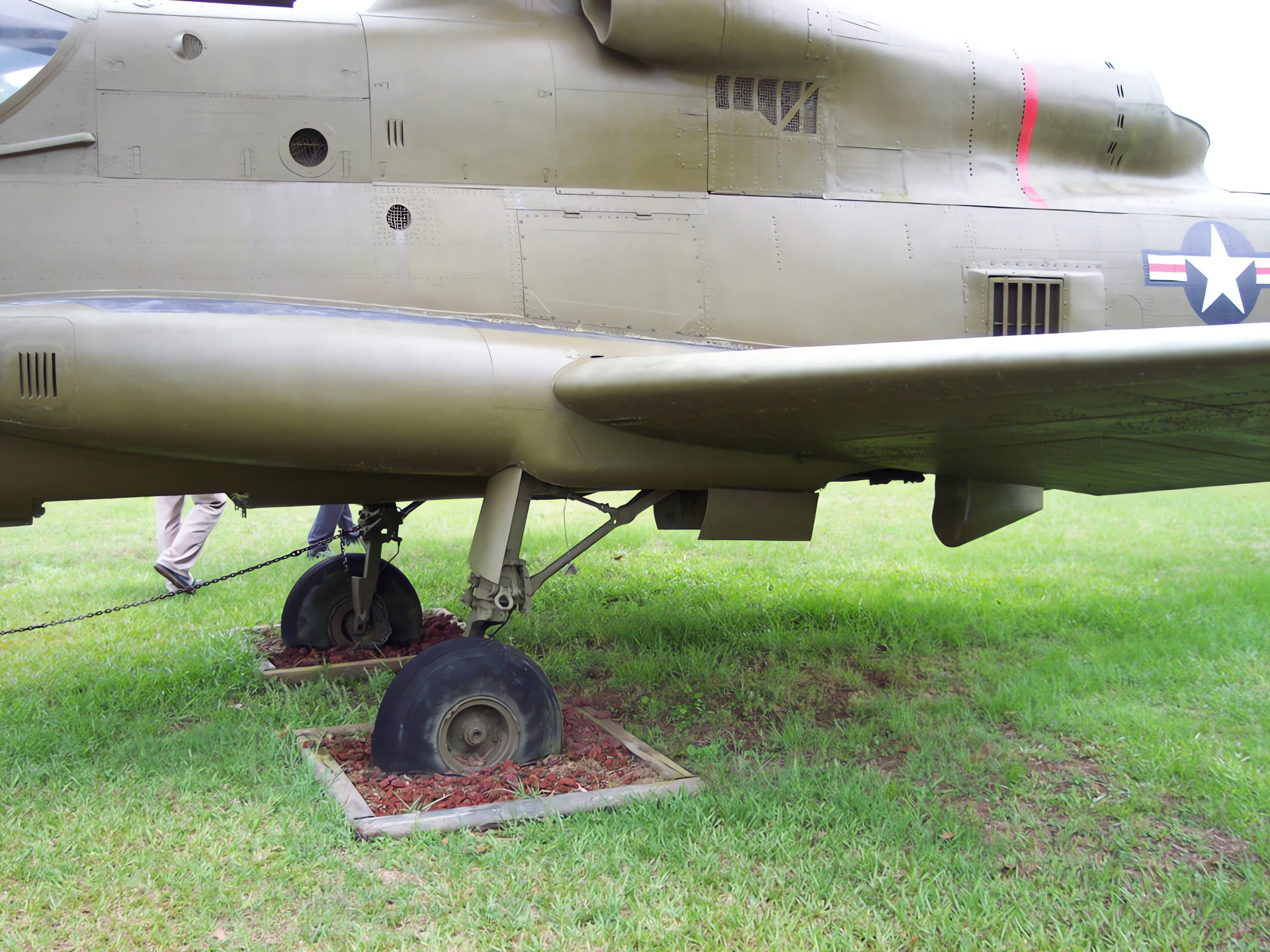
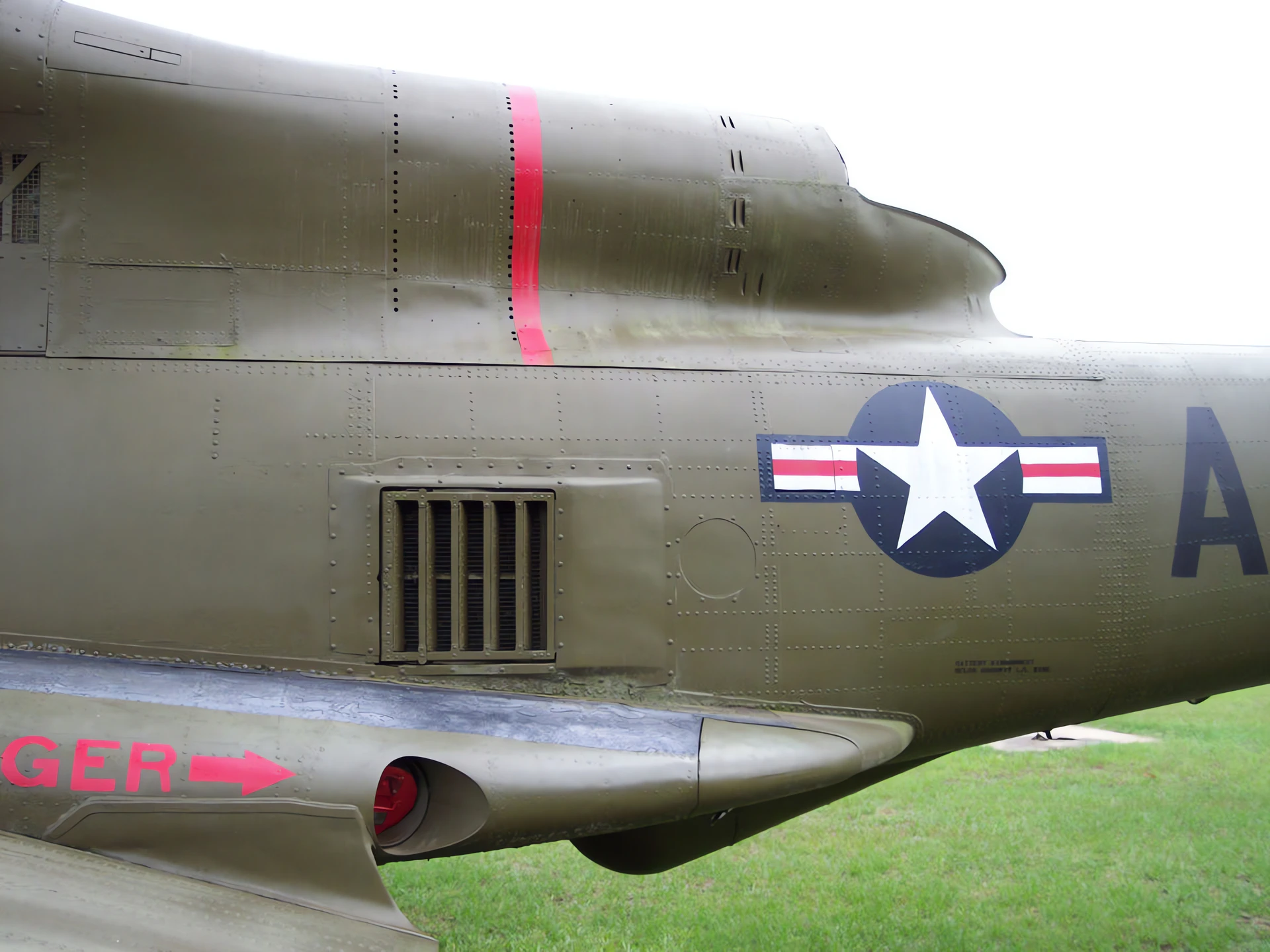
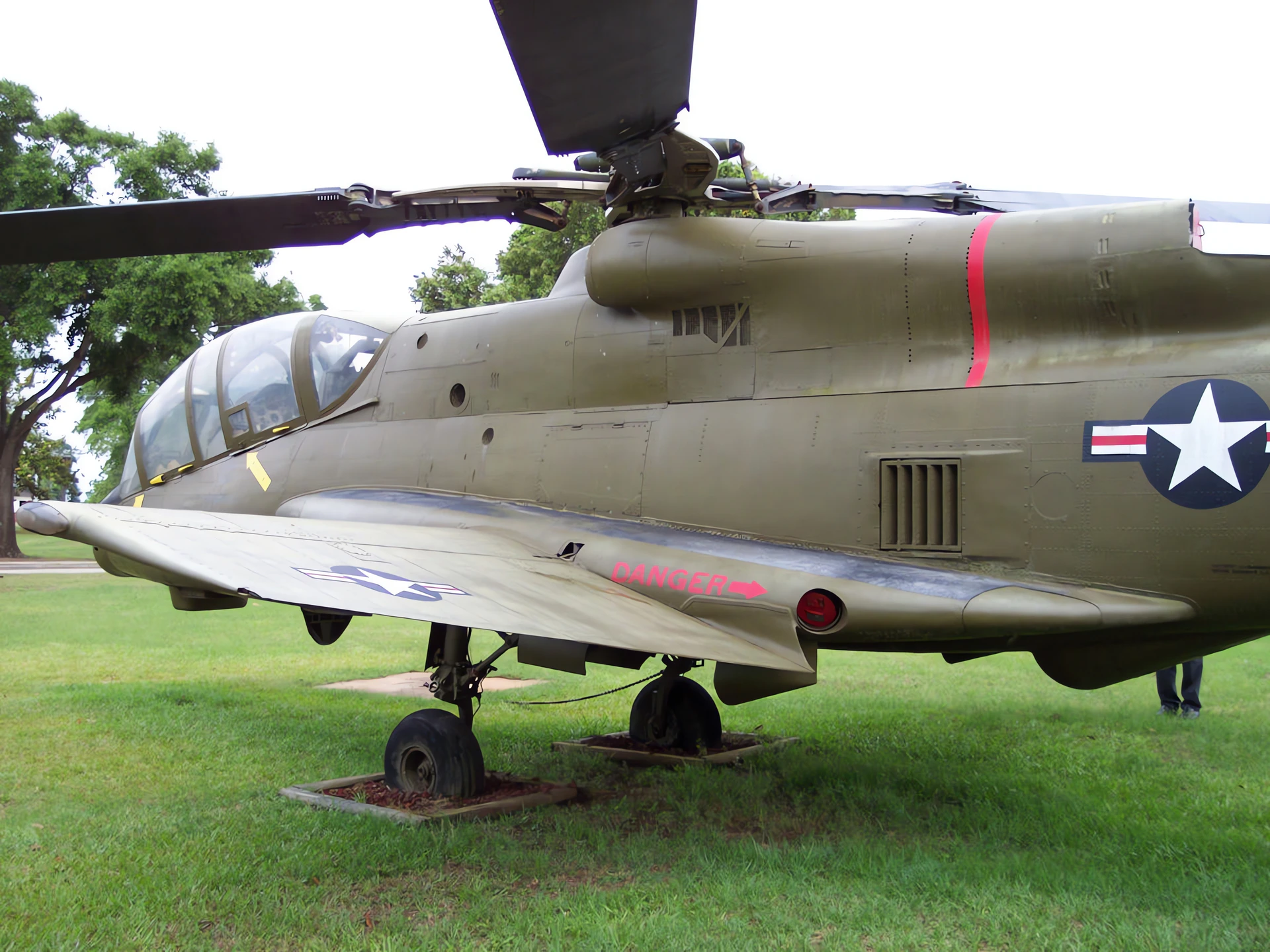
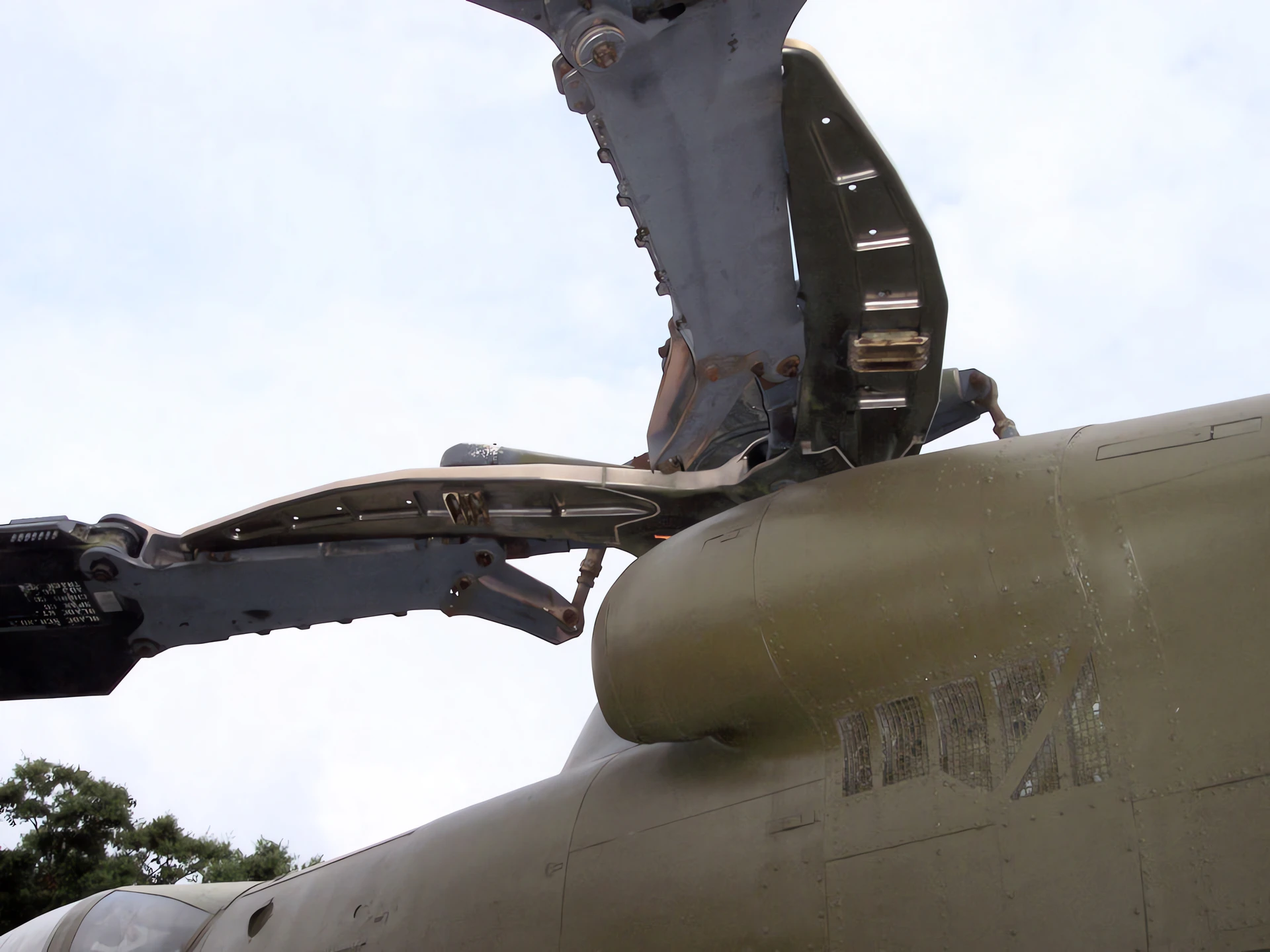
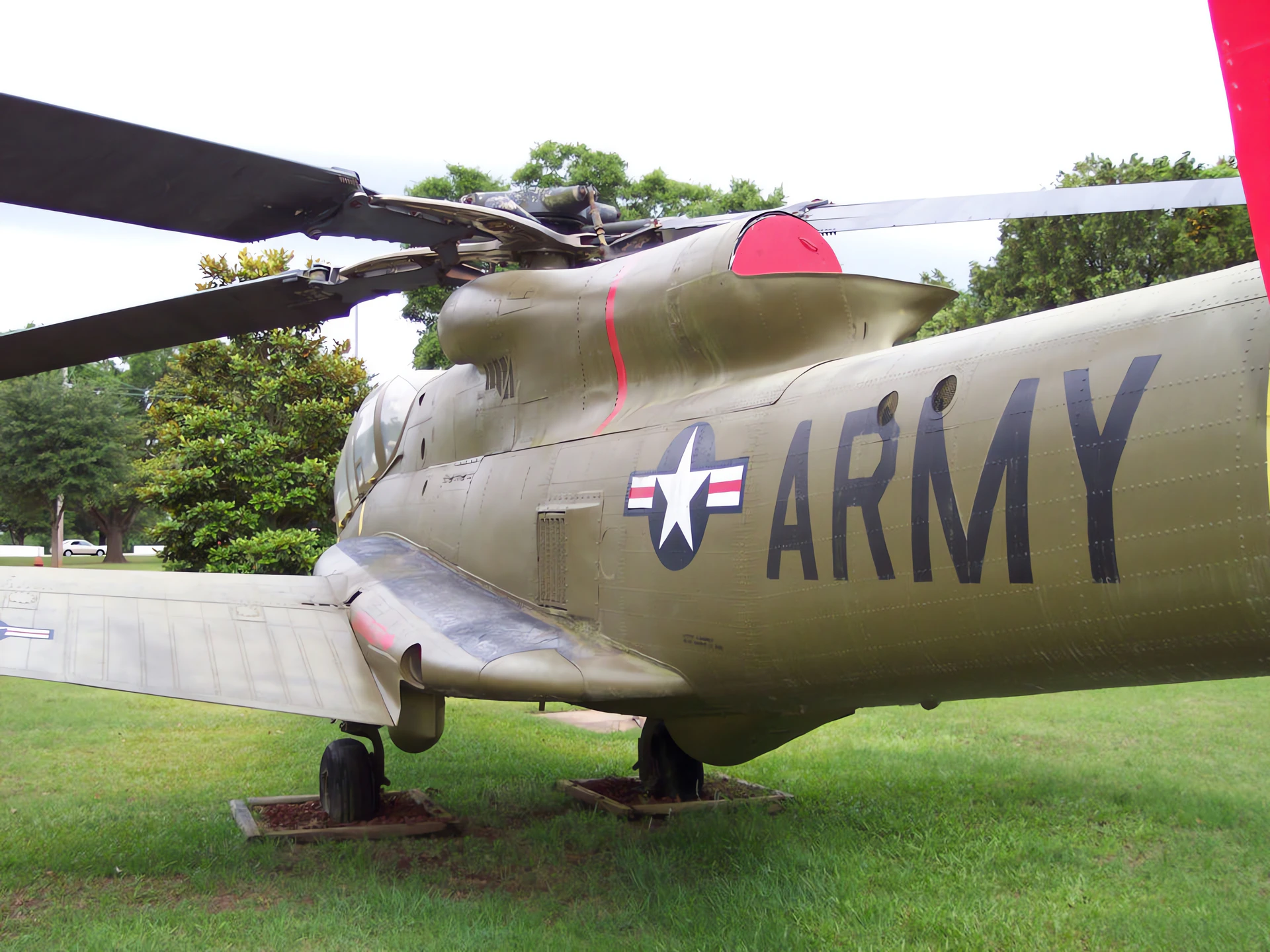
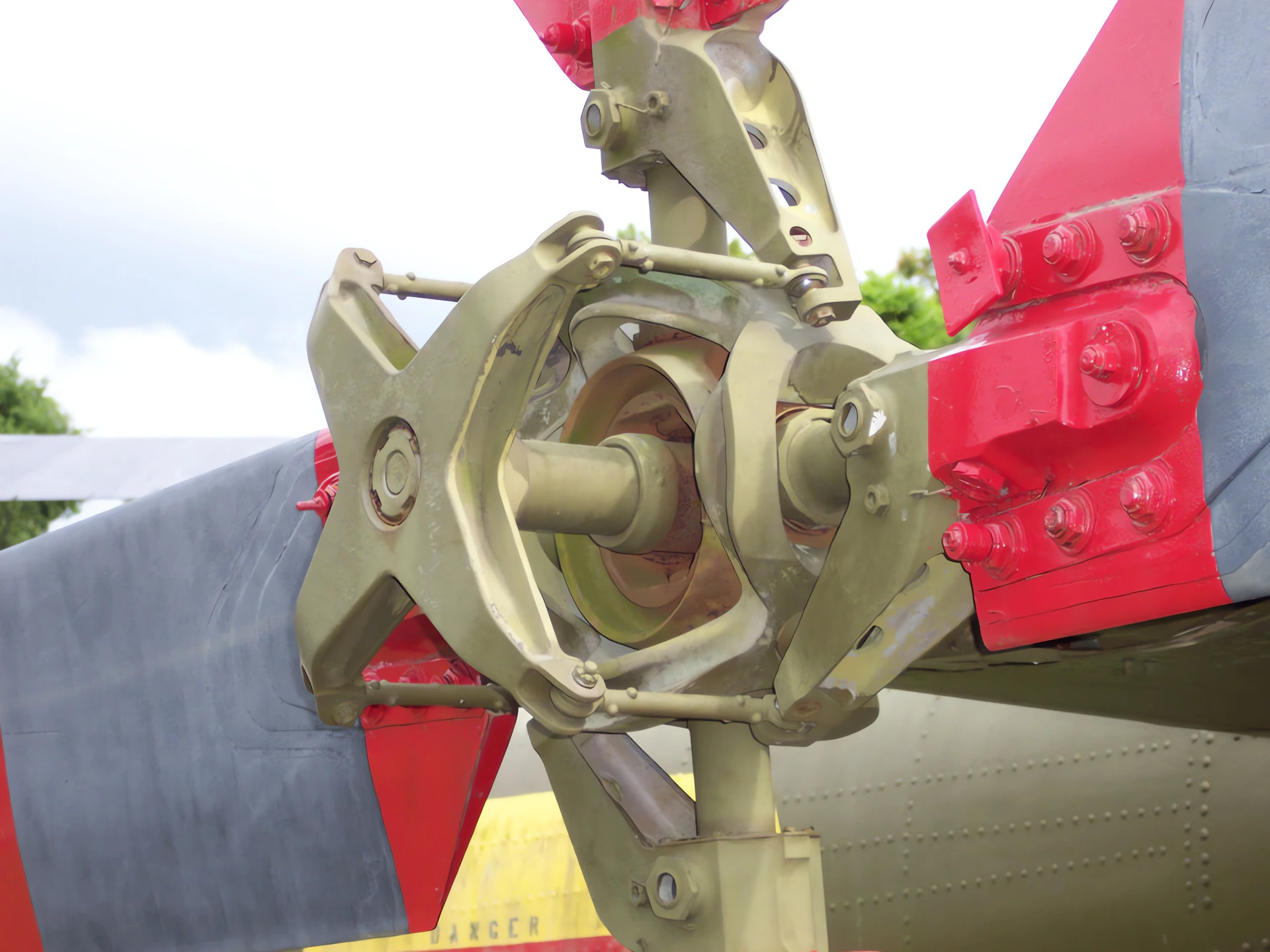


Glej tudi:


General Characteristics and Role
The Lockheed AH-56 Cheyenne was an advanced attack helicopter developed for the United States Army as part of the Advanced Aerial Fire Support System (AAFSS) program during the Vietnam War era. It featured a revolutionary design, combining the agility of a helicopter with the high speed of a fixed-wing aircraft. The Cheyenne utilized a rigid rotor system and a pusher propeller to achieve speeds far greater than conventional helicopters of the time. The aircraft incorporated a sophisticated stabilized gun turret and a separate crew station for the gunner, with the commander/pilot located behind. Though highly innovative and setting several speed records, the program was ultimately canceled in 1972 due to political infighting, high costs, and technical complexity, paving the way for the eventual development of the AH-64 Apache.
| Property | Typical Value (AH-56A) |
|---|---|
| Vlogo | Attack and Reconnaissance Helicopter |
| National Origin | Združene države Amerike |
| proizvajalec | Lockheed Corporation |
| First Flight | 21. september 1967 |
| Število zgrajeno | 10 Prototypes |
| Posadke | 2 (Pilot/Commander, Gunner) |
| Length (Fuselage) | 16.66 m (54 ft 8 in) |
| Rotor Diameter | 15.62 m (51 ft 3 in) |
| Višina | 4.19 m (13 ft 9 in) |
| Empty Weight | 5,800 kg (12,780 lb) |
| Max Takeoff Weight | 13,380 kg (29,500 lb) |
Powerplant and Performance
- Engine: One General Electric T64-GE-16 turboshaft engine.
- Power Output: 2,927 kW (3,925 hp).
- Propulsion System: Combined main rotor, anti-torque tail rotor, and a 3-bladed auxiliary pusher propeller (providing forward thrust at high speeds).
- Maximum Speed: 393 km/h (244 mph; 212 kn) (Self-imposed limit; capable of higher speeds).
- Range: 1,955 km (1,215 mi; 1,055 nmi).
- Unique Feature: Employed a Lockheed rigid rotor system which allowed it to transition smoothly between helicopter and autogyro flight modes, greatly enhancing high-speed stability.
Armament and Fire Control
- Armament System: Featured a chin-mounted turret with a 30 mm M129 grenade launcher or 40 mm XM140 grenade launcher, and a belly-mounted 30 mm XM52 cannon turret (operated by the gunner).
- Weapon Stations: 6 underwing hardpoints for rockets and missiles. Typical load included:
- Hydra 70 rockets.
- TOW anti-tank guided missiles.
- Fire Control: Incorporated an advanced, stabilized gunner’s station, allowing the gunner to rotate 360 degrees and aim independently of the helicopter’s direction of flight. The gunner’s seat rotated with the turret.
- Fate: Despite its advanced capabilities, the AH-56 was deemed too complex and expensive, leading to the cancellation of its production contract in 1972.
Views : 2851
Prav tako si lahko ogledate:
 Bell H-13 Sioux – Fotografije & Video posnetki
 Lockheed Electra 12 – Fotografije & Video posnetki
 Lockheed F-117 Nighthawk – Fotografije & Video posnetki
 Sikorsky SH-60B SeaHawk – Fotografije & Video posnetki
 Lockheed F-94 Starfire – Fotografije & Video
 Lockheed CP-140 Aurora – Fotografije & Video
 Sikorsky S-61R – Fotografije & Video
 Bell V-22 Osprey – WalkAround
 P-38L Marge – WalkAround
 Lockheed PV-2D Harpoon – WalkAround