Pz.Kpfw.IV Ausf.B mit Gelandepflug - DML 6764

Model zmaja

Ref6764
Temo1/35 Vojaški
lestvica1/35
predmet

Pz.Kpfw.IV Ausf.B mit Gelandepflug

Model blagovne znamke Model zmaja komplet: Pz.Kpfw.IV Ausf.B mit Gelandepflug – DML 6764

This 1/35 scale plastic kit builds straight from the box into an accurate Panzer IV Ausf.B, using accurate components from a previous release of this variant. Of course, the snow plow is a brand new element for this particular kit, and it stems from new toolings. The plow easily mounts onto the front of the standard tank. The box-top illustration from Ron Volstad will surely inspire modelers to create a stunning diorama of this ‘armored snow plow’ in action on the snowy Eastern Front. The track links make use of Magic Tracks that are very simple to assemble. Modelers will reap a lot of pleasure after investing in this exciting new plow-equipped German tank!

Vir: Pz.Kpfw.IV Ausf.B mit Gelandepflug on Dragon Models

Nadaljuj z branjem

Ogledi : 1211

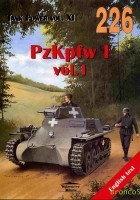
Wydawnictwo-Militaria-226-PzKpfw-I

Wydawnictwo Militaria

Ref

Wydawnictwo Militaria 226

avtor
predmet

PzKpfw I

Podpisana dokumentacija Wydawnictwo Militaria le livre «PzKpfw I – Wydawnictwo 226» .

V Panzer I je nemški lahki tank, zasnovan v 30. To je bil prvi panzer, ki je bil izdelan, medtem ko je bila Nemčija po Versaillesovi pogodbi prepovedana preučevati ali graditi oklepna vozila, tako da je bila prva označba, ki je bila zanj uporabljena za zamegljanje tirov, zelo nedolžna, Landwirtschaftlicher Schlepper, ali kmetijski traktor, kasneje pa je prejel uradnije Panzerkampfwagen I (oklepno bojno vozilo I). Znan je tudi kot Sonderkraftfahrzeug 101 (kratica SdKfz 101) dobesedno posebno motorno vozilo.

Il était principalement destiné à servir comme véhicule d’instruction, peu coûteux car légèrement armé et blindé, pour formaliser les nouvelles doctrines de la blitzkrieg, mais les retards sur les modèles suivants contraignirent les allemands à l’utiliser au combat. Il constitua ainsi les gros des panzerdivisions, lors des campagnes de Pologne et de France, mais fut rapidement retiré des premières lignes et converti à d’autres usages, principalement comme tracteur pour des canons sur roues. Son équipage se composait d’un conducteur et d’un commandant qui était également tireur. Il possédait deux mitrailleuses de calibres 7,92 mm. La faible épaisseur de son blindage n’était efficace que contre l’infanterie légère. Pour un poids de près de 5 tonnes, le moteur de 100 chevaux était nettement insuffisant et sa consommation de près de 120l les 100km trop importante. En dépit de ses faibles performances de combat, l’expérience du “Panzer I” s’avéra précieuse lorsqu’il fallut développer des chars plus puissants et la plupart des équipages de “Panzers” furent formés sur ce char.

Vir: Wikipedija

Nadaljuj z branjem

Ogledov : 838

Wydawnictwo Militaria 144 - Panzerjaeger I

Wydawnictwo Militaria

Ref

Wydawnictwo Militaria 144

avtor
predmet

Panzerjäger I.

Podpisana dokumentacija Wydawnictwo Militaria le livre «Panzerjäger I – Wydawnictwo Militaria 144» .

Le Panzerjäger I (chasseur de chars en allemand) fut le premier des chasseurs de chars conçus par l’Allemagne au cours de la Seconde Guerre mondiale. Il était conçu en 1940 sur un châssis converti de Panzerkampfwagen I Ausf. B et était armé du canon antichar Skoda 4.7cm PaK L/43. Le Panzerjäger s’avéra être une solution peu coûteuse et relativement efficace pour contrer les chars soviétiques et permit de prolonger l’utilisation des chars Panzer I devenus désuets. Comme pour la majorité des chasseurs de chars, l’équipage était très vulnérable, sa seule protection étant fournie par le bouclier frontal du canon ; le canon avait en outre un faible rotation latérale. En tout, 202 chars Panzer I furent convertis, 132 par Alkett et 70 par Skoda. Les conversions opérées par Skoda sont reconnaissables au bouclier du canon qui présente sept faces alors que les modèles d’Alkett n’en présentent que cinq. La dénomination formelle du Panzerjäger était 4.7cm PaK(t) (Sf) auf Panzerkampfwagen I. Le (t) indique l’origine tchécoslovaque (Tschechoslowakisch) du canon et les lettre (Sf) pour Selbstfahrlafette (terme allemand pour “châssis autopropulsé”).

Vir: Wikipedija

Nadaljuj z branjem

Ogledi : 1006

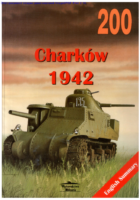
Wydawnictwo Militaria 200

Wydawnictwo Militaria

Ref

Wydawnictwo Militaria 200

avtor
predmet

Harkov 1942

Podpisana dokumentacija Wydawnictwo Militaria knjiga "Harkov 1942 – Wydawnictwo Militaria 200".

Zgodovina: Druga bitka pri Kharkov, ki ga je poimenoval Wilhelm Keitel, je bil protinapad sil osi proti Rdeči armadi, ki je potekal od 12. do 28. maja 1942 na vzhodni fronti med drugo svetovno vojno. Njegov cilj je bil odpraviti mostišče na Donecku, ki je bilo eno od sovjetskih manevrskih območij. Po zimskem protinapadu, ki je uspel odriniti nemške čete stran od Moskve, vendar je povzročil tudi izčrpavanje rezerv Rdeče armade, je bila harkovska ofenziva še en sovjetski poskus ponovne pridobitve strateške pobude, čeprav ni zagotovila elementa presenečenja.

12. maja 1942 so sovjetske sile pod poveljstvom maršala Semjona Timošenko začele ofenzivo proti nemški 6. armadi. Po prvih znakih obljub je ofenzivo ustavil nemški protinapad. Velike napake več častnikov sovjetskega generalštaba in samega Stalina, ki niso natančno ocenili nemškega potenciala in precenili lastne moči, so pripeljale do uspeha nemškega protinapada, ki je bil »pritrjen« okoli napredovanja sovjetskih vojakov.

Vir: Wikipedija

Nadaljuj z branjem

Ogledov : 1171

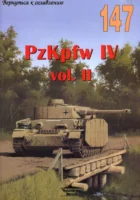
Wydawnictwo Militaria 147 PzKpfw IV zvezek II

Wydawnictwo Militaria

Ref

Wydawnictwo Militaria 147

avtor
predmet

Panzer IV – Sdkfz.161

Podpisana dokumentacija Wydawnictwo Militaria le livre «Panzer IV – Wydawnictwo Militaria 147» .

V Panzerkampfwagen IV (PzKpfW IV), souvent appelé Panzer IV était un char d’assaut utilisé par l’Allemagne nazie durant la Seconde Guerre mondiale. Conçu initialement comme char d’appui-feu, avec un canon de 75 mm court, pour le Panzerkampfwagen III, il finit par remplacer ce dernier quand les chars alliés devinrent trop protégés pour celui-ci. Rééquipé avec un canon long antichar, le PzKpfW IV fut le principal char allemand pendant la seconde partie de la guerre avec plus de 9000 exemplaires produits et donna naissance à de nombreuses versions: Désignation d’usine : SdKfz 161, SdKfz 161/1 (canon KwK 40 L/43) et SdKfz 161/2 (canon KwK40 L/48).

Vir: Wikipedija

Nadaljuj z branjem

Views : 1327

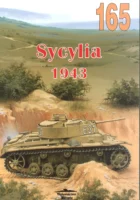
Wydawnictwo Militaria 165 Sycylia 1943

Wydawnictwo Militaria

Ref

Wydawnictwo Militaria 165

avtor
predmet

Sicile 1943

Podpisana dokumentacija Wydawnictwo Militaria knjiga "Sicilija 1943 – Wydawnictwo Militaria 165".

Operacija Husky je bilo kodno ime za pristanek britanskih, ameriških in kanadskih vojakov na Siciliji, ki se je začel 10. julija 1943. Odprtje »druge fronte«, ki jo je Stalin tako pogosto zahteval od svojih zahodnih zaveznikov, je nato postalo resničnost.

Vir: Wikipedija

Nadaljuj z branjem

Ogledi : 901

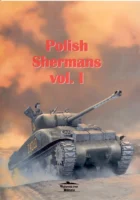
Wydawnictwo Militaria 124 Poljski Shermani vol.1

Wydawnictwo Militaria

Ref

Wydawnictwo Militaria 124

avtor
predmet

Poljski Shermani

Podpisana dokumentacija Wydawnictwo Militaria knjiga "Poljski Shermani – Wydawnictwo Militaria 124".

Srednje tank M4 est le char américain moyen produit en plus grande quantité pendant la Seconde Guerre mondiale. Près de cinquante mille exemplaires (toutes versions confondues) furent produits. Son surnom de « Sherman " so mu pripisali Britanci, ko so prejeli svoje prve primere v skladu z zakonom Lend-Lease, ki nadaljuje svojo tradicijo poimenovanja tankov ameriškega porekla po slavnem generalu severne državljanske vojne te države. Ameriška vojska je kasneje prevzela vzdevek, srednji tank M4 pa se je imenoval " M4 Sherman ». Les Soviétiques surnomment les leurs « Emcha ».

Vir: Wikipedija

Nadaljuj z branjem

Ogledov : 1419

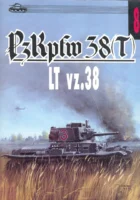
Wydawnictwo Militaria 08 PzKpfw 38(t) LT vz.38

Wydawnictwo Militaria

Ref

Wydawnictwo Militaria 008

avtor
predmet

Pzkpfw 38(t)

Podpisana dokumentacija Wydawnictwo Militaria le livre «Pzkpfw 38(t) – Wydawnictwo Militaria 008» .

V Panzerkampfwagen 38(t) (ce qui signifiait : « véhicule de combat blindé tchécoslovaque, modèle 1938 ») était le nom donné par les Allemands à un char d’assaut tchécoslovaque fabriqué dans les usines de chars Škoda qu’ils avaient mis au service de leur industrie de guerre durant l’année 1939 avant l’éclatement du confit. Le nom que lui donnait l’armée tchécoslovaque était LT vz. 38. Ce véhicule de combat blindé fut conçu par les Tchécoslovaques à partir de 1935. Il a eu du succès à l’exportation, avec 50 chars exportés vers l’Iran, 24 vers la Suisse et autant vers le Pérou. L’armée tchécoslovaque en commande 150, mais ceux-ci ne sont pas entrés en service avant l’occupation du pays par l’Allemagne en 1939. Les occupants allemands ont ordonné la poursuite de la production entre 1938 et 1942. Au total, lorsque la production cessa en juin 1942, 1411 Panzerkampfwagen 38(t) (modèles A à G) avaient été fabriqués.

Vir: Panzerkampfwagen sur Wikipedia

Nadaljuj z branjem

Ogledi : 1043

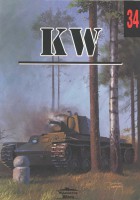
KW - KV-1 - KV2 - Wydawnictwo Militaria 034

Wydawnictwo Militaria

Ref

Wydawnictwo Militaria 034

avtor
predmet

KW – KV-1 – KV2

Podpisana dokumentacija Wydawnictwo Militaria le livre «KW – KV-1 – KV2 – Wydawnictwo Militaria 034» .

Zgodovina: Le char Kliment Voroshilov (KV) je sovjetski rupturni tank. Bilo je neprijetno presenečenje za Wehrmacht med operacijo Barbarossa: bila je v tem času skoraj neranljiva za vse svoje orožje, razen protiletalske puške Flak 88 mm in neposrednega topniška ognja.

Vir: Wikipedija

Nadaljuj z branjem

Views : 914

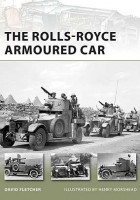
Oklepni avtomobil Rolls-Royce - NEW VANGUARD 189

Založnost Osprey

Ref

New Vanguard 189

Isbn9781849085809
avtor
IlustratorHenry Morshead

The first Rolls-Royce armoured car was a privately owned vehicle fitted with a machine-gun and a limited amount of armour plate, used by the Royal Naval Air Service in Flanders in 1914. By 1915, nearly 100 had been built and turned over to the Army. From then on, as Sir Albert Stern said ‘They searched the world for war’, operating as far apart as the northwest frontier of India, the Middle East and southern Africa. The cars were fast, quiet and reliable but above all powerful. ‘A Rolls in the desert is above rubies,’ said Lawrence of Arabia. After World War I, the War Office continued to produce the Rolls-Royce while tinkering with the design. These further cars served all across the Empire, including in Ireland and even later Shanghai, returning for a final brief appearance in the early stages of World War II.This book tells the complete story of the Rolls-Royce Armoured Car, following its design and development as it fought from theatre to theatre during World War I and the turbulent inter-war years.

Vir: Založnost Osprey

Nadaljuj z branjem

Views : 1325