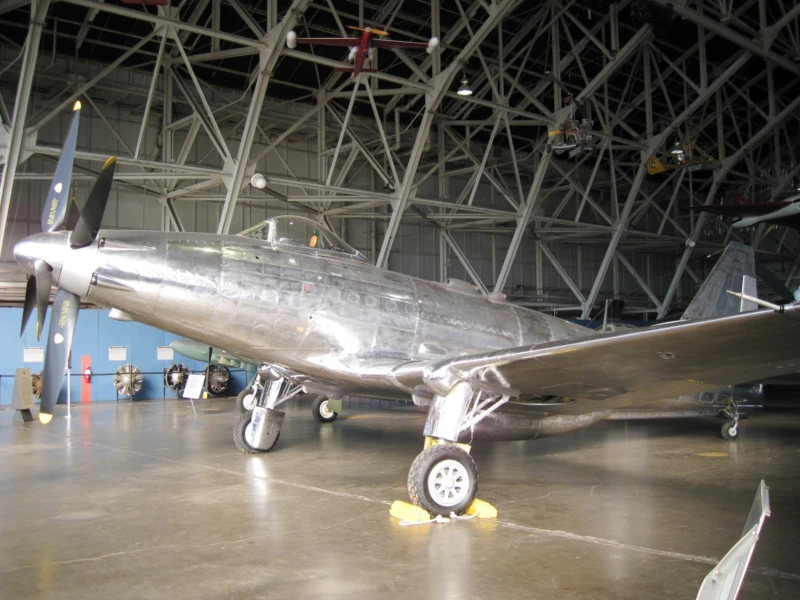
Rybár P-75 Orol | |
|---|---|
| Krajiny | Spojené štáty americké |
| Typ | Stíhacie lietadlá |
| Prvý let | 17. novembra 1943 |
| Postavený | 14 |
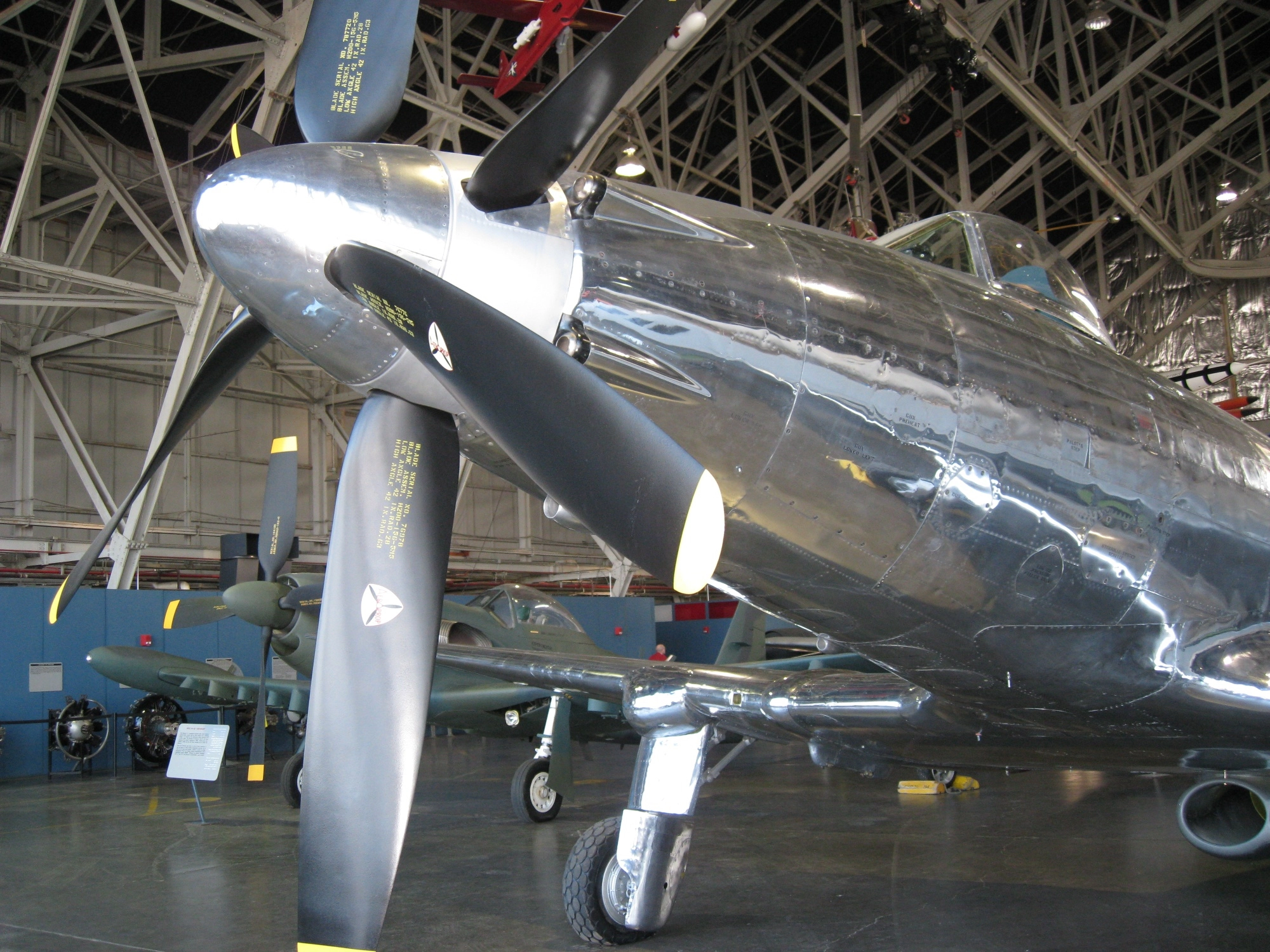
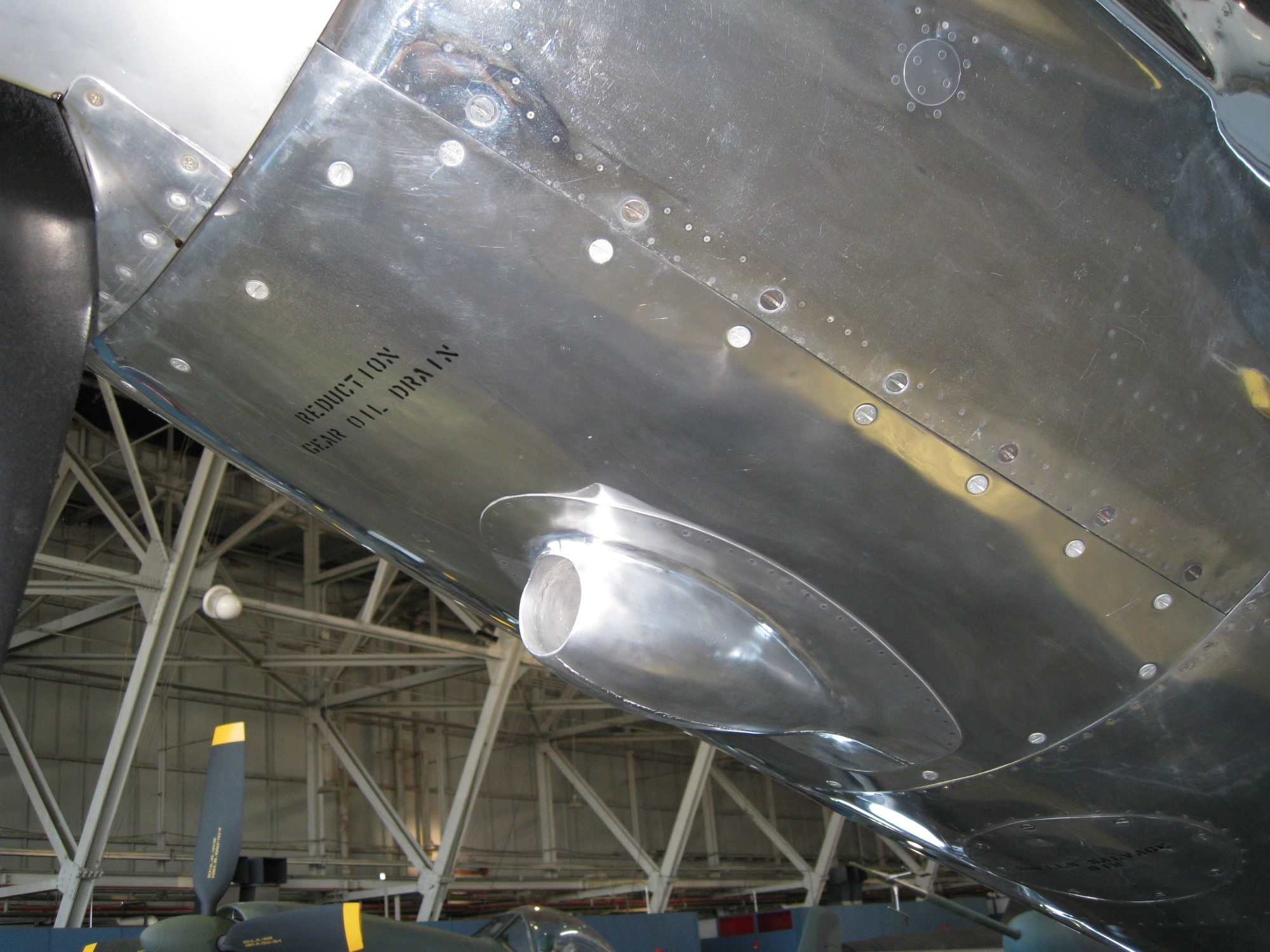
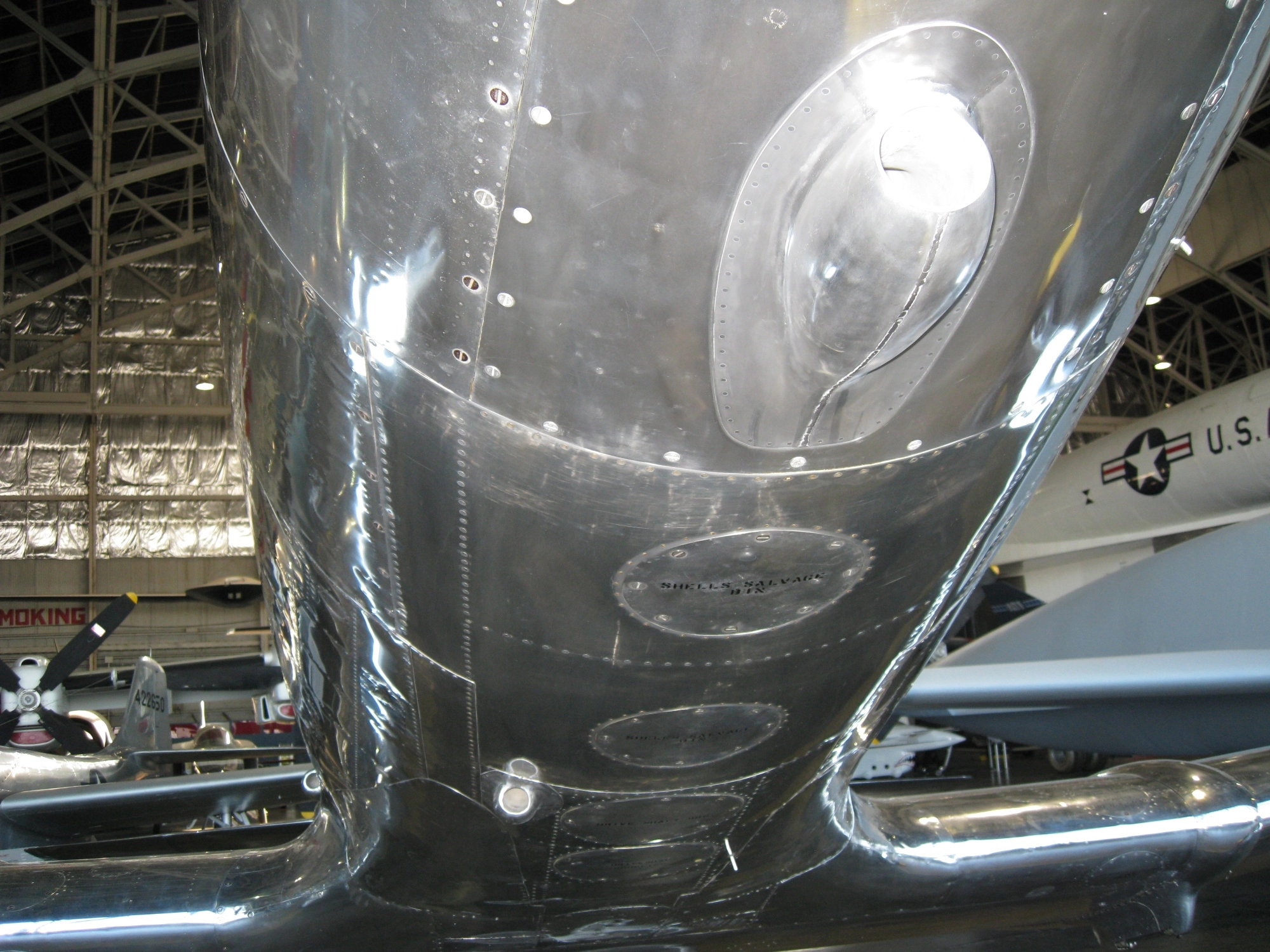
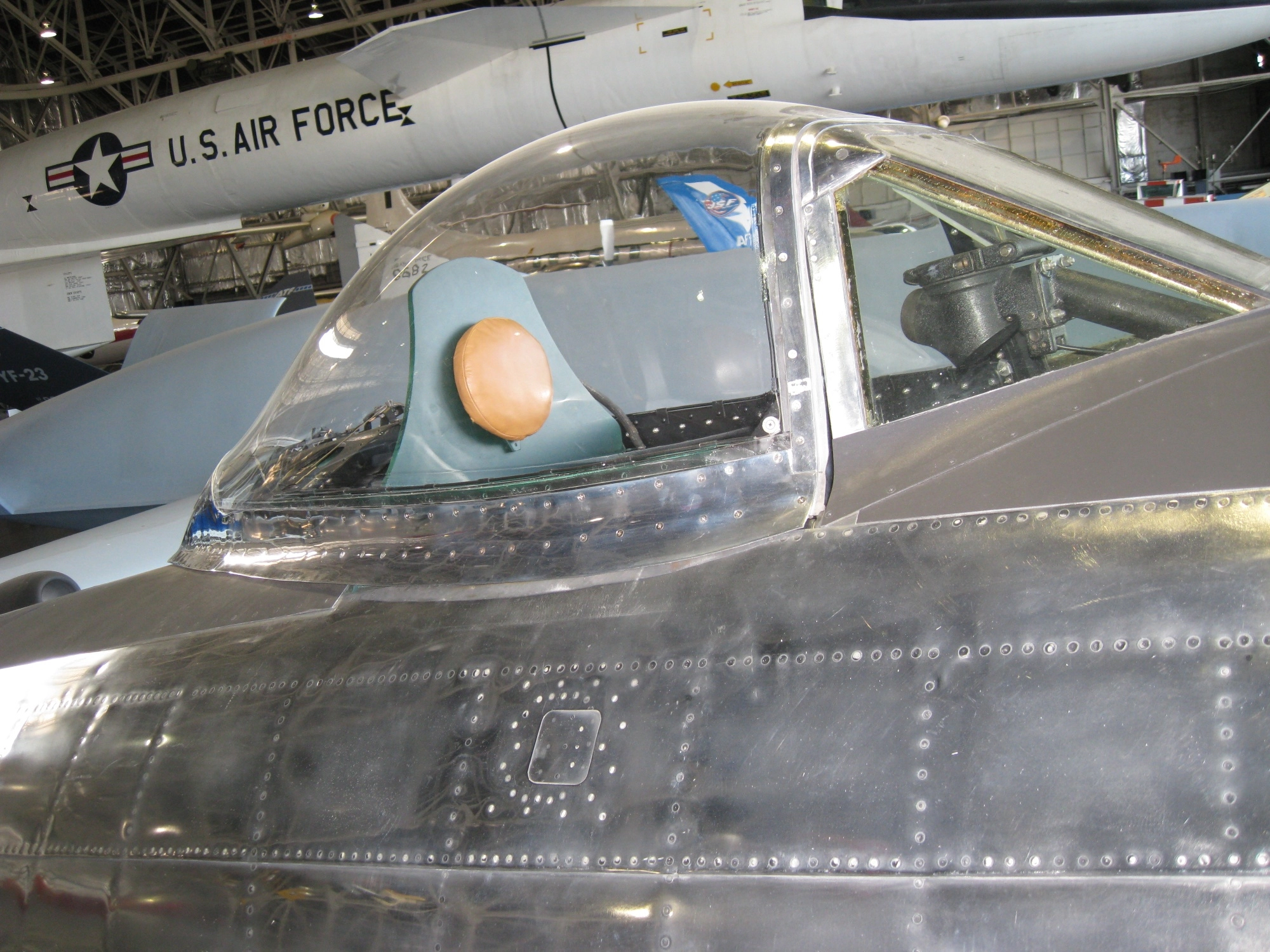
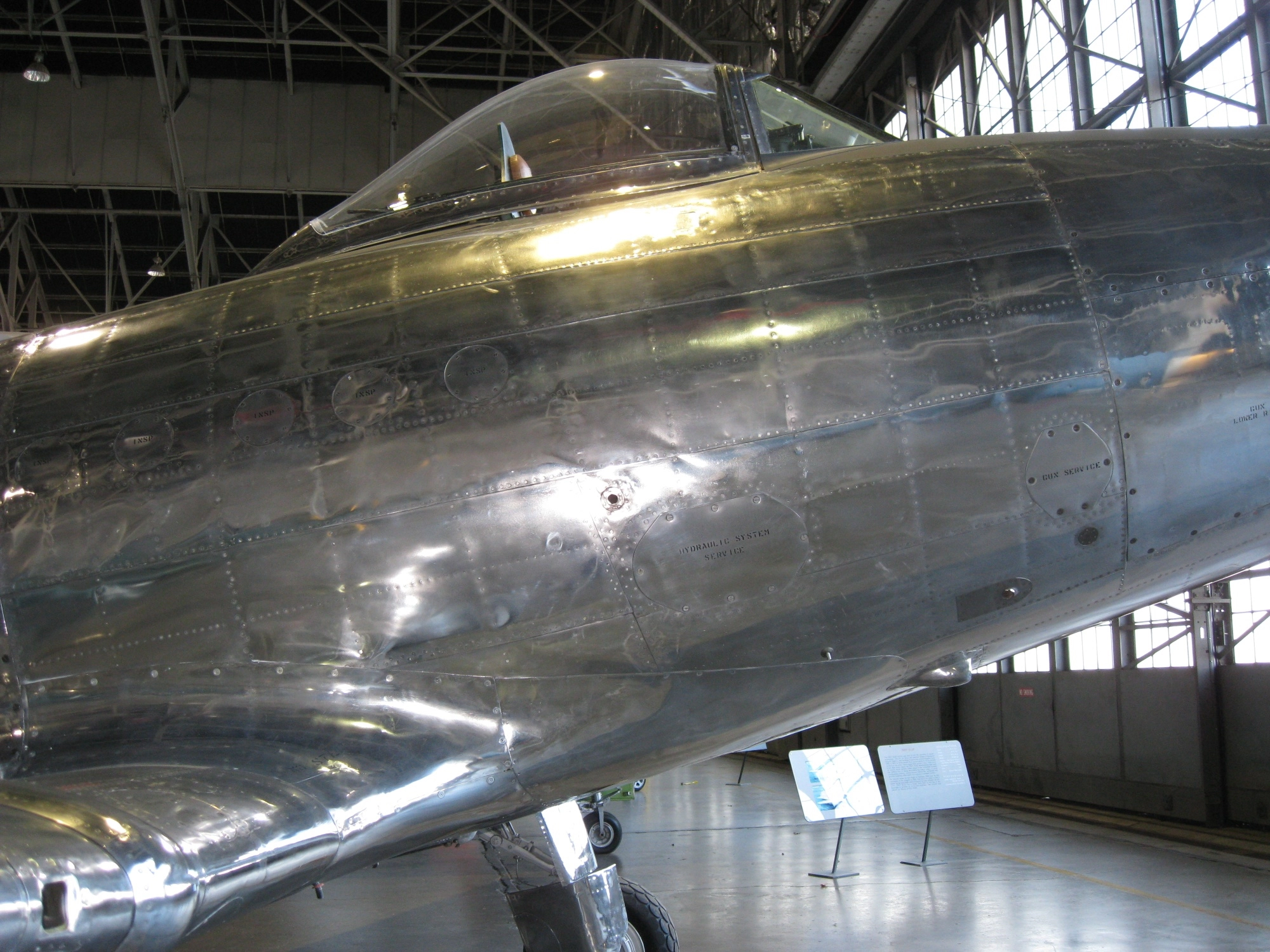
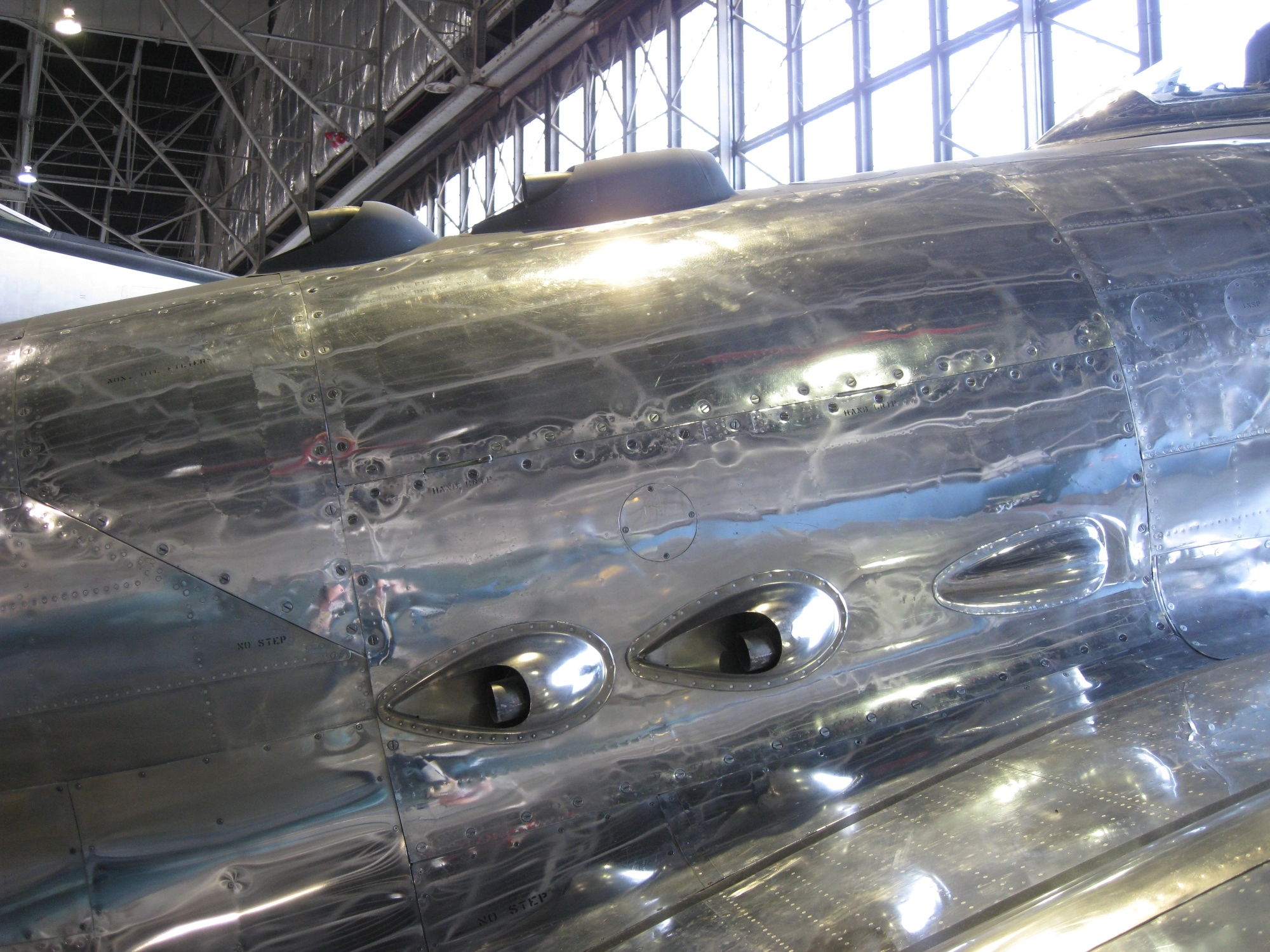
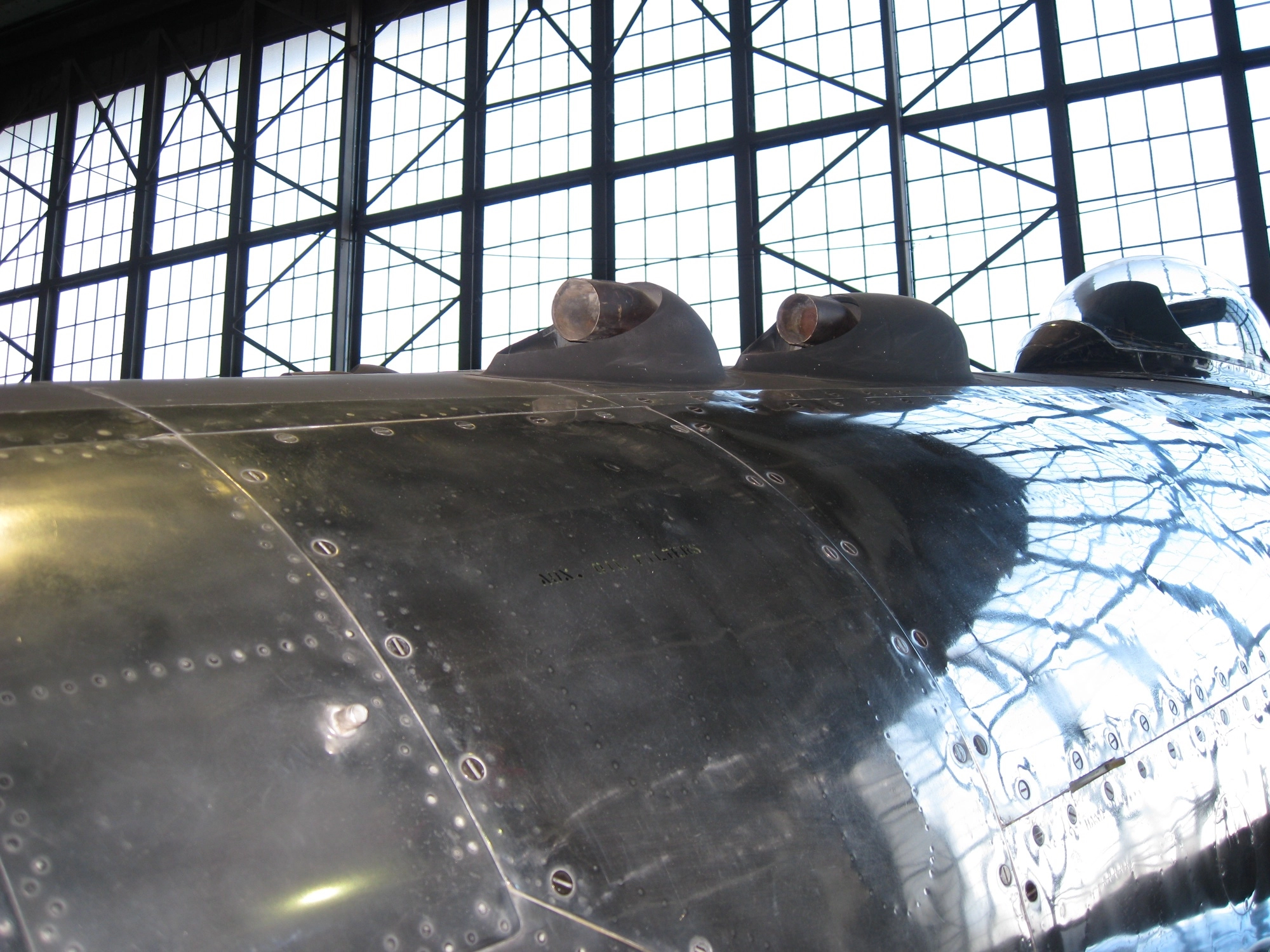
Fotogaléria Fisher P-75 Eagle, General Motors/Fisher P-75 Eagle bolo stíhacie lietadlo navrhnuté divíziou Fisher Body spoločnosti General Motors. Vývoj sa začal v septembri 1942 v reakcii na požiadavku vzdušných síl Spojených štátov amerických na stíhačku s extrémne vysokou rýchlosťou stúpania, s použitím najvýkonnejšieho kvapalinou chladeného motora, ktorý bol vtedy k dispozícii, Allison V-3420. Program bol zrušený po tom, čo bol dokončený len malý počet prototypov a sériových lietadiel, pretože už nebol potrebný vo svojej pôvodnej úlohe, nemohol byť rýchlo nasadený a nemal žiadne významné výhody oproti lietadlám, ktoré sa už vyrábali.
Zdrojový: Wikipedia
| Fisher P-75 Eagle | |
|---|---|
| Fotograf | Neznáme |
| Lokalizácia | Neznáme |
| Fotografie | 55 |

 Kúpte mi kávu
Pozri tiež:


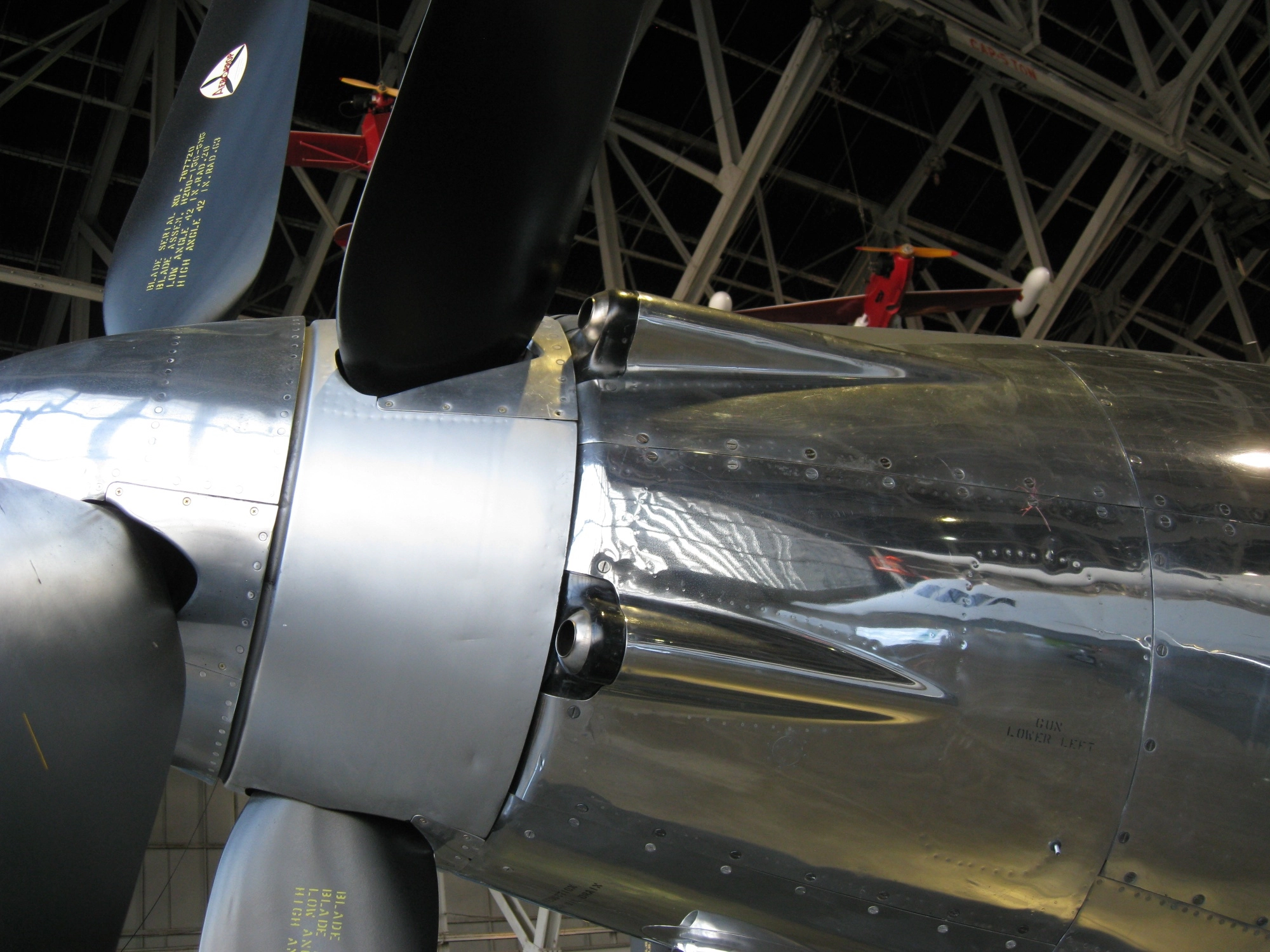
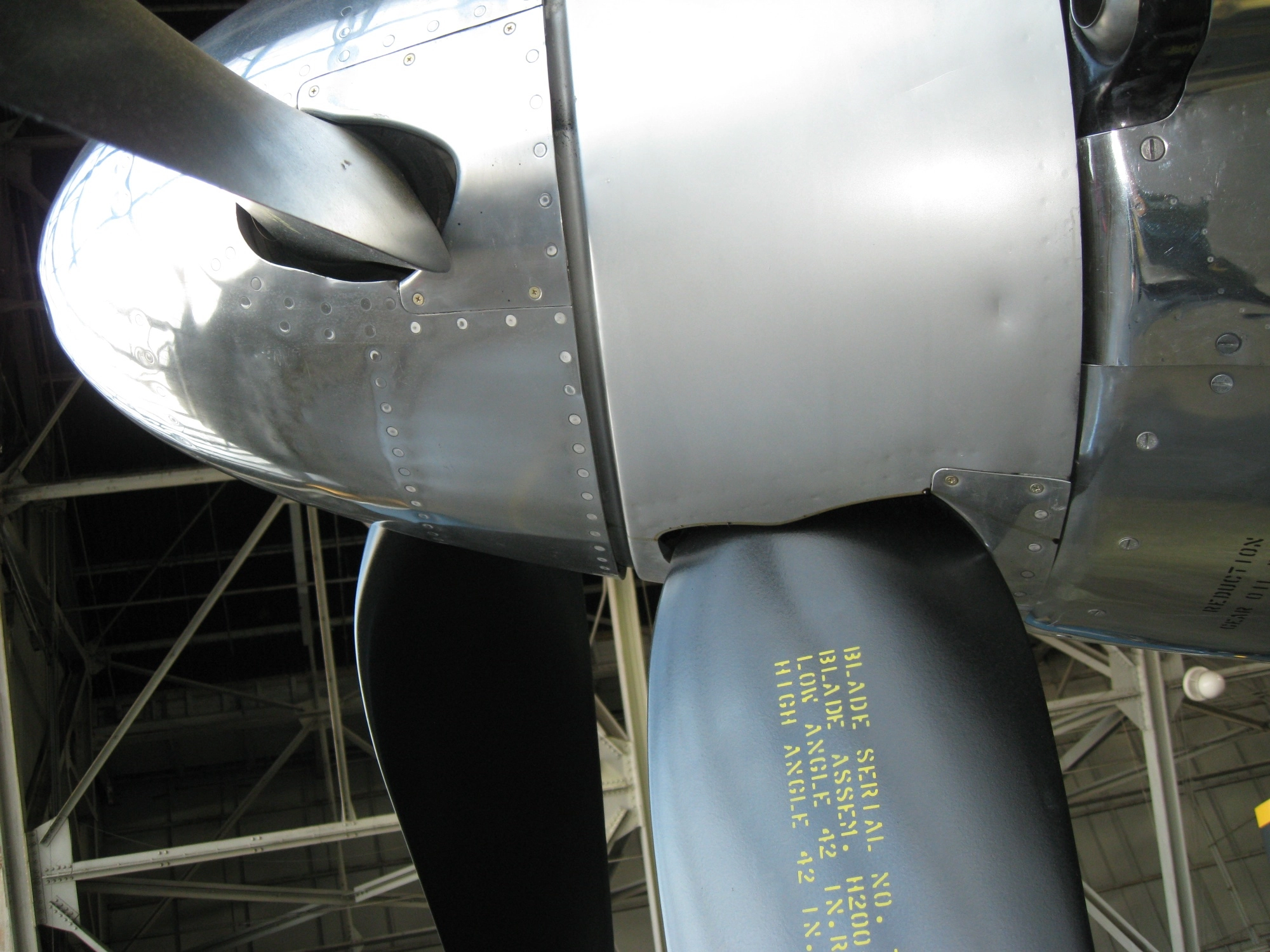
Komisia Rybár P-75 Orol was a fighter aircraft project that aimed to create a high-performance interceptor using existing components from other aircraft. The project was initiated by the Fisher Body Division of General Motors in 1942, in response to a request from the US Army Air Forces for a fighter that could climb rapidly and use the Allison V-3420 engine, a 24-cylinder liquid-cooled engine that was the most powerful at the time. The P-75 Eagle design used the outer wing panels from the P-40 Warhawk, the tail assembly from the A-24 (SBD), and the landing gear from the F4U Corsair. The engine was mounted in the middle of the fuselage, driving contra-rotating propellers through a long shaft. The P-75 Eagle was expected to be a “wonder plane” that could outperform any enemy fighter.
However, the P-75 Eagle project encountered many problems during its development and testing. The center of mass was miscalculated, causing stability issues. The engine failed to produce its expected power and had cooling problems. The aileron forces were too high at high speed, and the spin characteristics were poor. The P-75 Eagle also lacked any significant advantage over other fighters already in production, such as the P-51 Mustang and the P-47 Thunderbolt. In 1943, the USAAF changed its requirements and needed long-range escort fighters more than fast-climbing interceptors. Six XP-75 prototypes were modified for the long-range role, but they still did not meet the expectations. In 1944, after only 14 aircraft were built, including two prototypes and 12 production models, the P-75 Eagle project was canceled. The P-75 Eagle was considered a failure and a waste of resources, and none of them ever saw combat.
Výhľady : 2814
Môžete tiež vidieť:
 Phönix D.I – fotografie a videá
 Mitsubishi G4M – fotografie a videá
 Nieuport 27 - Fotografie a videá
 Martin 4-0-4 – fotografie a videá
 Bristol F.2 Fighter – fotografie a videá
 Northrop JB-1 Bat – fotografie a videá
 Convair F2Y Sea Dart – fotografie a videá
 Miles Magister - fotografie a videá
 KFIR C-1 – WalkAround
 MiG-29 – WalkAround