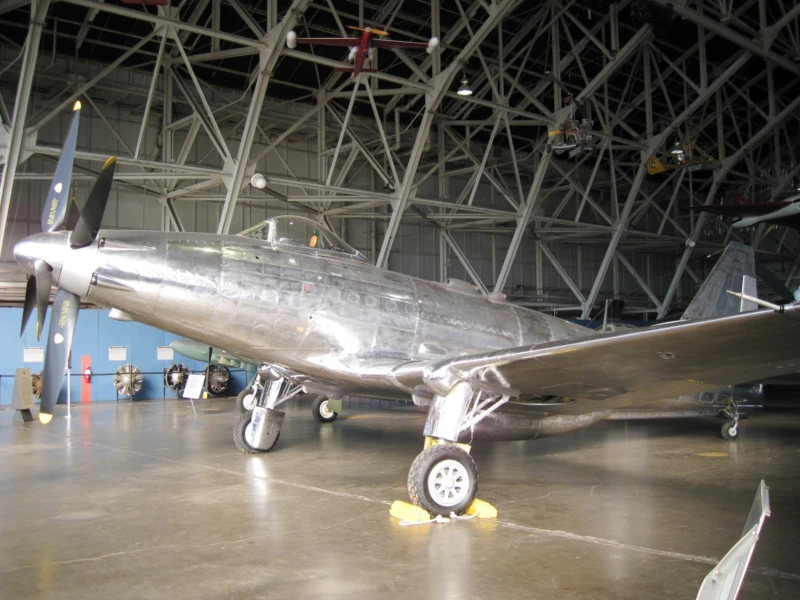
Fisher P-75 Eagle | |
|---|---|
| Maa | Yhdysvallat |
| Tyyppi | Hävittäjälentokoneet |
| Ensimmäinen lento | 17 November 1943 |
| Rakennettu | 14 |
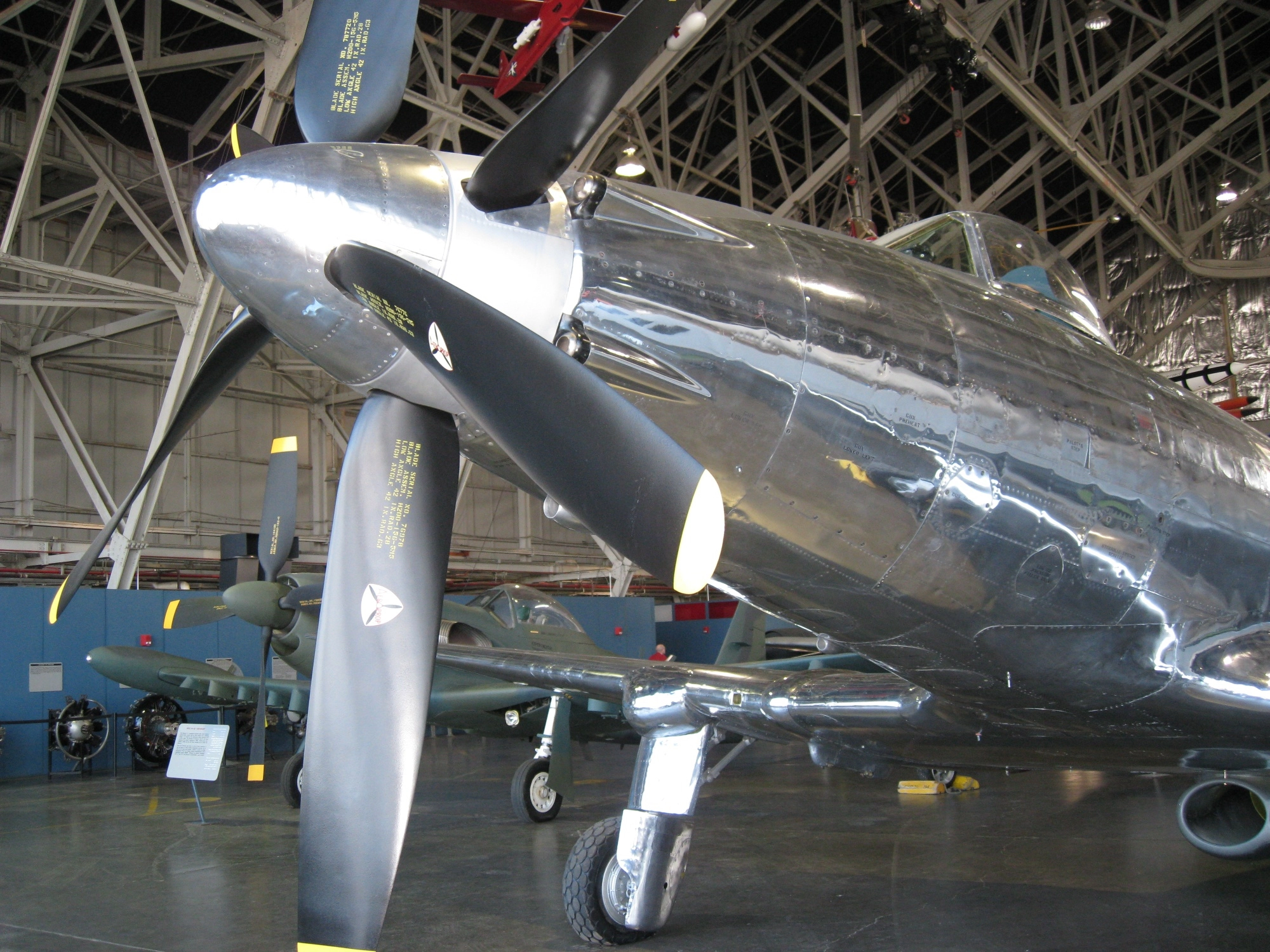
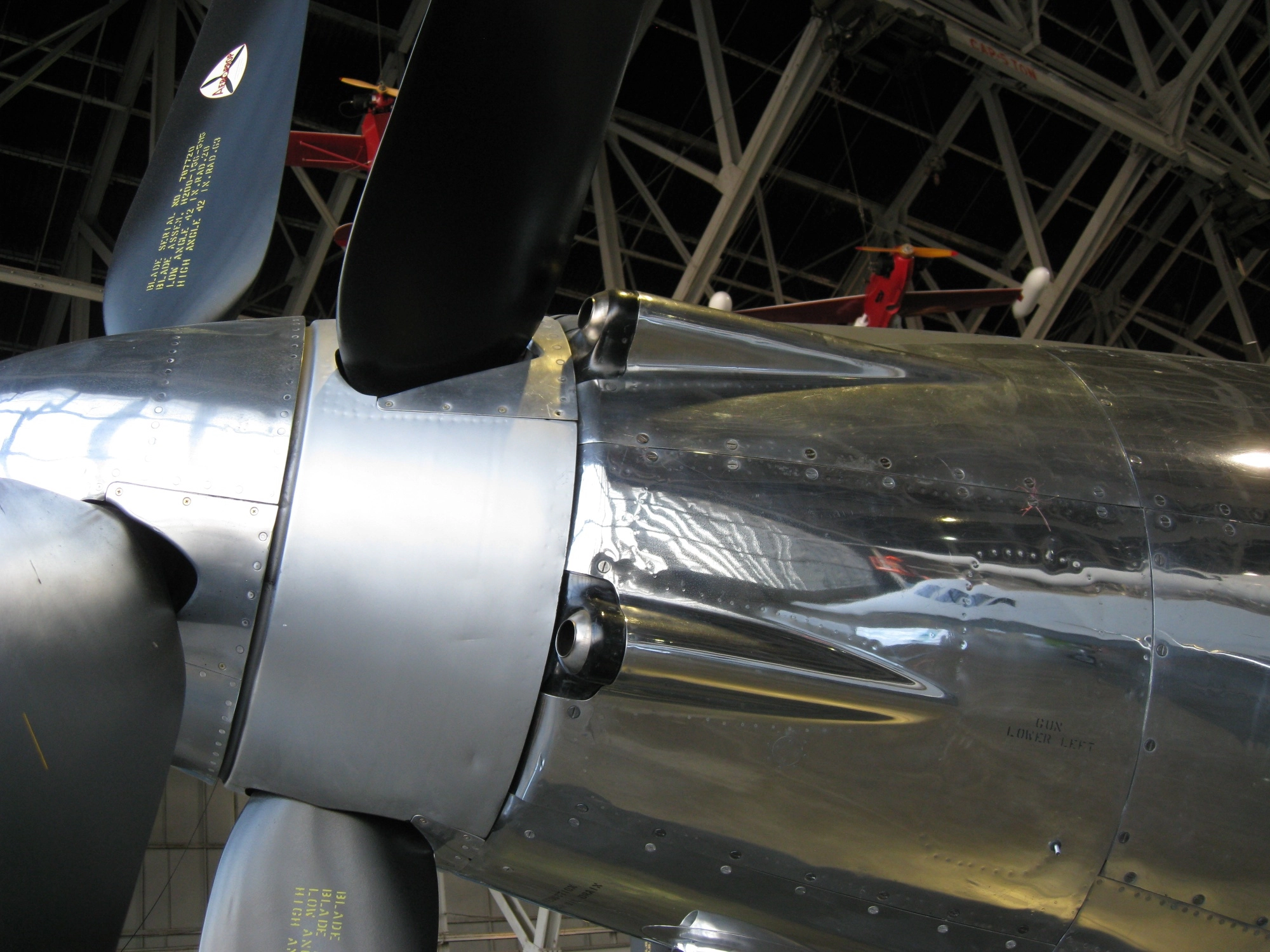
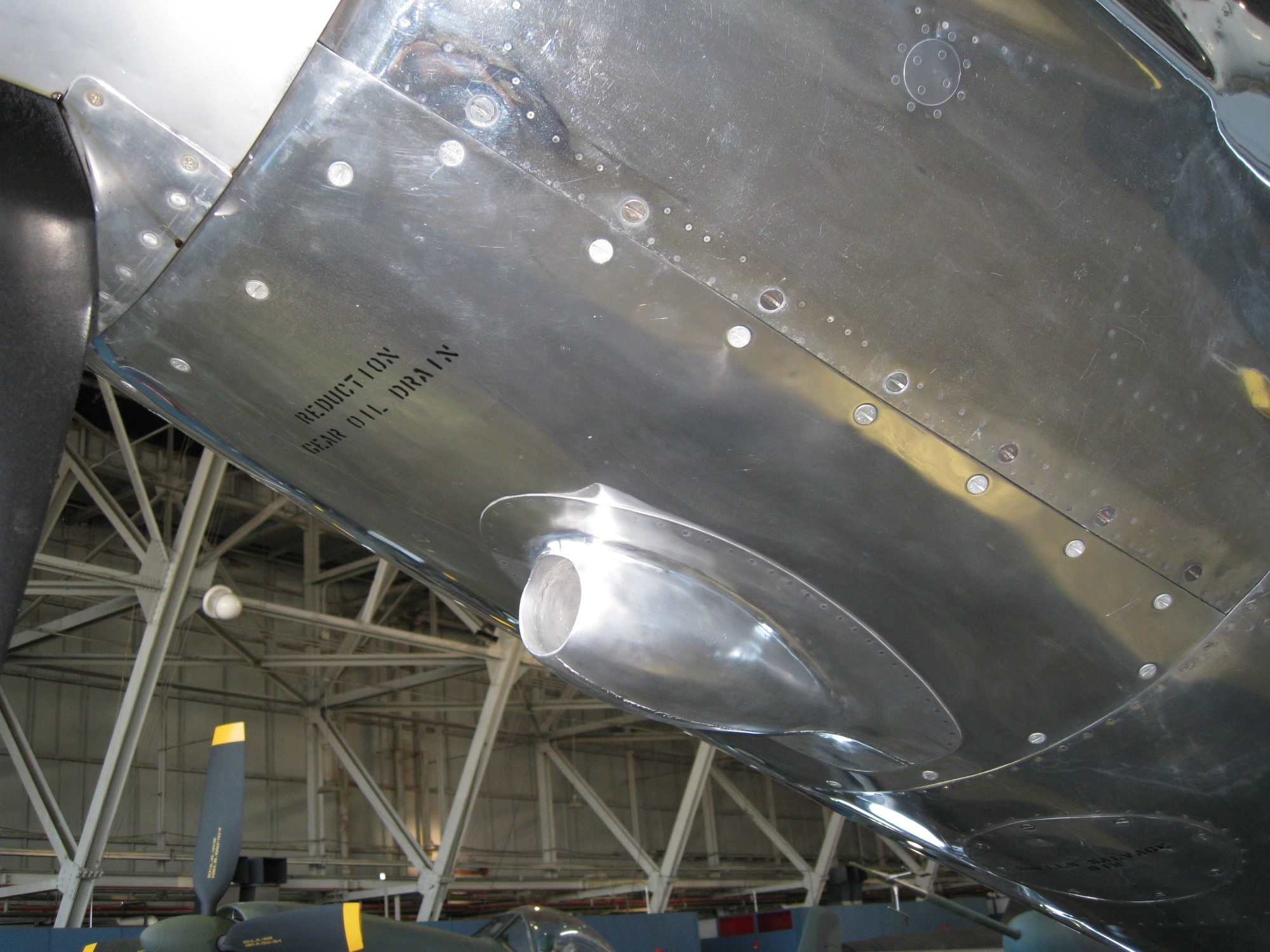
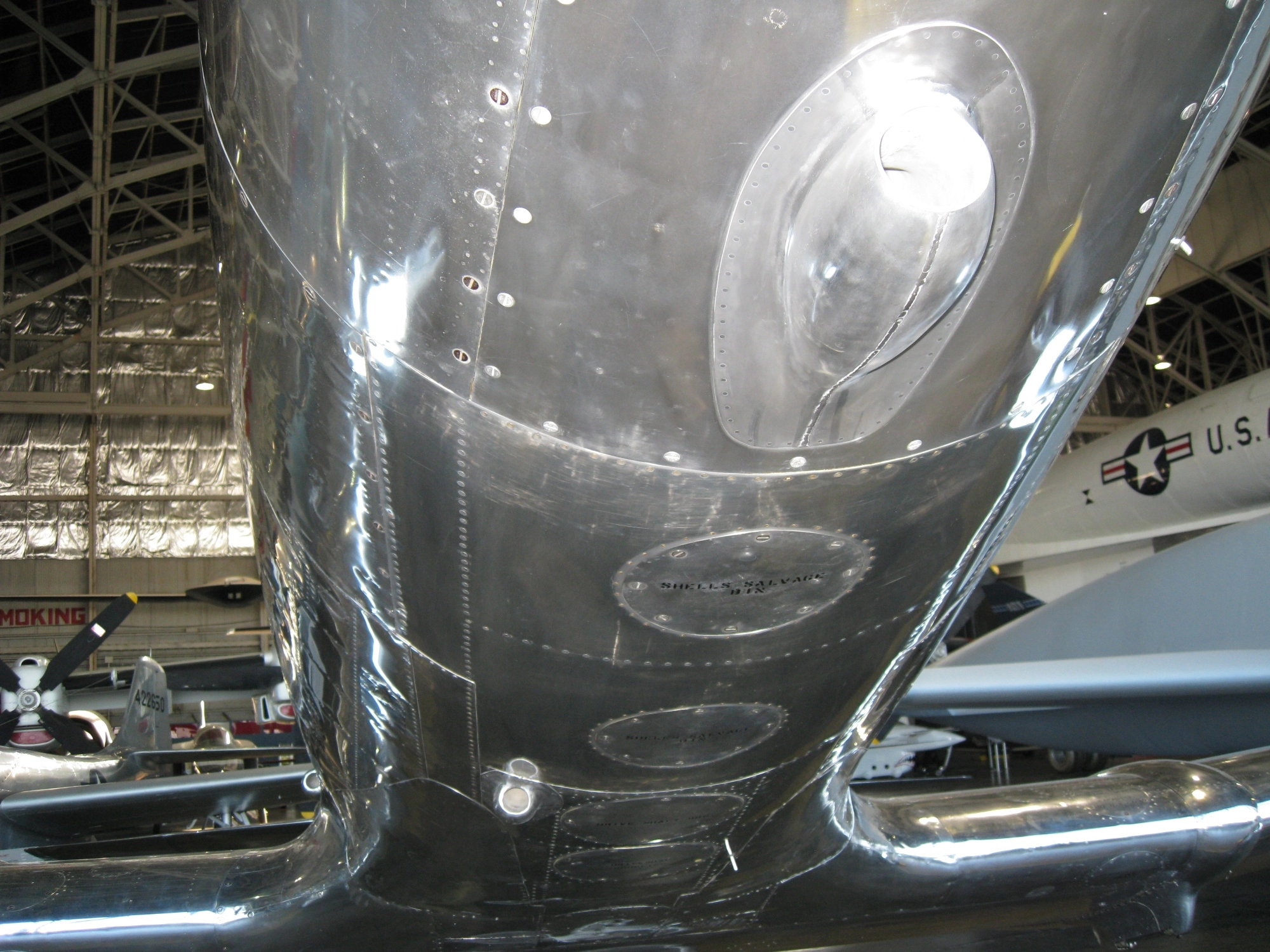
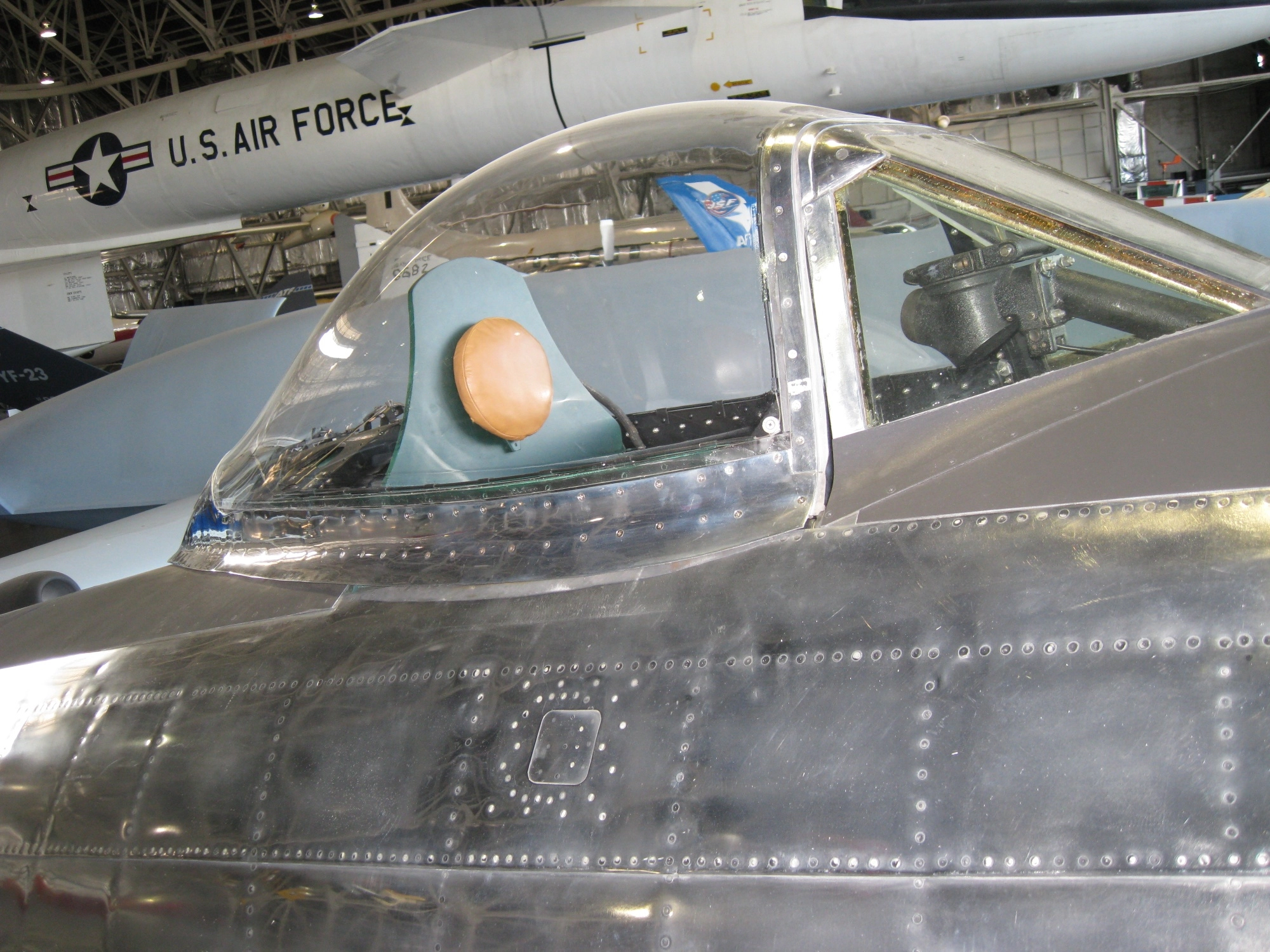
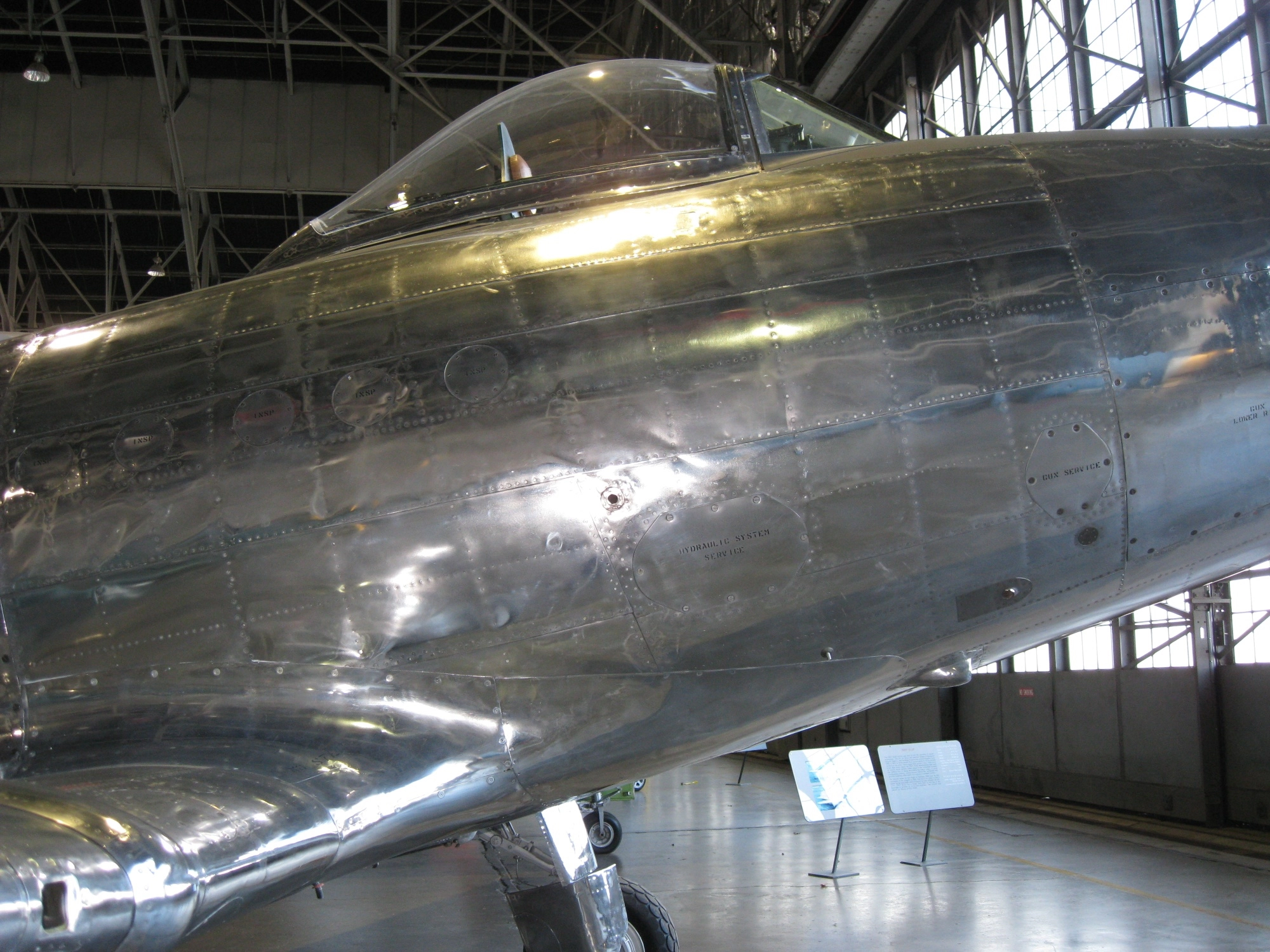
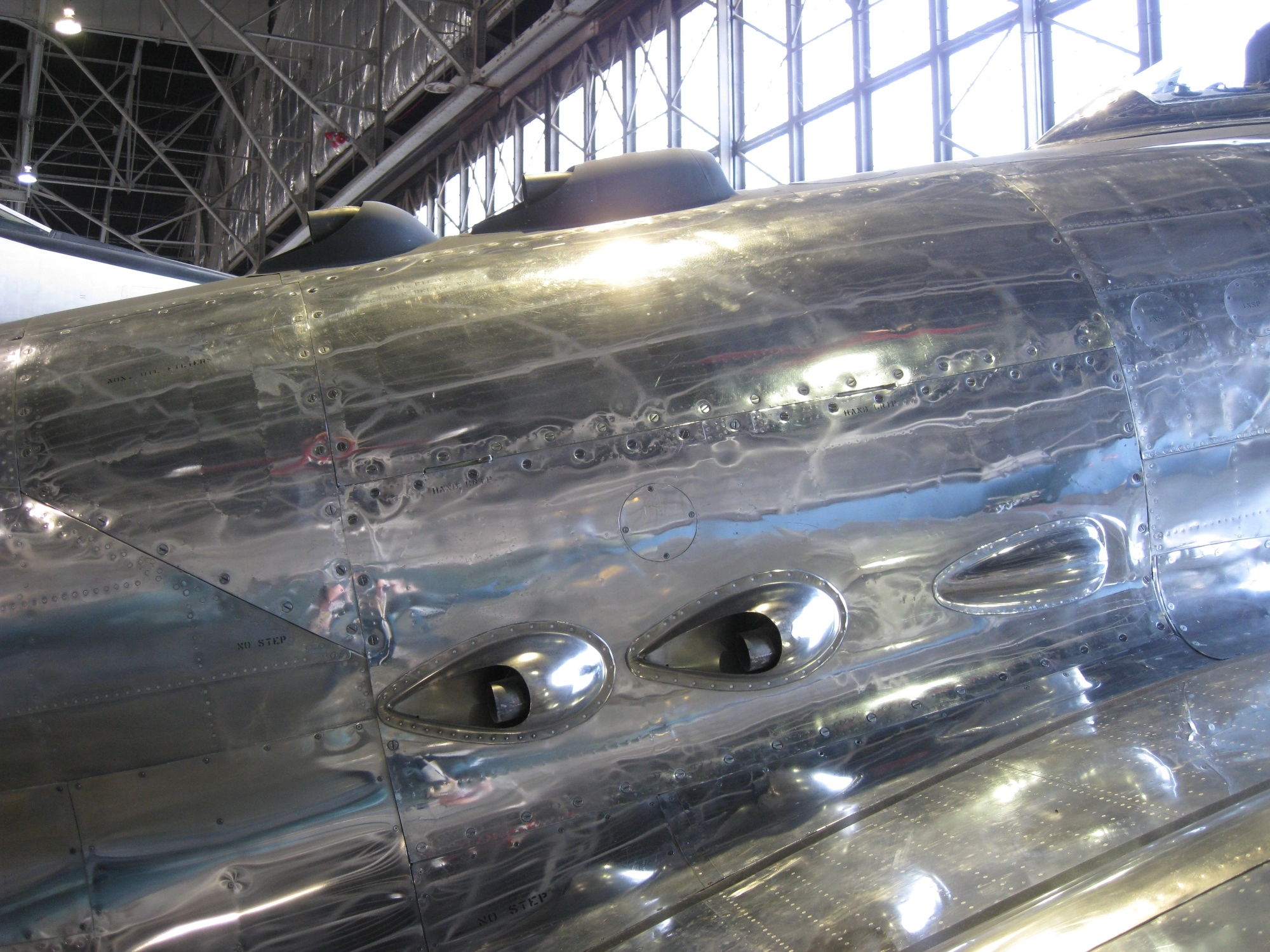
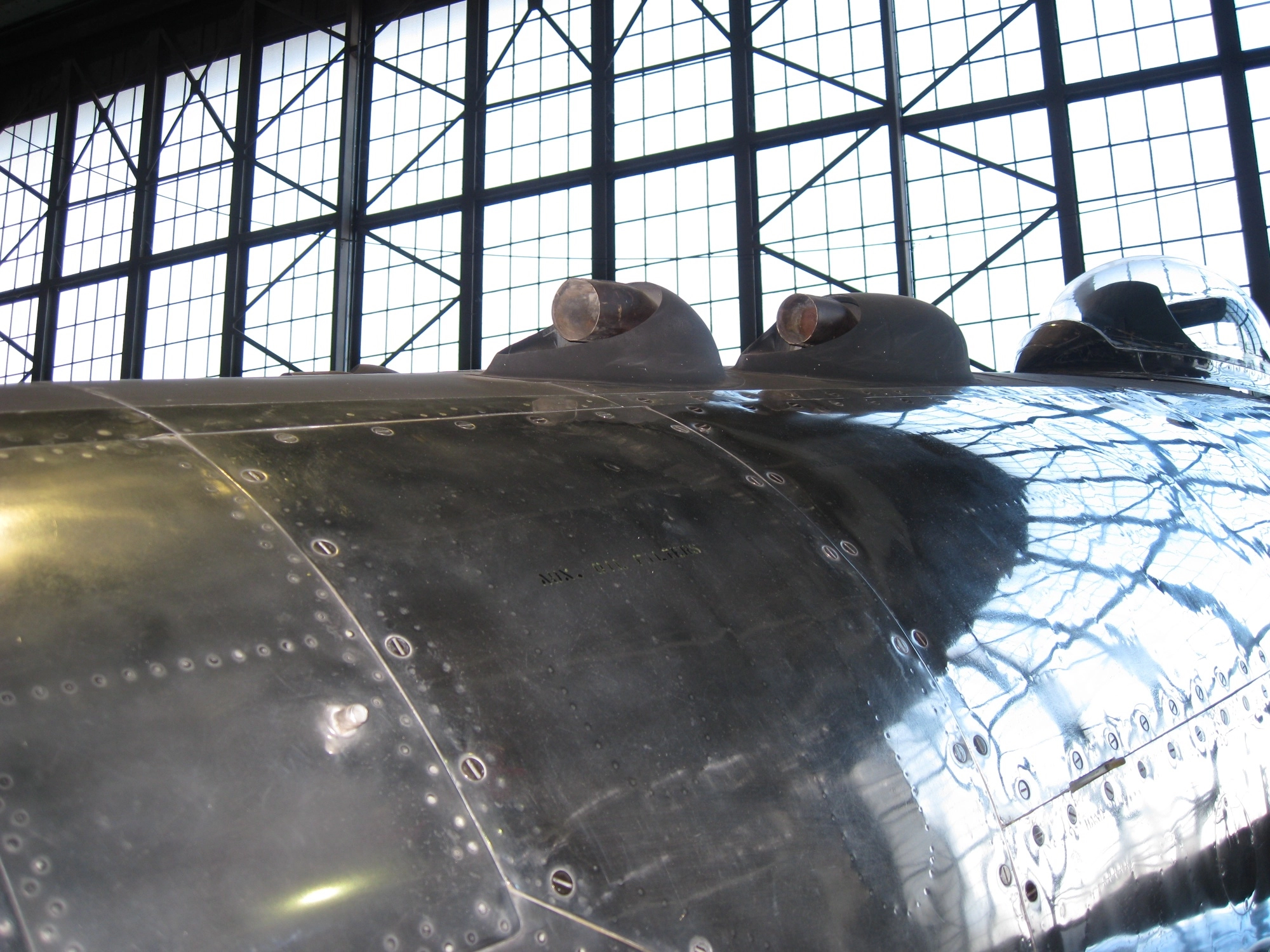
Photo Gallery of a Fisher P-75 Eagle, The General Motors/Fisher P-75 Eagle was a fighter aircraft designed by the Fisher Body Division of General Motors. Development started in September 1942 in response to United States Army Air Forces requirement for a fighter possessing an extremely high rate of climb, using the most powerful liquid-cooled engine then available, the Allison V-3420. The program was cancelled after only a small number of prototypes and production aircraft had been completed, as it was no longer required in its original role, could not be quickly deployed, and possessed no significant advantages over aircraft already in production.
Lähde: Wikipedia
| Fisher P-75 Eagle | |
|---|---|
| Valokuvaaja | Ei tietää |
| Lokalisointi | Ei tietää |
| Valokuvat | 55 |

 Osta minulle kahvia
Katso myös:


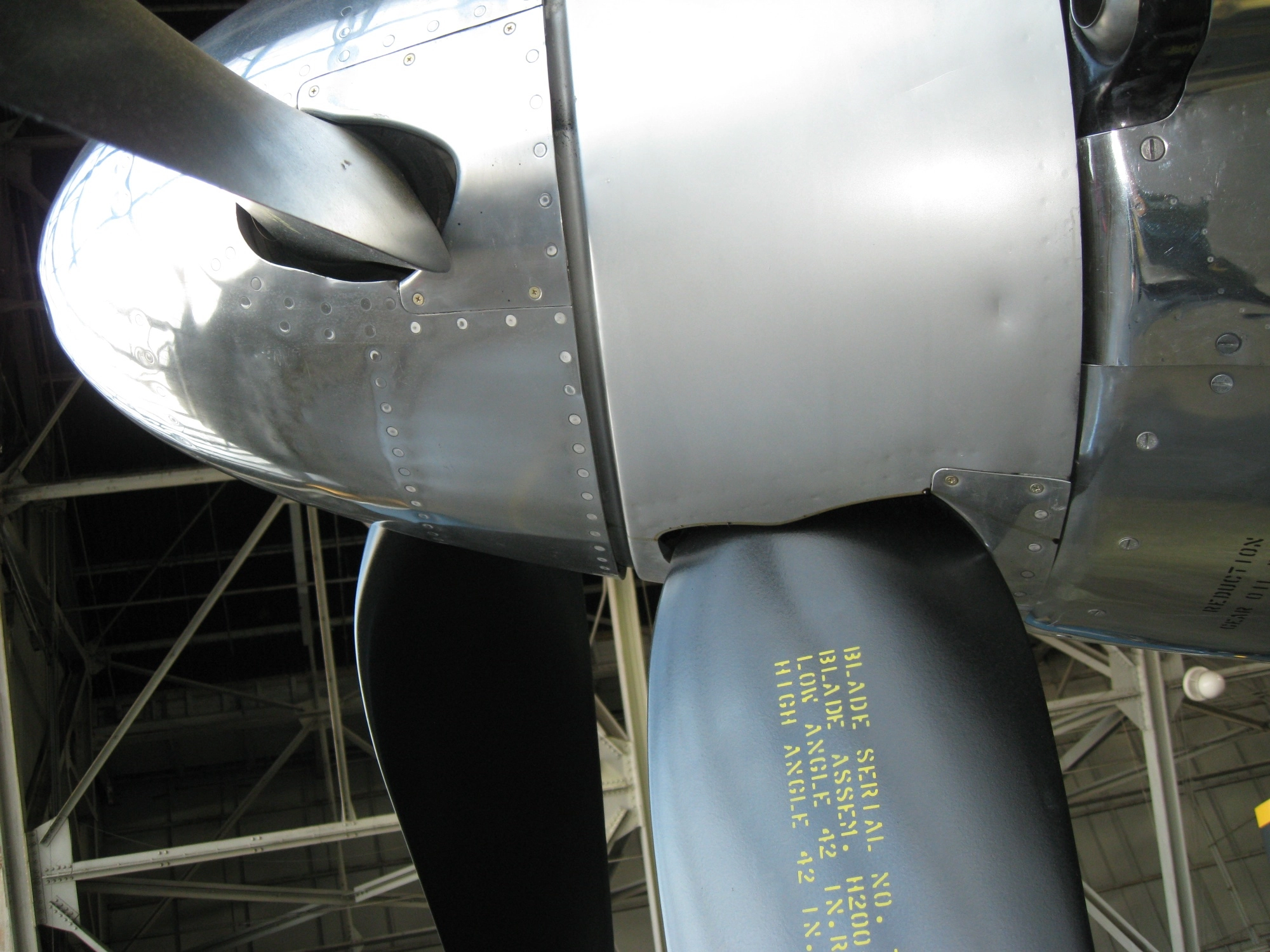
Nniiden Fisher P-75 Eagle was a fighter aircraft project that aimed to create a high-performance interceptor using existing components from other aircraft. The project was initiated by the Fisher Body Division of General Motors in 1942, in response to a request from the US Army Air Forces for a fighter that could climb rapidly and use the Allison V-3420 engine, a 24-cylinder liquid-cooled engine that was the most powerful at the time. The P-75 Eagle design used the outer wing panels from the P-40 Warhawk, the tail assembly from the A-24 (SBD), and the landing gear from the F4U Corsair. The engine was mounted in the middle of the fuselage, driving contra-rotating propellers through a long shaft. The P-75 Eagle was expected to be a “wonder plane” that could outperform any enemy fighter.
P-75 Eagle -projekti kohtasi kuitenkin monia ongelmia sen kehittämisen ja testauksen aikana. Massakeskipiste laskettiin väärin, mikä aiheutti vakausongelmia. Moottori ei tuottanut odotettua tehoaan ja sillä oli jäähdytysongelmia. Aileronin voimat olivat liian suuria suurella nopeudella, ja spin-ominaisuudet olivat huonot. P-75 Eaglella ei myöskään ollut merkittävää etua muihin jo tuotannossa oleviin hävittäjiin, kuten P-51 Mustangiin ja P-47 Thunderboltiin. Vuonna 1943 USAAF muutti vaatimuksiaan ja tarvitsi pitkän kantaman saattajahävittäjiä enemmän kuin nopeasti kiipeäviä sieppauksia. Kuusi XP-75-prototyyppiä muutettiin pitkän kantaman rooliin, mutta ne eivät silti täyttäneet odotuksia. Vuonna 1944, kun rakennettiin vain 14 lentokonetta, mukaan lukien kaksi prototyyppiä ja 12 tuotantomallia, P-75 Eagle -hanke peruutettiin. P-75 Eaglea pidettiin epäonnistumisena ja resurssien tuhlauksena, eikä kukaan heistä koskaan nähnyt taistelua.
Katsottu : 2813
Voit myös nähdä:
 Phönix D.I – Valokuvat & Videot
 Mitsubishi G4M - Valokuvat ja videot
 Nieuport 27 - Valokuvat ja videot
 Martin 4-0-4 - Valokuvat ja videot
 Bristol F.2 Fighter – Valokuvat & Videot
 Northrop JB-1 Lepakko – Valokuvat & Videot
 Convair F2Y Sea Dart – Valokuvat ja videot
 Miles Magister – Valokuvat & Videot
 KFIR C-1 – WalkAround
 MiG-29 – WalkAround