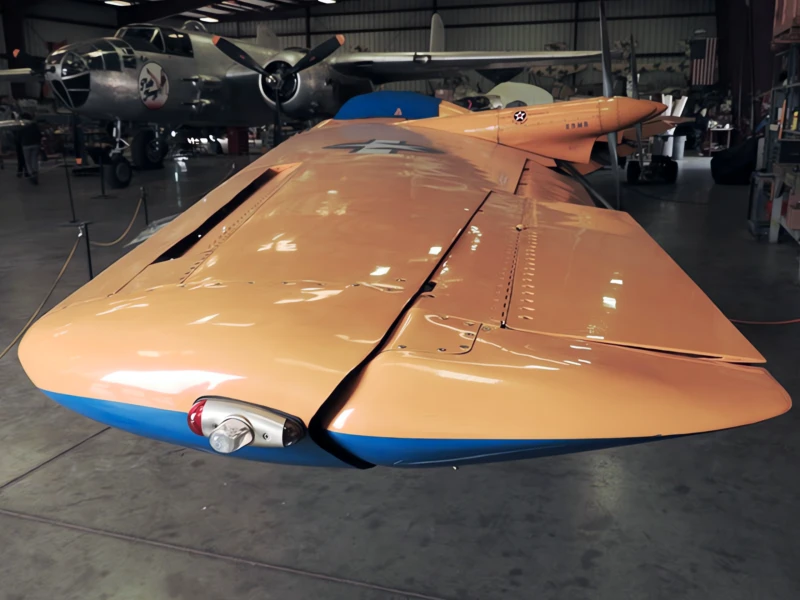
Northrop N-9MB | |
|---|---|
| 국가 | 미국 |
| 역할 | 비행 날개 프로토 타입 |
| 첫 비행 | 1942년 12월 27일 |
| 내장 | 4 |
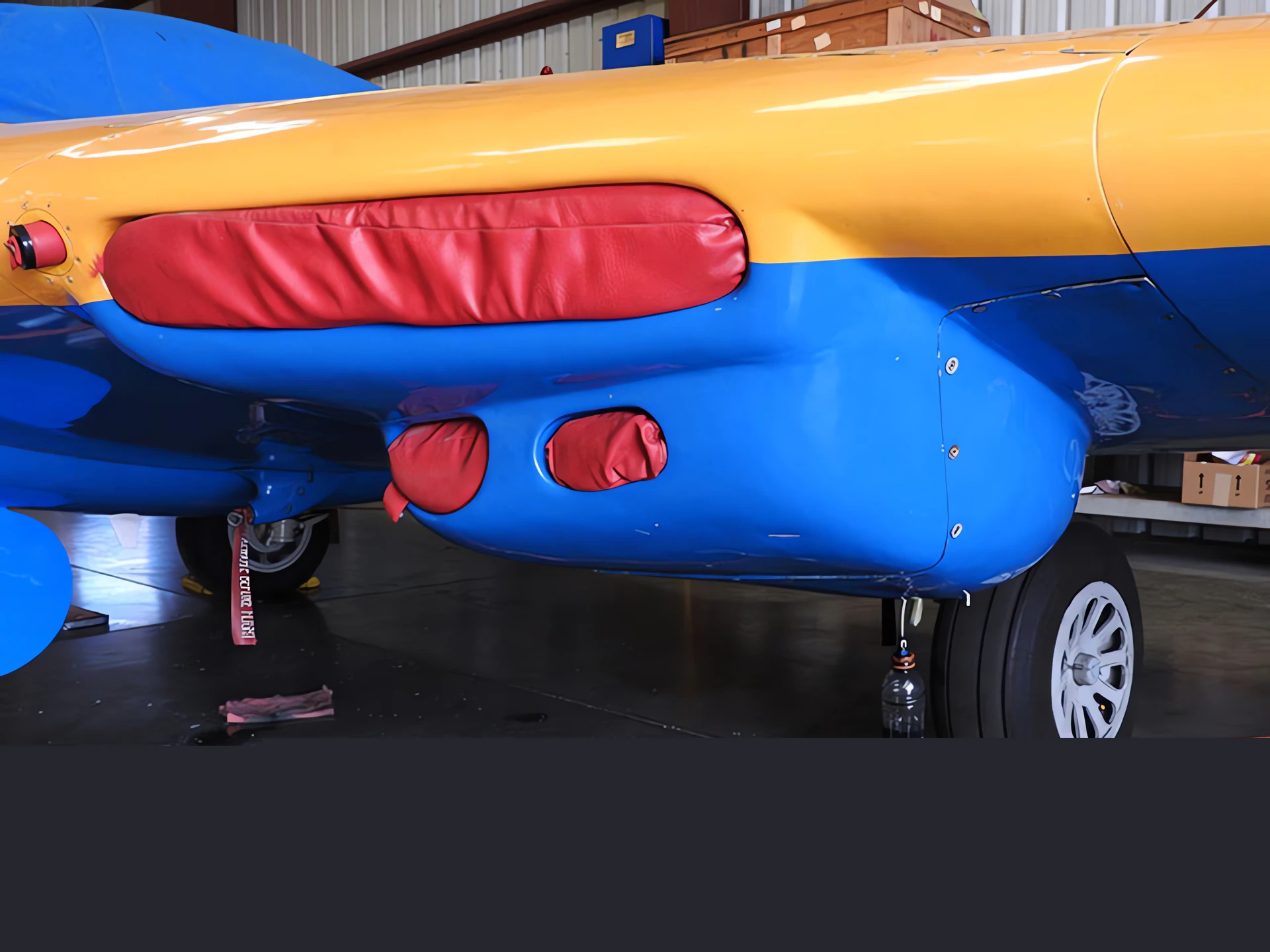
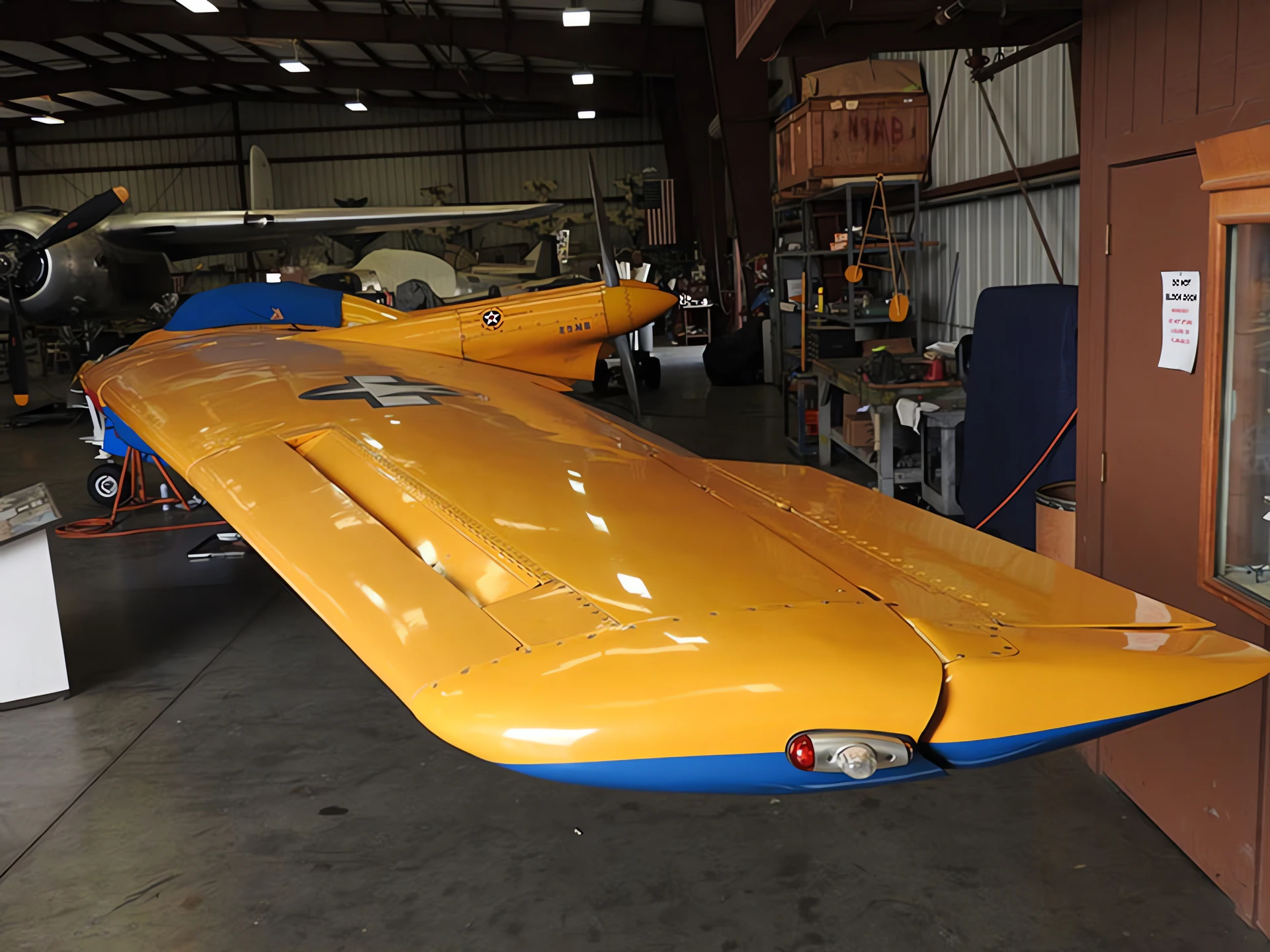
Tthe 노스 롭 N-9M 전체 크기, 172 피트 날개 길이 Northrop XB-35 및 YB-35 비행 날개 장거리 중폭격기의 개발에 사용 된 약 1/3 스케일, 60 피트 스팬 모든 날개 항공기였습니다. 1942 년에 처음 비행 한 N-9M (모델의 M)은 Jack Northrop이 단일 푸셔 프로펠러, 트윈 테일, 트윈 붐, 모든 스트레스 금속 스킨 Northrop Flying Wing X-216H 단엽기, 10 년 후 1939-1941 년의 듀얼 프롭 N-1M으로 초기 실험에 성공했을 때 시작된 모든 날개 Northrop 항공기 설계 계보의 세 번째였습니다. Northrop의 선구적인 전익 항공기는 수년 후 Northrop-Grumman이 결국 1989년 공군 인벤토리에 데뷔한 고급 B-2 Spirit 스텔스 폭격기를 개발하도록 이끌었습니다.
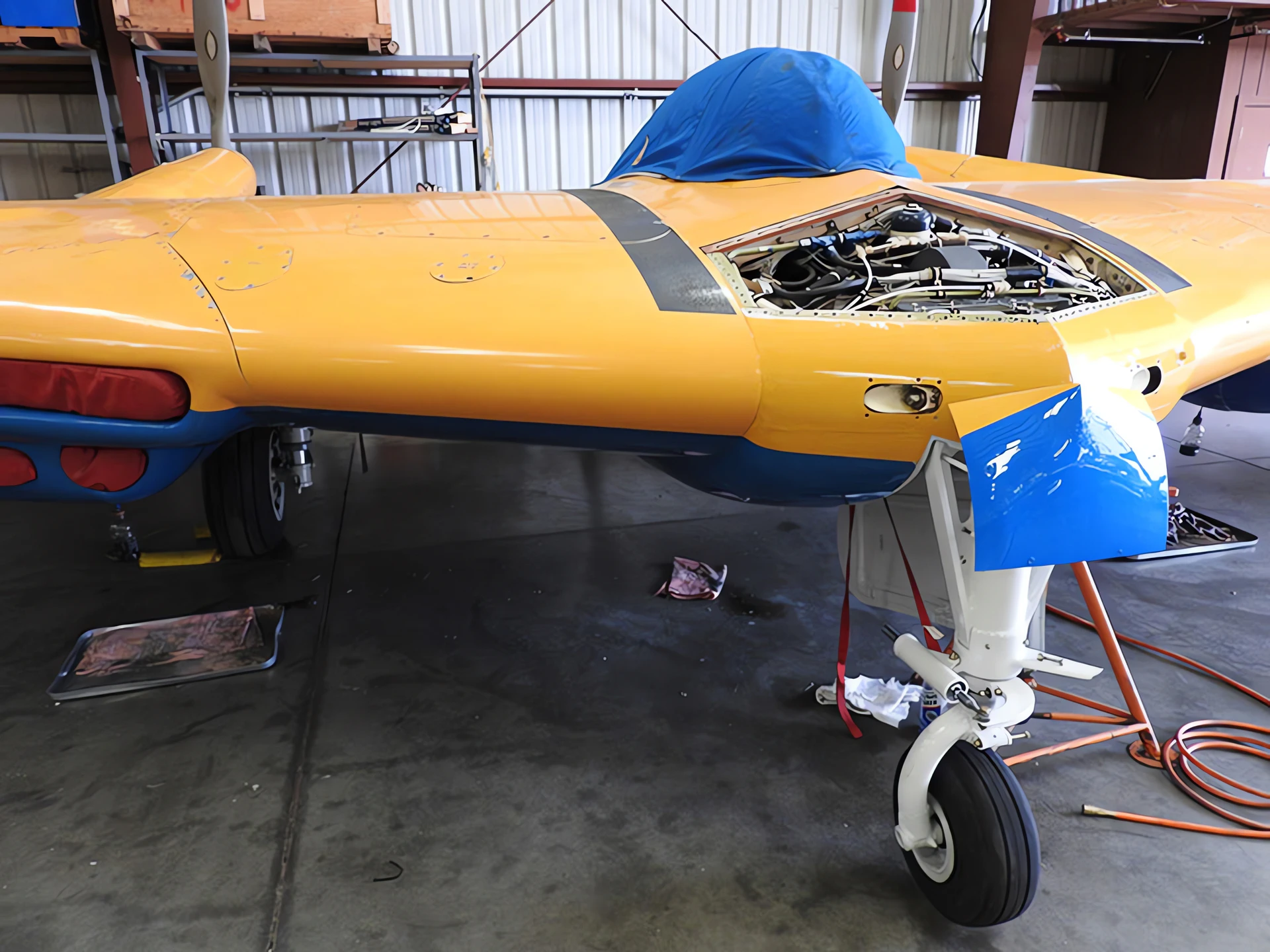
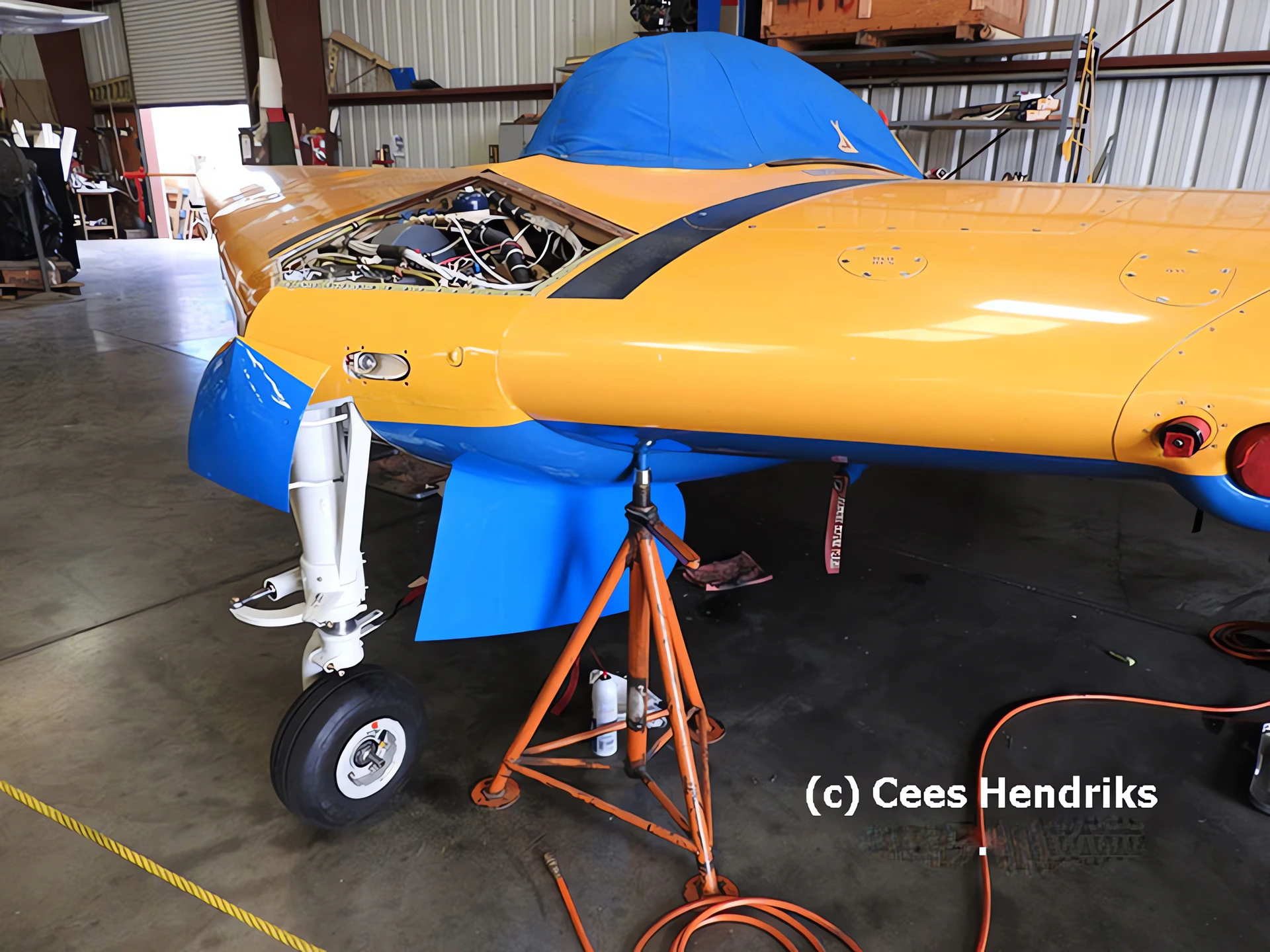
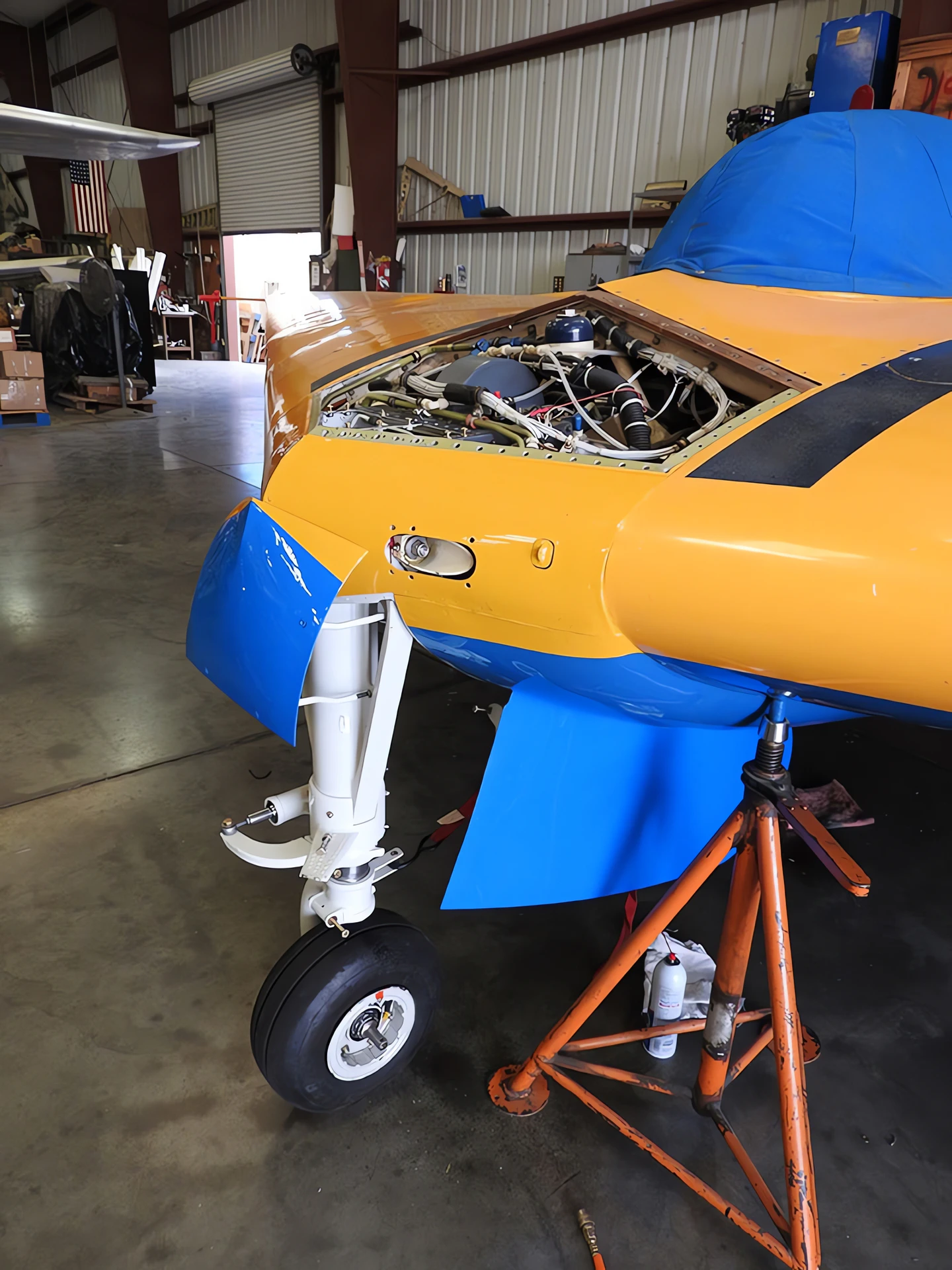
| Northrop N-9MB flying wing Walk Around | |
|---|---|
| 사진 작가 | 시스 헨드릭스 |
| 로컬라이제이션 | Unknow |
| 사진 | 19 |
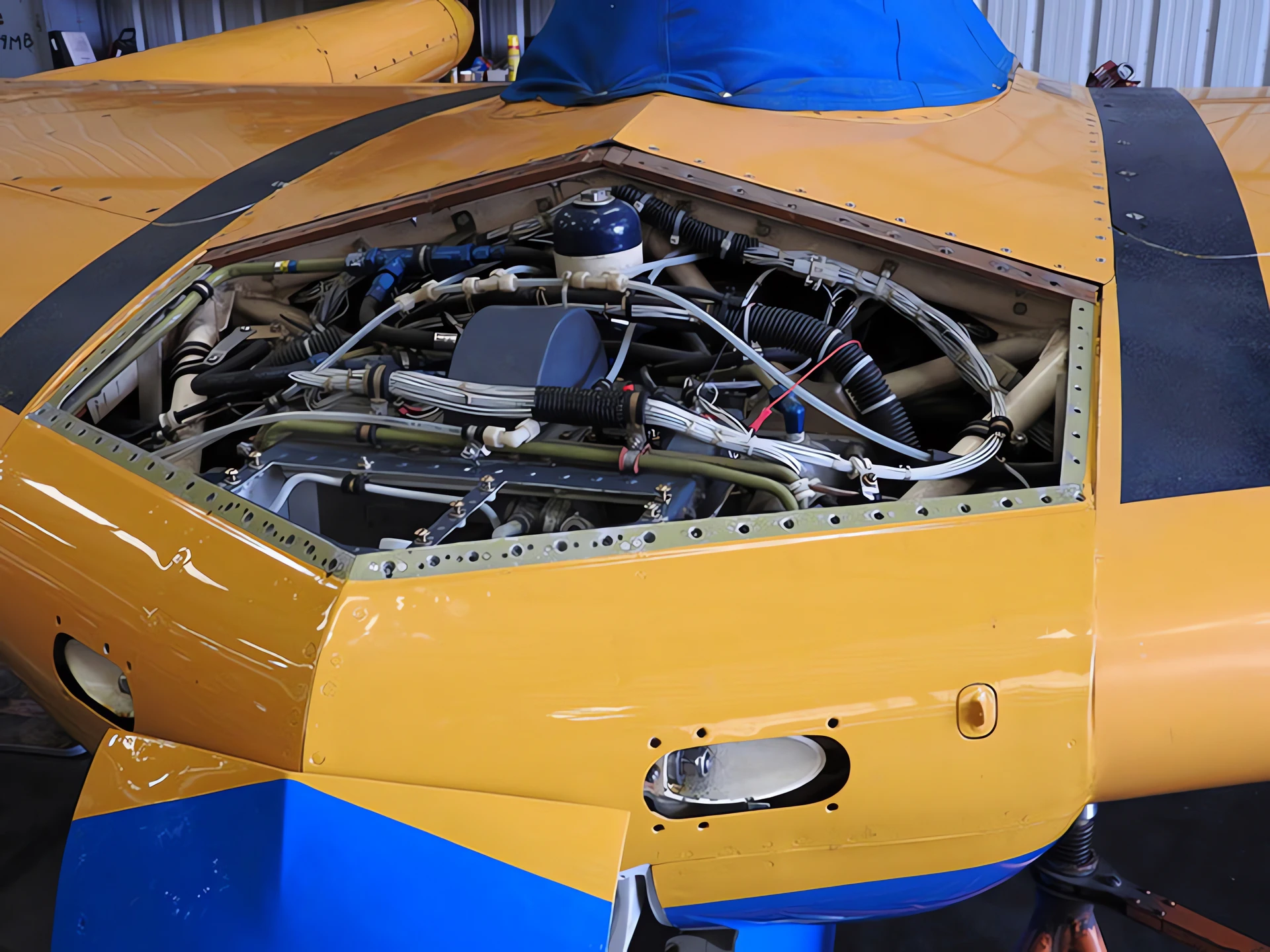
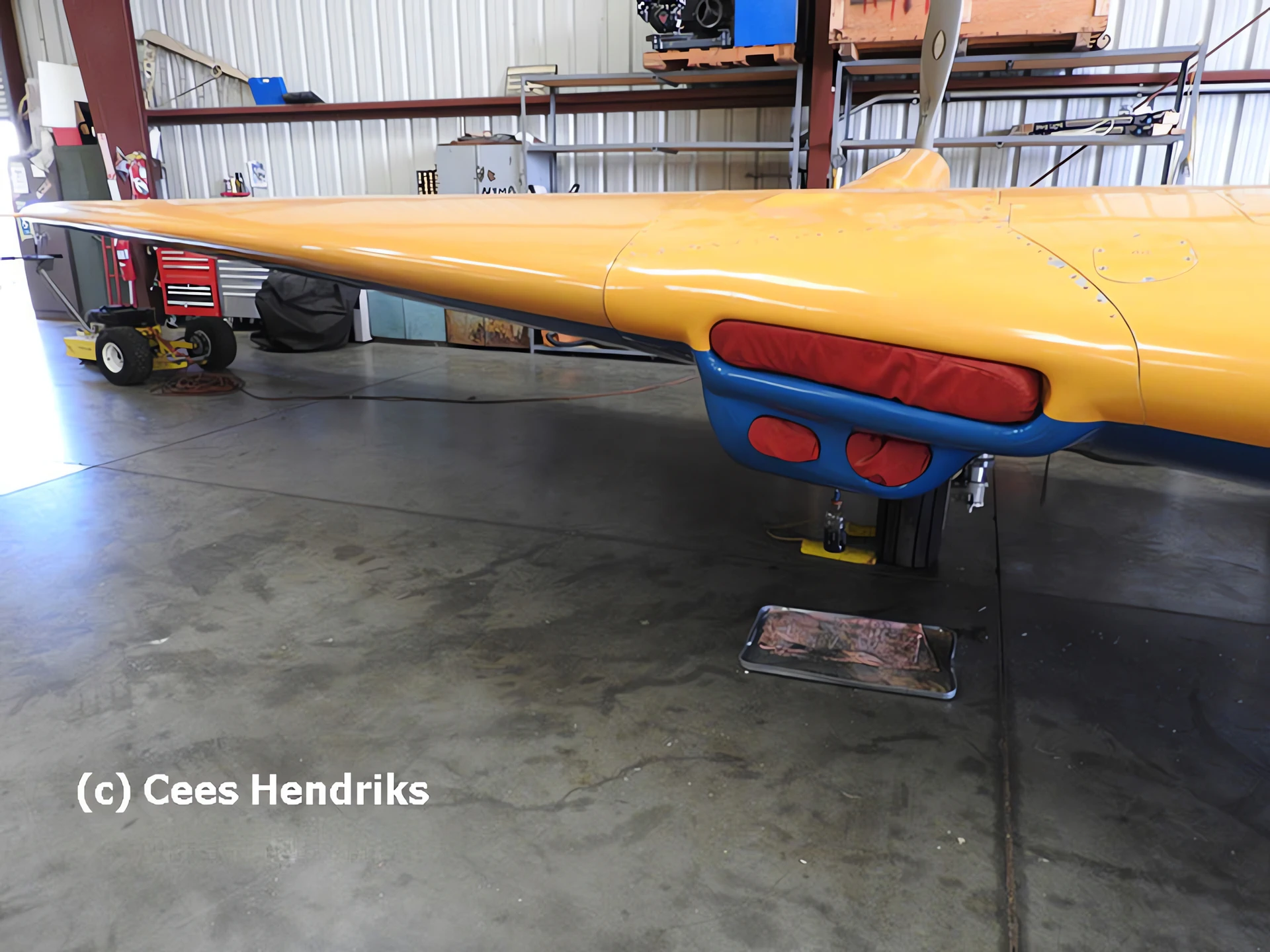
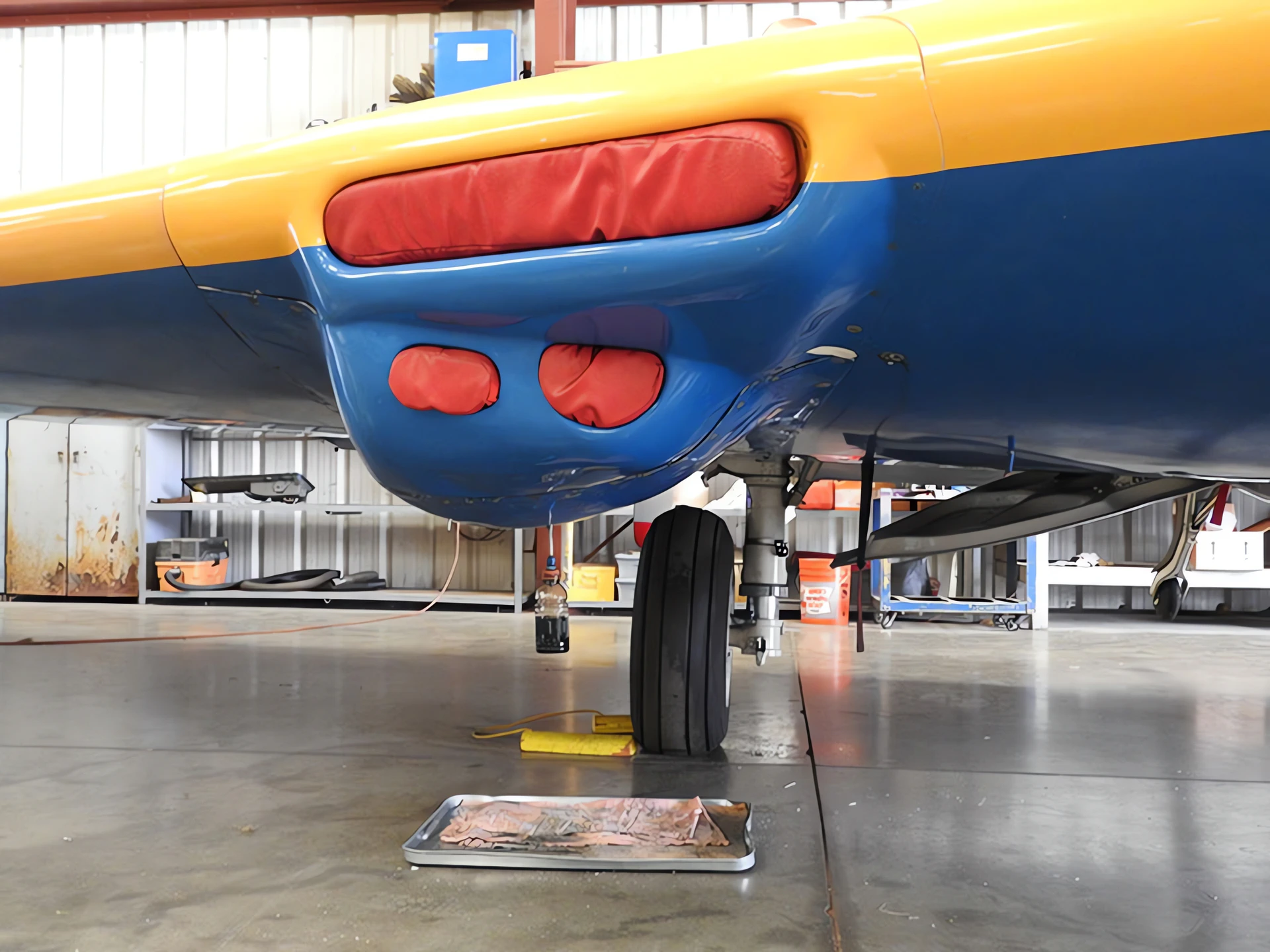
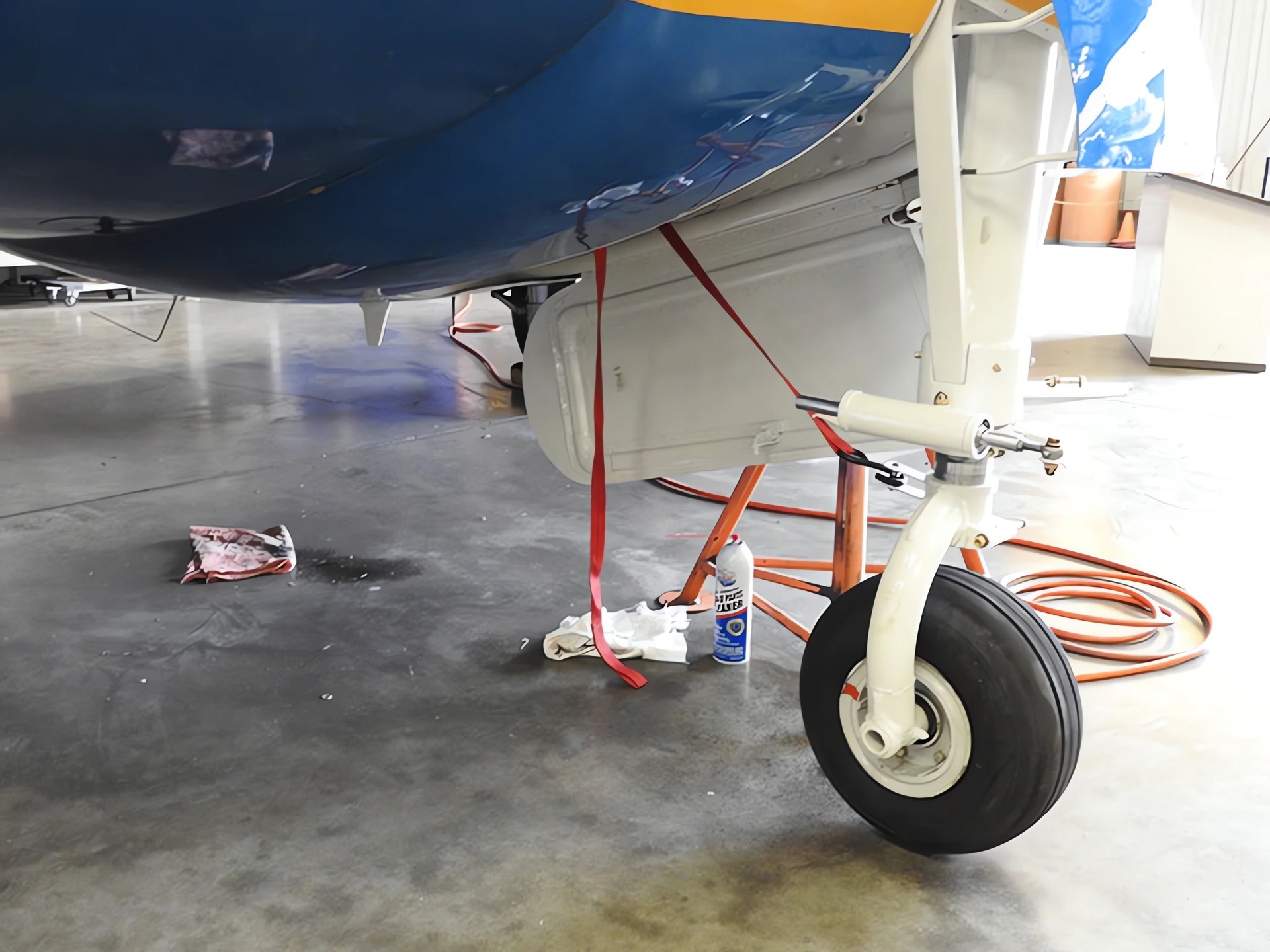

참고 항목:


| Northrop N9MB Flying Wing Walk Around | |
|---|---|
| 사진 작가 | 존 헥, 블라디미르 야쿠보프 |
| 로컬라이제이션 | Unknow |
| 사진 | 36 |
| Northrop N9MB Flying Wing Walk Around | |
|---|---|
| 사진 작가 | 블라디미르 야쿠보프 |
| 로컬라이제이션 | 퍼시픽 코스트 드림 머신 |
| 사진 | 47 |
A Scale Model for a Giant Ambition
Tthe 노스 롭 N-9M was a family of approximately 1/3-scale flying wing aircraft developed to provide flight test data for the massive XB-35 그리고 YB-49 bombers. The N-9MB was the fourth and final aircraft in the series, featuring more powerful engines and refined aerodynamics. By eliminating the fuselage and tail surfaces, Jack Northrop aimed to create an aircraft with the absolute minimum of parasitic drag, though the design presented extreme challenges in stability and control for the era.
| Attribute | Technical Specification (N-9MB) |
|---|---|
| 역할 | Experimental Proof-of-Concept Aircraft |
| 승무원 | 1 (Pilot) |
| First Flight (N-9M Series) | December 27, 1942 |
| 동력 장치 | 2 × Franklin 0-540-7 eight-cylinder engines |
| Horsepower | 300 hp (224 kW) per engine |
| 윙스 팬 | 60 feet (18.3 m) |
| 최대 속도 | 258 mph (415 km/h) |
| Construction | Wood (Wings) and Welded Steel Tubing (Center section) |
Engineering the Pure Wing
- The “Elevon” Control System: Without a tail, the N-9MB used elevons—surfaces that combined the functions of elevators (pitch) and ailerons (roll). These were located on the trailing edge of the wing.
- Split Flap Rudders: For yaw control (steering left/right), the aircraft utilized “clamshell” or split flaps at the wingtips. Opening one side created drag that pulled the wing in that direction, acting as a rudder without the need for a vertical fin.
- Pusher Configuration: To keep the airflow over the wing as “clean” as possible, the engines were mounted internally with the propellers at the rear, pushing the aircraft forward.
- Leading-Edge Slots: To combat the inherent stability issues of a flying wing at low speeds, the N-9MB featured fixed slots on the leading edges of the wingtips to prevent tip-stalling.
The Legacy of a Visionary
- Data for the Bombers: The N-9M program successfully proved that a large flying wing could be flown, though it revealed that the design was highly sensitive to the center of gravity and prone to “tumbling” if pushed beyond its limits.
- The Yellow Paint: The N-9MB was famously painted in a high-visibility yellow and blue scheme, making it easier for ground observers to track its orientation during complex test maneuvers.
- The B-2 Spirit Connection: Decades later, when the B-2 Stealth Bomber was designed, engineers used the flight data and concepts pioneered by the N-9M. When Jack Northrop was shown a model of the B-2 shortly before his death, he reportedly wrote on a pad: “Now I know why God kept me alive for 25 years.”
- The Final Loss: For many years, the N-9MB was the only flying example of a Northrop flying wing in the world, maintained by the Planes of Fame Air Museum. Tragically, it was lost in a crash in 2019, leaving no airworthy examples of this historic series remaining.
Views : 1516
당신은 또한 볼 수 있습니다 :
 Northrop Gamma – 사진 및 비디오
 Northrop JB-1 Bat – 사진 및 비디오
 Northrop X-4 Bantam – 사진 및 비디오
 노스 롭 그루먼 X-47B - 사진 및 비디오
 Northrop Tacit Blue – 사진 및 비디오
 Northrop YF-17 코브라 – 사진 및 비디오
 Northrop F-20 Tigershark - 사진 및 비디오
 Northrop P-61 Black Widow - 사진 및 비디오
 Northrop T-38 Talon – 사진 및 비디오
 Northrop A-17A – 사진 및 비디오