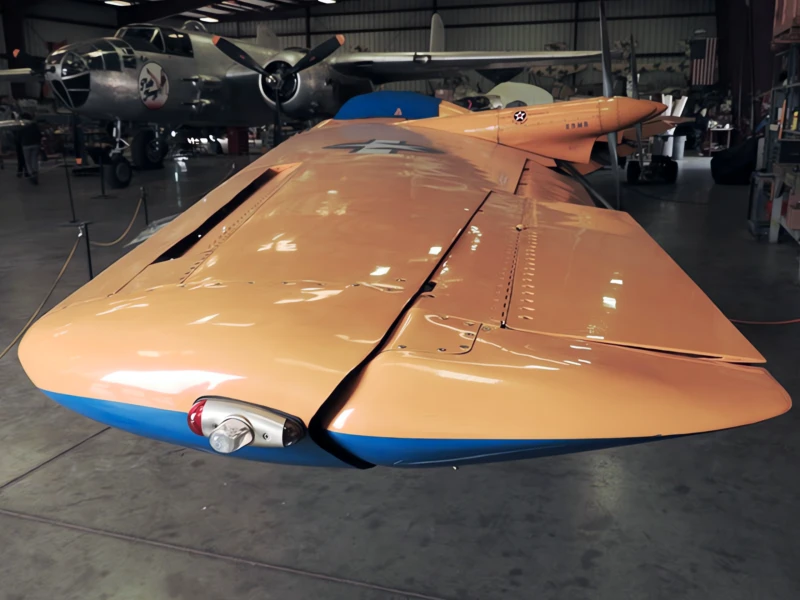
Northrop N-9MB | |
|---|---|
| Riik | USA |
| Rolli | Lendav tiib Prototüüp |
| Esimene lend | 27. detsember 1942 |
| Ehitatud | 4 |
2007 Northrop N-9M oli umbes ühe kolmandiku skaalal, 60 jalga ulatuv kõigi tiibadega lennuk, mida kasutati täissuuruses, 172 jalga tiibade siruulatusega Northrop XB-35 ja YB-35 lendava tiiva pikamaa-raske pommitaja arendamiseks. Esmakordselt 1942. aastal lennanud N-9M (M for Model) oli kolmas kõigi tiibadega Northropi lennukidisainide reas, mis algas 1929. aastal, kui Jack Northropil õnnestus varajastes katsetes oma ühe tõukuri propelleriga, kahe sabaga, kaksikbuumiga, kogu rõhutatud metallnahaga Northrop Flying Wing X-216H monoplaaniga ja kümmekond aastat hiljem kahe propiga N-1M aastatel 1939–1941. Northropi teedrajav all-wing lennuk viis Northrop-Grummani palju aastaid hiljem, et lõpuks välja töötada täiustatud B-2 Spirit stealth pommitaja, mis debüteeris õhujõudude inventaris 1989. aastal.
Allikas: Northrop N-9MB Vikipeedias
| Northrop N-9MB flying wing Walk Around | |
|---|---|
| Fotograaf | Cees Hendriks |
| Lokaliseerimine | Teadmata |
| Fotod | 19 |
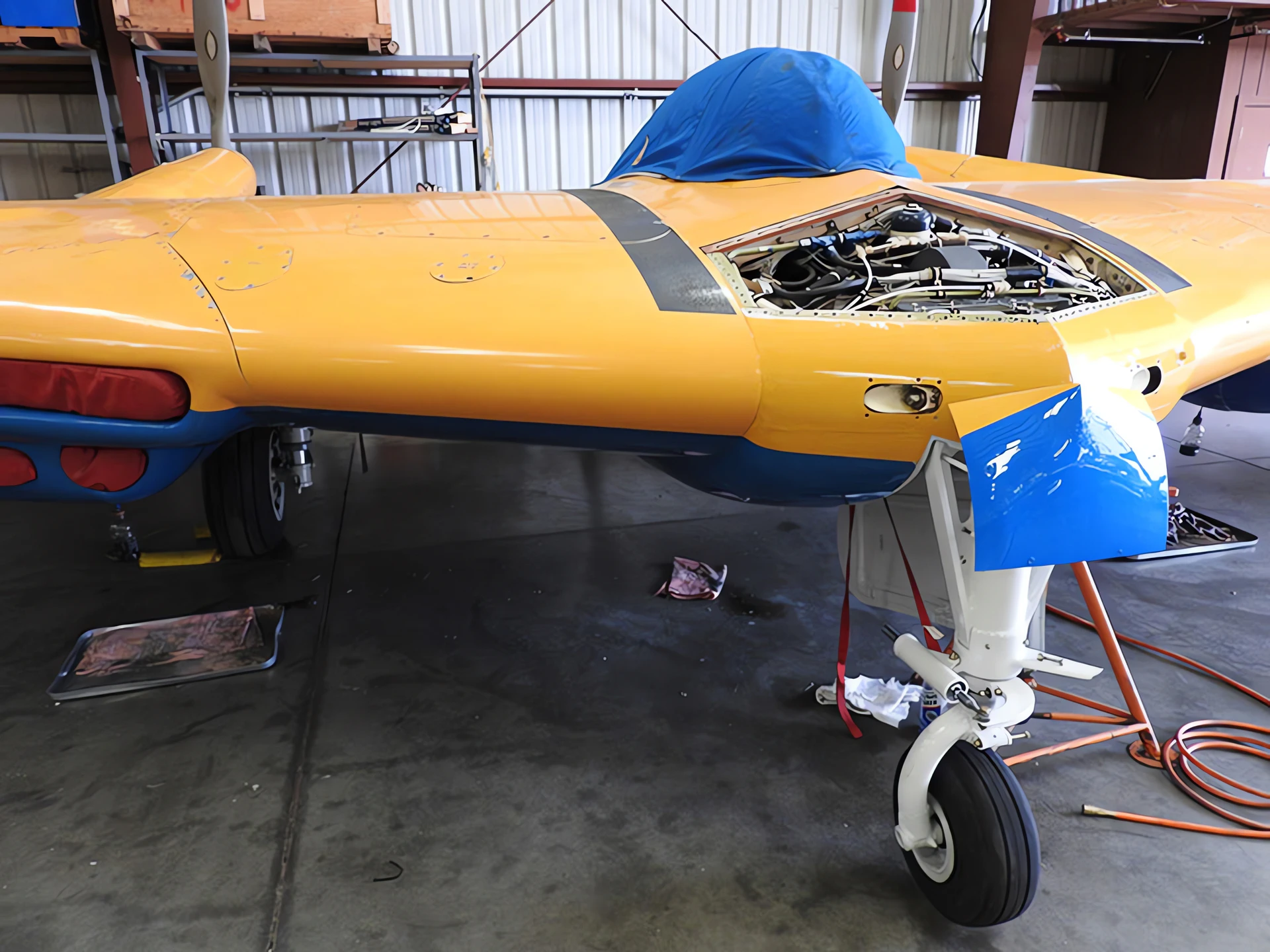
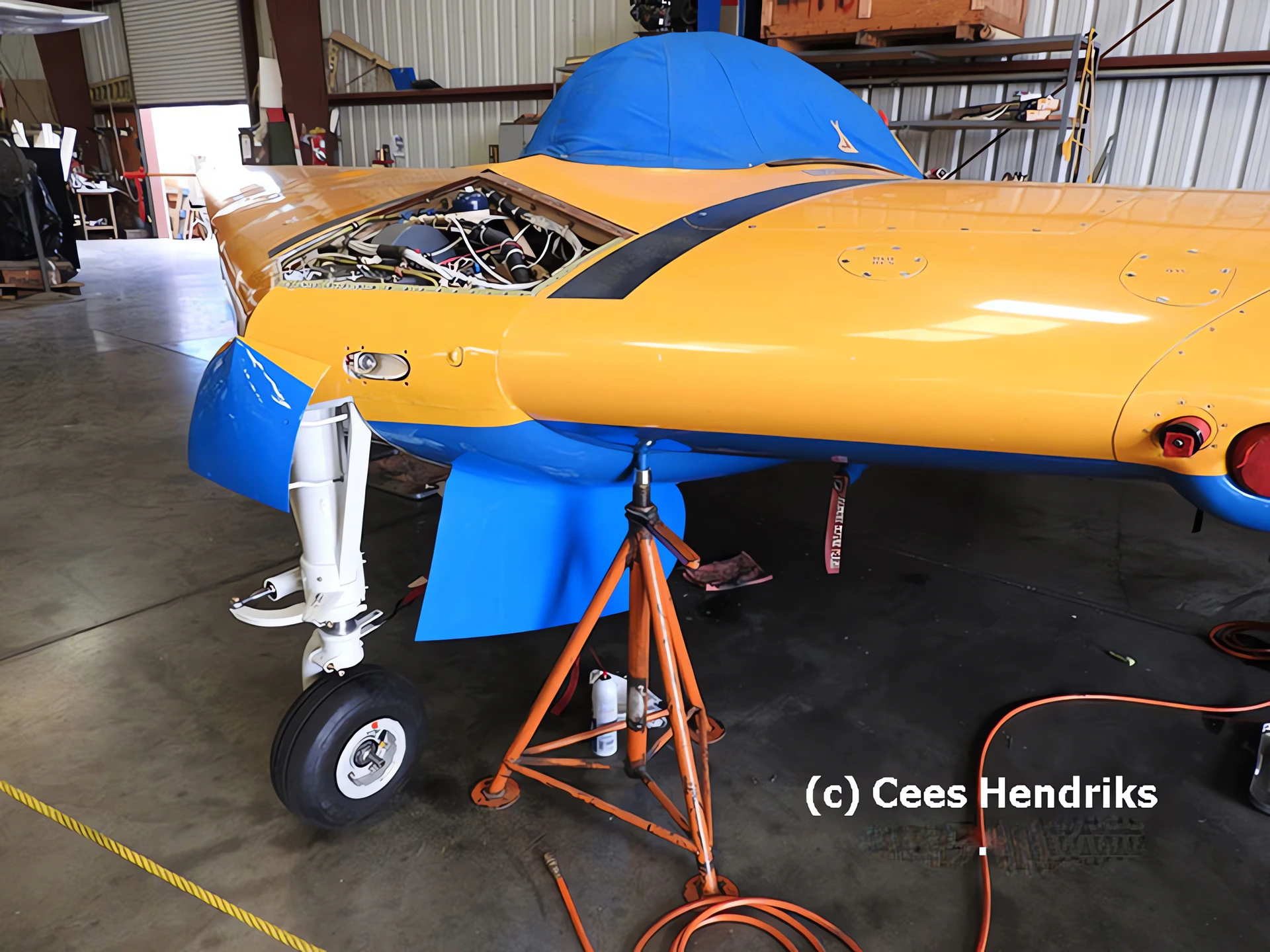
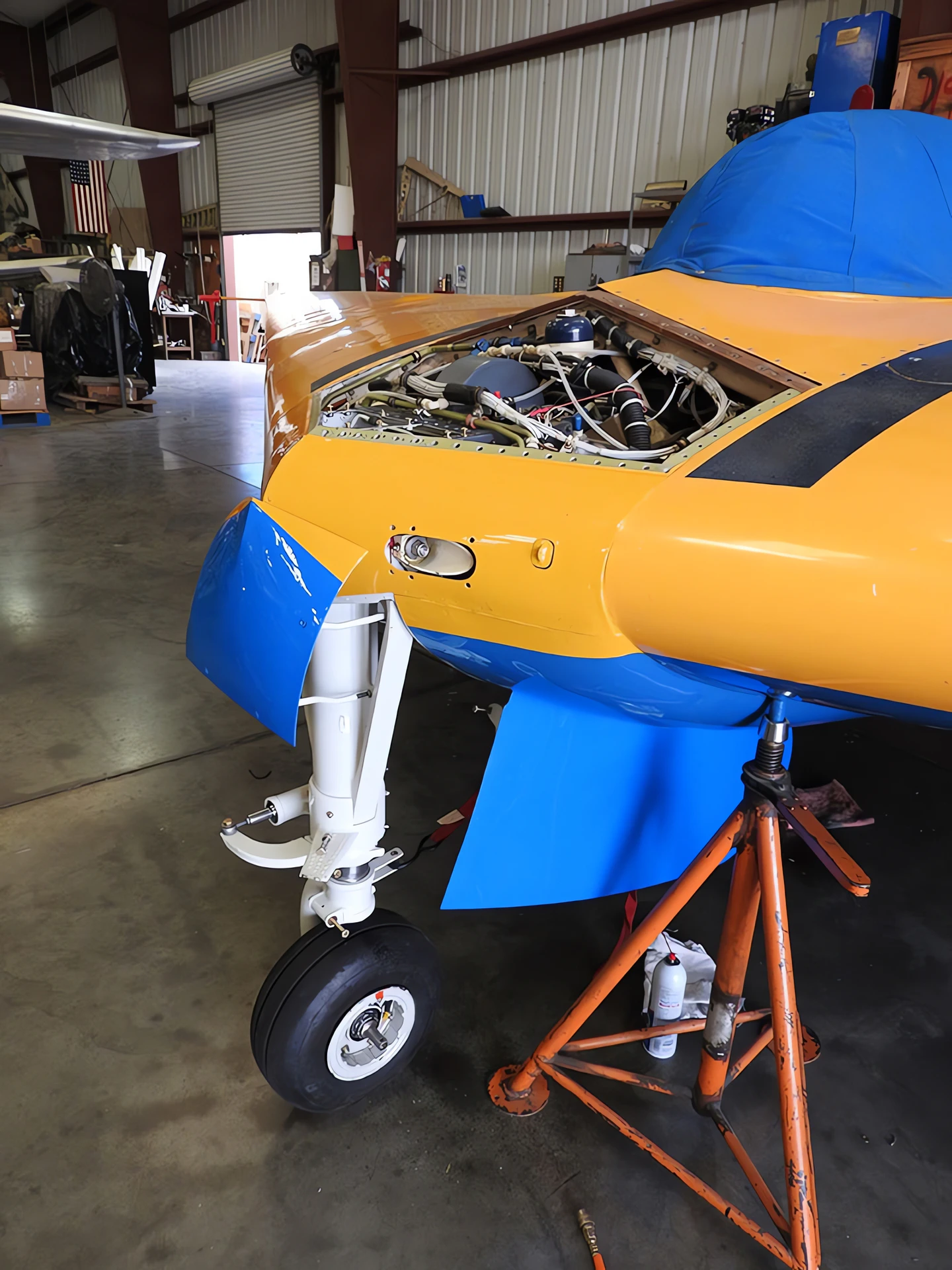
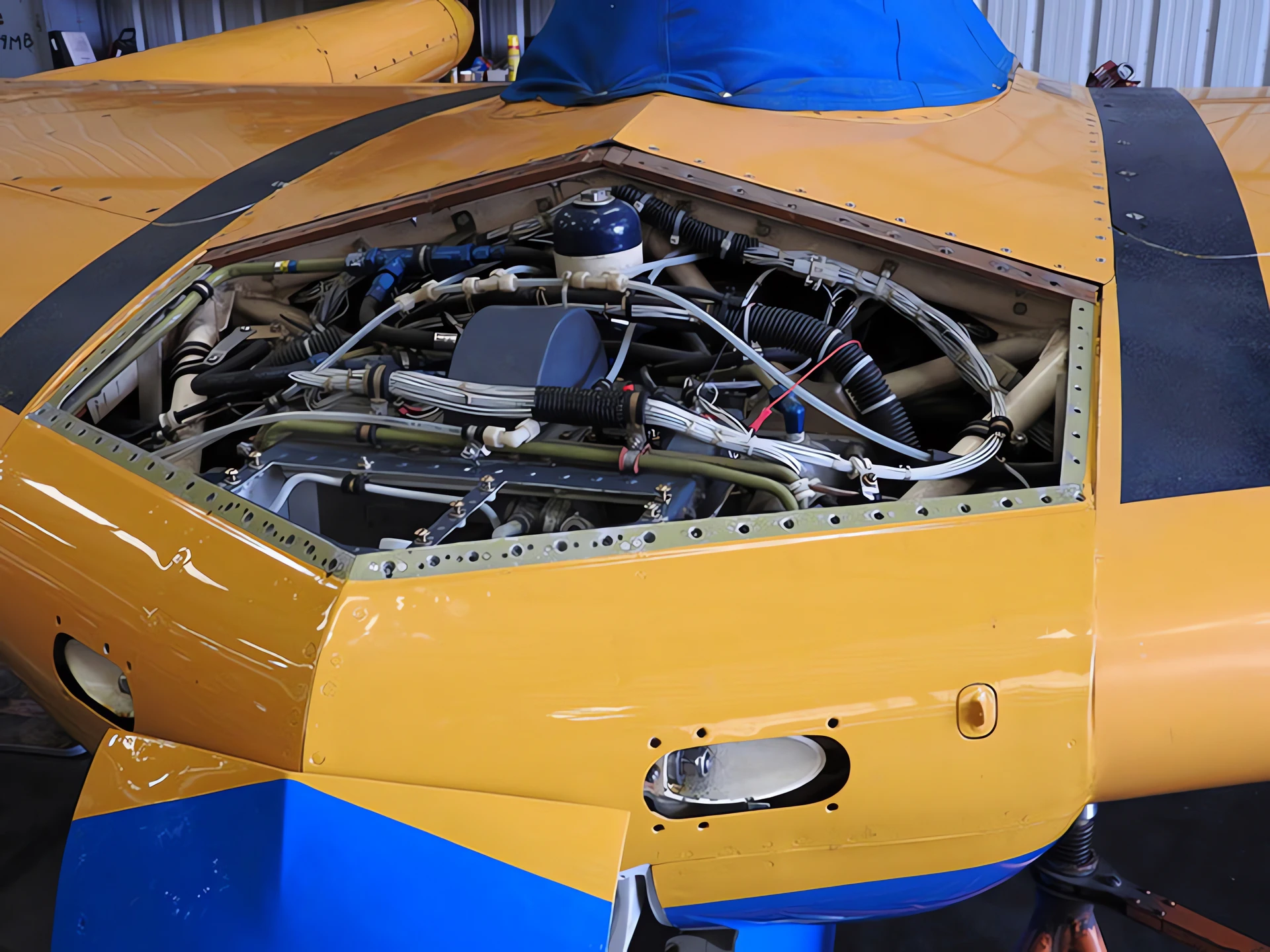
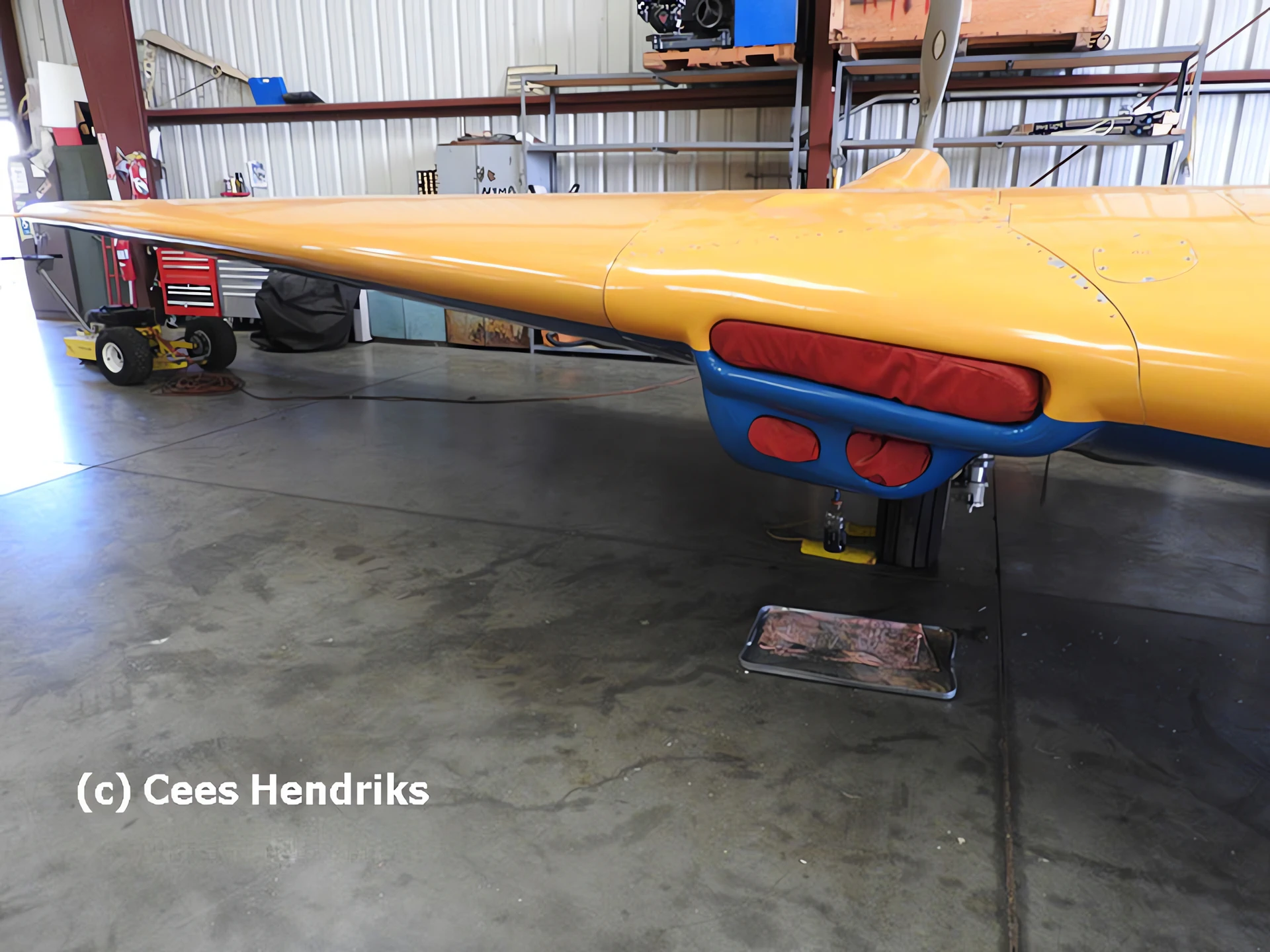
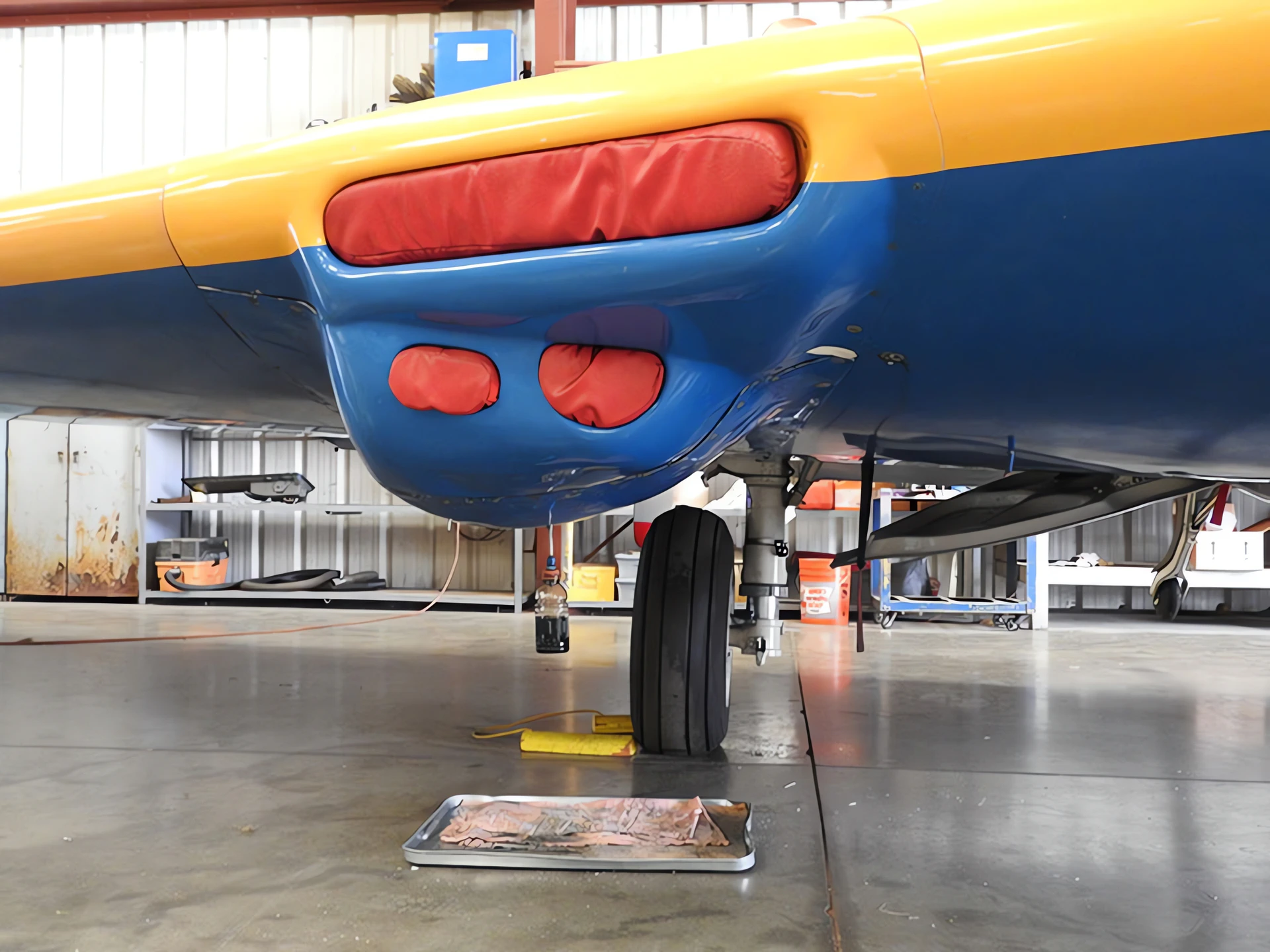
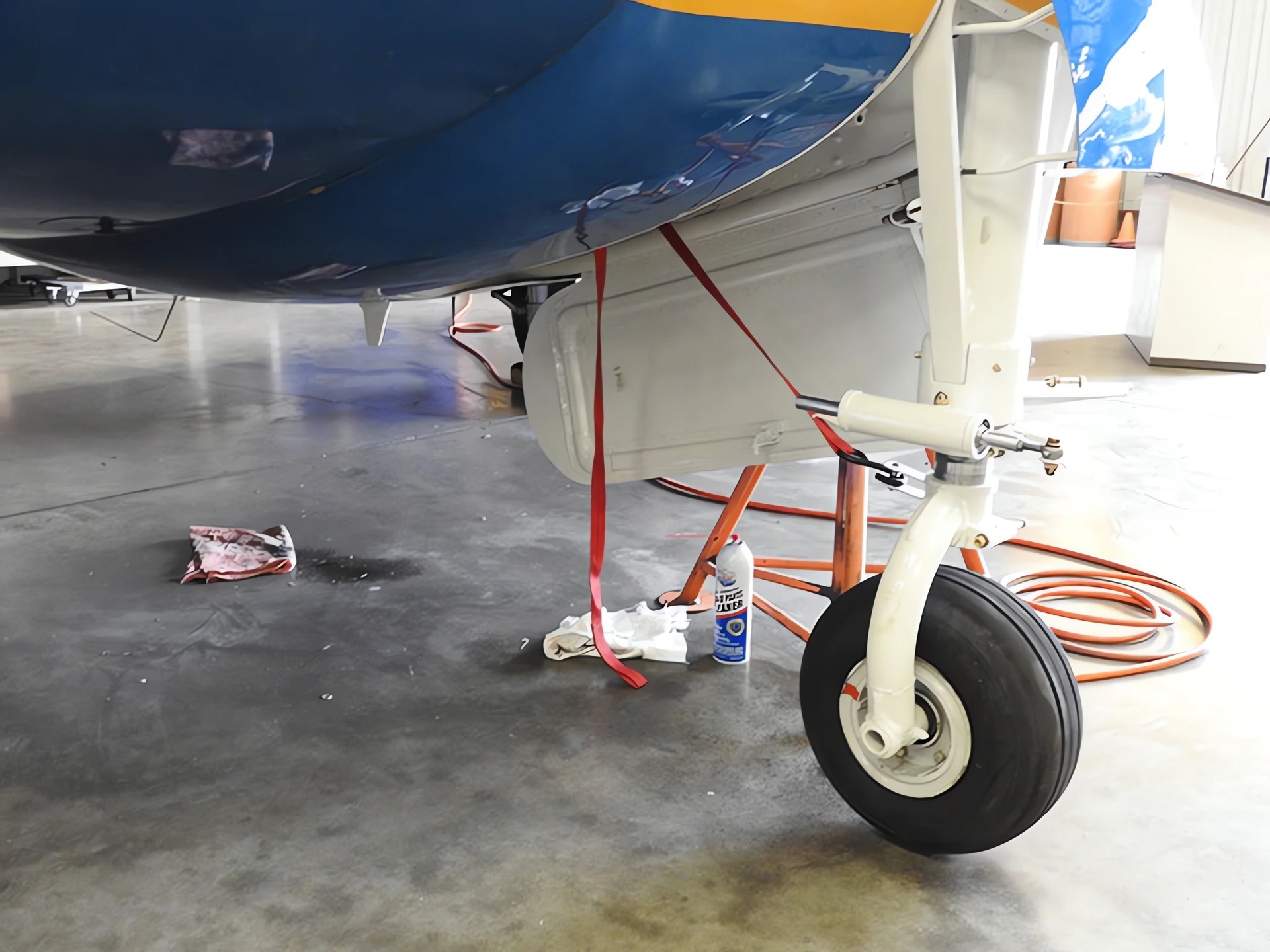
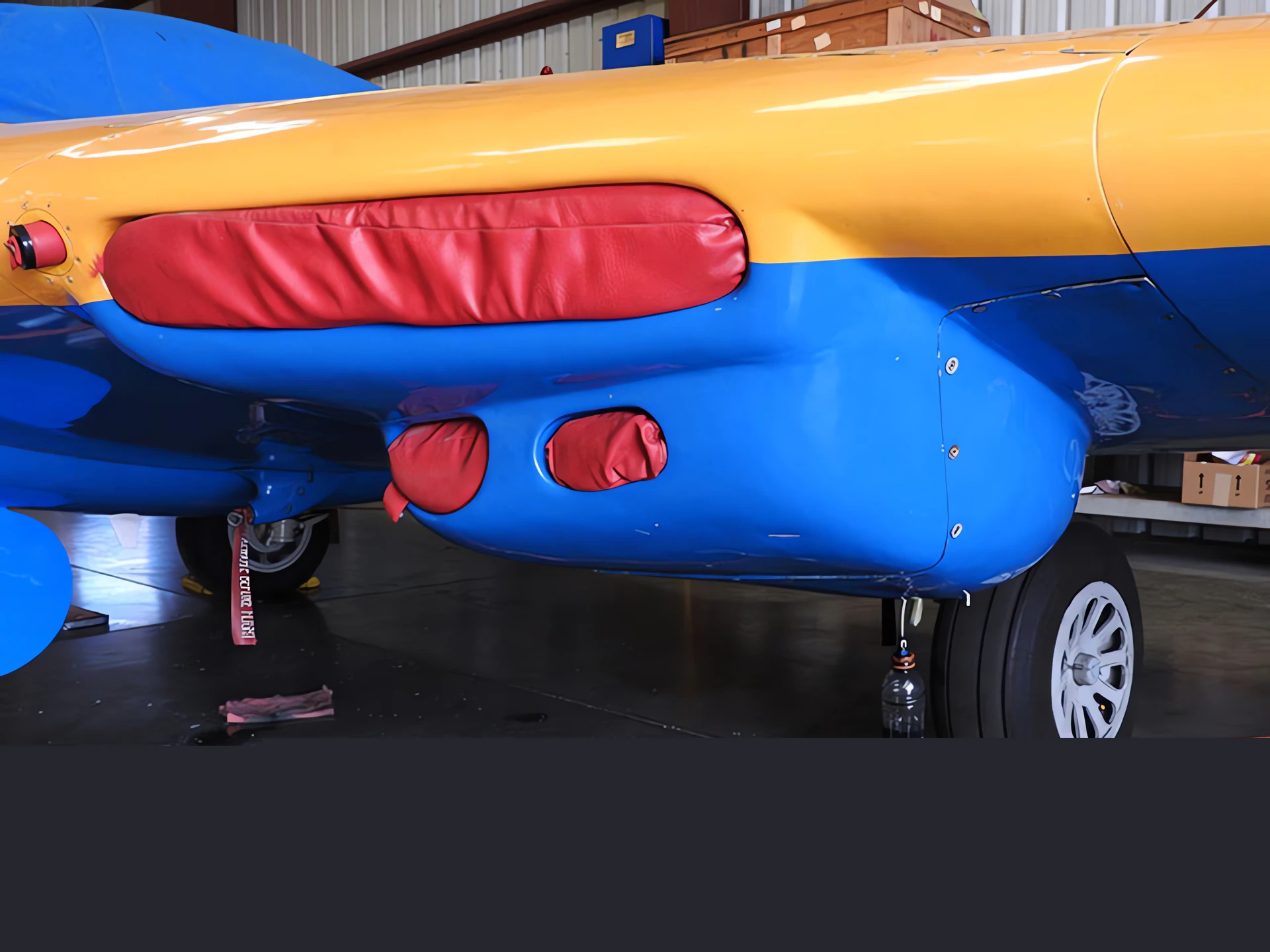
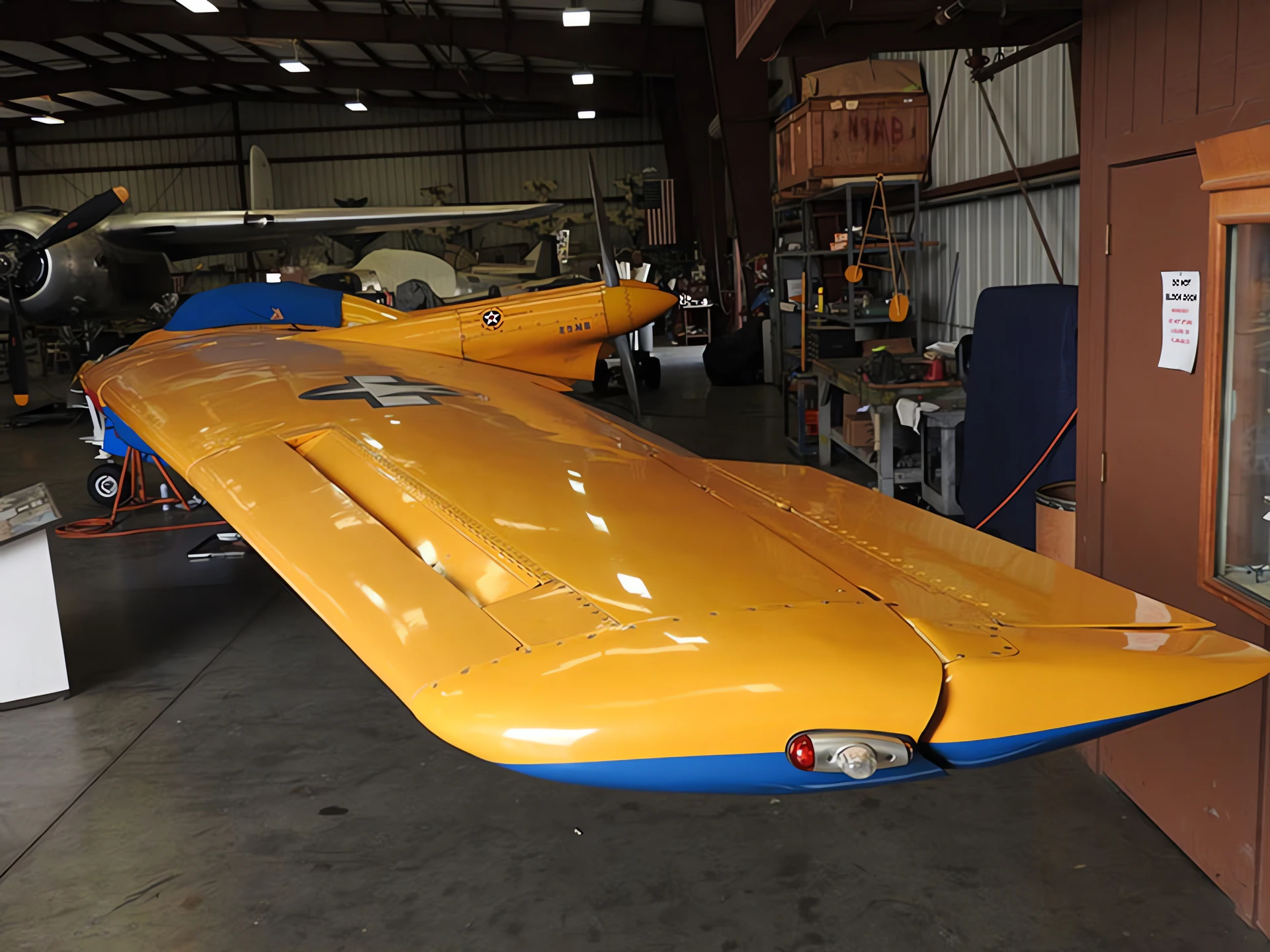

Vaata ka:


| Northrop N9MB Flying Wing Walk Around | |
|---|---|
| Fotograafid | John Heck, Vladimir Jakubov |
| Lokaliseerimine | Teadmata |
| Fotod | 36 |
| Northrop N9MB Flying Wing Walk Around | |
|---|---|
| Fotograaf | Vladimir Jakubov |
| Lokaliseerimine | Vaikse ookeani ranniku unistuste masinad |
| Fotod | 47 |
A Scale Model for a Giant Ambition
2007 Northrop N-9M was a family of approximately 1/3-scale flying wing aircraft developed to provide flight test data for the massive XB-35 Ja YB-49 bombers. The N-9MB was the fourth and final aircraft in the series, featuring more powerful engines and refined aerodynamics. By eliminating the fuselage and tail surfaces, Jack Northrop aimed to create an aircraft with the absolute minimum of parasitic drag, though the design presented extreme challenges in stability and control for the era.
| Attribute | Technical Specification (N-9MB) |
|---|---|
| Rolli | Experimental Proof-of-Concept Aircraft |
| Meeskonna | 1 (Pilot) |
| First Flight (N-9M Series) | December 27, 1942 |
| Jõuallikas | 2 × Franklin 0-540-7 eight-cylinder engines |
| Horsepower | 300 hp (224 kW) per engine |
| Tiibade siruulatus | 60 feet (18.3 m) |
| Maximum Speed | 258 mph (415 km/h) |
| Ehitamine | Wood (Wings) and Welded Steel Tubing (Center section) |
Engineering the Pure Wing
- The “Elevon” Control System: Without a tail, the N-9MB used elevons—surfaces that combined the functions of elevators (pitch) and ailerons (roll). These were located on the trailing edge of the wing.
- Split Flap Rudders: For yaw control (steering left/right), the aircraft utilized “clamshell” or split flaps at the wingtips. Opening one side created drag that pulled the wing in that direction, acting as a rudder without the need for a vertical fin.
- Pusher Configuration: To keep the airflow over the wing as “clean” as possible, the engines were mounted internally with the propellers at the rear, pushing the aircraft forward.
- Leading-Edge Slots: To combat the inherent stability issues of a flying wing at low speeds, the N-9MB featured fixed slots on the leading edges of the wingtips to prevent tip-stalling.
The Legacy of a Visionary
- Data for the Bombers: The N-9M program successfully proved that a large flying wing could be flown, though it revealed that the design was highly sensitive to the center of gravity and prone to “tumbling” if pushed beyond its limits.
- The Yellow Paint: The N-9MB was famously painted in a high-visibility yellow and blue scheme, making it easier for ground observers to track its orientation during complex test maneuvers.
- The B-2 Spirit Connection: Decades later, when the B-2 Stealth Bomber was designed, engineers used the flight data and concepts pioneered by the N-9M. When Jack Northrop was shown a model of the B-2 shortly before his death, he reportedly wrote on a pad: “Now I know why God kept me alive for 25 years.”
- The Final Loss: For many years, the N-9MB was the only flying example of a Northrop flying wing in the world, maintained by the Planes of Fame Air Museum. Tragically, it was lost in a crash in 2019, leaving no airworthy examples of this historic series remaining.
Vaadatud : 1512
Näete ka :
 Northrop Gamma - fotod ja videod
 Northrop JB-1 nahkhiir - fotod ja videod
 Northrop X-4 Bantam - fotod ja videod
 Northrop Grumman X-47B - fotod ja videod
 Northropi vaikiv sinine - fotod ja videod
 Northrop YF-17 Cobra – fotod ja video
 Northrop F-20 Tigershark - fotod ja video
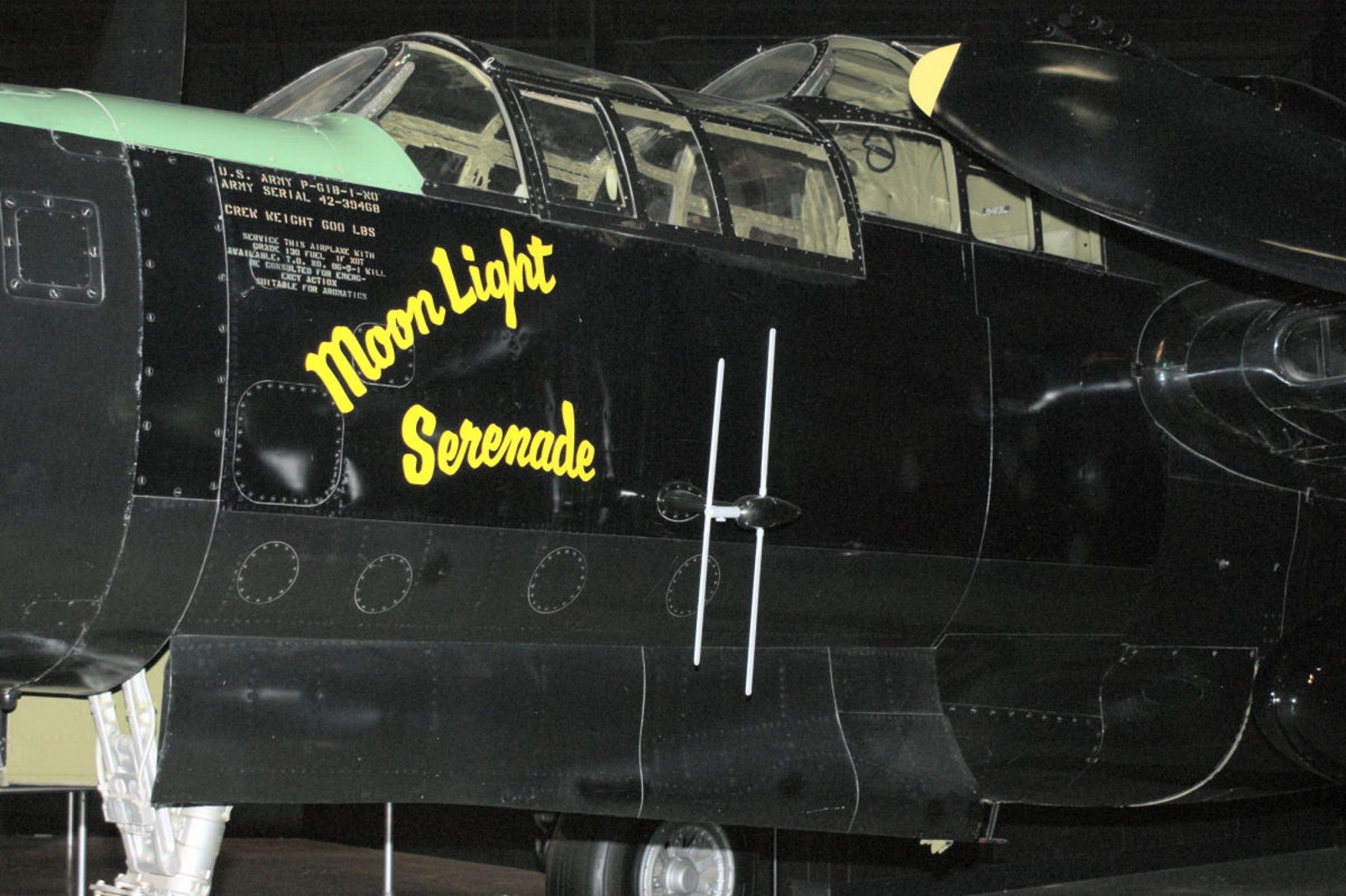 Northrop P-61 must lesk - fotod ja video
 Northrop T-38 Talon - fotod ja video
 Northrop A-17A – fotod ja video