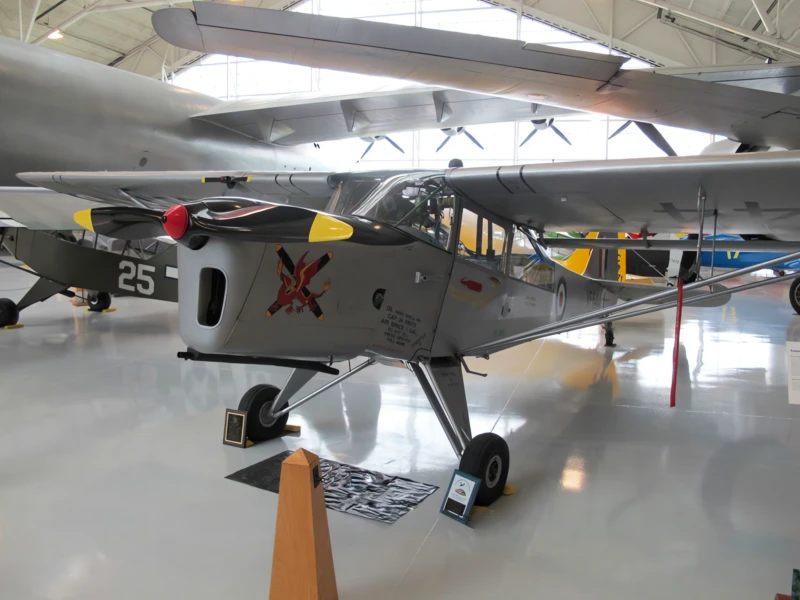
Auster AOP.6 | |
|---|---|
| Riik | Uk |
| Rolli | Vaatluslennukid |
| Esimene lend | 1945 |
| Ehitatud | 400 |
2007 Auster AOP.6 oli Briti sõjaväe õhuvaatluslennuk, mille tootis Auster Aircraft Limited, et asendada arvukaid sõjaaegseid Taylorcraft Austeri lennukeid, mis olid siis kasutusel.
Allikas: Auster AOP.6 Vikipeedias
| Auster AOP.6 Jalutage ringi | |
|---|---|
| Fotograafid | Cees Hendriks |
| Lokaliseerimine | Teadmata |
| Fotod | 65 |
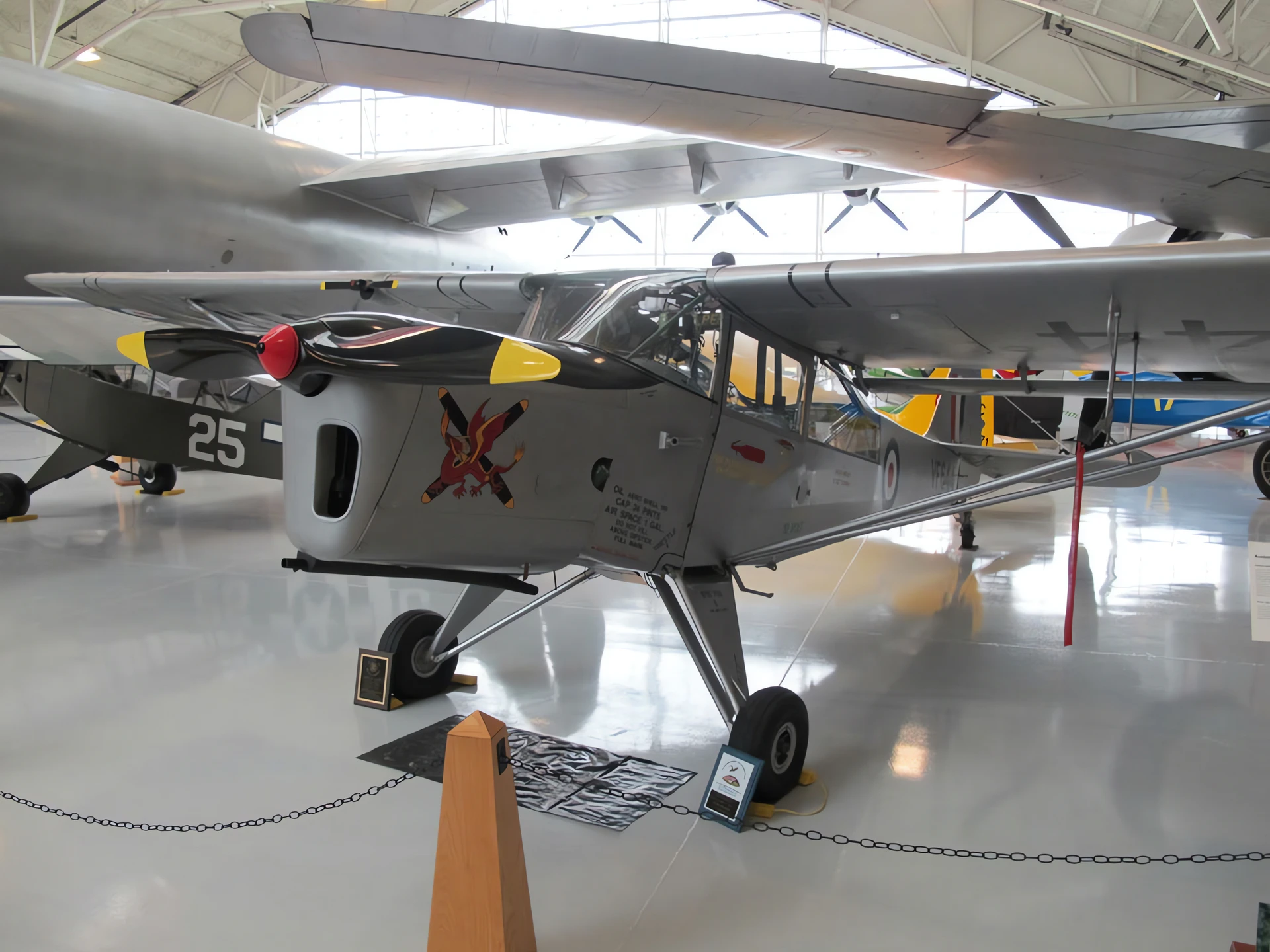
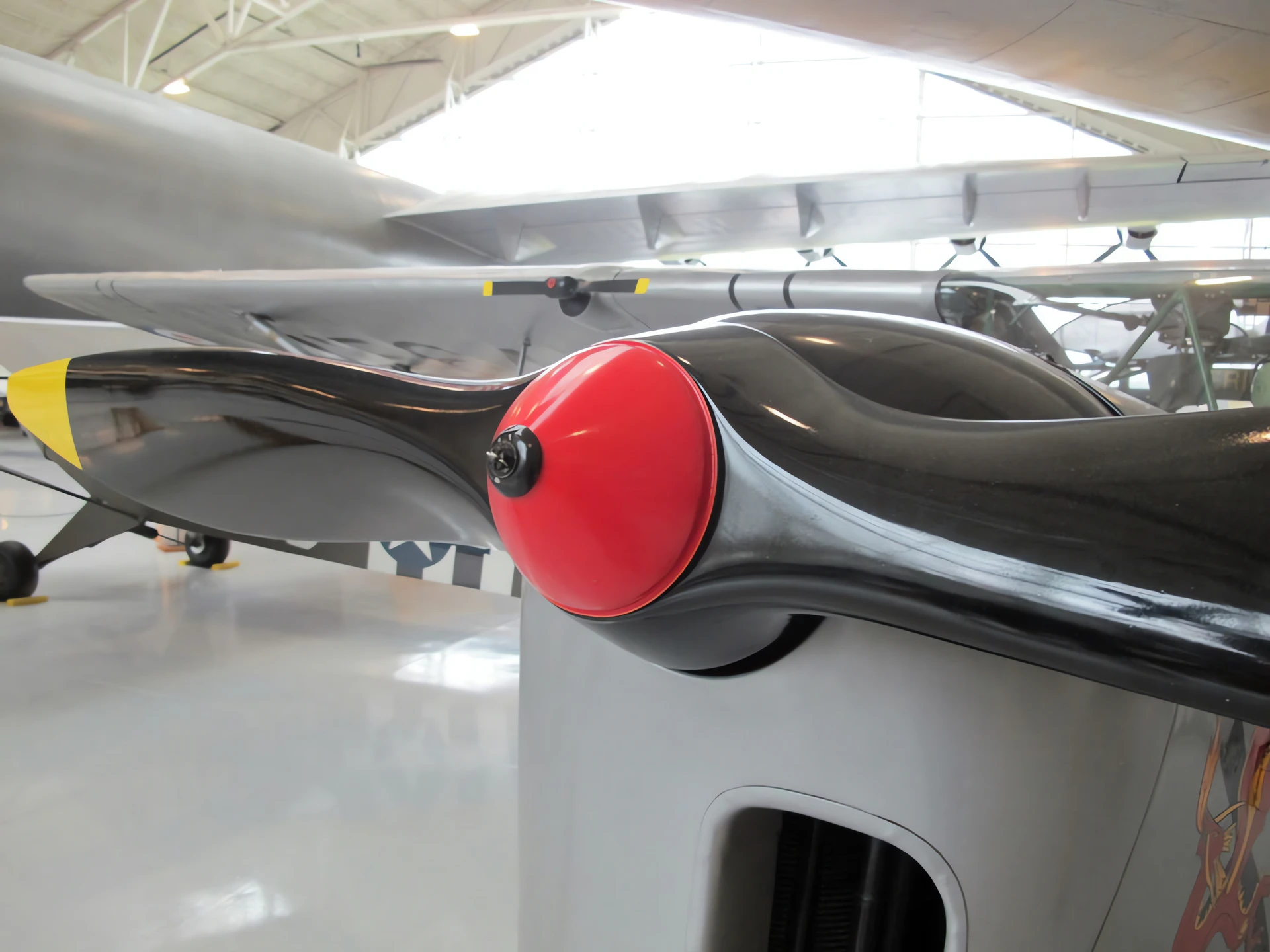
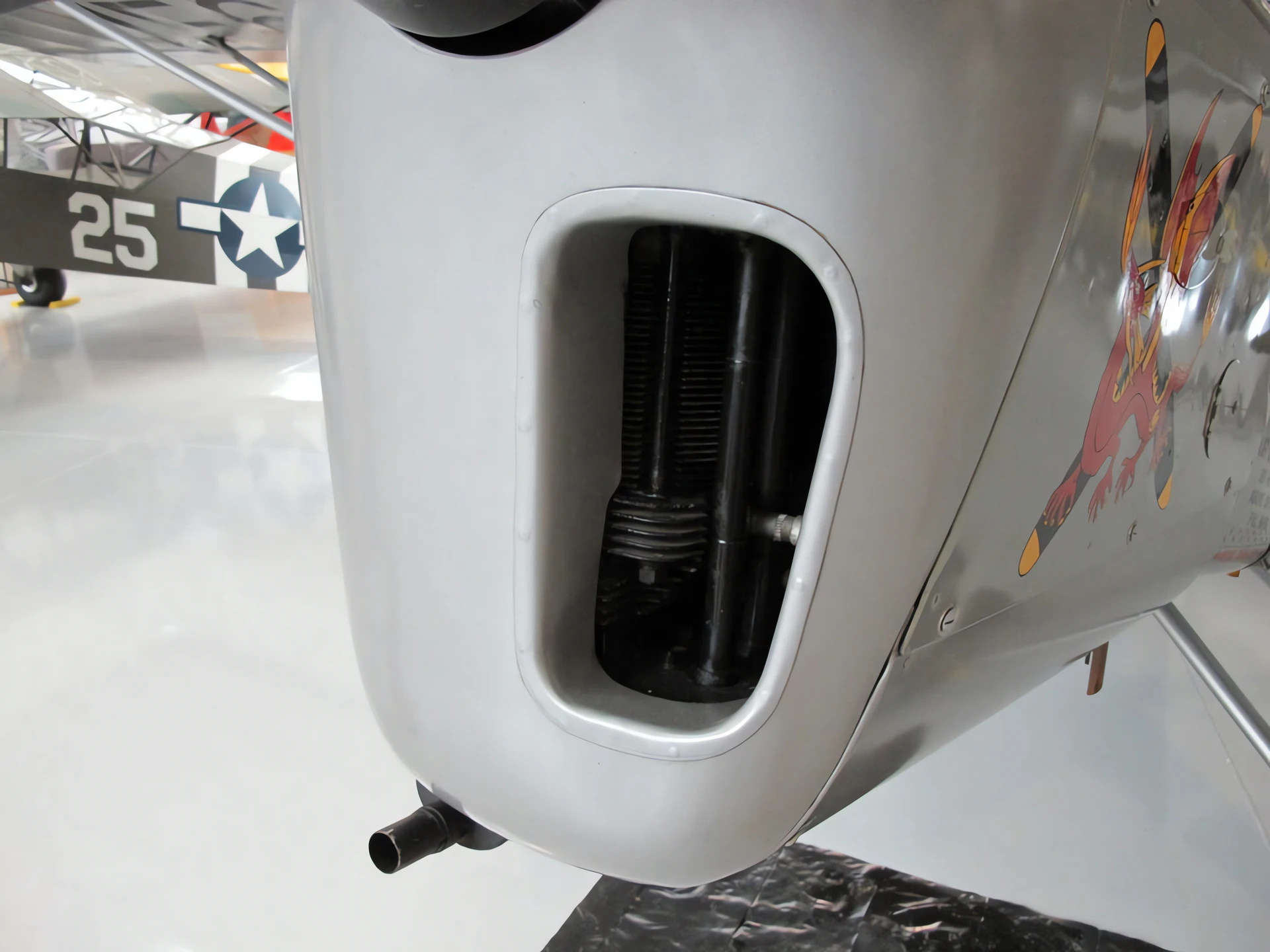
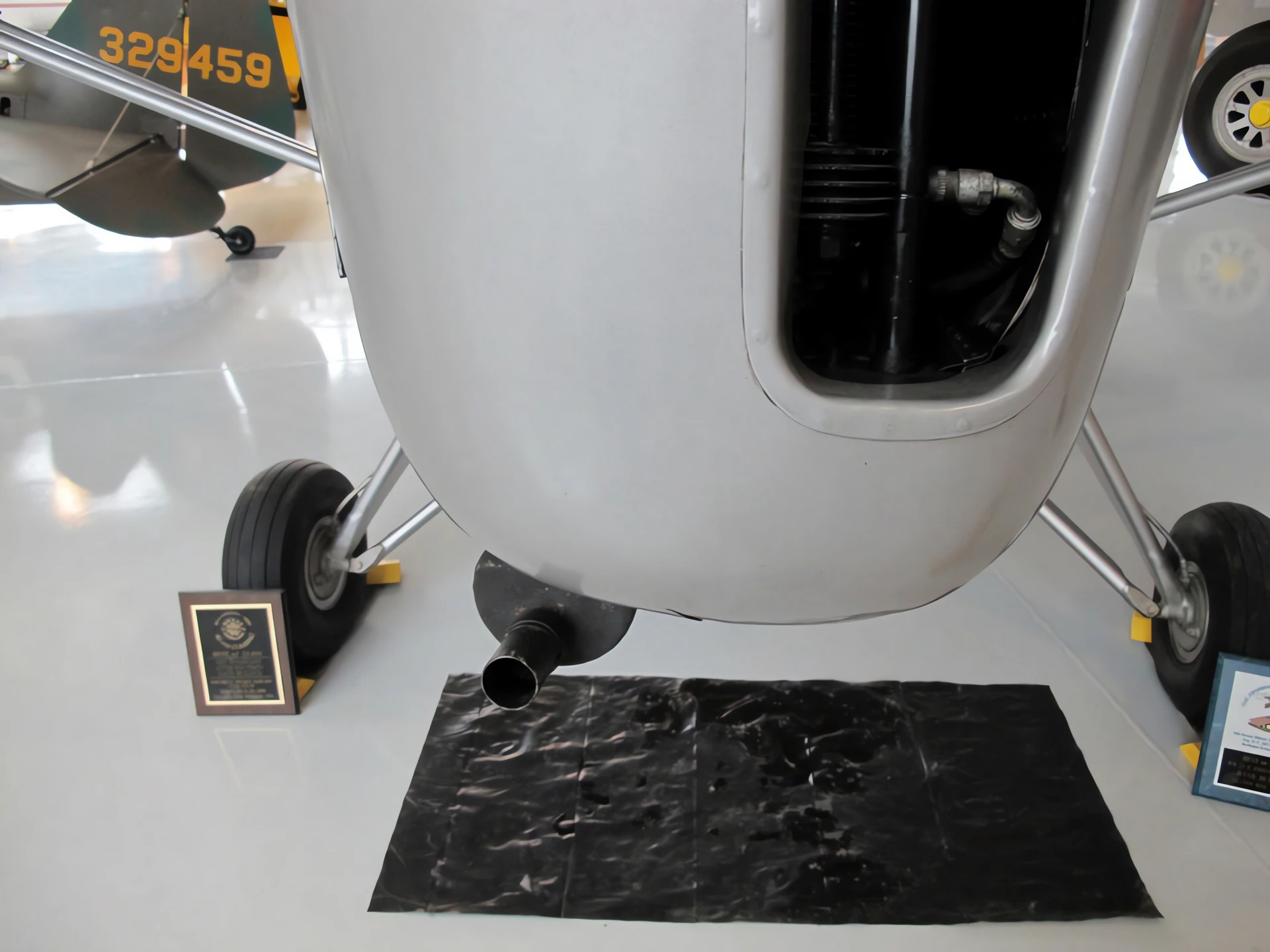
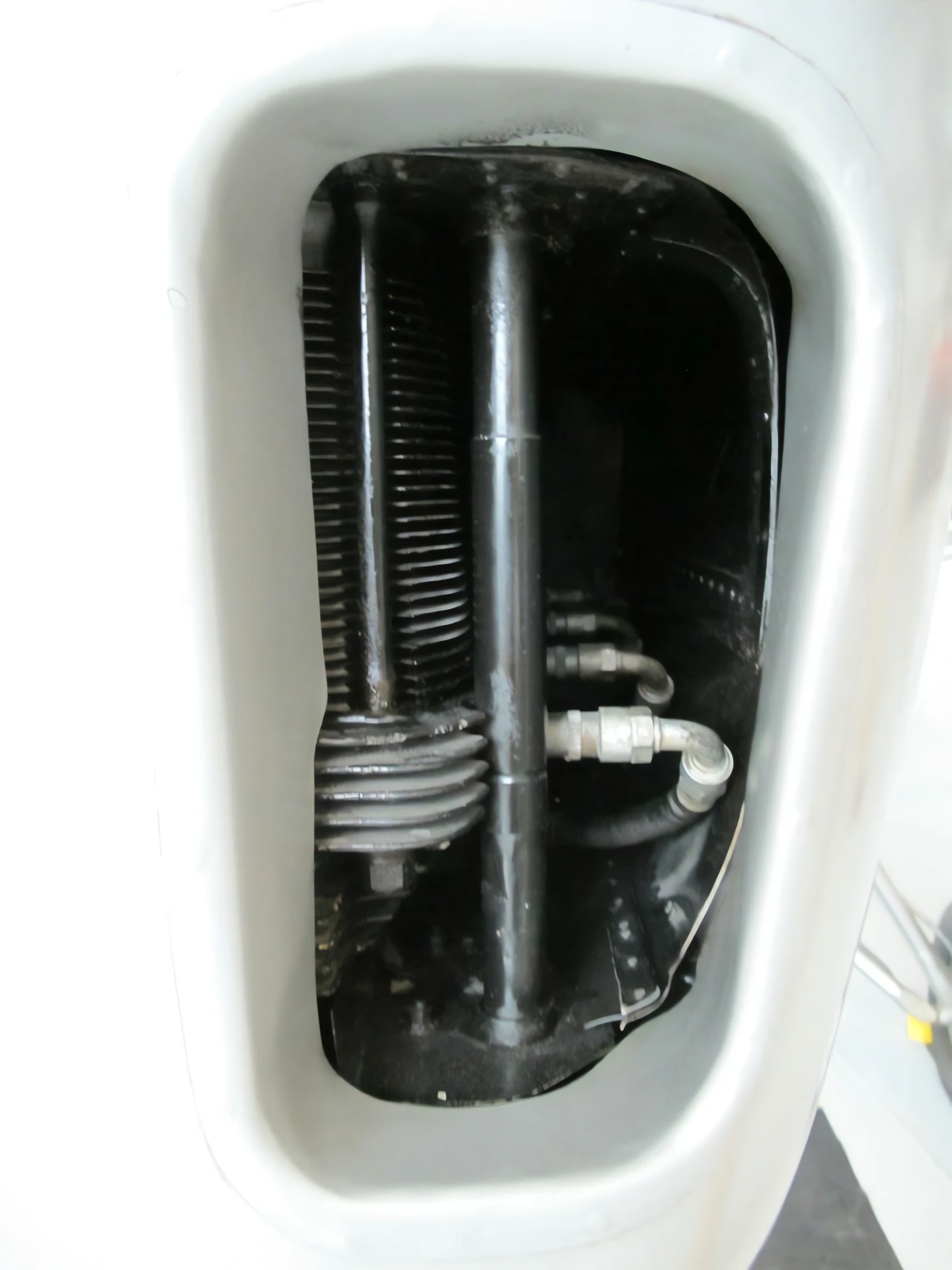
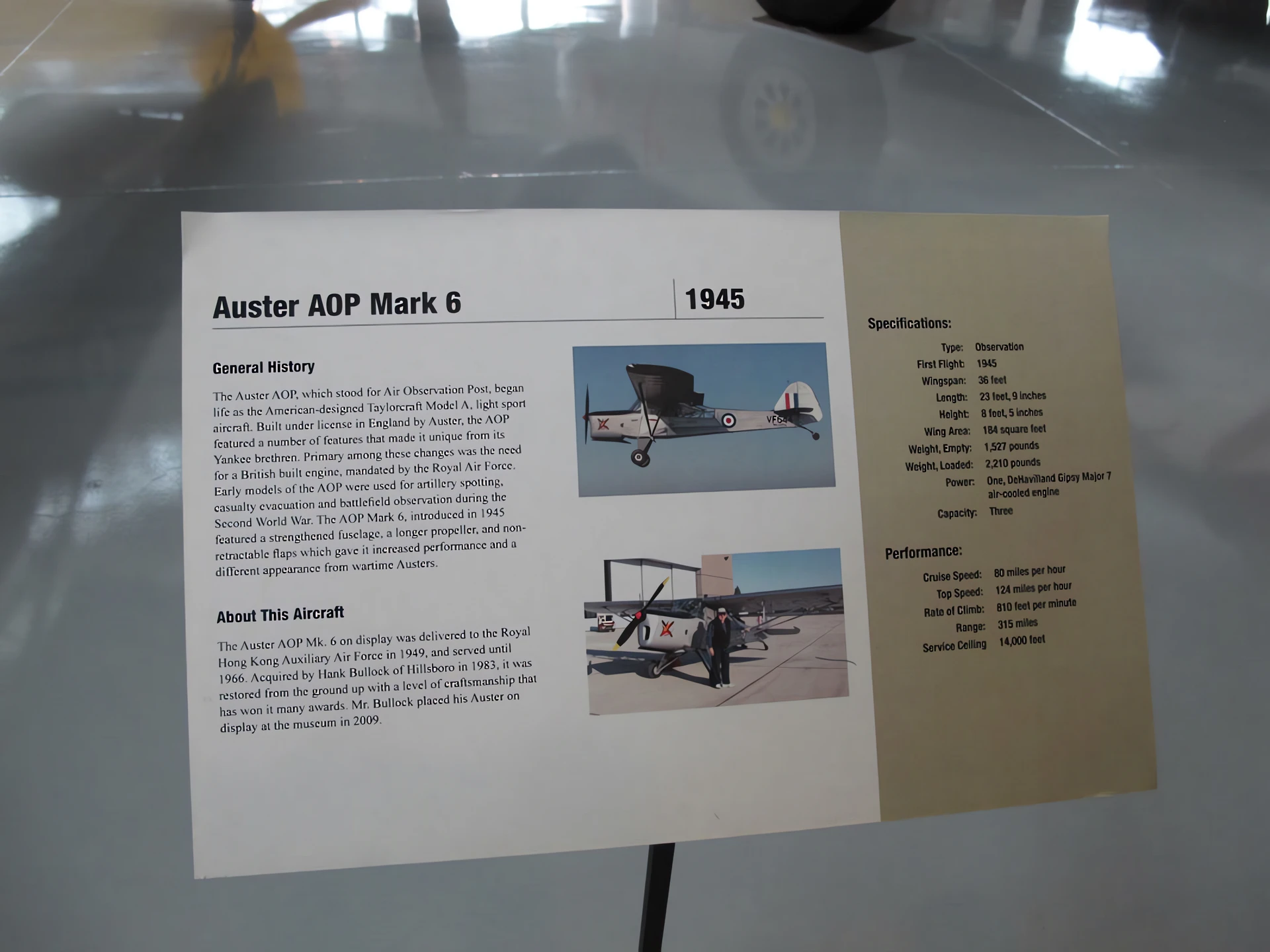
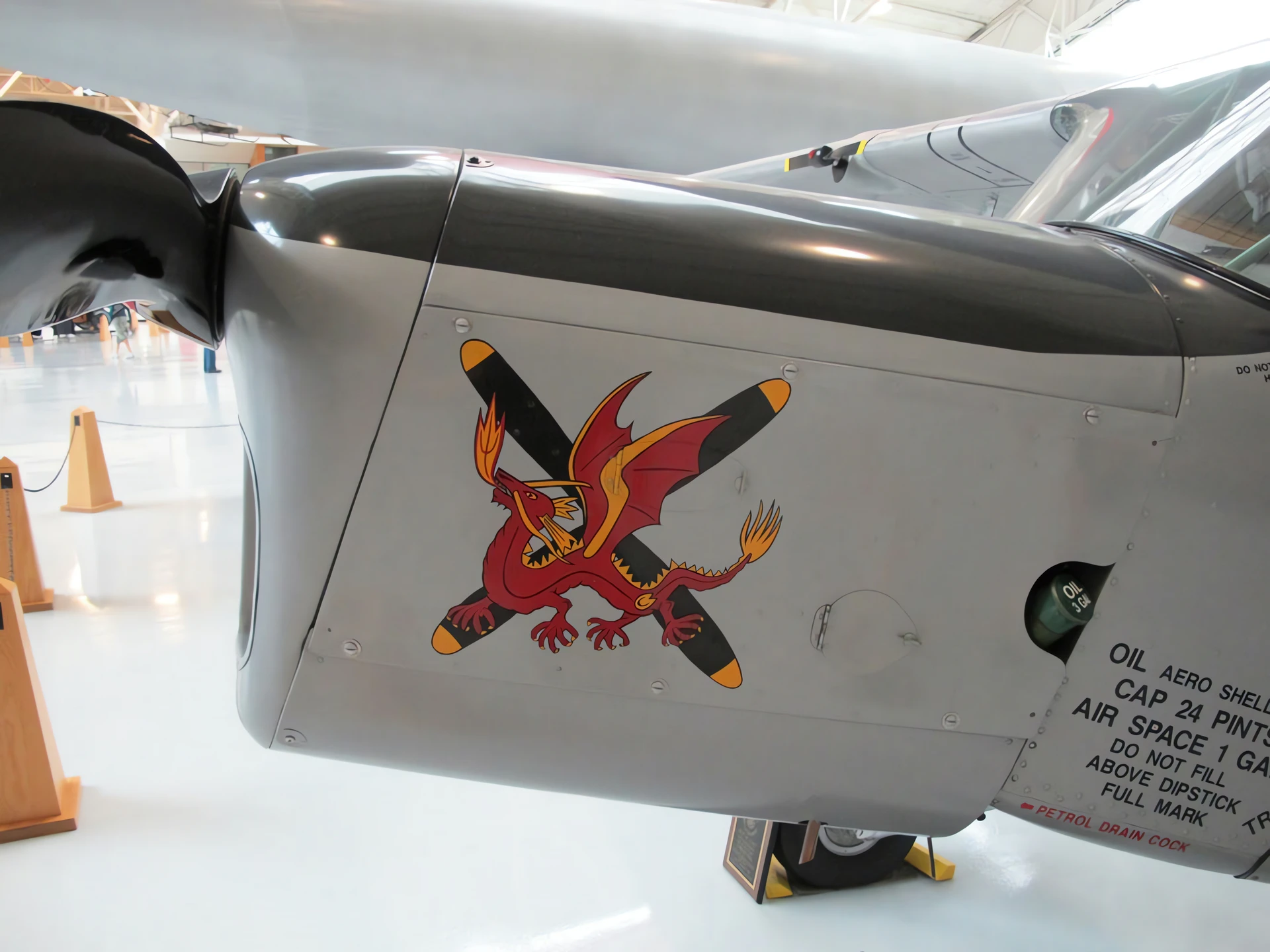
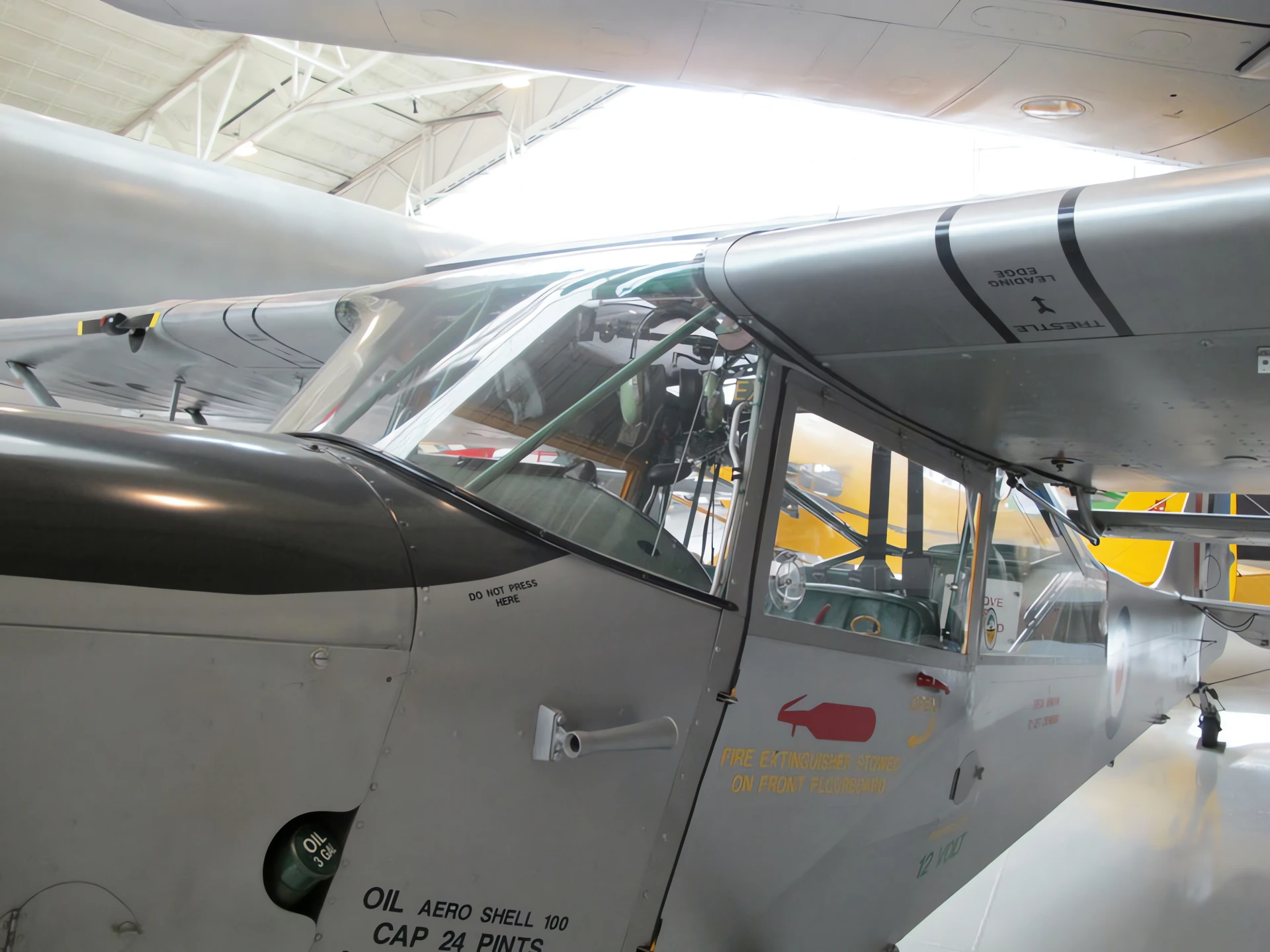
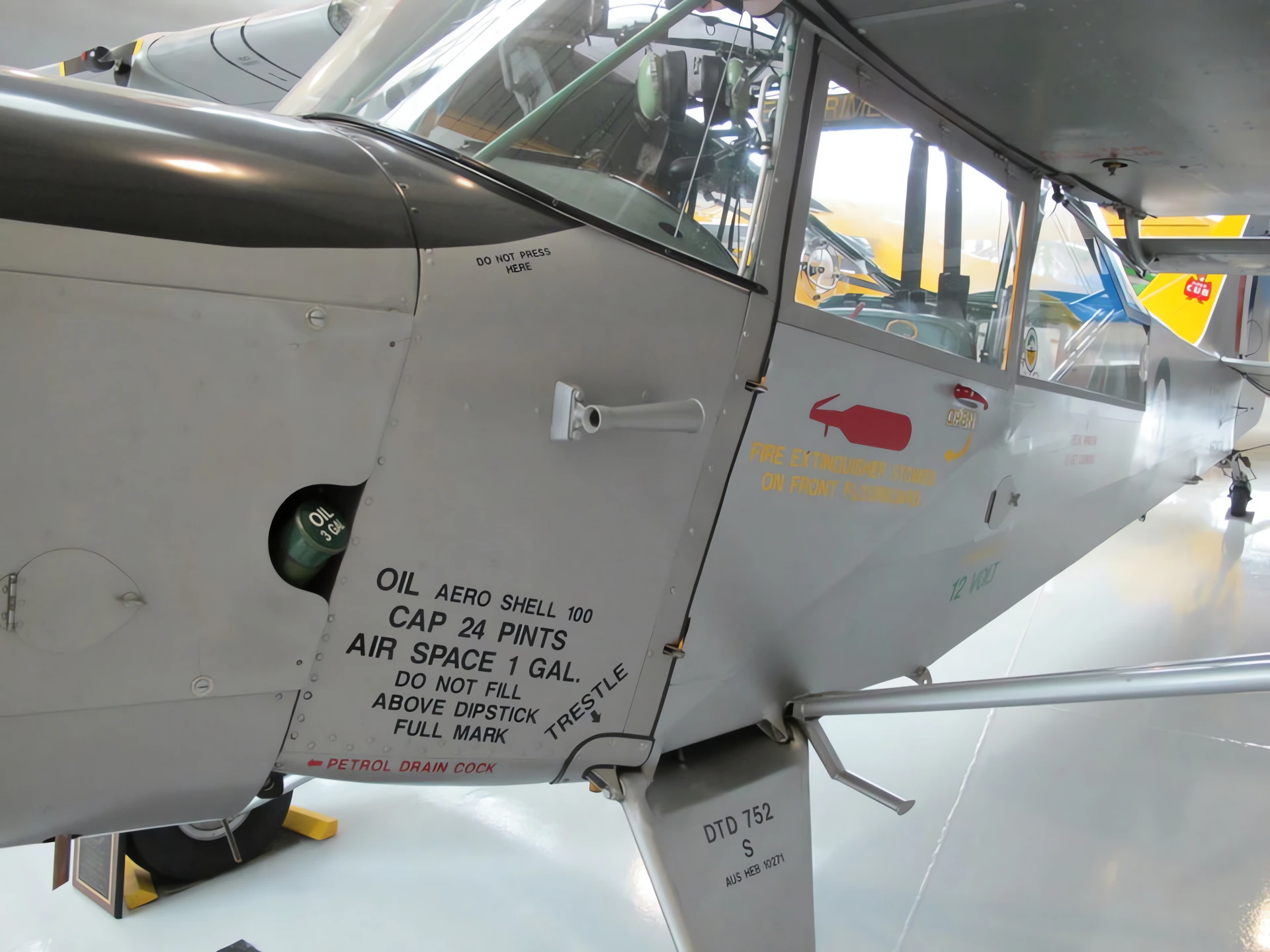

| Auster AOP mk. III | |
|---|---|
| Fotograaf | Cees Hendriks |
| Lokaliseerimine | Teadmata |
| Fotod | 72 |
| Auster AOP kõnnib ringi | |
|---|---|
| Fotograafid | Teadmata |
| Lokaliseerimine | Teadmata |
| Fotod | 17 |
Vaata ka:


The Unarmed Scout
2007 Auster AOP series (Air Observation Post) was a family of light, high-wing monoplanes that served as the primary eyes for British and Commonwealth artillery units during and after WWII. Derived from the American Taylorcraft design, the Auster was built in the UK and specifically modified for the grueling demands of front-line service. Its job wasn’t to fight, but to hover over the battlefield, spotting enemy positions and radioing coordinates to the big guns behind the lines. It was a “flying dugout”—rugged, simple, and capable of operating from any flat patch of grass.
| Attribute | Technical Specification (AOP Mk V) |
|---|---|
| Rolli | Air Observation Post / Liaison |
| Meeskonna | 2 (Pilot and Observer/Radio Operator) |
| First Flight | 1942 (Mk I) |
| Jõuallikas | 1 × Lycoming O-290-3 4-cylinder horizontally-opposed |
| Horsepower | 130 hp (97 kW) |
| Maximum Speed | 130 mph (209 km/h) |
| Minimum Speed | Approx. 30 mph (48 km/h) with flaps |
| Ehitamine | Steel tubing with fabric covering |
Design for Observation
- Panoramic Visibility: The hallmark of the Auster was its extensive cockpit glazing. The rear of the canopy was tapered and transparent, allowing the observer to look directly backward and downward to keep sight of targets during steep turns.
- STOL-võimekus: To operate from farm lanes or muddy fields, the Auster was equipped with large, effective flaps. It could clear a 50-foot obstacle in just a few hundred yards of takeoff run.
- The “Stout” Undercarriage: The landing gear was designed for “controlled crashes” into unpaved fields. It used bungee-cord shock absorption that was simple to repair in the field with basic tools.
- Radio-Centric Interior: Unlike civilian light planes, the rear seat was often turned slightly or surrounded by heavy-duty radio equipment, enabling the observer to communicate directly with the Artillery Fire Direction Center.
Service from Normandy to Korea
- Artillery Spotting: During the push into Germany, Auster pilots often flew as low as 100 feet to identify camouflaged Tiger tanks, becoming one of the most hated aircraft by German ground crews who knew a shell-storm would follow the plane’s appearance.
- The “Antarctic” Auster: Modified Austers were used in various polar expeditions, fitted with skis or floats to serve as scouts for icebreakers.
- The AOP.9 Evolution: After the war, the design culminated in the Auster AOP.9, which featured a more powerful Blackburn Bombardier engine and a much more rugged, all-metal wing structure for service in Malaya and Korea.
- Civilian Heritage: After military service, hundreds of Austers were sold as surplus, forming the backbone of British private flying clubs for decades. Their rugged nature makes them popular “bush planes” in the UK today.
Vaadatud : 3466
Näete ka :
 Martin 4-0-4 – Fotod ja videod
 Bristol F.2 võitleja - fotod ja videod
 Northrop JB-1 nahkhiir - fotod ja videod
 Convair F2Y Sea Dart - fotod ja videod
 Miles Magister - fotod ja videod
 Avro Canada VZ-9 Avrocar - fotod ja videod
 KFIR C-1 – WalkAround
 MiG-29 – WalkAround
 Lisunov Li-2 – WalkAround
 P-38L Marge – Jalutuskäik