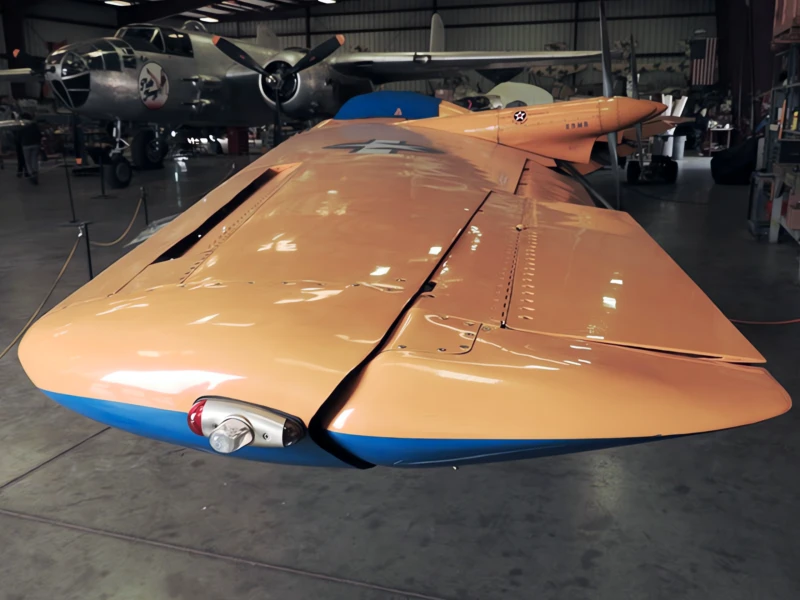
Northrop N-9MB | |
|---|---|
| Land | Usa |
| Rolle | Flying Wing Prototyp |
| Erstflug | 27 December 1942 |
| Gebaut | 4 |
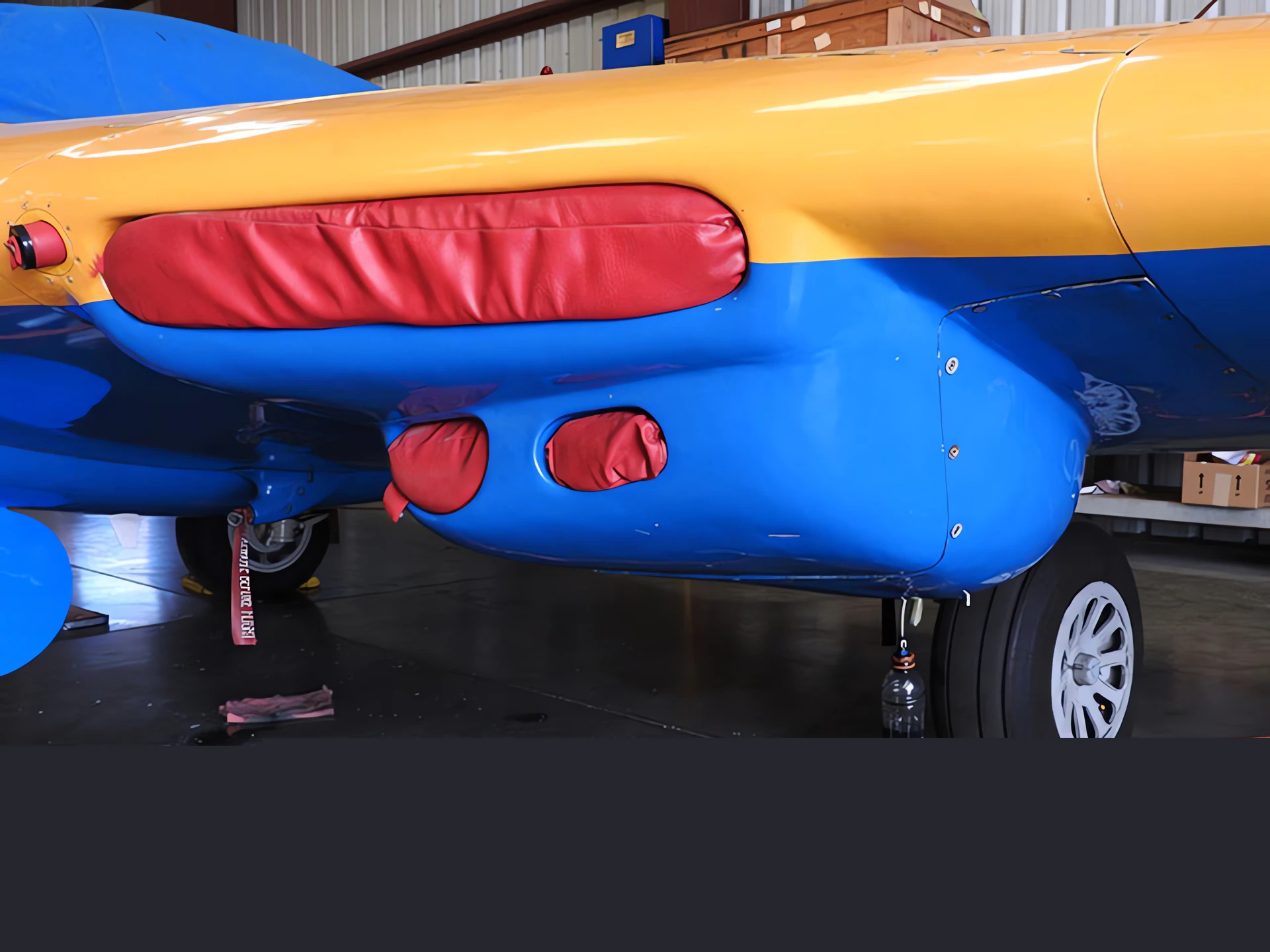
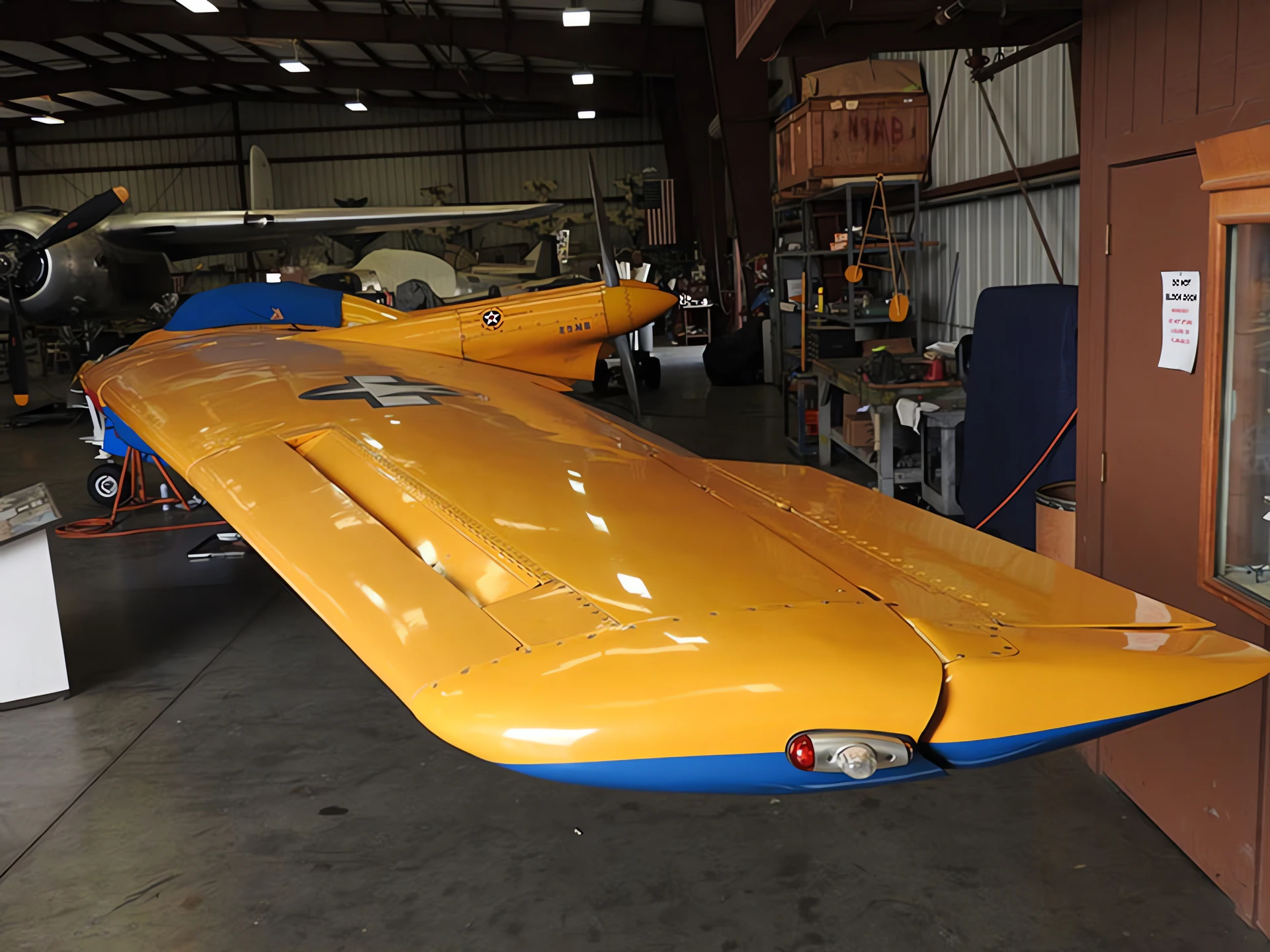
das Northrop N-9M was an approximately one-third scale, 60-ft span all-wing aircraft used for the development of the full size, 172-ft wingspan Northrop XB-35 and YB-35 flying wing long-range, heavy bomber. First flown in 1942, the N-9M (M for Model) was the third in a lineage of all-wing Northrop aircraft designs that began in 1929 when Jack Northrop succeeded in early experiments with his single pusher propeller, twin-tailed, twin-boom, all stressed metal skin Northrop Flying Wing X-216H monoplane, and a decade later, the dual-prop N-1M of 1939–1941. Northrop’s pioneering all-wing aircraft would lead Northrop-Grumman many years later to eventually develop the advanced B-2 Spirit stealth bomber, which debuted in Air Force inventory in 1989.
Quelle: Northrop N-9MB auf Wikipedia
| Northrop N-9MB flying wing Walk Around | |
|---|---|
| Fotograf | Cees Hendriks |
| Lokalisierung | Unbekannter |
| Fotos | 19 |
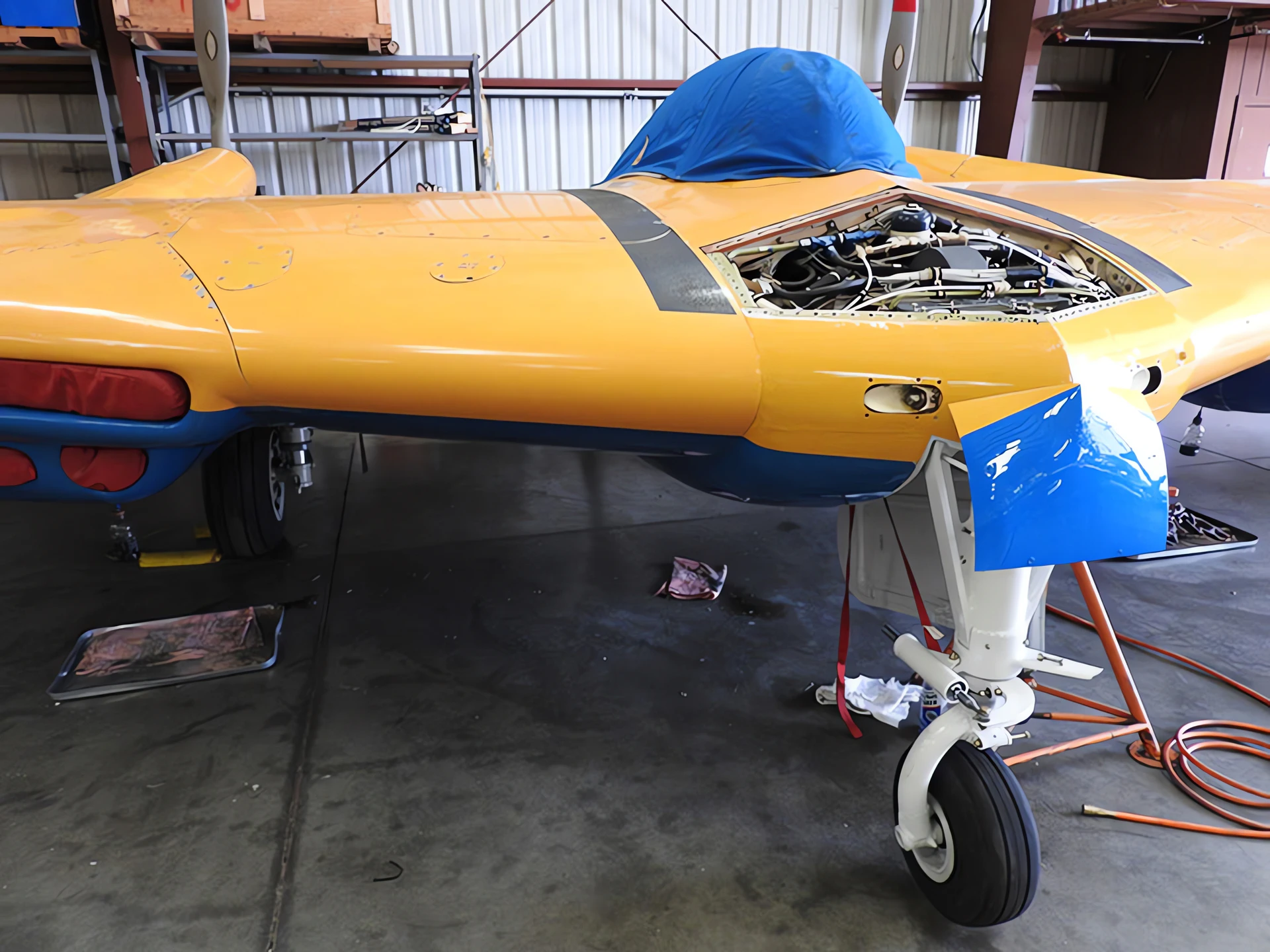
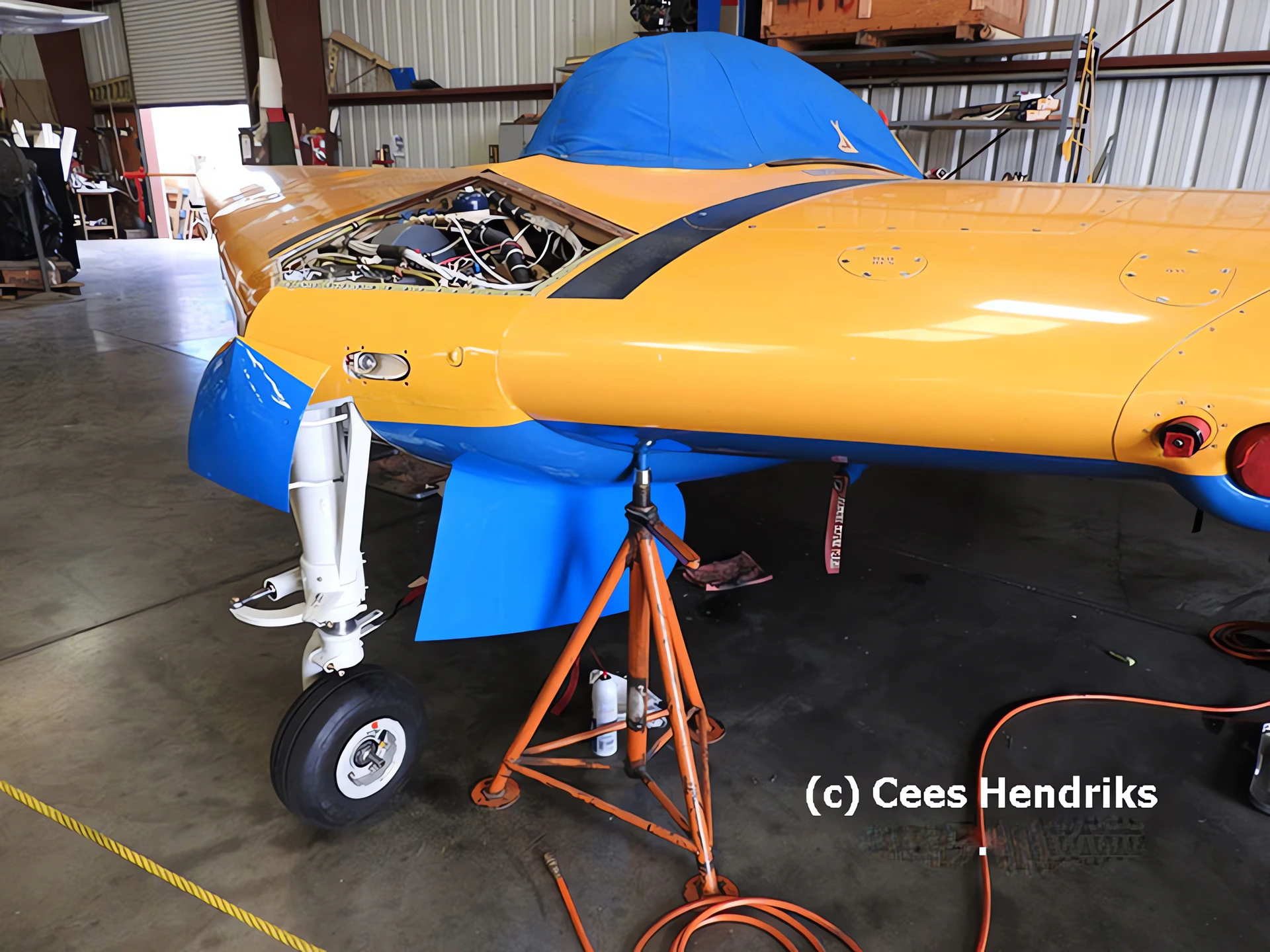
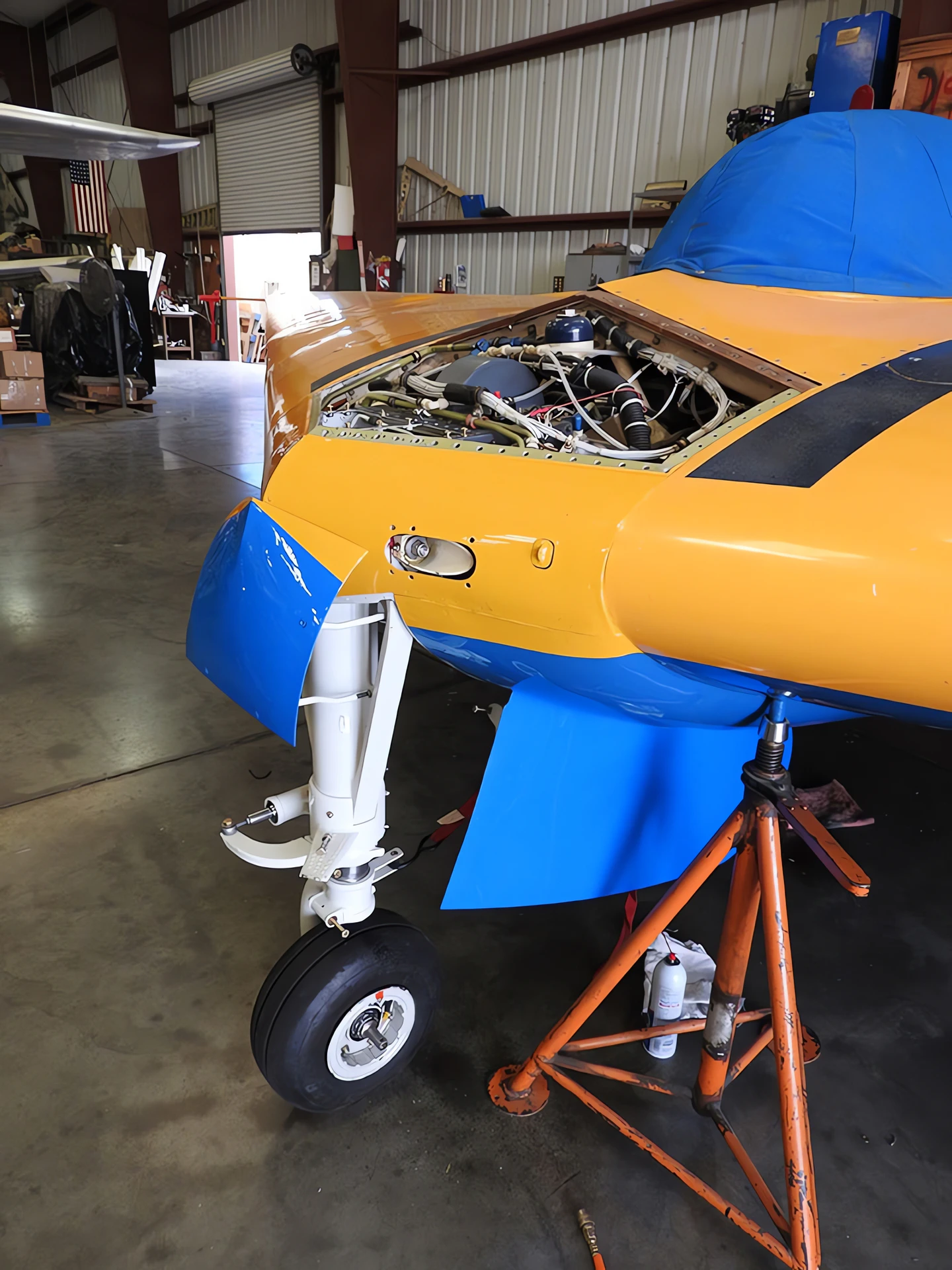
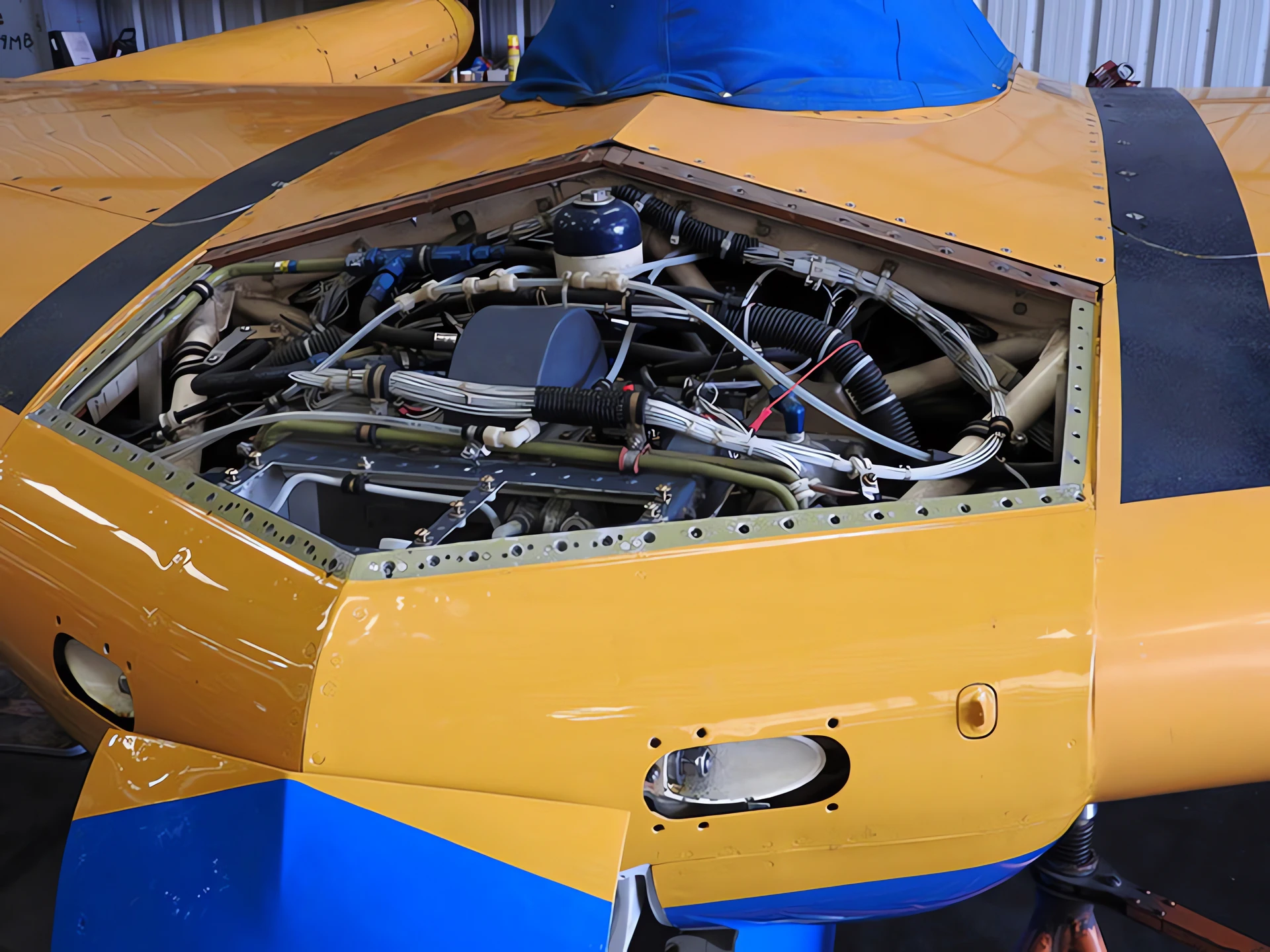
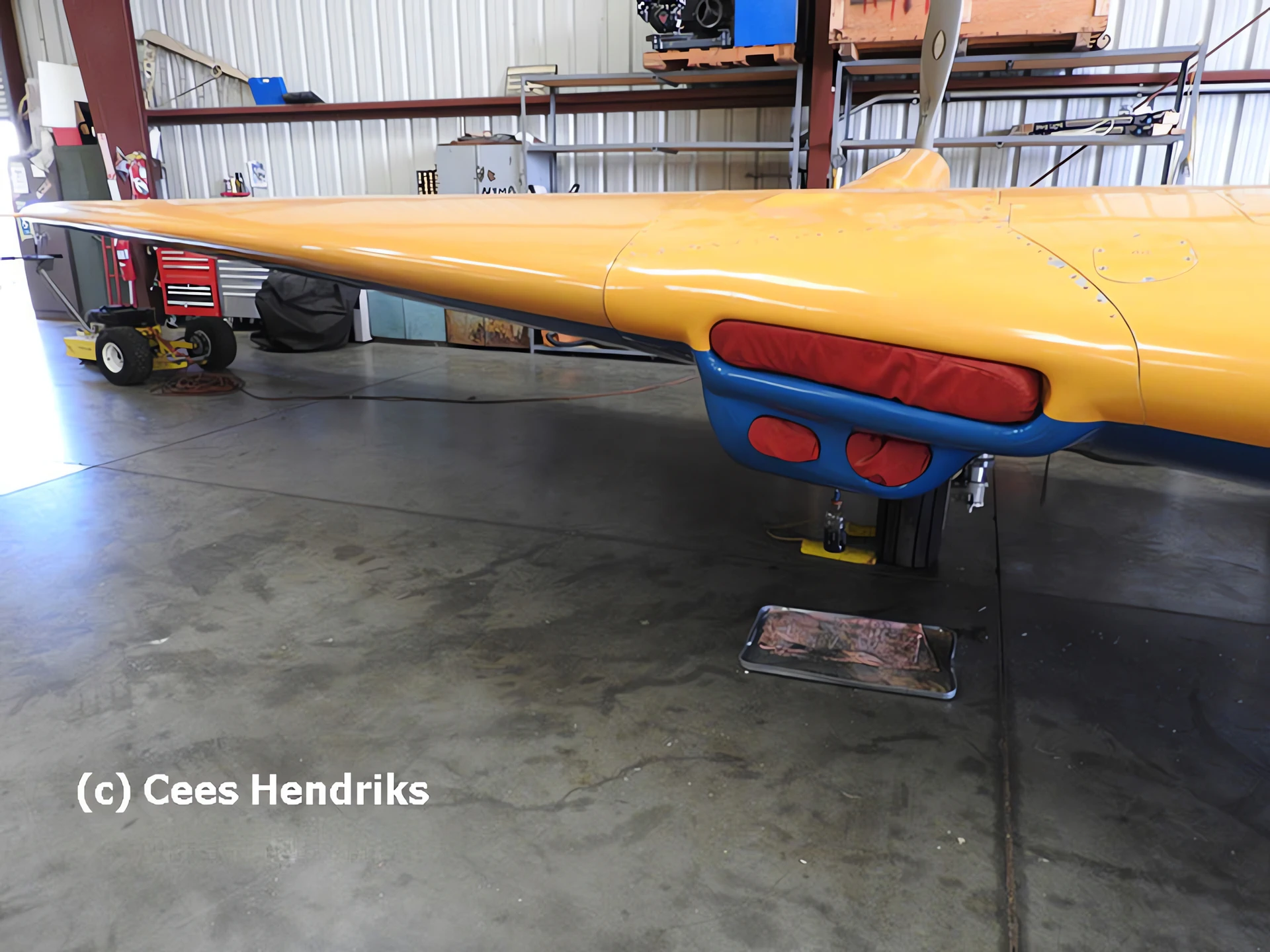
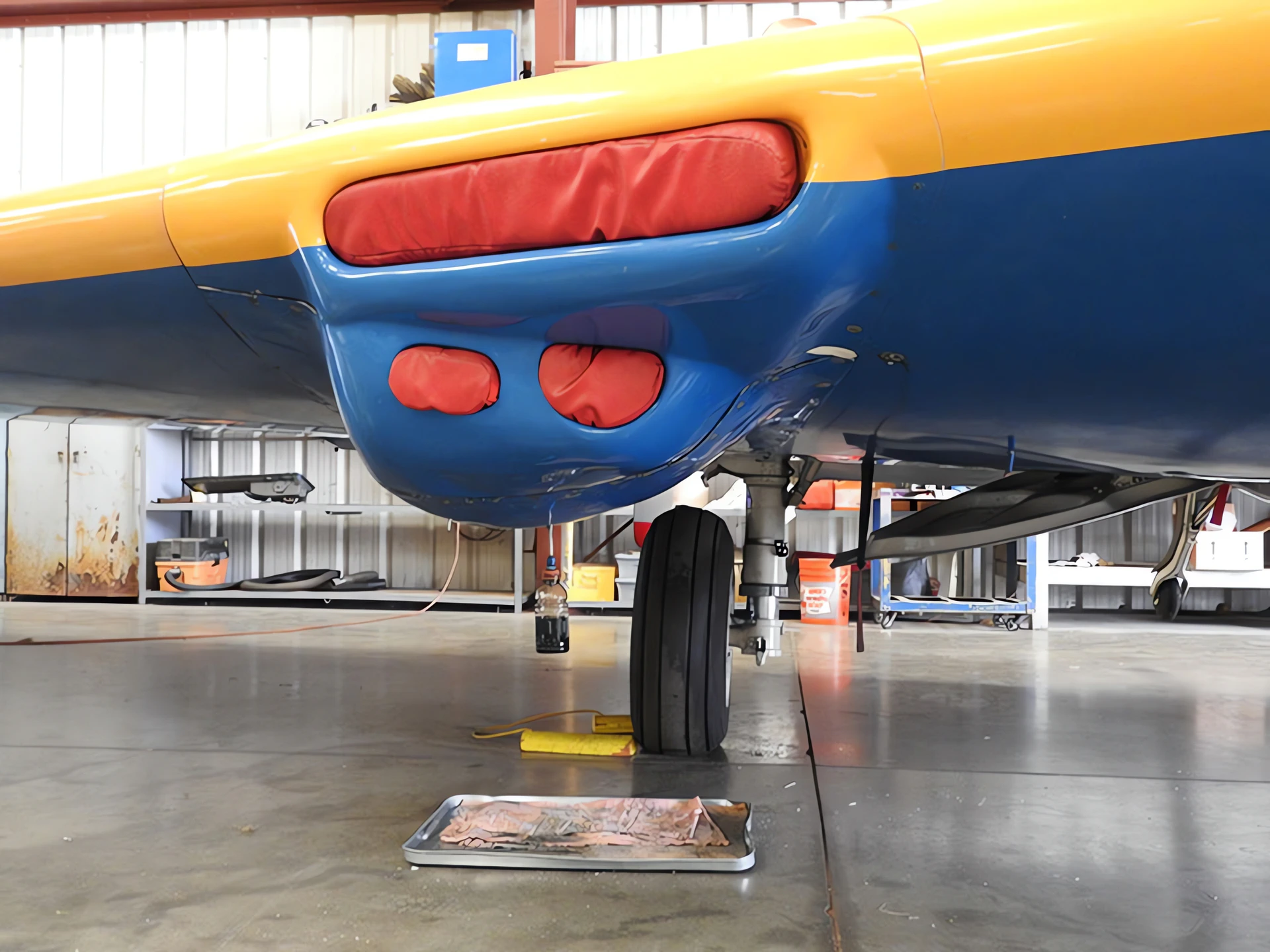
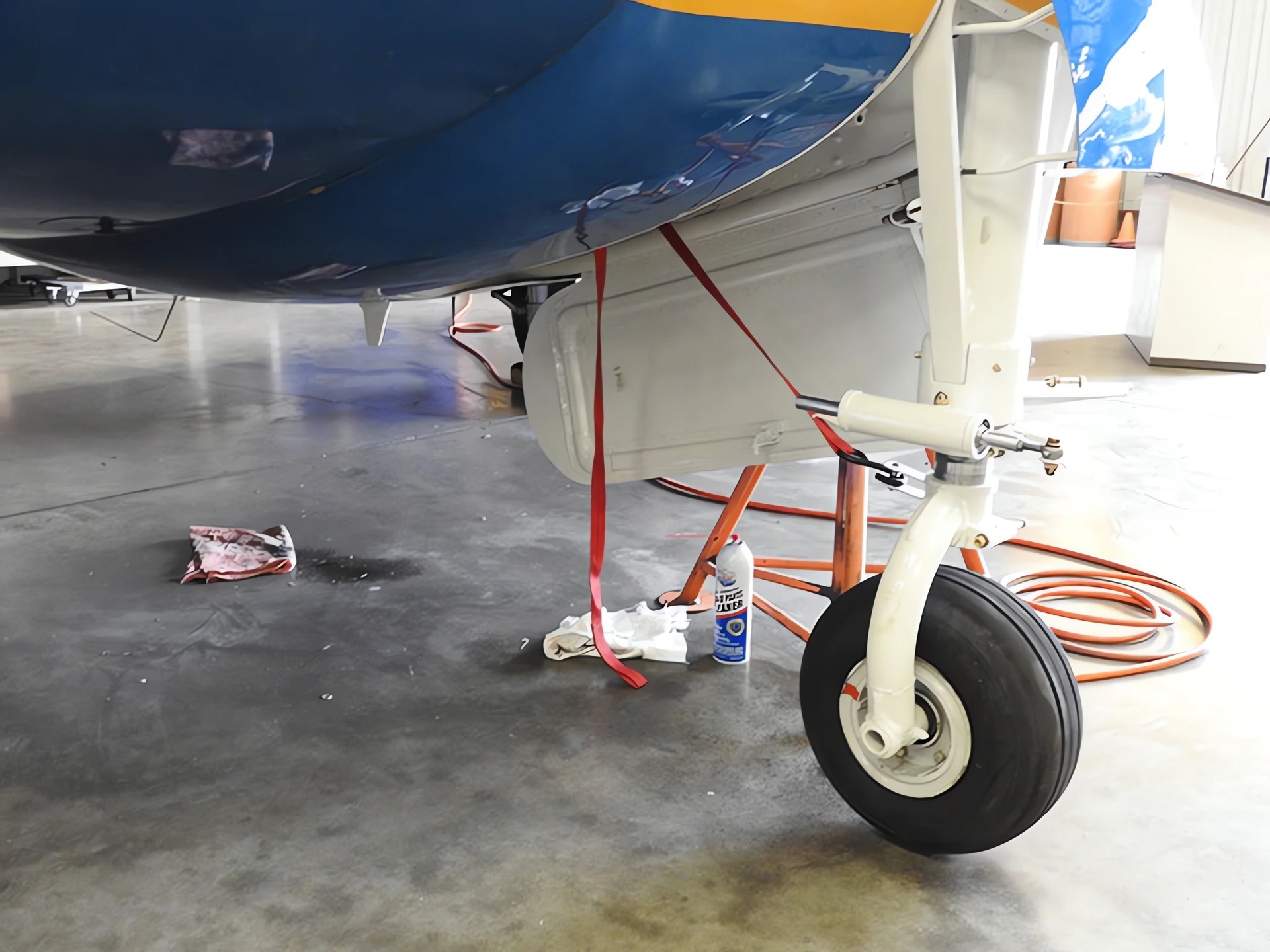

Siehe auch:


| Northrop N9MB Flying Wing Walk Around | |
|---|---|
| Fotografen | John Heck, Vladimir Yakubov |
| Lokalisierung | Unbekannter |
| Fotos | 36 |
| Northrop N9MB Flying Wing Walk Around | |
|---|---|
| Fotograf | Wladimir Nikolajewitsch Jakubow |
| Lokalisierung | Pacific Coast Dream Machines |
| Fotos | 47 |
A Scale Model for a Giant Ambition
das Northrop N-9M was a family of approximately 1/3-scale flying wing aircraft developed to provide flight test data for the massive XB-35 Und YB-49 bombers. The N-9MB was the fourth and final aircraft in the series, featuring more powerful engines and refined aerodynamics. By eliminating the fuselage and tail surfaces, Jack Northrop aimed to create an aircraft with the absolute minimum of parasitic drag, though the design presented extreme challenges in stability and control for the era.
| Attribute | Technical Specification (N-9MB) |
|---|---|
| Rolle | Experimental Proof-of-Concept Aircraft |
| Crew | 1 (Pilot) |
| First Flight (N-9M Series) | December 27, 1942 |
| Triebwerk | 2 × Franklin 0-540-7 eight-cylinder engines |
| Horsepower | 300 hp (224 kW) per engine |
| Flügelspannweite | 60 feet (18.3 m) |
| Höchstgeschwindigkeit | 258 mph (415 km/h) |
| Construction | Wood (Wings) and Welded Steel Tubing (Center section) |
Engineering the Pure Wing
- The “Elevon” Control System: Without a tail, the N-9MB used elevons—surfaces that combined the functions of elevators (pitch) and ailerons (roll). These were located on the trailing edge of the wing.
- Split Flap Rudders: For yaw control (steering left/right), the aircraft utilized “clamshell” or split flaps at the wingtips. Opening one side created drag that pulled the wing in that direction, acting as a rudder without the need for a vertical fin.
- Pusher Configuration: To keep the airflow over the wing as “clean” as possible, the engines were mounted internally with the propellers at the rear, pushing the aircraft forward.
- Leading-Edge Slots: To combat the inherent stability issues of a flying wing at low speeds, the N-9MB featured fixed slots on the leading edges of the wingtips to prevent tip-stalling.
The Legacy of a Visionary
- Data for the Bombers: The N-9M program successfully proved that a large flying wing could be flown, though it revealed that the design was highly sensitive to the center of gravity and prone to “tumbling” if pushed beyond its limits.
- The Yellow Paint: The N-9MB was famously painted in a high-visibility yellow and blue scheme, making it easier for ground observers to track its orientation during complex test maneuvers.
- The B-2 Spirit Connection: Decades later, when the B-2 Stealth Bomber was designed, engineers used the flight data and concepts pioneered by the N-9M. When Jack Northrop was shown a model of the B-2 shortly before his death, he reportedly wrote on a pad: “Now I know why God kept me alive for 25 years.”
- The Final Loss: For many years, the N-9MB was the only flying example of a Northrop flying wing in the world, maintained by the Planes of Fame Air Museum. Tragically, it was lost in a crash in 2019, leaving no airworthy examples of this historic series remaining.
Ansichten : 1550
Sie können auch sehen:
 Northrop Gamma – Fotos & Videos
 Northrop JB-1 Bat – Fotos & Videos
 Northrop X-4 Bantam – Fotos & Videos
 Northrop Grumman X-47B – Fotos & Videos
 Northrop Tacit Blue – Fotos & Videos
 Northrop YF-17 Cobra – Fotos & Video
 Northrop F-20 Tigershark – Fotos & Video
 Northrop P-61 Black Widow – Fotos & Video
 Northrop T-38 Talon – Fotos & Video
 Northrop A-17A – Fotos & Video