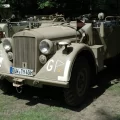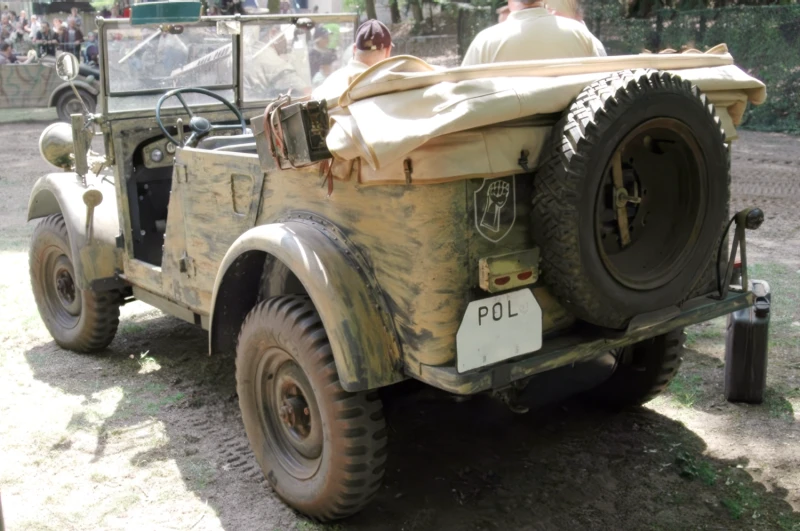
Stoewer Kfz 1 | |
|---|---|
| Land | Deutschland |
| Typ | Light cross-country standard-passenger car |
| Zeitraum | ww2 |
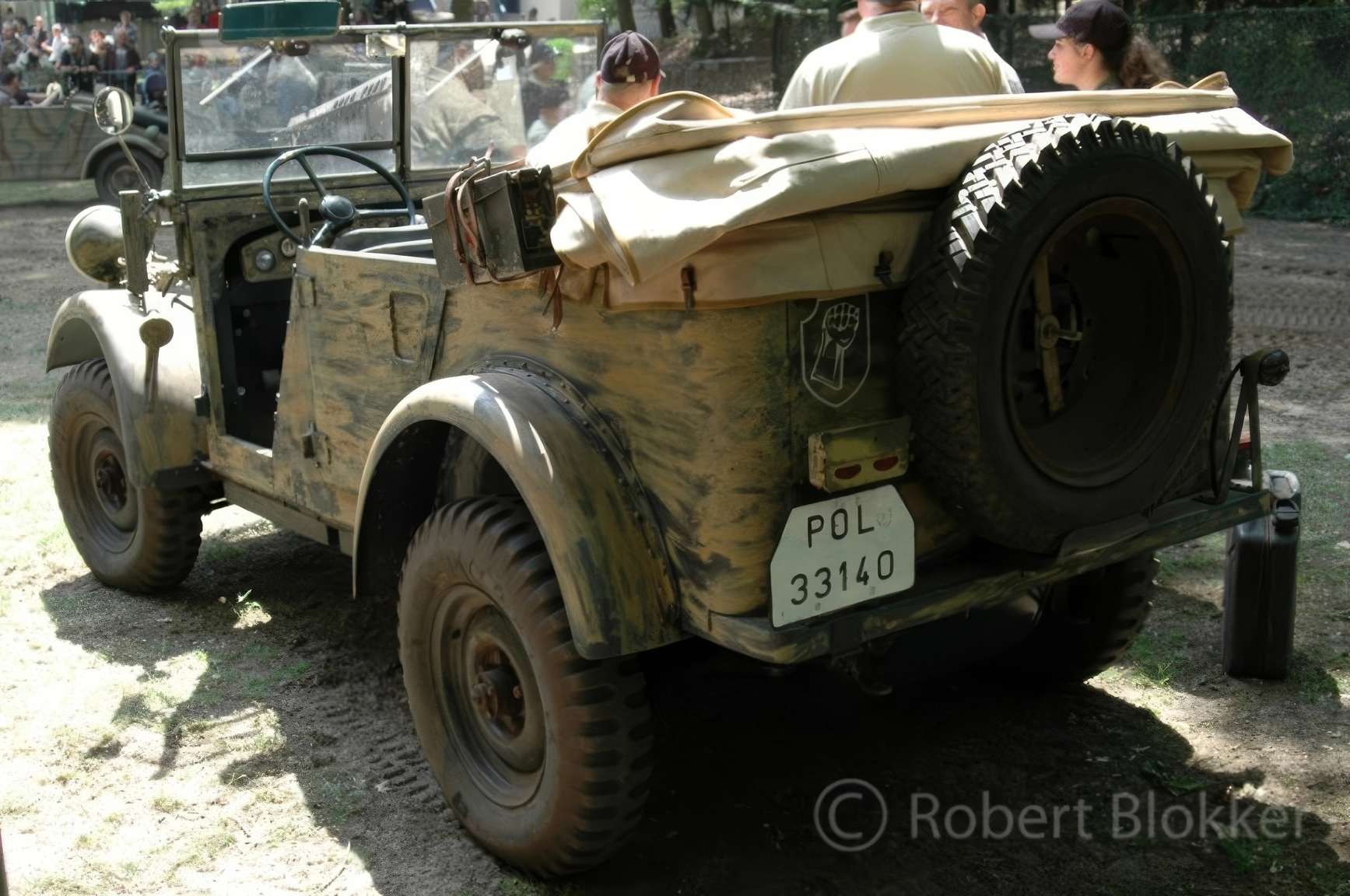
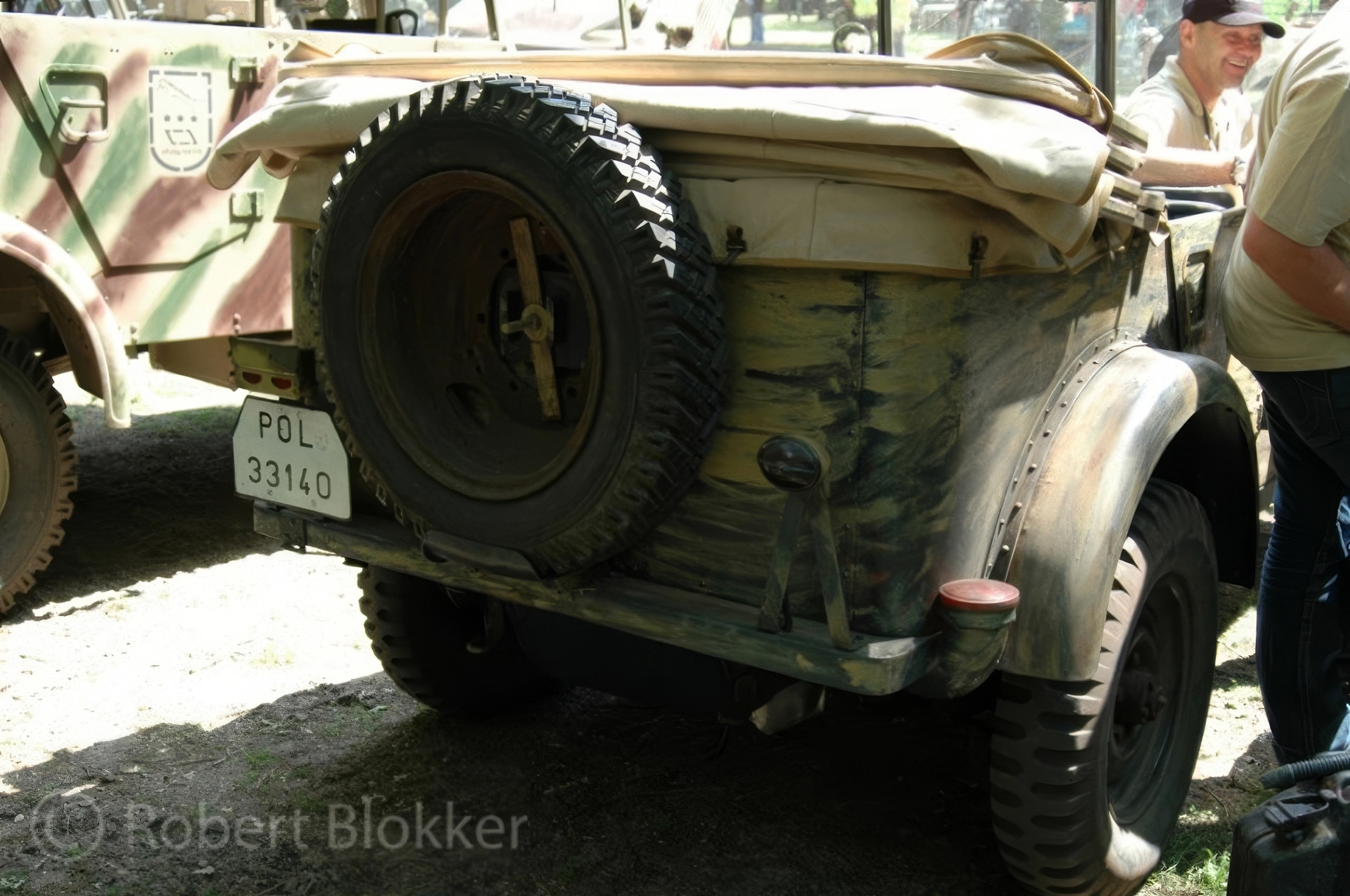
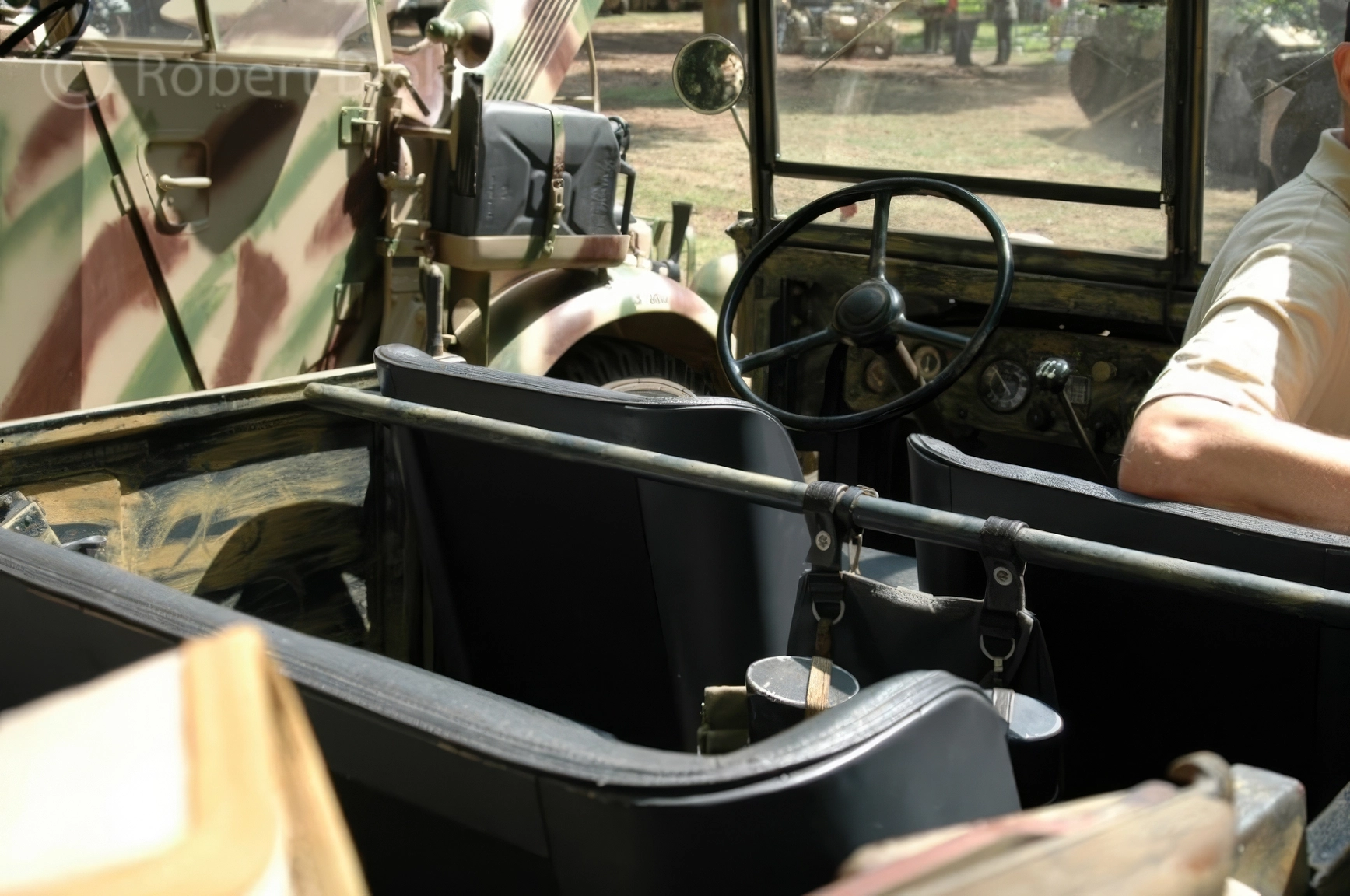
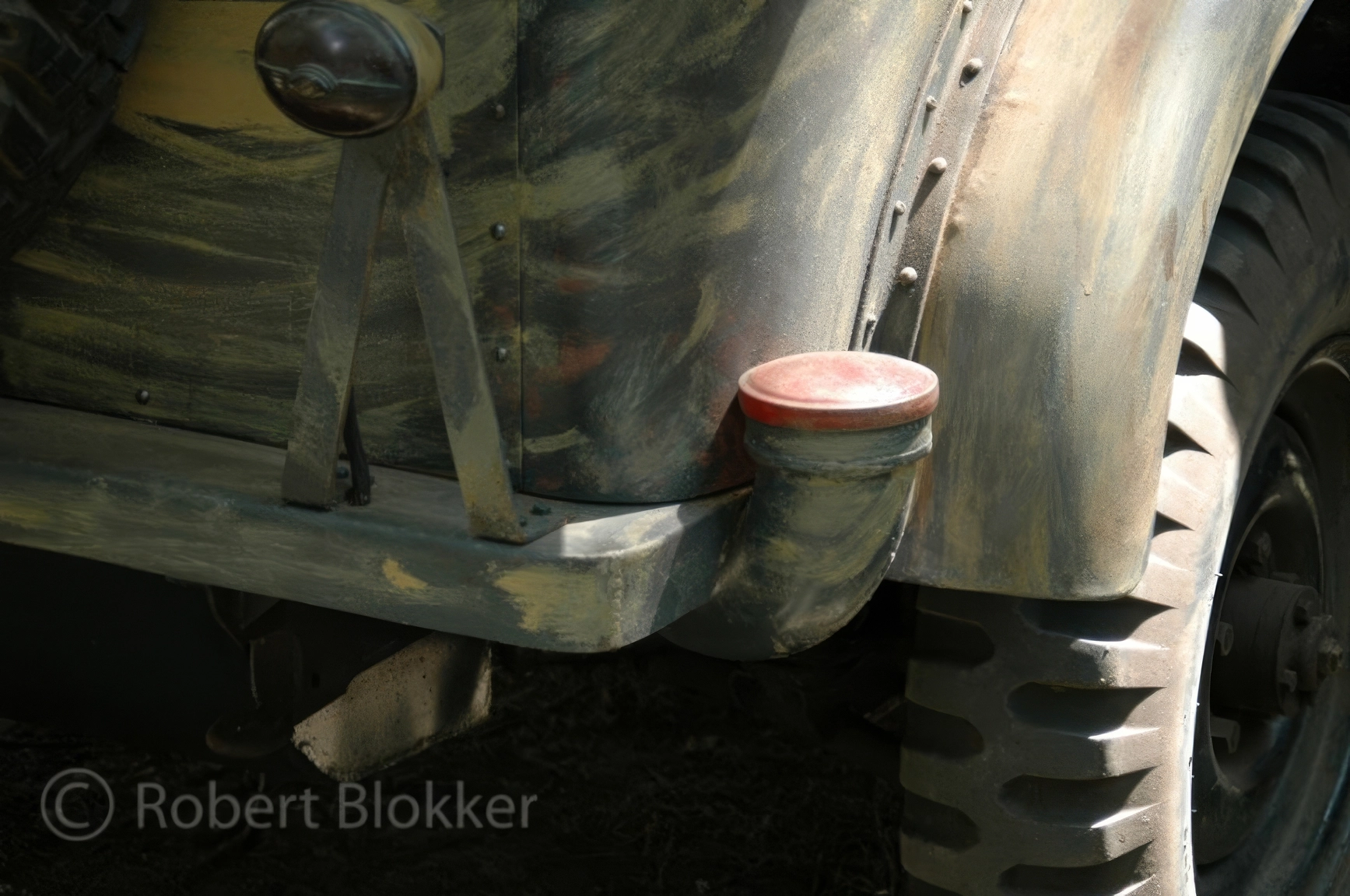
The leichter geländegängiger Personenkraftwagen, or sometimes designated as l. gl. Einheits-Pkw – literally translated: light cross-country standard-passenger car – was manufactured by Stoewer, Hanomag and BMW from 1936 to early 1944. Nearly 17,800 exemplars were made from 1936 to 1943.
Quelle: kfzderwehrmacht
| Stoewer Kfz 1 | |
|---|---|
| Fotograf | Unbekannter |
| Lokalisierung | Unbekannter |
| Fotos | 54 |

Siehe auch:


The “Standardized” Light Passenger Car
das Stoewer Kfz. 1 was the fruit of Germany’s 1930s Einheits-PKW program, which aimed to create a standardized fleet of military vehicles. Unlike the civilian-based Hillman “Tilly,” the Stoewer was a purpose-built military machine designed for maximum off-road performance. It featured incredibly advanced engineering for its time, including 4-wheel drive and even 4-wheel steering. However, this complexity proved to be its undoing; while it could climb almost anything, it was a nightmare to maintain in the muddy, freezing conditions of the Eastern Front.
| Attribute | Technical Specification (Stoewer R180/R200) |
|---|---|
| Rolle | Light Personnel Carrier / Liaison (4×4) |
| Crew | 4 (Driver + 3 Passengers) |
| Motor | Stoewer 4-cylinder petrol (42–50 hp) |
| Drive Train | 4×4 with independent suspension |
| Steering | 4-wheel steering (on early models) |
| Höchstgeschwindigkeit | 80 km/h (50 mph) |
| Einsatzbereich | 350 km (220 miles) |
| Gewicht | ~1,775 kg (3,913 lbs) |
Design Engineering: Over-Engineered Excellence
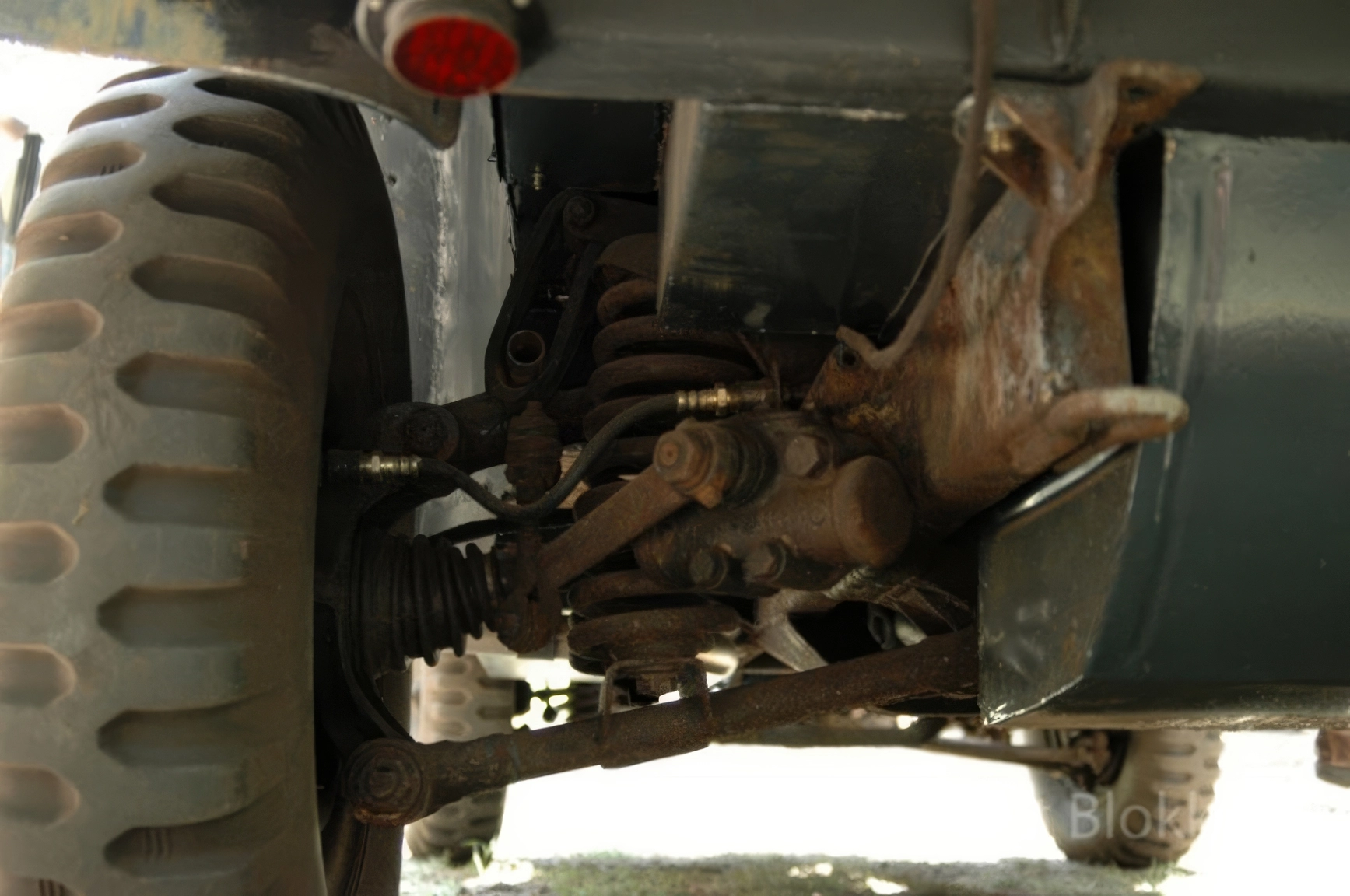
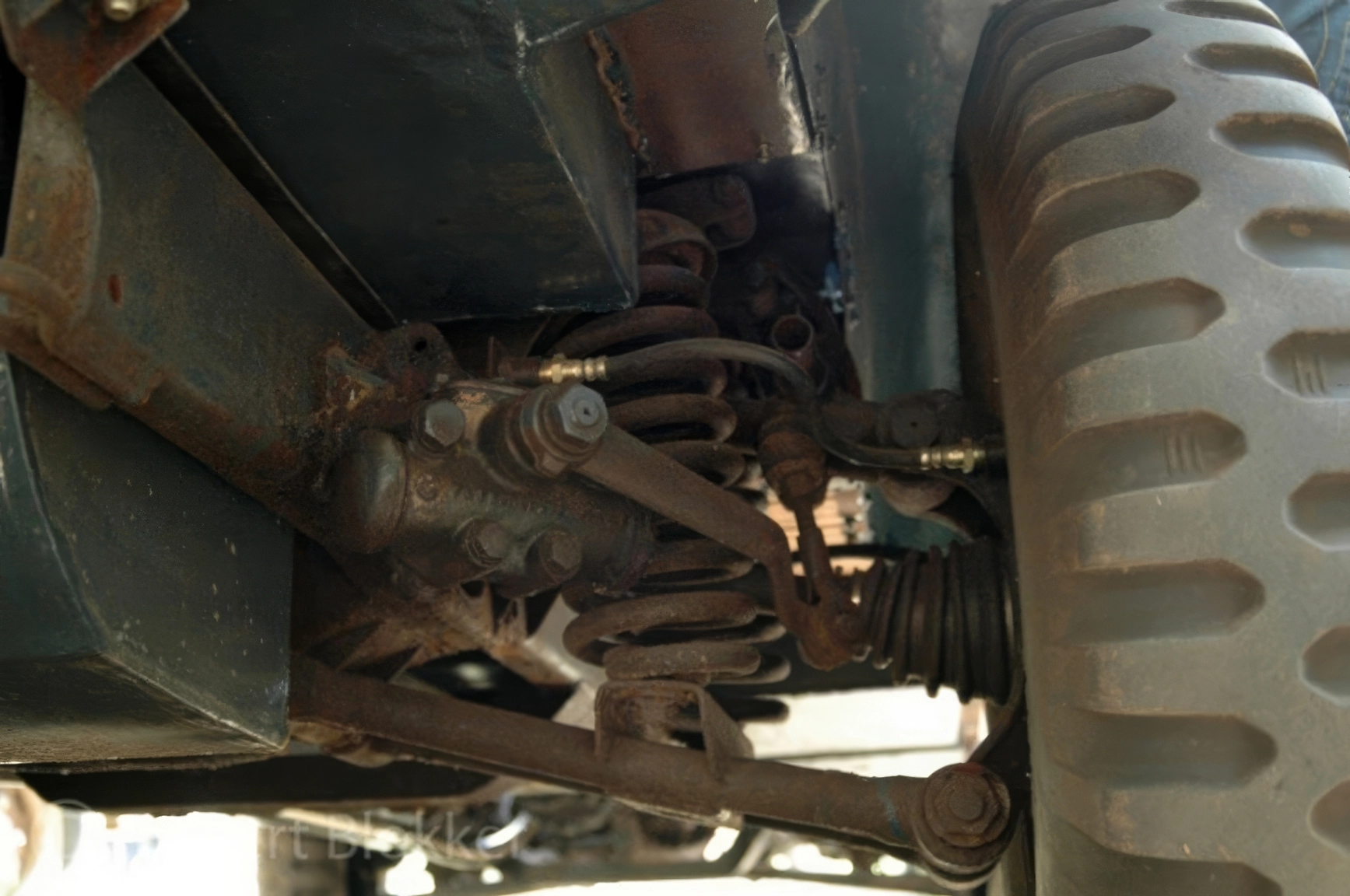
- Four-Wheel Steering: Early versions featured a lever that allowed the rear wheels to turn in the opposite direction of the front wheels. This gave the Kfz. 1 an incredibly small turning circle, perfect for narrow mountain passes, but it was so mechanically complex that it was eventually removed in the later Typ 40 models to simplify production.
- Independent Suspension: Every wheel had its own independent coil spring suspension, providing a relatively smooth ride over rough terrain.
- The “Type 40” Simplification: By 1940, the complexity of the Einheits program was clear. The “Type 40” update removed the rear-wheel steering and centralized the lubrication system, but the vehicle remained much more expensive and difficult to build than the simpler Volkswagen Kübelwagen.
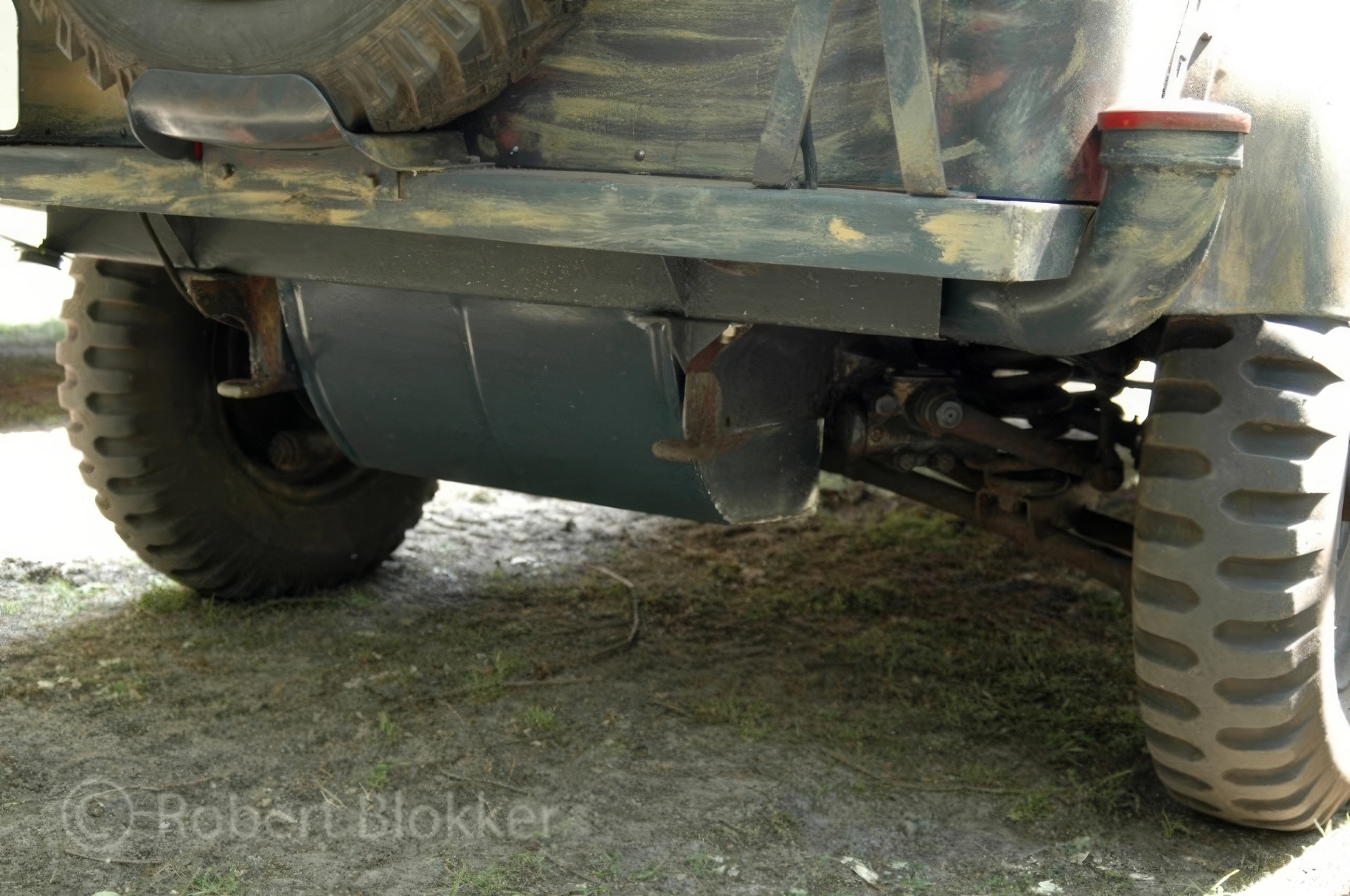
- The Side-Mounted Spares: The two spare tires were mounted on the sides of the body on free-spinning hubs. This wasn’t just for storage; if the car bottomed out on a steep ridge, the spare tires would touch the ground and roll, preventing the chassis from getting stuck.
Operational History: Complexity vs. Reality
- The Blitzkrieg Years: The Stoewer performed brilliantly during the invasions of Poland and France, where roads were decent and maintenance facilities were close by. Officers loved its cross-country ability.
- Russia — The Breaking Point: In the Soviet Union, the Kfz. 1 met its match. The fine dust and deep mud of the Steppe clogged the intricate independent suspension and 4WD joints. Unlike the rugged Jeep or the simple Kübelwagen, a broken Stoewer often stayed broken.
- Multi-Factory Production: Because Stoewer couldn’t meet the demand alone, BMW (as the 325) and Hanomag (as the 20 B) were ordered to build identical versions. While they looked the same, many parts were not actually interchangeable, further complicating logistics.
- The “Kübelwagen” Takeover: Eventually, the German high command realized that the lighter, air-cooled, and much simpler VW Kübelwagen was superior for the realities of total war. Production of the light Einheits cars ceased in 1943.
Views : 5154