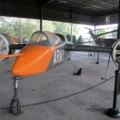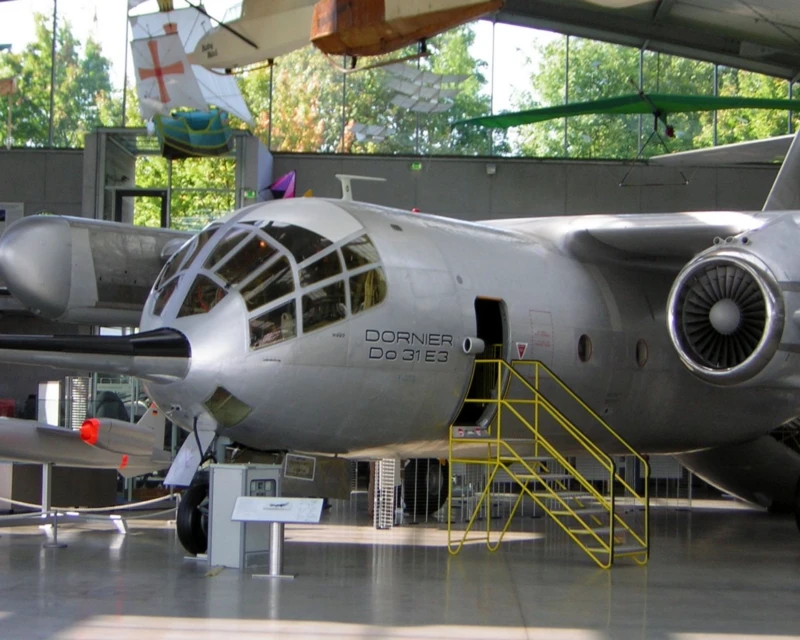
도르니에 할 31E3 | |
|---|---|
| 국가 | 독일 |
| 형식 | 제트 운송 |
| 첫 비행 | 1967년 2월 10일 |
| 내장 | 3 |
Tthe 도르니에 도 31 was a West German experimental VTOL jet transport built by Dornier. The Do 31 was designed to meet a NATO specification (NBMR-4) for a tactical support aircraft for the EWR VJ 101 VTOL strike aircraft designed under the NATO contract of BMR-3.
The project was cancelled in 1970 owing to high costs, technical problems and a change of requirement.
| Dornier Do 31E3 – WalkAround | |
|---|---|
| 사진 작가 | Eugeny Dedigurov |
| 로컬라이제이션 | 플뤼그베르프트 슐라이스하임 박물관 |
| 사진 | 28 |
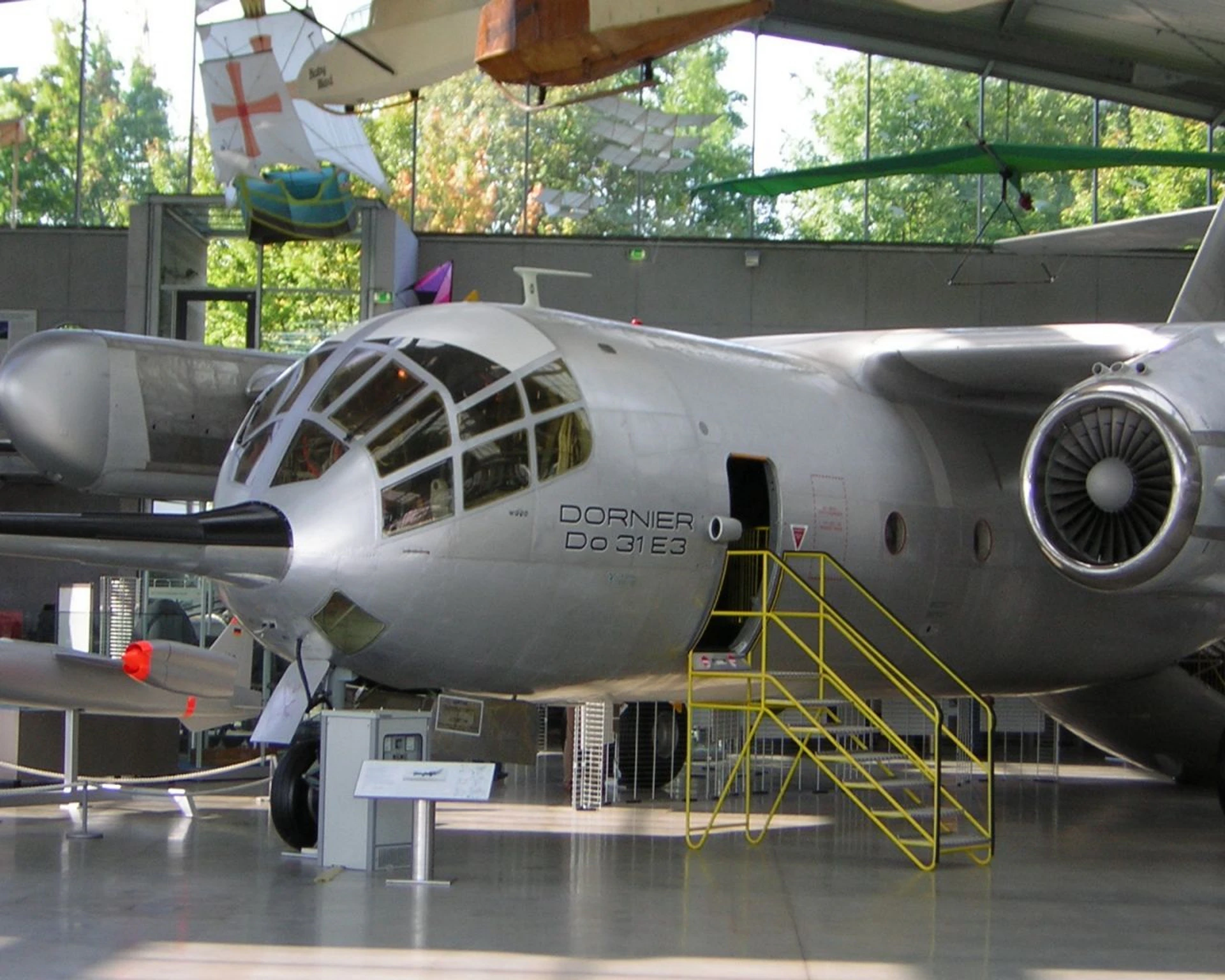
Dornier Do 31E3 01
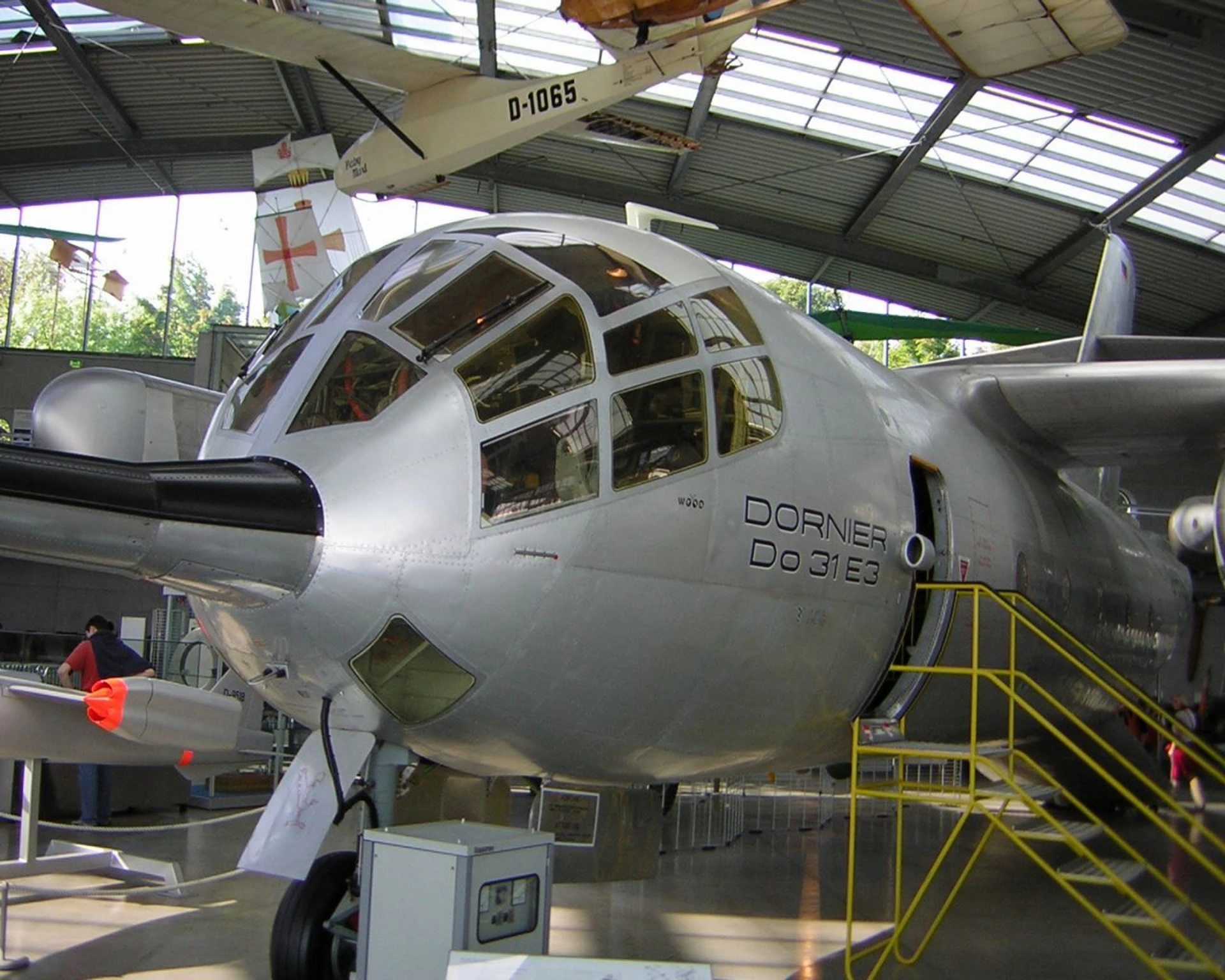
Dornier Do 31E3 02
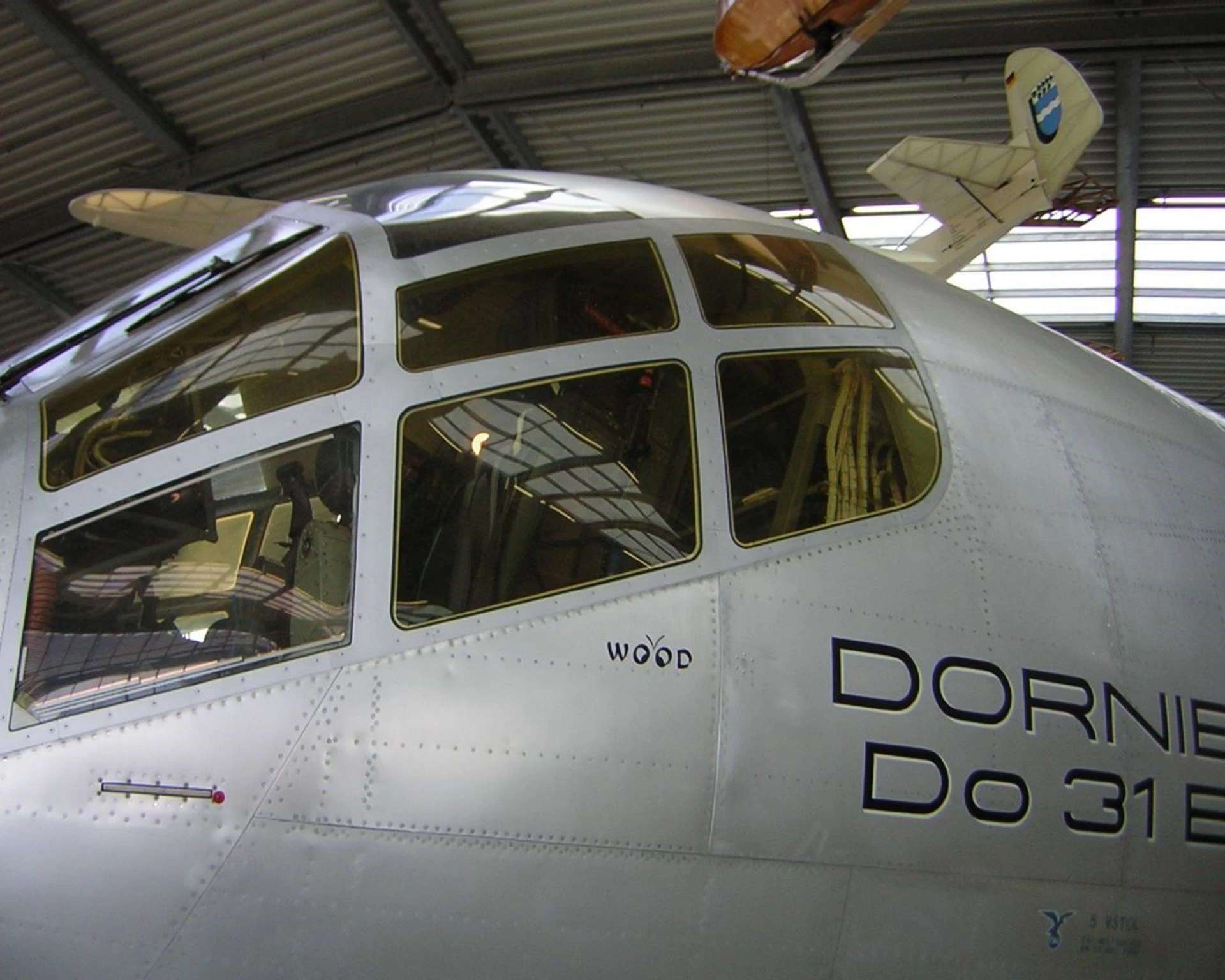
Dornier Do 31E3 03
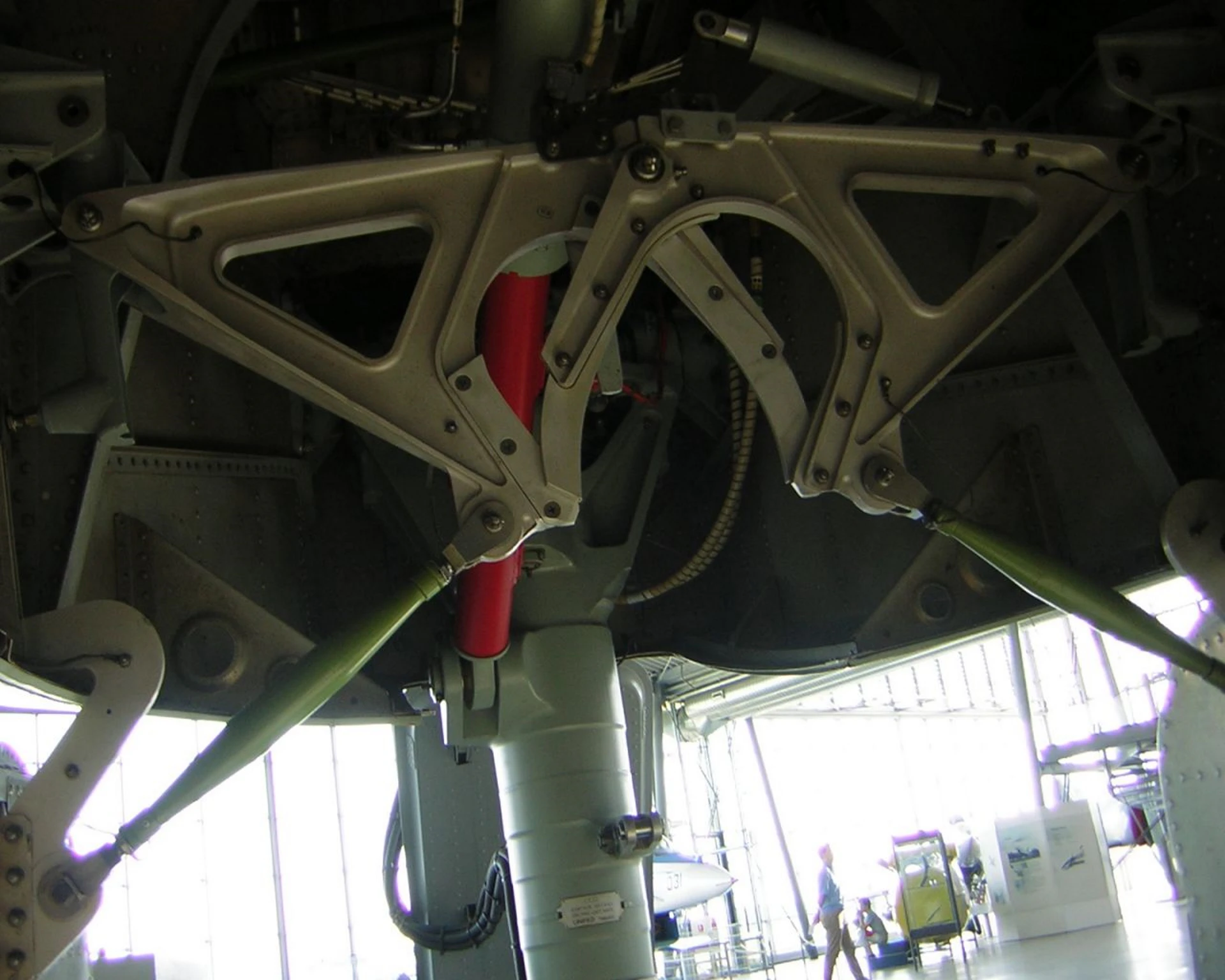
Dornier Do 31E3 04
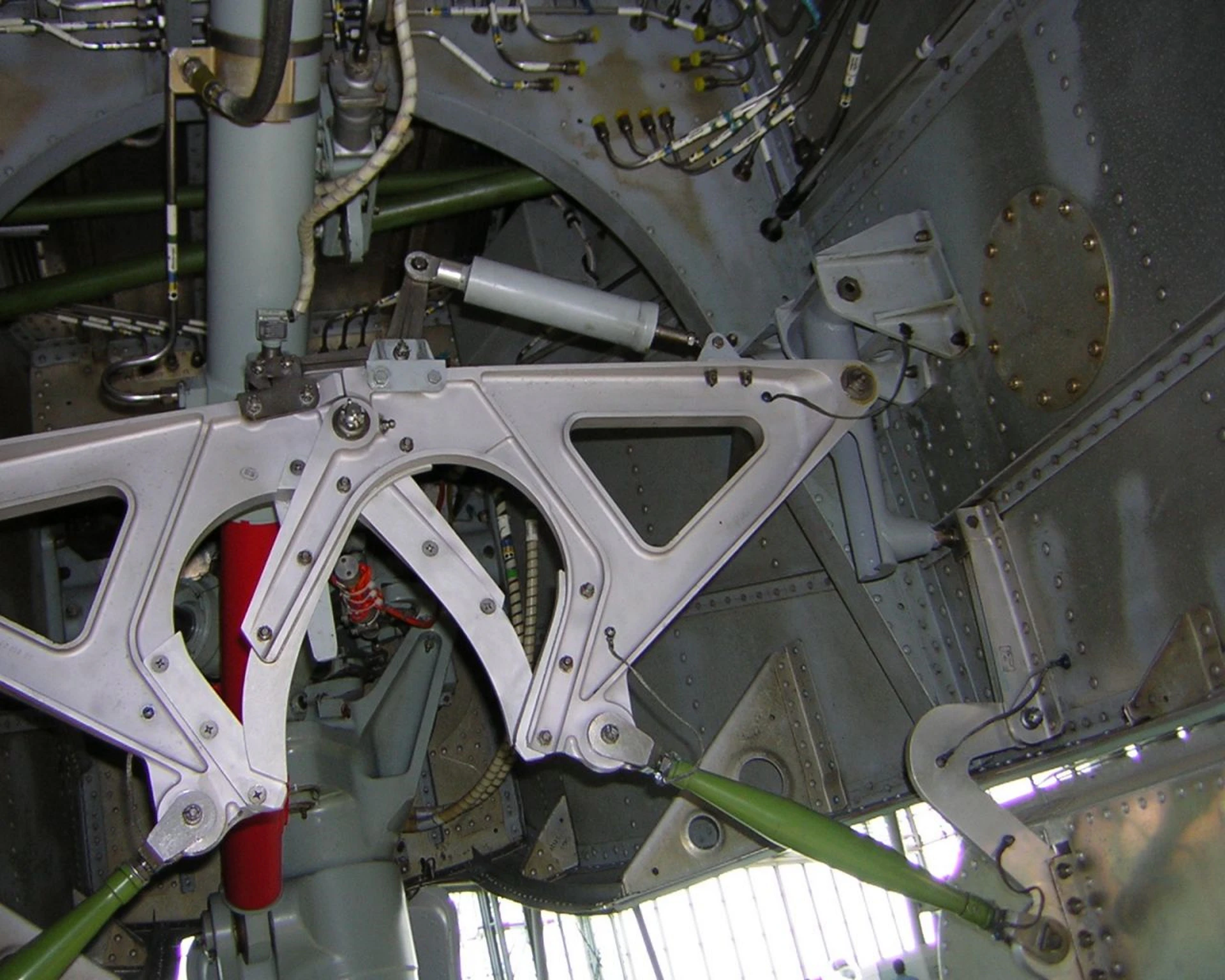
Dornier Do 31E3 05
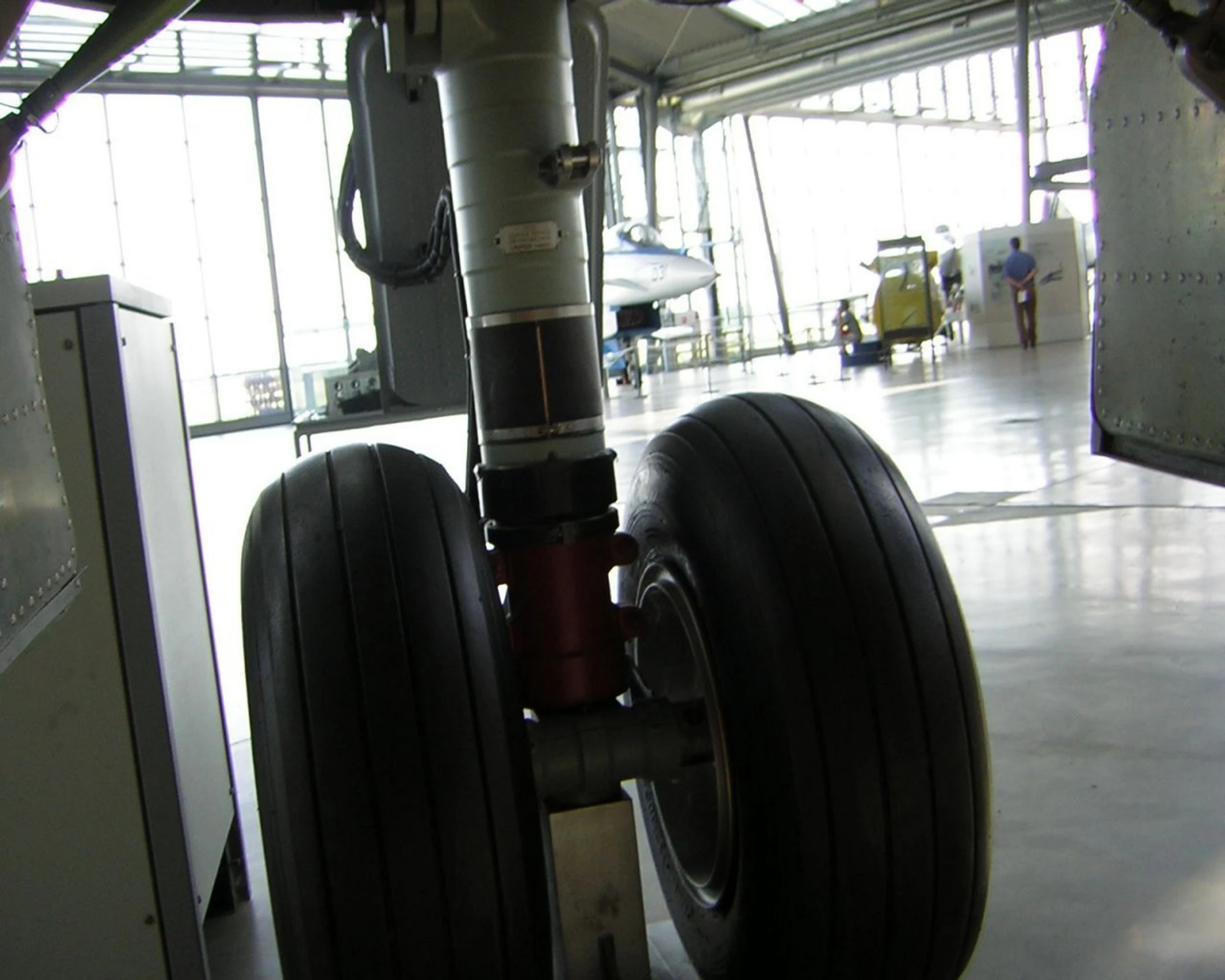
Dornier Do 31E3 06
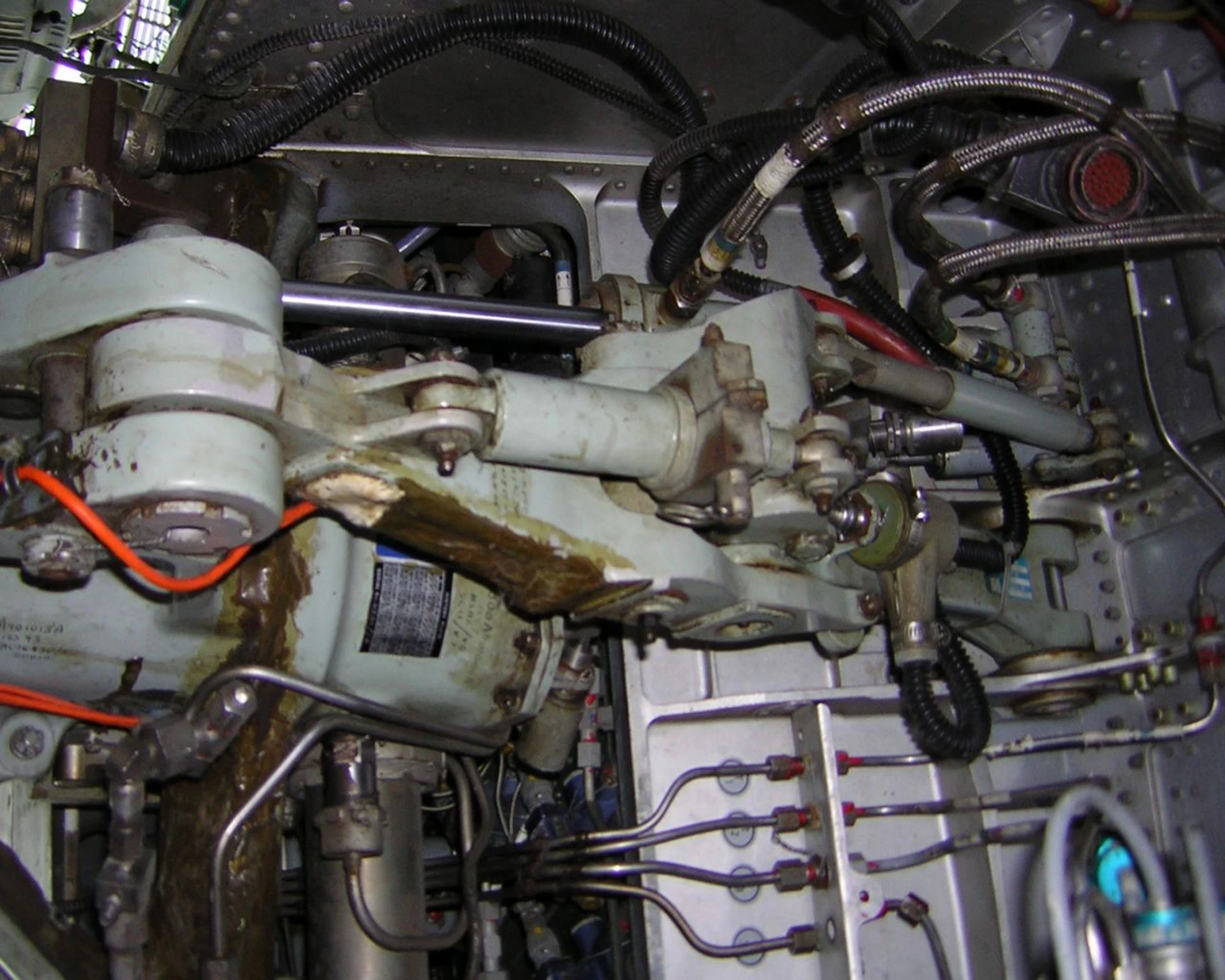
Dornier Do 31E3 07
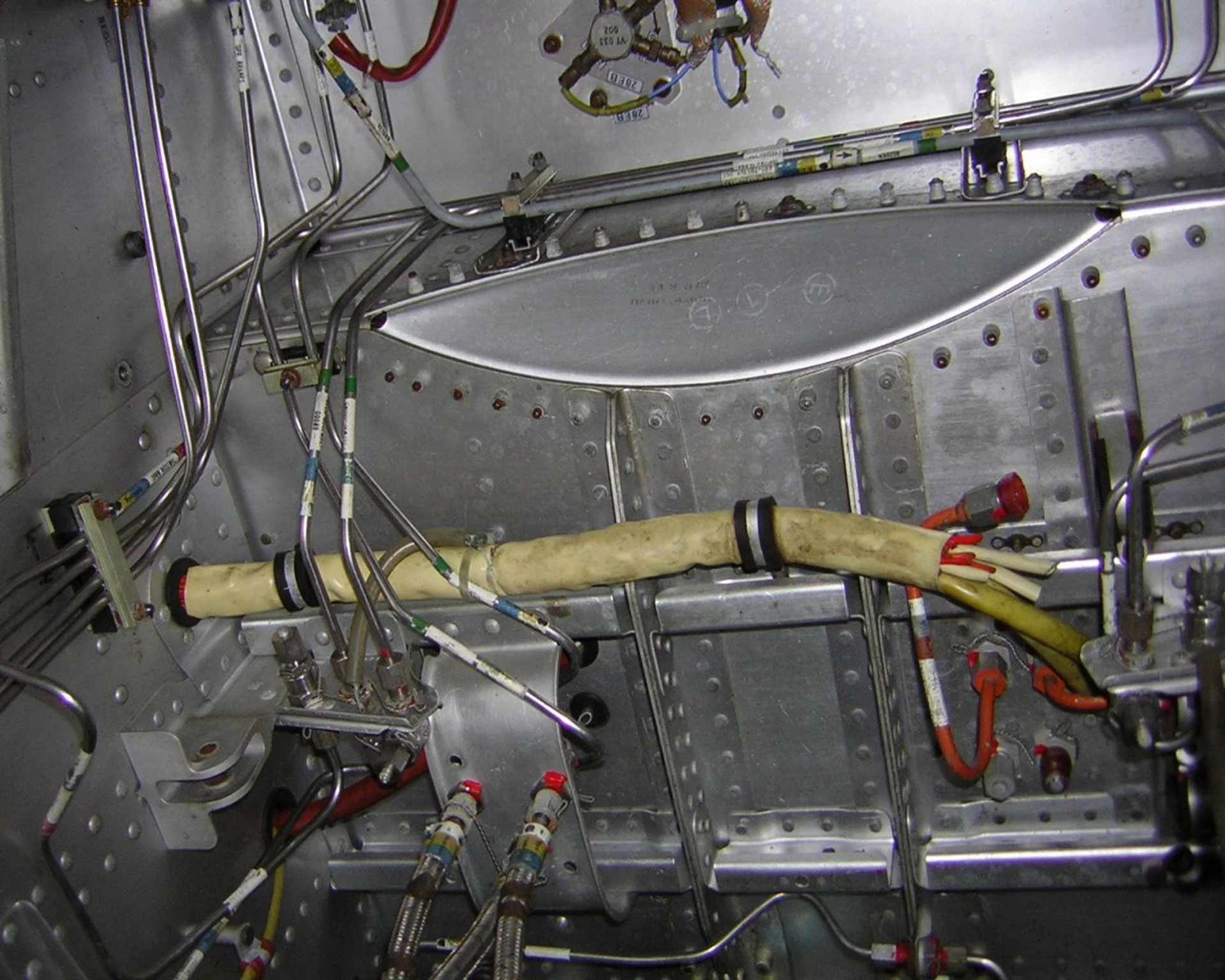
Dornier Do 31E3 08
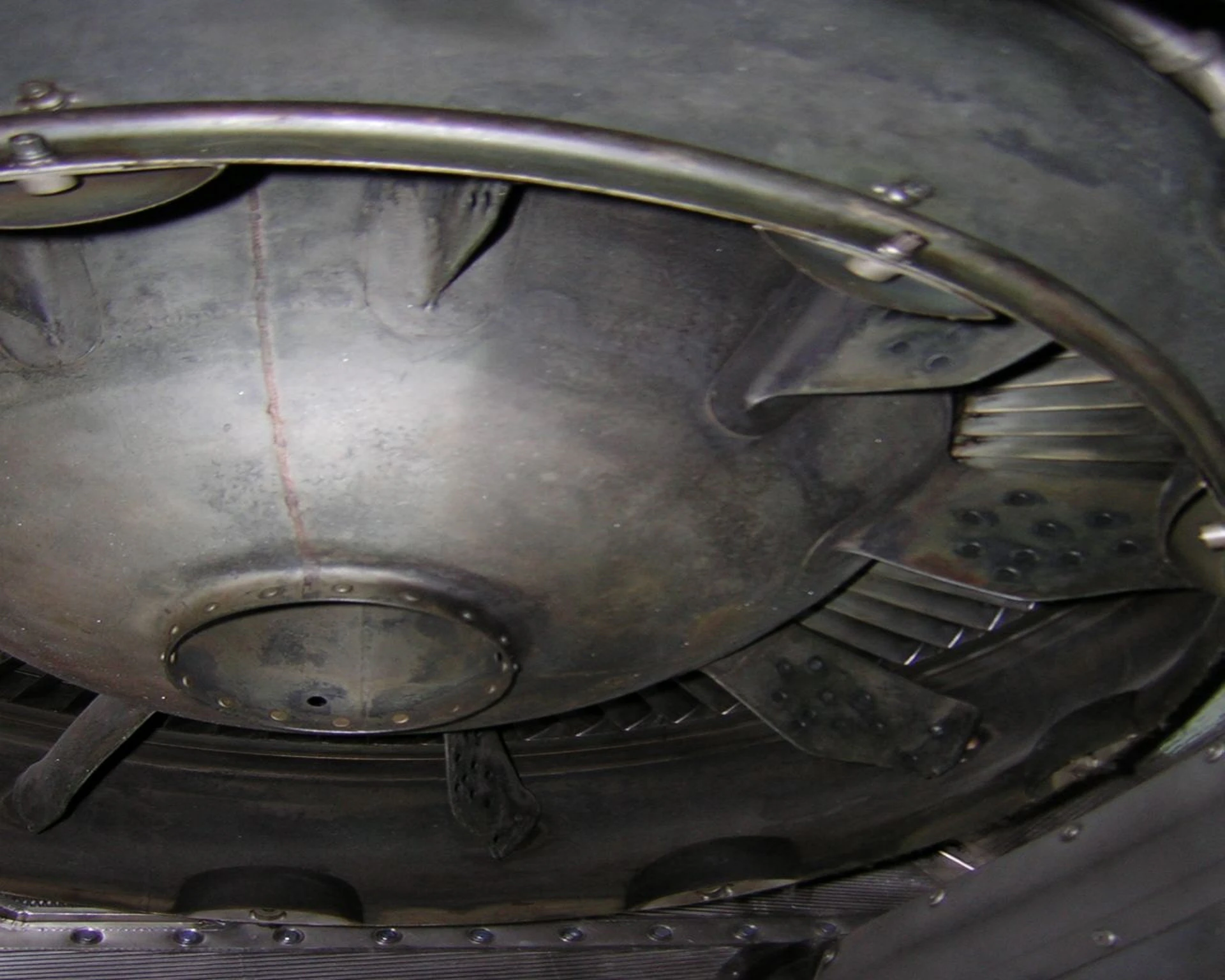
Dornier Do 31E3 09
대기,검색 도르니에 당신을 위해 31E3 사진을 수행...

 커피 사줘
커피 사줘| Dornier Do31 E3 Walk Around | |
|---|---|
| 사진 작가 | Howard Mason |
| 로컬라이제이션 | Unknow |
| 사진 | 89 |
대기,검색 도르니에 당신을 위해 31E3 사진을 수행...
참고 항목:


The Solution to a Nuclear Nightmare
Tthe 도르니에 도 31 was a West German experimental tactical transport aircraft born from the terrifying logic of the Cold War. NATO planners feared that a Soviet first strike would wipe out every conventional runway in Europe. The answer? A jet-powered transport that could take off vertically from a forest clearing or a hidden parking lot. The E3 was the final and most successful prototype, proving that it was possible to lift a massive airframe using ten separate jet engines. Though a technical triumph, it was ultimately deemed too expensive and loud for practical use.
| Attribute | Technical Specification (Do 31E3) |
|---|---|
| 역할 | Experimental VTOL Tactical Transport |
| 승무원 | 2 Pilots + 1 Flight Engineer |
| First Flight | February 10, 1967 (Conventional) / December 16, 1967 (VTOL) |
| Main Engines | 2 × Bristol Siddeley Pegasus 5-2 vectored-thrust turbofans |
| Lift Engines | 8 × Rolls-Royce RB162-4D turbojets (4 in each wingtip pod) |
| Total Thrust | Approx. 66,000 lbf (for vertical lift) |
| 최대 속도 | 730 km/h (450 mph) |
| 용량 | Up to 36 fully equipped troops |
Design Engineering: Ten Engines, One Goal
- Vectored Thrust + Lift Jets: The Do 31 used a “hybrid” lift system. Two Pegasus engines (the same type used in the Harrier) provided thrust that could be vectored downward. To provide the extra lift needed for a heavy transport, two massive pods at the wingtips each housed four dedicated RB162 lift engines.
- Reaction Control System (RCS): During a hover, traditional wings and rudders don’t work. The Do 31 bled air from its main engines and piped it to nozzles in the tail and nose, allowing the pilot to pitch and yaw the aircraft like a spacecraft.
- The “High-Shoulder” Wing: To prevent the hot exhaust from the lift engines from being sucked back into the intakes (re-ingestion), the wing was mounted high on the fuselage, and the lift pods were kept as far away from the body as possible.
- The Pilot’s Workload: Controlling ten engines simultaneously was a monumental task for 1960s technology. The Do 31 pioneered early stability augmentation systems that helped the pilot maintain a steady hover by automatically adjusting the thrust of individual lift jets.
A Legacy of “What If?”
- The Noise Problem: The Do 31 was arguably the loudest aircraft ever built. The combined roar of ten jet engines at full thrust was so intense that it could be heard for miles, making it completely unsuitable for civilian airports or stealthy military operations.
- The Death of the Program: Despite setting several world records for VTOL flight in 1969, the program was canceled in 1970. Improvements in conventional runway repair and the sheer cost of maintaining ten jet engines made the project a “white elephant.”
- NASA Interest: After the German program ended, NASA studied the Do 31 extensively to see if the technology could be used for future short-haul city-center airliners.
- Surviving Example: Only one of the three prototypes survives today. It is a star attraction at the Deutsches Museum Flugwerft Schleißheim near Munich, where it stands as a monument to the peak of 1960s aeronautical ambition.
Views : 2745