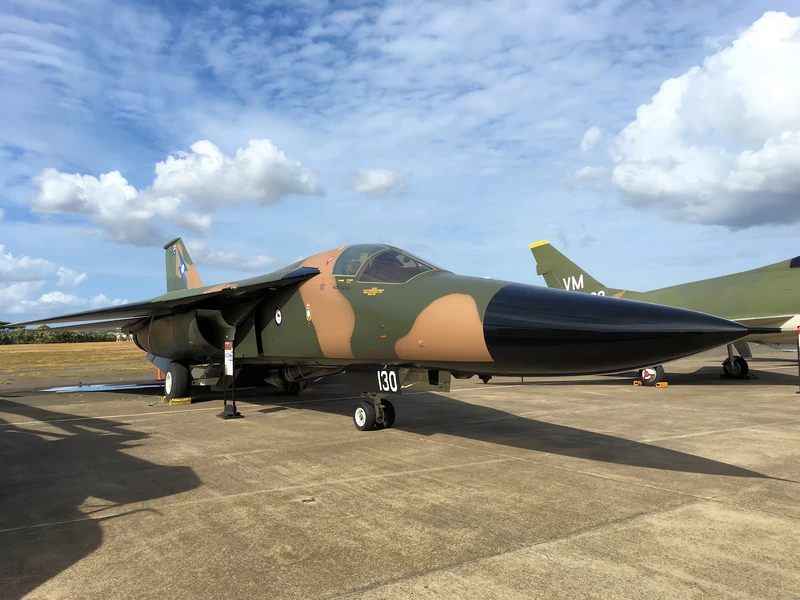
General Dynamics F-111C | |
|---|---|
| 国 | 米国 |
| 役割 | 戦闘爆撃機と偵察機 |
| 初飛行 | 1968年7月 |
| 構築 | 28 |
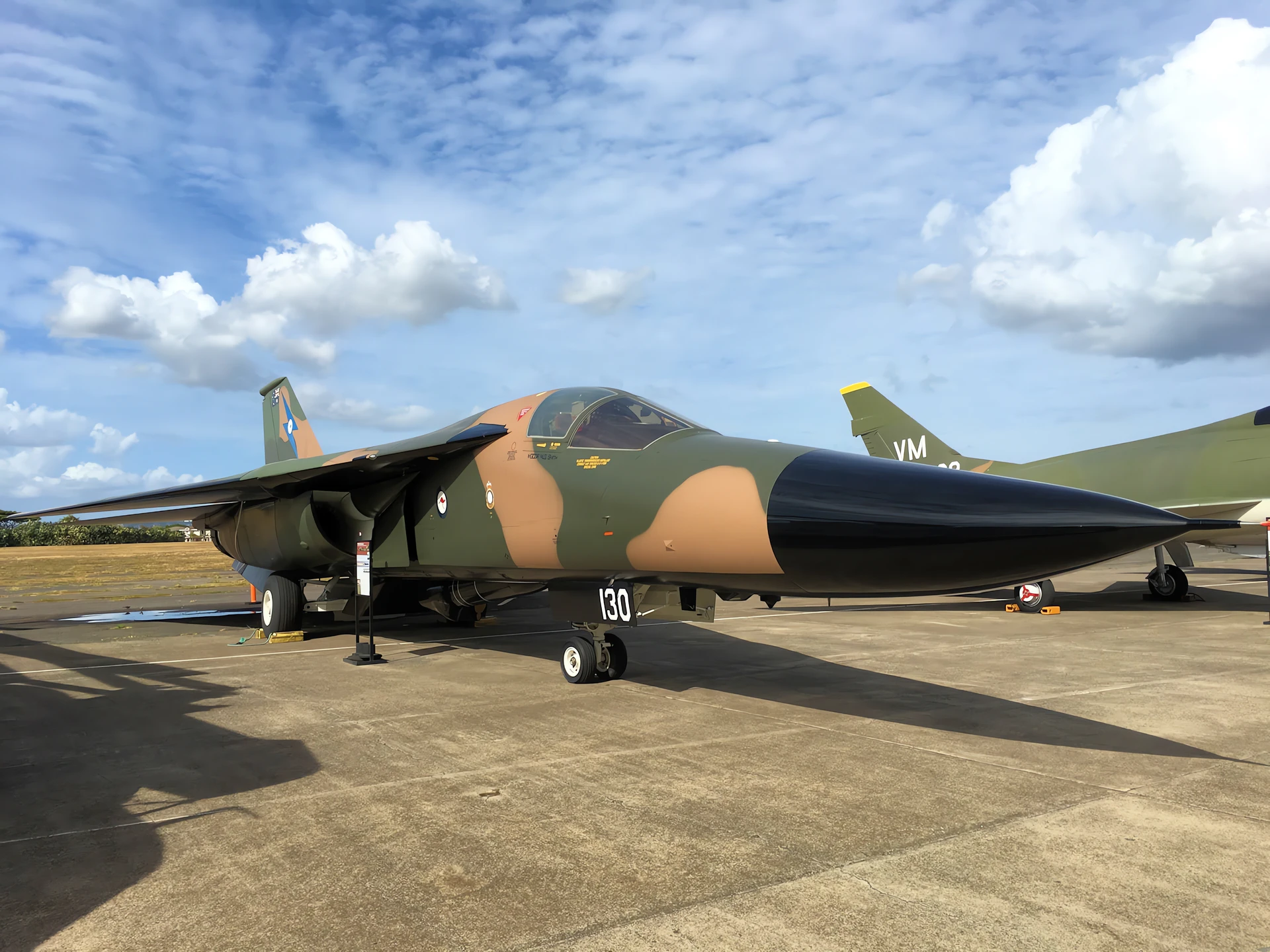
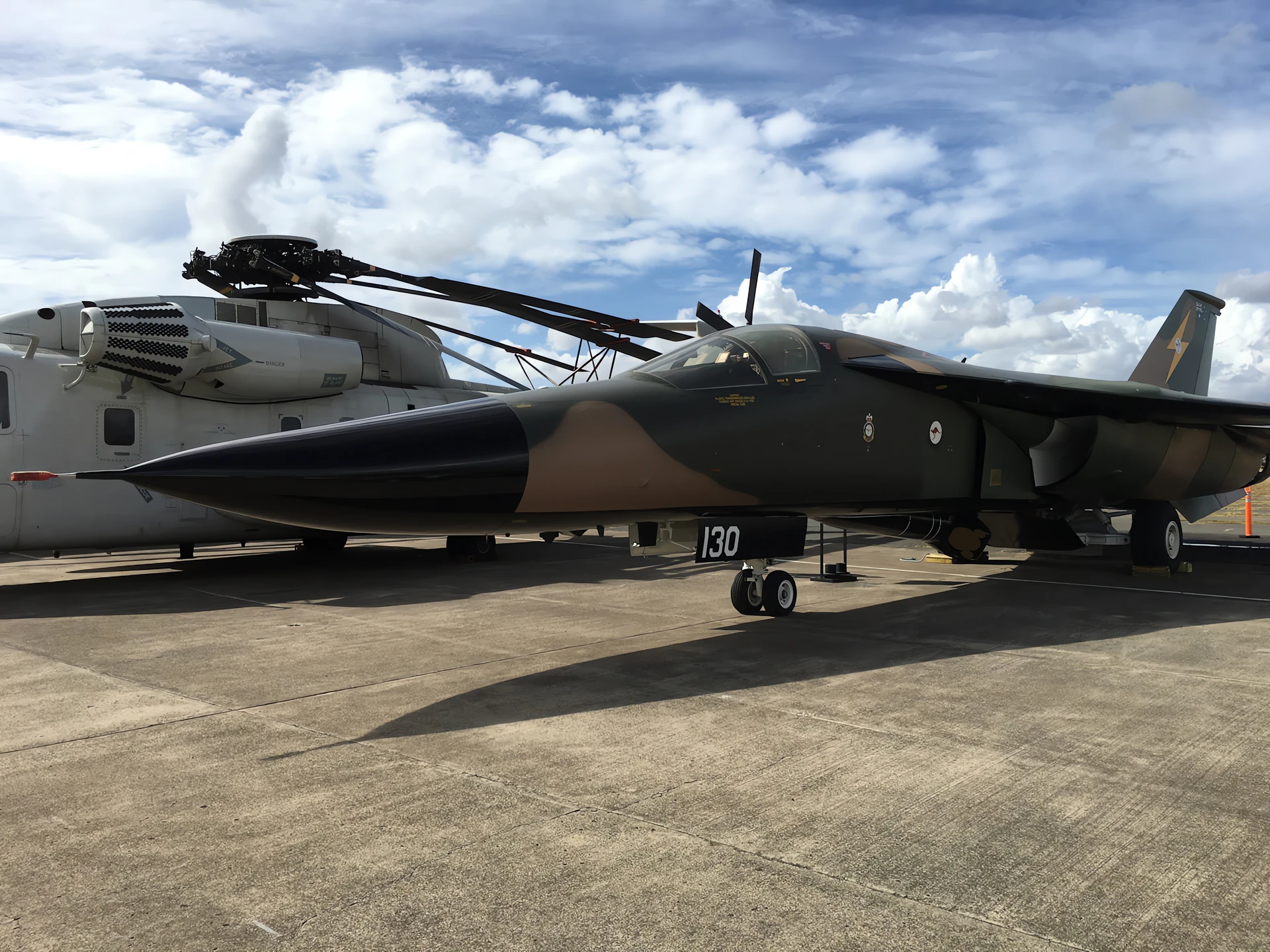
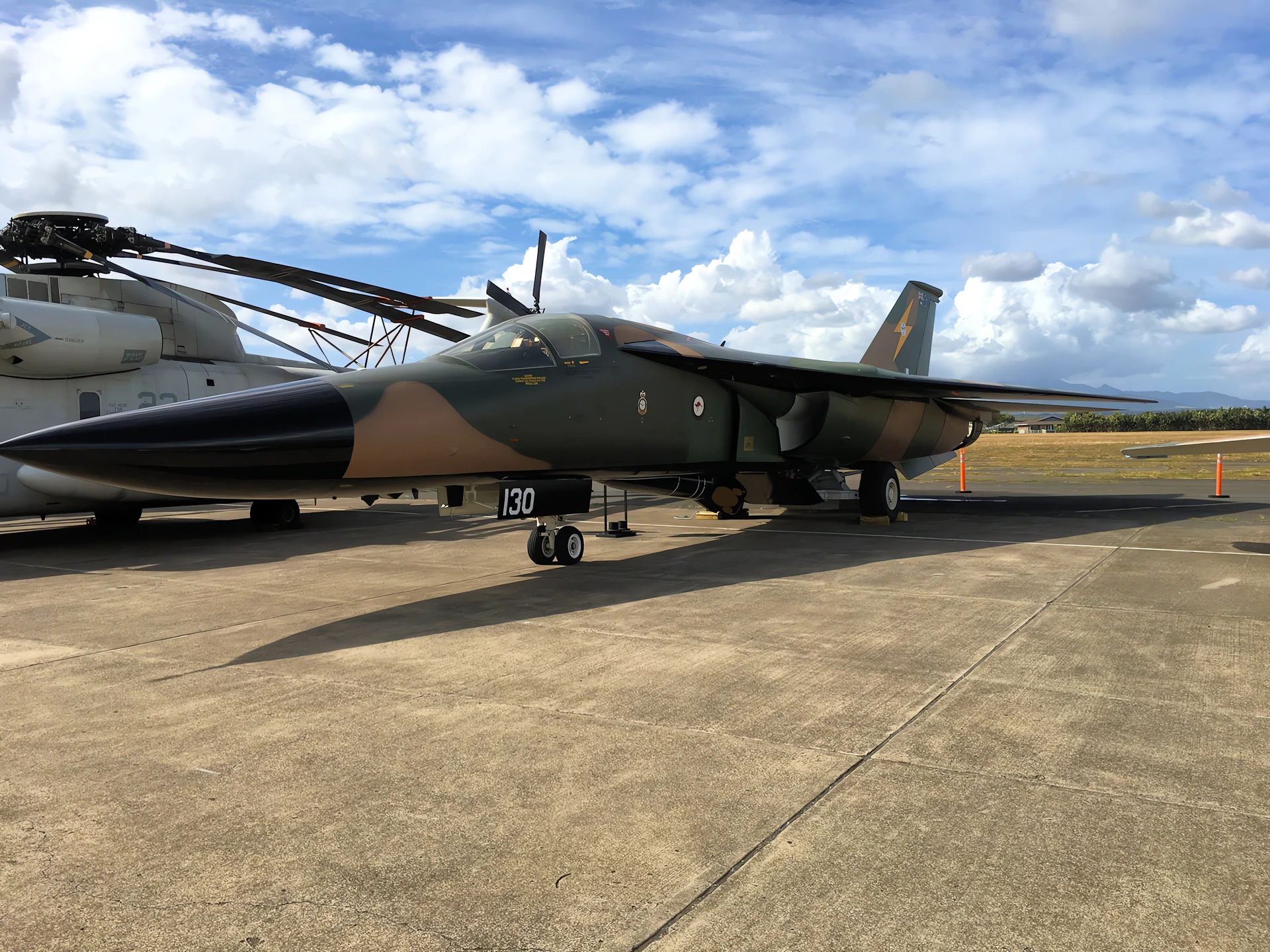
ザ ジェネラル・ダイナミクス F-111C (「豚」の愛称で呼ばれる)は、オーストラリアの要件を満たすためにゼネラルダイナミクスによって開発されたF-111アードバーク中距離インターディクターと戦術ストライキ航空機の変種です。設計はF-111Aモデルに基づいていましたが、長い翼と強化された足回りが含まれていました。オーストラリア政府は1963年に24機のF-111Cにオーストラリア空軍(RAAF)を装備するよう命じたが、長期にわたる技術的問題のため1973年まで航空機は納入されなかった。
ソース: ウィキペディアのジェネラル ダイナミクス F-111C
| F-111C Walk Around | |
|---|---|
| カメラマン | フォティオス・ルーシュ |
| ローカライズ | 知りません |
| 写真 | 54 |
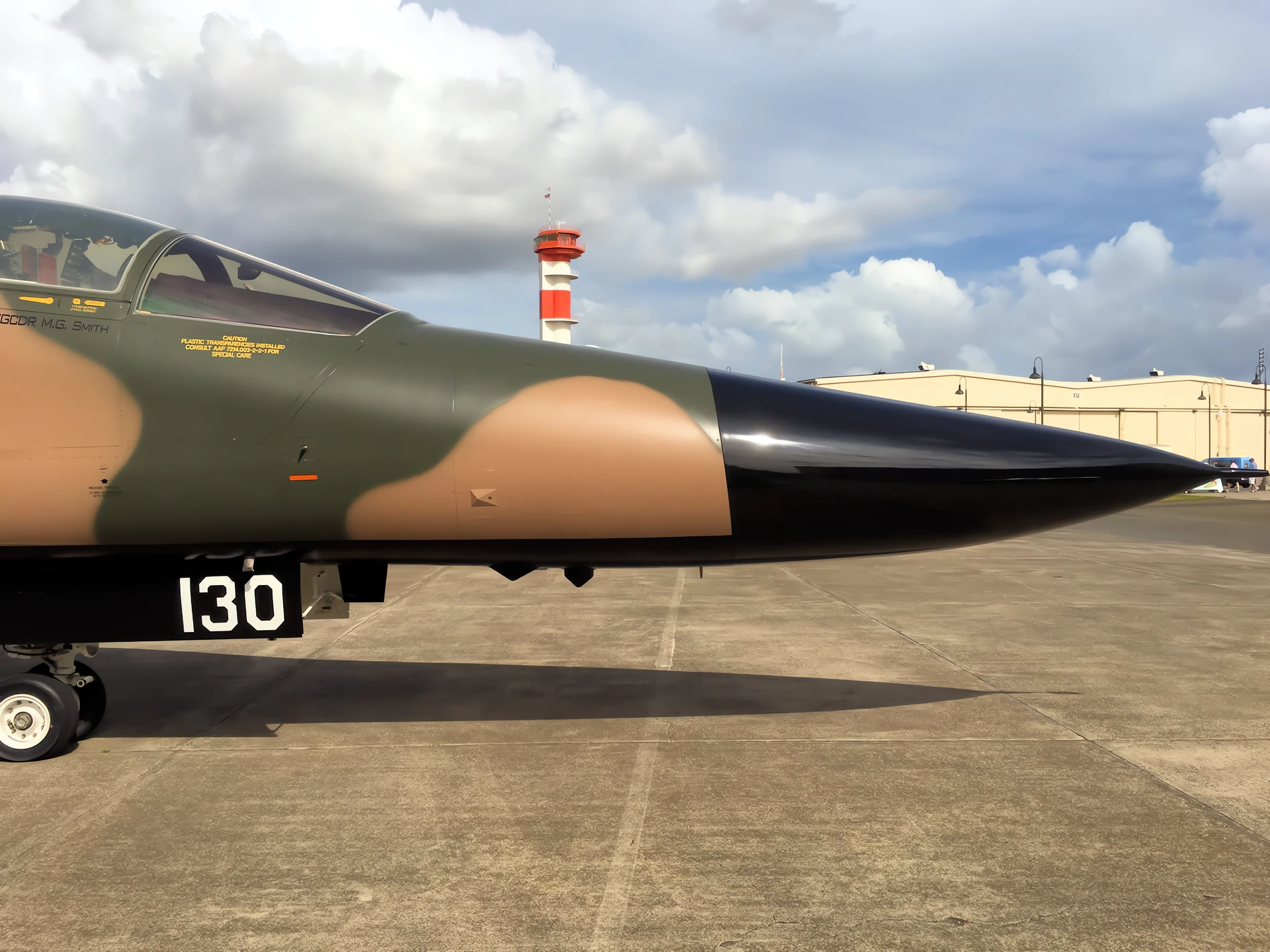
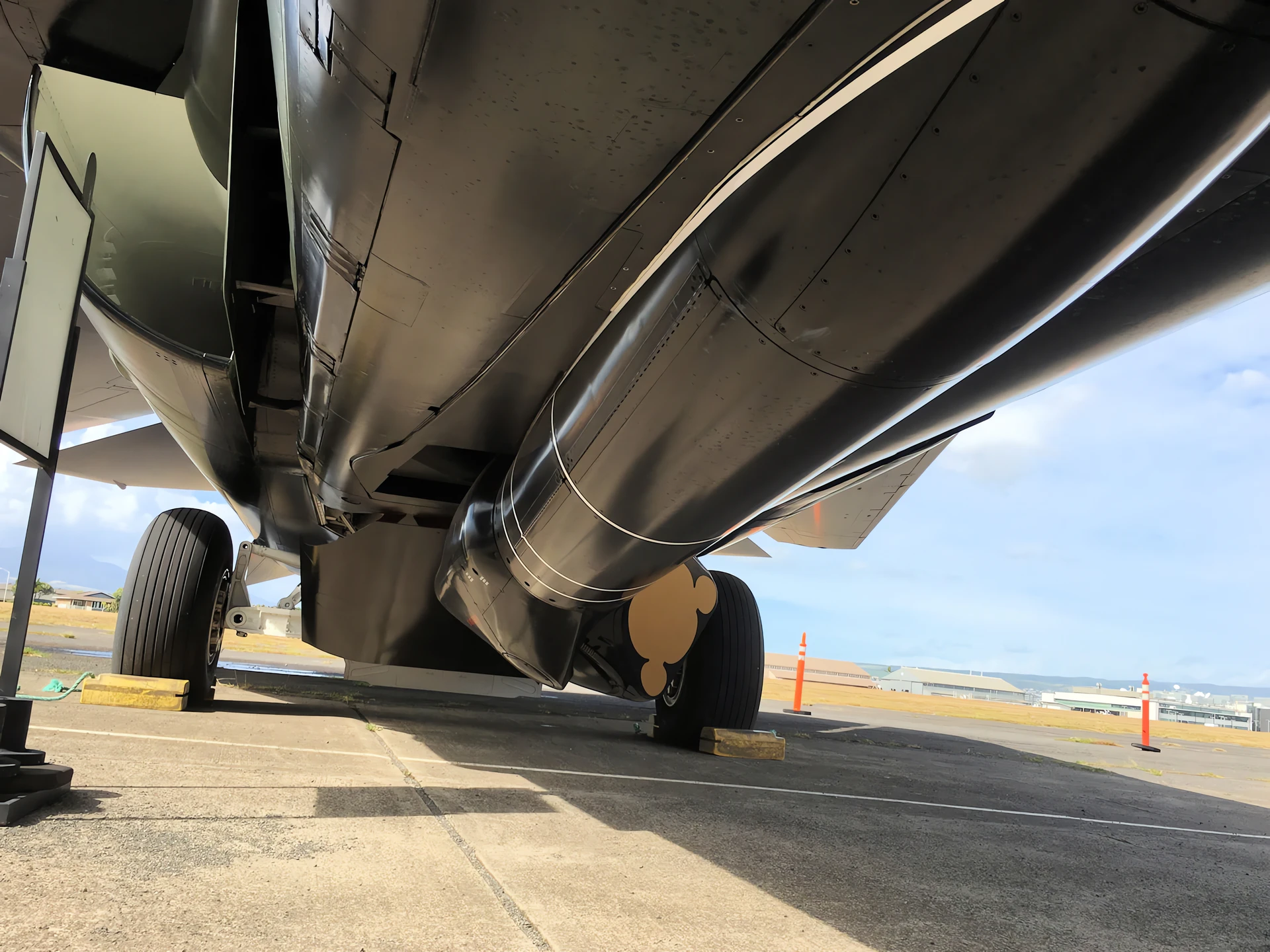
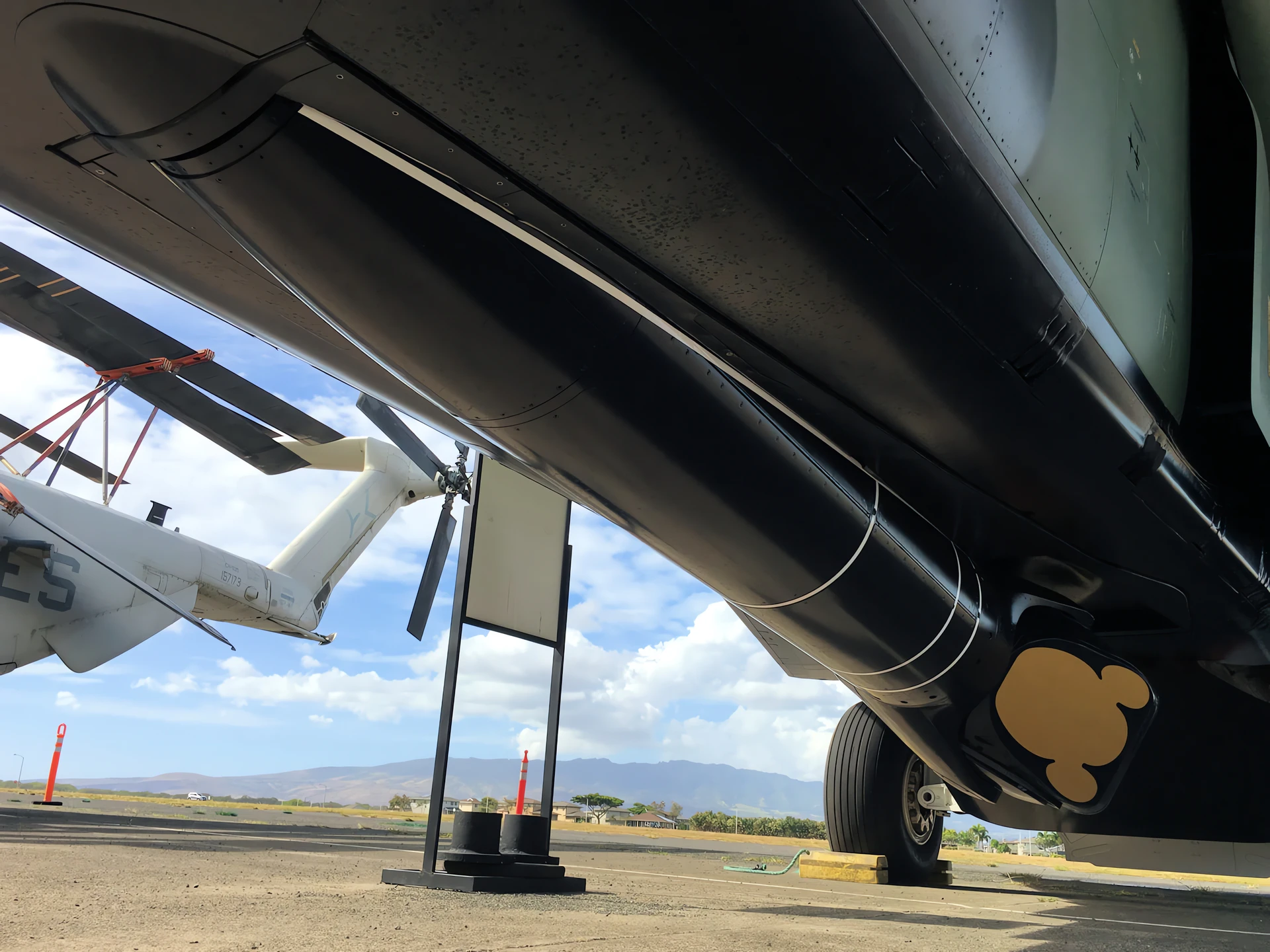
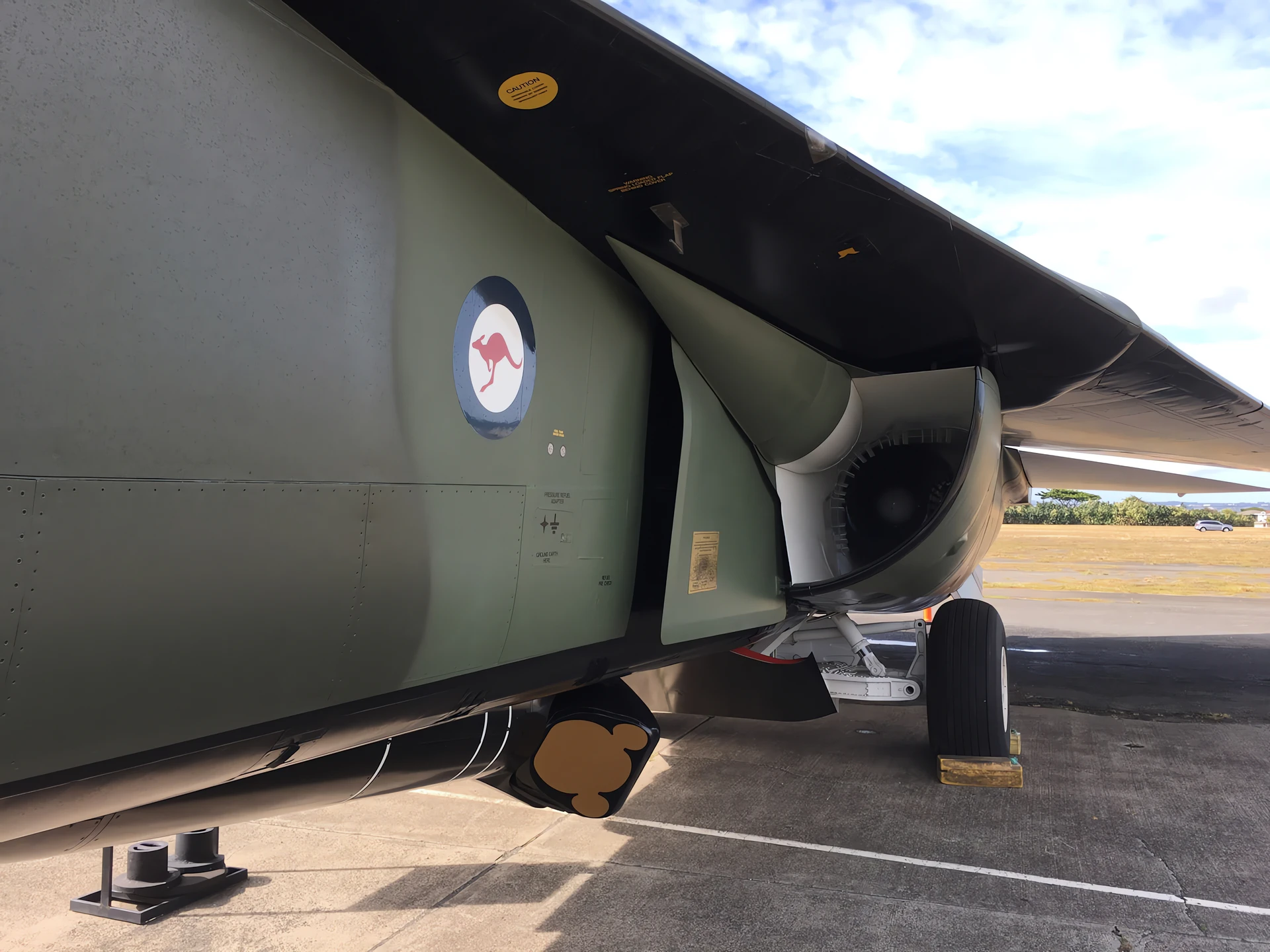


関連項目:


General Characteristics and Role
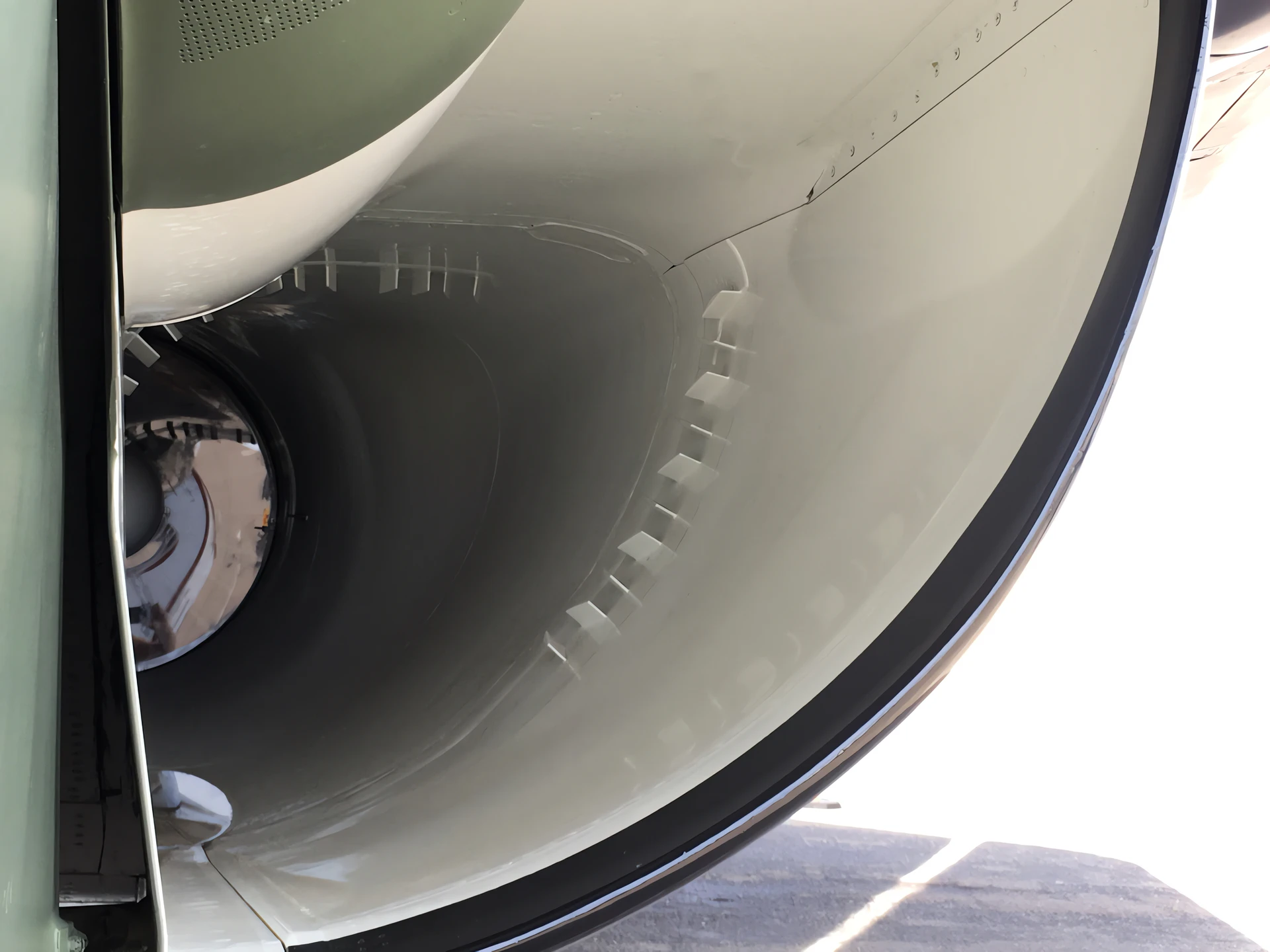
The General Dynamics F-111C is a variant of the F-111 Aardvark swing-wing interdictor and tactical strike aircraft, specifically developed for the Royal Australian Air Force (RAAF). It combined the F-111A’s fuselage with the larger, longer-span wings of the FB-111A strategic bomber, along with a strengthened undercarriage to handle heavier weights. Known affectionately as the “Pig” by RAAF crews for its long snout and terrain-following capability, the F-111C served as Australia’s primary long-range strike and reconnaissance platform from 1973 until its retirement in 2010. Its key features were the variable-sweep wings, terrain-following radar, and an escape crew capsule.
| Property | Typical Value |
|---|---|
| 役割 | Tactical Strike, Interdiction, Reconnaissance (RF-111C) |
| National Origin | United States (Variant for Australia) |
| メーカー | ゼネラル・ダイナミクス |
| Service Entry (RAAF) | 1973 |
| 乗組員 | 2 (Pilot and Weapon Systems Officer, side-by-side) |
| 長さ | 22.41 m (73 ft 6 in) |
| Wingspan (Extended/Max Sweep) | 19.2 m (63 ft) / 9.73 m (31 ft 11 in) |
| Maximum Takeoff Weight | Approx. 41,504 kg (91,500 lb) |
Powerplant and Performance
- Engines: Two Pratt & Whitney TF30-P-100/109RA afterburning turbofans.
- Maximum Thrust (P-100/P-109RA): Approx. 80 kN dry / 112 kN afterburner (P-100); 92.7 kN dry / 121 kN afterburner (P-109RA).
- Maximum Speed (High Altitude): Mach 2.5 (2,655 km/h / 1,650 mph).
- Maximum Speed (Sea Level): Mach 1.2 (1,390 km/h / 865 mph).
- Combat Radius (Hi-Lo-Hi): Approx. 2,140 km (1,330 mi) with combat load.
- Ferry Range (Max Fuel): Approx. 6,115 km (3,800 mi).
- Key Technology: Terrain-Following Radar (TFR) coupled to the autopilot for automatic, high-speed, low-level flight penetration.
Armament and Avionics
- Internal Weapons Bay: Could carry two M117 750 lb bombs, one nuclear weapon, auxiliary fuel, or the 20 mm M-61A1 Vulcan rotary cannon (seldom fitted).
- External Hardpoints: 9 total (8 under-wing, 1 under-fuselage).
- Capacity: Up to 14,288 kg (31,500 lb) of ordnance.
- Swiveling Pylons: Four underwing pylons pivot with the wing sweep to maintain alignment.
- Armament Capability:
- Conventional Bombs: General purpose bombs (Mk-82, Mk-84).
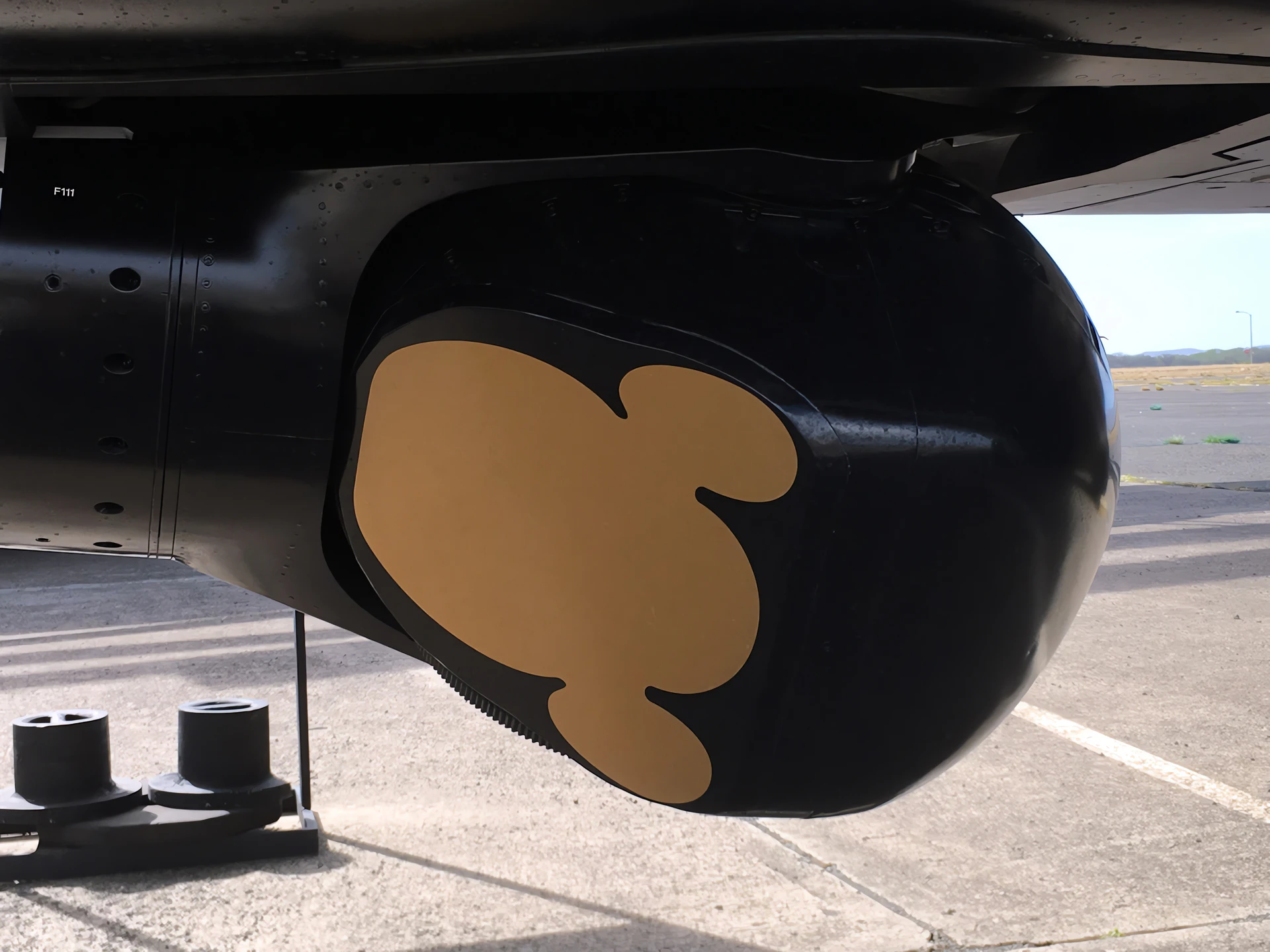
- Guided Munitions: Laser-Guided Bombs (LGBs) using the AN/AVQ-26 Pave Tack pod (fitted in the weapons bay).
- Missiles: AGM-84 Harpoon anti-ship missile, AGM-142 Stand-Off Weapon, and AIM-9 Sidewinder air-to-air missiles for self-defense.
- Reconnaissance Role: Four aircraft were converted to the RF-111C variant, carrying a pallet of cameras and sensors (like the panoramic KA-56E and AN/AAD-5 Infrared Linescanner) in the weapons bay.
景色 : 3578