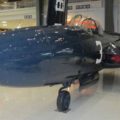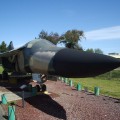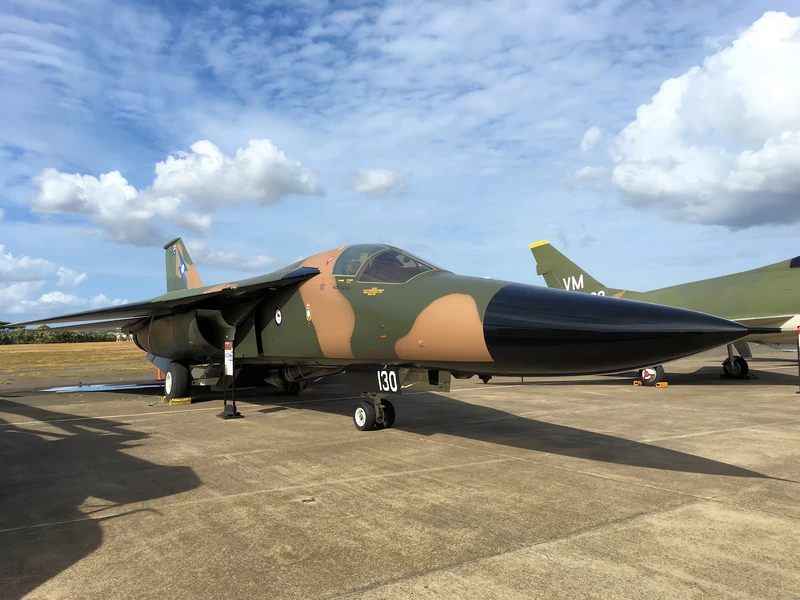
General Dynamics F-111C | |
|---|---|
| 국가 | 미국 |
| 역할 | 전투기 폭격기 및 정찰기 |
| 첫 비행 | 1968년 7월 |
| 내장 | 28 |
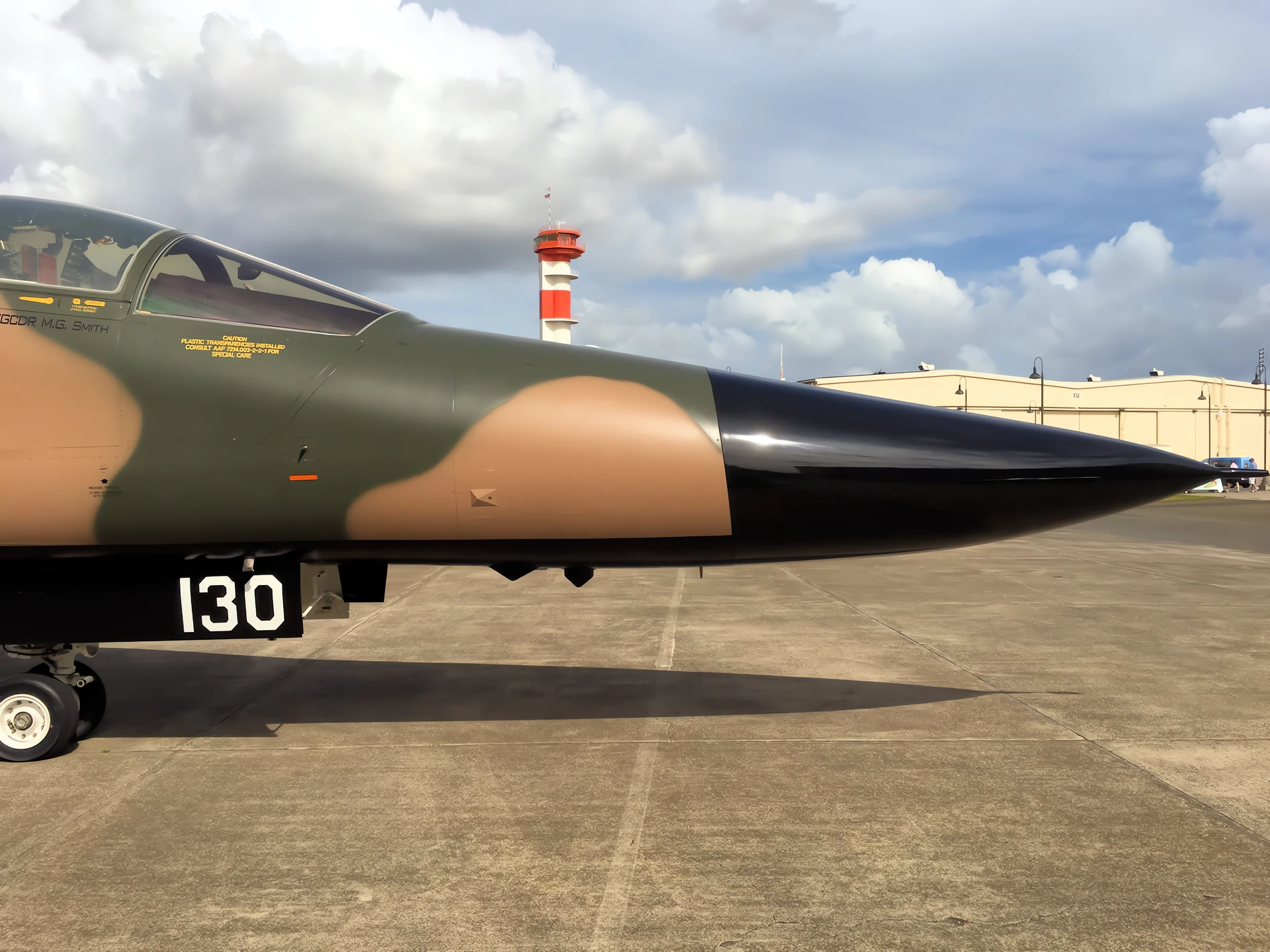
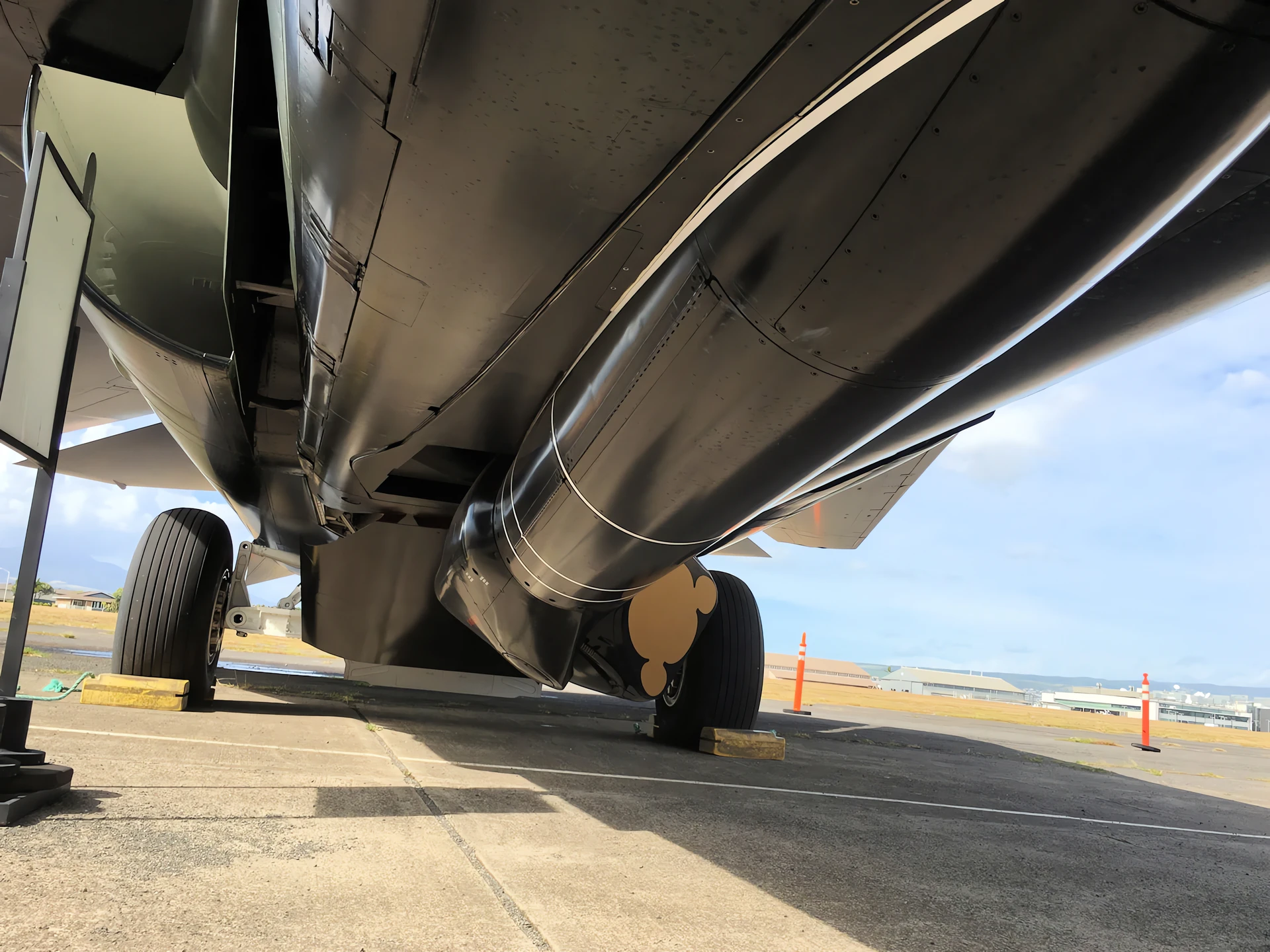
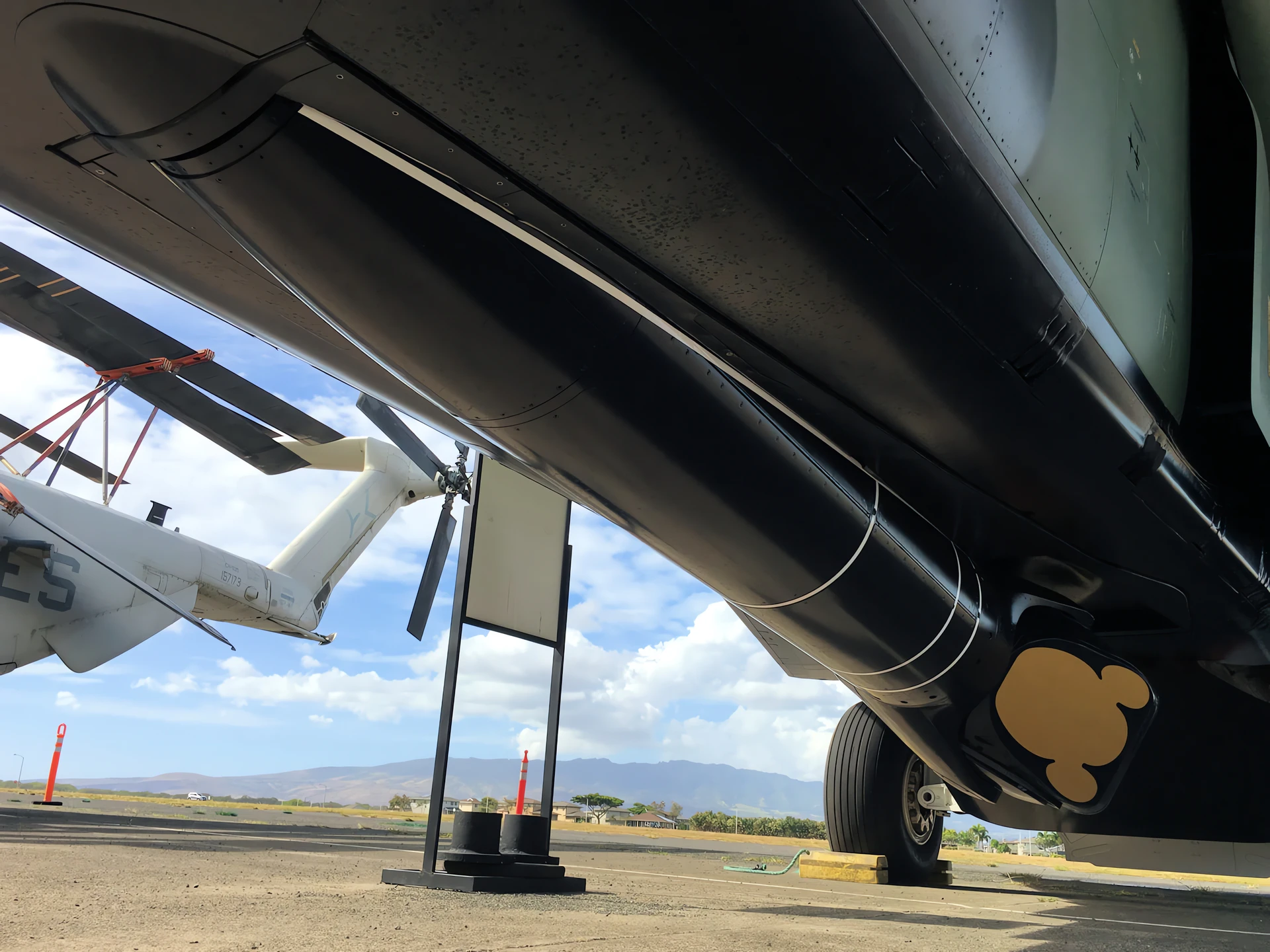
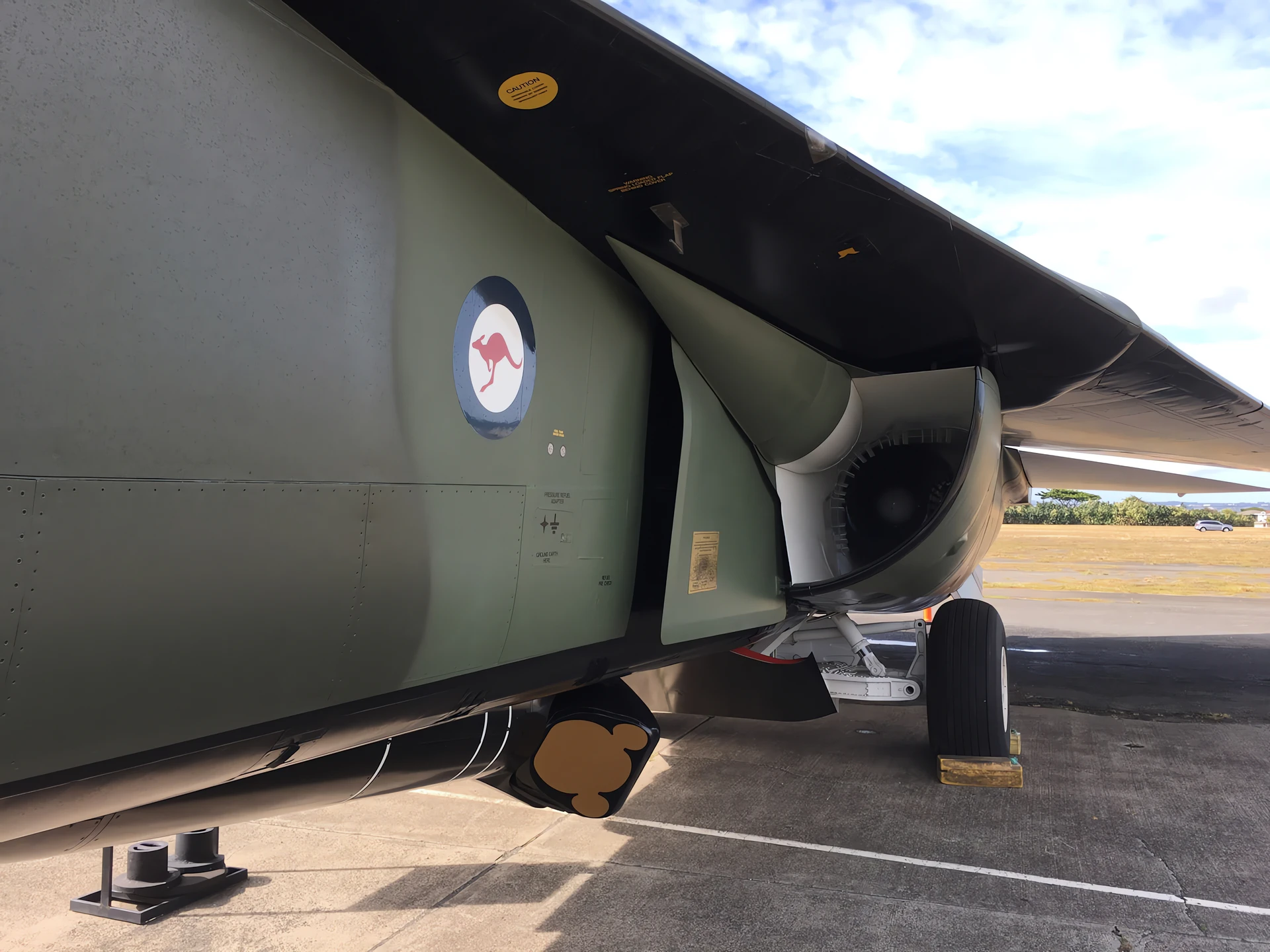
Tthe 일반 역학 F-111C (별명 "돼지")는 F-111 Aardvark 중거리 인터딕터 및 전술 스트라이크 항공기의 변형으로, 제너럴 다이내믹스가 호주의 요구 사항을 충족하기 위해 개발했습니다. 이 디자인은 F-111A 모델을 기반으로했지만 더 긴 날개와 강화 된 하부 캐리지를 포함했습니다. 호주 정부는 1963년 호주 공군(RAAF)을 장착하기 위해 F-111C 24대를 명령했지만, 이 항공기는 오랜 기술적 문제로 인해 1973년까지 인도되지 않았다.
소스: 위키백과에 일반 역학 F-111C
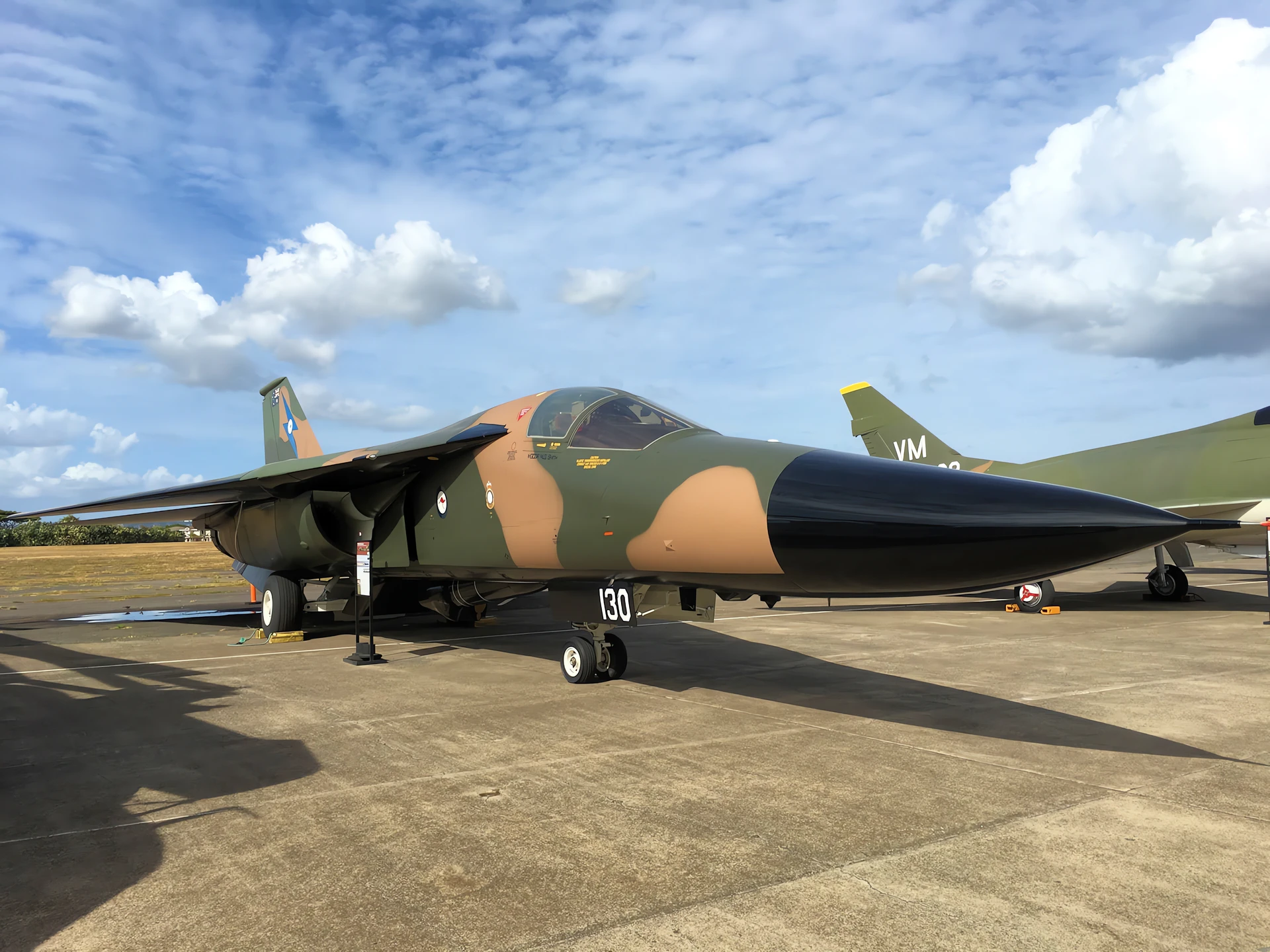
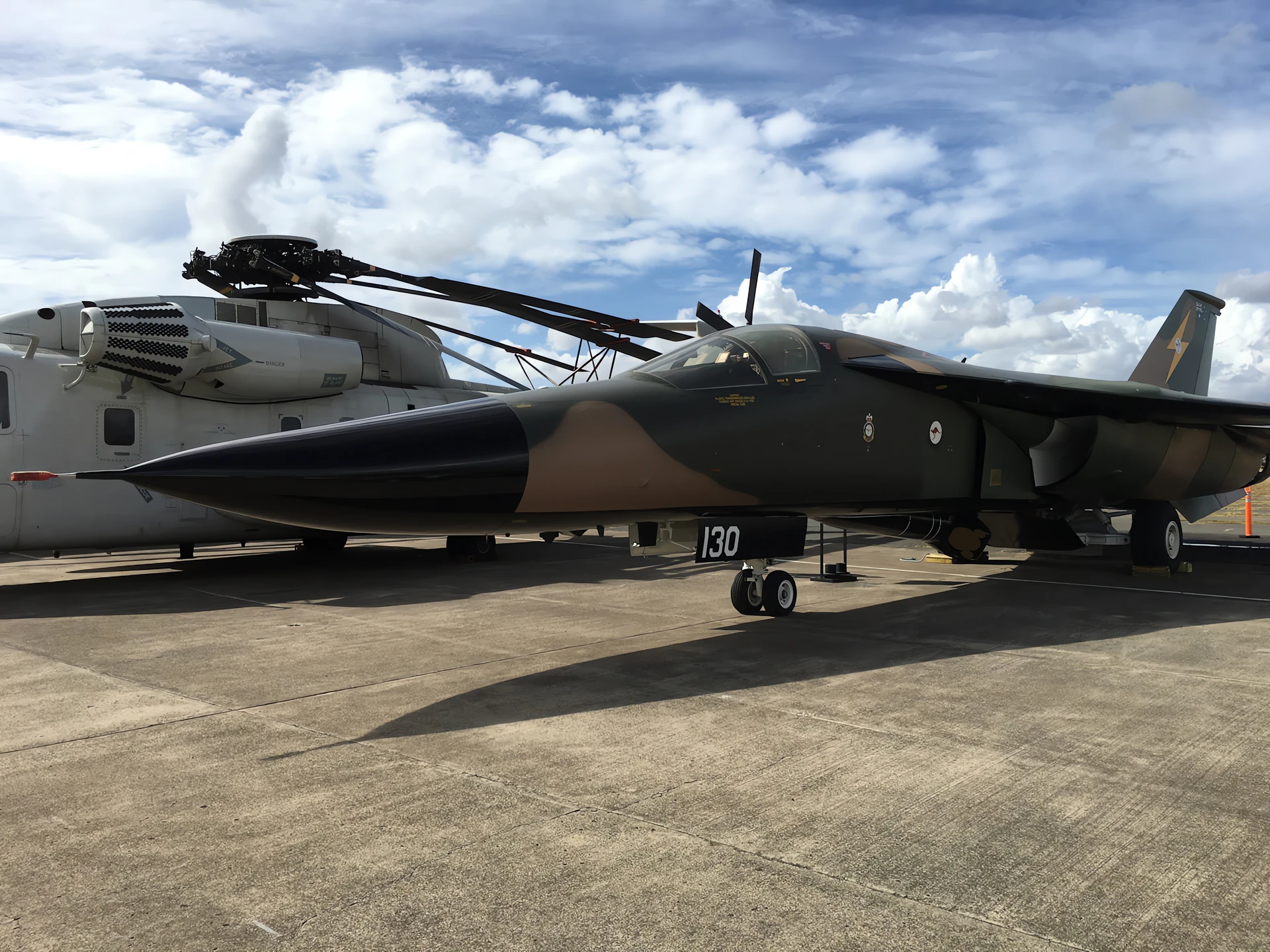
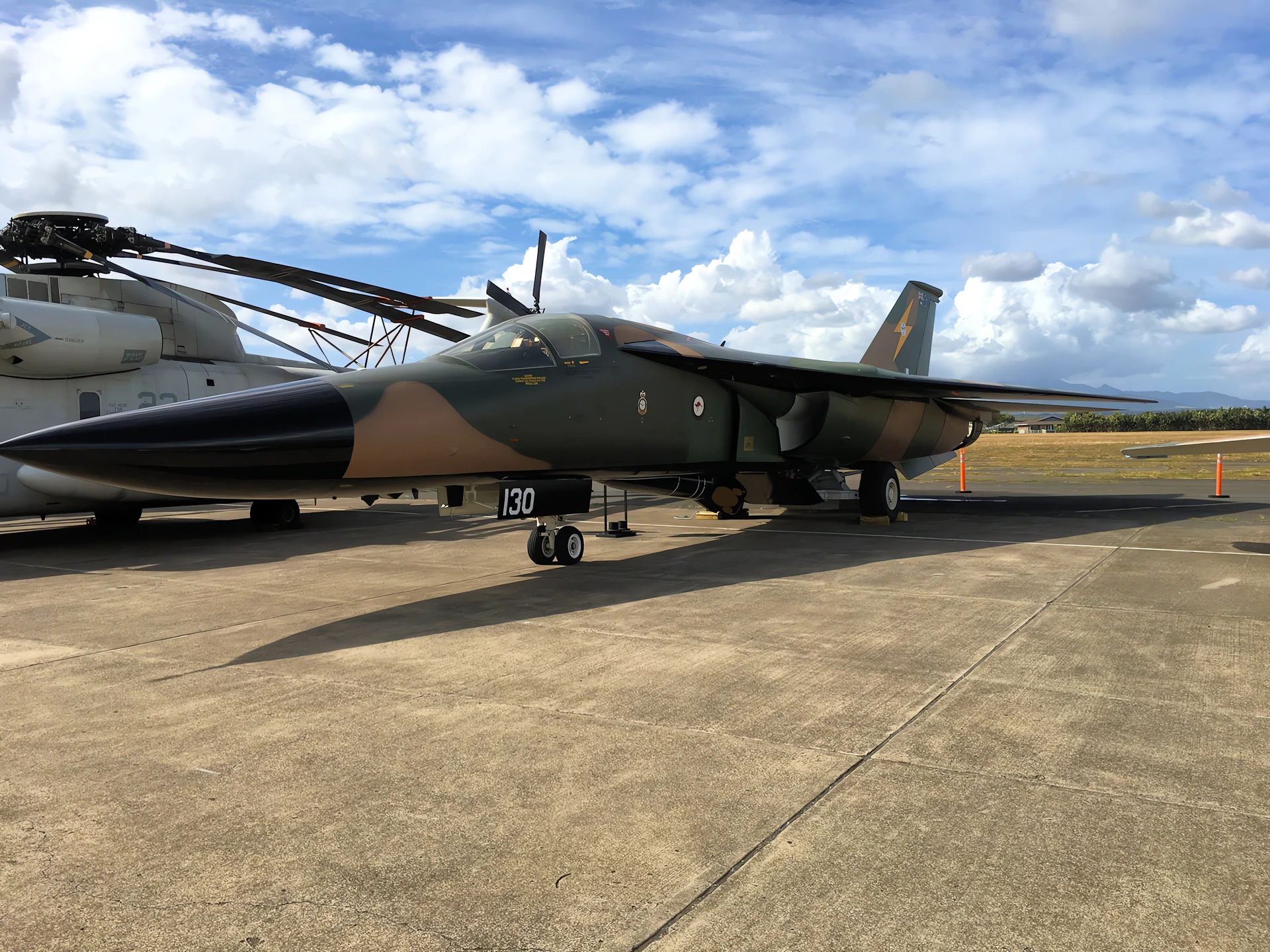
| F-111C Walk Around | |
|---|---|
| 사진 작가 | 포티오스 루치 |
| 로컬라이제이션 | Unknow |
| 사진 | 54 |
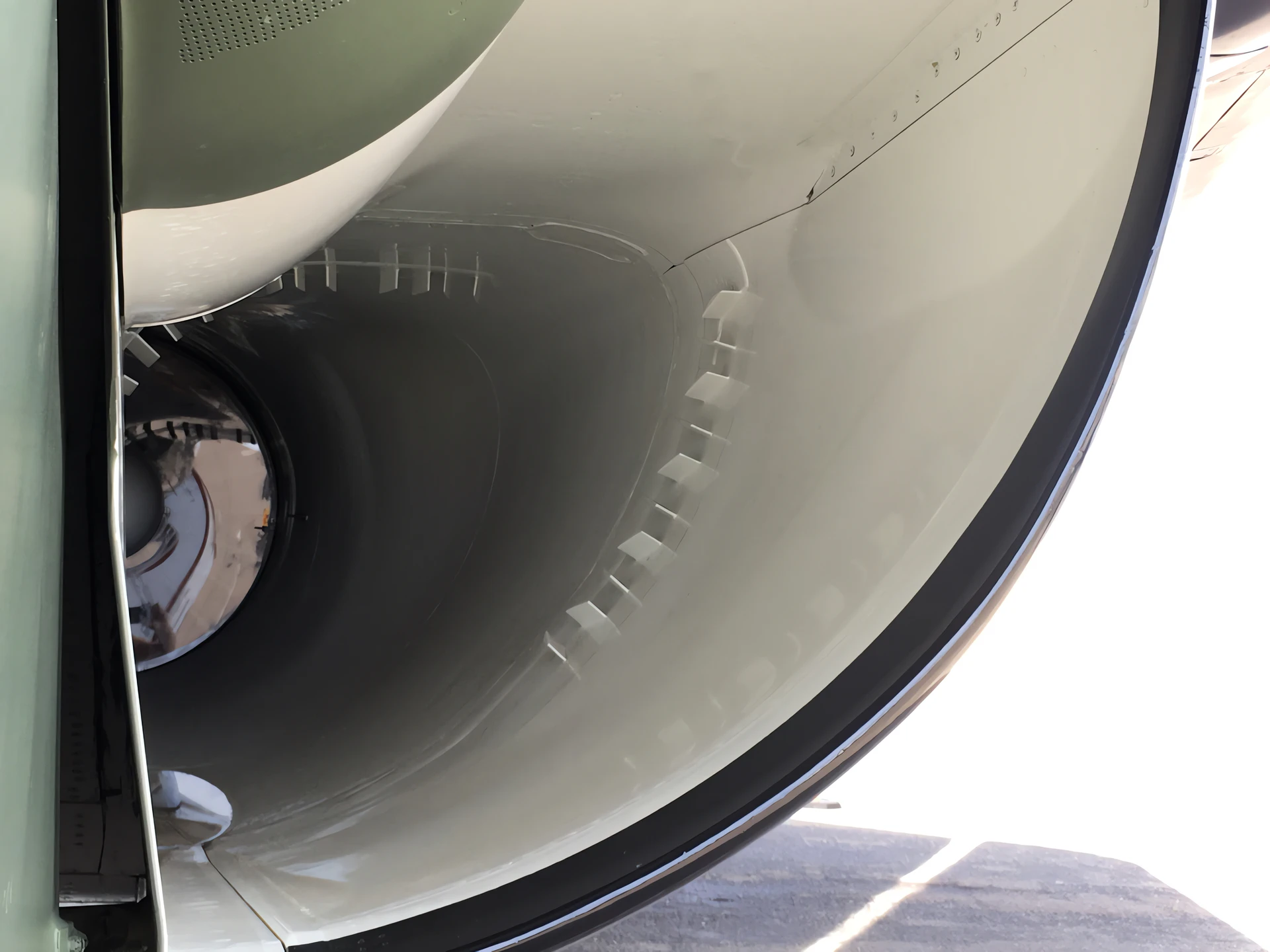
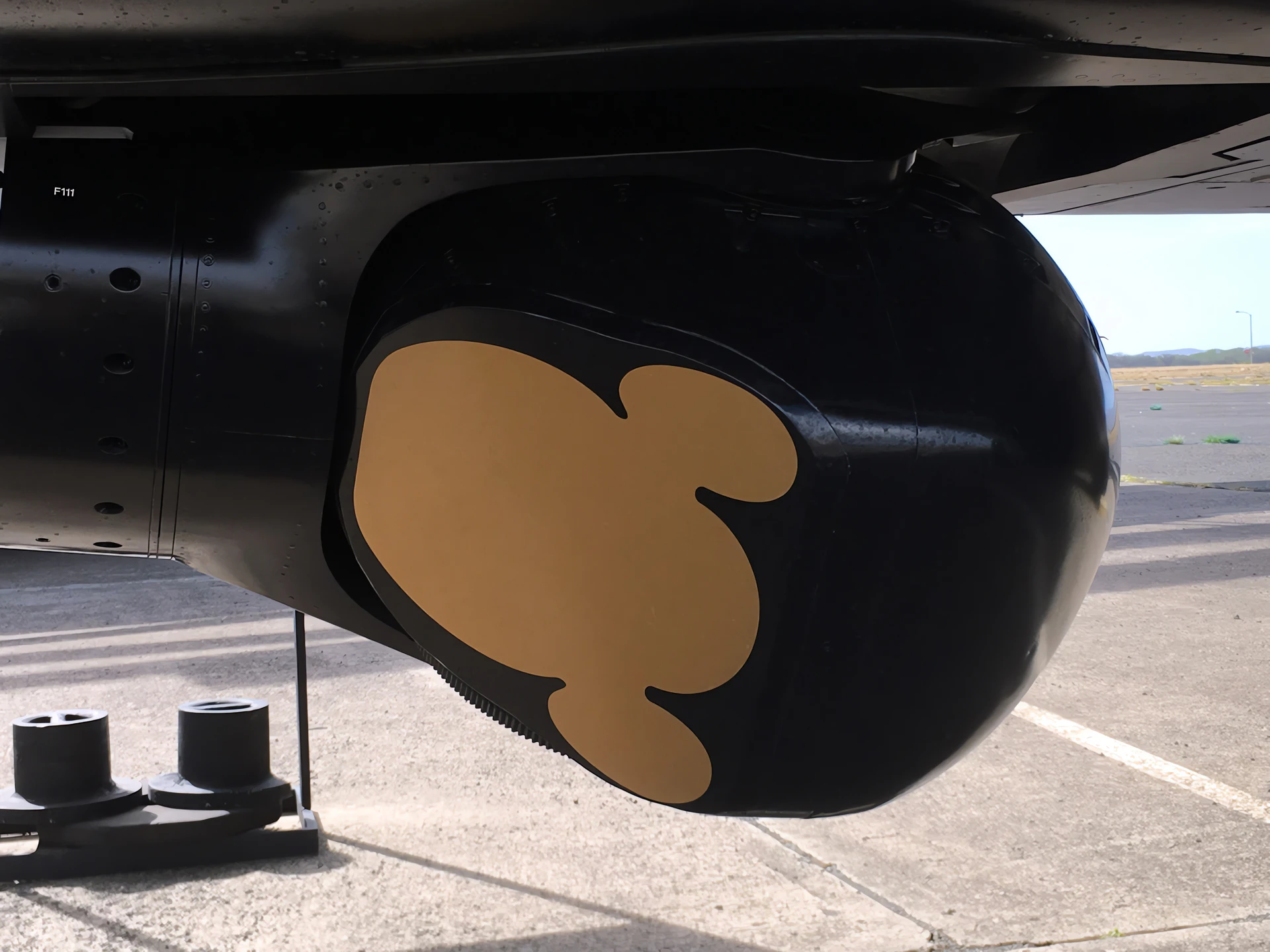


참고 항목:


General Characteristics and Role
The General Dynamics F-111C is a variant of the F-111 Aardvark swing-wing interdictor and tactical strike aircraft, specifically developed for the Royal Australian Air Force (RAAF). It combined the F-111A’s fuselage with the larger, longer-span wings of the FB-111A strategic bomber, along with a strengthened undercarriage to handle heavier weights. Known affectionately as the “Pig” by RAAF crews for its long snout and terrain-following capability, the F-111C served as Australia’s primary long-range strike and reconnaissance platform from 1973 until its retirement in 2010. Its key features were the variable-sweep wings, terrain-following radar, and an escape crew capsule.
| Property | Typical Value |
|---|---|
| 역할 | Tactical Strike, Interdiction, Reconnaissance (RF-111C) |
| National Origin | United States (Variant for Australia) |
| 제조업체 | 일반 역학 |
| Service Entry (RAAF) | 1973 |
| 승무원 | 2 (Pilot and Weapon Systems Officer, side-by-side) |
| 길이 | 22.41 m (73 ft 6 in) |
| Wingspan (Extended/Max Sweep) | 19.2 m (63 ft) / 9.73 m (31 ft 11 in) |
| Maximum Takeoff Weight | Approx. 41,504 kg (91,500 lb) |
Powerplant and Performance
- Engines: Two Pratt & Whitney TF30-P-100/109RA afterburning turbofans.
- Maximum Thrust (P-100/P-109RA): Approx. 80 kN dry / 112 kN afterburner (P-100); 92.7 kN dry / 121 kN afterburner (P-109RA).
- Maximum Speed (High Altitude): Mach 2.5 (2,655 km/h / 1,650 mph).
- Maximum Speed (Sea Level): Mach 1.2 (1,390 km/h / 865 mph).
- Combat Radius (Hi-Lo-Hi): Approx. 2,140 km (1,330 mi) with combat load.
- Ferry Range (Max Fuel): Approx. 6,115 km (3,800 mi).
- Key Technology: Terrain-Following Radar (TFR) coupled to the autopilot for automatic, high-speed, low-level flight penetration.
Armament and Avionics
- Internal Weapons Bay: Could carry two M117 750 lb bombs, one nuclear weapon, auxiliary fuel, or the 20 mm M-61A1 Vulcan rotary cannon (seldom fitted).
- External Hardpoints: 9 total (8 under-wing, 1 under-fuselage).
- Capacity: Up to 14,288 kg (31,500 lb) of ordnance.
- Swiveling Pylons: Four underwing pylons pivot with the wing sweep to maintain alignment.
- Armament Capability:
- Conventional Bombs: General purpose bombs (Mk-82, Mk-84).
- Guided Munitions: Laser-Guided Bombs (LGBs) using the AN/AVQ-26 Pave Tack pod (fitted in the weapons bay).
- Missiles: AGM-84 Harpoon anti-ship missile, AGM-142 Stand-Off Weapon, and AIM-9 Sidewinder air-to-air missiles for self-defense.
- Reconnaissance Role: Four aircraft were converted to the RF-111C variant, carrying a pallet of cameras and sensors (like the panoramic KA-56E and AN/AAD-5 Infrared Linescanner) in the weapons bay.
Views : 3496