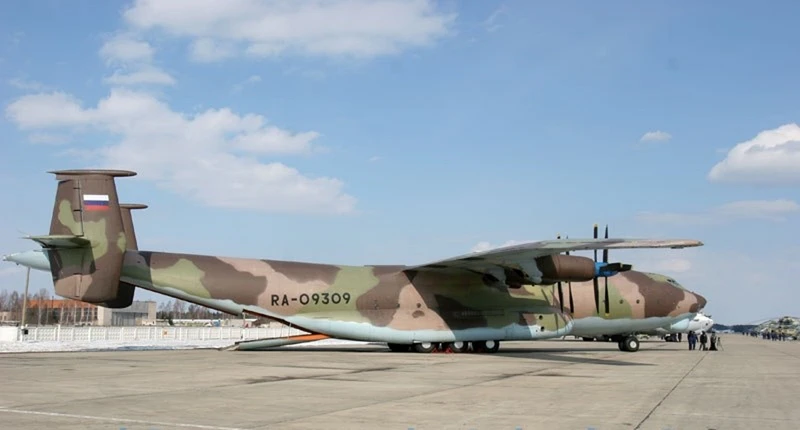
Antonov An-22 | |
|---|---|
| Pays | Union soviétique |
| Type | Avionneur stratégique |
| Premier vol | 27 février 1965 |
| Construit | 69 |
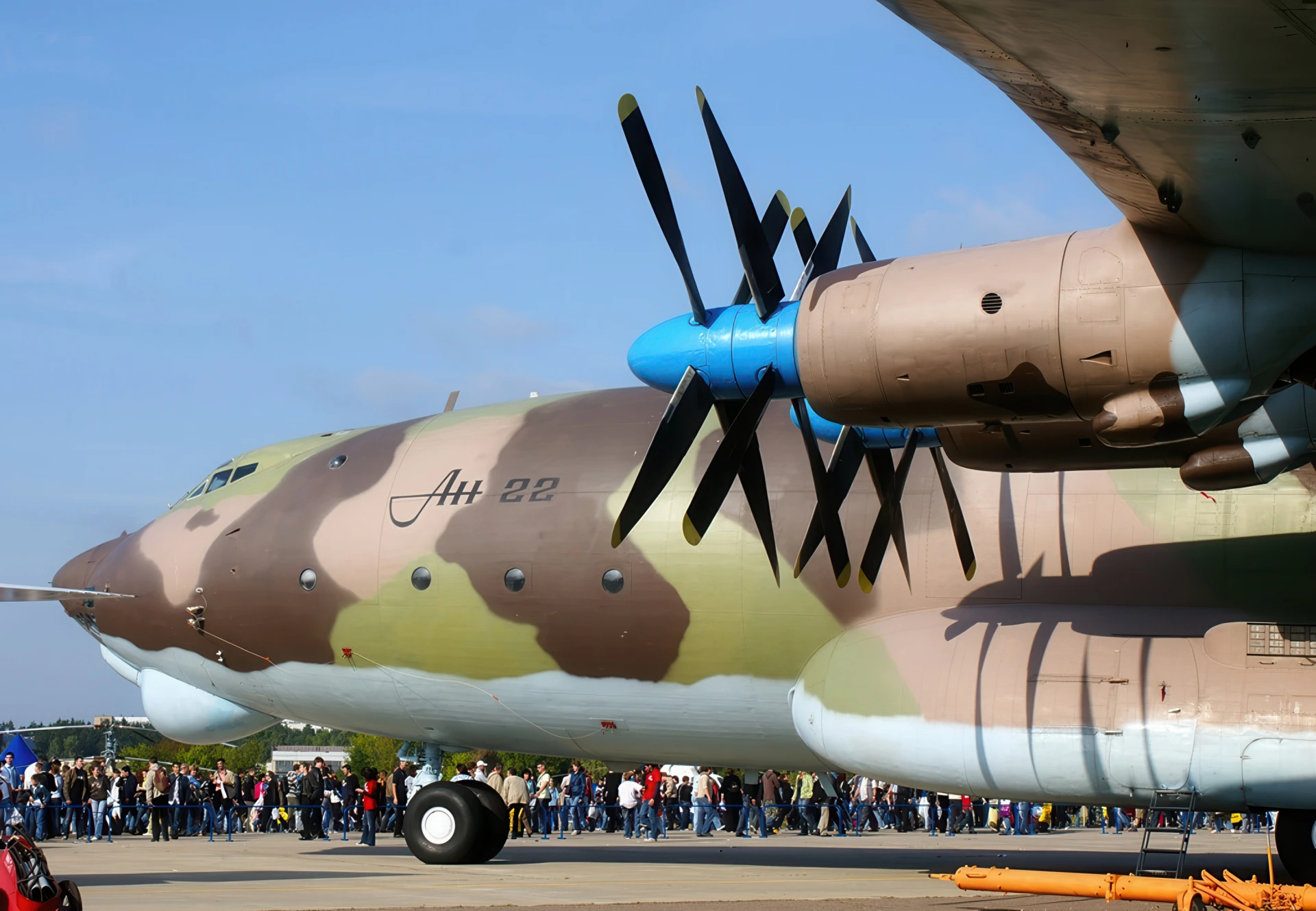
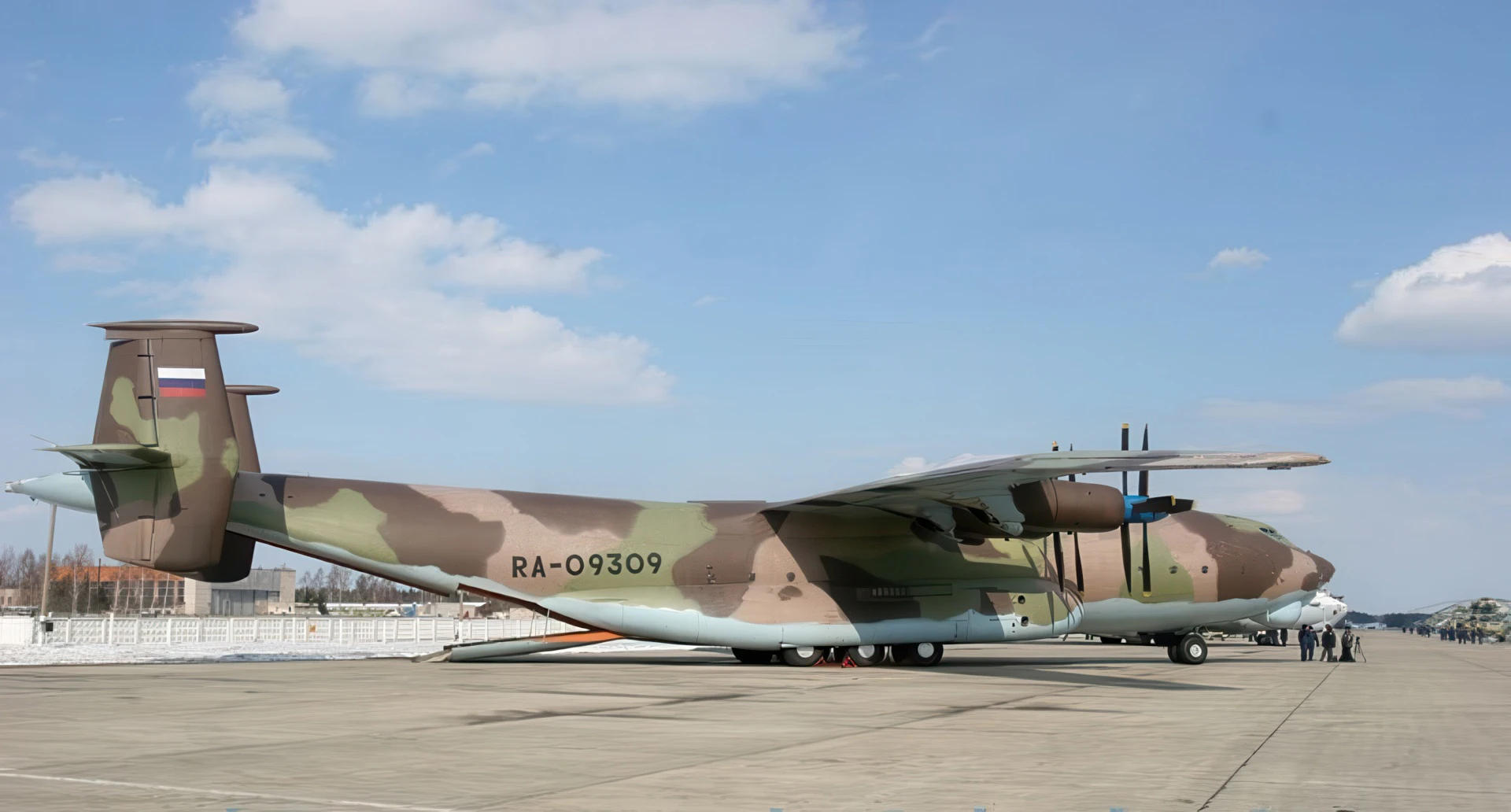
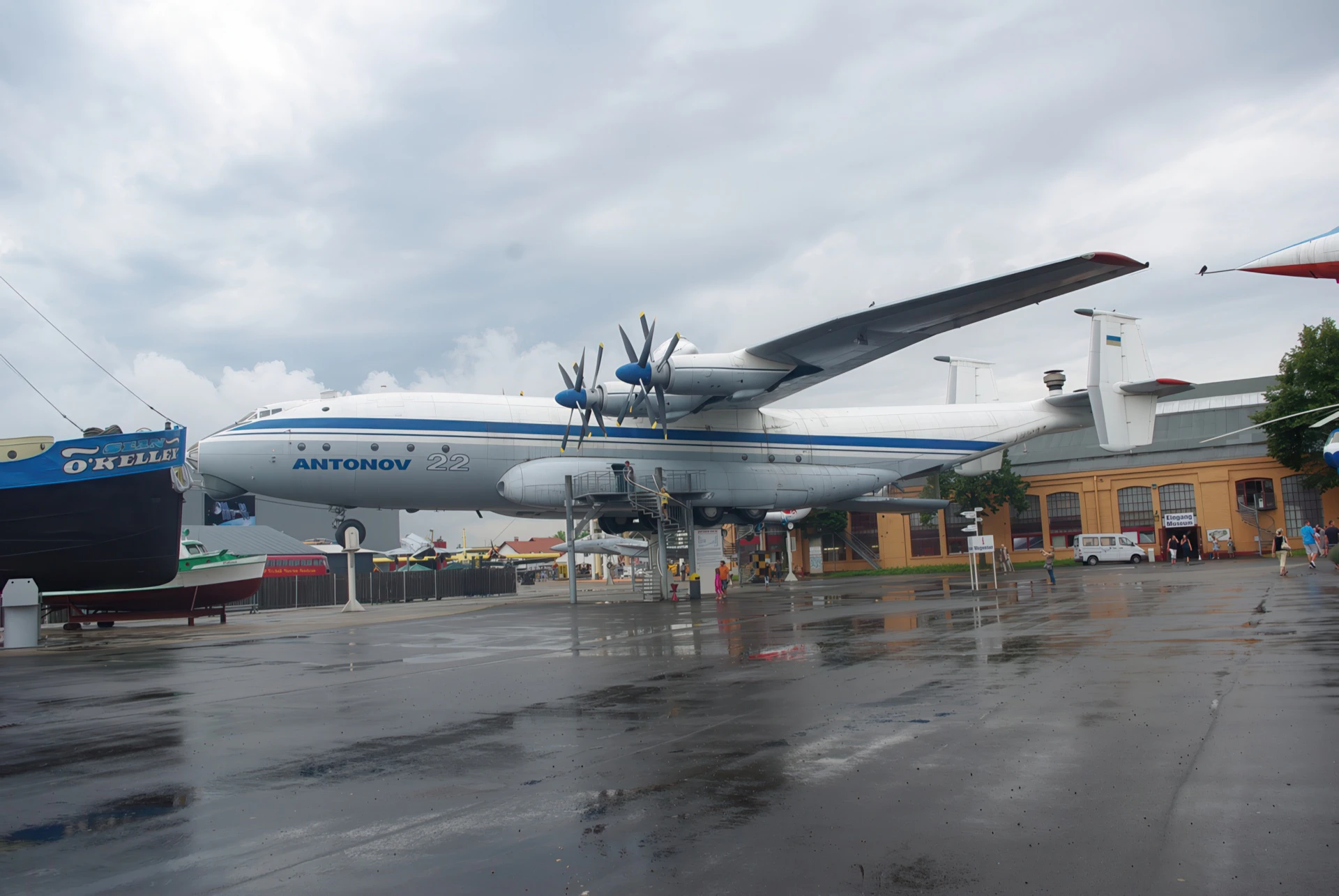
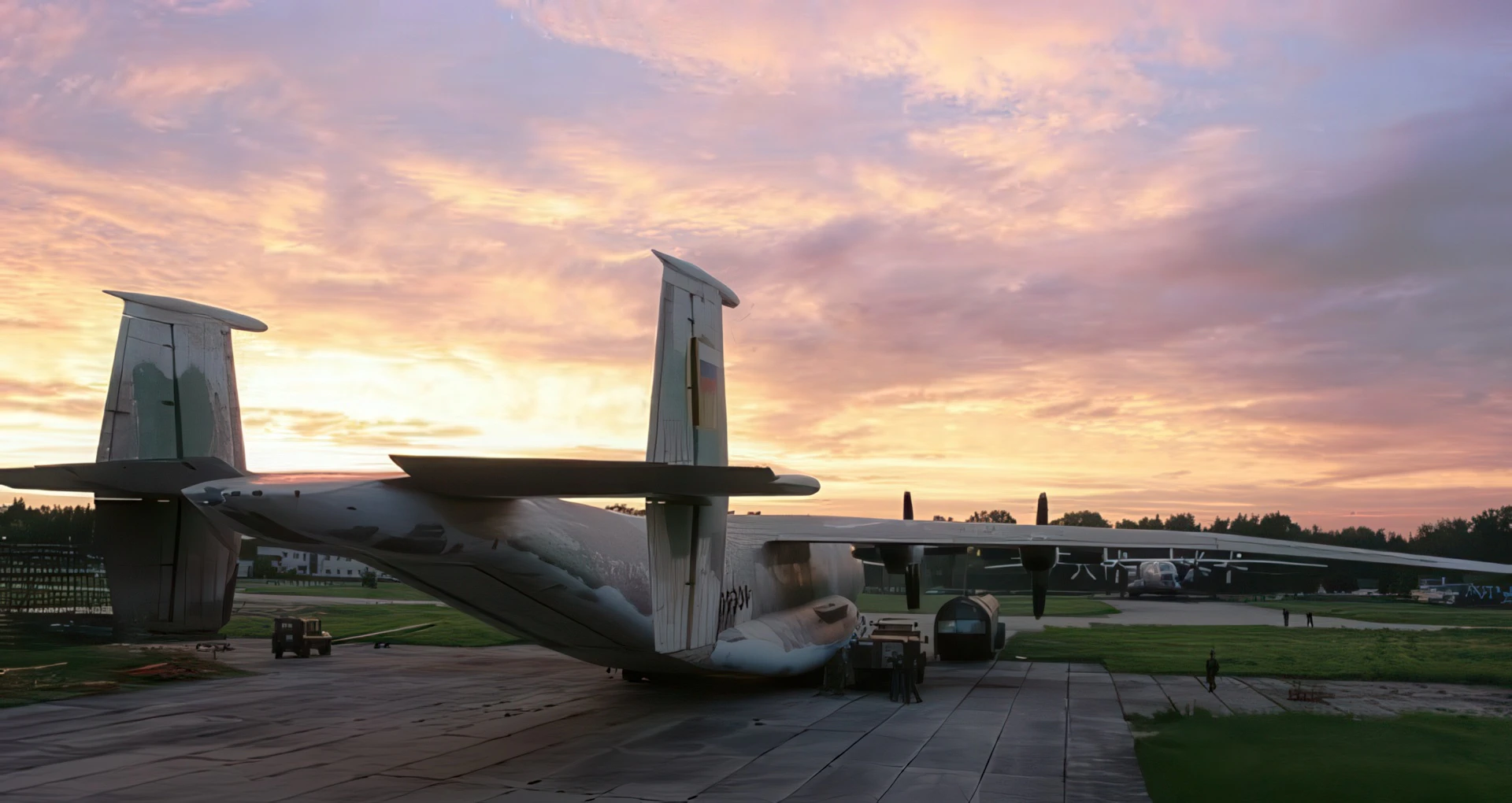
Lla Antonov An-22 « Antei Antei » (russe: Ан-22 Антей, An-22 Antej; English Antaeus) (nom otan « Coq ») est un avion de transport militaire lourd conçu par le Bureau d’études Antonov en Union soviétique. Propulsé par quatre turbopropulseurs entraînant chacun une paire d’hélices contrarotatives, la conception a été le premier avion de transport à gros-porteur et reste le monde’les plus gros aéronefs à turbopropulseurs à ce jour. L’An-22 est apparu pour la première fois publiquement en dehors de l’Union soviétique au Salon du Bourget de 1965. Par la suite, le modèle a été largement utilisé dans les principaux ponts aériens militaires et humanitaires pour l’Union soviétique, et est toujours en service dans l’armée de l’air russe.
Source: Antonov An-22 sur Wiki
| Antonov An-22 Se promener | |
|---|---|
| Photographe | Inconnu |
| Localisation | Inconnu |
| Photos | 24 |

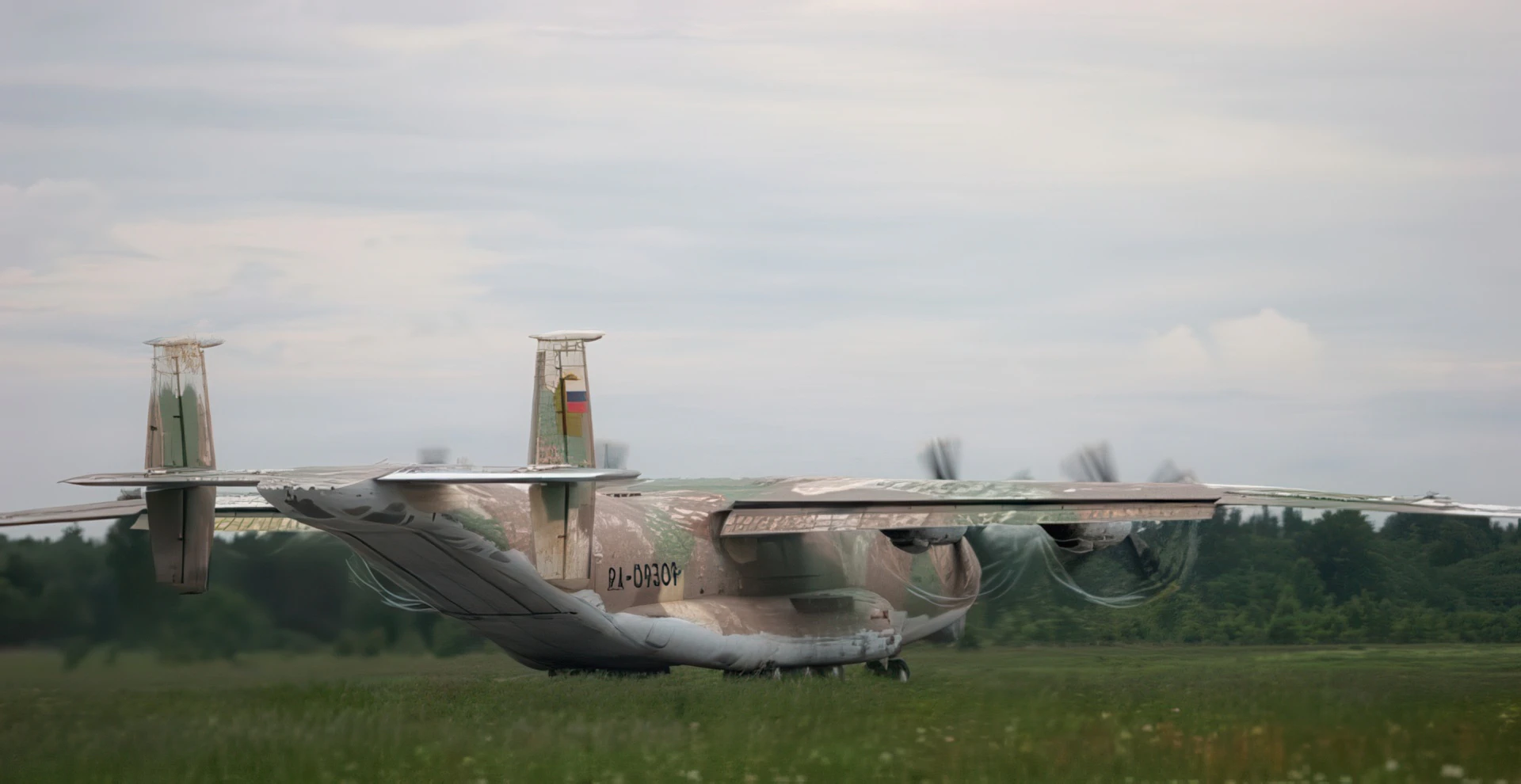


General Characteristics
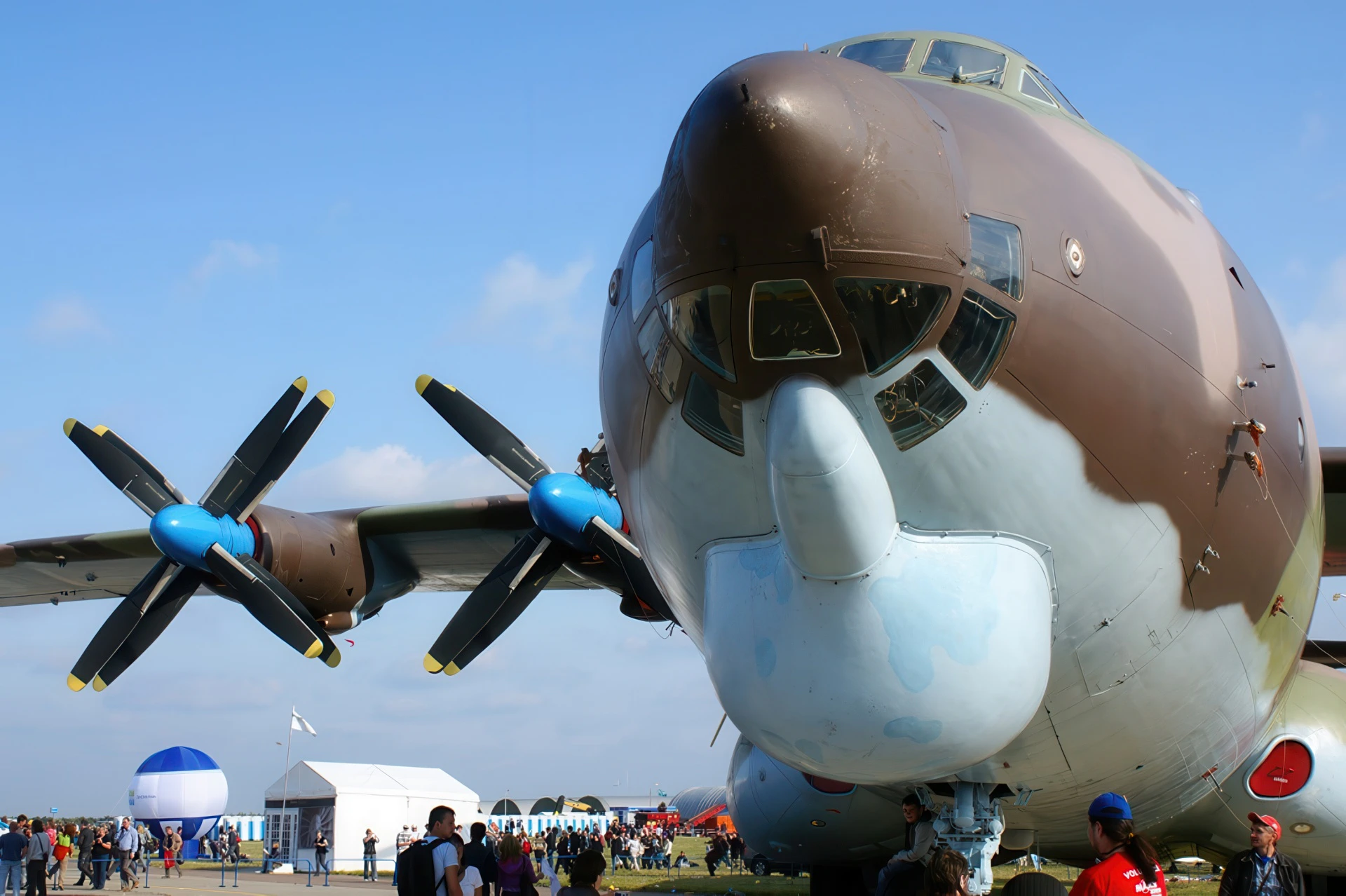
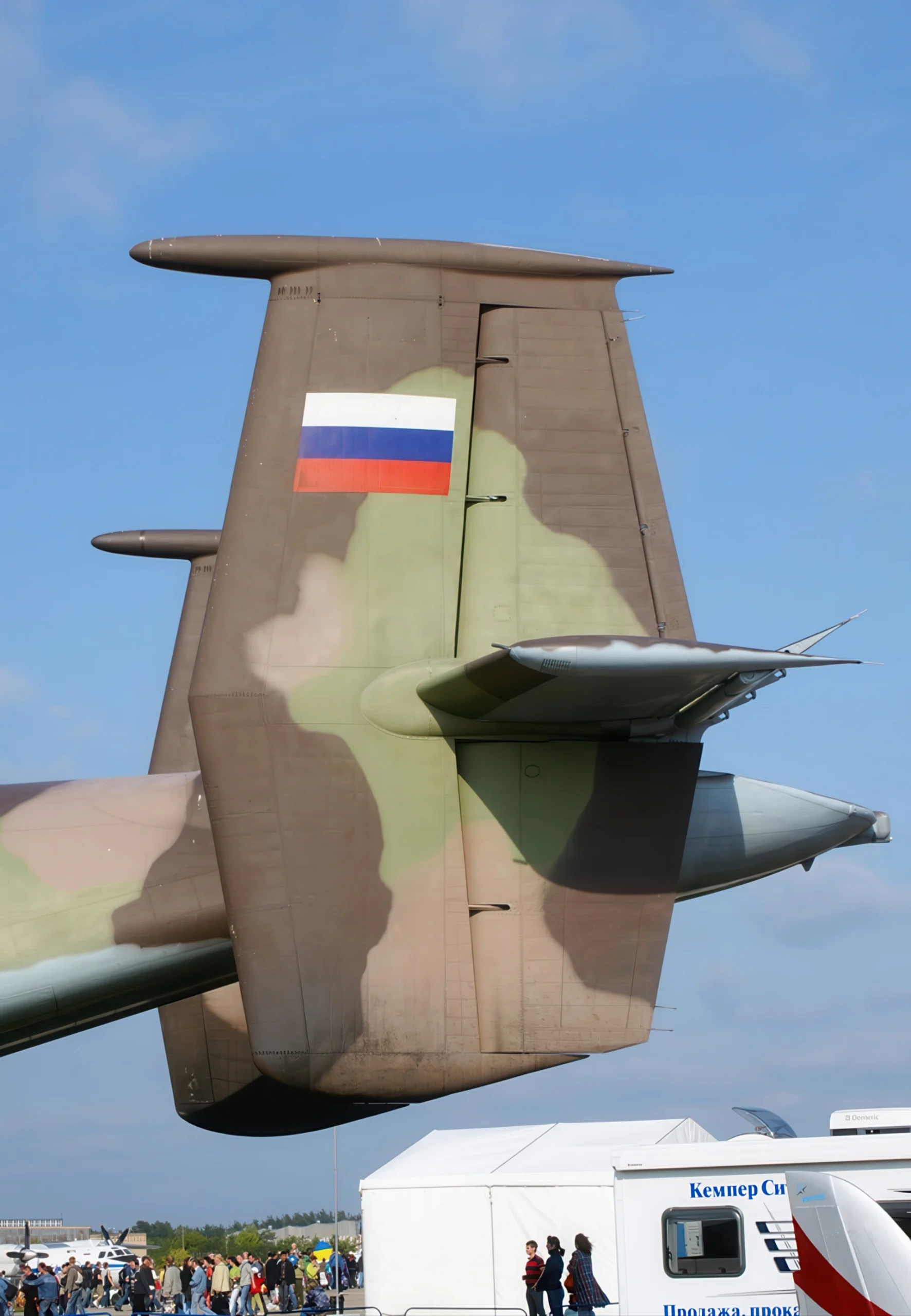
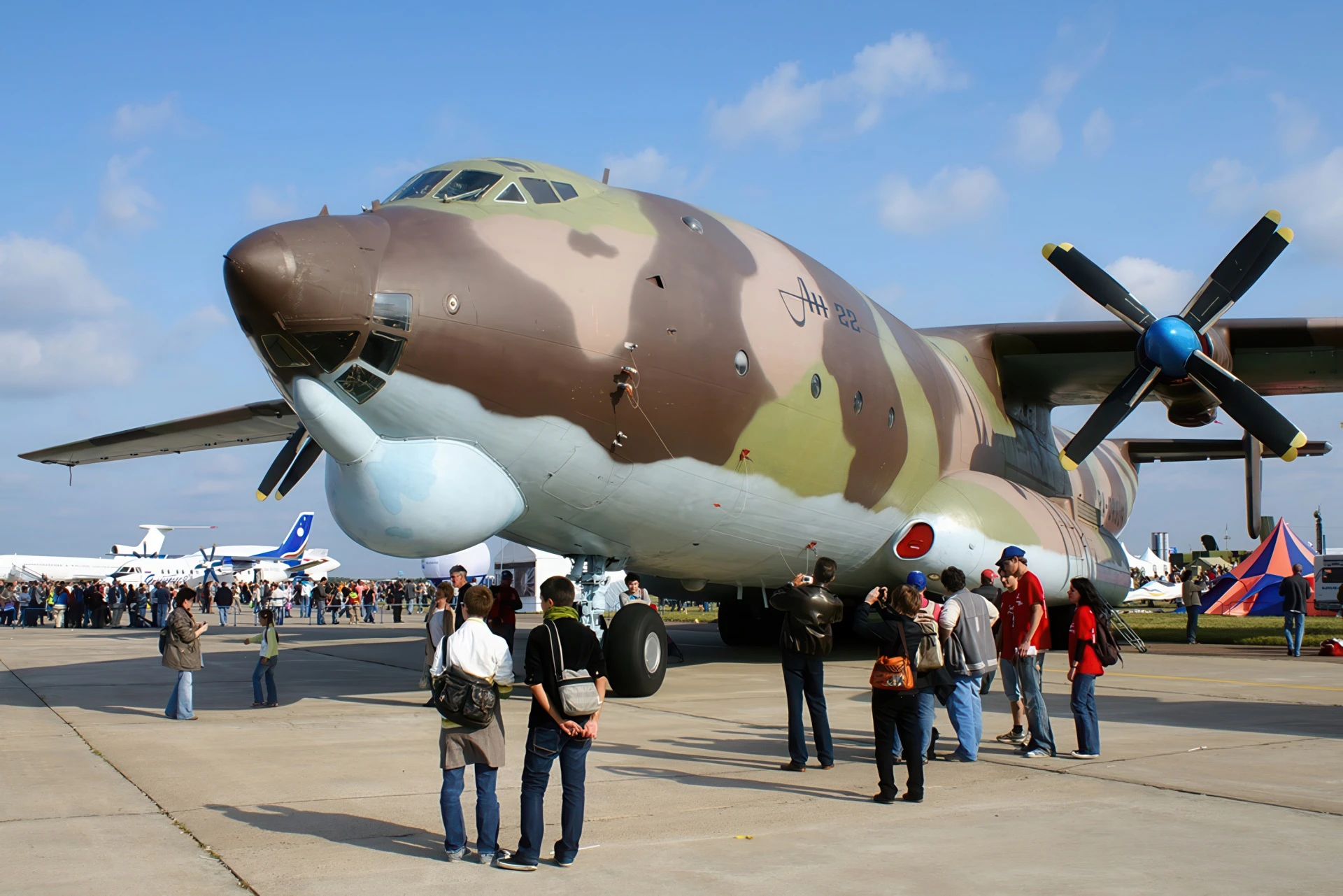
The Antonov An-22 Antei (Antaeus) was the world’s first wide-body aircraft and, for a time, the largest aircraft in the world until the introduction of the Lockheed C-5 Galaxy. Designed by the Antonov Design Bureau in the 1960s, it was the Soviet Union’s primary heavy strategic airlifter, capable of transporting main battle tanks, missile launchers, and oversized military equipment. The aircraft is distinguished as the largest turboprop-powered aircraft ever built, featuring massive contra-rotating propellers for exceptional short-field performance and the ability to operate from unpaved airstrips.
| Property | Typical Value |
|---|---|
| Rôle | Heavy Strategic Transport/Airlifter |
| National Origin | Union soviétique |
| First Flight | February 27, 1965 |
| No. Built | ~67–70 (Total production) |
| Crew | 5–6 (Pilot, Co-pilot, Navigator, Flight Engineer, Radio Operator) |
| Length | 57.92 m (190 ft 0 in) |
| Envergure | 64.40 m (211 ft 3 in) |
| Max Takeoff Weight | 250,000 kg (551,156 lb) |
Cargo and Capabilities
- Maximum Payload: 80,000 kg (176,370 lb).
- Cargo Hold Dimensions (L x W x H): Approx. 33 m x 4.4 m x 4.4 m (108 ft 3 in x 14 ft 5 in x 14 ft 5 in).
- Cargo Hold Volume: Approximately 639 m³.
- Loading System: Features a rear loading ramp and integral cargo handling systems (winches, telphers).
- Cargo Compartment: The main cargo hold is unpressurized, allowing the rear doors to be opened in flight for paratroop or equipment drops.
- Passenger/Troop Capacity: Forward cabin is pressurized for up to 28 passengers/troop attendants, or up to 292 soldiers in the cargo hold.
Powerplant and Performance
- Engine: 4 x Kuznetsov NK-12MA turboprop engines.
- Power Output (each): 11,000 kW (15,000 shp equivalent).
- Propellers: 8-bladed contra-rotating constant-speed reversible-pitch propellers (4 blades per hub).
- Maximum Speed: 740 km/h (460 mph).
- Cruise Speed: 600–680 km/h (375–423 mph).
- Range (Max Payload): 5,000 km (3,100 mi).
- Ferry Range (Max Fuel): 10,950 km (6,800 mi).
- Short Field Capability: Achieved by powerful engines and large double-slotted flaps, creating a significant slipstream effect over the wing.
Vues : 1384
Vous pouvez voir aussi :
 Antonov An-28 – Photos & Video
 Antonov An-225 Mriya – Photos & Vidéos
 Antonov An-2 – Photos & Vidéo
 Hawker Hurricane – Promenez-vous
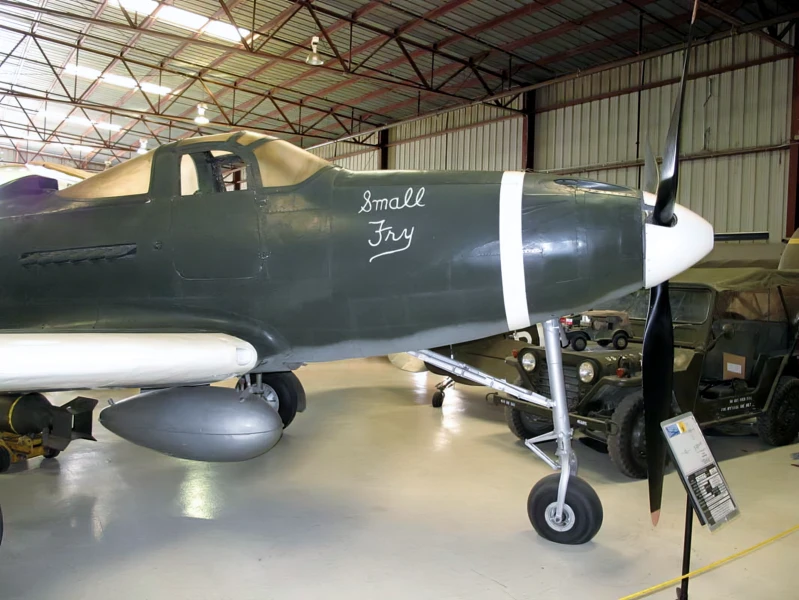 Bell P-39N Airacobra - WalkAround
 Consolidated B-24M Liberator – WalkAround
 P-47D Thunderbolt - WalkAround
 A-20 Havoc – WalkAround
 TBM-3E Avenger – Walk Around
 Fiat G-55 Centauro – Walk Around