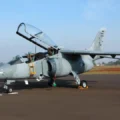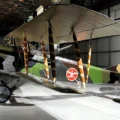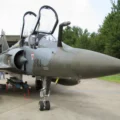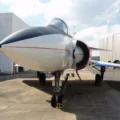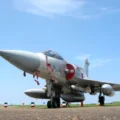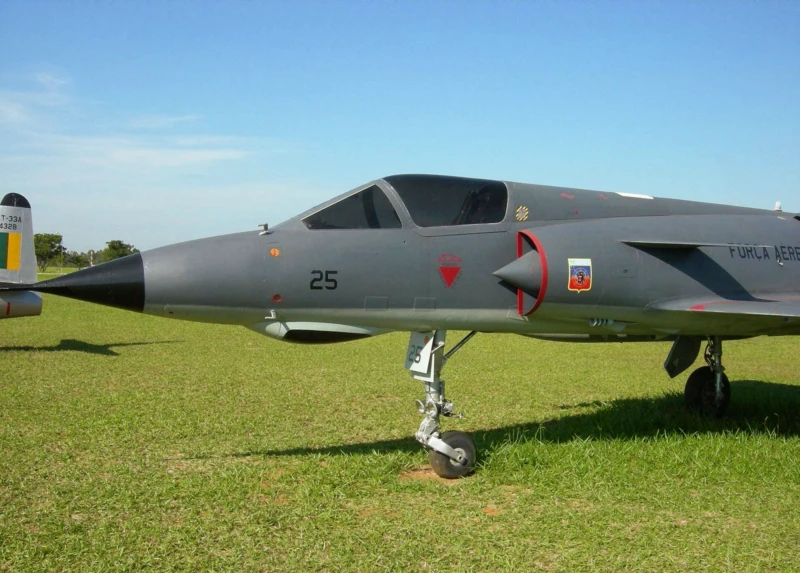
Mirage IIIC | |
|---|---|
| Pays | France |
| Ref | Avion de chasse supersonique |
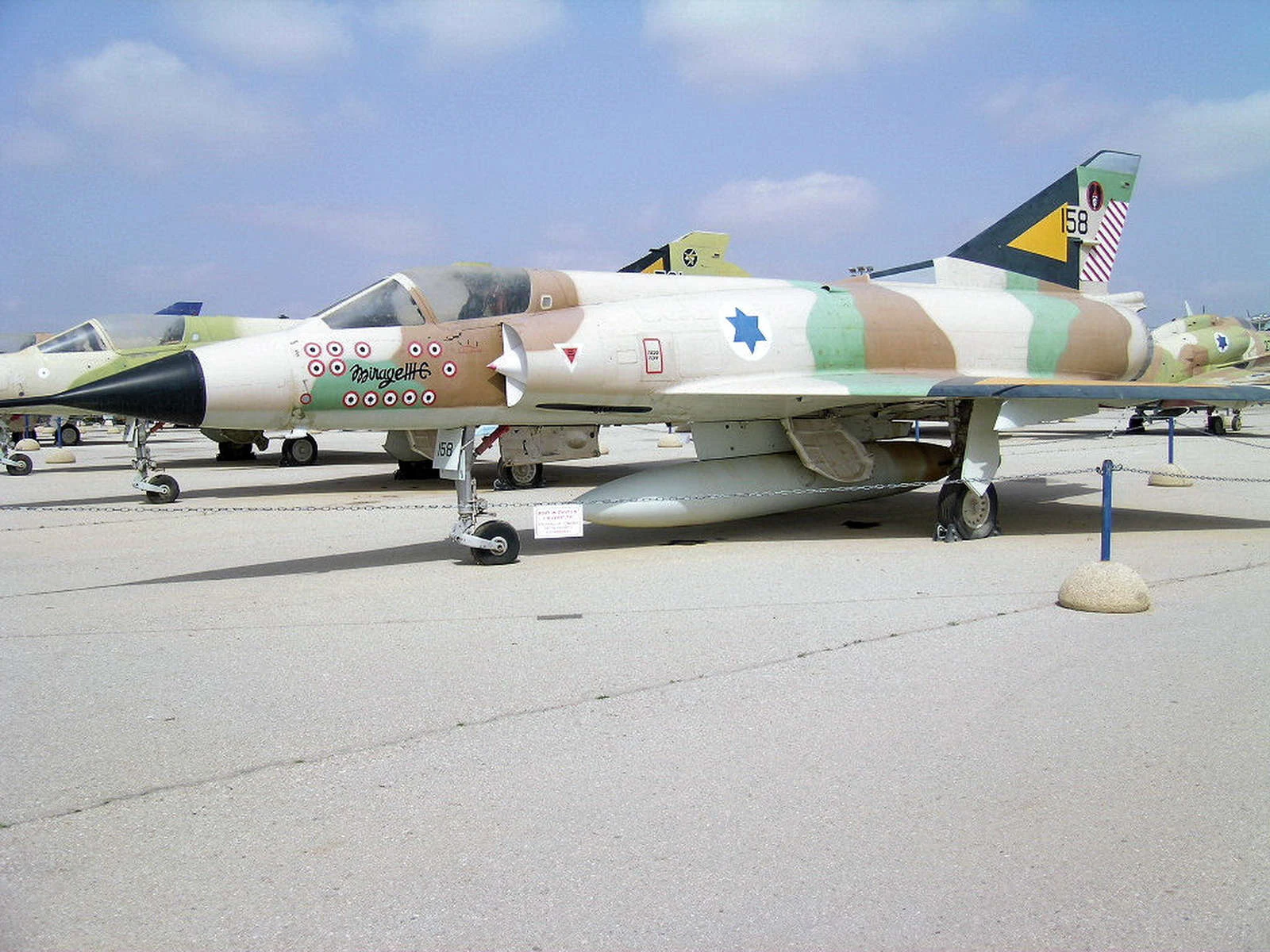
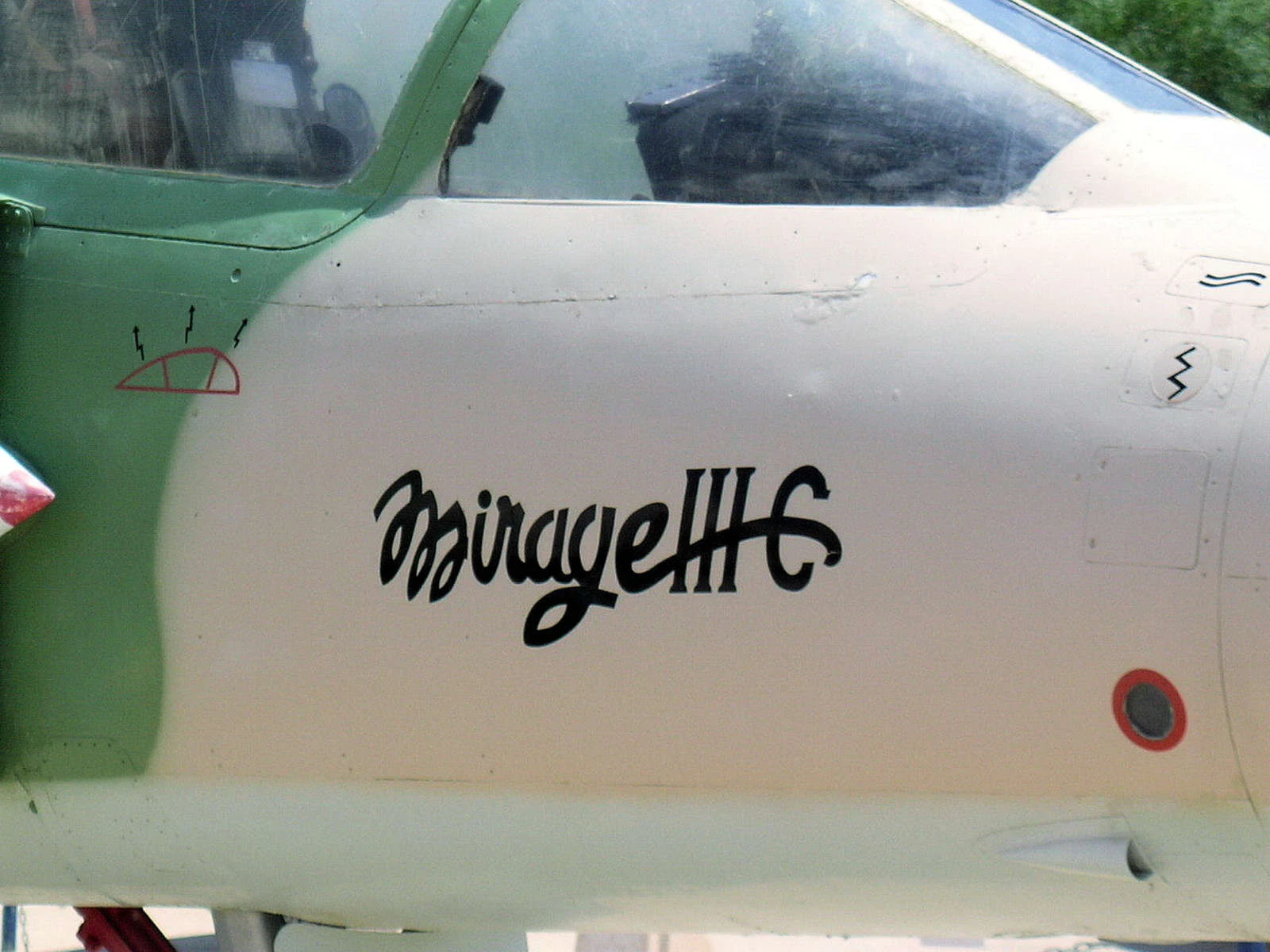
Galerie Photo d’un Mirage IIIC, Le Mirage III est un avion de combat supersonique conçu par Dassault Aviation au milieu des années 1950.
| Mirage IIIC Se promener | |
|---|---|
| Photographe | Inconnu |
| Localisation | Inconnu |
| Photos | 63 |
Attendez, la recherche Mirage IIIC pour vous ...

| Mirage III.E Se promener | |
|---|---|
| Photographe | Jaro Mucha |
| Localisation | Inconnu |
| Photos | 59 |
| RAAF Mirage III Se promener | |
|---|---|
| Photographe | Eric Galliers |
| Localisation | Inconnu |
| Photos | 31 |
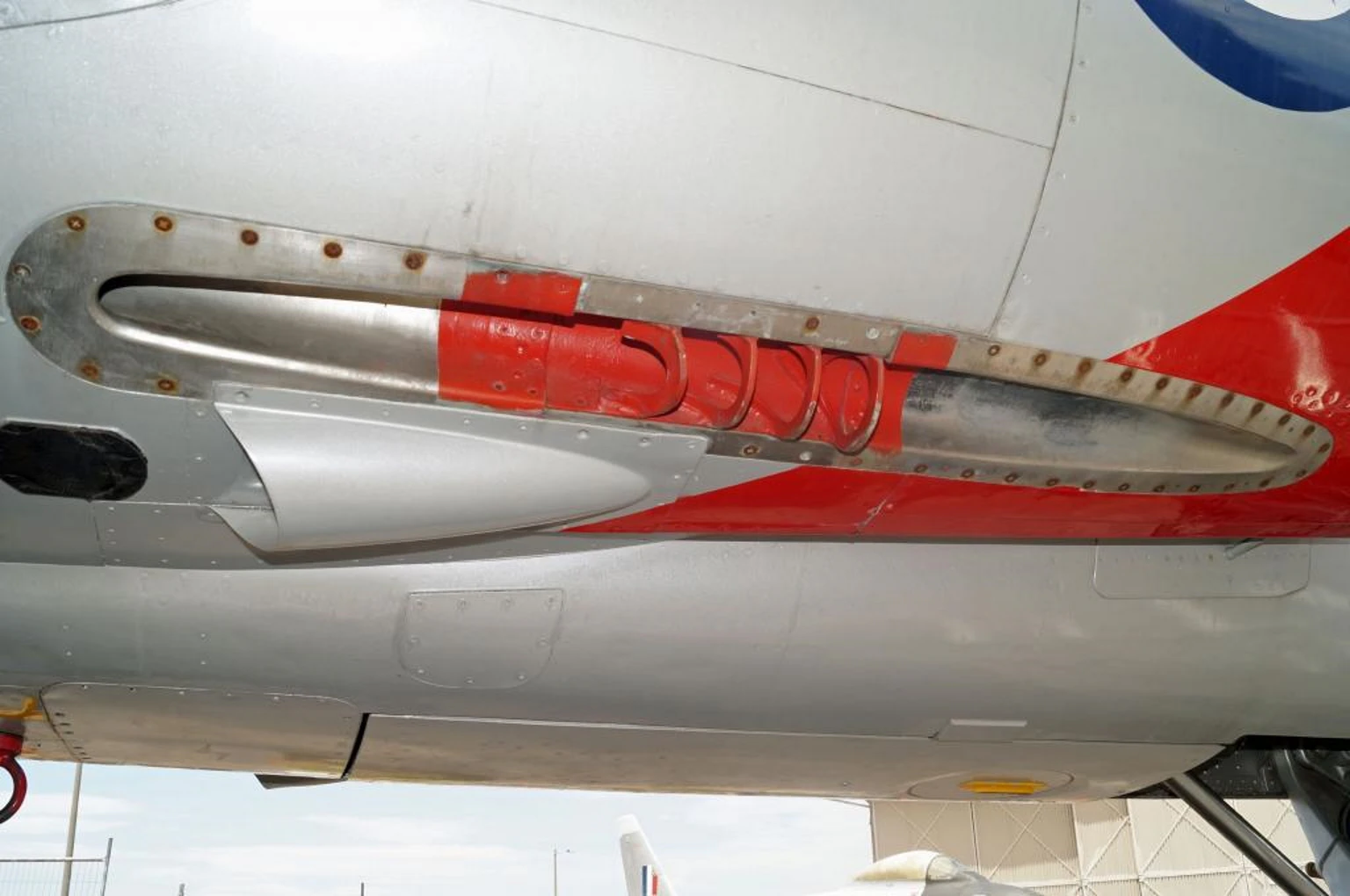
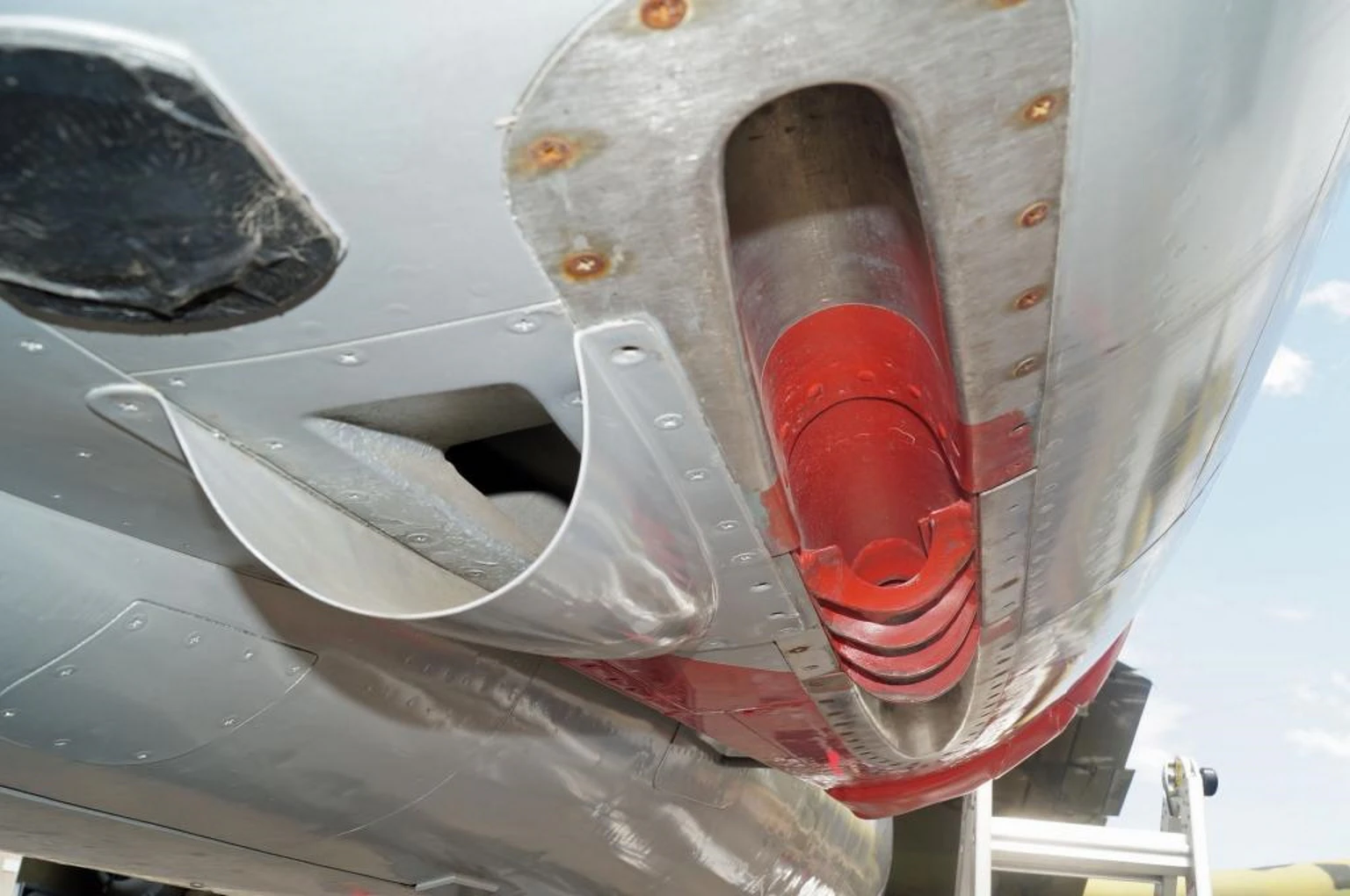
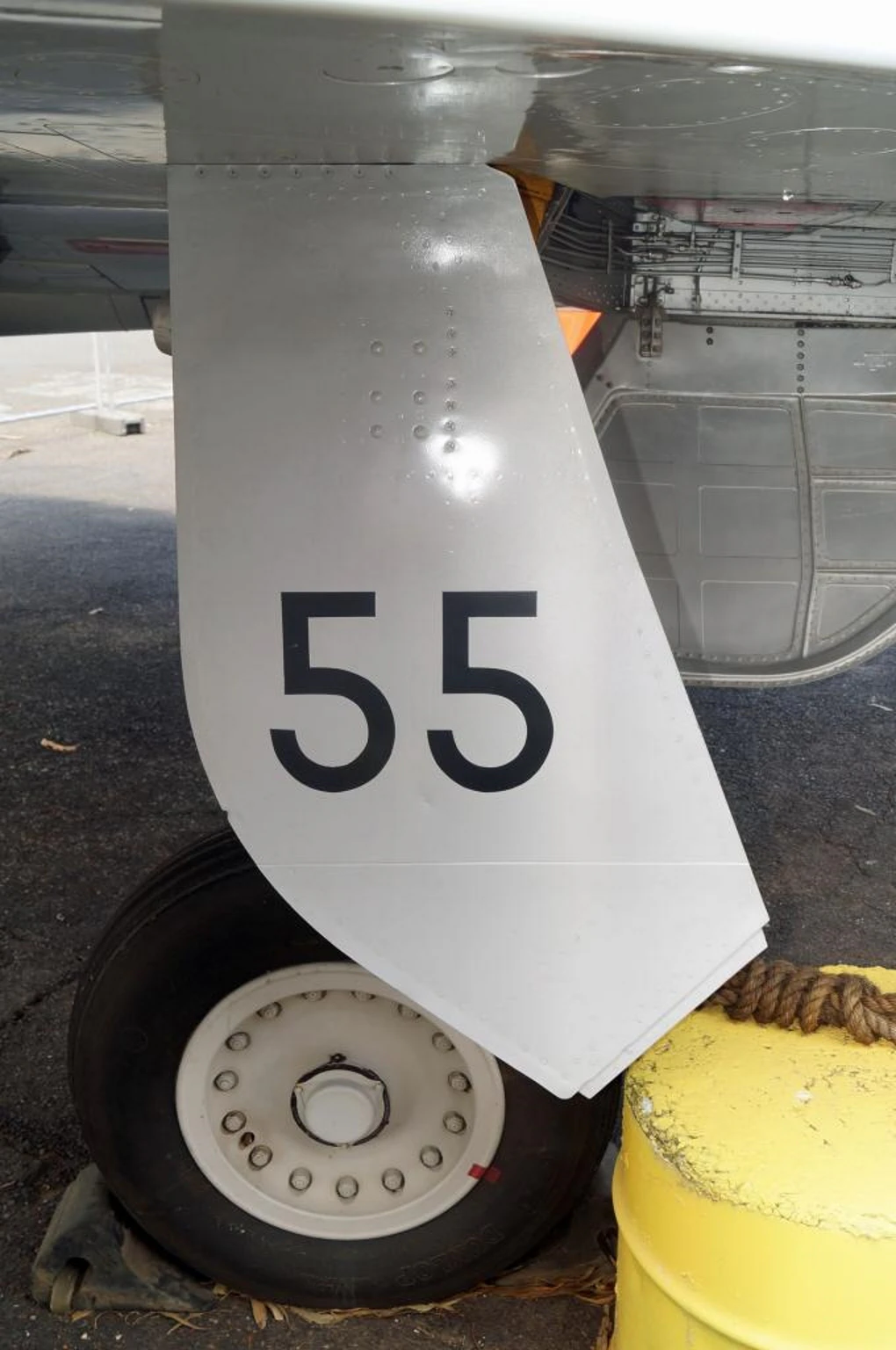
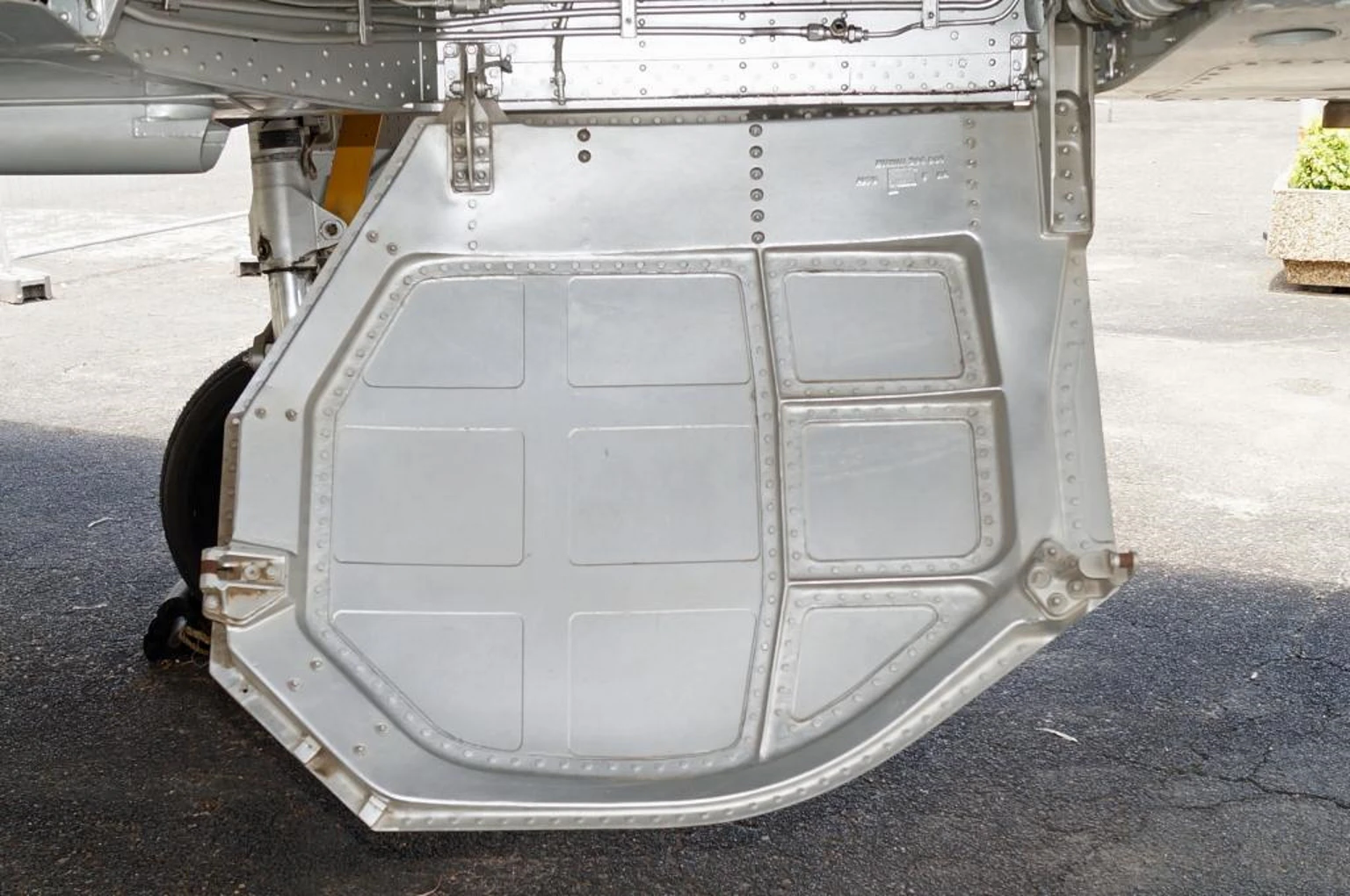
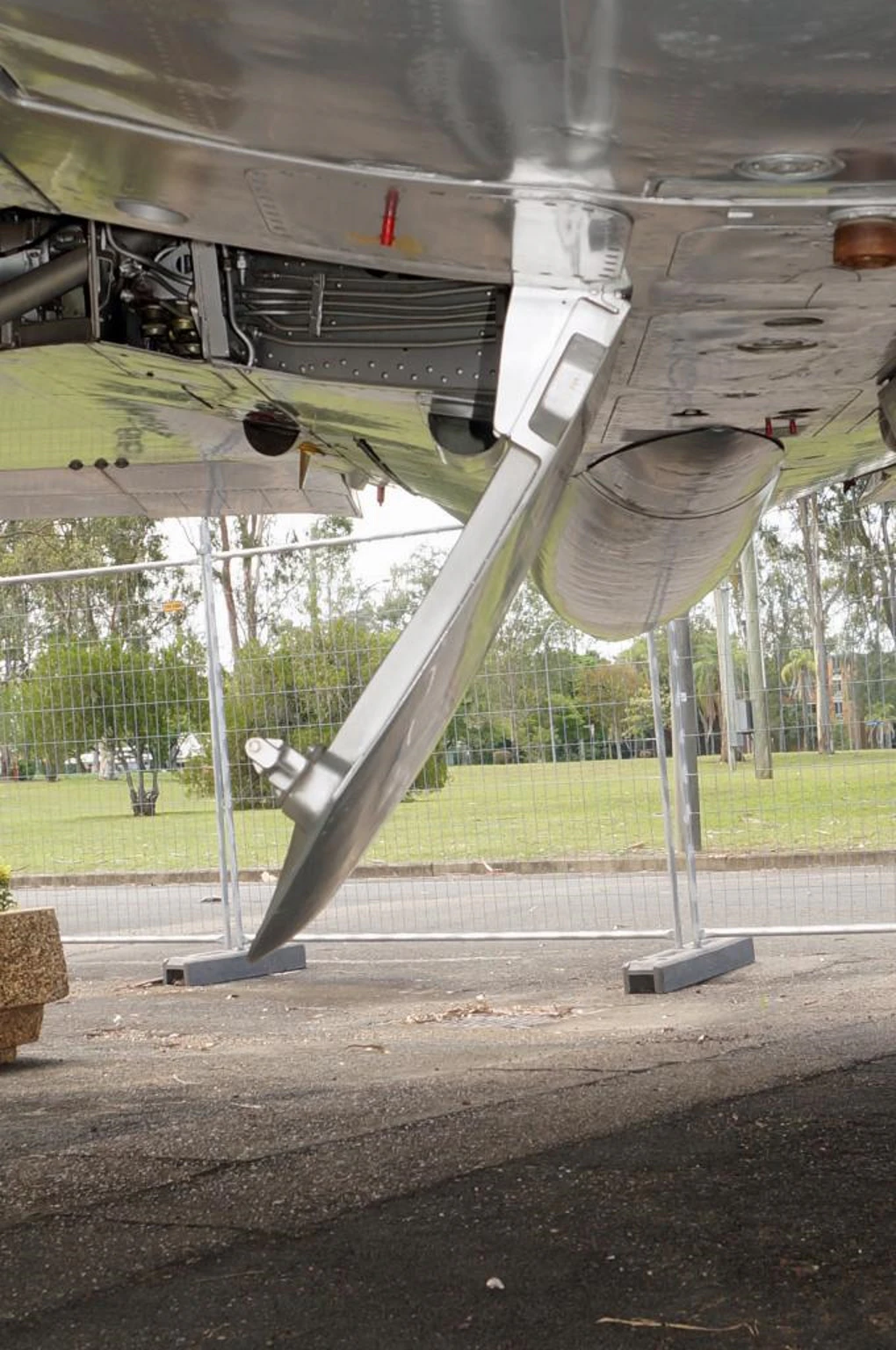
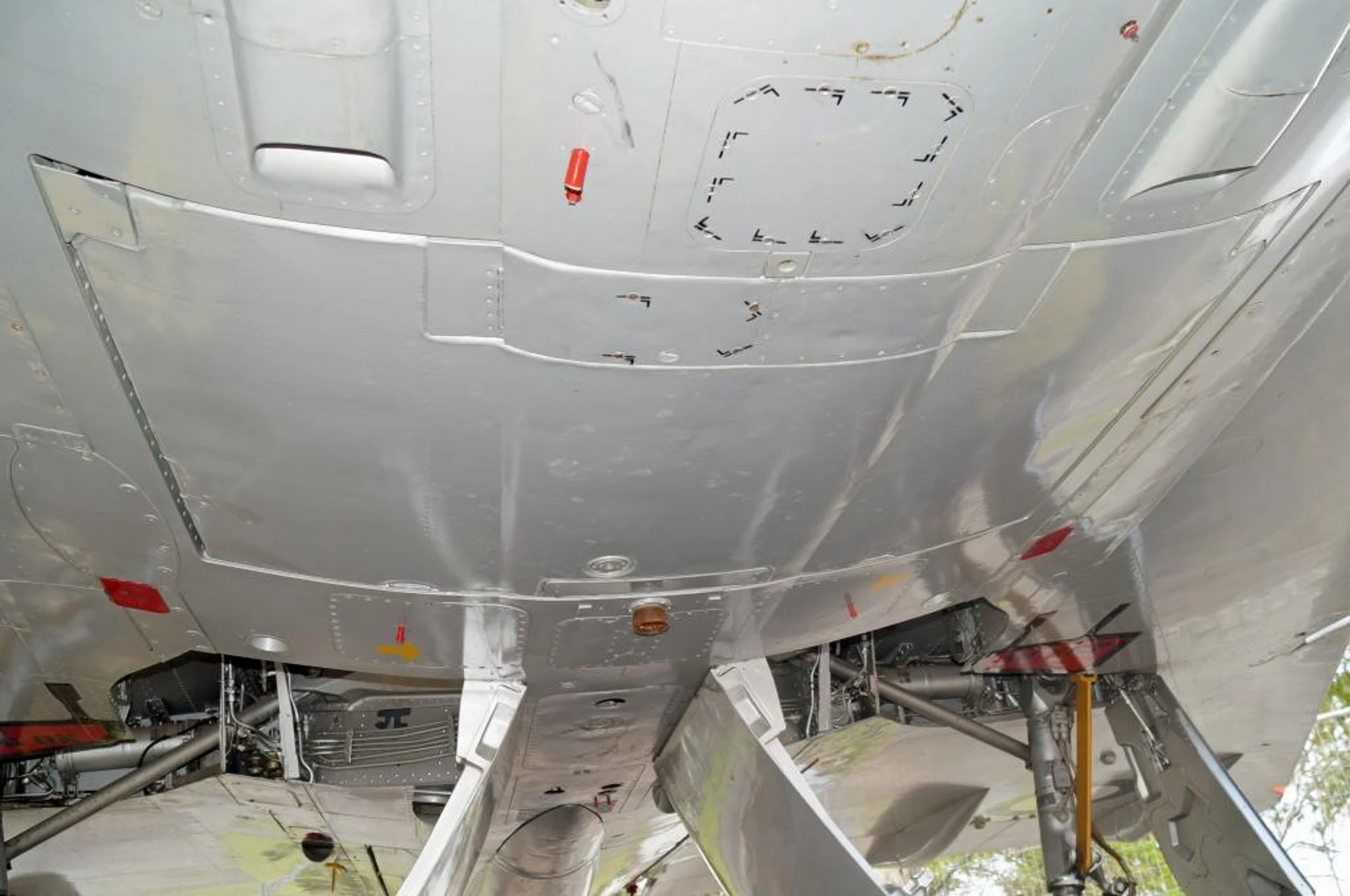
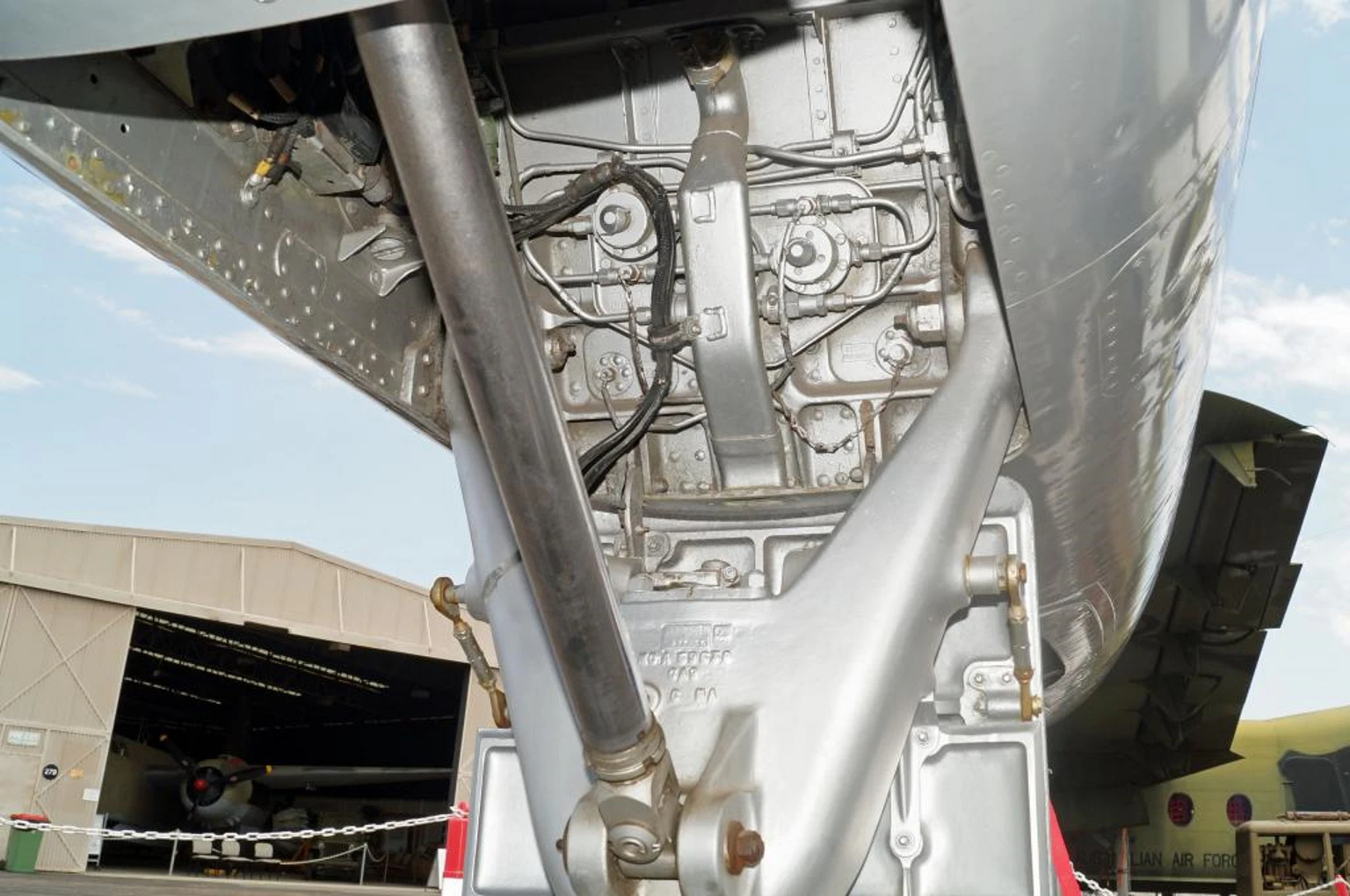
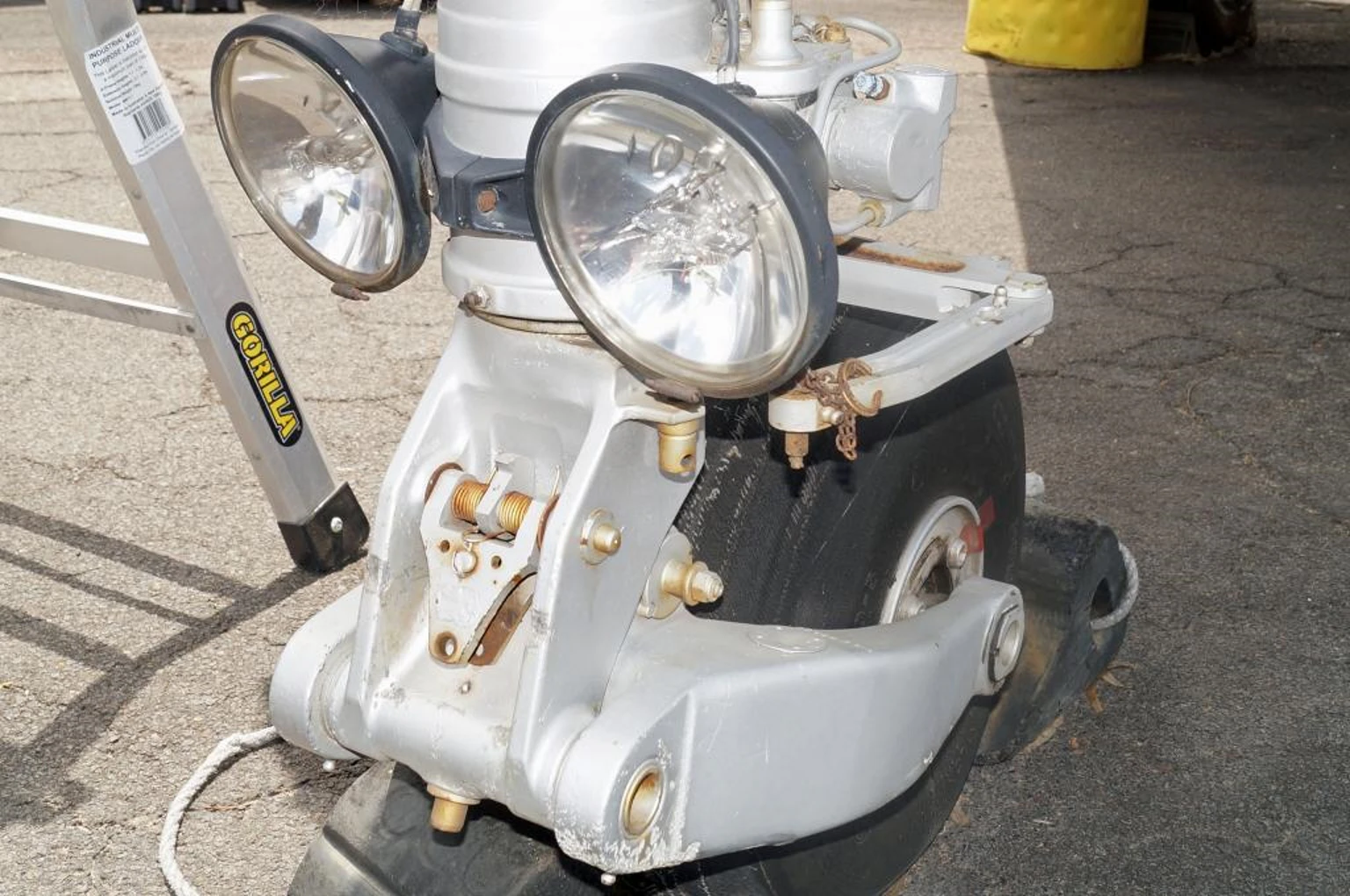
| Mirage M-50 Pantera Walk Around | |
|---|---|
| Photographe | Kep Ar |
| Localisation | Inconnu |
| Photos | 27 |
| Mirage III RS Walk Around | |
|---|---|
| Photographe | Unknow |
| Localisation | Inconnu |
| Photos | 111 |
Attendez, à la recherche d’avions pour vous...
Voir aussi :


The Renaissance of French Aviation
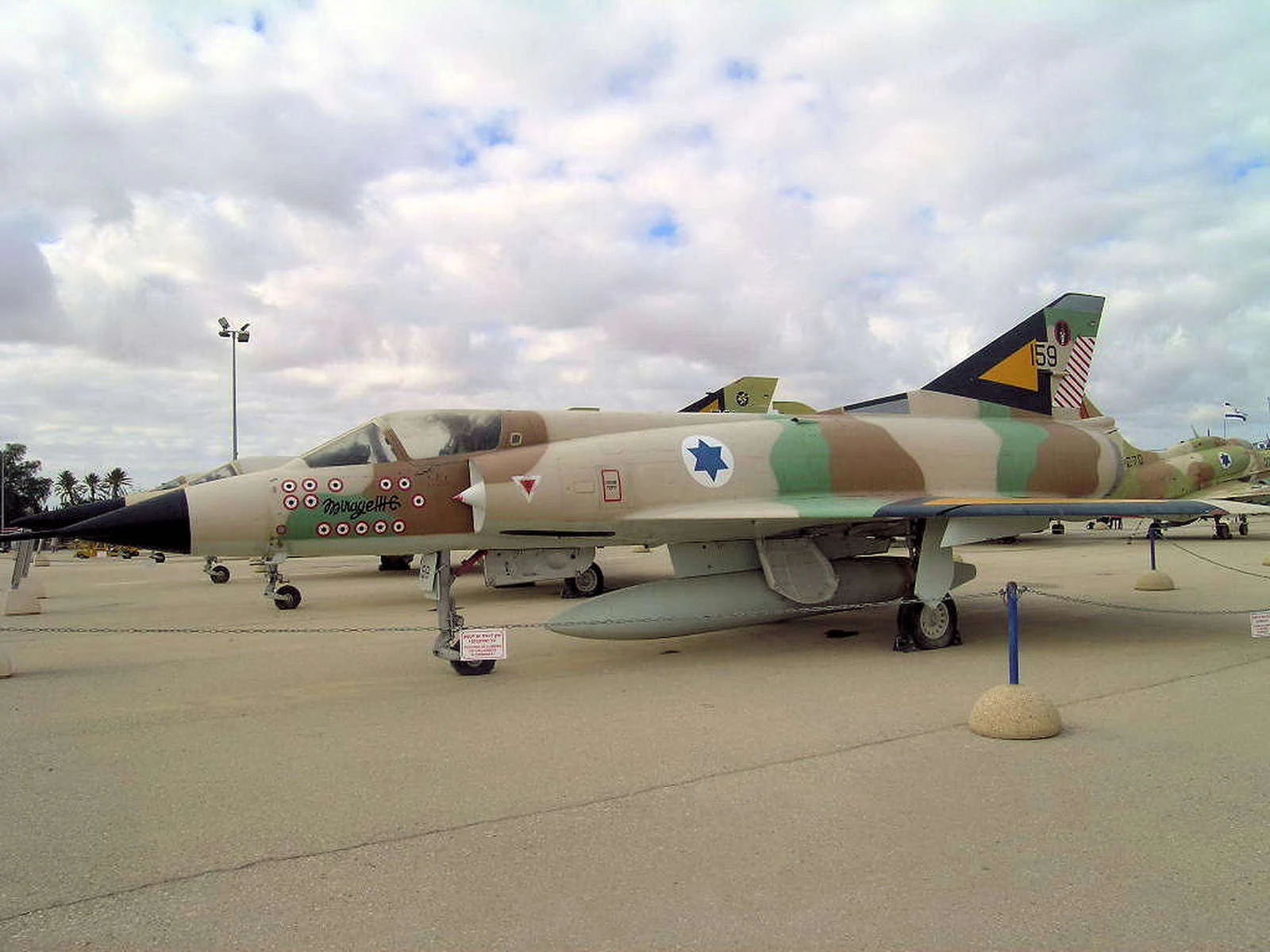
Lla Mirage IIIC was the first Western European aircraft to exceed Mach 2 in level flight. Developed by Dassault Aviation in the late 1950s, it featured a clean, tailless delta wing that became the hallmark of French fighter design for decades. It wasn’t just a plane; it was a statement of French strategic independence. Sleek, fast, and surprisingly simple, the Mirage III became a massive export success, proving that France could build a world-class interceptor that could outperform its American and Soviet rivals in a dogfight.
| Attribute | Technical Specification (Mirage IIIC) |
|---|---|
| Rôle | Interceptor / Fighter-Bomber |
| Crew | 1 (Pilot) |
| moteur | 1 × SNECMA Atar 9B afterburning turbojet (13,228 lbf) |
| Rocket Boost | Optional SEPR 841 liquid-fueled rocket (3,300 lbf) |
| Vitesse maximale | Mach 2.2 (2,350 km/h) at 12,000 m |
| Combat Radius | 290 km (High-speed intercept) to 1,200 km (Ferry) |
| Armement principal | 2 × 30 mm DEFA 552 cannons (125 rounds each) |
| Missiles | 1 × Matra R530 (Centerline) + 2 × AIM-9 Sidewinder |
Design Engineering: The Delta and the Rocket
- The Tailless Delta Wing: The massive triangular wing provided a huge internal fuel capacity and allowed for very high speeds with low drag. While it made the plane tricky to land (requiring a very high « nose-up » angle), it gave the Mirage incredible instantaneous turn rates in a dogfight.
- SEPR Rocket Boost: For high-altitude interceptions, the Mirage IIIC could carry a removable rocket engine in a belly pack. This gave the pilot a « superpower » button, allowing the jet to zoom-climb to over 60,000 feet to catch Soviet bombers.
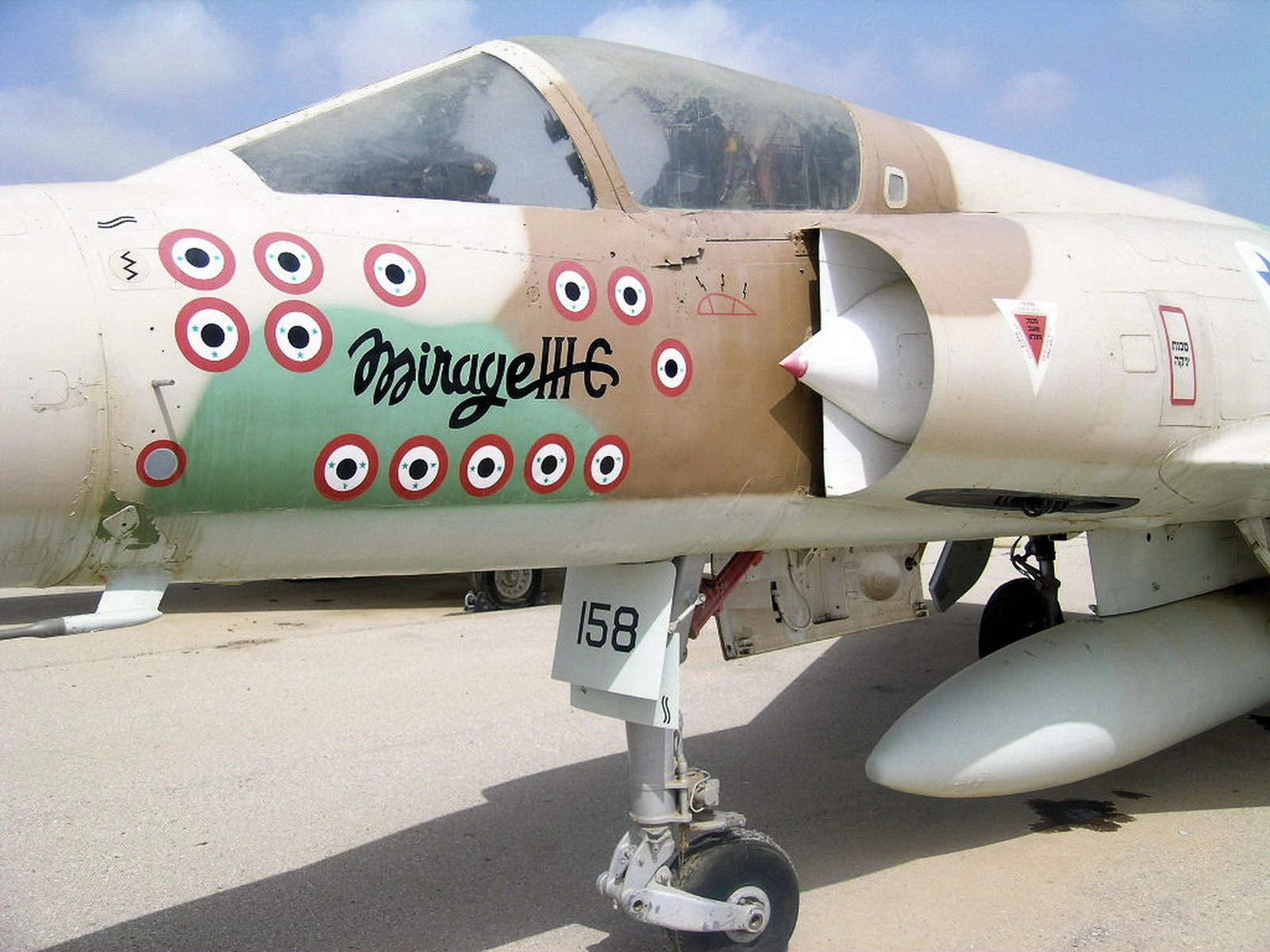
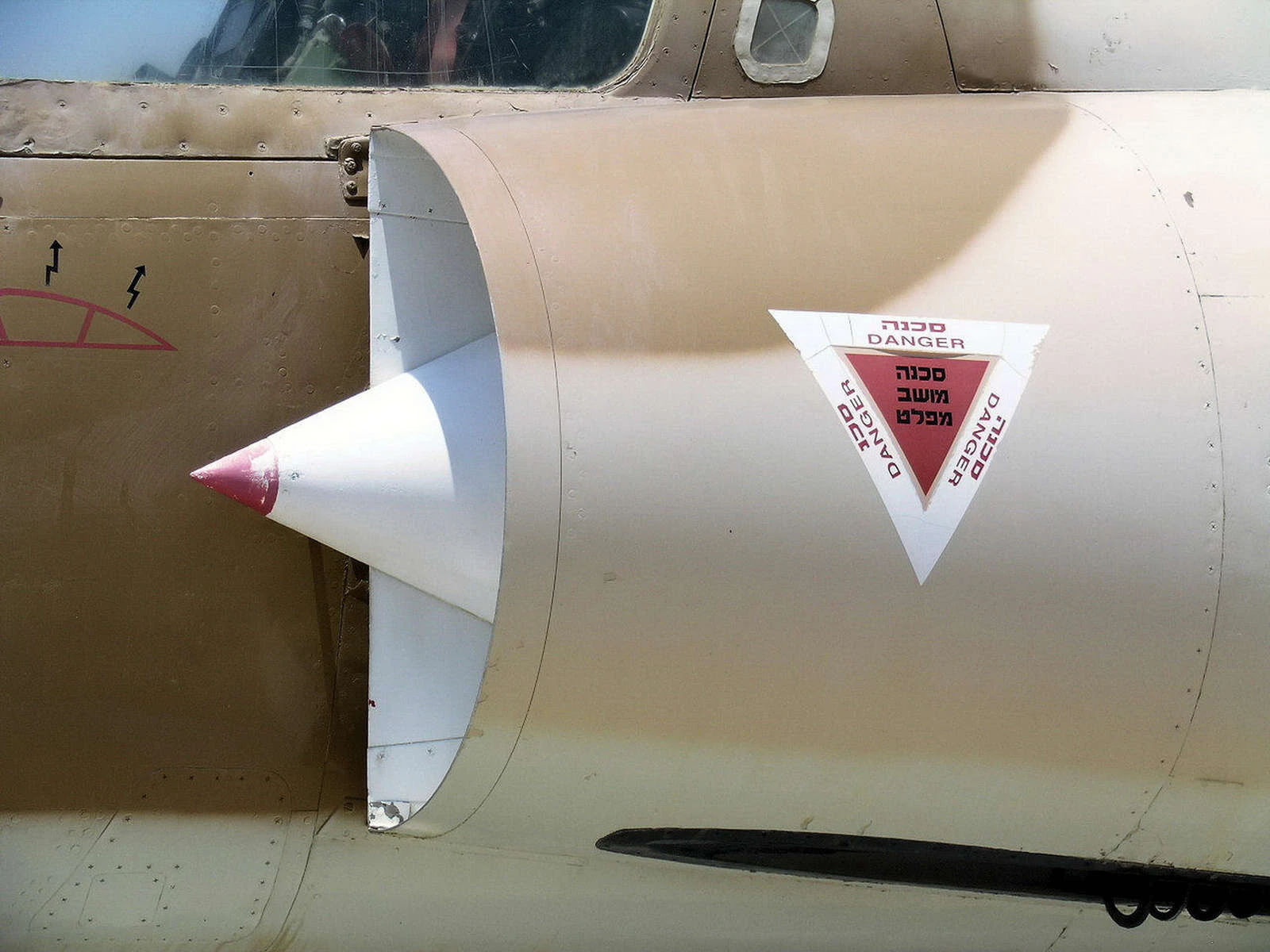
- Shock Cones (Mice): Inside the air intakes are movable half-cones, nicknamed « souris » (mice). At high speeds, these move forward and backward to manage the shockwaves, ensuring the engine always receives smooth, subsonic air even when the plane is flying at Mach 2.
- Area Rule Fuselage: The Mirage was one of the first planes to fully utilize the « waisted » Ou « coke-bottle » fuselage shape. This aerodynamic trick reduces wave drag at transonic speeds, helping the plane punch through the sound barrier with ease.
Operational History: The « Shahak » Légende
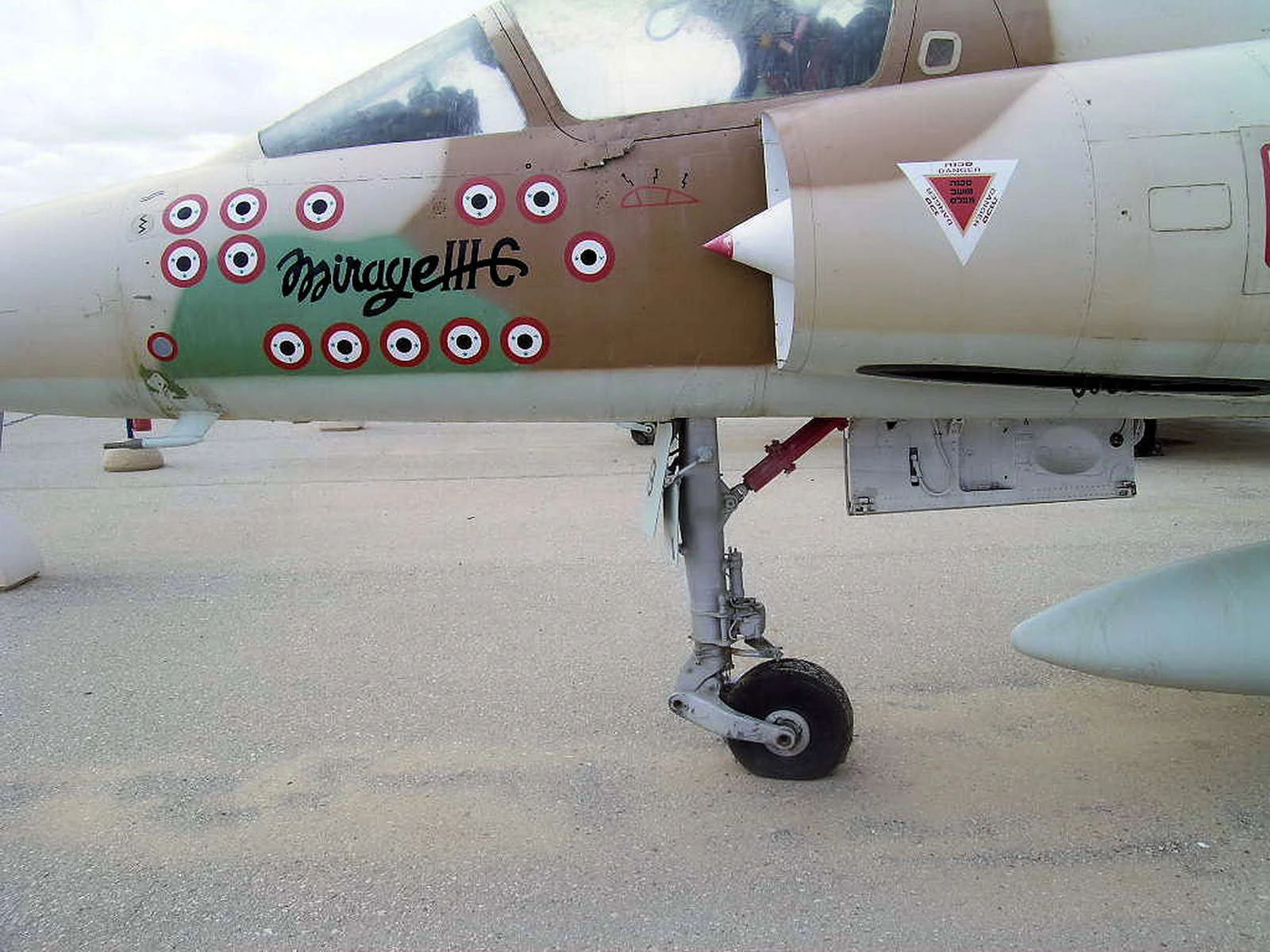
- The Six-Day War (1967): The Mirage IIIC reached legendary status in the hands of the Israeli Air Force (where it was called the Shahak). In a matter of days, Israeli Mirages decimated the Egyptian, Syrian, and Jordanian air forces, proving the delta-wing jet was the king of the « classic » dogfight.
- A Master of Attrition: Despite having limited fuel and no internal radar in early models, the Mirage III was so reliable and easy to maintain that it could fly multiple sorties a day, a feat most complex American jets couldn’t match at the time.
- The Argentine « Dagger »: During the Falklands War (1982), Argentine Mirages and their Israeli-built cousins (the Dagger) faced off against British Sea Harriers. While they struggled with fuel range, their high speed remained a constant threat to the Royal Navy.
- Global Export: The Mirage III family was exported to over 20 countries, including Australia, South Africa, Switzerland, and Pakistan. Some airframes remained in frontline service well into the 2010s, a testament to the timelessness of Marcel Dassault’s design.
Vues : 10676