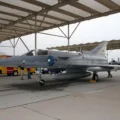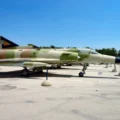
Délibáb IIIC | |
|---|---|
| Ország | Franciaország |
| Ref | Szuperszonikus vadászrepülőgép |
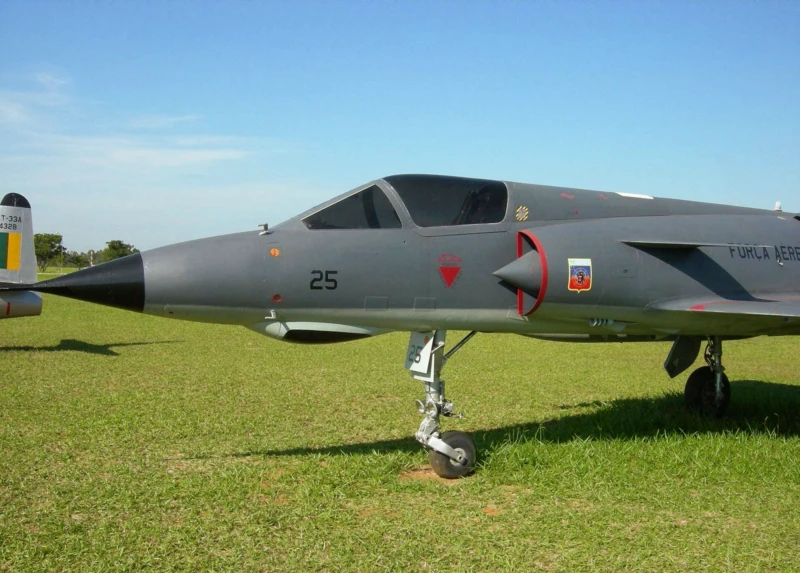
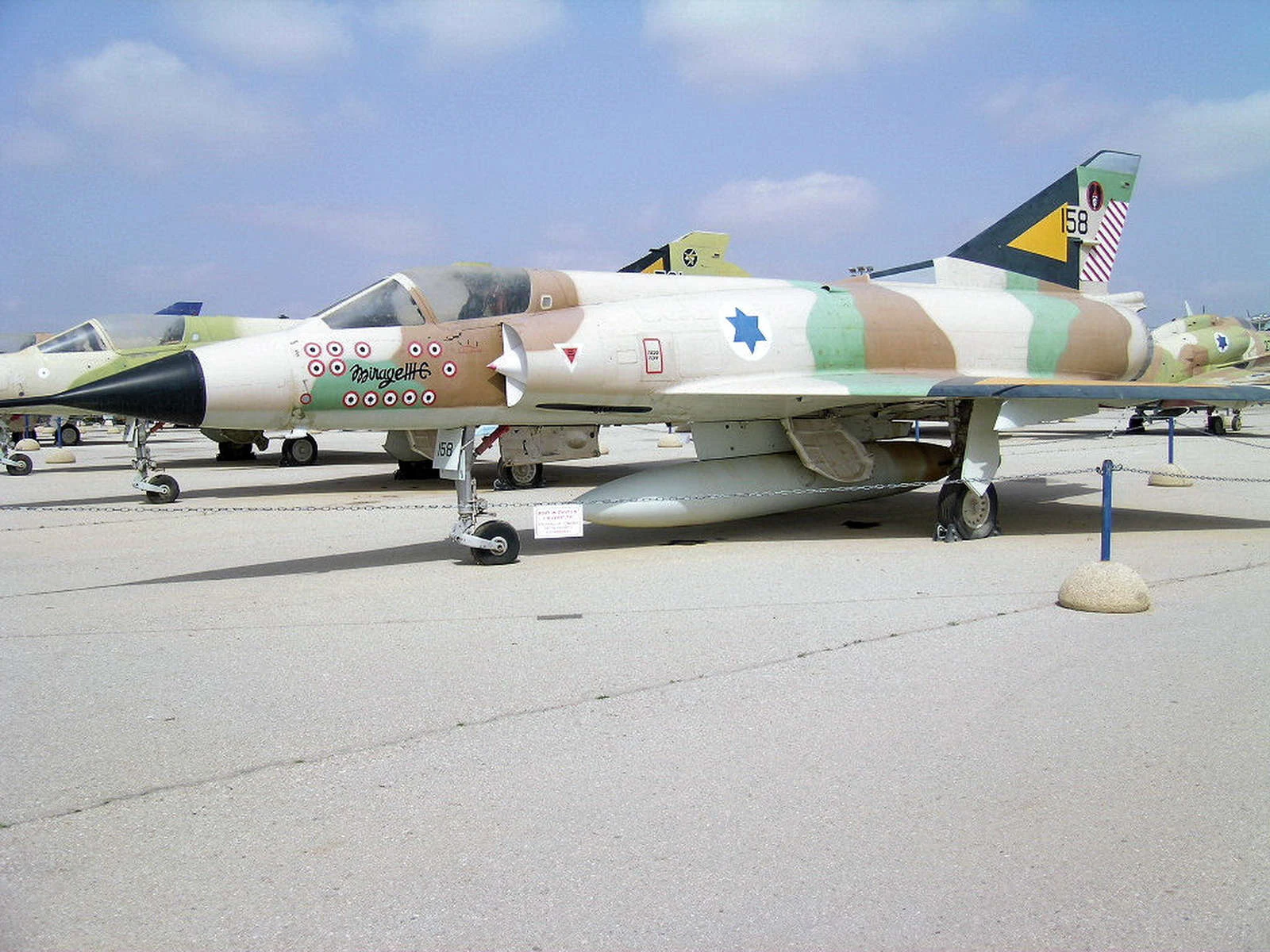
Galéria Fotó egy Délibáb IIIC, A Iii. Délibáb egy szuperszonikus vadászgép által tervezett Dassault Aviation során az 1950-es évek közepén.
| Mirage IIIC séta | |
|---|---|
| Fotós | Ismeretlen |
| Lokalizáció | Ismeretlen |
| Fénykép | 63 |
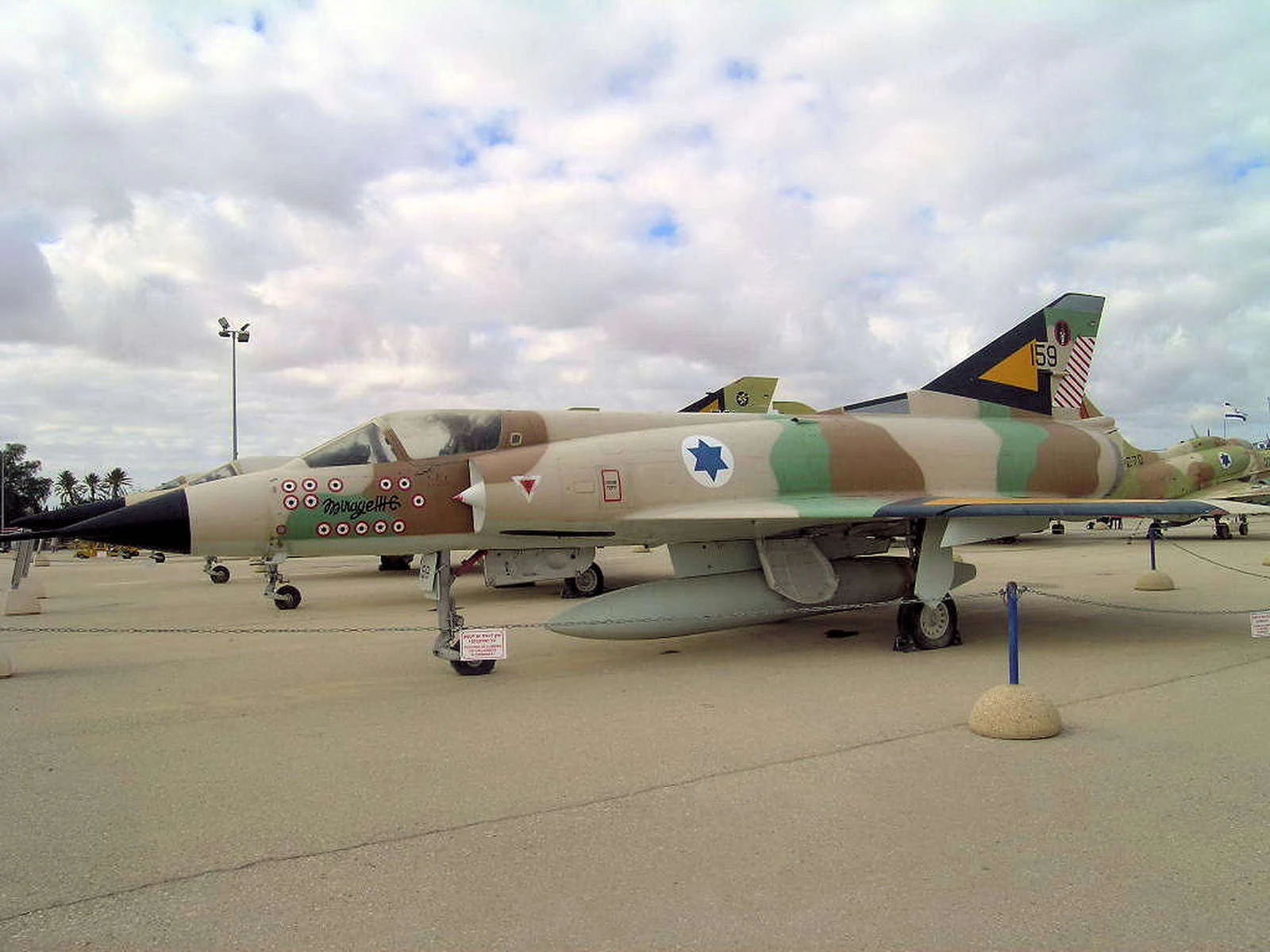
Mirage IIIC 01
Mirage IIIC 03
Mirage IIIC 02
Mirage IIIC 04
Mirage IIIC 05
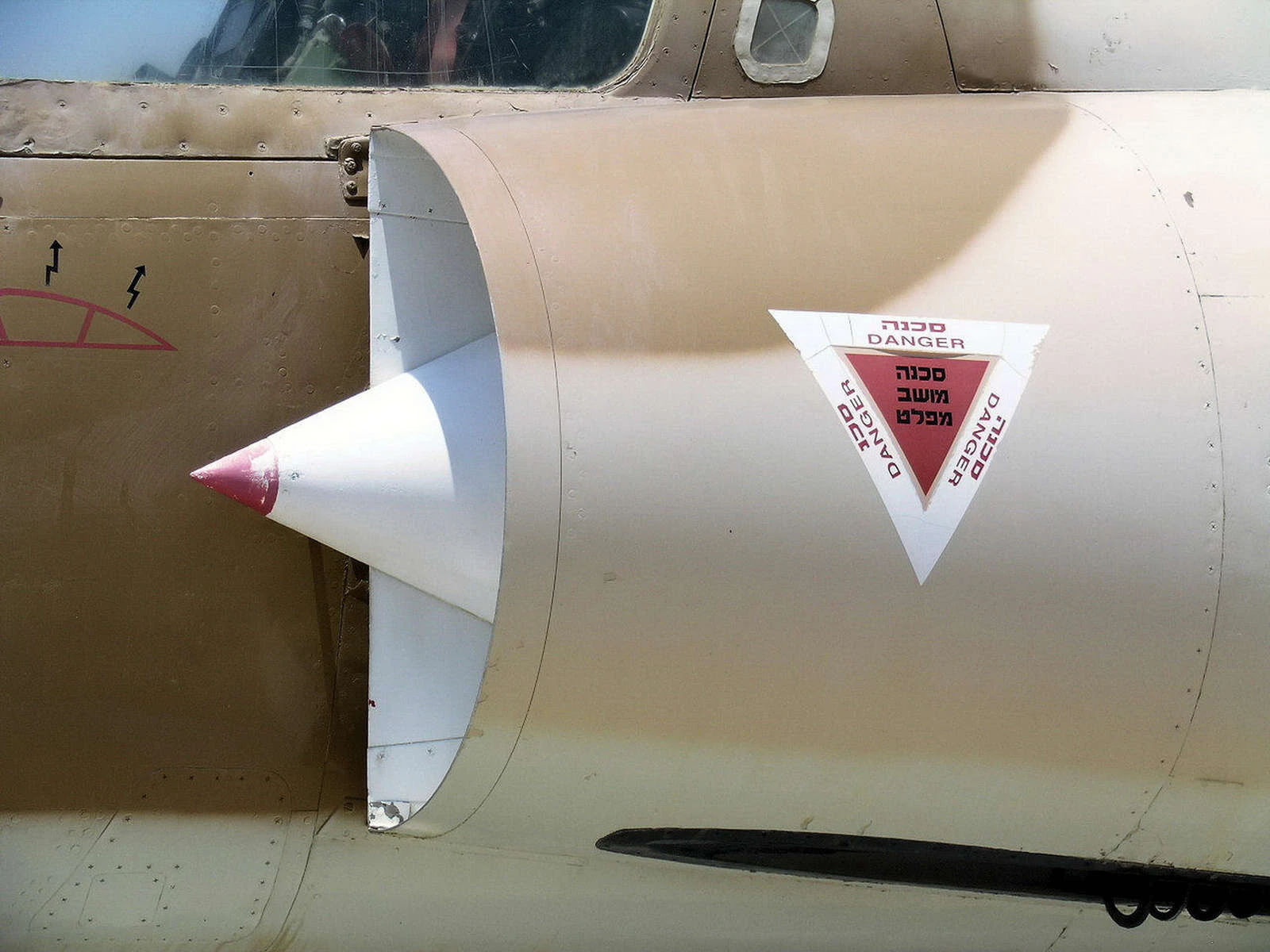
Mirage IIIC 06
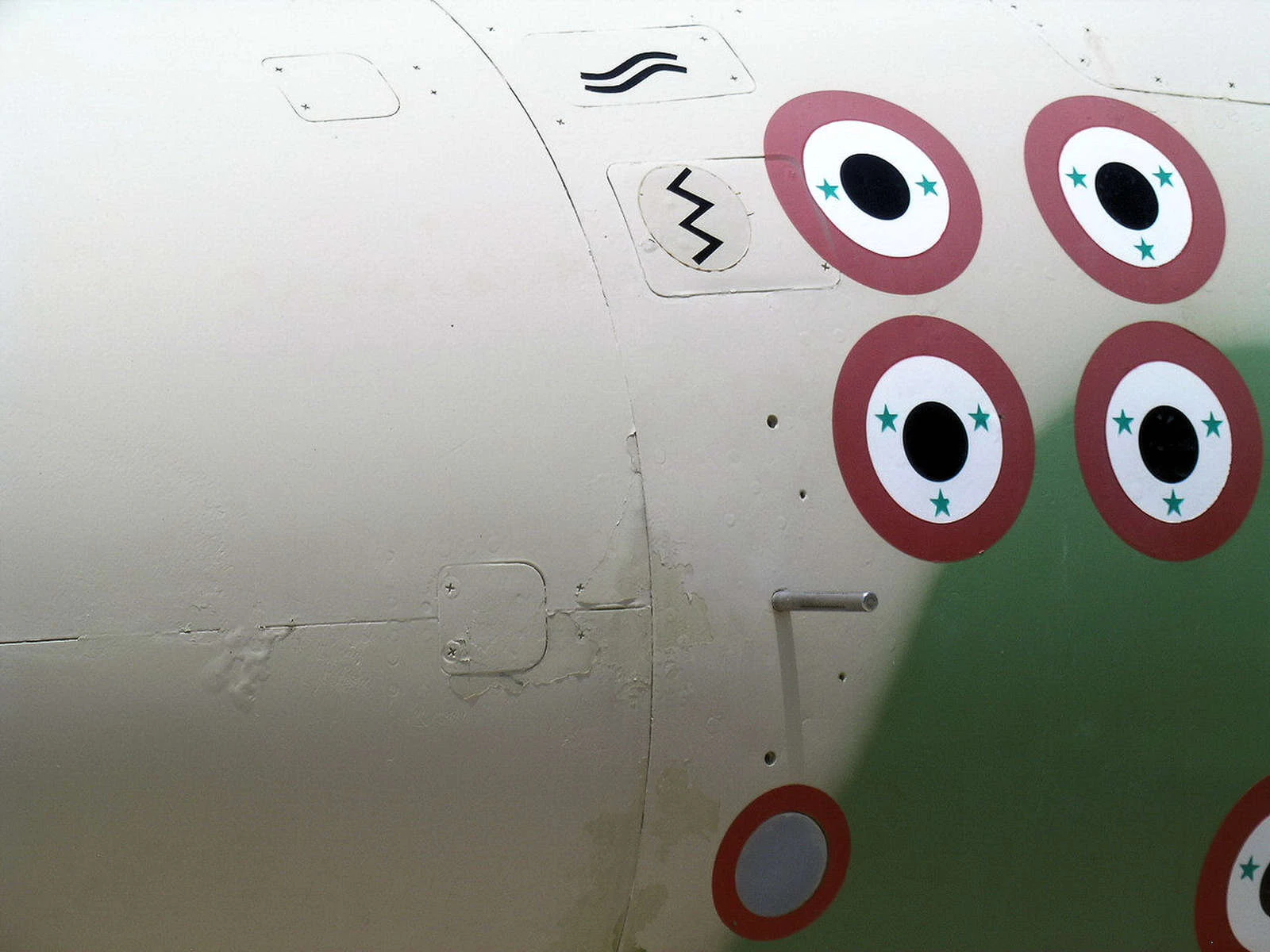
Mirage IIIC 07
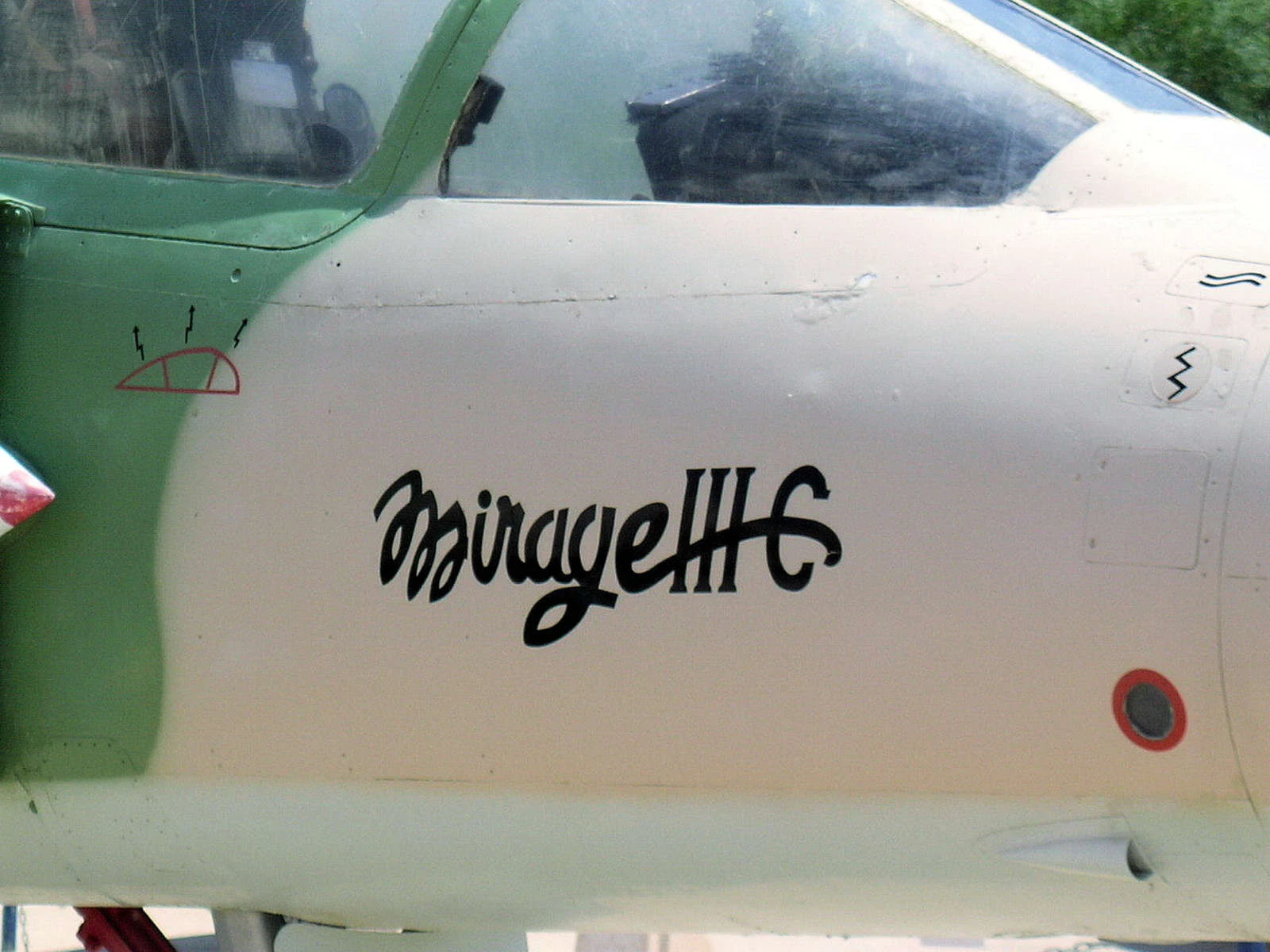
Mirage IIIC 08
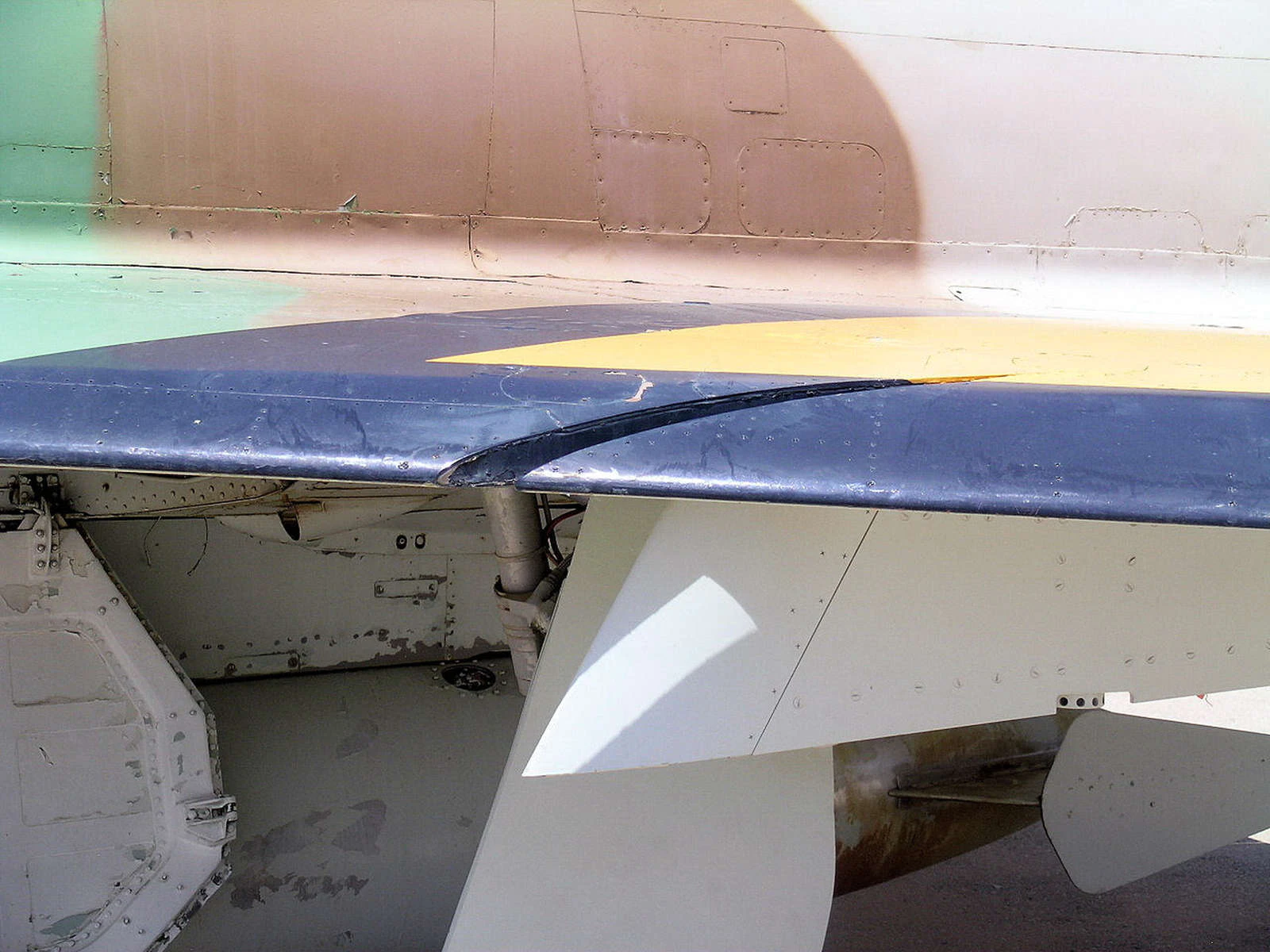
Mirage IIIC 09
Várj, Keresés Mirage IIIC az Ön számára ...

| Délibáb III.E Séta körül | |
|---|---|
| Fotós | Jaro Mucha |
| Lokalizáció | Ismeretlen |
| Fénykép | 59 |
| RAAF Délibáb III Séta körül | |
|---|---|
| Fotós | Eric Galliers |
| Lokalizáció | Ismeretlen |
| Fénykép | 31 |
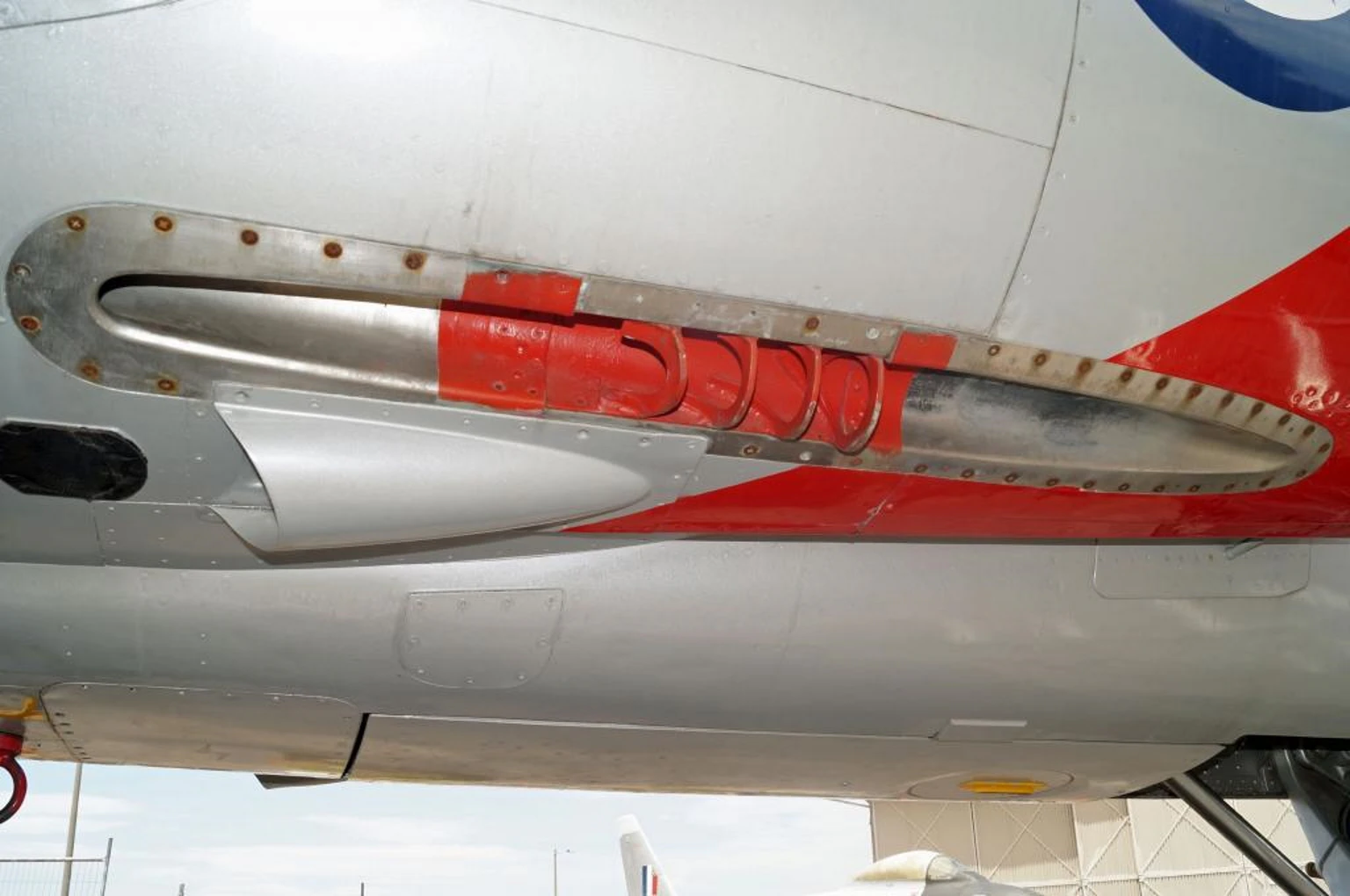
Mirage III RAAF 01
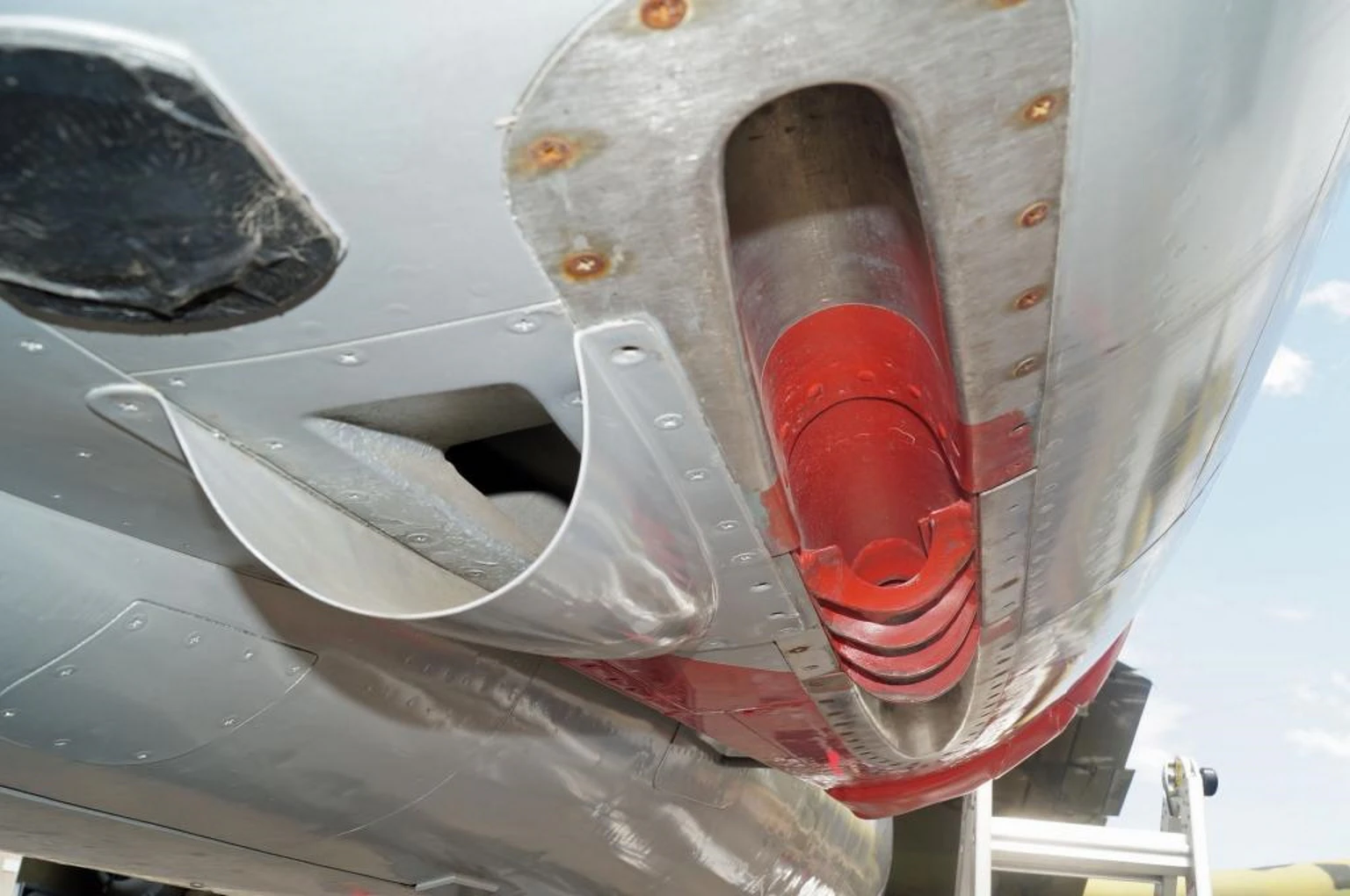
Mirage III RAAF 02
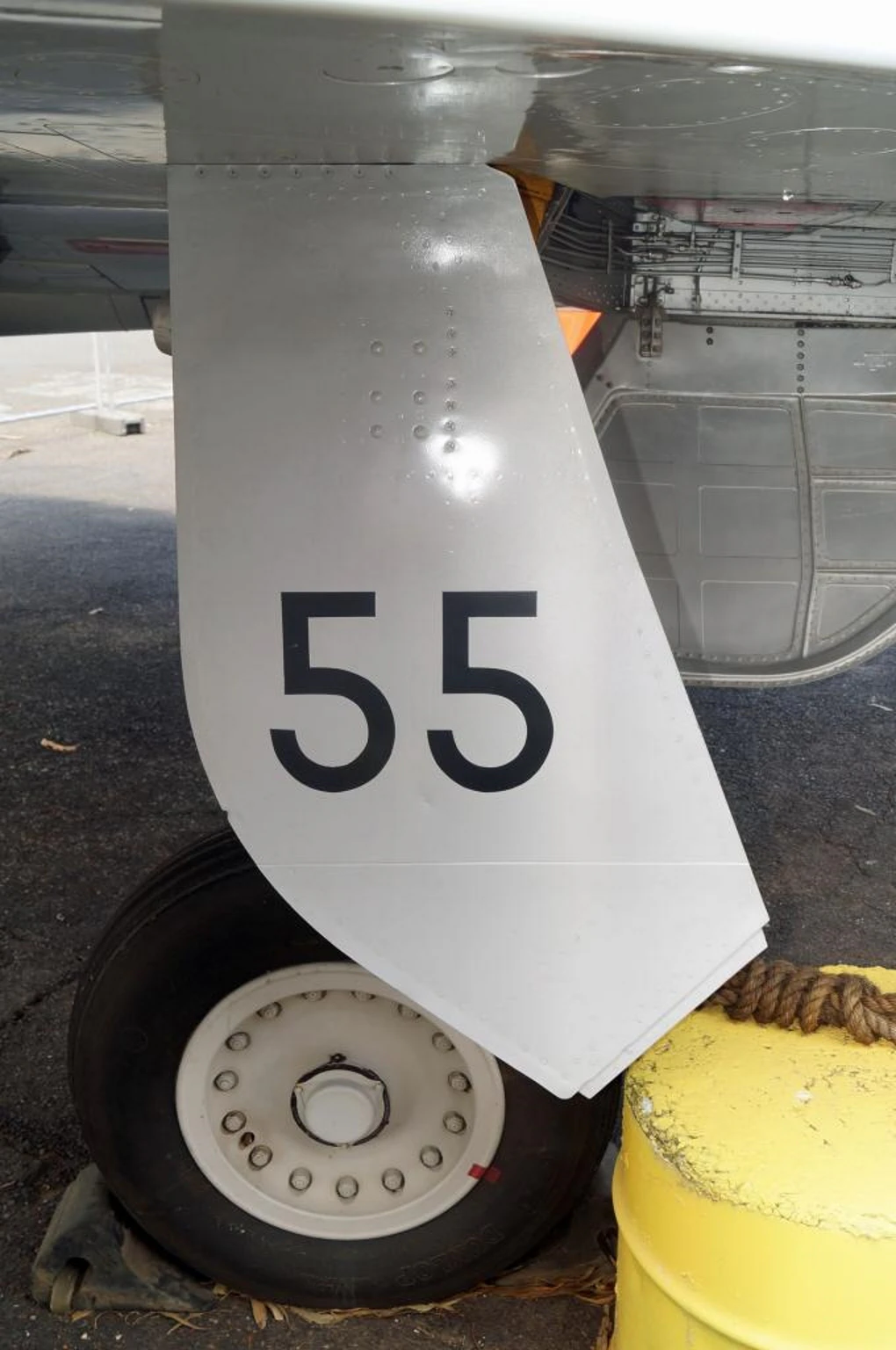
Mirage III RAAF 03
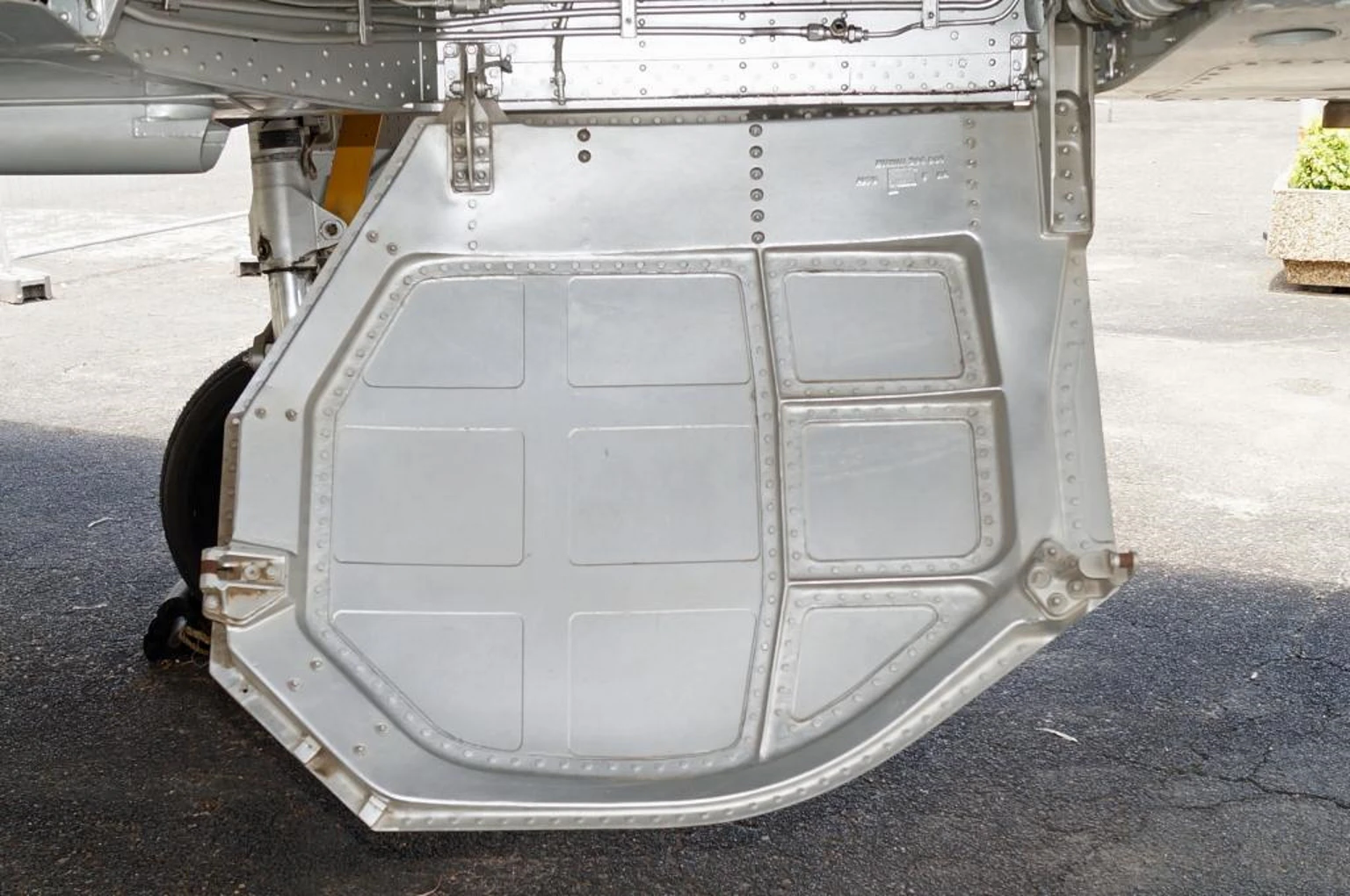
Mirage III RAAF 04
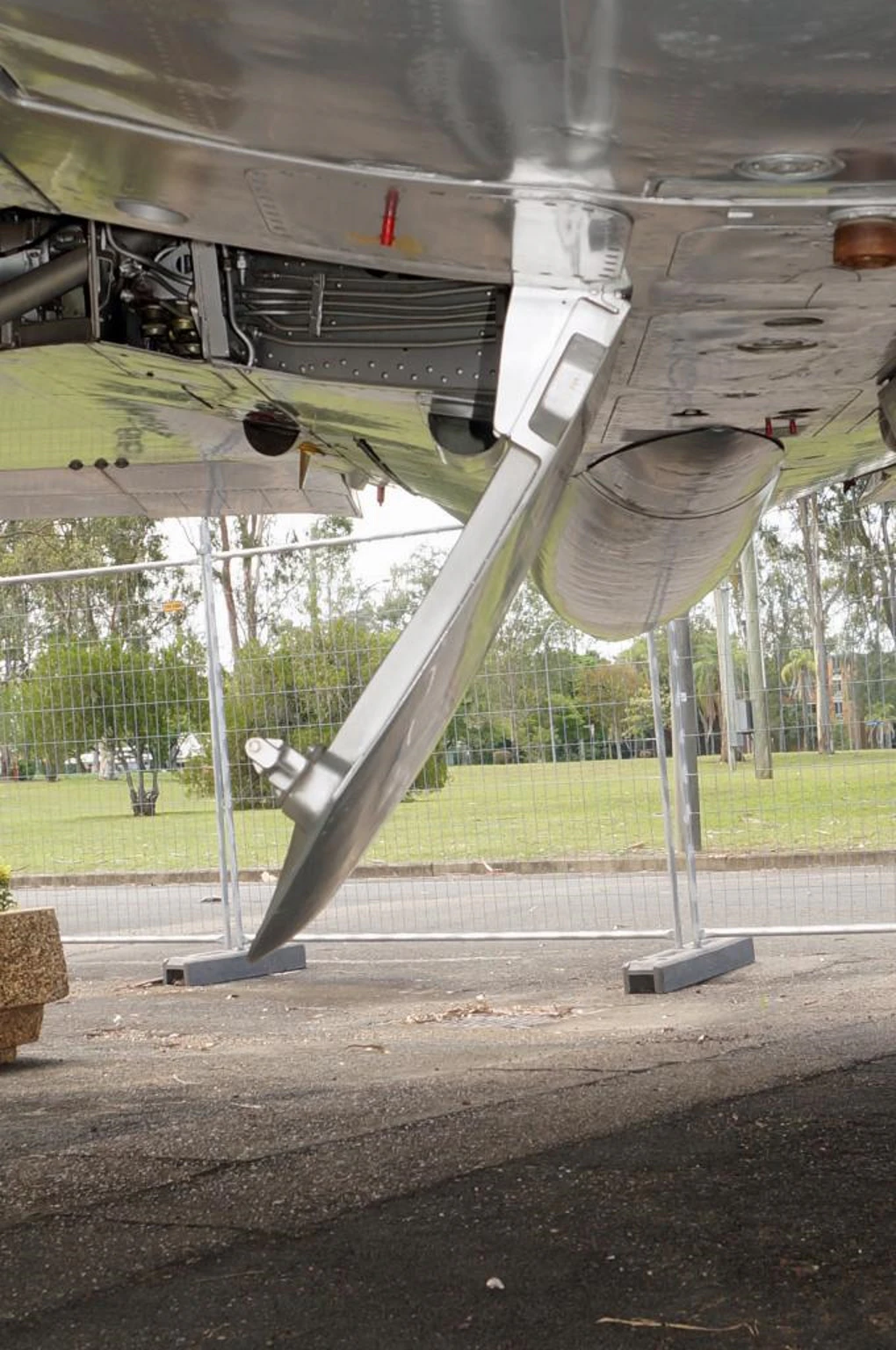
Mirage III RAAF 05
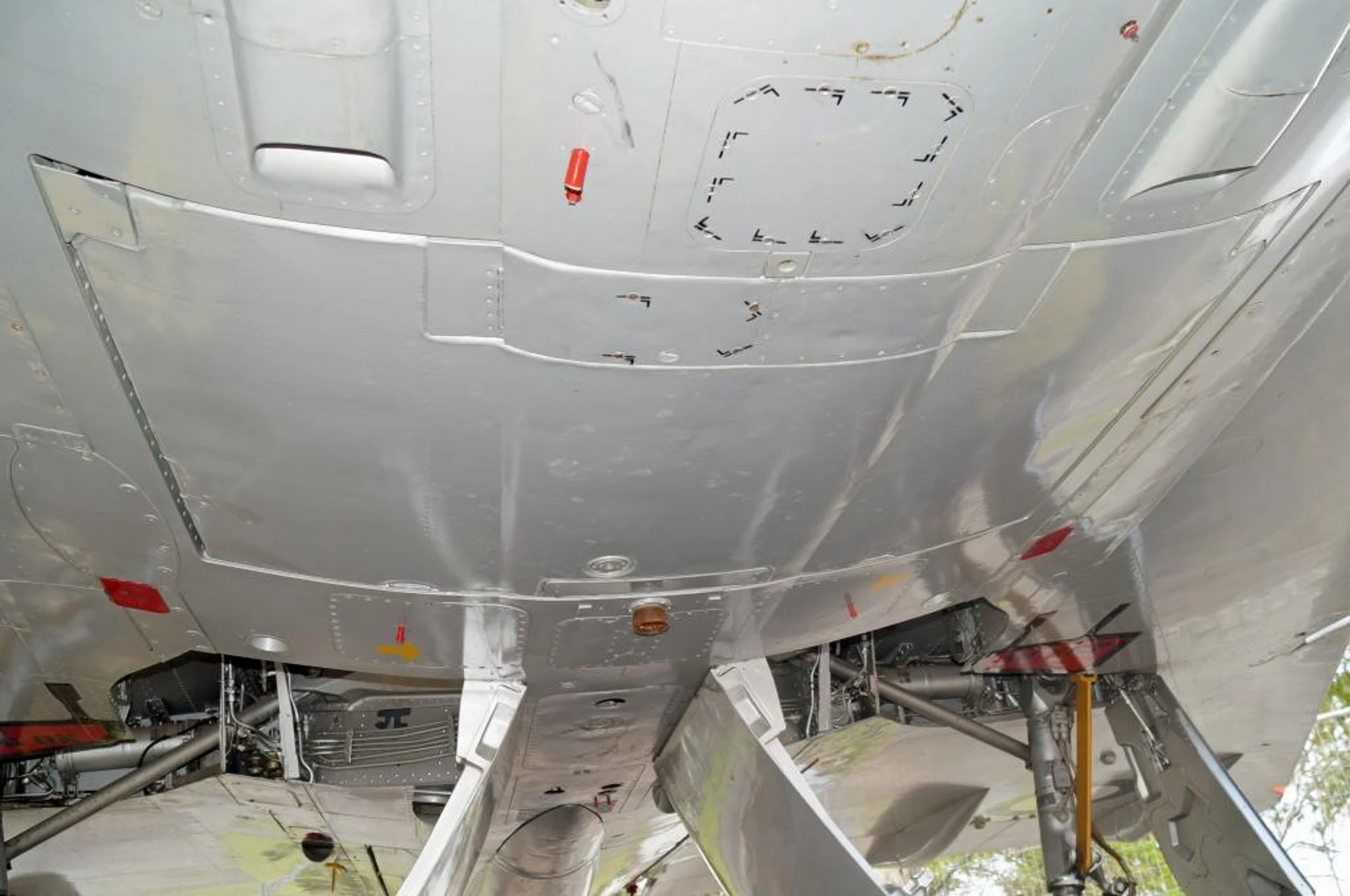
Mirage III RAAF 06
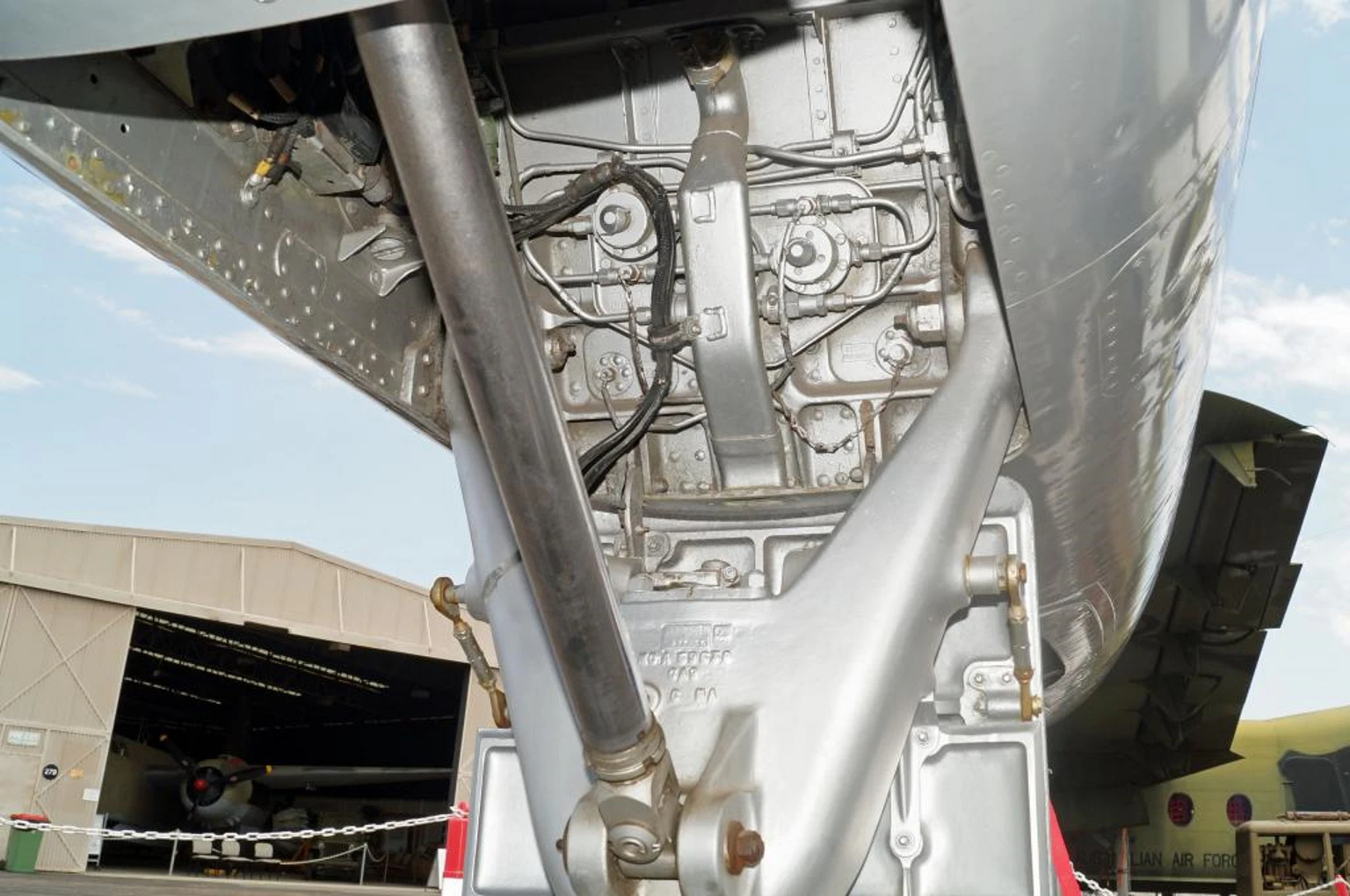
Mirage III RAAF 07
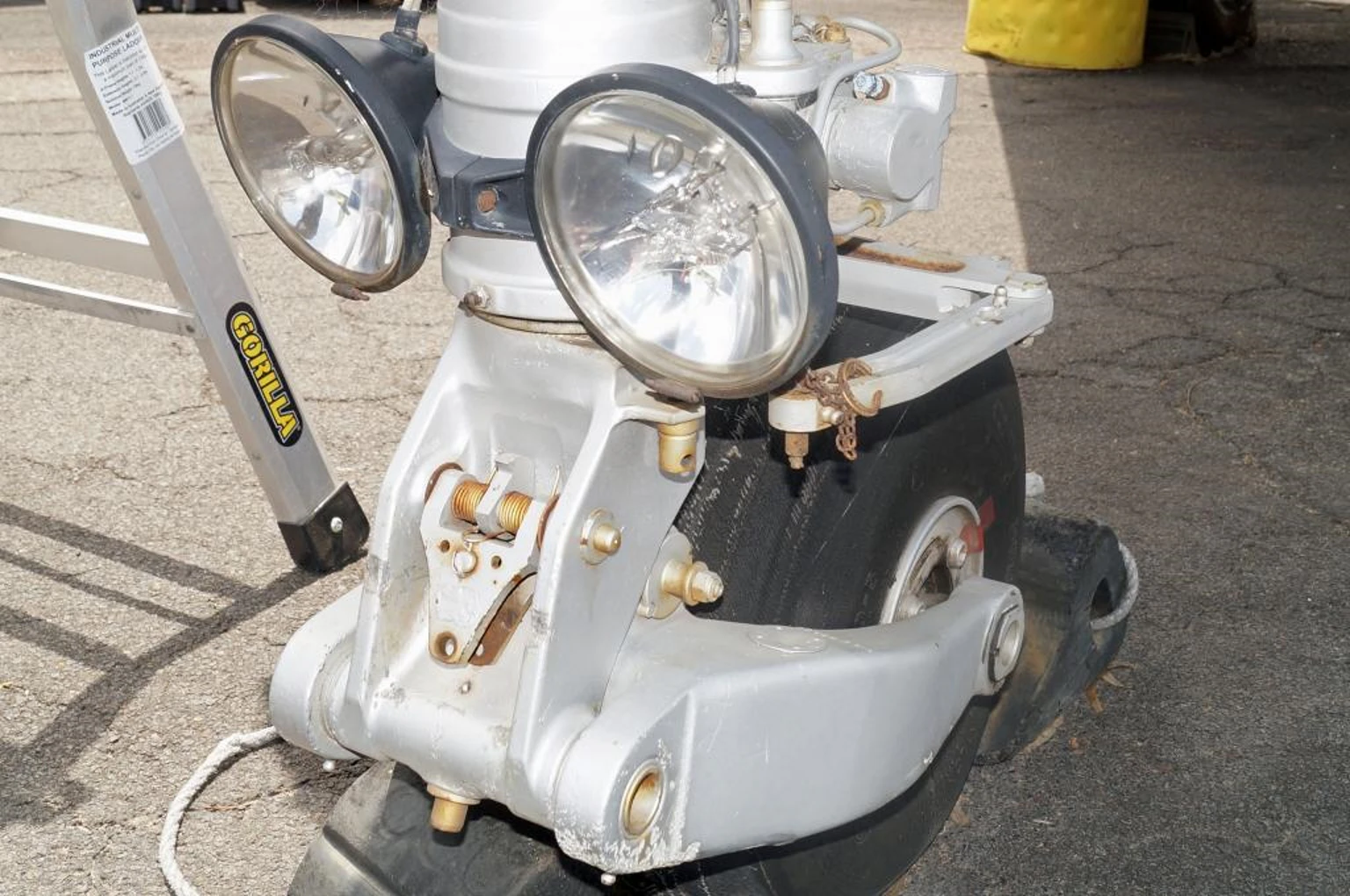
Mirage III RAAF 08
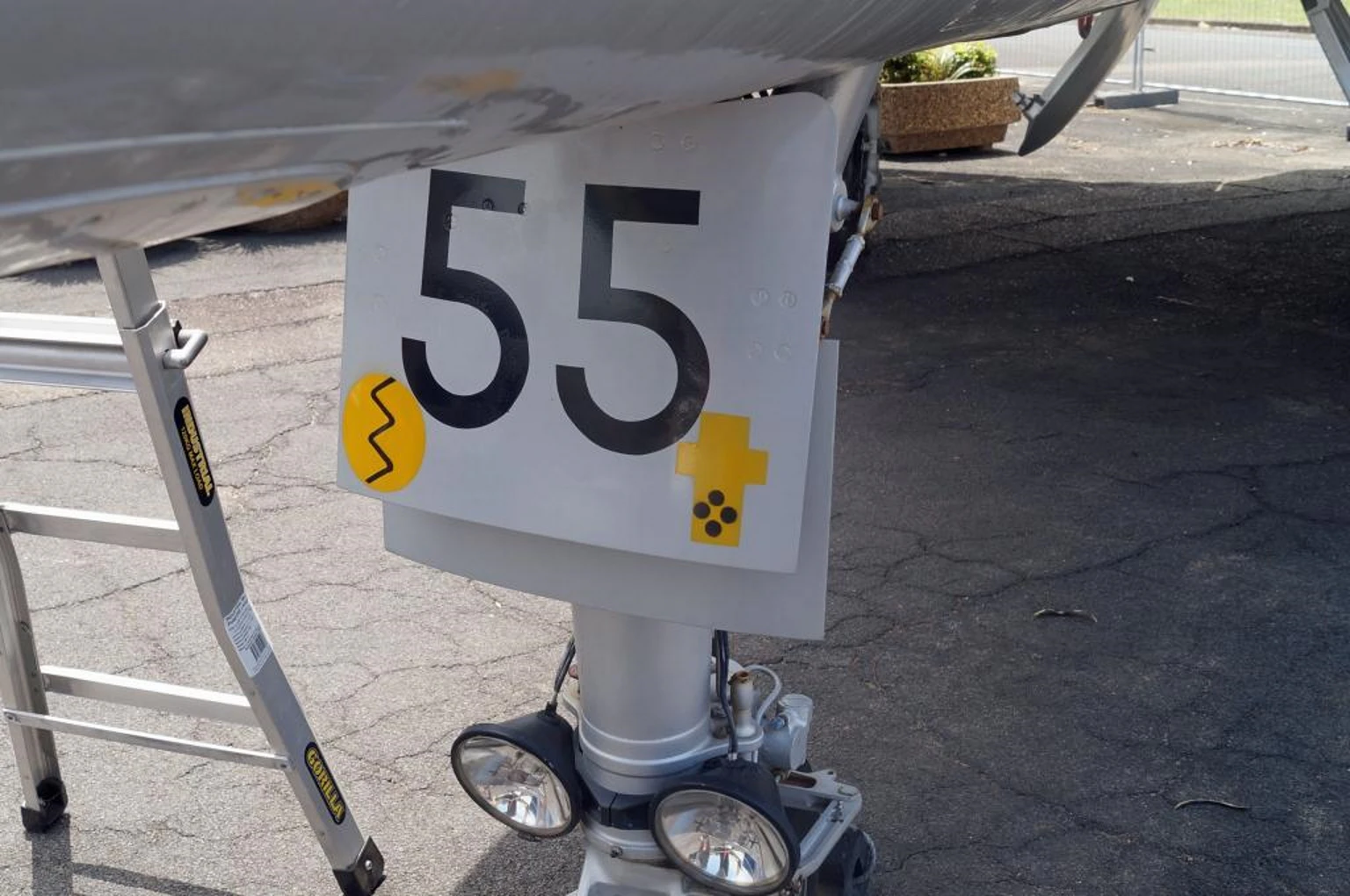
Mirage III RAAF 09
| Mirage M-50 Pantera Walk Around | |
|---|---|
| Fotós | Kep Ar |
| Lokalizáció | Ismeretlen |
| Fénykép | 27 |
| Mirage III RS Walk Around | |
|---|---|
| Fotós | Unknow |
| Lokalizáció | Ismeretlen |
| Fénykép | 111 |
Várjon, repülőgépet keres neked ...
Lásd még:


The Renaissance of French Aviation
A Délibáb IIIC was the first Western European aircraft to exceed Mach 2 in level flight. Developed by Dassault Aviation in the late 1950s, it featured a clean, tailless delta wing that became the hallmark of French fighter design for decades. It wasn’t just a plane; it was a statement of French strategic independence. Sleek, fast, and surprisingly simple, the Mirage III became a massive export success, proving that France could build a world-class interceptor that could outperform its American and Soviet rivals in a dogfight.
| Attribute | Technical Specification (Mirage IIIC) |
|---|---|
| Szerepet | Interceptor / Fighter-Bomber |
| Legénység | 1 (Pilot) |
| Motor | 1 × SNECMA Atar 9B afterburning turbojet (13,228 lbf) |
| Rocket Boost | Optional SEPR 841 liquid-fueled rocket (3,300 lbf) |
| Maximum Speed | Mach 2.2 (2,350 km/h) at 12,000 m |
| Combat Radius | 290 km (High-speed intercept) to 1,200 km (Ferry) |
| Main Armament | 2 × 30 mm DEFA 552 cannons (125 rounds each) |
| Missiles | 1 × Matra R530 (Centerline) + 2 × AIM-9 Sidewinder |
Design Engineering: The Delta and the Rocket
- The Tailless Delta Wing: The massive triangular wing provided a huge internal fuel capacity and allowed for very high speeds with low drag. While it made the plane tricky to land (requiring a very high “nose-up” angle), it gave the Mirage incredible instantaneous turn rates in a dogfight.
- SEPR Rocket Boost: For high-altitude interceptions, the Mirage IIIC could carry a removable rocket engine in a belly pack. This gave the pilot a “superpower” button, allowing the jet to zoom-climb to over 60,000 feet to catch Soviet bombers.
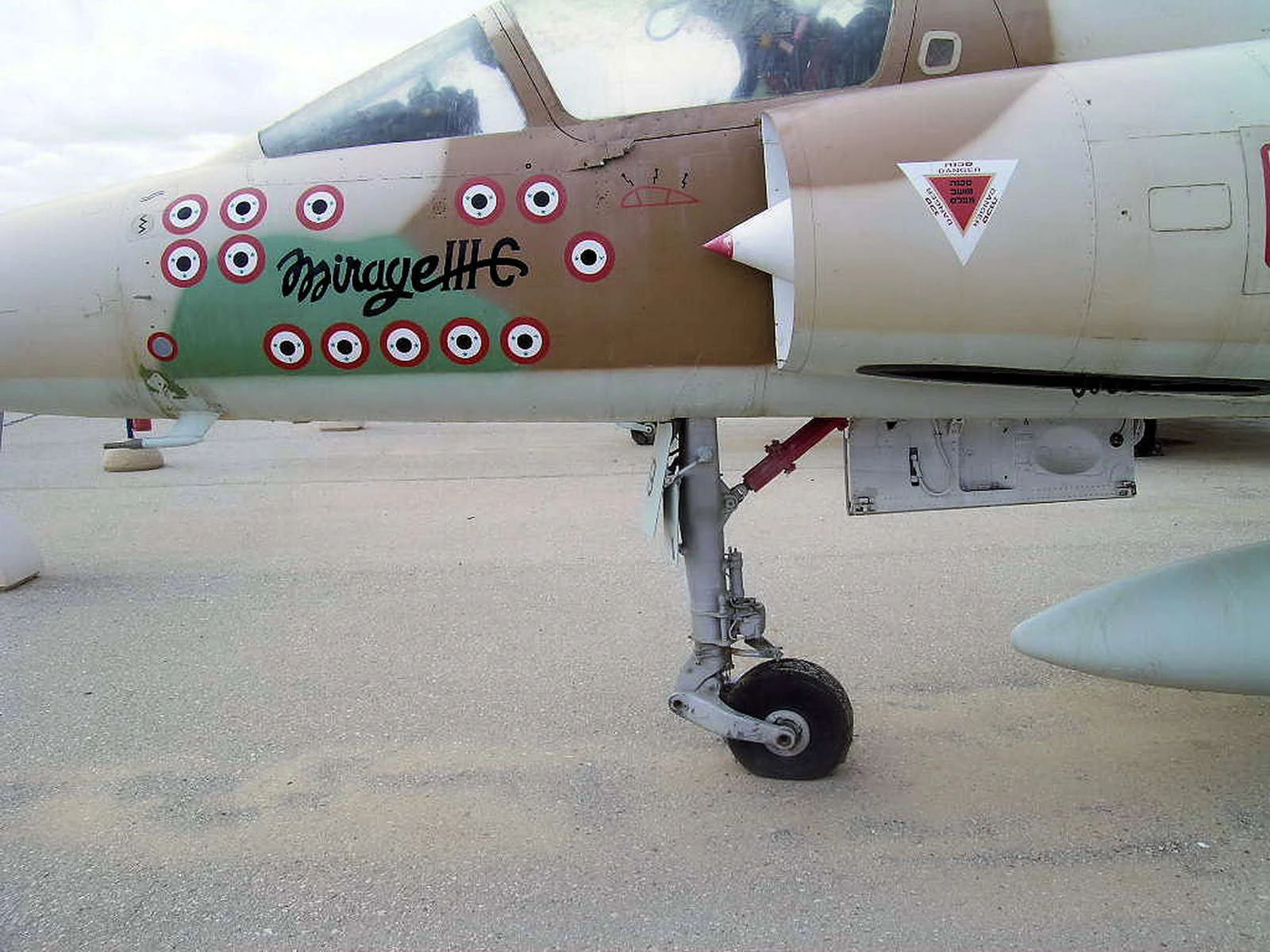
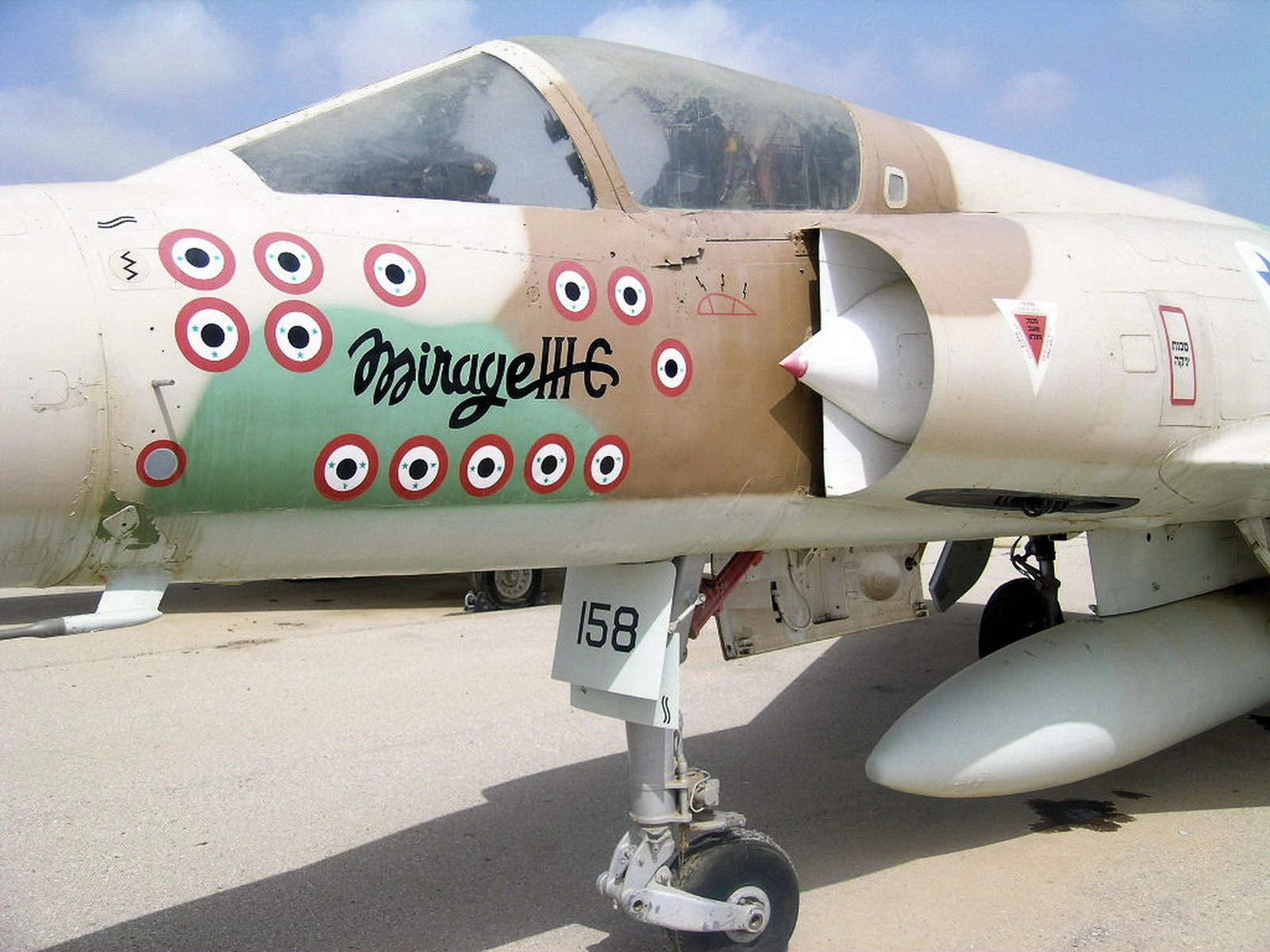
- Shock Cones (Mice): Inside the air intakes are movable half-cones, nicknamed “souris” (mice). At high speeds, these move forward and backward to manage the shockwaves, ensuring the engine always receives smooth, subsonic air even when the plane is flying at Mach 2.
- Area Rule Fuselage: The Mirage was one of the first planes to fully utilize the “waisted” or “coke-bottle” fuselage shape. This aerodynamic trick reduces wave drag at transonic speeds, helping the plane punch through the sound barrier with ease.
Operational History: The “Shahak” Legend
- The Six-Day War (1967): The Mirage IIIC reached legendary status in the hands of the Israeli Air Force (where it was called the Shahak). In a matter of days, Israeli Mirages decimated the Egyptian, Syrian, and Jordanian air forces, proving the delta-wing jet was the king of the “classic” dogfight.
- A Master of Attrition: Despite having limited fuel and no internal radar in early models, the Mirage III was so reliable and easy to maintain that it could fly multiple sorties a day, a feat most complex American jets couldn’t match at the time.
- The Argentine “Dagger”: During the Falklands War (1982), Argentine Mirages and their Israeli-built cousins (the Dagger) faced off against British Sea Harriers. While they struggled with fuel range, their high speed remained a constant threat to the Royal Navy.
- Global Export: The Mirage III family was exported to over 20 countries, including Australia, South Africa, Switzerland, and Pakistan. Some airframes remained in frontline service well into the 2010s, a testament to the timelessness of Marcel Dassault’s design.
Views : 10678