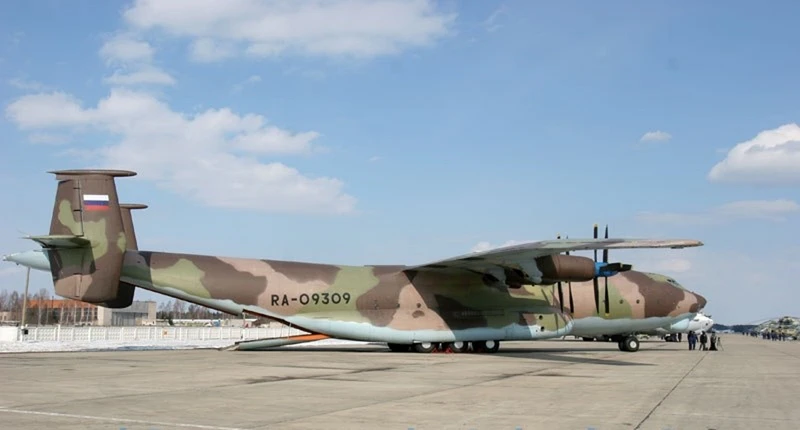
Antonov Een-22 | |
|---|---|
| Land | Sovjet-Unie |
| Type | Strategische luchtlifter |
| Eerste vlucht | 27 februari 1965 |
| Gebouwd | 69 |
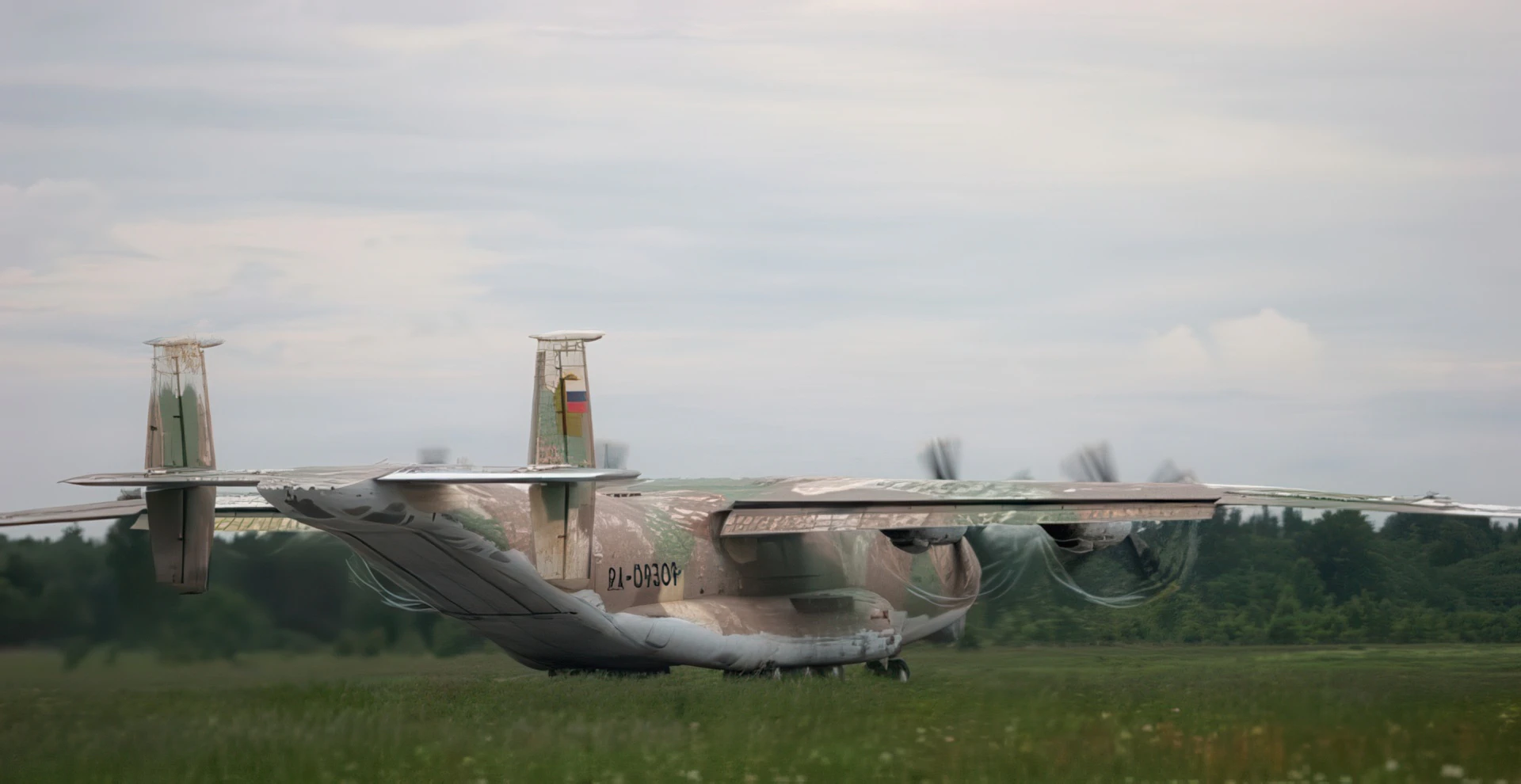
De Antonov Een-22 "Antei" (Russisch: Ан-22 Антей, An-22 Antej; English Antaeus) (NAVO-meldnaam "Cock") is een zwaar militair transportvliegtuig ontworpen door het Antonov Design Bureau in de Sovjet-Unie. Aangedreven door vier turbopropmotoren die elk een paar contra-roterende propellers aandrijven, was het ontwerp het eerste wide-body transportvliegtuig en blijft het 's werelds grootste turboprop-aangedreven vliegtuig tot nu toe. De An-22 verscheen voor het eerst publiekelijk buiten de Sovjet-Unie op de Paris Air Show van 1965. Daarna werd het model uitgebreid gebruikt in grote militaire en humanitaire luchtliften voor de Sovjet-Unie en is het nog steeds in dienst bij de Russische luchtmacht.
Bron: Antonov An-22 op Wiki
| Antonov An-22 Rond Te Lopen | |
|---|---|
| Fotograaf | Onbewust |
| Lokalisatie | Onbewust |
| Foto 's | 24 |
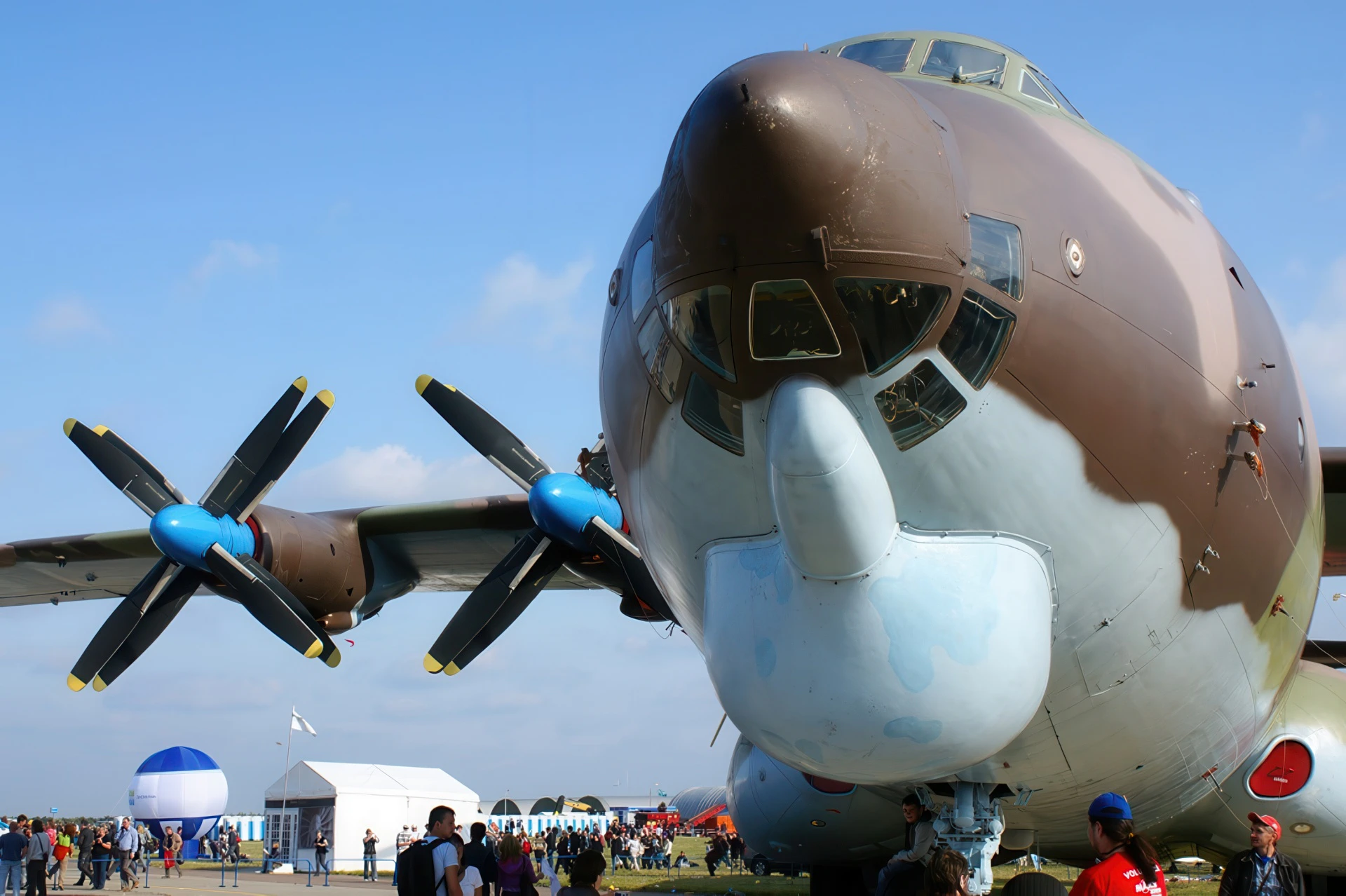
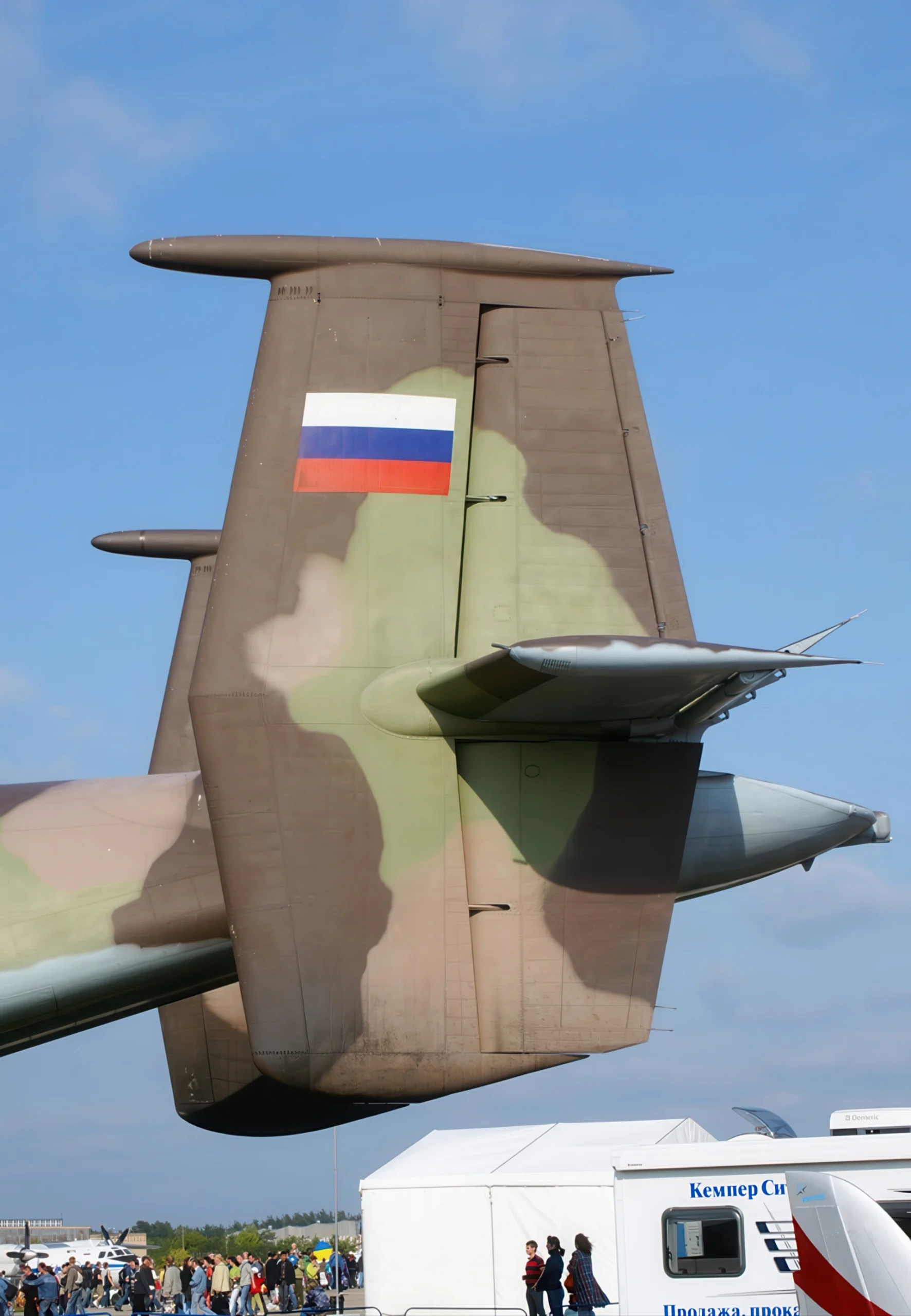
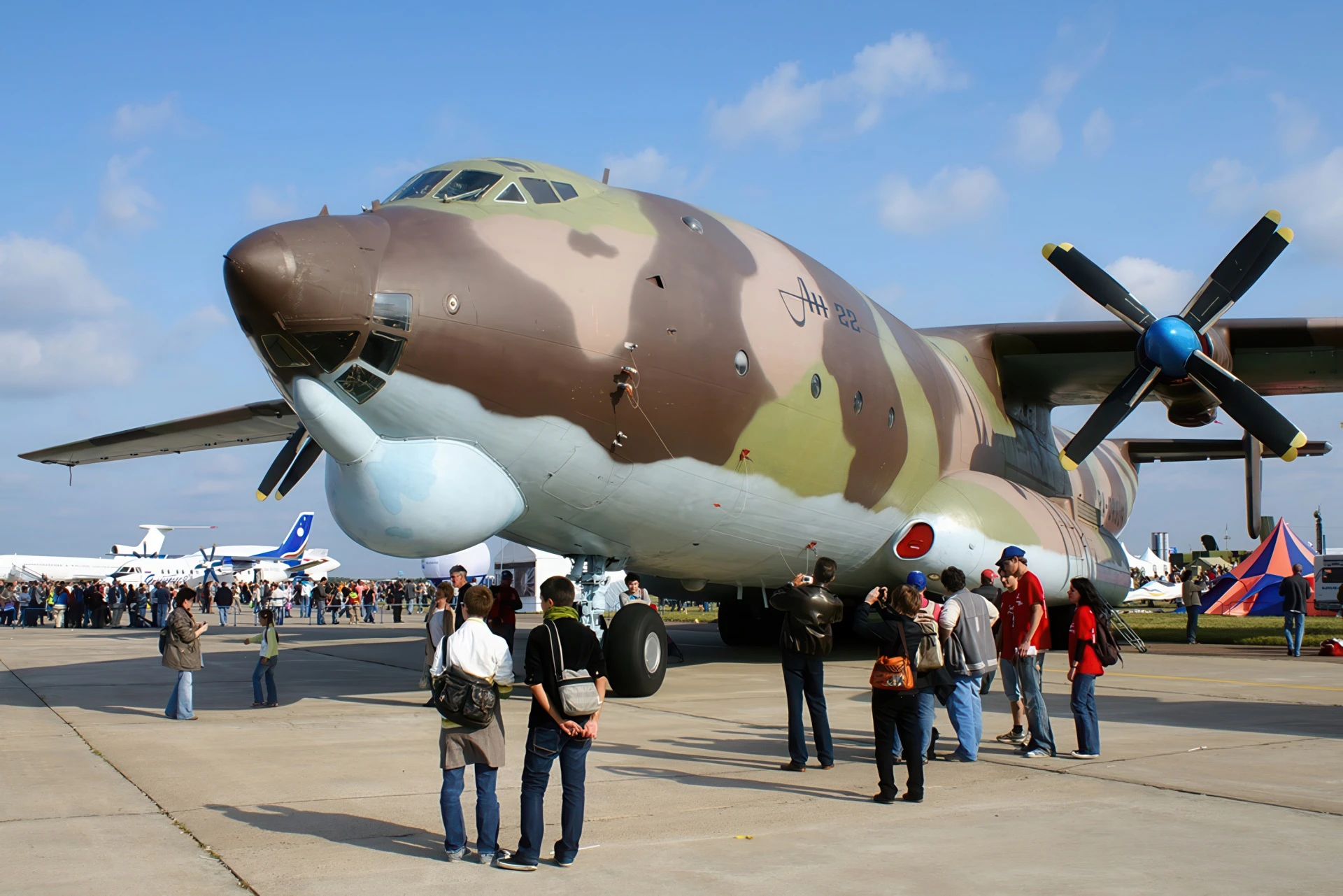



General Characteristics
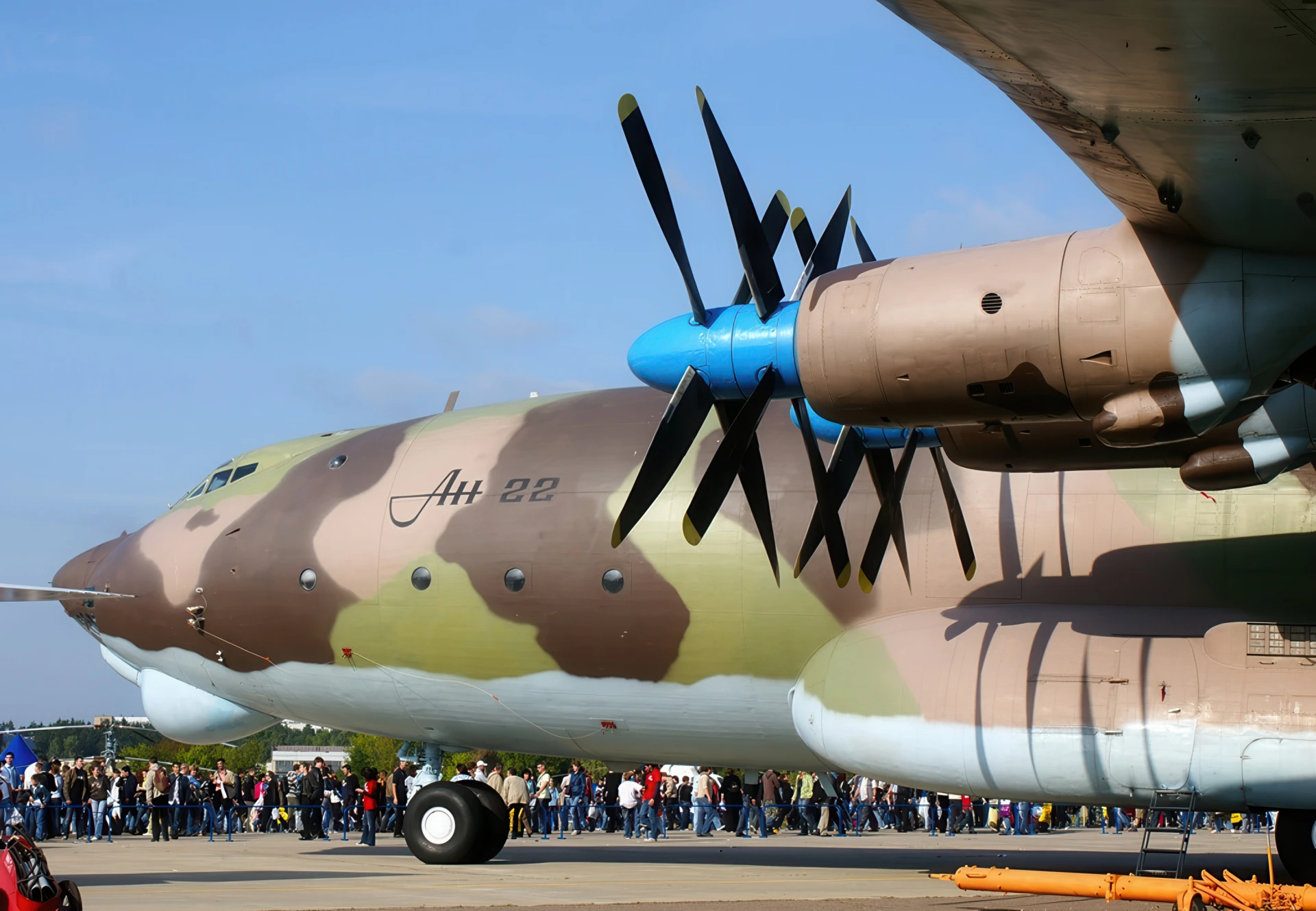
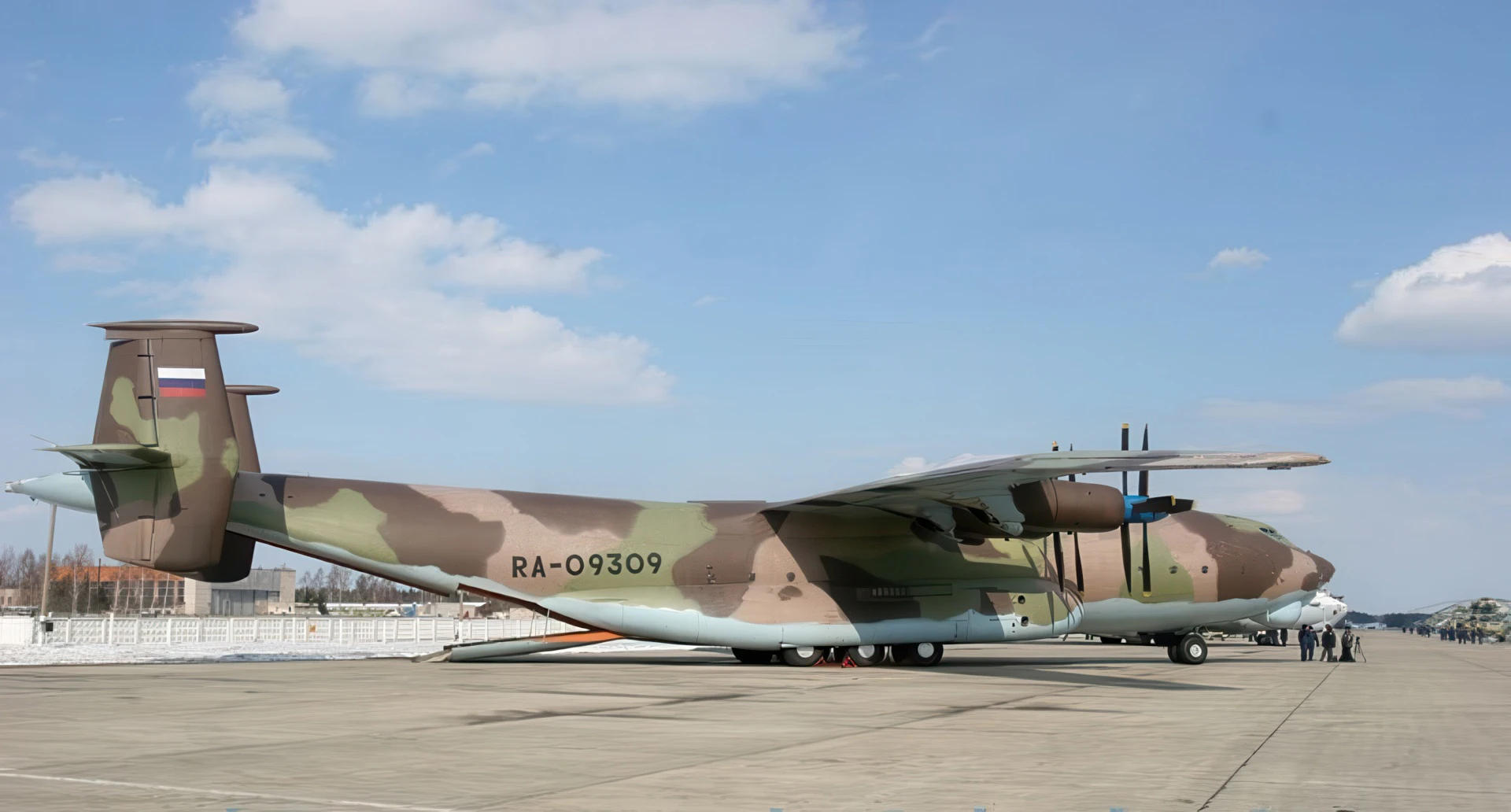
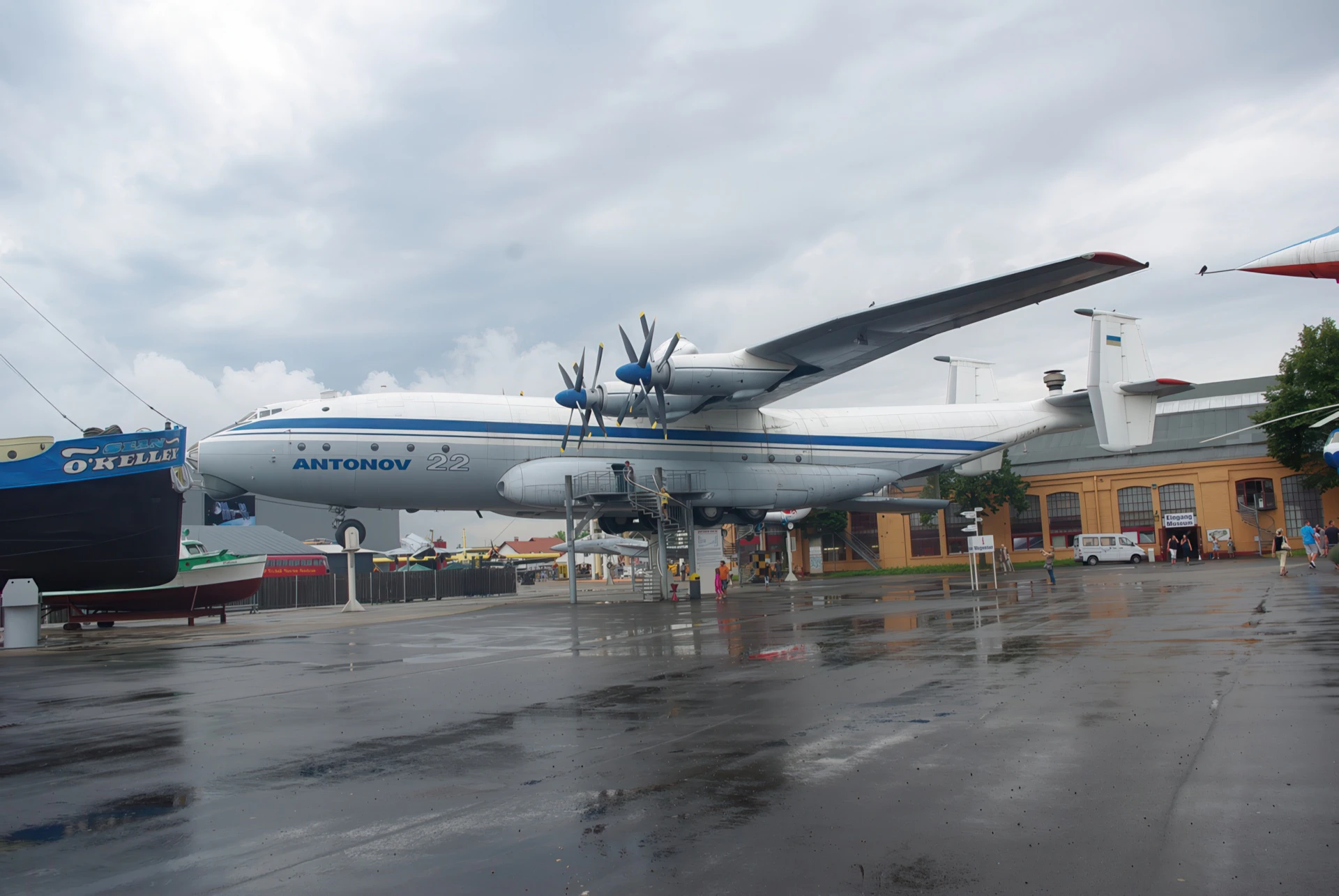
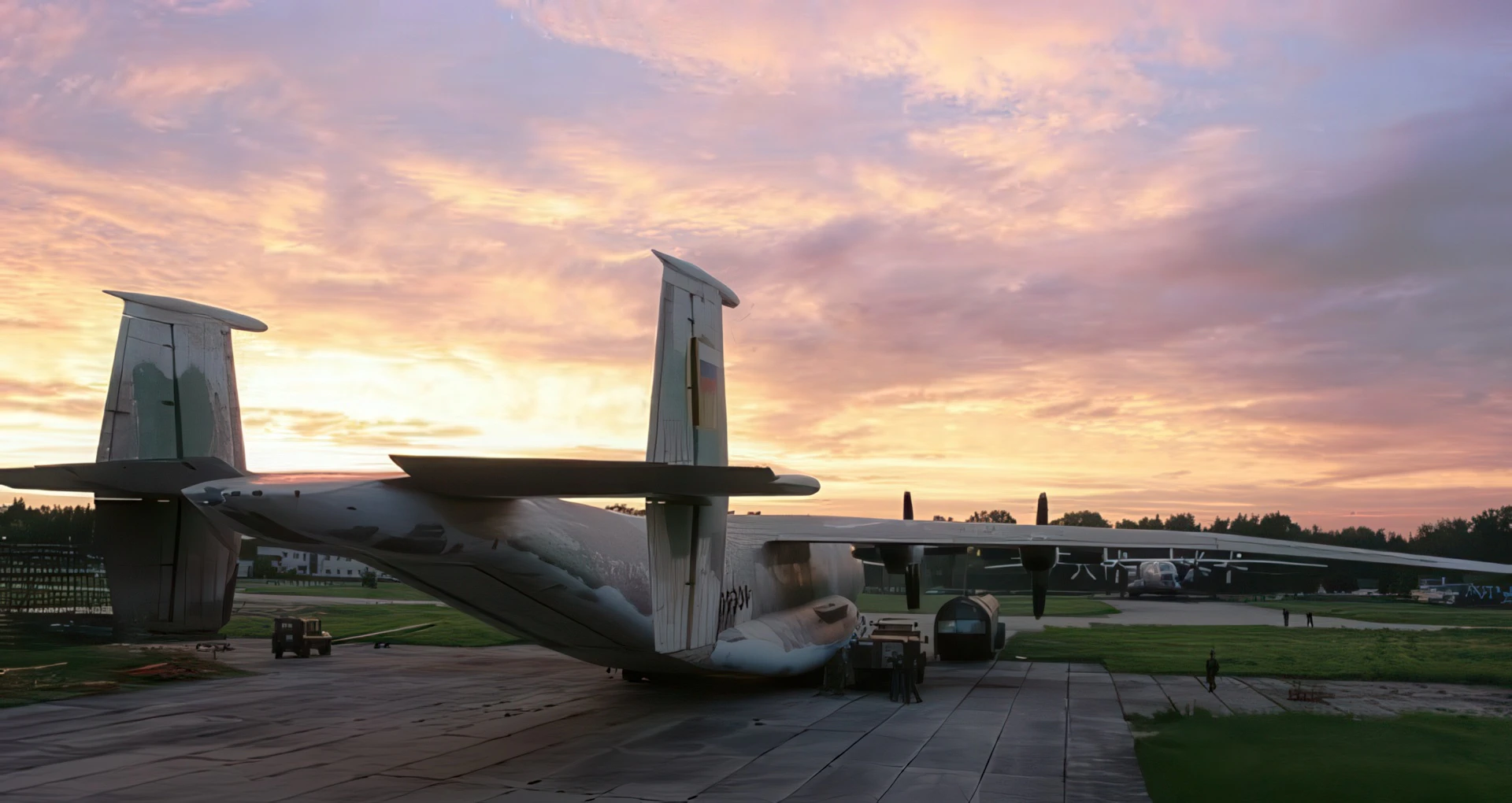
The Antonov An-22 Antei (Antaeus) was the world’s first wide-body aircraft and, for a time, the largest aircraft in the world until the introduction of the Lockheed C-5 Galaxy. Designed by the Antonov Design Bureau in the 1960s, it was the Soviet Union’s primary heavy strategic airlifter, capable of transporting main battle tanks, missile launchers, and oversized military equipment. The aircraft is distinguished as the largest turboprop-powered aircraft ever built, featuring massive contra-rotating propellers for exceptional short-field performance and the ability to operate from unpaved airstrips.
| Property | Typical Value |
|---|---|
| Role | Heavy Strategic Transport/Airlifter |
| National Origin | Sovjet-Unie |
| First Flight | February 27, 1965 |
| No. Built | ~67–70 (Total production) |
| Bemanning | 5–6 (Pilot, Co-pilot, Navigator, Flight Engineer, Radio Operator) |
| Lengte | 57.92 m (190 ft 0 in) |
| Spanwijdte | 64.40 m (211 ft 3 in) |
| Max Takeoff Weight | 250,000 kg (551,156 lb) |
Cargo and Capabilities
- Maximum Payload: 80,000 kg (176,370 lb).
- Cargo Hold Dimensions (L x W x H): Approx. 33 m x 4.4 m x 4.4 m (108 ft 3 in x 14 ft 5 in x 14 ft 5 in).
- Cargo Hold Volume: Approximately 639 m³.
- Loading System: Features a rear loading ramp and integral cargo handling systems (winches, telphers).
- Cargo Compartment: The main cargo hold is unpressurized, allowing the rear doors to be opened in flight for paratroop or equipment drops.
- Passenger/Troop Capacity: Forward cabin is pressurized for up to 28 passengers/troop attendants, or up to 292 soldiers in the cargo hold.
Powerplant and Performance
- Engine: 4 x Kuznetsov NK-12MA turboprop engines.
- Power Output (each): 11,000 kW (15,000 shp equivalent).
- Propellers: 8-bladed contra-rotating constant-speed reversible-pitch propellers (4 blades per hub).
- Maximum Speed: 740 km/h (460 mph).
- Cruise Speed: 600–680 km/h (375–423 mph).
- Range (Max Payload): 5,000 km (3,100 mi).
- Ferry Range (Max Fuel): 10,950 km (6,800 mi).
- Short Field Capability: Achieved by powerful engines and large double-slotted flaps, creating a significant slipstream effect over the wing.
Bekeken : 1180
U ook zien :
 Antonov An-28 – Photos & Video
 Antonov An-225 Mriya – Foto's & Video's
 Antonov An-2 – Foto's &Video
 Hawker Hurricane – Rond Te Lopen
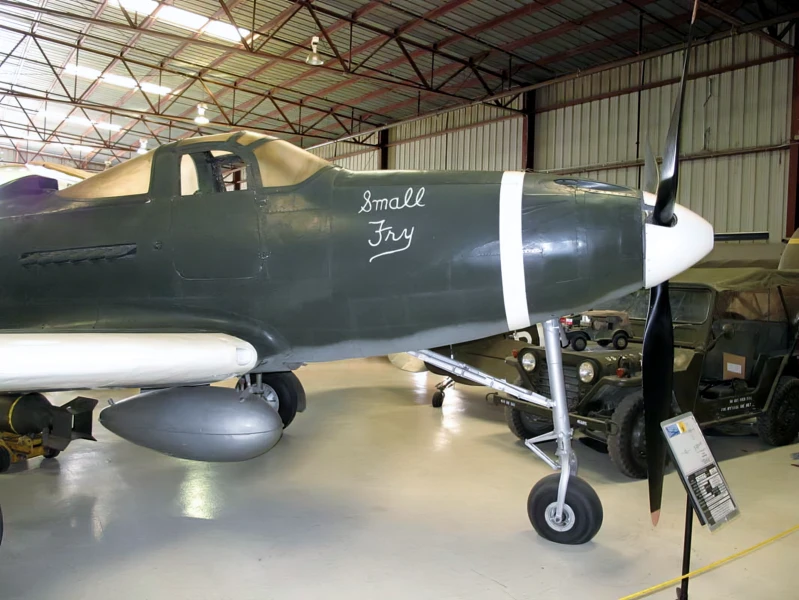 Bel P-39N Airacobra – WalkAround
 Geconsolideerde B-24M Liberator – WalkAround
 P-47D Thunderbolt – WalkAround
 A-20 Ravage – WalkAround
 TBM-3E Avenger – Rondlopen
 Fiat G-55 Centauro – Rond Te Lopen