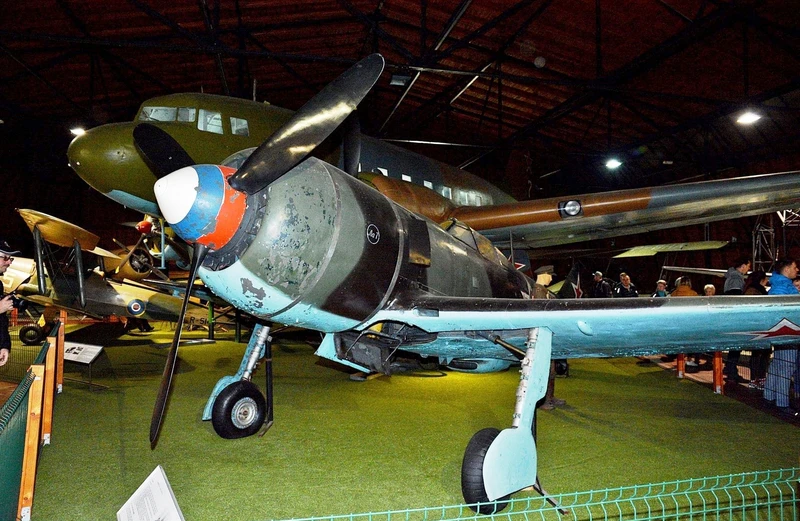
Λαβοχκίν Λα-7 | |
|---|---|
| Χώρα | Σοβιετική Ένωση |
| Πληκτρολογήστε | Μαχητής |
| Πρώτη πτήση | 1η Φεβρουαρίου 1944 |
| Χτισμένο | 5800+ |
Teh Λαβοχκίν Λα-7 (Ρωσικά: Лавокин Ла-7) ήταν ένα μονοθέσιο σοβιετικό μαχητικό αεροσκάφος με έμβολο που αναπτύχθηκε κατά τη διάρκεια του Β ' Παγκοσμίου Πολέμου από το Γραφείο Σχεδιασμού Lavochkin. Ήταν μια ανάπτυξη και τελειοποίηση του Lavochkin La-5, και το τελευταίο σε μια οικογένεια αεροσκαφών που είχε ξεκινήσει με το LaGG-1 το 1938. Η πρώτη του πτήση ήταν στις αρχές του 1944 και τέθηκε σε υπηρεσία με τις Σοβιετικές Αεροπορικές Δυνάμεις αργότερα μέσα στο έτος. Μια μικρή παρτίδα La-7 δόθηκε στην Τσεχοσλοβακική Πολεμική Αεροπορία το επόμενο έτος, αλλά κατά τα άλλα δεν εξήχθη. Οπλισμένο με δύο ή τρία κανόνια 20 mm (0,8 in), είχε τελική ταχύτητα 661 χιλιόμετρα την ώρα (411 mph). Το La-7 έγινε αισθητό από τους πιλότους του να είναι τουλάχιστον ίσο με οποιοδήποτε γερμανικό μαχητικό με έμβολο. Καταργήθηκε σταδιακά το 1947 από τη Σοβιετική Πολεμική Αεροπορία, αλλά υπηρέτησε μέχρι το 1950 στην Τσεχοσλοβακική Πολεμική Αεροπορία.
| Λαβοκίν Λα-7 Περπατήστε | |
|---|---|
| Φωτογράφος | Πάβελ Σενκ |
| Εντοπισμού | Αγνοώ |
| Φωτογραφίες | 30 |
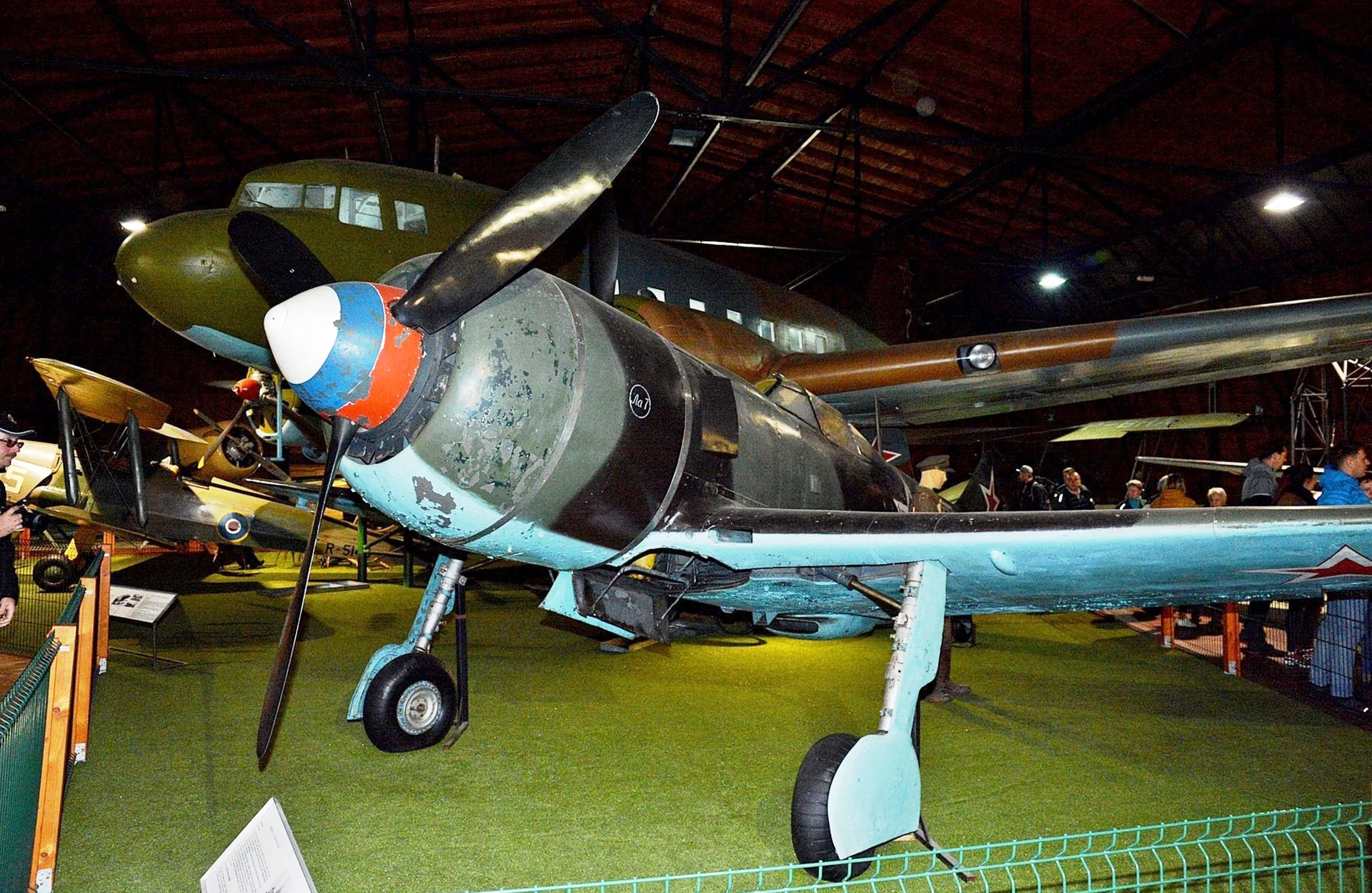
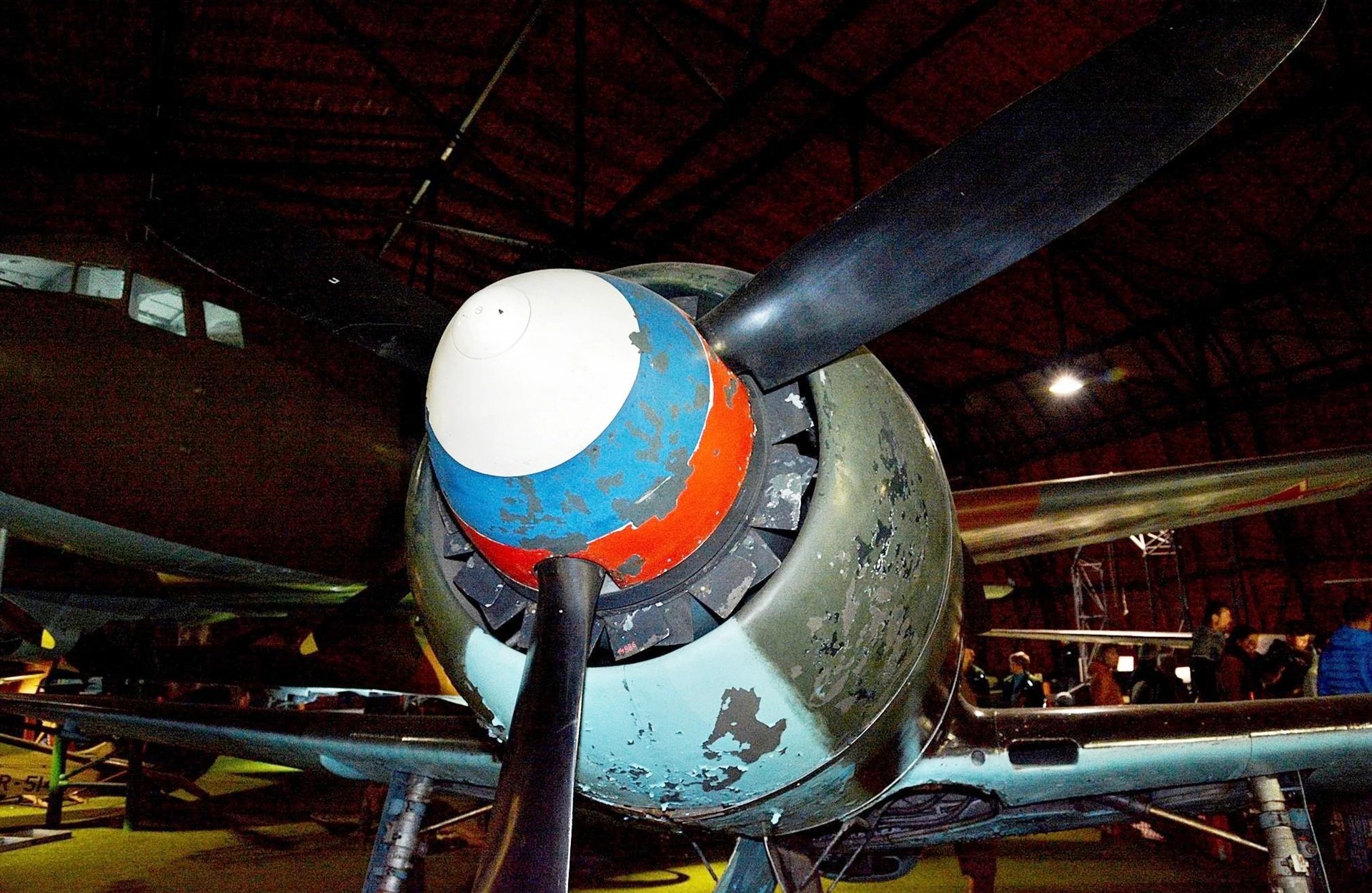
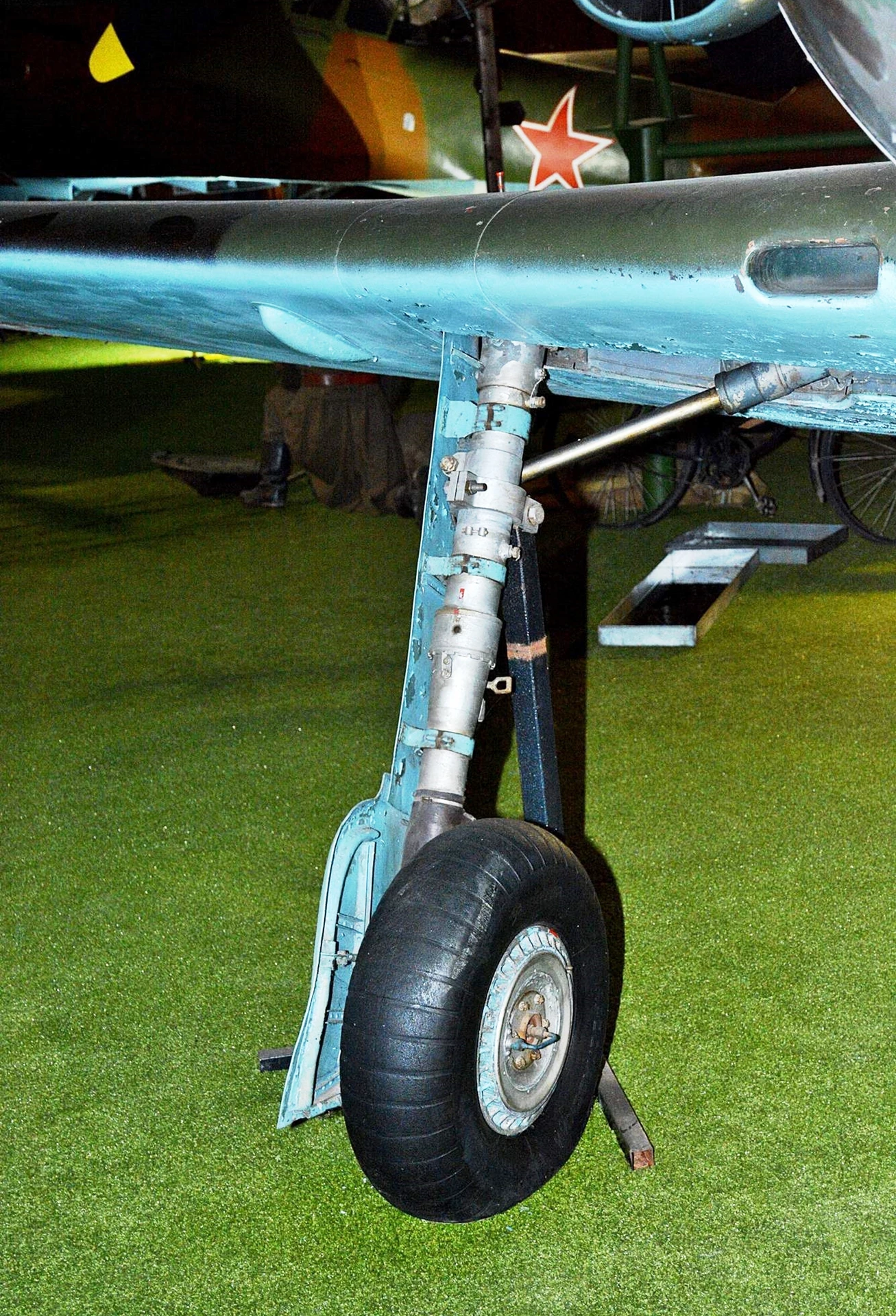
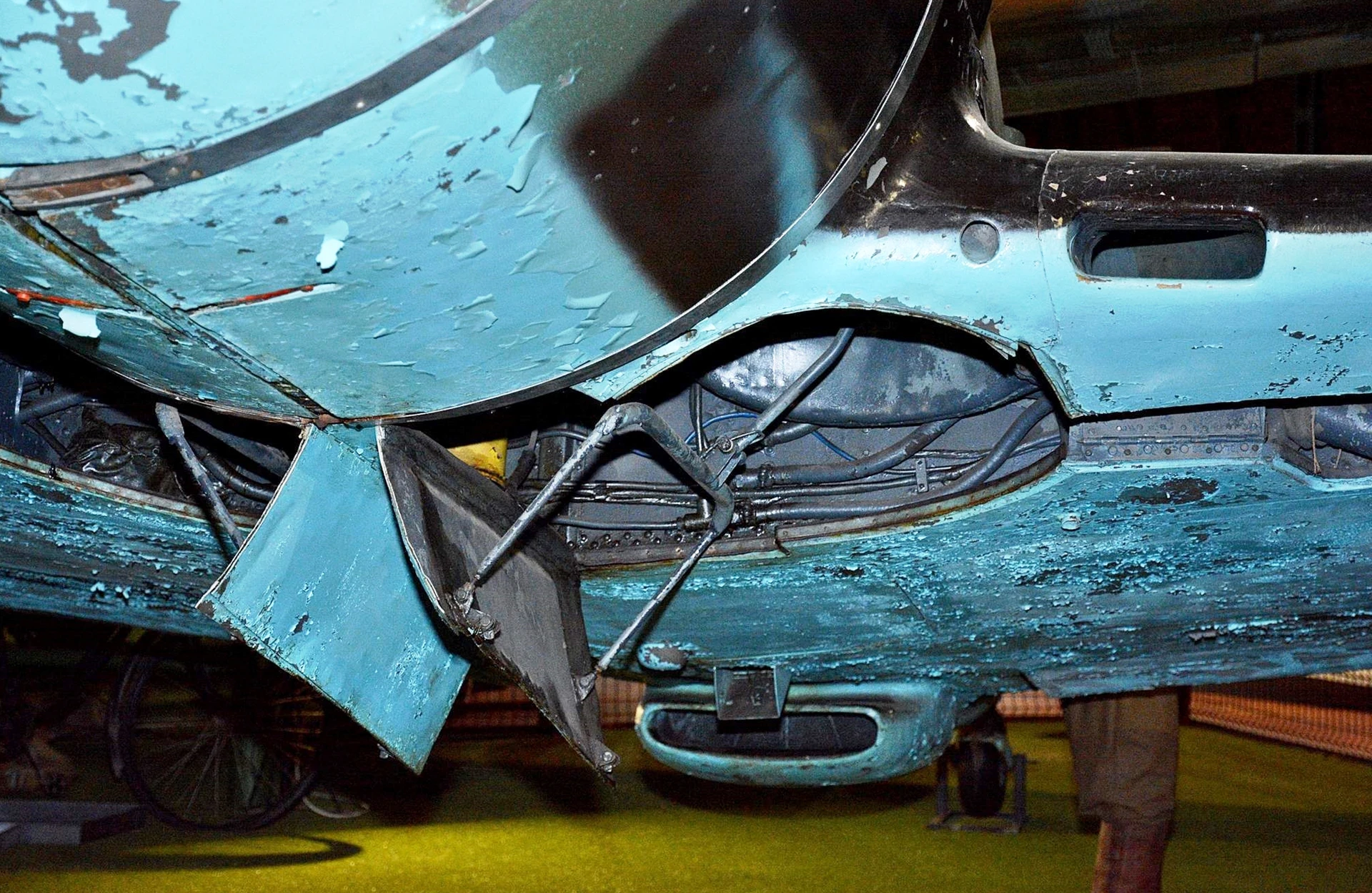
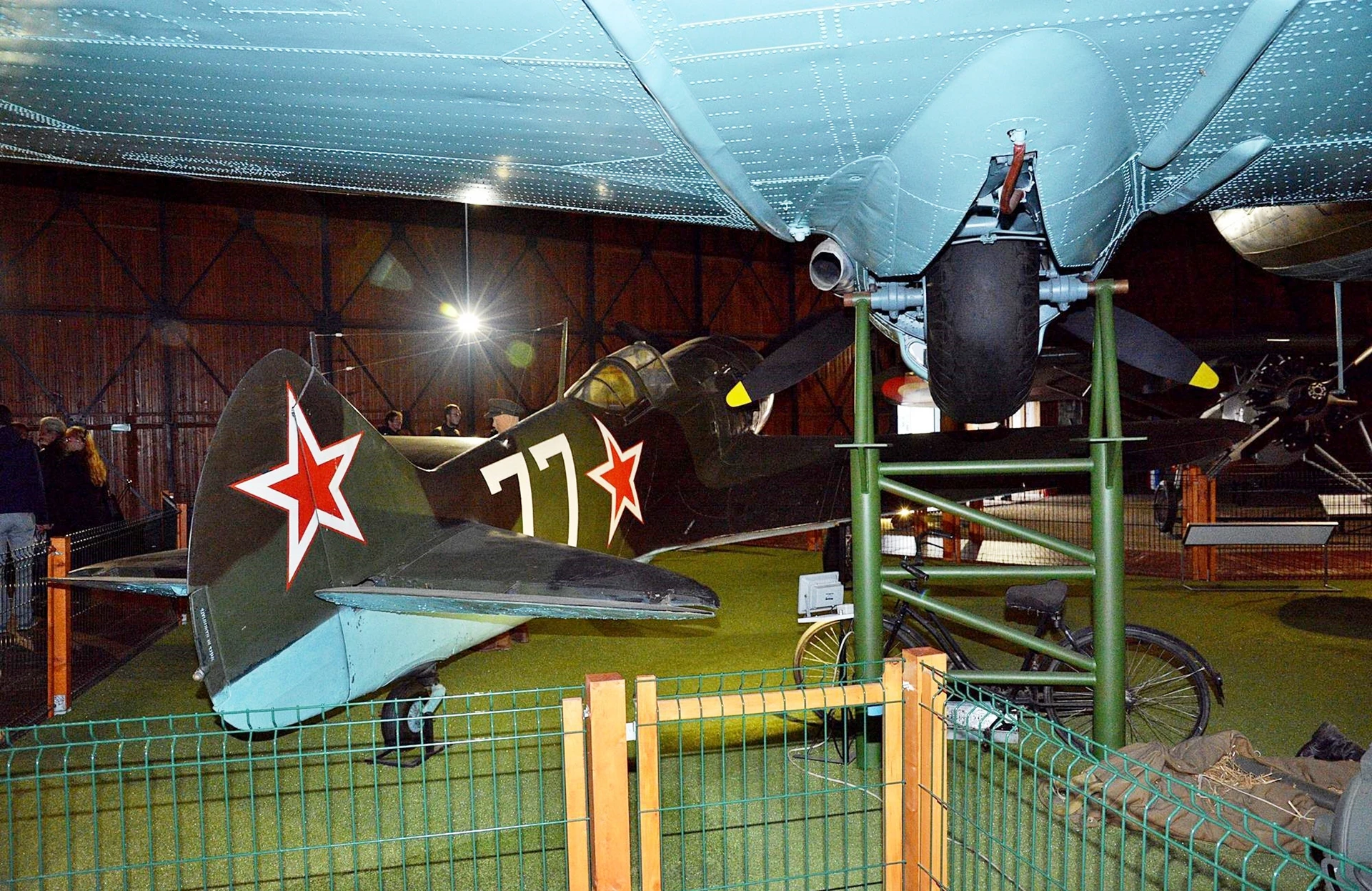
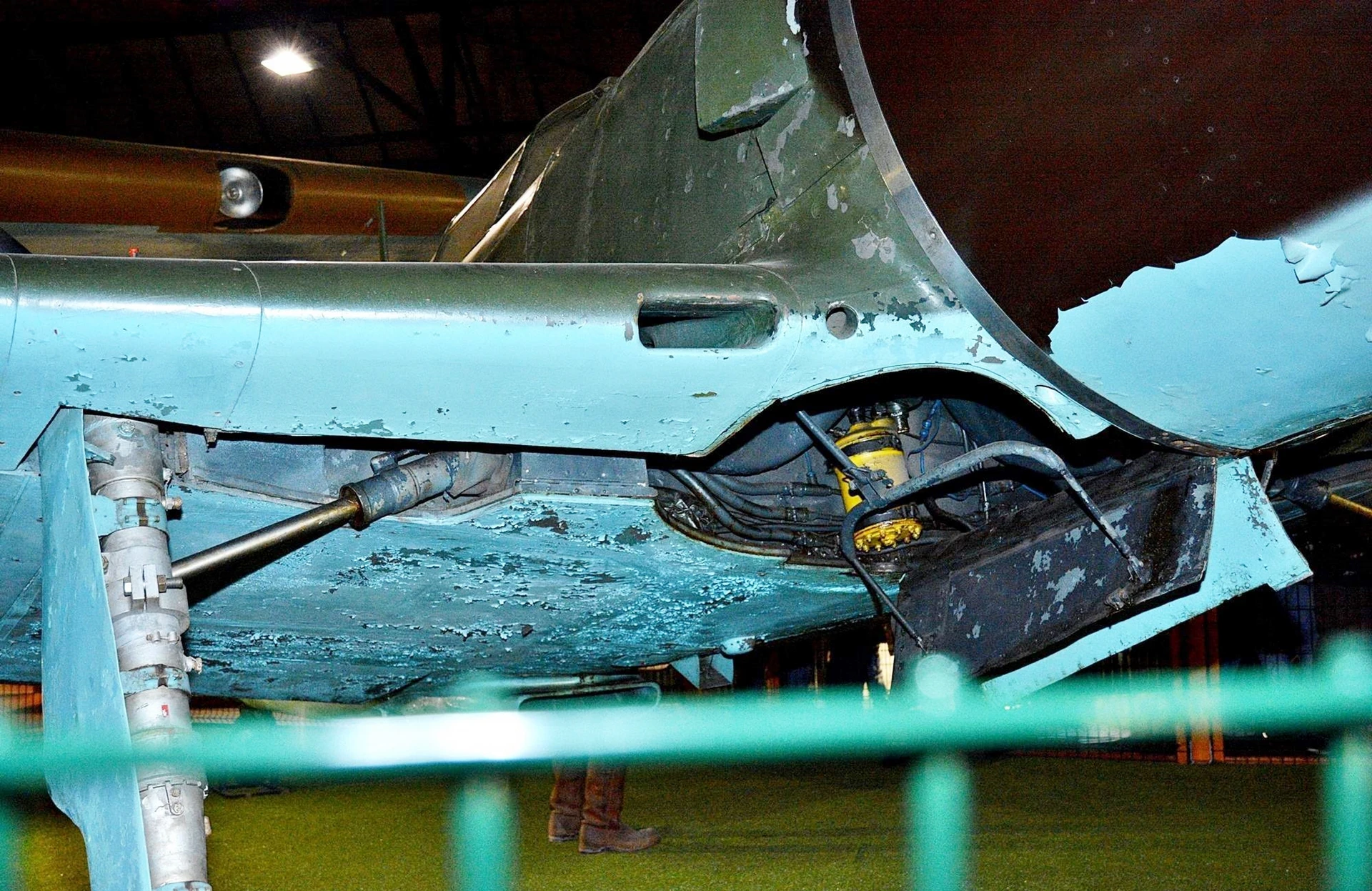
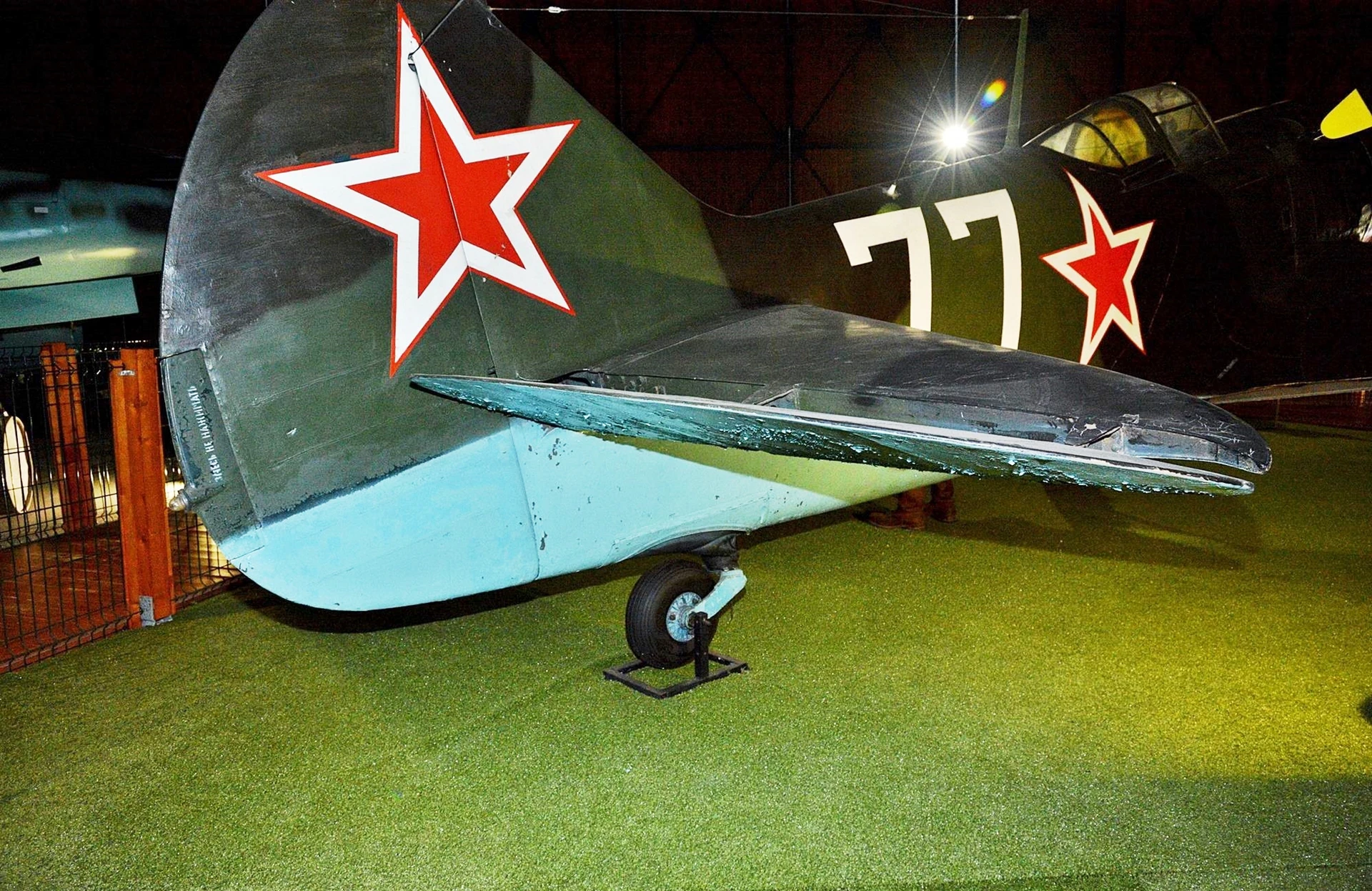
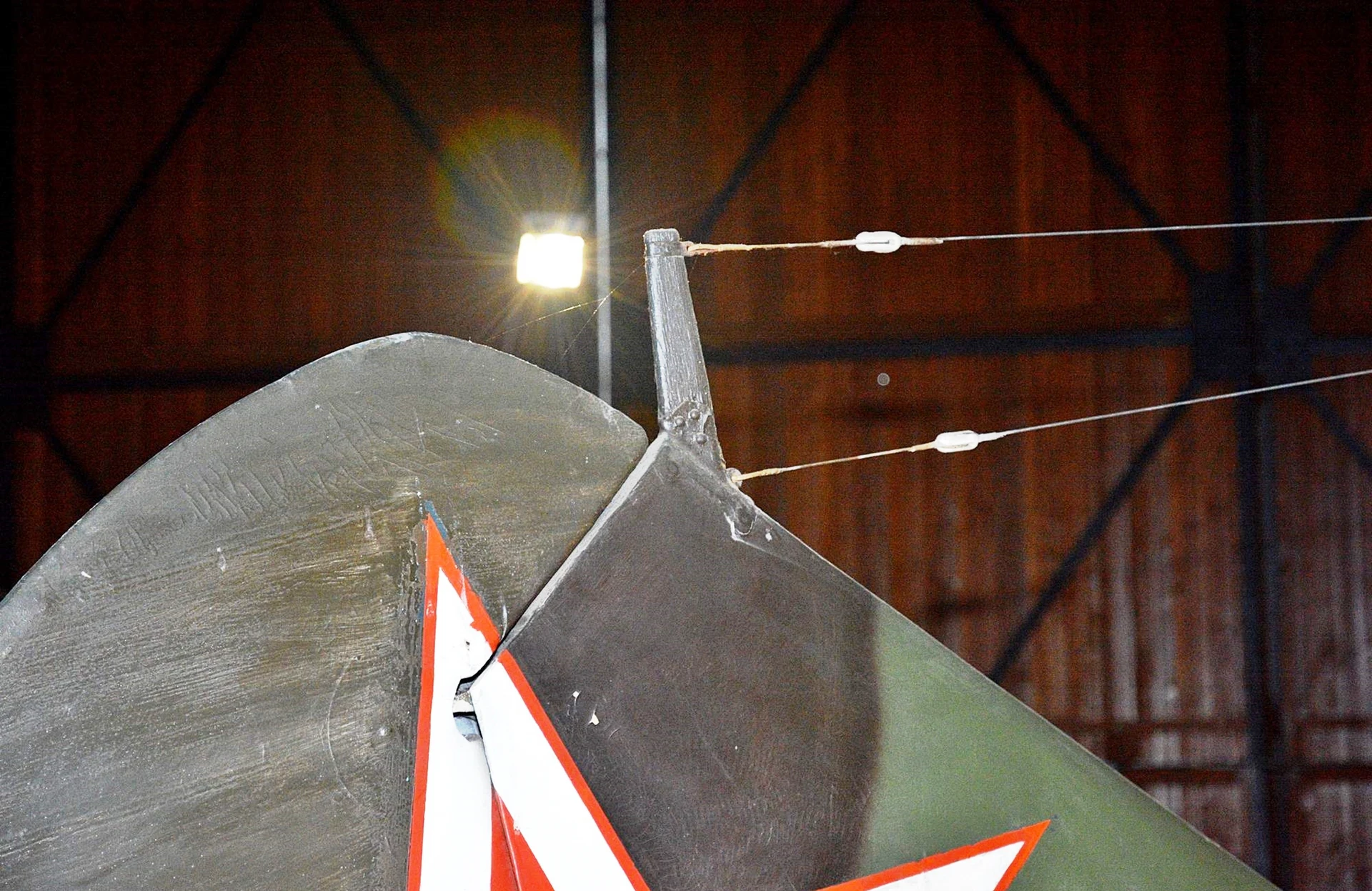
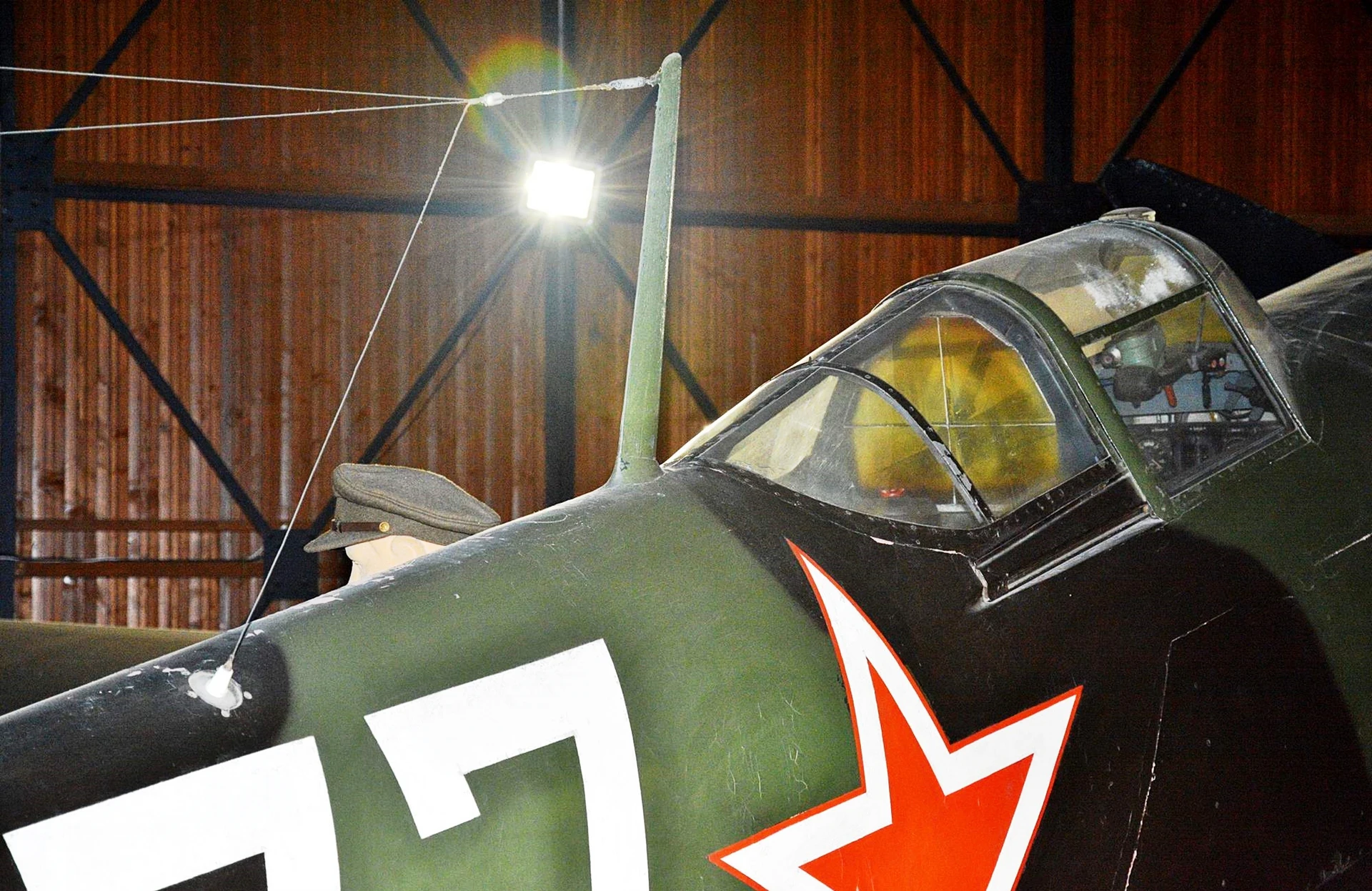


| Lavochkin Λα-7 Περπατήστε γύρω | |
|---|---|
| Φωτογράφος | Αγνοώ |
| Εντοπισμού | Αγνοώ |
| Φωτογραφίες | 8 |
Δείτε επίσης:


General Characteristics
The Lavochkin La-7 was a Soviet piston-engined, single-seat fighter aircraft developed late in World War II. As the ultimate refinement of the La-5 series, the La-7 introduced significant aerodynamic improvements and the replacement of some wooden parts with aluminum, resulting in better overall performance and reduced weight. It was regarded by many Soviet pilots, including the top Allied ace Ivan Kozhedub, as the equal of any German piston-engined fighter at low to medium altitudes, excelling as an air superiority fighter and interceptor on the Eastern Front.
| Property | Typical Value (1945 Production Model) |
|---|---|
| Ρόλο | Air Superiority Fighter, Interceptor |
| Κατασκευαστής | Lavochkin Design Bureau (OKB) |
| First Flight | Early 1944 |
| Στην υπηρεσία | 1944–1947 (USSR), up to 1950 (Czechoslovakia) |
| No. Built | 5,753 |
| Πλήρωμα | 1 (Pilot) |
| Μήκος | 8.60 m (28 ft 3 in) |
| Εκπέτασμα | 9.80 m (32 ft 2 in) |
| Max Takeoff Weight | 3,315 kg (7,308 lb) |
Powerplant and Performance
- Engine: One Shvetsov ASh-82FN 14-cylinder air-cooled radial engine.
- Power Output: 1,380 kW (1,850 hp).
- Maximum Speed: 661 km/h (411 mph) at 6,000 m (19,700 ft). Some prototypes reached 680 km/h.
- Maximum Speed (Sea Level): 597 km/h (371 mph).
- Service Ceiling: 10,450 m (34,280 ft).
- Rate of Climb: Approx. 15.7 m/s (3,095 ft/min).
- Key Improvement: Aerodynamic refinements included moving the oil cooler from the nose to under the fuselage and relocating the engine air intake to the wing roots.
Οπλισμός
- Standard Armament: 2 x 20 mm ShVAK cannons (with 200 rounds per gun), firing through the propeller arc.
- Alternate Armament: Later production runs were armed with 3 x 20 mm Berezin B-20 cannons (with 100 rounds per gun), which were lighter and improved firepower.
- Suspended Ordnance: Up to 200 kg (440 lb) of bombs on two underwing hardpoints (typically 50 kg or 100 kg bombs).
- Pilot Feedback: Pilots praised the concentration of fire from the nose-mounted cannons, though the standard ShVAK guns were sometimes criticized for having less effective damage than comparable German weapons.
Views : 3622
Μπορείτε επίσης να δείτε:
 Northrop F-89 Scorpion – Φώτο & Βίντεο
 Βορειοαμερικανική μανία FJ-4 – Φωτογραφίες & Βίντεο
 Messerschmitt Me 410 – Φώτο &; Βίντεο
 McDonnell Douglas F/A-18 Hornet – Φώτο & Βίντεο
 Μιτσουμπίσι A6M Μηδέν – Περίπατος
 Τυφώνας Hawker - Περπατήστε γύρω
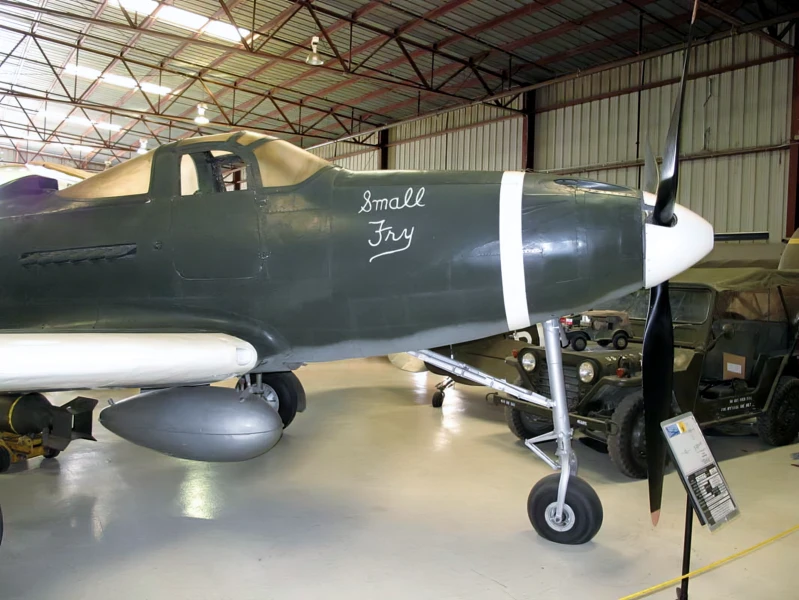 Καμπάνα P-39N Αϊρακόμπρα – WalkAround
 Ενοποιημένος απελευθερωτής Β-24M – Περίπατος
 P-47D Κεραυνός - Περίπατος
 Α-20 Όλεθρο – Περίπατος