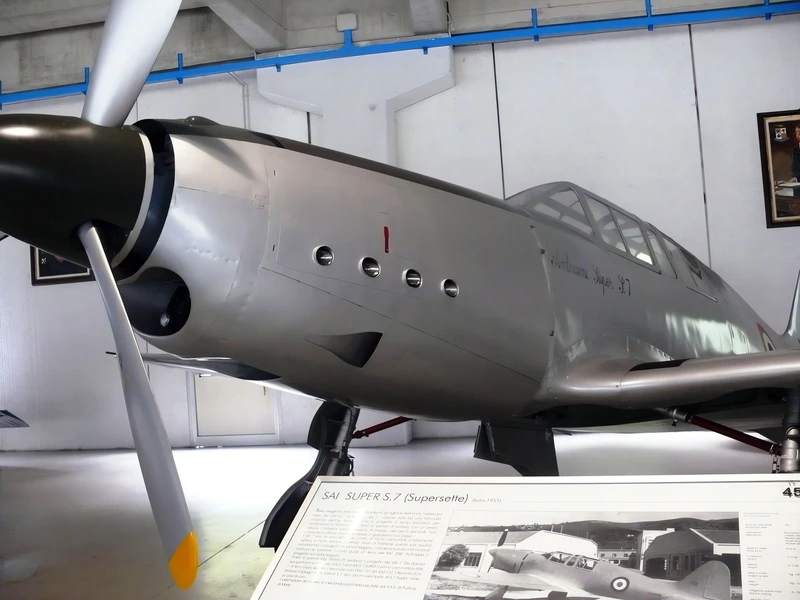
Αμβροσίνη Σ.7 | |
|---|---|
| Χώρα | Ιταλία |
| Ρόλο | Αγωνιστικά αεροσκάφη |
| Πρώτη πτήση | Ιούλιος 1939 |
| Χτισμένο | 12 + 147 |
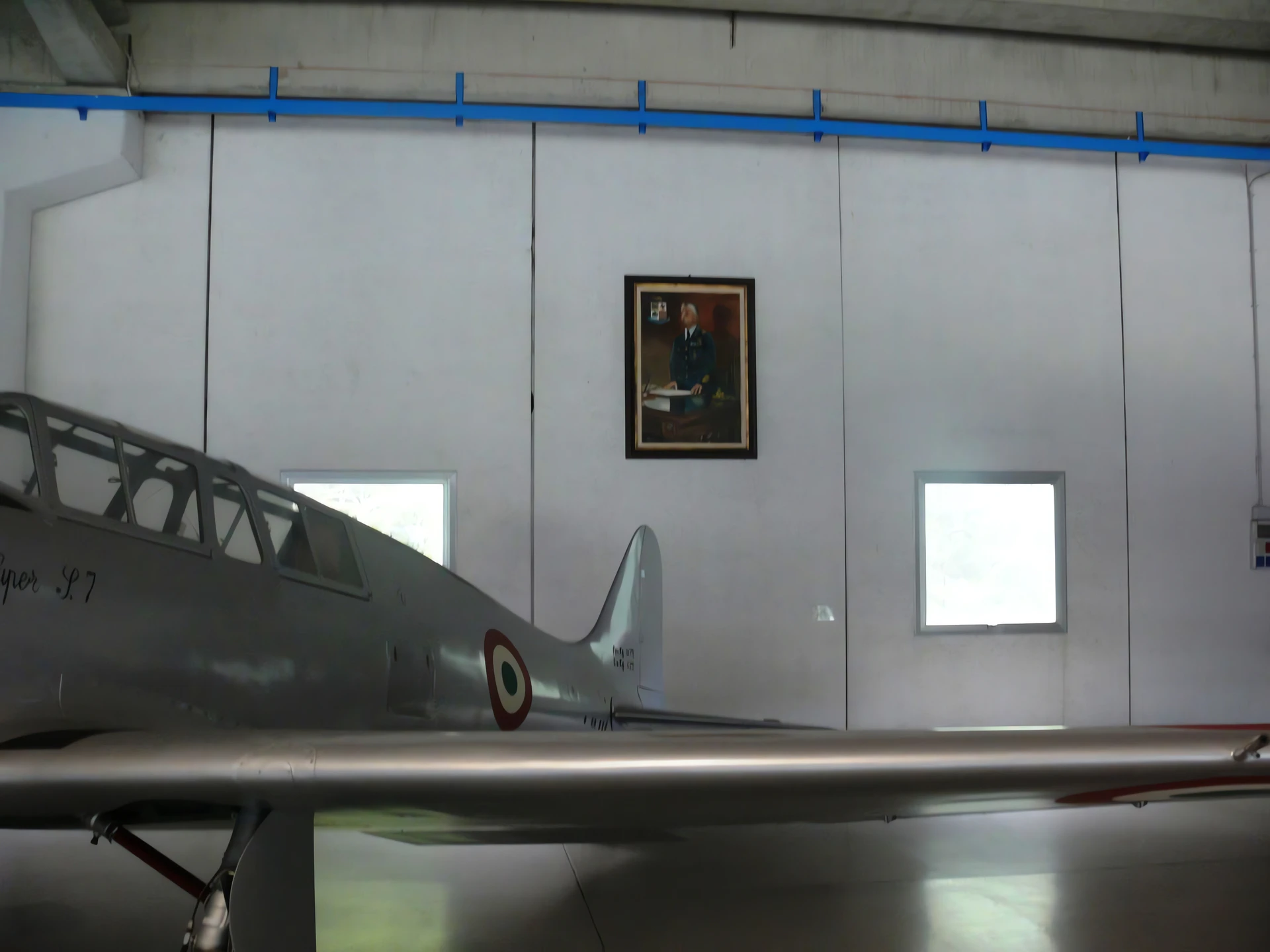
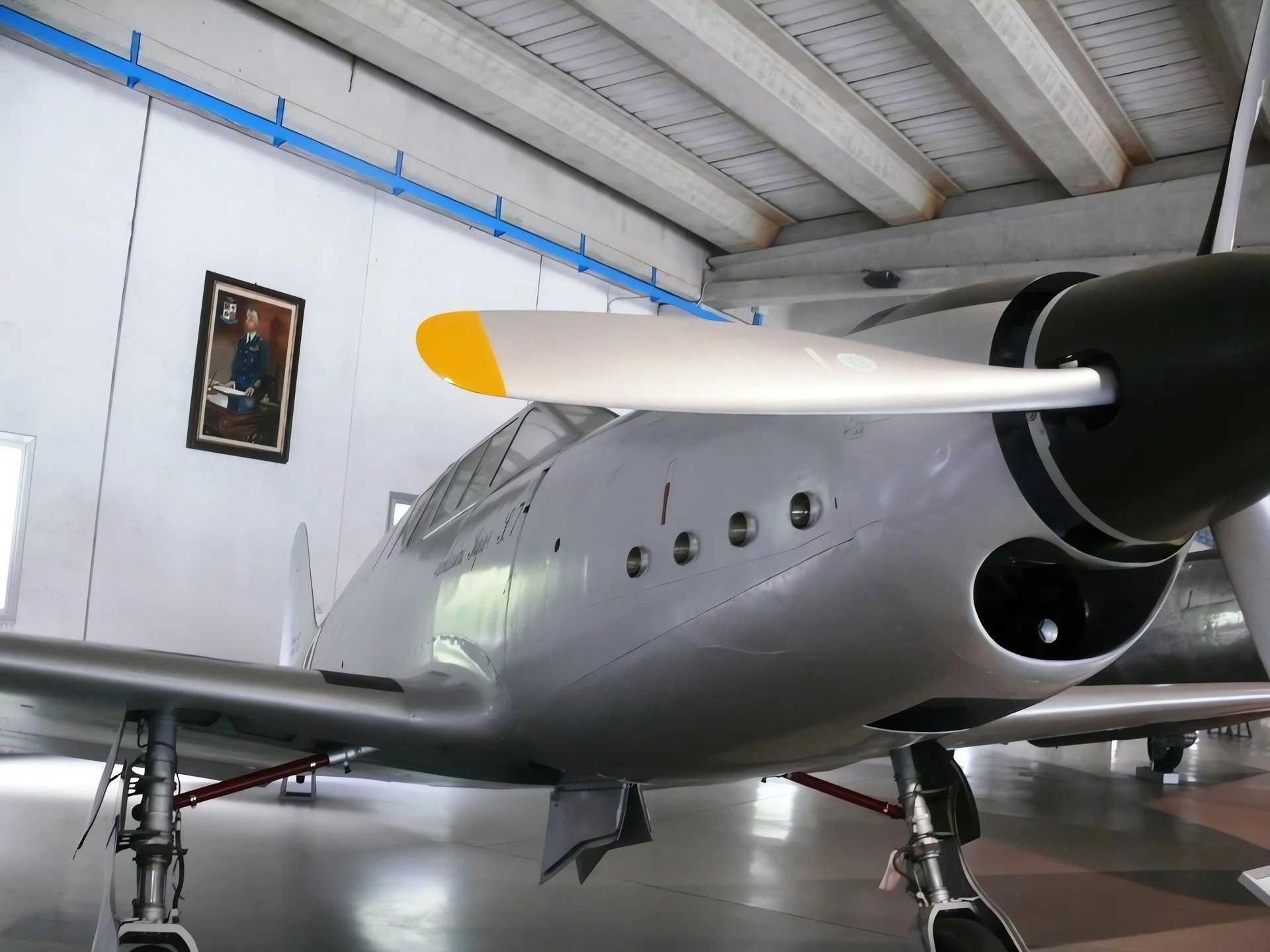
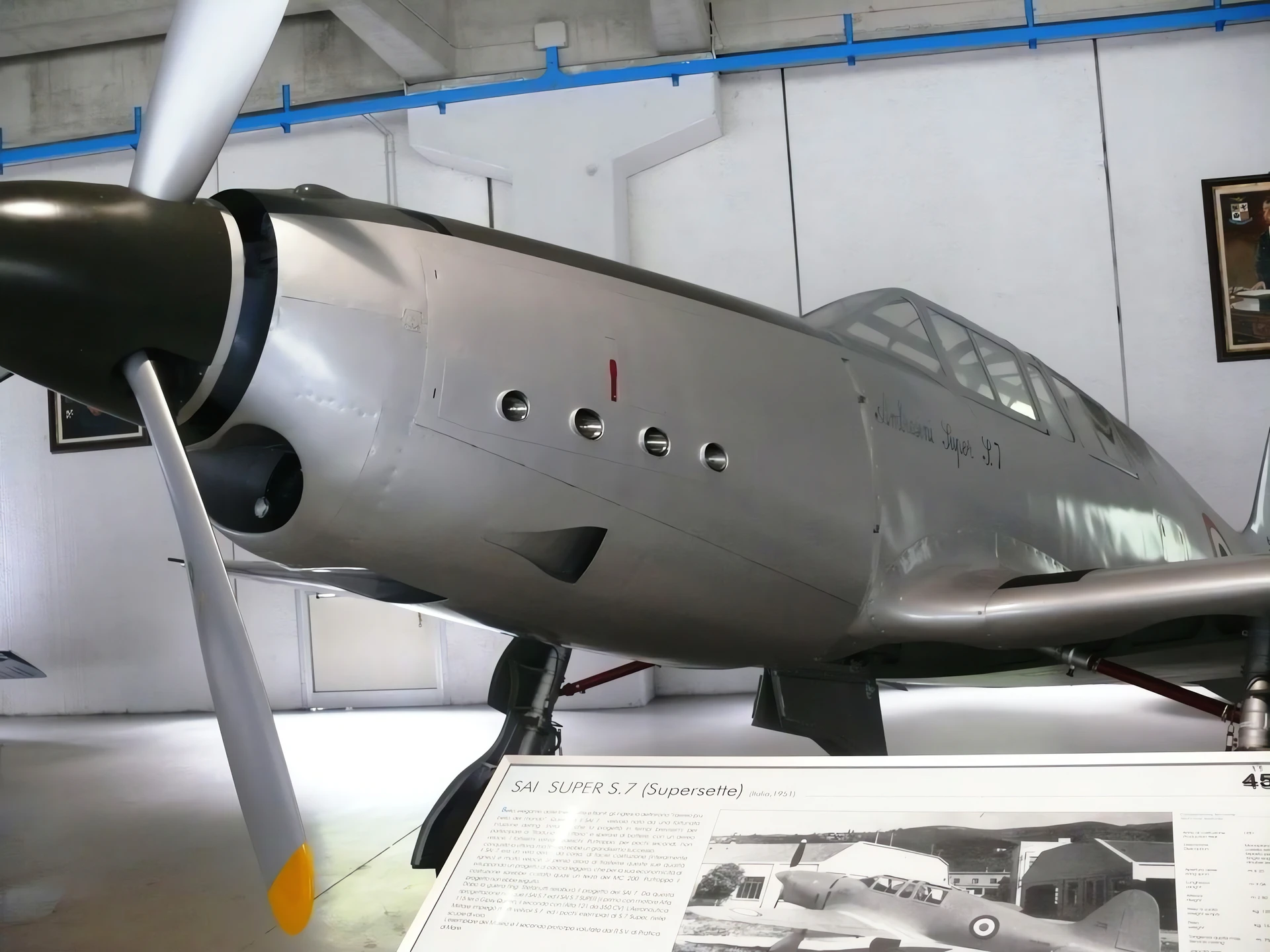
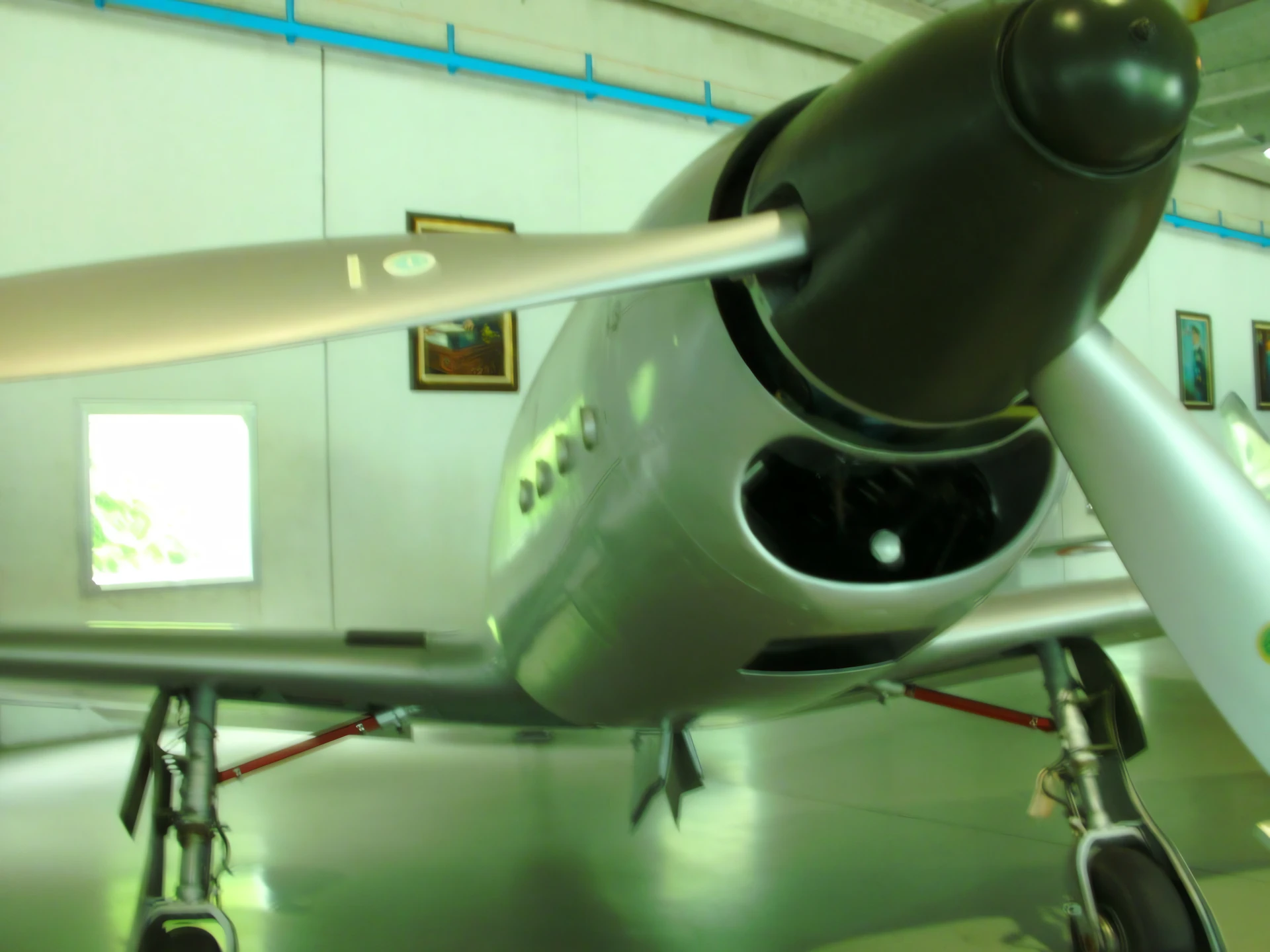
Teh Ambrosini SAI.7 was an Italian racing aircraft flown before World War II that entered production as a military trainer (designated simply S.7) after the war. It was of conventional configuration, constructed of wood, with a tail wheel undercarriage. Power was provided by an air-cooled inverted inline engine, the Alfa-Romeo model 115 with 225 horsepower.
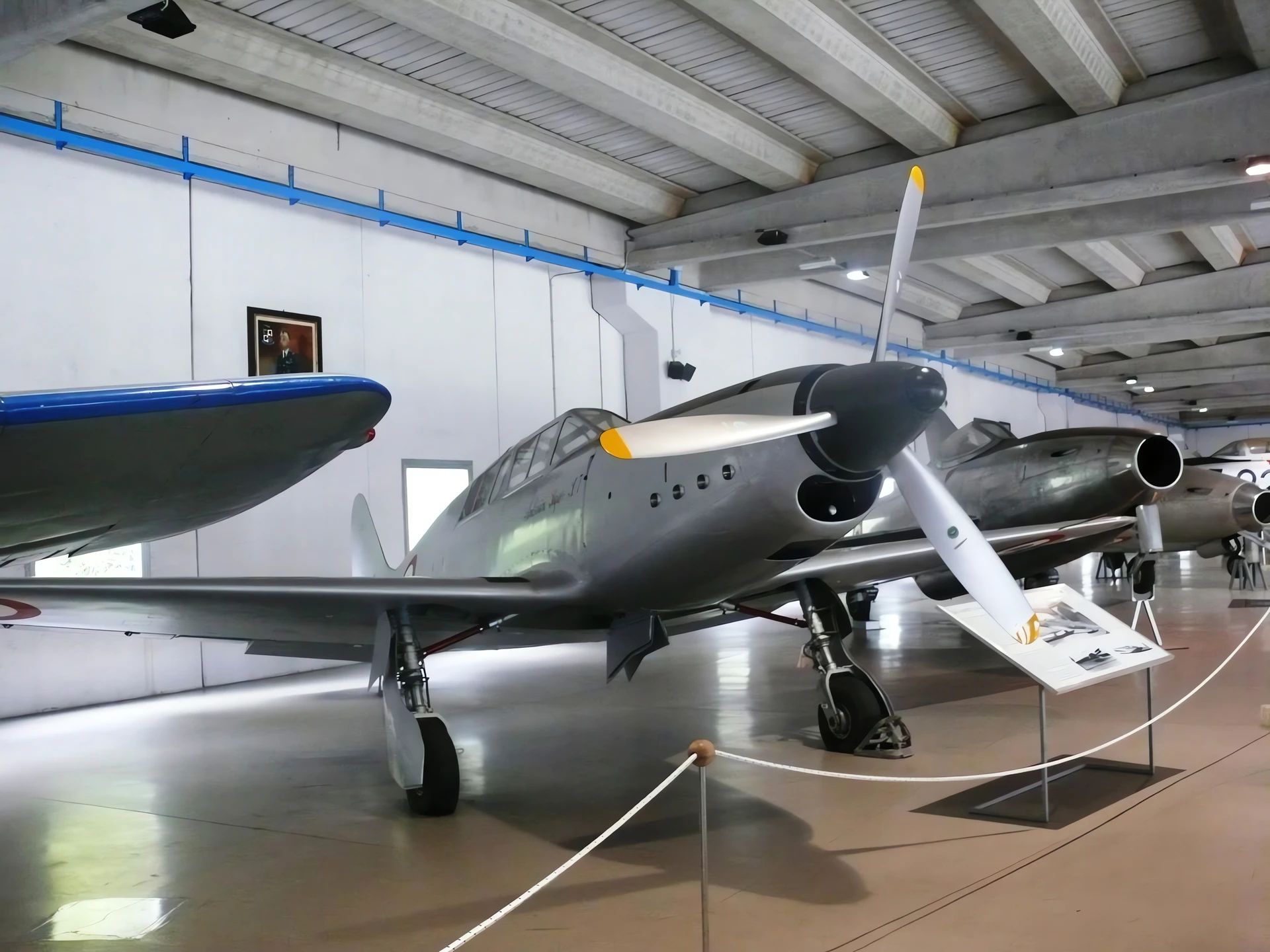
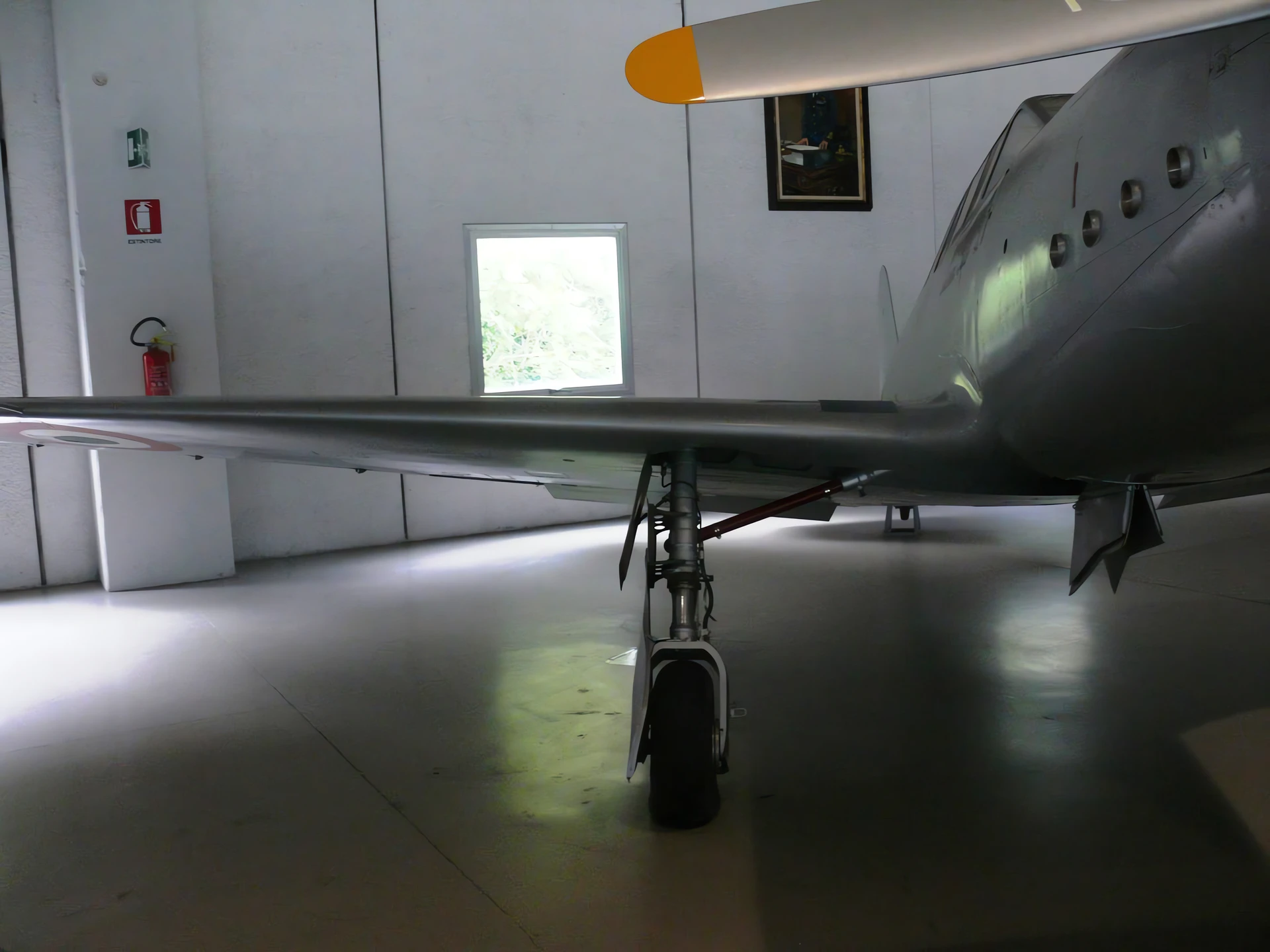
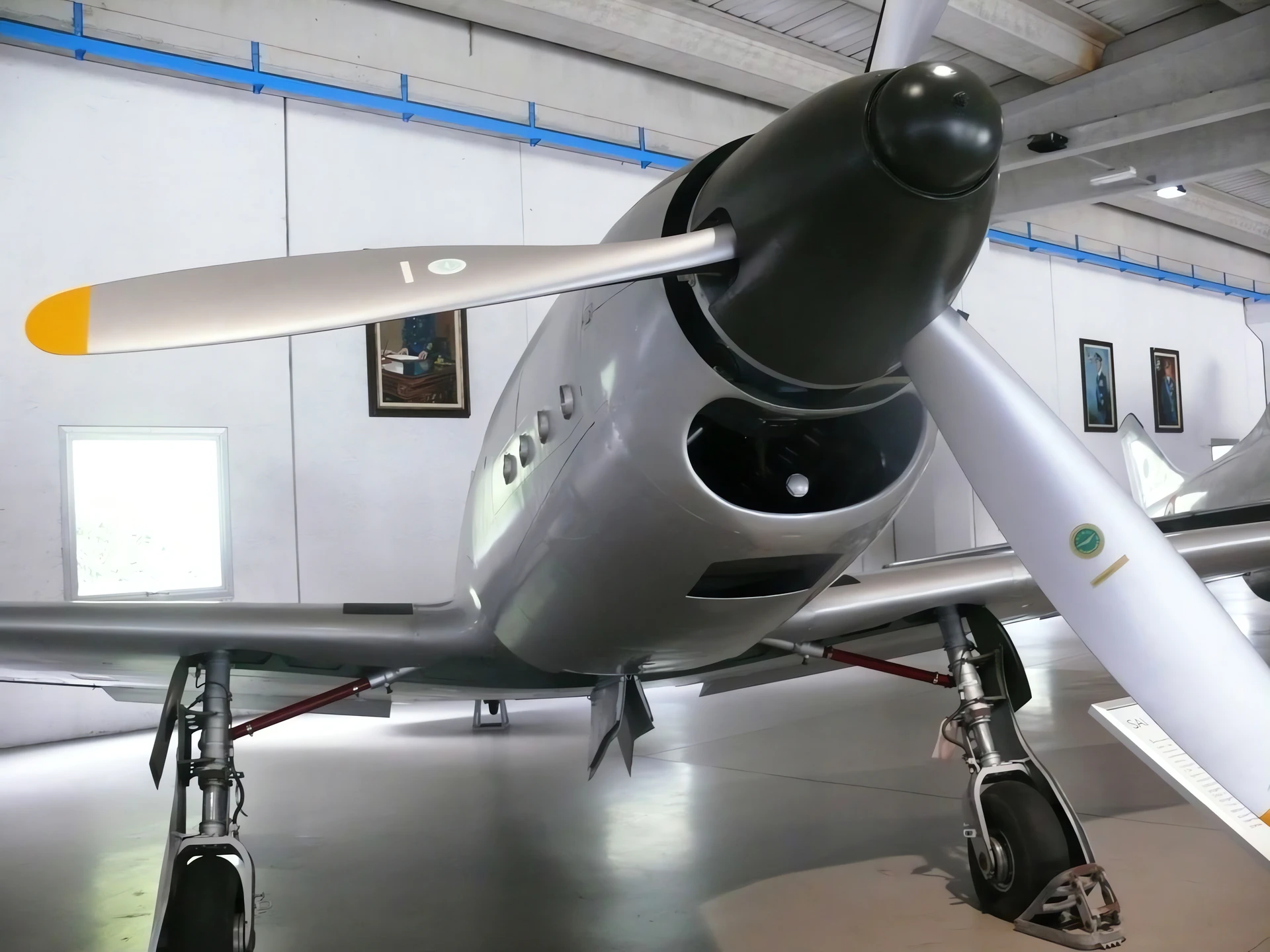
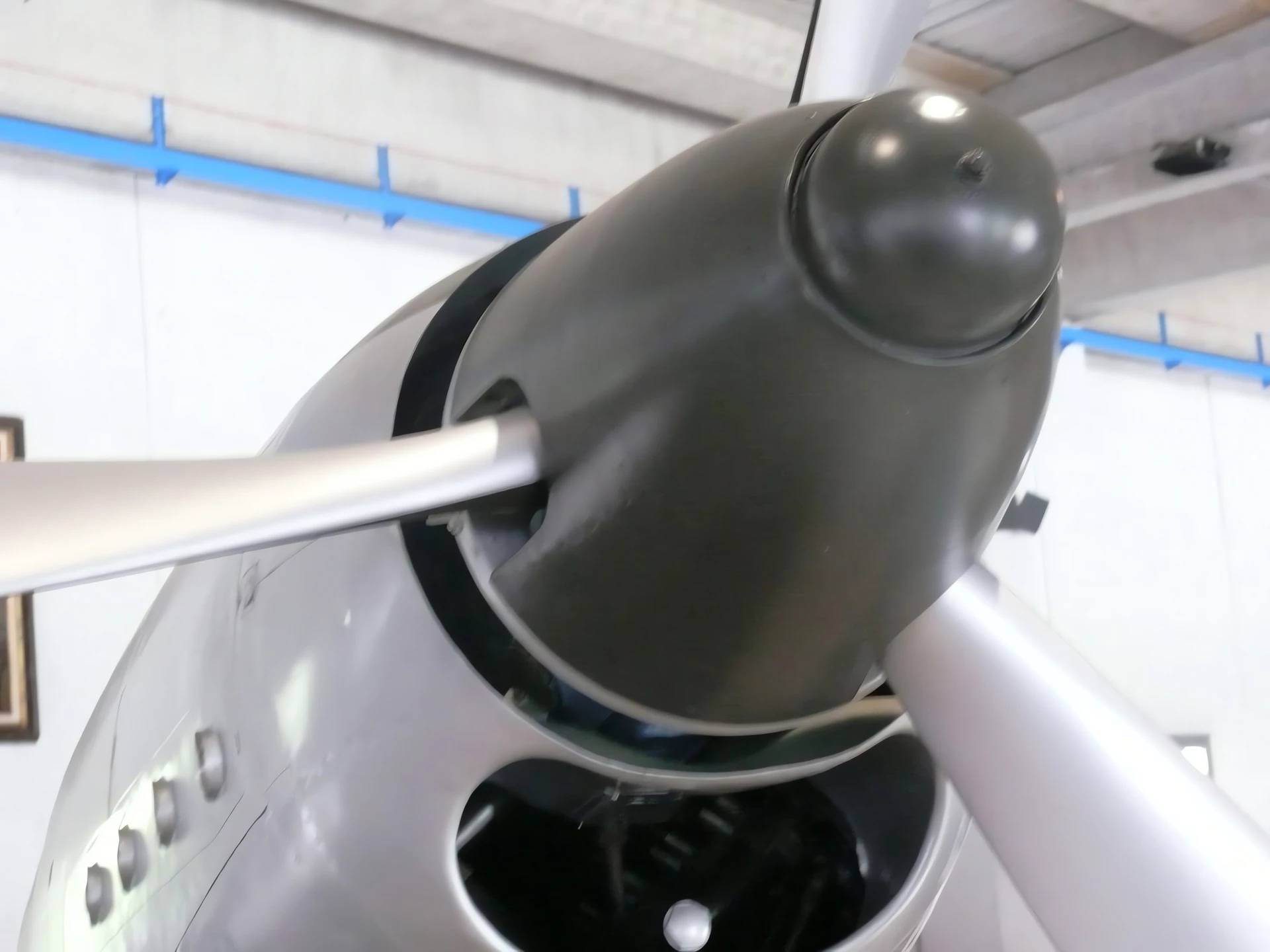
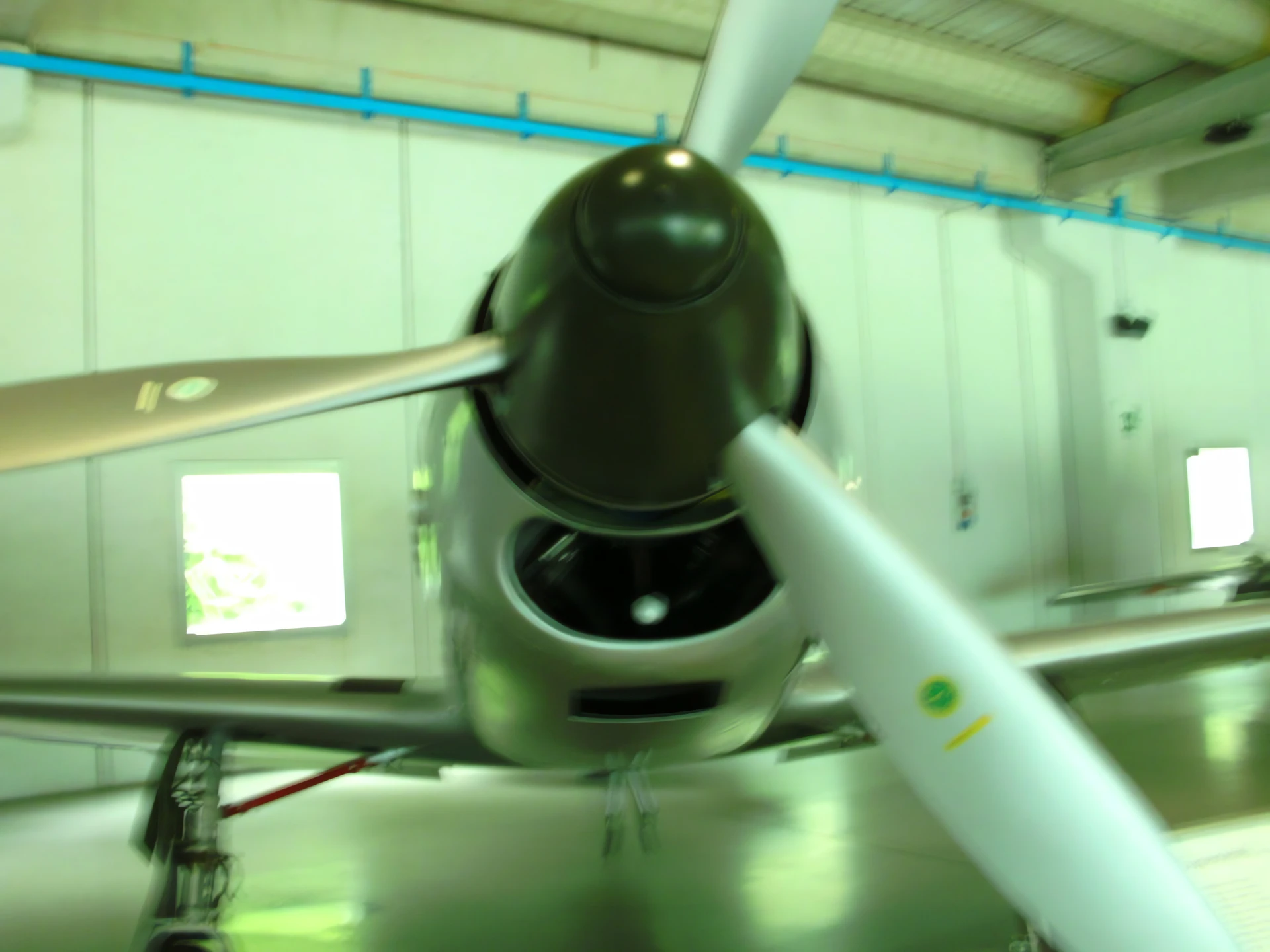
| SAI Super S.7 Walk Around | |
|---|---|
| Φωτογράφος | Unknow |
| Εντοπισμού | Αγνοώ |
| Φωτογραφίες | 20 |


Δείτε επίσης:


General Characteristics
The Ambrosini S.7 was an Italian single-engine, low-wing monoplane developed from the pre-war SAI.7 racing aircraft designed by Sergio Stefanutti. After World War II, the S.7 entered large-scale production as the primary basic and advanced trainer for the reformed Italian Air Force (Aeronautica Militare Italiana). Known for its sleek, all-wooden construction and excellent performance, it was prized for its high speed, even with relatively low engine power, and was used to set several international airspeed records in its class. The S.7 design later served as the foundation for a series of experimental light fighters and jet prototypes, including the SAI.207 and the Sagittario (Arrow), making it a significant bridge between Italy’s wartime piston-engine designs and its post-war jet programs.
| Property | Typical Value (Post-War S.7 Production) |
|---|---|
| Ρόλο | Basic/Advanced Trainer, Racing Aircraft |
| National Origin | Ιταλία |
| Κατασκευαστής | SAI Ambrosini |
| First Flight (SAI.7 prototype) | Ιούλιος 1939 |
| Service Entry (Post-War) | 1949 |
| No. Built (Post-War S.7) | ~145 |
| Πλήρωμα | 2 (Pilot and Pupil, in tandem seating) |
| Μήκος | 8.17 m (26 ft 10 in) |
| Εκπέτασμα | 8.79 m (28 ft 10 in) |
| Max Takeoff Weight | 1,317 kg (2,903 lb) |
Powerplant and Performance
- Engine: 1 x Alfa Romeo 115-ter 6-cylinder air-cooled, inverted inline piston engine.
- Power Output: 168 kW (225 hp).
- Maximum Speed: 358 km/h (222 mph).
- Cruise Speed (Economic): 264 km/h (164 mph).
- Range: 1,000 km (621 mi).
- Service Ceiling: 5,250 m (17,220 ft).
- Key Feature: The aircraft featured fully retractable main landing gear (a feature often omitted on contemporary trainers) and an all-wood structure, contributing to its sleek, high-speed profile.
Variants and Legacy
- Primary Role: Used for ab initio (basic) and advanced flight training in the Aeronautica Militare Italiana until the mid-1950s.
- Armament: Unarmed in its standard two-seat trainer configuration.
- Wartime Variant (SAI.7T): Ten militarized two-seat trainer versions were ordered in 1942, but few were delivered before the 1943 Armistice.
- Development Line: The S.7 airframe was crucial in testing high-performance features:
- SAI.107 / SAI.207: Lightweight single-seat fighter prototypes with up to 750 hp engines, achieving impressive speeds.
- Ambrosini Sagittario (Super S.7): A single S.7 modified with swept wings, and later a jet engine, serving as a testbed for the subsequent Aerfer Sagittario 2 jet fighter.
Θεάσεις : 827
Μπορείτε επίσης να δείτε:
 Fokker D.VII – Φώτο &; Βίντεο
 McDonnell F3H Demon – Φώτο &; Βίντεο
 McDonnell Douglas KC-10 Extender – Φώτο & Βίντεο
 McDonnell FH Phantom – Φώτο & Βίντεο
 C-130J Hercules – Φώτο &; Βίντεο
 Μάτσι MC-200 – Γουόκερ
 PZL P.11 – Περίπατος
 P-51 Μάστανγκ βολ2 – Περπατήστε γύρω
 Καμπάνα P-63E ΚινγκΚόμπρα – WalkAround
 Vought F4U Κορσέρ – Περίπατος