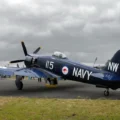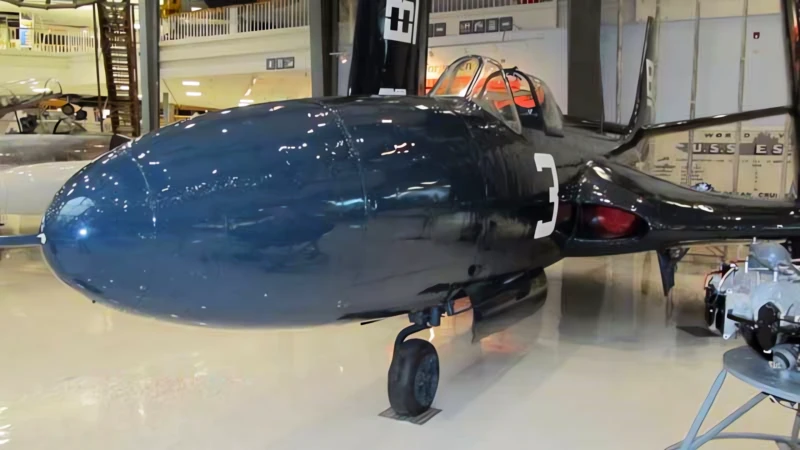
McDonnell FH Phantom |
|
|---|---|
| 国家 | 美国 |
| 作用 | 基于航母的战斗机 |
| 首次飞行 | 1945年1月26日 |
| 建立 | 62 |
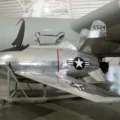
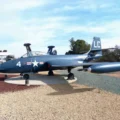
这 麦克唐纳 Fh 幻影 是二战期间为美国海军设计并首次飞行的双引擎喷气式战斗机。幻影是第一架降落在美国航空母舰上的纯喷气动力飞机,也是美国海军陆战队部署的第一架喷气式飞机。虽然随着战争的结束,只制造了62架FH-1,但它帮助证明了航母喷气式战斗机的可行性。作为麦克唐纳的第一个成功的战斗机,导致后续F2H班谢的发展,这是朝鲜战争中最重要的两架海军喷气式战斗机之一,它也将建立麦克唐纳作为海军飞机的重要供应商。当麦克唐纳选择把这个名字带回马赫2级麦克唐纳道格拉斯F-4幻影II,它推出了什么将成为最通用和广泛使用的西方战斗机越南战争时期,采用美国空军和美国海军
源: 维基百科上的麦克唐纳 Fh 幻影
| McDonnell Douglas FH-1 Phantom Walk Around | |
|---|---|
| 摄影师 | 塞斯·亨德里克斯 |
| 本地化 | 未知 |
| 照片 | 24 |
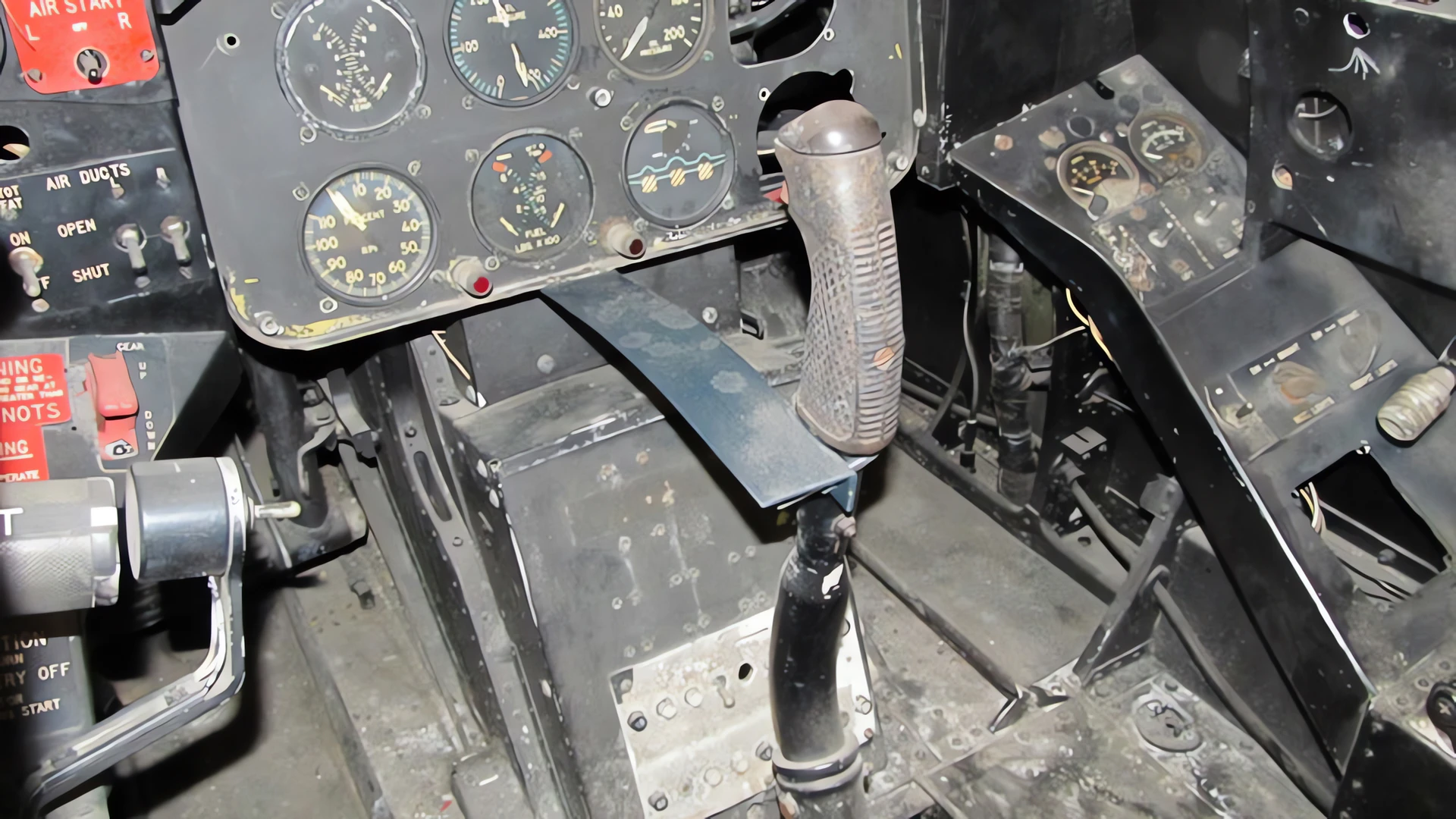
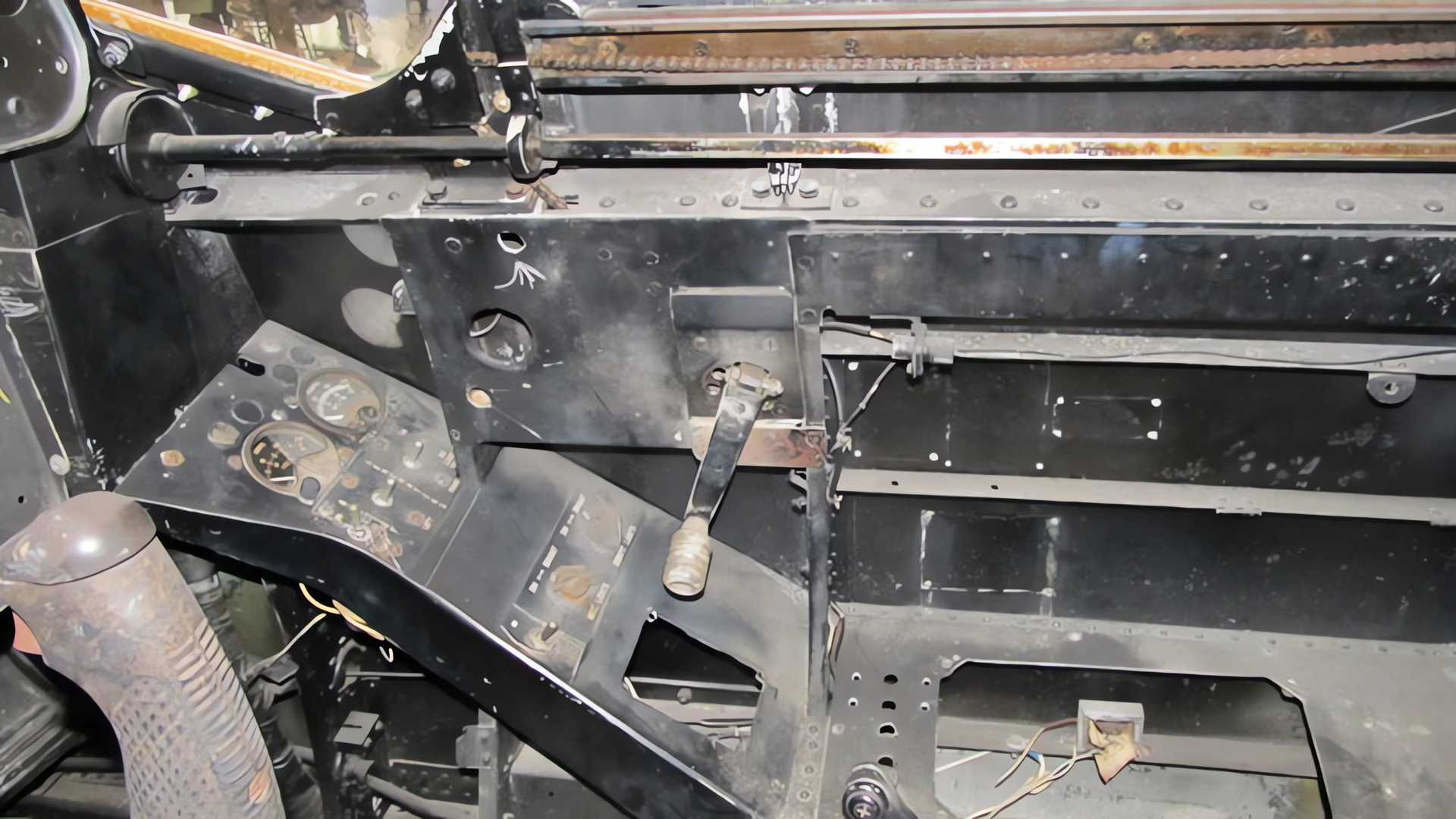
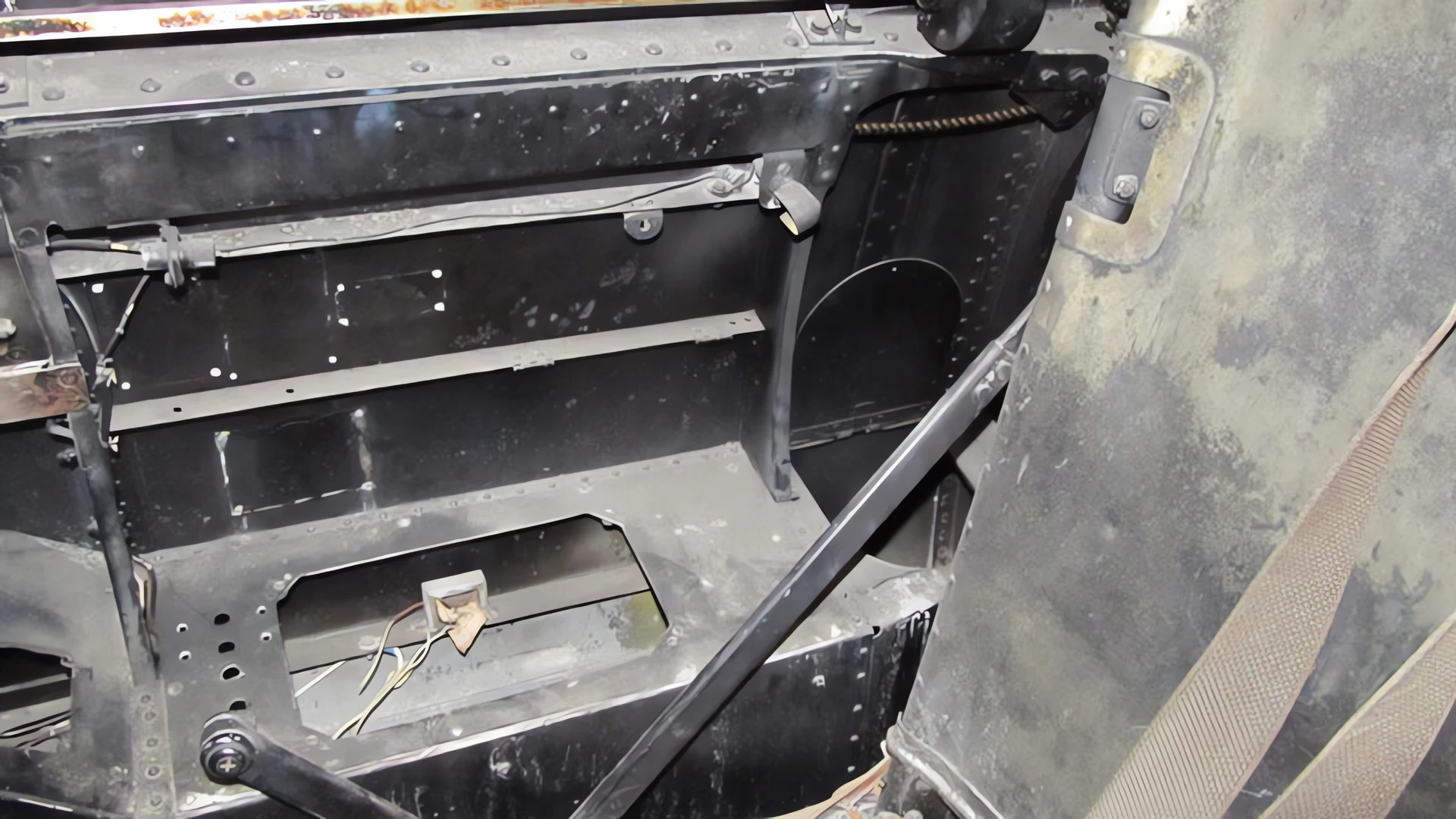
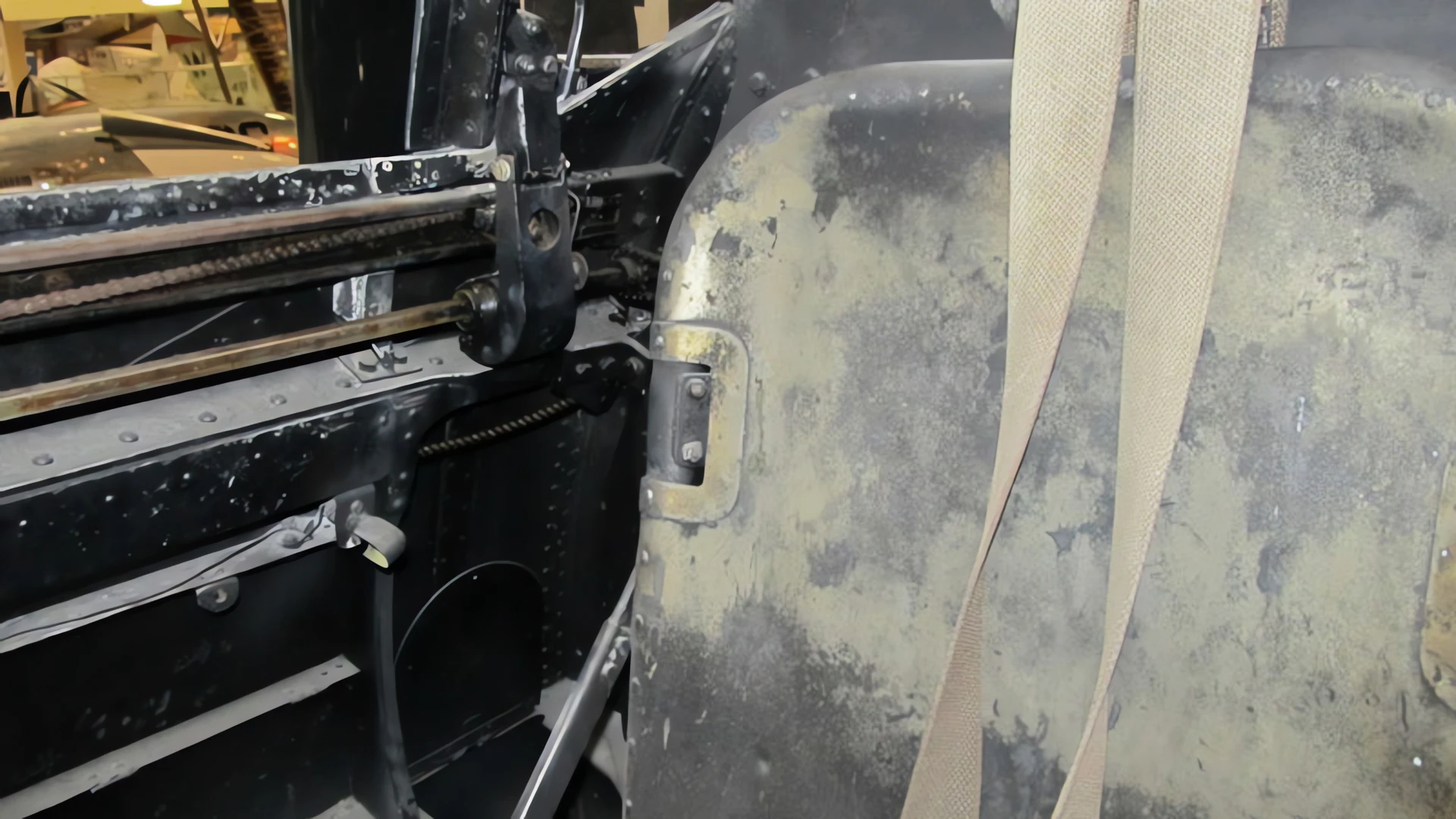
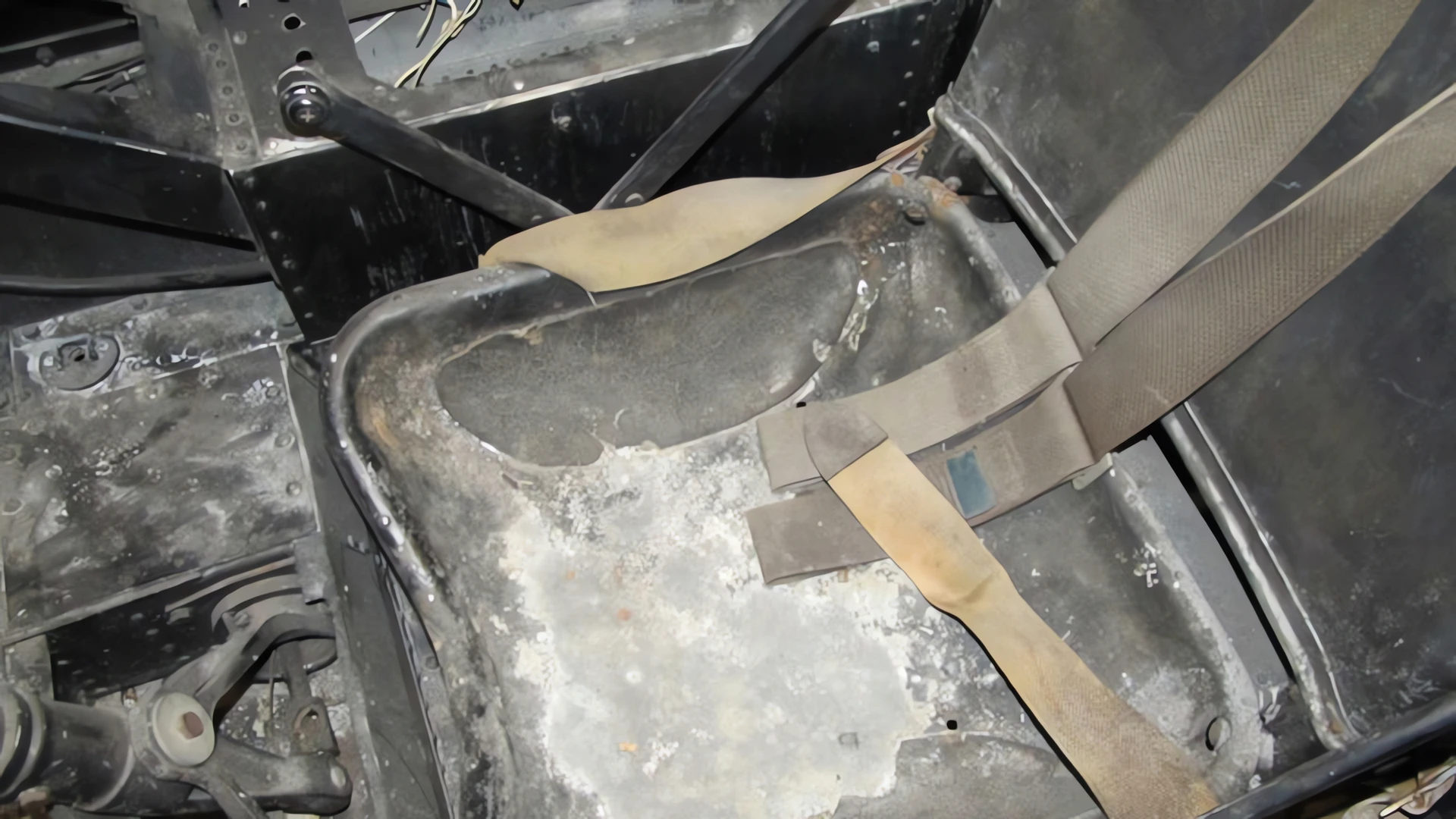
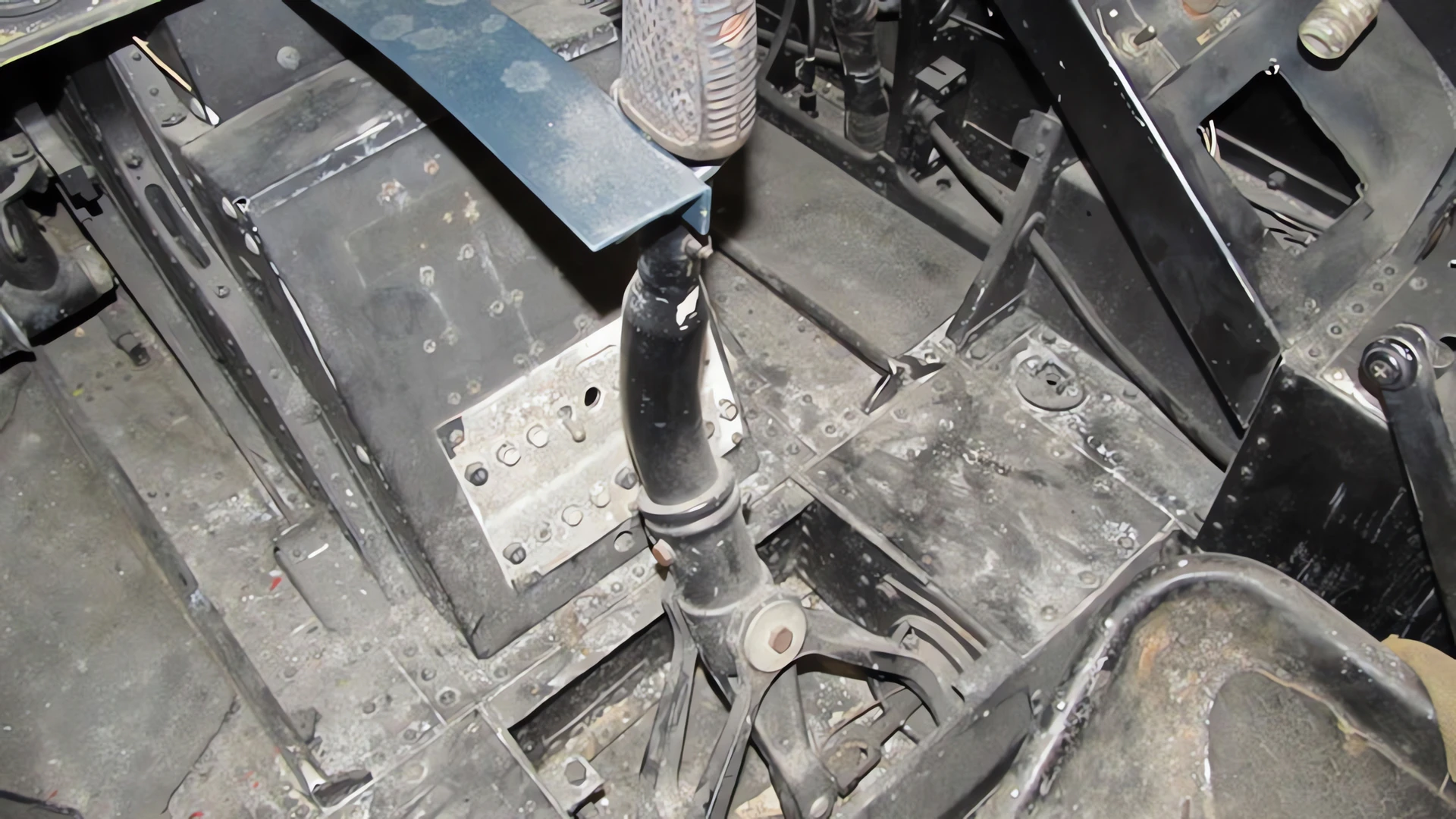
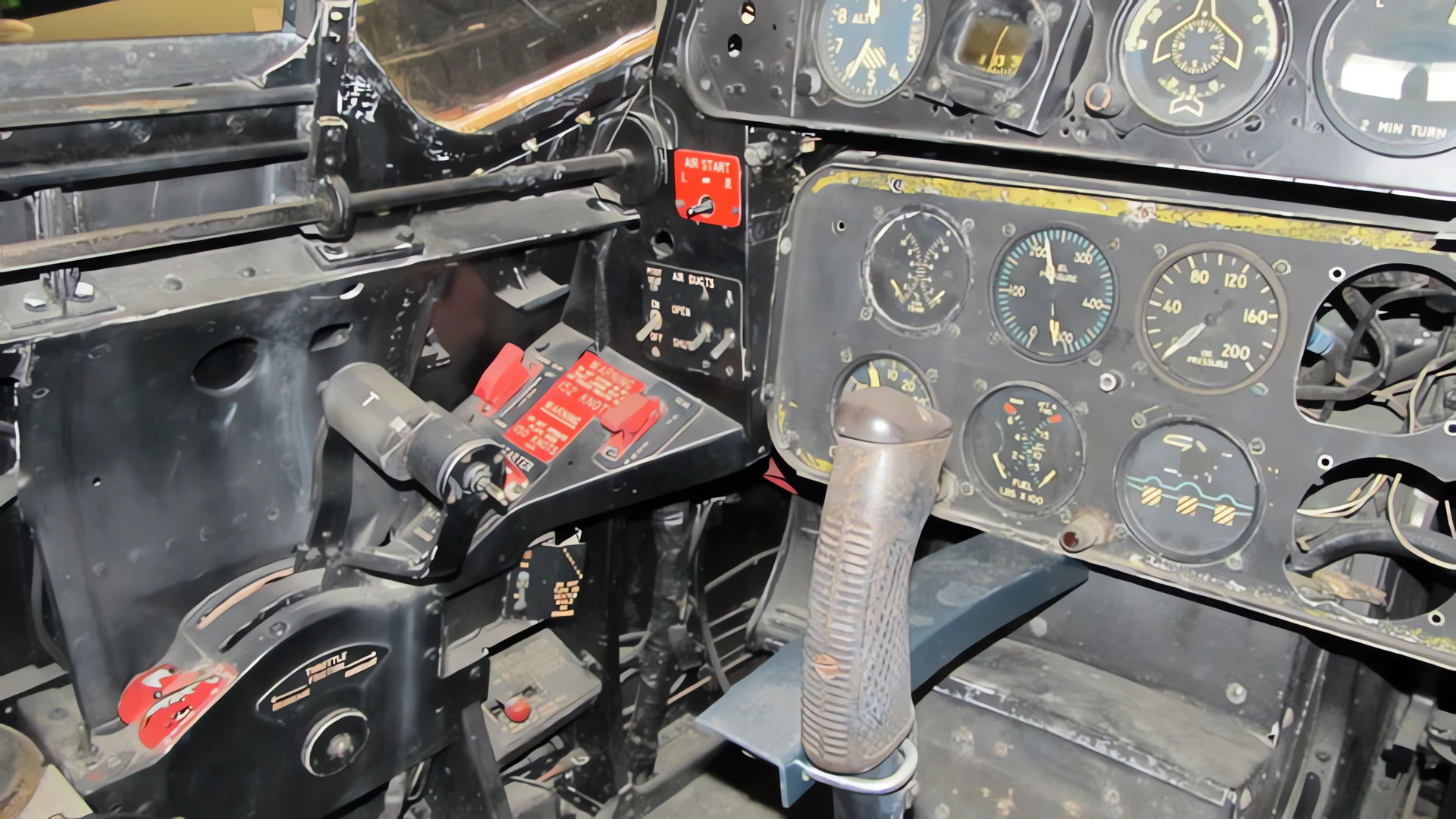

另请参阅:


The Navy’s Jet Foundation
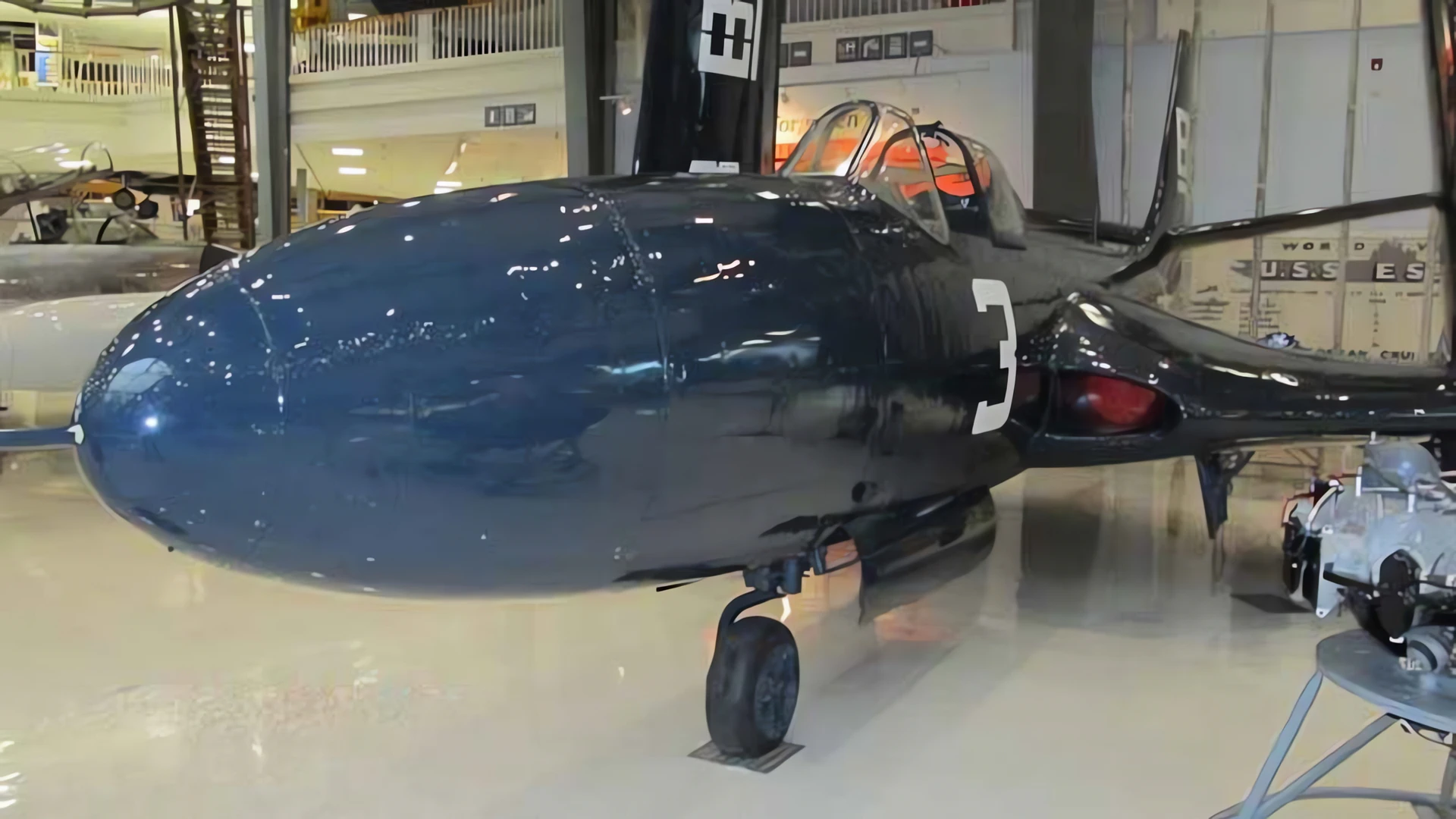
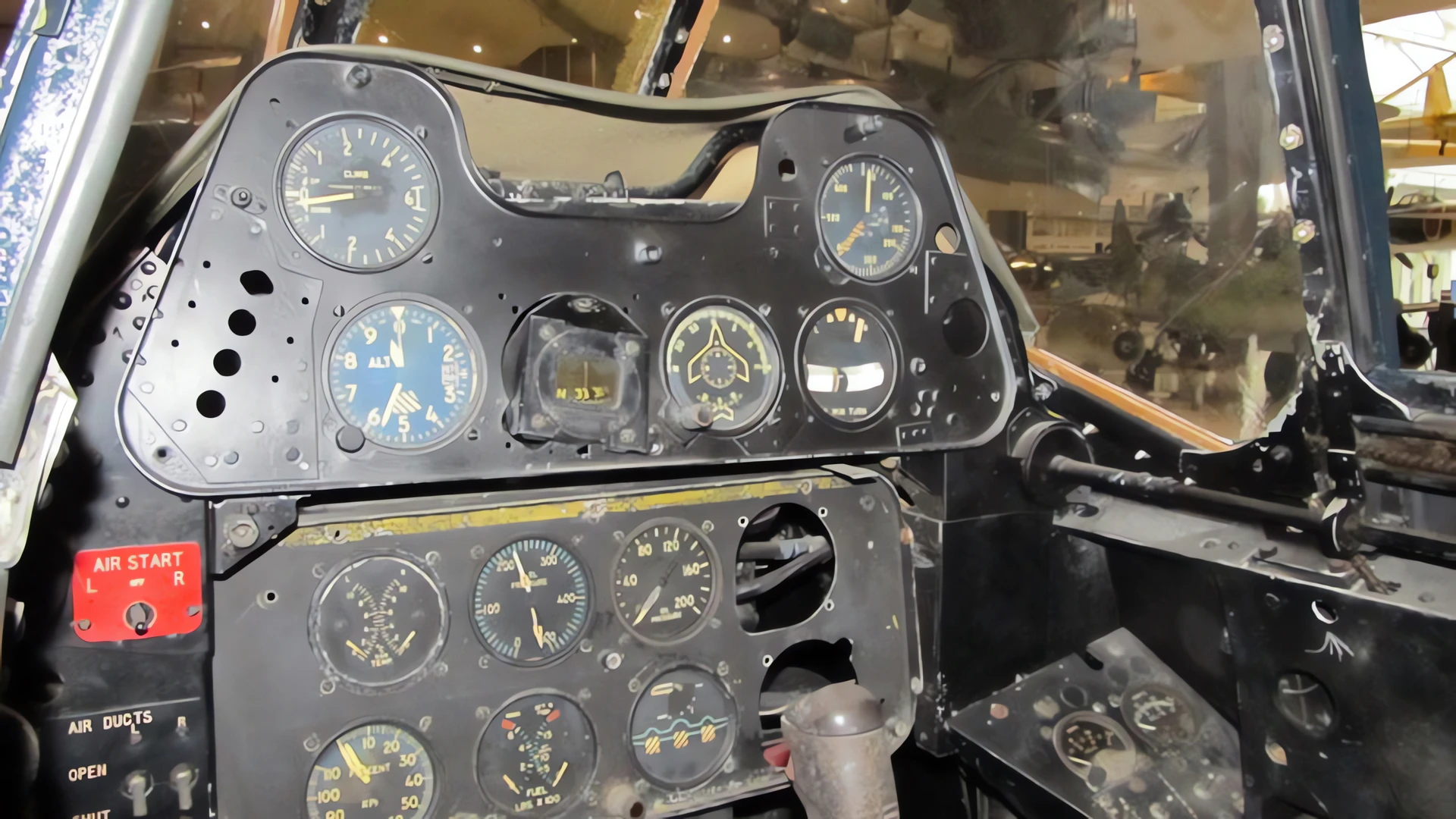
这 McDonnell FH-1 Phantom (originally designated FD-1) was a twin-engine jet fighter that changed naval aviation forever. Developed in the closing years of WWII, it was designed to prove that pure-jet aircraft could successfully operate from carrier decks without the help of a piston engine. While its production run was small and its service life short, it provided the essential data that allowed the U.S. Navy to transition into the Jet Age, setting the stage for the more famous F2H Banshee and the legendary F-4 Phantom II.
| Attribute | Technical Specification (FH-1) |
|---|---|
| 作用 | Carrier-based Fighter |
| 船员 | 1 (Pilot) |
| First Flight | January 26, 1945 |
| 动力装置 | 2 × Westinghouse J30-WE-20 turbojets |
| Thrust | 1,600 lbf (7.1 kN) per engine |
| 最高速度 | 479 mph (771 km/h) |
| Rate of Climb | 4,230 ft/min (1,289 m/min) |
| 装备 | 4 × .50 cal (12.7 mm) M2 Browning machine guns |
Clean Lines and Buried Engines
- Wing-Root Integration: To minimize frontal area and drag, McDonnell engineers “buried” the small Westinghouse turbojets into the wing roots. This gave the FH-1 a remarkably clean aerodynamic profile compared to the bulky engine pods seen on the German Me 262 or British Meteor.
- Straight-Wing Efficiency: At the time, swept wings were still experimental. The FH-1 used a thin, straight wing that provided excellent lift and predictable handling during the low-speed, high-stress environment of a carrier landing.
- Tricycle Landing Gear: One of the first naval aircraft to utilize a nosewheel, the FH-1 offered pilots a much better view of the carrier deck during landing compared to traditional “taildraggers.”
- Squared-Off Tail: The vertical stabilizer featured a distinctive squared-off top, a design element that became a signature of early McDonnell jet fighters.
A Brief but Historic Career
- A Historic Landing: On July 21, 1946, Commander James Davidson made the first-ever landing and takeoff by an all-jet aircraft from a U.S. carrier, the USS Franklin D. Roosevelt, using an FH-1.
- The “Phantom Knights”: Marine Fighter Squadron 122 (VMF-122) became the first Marine squadron to be equipped with jets when they received the FH-1 in 1947. They were famously known as the “Phantom Knights” and formed the first Marine jet aerobatic team.
- Rapid Obsolescence: Because engine technology was advancing at a breakneck pace, the FH-1 was underpowered by the time it reached full squadron strength. It was quickly replaced by its larger, more powerful successor, the F2H Banshee.
- Preservation: Only 62 Phantoms were built. Today, rare survivors can be found at the 国家航空航天博物馆 和 National Museum of Naval Aviation.
意见 : 2397