McDonnell XF-85 Goblin | |
|---|---|
| 国家 | 美国 |
| 作用 | 原型拦截机 |
| 首次飞行 | 1949年5月9日 |
| 建立 | 2 |
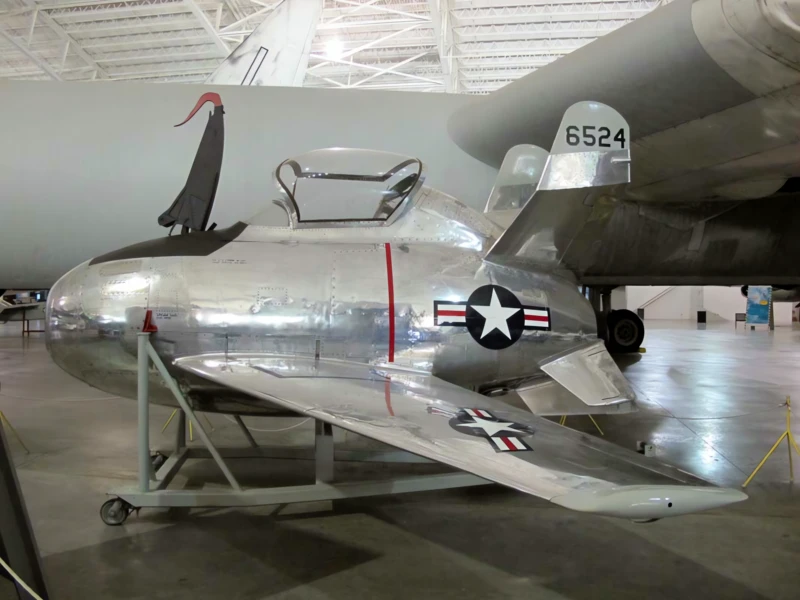
这 麦克唐纳 XF-85 妖精 是麦克唐纳飞机在二战期间构思的美国原型战斗机。它打算从巨型康维尔B-36轰炸机的炸弹舱部署作为寄生虫战斗机。XF-85的本意是保护轰炸机免受敌方拦截机的拦截,这一需求在第二次世界大战期间得到了证明。麦克唐纳在空军(USAAF)终止该计划之前制造了两个原型机。
| 麦克唐纳 Xf - 85 妖妖走来走去 | |
|---|---|
| 摄影师 | 约翰·赫克,弗拉基米尔·雅库博夫 |
| 本地化 | 阿什兰战略航空航天博物馆 |
| 照片 | 76 |
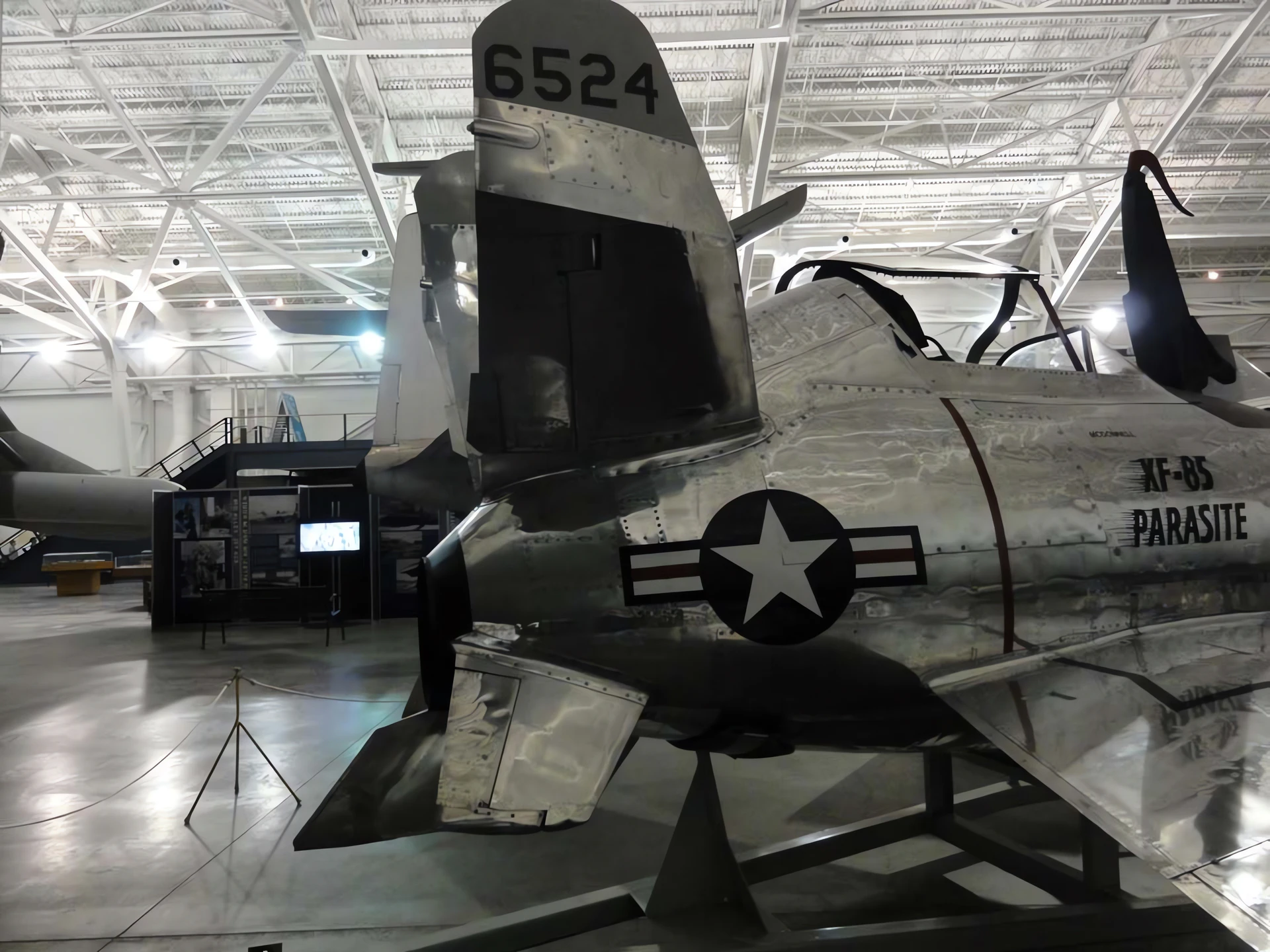
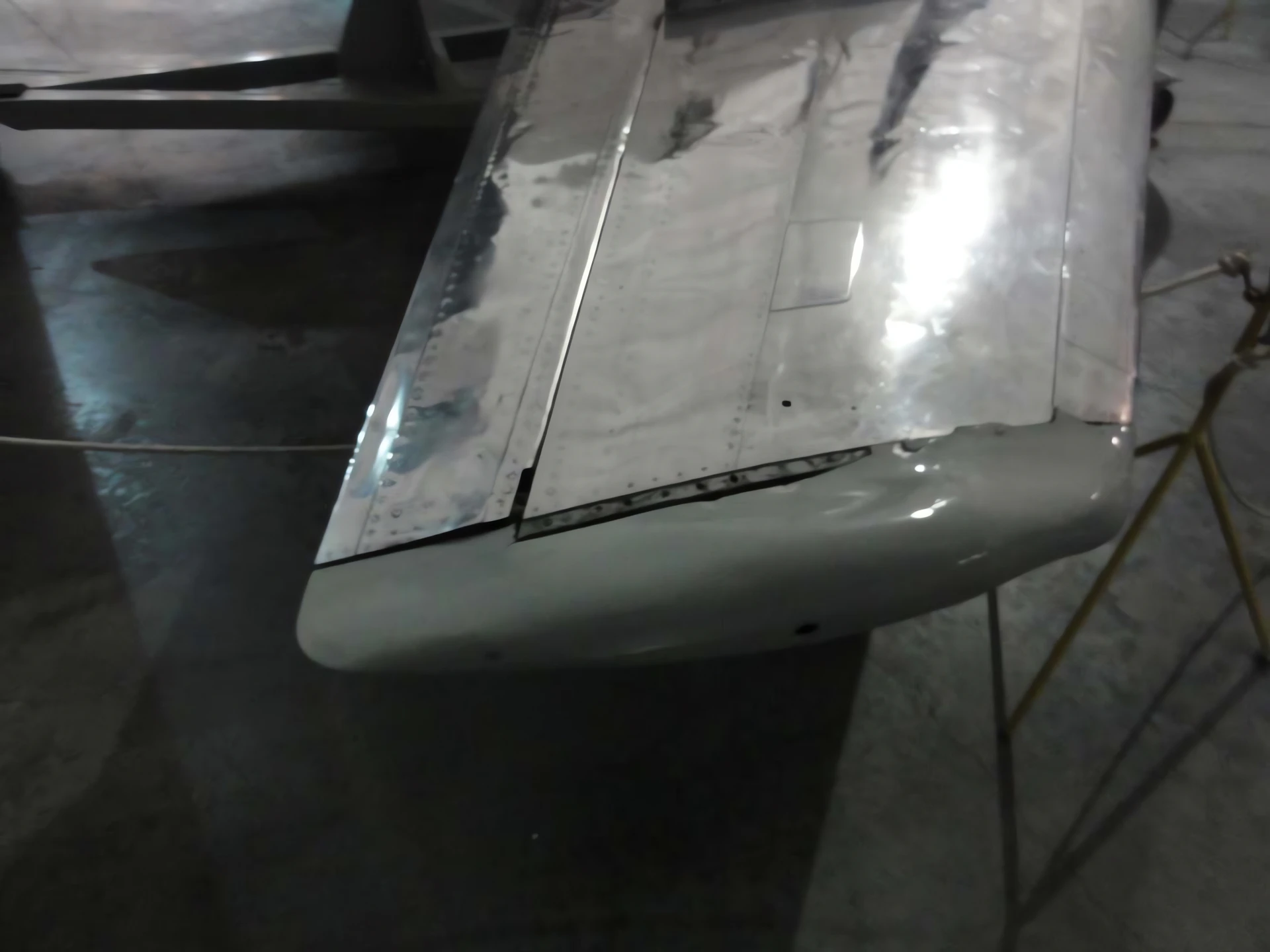
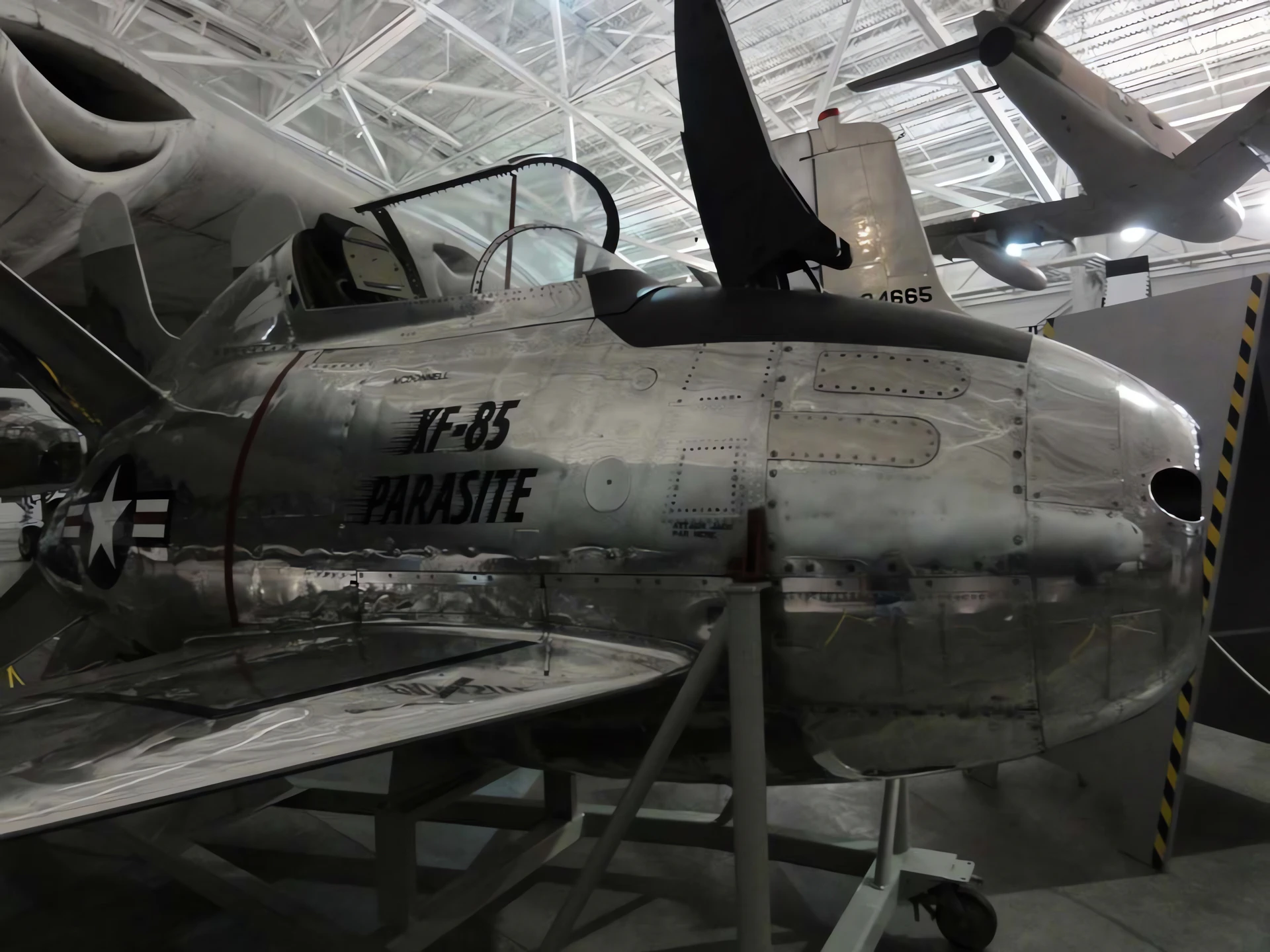

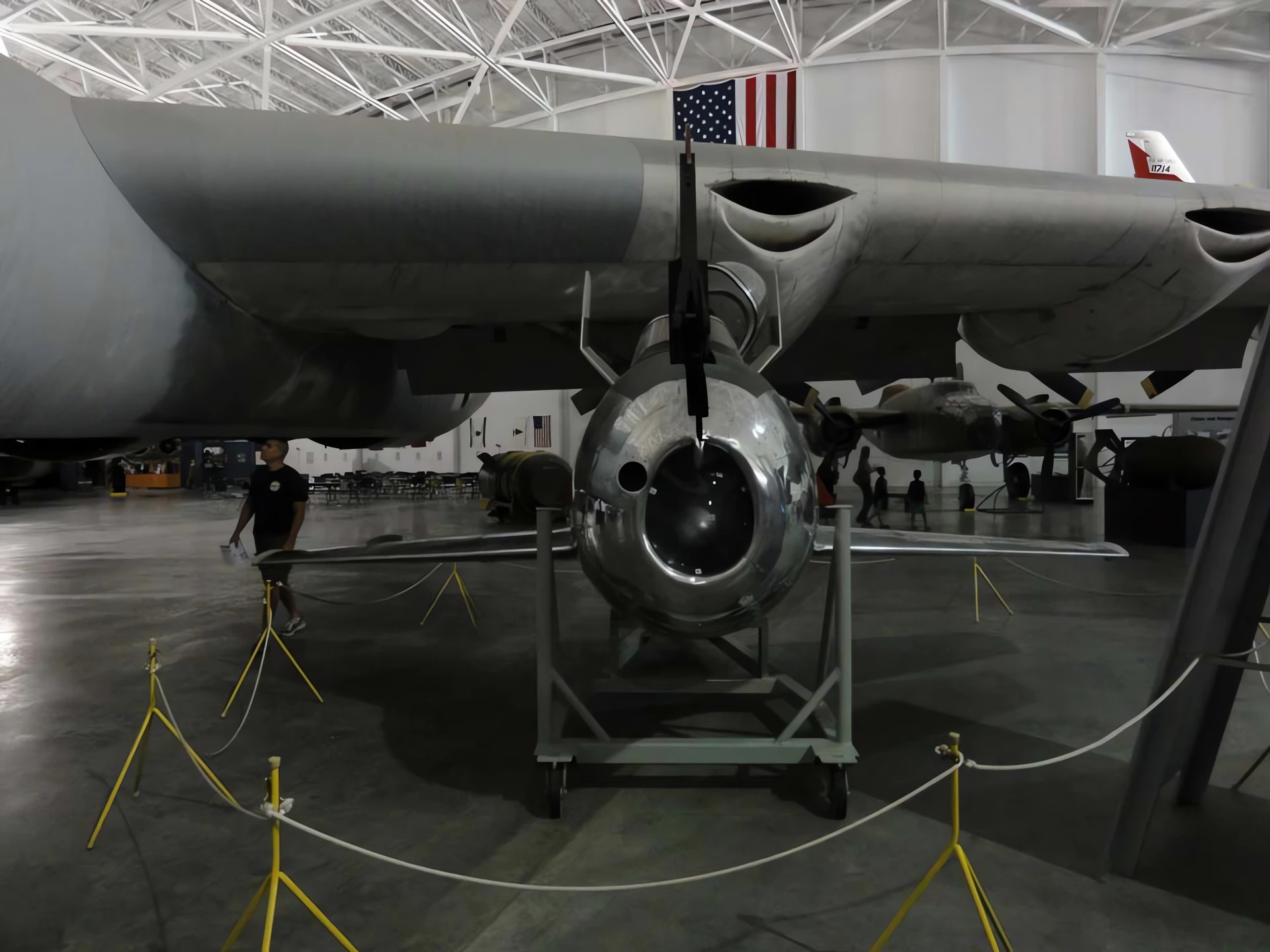
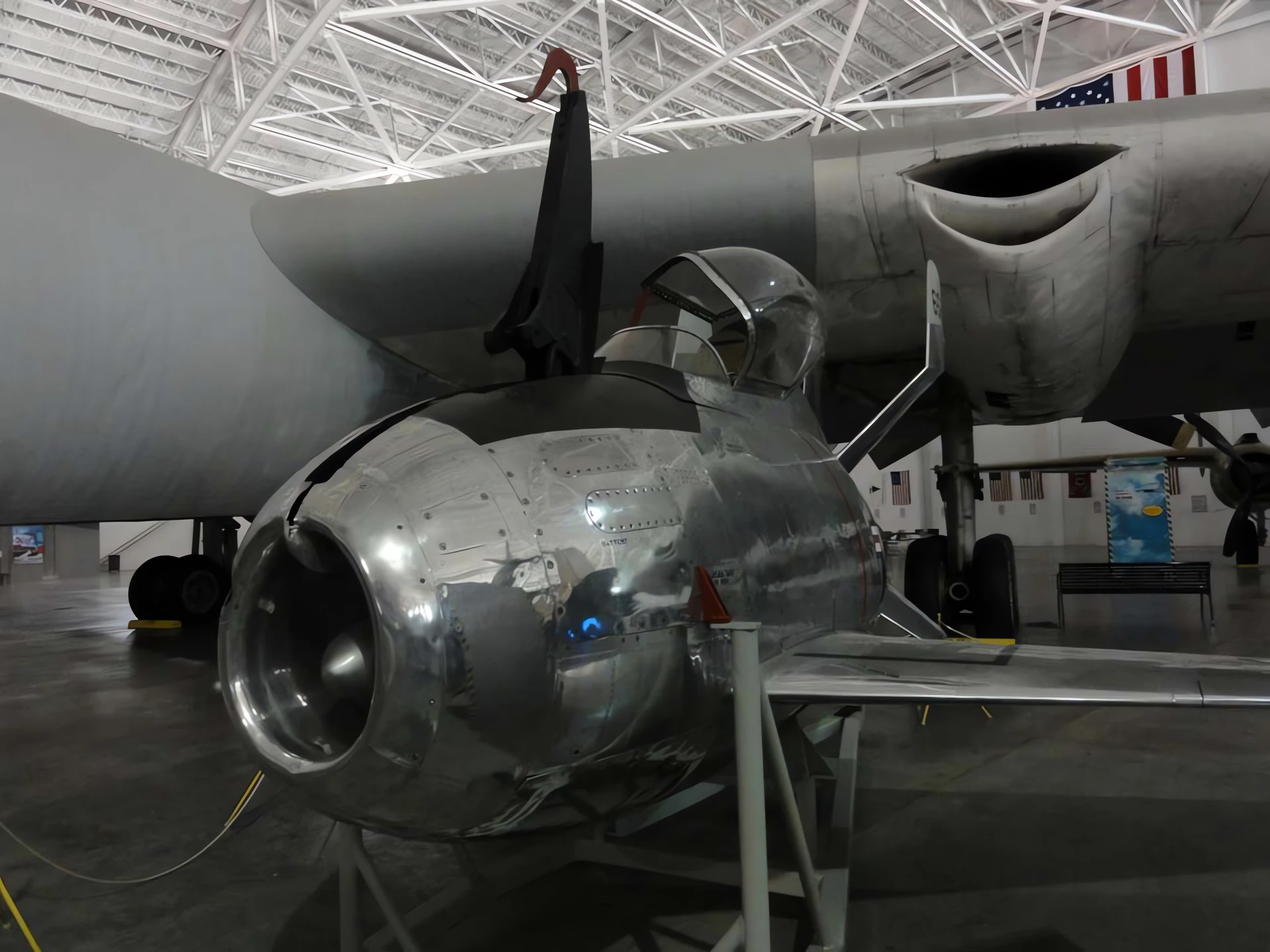
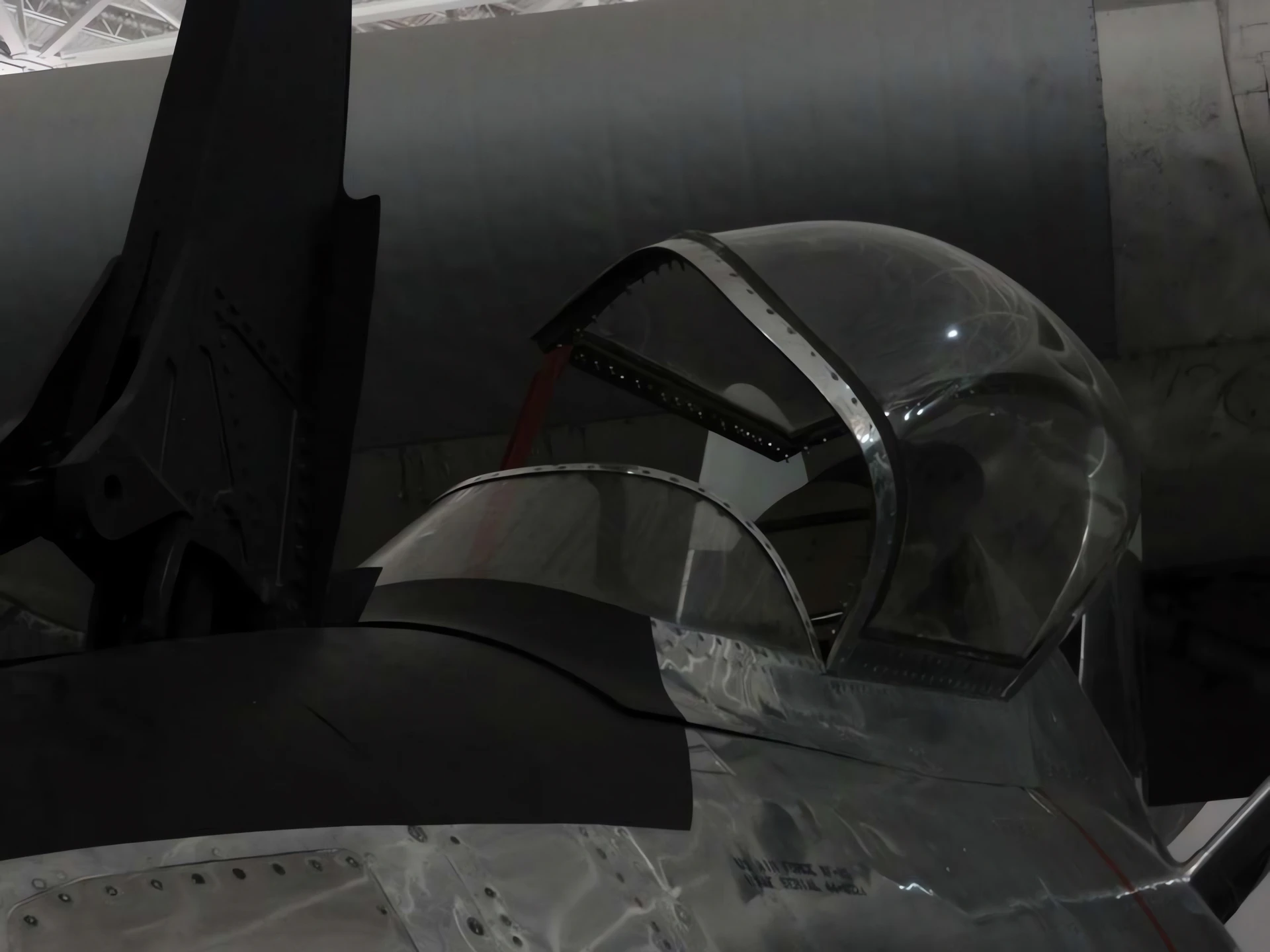
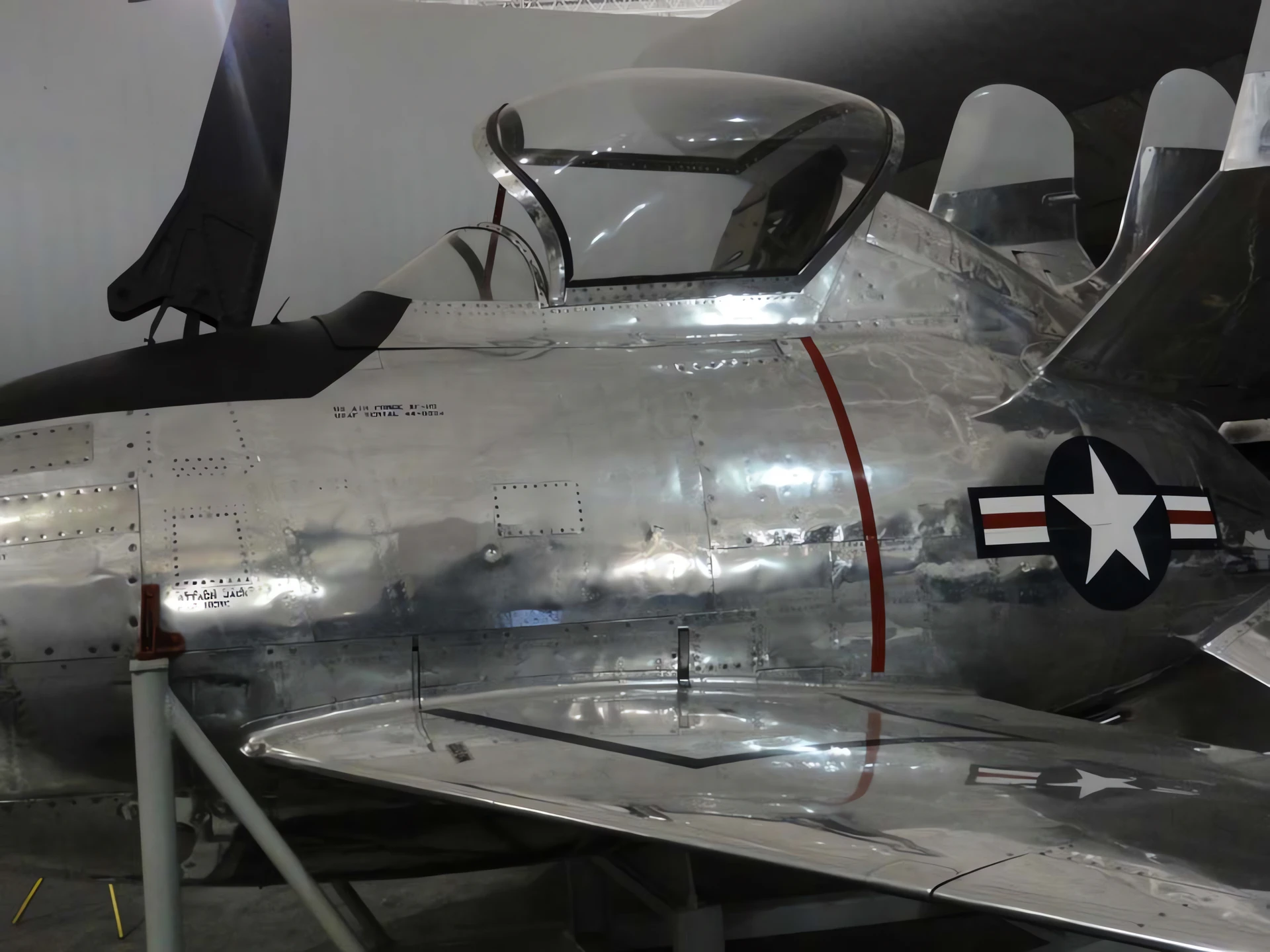
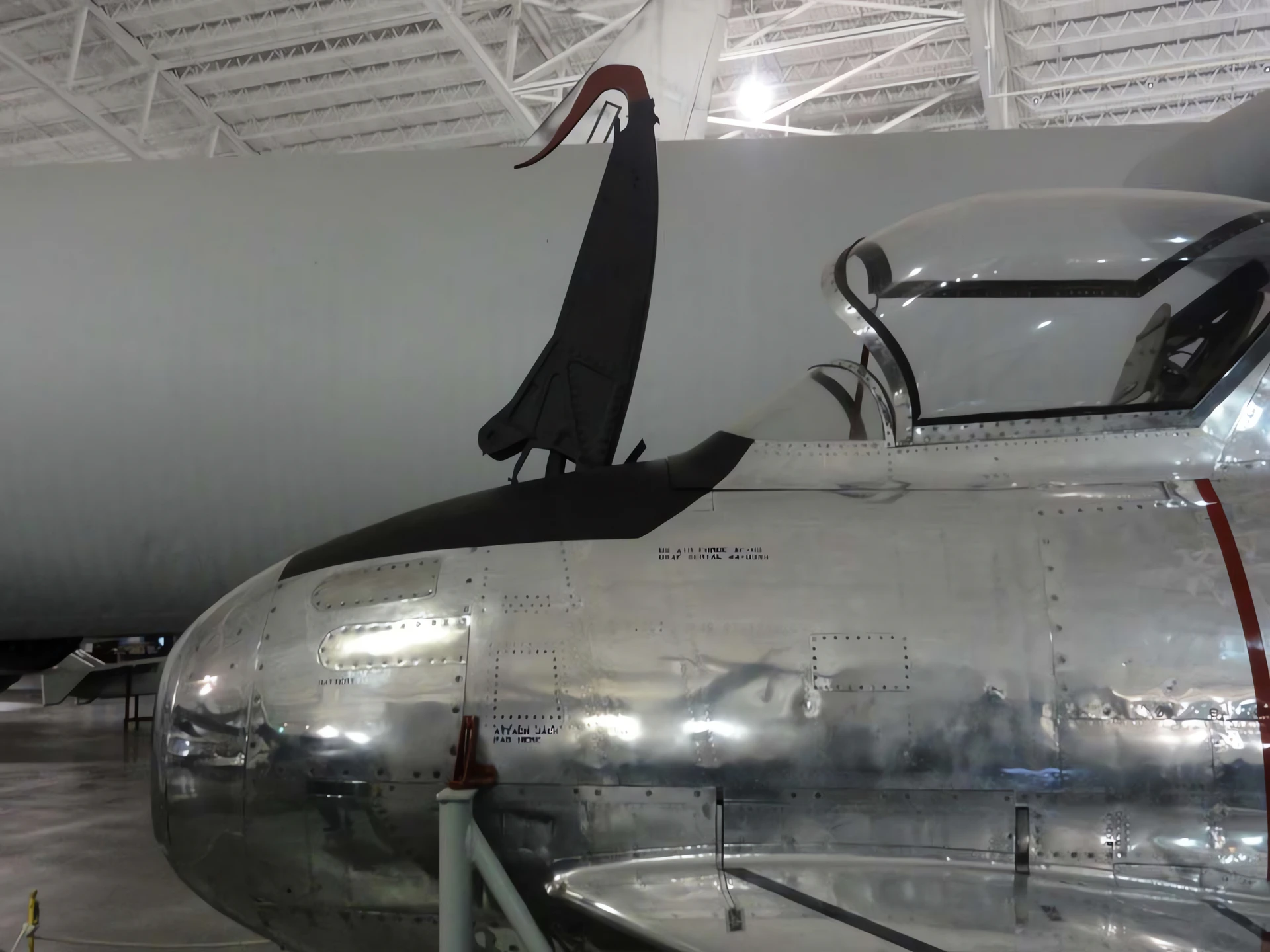

| 麦克唐纳 Xf - 85 妖妖走来走去 | |
|---|---|
| 摄影师 | 约翰·赫克,弗拉基米尔·雅库博夫 |
| 本地化 | 美国空军国家博物馆,代顿 |
| 照片 | 96 |
另请参阅:


General Characteristics and Role
The McDonnell XF-85 Goblin was an experimental jet fighter developed for the United States Air Force (USAF) in the late 1940s. Its highly unusual role was to serve as a “parasite fighter”—a defensive fighter that would be carried and launched from a bomber, specifically the massive Convair B-36 Peacemaker, and recovered mid-air. This concept arose because early jet fighters lacked the range to escort strategic bombers on long-distance missions, leaving them vulnerable to enemy interceptors deep inside hostile territory. The XF-85 was designed to be small enough to fit within the B-36’s bomb bay and featured a unique hinged nose assembly for hooking up to a trapeze system.
| Property | Typical Value (XF-85) |
|---|---|
| 作用 | Experimental Parasite Fighter |
| National Origin | 美国 |
| 制造商 | McDonnell Aircraft Corporation |
| First Flight (unattached) | 23 August 1948 |
| 船员 | 1 (Pilot) |
| 长度 | 4.93 m (16 ft 2 in) |
| 翼展 | 6.44 m (21 ft 1 in) |
| Gross Weight | 2,540公斤(5,600磅) |
Powerplant and Unique Features
- Engine: 1 x Westinghouse J34-WE-22 turbojet engine.
- Thrust: 3,000 lbf (13 kN).
- Armament: Proposed four .50 caliber (12.7 mm) M2 Browning machine guns (never installed on the prototypes).
- Unique Tail: It featured a distinctive cruciform tail and swept wings that folded upwards for stowage inside the bomber.
- Recovery System: The plane used a retractable hook in its nose to latch onto a specialized trapeze lowered from the carrier aircraft (initially a modified B-29 Superfortress, later planned for the B-36).
- Performance: The intended speed was over 1,000 km/h (620 mph), designed to intercept potential enemy fighters like the MiG-15.
Program Outcome and Legacy
- Testing: The recovery phase of the test flights proved extremely difficult, due to the intense turbulence and buffeting behind the carrier aircraft. Pilots reported high difficulty in successfully mating the hook with the trapeze.
- Cancellation: The program was cancelled in 1949 after only a few test flights. The mid-air docking procedure was deemed too risky for operational use. Furthermore, the rapid development of aerial refueling technology provided a more practical solution to the bomber escort problem.
- Legacy: While unsuccessful, the XF-85 stands as one of the most unique and ambitious attempts in aviation history to solve the strategic bomber escort challenge. It remains a prime example of Cold War experimental aircraft design.
- Preservation: Both prototypes built (AF Ser. No. 46-523 and 46-524) survive. One is displayed at the National Museum of the United States Air Force in Dayton, Ohio, and the other at the Strategic Air Command & Aerospace Museum in Ashland, Nebraska.
观点 : 2524