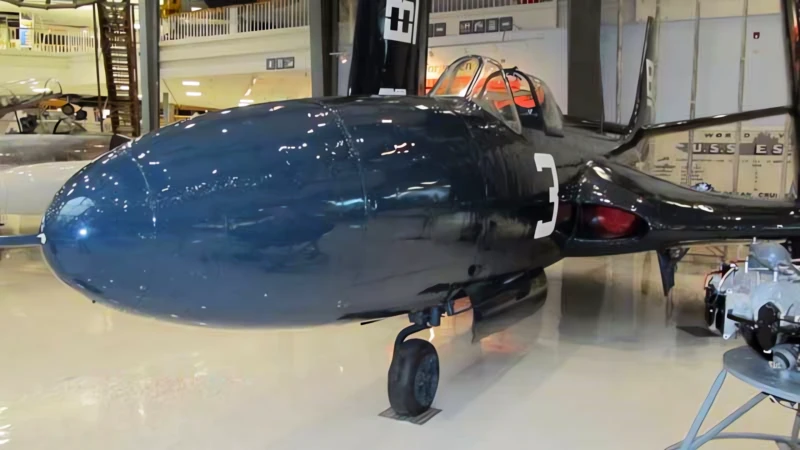
McDonnell FH Phantom |
|
|---|---|
| Land | Usa |
| Roll | Hangarfartygsbaserade stridsflygplan |
| Första flygningen | 26 januari 1945 |
| Byggd | 62 |
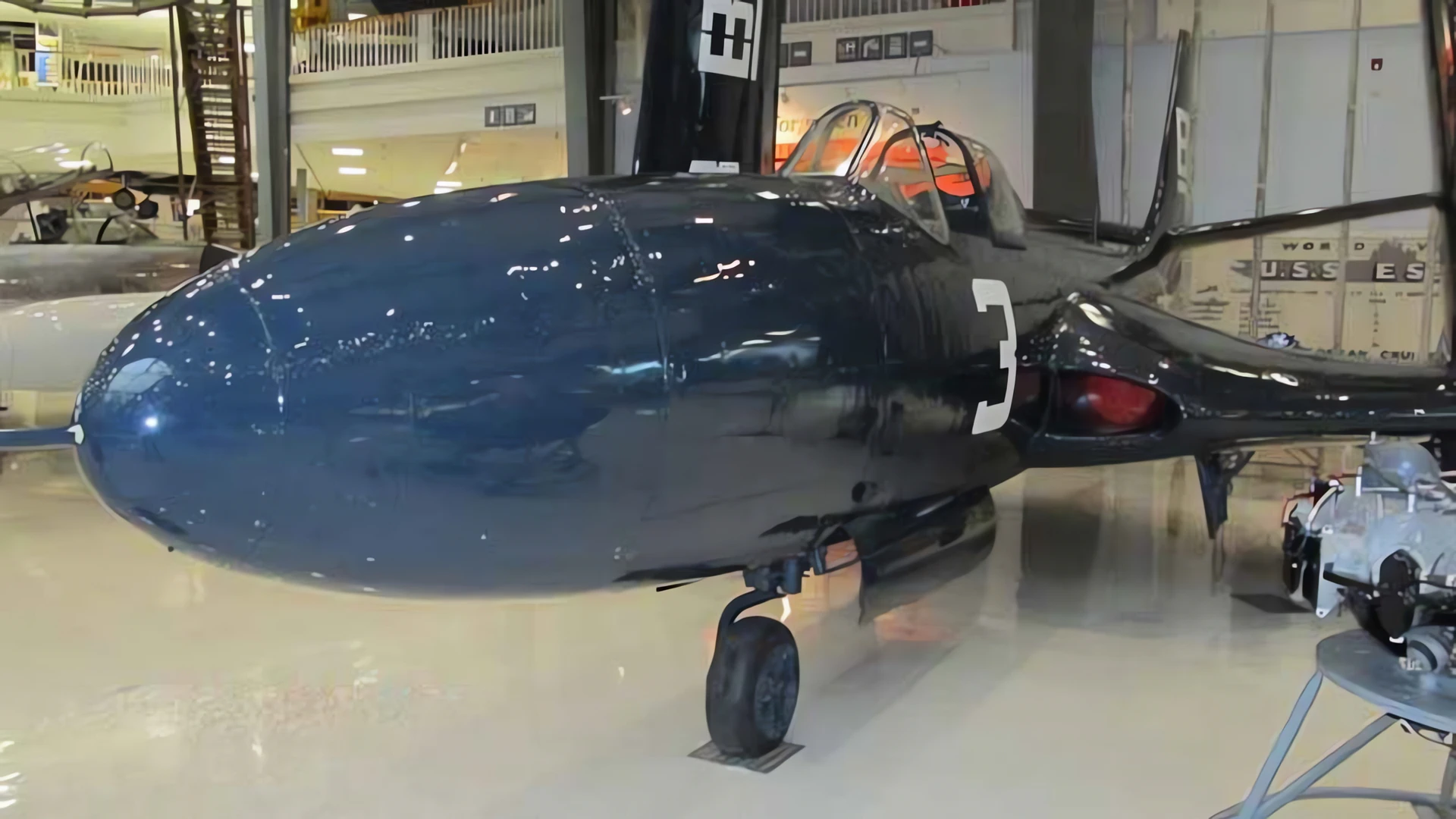
Den McDonnell FH Fantomen var ett tvåmotorigt stridsflygplan konstruerat och flög första gången under andra världskriget för USA:s flotta. Phantom var det första rent jetdrivna flygplanet som landade på ett amerikanskt hangarfartyg och det första jetplanet som användes av USA: s marinkår. Även om det i slutet av kriget endast byggdes 62 FH-1, hjälpte det till att bevisa livskraften hos bärarbaserade jetfighters. Som McDonnells första framgångsrika fighter, som ledde till utvecklingen av uppföljningen av F2H Banshee, som var en av de två viktigaste marinflygplanen i Koreakriget, skulle det också etablera McDonnell som en viktig leverantör av marinflygplan. När McDonnell valde att ta tillbaka namnet med Mach 2-klass McDonnell Douglas F-4 Phantom II, lanserade det vad som skulle bli det mest mångsidiga och mest använda västerländska stridsflygplanet under Vietnamkrigstiden, antaget av USAF och US Navy
Källkod: McDonnell FH Fantomen på Wikipedia
| McDonnell Douglas FH-1 Phantom Walk Around | |
|---|---|
| Fotograf | Cees Hendriks |
| Lokalisering | Unknow |
| Bilder | 24 |
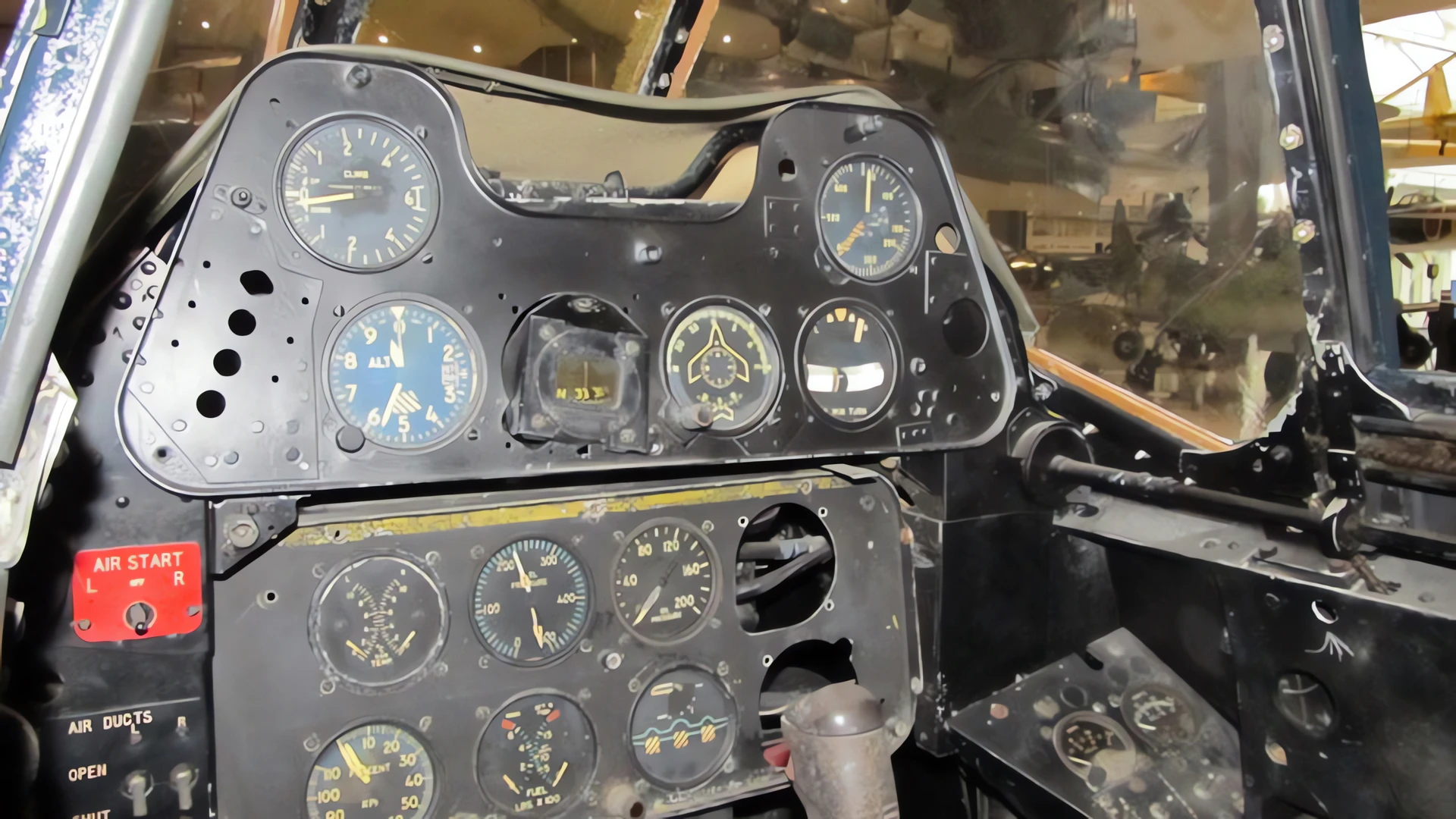
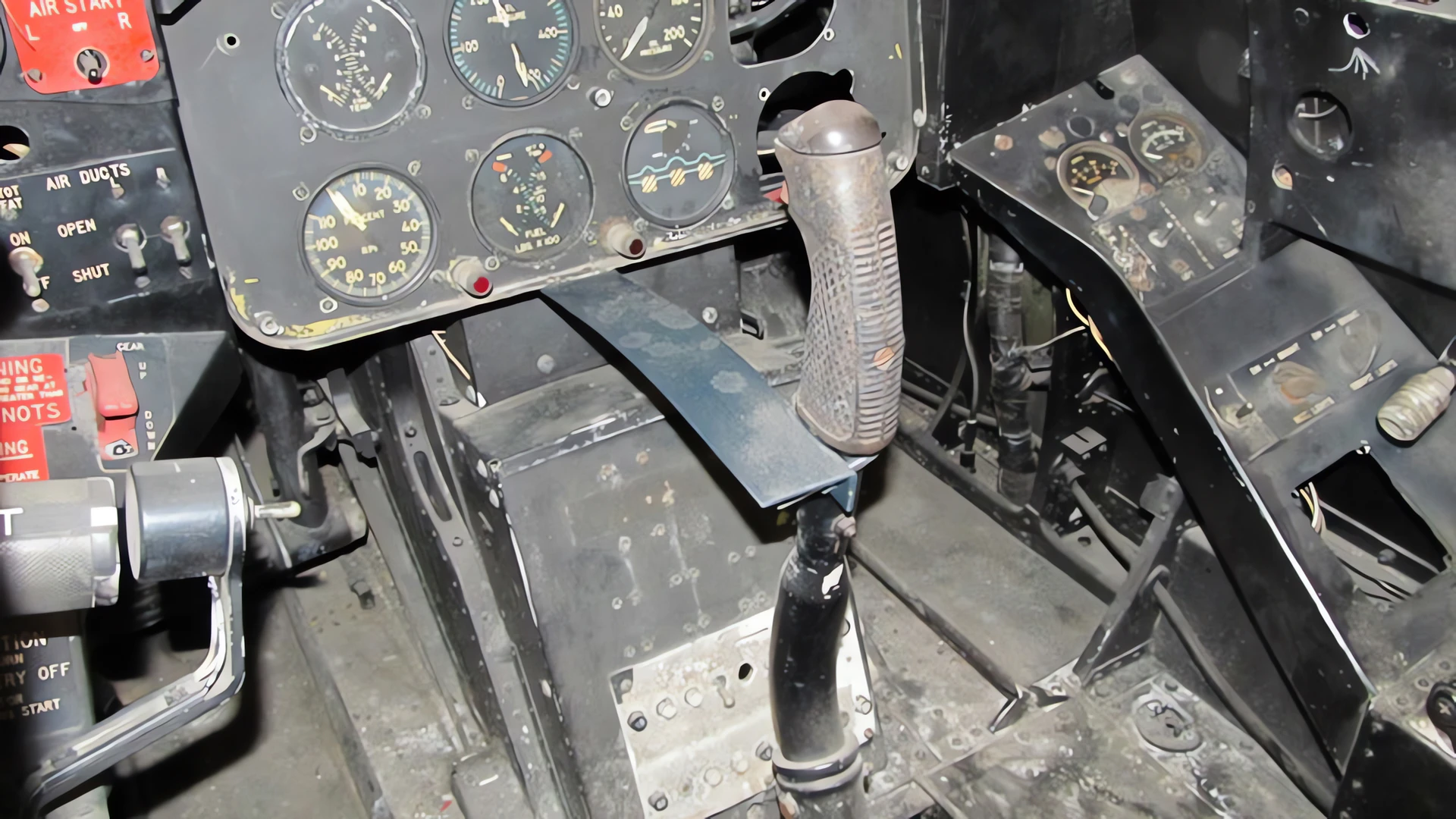
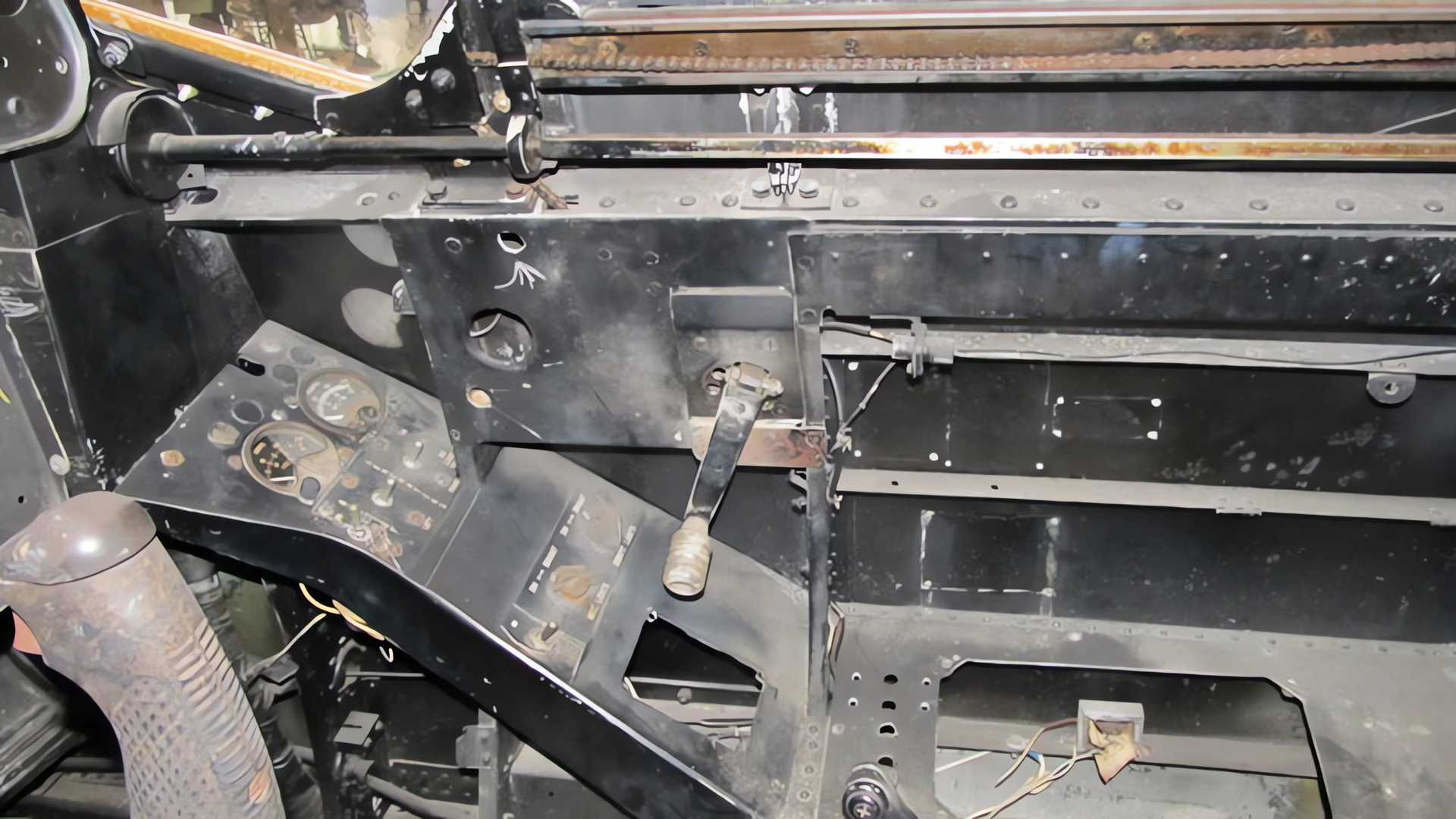
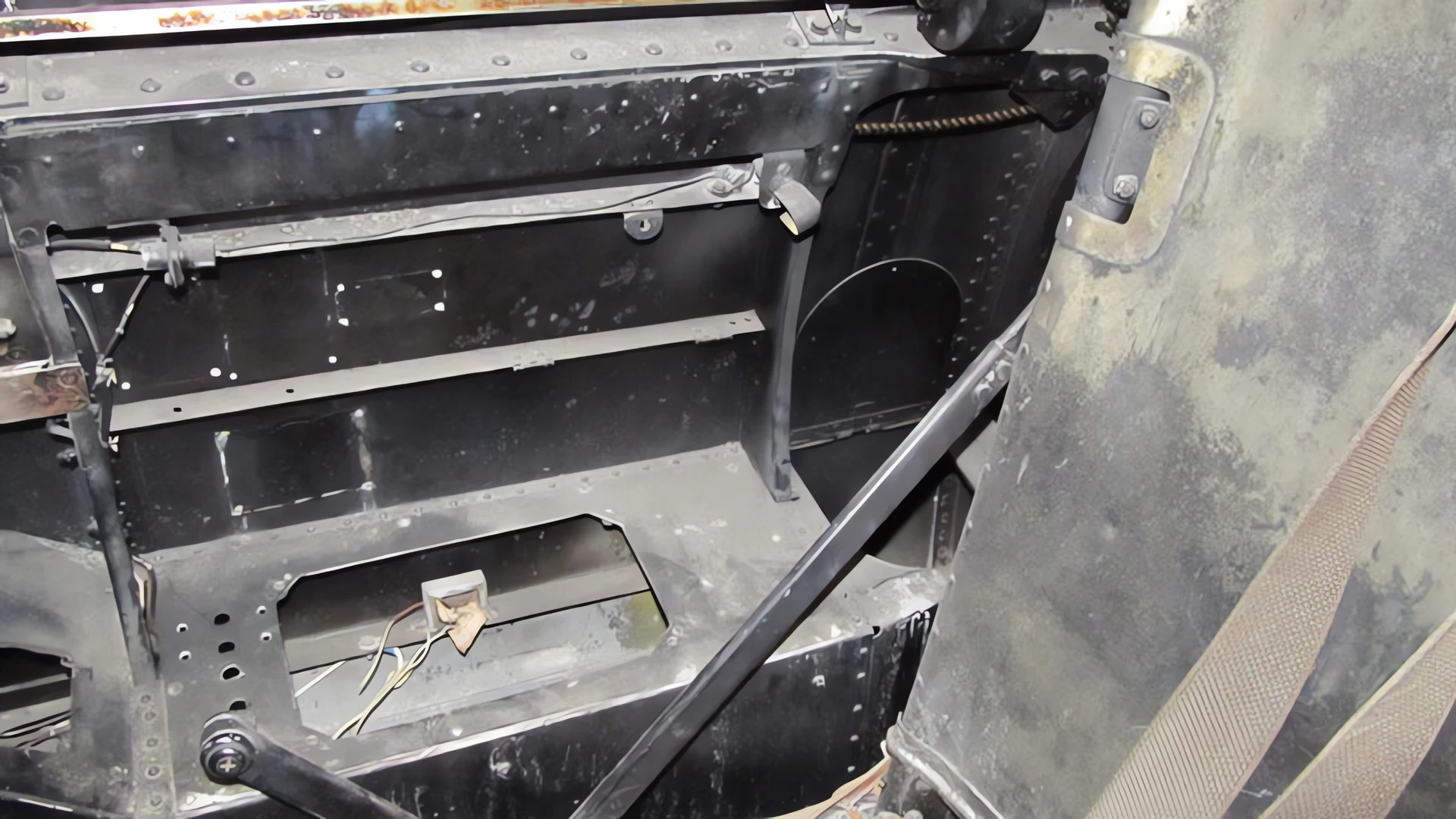
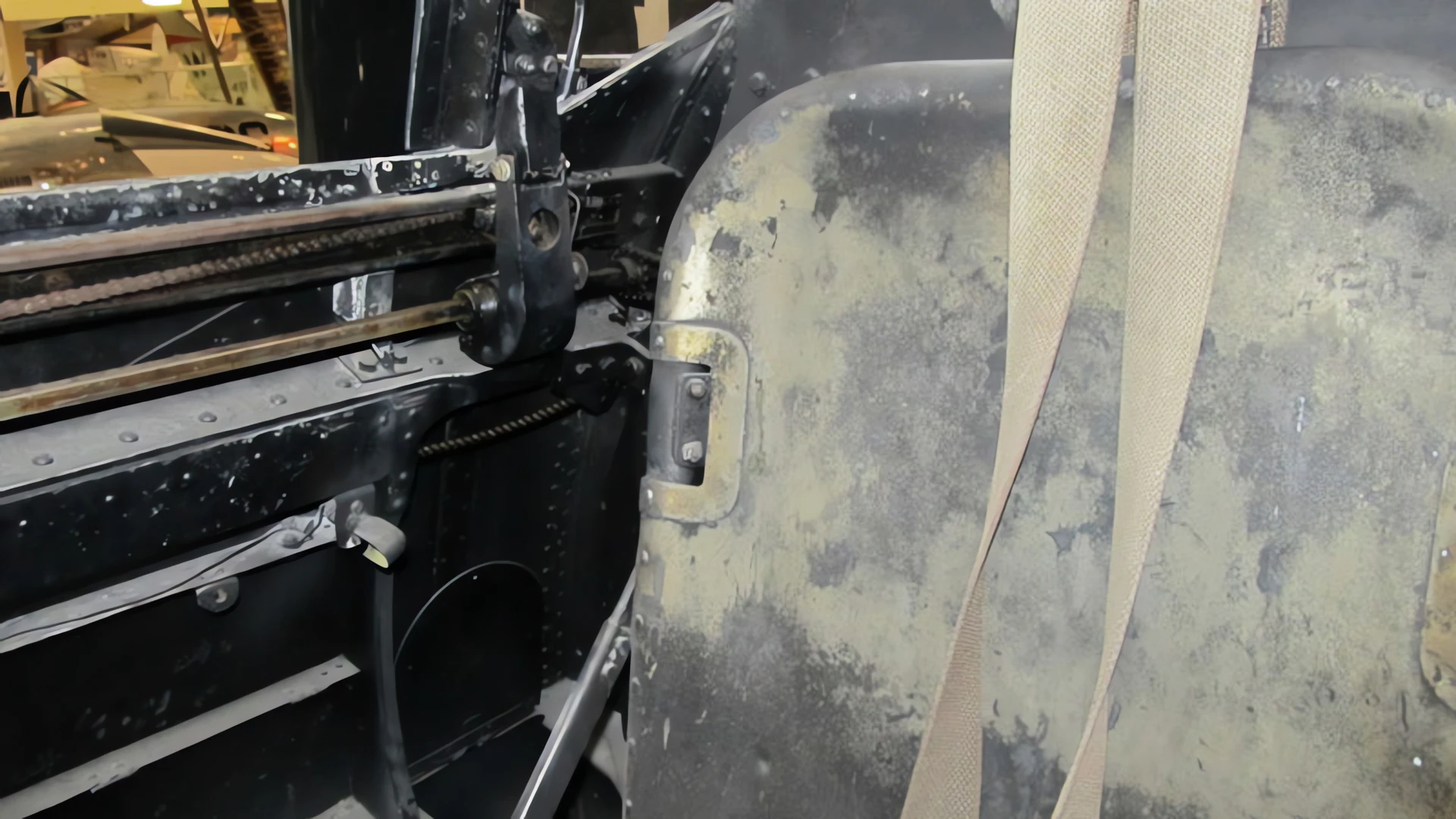
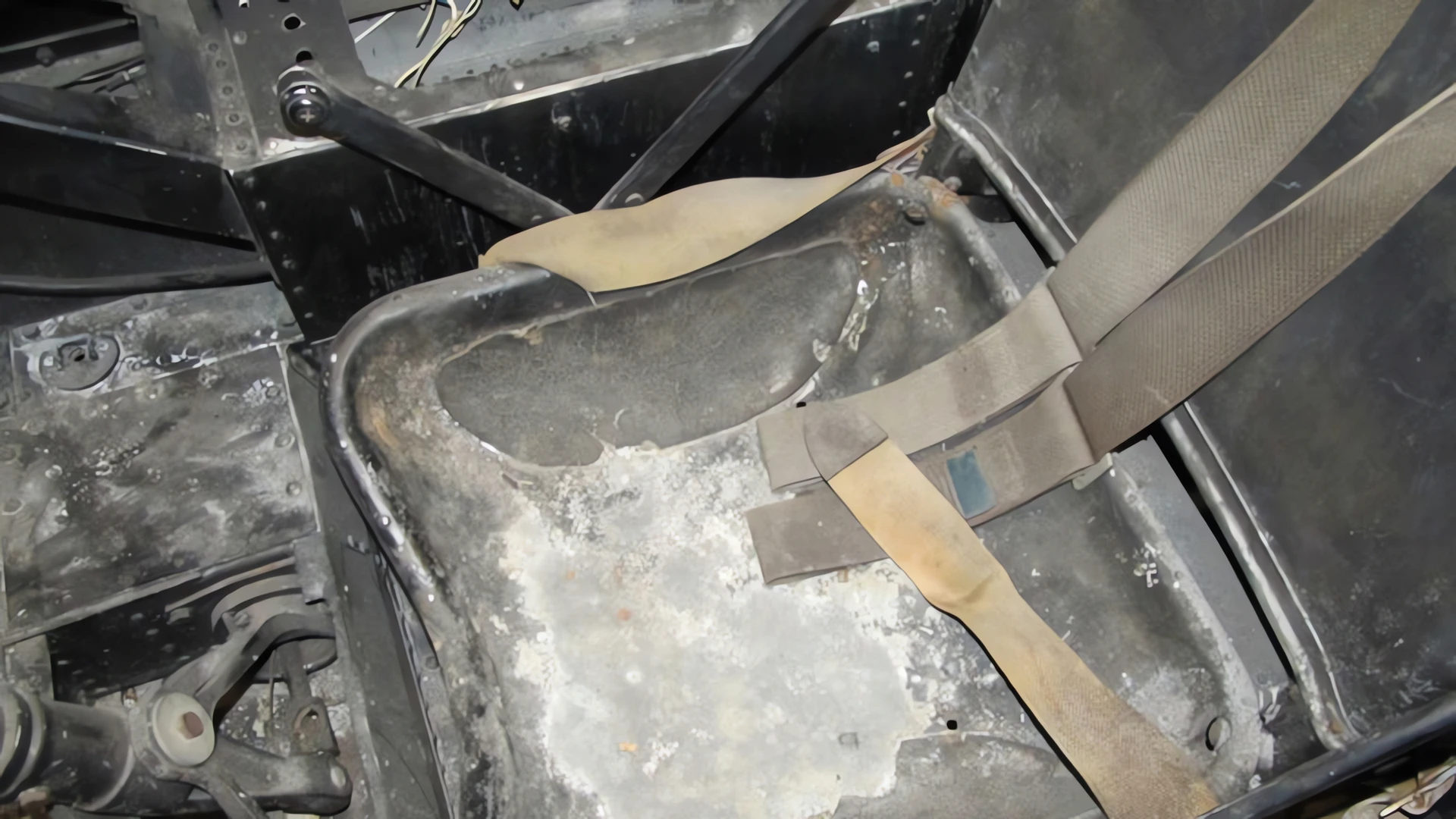
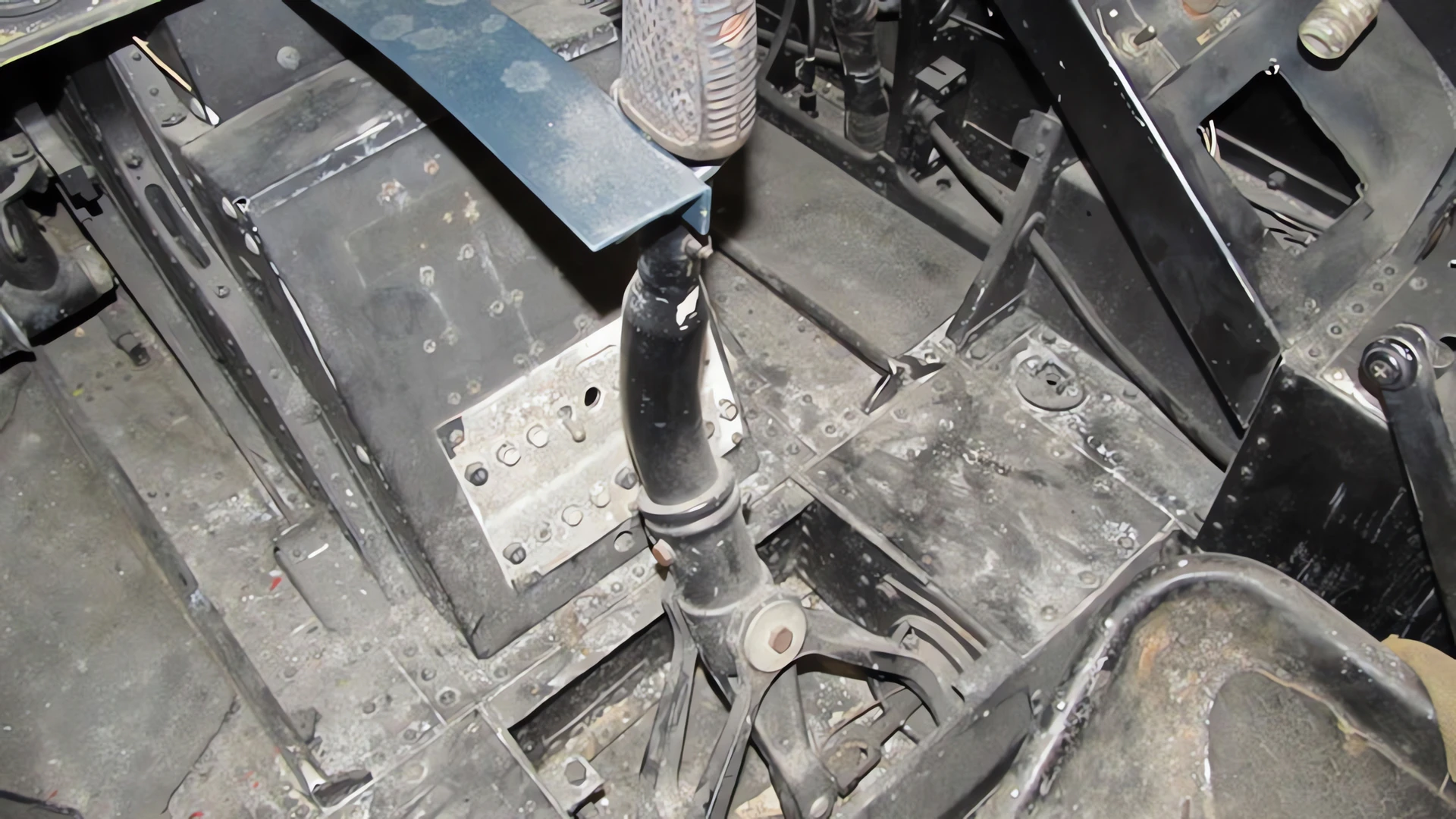
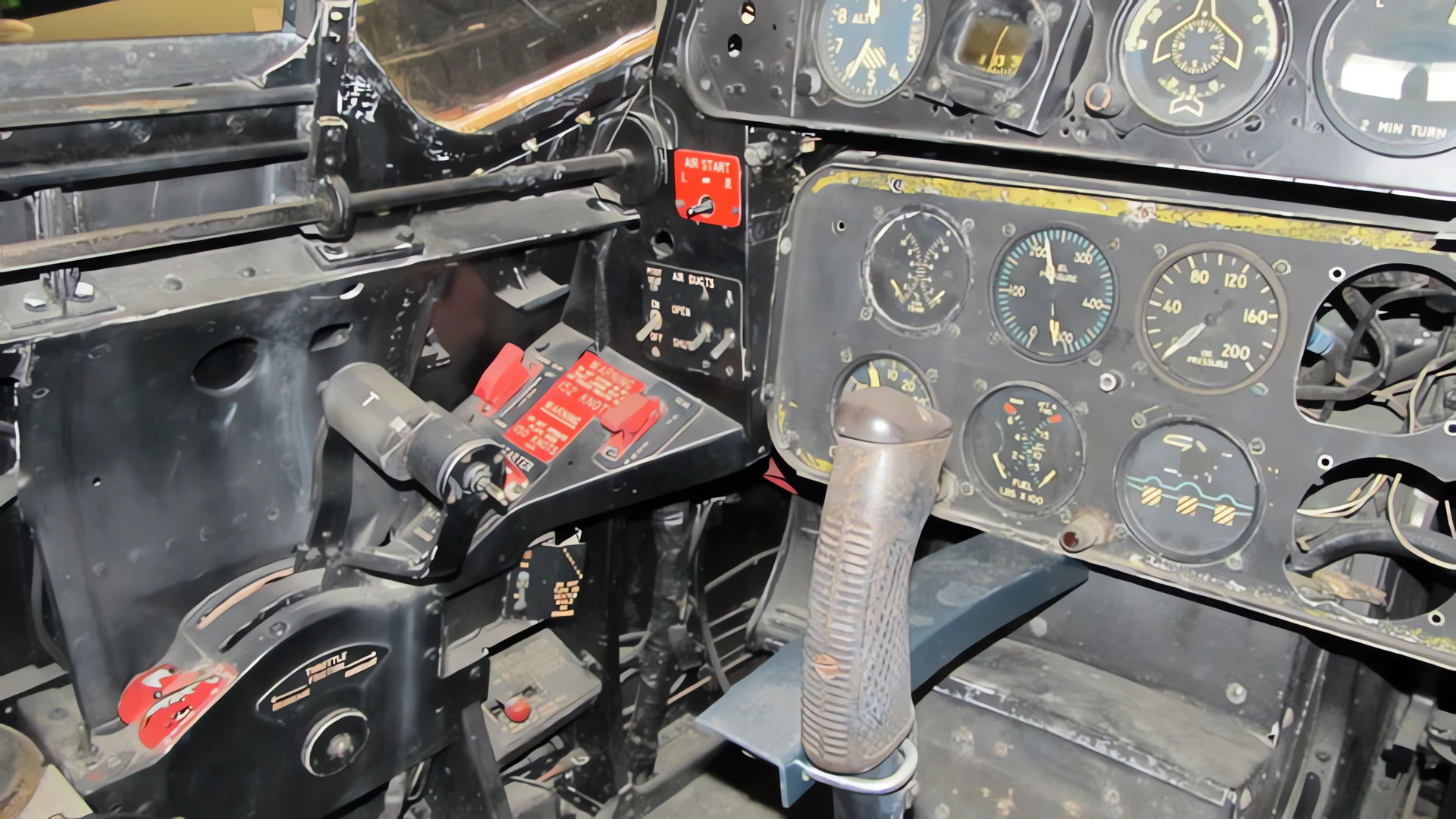

Se även:


The Navy’s Jet Foundation
Den McDonnell FH-1 Phantom (originally designated FD-1) was a twin-engine jet fighter that changed naval aviation forever. Developed in the closing years of WWII, it was designed to prove that pure-jet aircraft could successfully operate from carrier decks without the help of a piston engine. While its production run was small and its service life short, it provided the essential data that allowed the U.S. Navy to transition into the Jet Age, setting the stage for the more famous F2H Banshee and the legendary F-4 Phantom II.
| Attribute | Technical Specification (FH-1) |
|---|---|
| Roll | Carrier-based Fighter |
| besättning | 1 (Pilot) |
| First Flight | January 26, 1945 |
| Kraftverk | 2 × Westinghouse J30-WE-20 turbojets |
| Thrust | 1,600 lbf (7.1 kN) per engine |
| Maximum Speed | 479 mph (771 km/h) |
| Rate of Climb | 4,230 ft/min (1,289 m/min) |
| Beväpning | 4 × .50 cal (12.7 mm) M2 Browning machine guns |
Clean Lines and Buried Engines
- Wing-Root Integration: To minimize frontal area and drag, McDonnell engineers “buried” the small Westinghouse turbojets into the wing roots. This gave the FH-1 a remarkably clean aerodynamic profile compared to the bulky engine pods seen on the German Me 262 or British Meteor.
- Straight-Wing Efficiency: At the time, swept wings were still experimental. The FH-1 used a thin, straight wing that provided excellent lift and predictable handling during the low-speed, high-stress environment of a carrier landing.
- Tricycle Landing Gear: One of the first naval aircraft to utilize a nosewheel, the FH-1 offered pilots a much better view of the carrier deck during landing compared to traditional “taildraggers.”
- Squared-Off Tail: The vertical stabilizer featured a distinctive squared-off top, a design element that became a signature of early McDonnell jet fighters.
A Brief but Historic Career
- A Historic Landing: On July 21, 1946, Commander James Davidson made the first-ever landing and takeoff by an all-jet aircraft from a U.S. carrier, the USS Franklin D. Roosevelt, using an FH-1.
- The “Phantom Knights”: Marine Fighter Squadron 122 (VMF-122) became the first Marine squadron to be equipped with jets when they received the FH-1 in 1947. They were famously known as the “Phantom Knights” and formed the first Marine jet aerobatic team.
- Rapid Obsolescence: Because engine technology was advancing at a breakneck pace, the FH-1 was underpowered by the time it reached full squadron strength. It was quickly replaced by its larger, more powerful successor, the F2H Banshee.
- Preservation: Only 62 Phantoms were built. Today, rare survivors can be found at the Nationella luft- och rymdmuseet och National Museum of Naval Aviation.
Visningar : 2409
Du kan också se:
 McDonnell XF-85 Goblin – Foton &; Videor
 Lockheed P-3 Orion – Foton &; Video
 McDonnell Douglas F/A-18 Hornet – Foton &; Video
 McDonnell F3H Demon – Foton &; Video
 McDonnell F2H Banshee – Foton &; Video
 McDonnell Douglas KC-10 Extender – Foton &; Video
 McDonnell Douglas T-45 Goshawk – Bilder &; Video
 McDonnell F-101B Voodoo – Bilder &; Video
 Fairey Battle – WalkAround
 Hawker Sea Fury – Gå runt