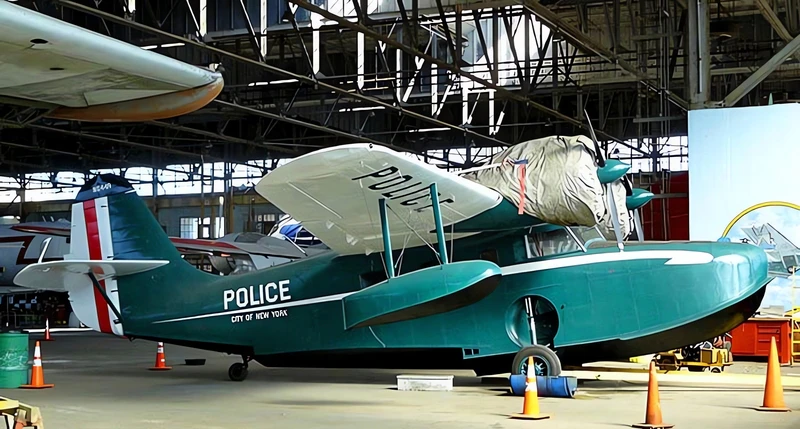
Grumman G-21 Goose | |
|---|---|
| Land | Usa |
| Roll | Transport amfibiska flygplan |
| Första flygningen | 1937 |
| Byggd | 345 |
Den Grumman G-21 Gås är en amfibisk flygande båt designad av Grumman för att fungera som ett åttasitsigt "pendlarflygplan" för affärsmän i Long Island-området. Goose var Grummans första monoplan att flyga, dess första tvåmotoriga flygplan och dess första flygplan som gick in i kommersiell flygtjänst. Under andra världskriget blev gåsen en effektiv transport för den amerikanska militären (inklusive USA: s kustbevakning), samt tjänstgjorde med många andra flygvapen. Under fientligheterna tog gåsen på sig ett ökande antal strids- och träningsroller.
Källkod: Grumman G-21 Goose på Wikipedia
| Grumman G-21 Goose Walk Around | |
|---|---|
| Photographer | Bill Maloney |
| Localisation | Unknow |
| Photos | 16 |


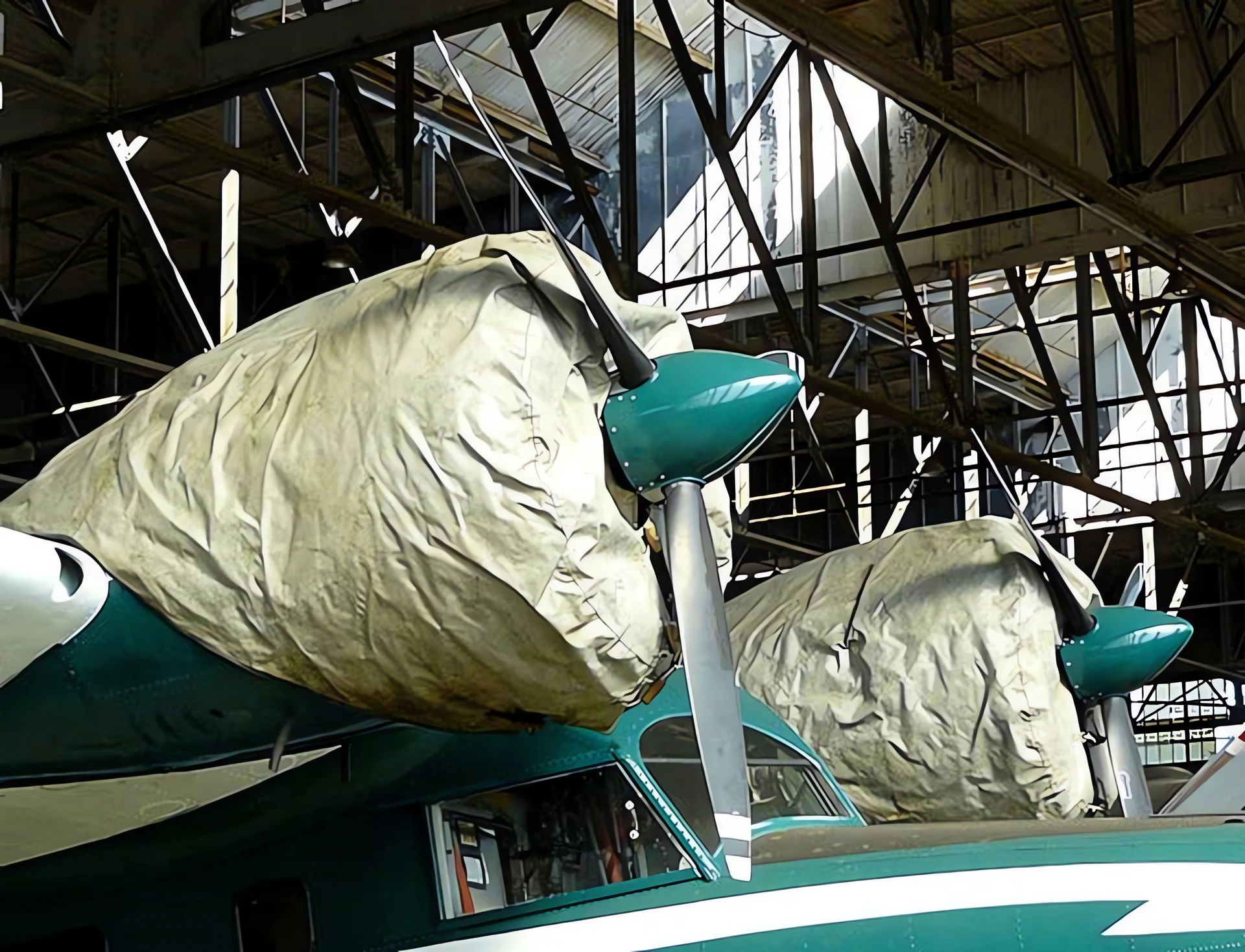
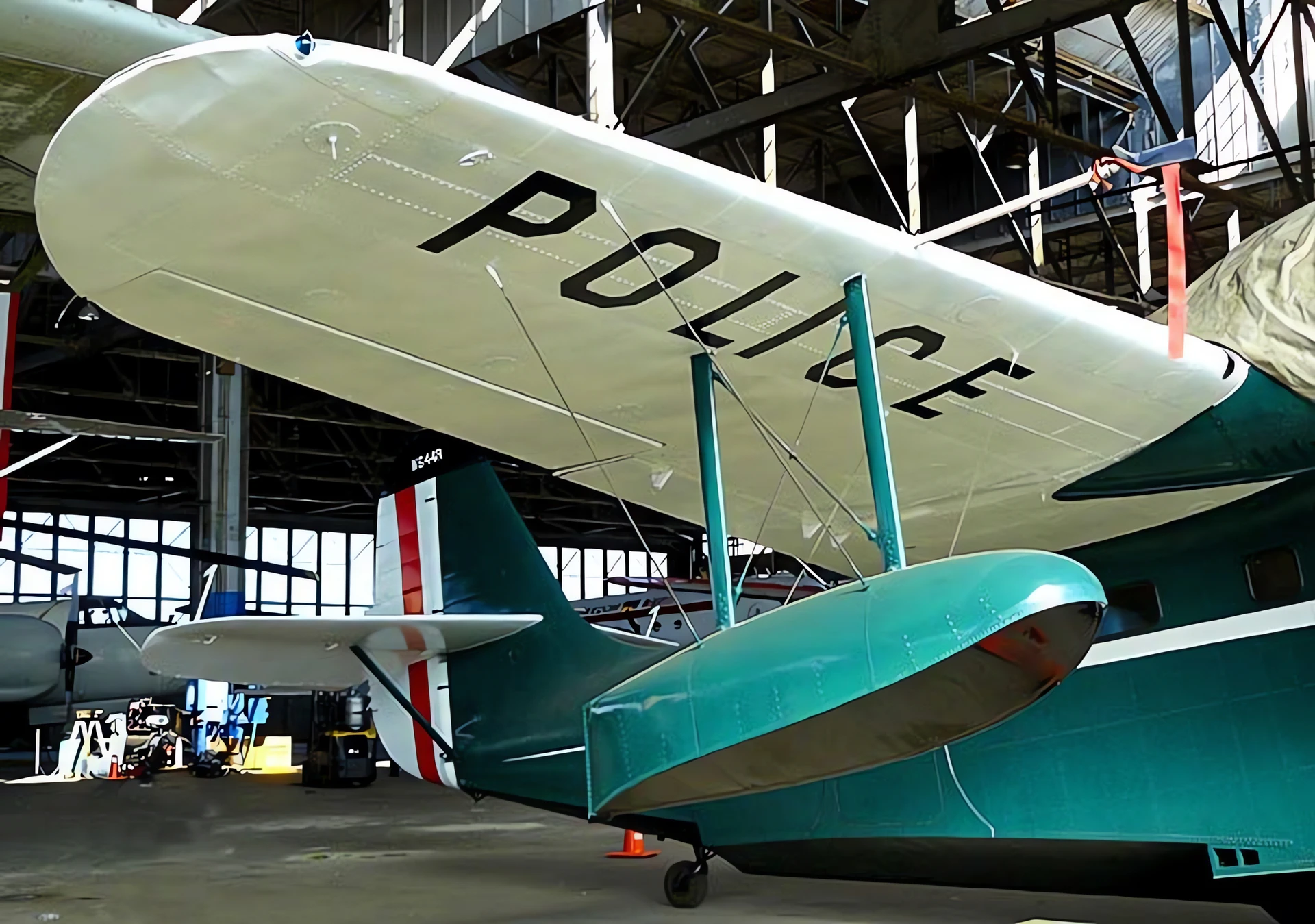
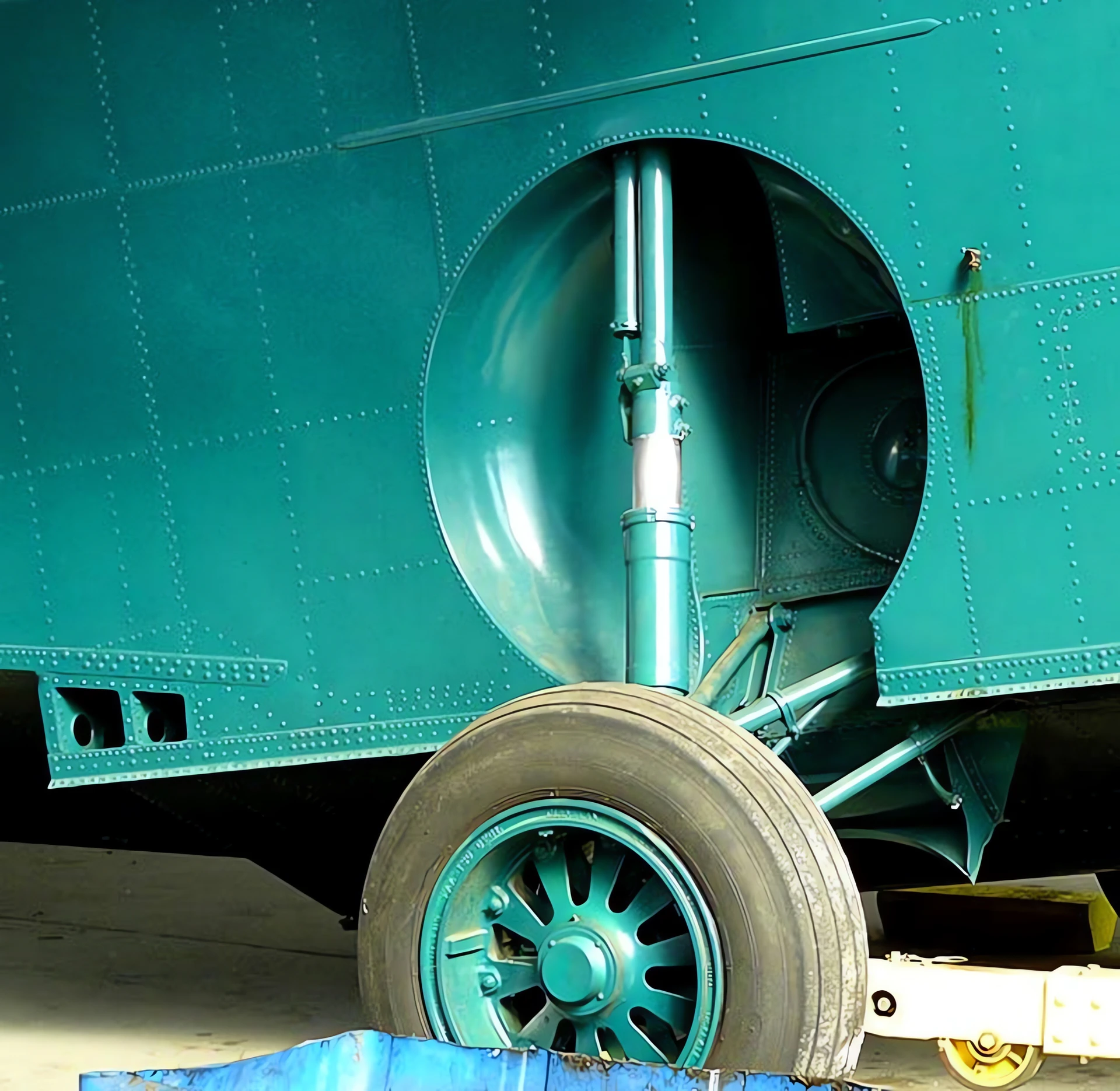
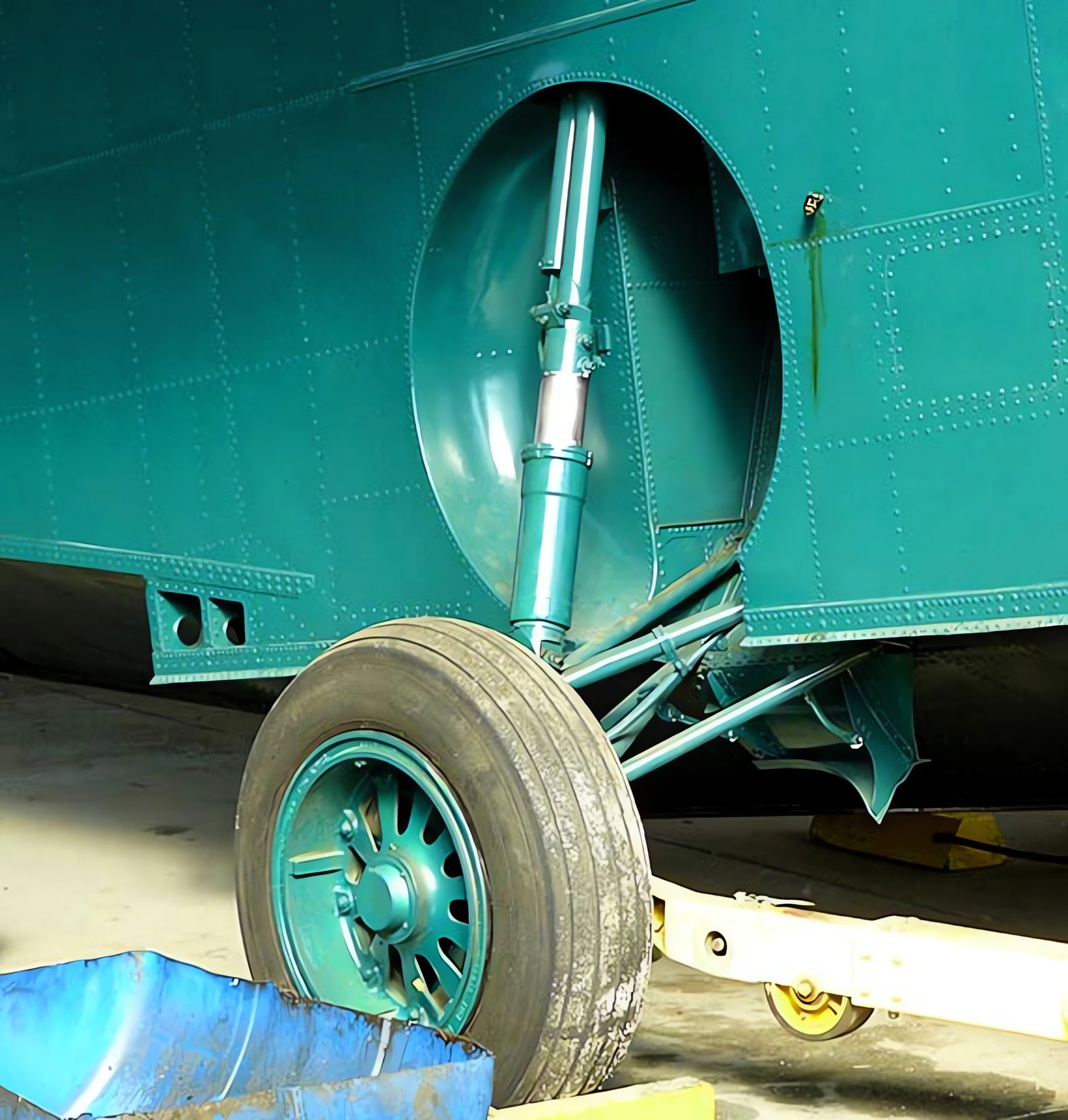

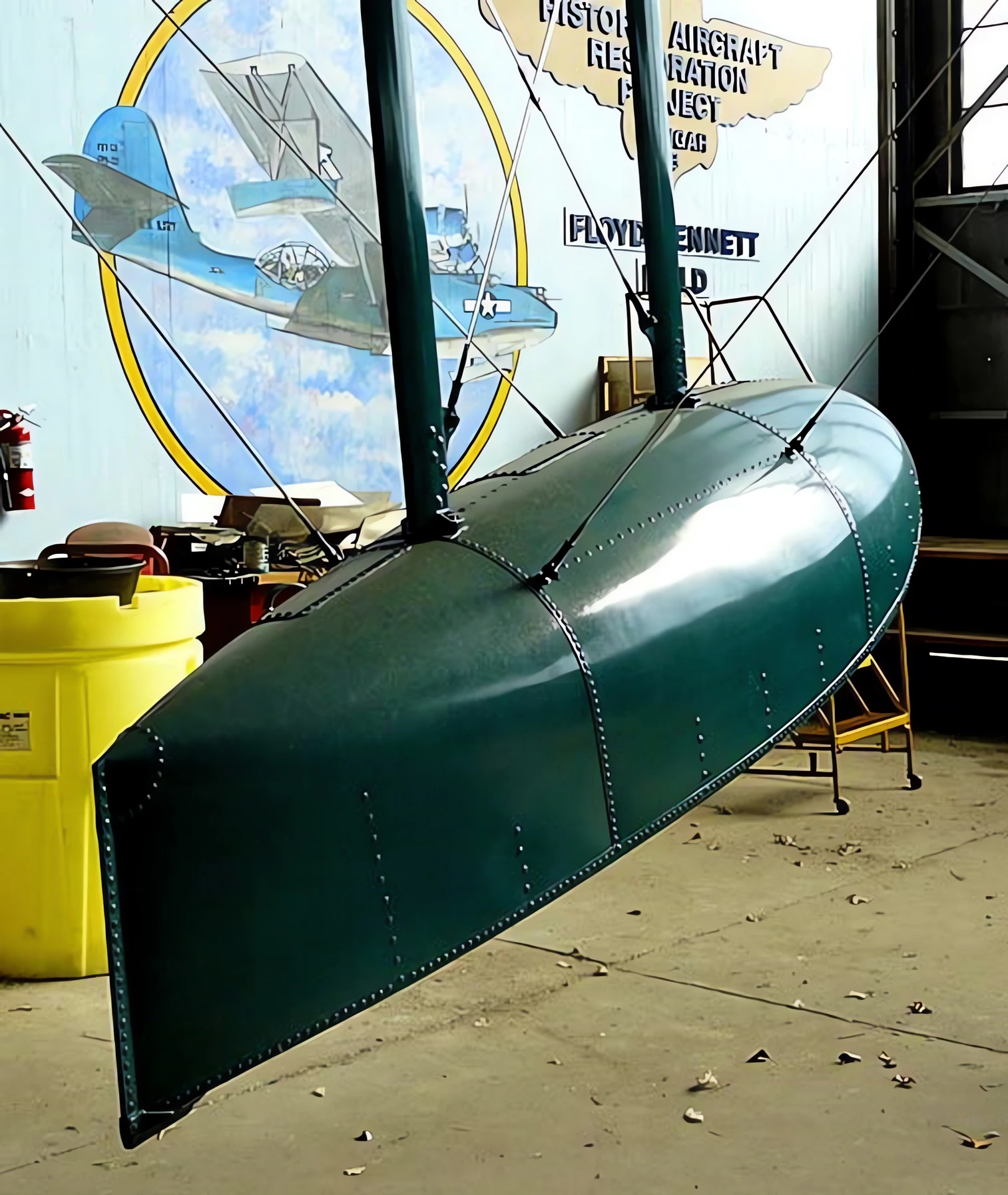


| Grumman Goose Walk Around | |
|---|---|
| Photographer | Unknow |
| Localisation | Unknow |
| Photos | 42 |
Se även:


General Characteristics and Role
The Grumman G-21 Goose is an American amphibious aircraft developed in the mid-1930s. It was the first monoplane designed by Grumman to enter commercial service. Originally built as a comfortable “commuter” for wealthy businessmen in the Long Island area who needed a reliable way to fly between their estates and New York City, the Goose quickly proved its versatility. Its ability to land on both water and land (thanks to its retractable landing gear) made it highly valued. During World War II, the Goose was adopted by the US military (as the JRF in the Navy/Coast Guard and OA-9 in the Army Air Forces) and the UK’s Royal Air Force for roles including anti-submarine patrol, search and rescue (SAR), and utility transport.
| Property | Typical Value (G-21A) |
|---|---|
| Roll | Amphibious Utility Transport / Patrol Bomber |
| National Origin | USA |
| Tillverkare | Grumman Aircraft Engineering Corporation |
| First Flight | 29 May 1937 |
| besättning | 1–2 (Pilot, Co-Pilot) |
| Capacity (Passengers) | 5–7 passengers |
| längd | 11.74 m (38 ft 6 in) |
| Spännvidd | 14.94 m (49 ft 0 in) |
| höjd | 4.93 m (16 ft 2 in) |
| Empty Weight | 2,437 kg (5,375 lb) |
| Max Takeoff Weight | 3,402 kg (7,500 lb) |
Powerplant and Performance
- Engine: 2 x Pratt & Whitney R-985 Wasp Junior nine-cylinder, air-cooled radial engines.
- Power Output (Total): 670 kW (900 hp).
- Propeller: Hamilton Standard constant-speed propellers.
- Maximum Speed: 324 km/h (201 mph; 175 kn).
- Cruise Speed: 305 km/h (190 mph).
- Range: 1,030 km (640 mi; 560 nmi).
- Service Ceiling: 6,400 m (21,000 ft).
Design and Unique Characteristics
- Hull: All-metal monocoque hull for water operations.
- Amphibious Gear: Features fully retractable landing gear, with the main wheels retracting into the side of the hull. The retractable gear provides versatility but adds complexity and weight.
- Legacy: The Goose established Grumman as a major player in aviation and led to a line of successful amphibian aircraft, including the larger Mallard and Albatross.
- Post-War Service: Many surplus military JRFs were converted back to civilian G-21s, seeing long service in Alaska, Canada, and the Caribbean as regional airliners.
Visningar : 3313
Du kan också se:
 Northrop Grumman X-47B – Foton & Videor
 Sikorsky S-39 – Foton &; Videor
 Northrop Grumman EA-6B Prowler – Bilder &; Video
 Grumman E-1 Tracer – Foton & Video
 Grumman F-9 Cougar – Foton &; Video
 Grumman F9F Panther – Foton &; Video
 Grumman F6F Hellcat – Foton &; Video
 C-2A Greyhound – Foton &; Video
 Grumman S-2 Tracker – Foton &; Video
 Grumman F8F Bearcat – Foton &; Video