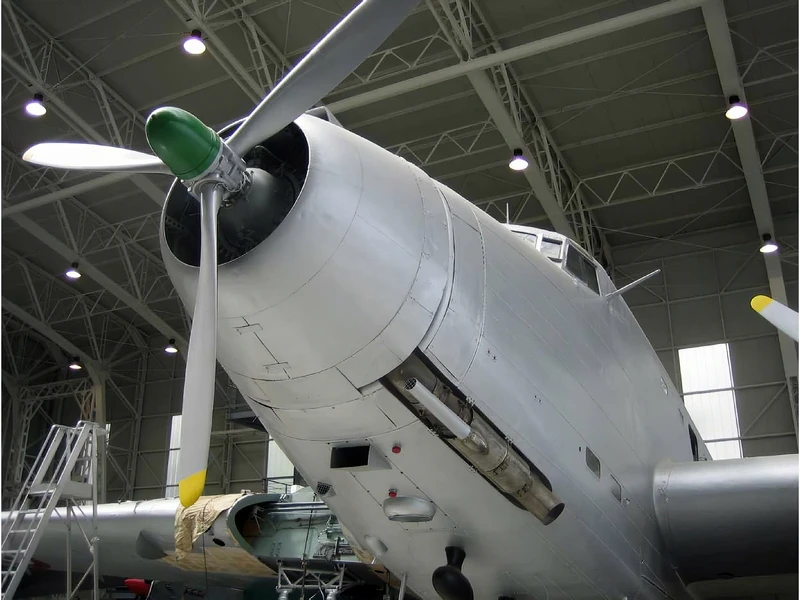
Savoia-Marchetti SM.82 | |
|---|---|
| Zemlja | Italia |
| Ulogu | Teški bombarder/transport |
| Prvi let | 1939 |
| Broj je napravljen | 726+1 |
Čaj Savoia-Marchetti SM.82 bio italijanski bombarder i transportni avion Drugog svetskog rata. Bio je to kantilever, srednji monoplane trimotor sa povlačenjem, podvođenjem repa. Izgrađeno je 875 (plus jedan prototip) koji je prvi put ušao u službu 1940. Iako je u stanju da deluje kao bombarder sa maksimalnim tovarom bombe do 8.818 kg (4000 kg), SM.82 je zabeležio veoma ograničenu upotrebu u ovoj ulozi. SM.82 je bio strani avion koji je u najvećem broju koristio Luftvafe, koji je upravljao sa nekoliko stotina ovog aviona, kao transport. Posleratnih oko 30 SM.82 nastavljeno je u službi aeronautike Militare Italiana, od kojih su mnogi ostali u službi do početka šezdesetih godina.
| Savoia-Marchetti SM-82 Canguru Walk Around | |
|---|---|
| Fotografi | Nepoznato |
| Lokalizacija | Nepoznato |
| Fotografije | 14 |
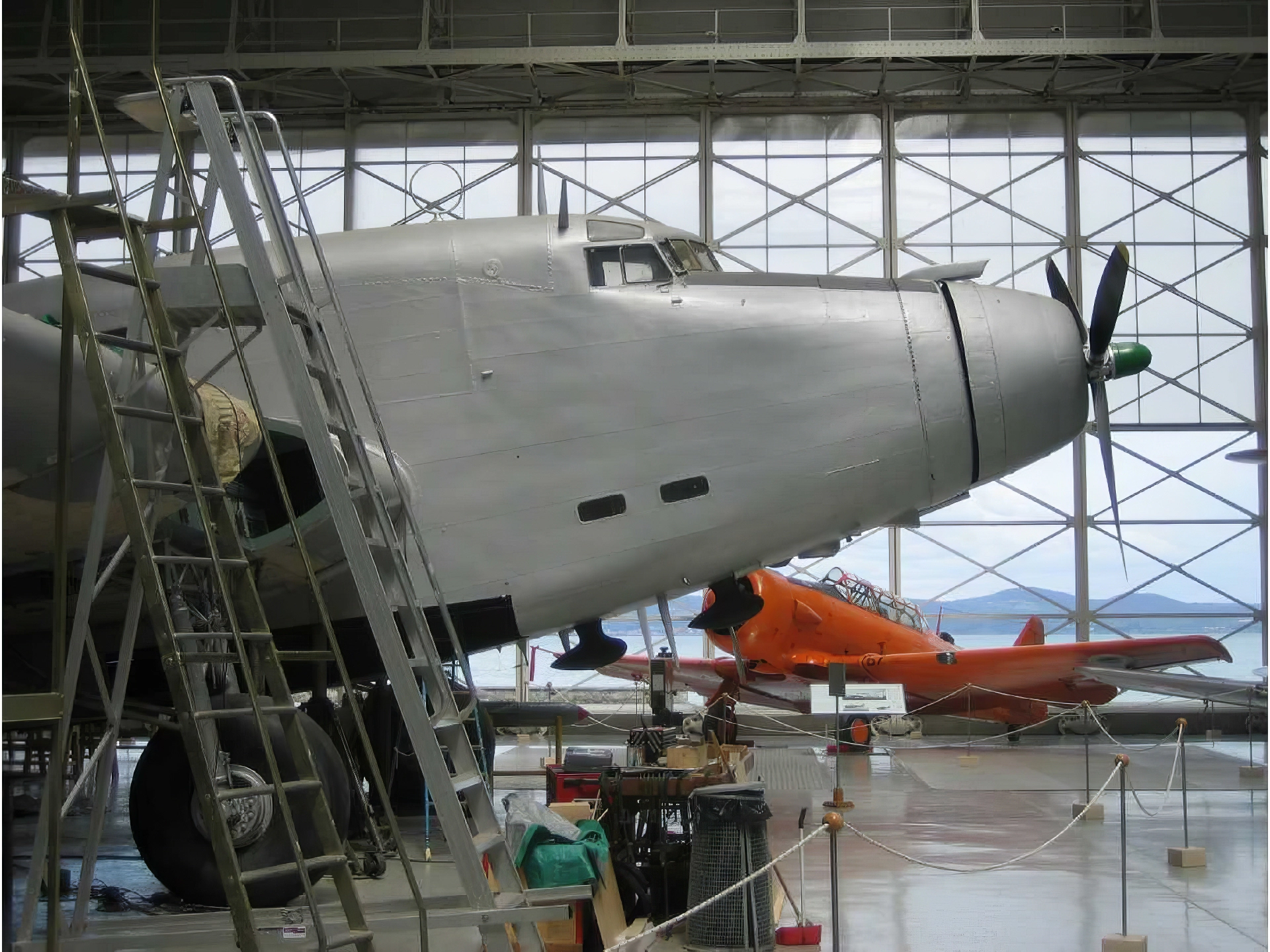
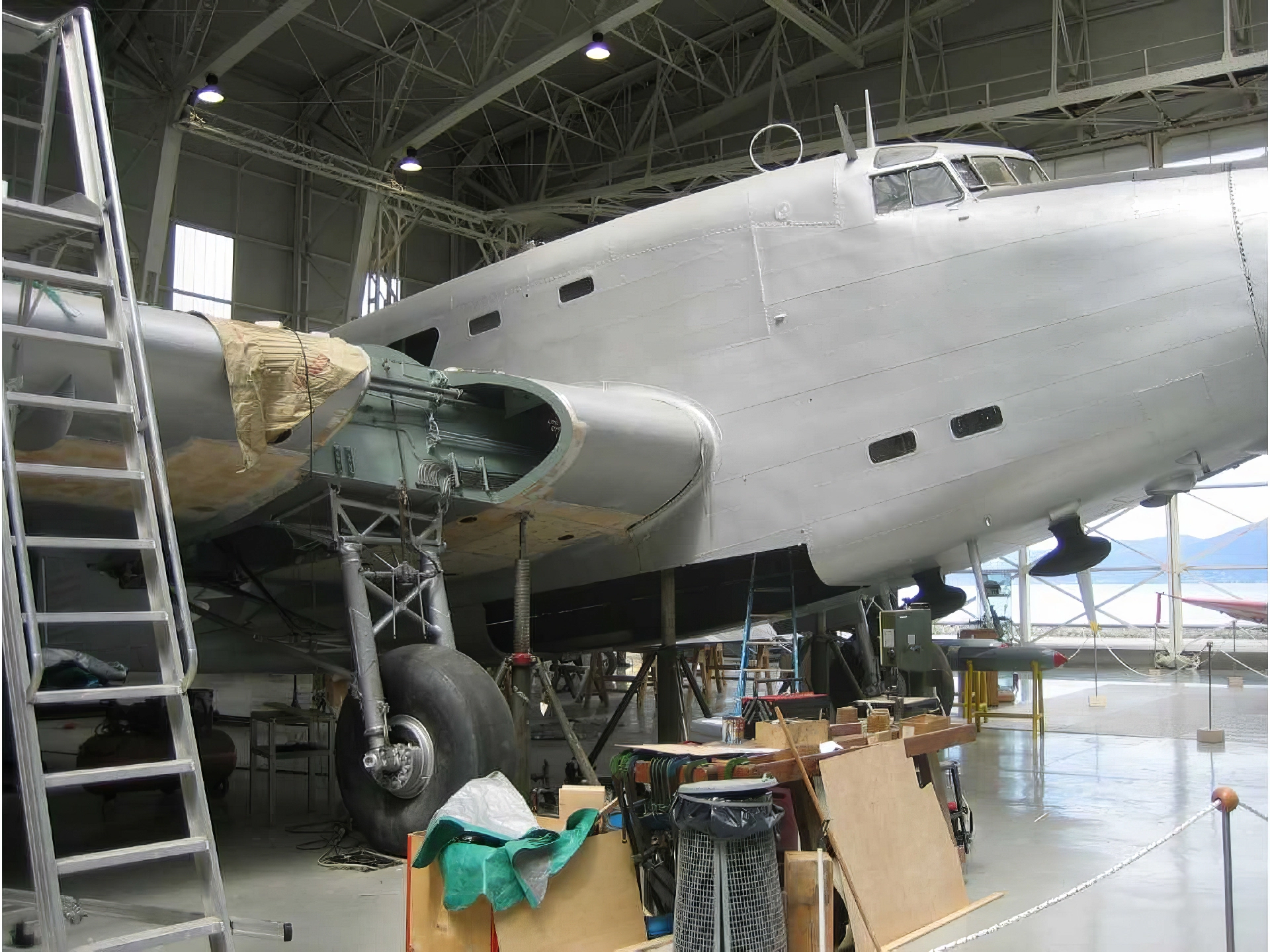
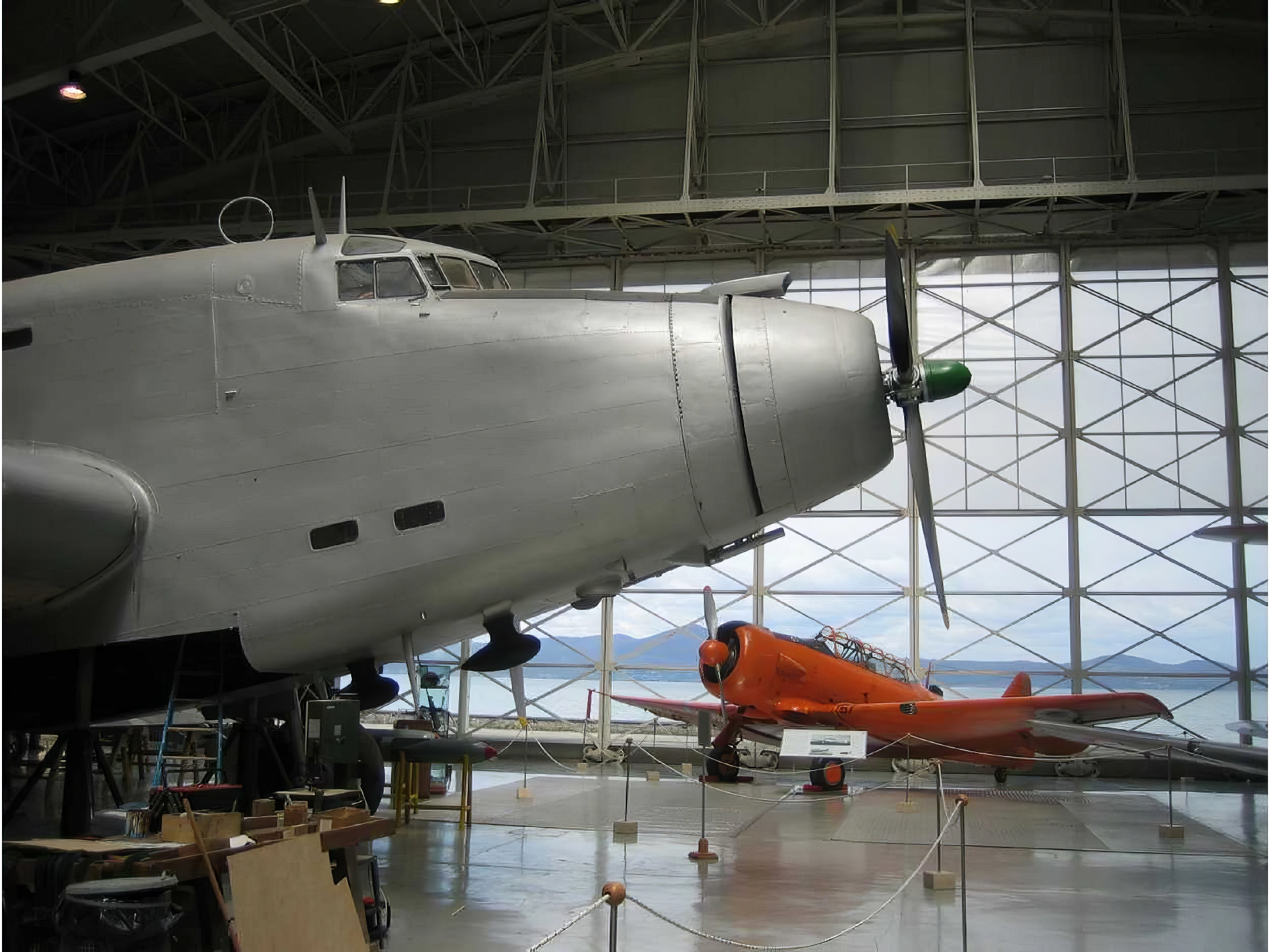
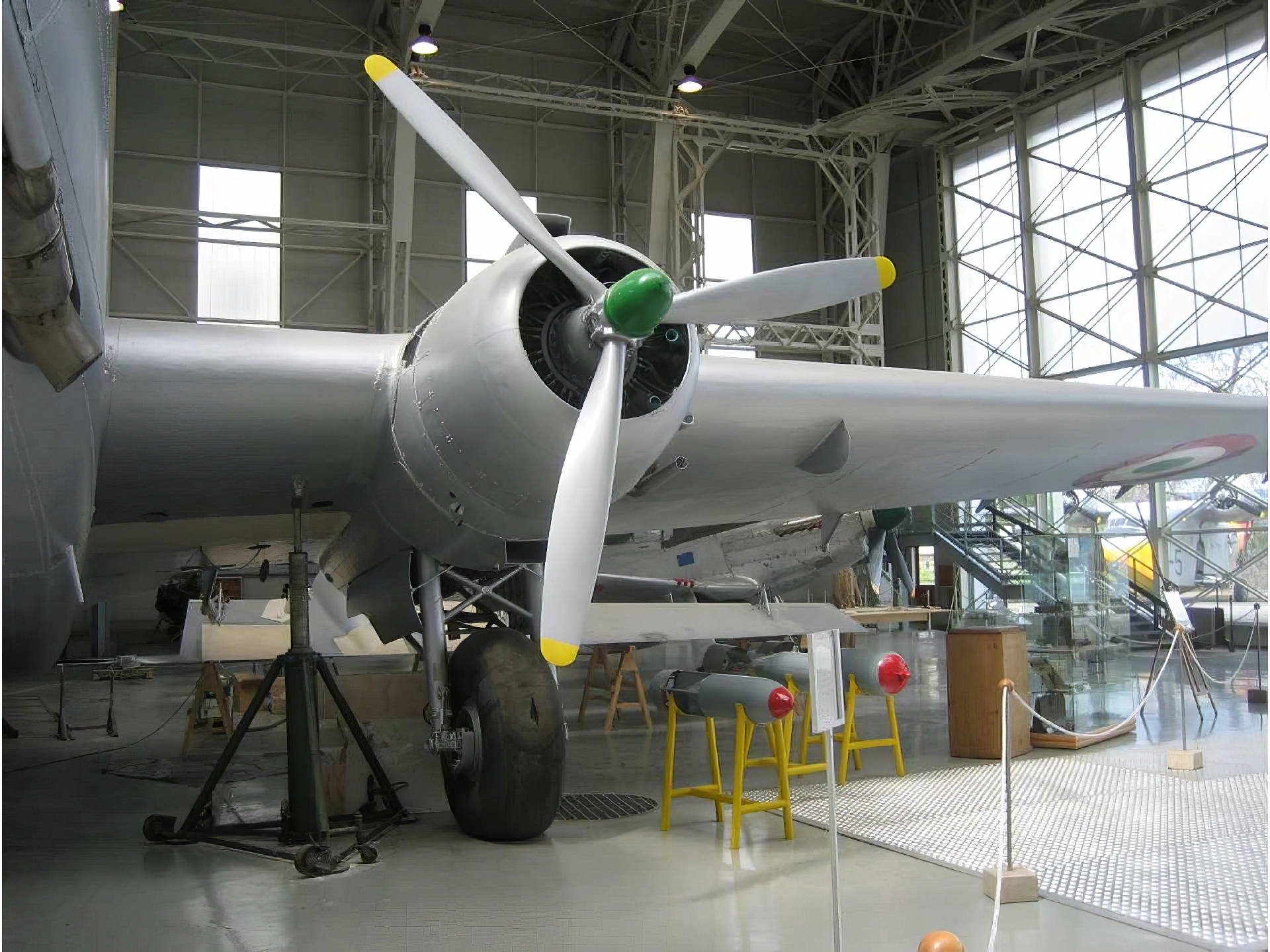
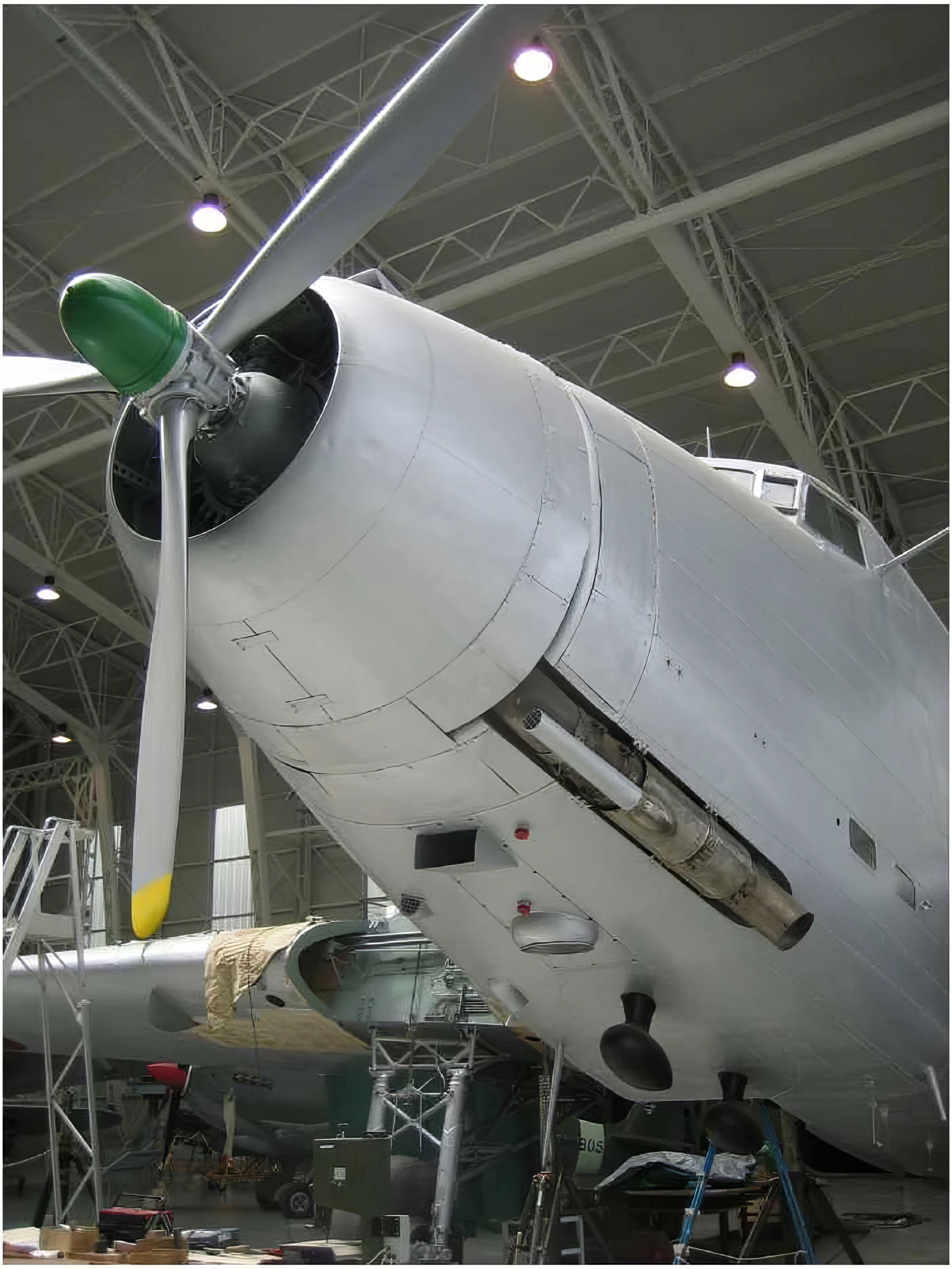
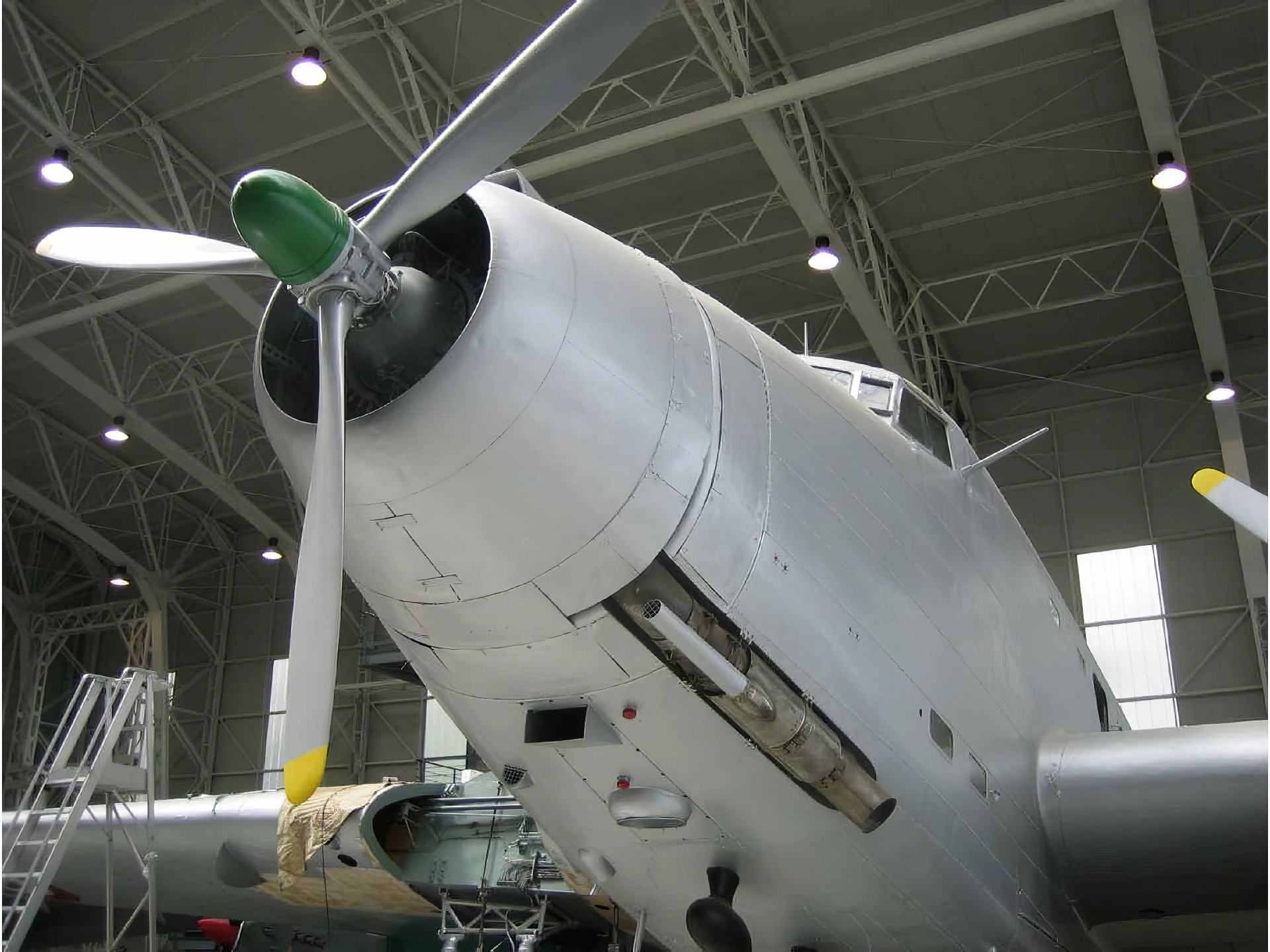
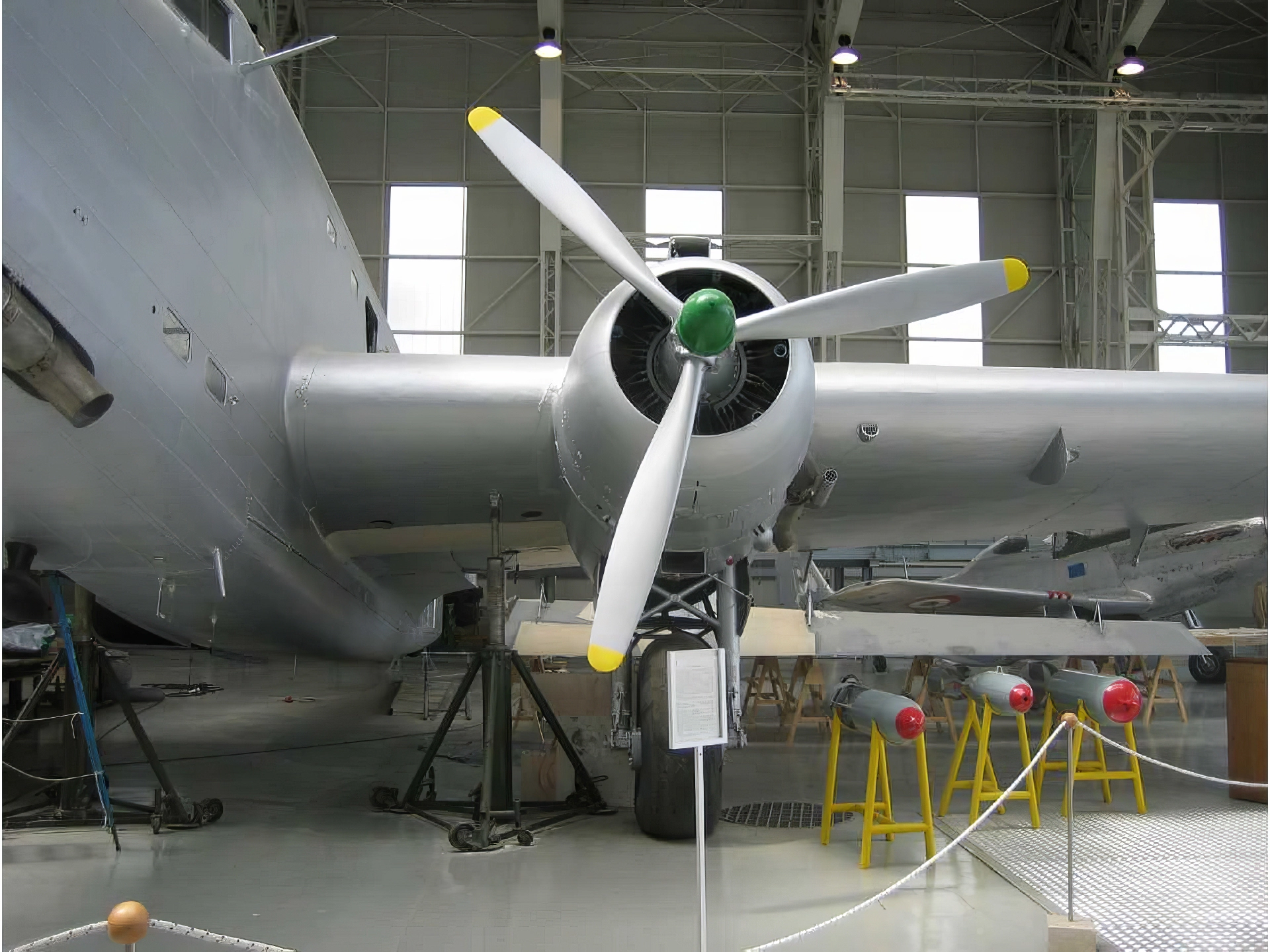
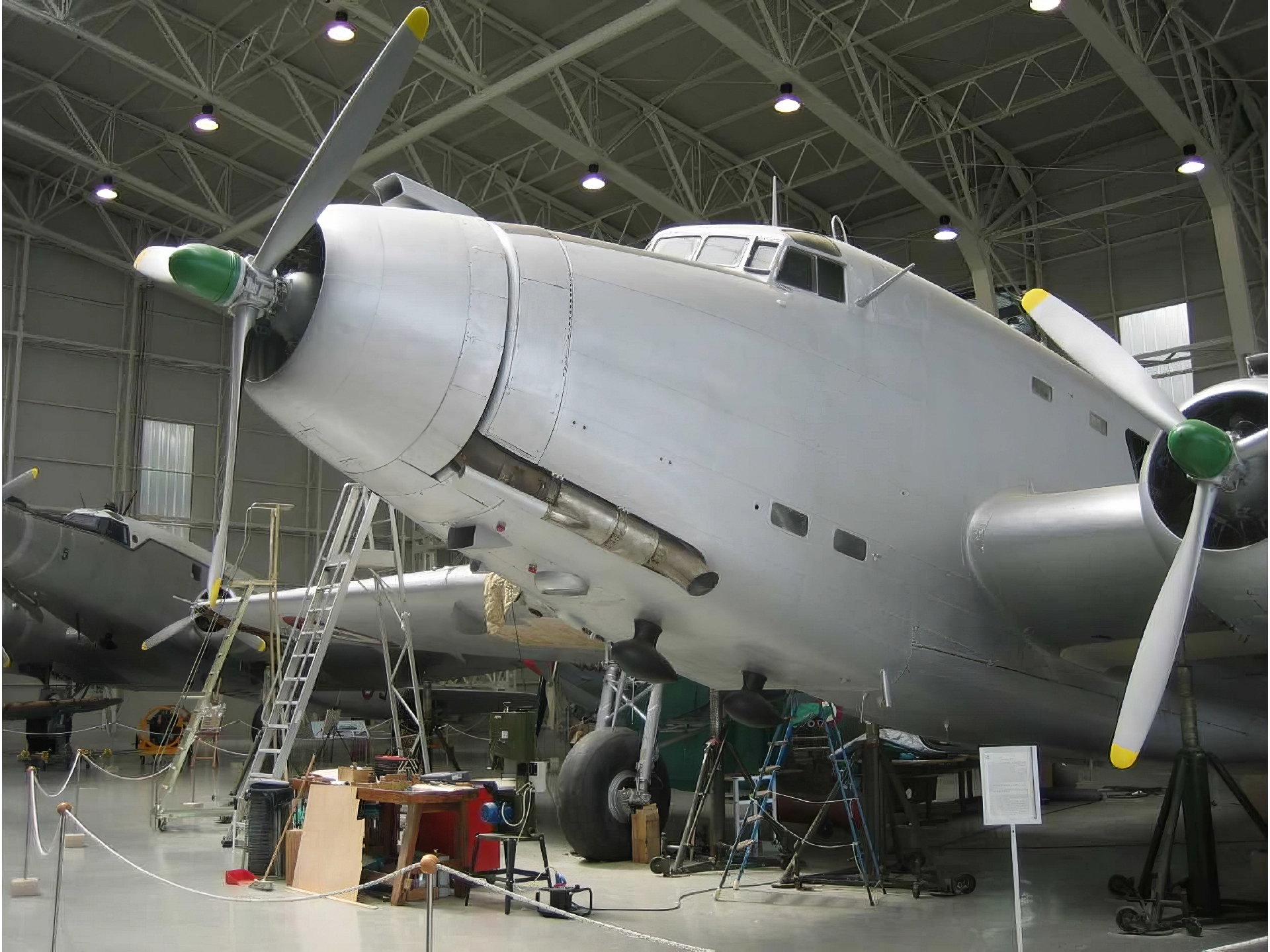
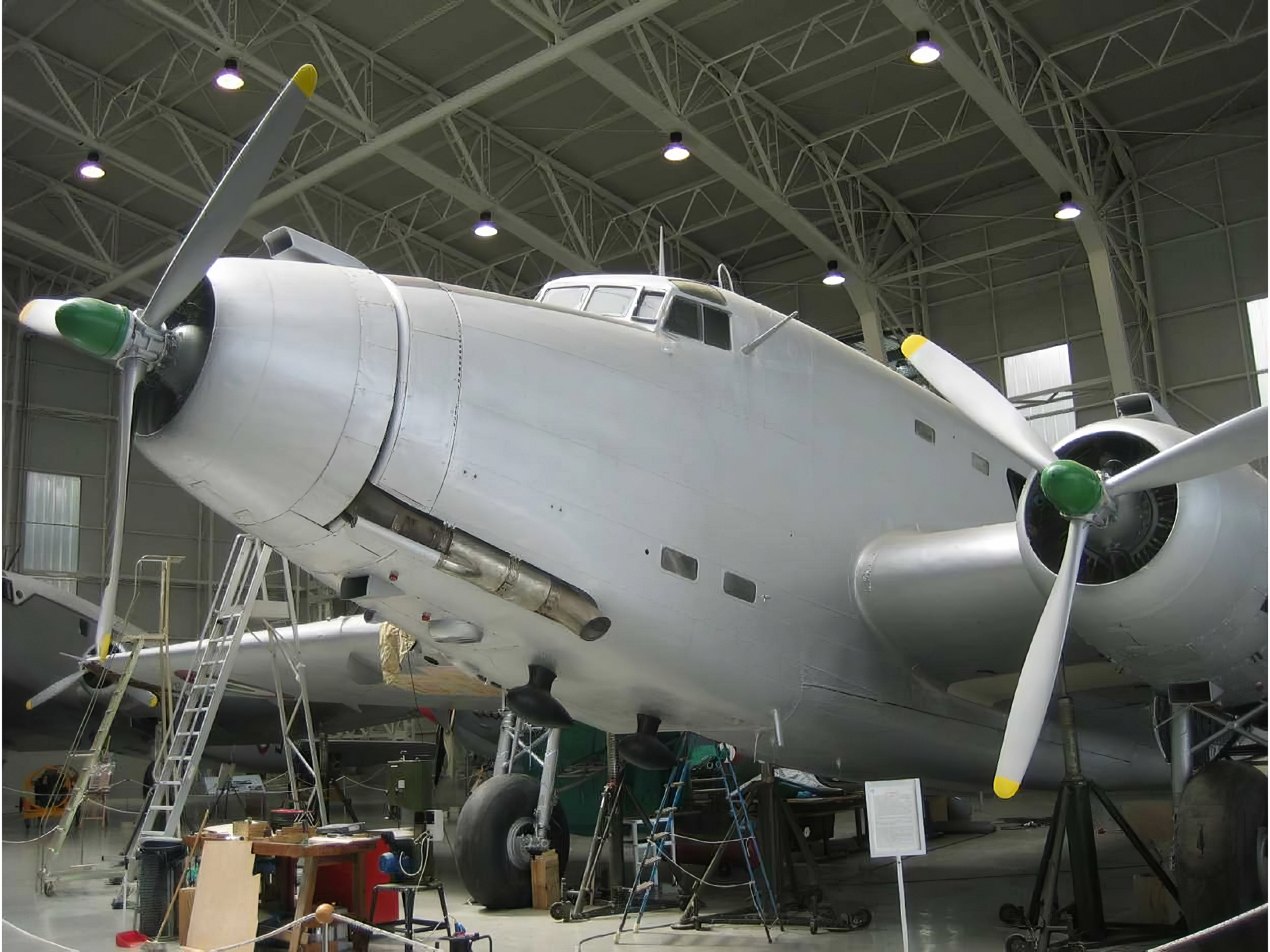

| Savoia-Marchetti S.M.82 Pw Walk Around | |
|---|---|
| Fotograf | Unknow |
| Lokalizacija | Nepoznato |
| Fotografije | 39 |
Pogledajte i:


General Characteristics
The Savoia-Marchetti SM.82 Canguru (Kangaroo, sometimes referred to by the earlier model’s name, Marsupiale) was an Italian three-engine, mid-wing monoplane used extensively by the Regia Aeronautica (Royal Italian Air Force) during World War II, primarily in the heavy transport role. Although capable of operating as a bomber, its main strength was its large fuselage capacity, which allowed it to carry heavy loads, including a disassembled Fiat CR.42 fighter or a small L3 light tank. Its construction was typical of Savoia-Marchetti designs of the time: mixed materials, including a welded-steel tube frame, wood, and fabric covering. The SM.82 was the foreign aircraft used in the largest numbers by the German Luftwaffe for transport duties. The type remained in service with the Italian Air Force until the early 1960s.
| Property | Typical Value (Transport Variant) |
|---|---|
| Ulogu | Heavy Transport, Paratrooper Drop, Occasional Bomber |
| National Origin | Italija |
| Proizvođača | Savoia-Marchetti |
| First Flight | 1939 |
| Service Entry | 1940 |
| No. Built | Approx. 720 to 875 |
| Posada | 4 (Pilot, Co-Pilot, Flight Engineer/Radio Operator, Gunner) |
| Kapacitet | Up to 40 fully equipped soldiers or 4,000 kg (8,818 lb) of cargo. |
| Dužina | 22.9 m (75 ft 2 in) |
| Raspon krila | 29.68 m (97 ft 5 in) |
| Max Takeoff Weight | 18,020 kg (39,727 lb) (Transport) |
Powerplant and Performance
- Engine: 3 x Alfa Romeo 128 RC.21 9-cylinder air-cooled radial engines.
- Power Output (each): 708 kW (950 hp).
- Maximum Speed: Approx. 370 km/h (230 mph) at altitude.
- Cruise Speed: Approx. 250 km/h (155 mph).
- Service Ceiling: 6,000 m (19,685 ft).
- Range (Internal Fuel): Approx. 3,000 km (1,864 mi).
- Long-Range Variant (SM.82 LATI): Modified for long-distance routes, with a range up to 4,800 km.
Naoružanje
- Defensive Armament:
- 1 x 12.7 mm Breda-SAFAT machine gun in a dorsal turret (hand-operated).
- 3 or 4 x 7.7 mm machine guns (typically two lateral firing positions and one in a ventral gondola).
- Offensive Load (as bomber): Maximum bombload of up to 4,000 kg (8,818 lb).
- The bomb bay was located in the lower cargo level and could carry a mix of bombs, such as four 800 kg bombs or eight 500 kg bombs.
- Operational Note: The SM.82 was renowned for its long-range capabilities, undertaking record flights and crucial logistical missions, notably the Rome-Tokyo liaison flight in 1942.
Broj posetilaca (1335)
Možete videti i :
 North American FJ-4 Fury – Photos & Video
 Messerschmitt Me 410 – Photos & Video
 McDonnell Douglas F/A-18 Hornet – Photos & Video
 Savoia Marchetti SM-79 vol2 – Walk Around
 Mitsubishi A6M Zero – Walk Around
 Hawker Hurricane – Walk Around
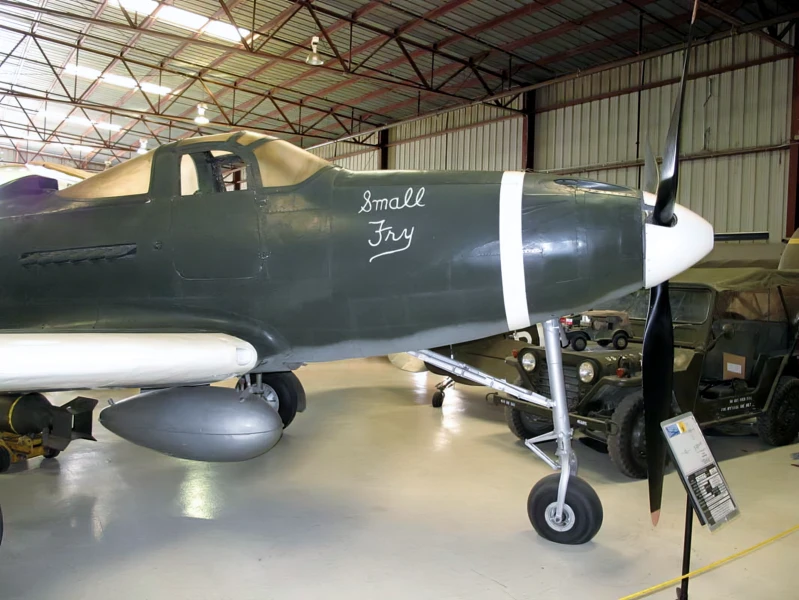 Bell P-39N Airacobra – WalkAround
 Konsolidovani B-24M Liberator – WalkAround
 P-47D Thunderbolt – WalkAround
 A-20 Havoc – WalkAround