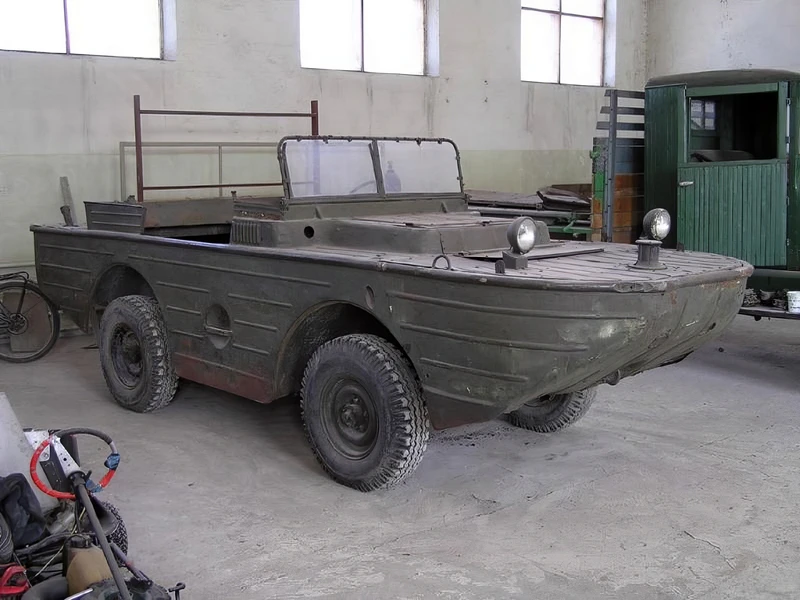
GAZ 46 | |
|---|---|
| Šalies | Sovietų Sąjunga |
| Vaidmenį | 4×4 amfibinis džipas |
| Gamyba | 1954-1958 |
| Pastatytas | Nežinoti |
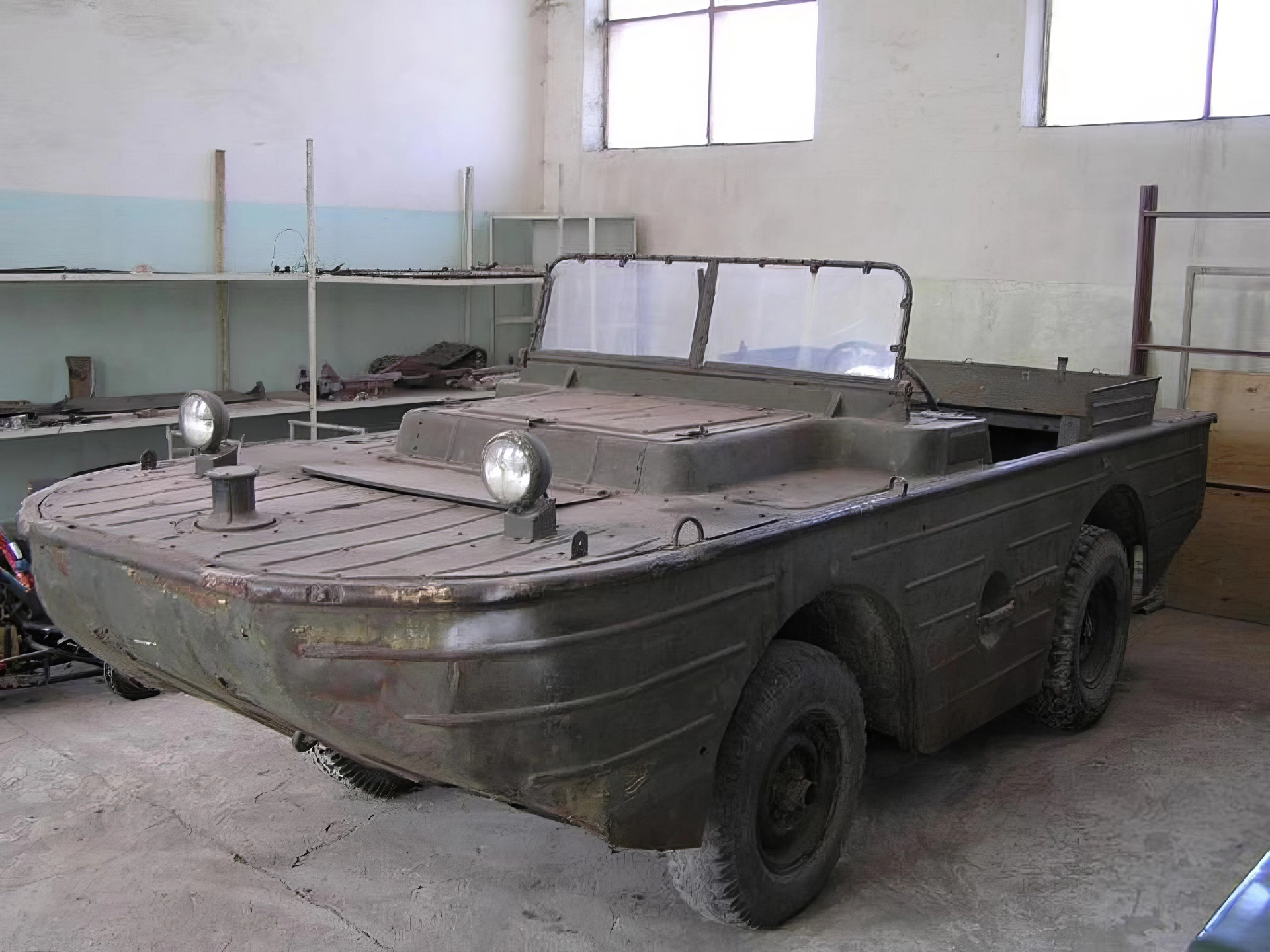
2007 GAZ-46, armijos pavadinimas MAV (rus. малый автомобиль водоплавающий, mažas plaukiojantis automobilis) yra Rusijoje pagaminta lengvoji keturiais ratais varoma amfibinė karinė transporto priemonė, pradėjusi tarnybą 1950-aisiais ir nuo to laiko naudojama daugelio Rytų bloko sąjungininkų pajėgų. Per Antrąjį pasaulinį karą Kanada, Didžioji Britanija ir JAV į Rusiją siuntė didelius kiekius karinių medžiagų. Tarp jų buvo džipai, sunkvežimiai ir amfibinės transporto priemonės, tokios kaip 6×6 DUKW ir 4×4 Ford GPA. Pastarieji buvo naudojami padėti vyrams ir įrangai patekti per daugelį Rytų Europos upių ir kovoti su vokiečiais. Matydama tokių transporto priemonių privalumus, po karo Rusija nusprendė sukurti dvi panašias transporto priemones, naudodama vidaus automobilių dalis, BAV, DUKW ekvivalentą ir MAV, "Ford GPA" ekvivalentą.
Šaltinis: GAZ 46 Vikipedijoje
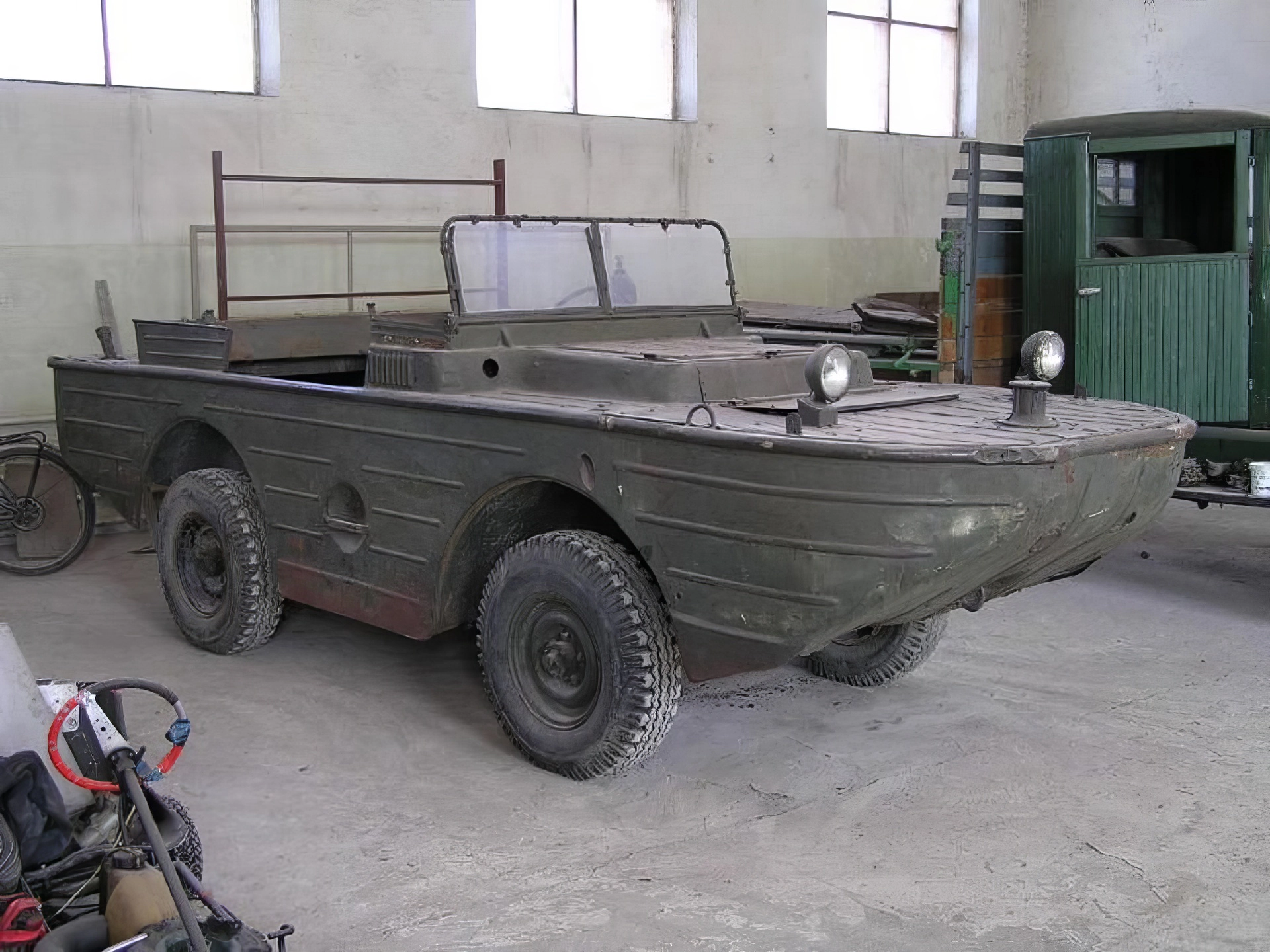
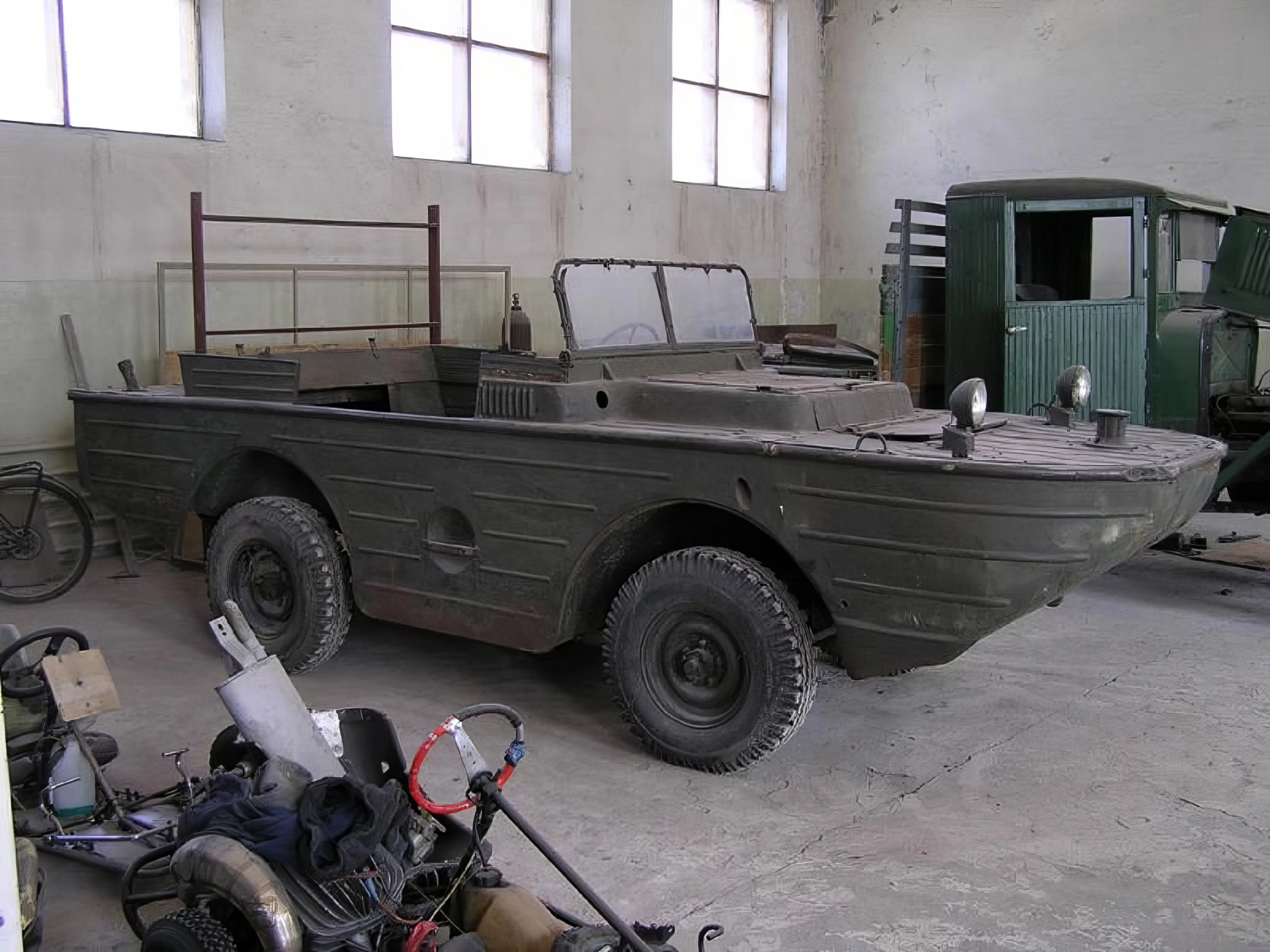
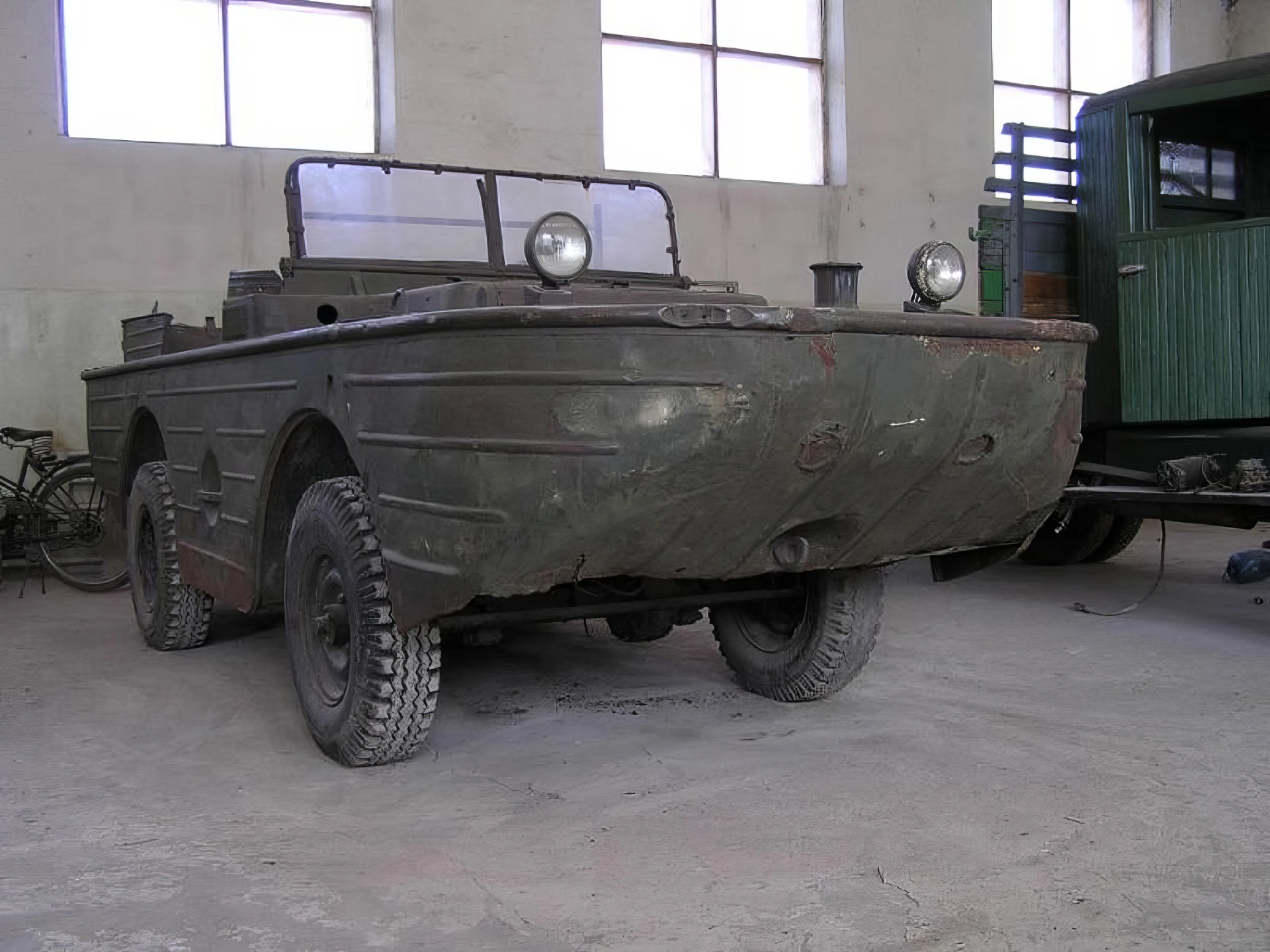
| MAV (Gaz-46) Walk Around | |
|---|---|
| Photographer | Igor Suhin |
| Localisation | Unknow |
| Photos | 27 |
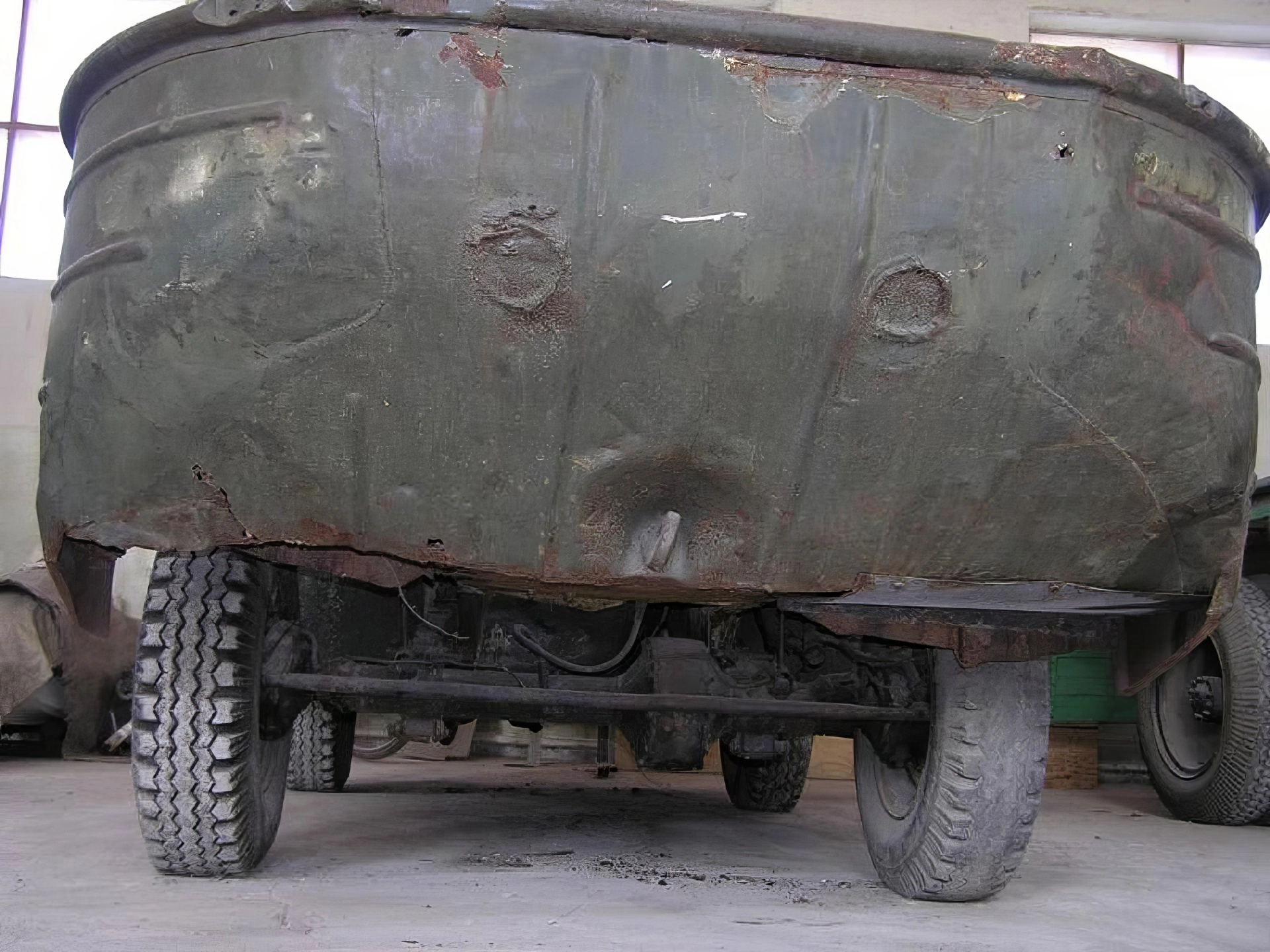
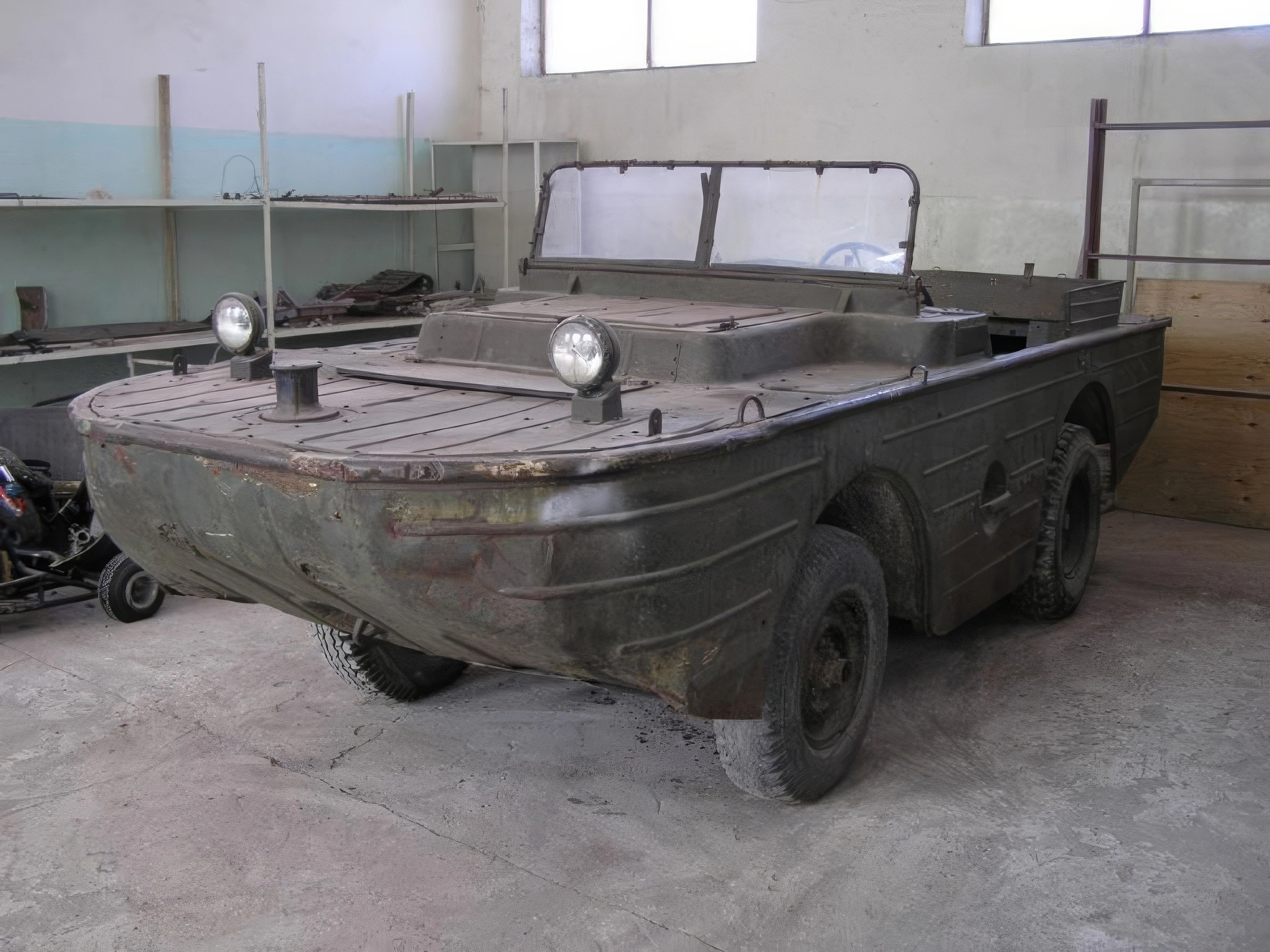
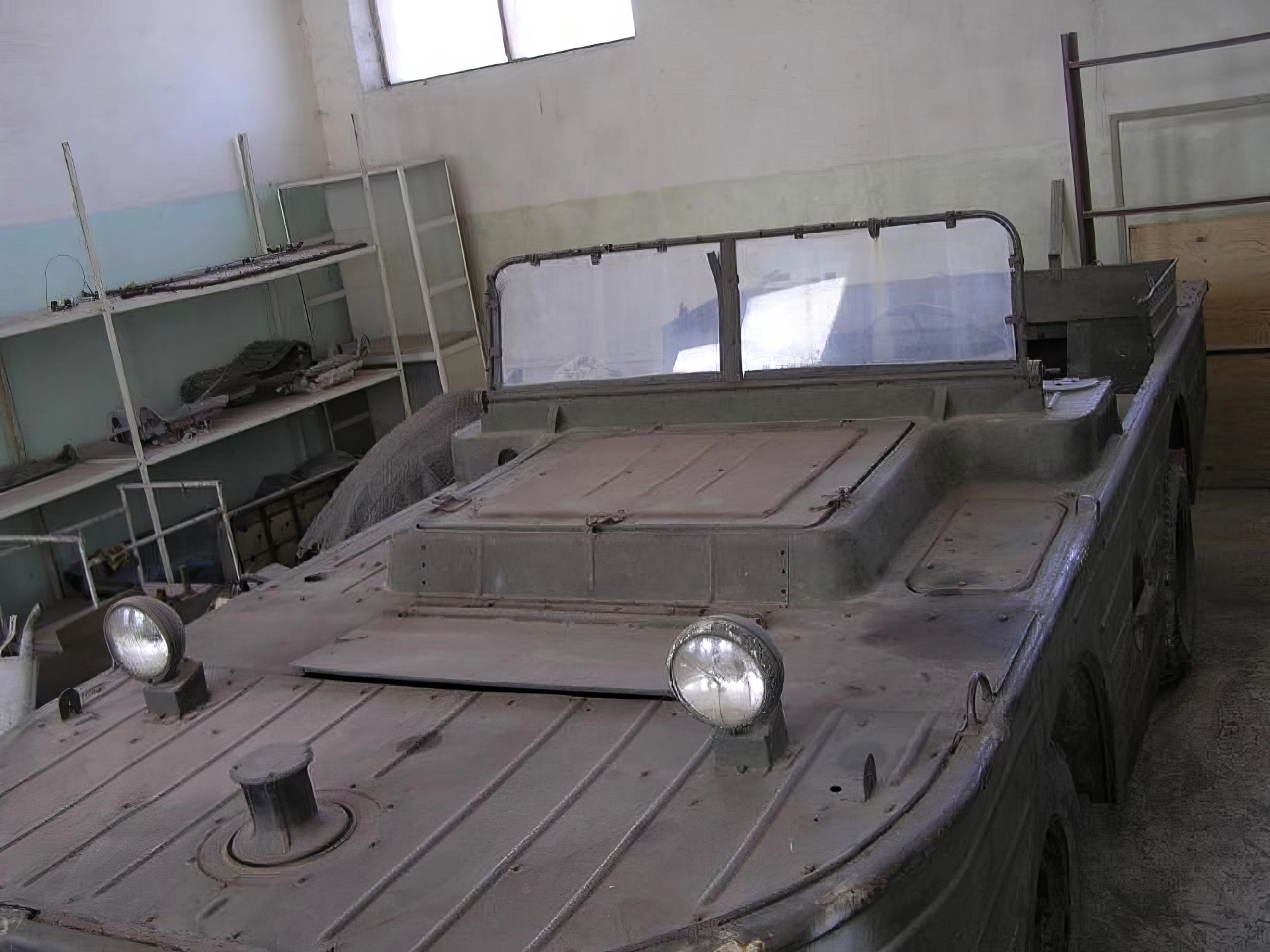
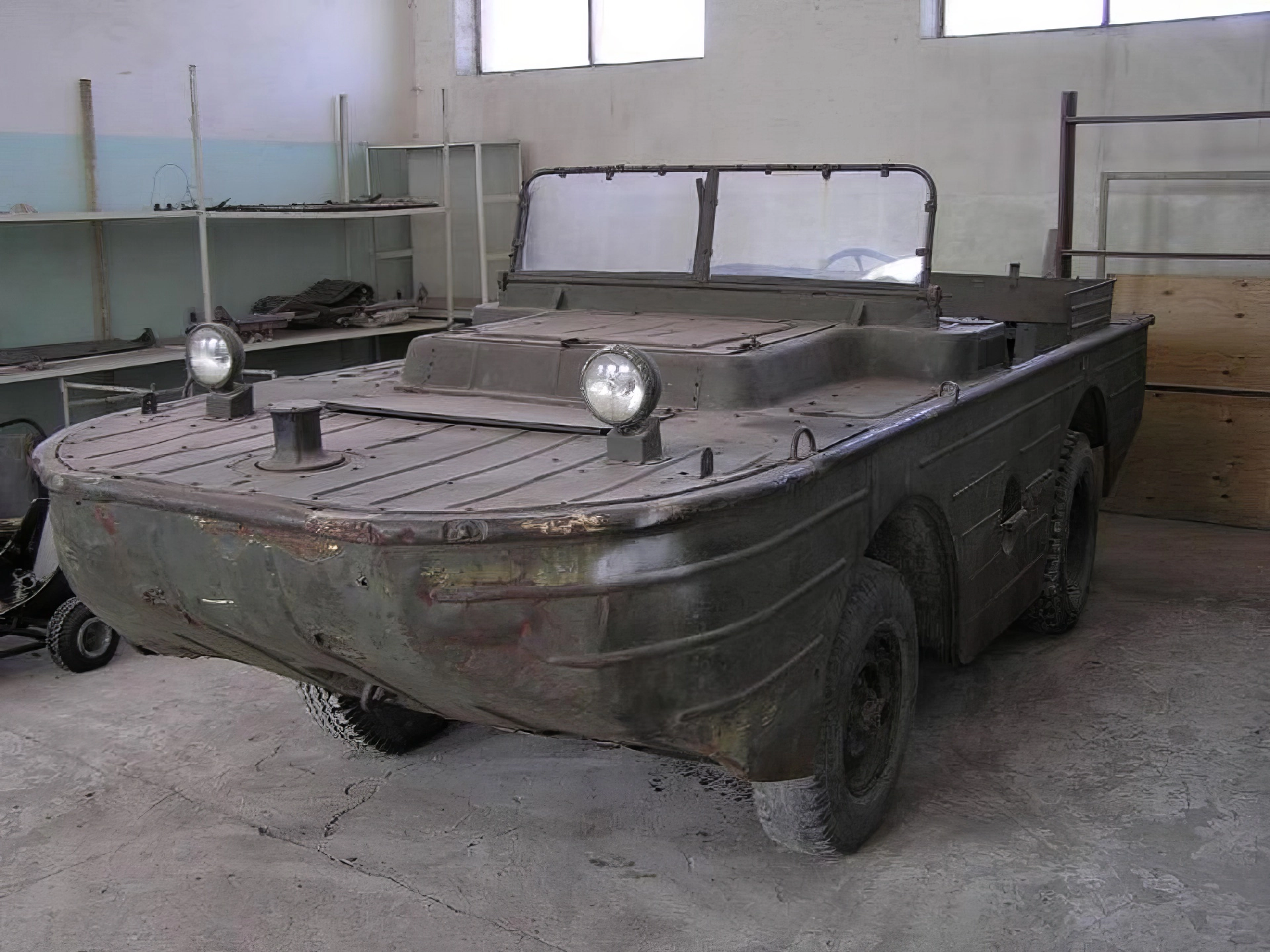

Taip pat žiūrėkite:


General Characteristics and Role
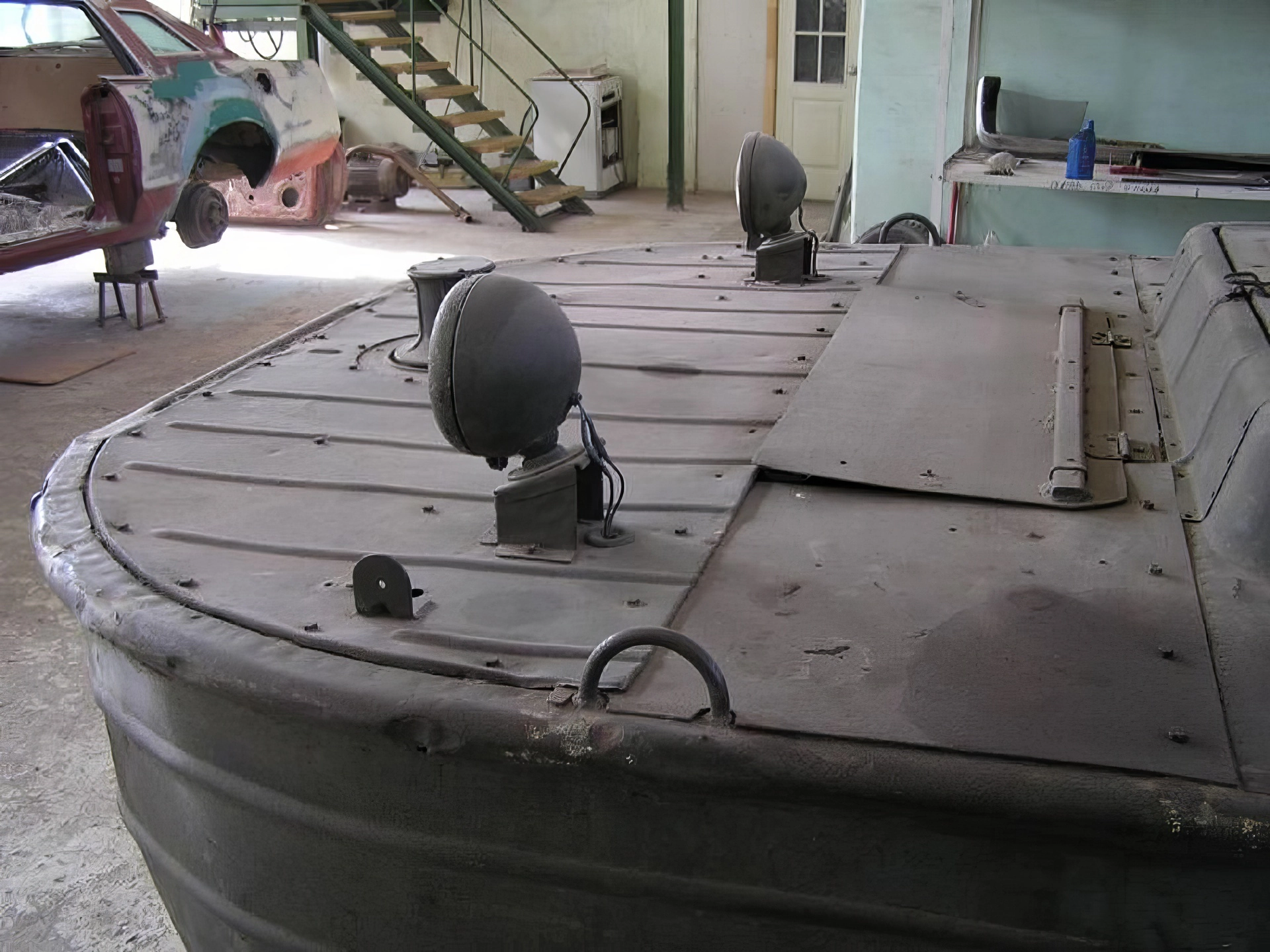
The GAZ-46 MAV (Maly Avtomobil Vodorodny, or “Small Water Vehicle”) was a Soviet light amphibious military vehicle developed shortly after World War II. It was essentially a direct, slightly scaled-down copy of the American Ford GPA ‘Seep’ amphibious jeep, which had been supplied to the Soviet Union under the Lend-Lease program during the war. The GAZ-46 was designed to provide troop and equipment transport across water obstacles for reconnaissance, liaison, and light patrol duties. It featured a boat-like hull and a conventional four-wheel-drive system on land, complemented by a propeller for water propulsion. It served primarily with the Soviet Army and Warsaw Pact nations.
| Property | Typical Value (GAZ-46 MAV) |
|---|---|
| Vaidmenį | Light Amphibious Reconnaissance/Transport |
| National Origin | Soviet Union (USSR) |
| Gamintojas | Gorky Automobile Plant (GAZ) |
| Service Entry | 1953 |
| Įgulos | 1 (Driver) |
| Pajėgumas | 4 or 5 personnel, or 500 kg (1,102 lb) of cargo |
| Konfigūracija | 4×4, All-wheel drive (Land) |
| Ilgis | 5.07 m (16 ft 8 in) |
| Plotis | 1.70 m (5 ft 7 in) |
| Aukštis | 1.70 m (5 ft 7 in) (Windshield up) |
| Combat Weight | 2,360 kg (5,200 lb) |
Powerplant and Mobility
- Engine: 1 x GAZ-M20 four-cylinder petrol engine (used in the GAZ-M20 Pobeda car).
- Power Output: 52 hp (39 kW).
- Maximum Speed (Road): 90 km/h (56 mph).
- Maximum Speed (Water): 10 km/h (6.2 mph; 5.4 kn).
- Propulsion (Water): Single propeller, driven by a power take-off from the transmission.
- Land Transmission: Manual, 4 forward gears, 1 reverse gear, 2-speed transfer case.
Design and Legacy
- Design Basis: Directly based on the Ford GPA (Seep), but modified to utilize standard Soviet GAZ-M20 Pobeda car components for easier logistics and repair.
- Wartime Influence: The need for an indigenous amphibious vehicle arose from the success and utility of the American amphibious jeeps used during the war.
- Construction: Featured a boat-like, welded steel hull for watertight integrity and a conventional automotive chassis within the hull.
- Successor: The GAZ-46 was eventually replaced by more advanced amphibious vehicles and specialized armored personnel carriers in the Soviet military.
Peržiūrų kiekis : 2309