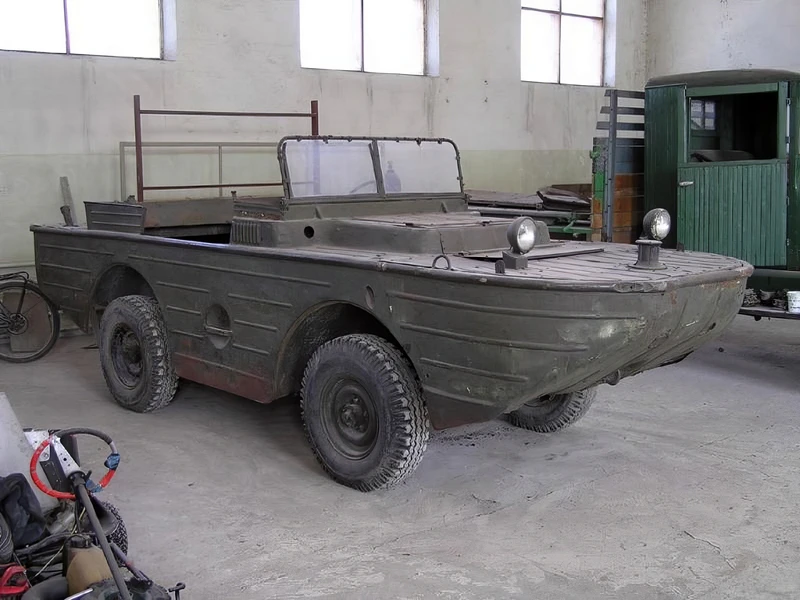
GAZ 46 | |
|---|---|
| Country | Soviet Union |
| Role | 4×4 amphibious jeep |
| Production | 1954-1958 |
| Built | Unknow |
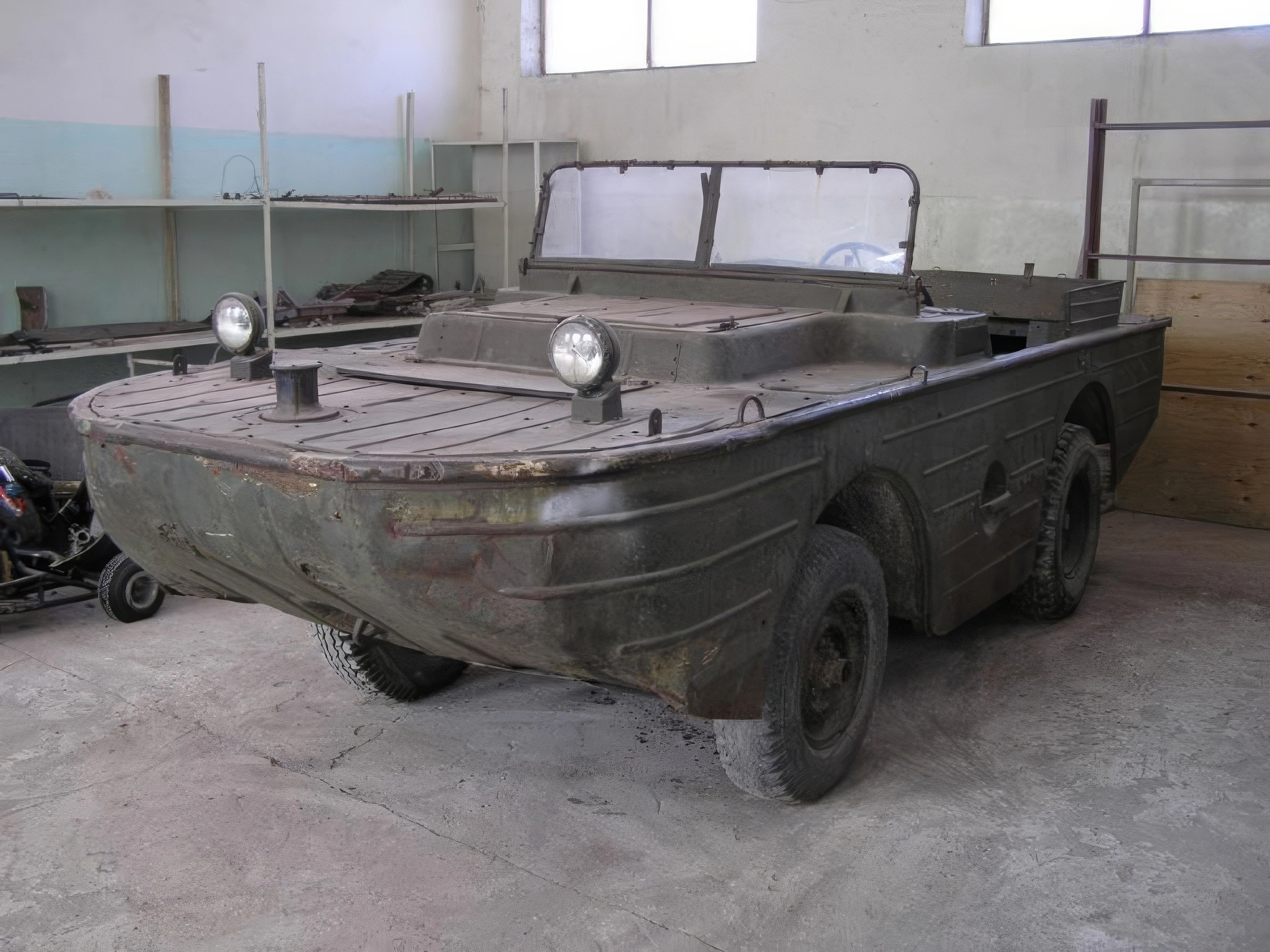
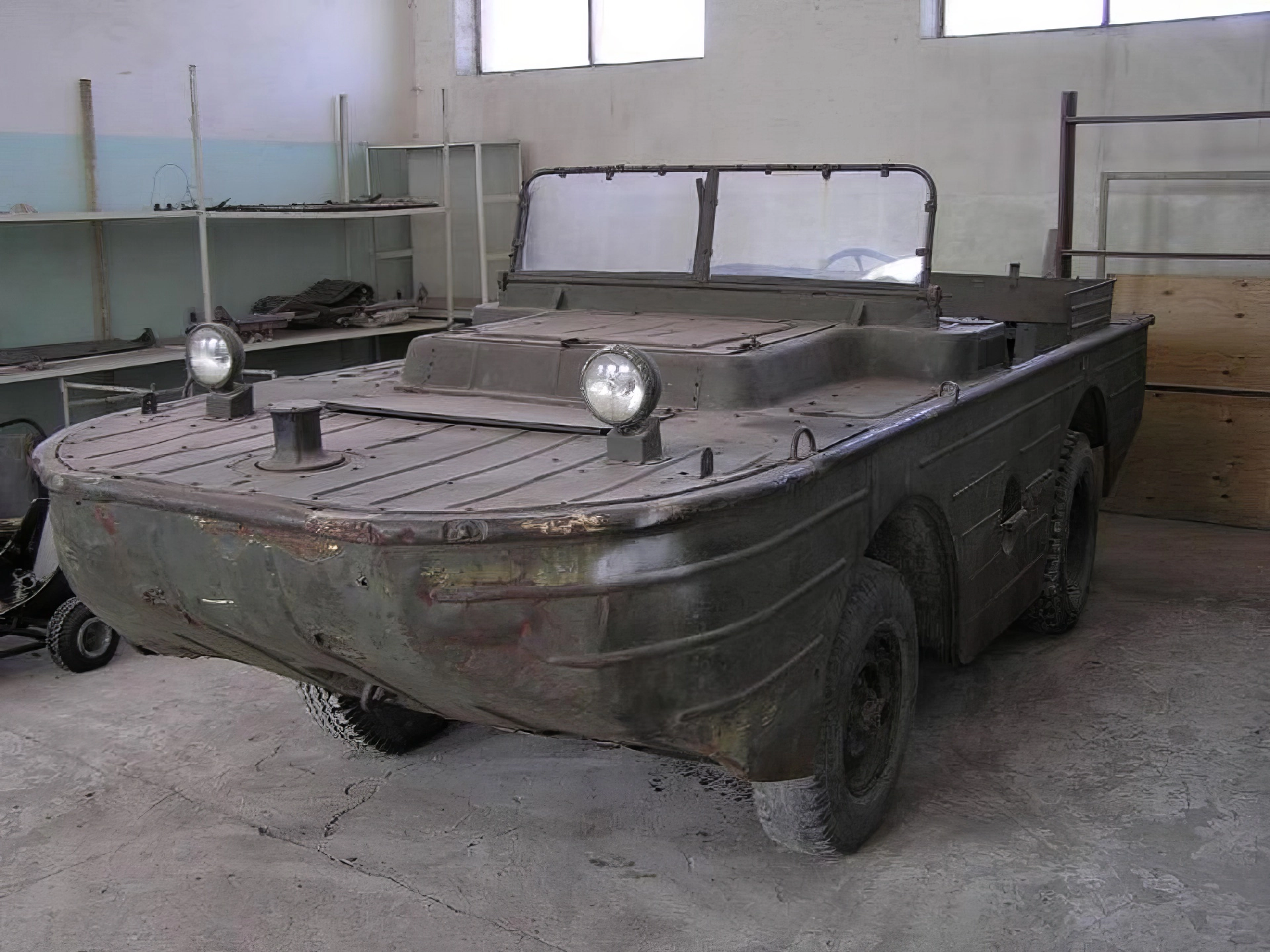
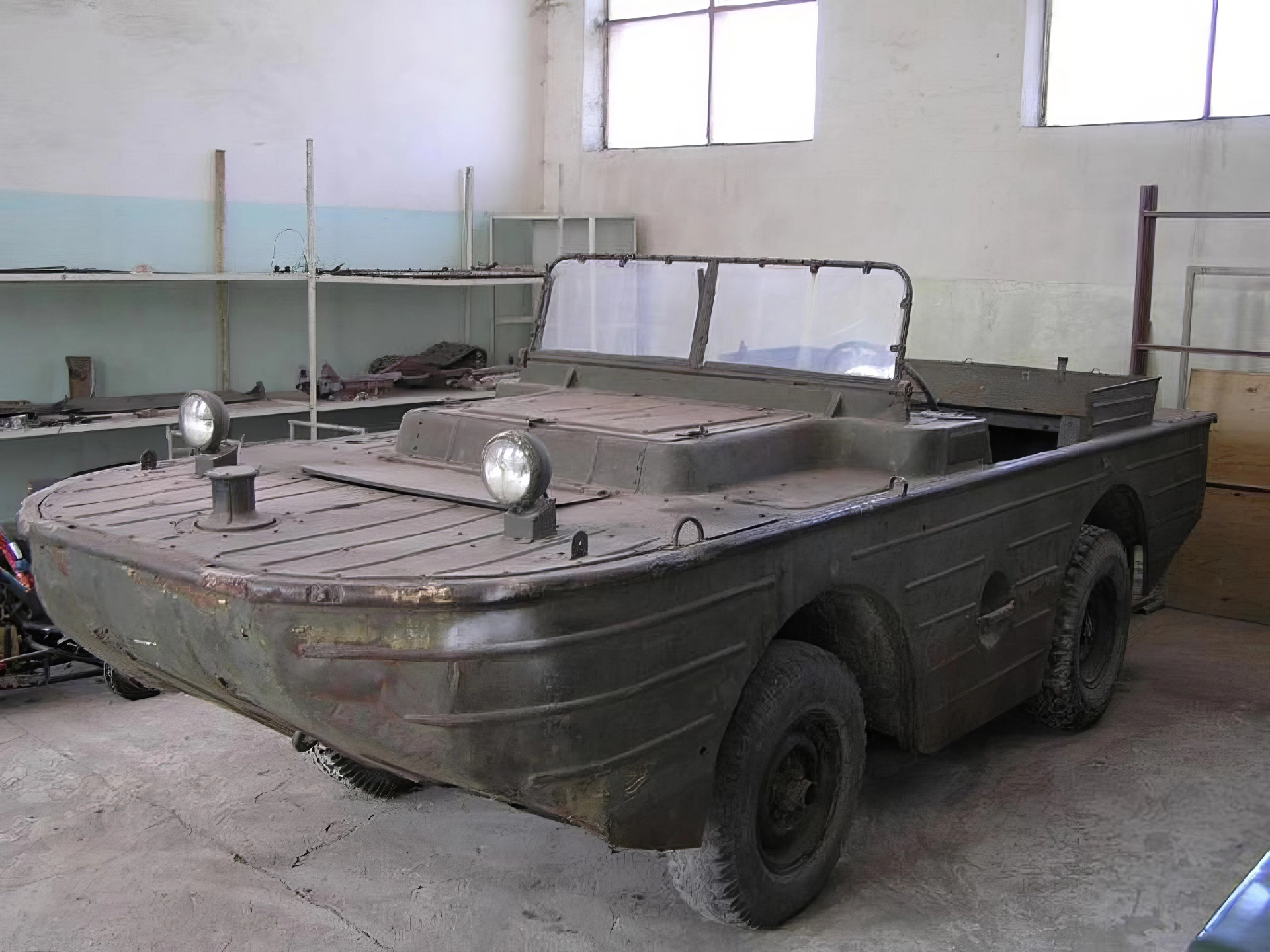
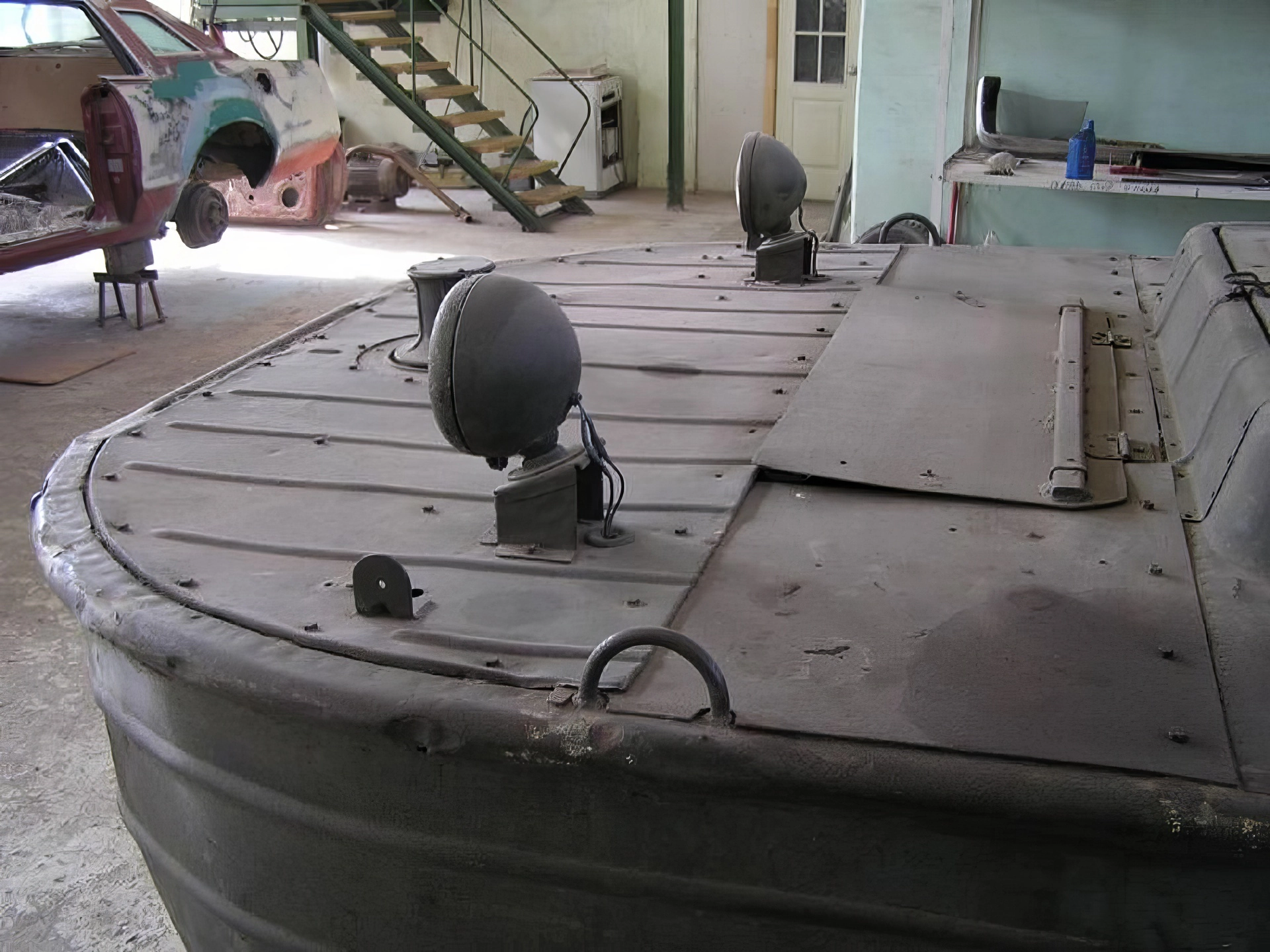
The GAZ-46, army designation MAV (Russian, малый автомобиль водоплавающий, small floating car), is a Russian-made light four-wheel drive amphibious military vehicle that entered service in the 1950s and has been used by many Eastern Bloc allied forces since. During the Second World War Canada, Britain and the US forwarded large quantities of military materials to Russia. Among those were jeeps, trucks, and amphibious vehicles like the 6×6 DUKW and the 4×4 Ford GPA. The latter were used to help men and equipment get across the many rivers of Eastern Europe and combat the Germans. Seeing merits of such vehicles, after the war, Russia decided to develop two similar vehicles, using domestic automotive parts, the BAV, an equivalent of the DUKW, and the MAV, an equivalent of the Ford GPA.
Source: GAZ 46 on Wikipedia
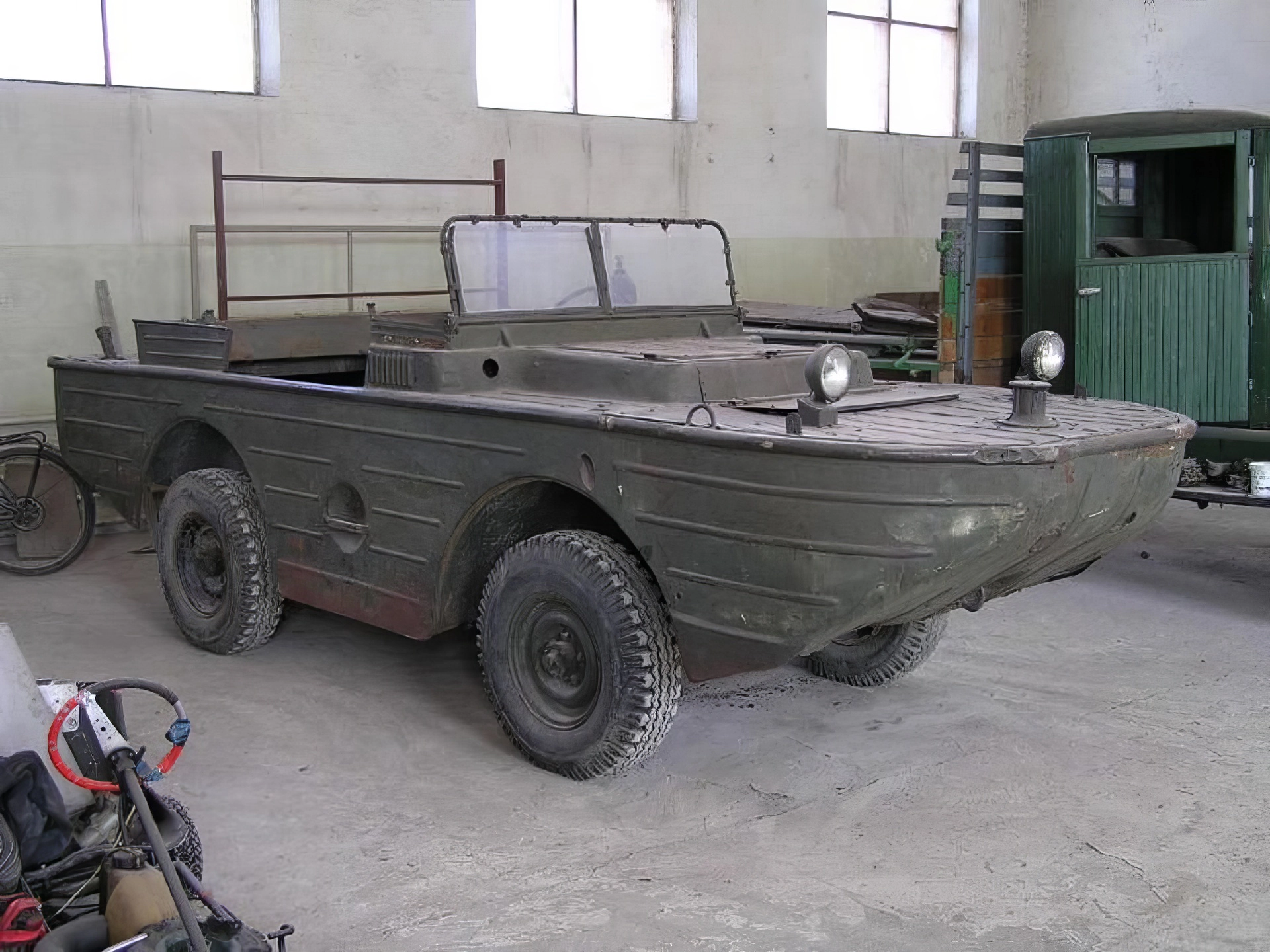
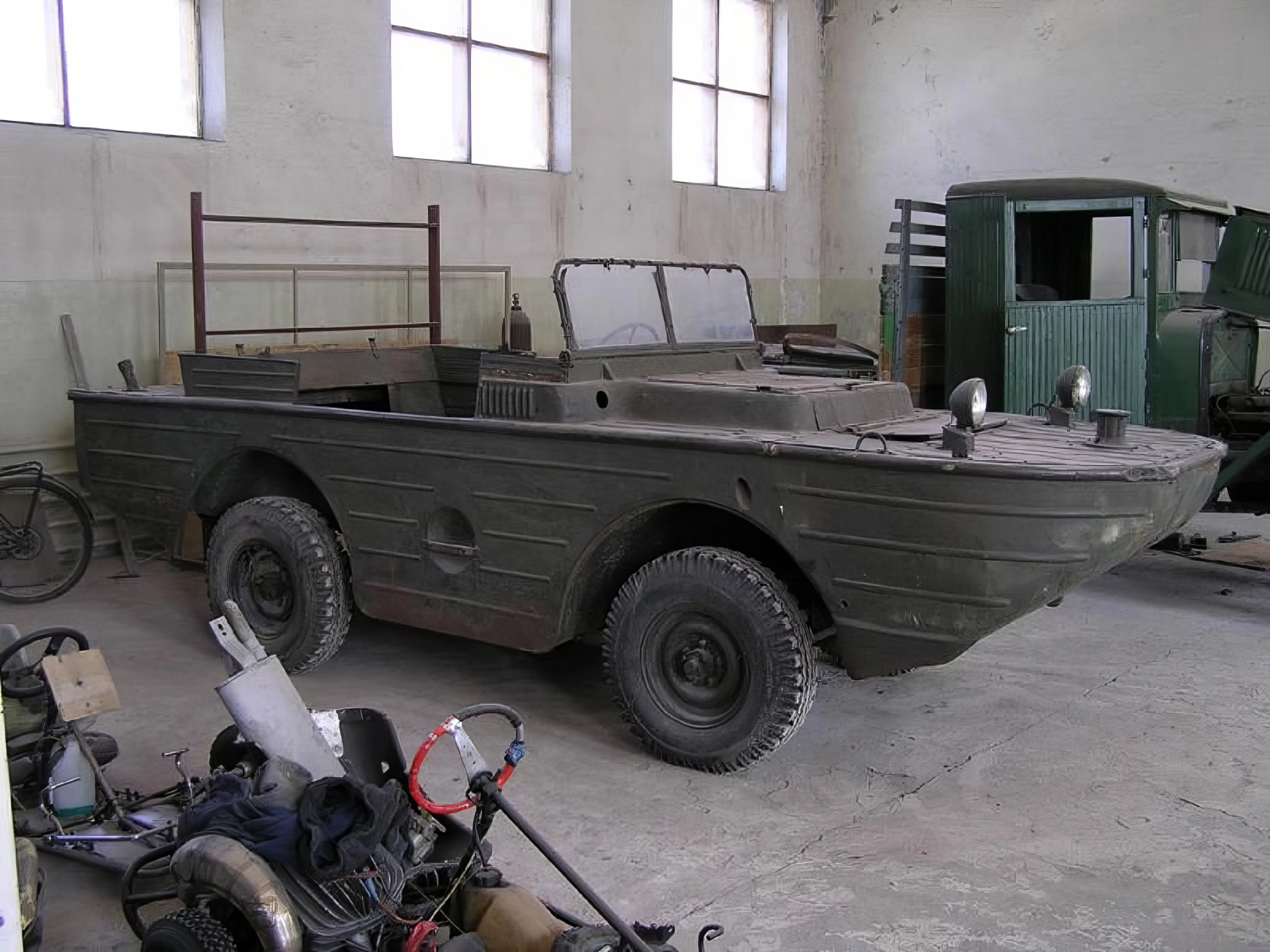
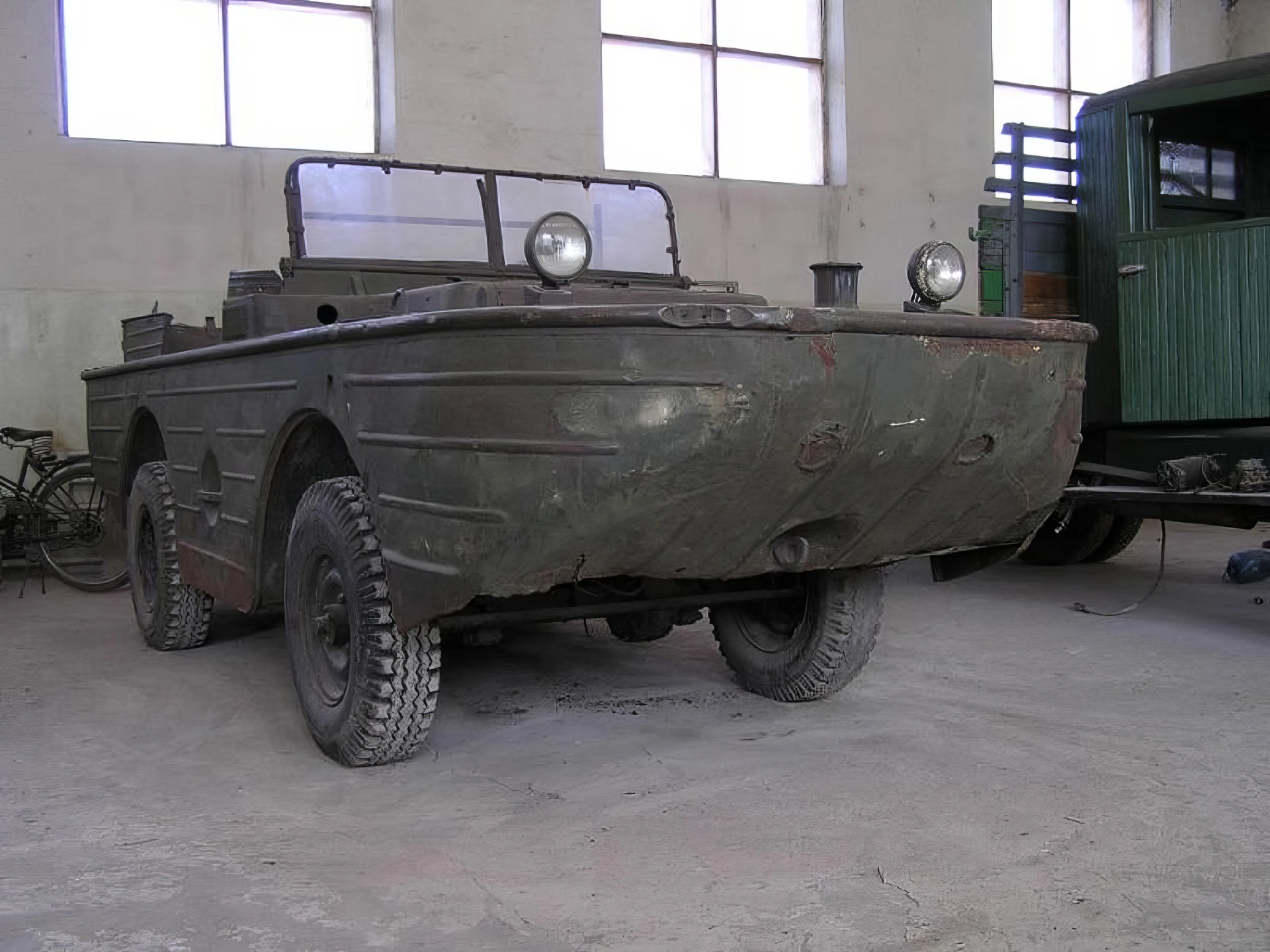
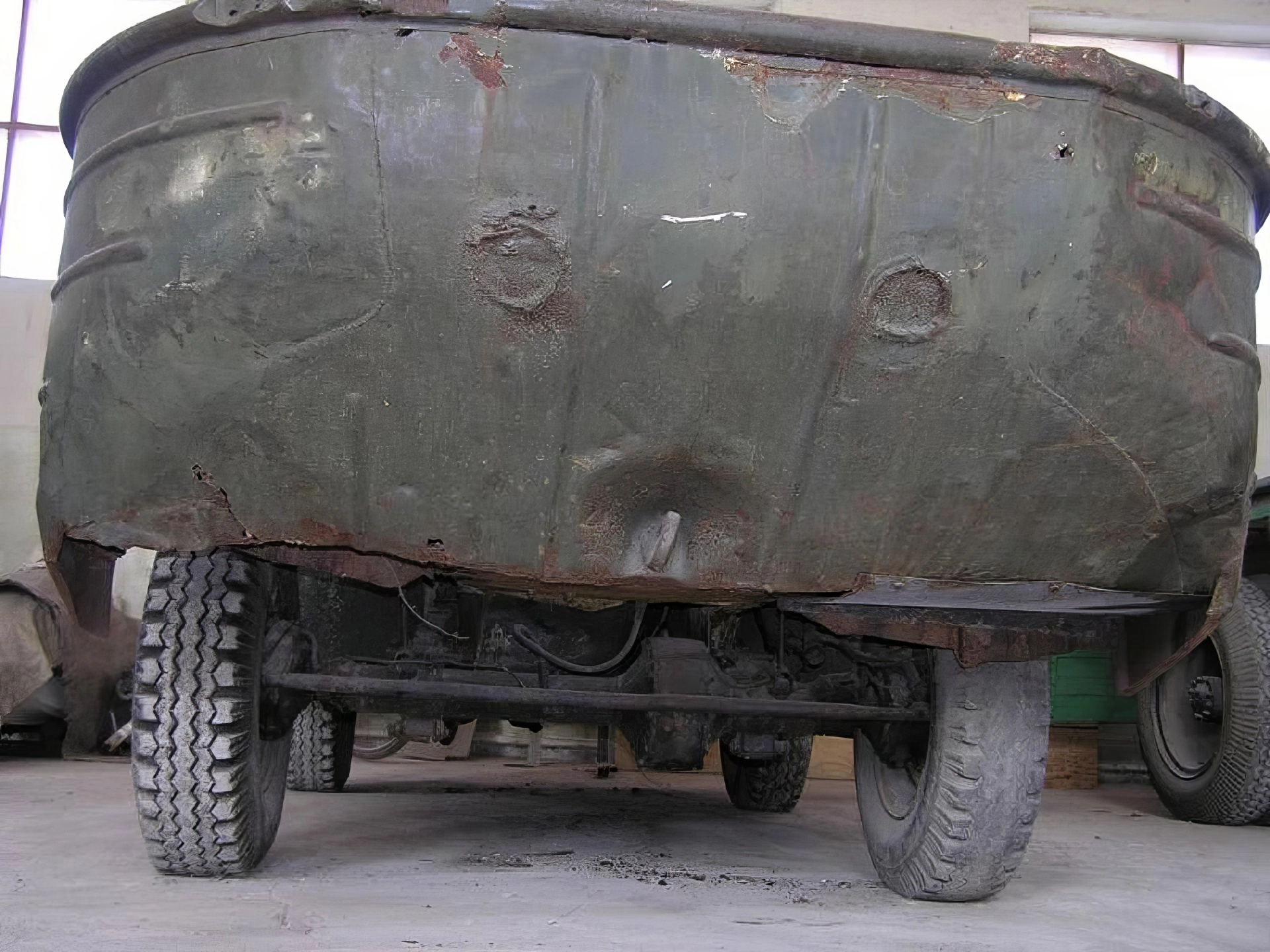
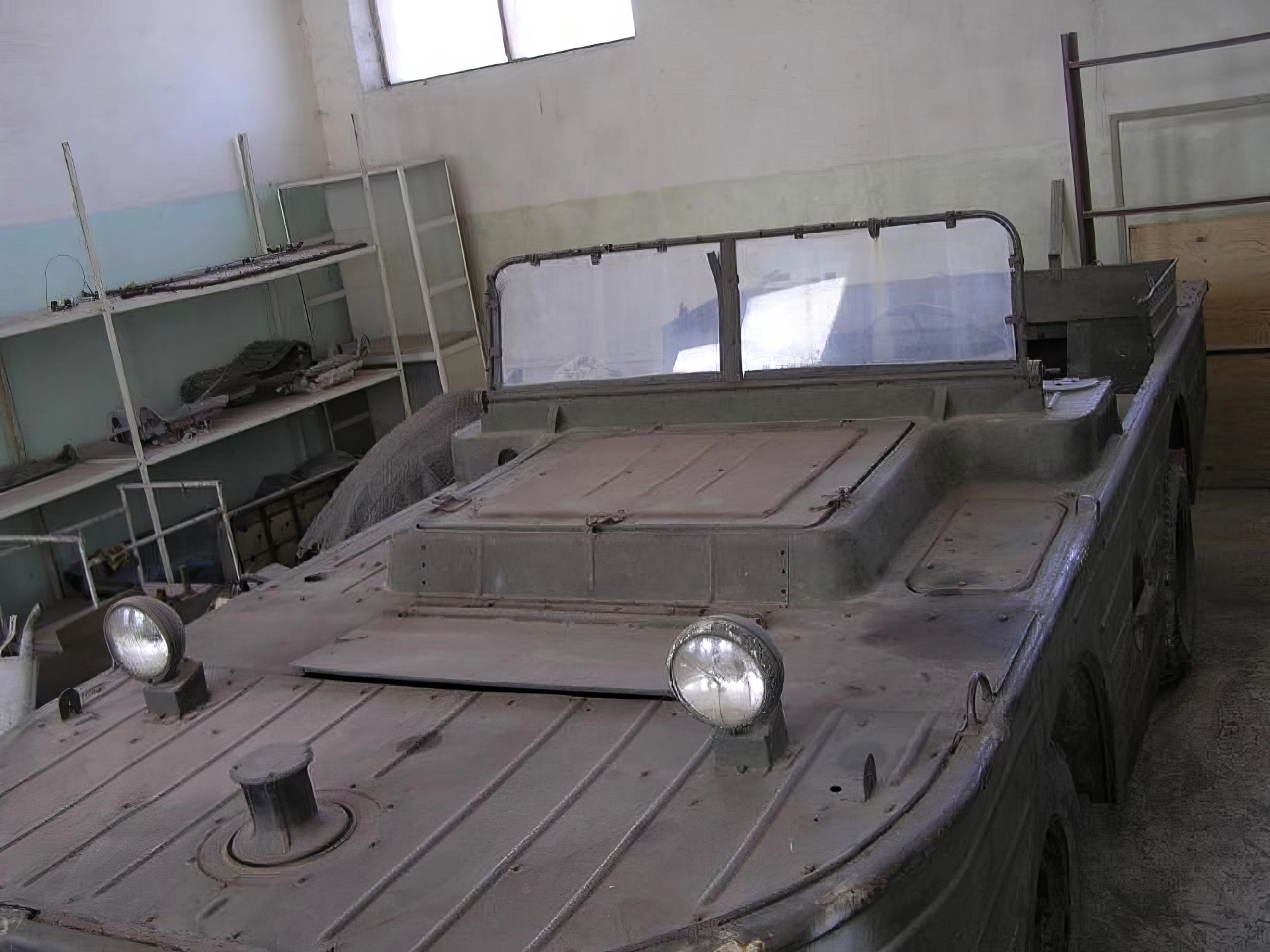
| MAV (Gaz-46) Walk Around | |
|---|---|
| Photographer | Igor Suhin |
| Localisation | Unknow |
| Photos | 27 |

See also:


General Characteristics and Role
The GAZ-46 MAV (Maly Avtomobil Vodorodny, or “Small Water Vehicle”) was a Soviet light amphibious military vehicle developed shortly after World War II. It was essentially a direct, slightly scaled-down copy of the American Ford GPA ‘Seep’ amphibious jeep, which had been supplied to the Soviet Union under the Lend-Lease program during the war. The GAZ-46 was designed to provide troop and equipment transport across water obstacles for reconnaissance, liaison, and light patrol duties. It featured a boat-like hull and a conventional four-wheel-drive system on land, complemented by a propeller for water propulsion. It served primarily with the Soviet Army and Warsaw Pact nations.
| Property | Typical Value (GAZ-46 MAV) |
|---|---|
| Role | Light Amphibious Reconnaissance/Transport |
| National Origin | Soviet Union (USSR) |
| Manufacturer | Gorky Automobile Plant (GAZ) |
| Service Entry | 1953 |
| Crew | 1 (Driver) |
| Capacity | 4 or 5 personnel, or 500 kg (1,102 lb) of cargo |
| Configuration | 4×4, All-wheel drive (Land) |
| Length | 5.07 m (16 ft 8 in) |
| Width | 1.70 m (5 ft 7 in) |
| Height | 1.70 m (5 ft 7 in) (Windshield up) |
| Combat Weight | 2,360 kg (5,200 lb) |
Powerplant and Mobility
- Engine: 1 x GAZ-M20 four-cylinder petrol engine (used in the GAZ-M20 Pobeda car).
- Power Output: 52 hp (39 kW).
- Maximum Speed (Road): 90 km/h (56 mph).
- Maximum Speed (Water): 10 km/h (6.2 mph; 5.4 kn).
- Propulsion (Water): Single propeller, driven by a power take-off from the transmission.
- Land Transmission: Manual, 4 forward gears, 1 reverse gear, 2-speed transfer case.
Design and Legacy
- Design Basis: Directly based on the Ford GPA (Seep), but modified to utilize standard Soviet GAZ-M20 Pobeda car components for easier logistics and repair.
- Wartime Influence: The need for an indigenous amphibious vehicle arose from the success and utility of the American amphibious jeeps used during the war.
- Construction: Featured a boat-like, welded steel hull for watertight integrity and a conventional automotive chassis within the hull.
- Successor: The GAZ-46 was eventually replaced by more advanced amphibious vehicles and specialized armored personnel carriers in the Soviet military.
Views : 2258