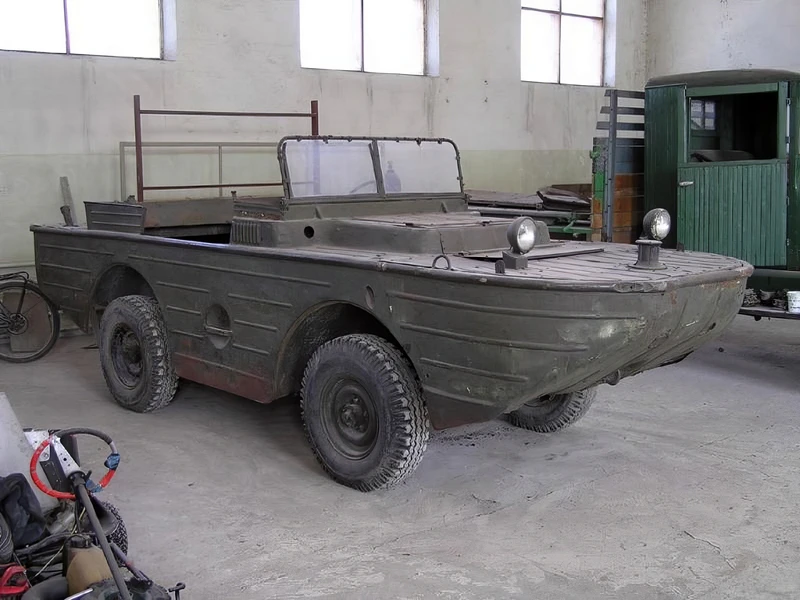
GAZ 46 | |
|---|---|
| 国家 | 苏联 |
| 作用 | 4×4 两栖吉普车 |
| 生产 | 1954-1958 |
| 建立 | 未知 |
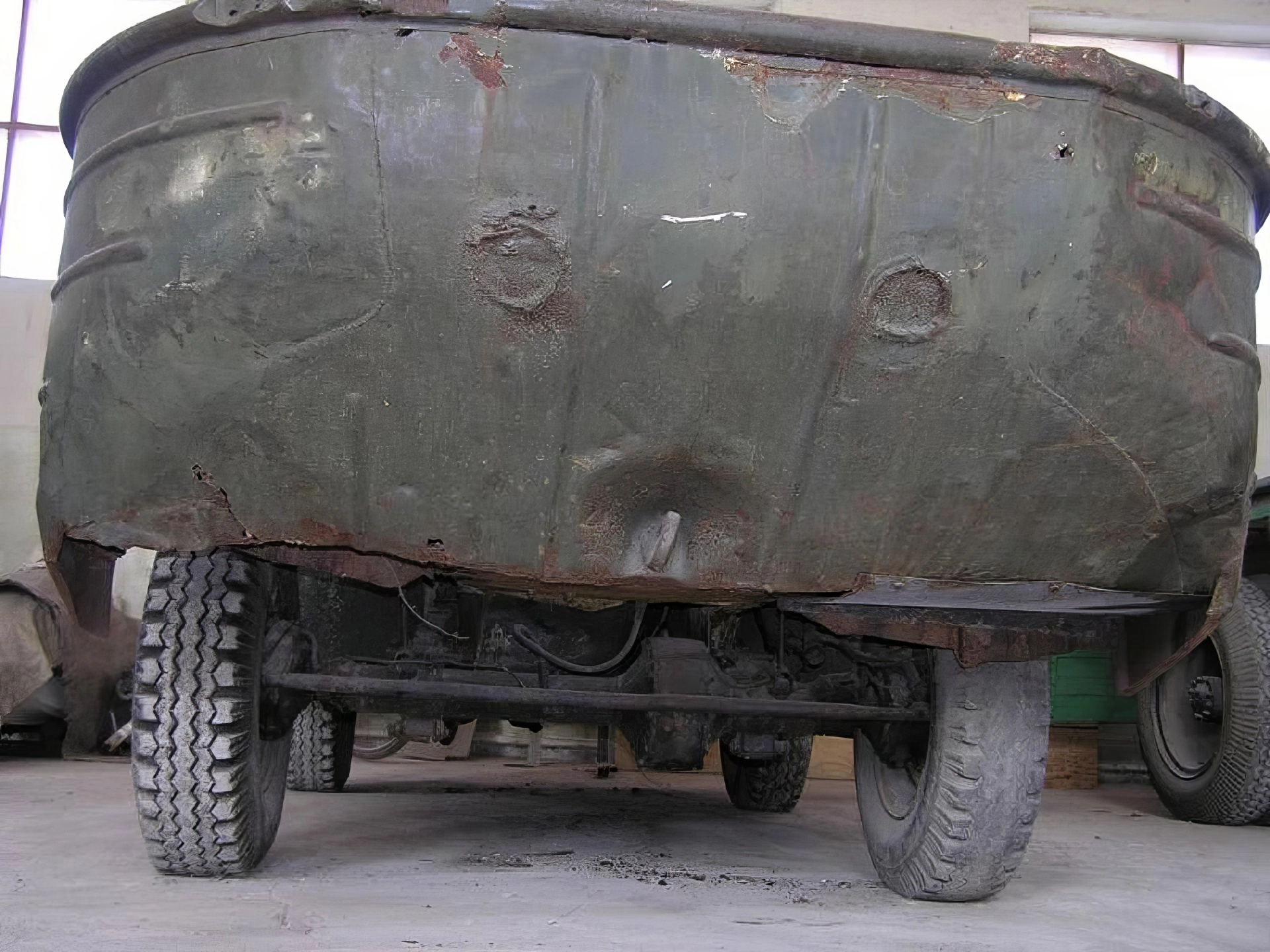
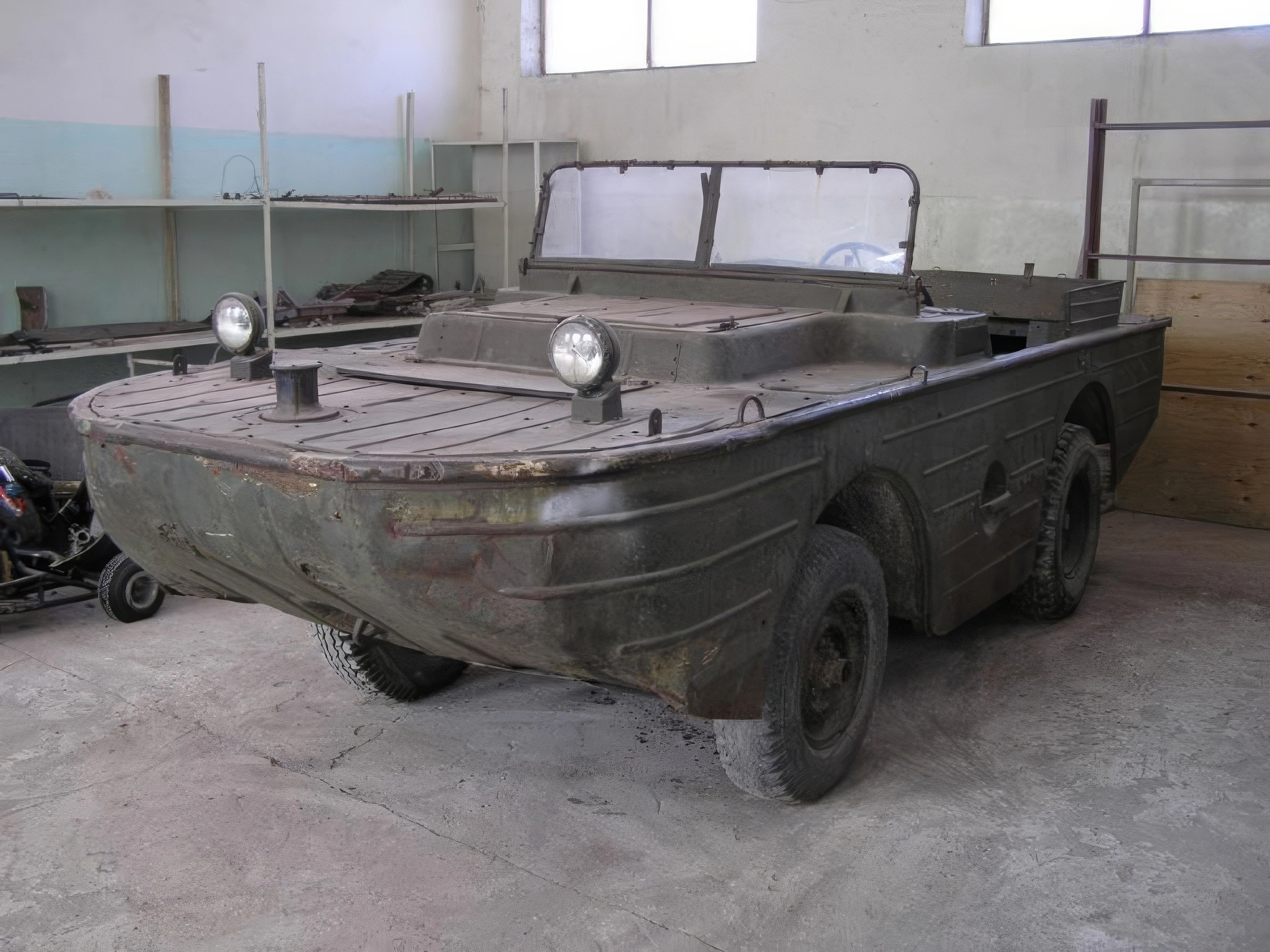
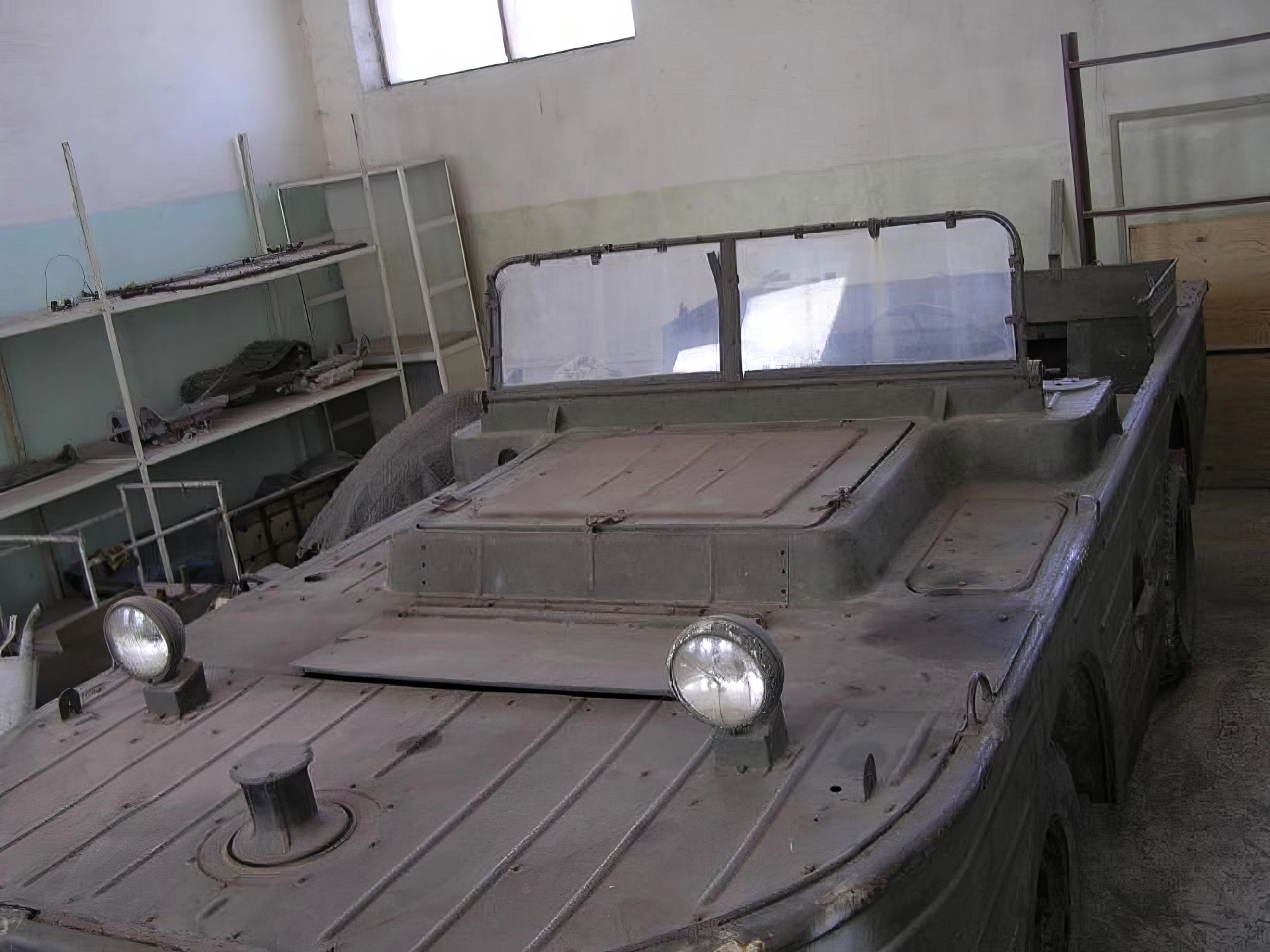
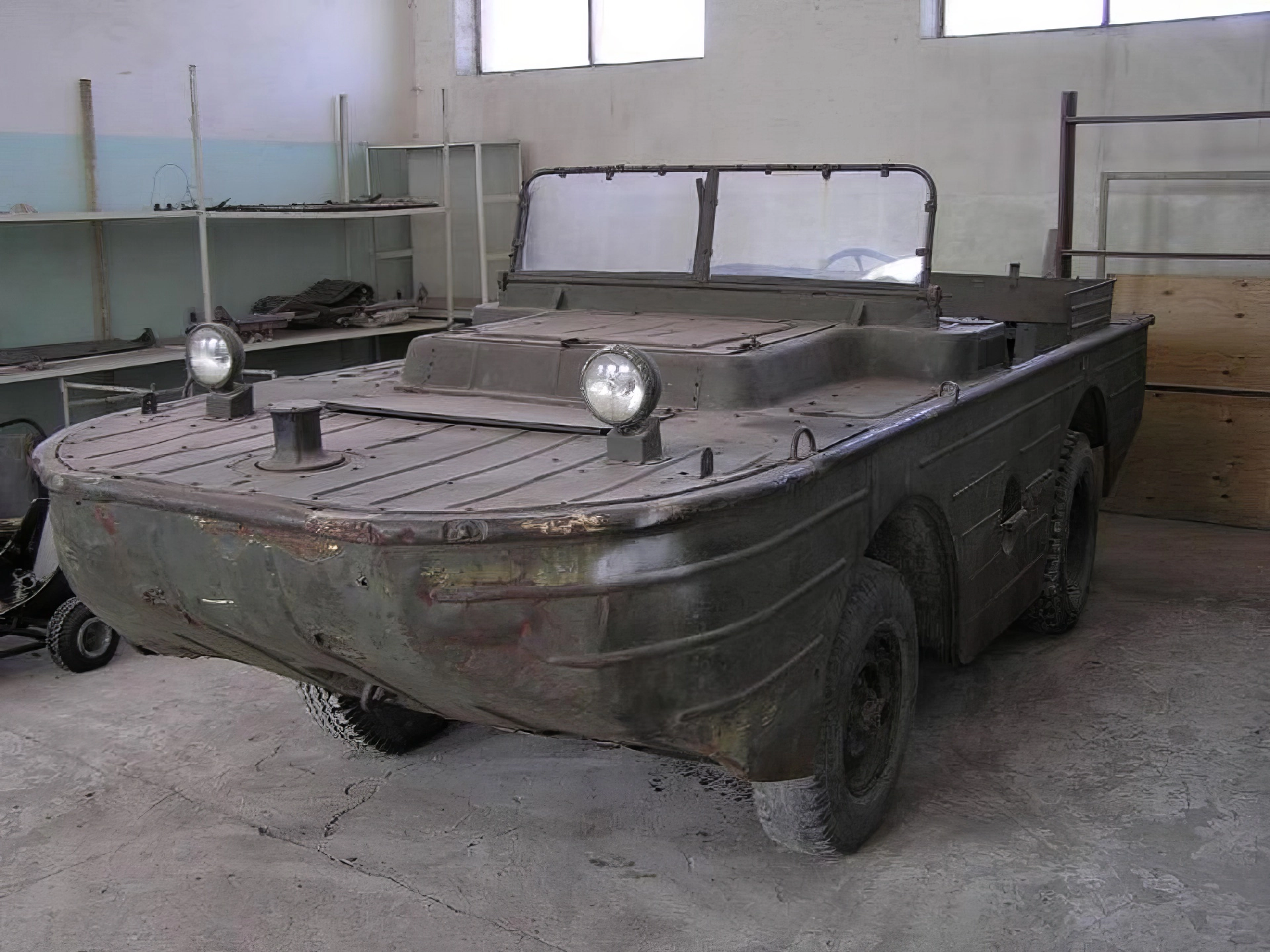
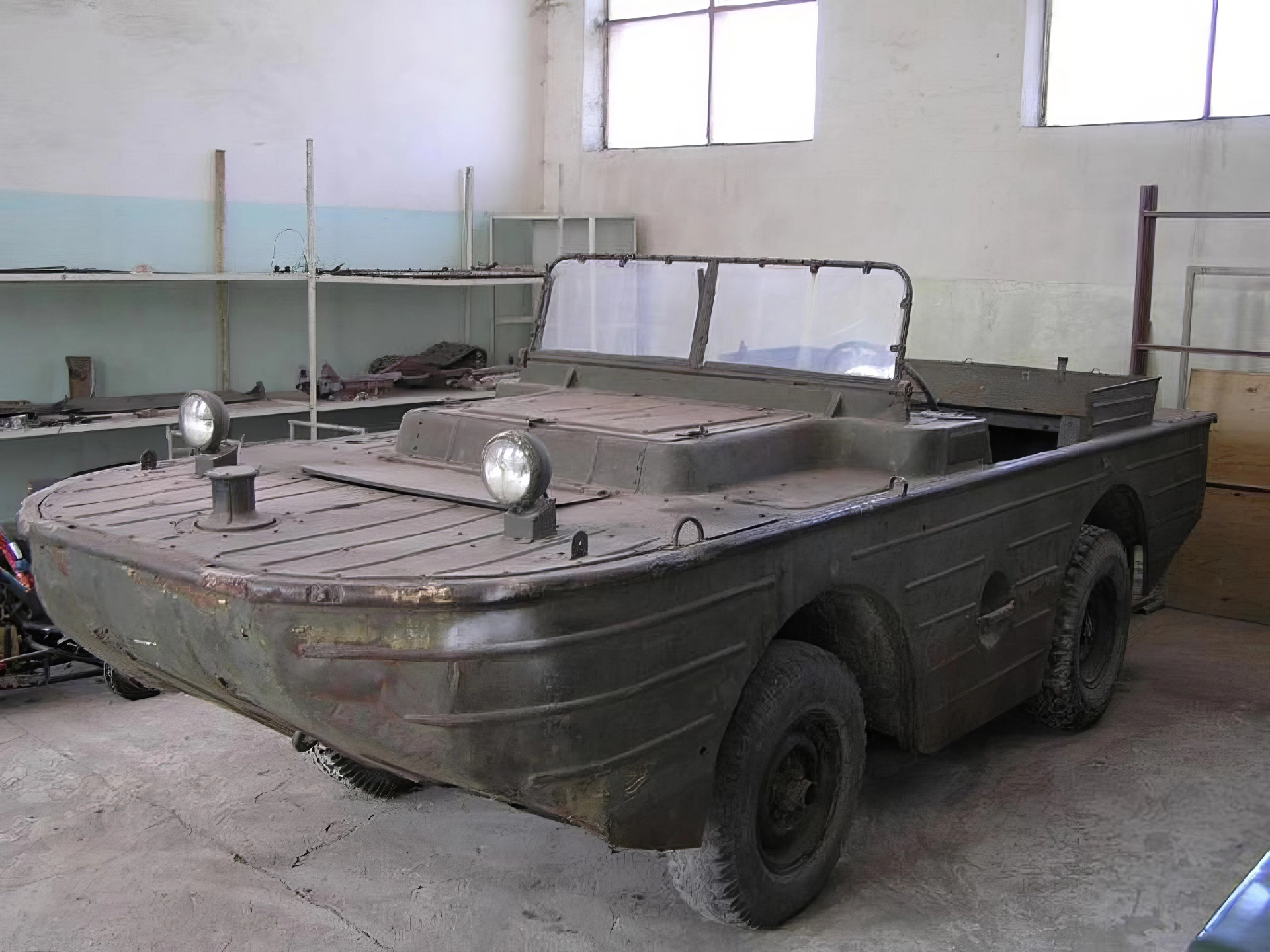
这 GAZ-46, 军队指定马夫 (俄罗斯, [ • 小型浮动车),是俄罗斯制造的轻型四轮驱动两栖军车,于20世纪50年代投入使用,自此被许多东方集团盟军使用。在第二次世界大战期间,加拿大、英国和美国向俄罗斯运送了大量军事物资。其中包括吉普车,卡车和两栖车辆,如6×6 DUKW和4×4福特GPA。后者被用来帮助人和装备穿越东欧的许多河流,与德国人作战。看到这种车辆的优点,战后,俄罗斯决定开发两种类似的车辆,使用国内汽车零部件,BAV,相当于DUIKW,和MAV,相当于福特GPA。
| MAV (Gaz-46) Walk Around | |
|---|---|
| Photographer | Igor Suhin |
| Localisation | Unknow |
| Photos | 27 |
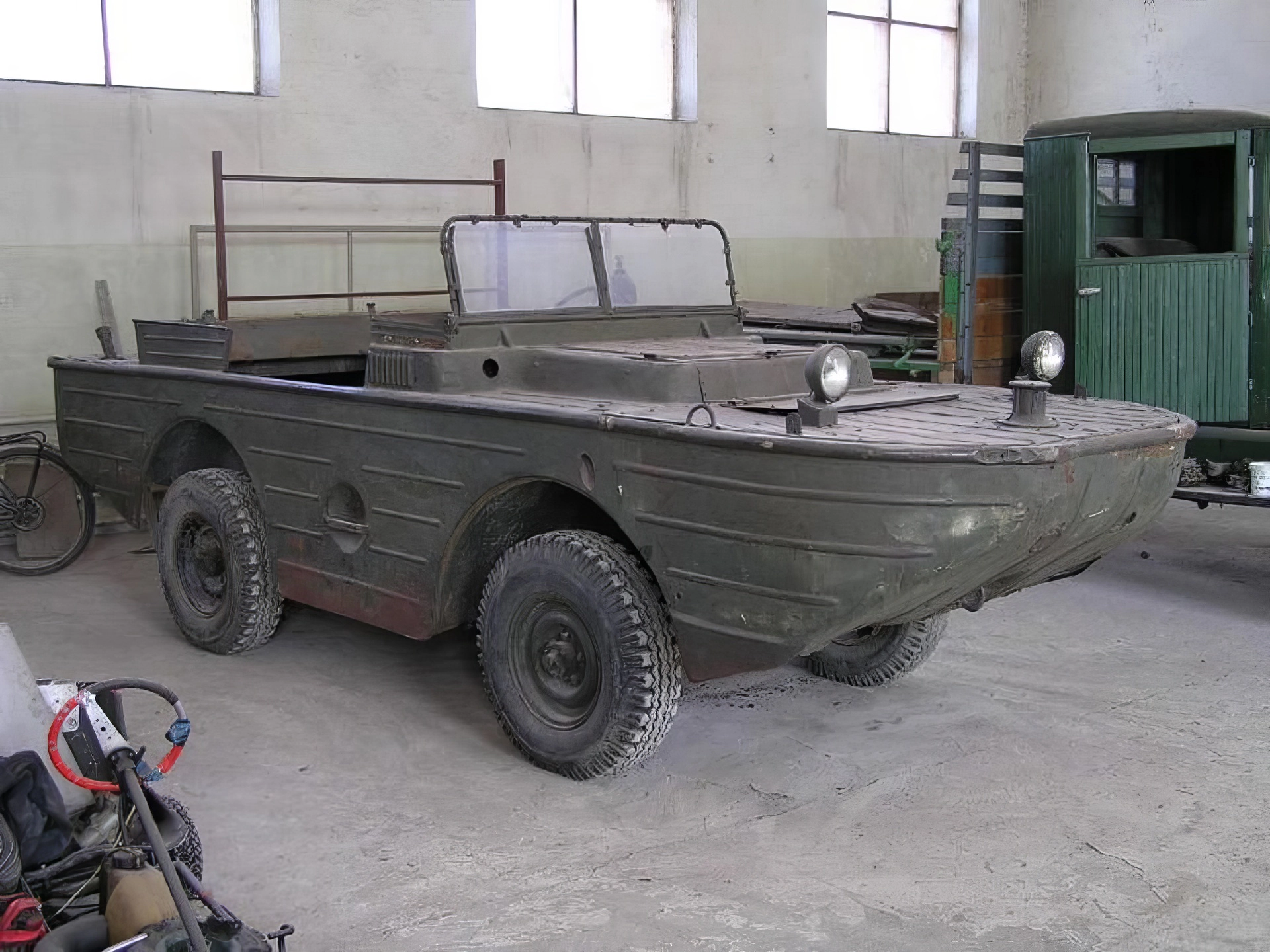
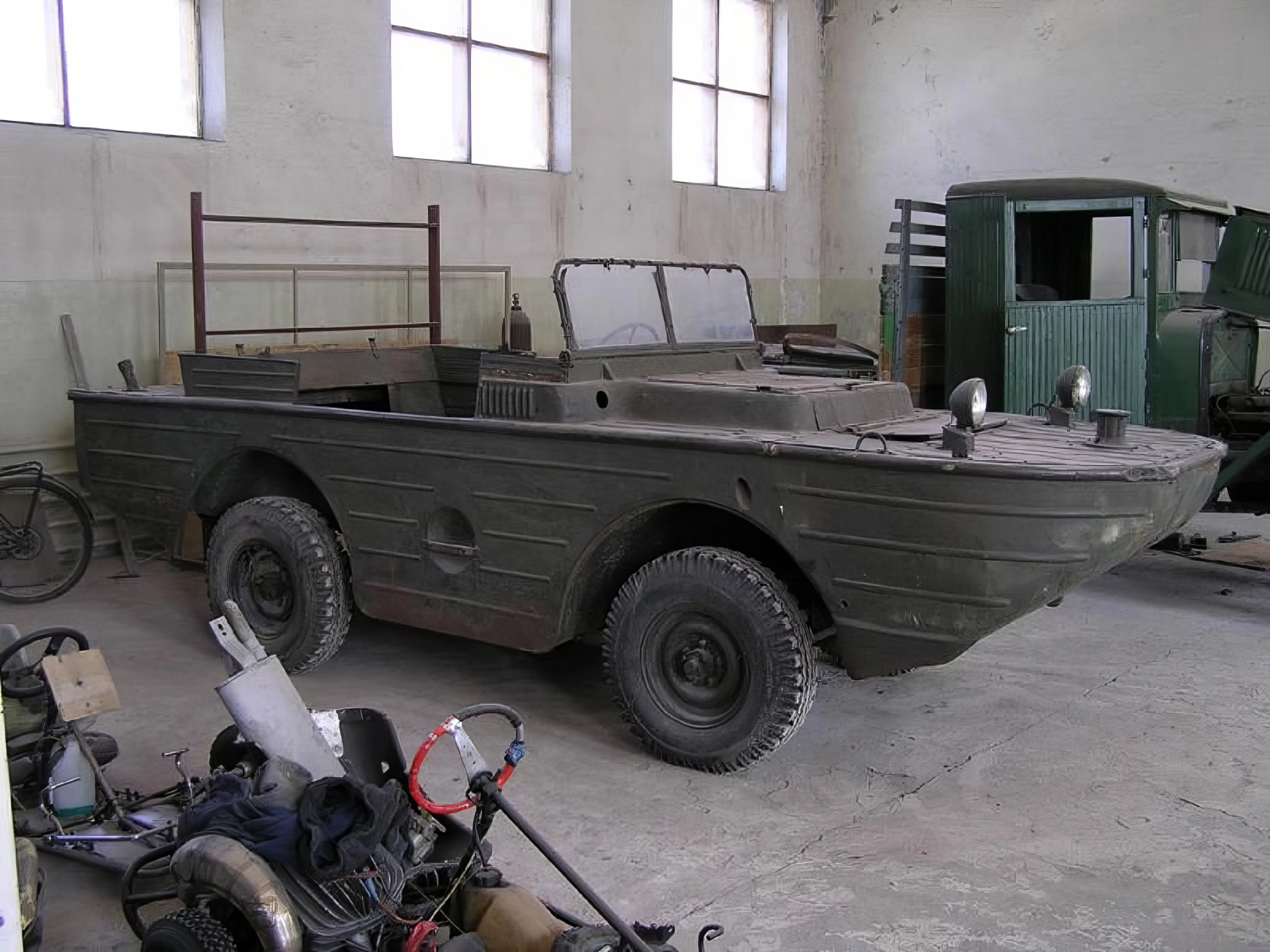
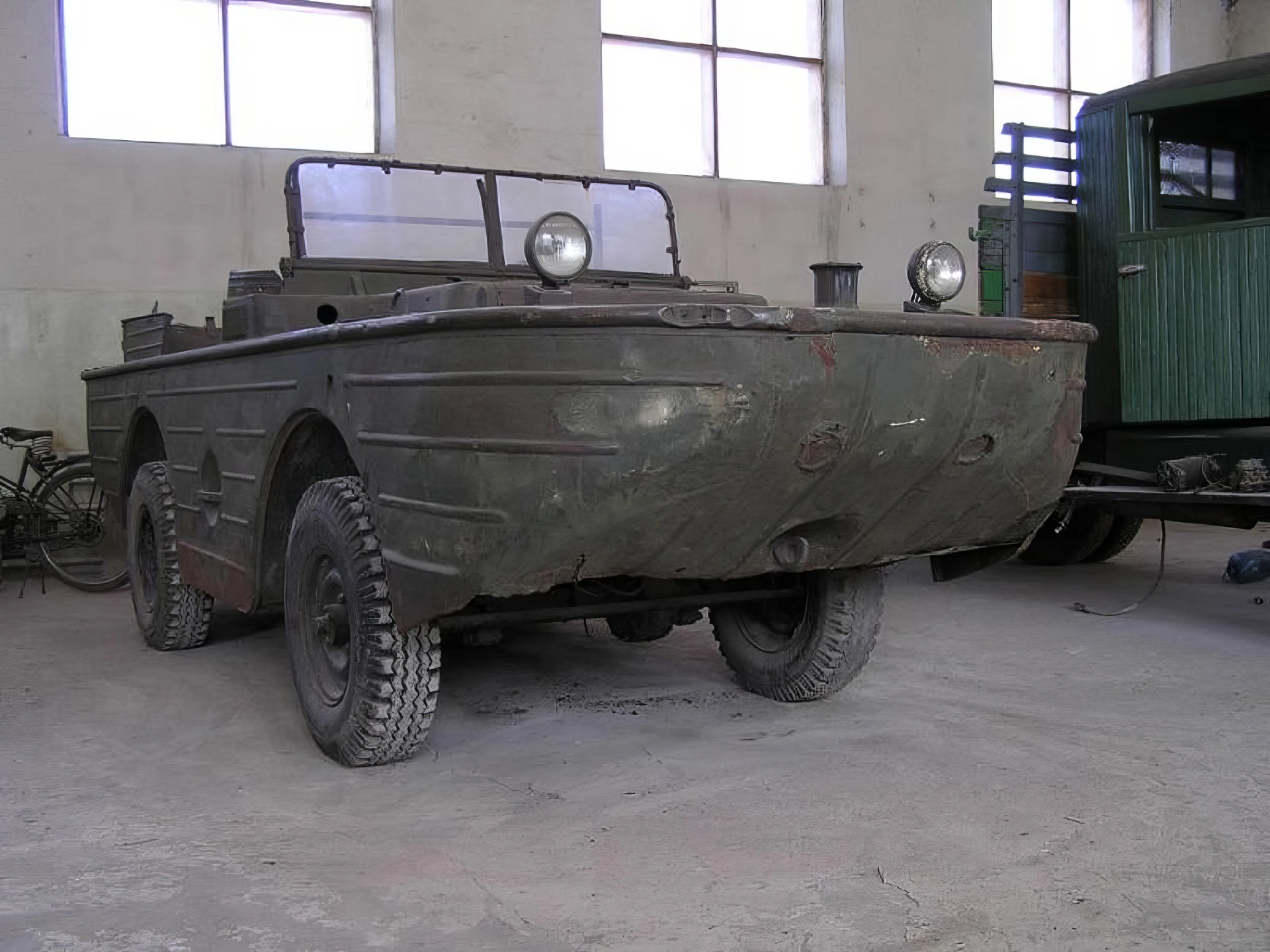

另请参阅:


General Characteristics and Role
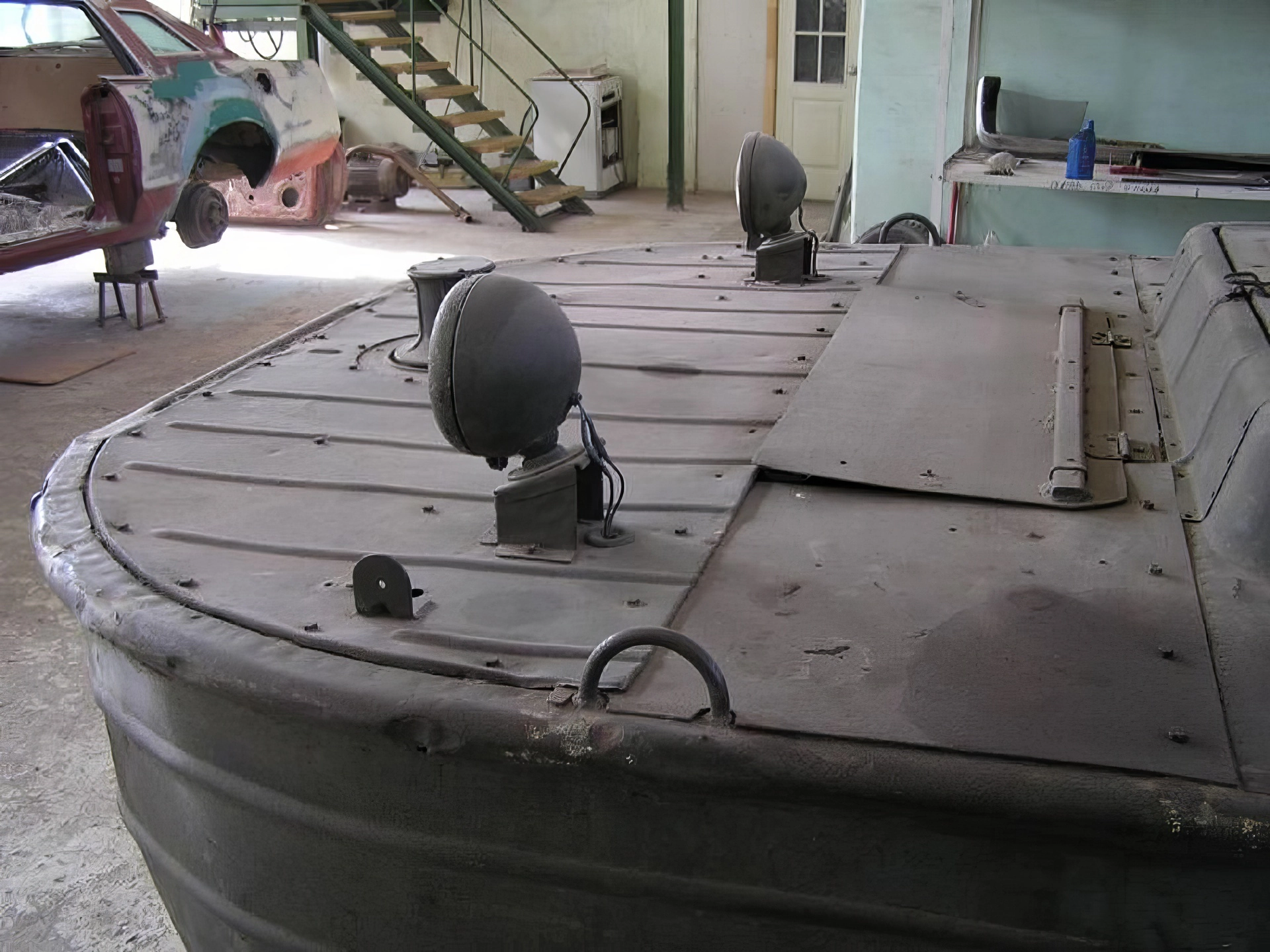
The GAZ-46 MAV (Maly Avtomobil Vodorodny, or “Small Water Vehicle”) was a Soviet light amphibious military vehicle developed shortly after World War II. It was essentially a direct, slightly scaled-down copy of the American Ford GPA ‘Seep’ amphibious jeep, which had been supplied to the Soviet Union under the Lend-Lease program during the war. The GAZ-46 was designed to provide troop and equipment transport across water obstacles for reconnaissance, liaison, and light patrol duties. It featured a boat-like hull and a conventional four-wheel-drive system on land, complemented by a propeller for water propulsion. It served primarily with the Soviet Army and Warsaw Pact nations.
| Property | Typical Value (GAZ-46 MAV) |
|---|---|
| 作用 | Light Amphibious Reconnaissance/Transport |
| National Origin | Soviet Union (USSR) |
| 制造商 | Gorky Automobile Plant (GAZ) |
| Service Entry | 1953 |
| 船员 | 1 (Driver) |
| 能力 | 4 or 5 personnel, or 500 kg (1,102 lb) of cargo |
| 配置 | 4×4, All-wheel drive (Land) |
| 长度 | 5.07 m (16 ft 8 in) |
| 宽度 | 1.70 m (5 ft 7 in) |
| 高度 | 1.70 m (5 ft 7 in) (Windshield up) |
| Combat Weight | 2,360 kg (5,200 lb) |
Powerplant and Mobility
- Engine: 1 x GAZ-M20 four-cylinder petrol engine (used in the GAZ-M20 Pobeda car).
- Power Output: 52 hp (39 kW).
- Maximum Speed (Road): 90 km/h (56 mph).
- Maximum Speed (Water): 10 km/h (6.2 mph; 5.4 kn).
- Propulsion (Water): Single propeller, driven by a power take-off from the transmission.
- Land Transmission: Manual, 4 forward gears, 1 reverse gear, 2-speed transfer case.
Design and Legacy
- Design Basis: Directly based on the Ford GPA (Seep), but modified to utilize standard Soviet GAZ-M20 Pobeda car components for easier logistics and repair.
- Wartime Influence: The need for an indigenous amphibious vehicle arose from the success and utility of the American amphibious jeeps used during the war.
- Construction: Featured a boat-like, welded steel hull for watertight integrity and a conventional automotive chassis within the hull.
- Successor: The GAZ-46 was eventually replaced by more advanced amphibious vehicles and specialized armored personnel carriers in the Soviet military.
视图: 2265