UH-19D奇卡索 | |
|---|---|
| 国家 | 美国 |
| 类型 | 实用直升机 |
| 首次飞行 | 1949年11月10日 |
| 建立 | 1728 |
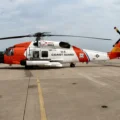
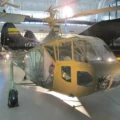
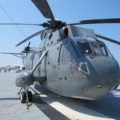
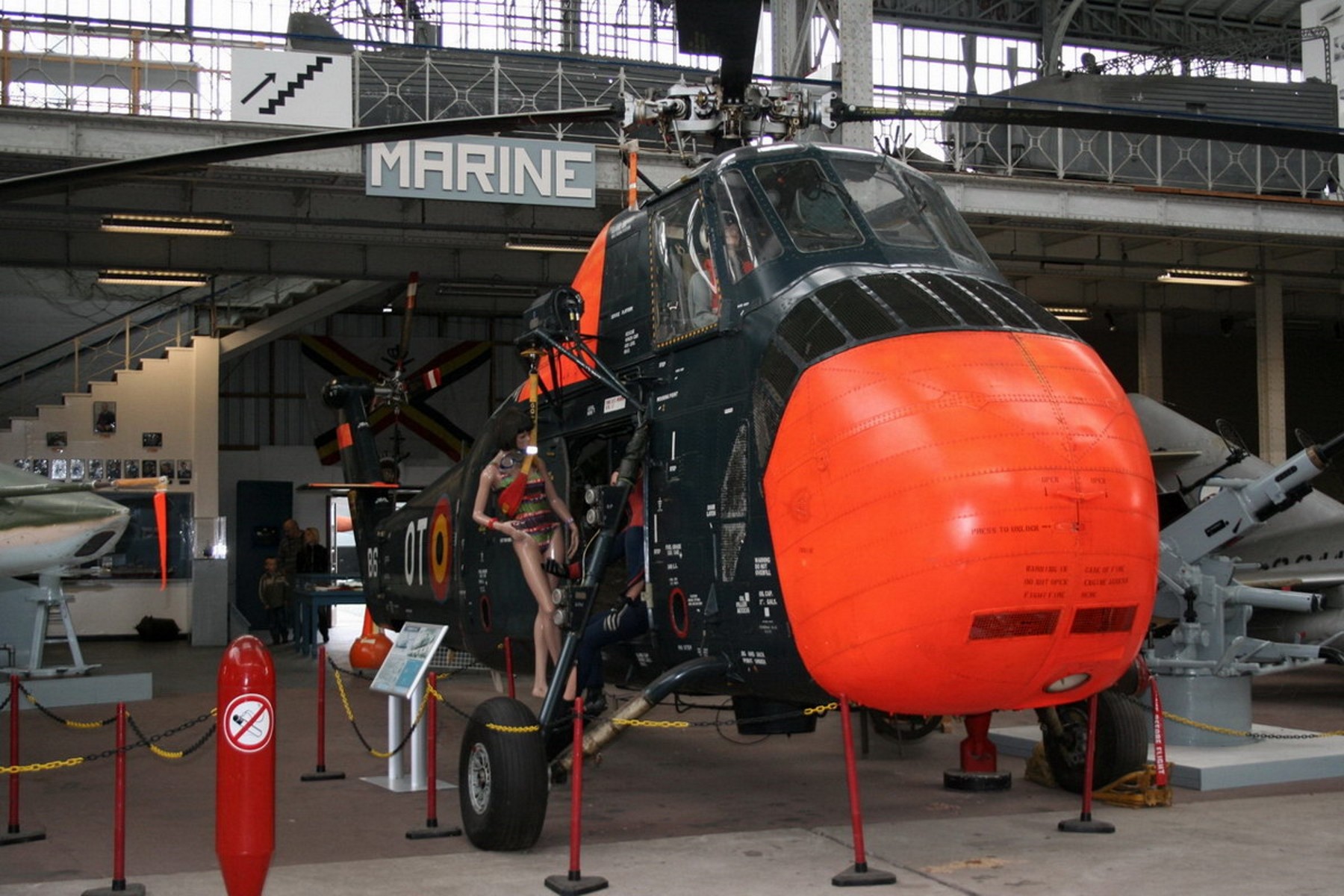
这 西科斯基 H-19 奇卡索,(也被称为其西科斯基型号,S-55)是美国陆军和美国空军使用的多用途直升机。它也由韦斯特兰飞机公司作为英国的韦斯特兰旋风建造。美国海军和美国海岸警卫队的模型被指定为HO4S,而美国海军陆战队的模型被指定为HRS。1962年,美国海军、美国海岸警卫队和美国海军陆战队版本都重新设计为H-19,就像美国陆军和美国空军一样。
源: 维基 百科
| UH-19D Chickasaw | |
|---|---|
| 摄影师 | 未知 |
| 本地化 | 未知 |
| 照片 | 23 |
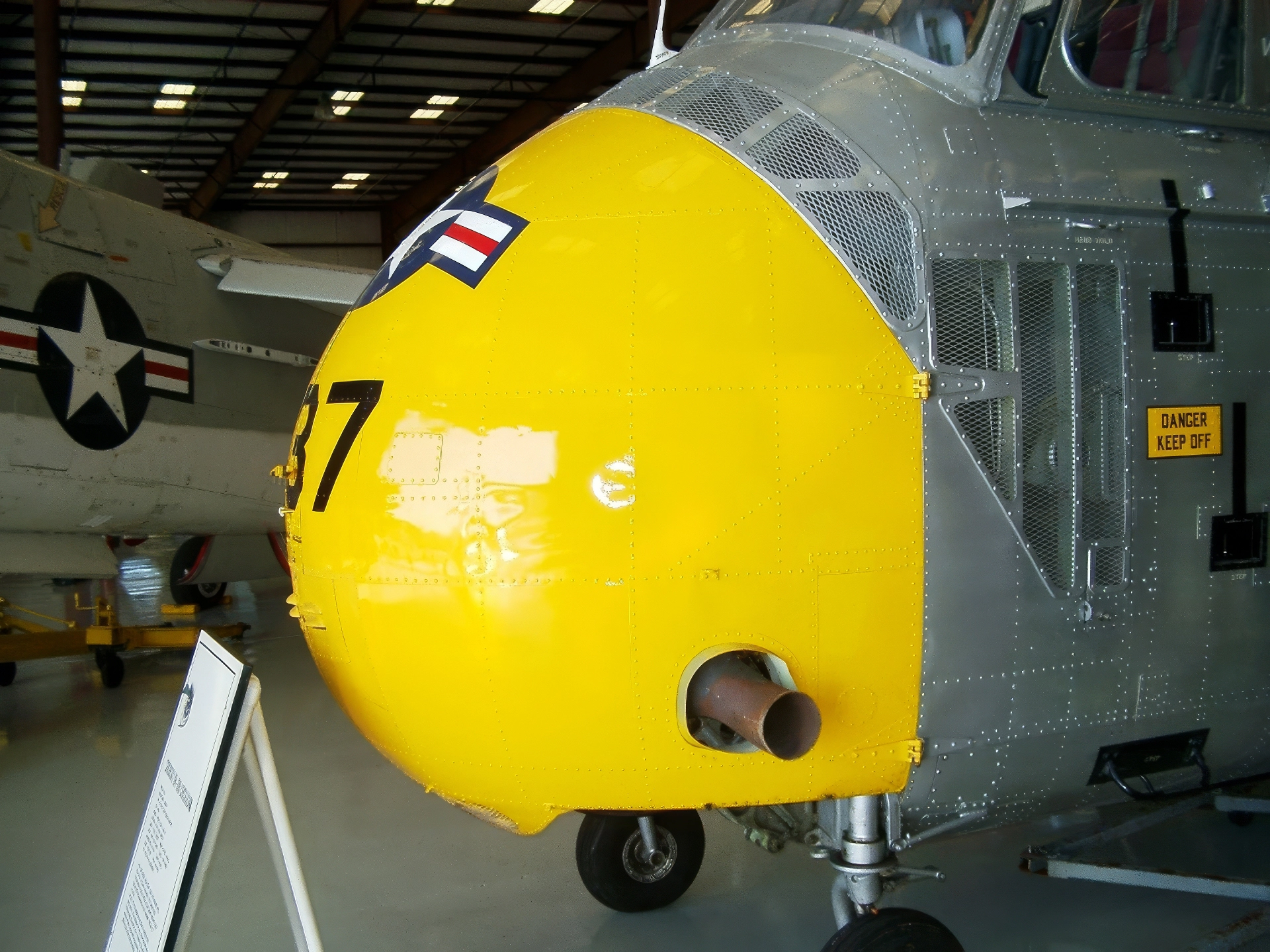
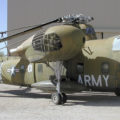
UH-19D 奇克索 01
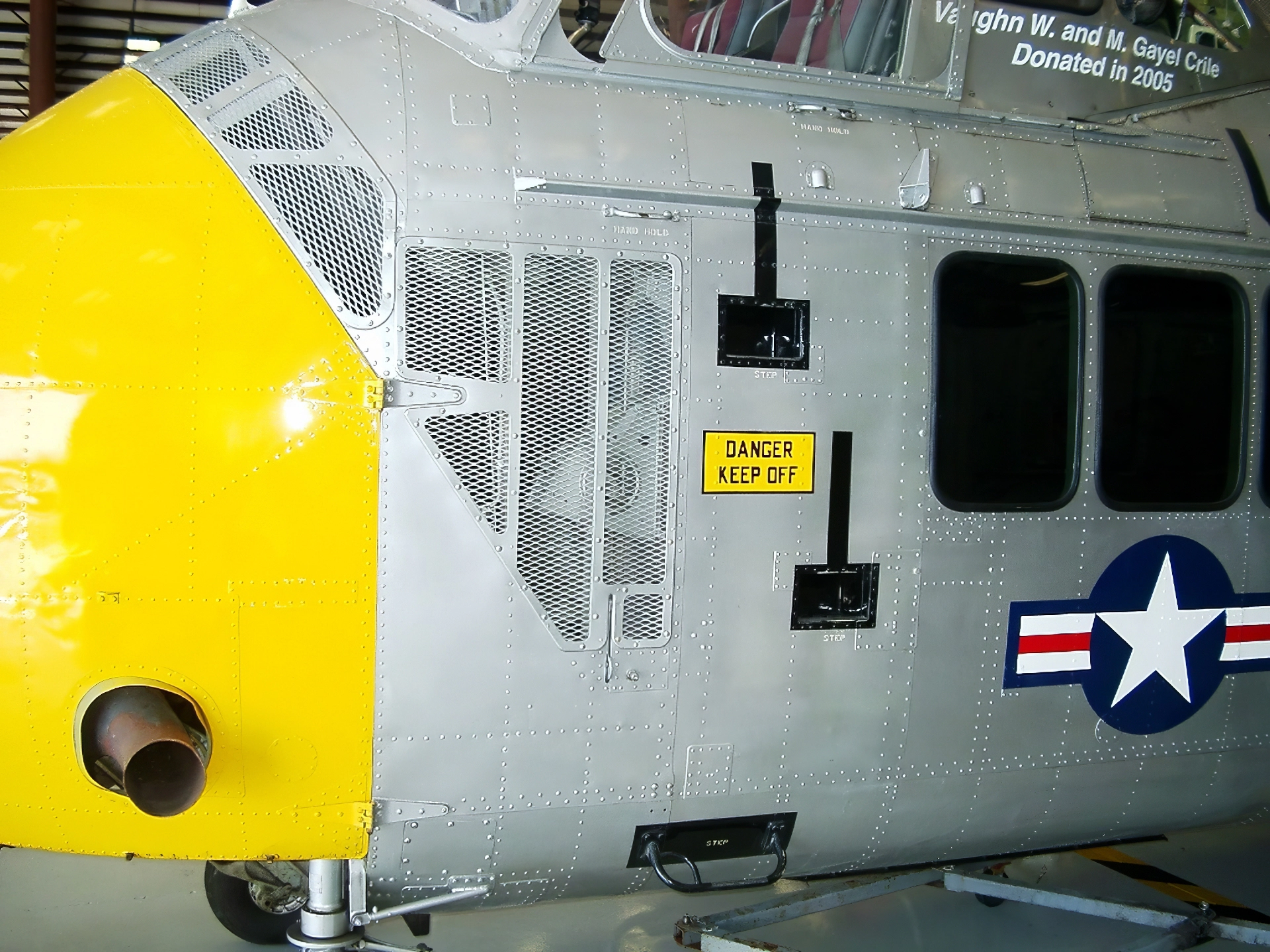
UH-19D 奇克索 02
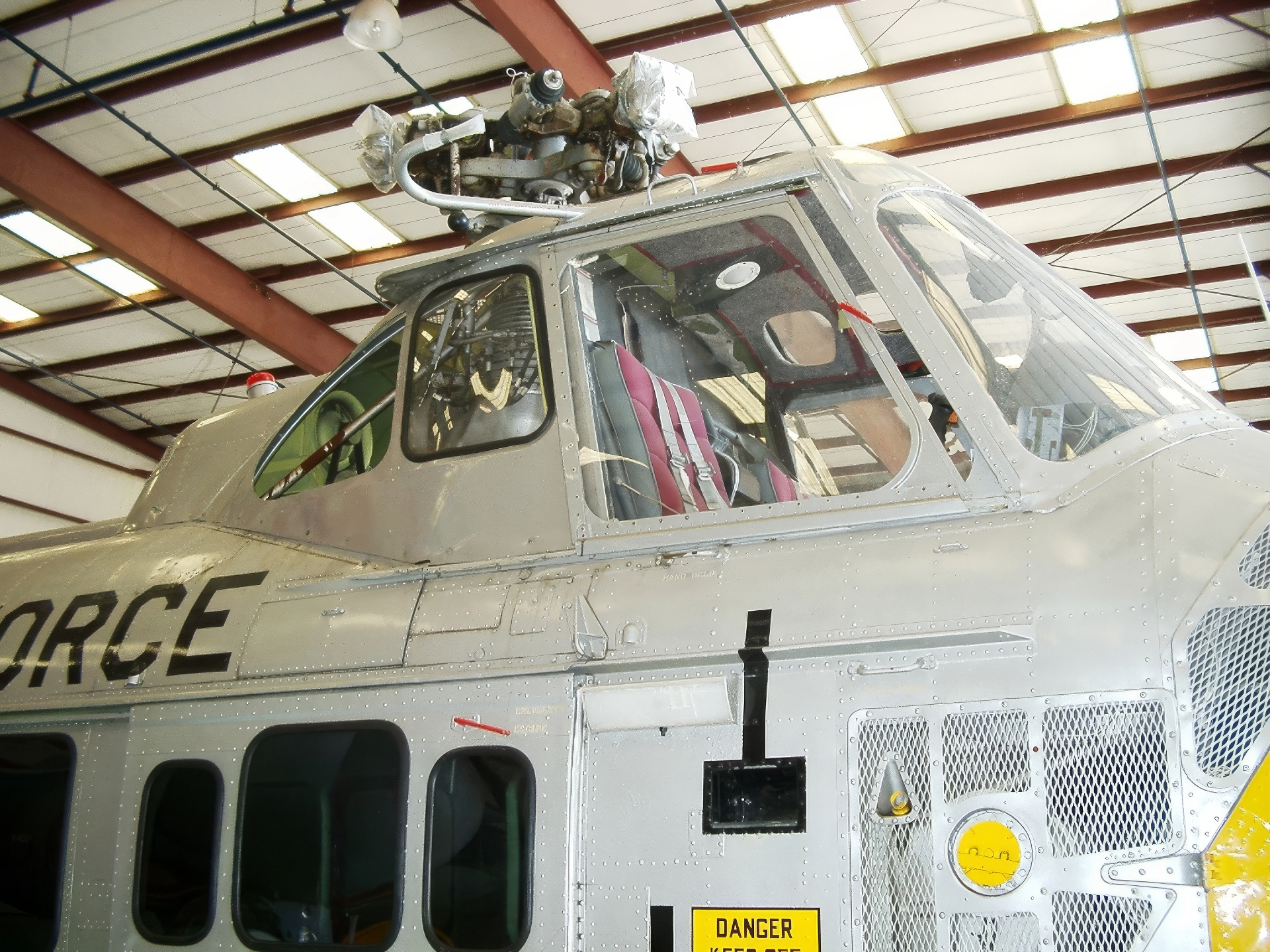
UH-19D 奇克索 03
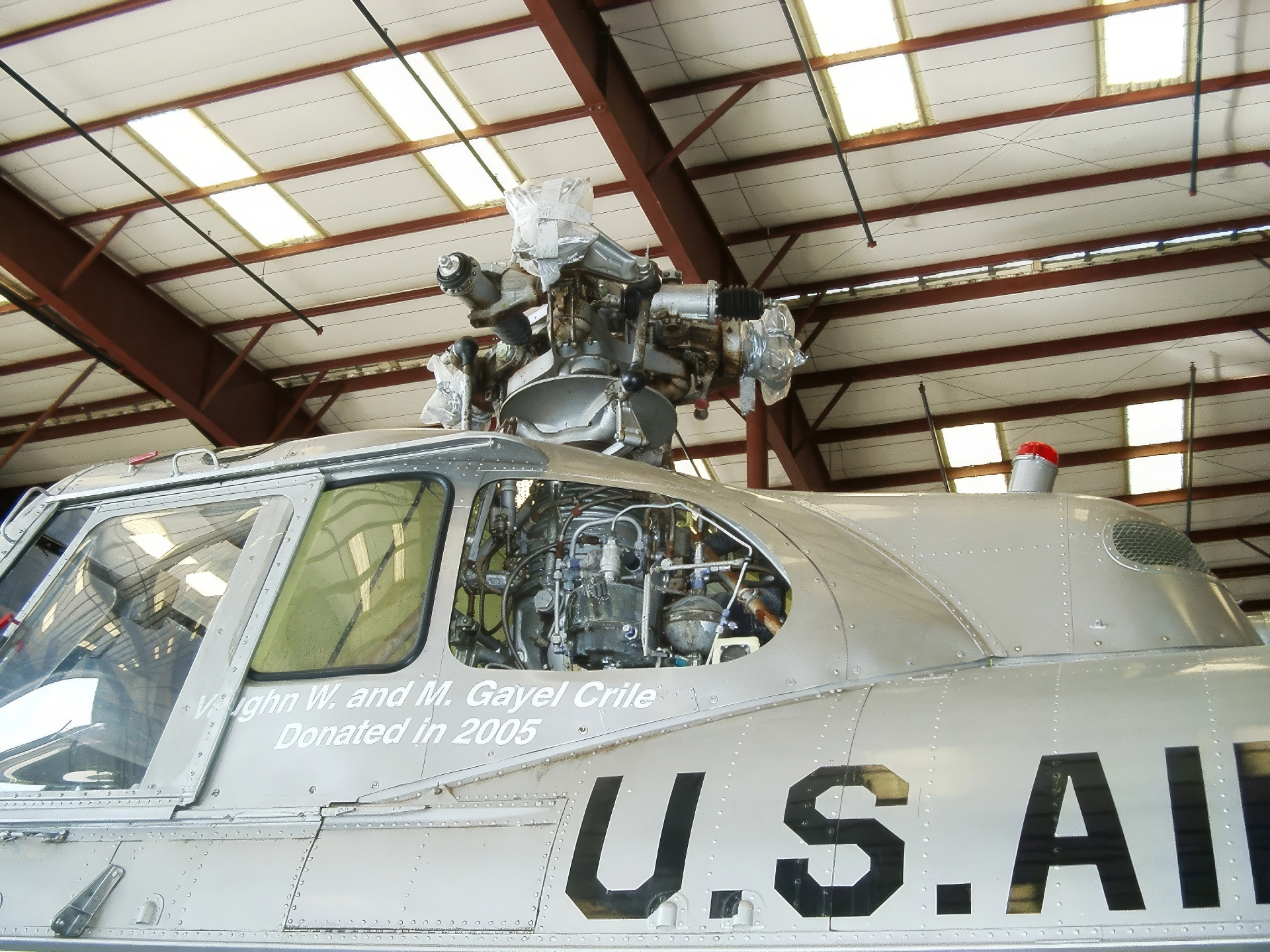
UH-19D 奇克索 04
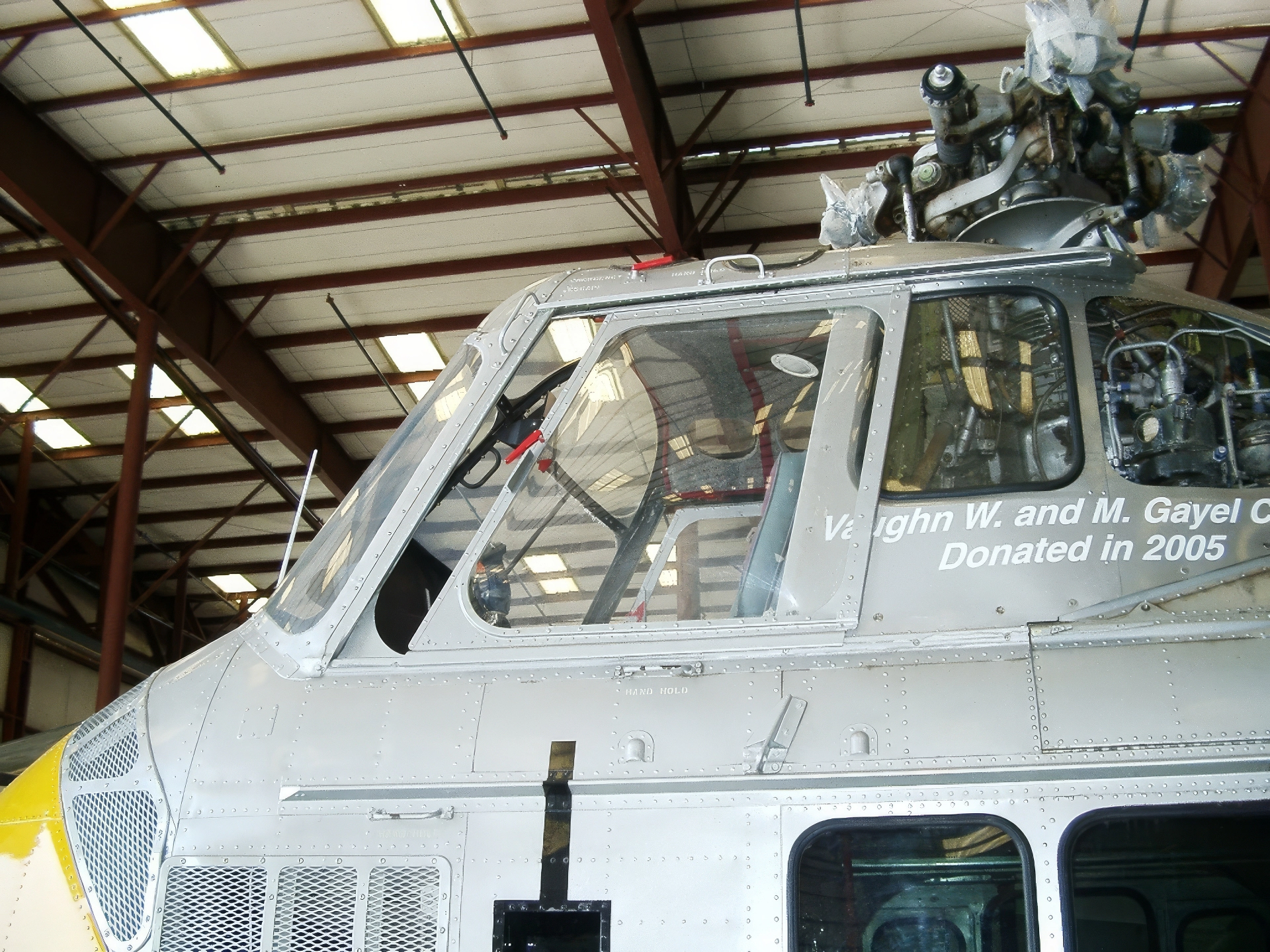
UH-19D 奇克索 05
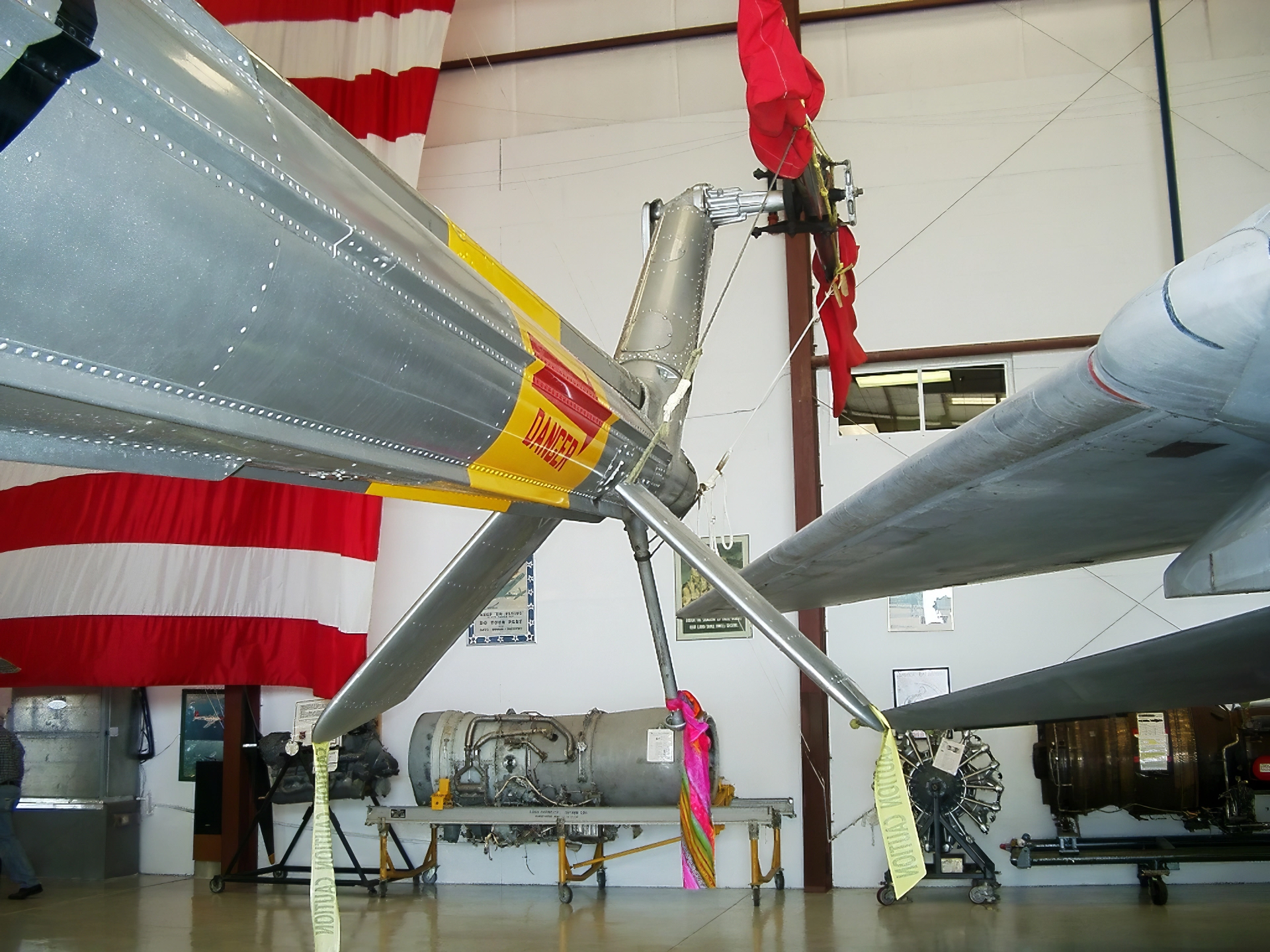
UH-19D 奇克索 06
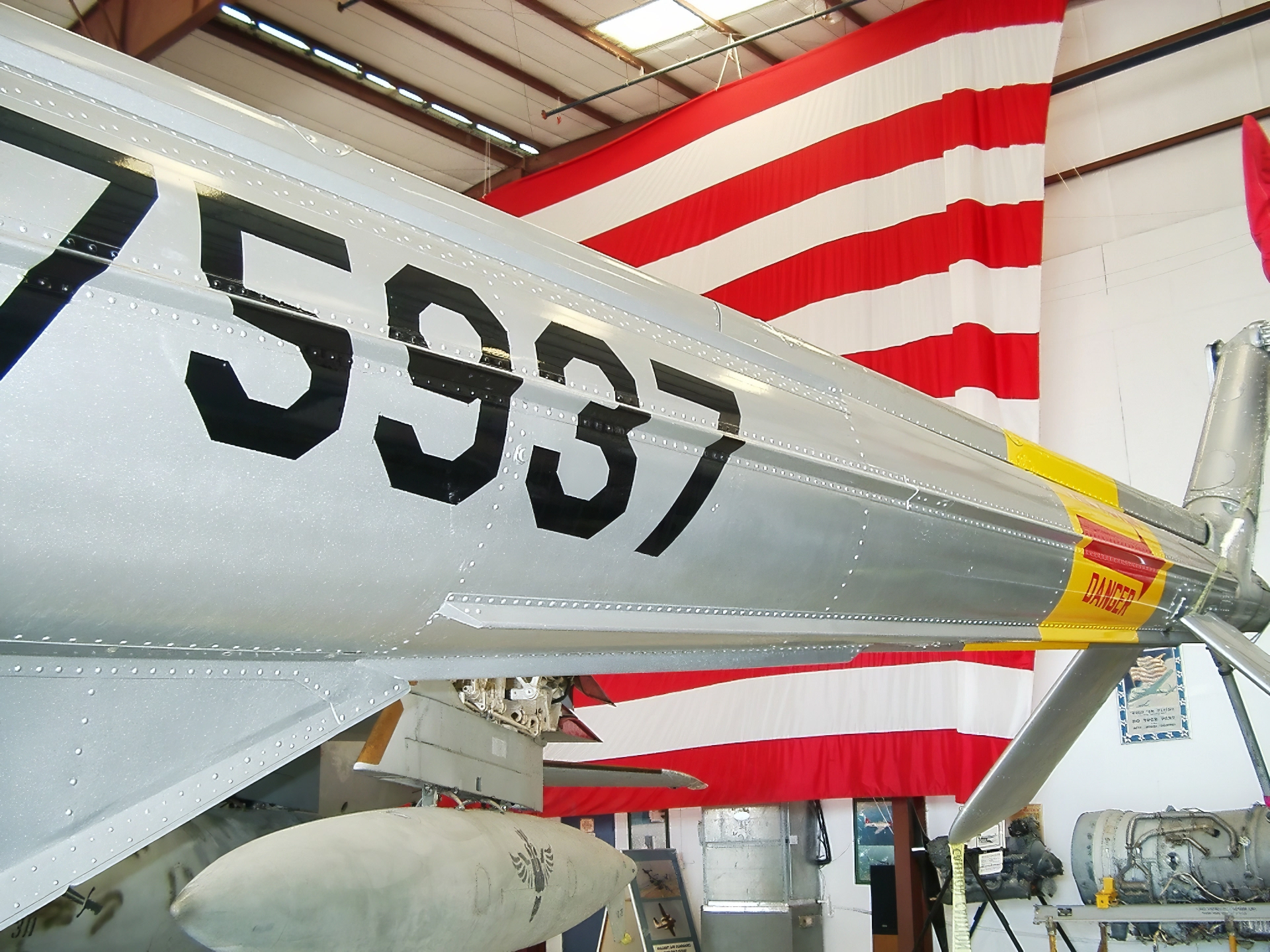
UH-19D 奇克索 07
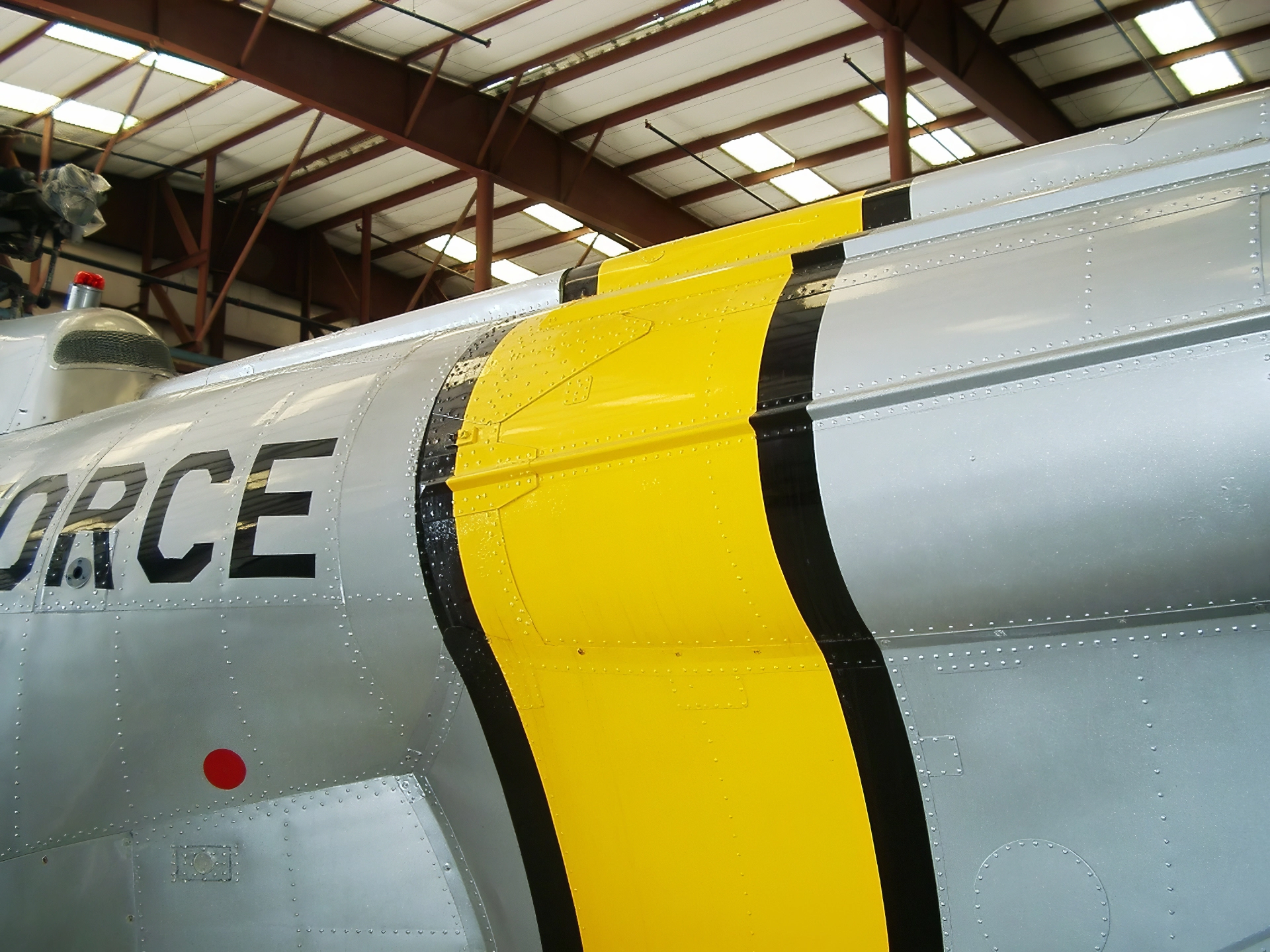
UH-19D 奇克索 08
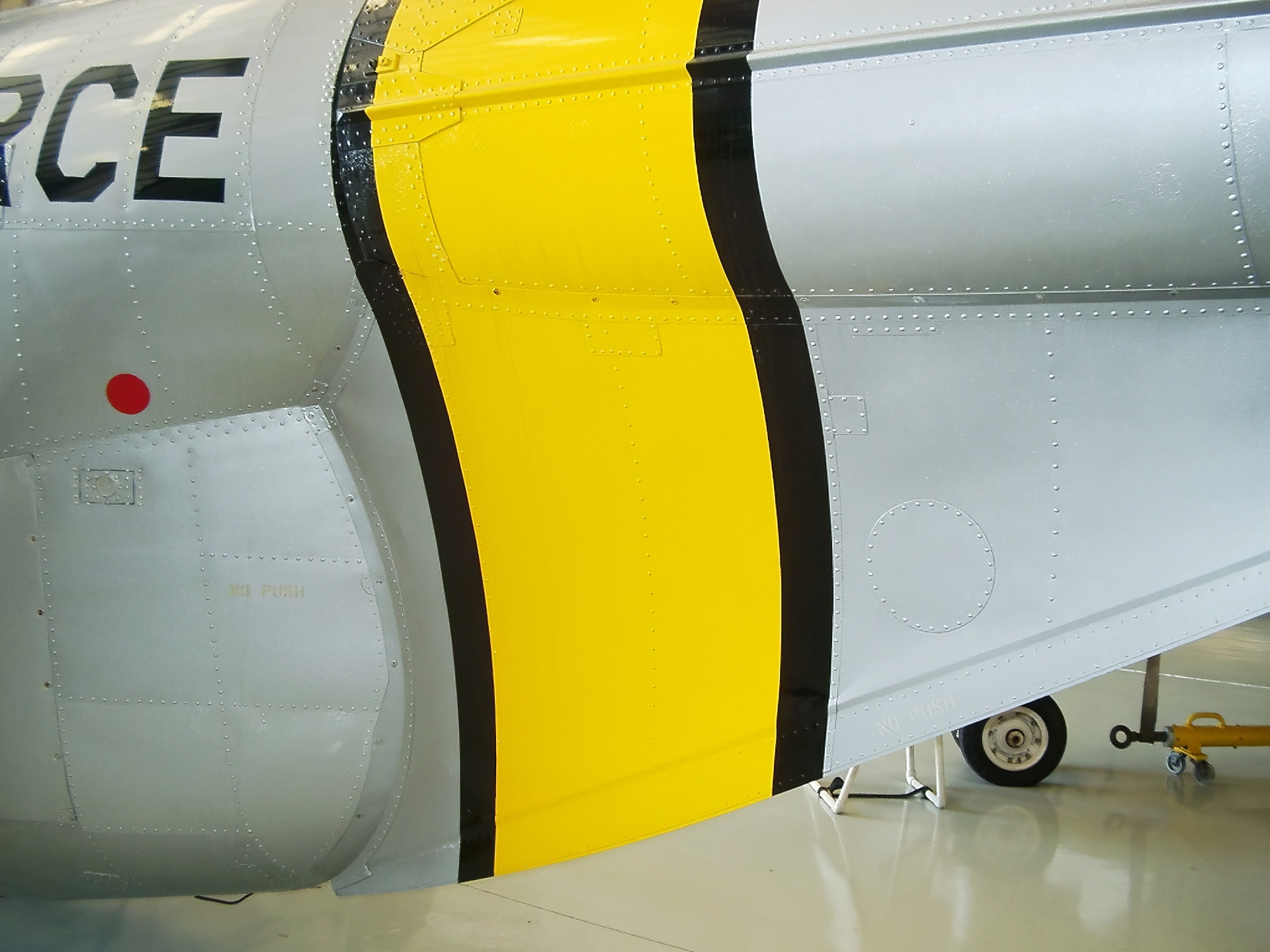
UH-19D 奇克索 09
等等,为您搜索UH-19D奇卡索照片。。。

| Sikorsky S-55B | |
|---|---|
| 摄影师 | 弗拉基米尔·亚库博夫 |
| 本地化 | 爱德华兹空军基地航空展 |
| 照片 | 103 |
 给我买杯咖啡
| Sikorsky H-19 Chickasaw Walk Around | |
|---|---|
| 摄影师 | Michael Benolkin |
| 本地化 | 未知 |
| 照片 | 18 |
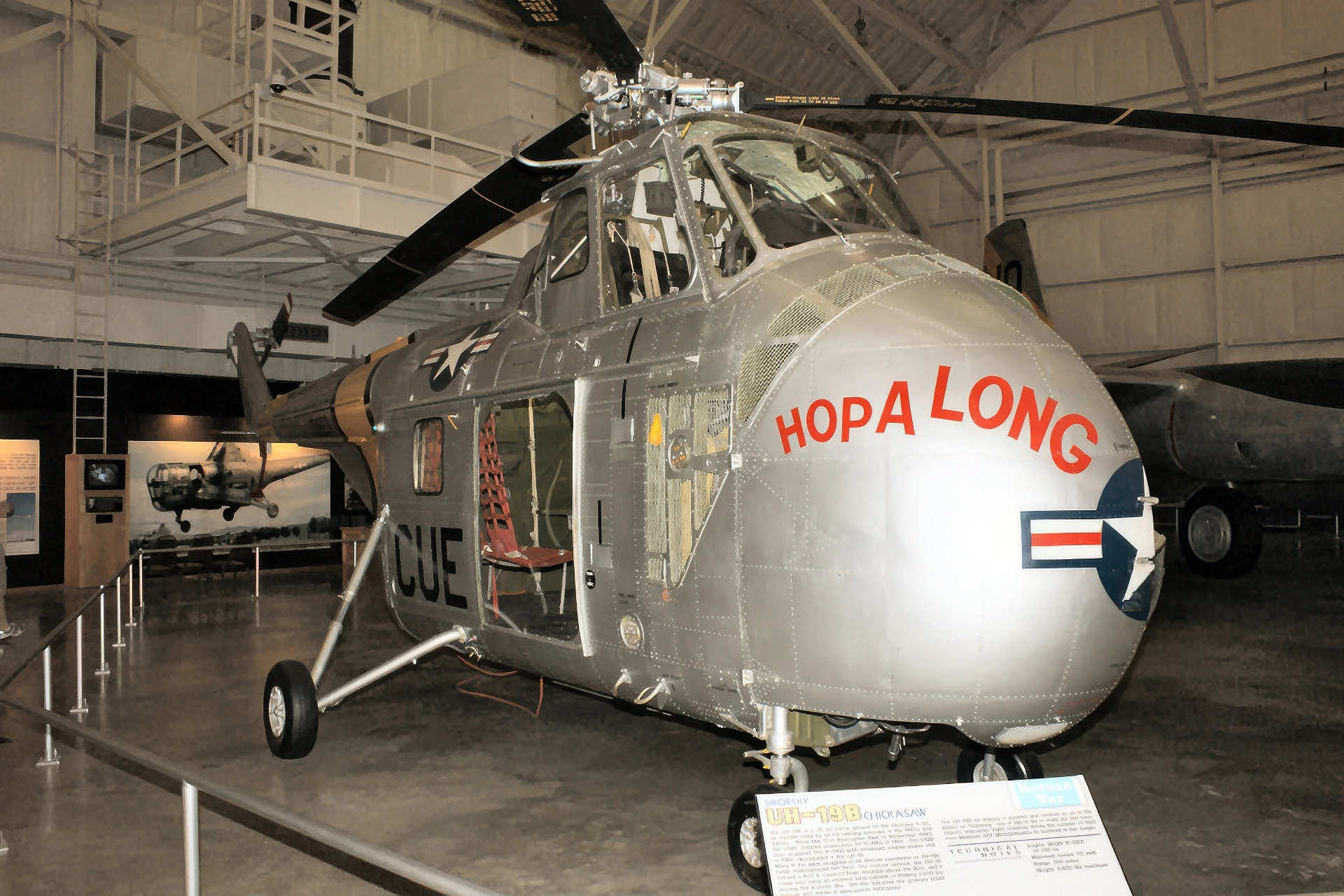
西科斯基 H-19 奇克索 01
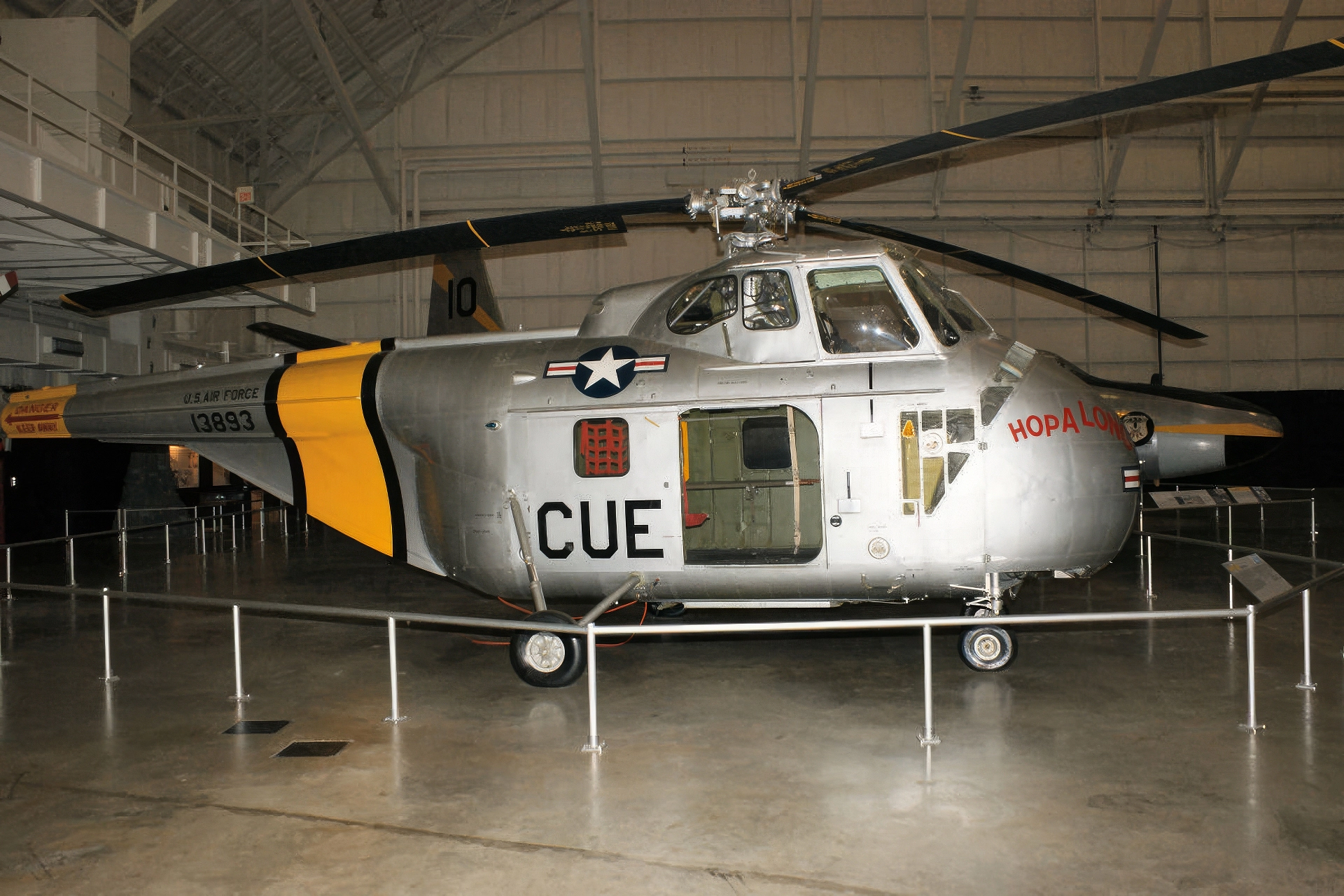
西科斯基 H-19 奇克索 02
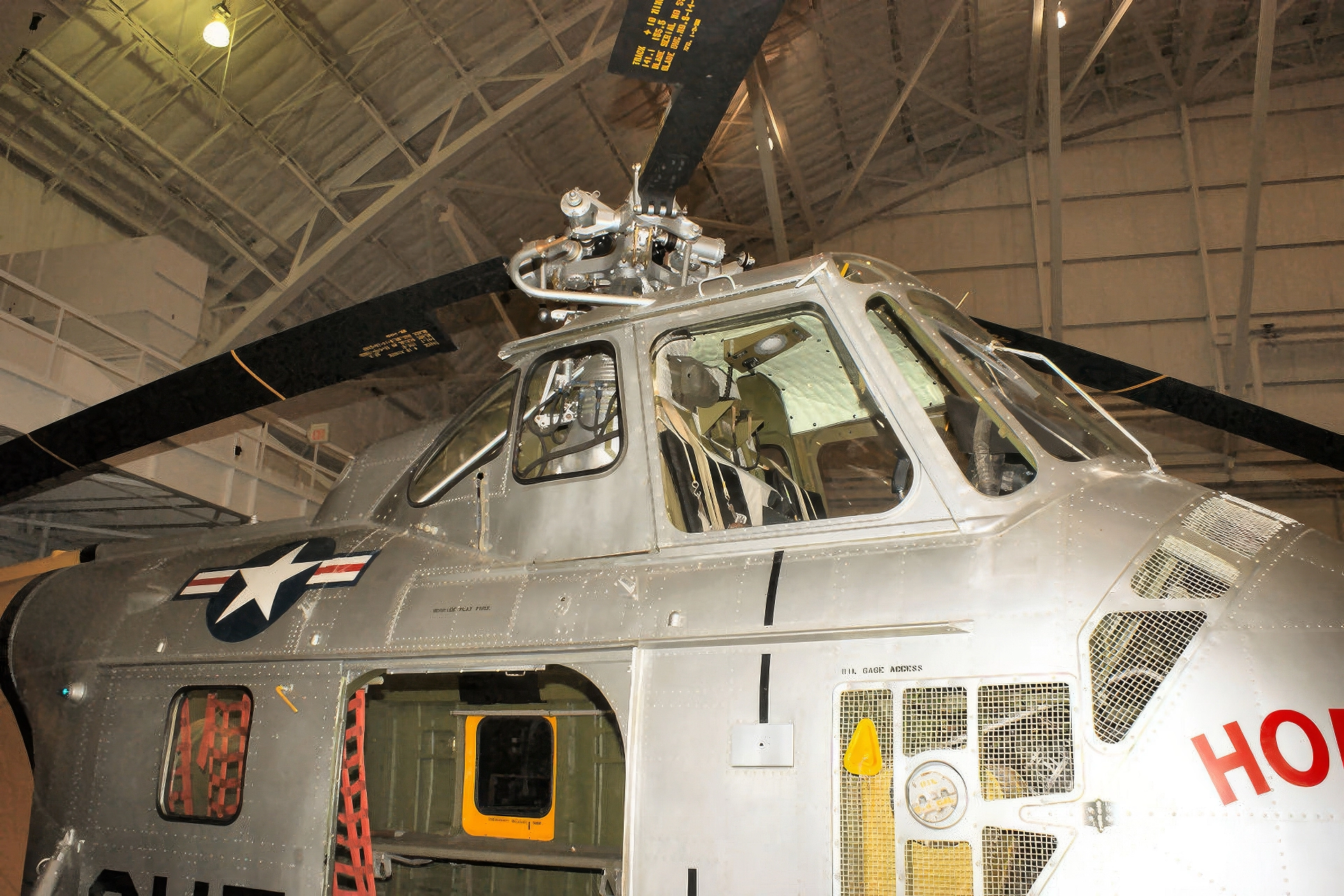
西科斯基 H-19 奇克索 03
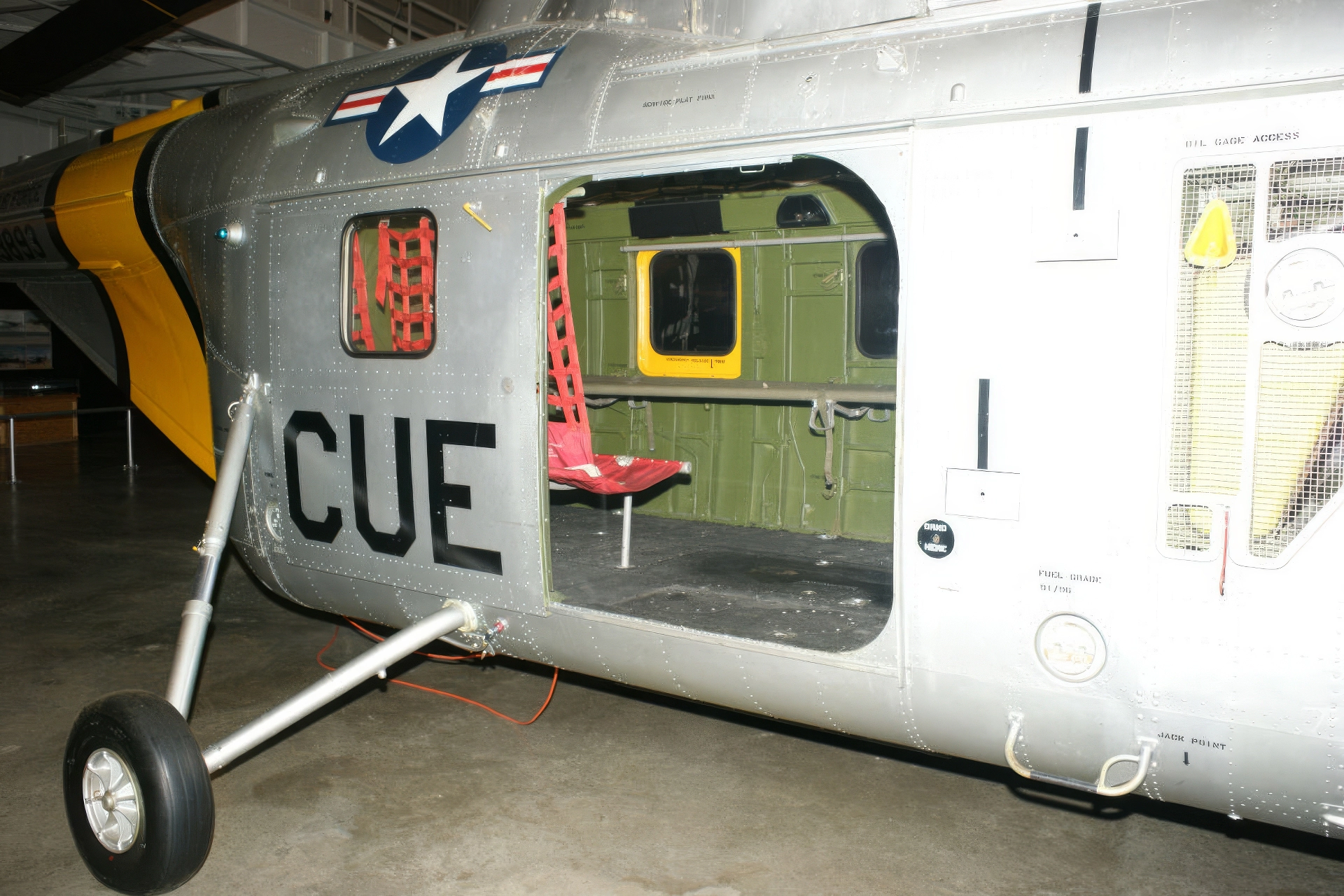
西科斯基 H-19 奇克索 04
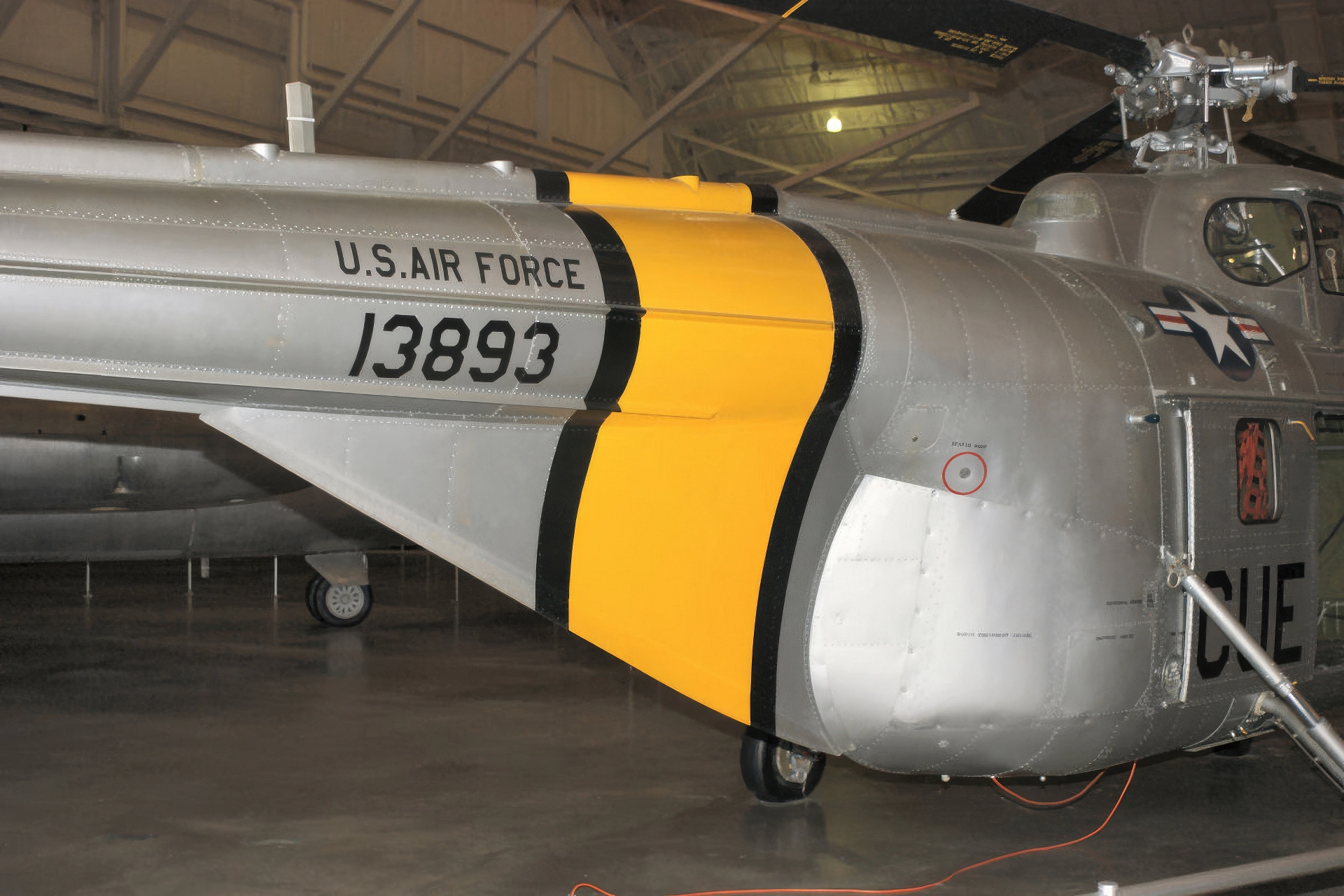
西科斯基 H-19 奇克索 05
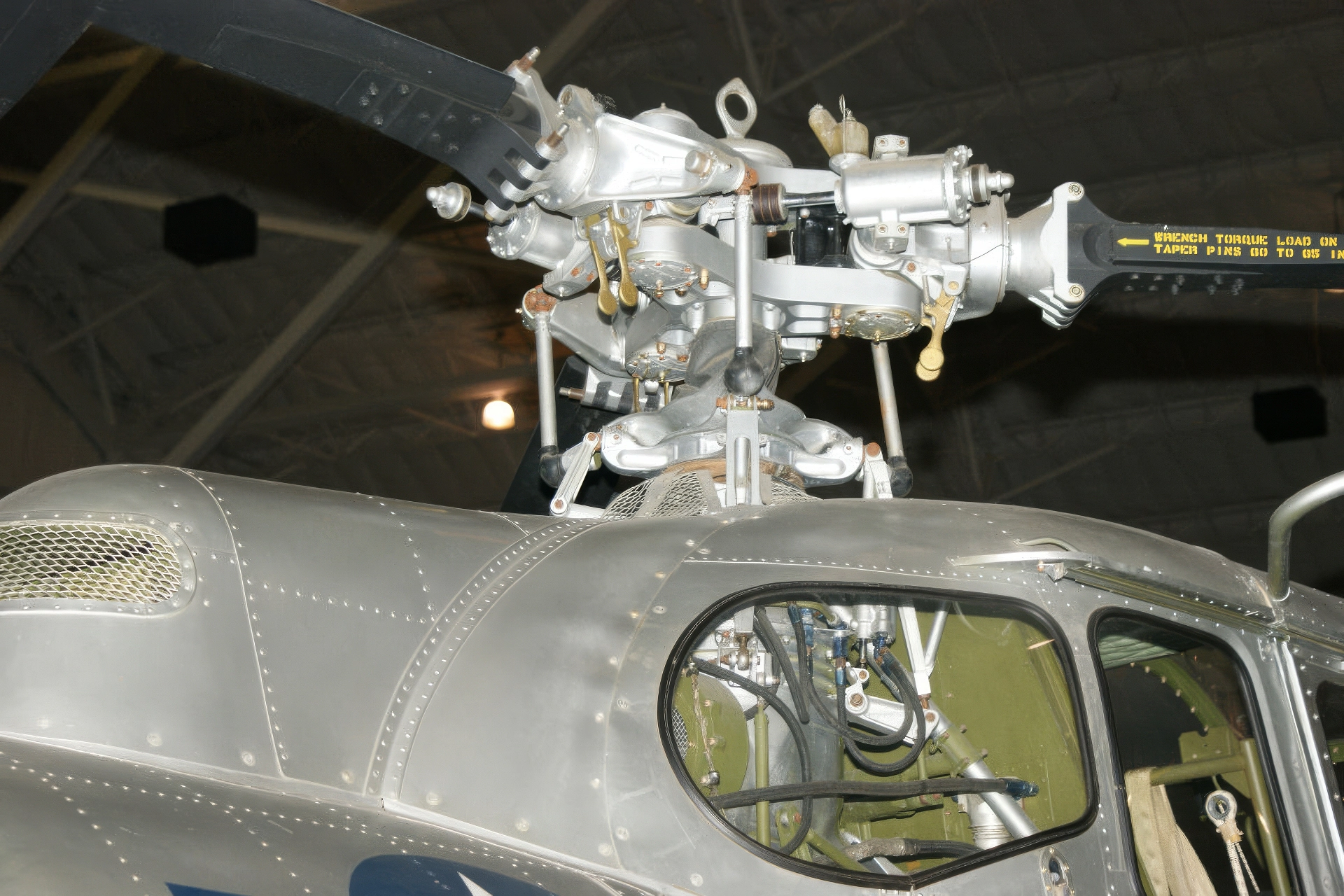
西科斯基 H-19 奇克索 06
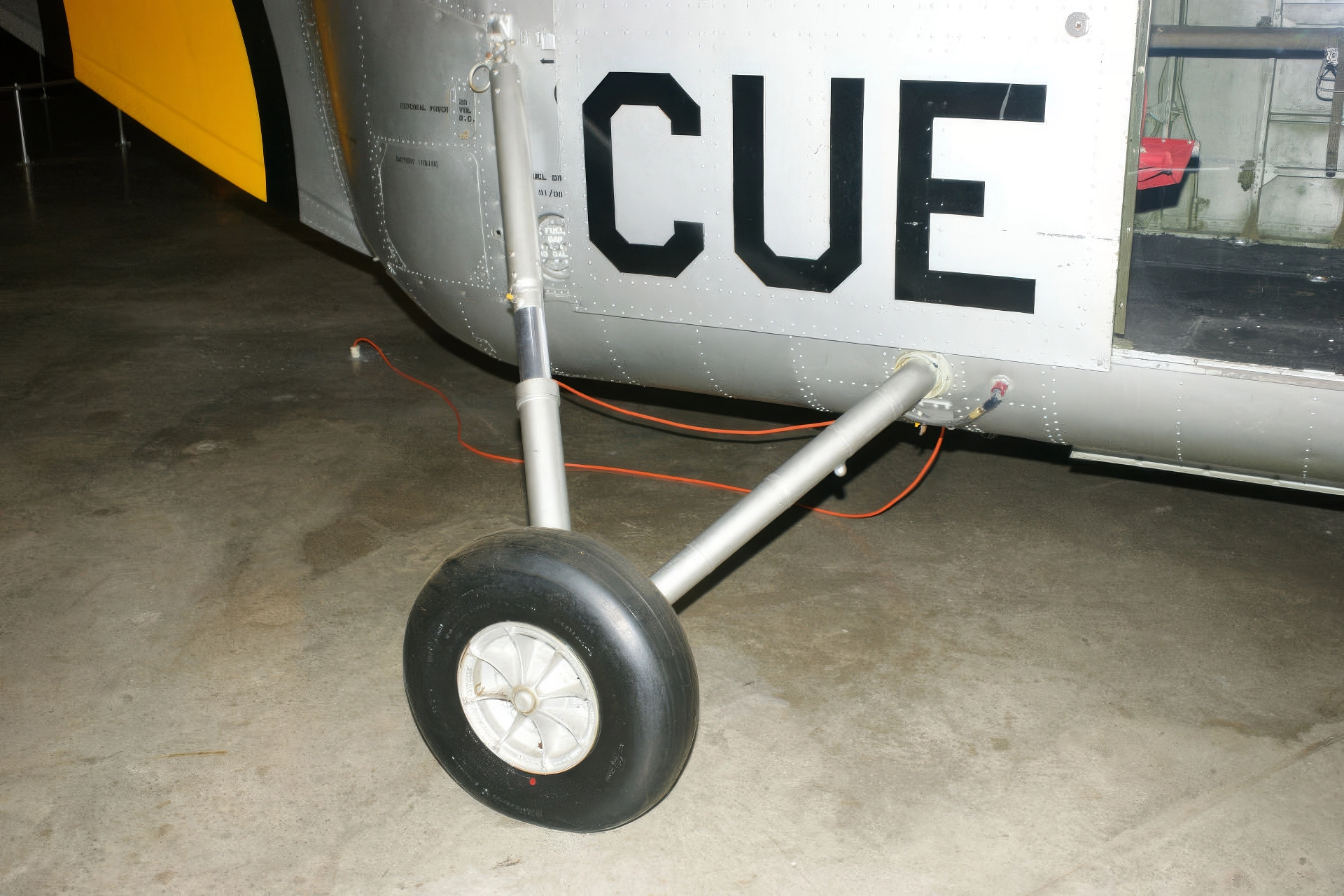
西科斯基 H-19 奇克索 07
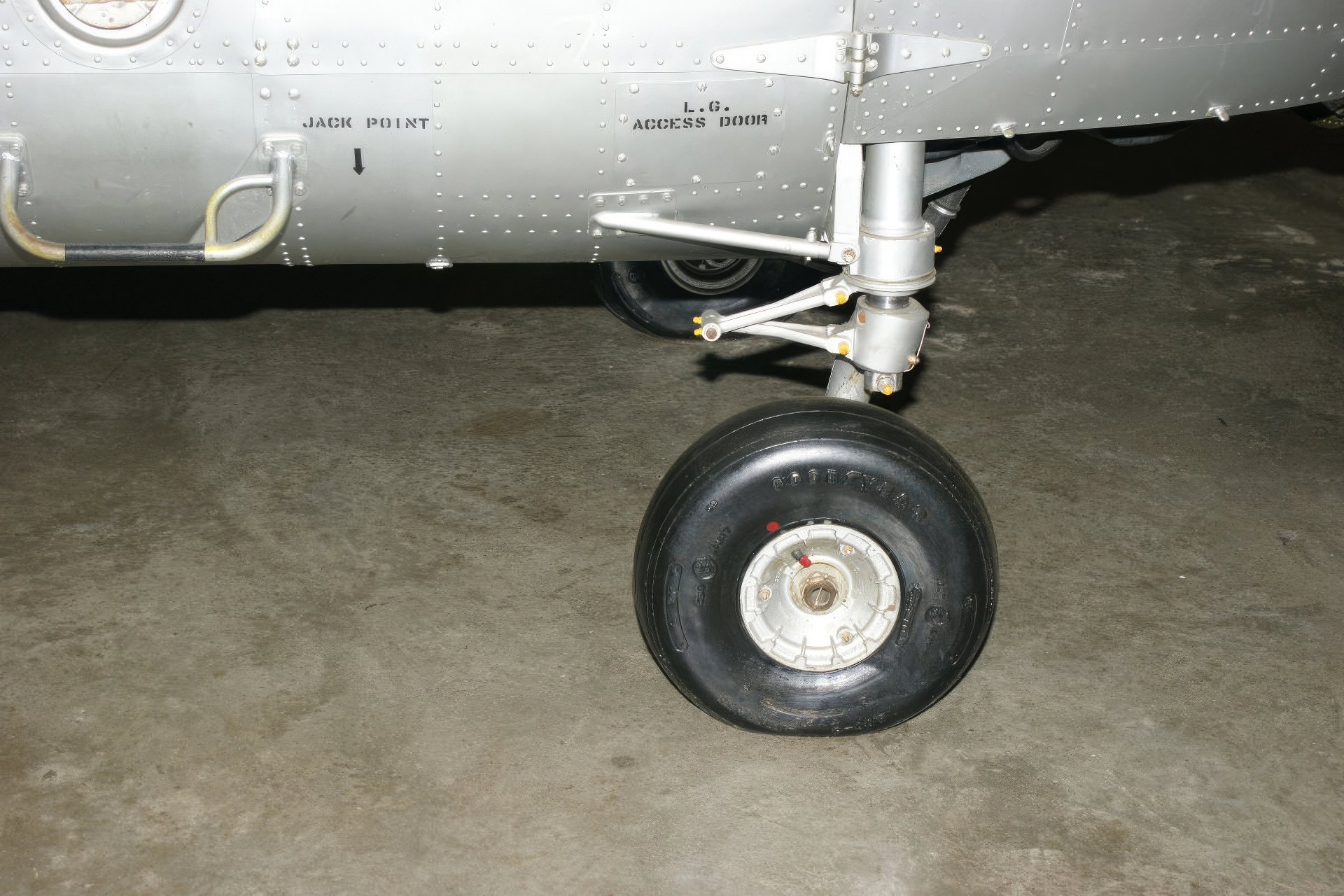
西科斯基 H-19 奇克索 08
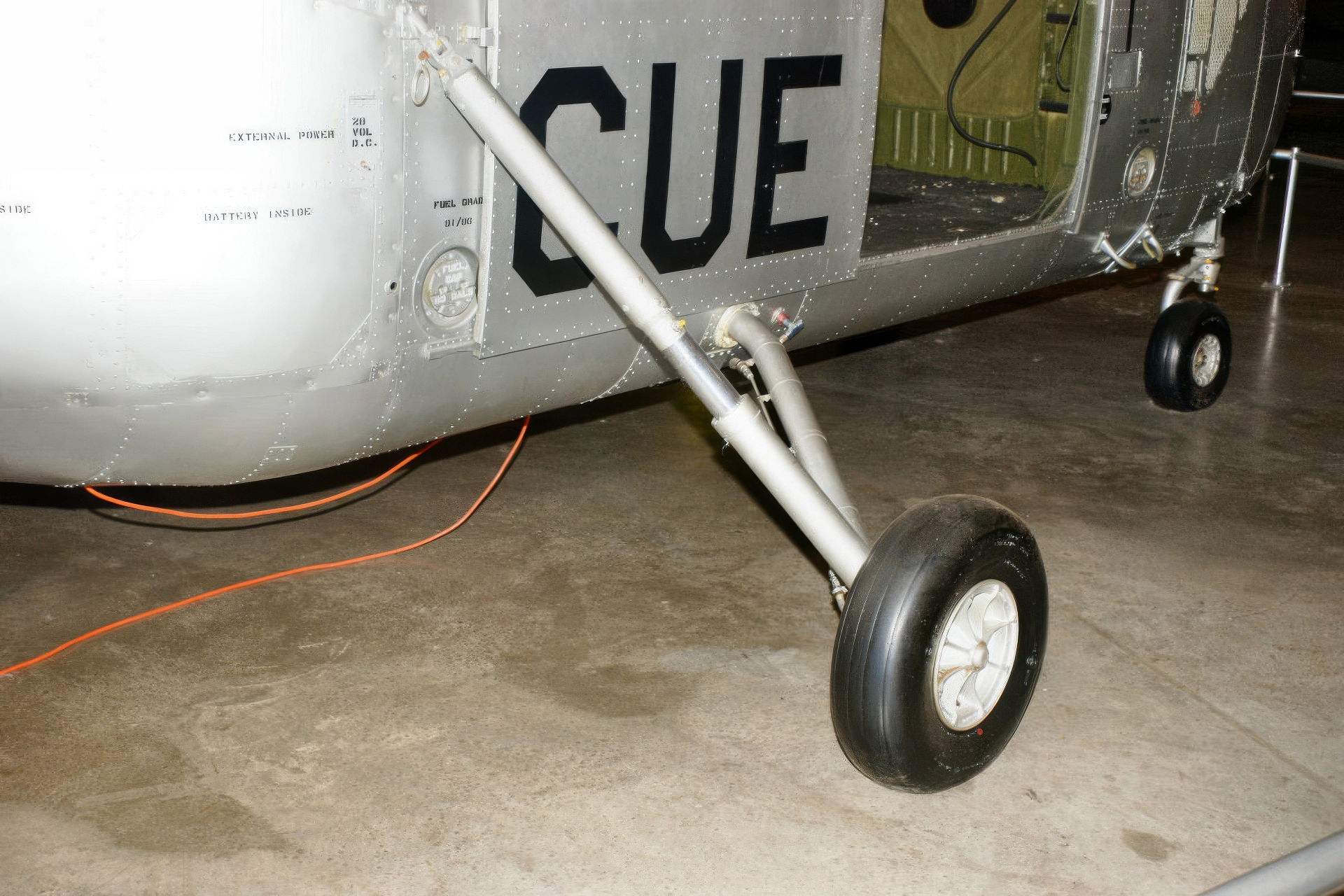
西科斯基 H-19 奇克索 09
| Westland Whirlwind HAR 10 Walk Around | |
|---|---|
| 摄影师 | Unknow |
| 本地化 | 未知 |
| 照片 | 26 |
另请参阅:


| Sikorsky HRS1 Walk Around | |
|---|---|
| 摄影师 | Unknow |
| 本地化 | 未知 |
| 照片 | 24 |
这 西科斯基 H-19 奇卡索 (later designated UH-19 in the U.S. Army and HO4S or **H-34** variants in other services) was a widely used utility helicopter developed by Sikorsky Aircraft Corporation. While the UH-19D designation specifically refers to a late model used by the U.S. Army, the aircraft is fundamentally the same successful S-55 design. It was a pioneering aircraft, being the **first purpose-built transport helicopter** for the U.S. military.
Development and Purpose
- 起源: The Sikorsky S-55 first flew in 1949 and was a major advancement over earlier helicopter designs. It solved the complex engineering problem of separating the engine from the main cabin to allow for a large, usable cargo space.
- Engine Placement: Its most distinctive feature was the **engine mounted in the nose** of the fuselage, allowing the entire fuselage cabin to be used for cargo or passengers. A long drive shaft ran up and back to the main rotor.
- 角色: The H-19 was primarily designed for **transport, utility, and anti-submarine warfare (ASW)** roles. It was instrumental in demonstrating the helicopter’s viability as a tactical transport during the Korean War.
- UH-19D: This specific designation was a later U.S. Army version of the S-55 that featured an upgraded engine (the more powerful R-1340-40) and other minor improvements over earlier models (H-19A, B, C).
Key Features and Specifications (Typical S-55/UH-19)
- Rotor System: Single main rotor and a tail rotor. The main rotor was often a three-bladed articulated system.
- 发动机: Typically powered by a single **Wright R-1300 or Pratt & Whitney R-1340 Wasp radial piston engine** (around 600 to 800 hp, depending on the variant).
- 能力:
- 船员: 2 (Pilot and Co-pilot/Engineer).
- Troops/Passengers: The main cabin was large enough to accommodate **10 to 12 fully equipped troops** or six stretcher cases.
- Cargo: Up to 3,000 lbs (1,360 kg) of internal or external cargo.
- Operational Performance (General):
- Cruising Speed: Around 90-100 mph (145-160 km/h).
- 范围: Approximately 400 miles (644 km).
- Service Ceiling: Roughly 10,000 feet (3,000 m).
Operational History and Legacy
- Korean War: The H-19 (then designated H-19 Chickasaw) proved its value during the Korean War, demonstrating the capability of helicopters to perform troop movements, casualty evacuation (CASEVAC), and cargo resupply in battlefield conditions.
- Widespread Use: The S-55 and its variants were used by the armed forces of over 20 nations, making it one of the most successful early military helicopters.
- Longevity: The design’s success led to the development of the more powerful and enduring **Sikorsky H-34 Choctaw (S-58)**, which used the same basic layout but with a larger engine and airframe.
- Civilian Use: The S-55 was also one of the first helicopters to be widely used in civilian roles, particularly for short-haul passenger transport and offshore oil rig support.
视图: 3358