
UH-19D Chickasaw | |
|---|---|
| Land | Usa |
| Typ | Versorgungshubschrauber |
| Erstflug | 10. November 1949 |
| Gebaut | 1728 |
das Sikorsky H-19 ChickasawS-55) war ein Mehrzweckhubschrauber der United States Army und der United States Air Force. Es wurde auch von Westland Aircraft als Westland Whirlwind im Vereinigten Königreich lizenziert. Modelle der United States Navy und der United States Coast Guard wurden als HO4S bezeichnet, während die Modelle des U.S. Marine Corps als HRS bezeichnet wurden. 1962 wurden die Versionen der U.S. Navy, der U.S. Coast Guard und des U.S. Marine Corps als H-19 wie ihre Pendants der U.S. Army und der U.S. Air Force umbenannt.
Quelle: Wikipedia
| UH-19D Chickasaw | |
|---|---|
| Fotograf | Unbekannter |
| Lokalisierung | Unbekannter |
| Fotos | 23 |
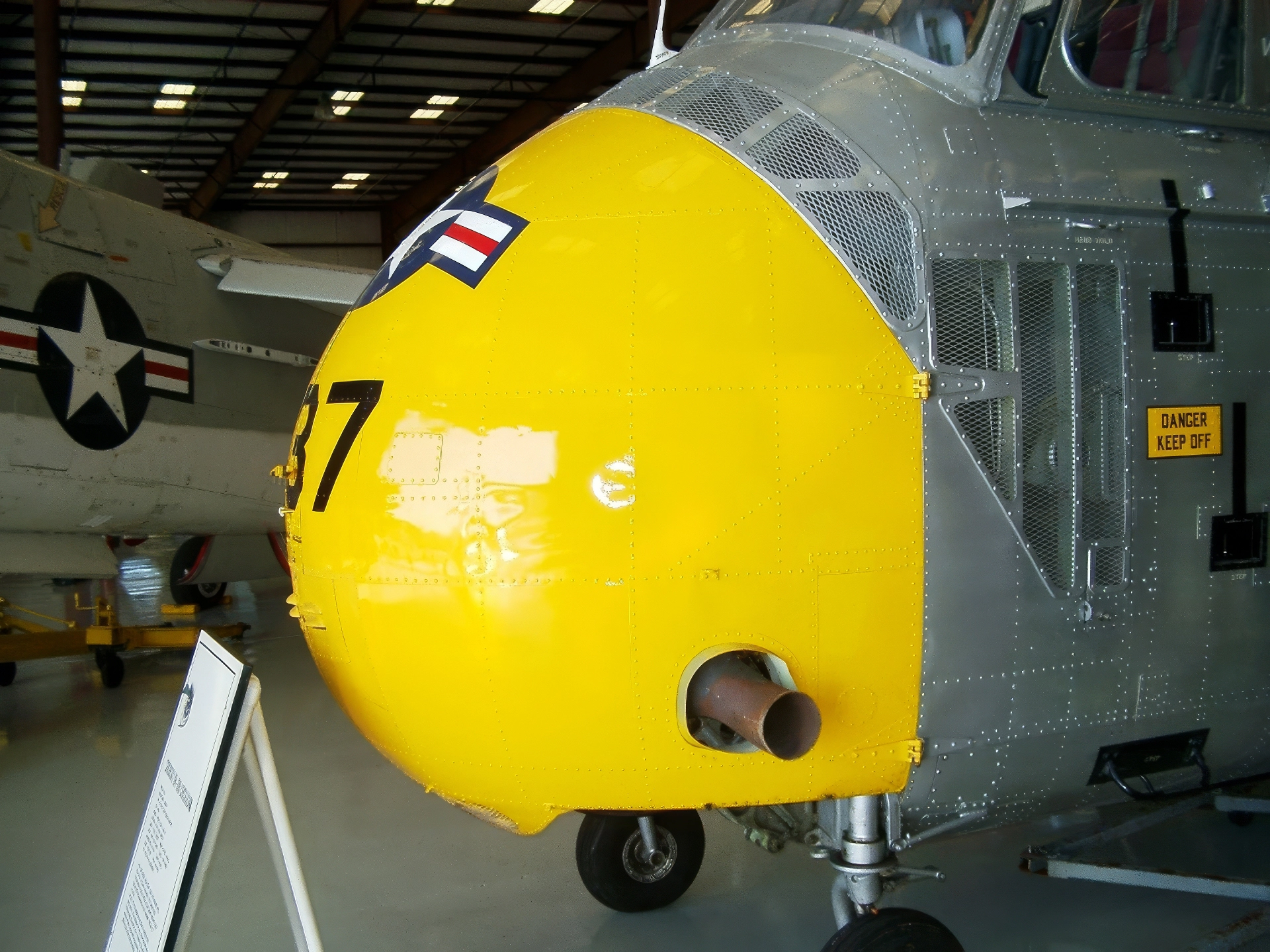
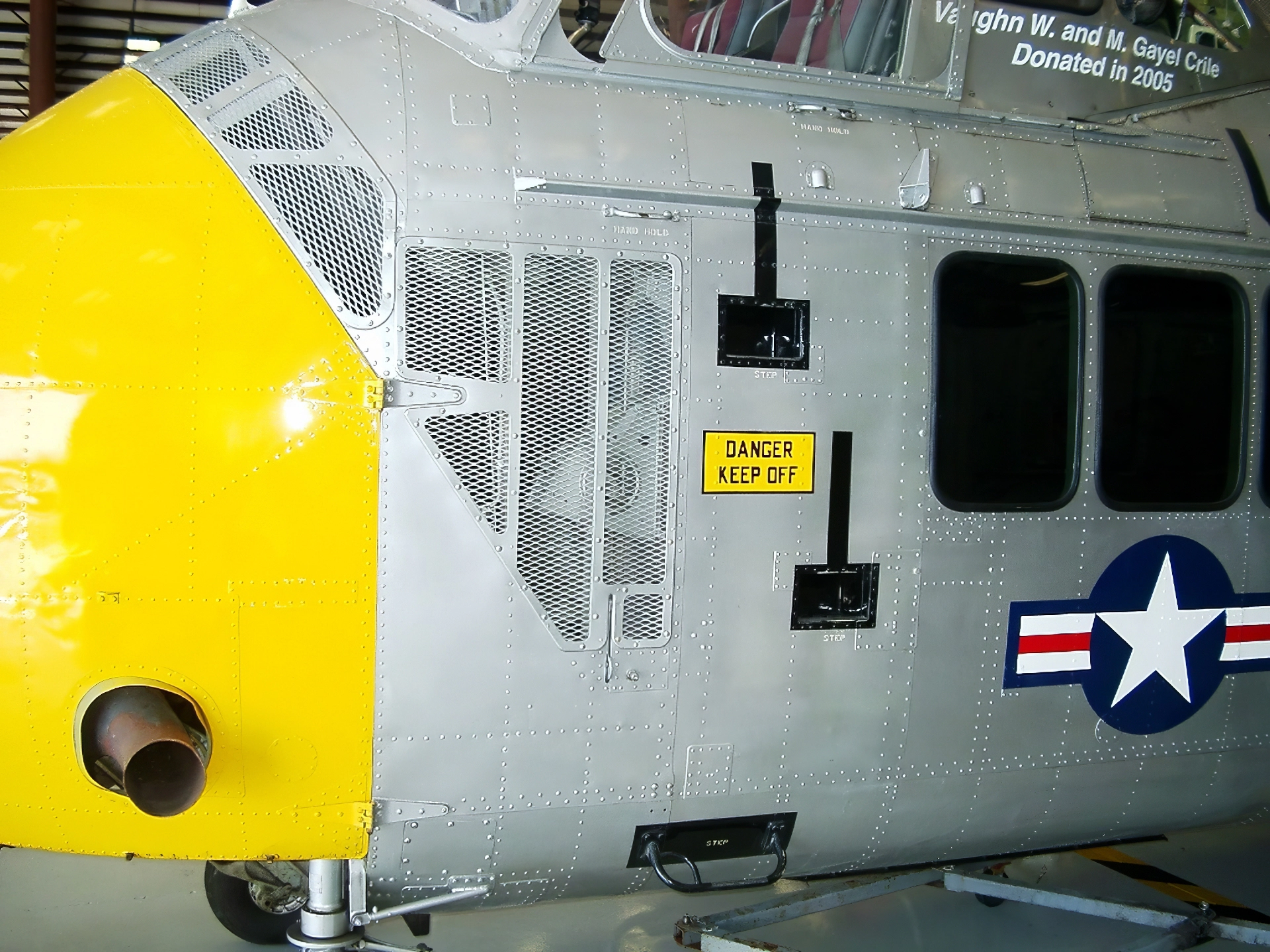
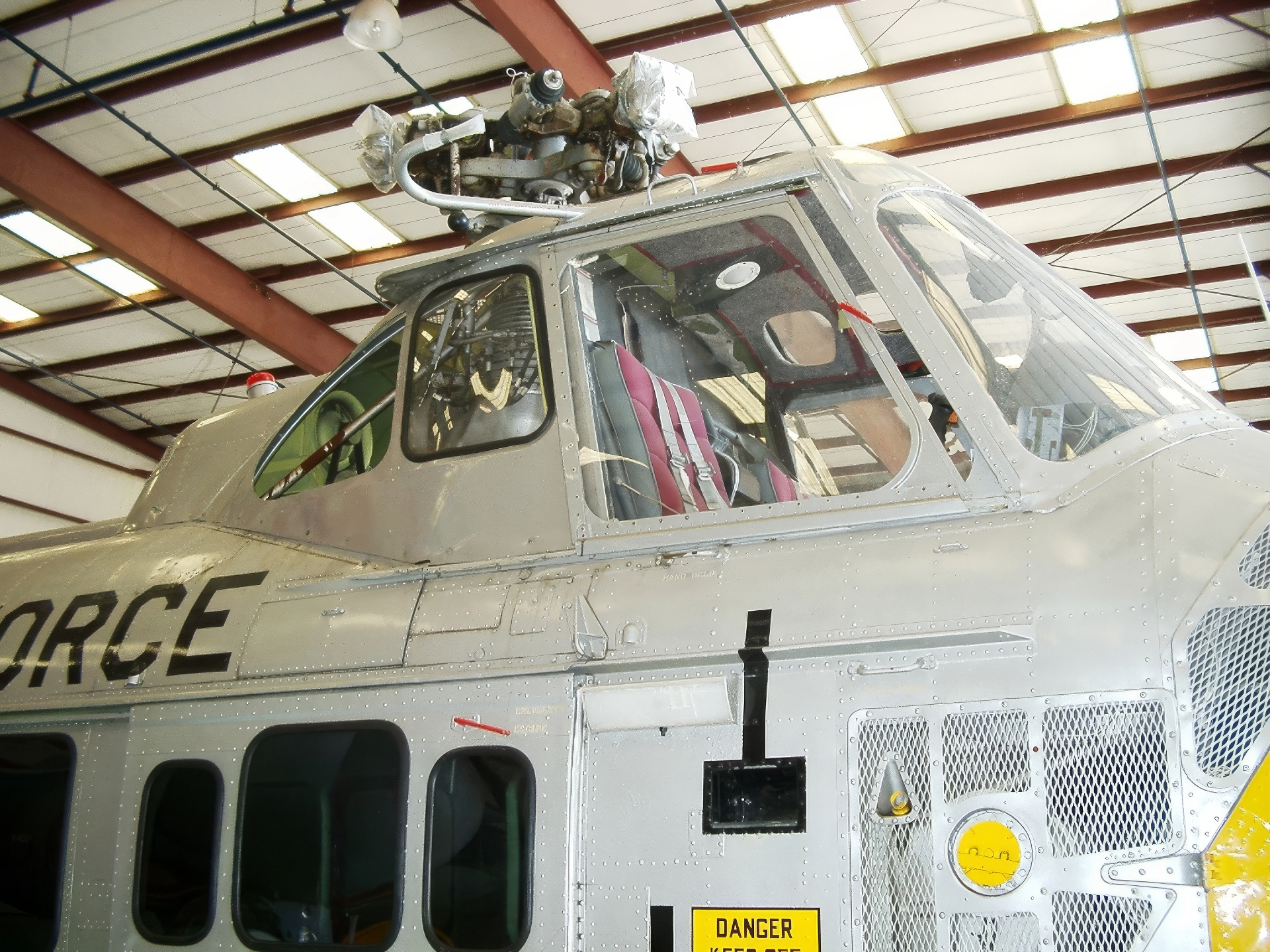
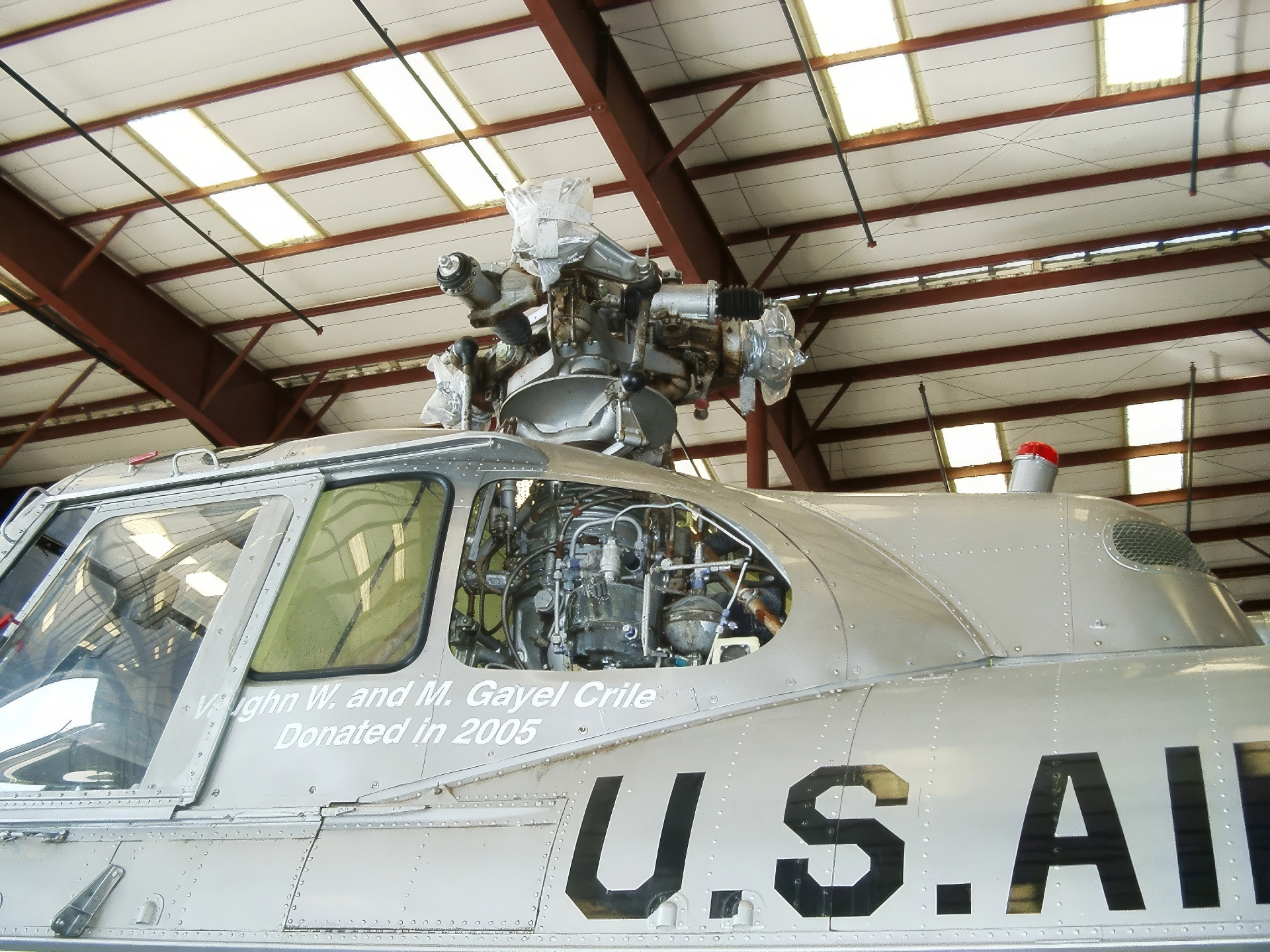
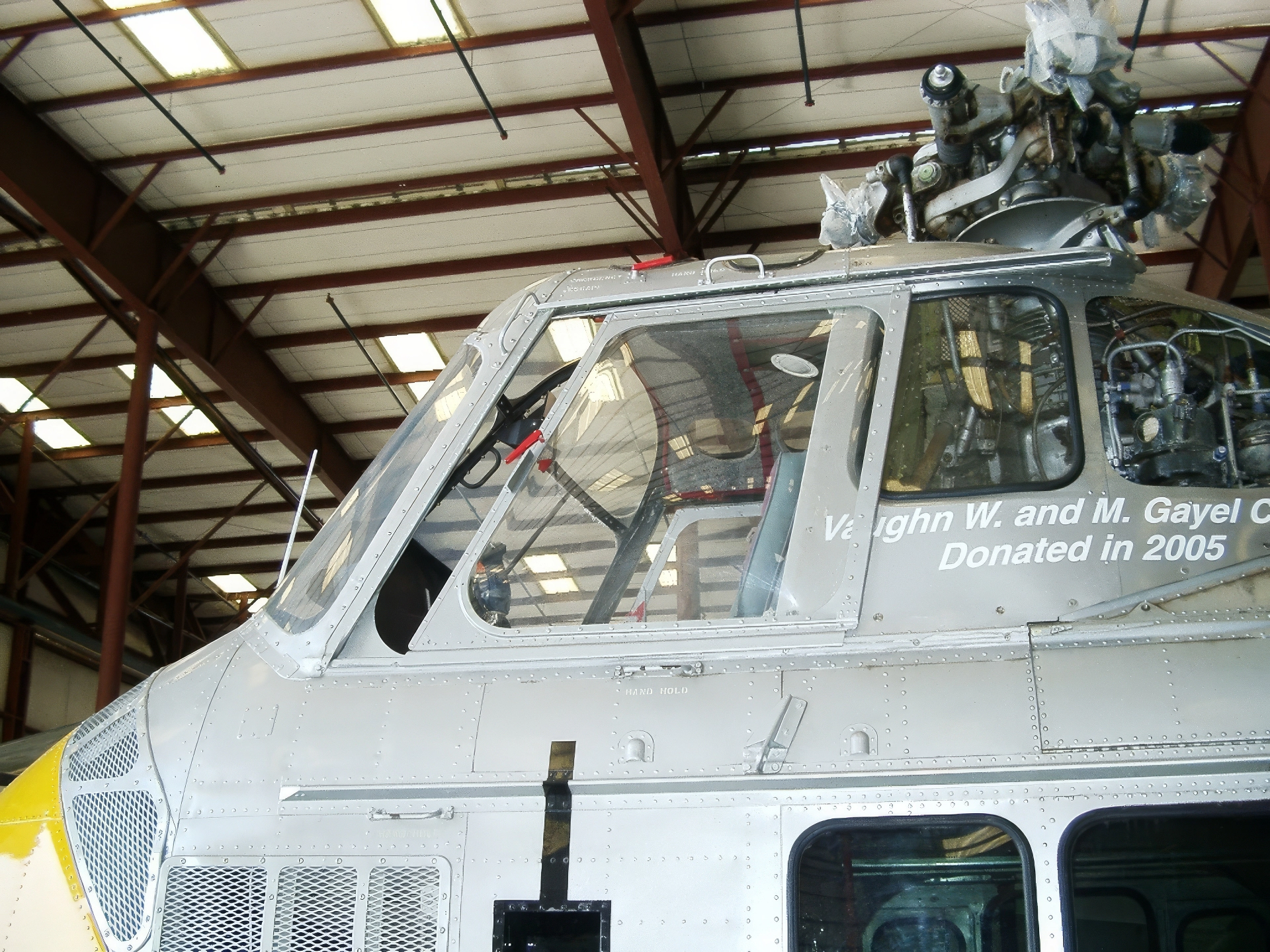
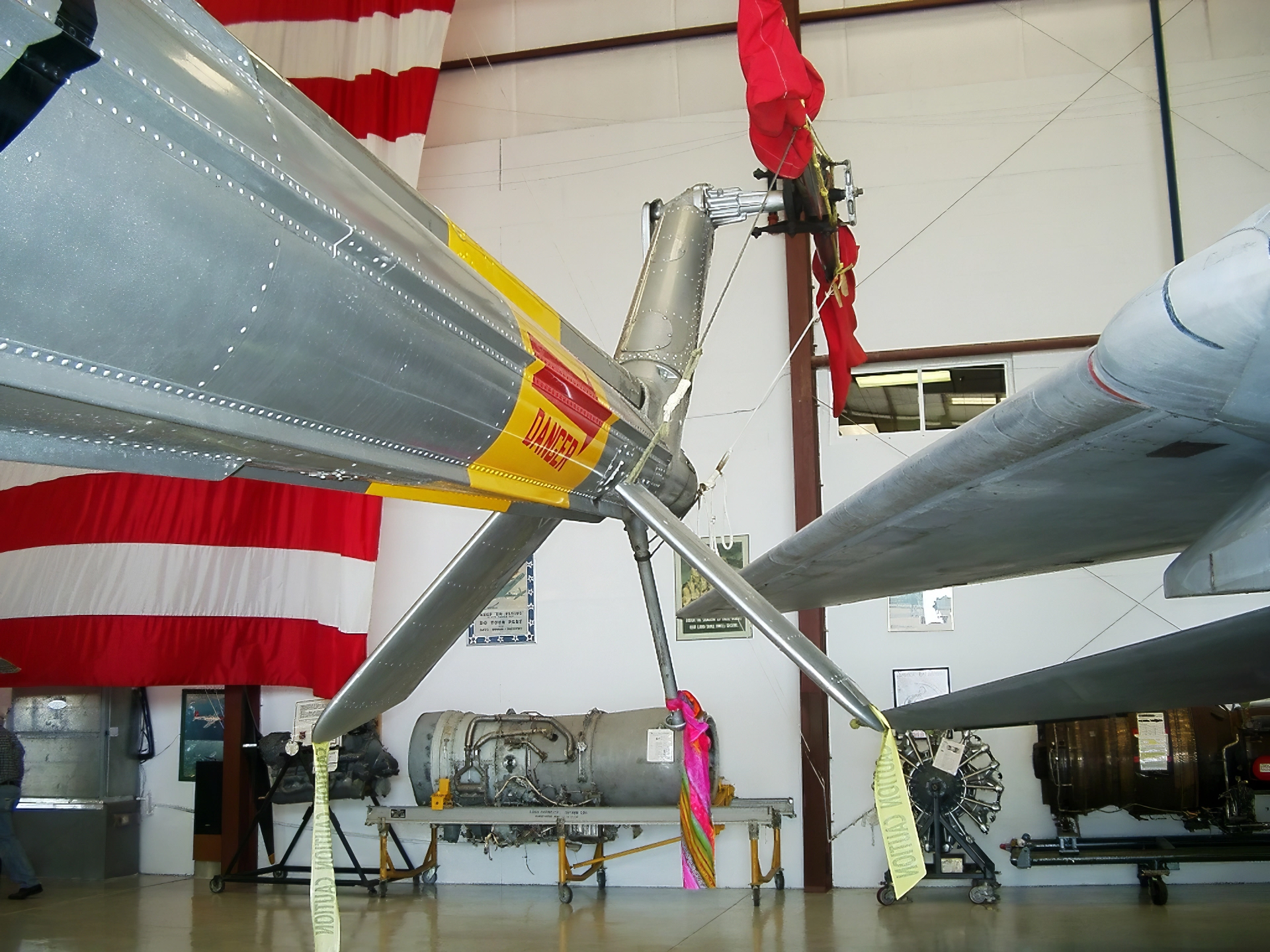
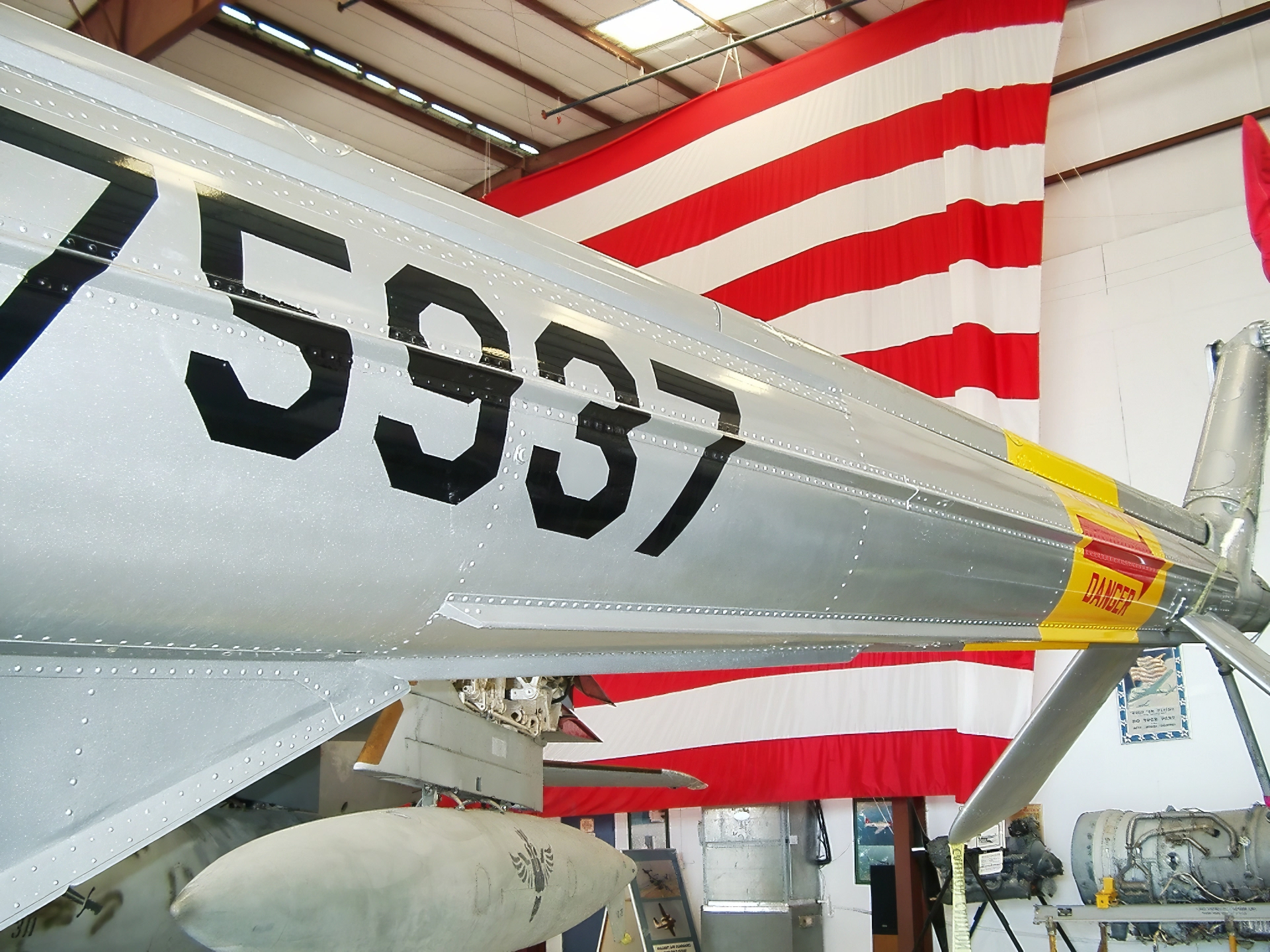
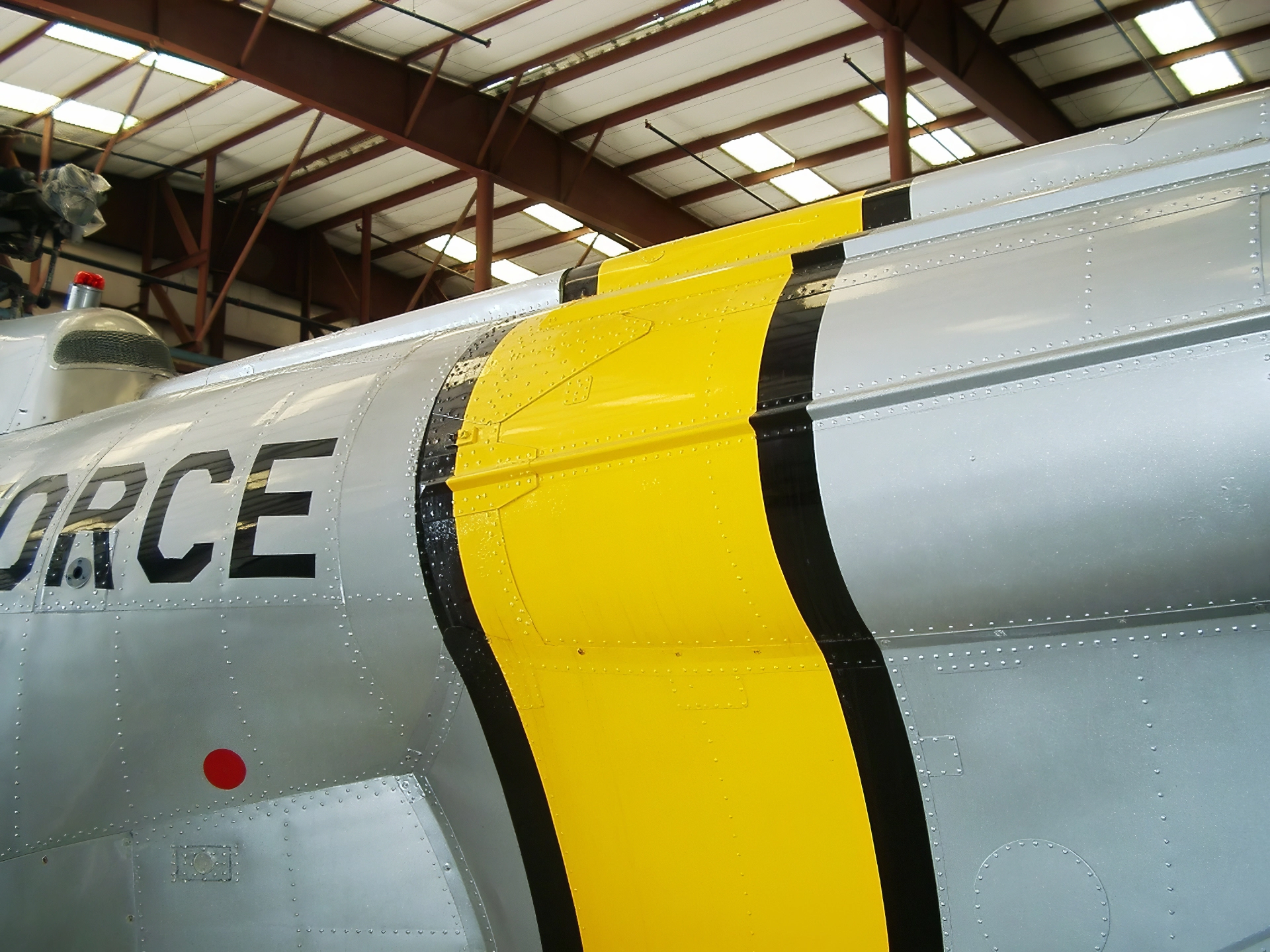
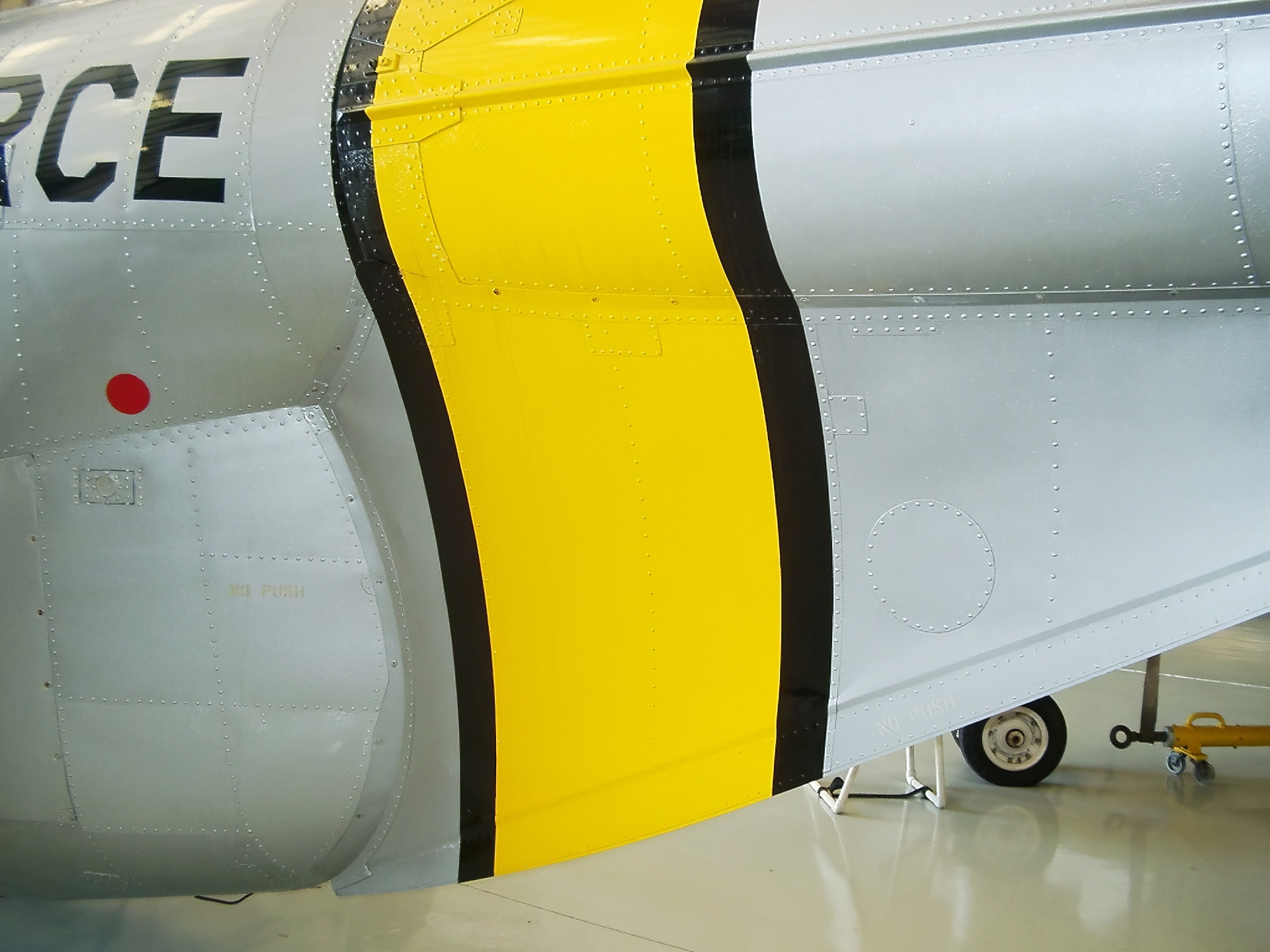

| Sikorsky S-55B | |
|---|---|
| Fotograf | Wladimir Nikolajewitsch Jakubow |
| Lokalisierung | Edwards Air Force Base Air Show |
| Fotos | 103 |
 Kaufen Sie mir einen Kaffee
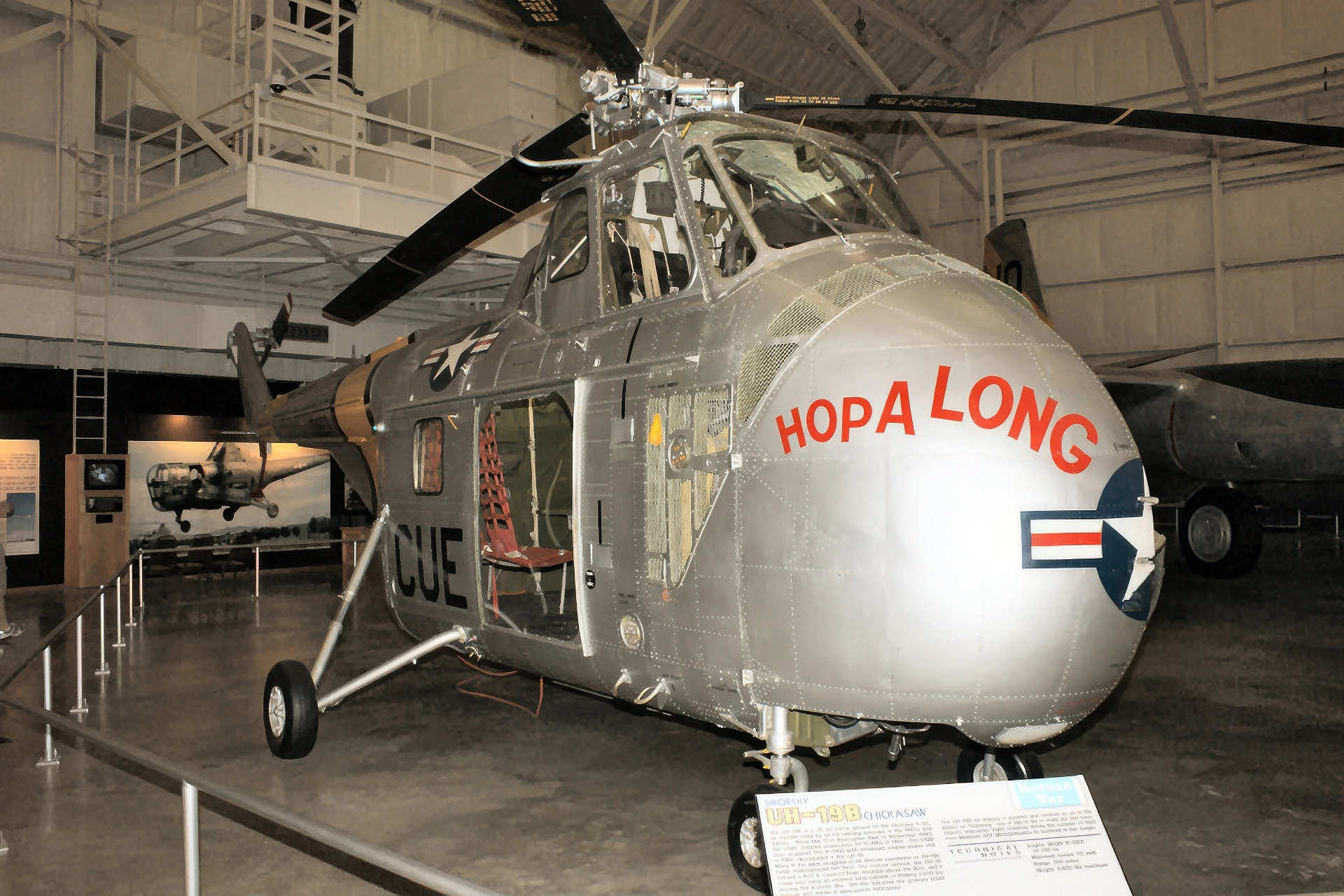
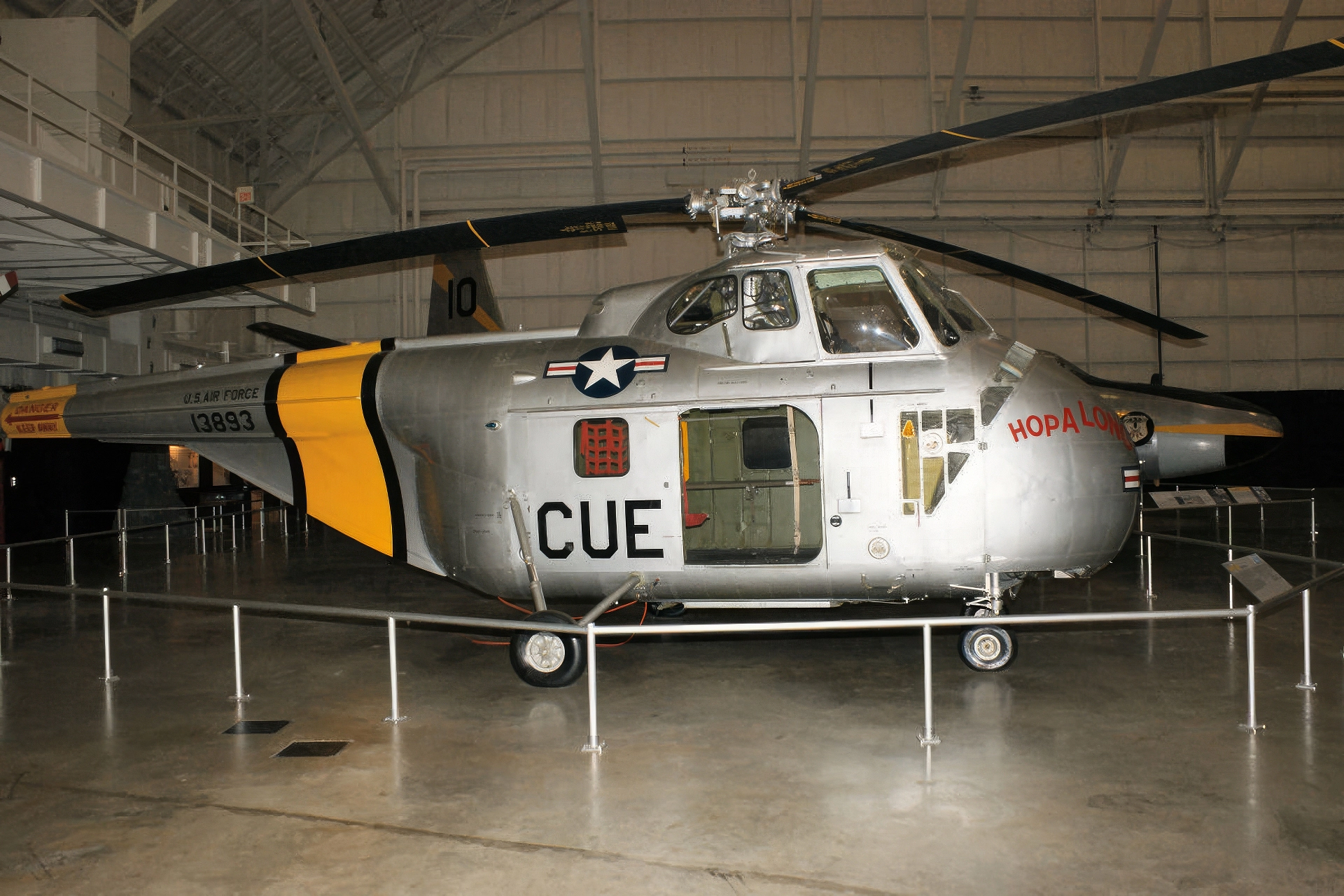
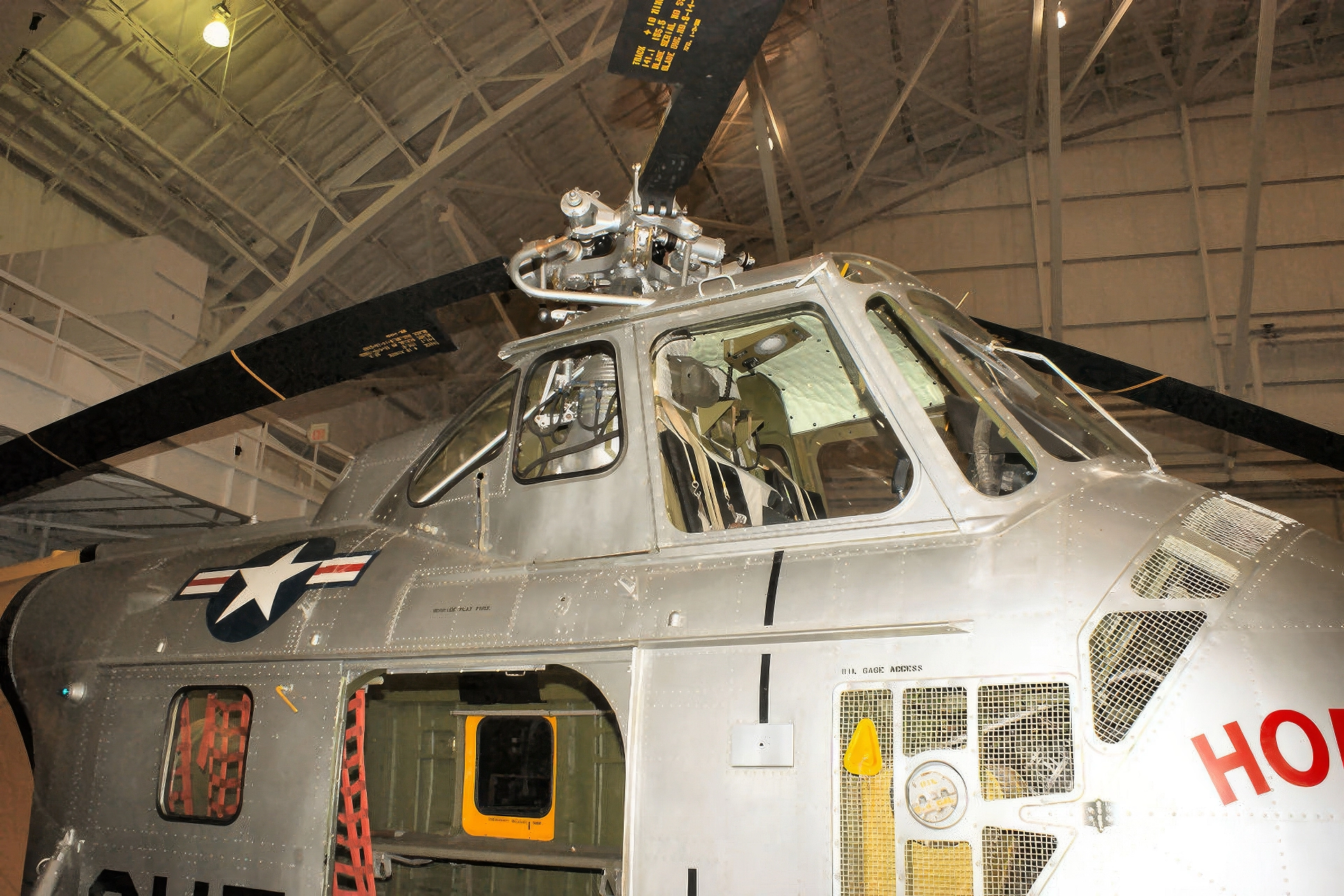
| Sikorsky H-19 Chickasaw Walk Around | |
|---|---|
| Fotograf | Michael Benolkin |
| Lokalisierung | Unbekannter |
| Fotos | 18 |
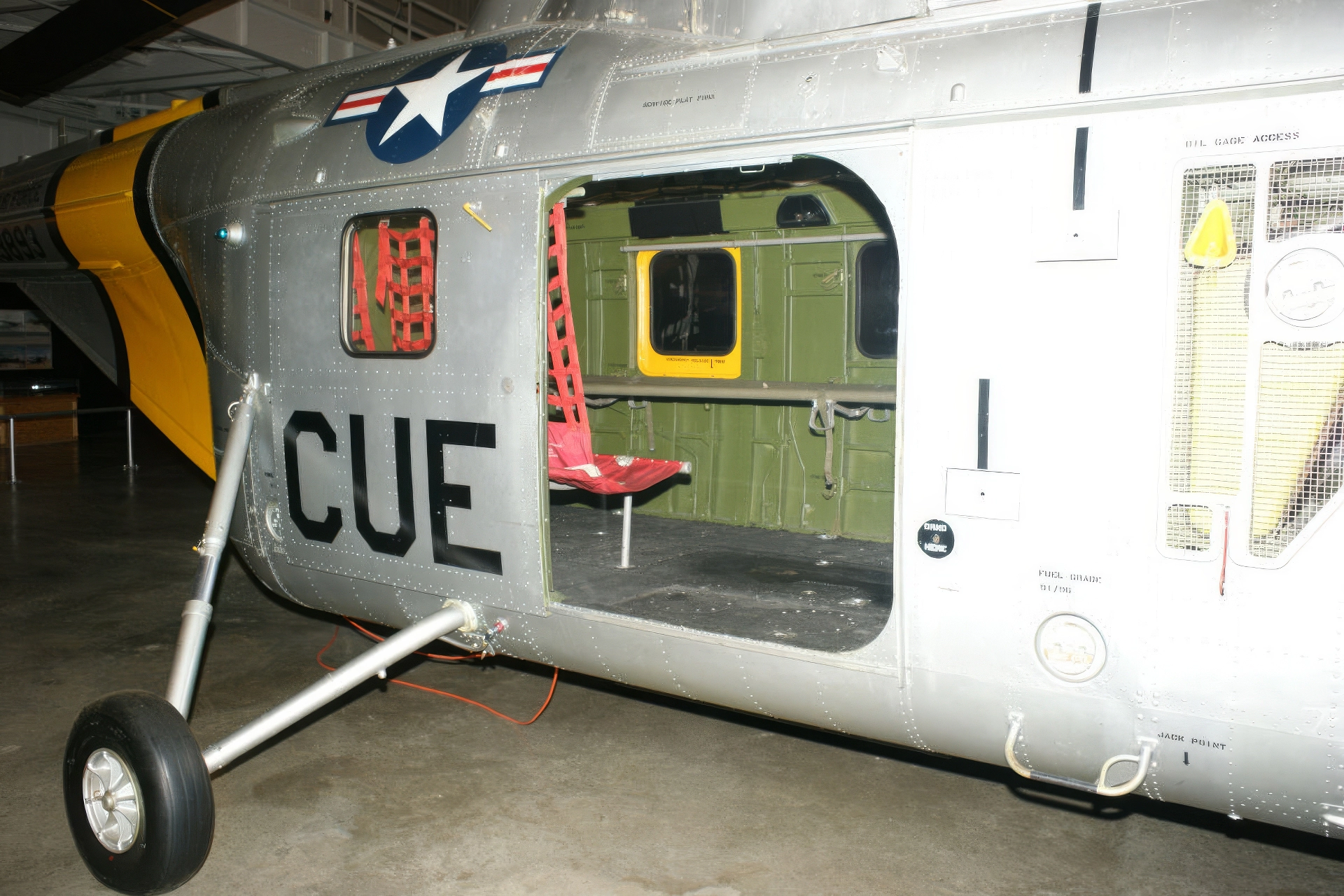
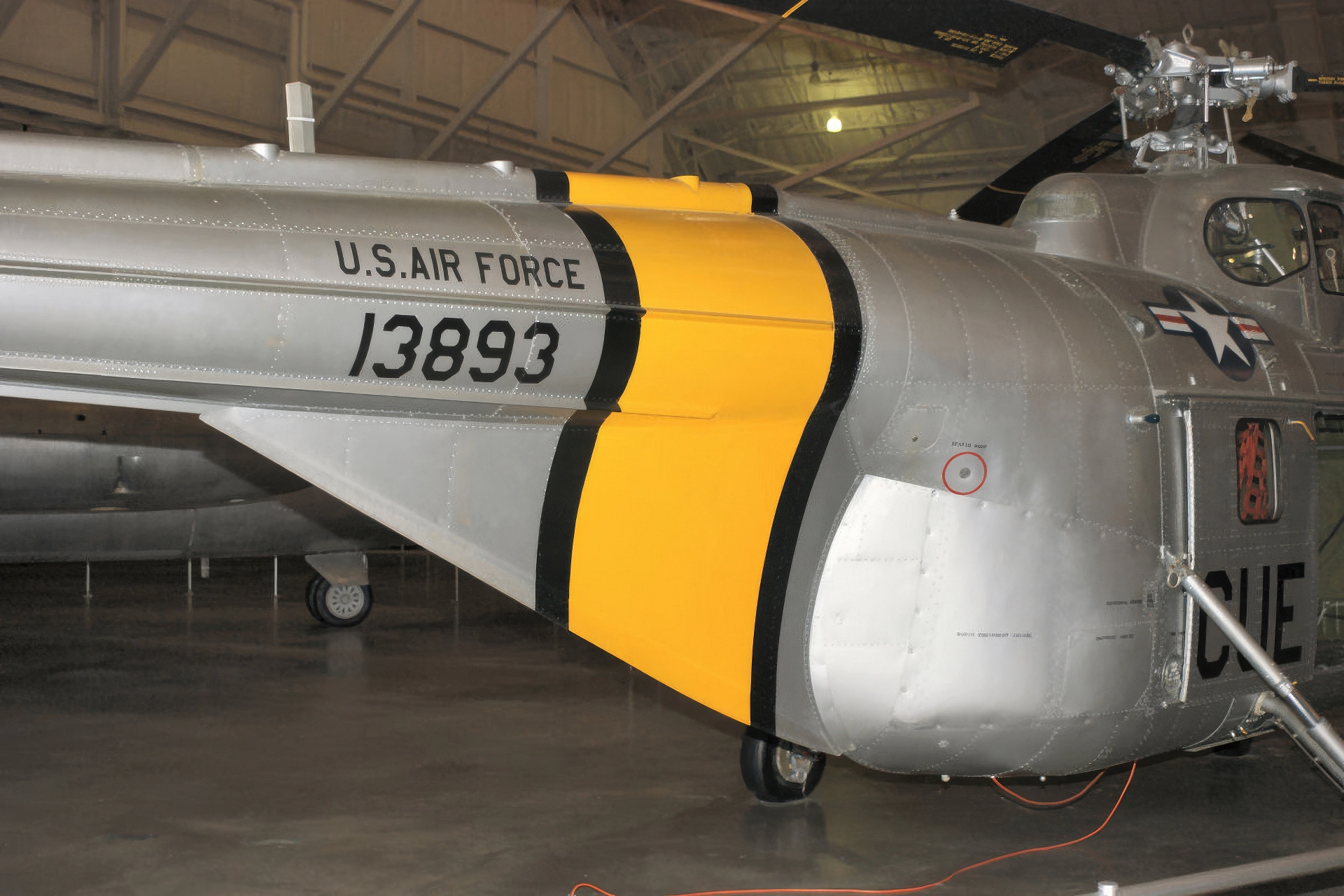
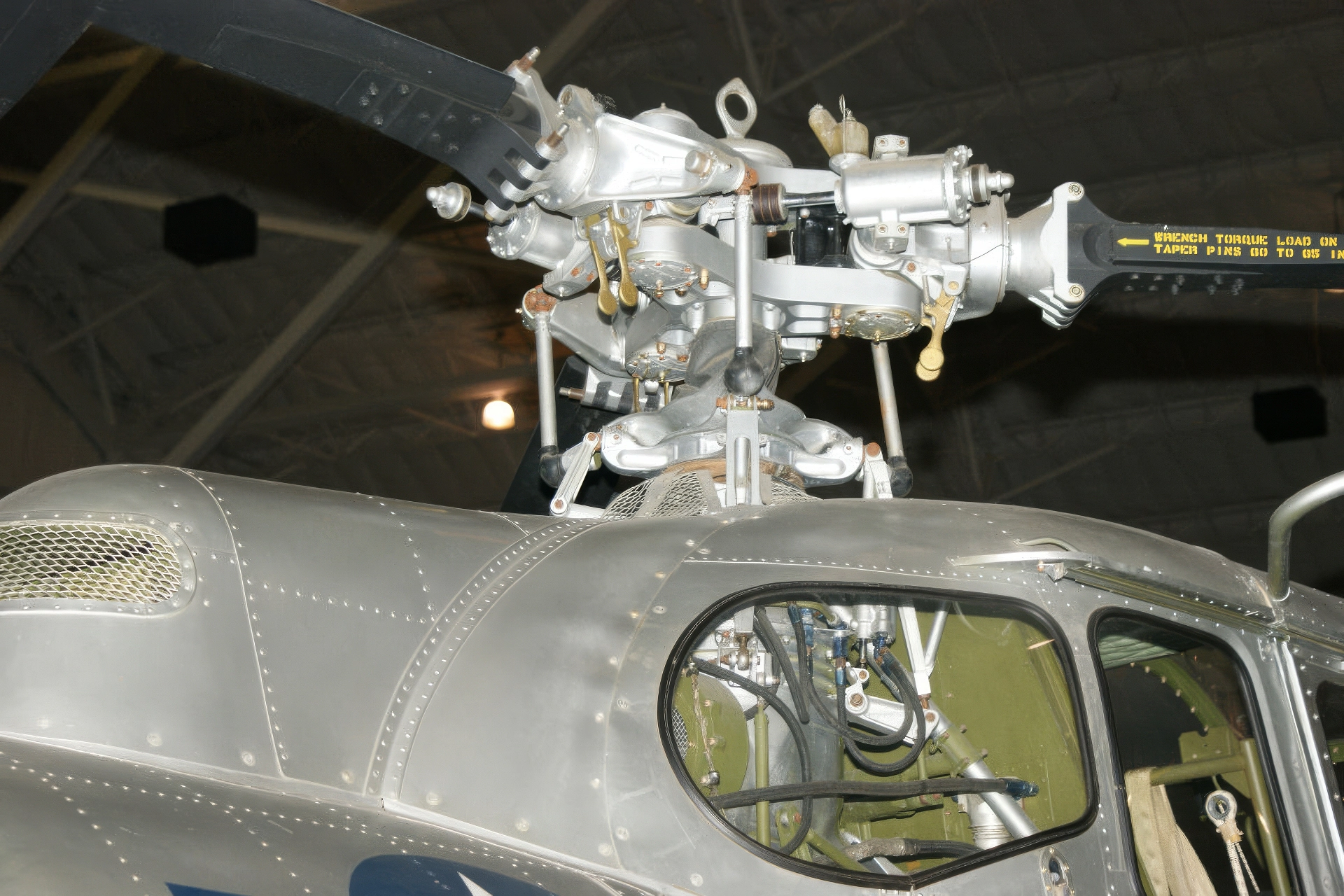
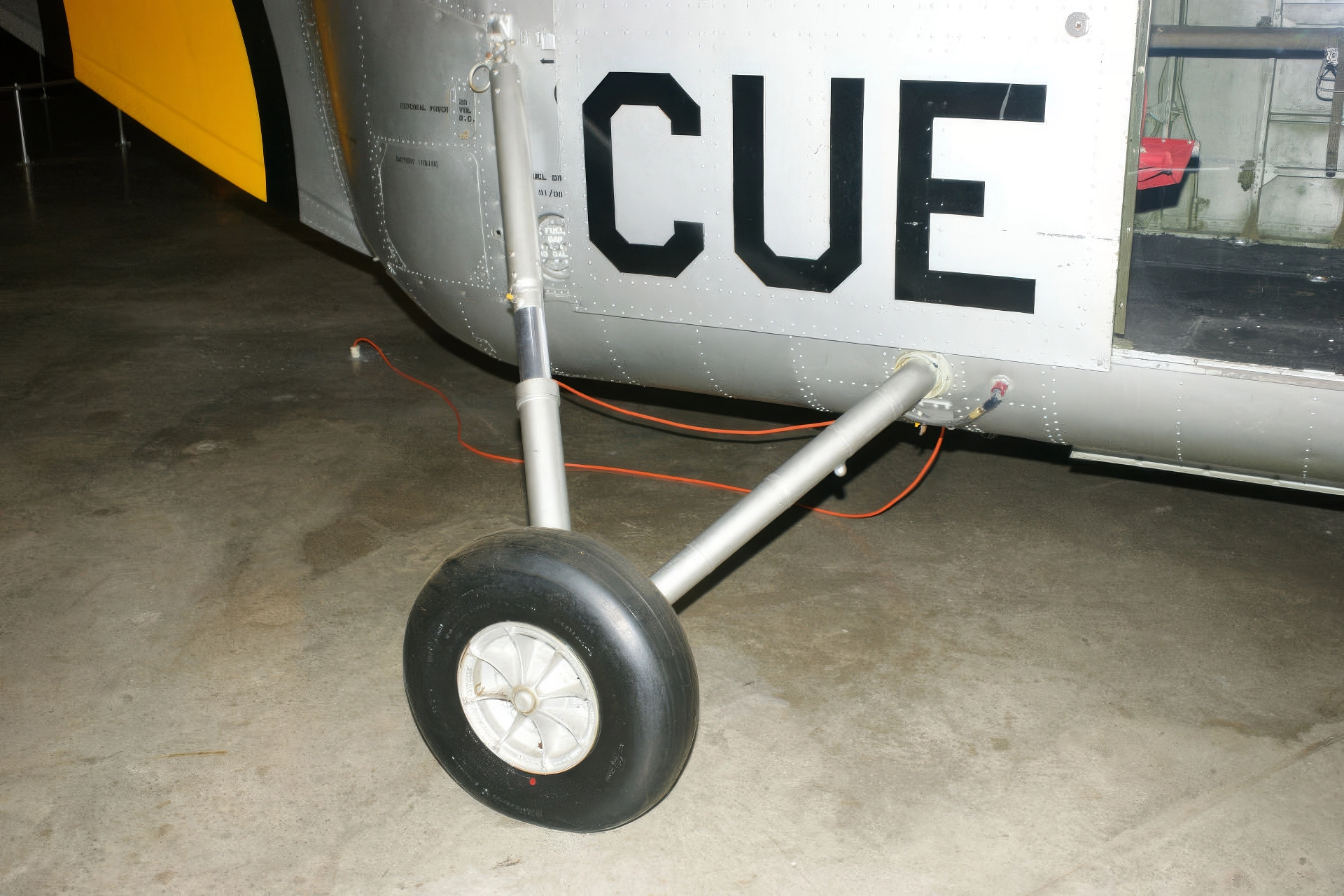
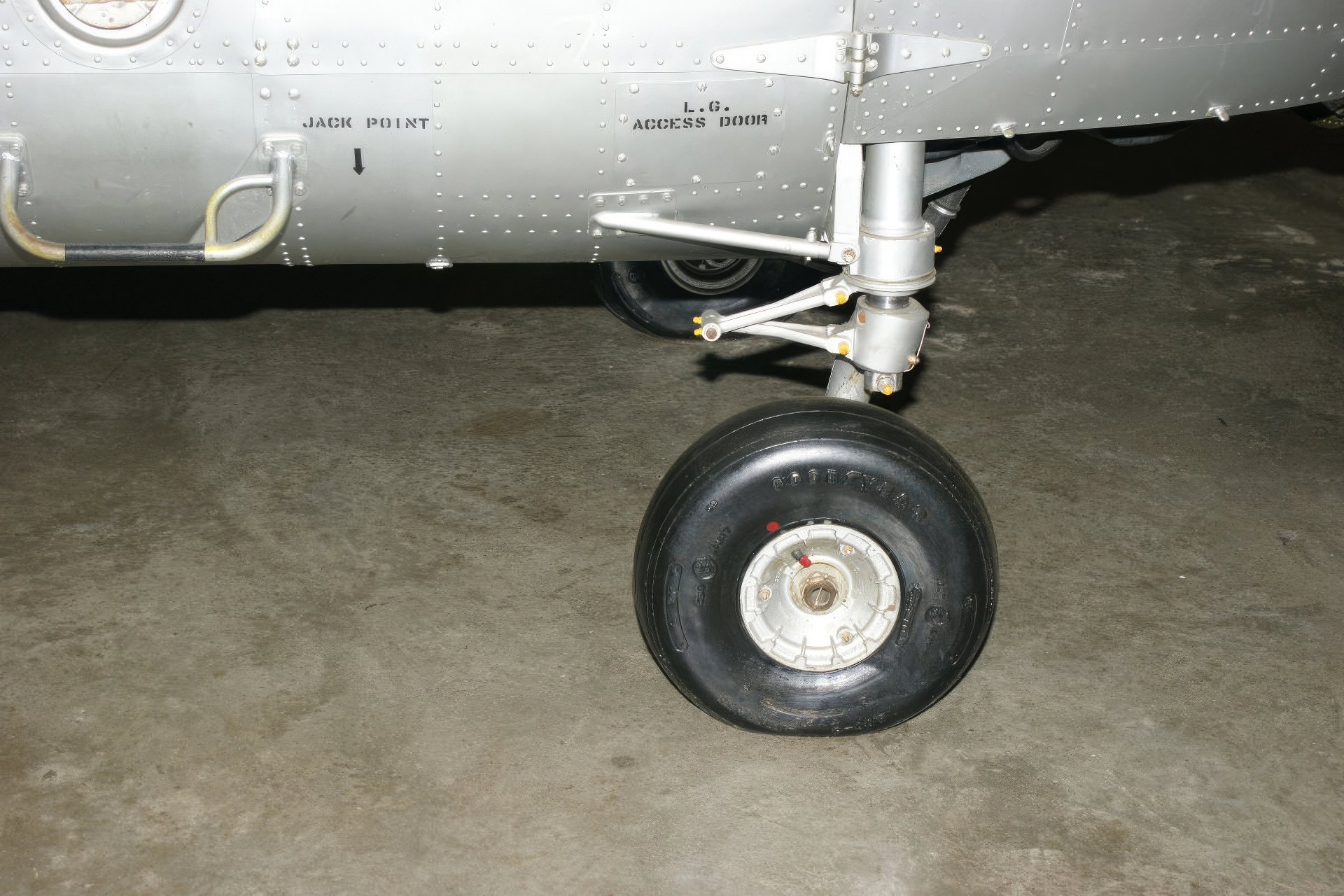
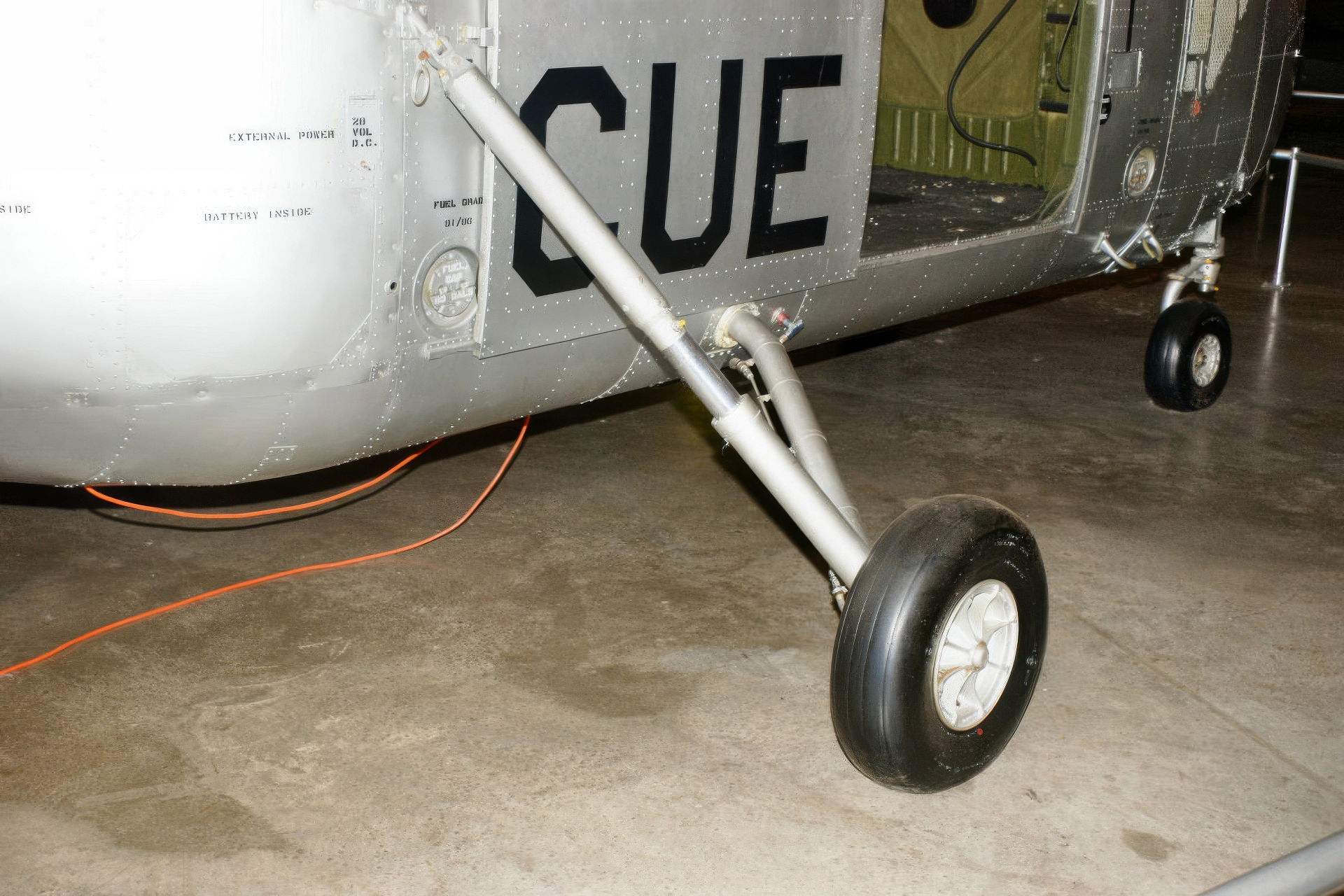
| Westland Whirlwind HAR 10 Walk Around | |
|---|---|
| Fotograf | Unknow |
| Lokalisierung | Unbekannter |
| Fotos | 26 |
Siehe auch:


| Sikorsky HRS1 Walk Around | |
|---|---|
| Fotograf | Unknow |
| Lokalisierung | Unbekannter |
| Fotos | 24 |
das Sikorsky H-19 Chickasaw (later designated UH-19 in the U.S. Army and HO4S or **H-34** variants in other services) was a widely used utility helicopter developed by Sikorsky Aircraft Corporation. While the UH-19D designation specifically refers to a late model used by the U.S. Army, the aircraft is fundamentally the same successful S-55 design. It was a pioneering aircraft, being the **first purpose-built transport helicopter** for the U.S. military.
Development and Purpose
- Ursprung: The Sikorsky S-55 first flew in 1949 and was a major advancement over earlier helicopter designs. It solved the complex engineering problem of separating the engine from the main cabin to allow for a large, usable cargo space.
- Engine Placement: Its most distinctive feature was the **engine mounted in the nose** of the fuselage, allowing the entire fuselage cabin to be used for cargo or passengers. A long drive shaft ran up and back to the main rotor.
- Rolle: The H-19 was primarily designed for **transport, utility, and anti-submarine warfare (ASW)** roles. It was instrumental in demonstrating the helicopter’s viability as a tactical transport during the Korean War.
- UH-19D: This specific designation was a later U.S. Army version of the S-55 that featured an upgraded engine (the more powerful R-1340-40) and other minor improvements over earlier models (H-19A, B, C).
Key Features and Specifications (Typical S-55/UH-19)
- Rotor System: Single main rotor and a tail rotor. The main rotor was often a three-bladed articulated system.
- Motor: Typically powered by a single **Wright R-1300 or Pratt & Whitney R-1340 Wasp radial piston engine** (around 600 to 800 hp, depending on the variant).
- Fassungsvermögen:
- Mannschaft: 2 (Pilot and Co-pilot/Engineer).
- Troops/Passengers: The main cabin was large enough to accommodate **10 to 12 fully equipped troops** or six stretcher cases.
- Cargo: Up to 3,000 lbs (1,360 kg) of internal or external cargo.
- Operational Performance (General):
- Cruising Speed: Around 90-100 mph (145-160 km/h).
- Bereich: Approximately 400 miles (644 km).
- Service Ceiling: Roughly 10,000 feet (3,000 m).
Operational History and Legacy
- Korean War: The H-19 (then designated H-19 Chickasaw) proved its value during the Korean War, demonstrating the capability of helicopters to perform troop movements, casualty evacuation (CASEVAC), and cargo resupply in battlefield conditions.
- Widespread Use: The S-55 and its variants were used by the armed forces of over 20 nations, making it one of the most successful early military helicopters.
- Longevity: The design’s success led to the development of the more powerful and enduring **Sikorsky H-34 Choctaw (S-58)**, which used the same basic layout but with a larger engine and airframe.
- Civilian Use: The S-55 was also one of the first helicopters to be widely used in civilian roles, particularly for short-haul passenger transport and offshore oil rig support.
Aufrufe : 3449
Sie können auch sehen:
 Sikorsky MH-60 Jayhawk – Fotos & Videos
 Sikorsky R-4 – Fotos & Videos
 Sikorsky S-76 – Fotos & Videos
 Sikorsky HH-52 Seaguard – Fotos & Videos
 Sikorsky SH-3 Sea King – Fotos & Videos
 Sikorsky CH-37 Mojave – Fotos & Video
 Sikorsky CH-54 Tarhe – Fotos & Video
 Sikorsky H-34 (S-58) – Fotos und Videos
 Sikorsky MH-53 – Fotos & Video
 UH-60A Blackhawk – Fotos und Videos