Sikorsky R-4 | |
|---|---|
| 国家 | 美国 |
| 作用 | 直升机 |
| 第一只苍蝇 | 1942 年 1 月 14 日 |
| 建立 | 131 |
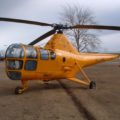
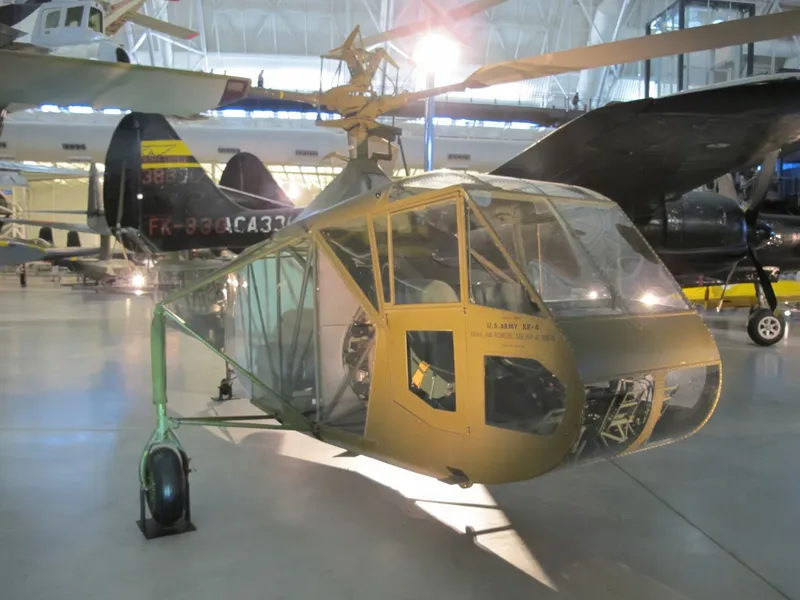
这 西科斯基R-4 是一架双座直升机,由伊戈尔·西科斯基(Igor Sikorsky)设计,带有单个三叶主旋翼,并由径向发动机提供动力。R-4是世界上第一架大规模生产的直升机,也是美国陆军航空队、美国海军、美国海岸警卫队以及英国皇家空军和皇家海军使用的第一架直升机。在美国海军和美国海岸警卫队的服役中,这架直升机被称为西科斯基HNS-1。在英国服役时,它被称为 Hoverfly。
| Sikorsky XR-4C Walk Around | |
|---|---|
| 摄影师 | 弗拉基米尔·亚库博夫 |
| 本地化 | 国家航空航天博物馆 - Udvar-Hazy Center,弗吉尼亚州尚蒂伊 |
| 照片 | 33 |
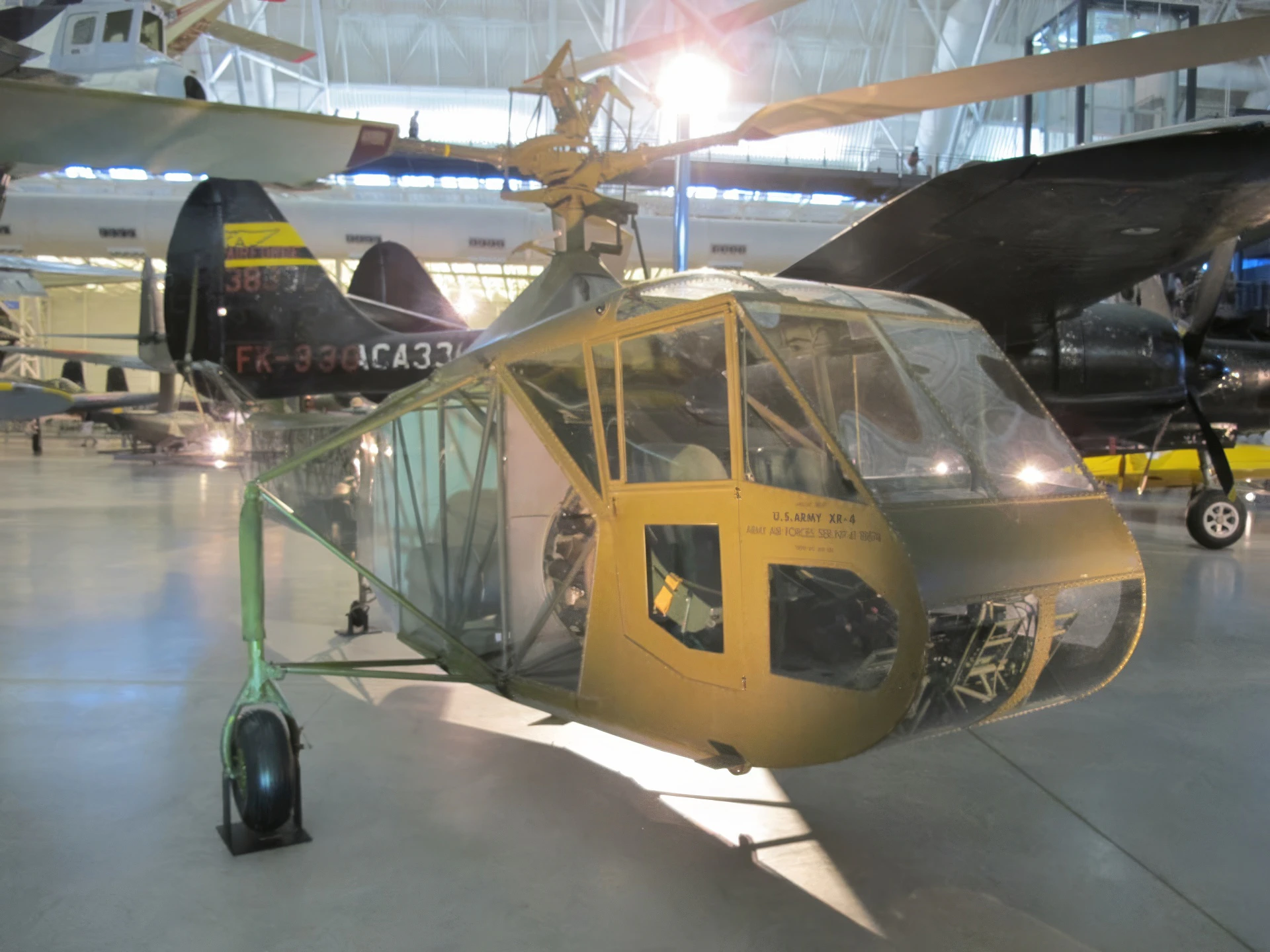
Sikorsky XR-4C 01
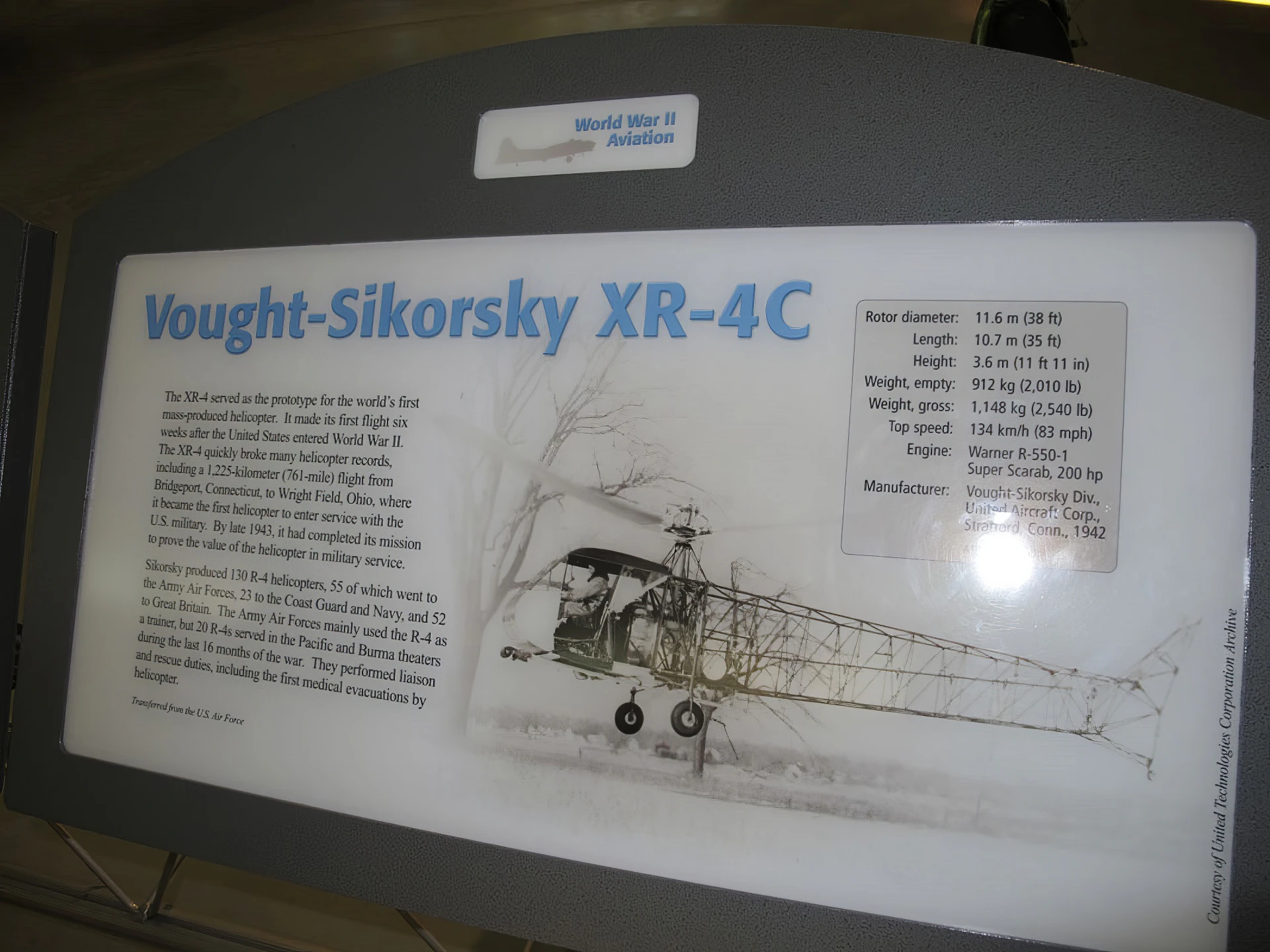
Sikorsky XR-4C 02
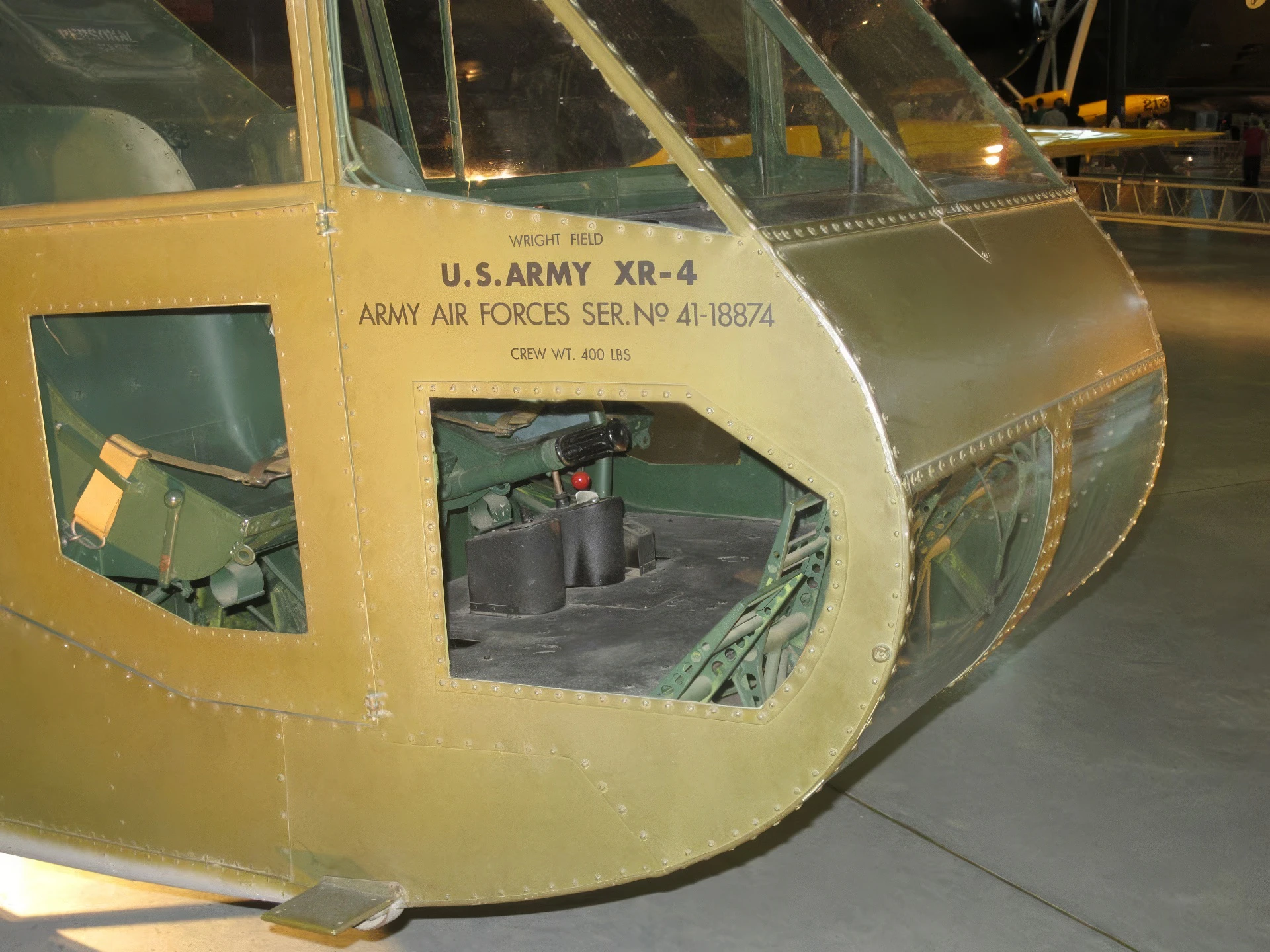
Sikorsky XR-4C 03
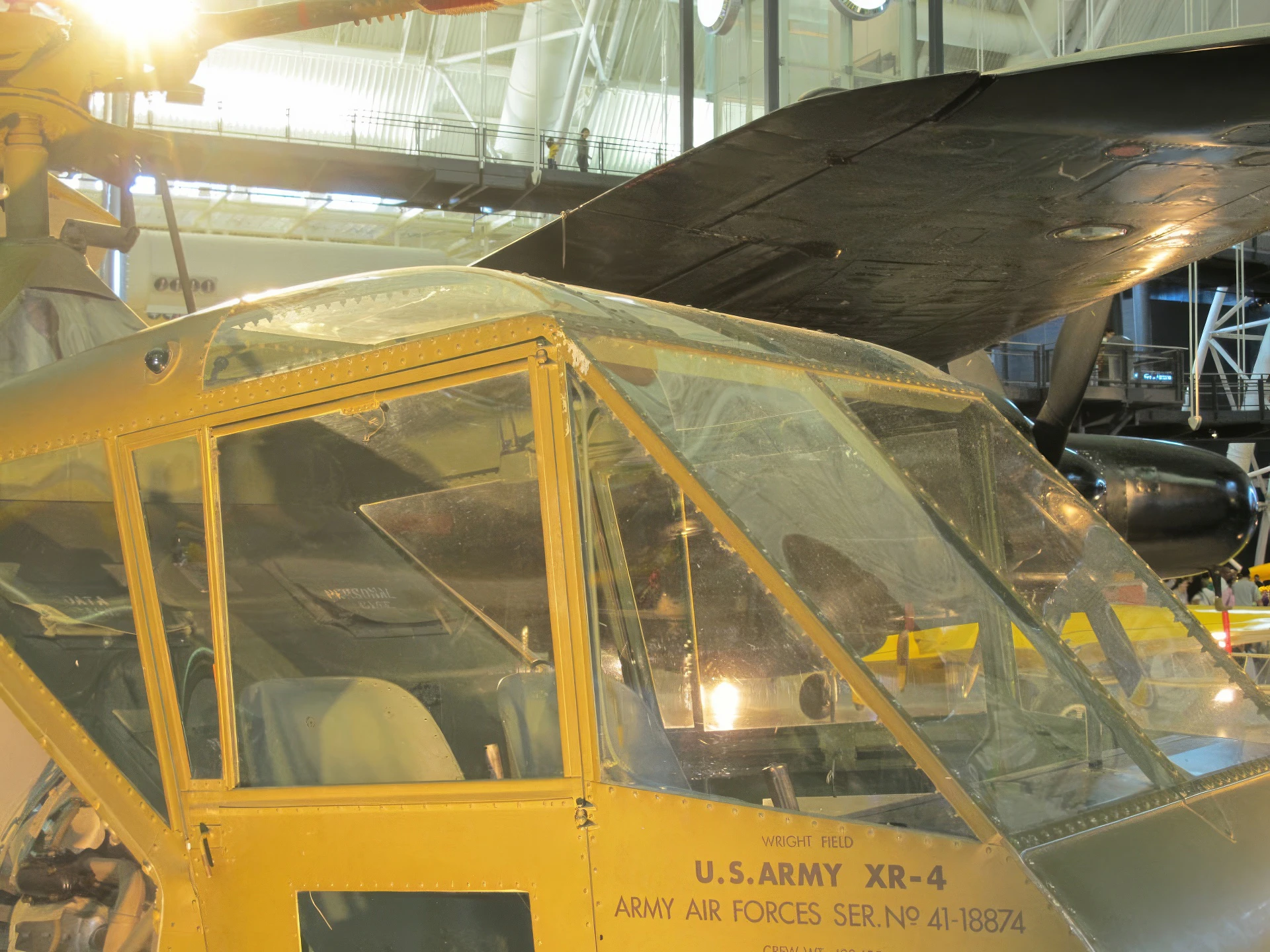
Sikorsky XR-4C 04
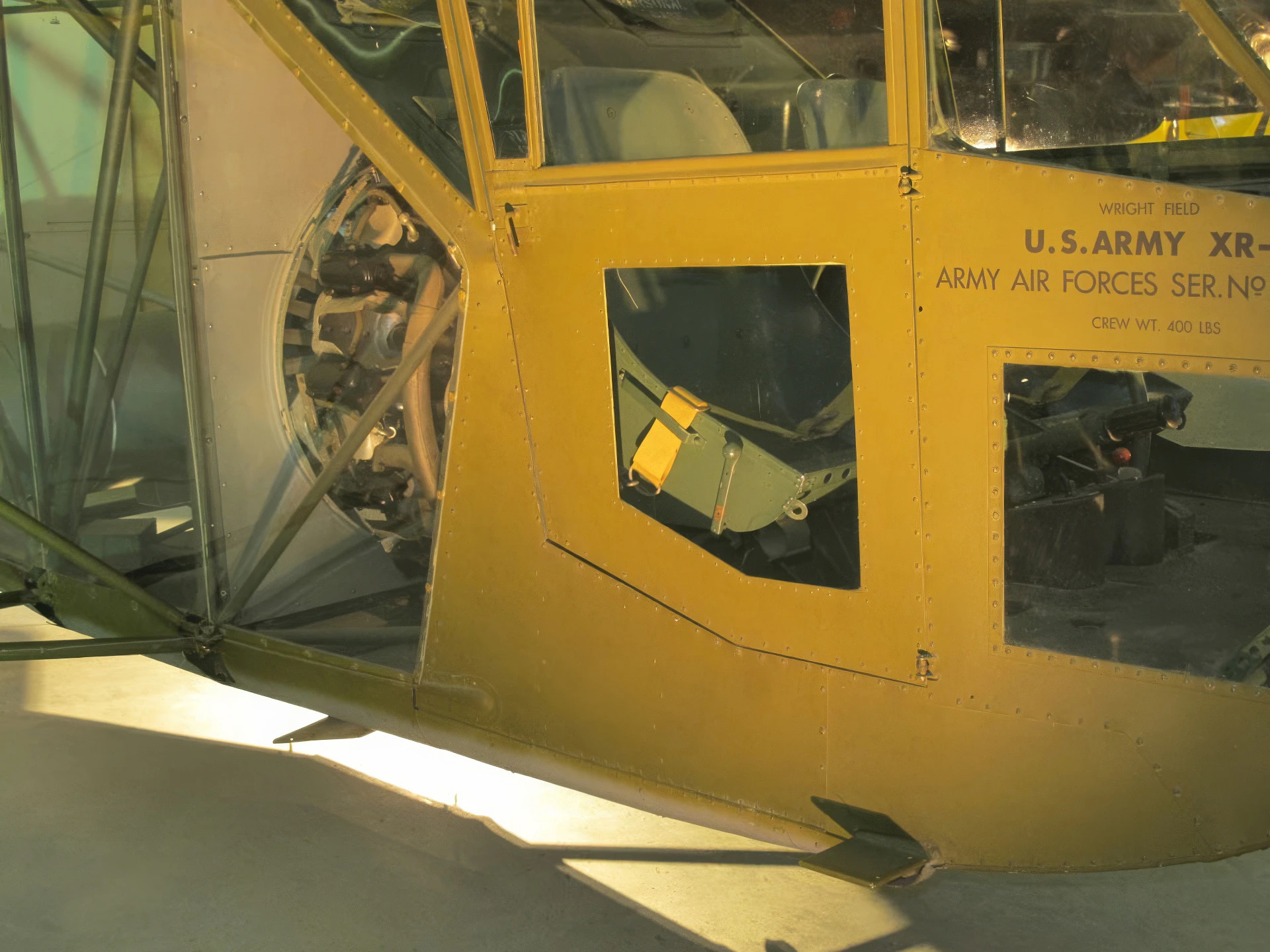
Sikorsky XR-4C 05
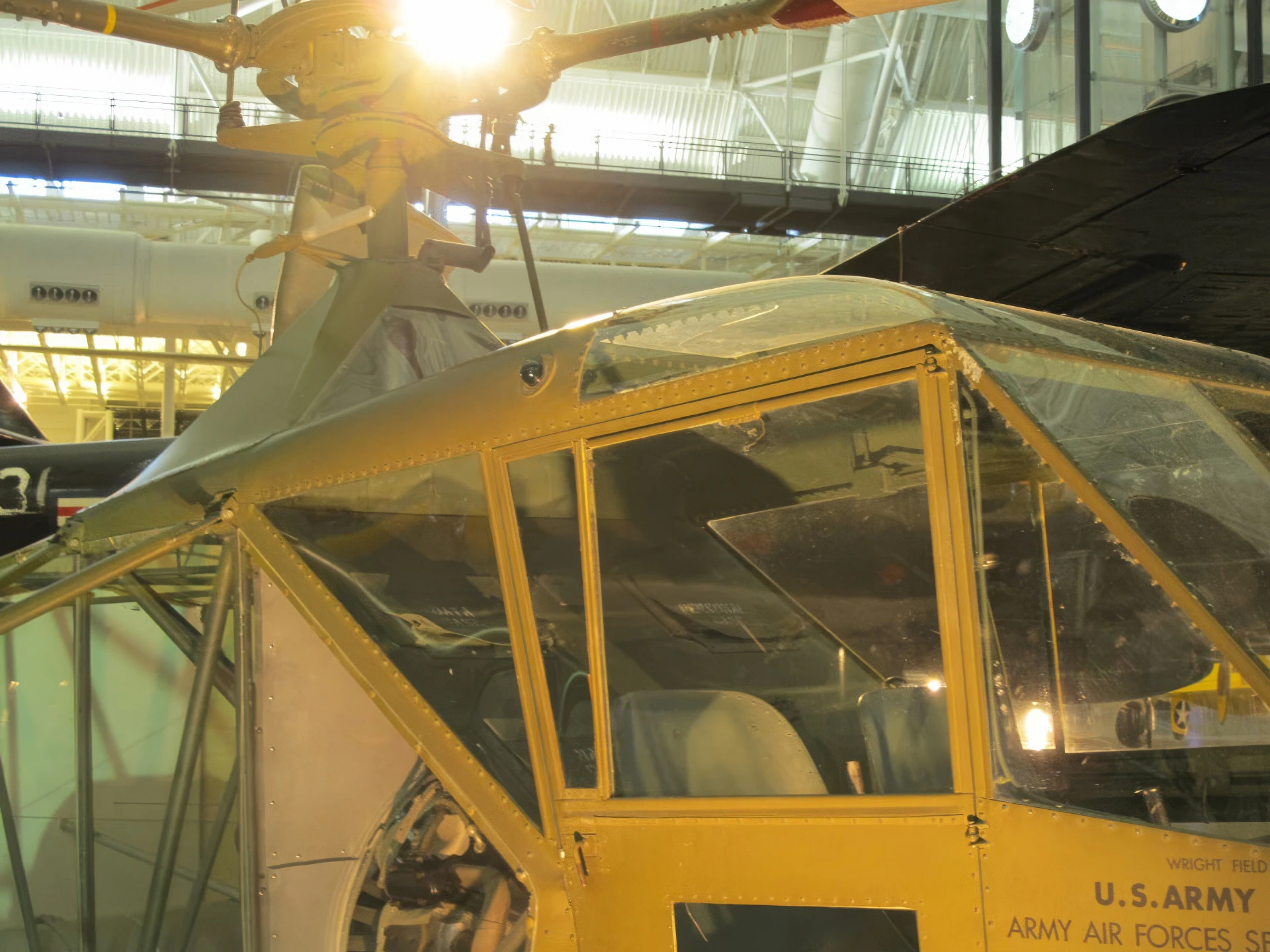
Sikorsky XR-4C 06
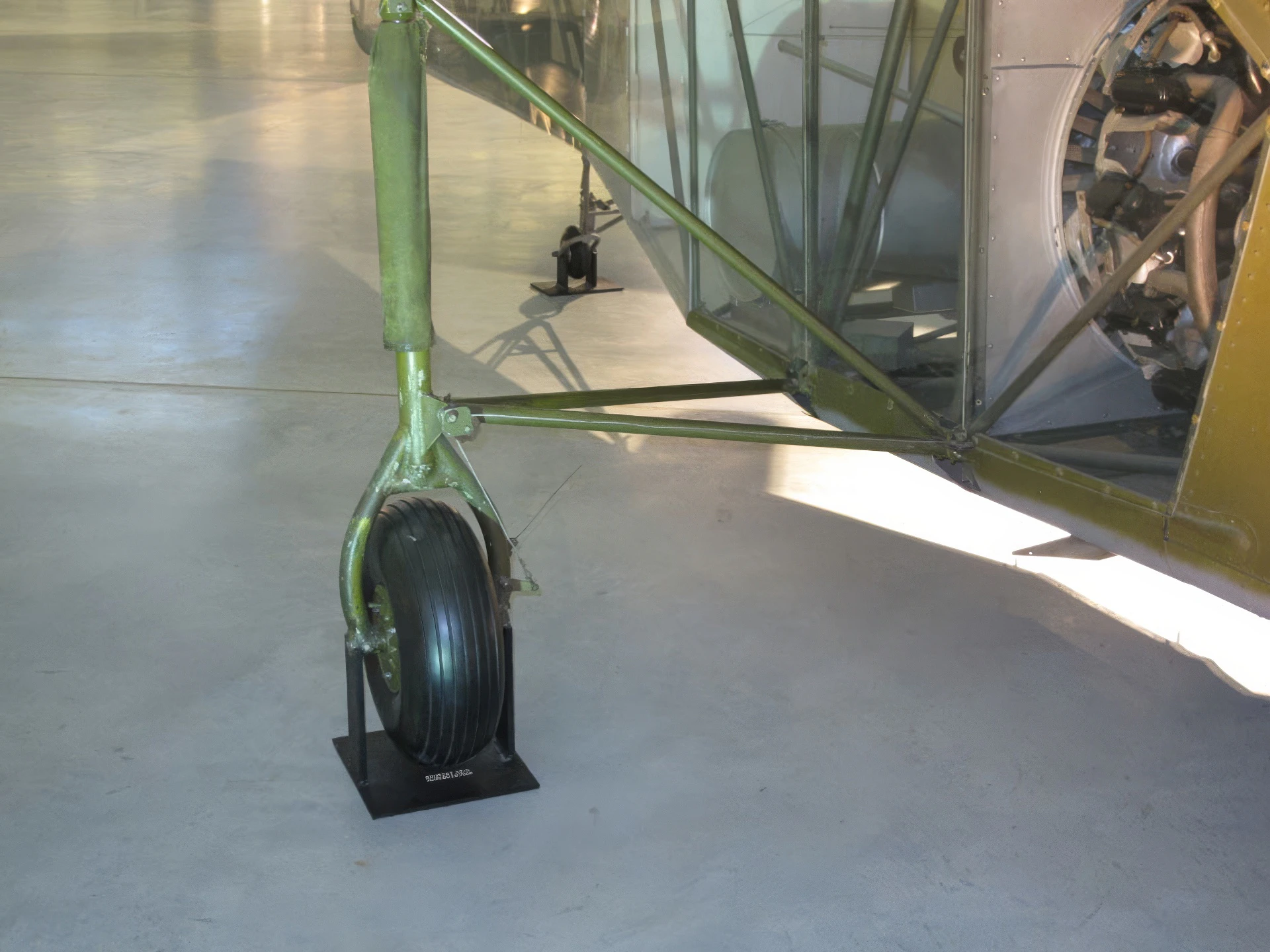
Sikorsky XR-4C 07

Sikorsky XR-4C 08
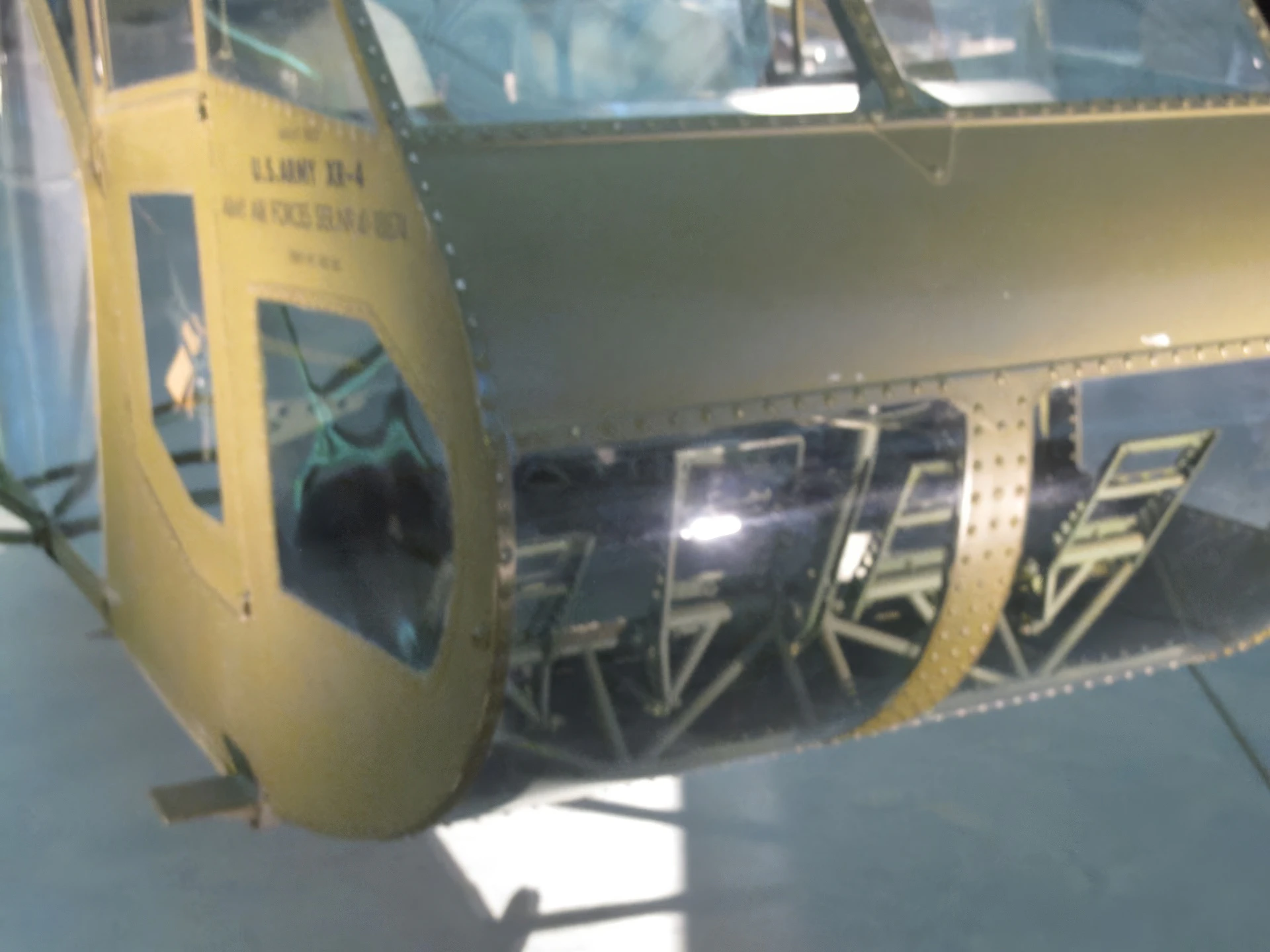
Sikorsky XR-4C 09
等等,搜索西科斯基R-4找你...


另请参阅:


General Characteristics
The Sikorsky R-4 (known as the Hoverfly in British service) was the world’s first mass-produced helicopter and the first to be successfully put into service by the United States Army Air Forces (USAAF) and Allied military forces during World War II. Designed by Igor Sikorsky, it pioneered the single-main-rotor, single-tail-rotor configuration common today. It was primarily used for training, liaison, and air-sea rescue.
| Property | Typical Value (R-4B Production Variant) |
|---|---|
| 作用 | Liaison, Training, Search and Rescue (SAR) |
| Designer/Manufacturer | Igor Sikorsky / Sikorsky Aircraft |
| First Flight (Prototype XR-4) | 1942 年 1 月 14 日 |
| 船员 | 2 (Pilot and Passenger/Co-pilot) |
| Rotor Diameter | 11.58 m (38 ft) |
| Length (Fuselage) | 10.2 m (33 ft 8 in) |
| Max Takeoff Weight | 1,170 kg (2,581 lb) |
| Units Built | 131 (All variants) |
Design and Powerplant
- Engine: One Warner R-550-3 7-cylinder air-cooled radial piston engine.
- Power Output: 149 kW (200 hp). (Earlier variants used 165 hp or 180 hp engines.)
- Rotor System: Single main rotor with three wooden blades, and a two-bladed anti-torque tail rotor.
- Construction: Fuselage constructed from steel tubing truss, covered with doped fabric to reduce drag.
- Pilot Controls: Incorporated the cyclic stick, collective pitch lever, and rudder pedals for the tail rotor, establishing the standard helicopter control layout.
- Historic Use: Achieved the first air-based combat rescue in Burma in April 1944.
性能
- Maximum Speed: 121 km/h (75 mph, 65 knots) at sea level.
- Cruise Speed: 105 km/h (65 mph, 56 knots).
- Range: Approximately 210 km (130 miles, 110 nautical miles).
- Service Ceiling: 2,400 m (8,000 ft).
- Climb Rate: 3.3 m/s (650 ft/min).
- Piloting Difficulty: The R-4 was notoriously difficult to fly due to vibration and the lack of a governor to automatically coordinate throttle with collective pitch changes.
视图 : 947