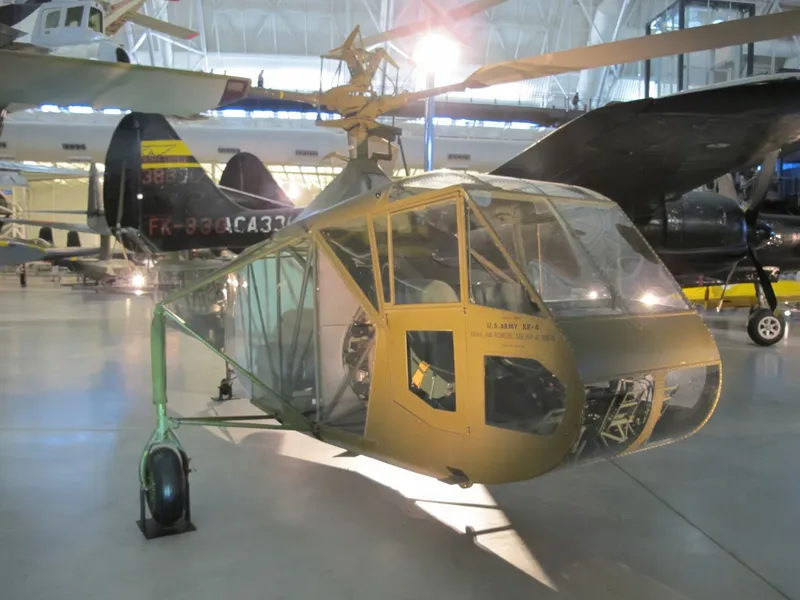
Sikorsky R-4 | |
|---|---|
| Paese | Usa |
| Ruolo | Elicottero |
| Prima mosca | 14 gennaio 1942 |
| Costruito | 131 |
Le Sikorsky R-4 è un elicottero biposto progettato da Igor Sikorsky con un singolo rotore principale a tre pale e alimentato da un motore radiale. L'R-4 è stato il primo elicottero prodotto in serie su larga scala al mondo e il primo elicottero utilizzato dalle forze aeree dell'esercito degli Stati Uniti, dalla Marina degli Stati Uniti, dalla Guardia costiera degli Stati Uniti e dalla Royal Air Force e Royal Navy del Regno Unito. Nel servizio della Marina degli Stati Uniti e della Guardia Costiera degli Stati Uniti, l'elicottero era noto come Sikorsky HNS-1. In servizio in Gran Bretagna era conosciuto come Hoverfly.
fonte: Sikorsky R-4 su Wikipedia
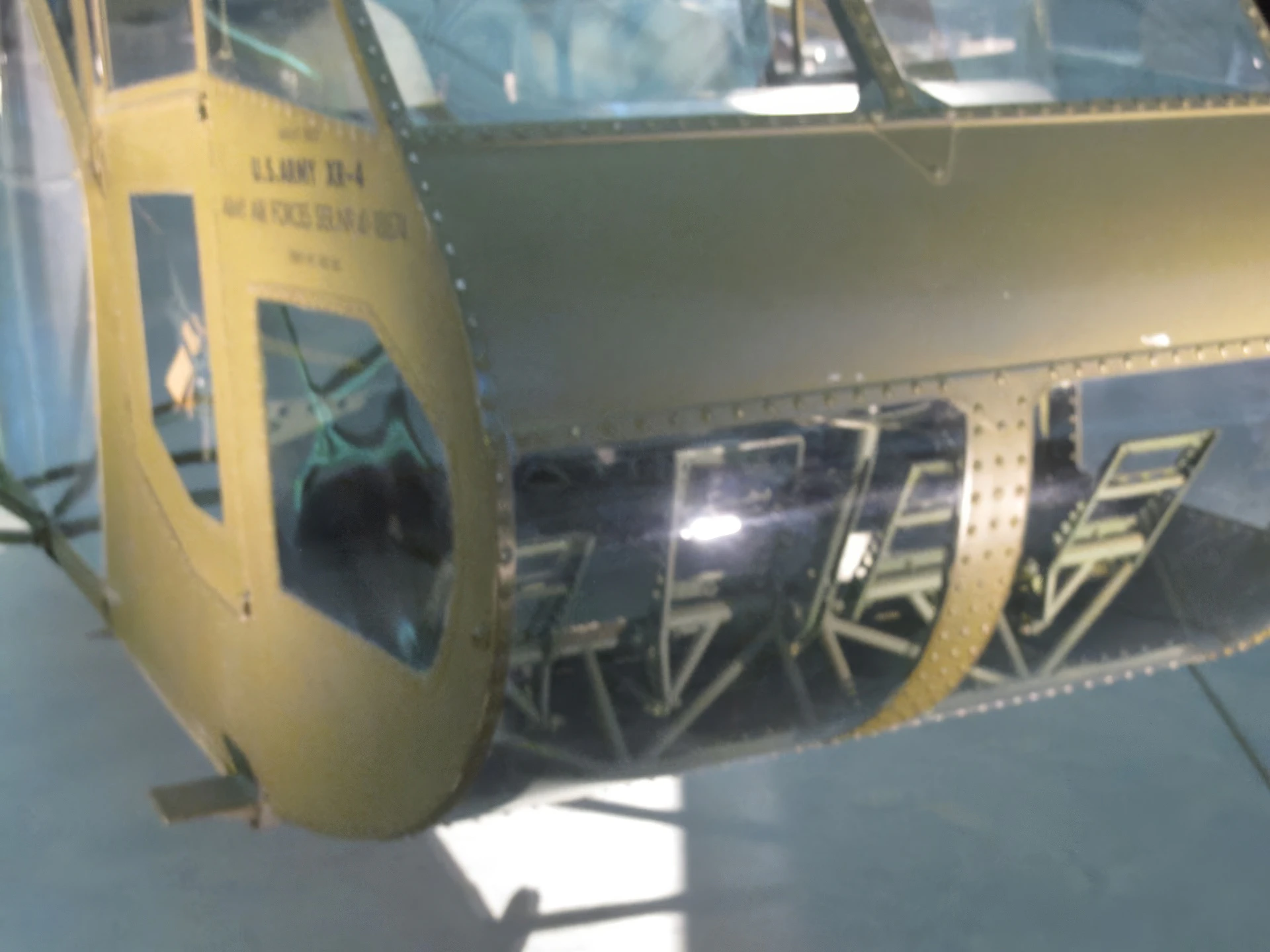
| Sikorsky XR-4C Walk Around | |
|---|---|
| Fotografi | Vladimir Jakubov |
| Localizzazione | Museo Nazionale dell'Aria e dello Spazio – Udvar-Hazy Center, Chantilly, VA |
| Foto | 33 |
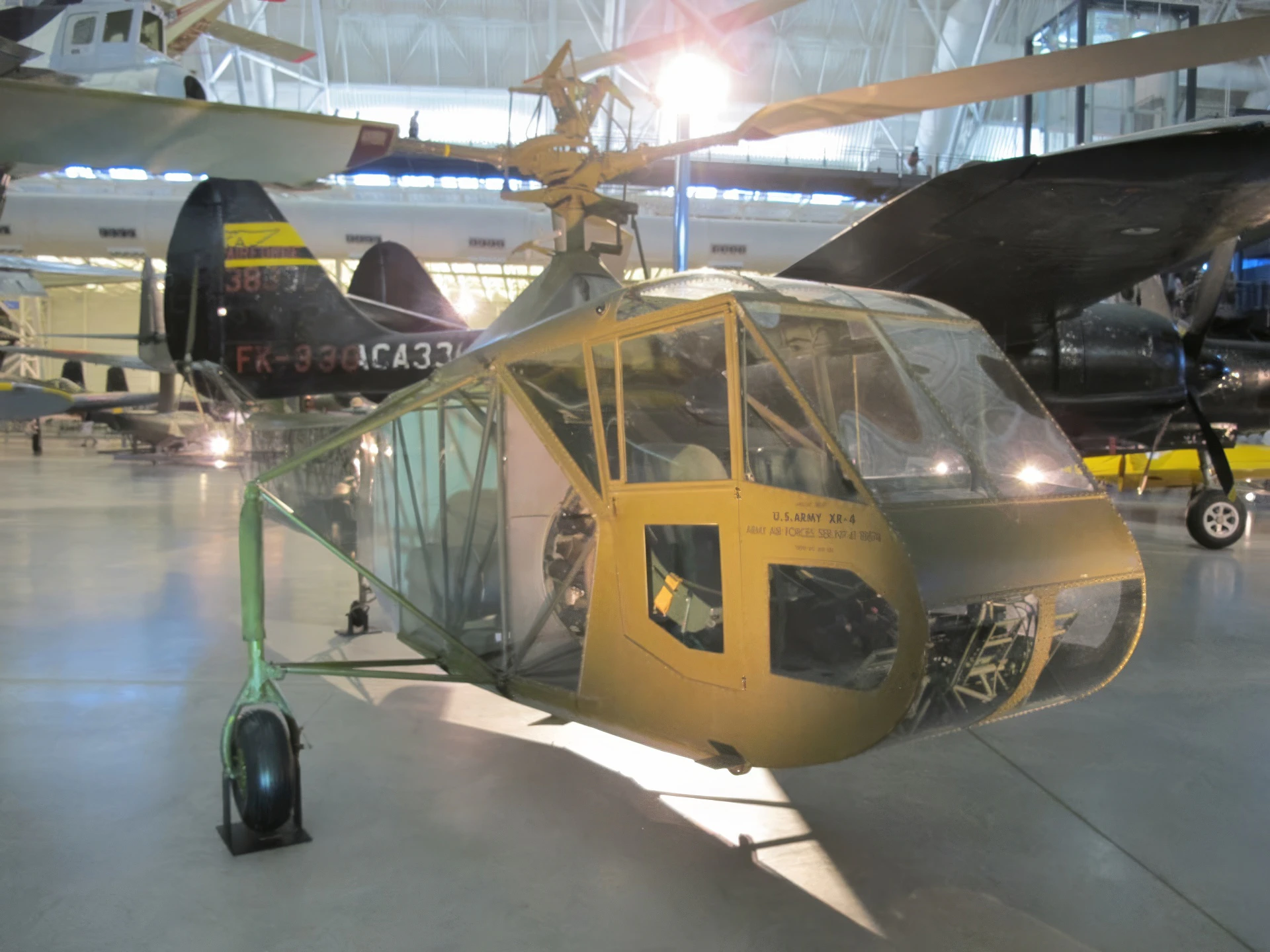
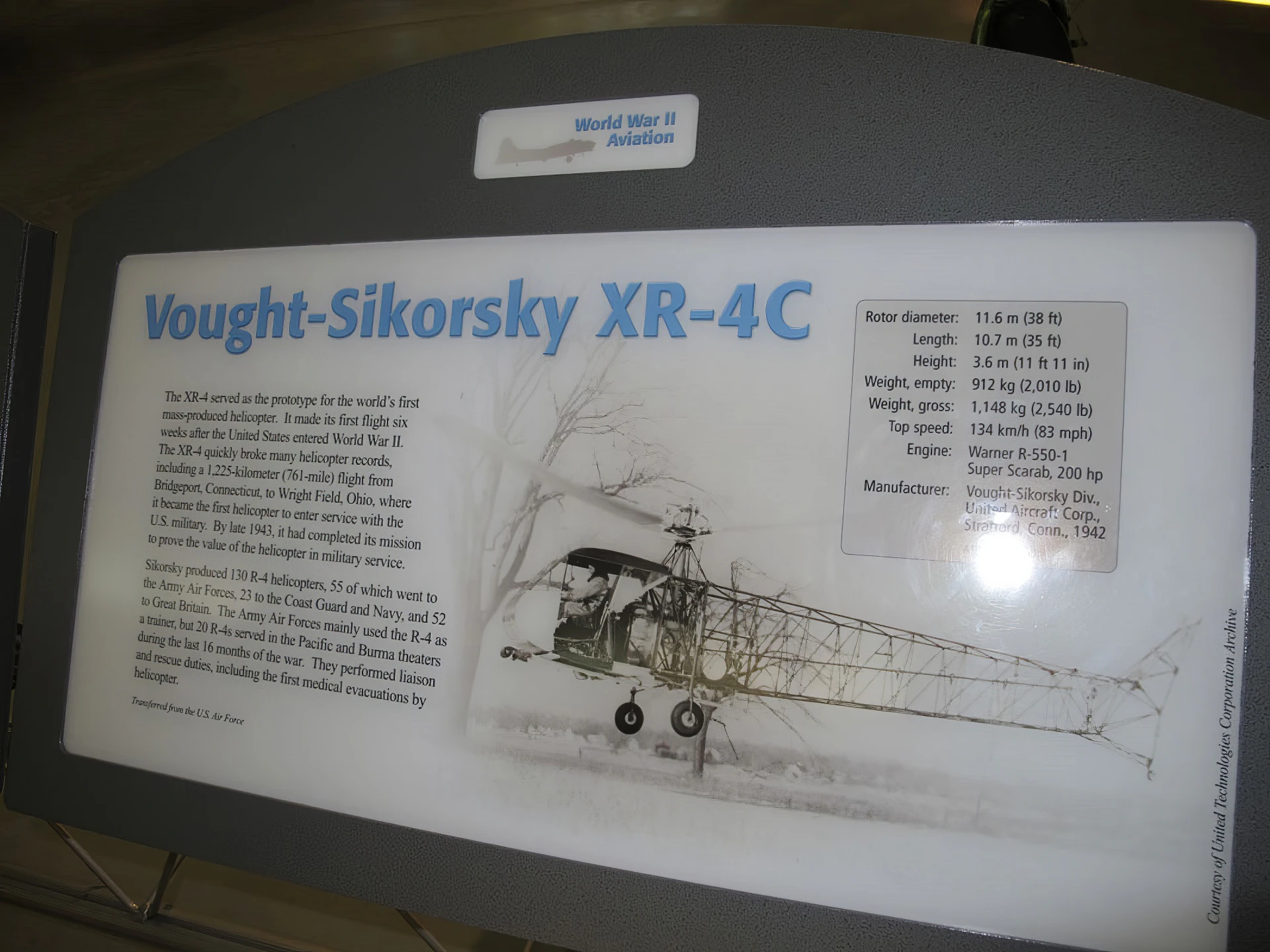
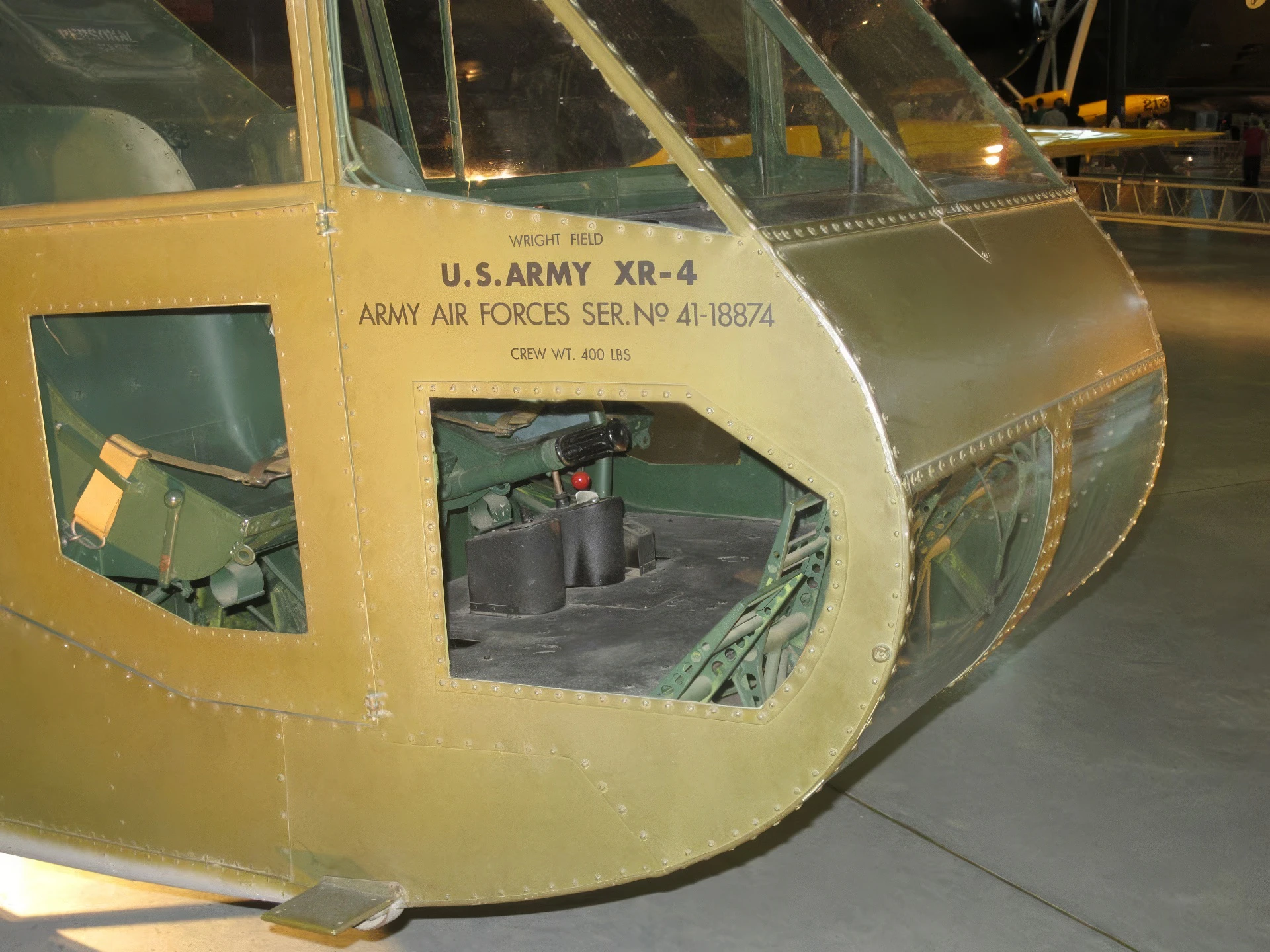
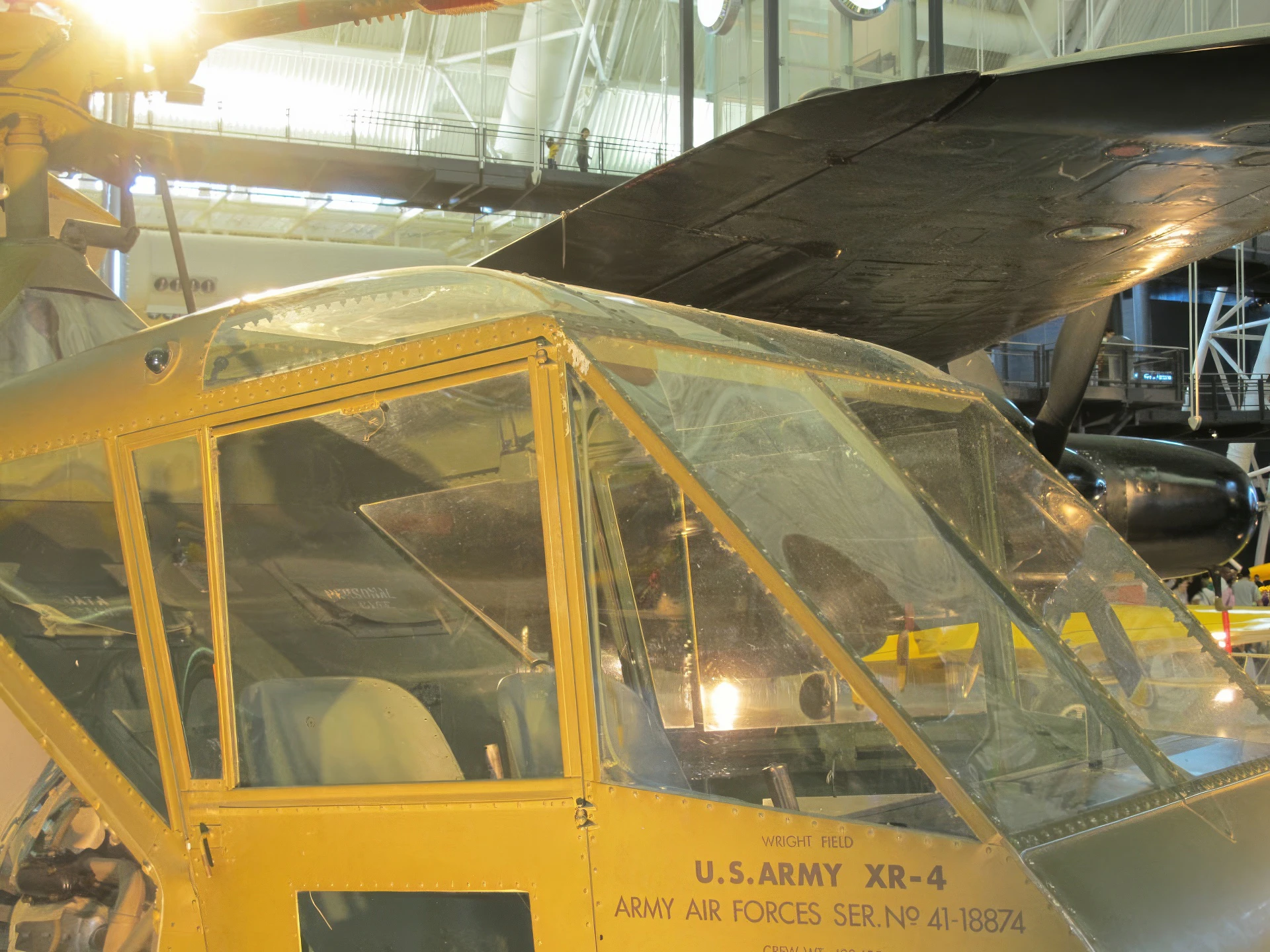
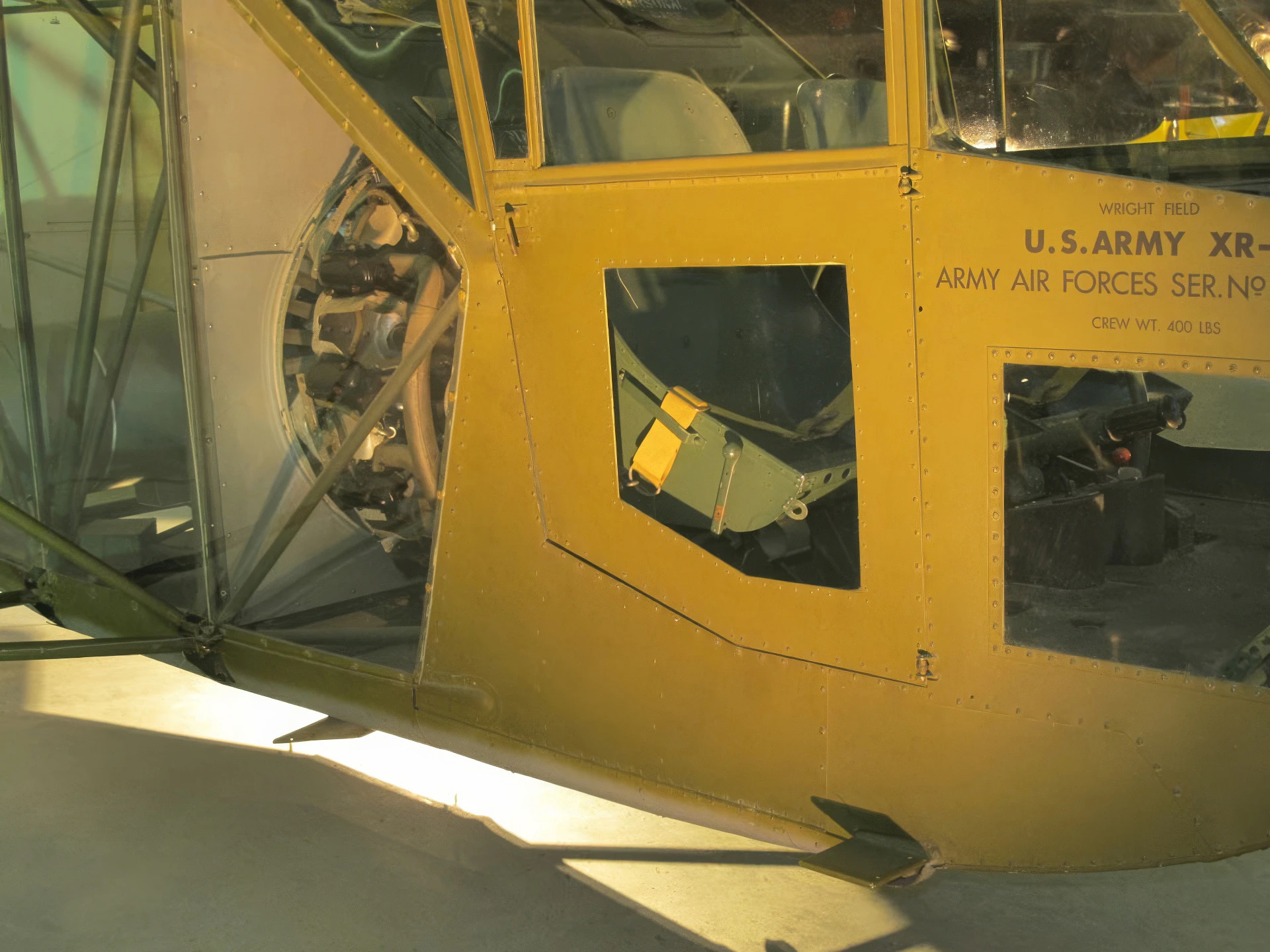
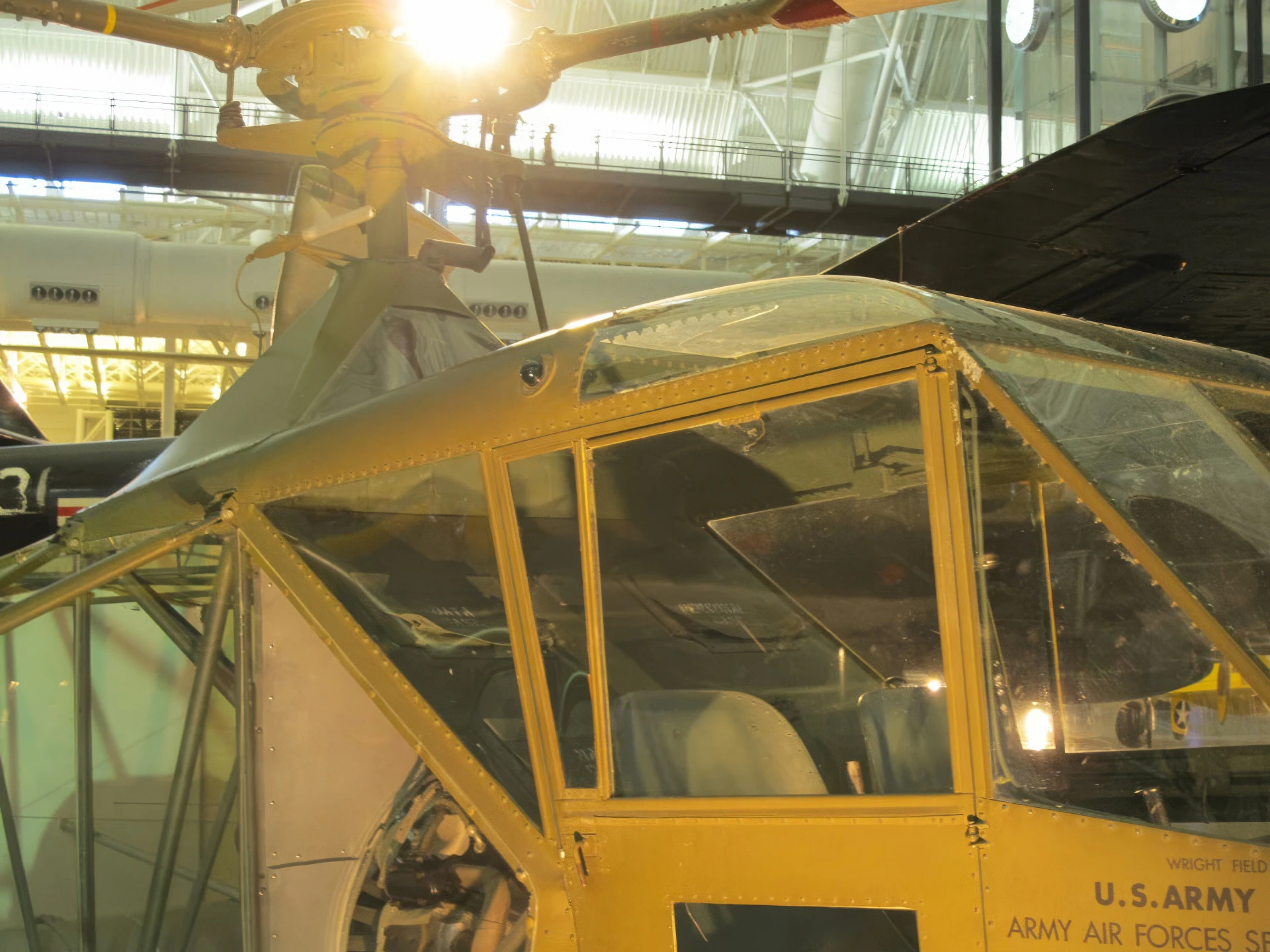
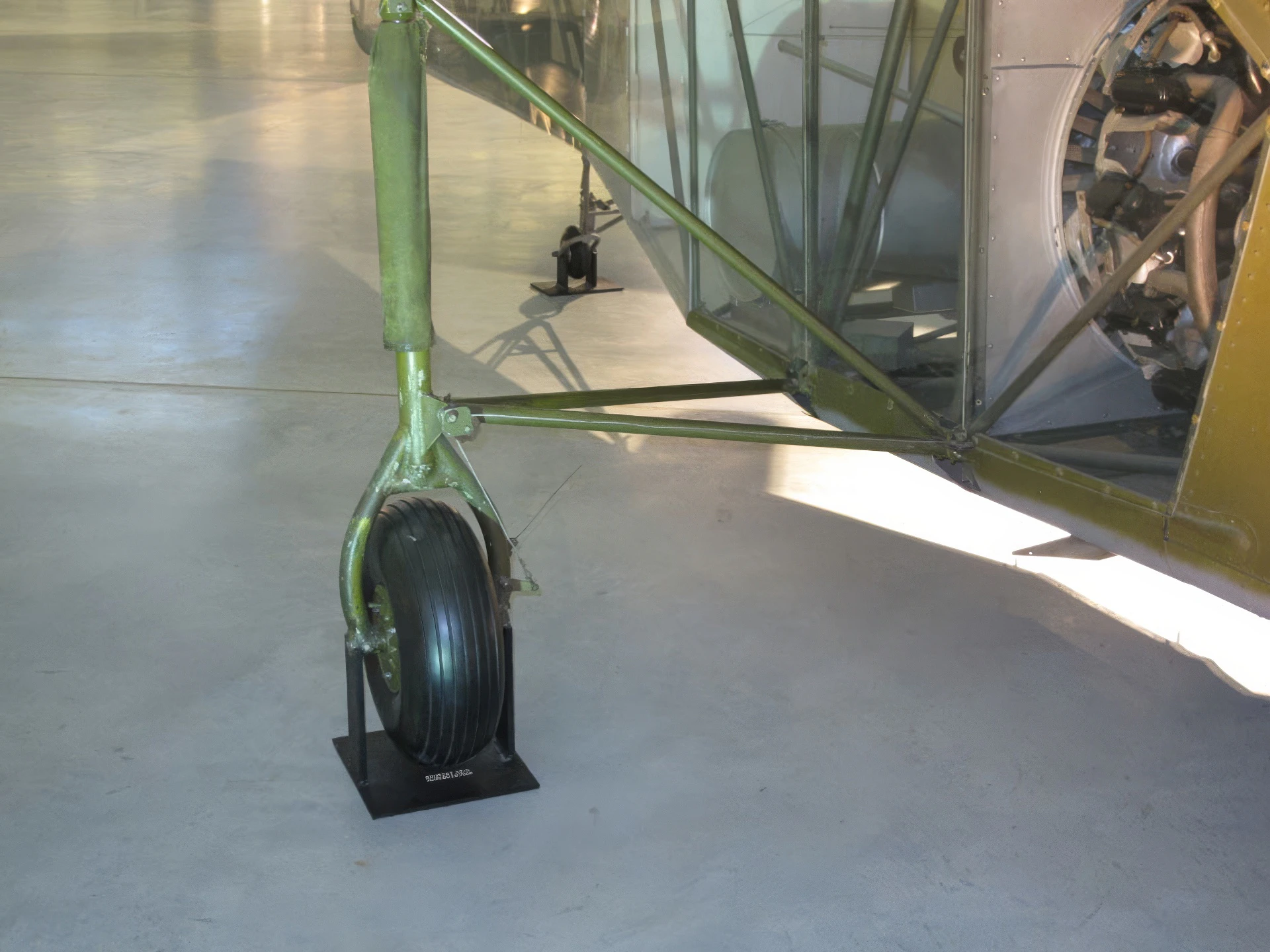



Vedi anche:


General Characteristics
The Sikorsky R-4 (known as the Hoverfly in British service) was the world’s first mass-produced helicopter and the first to be successfully put into service by the United States Army Air Forces (USAAF) and Allied military forces during World War II. Designed by Igor Sikorsky, it pioneered the single-main-rotor, single-tail-rotor configuration common today. It was primarily used for training, liaison, and air-sea rescue.
| Property | Typical Value (R-4B Production Variant) |
|---|---|
| Ruolo | Liaison, Training, Search and Rescue (SAR) |
| Designer/Manufacturer | Igor Sikorsky / Sikorsky Aircraft |
| First Flight (Prototype XR-4) | 14 gennaio 1942 |
| Equipaggio | 2 (Pilot and Passenger/Co-pilot) |
| Rotor Diameter | 11.58 m (38 ft) |
| Length (Fuselage) | 10.2 m (33 ft 8 in) |
| Max Takeoff Weight | 1,170 kg (2,581 lb) |
| Units Built | 131 (All variants) |
Design and Powerplant
- Engine: One Warner R-550-3 7-cylinder air-cooled radial piston engine.
- Power Output: 149 kW (200 hp). (Earlier variants used 165 hp or 180 hp engines.)
- Rotor System: Single main rotor with three wooden blades, and a two-bladed anti-torque tail rotor.
- Construction: Fuselage constructed from steel tubing truss, covered with doped fabric to reduce drag.
- Pilot Controls: Incorporated the cyclic stick, collective pitch lever, and rudder pedals for the tail rotor, establishing the standard helicopter control layout.
- Historic Use: Achieved the first air-based combat rescue in Burma in April 1944.
Prestazione
- Maximum Speed: 121 km/h (75 mph, 65 knots) at sea level.
- Cruise Speed: 105 km/h (65 mph, 56 knots).
- Range: Approximately 210 km (130 miles, 110 nautical miles).
- Service Ceiling: 2,400 m (8,000 ft).
- Climb Rate: 3.3 m/s (650 ft/min).
- Piloting Difficulty: The R-4 was notoriously difficult to fly due to vibration and the lack of a governor to automatically coordinate throttle with collective pitch changes.
Visualizzazioni : 943
Puoi anche vedere:
 Sikorsky S-76 – Foto e Video
 Sikorsky HH-60 Pave Hawk – Foto e Video
 Sikorsky HH-52 Seaguard – Foto e video
 Sikorsky SH-60B SeaHawk – Foto e Video
 Sikorsky H-5 – Foto e Video
 Sikorsky S-64 Skycrane – Foto e Video
 Sikorsky CH-37 Mojave – Foto e Video
 Sikorsky S-61R – Foto e Video
 Sikorsky H-34 (S-58) – Foto e Video
 UH-19D Chickasaw – Foto e Video