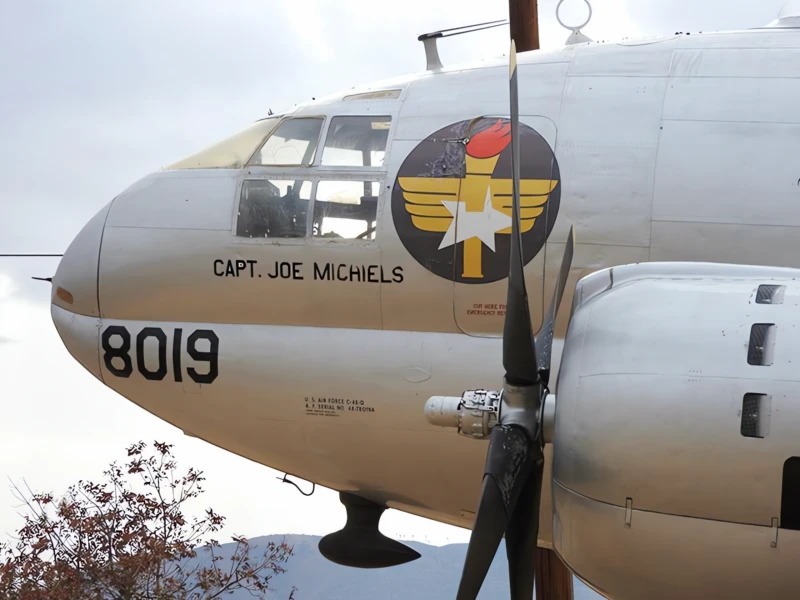
Curtiss C-46 Commando | |
|---|---|
| Pays | Usa |
| Rôle | Avions de transport militaire |
| Premier vol | 26 mars 1940 |
| Construit | 3181 |
Lla Curtiss C-46 Commando est un avion de transport dérivé de la conception d’avion de ligne à haute altitude pressurisé Curtiss CW-20. Les premiers articles de presse utilisaient le nom ‘Condor III’ mais le nom Commando était utilisé au début de 1942 dans la publicité de l’entreprise. Il a été utilisé comme transport militaire pendant la Seconde Guerre mondiale par les forces aériennes de l’armée des États-Unis et également par l’US Navy/Marine Corps, qui a utilisé la désignation R5C. Le C-46 a joué un rôle similaire à celui de son homologue construit par Douglas, le C-47 Skytrain, mais il n’a pas été produit de manière aussi extensive que ce dernier.
| Curtiss C-46D Commando Walk Around | |
|---|---|
| Photographe | Cees Hendriks |
| Localisation | Inconnu |
| Photos | 63 |
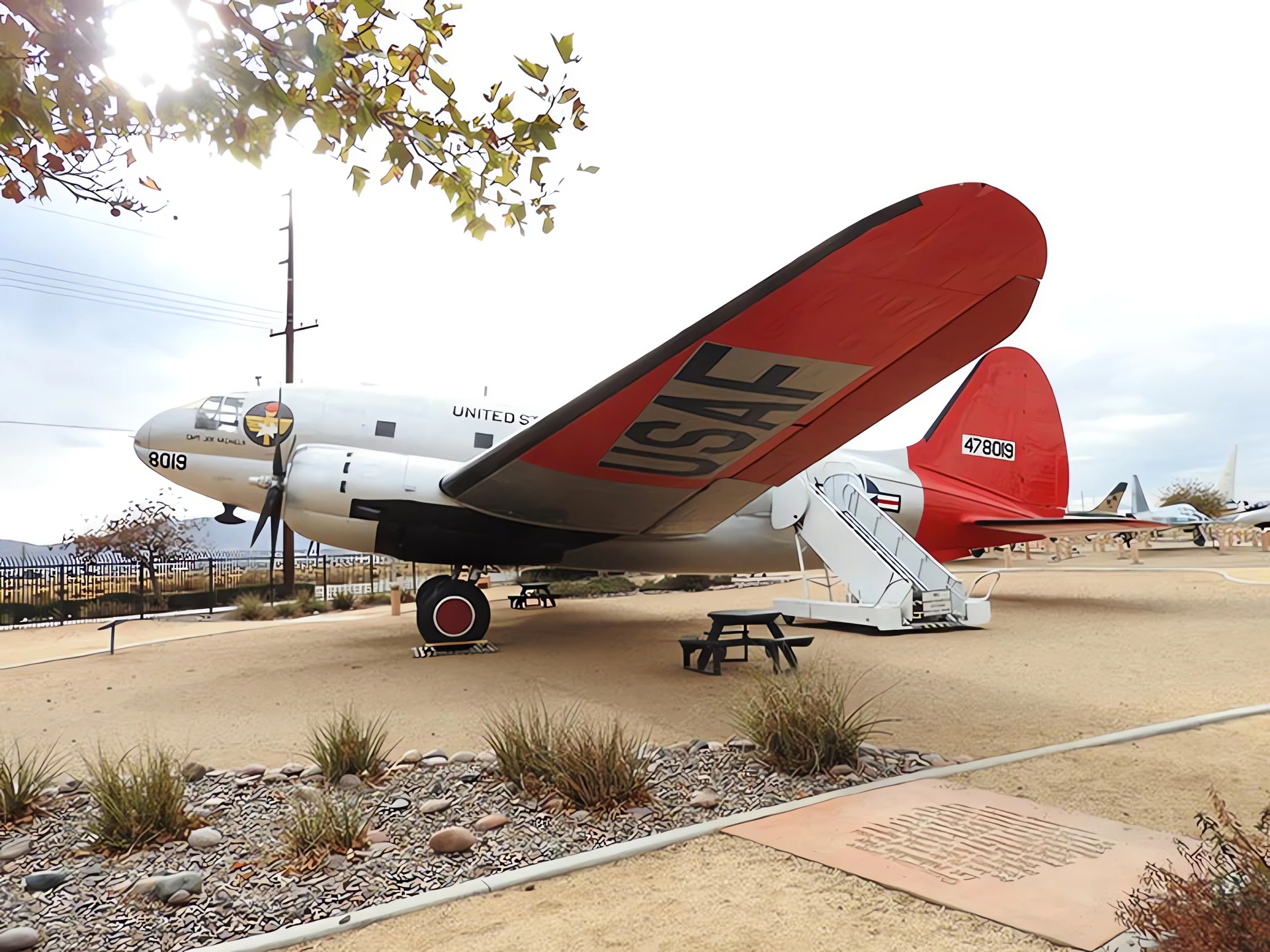
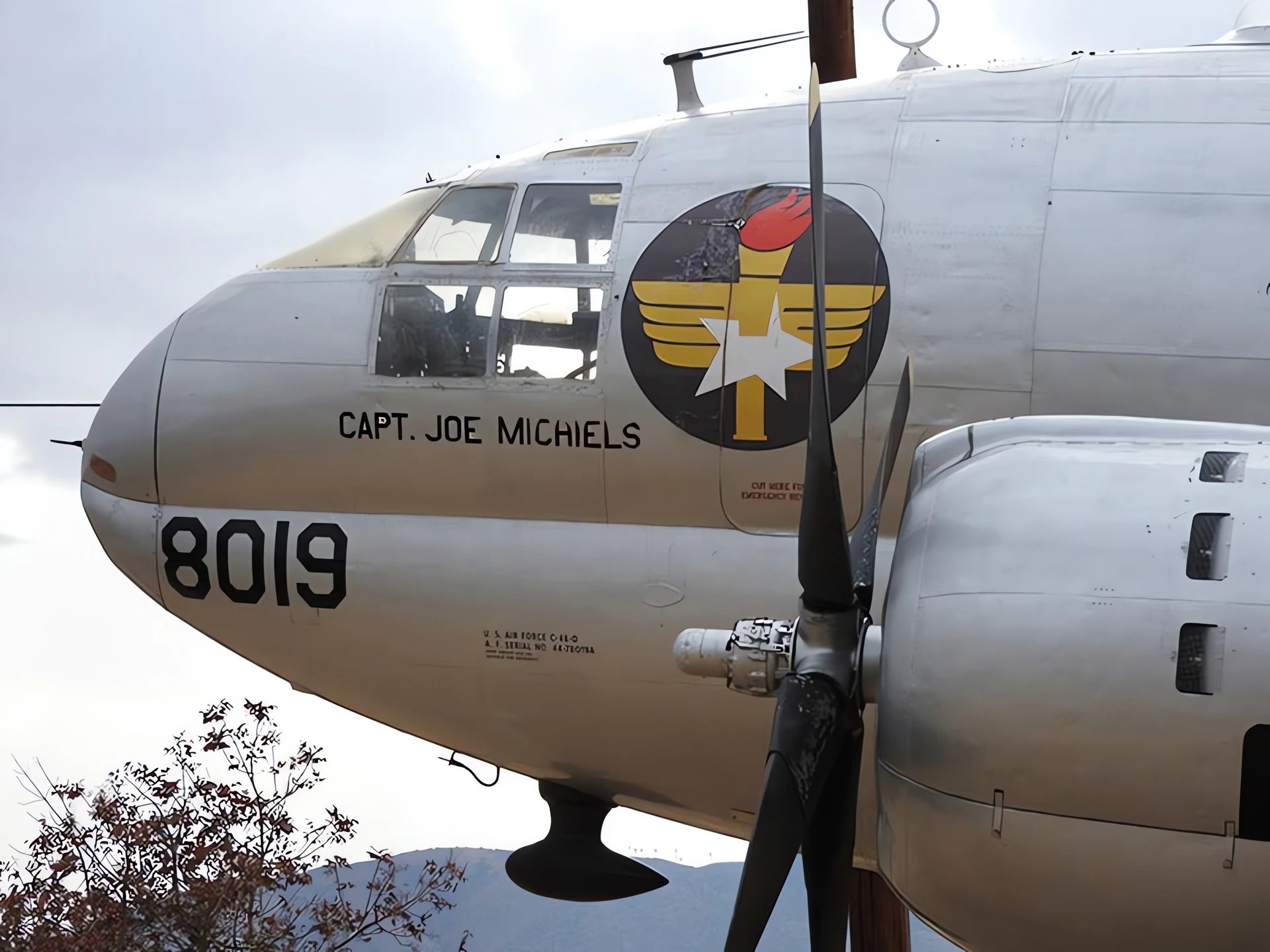
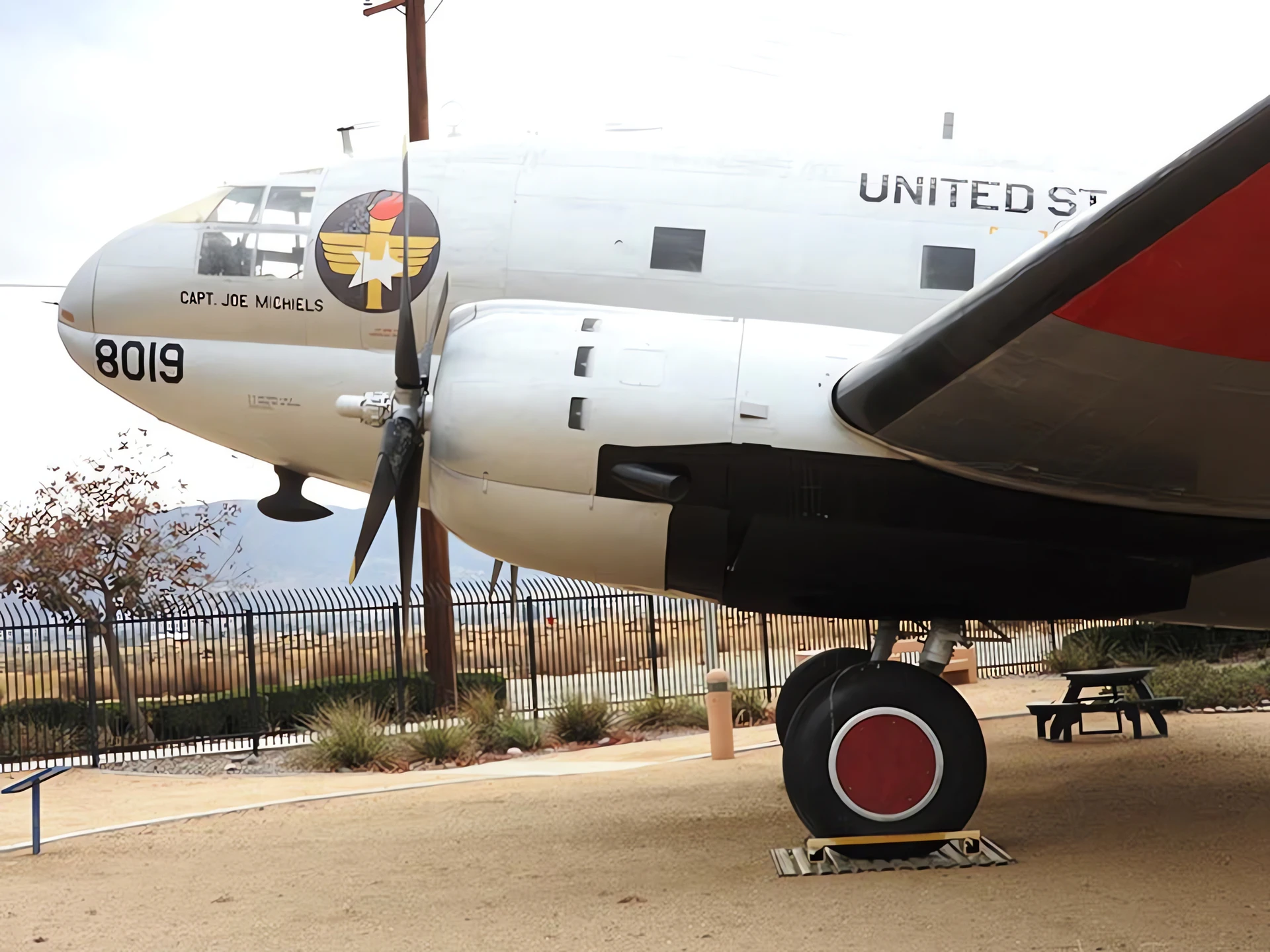
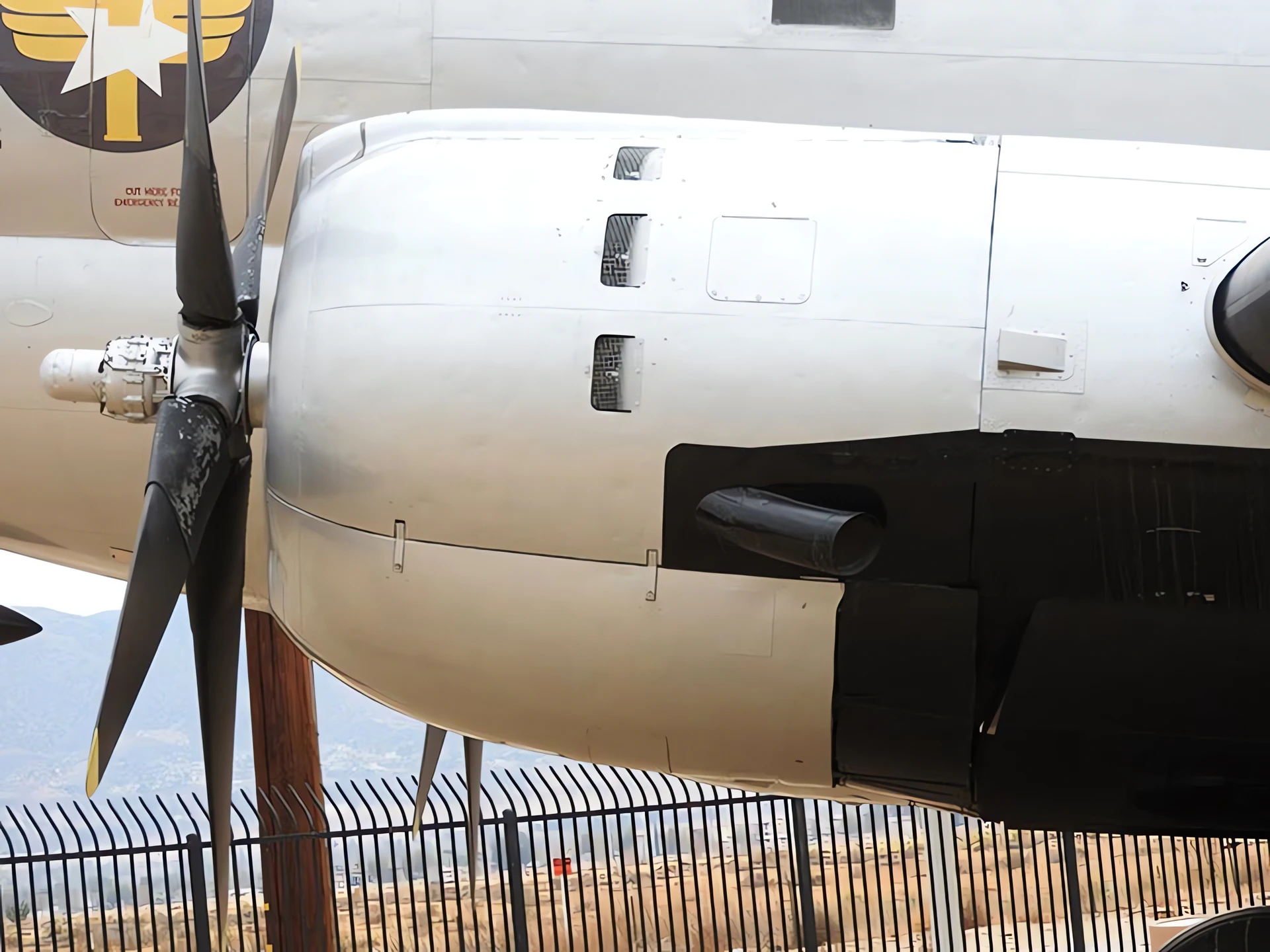
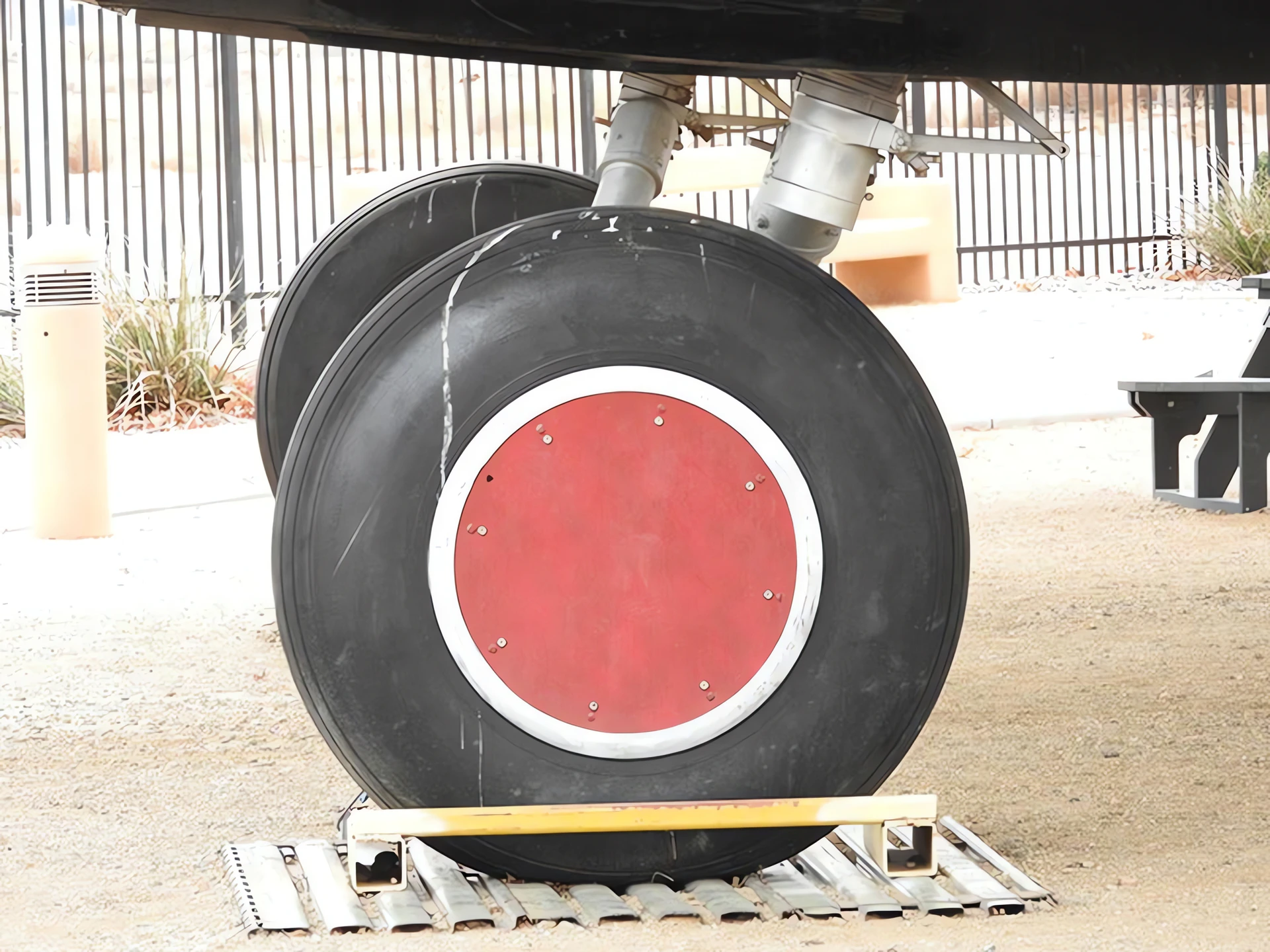
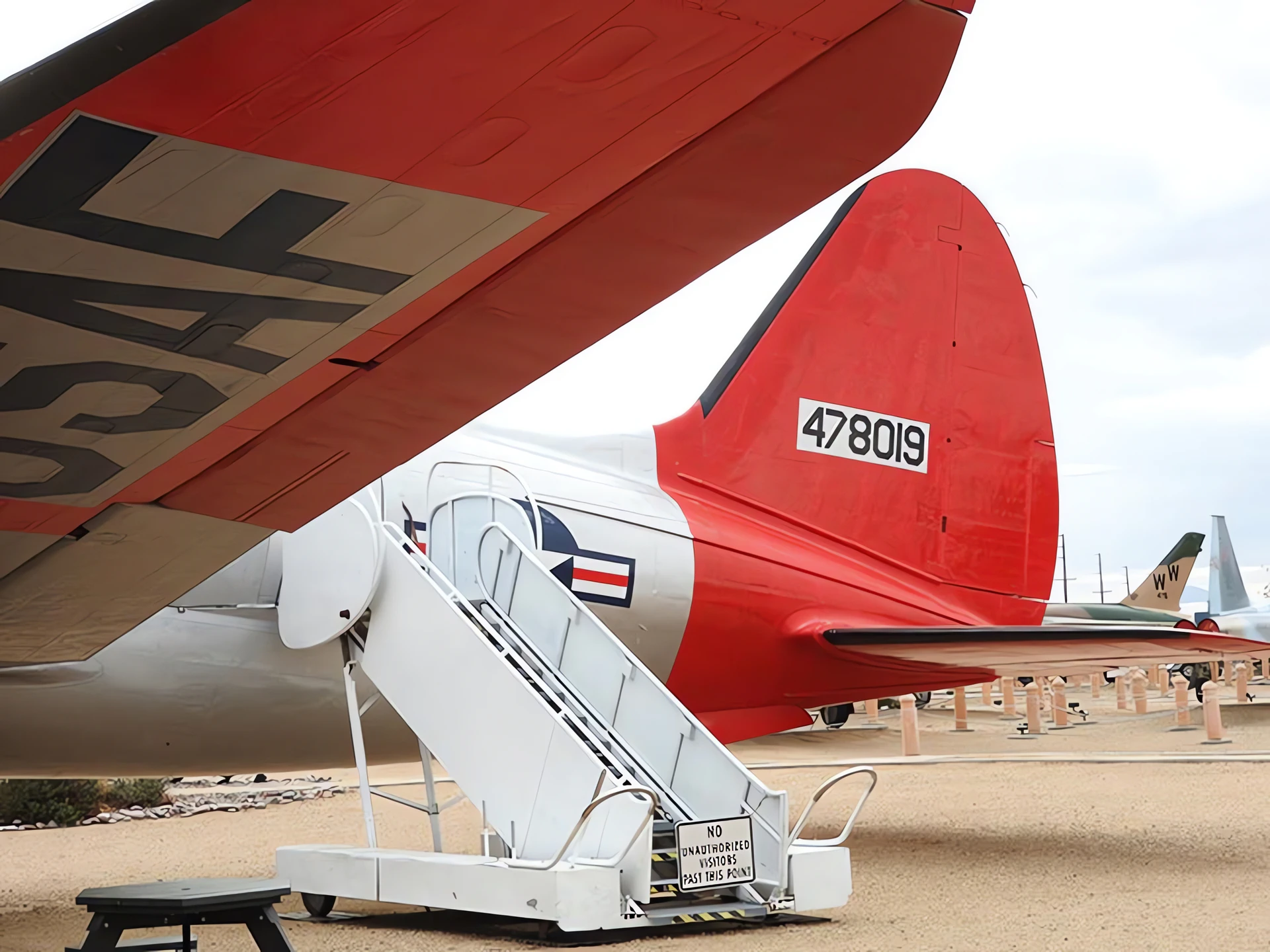
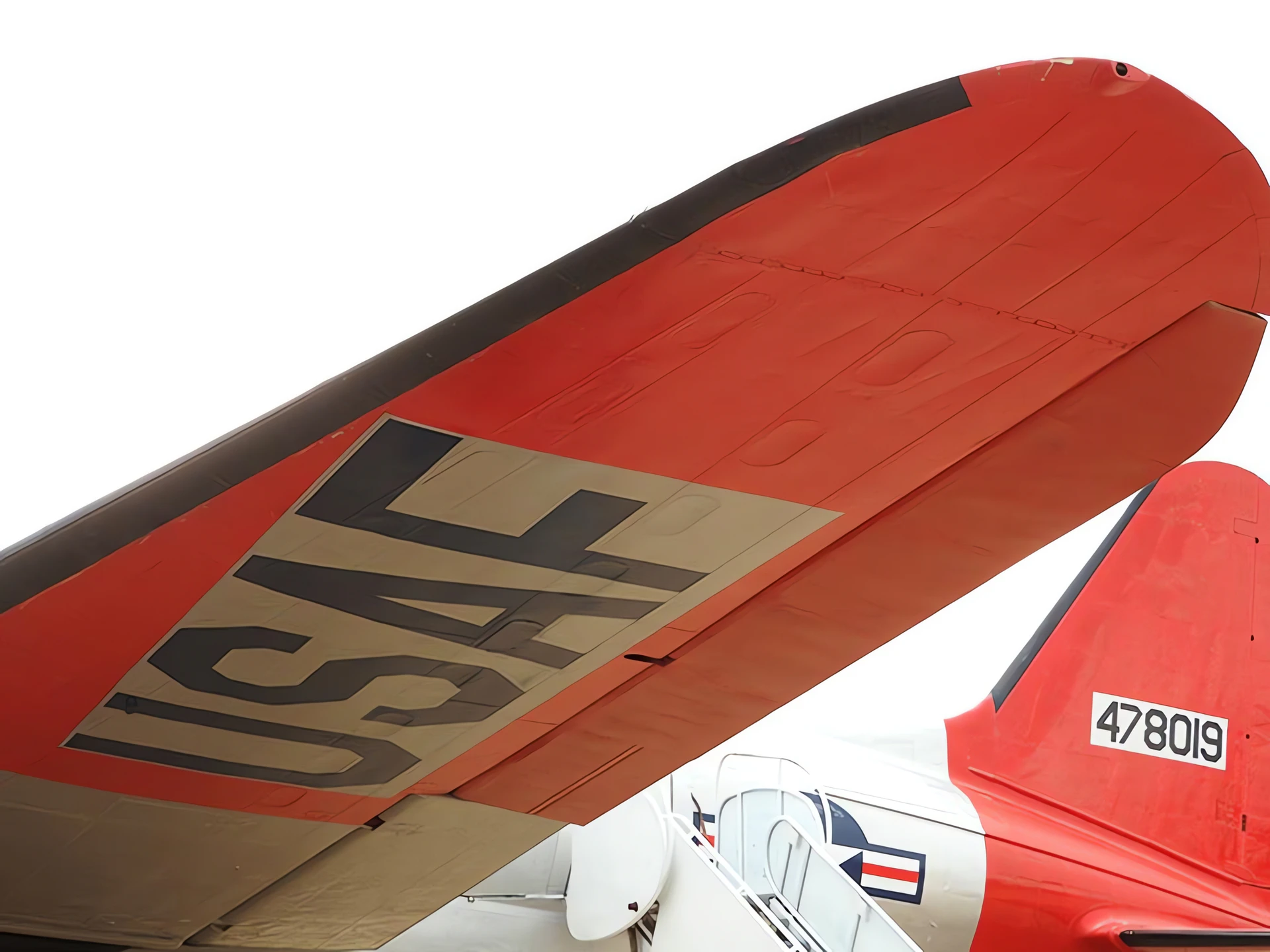
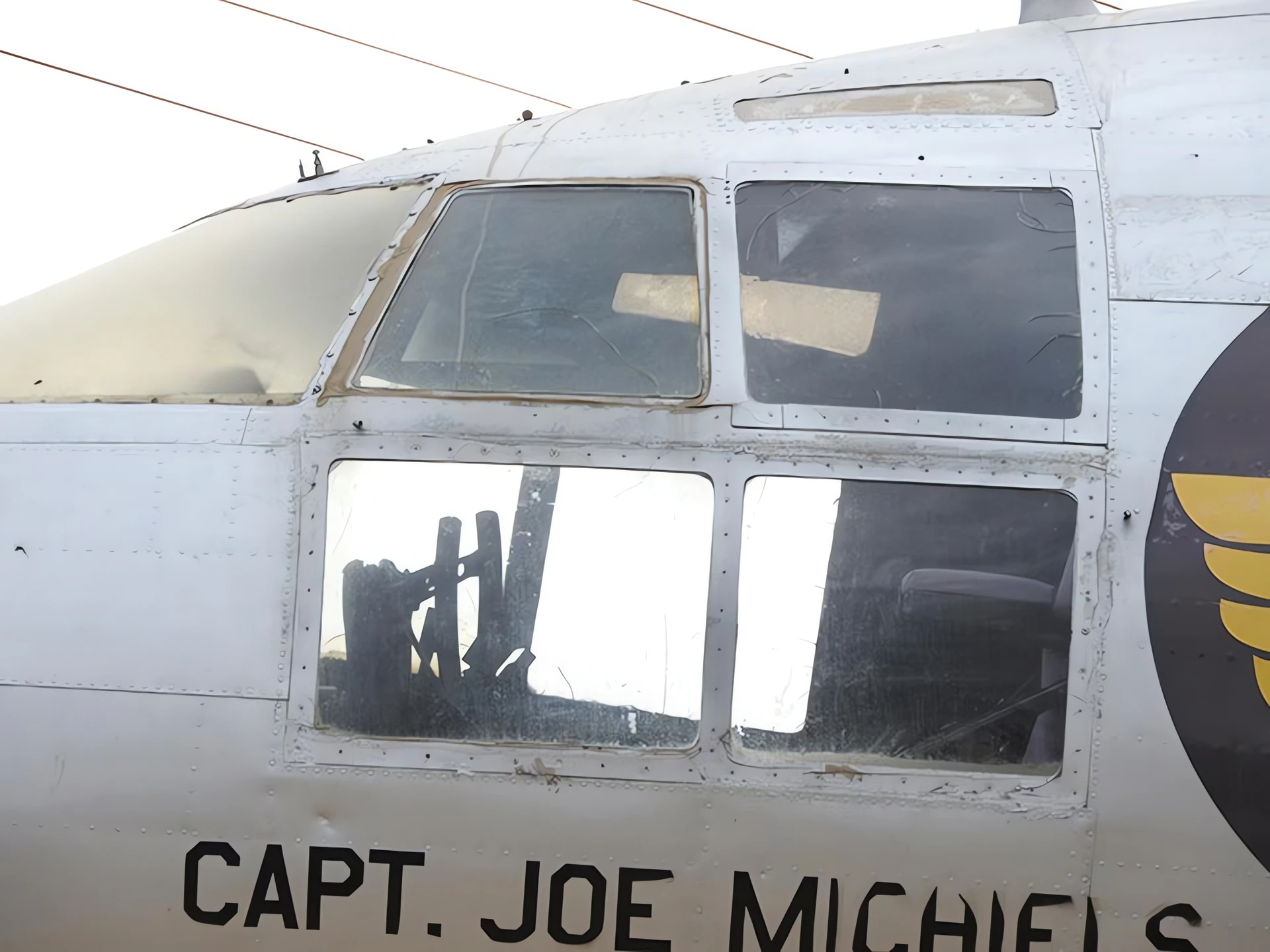
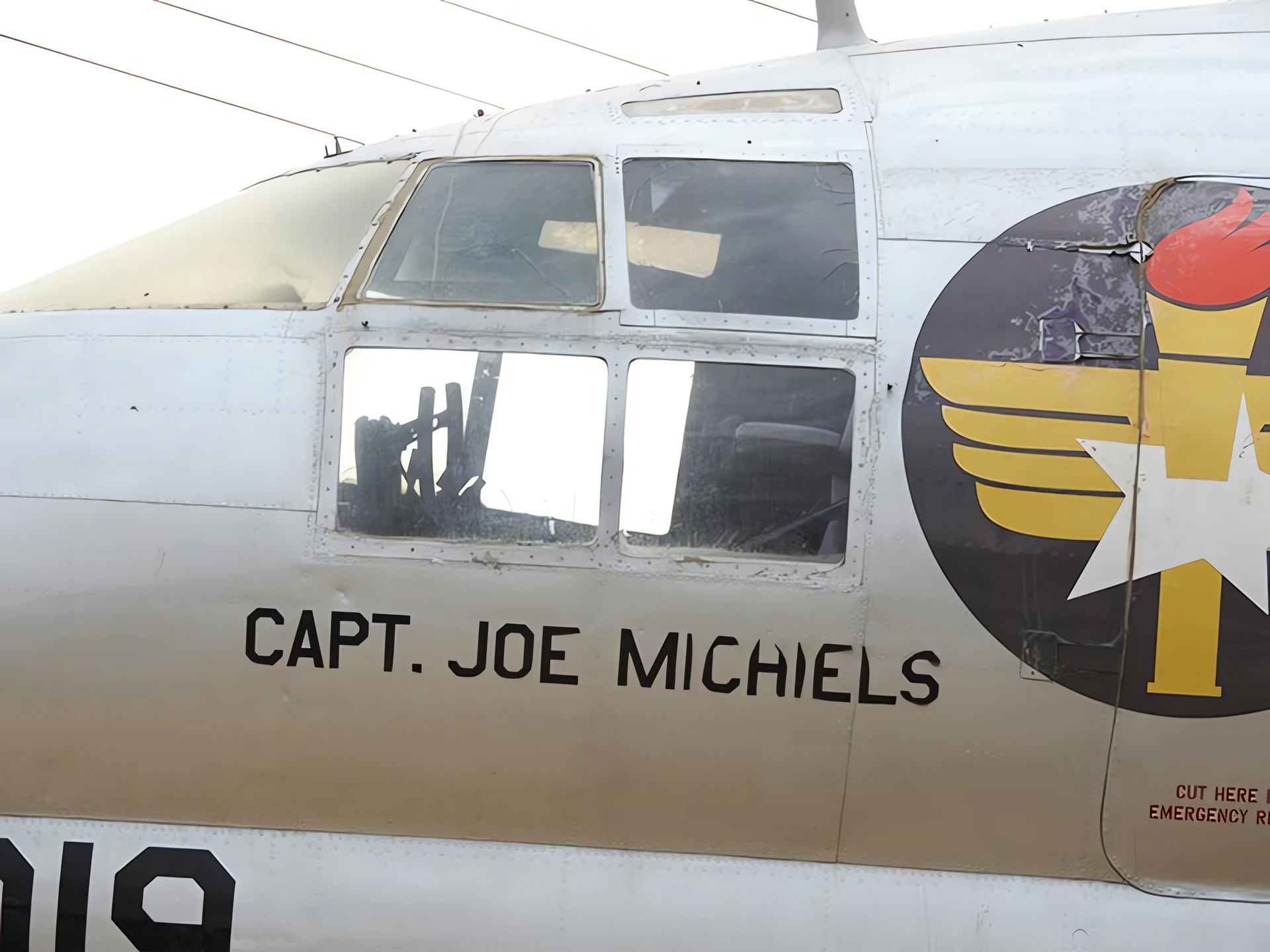

| Curtiss C-46D-10-CU Commando Walk Around | |
|---|---|
| Photographe | Vladimir Yakubov |
| Localisation | Musée du Château AFB |
| Photos | 279 |
Voir aussi :


A Giant in the Shadows of the Dakota
Lla Curtiss C-46 Commando was the largest and heaviest twin-engine aircraft used by the U.S. Army Air Forces during WWII. While the Douglas C-47 Skytrain (DC-3) received more fame, the C-46 was a far more capable machine, able to carry twice the payload and fly much higher. The C-46D variant was the most-produced version, featuring a modified nose and extra cargo doors specifically designed for paratroop operations. It was the backbone of the « Hump » airlift, flying over the Himalayas in conditions that would have grounded lesser aircraft.
| Attribute | Technical Specification (C-46D) |
|---|---|
| Rôle | Military Transport / Cargo Aircraft |
| Crew | 4 (Pilot, Co-pilot, Navigator, Radio Operator) |
| First Flight (CW-20) | March 26, 1940 |
| Groupe motopropulseur | 2 × Pratt & Whitney R-2800-51 Double Wasp radials |
| Horsepower | 2,000 hp (1,500 kW) per engine |
| Vitesse maximale | 270 mph (435 km/h) at 15,000 ft |
| Service Ceiling | 24,500 feet (7,468 m) |
| Max Payload | 15,000 lbs (6,800 kg) |
Engineering for High-Altitude Logistics
- Double-Bubble Fuselage: The C-46 utilized a unique « figure-eight » or double-bubble cross-section. This allowed the cabin floor to be placed at the widest point of the fuselage, maximizing internal volume for bulky cargo like Jeeps and light artillery.
- High-Altitude Radials: Powered by the massive 18-cylinder R-2800 Double Wasp engines, the Commando had the power to maintain flight even with one engine failed while fully loaded—a critical safety feature when flying over the 20,000-foot peaks of the Himalayas.
- Lla « Hump » Modifications: Flying the « Hump » meant dealing with extreme icing. C-46s were fitted with advanced de-icing boots on the wings and tail, and specialized heaters to keep the fuel from waxing in the sub-zero temperatures.
- C-46D Paratrooper Door: Unlike the standard cargo version, the « D » model featured a dedicated personnel door on the left side, allowing it to drop paratroopers more efficiently than the earlier cargo-only variants.
Lla « Curtiss Calamity » and Beyond
- A Reputation for Danger: Early C-46s suffered from mysterious mid-air explosions. It was eventually discovered that fuel leaks in the unvented wing roots were being ignited by sparks. This led to a massive retrofitting program that eventually made the aircraft safe.
- The Hump Legend: In the China-Burma-India (CBI) theater, C-46s delivered hundreds of thousands of tons of supplies to Chinese forces. It was here that the aircraft earned its nickname « La baleine » and proved its worth as a high-altitude heavy lifter.
- Post-War Commercial Life: After 1945, the C-46 became a favorite of « non-sked » cargo airlines in Latin America and the Arctic. Its ability to haul heavy loads out of short, high-altitude strips made it a legend in the Andes and the Canadian North.
- Survivors: A surprising number of C-46s remain in existence. Buffalo Airways in Canada famously operated them commercially well into the 21st century, and « Tinker Belle » remains a popular star on the U.S. airshow circuit.
Vues : 3224
Vous pouvez voir aussi :
 Curtiss F11C Goshawk – Photos & Vidéos
 Curtiss P-36 Hawk – Photos & Vidéos
 Curtiss O-52 Owl – Photos & Vidéo
 Curtiss JN-4D Jenny – Photos & Vidéo
 Curtiss P-6 Hawk – Photos & Vidéo
 Curtiss-Wright SNC-1 Falcon – Photos et vidéo
 Curtiss N-9H – Photos & Vidéo
 Curtiss F9C-2 Sparrowhawk – Photos & Vidéo
 Curtiss XF15C-1 – Photos & Vidéo
 General Motors FM-2 Wildcat – WalkAround