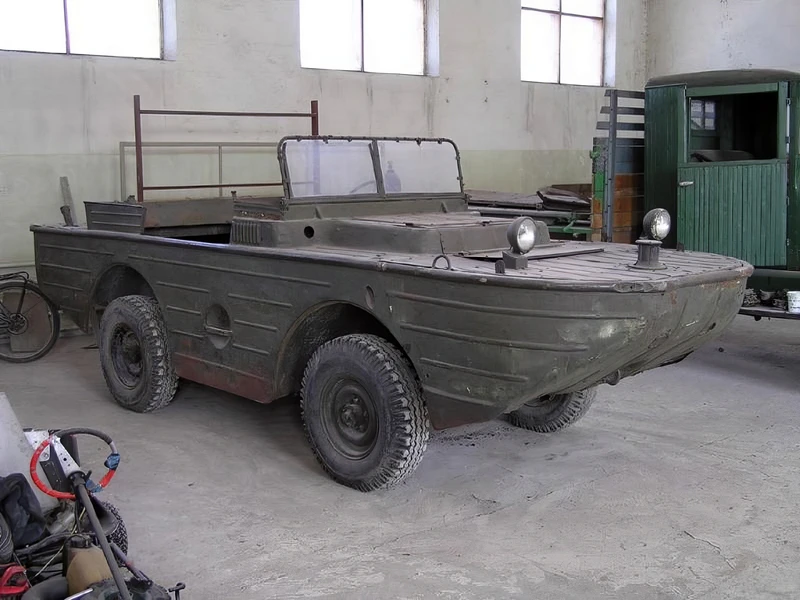
GAZ 46 | |
|---|---|
| Land | Sowjetunion |
| Rolle | 4×4 Amphibienjeep |
| Produktion | 1954-1958 |
| Gebaut | Unbekannter |
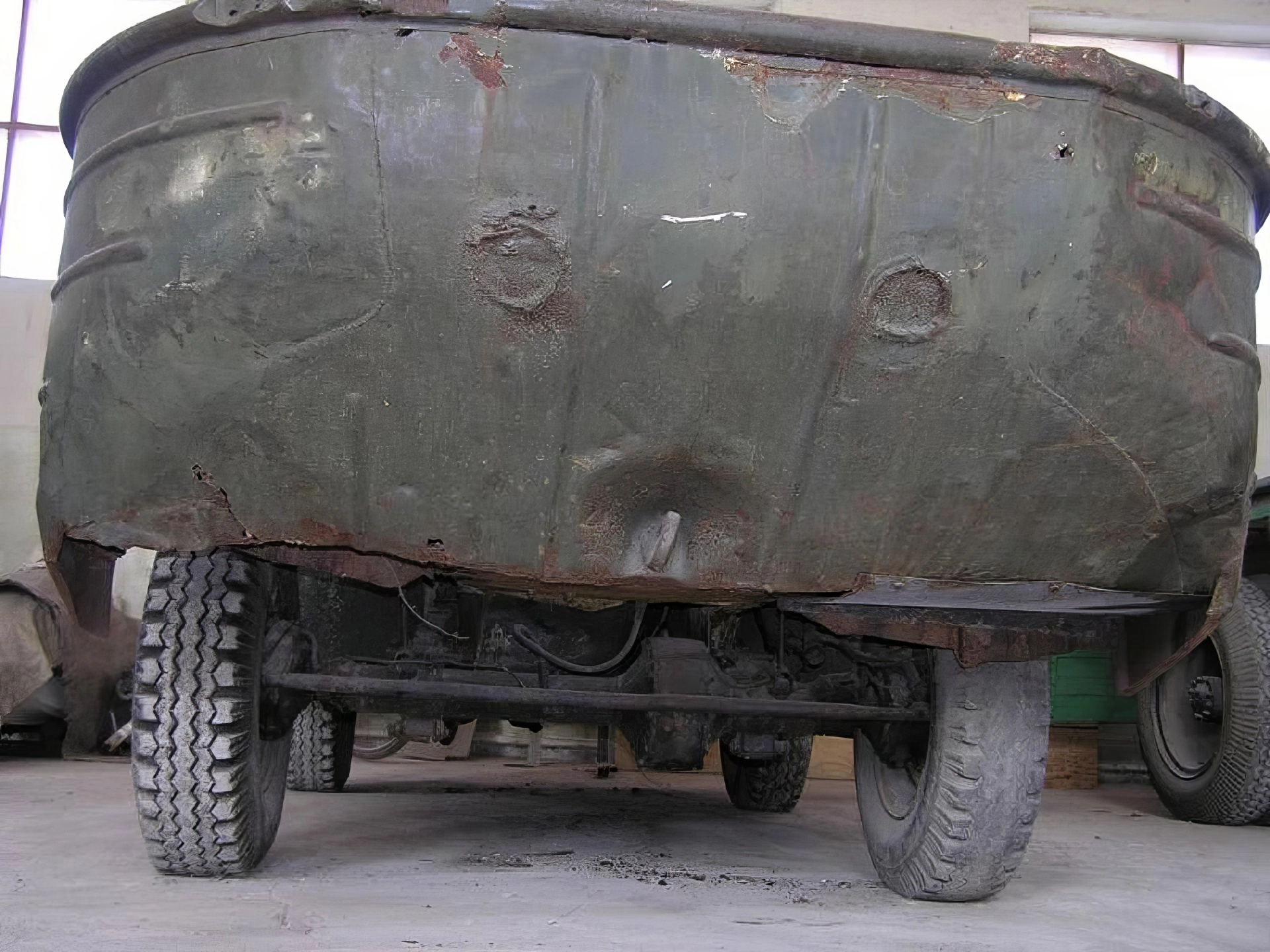
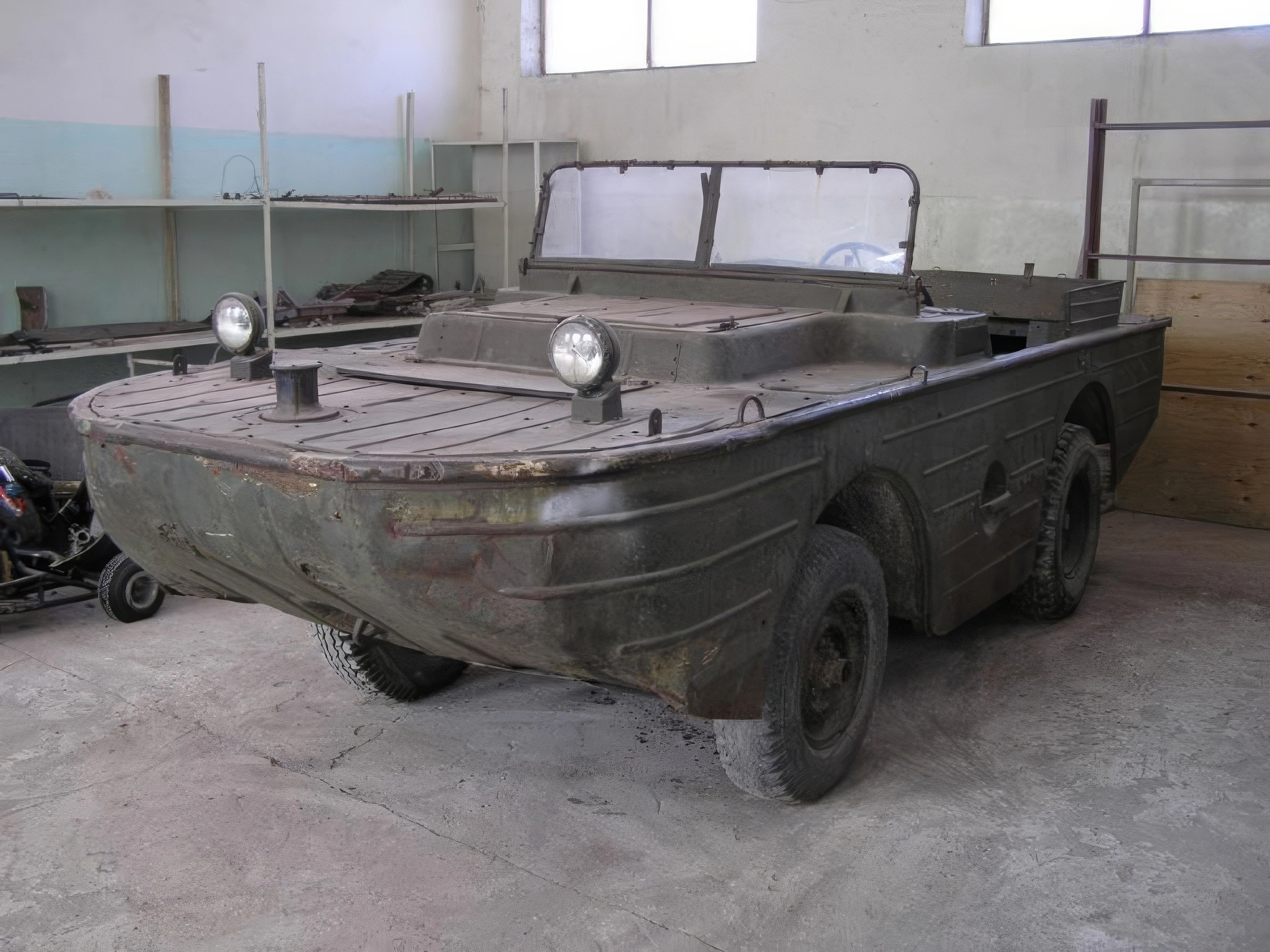
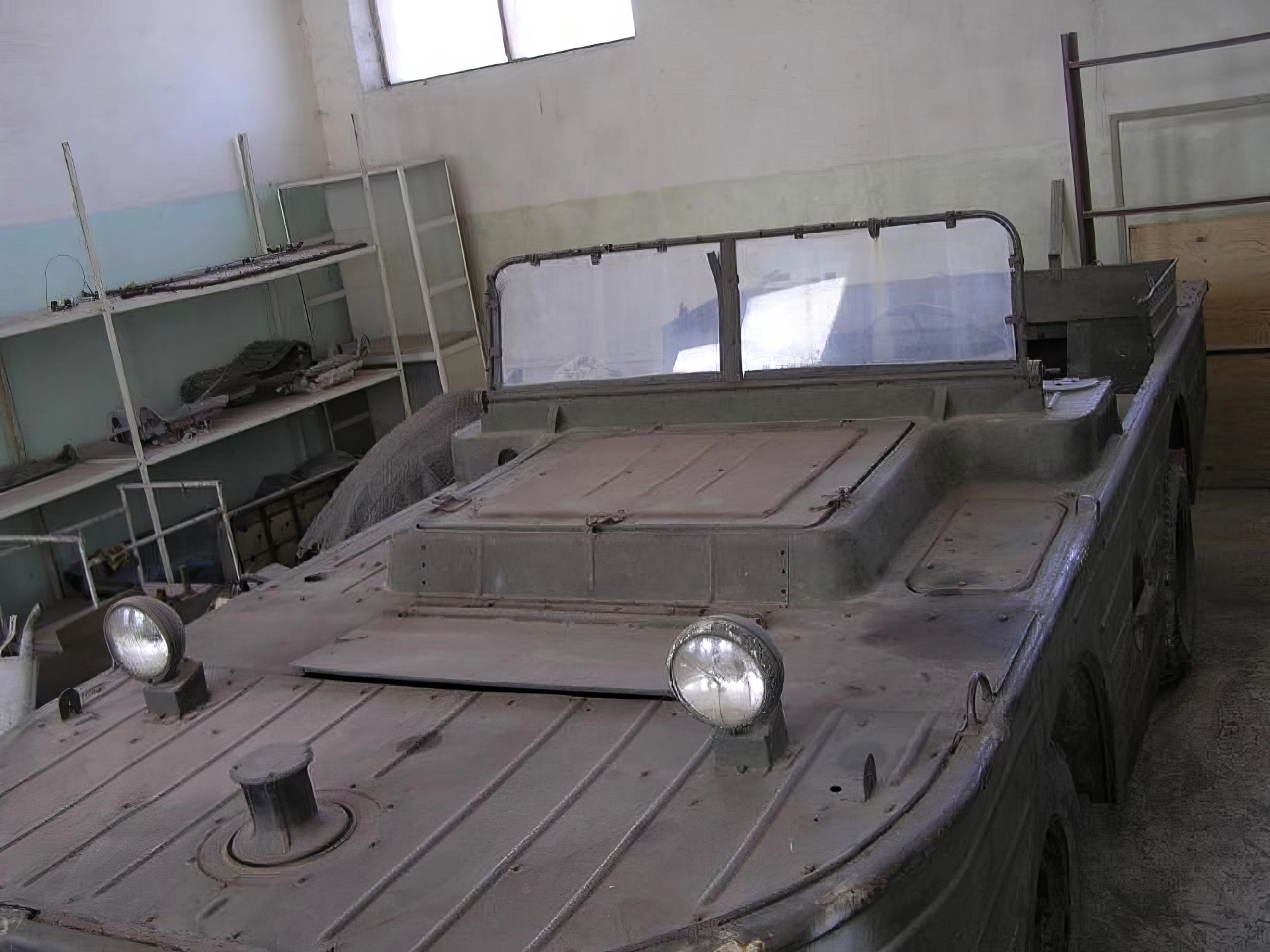
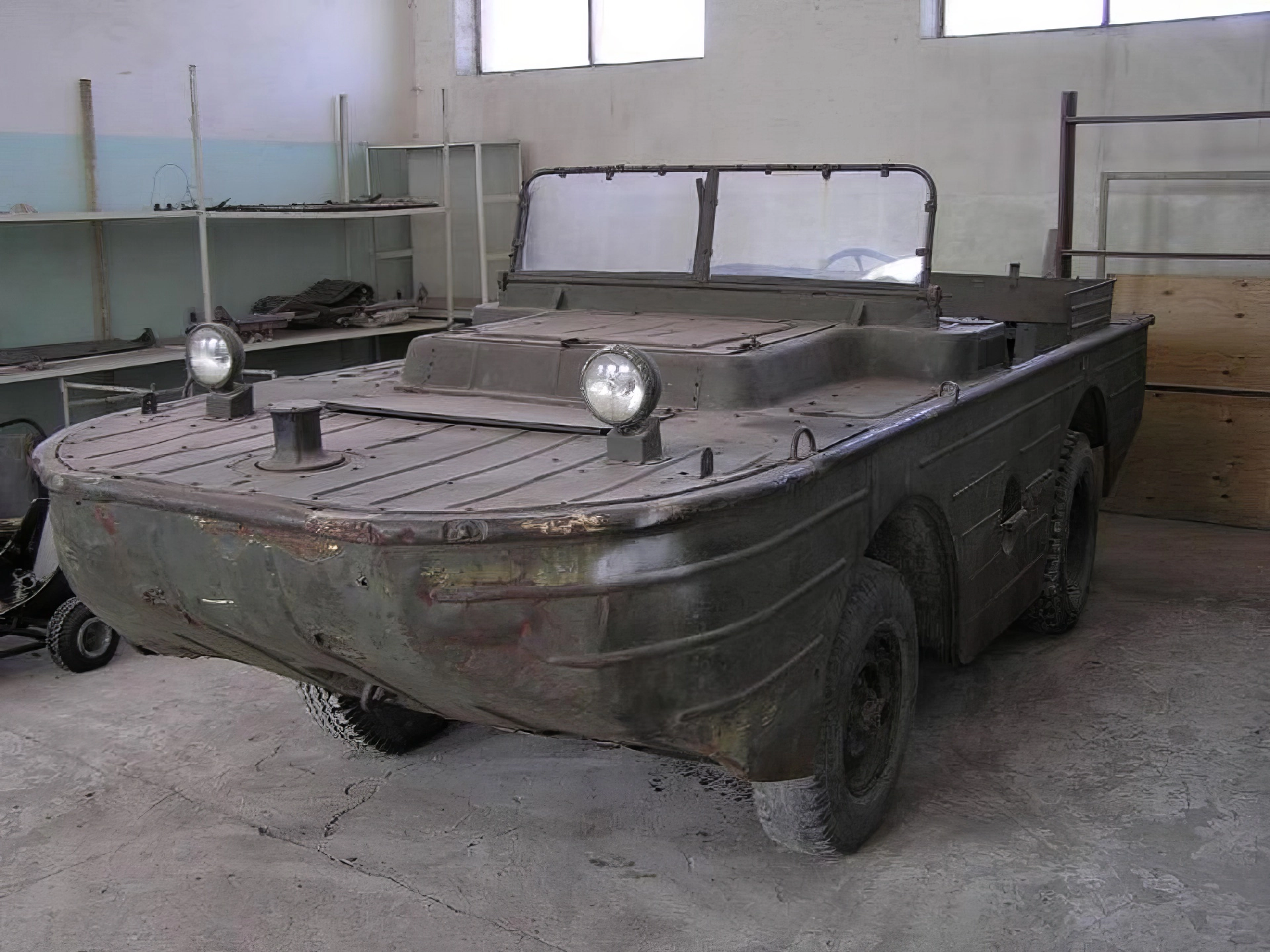
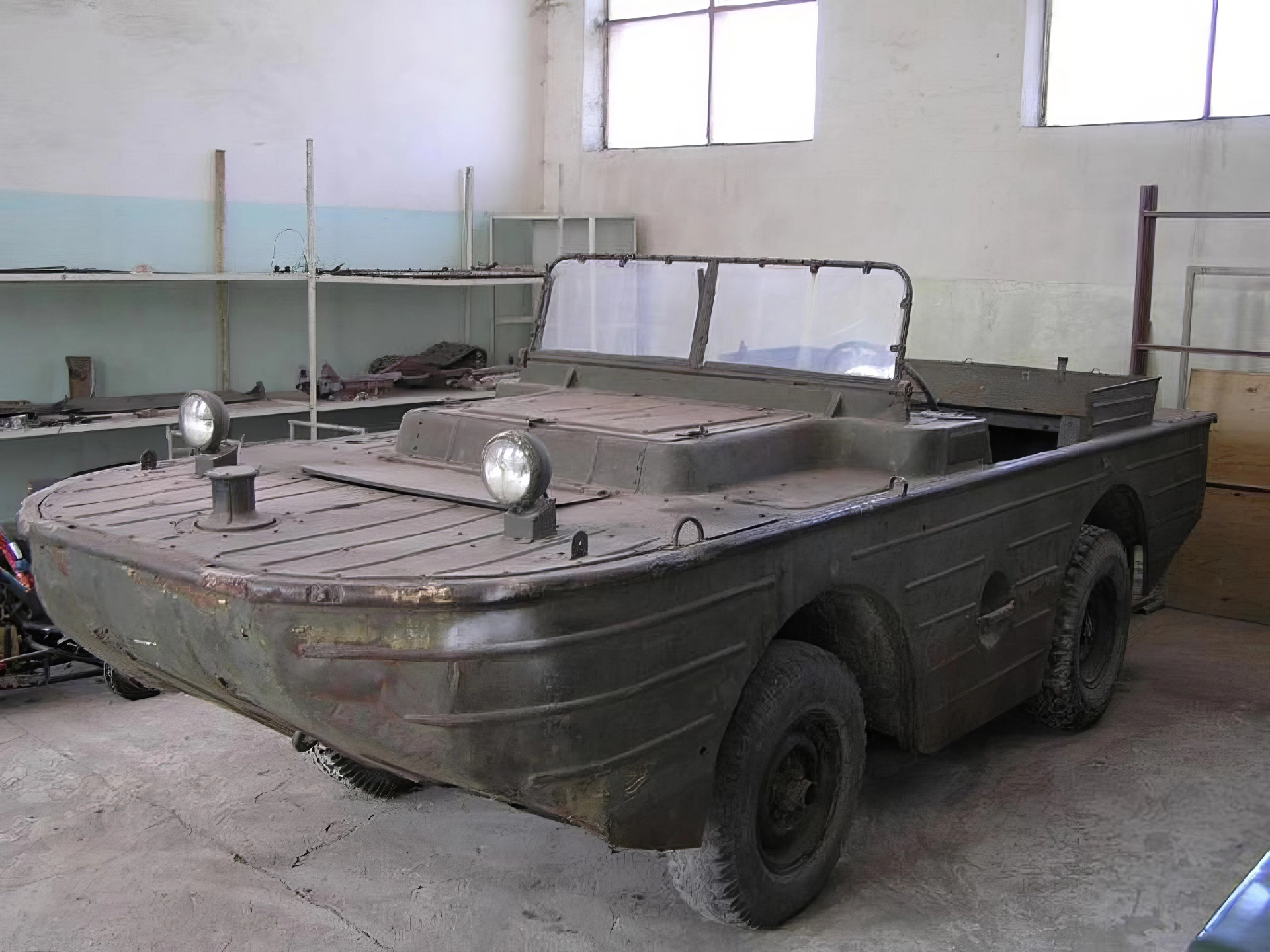
das GAZ-46die Armeebezeichnung MAV (russisch, "Russisch") ist ein leichtes, amphibisches Militärfahrzeug mit Allradantrieb, das in den 1950er Jahren in Dienst gestellt wurde und seitdem von vielen Verbündeten des Ostblocks eingesetzt wird. Während des Zweiten Weltkriegs leiteten Kanada, Großbritannien und die USA große Mengen militärischer Materialien an Russland weiter. Darunter waren Jeeps, Lastwagen und Amphibienfahrzeuge wie der 6×6 DUKW und der Ford GPA mit 4×4. Letztere wurden eingesetzt, um Männern und Ausrüstung zu helfen, über die vielen Flüsse Osteuropas zu gelangen und die Deutschen zu bekämpfen. Angesichts der Vorzüge solcher Fahrzeuge beschloss Russland nach dem Krieg, zwei ähnliche Fahrzeuge zu entwickeln, die inländische Automobilteile, den BAV, ein Äquivalent zum DUKW, und den MAV, ein Äquivalent zum Ford GPA, verwenden.
Quelle: GAZ 46 auf Wikipedia
| MAV (Gaz-46) Walk Around | |
|---|---|
| Photographer | Igor Suhin |
| Localisation | Unknow |
| Photos | 27 |
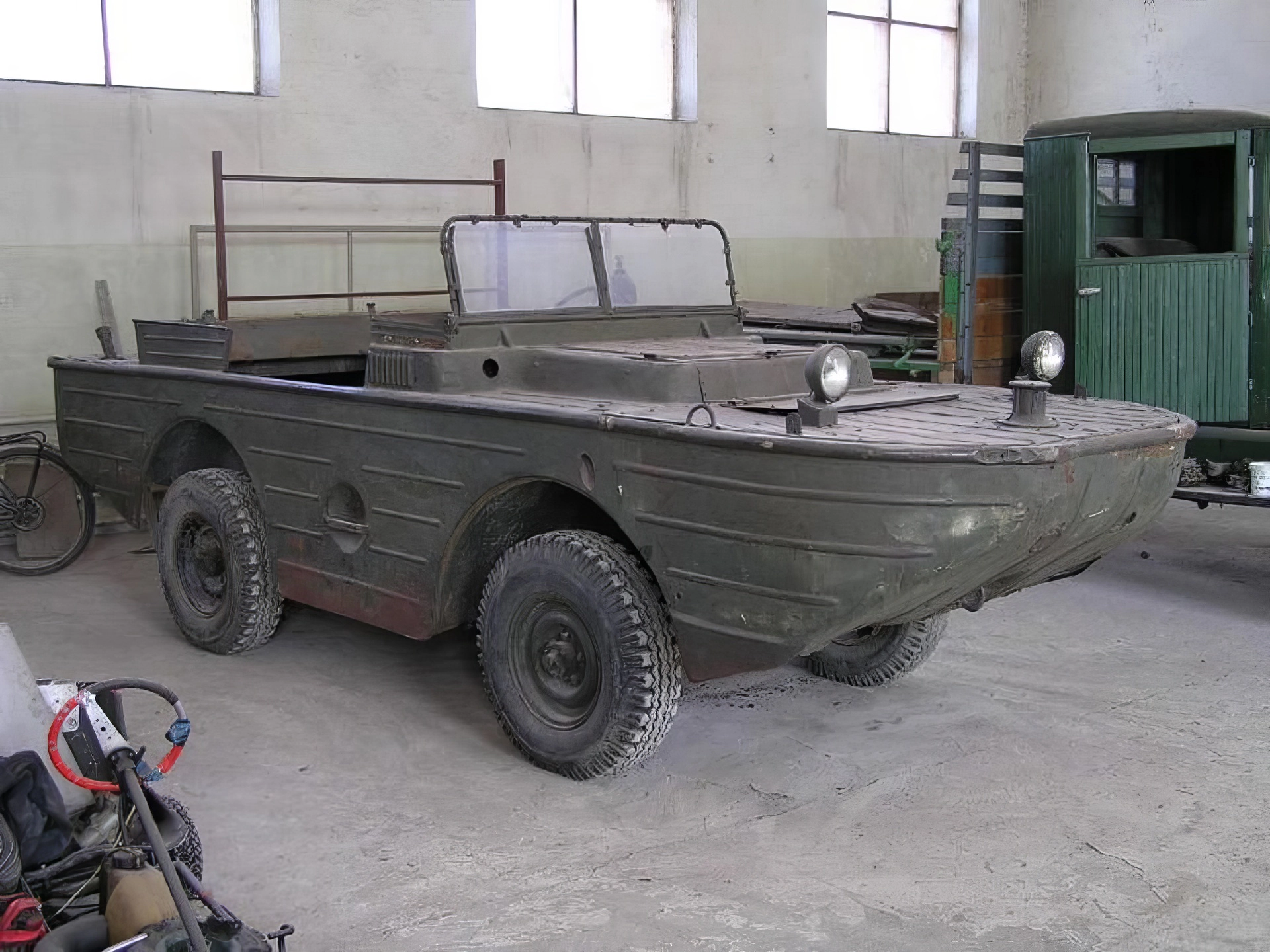
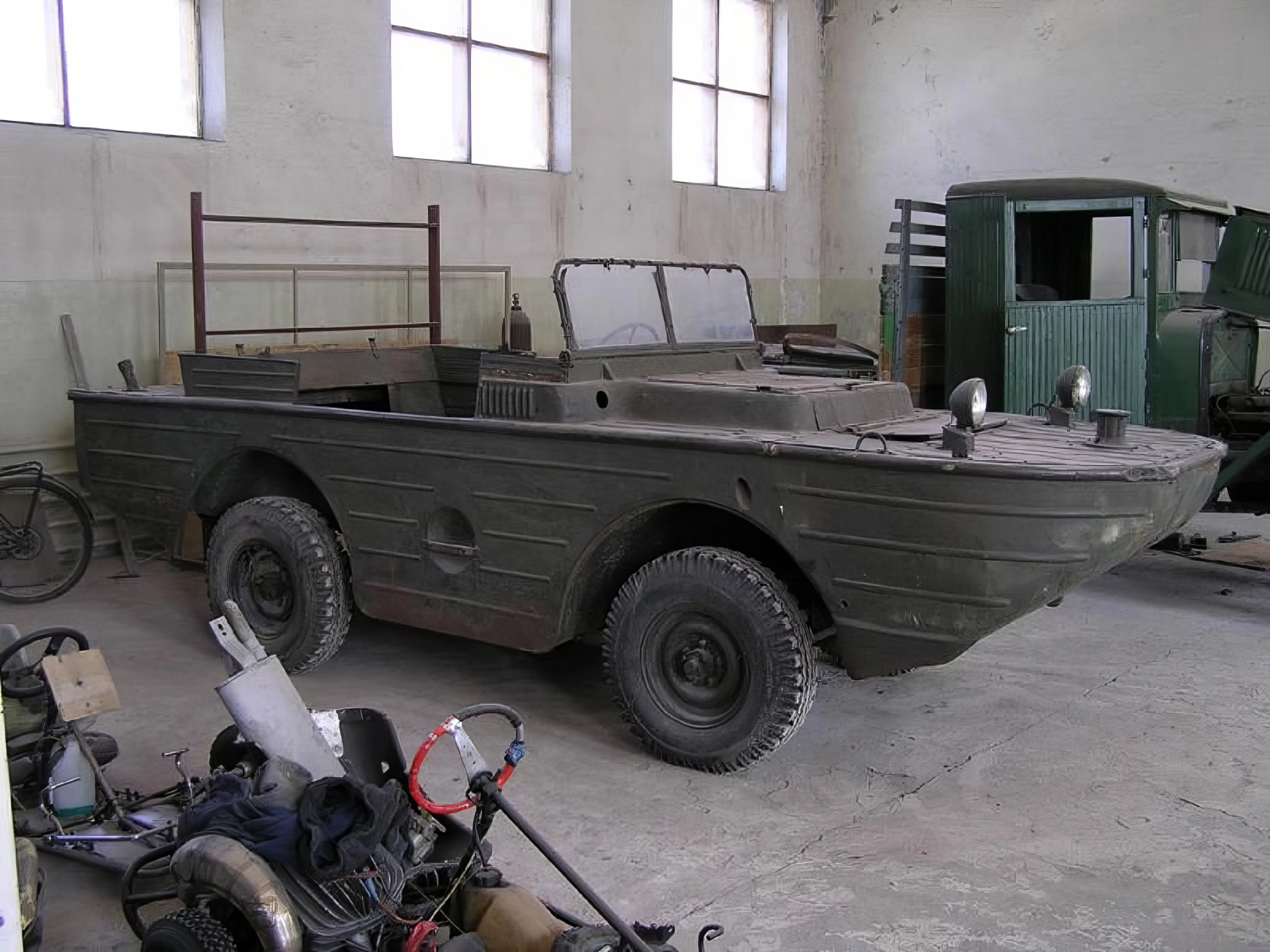
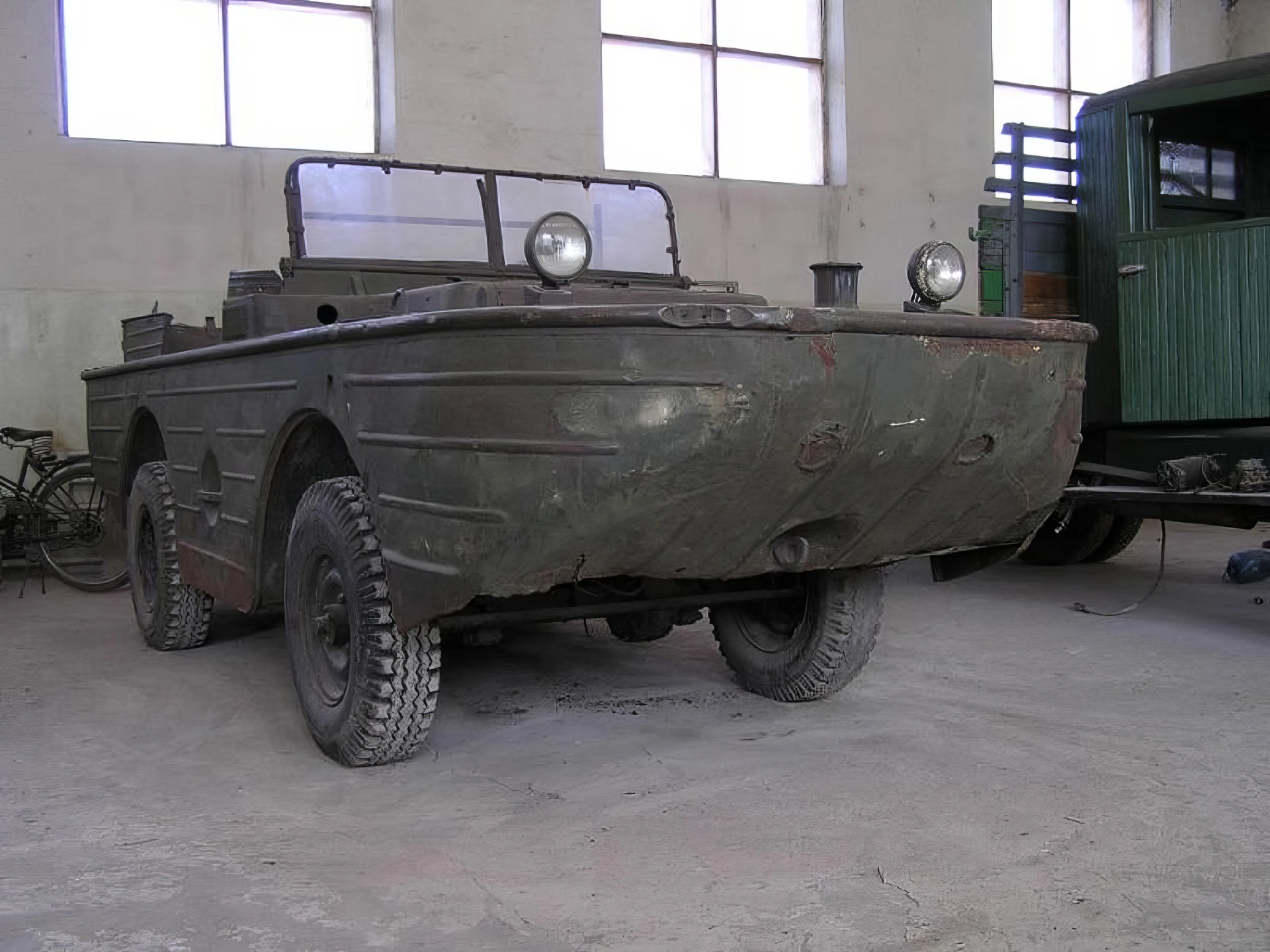

Siehe auch:


General Characteristics and Role
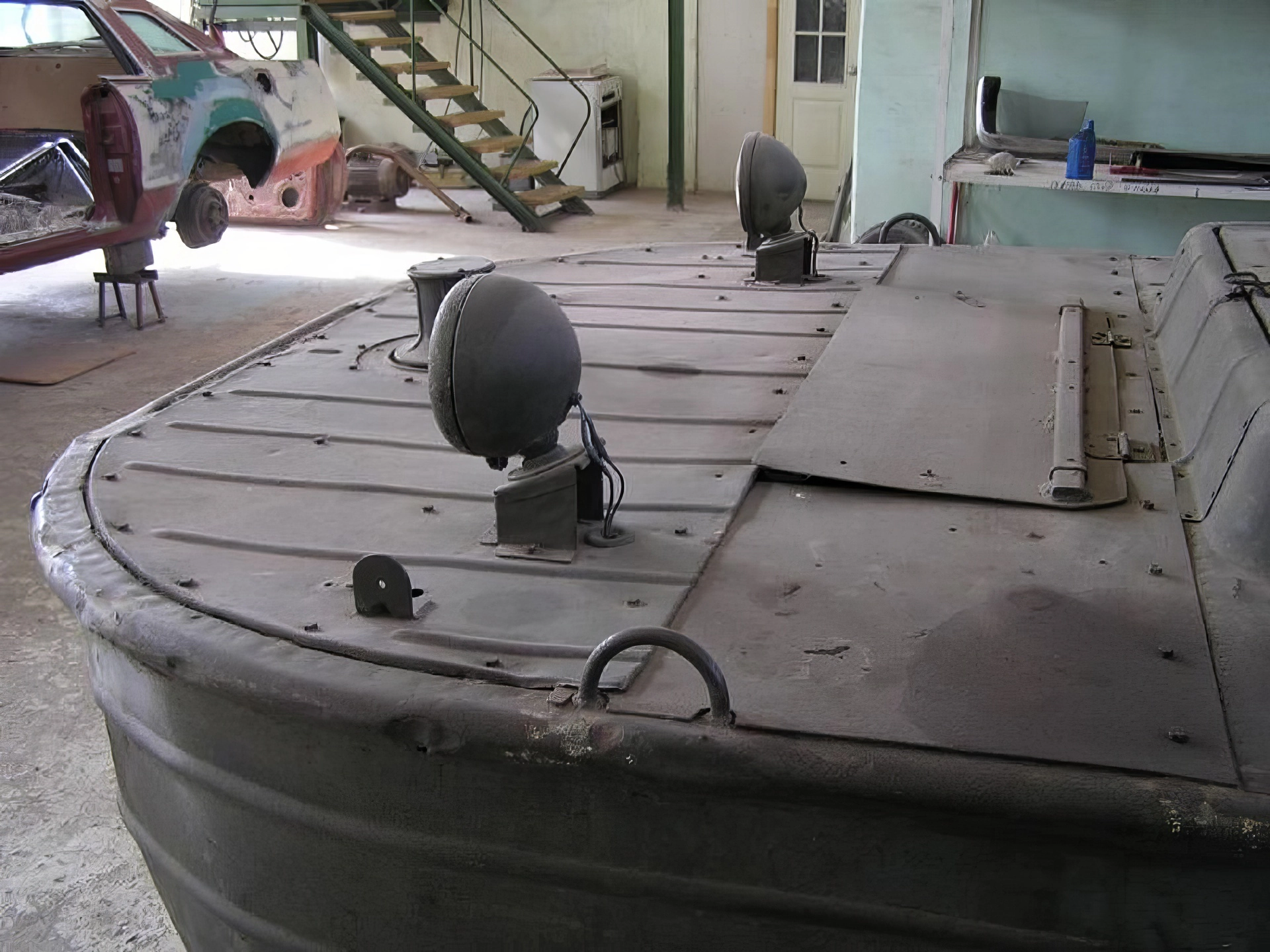
The GAZ-46 MAV (Maly Avtomobil Vodorodny, or “Small Water Vehicle”) was a Soviet light amphibious military vehicle developed shortly after World War II. It was essentially a direct, slightly scaled-down copy of the American Ford GPA ‘Seep’ amphibious jeep, which had been supplied to the Soviet Union under the Lend-Lease program during the war. The GAZ-46 was designed to provide troop and equipment transport across water obstacles for reconnaissance, liaison, and light patrol duties. It featured a boat-like hull and a conventional four-wheel-drive system on land, complemented by a propeller for water propulsion. It served primarily with the Soviet Army and Warsaw Pact nations.
| Property | Typical Value (GAZ-46 MAV) |
|---|---|
| Rolle | Light Amphibious Reconnaissance/Transport |
| National Origin | Soviet Union (USSR) |
| Hersteller | Gorky Automobile Plant (GAZ) |
| Service Entry | 1953 |
| Crew | 1 (Driver) |
| Fassungsvermögen | 4 or 5 personnel, or 500 kg (1,102 lb) of cargo |
| Konfiguration | 4×4, All-wheel drive (Land) |
| Länge | 5.07 m (16 ft 8 in) |
| Breite | 1.70 m (5 ft 7 in) |
| Höhe | 1.70 m (5 ft 7 in) (Windshield up) |
| Combat Weight | 2,360 kg (5,200 lb) |
Powerplant and Mobility
- Engine: 1 x GAZ-M20 four-cylinder petrol engine (used in the GAZ-M20 Pobeda car).
- Power Output: 52 hp (39 kW).
- Maximum Speed (Road): 90 km/h (56 mph).
- Maximum Speed (Water): 10 km/h (6.2 mph; 5.4 kn).
- Propulsion (Water): Single propeller, driven by a power take-off from the transmission.
- Land Transmission: Manual, 4 forward gears, 1 reverse gear, 2-speed transfer case.
Design and Legacy
- Design Basis: Directly based on the Ford GPA (Seep), but modified to utilize standard Soviet GAZ-M20 Pobeda car components for easier logistics and repair.
- Wartime Influence: The need for an indigenous amphibious vehicle arose from the success and utility of the American amphibious jeeps used during the war.
- Construction: Featured a boat-like, welded steel hull for watertight integrity and a conventional automotive chassis within the hull.
- Successor: The GAZ-46 was eventually replaced by more advanced amphibious vehicles and specialized armored personnel carriers in the Soviet military.
Aufrufe : 2269