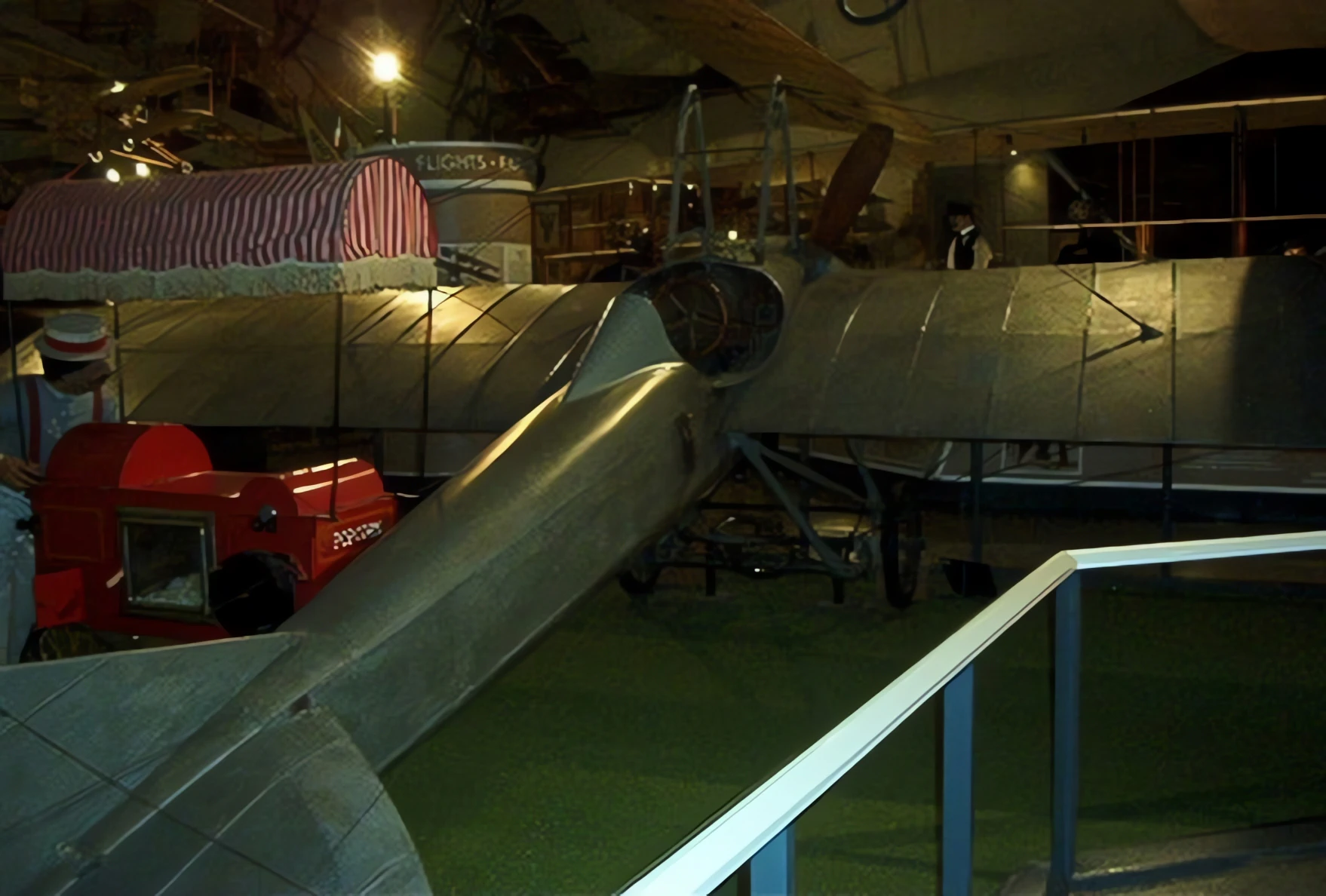
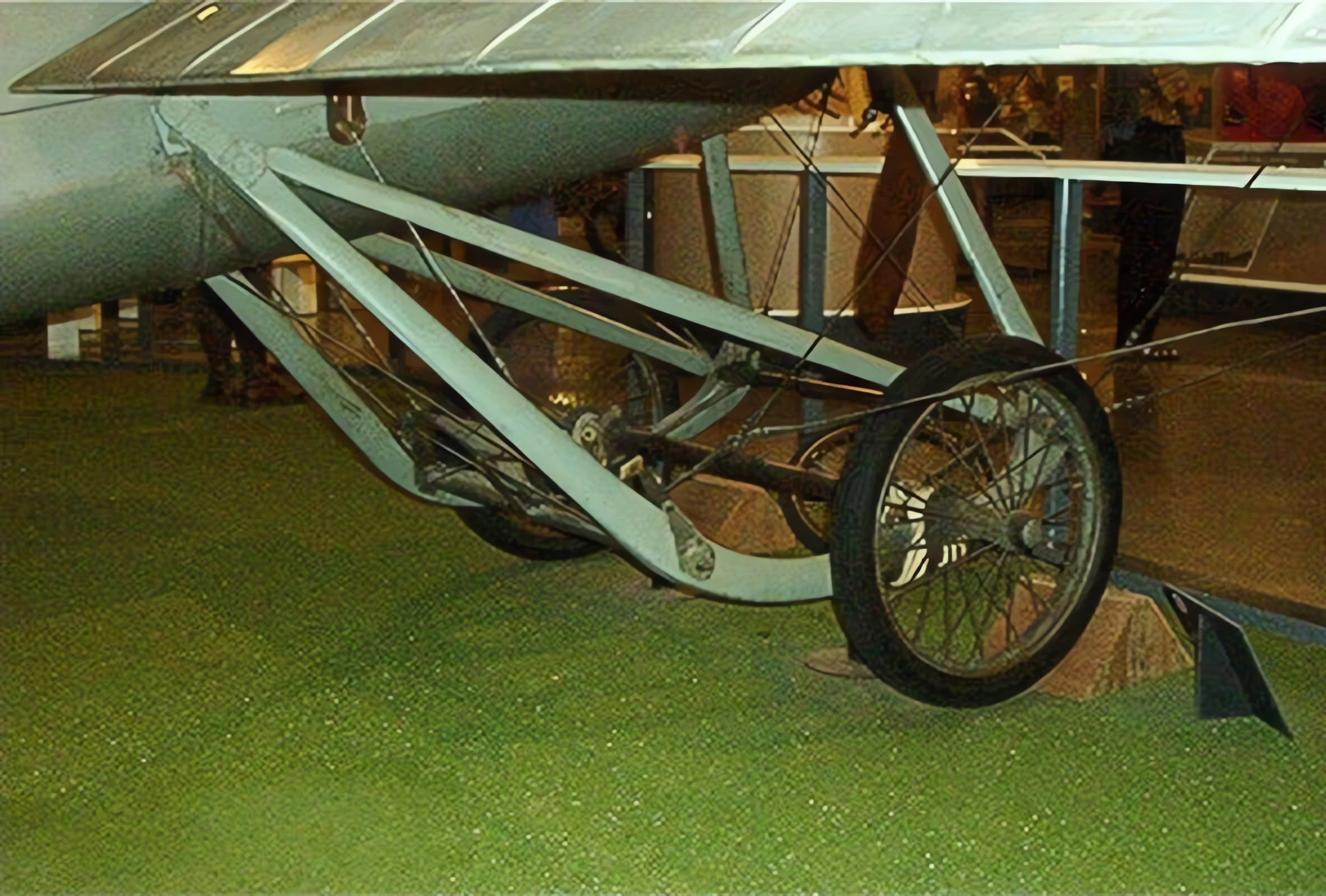
Deperdussin 1910 monoplane | |
|---|---|
| Country | France |
| Role | Sports aircraft |
| First flight | 1910 |
| Built | Unknow |
The 1910 Deperdussin monoplane was the first aircraft to be built in significant quantities by Aéroplanes Deperdussin. The type was produced in a number of variants which were flown successfully in air races and gained several records during 1911, and was used by the Australian Central Flying School at Point Cook, Victoria. Several have survived, including an airworthy example in the Shuttleworth Collection in England.
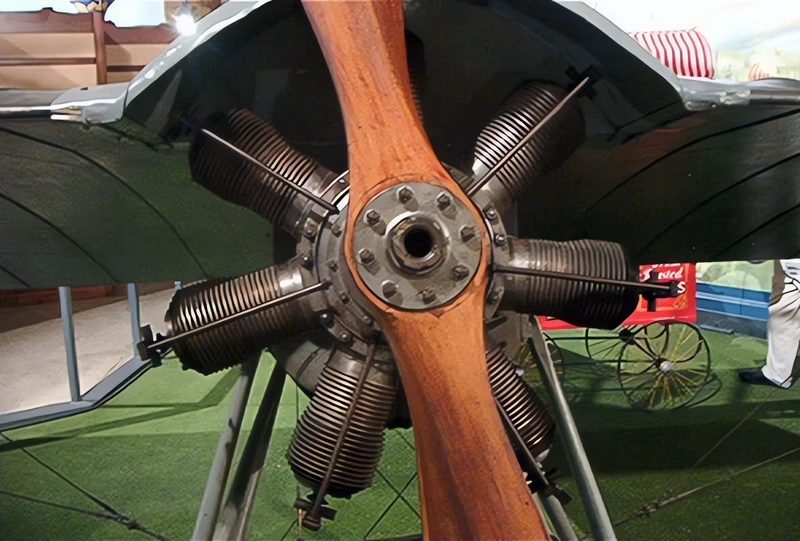
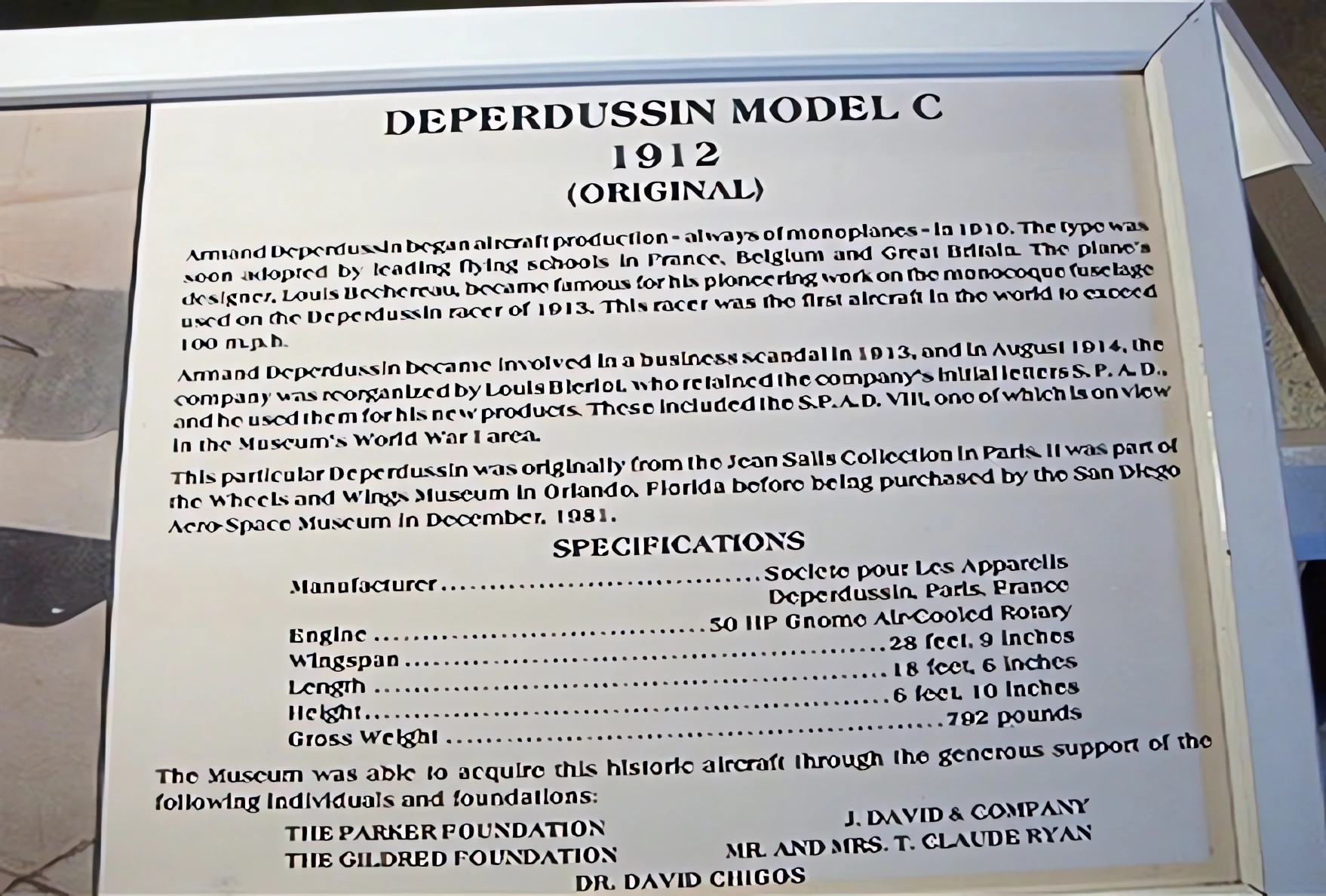
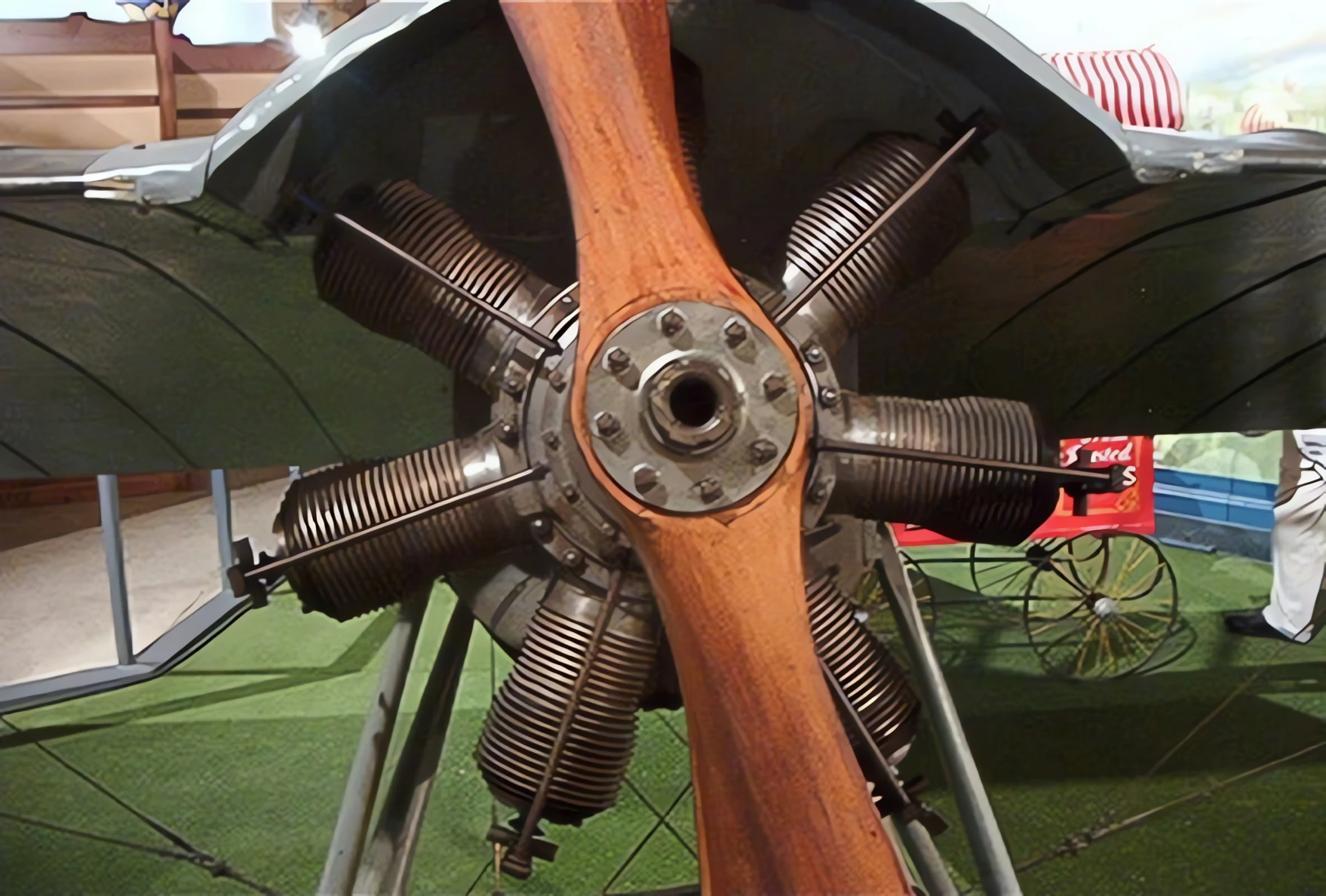
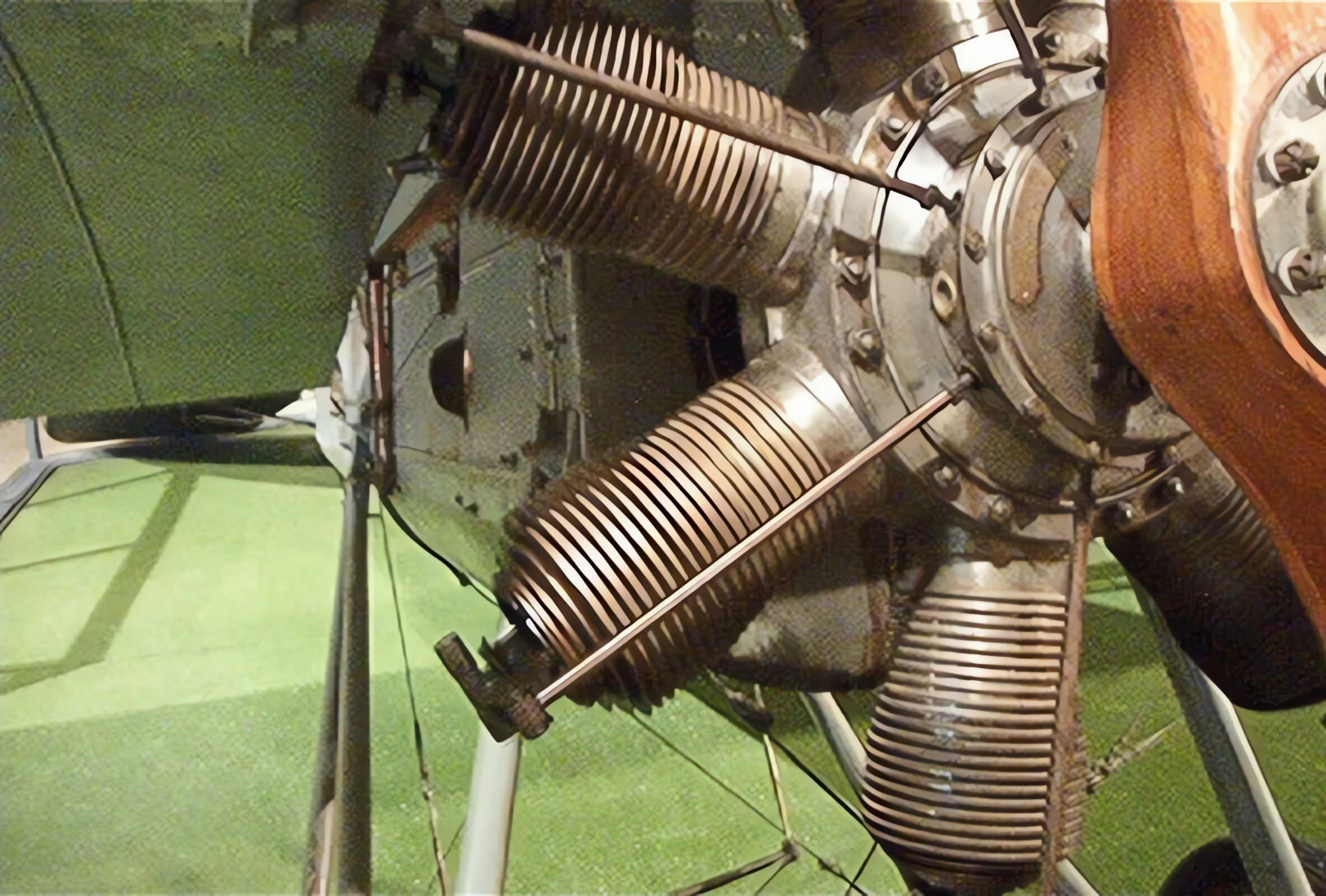
| Deperdussin C Walk Around | |
|---|---|
| Photographer | Ian Easton |
| Localisation | Unknow |
| Photos | 31 |
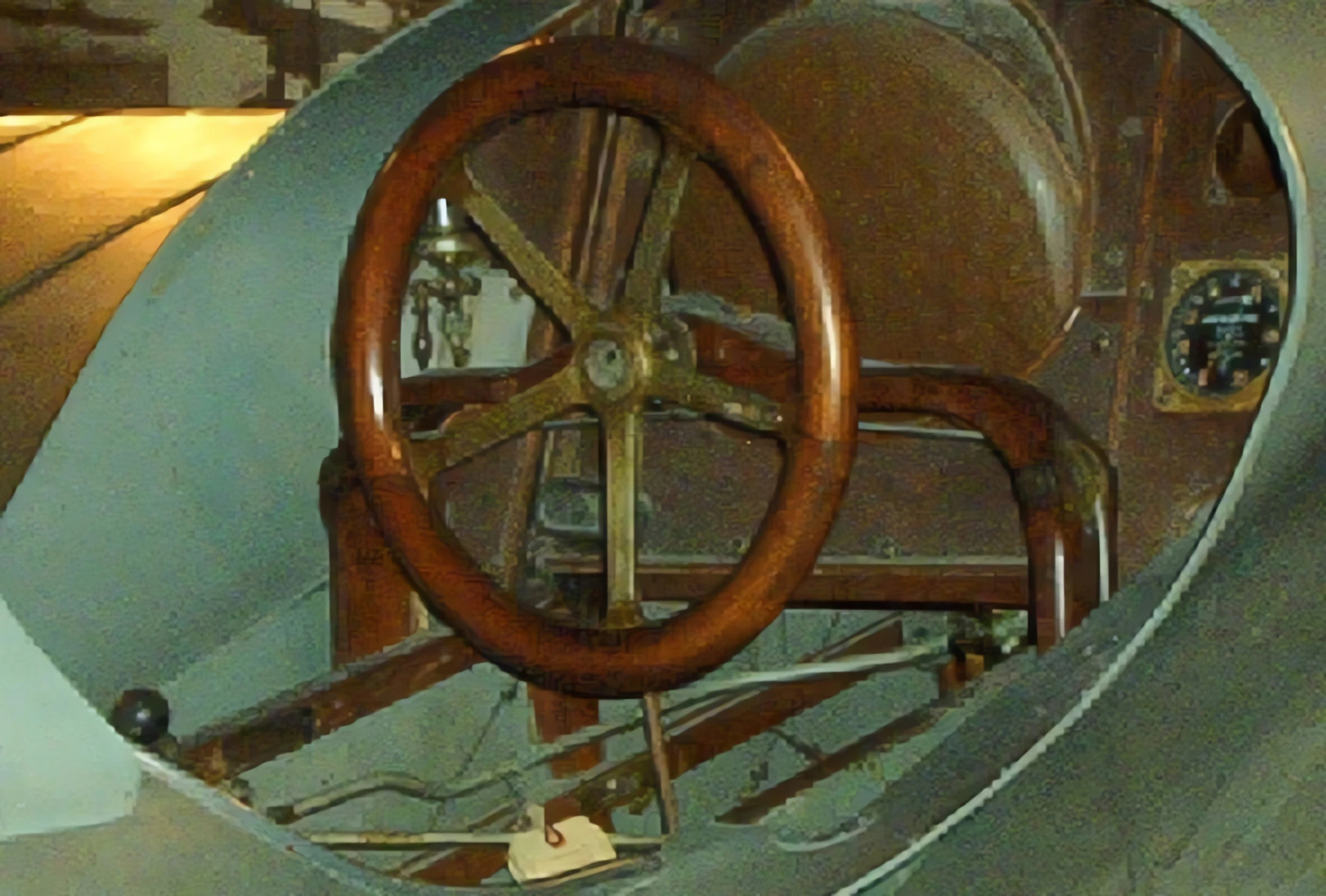
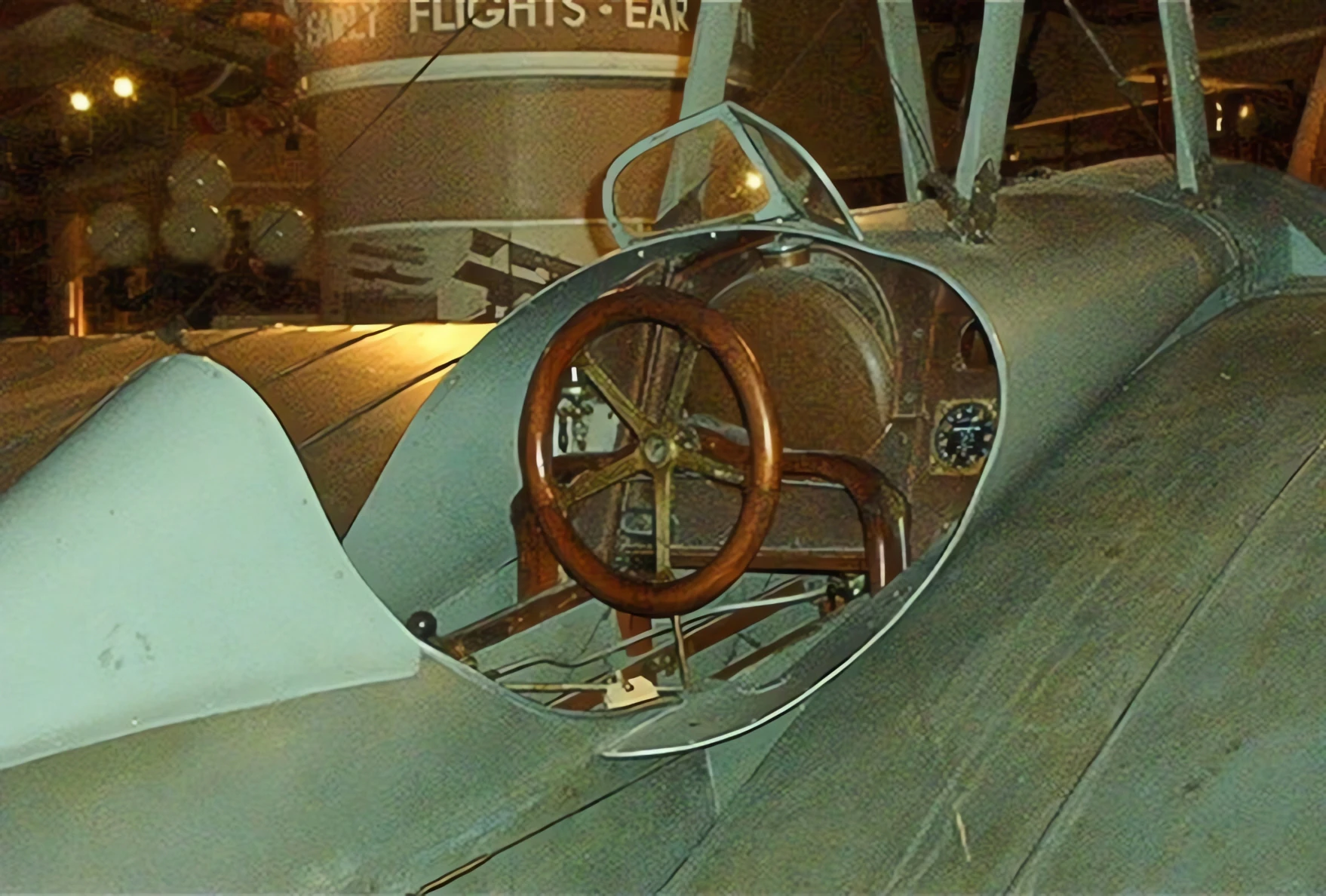
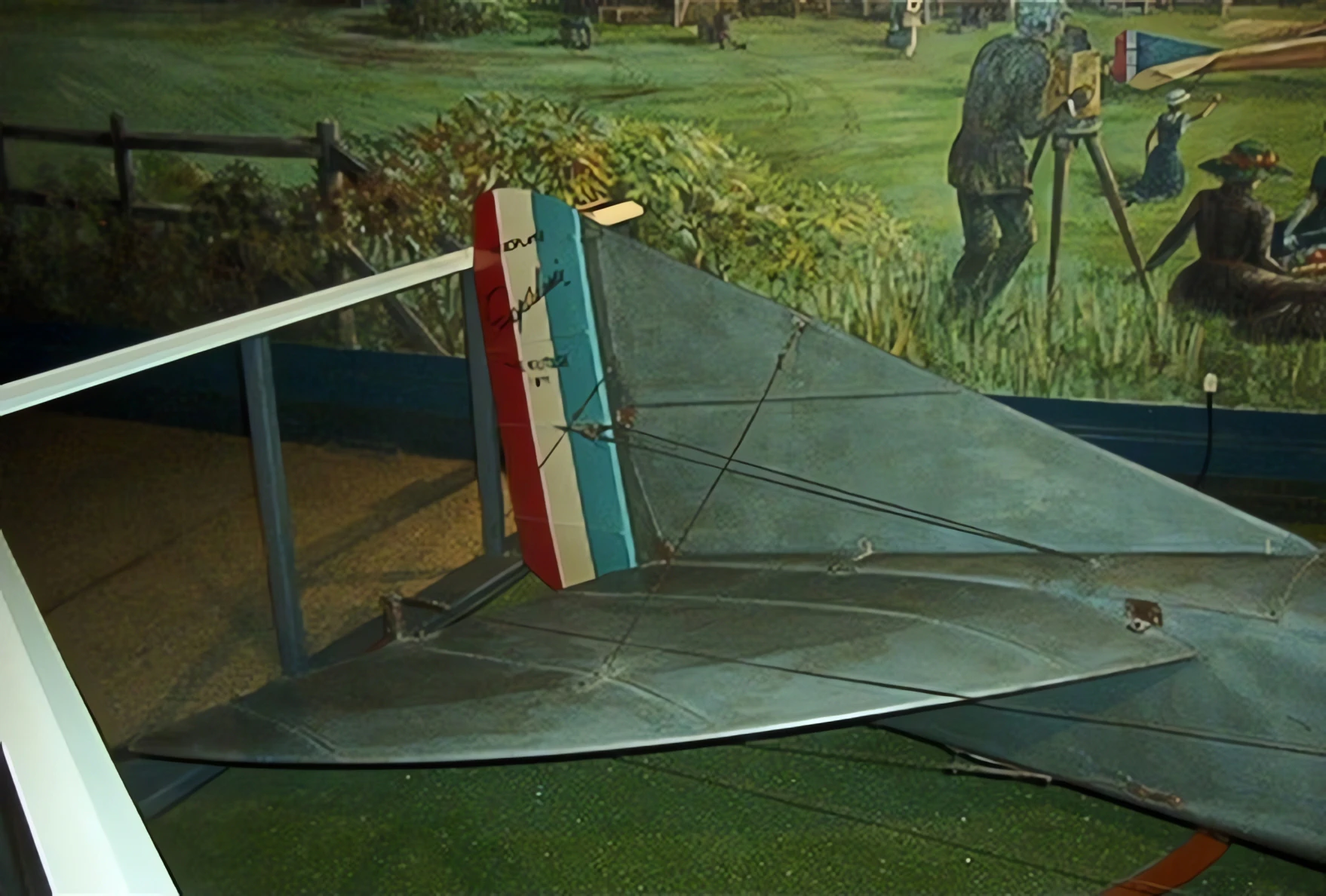
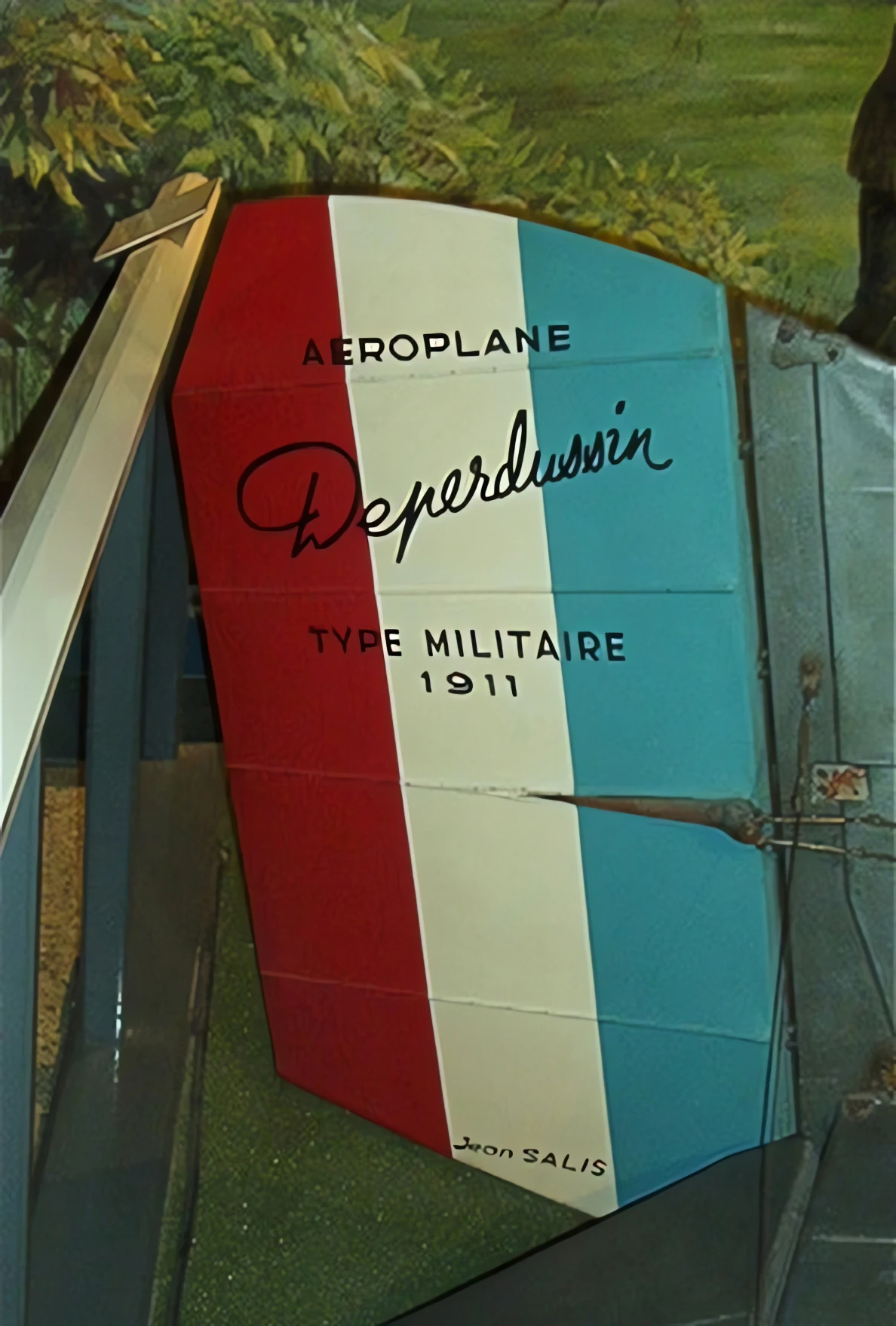

See also:


General Characteristics and Role
The Deperdussin C Monoplane, introduced around 1912, represents one of the various designs produced by the Société Pour les Appareils Deperdussin (SPAD). While the Deperdussin company is most famous for its revolutionary high-speed “Monocoque” racers, the Type C was a distinct aircraft, often configured as a powerful military or high-performance touring machine. It was designed by Louis Béchereau and featured the company’s characteristic wire-braced, shoulder-wing monoplane layout. The Type C was a significant step toward faster, more powerful aircraft in the pre-World War I era, showcasing greater speed capabilities than earlier monoplane types from 1910-1911.
| Property | Typical Value (Deperdussin Type C – 1912) |
|---|---|
| Role | High-Performance, Military, or Racing Monoplane |
| National Origin | France |
| Manufacturer | Société Pour les Appareils Deperdussin (later SPAD) |
| Year Introduced | 1912 |
| Crew/Capacity | 1 or 2 (Pilot or Pilot + Passenger/Observer) |
| Configuration | Shoulder-wing monoplane, fixed conventional landing gear |
| Length | 7.45 m (24 ft 5 in) |
| Wingspan | 8.60 m (28 ft 2 in) |
| Wing Area | 17.70 m² (190.5 sq ft) |
| Takeoff Weight | 650 kg (1,433 lb) |
Powerplant and Performance
- Engine: Often fitted with a powerful rotary engine, such as the Gnôme 140 hp (104 kW) engine.
- Engine Type: Air-cooled, rotary engine (the cylinders spin with the propeller).
- Maximum Speed: Approximately 160 km/h (99 mph; 86 knots). This was a high speed for the era, preceding the speed records set by the highly specialized Deperdussin Monocoque racer.
- Lateral Control: Achieved via wing warping (twisting the flexible wings), as ailerons were not yet standard for all monoplanes of this period.
- Fuselage Construction: Generally utilized a fabric-covered wire-braced wooden box-girder, though the company pioneered the lighter, stronger monocoque construction on its specialized racers.
Historical Context
- Racing Legacy: The Deperdussin company was renowned for producing record-breaking racing aircraft, which informed the design of its military and high-performance touring models like the Type C.
- Military Use: Military variants of Deperdussin monoplanes were adopted by the French Aviation Militaire and the British Royal Flying Corps for reconnaissance and training before World War I.
- Company Reorganization: The Deperdussin company was reformed as SPAD (Société Pour l’Aviation et ses Dérivés) in 1913 after its founder, Armand Deperdussin, faced legal troubles. Under the new name, it went on to produce some of the most famous fighter aircraft of World War I.
Views : 1670
You can see also :
 North American FJ-4 Fury – Photos & Video
 Messerschmitt Me 410 – Photos & Video
 McDonnell Douglas F/A-18 Hornet – Photos & Video
 Mitsubishi A6M Zero – Walk Around
 Hawker Hurricane – Walk Around
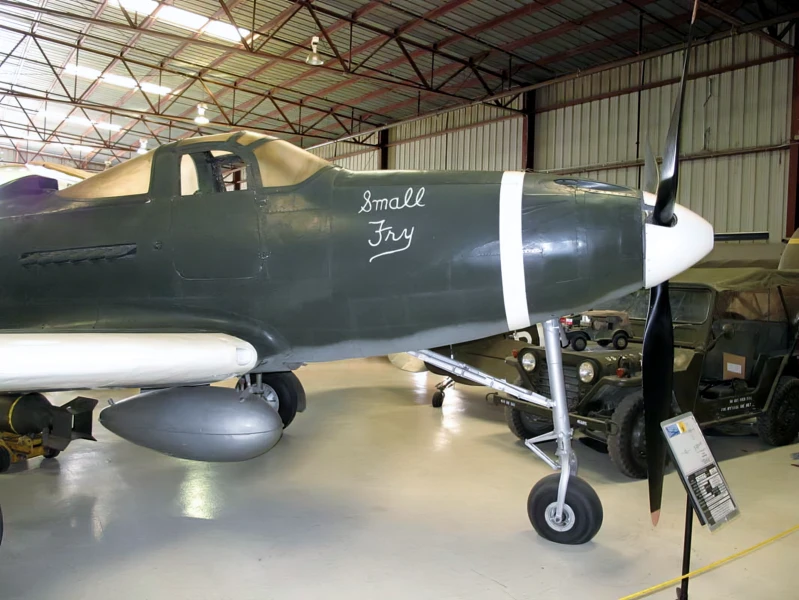 Bell P-39N Airacobra – WalkAround
 Consolidated B-24M Liberator – WalkAround
 P-47D Thunderbolt – WalkAround
 A-20 Havoc – WalkAround
 TBM-3E Avenger – Walk Around