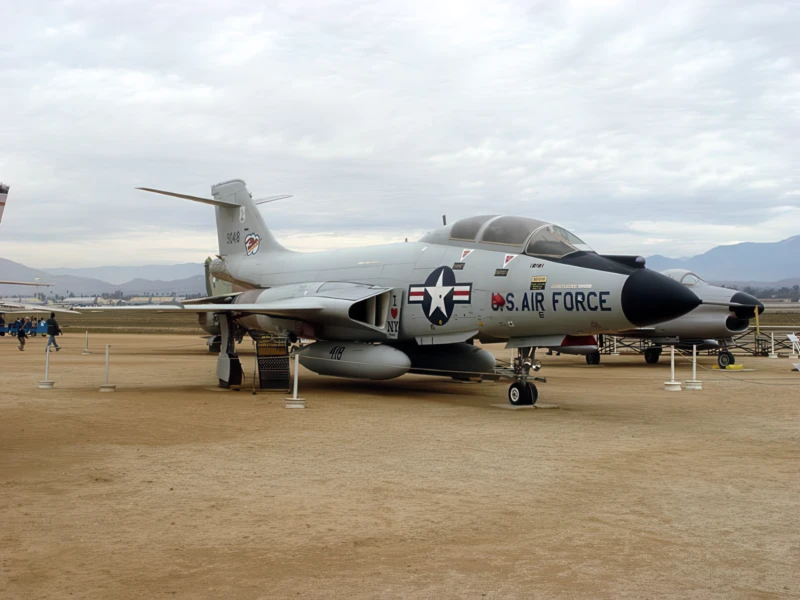
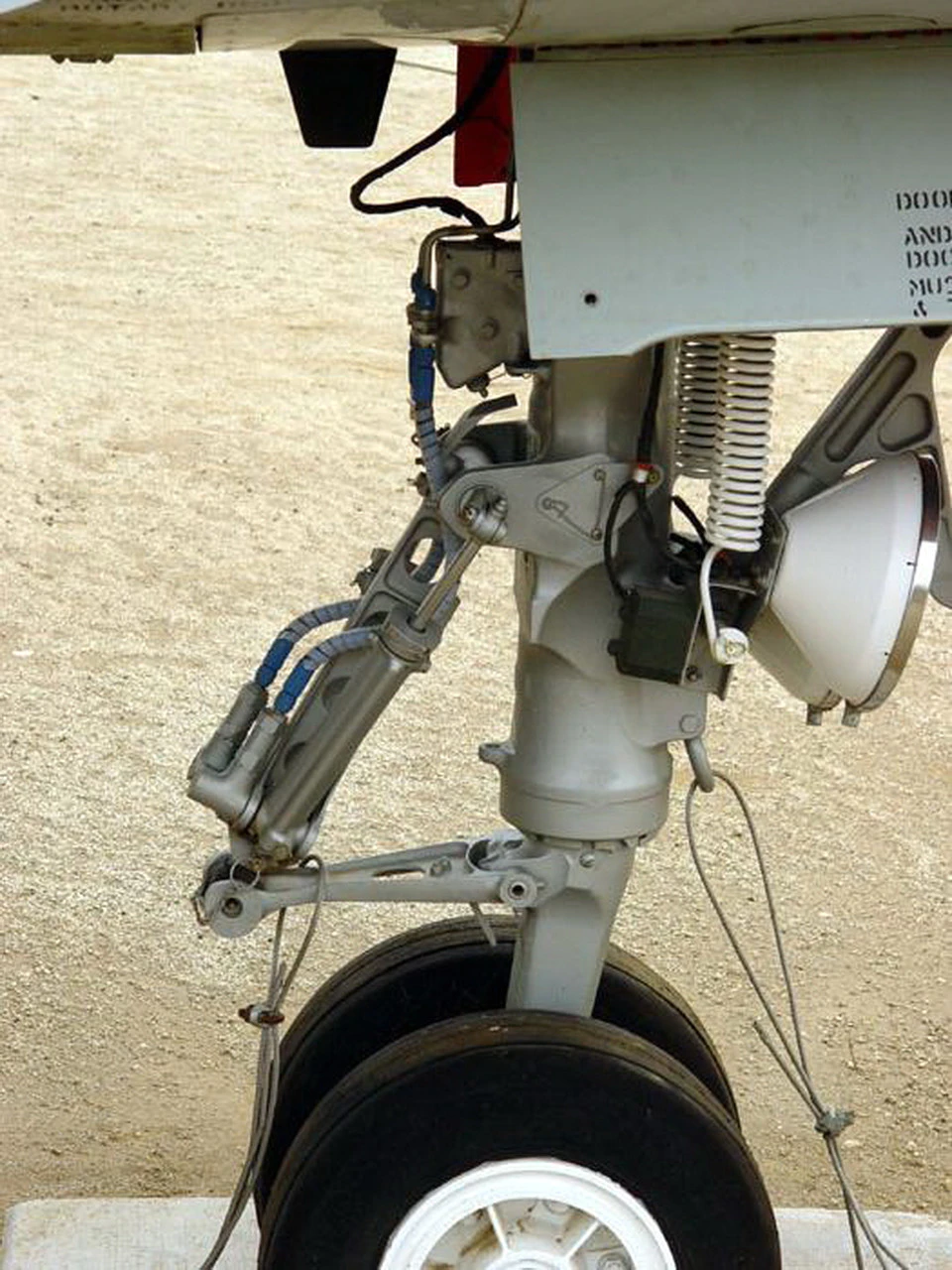
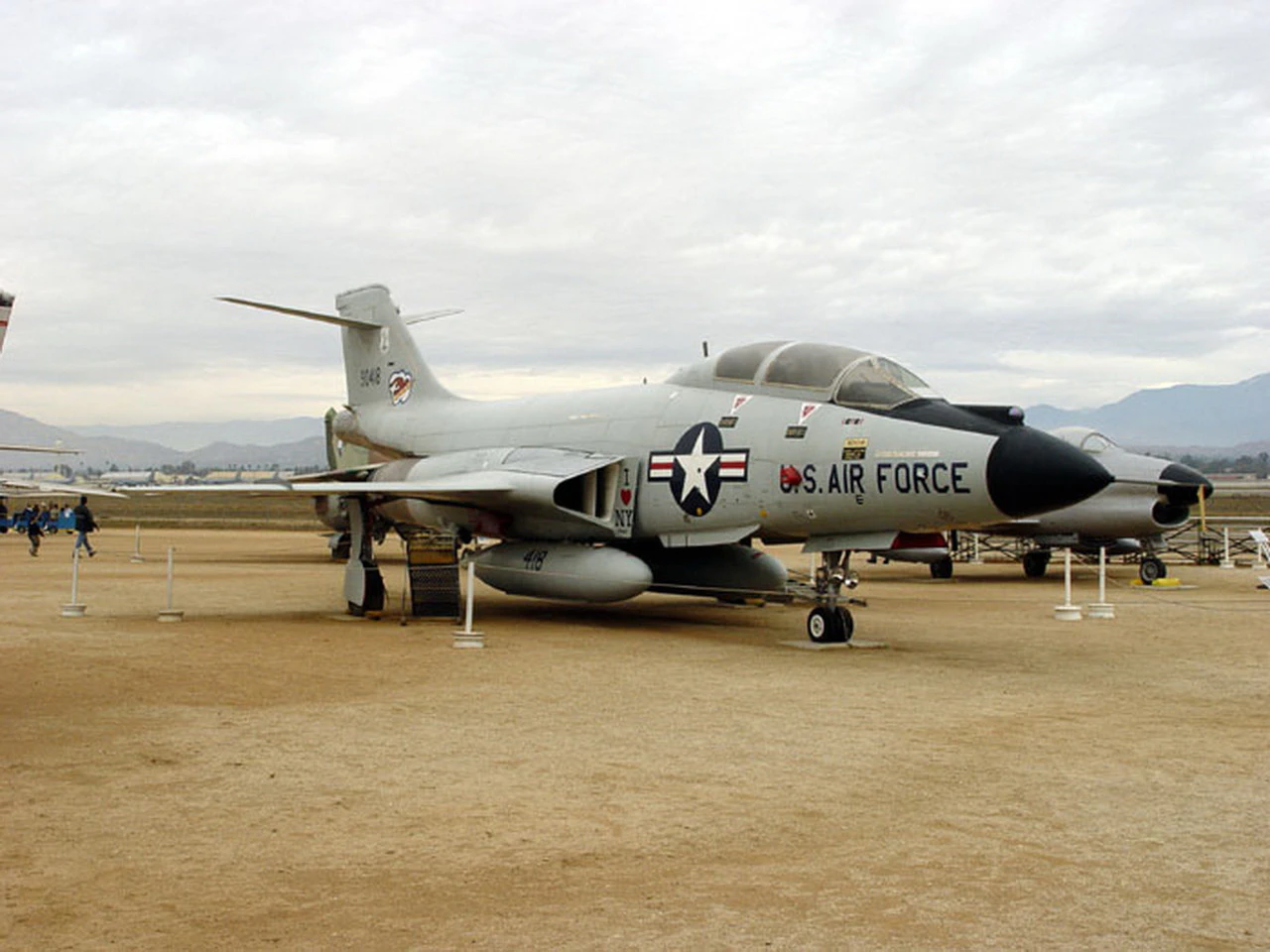
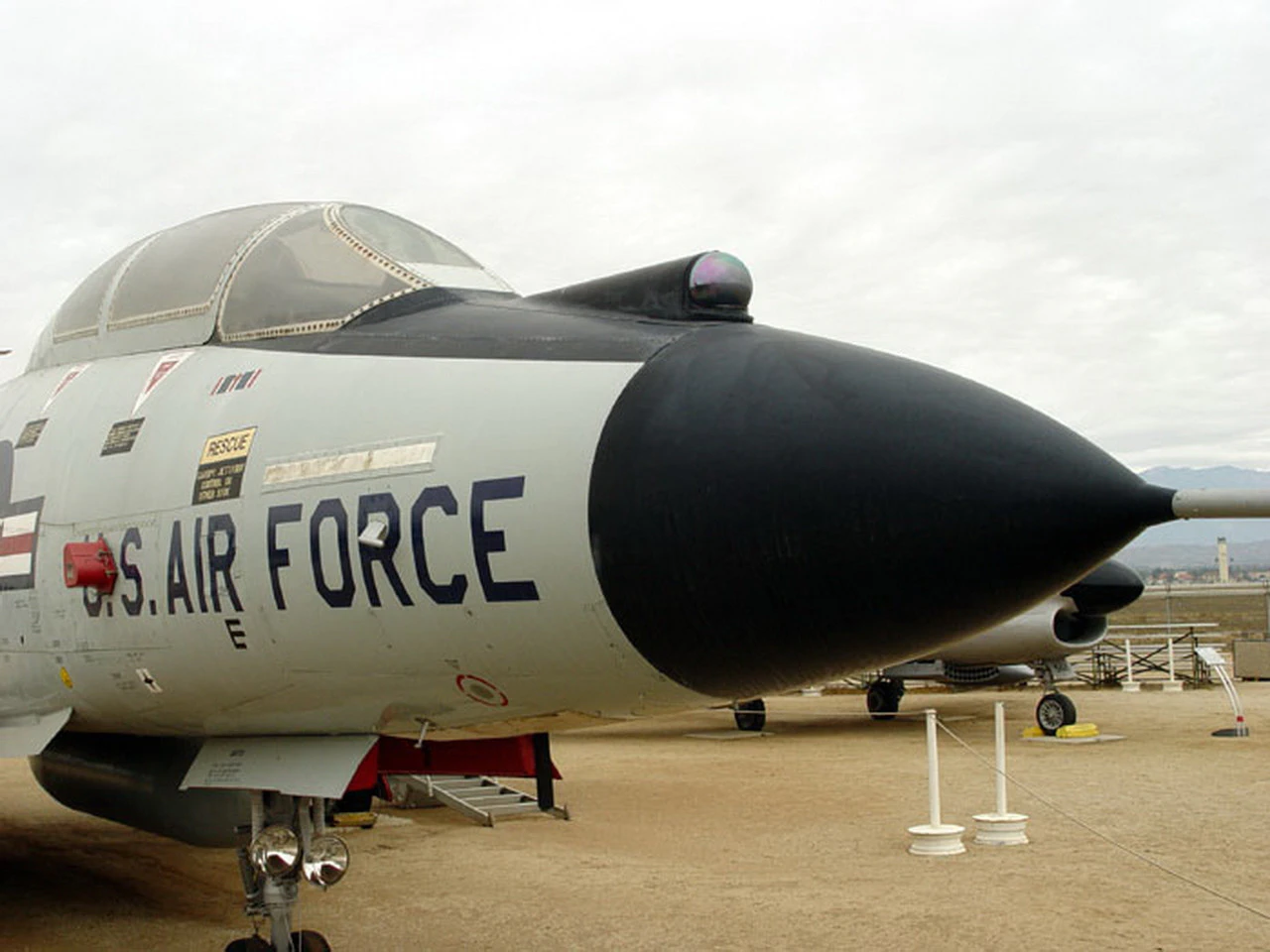
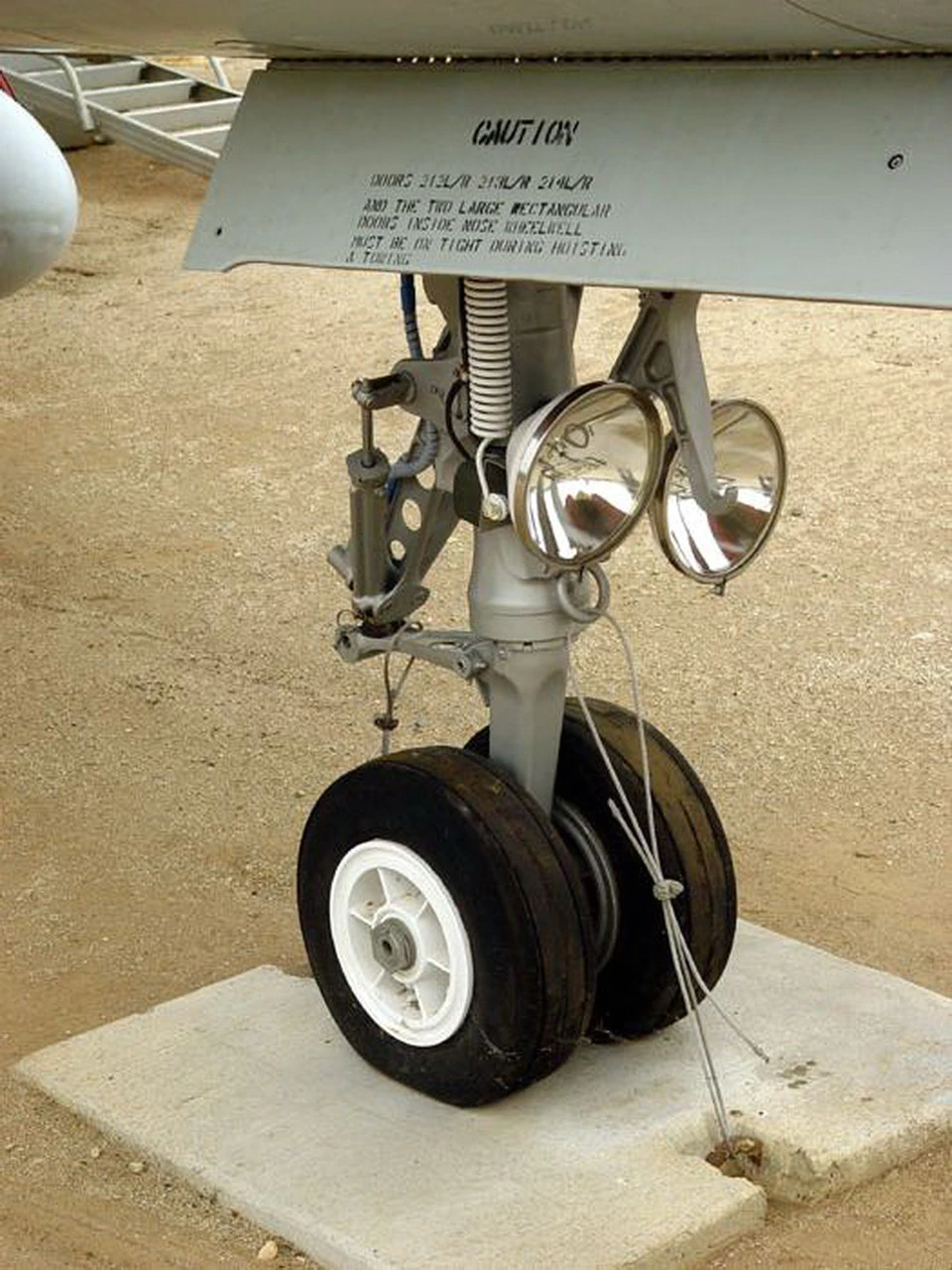
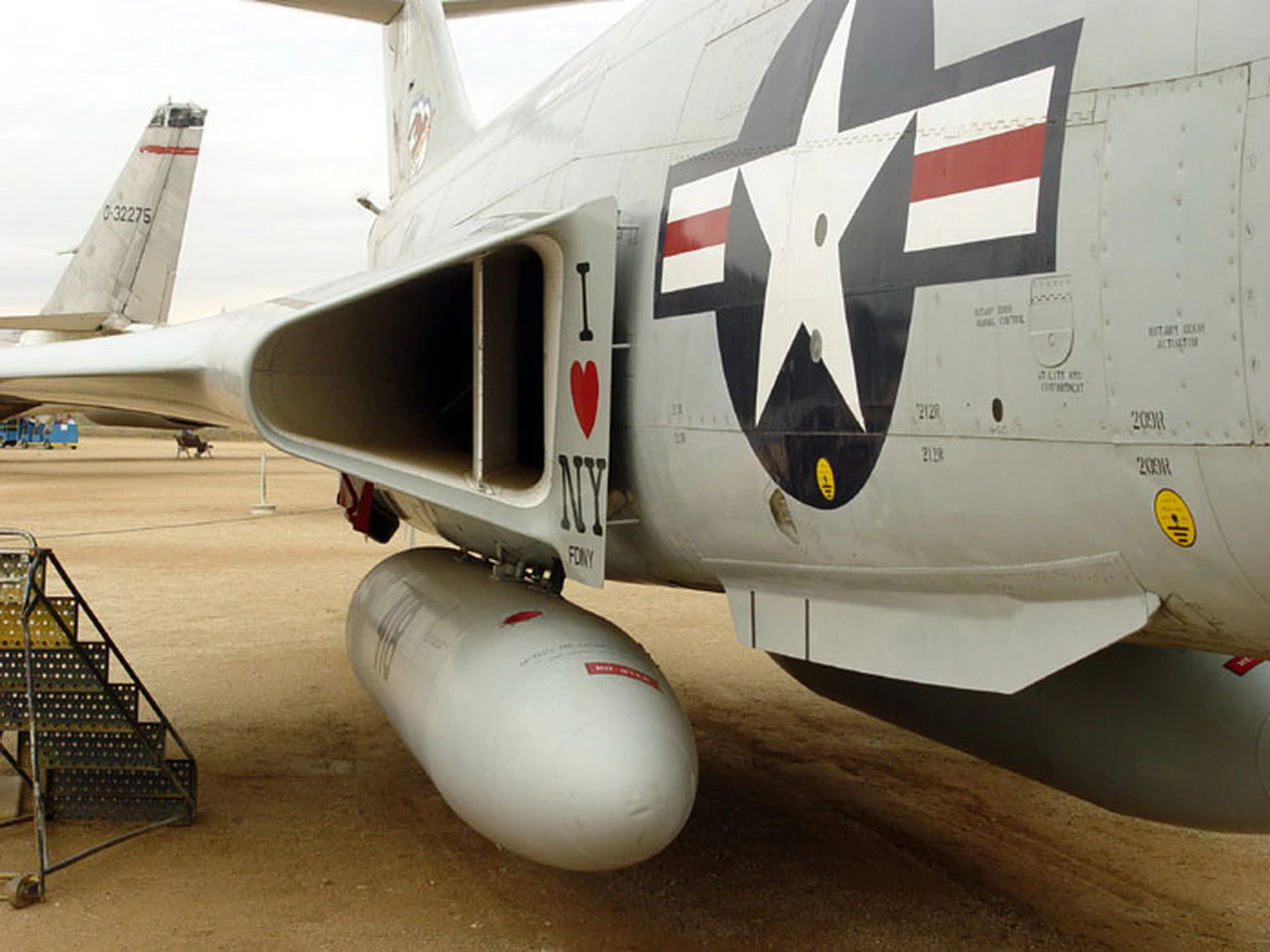
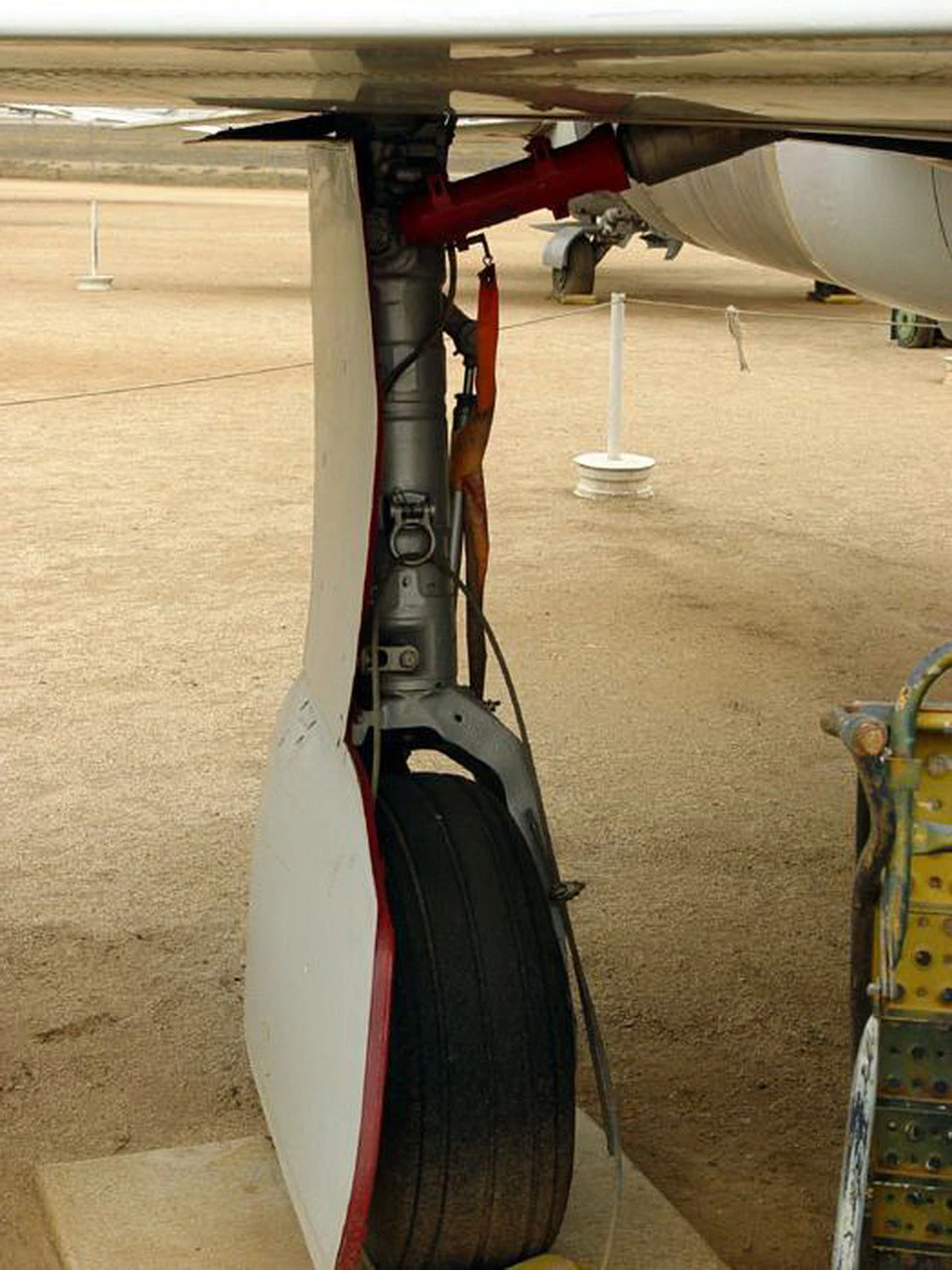
Tthe 맥도넬 F-101 부두was a supersonic jet fighter which served the United States Air Force (USAF) and the Royal Canadian Air Force (RCAF).
Initially designed by McDonnell Aircraft as a long-range bomber escort (known as a penetration fighter) for the Strategic Air Command (SAC), the Voodoo was instead developed as a nuclear-armed fighter-bomber for the Tactical Air Command (TAC), and as a photo reconnaissance aircraft based on the same airframe. An F-101A set a number of world speed records for jet powered aircraft, including fastest airspeed, attaining 1,207.6 miles (1,943.4 km) per hour on 12 December 1957. They operated in the reconnaissance role until 1979.
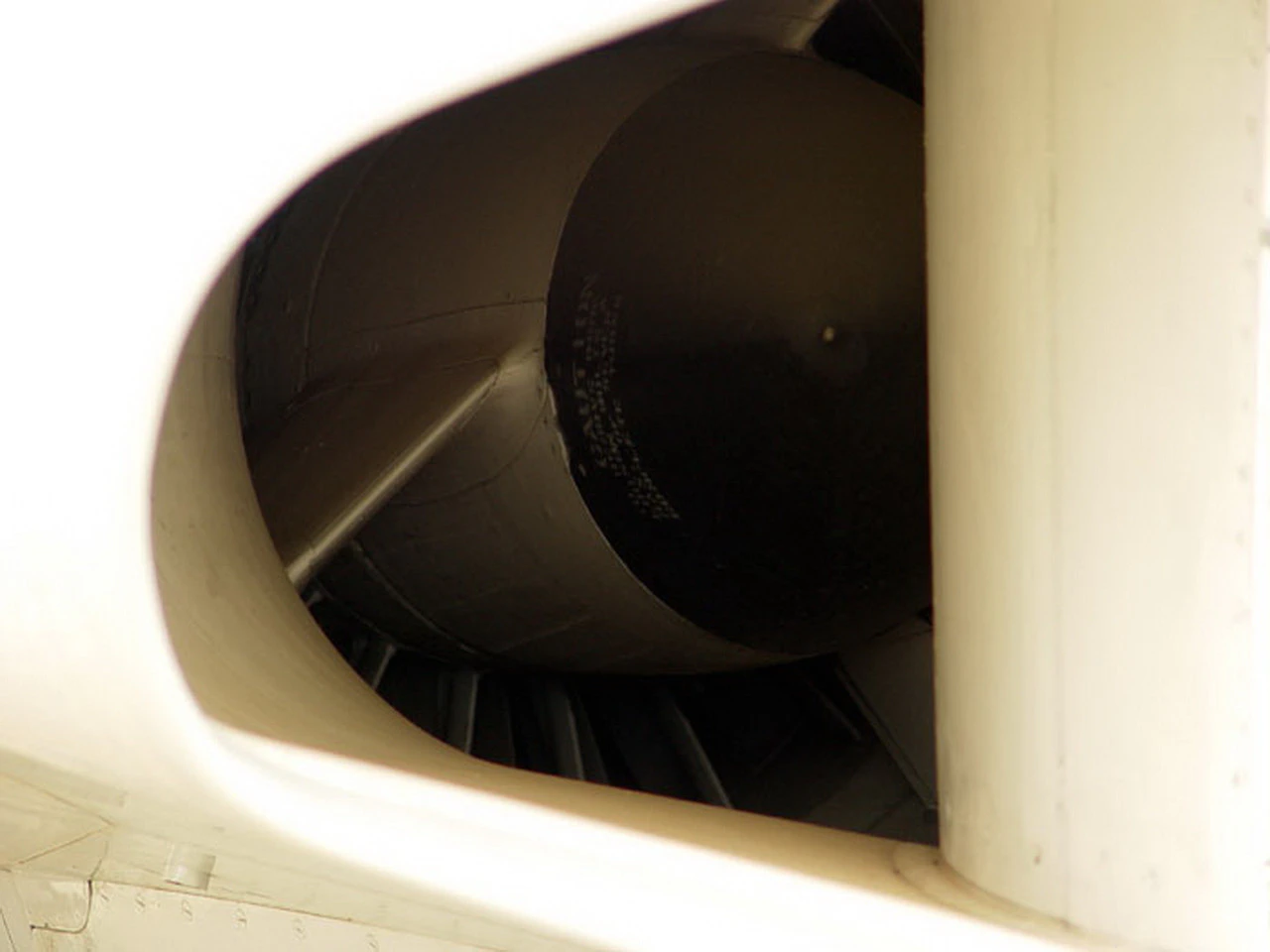
Tthe F-101B Voodoowas the ultimate evolution of a design that started as a long-range bomber escort. When the Air Force realized it needed a powerful, all-weather interceptor to stop Soviet bombers from crossing the Arctic, they turned the Voodoo into a two-seat powerhouse. The “B” model was the most produced version, distinctive for its massive twin engines and its primary mission: carryingnuclear-tipped rockets. It was a “point-and-shoot” interceptor designed to fly fast, fly far, and erase entire bomber formations with a single blast.
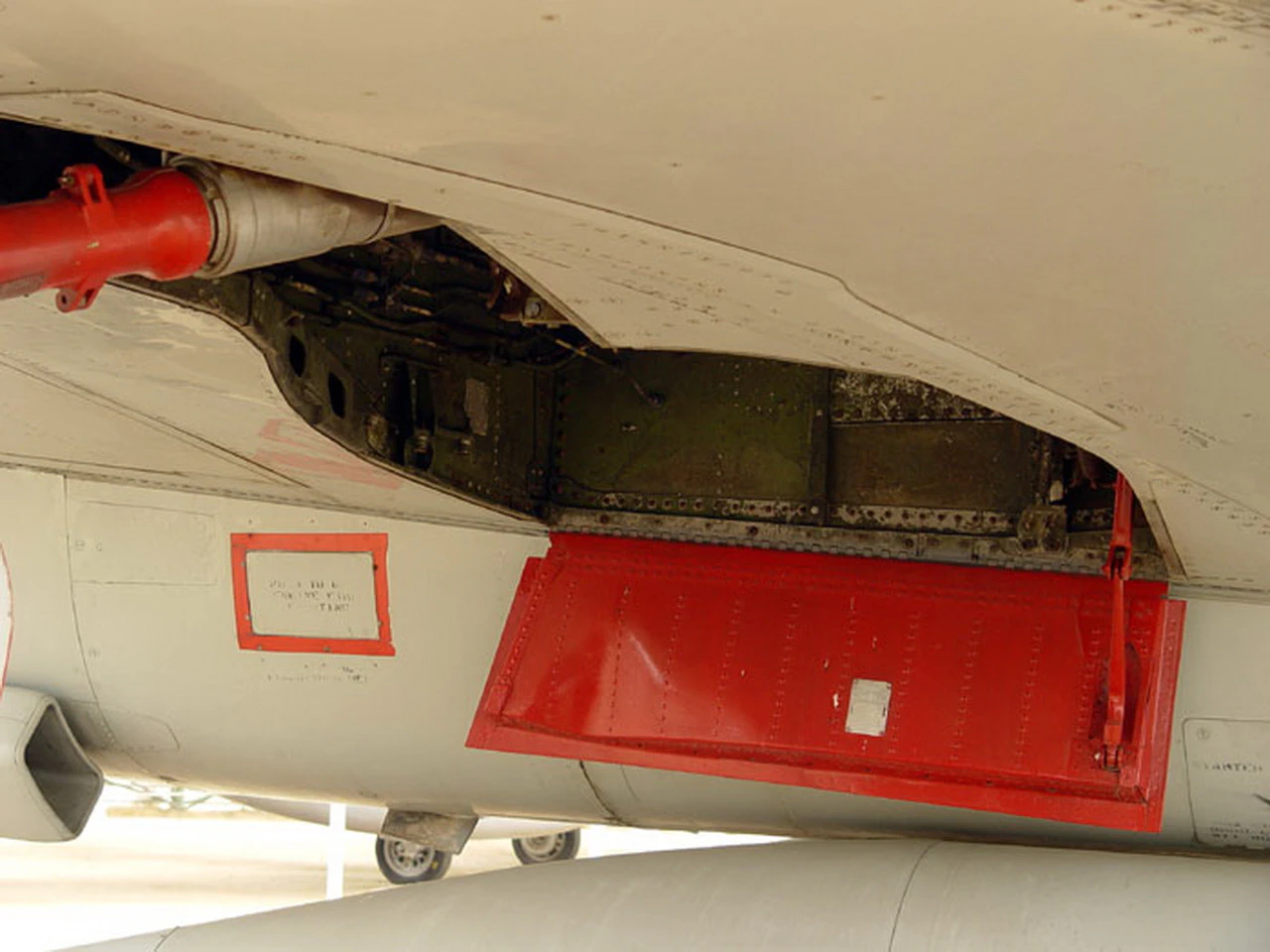
The Rotary Weapons Door:To maintain its supersonic aerodynamics, the Voodoo carried its missiles on a unique “rotodoor.” The missiles were mounted on both sides of a flat panel that flipped 180 degrees to expose the weapons to the airstream just before firing, keeping the fuselage perfectly smooth.
The AIR-2 Genie:The F-101B was the primary carrier of the “Genie,” an unguided rocket with a 1.5-kiloton nuclear warhead. Because it was unguided, the pilot just had to get the Voodoo pointed in the general direction of a bomber fleet; the nuclear blast radius would do the rest.
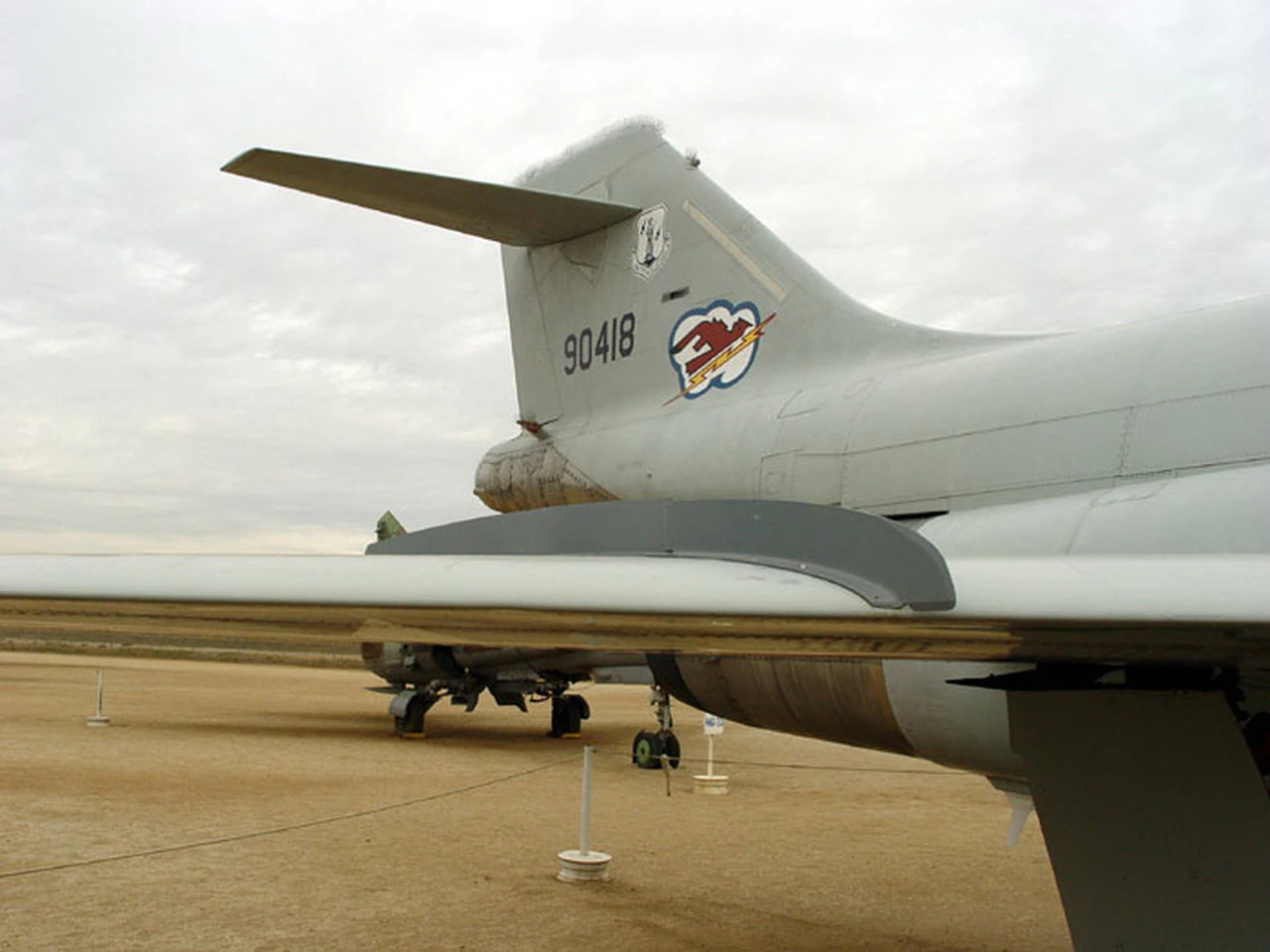
The T-Tail & “Pitch-Up”:Like many early supersonic jets, the Voodoo had a T-tail (the horizontal stabilizer is on top of the fin). This led to a dangerous “pitch-up” tendency at high angles of attack, which could cause the plane to enter an unrecoverable spin—a quirk that pilots had to be extremely careful to manage.
The Searchlight:For night interceptions, some F-101Bs were fitted with a high-intensity spotlight on the left side of the fuselage to visually identify targets before engaging.
Operational History: Guarding the North
NORAD Sentinel:For much of the 1960s, the Voodoo was the backbone of Air Defense Command. It was designed to “scramble” within minutes to intercept intruders over the Atlantic, Pacific, and the North Pole.
The Canadian “Voodoo”:Canada operated 56 of these as the CF-101. They were a critical part of the joint US-Canadian defense strategy, serving until 1984 when they were finally replaced by the CF-18 Hornet.
The RF-101 “Recce” Legend:While the “B” model was an interceptor, the single-seat RF-101 reconnaissance version became a hero of the Cuban Missile Crisis and Vietnam. It was the first supersonic photo-recon jet, flying “low and fast” to bring back the proof of Soviet missiles in Cuba.
Thunderstorm Hunter:After its military retirement, one F-101B was used by Colorado State University for severe storm research. Because of its incredible structural strength, it was one of the few planes that could safely fly directly into the core of a thunderstorm to take measurements.

 커피 사줘
커피 사줘

 Antonov An-28 – Photos & Video
 Fuji T-3 – Photos & Videos
 Waco 10 – 사진 및 동영상
 McDonnell XF-85 Goblin – 사진 및 비디오
 McDonnell Douglas F / A-18 Hornet - 사진 및 비디오
 McDonnell F3H Demon – 사진 및 동영상
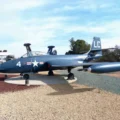 McDonnell F2H Banshee – 사진 및 동영상
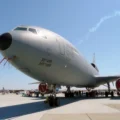 McDonnell Douglas KC-10 Extender – 사진 및 동영상
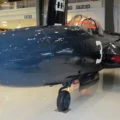 McDonnell FH Phantom – 사진 및 동영상
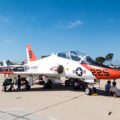 McDonnell Douglas T-45 Goshawk – 사진 및 비디오