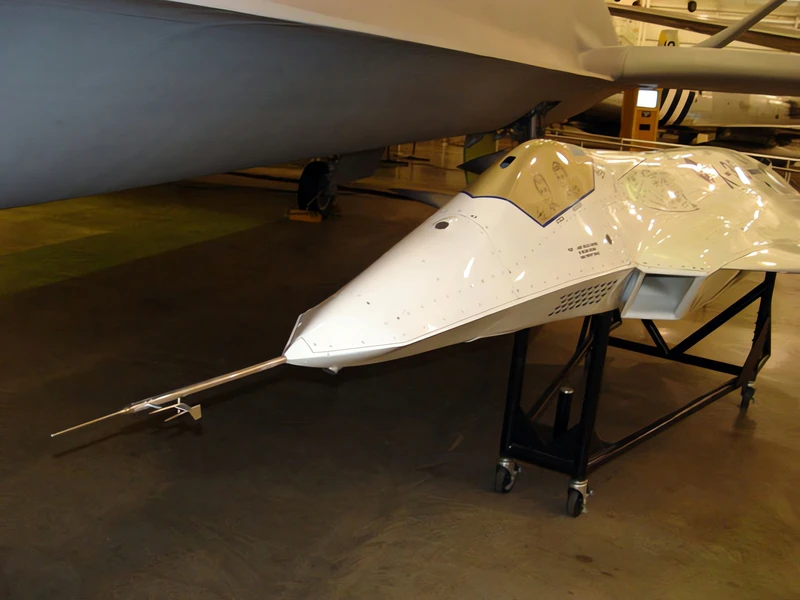
Boeing X-36 | |
|---|---|
| 국가 | 미국 |
| 역할 | 연구 항공기 |
| 첫 비행 | 1997년 5월 17일 |
| 내장 | 2 |
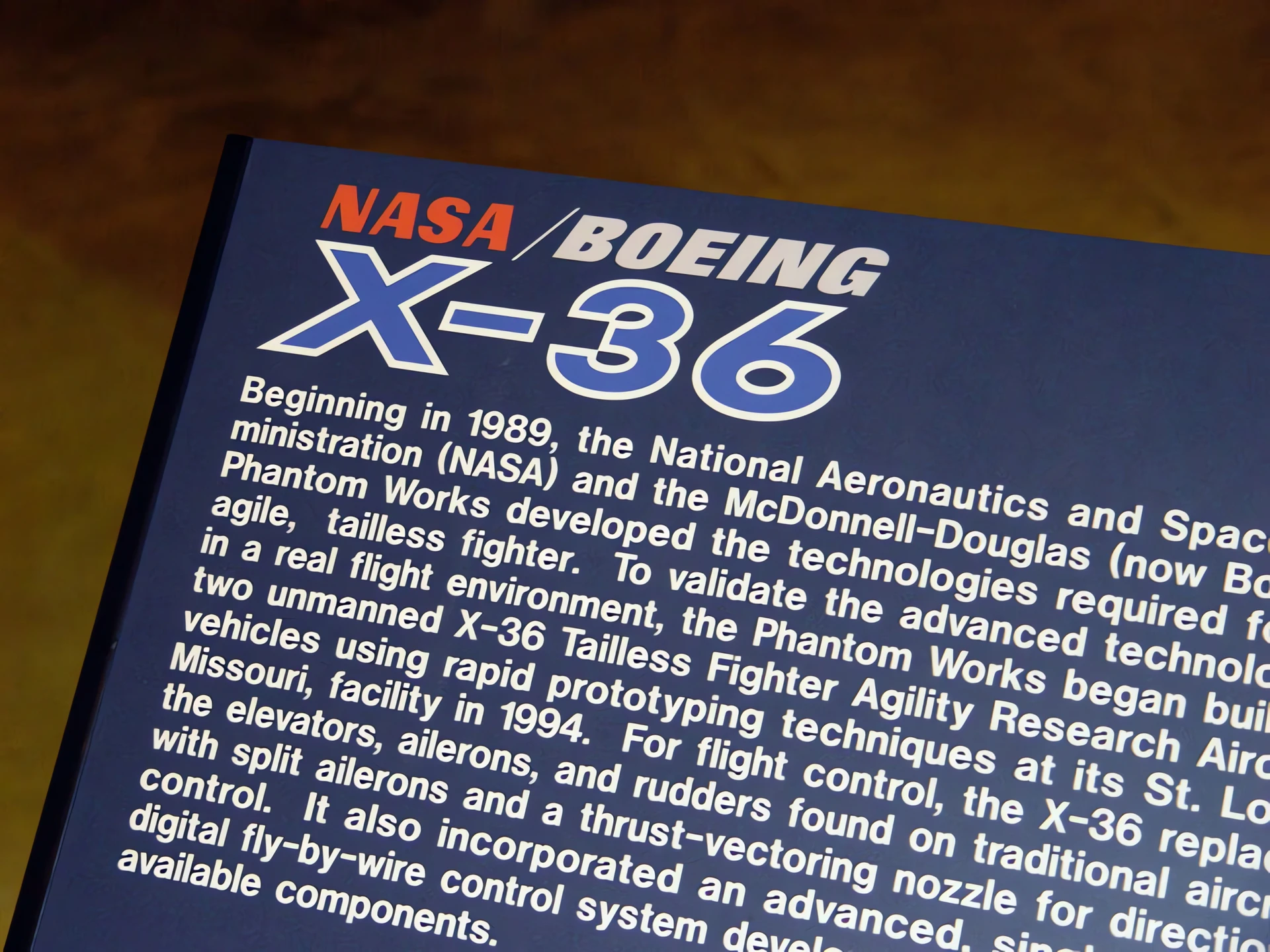
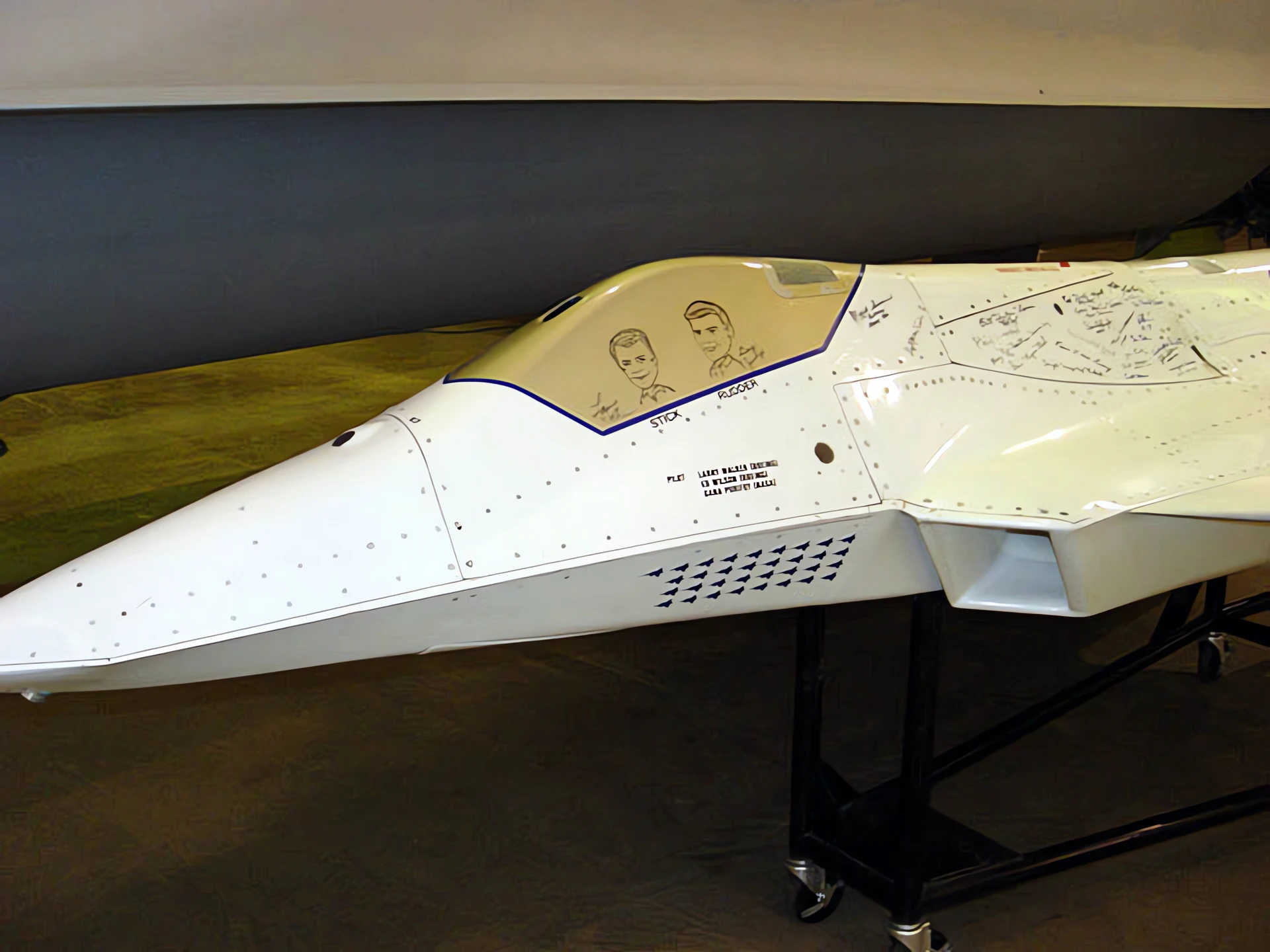
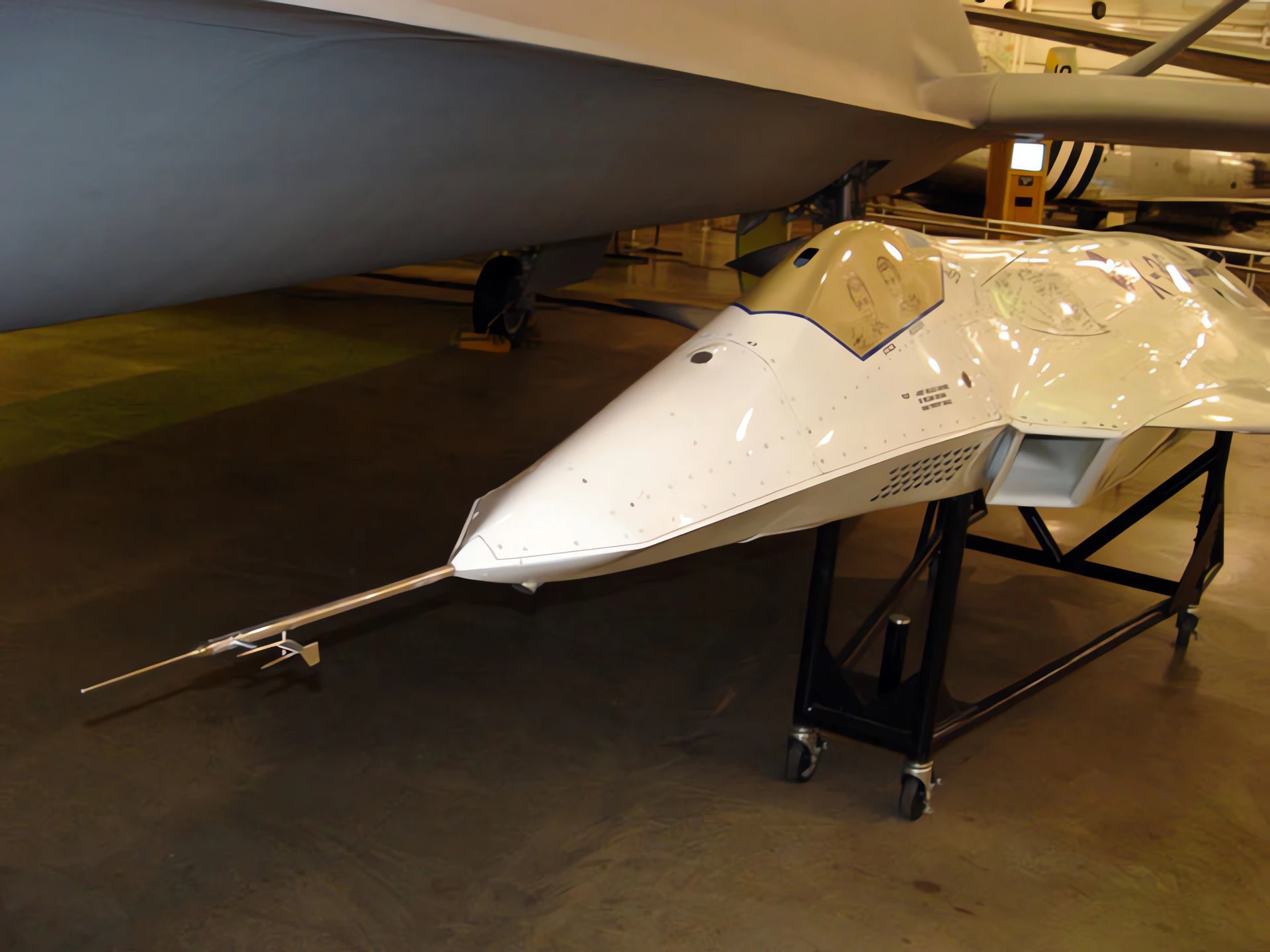
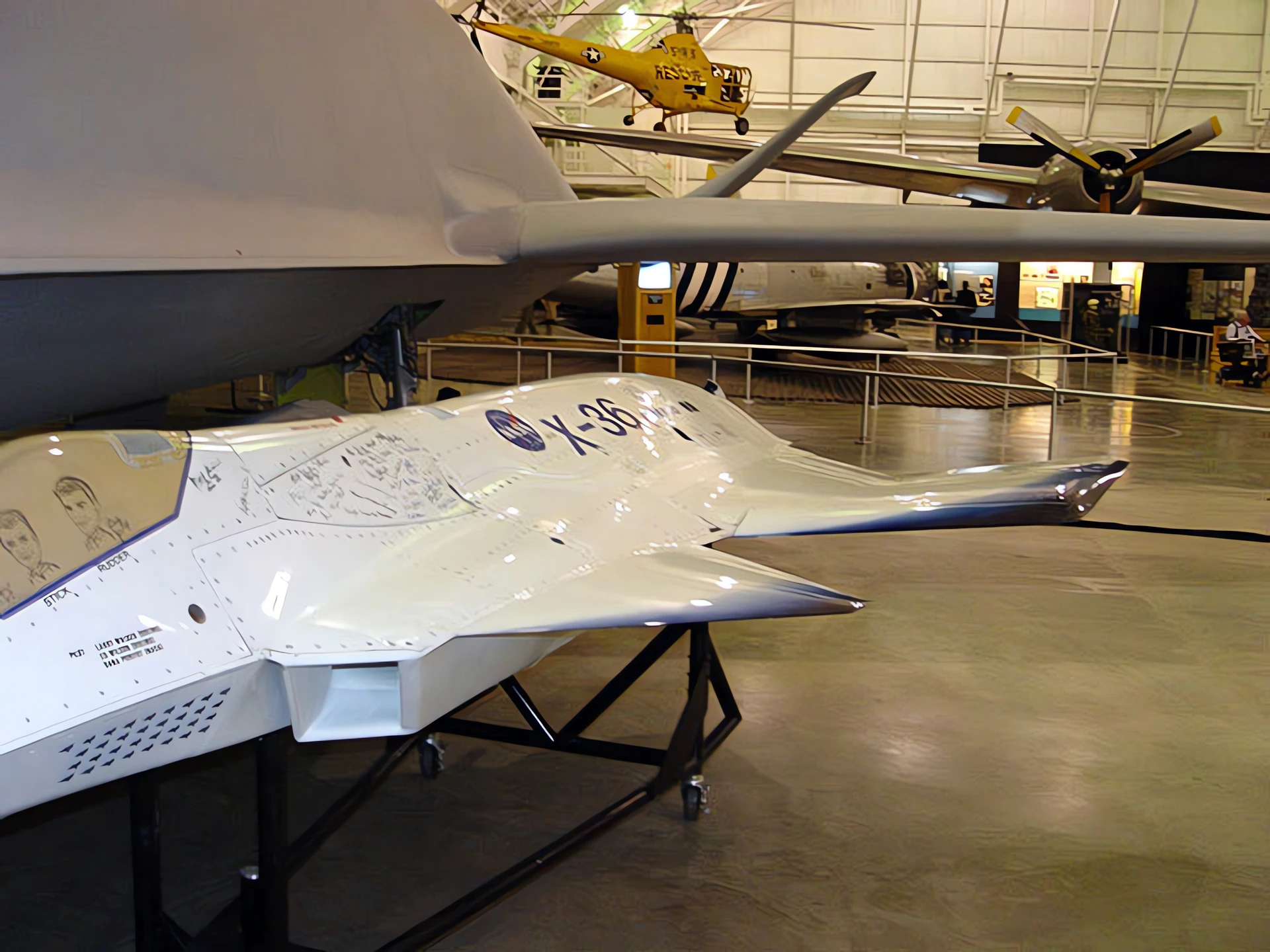
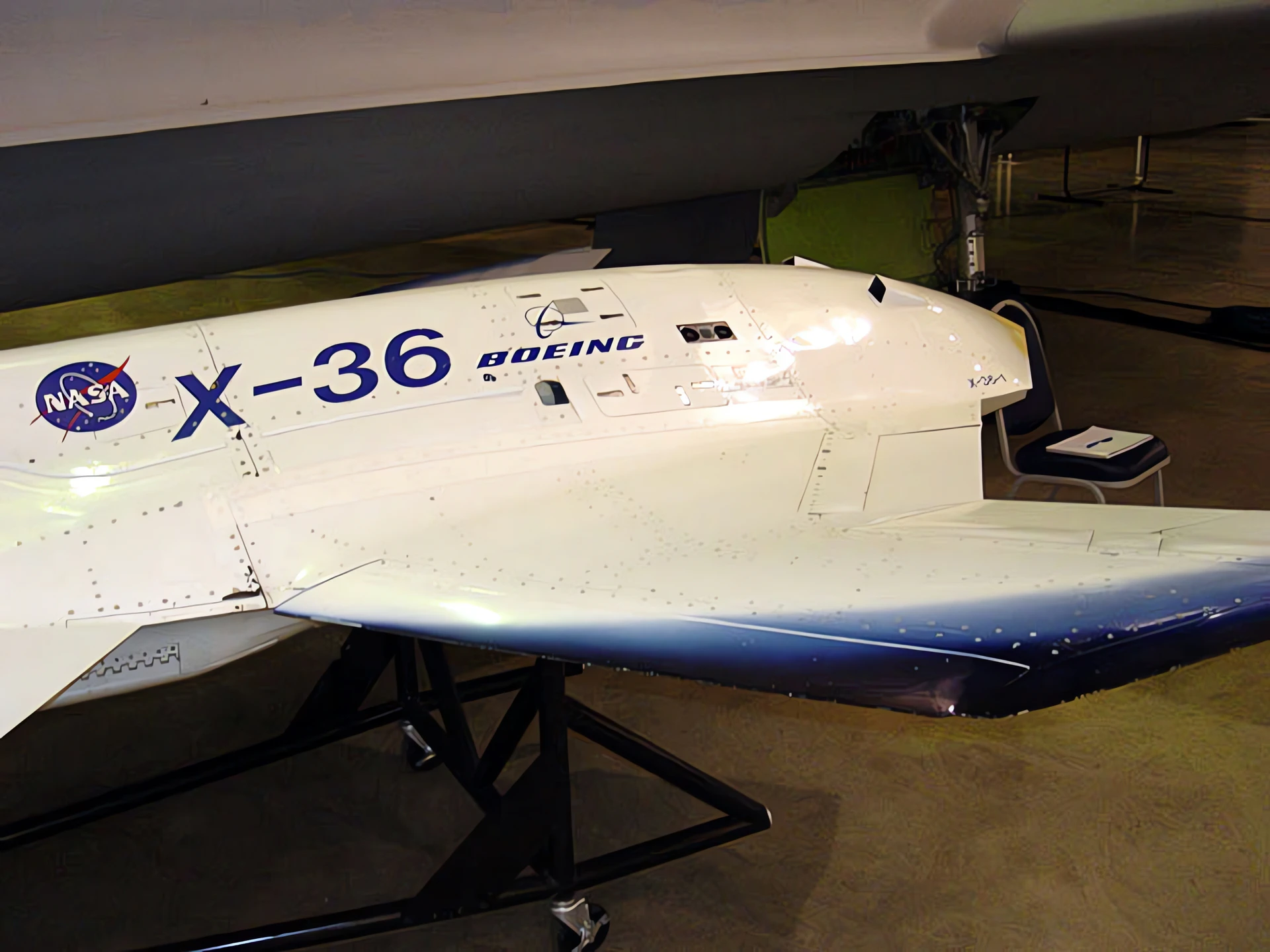
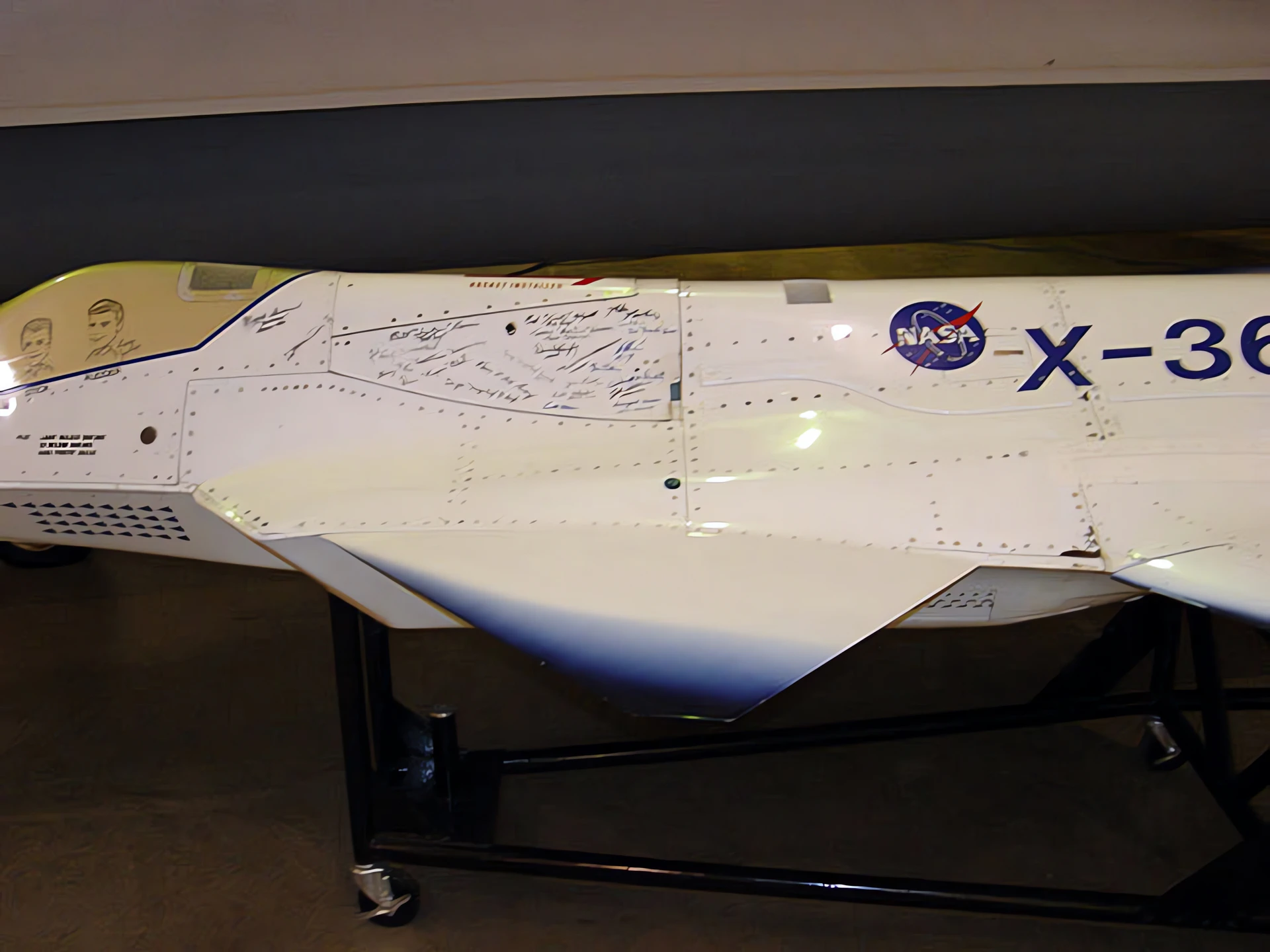
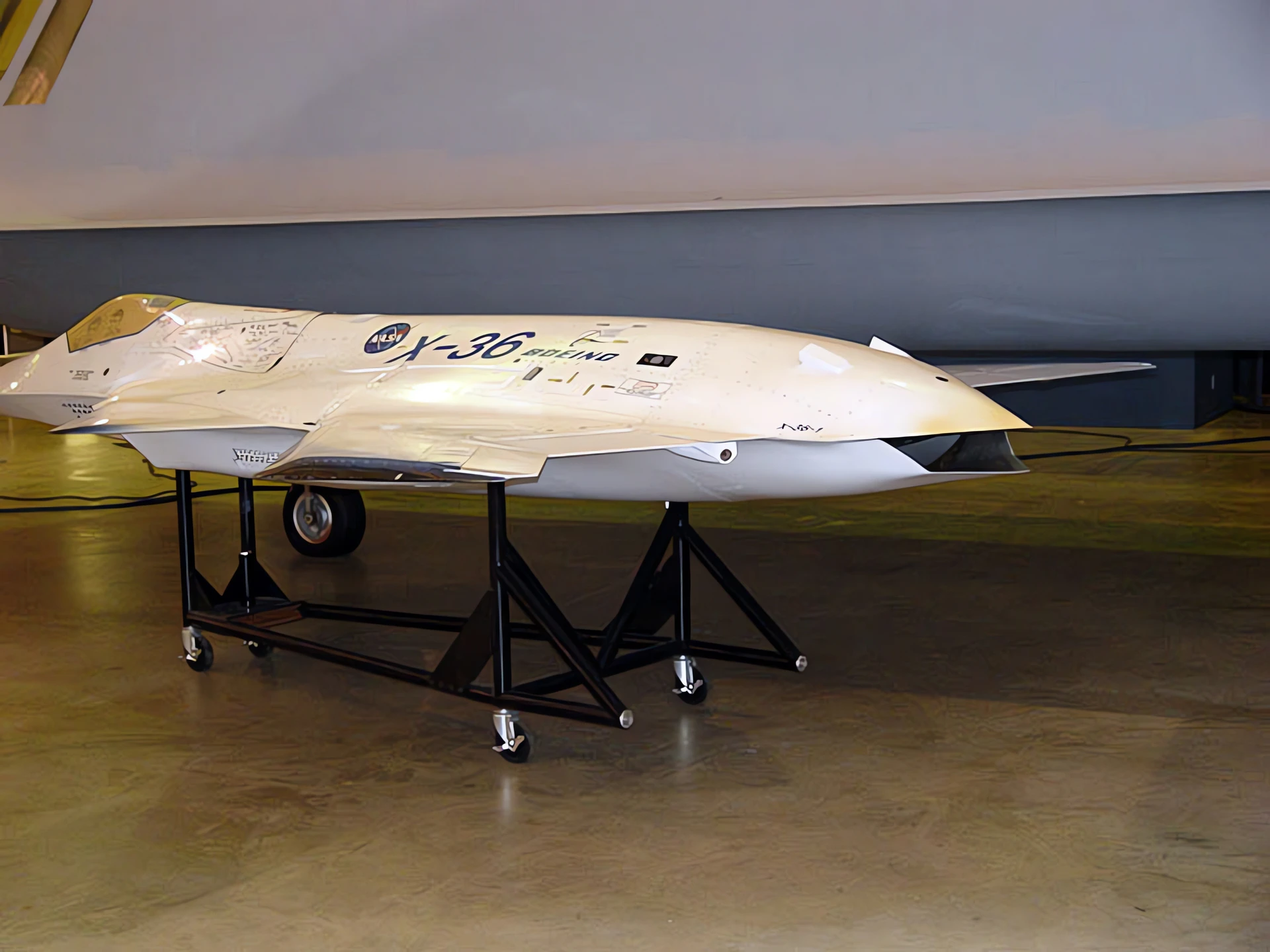
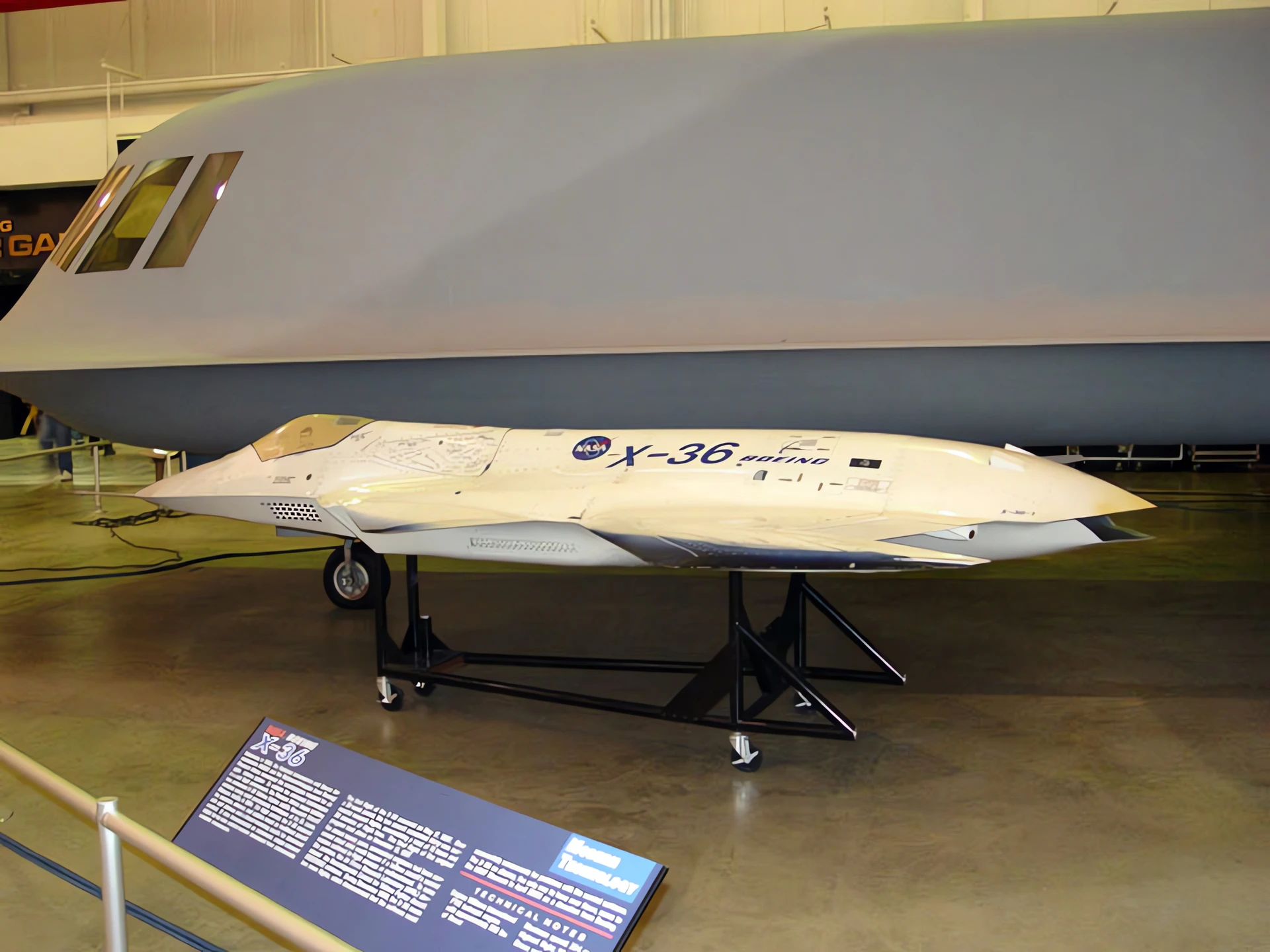
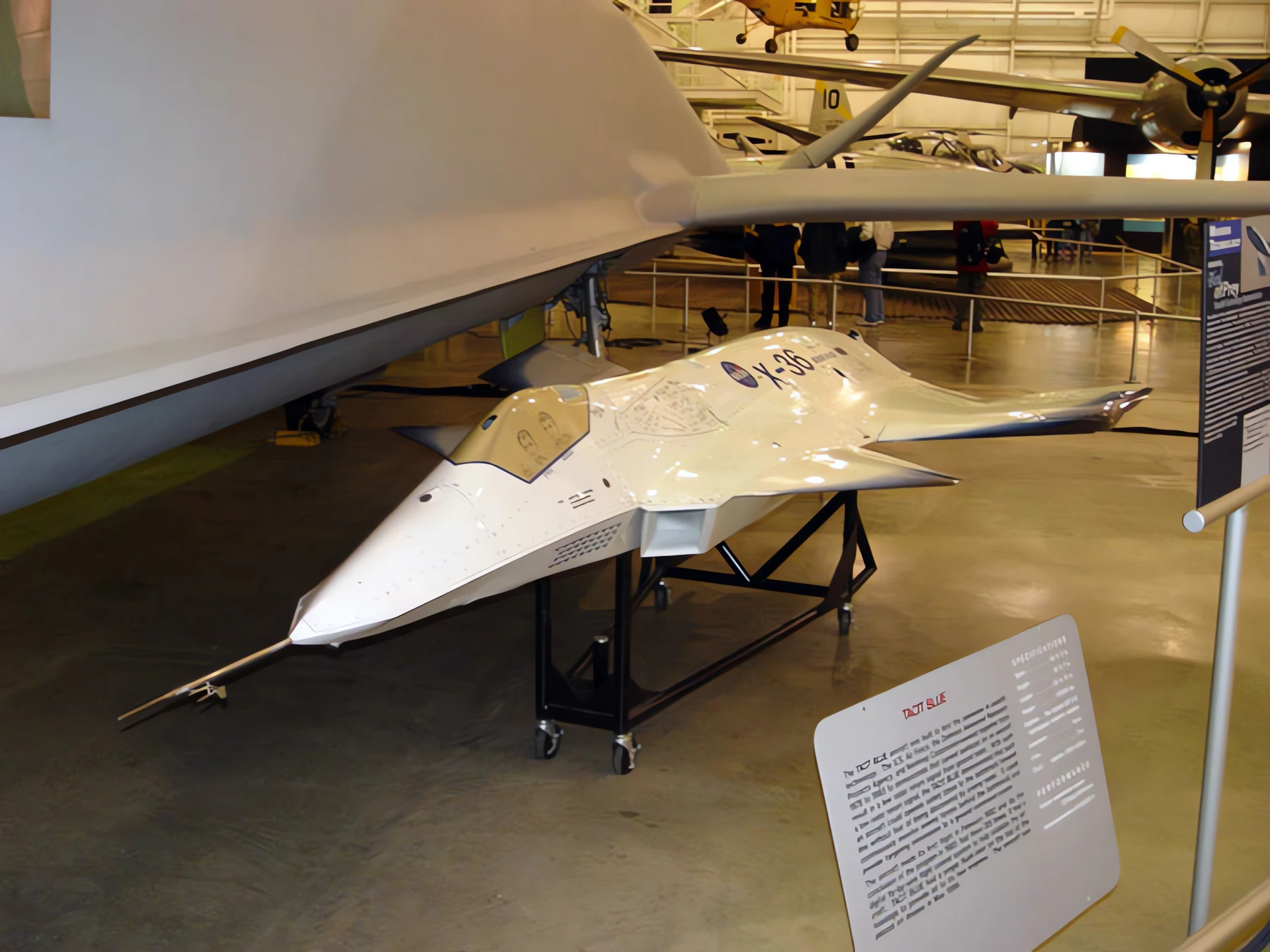
맥도넬 더글라스 (나중에 보잉) X-36 Tailless Fighter Agility Research Aircraft는 대부분의 항공기에서 발견되는 전통적인 꼬리 조립없이 비행하도록 설계된 미국의 은밀한 서브 스케일 프로토 타입 제트기였습니다. 이 구성은 무게, 항력 및 레이더 횡단면을 줄이면서 범위, 기동성 및 생존 가능성을 높이도록 설계되었습니다.
소스: 위키백과에 보잉 X-36
| Boeing X-36 Walk Around | |
|---|---|
| Photographers | Vladimir Yakubov, John Heck |
| Localisation | National Museum of the USAF, Dayton |
| Photos | 42 |

참고 항목:


General Characteristics and Role
The Boeing X-36 Tailless Fighter Agility Research Aircraft was an experimental subscale jet developed by McDonnell Douglas (later Boeing) for NASA and the US Air Force in the mid-1990s. Its primary role was to test the feasibility of a fighter aircraft design that lacked the traditional vertical and horizontal tail surfaces. The X-36 was intended to explore how a tailless configuration could enhance stealth (by reducing radar cross-section) and improve maneuverability, particularly at high angles of attack, compared to conventional fighter jets. It was flown remotely by a pilot in a ground station due to its small size and lack of a cockpit.
| Property | Typical Value (X-36) |
|---|---|
| 역할 | Experimental Aircraft (Agility and Stealth Research) |
| National Origin | 미국 |
| 제조업체 | McDonnell Douglas / Boeing |
| First Flight | 17 May 1996 |
| Pilot/Control | Unmanned, remotely controlled from a ground cockpit. |
| 길이 | 5.77 m (18 ft 11 in) |
| 윙스 팬 | 3.17 m (10 ft 5 in) |
| 높이 | 0.95 m (3 ft 1 in) |
| Max Takeoff Weight | 567 kg (1,250 lb) |
Powerplant and Flight Controls
- Engine: 1 x Williams International F112 turbofan engine.
- Thrust: Approx. 3.1 kN (700 lbf).
- Top Speed: Estimated at 370 km/h (230 mph).
- Flight Control System: Required a highly advanced Digital Fly-By-Wire (DFBW) system to maintain stability, as the aircraft was inherently unstable without tail surfaces.
- Control Surfaces: Yaw and pitch control were achieved using canards (foreplanes) and a combination of split ailerons (flaperons) and a thrust-vectoring nozzle on the engine.
Program Outcome and Legacy
- Test Program: The X-36 completed a highly successful test program, demonstrating excellent maneuverability with its tailless design. It achieved a total of 31 flights, logging 15 hours of air time.
- Success Metric: The program demonstrated that a tailless fighter design could achieve up to a 40% increase in cruising lift and a significant improvement in agility over conventional designs.
- Influence: Although the X-36 never led directly to a production aircraft, its successful demonstration of control and stability heavily influenced subsequent low-observable (stealth) aircraft design and DFBW control systems, including possible future unmanned combat air vehicles (UCAVs).
- Preservation: Both X-36 prototypes are now preserved: one is at the National Museum of the United States Air Force in Ohio, and the other is at the NASA Dryden Flight Research Center (now Armstrong) in California.
전망 : 1495