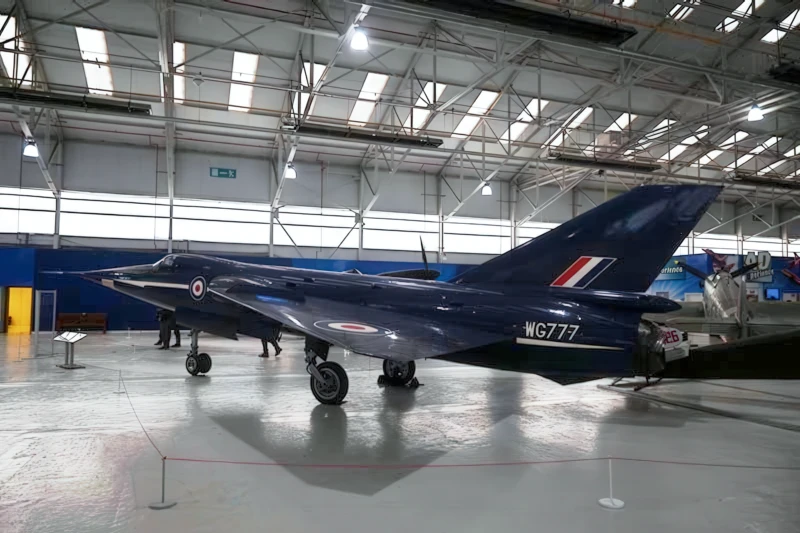
Fairey Delta 2 | |
|---|---|
| 国 | 英国 |
| 役割 | 高速研究機 |
| ファーストフライ | 1954年10月6日 |
| 構築 | 2 |
ザ フェアリー デルタ 2 またはFD2(フェアリー内の内部指定タイプV)は、トランスオニックと超音速で飛行と制御の調査を行うための専門航空機のための供給省からの仕様に応じてフェアリー航空会社によって生成された英国の超音速研究機でした。タイプの主な特徴はデルタ翼および垂れ鼻の採用を含んでいる。1954年10月6日、デルタ2はフェアリーのテストパイロット、ピーター・ツウィスが飛行した処女飛行を行った。合計2機が生産される。デルタ2は、独立した製造としてフェアリーによって生産される最後の航空機でした。
ソース: フェアリーデルタ2ウィキペディア
| BAC 221 Walk Around | |
|---|---|
| カメラマン | ハワード・メイソン |
| ローカライズ | フリート エア アーム ミュージアム |
| 写真 | 61 |
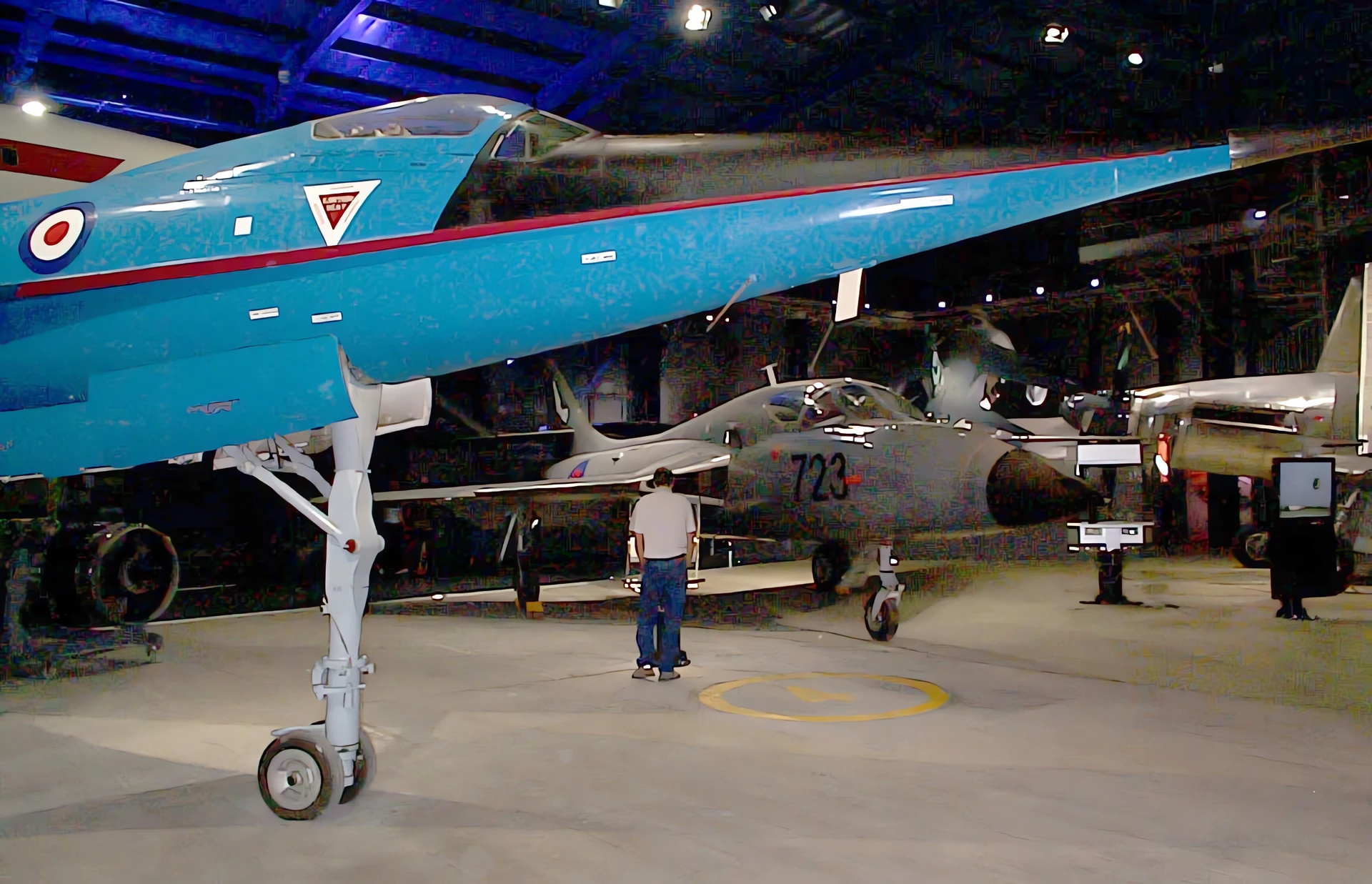
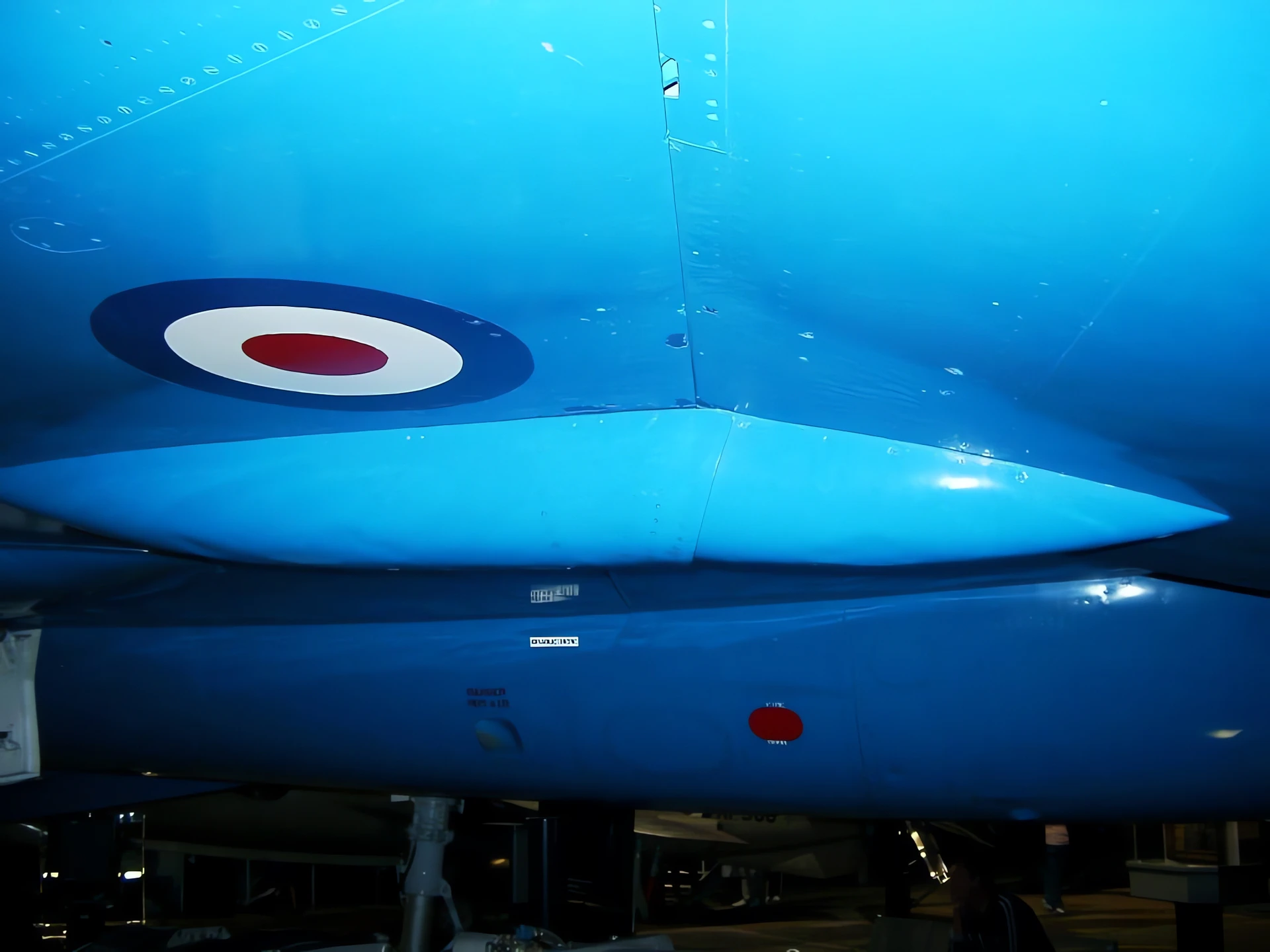
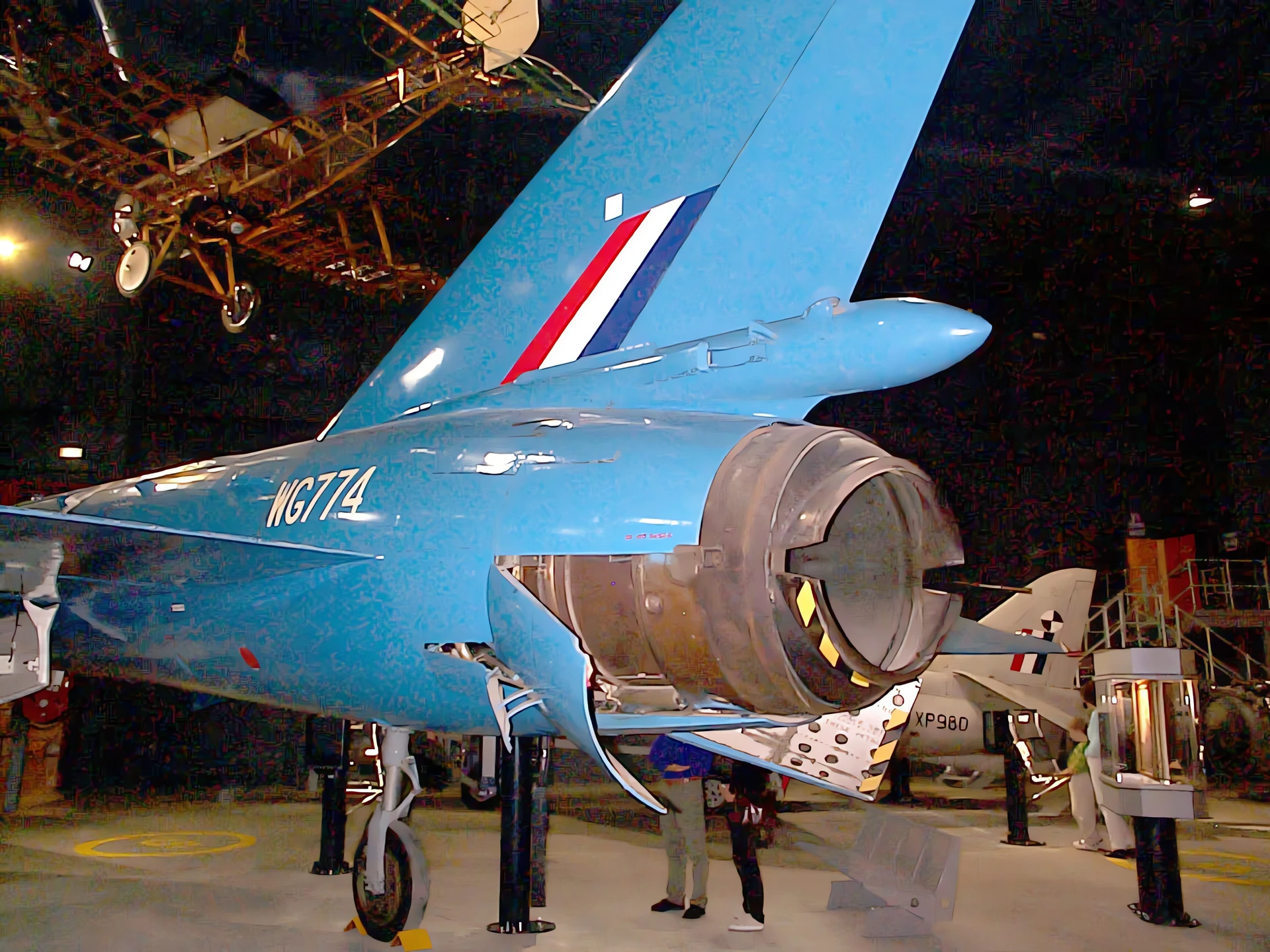
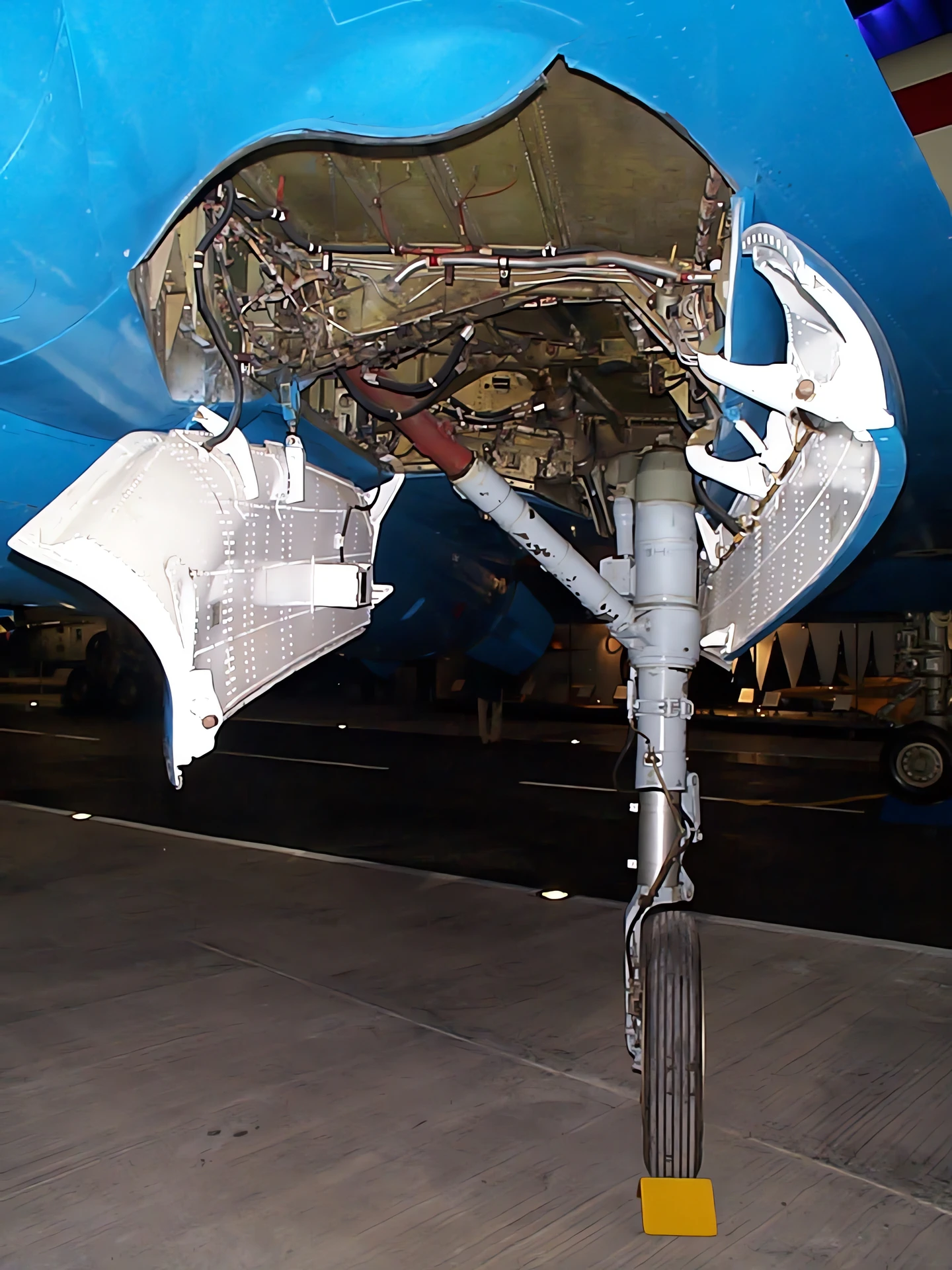
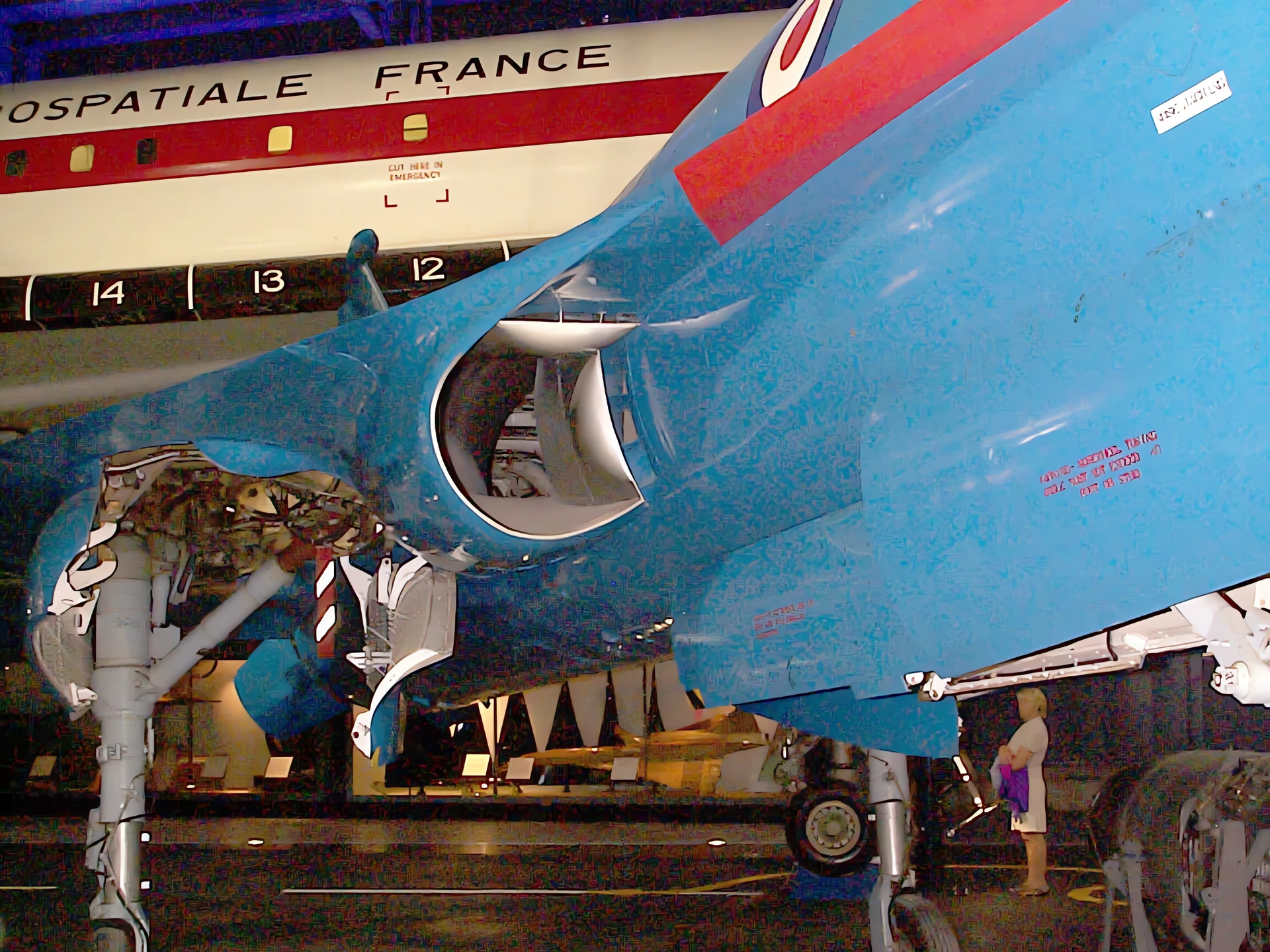
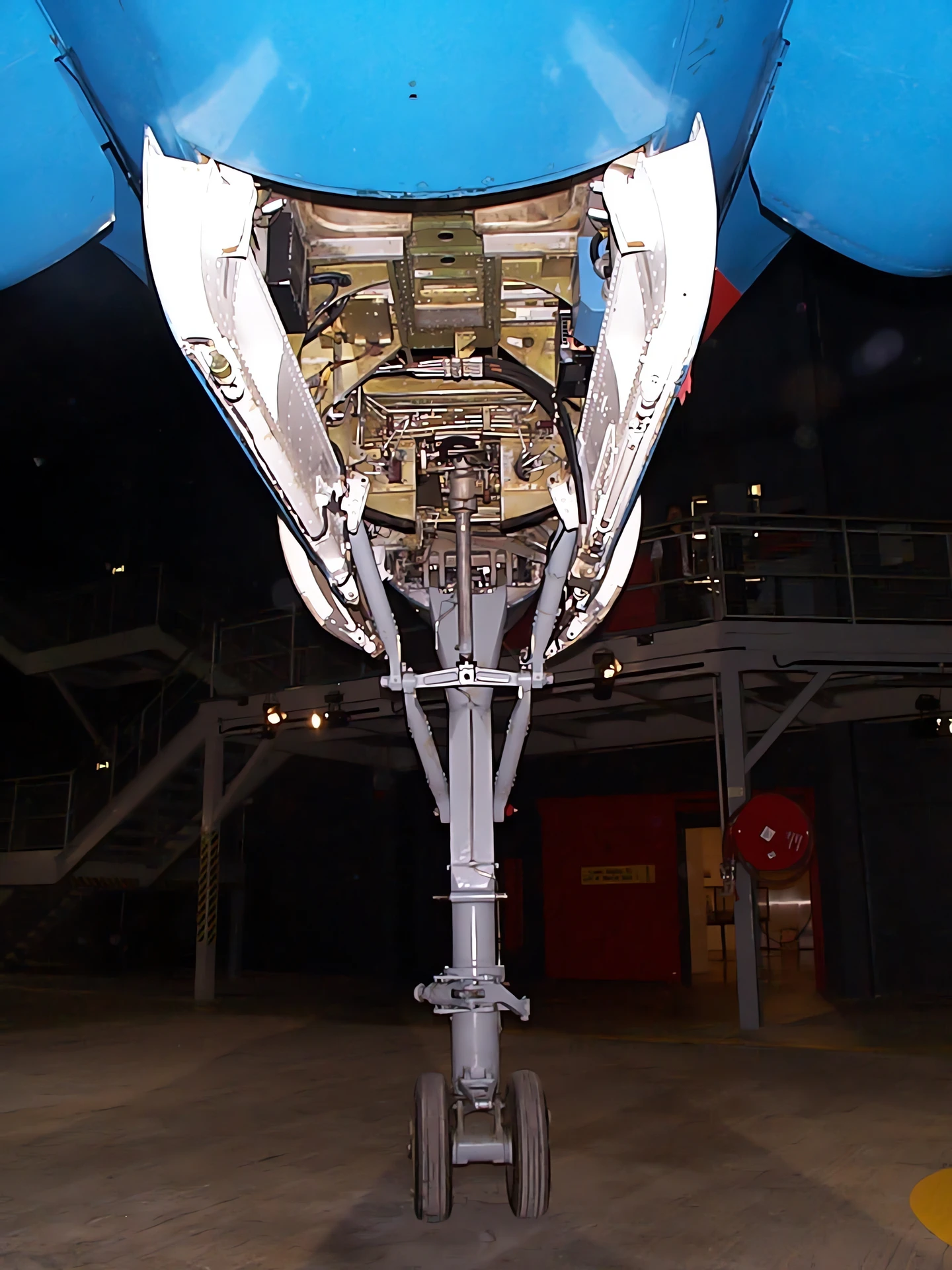
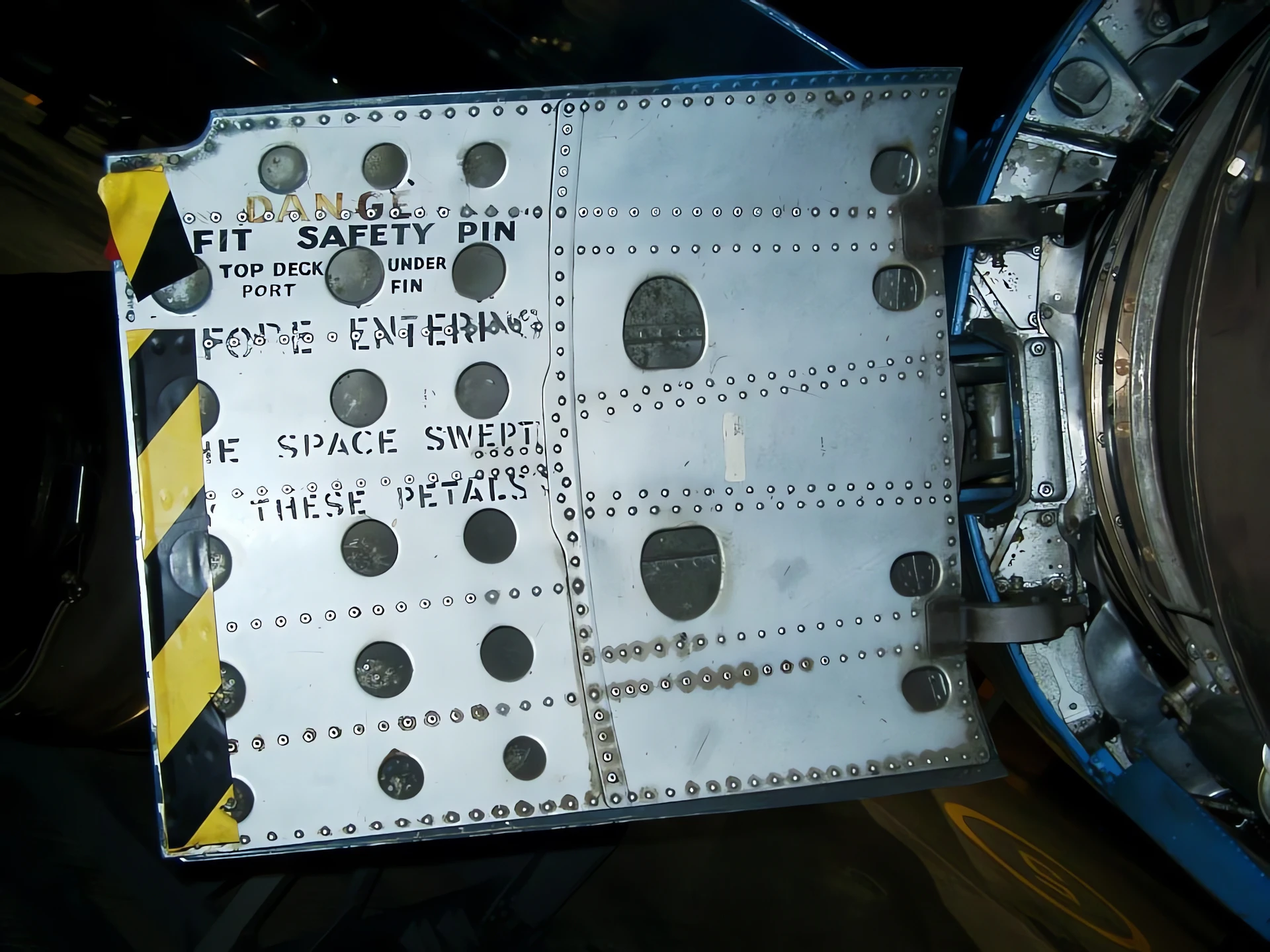
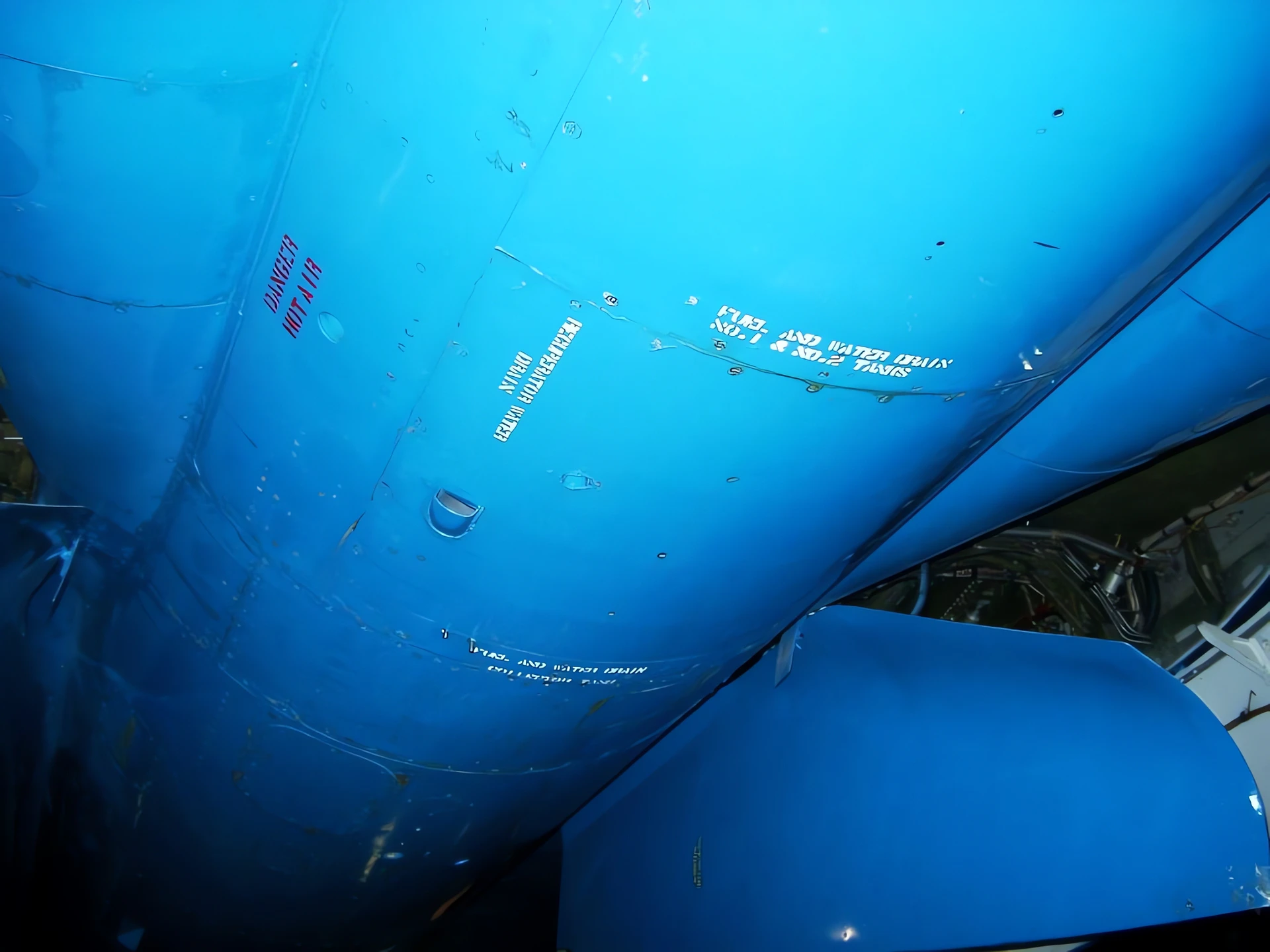


関連項目:


| Fairey Delta FD2 Walk Around | |
|---|---|
| カメラマン | マリンデル・ド・ヴレーズ |
| ローカライズ | 知りません |
| 写真 | 25 |
General Characteristics and Role
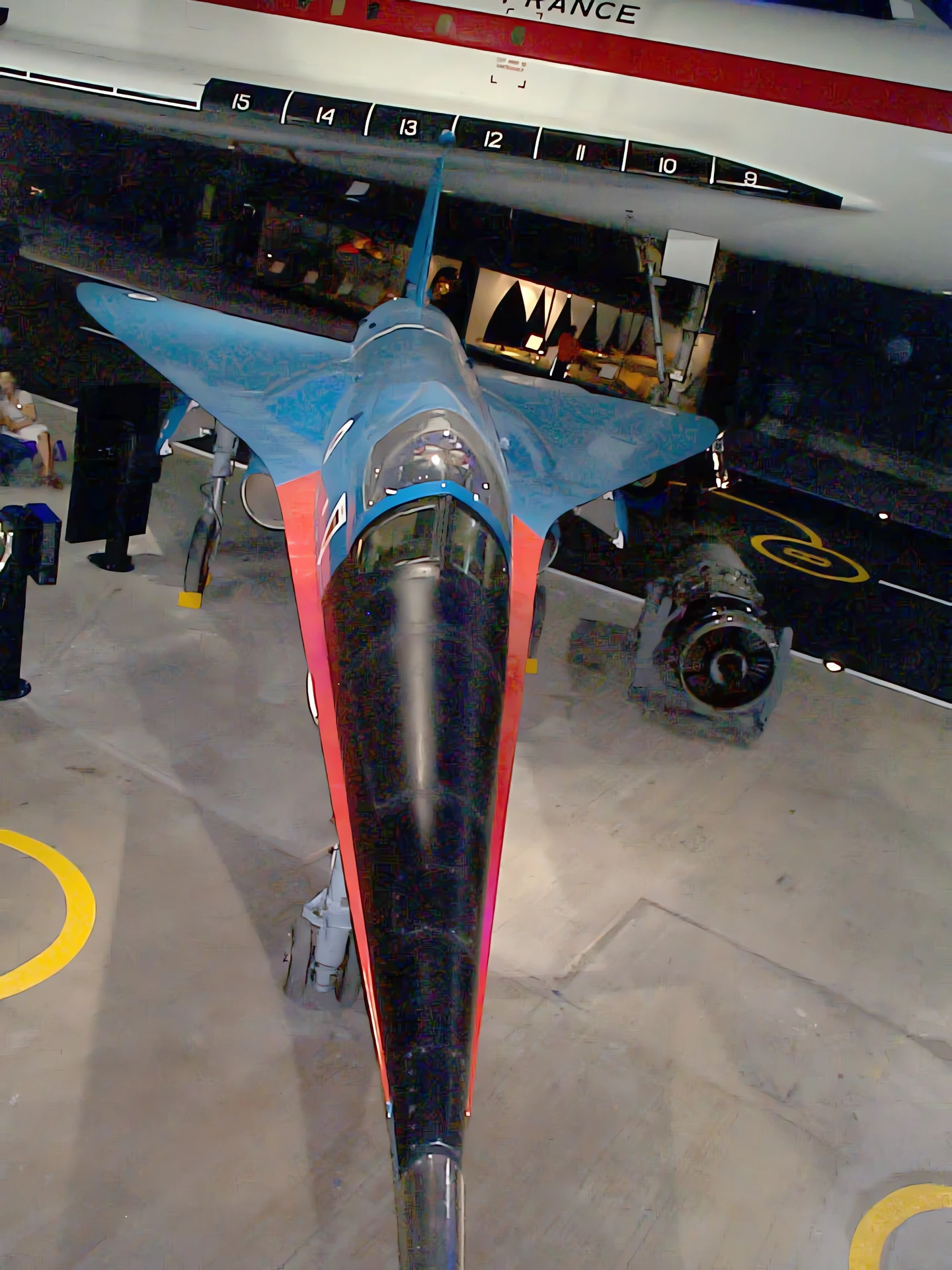
The BAC 221 was a highly specialized British research aircraft developed to support the Concorde supersonic transport program. It was not a “new” airframe from scratch, but rather a total reconstruction of the record-breaking Fairey Delta 2 (WG774). The primary objective of the BAC 221 was to investigate the aerodynamic behavior of the ogival (ogee) slender delta wing at high speeds. This specific wing shape was critical for Concorde’s success, balancing high-speed efficiency with manageable low-speed handling. The aircraft featured a significantly lengthened fuselage and a much taller landing gear to accommodate the high angles of attack required during landing.
| Property | Typical Value (BAC 221) |
|---|---|
| 型 | Experimental Supersonic Research Aircraft |
| National Origin | 英国 |
| メーカー | British Aircraft Corporation (BAC) |
| First Flight (Rebuilt) | May 1, 1964 |
| 乗組員 | 1 (Pilot) |
| 長さ | 17.56 m (57 ft 7 in) |
| 翼 | 7.62 m (25 ft 0 in) |
| 最高速度 | Mach 1.65 (Approx. 1,700 km/h) |
Powerplant and Wing Design
- Engine: 1 x Rolls-Royce Avon RA.28R afterburning turbojet.
- Engine Thrust: 10,000 lbf dry / 14,000 lbf with reheat.
- Ogival Wing: The centerpiece of the modification, this “ogee” wing replaced the straight-tapered delta of the FD2 to mimic the planned planform for Concorde.
- Landing Gear: To handle the nose-high landing attitude of the slender delta, a completely new, taller undercarriage was fitted, utilizing components from the English Electric Lightning.
- Droop Nose: Retained and refined from the Fairey Delta 2, the entire cockpit and nose section could be tilted downwards to allow the pilot to see the runway during approach.
- Instrumentation: Equipped with extensive flight-test sensors and a camera mounted in a fin-tip fairing to record airflow patterns over the wing using wool tufts.
Service History and Preservation
- RAE Bedford: Following its maiden flight, the aircraft was delivered to the Royal Aircraft Establishment (RAE) at Bedford, where it conducted nearly a decade of high-speed trials.
- Flight Research: While the Handley Page HP.115 tested the low-speed characteristics of the delta wing, the BAC 221 provided the vital supersonic data needed to finalize the Concorde’s flight control systems.
- Retirement: The aircraft was retired in 1973 after the Concorde prototypes had already begun their own successful test flights.
- Current Status: Today, the BAC 221 is preserved and on display at the Fleet Air Arm Museum in Yeovilton, Somerset. It is positioned directly alongside the British Concorde prototype (G-BSST), allowing visitors to see the direct evolution of the wing design.
ビュー : 2189