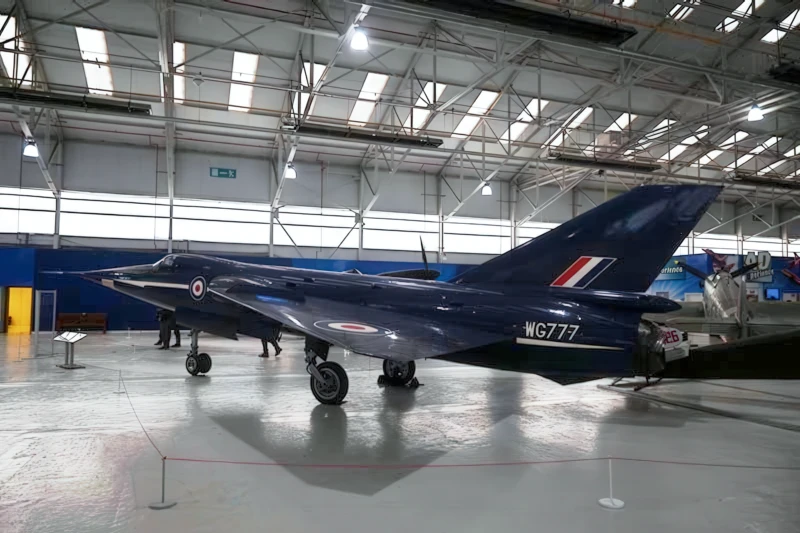
Fairey Delta 2 | |
|---|---|
| 국가 | 영국 |
| 역할 | 고속 연구 항공기 |
| 첫 번째 비행 | 1954년 10월 6일 |
| 내장 | 2 |
Tthe 페이리 델타 2 또는 FD2 (Fairey 내의 내부 명칭 Type V)는 Transonic 및 초음속 비행 및 제어에 대한 조사를 수행하기위한 전문 항공기에 대한 공급부의 사양에 따라 Fairey Aviation Company가 생산 한 영국의 초음속 연구 항공기입니다. 이 유형의 주요 특징은 델타 날개와 처진 코의 채택을 포함합니다. 1954년 10월 6일, 델타 2호는 페어리 시험 조종사 피터 트와이스가 비행한 처녀 비행을 실시했다. 총 두 대의 항공기가 생산될 것이다. 델타 2는 Fairey가 독립 제조사로 생산한 최종 항공기였습니다.
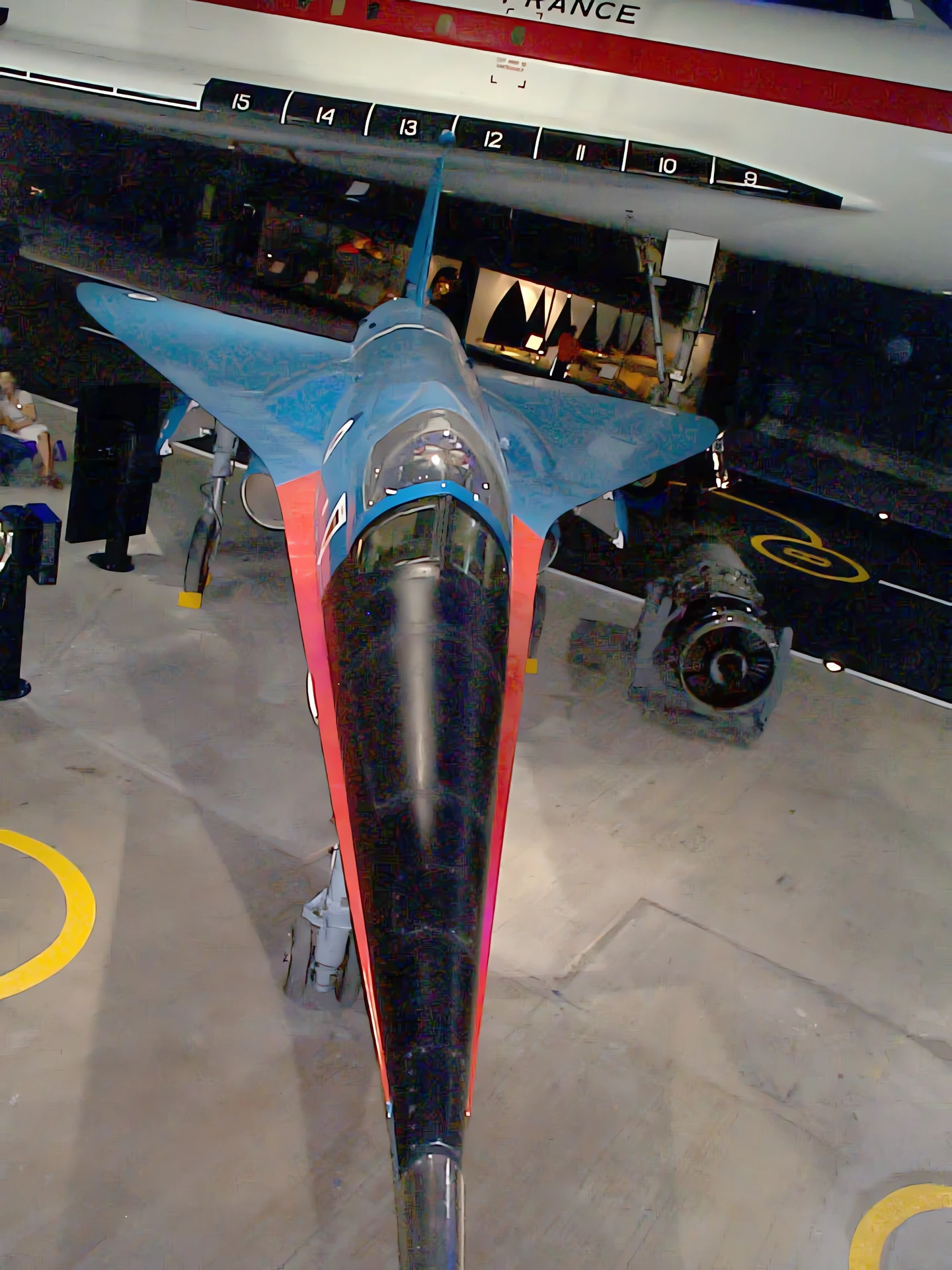
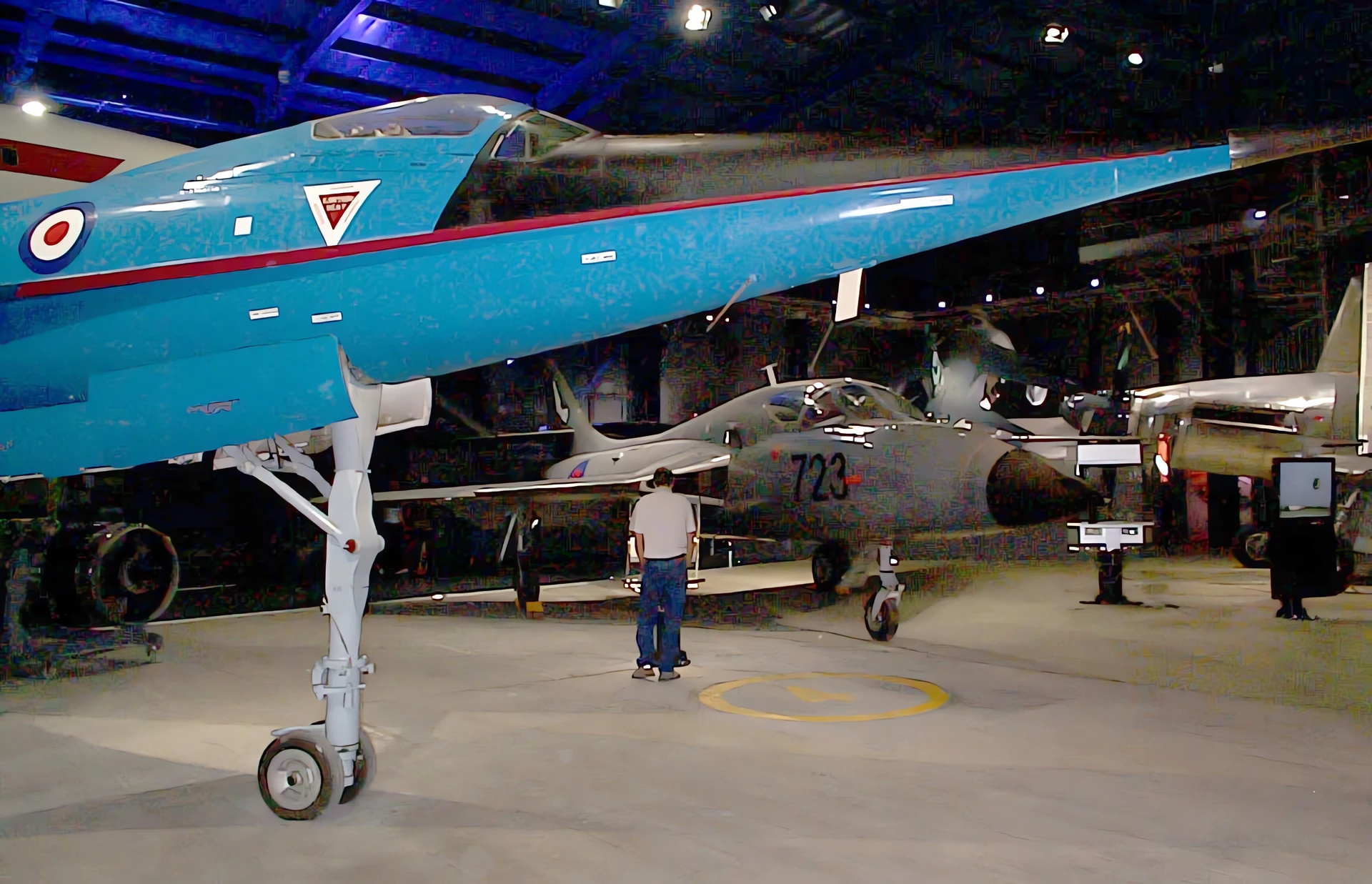
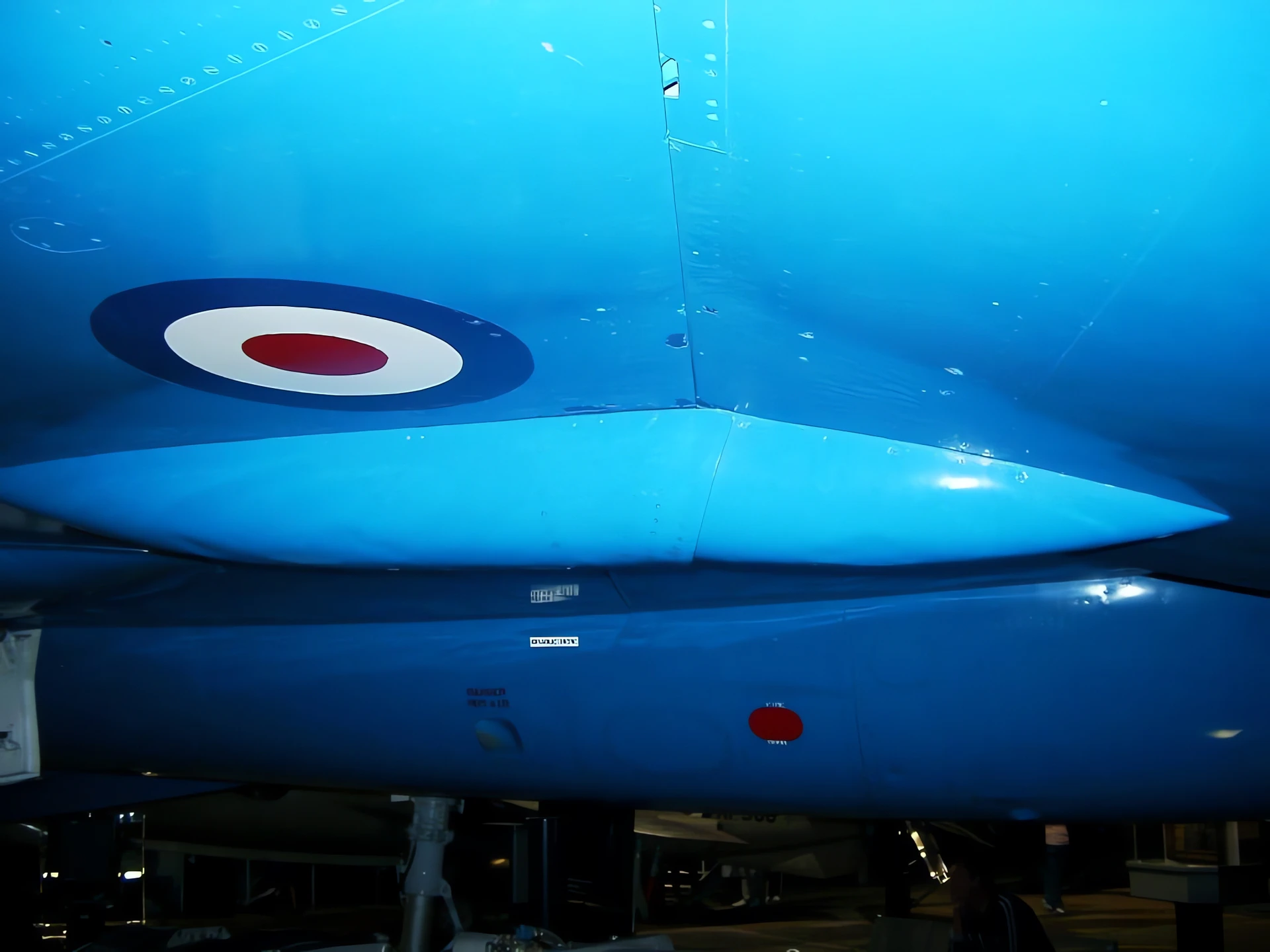
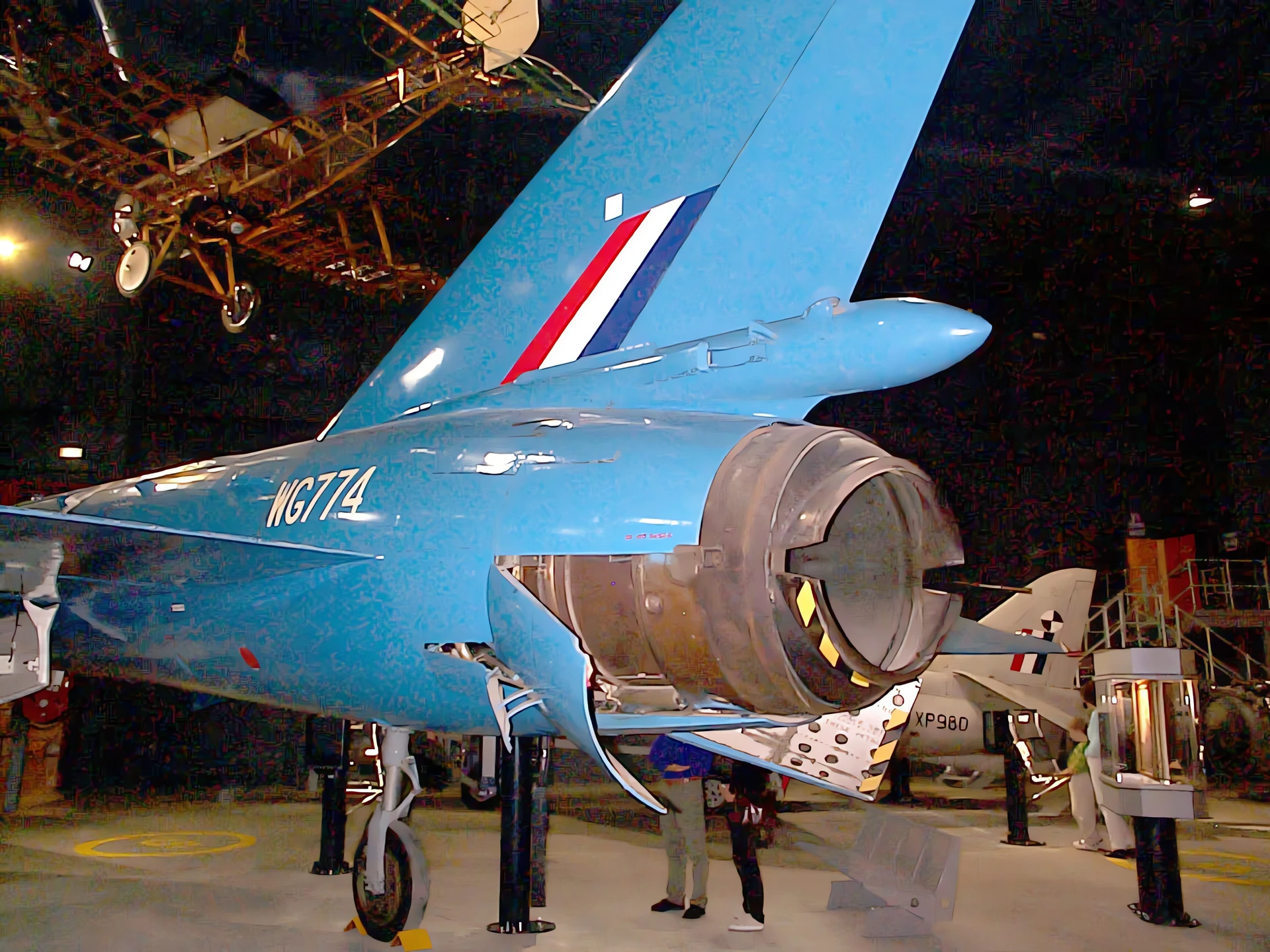
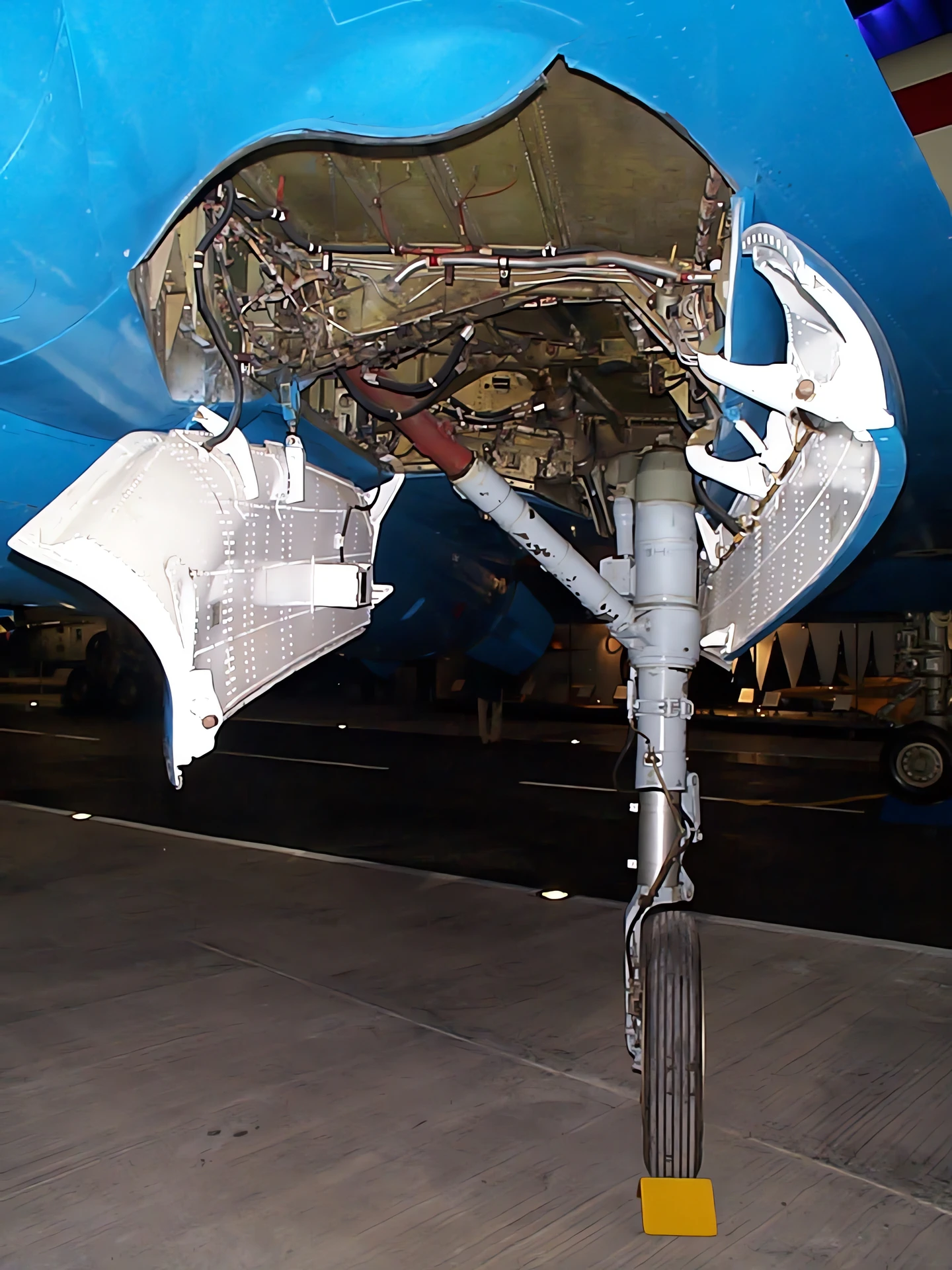
| BAC 221 Walk Around | |
|---|---|
| 사진 작가 | 하워드 메이슨 |
| 로컬라이제이션 | 함대 에어 암 박물관 |
| 사진 | 61 |
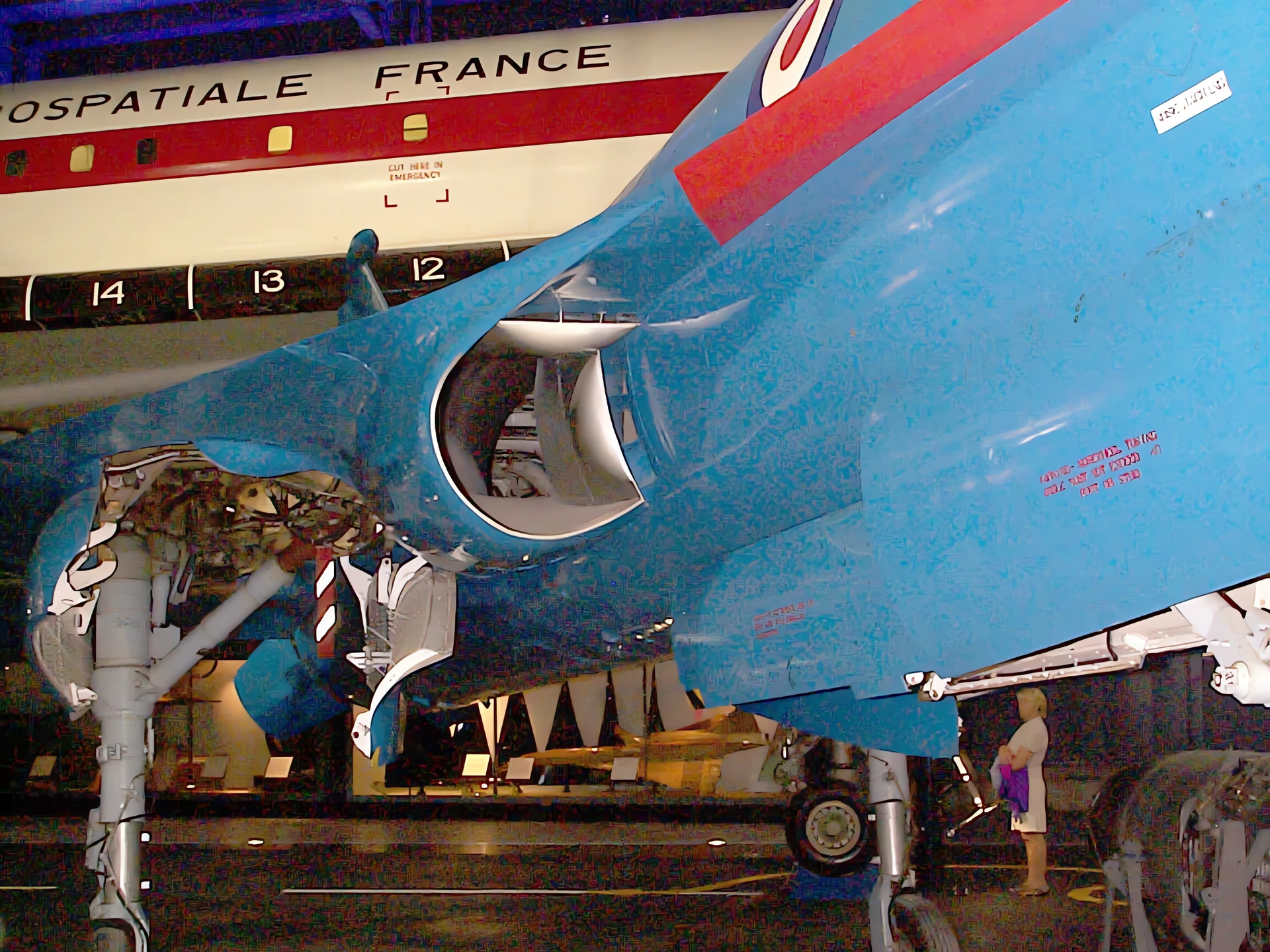
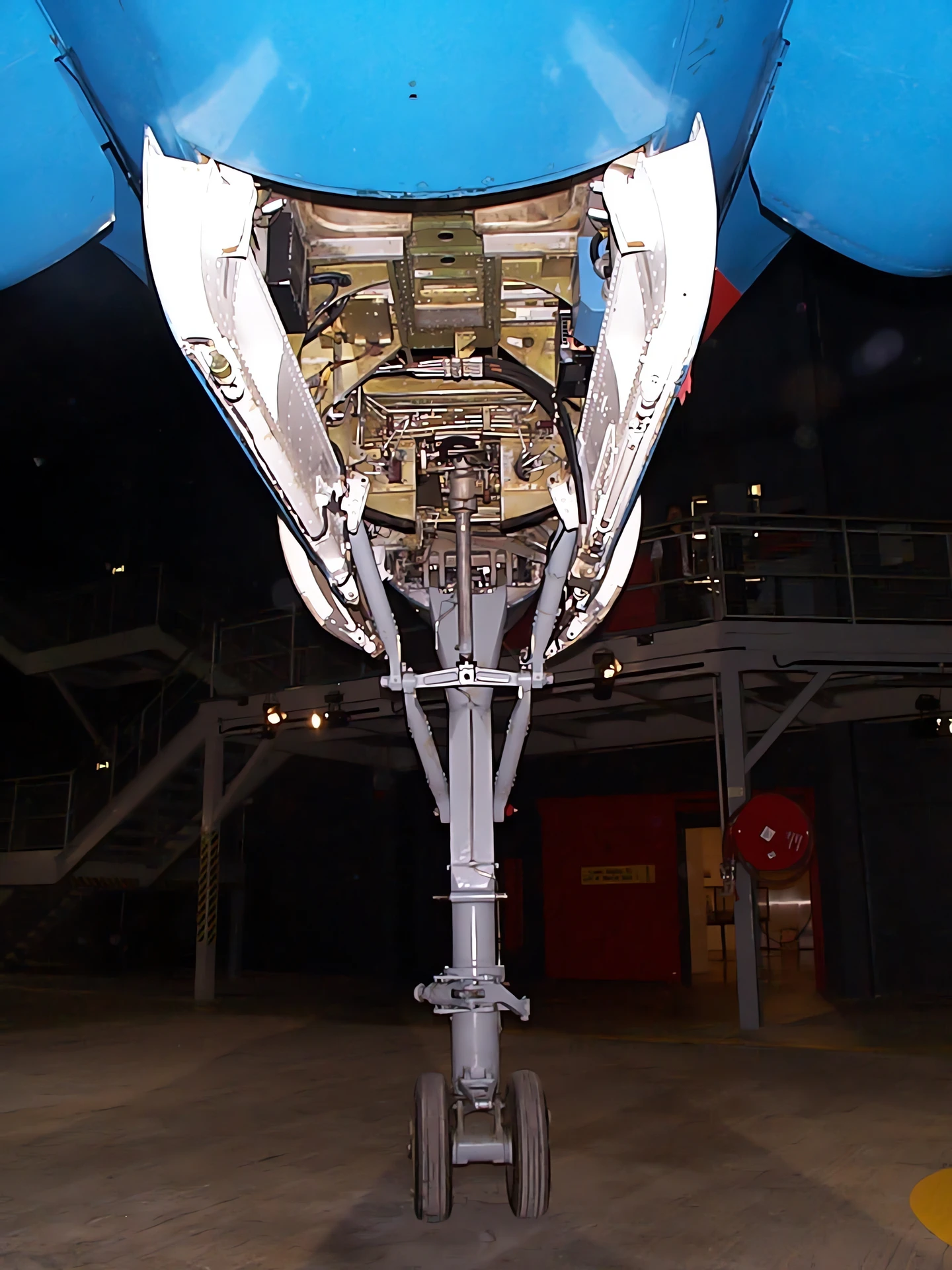
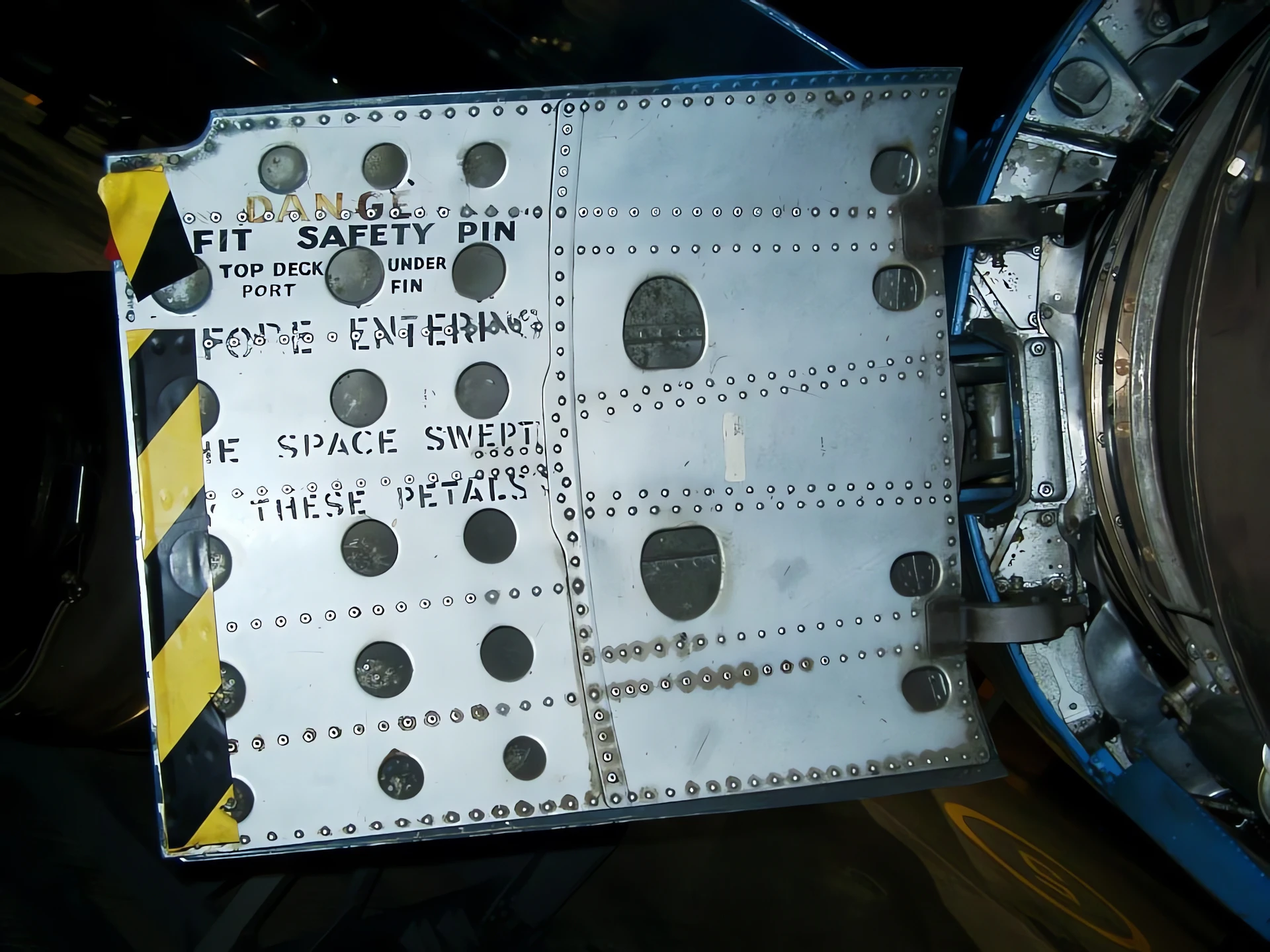
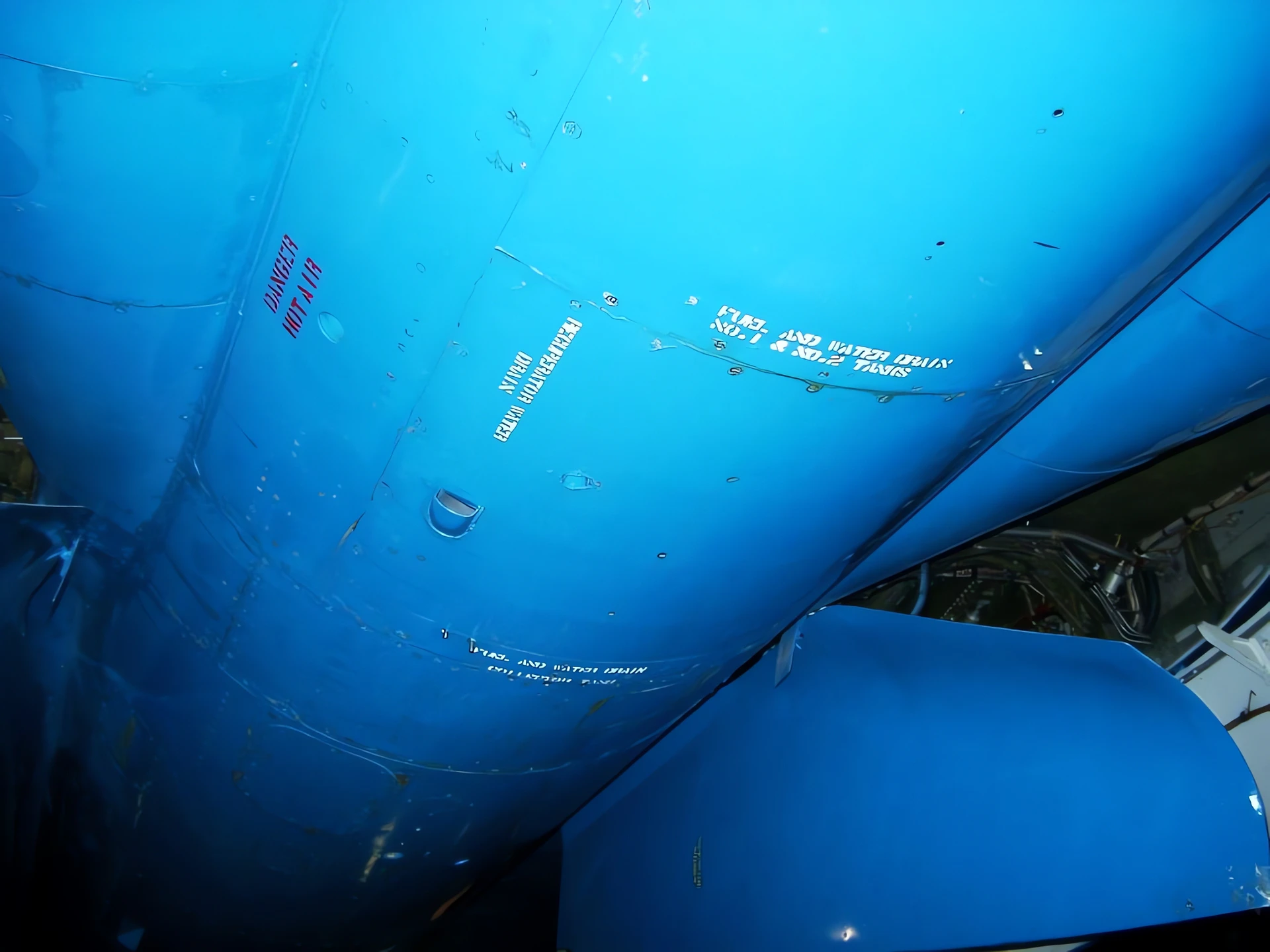


참고 항목:


| Fairey Delta FD2 Walk Around | |
|---|---|
| 사진 작가 | 마인더트 드 브리즈 |
| 로컬라이제이션 | Unknow |
| 사진 | 25 |
General Characteristics and Role
The BAC 221 was a highly specialized British research aircraft developed to support the Concorde supersonic transport program. It was not a “new” airframe from scratch, but rather a total reconstruction of the record-breaking Fairey Delta 2 (WG774). The primary objective of the BAC 221 was to investigate the aerodynamic behavior of the ogival (ogee) slender delta wing at high speeds. This specific wing shape was critical for Concorde’s success, balancing high-speed efficiency with manageable low-speed handling. The aircraft featured a significantly lengthened fuselage and a much taller landing gear to accommodate the high angles of attack required during landing.
| Property | Typical Value (BAC 221) |
|---|---|
| 형식 | Experimental Supersonic Research Aircraft |
| National Origin | 영국 |
| 제조업체 | British Aircraft Corporation (BAC) |
| First Flight (Rebuilt) | May 1, 1964 |
| 승무원 | 1 (Pilot) |
| 길이 | 17.56 m (57 ft 7 in) |
| 윙스 팬 | 7.62 m (25 ft 0 in) |
| 최대 속도 | Mach 1.65 (Approx. 1,700 km/h) |
Powerplant and Wing Design
- Engine: 1 x Rolls-Royce Avon RA.28R afterburning turbojet.
- Engine Thrust: 10,000 lbf dry / 14,000 lbf with reheat.
- Ogival Wing: The centerpiece of the modification, this “ogee” wing replaced the straight-tapered delta of the FD2 to mimic the planned planform for Concorde.
- Landing Gear: To handle the nose-high landing attitude of the slender delta, a completely new, taller undercarriage was fitted, utilizing components from the English Electric Lightning.
- Droop Nose: Retained and refined from the Fairey Delta 2, the entire cockpit and nose section could be tilted downwards to allow the pilot to see the runway during approach.
- Instrumentation: Equipped with extensive flight-test sensors and a camera mounted in a fin-tip fairing to record airflow patterns over the wing using wool tufts.
Service History and Preservation
- RAE Bedford: Following its maiden flight, the aircraft was delivered to the Royal Aircraft Establishment (RAE) at Bedford, where it conducted nearly a decade of high-speed trials.
- Flight Research: While the Handley Page HP.115 tested the low-speed characteristics of the delta wing, the BAC 221 provided the vital supersonic data needed to finalize the Concorde’s flight control systems.
- Retirement: The aircraft was retired in 1973 after the Concorde prototypes had already begun their own successful test flights.
- Current Status: Today, the BAC 221 is preserved and on display at the Fleet Air Arm Museum in Yeovilton, Somerset. It is positioned directly alongside the British Concorde prototype (G-BSST), allowing visitors to see the direct evolution of the wing design.
전망 : 2096