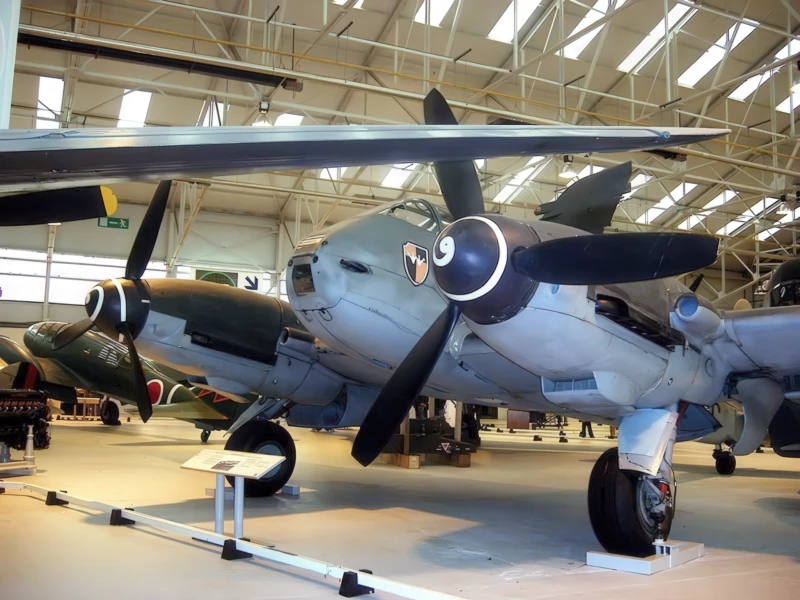
Messerschmitt Me 410 |
|
|---|---|
| Paese | Germania |
| Ruolo | Caccia pesante, cacciabombardiere |
| Primo volo | 14 marzo 1942 |
| Costruito | 1189 |
Le Messerschmitt Me 410 Hornisse ("Hornet") era un caccia pesante tedesco e Schnellbomber utilizzato dalla Luftwaffe durante la seconda guerra mondiale. Sebbene fosse essenzialmente un miglioramento incrementale del Me 210, aveva un nuovo piano alare, una fusoliera più lunga e motori di maggiore potenza. I cambiamenti furono abbastanza significativi da essere designati Me 410.
fonte: Messerschmitt Me 410 su Wikipedia
| Cosford Me 410 Walk Around | |
|---|---|
| Fotografo | Tony Taylor |
| Localizzazione | Cosford · |
| Foto | 51 |
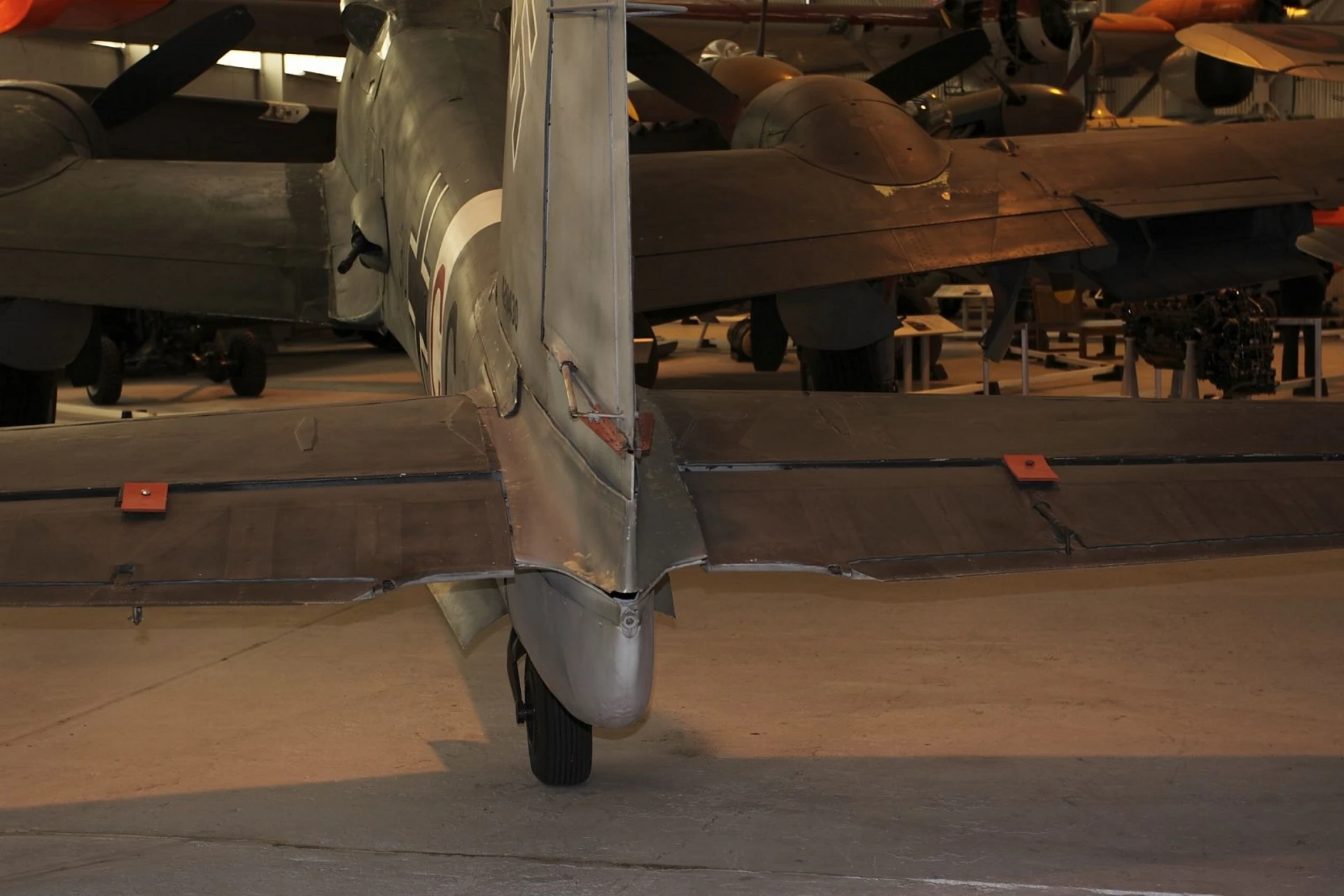
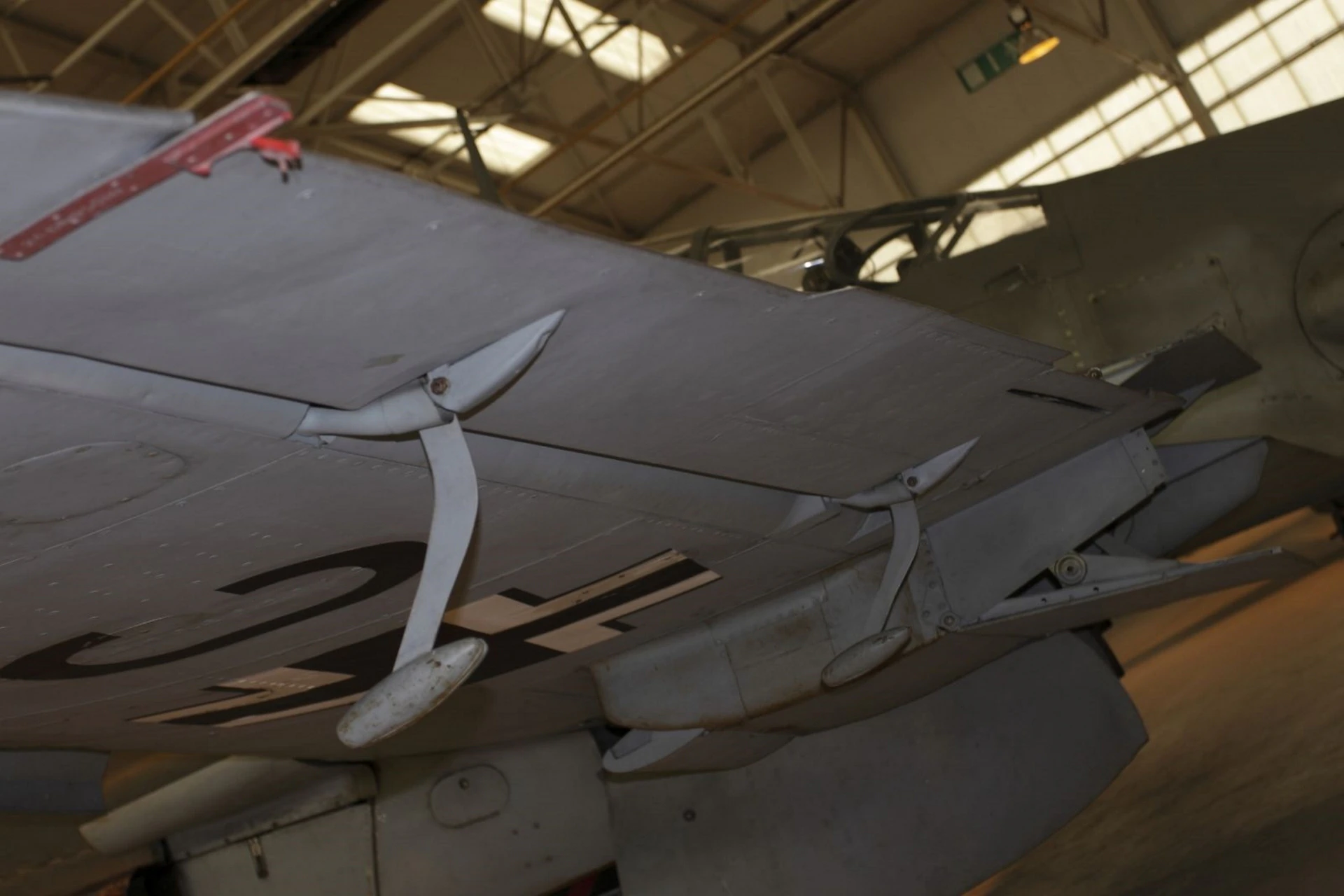
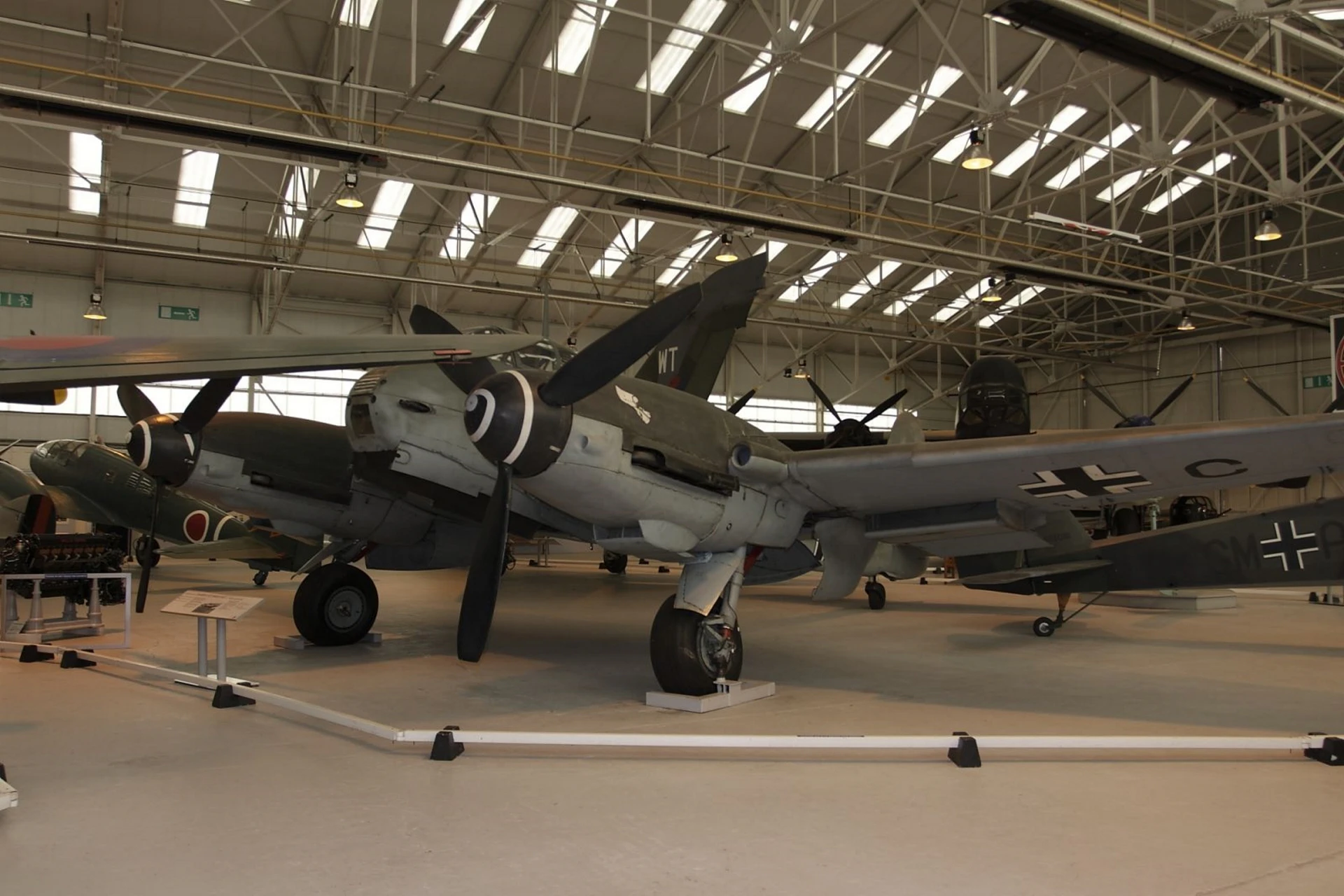
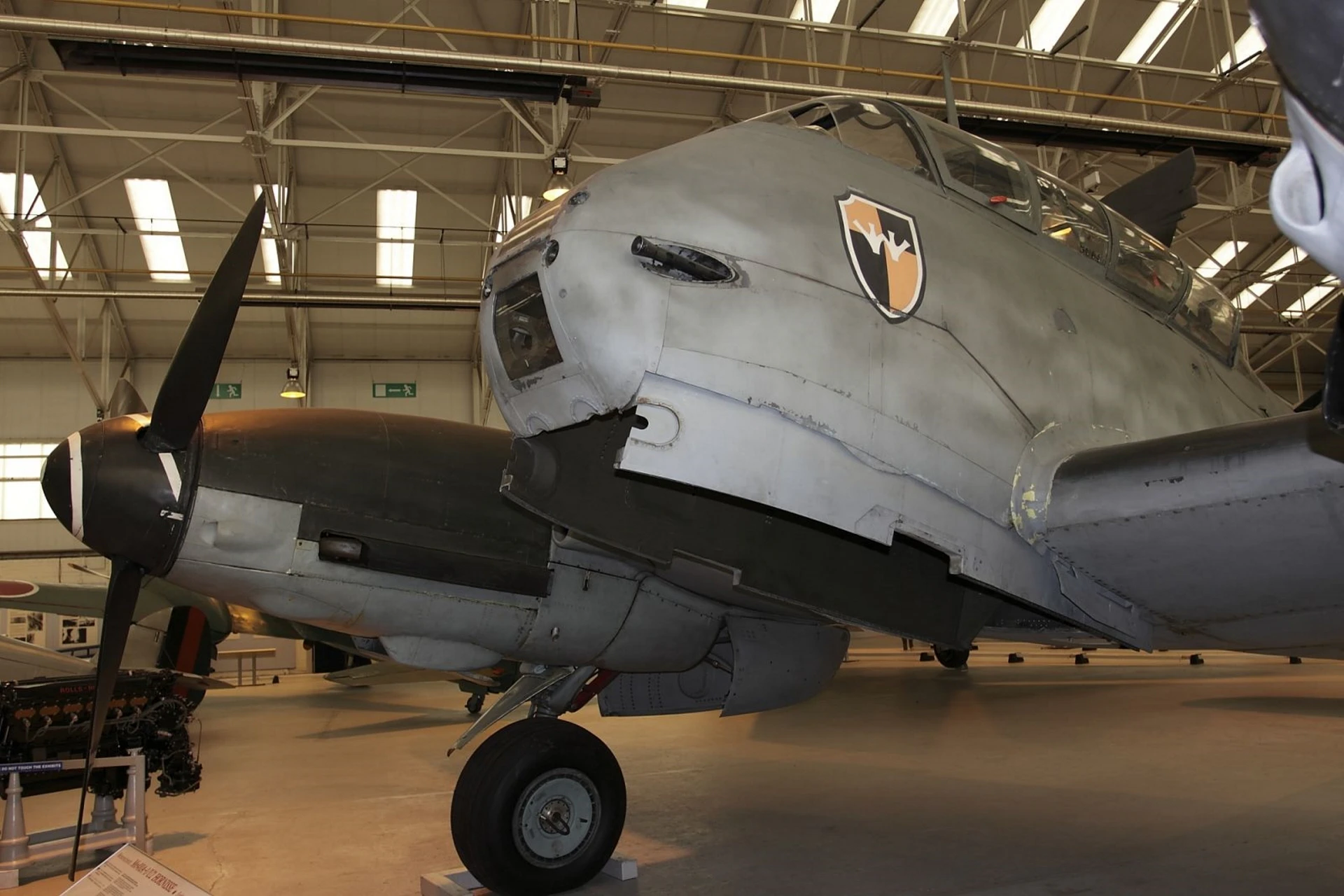
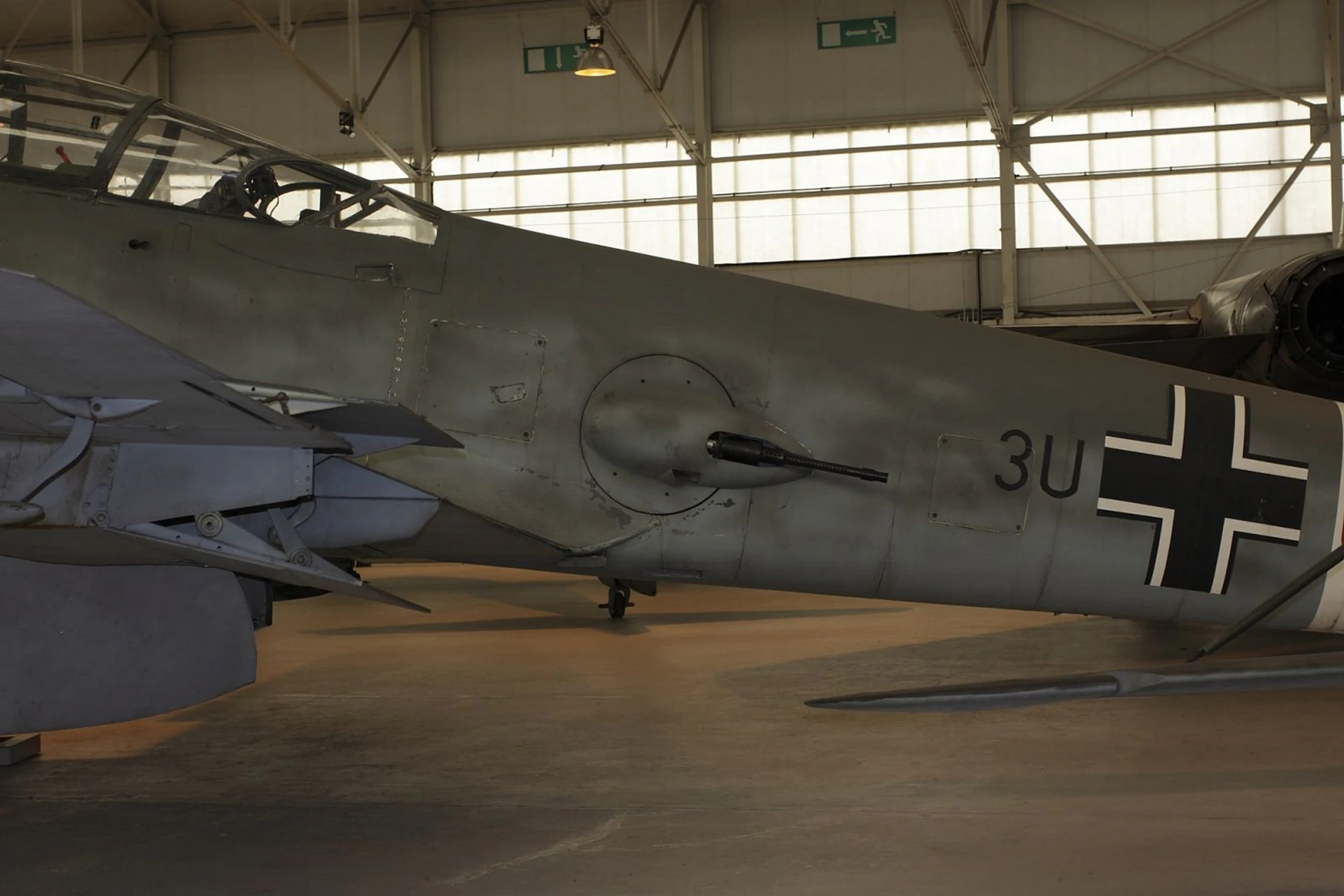
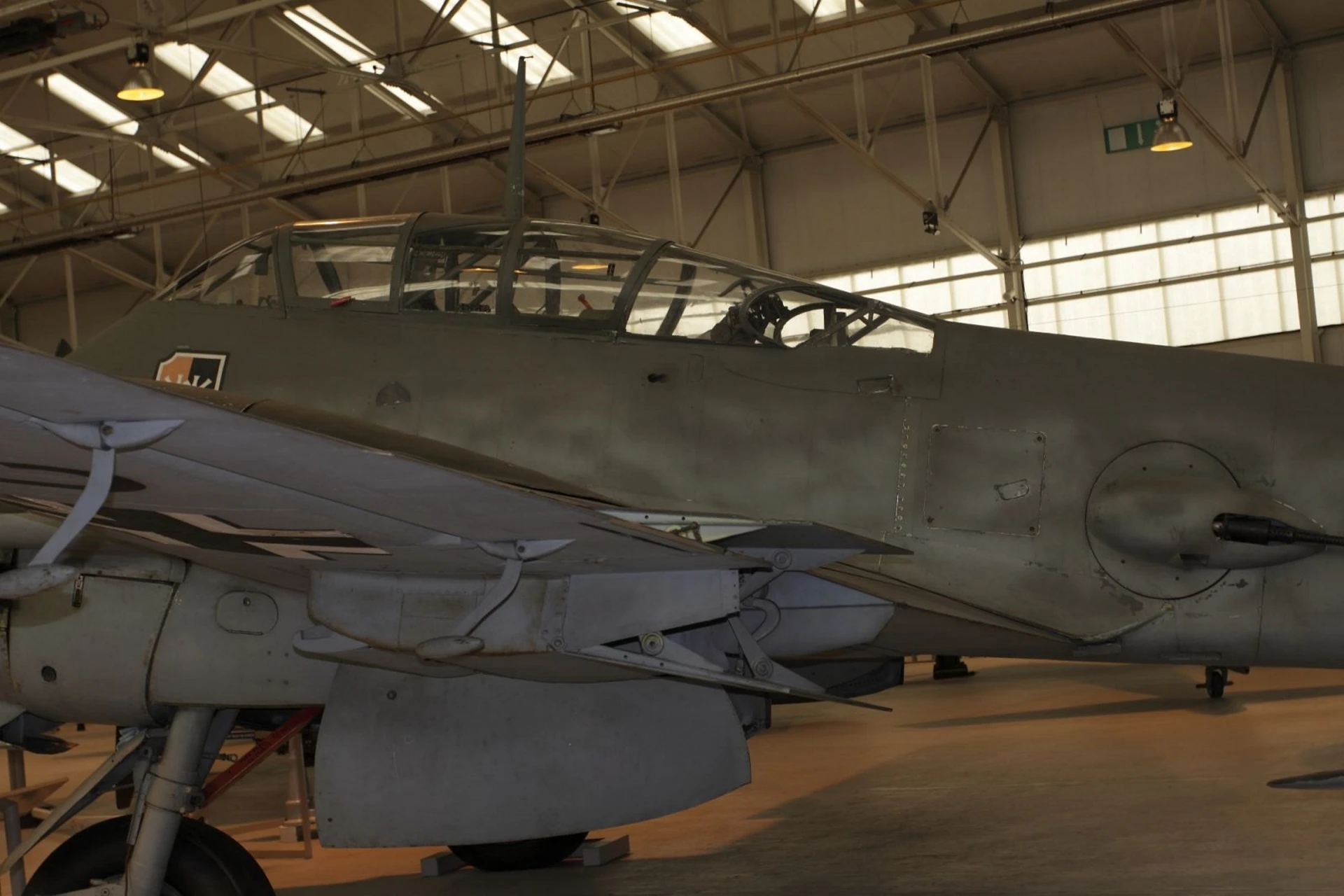
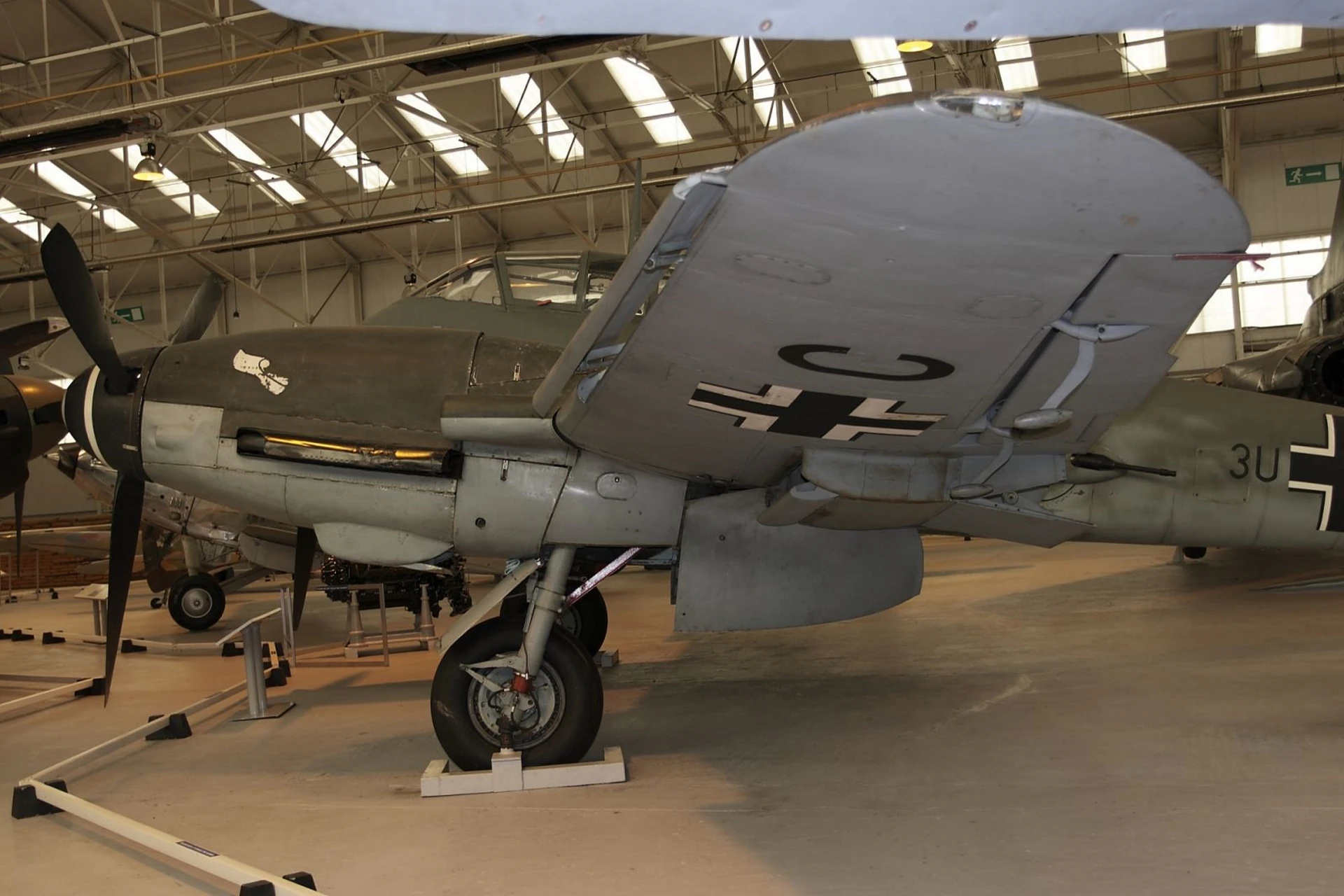
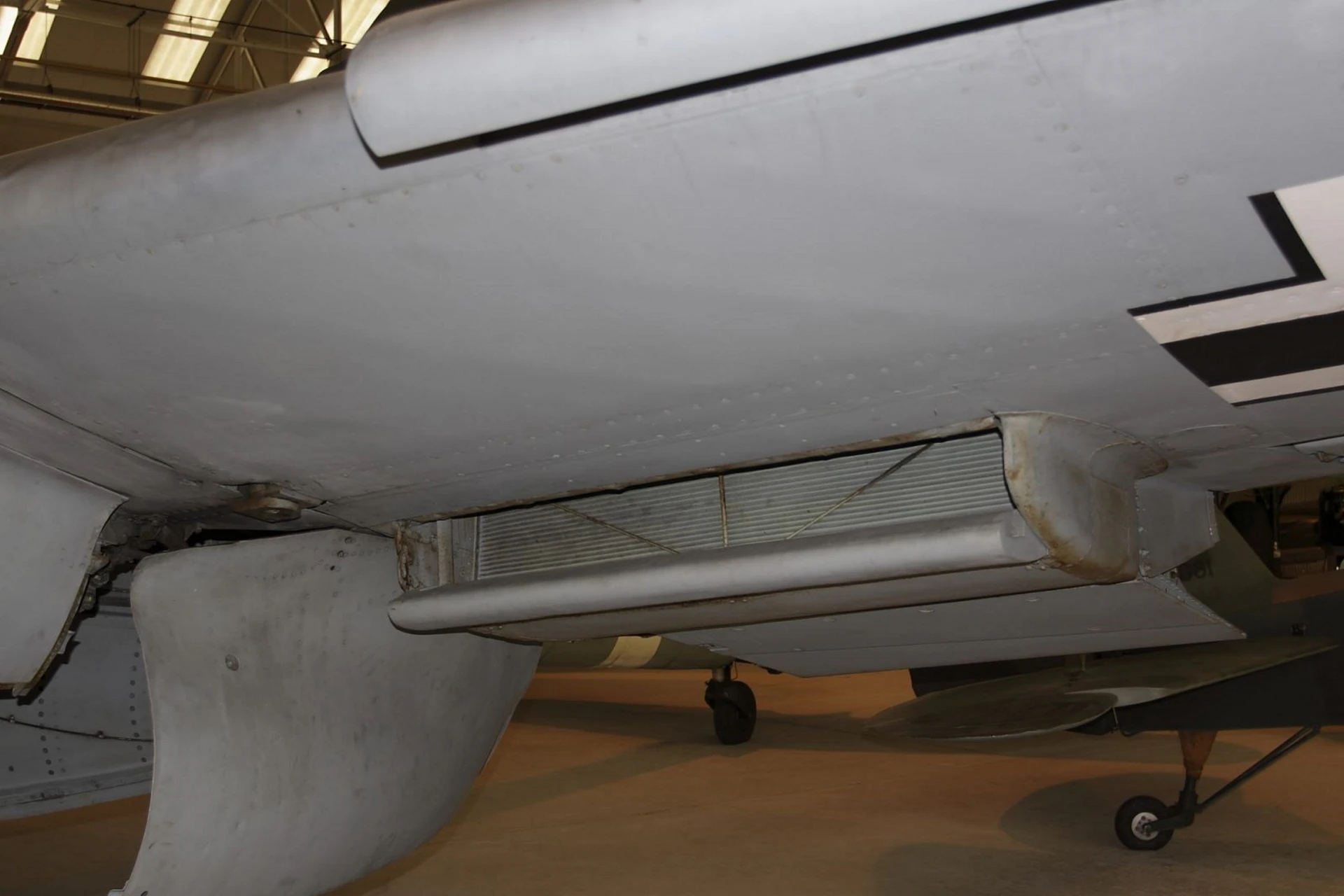
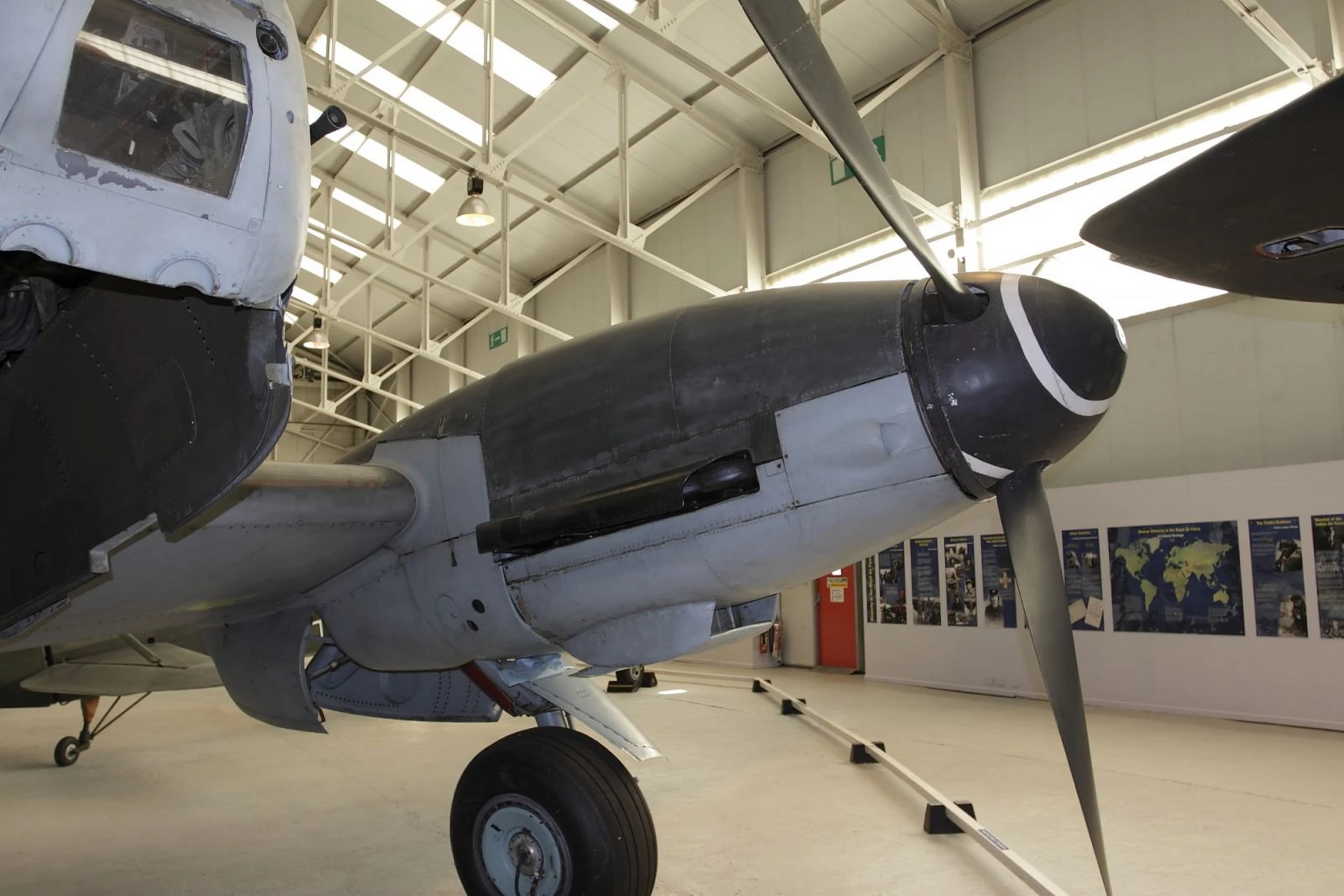

Vedi anche:


| Messerschmitt Me.410 Hornisse Walk Around | |
|---|---|
| Fotografi | Meindert de Vreeze |
| Localizzazione | Inconsapevole |
| Foto | 50 |
General Characteristics and Role
The Messerschmitt Me 410 Hornisse was a heavy fighter and fast bomber developed to replace the ill-fated Me 210. By lengthening the fuselage and installing more powerful engines, Messerschmitt created a stable and potent platform capable of multiple roles, including bomber interception, reconnaissance, and ground attack. The specific aircraft preserved at RAF Museum Cosford (Wk Nr 420430) is an A-1/U2 variant, representing the Zerstörer or destroyer configuration. This version was designed to break up Allied bomber formations with overwhelming forward-firing armament. It remains the only complete Me 410 on public display in the world, serving as a rare survivor of the Luftwaffe’s twin-engine heavy fighter force.
| Property | Typical Value (Me 410 A-1/U2) |
|---|---|
| digitare | Heavy Fighter / Bomber Destroyer |
| National Origin | Germania |
| Produttore | Messerschmitt AG |
| Entered Service | 1943 |
| Equipaggio | 2 (Pilot and Navigator/Gunner) |
| Lunghezza | 12.48 m (40 ft 11 in) |
| Apertura alare | 16.35 m (53 ft 7 in) |
| Max Takeoff Weight | 9,650 kg (21,276 lb) |
Powerplant and Armament Systems
- Engines: 2 x Daimler-Benz DB 603A inverted V12 liquid-cooled engines. These engines provided the necessary power to overcome the handling flaws of its predecessor.
- Engine Power: 1,750 hp (1,305 kW) each at takeoff.
- Maximum Speed: 624 km/h (388 mph) at altitude.
- Nose Armament: 2 x 20 mm MG 151/20 cannons and 2 x 7.92 mm MG 17 machine guns mounted fixed in the nose.
- U2 Conversion Kit: The /U2 designation signifies the addition of a WB 151 weapons container in the bomb bay, adding 2 more 20 mm MG 151/20 cannons for a total of four 20 mm forward-firing cannons.
- Defensive Barbettes: 2 x 13 mm MG 131 machine guns mounted in unique, remote-controlled FDSL 131/1B rotating turrets on the sides of the fuselage. These were aimed by the rear gunner using a specialized reflector sight.
- Cockpit: Features a heavily glazed canopy providing the pilot with excellent visibility, while the rear gunner operated a complex set of controls to manage the defensive barbettes.
Service History and the Cosford Survivor
- Bomber Defense: The Me 410 was most famous for attacking USAAF B-17 and B-24 formations. While dangerous to bombers, it was vulnerable to P-51 Mustang and P-47 Thunderbolt escorts.
- Capture History: The Cosford aircraft, Werk Nummer 420430, was surrendered to British forces at Vaerlose, Denmark, in May 1945. It was one of several examples taken to the UK for evaluation.
- Unit Markings: The aircraft is displayed in the markings of II./ZG 26 Horst Wessel (3U+CC), a unit that operated the type in the Balkans and Italy before the end of the war.
- Restoration at Cosford: In the late 1980s, museum staff successfully restored the aircraft’s DB 603 engines to running condition, making it one of the few high-performance German aircraft of the era to have functional engines post-war.
- Legacy: As the only surviving intact Me 410, it provides historians and enthusiasts a unique look at the advanced remote-weaponry technology that Germany attempted to pioneer during the conflict.
Visualizzazioni : 5920
Puoi anche vedere:
 Messerschmitt Me-108 Taifun – Foto e Video
 Messerschmitt Bf 110 – Foto e Video
 Messerschmitt Me208 – Foto e video
 HA-1112-M1L Buchon - Passeggiata
 Messerschmitt Bf 109G - WalkAround
 Messerschmitt Me 163B - WalkAround
 Messerschmitt Bf 109G-2 - Passeggiata
 Messerschmitt Bf 109G-6 - Passeggiata
 Messerschmitt Me-109E - Cammina
 Messerschmitt Bf 109G-4 Rot 7 - Passeggiata