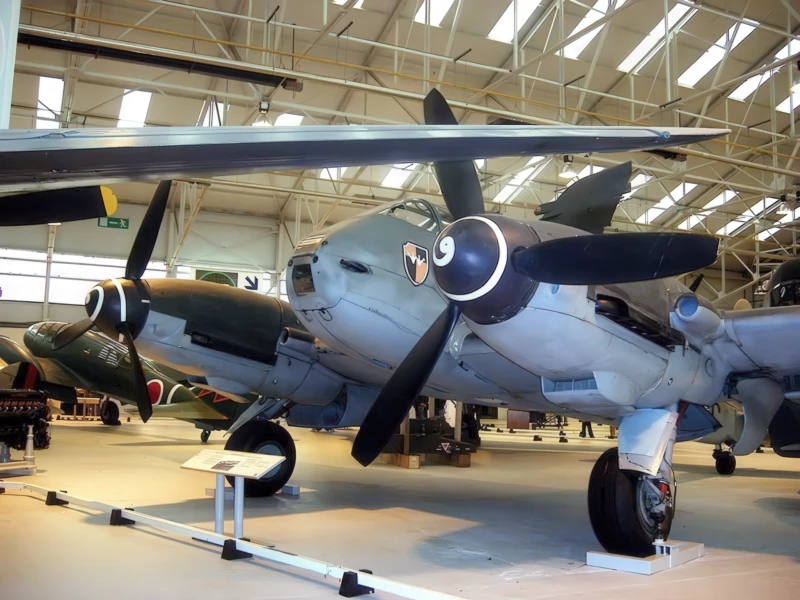
Messerschmitt Me 410 |
|
|---|---|
| Riik | Saksamaa |
| Rolli | Raske hävitaja, hävitaja-pommitaja |
| Esimene lend | 14. märts 1942 |
| Ehitatud | 1189 |
2007 Messerschmitt Me 410 Hornisse ("Hornet") oli Saksa raskehävitaja ja Schnellbomber, mida kasutas Luftwaffe Teise maailmasõja ajal. Kuigi see oli sisuliselt Me 210 järkjärguline täiustus, oli sellel uus tiivaplaan, pikem kere ja suurema võimsusega mootorid. Muudatused olid piisavalt olulised, et neid nimetada Me 410-ks.
Allikas: Messerschmitt Me 410 Vikipeedias
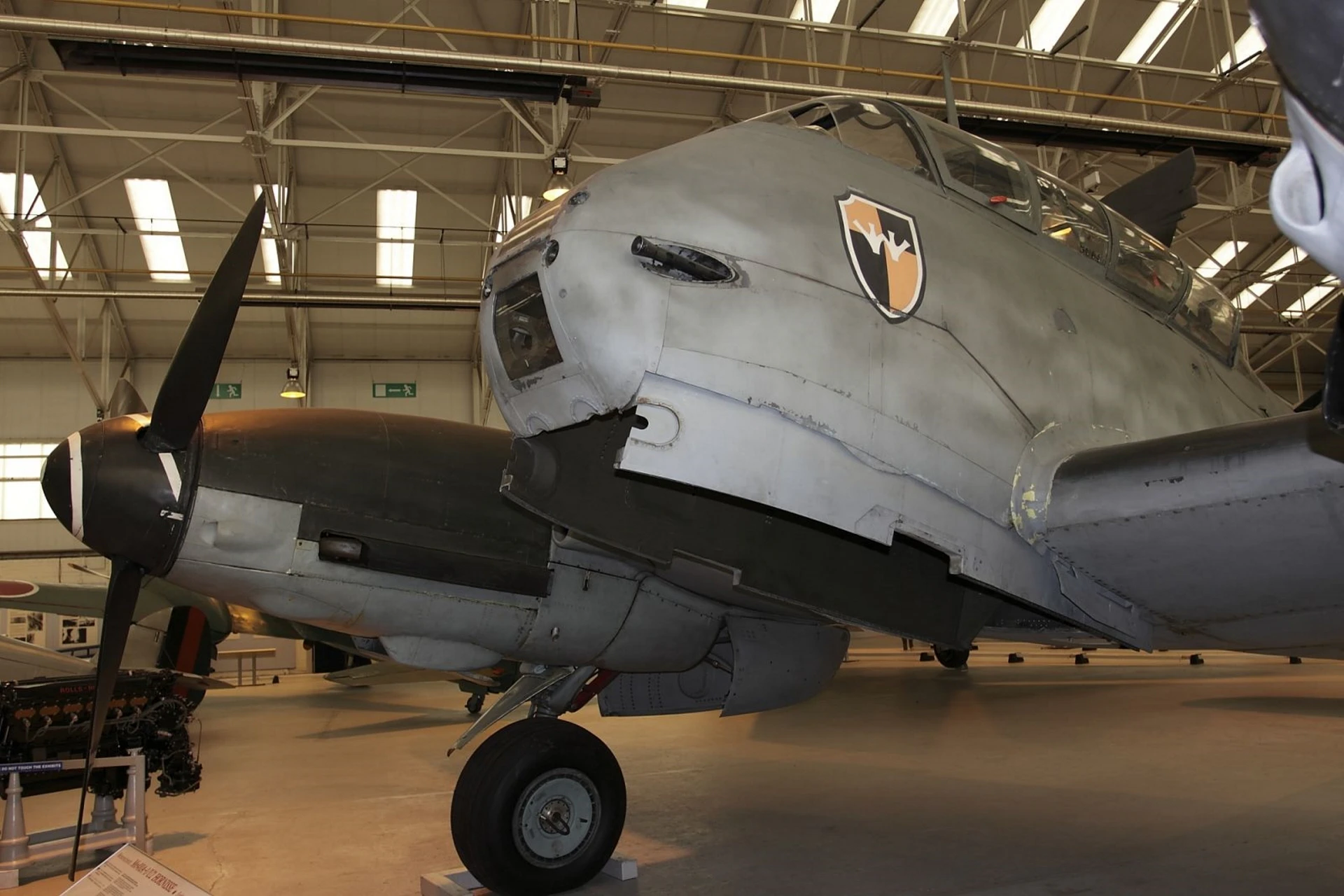
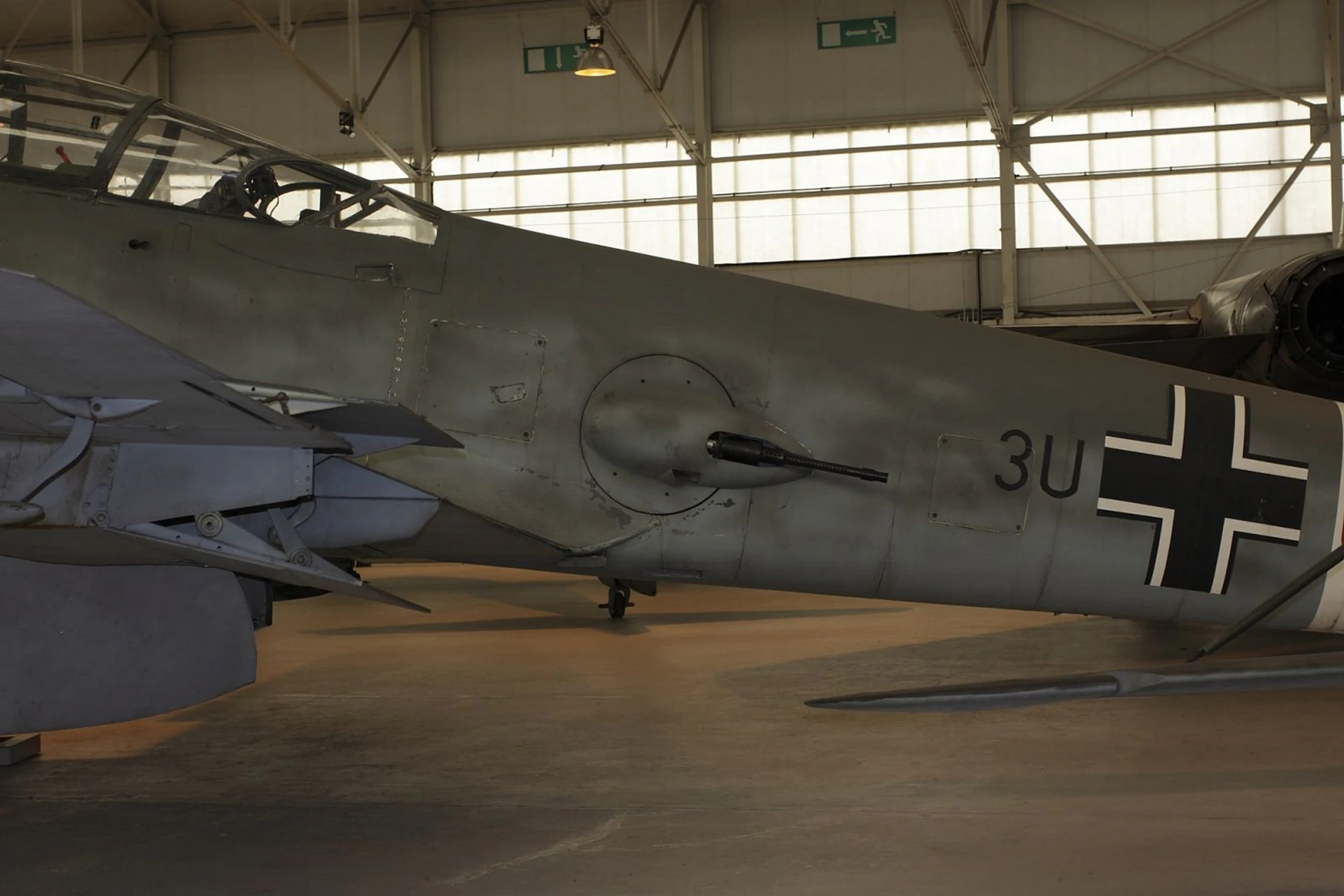
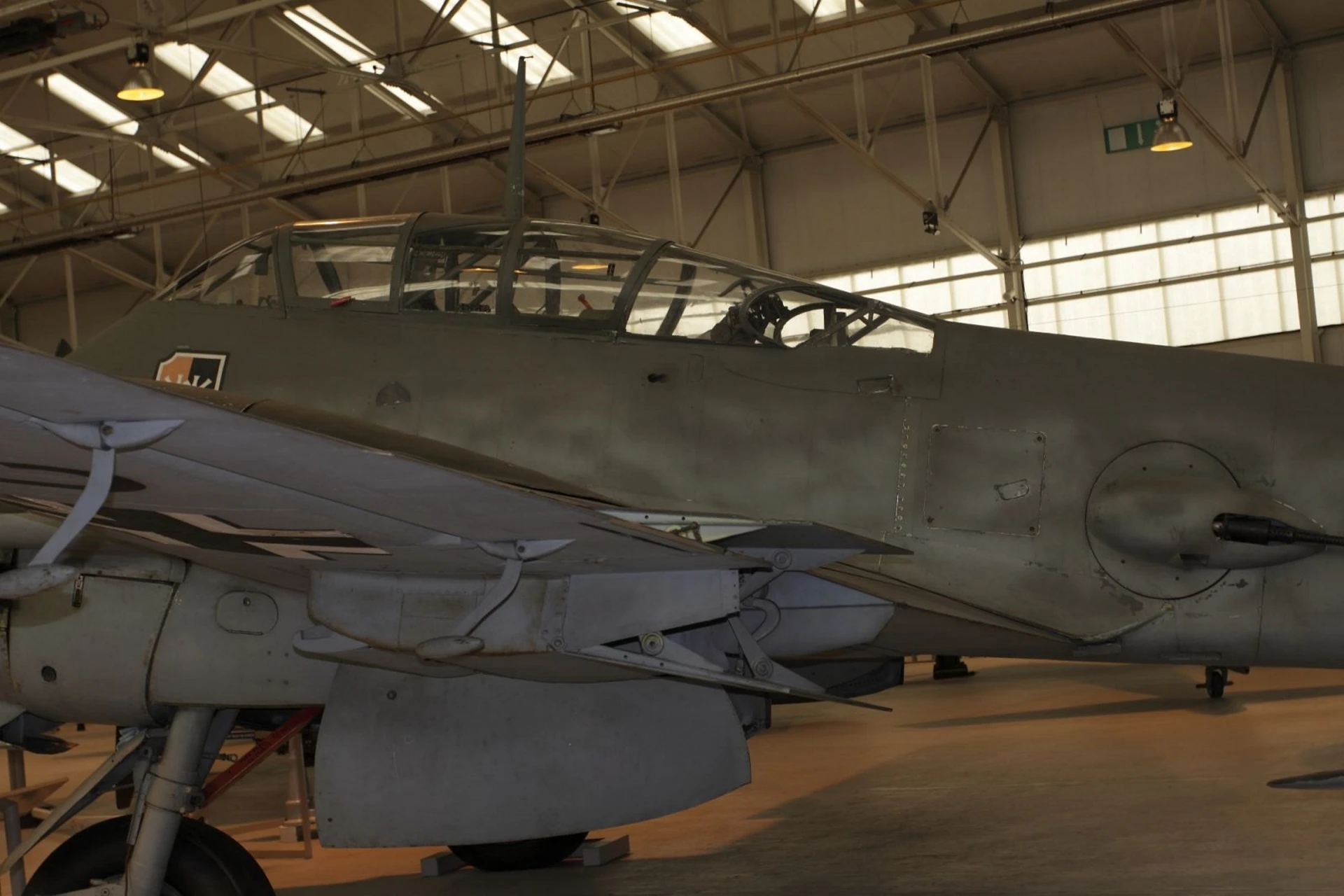
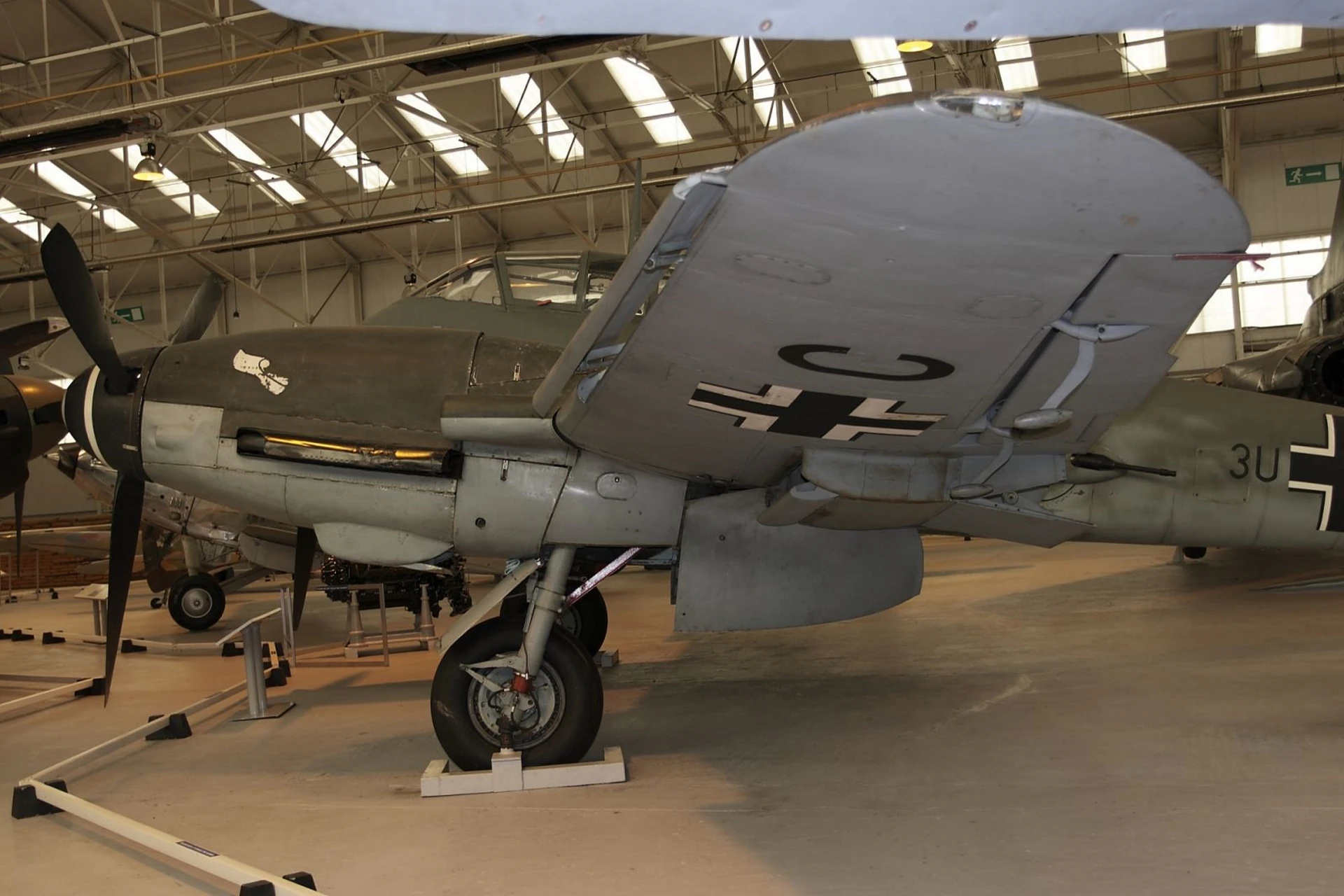
| Cosford Me 410 Walk Around | |
|---|---|
| Fotograaf | Tony Taylor |
| Lokaliseerimine | Cosford |
| Fotod | 51 |
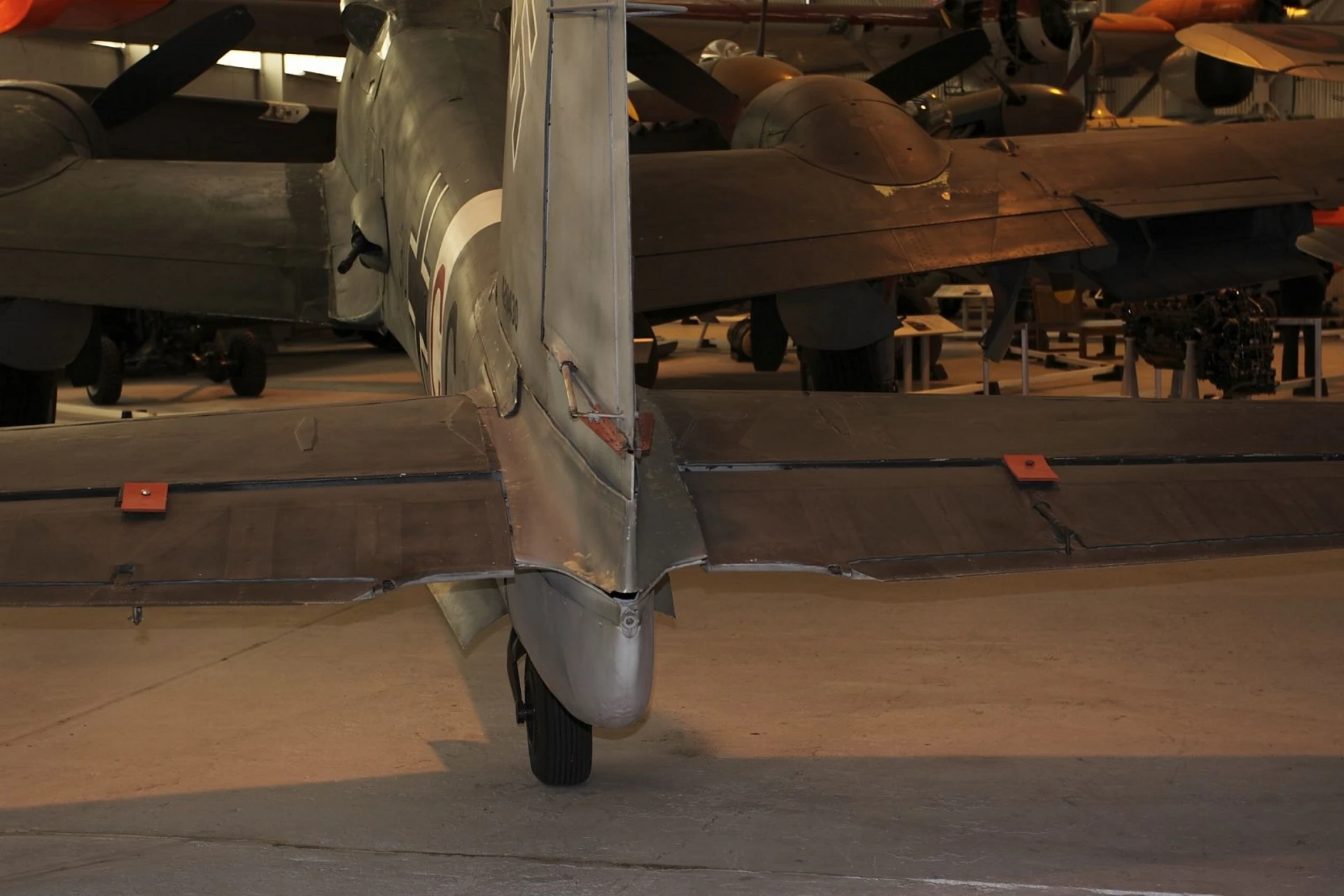
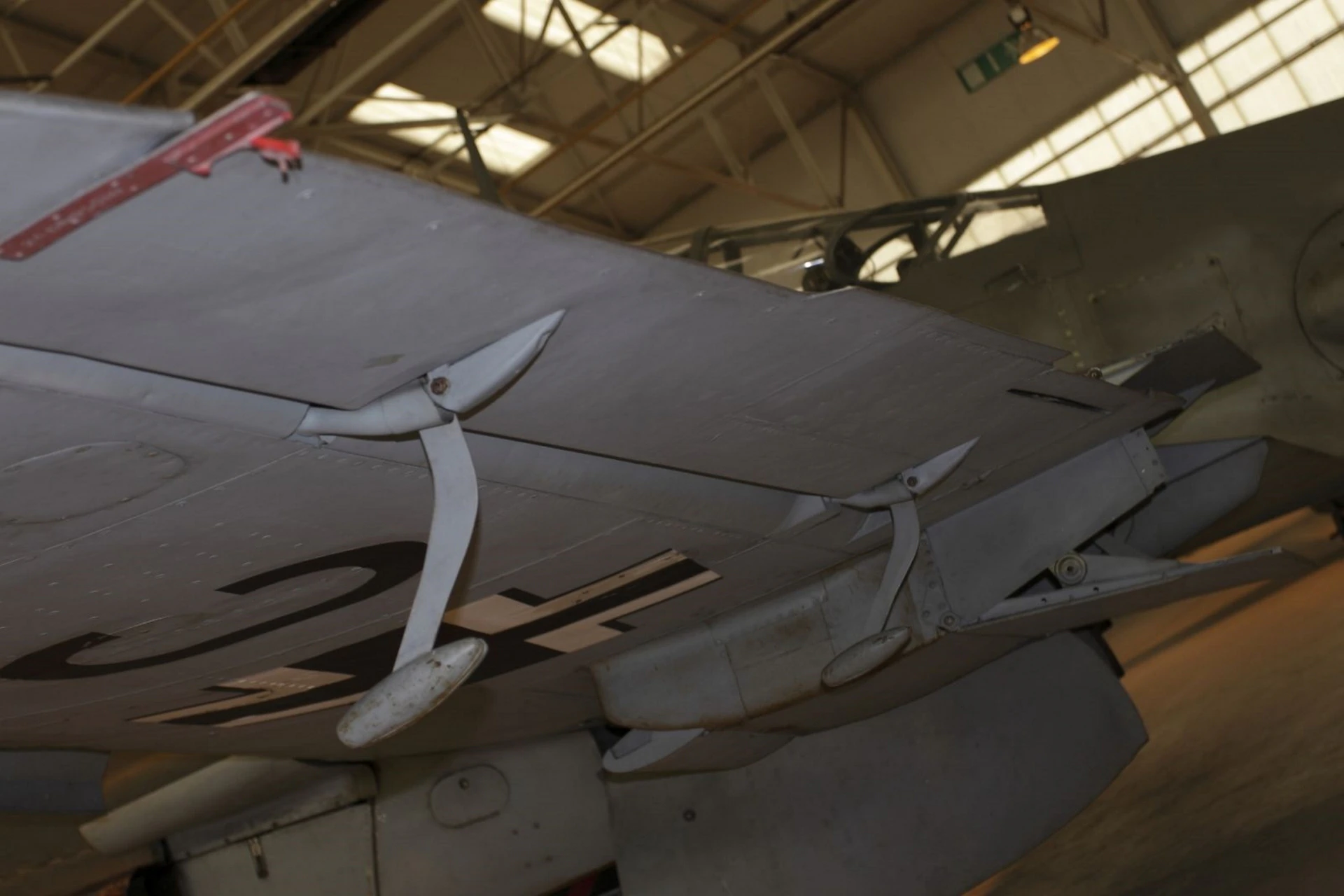
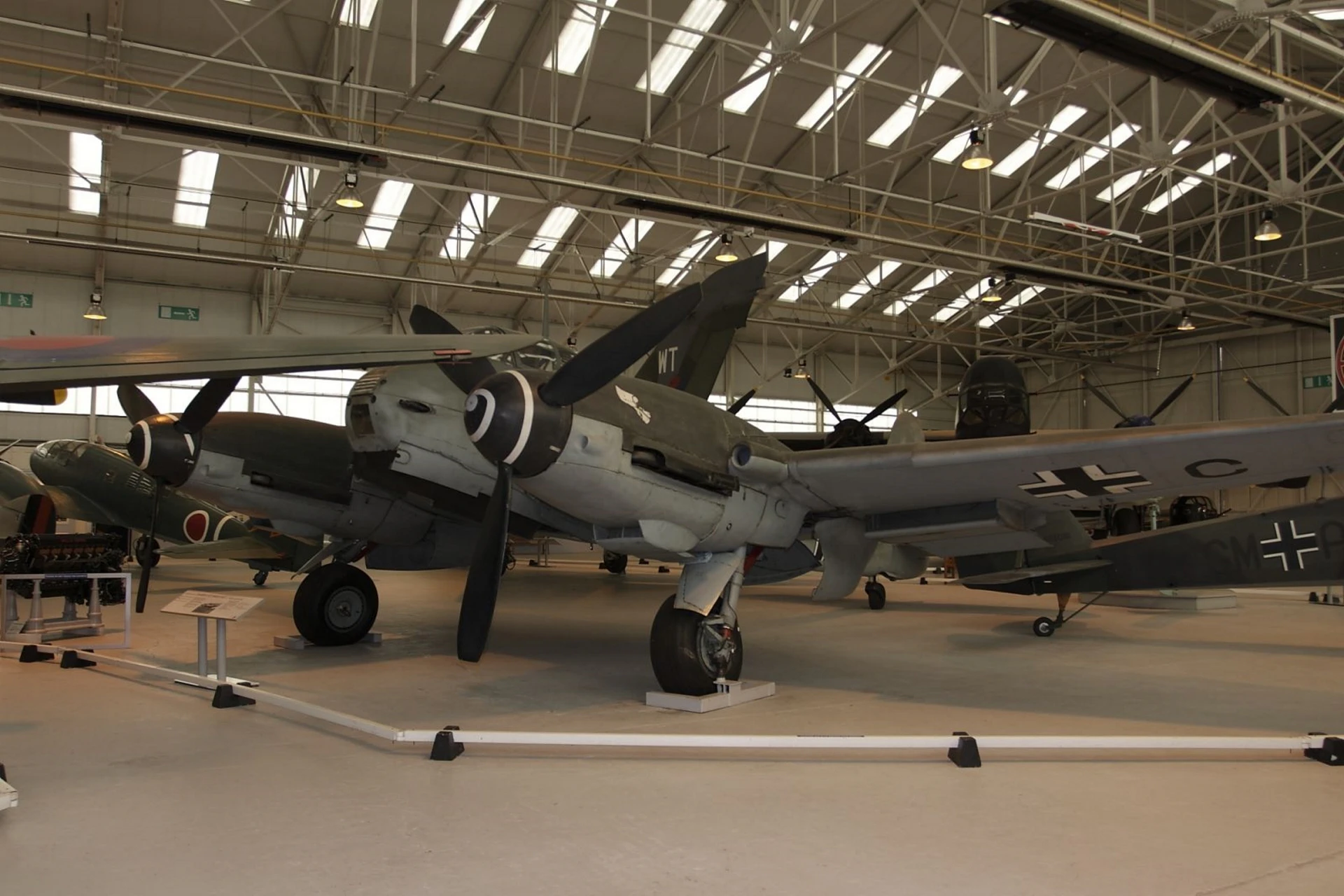
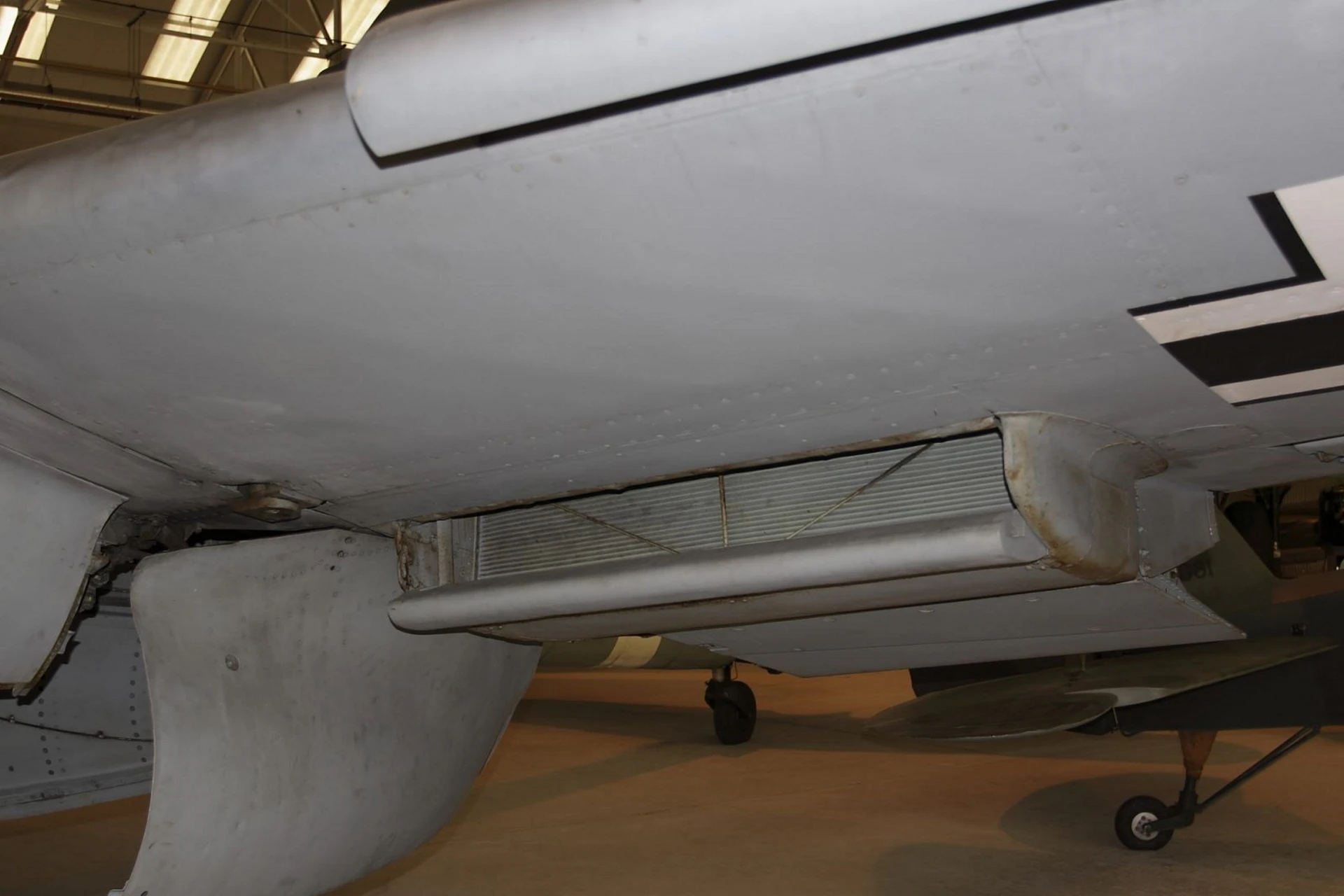
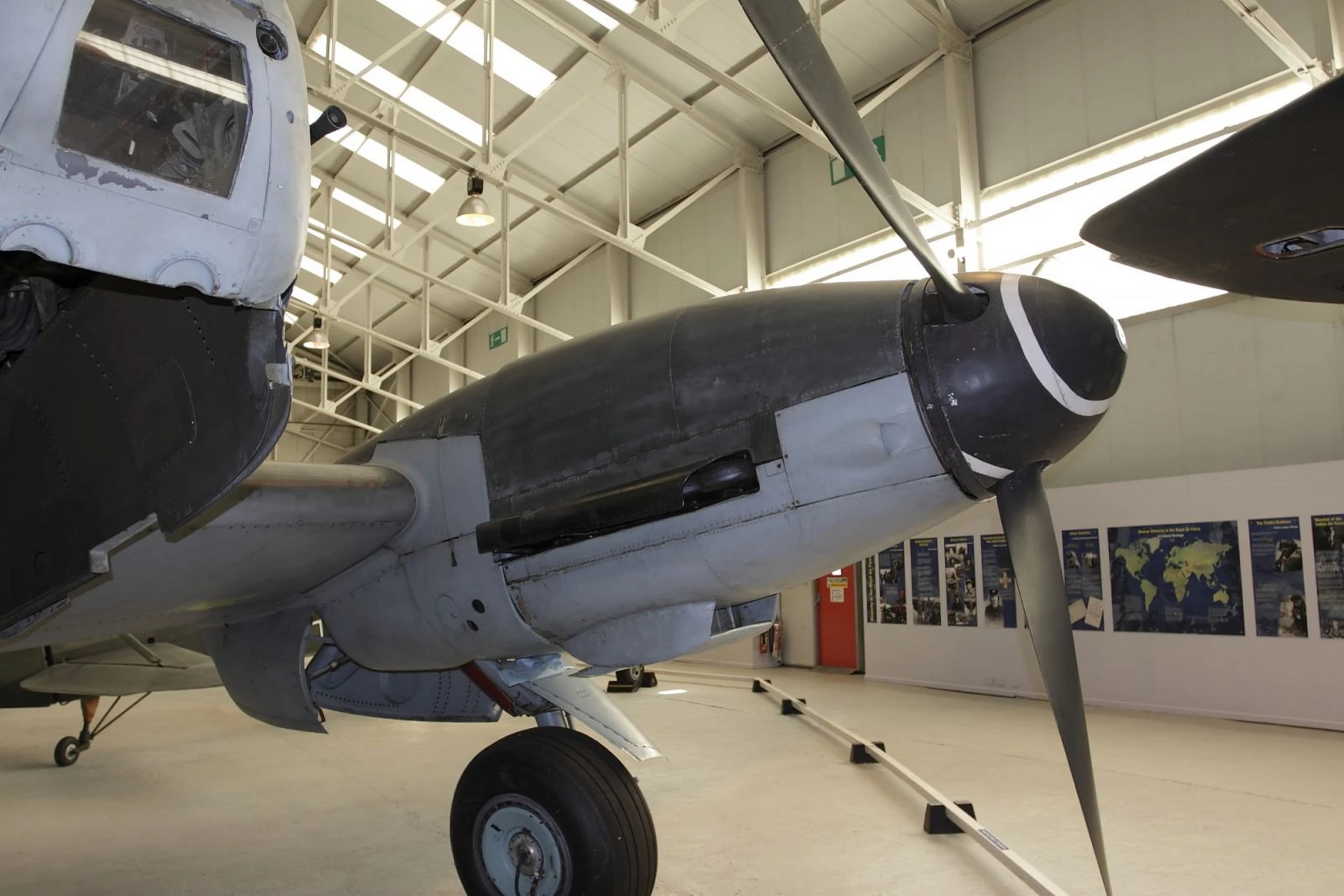

Vaata ka:


| Messerschmitt Me.410 Hornisse Walk Around | |
|---|---|
| Fotograafid | Meindert de Vreeze |
| Lokaliseerimine | Teadmata |
| Fotod | 50 |
General Characteristics and Role
The Messerschmitt Me 410 Hornisse was a heavy fighter and fast bomber developed to replace the ill-fated Me 210. By lengthening the fuselage and installing more powerful engines, Messerschmitt created a stable and potent platform capable of multiple roles, including bomber interception, reconnaissance, and ground attack. The specific aircraft preserved at RAF Museum Cosford (Wk Nr 420430) is an A-1/U2 variant, representing the Zerstörer or destroyer configuration. This version was designed to break up Allied bomber formations with overwhelming forward-firing armament. It remains the only complete Me 410 on public display in the world, serving as a rare survivor of the Luftwaffe’s twin-engine heavy fighter force.
| Property | Typical Value (Me 410 A-1/U2) |
|---|---|
| Tüüp | Heavy Fighter / Bomber Destroyer |
| National Origin | Saksamaa |
| Tootja | Messerschmitt AG |
| Entered Service | 1943 |
| Meeskonna | 2 (Pilot and Navigator/Gunner) |
| pikkus | 12.48 m (40 ft 11 in) |
| Tiibade siruulatus | 16.35 m (53 ft 7 in) |
| Max Takeoff Weight | 9,650 kg (21,276 lb) |
Powerplant and Armament Systems
- Engines: 2 x Daimler-Benz DB 603A inverted V12 liquid-cooled engines. These engines provided the necessary power to overcome the handling flaws of its predecessor.
- Engine Power: 1,750 hp (1,305 kW) each at takeoff.
- Maximum Speed: 624 km/h (388 mph) at altitude.
- Nose Armament: 2 x 20 mm MG 151/20 cannons and 2 x 7.92 mm MG 17 machine guns mounted fixed in the nose.
- U2 Conversion Kit: The /U2 designation signifies the addition of a WB 151 weapons container in the bomb bay, adding 2 more 20 mm MG 151/20 cannons for a total of four 20 mm forward-firing cannons.
- Defensive Barbettes: 2 x 13 mm MG 131 machine guns mounted in unique, remote-controlled FDSL 131/1B rotating turrets on the sides of the fuselage. These were aimed by the rear gunner using a specialized reflector sight.
- Cockpit: Features a heavily glazed canopy providing the pilot with excellent visibility, while the rear gunner operated a complex set of controls to manage the defensive barbettes.
Service History and the Cosford Survivor
- Bomber Defense: The Me 410 was most famous for attacking USAAF B-17 and B-24 formations. While dangerous to bombers, it was vulnerable to P-51 Mustang and P-47 Thunderbolt escorts.
- Capture History: The Cosford aircraft, Werk Nummer 420430, was surrendered to British forces at Vaerlose, Denmark, in May 1945. It was one of several examples taken to the UK for evaluation.
- Unit Markings: The aircraft is displayed in the markings of II./ZG 26 Horst Wessel (3U+CC), a unit that operated the type in the Balkans and Italy before the end of the war.
- Restoration at Cosford: In the late 1980s, museum staff successfully restored the aircraft’s DB 603 engines to running condition, making it one of the few high-performance German aircraft of the era to have functional engines post-war.
- Legacy: As the only surviving intact Me 410, it provides historians and enthusiasts a unique look at the advanced remote-weaponry technology that Germany attempted to pioneer during the conflict.
Views : 6013
Näete ka :
 Messerschmitt Me-108 Taifun – fotod ja video
 Messerschmitt Bf 110 - fotod ja video
 Messerschmitt Me208 - fotod ja video
 HA-1112-M1L Buchon – jaluta ringi
 Messerschmitt Bf 109G – WalkAround
 Messerschmitt Me 163B – WalkAround
 Messerschmitt Bf 109G-2 – Jalutada
 Messerschmitt Bf 109G-6 – Jalutada
 Messerschmitt Me-109E – kõnni ringi
 Messerschmitt Bf 109G-4 Rot 7 – Jalutada