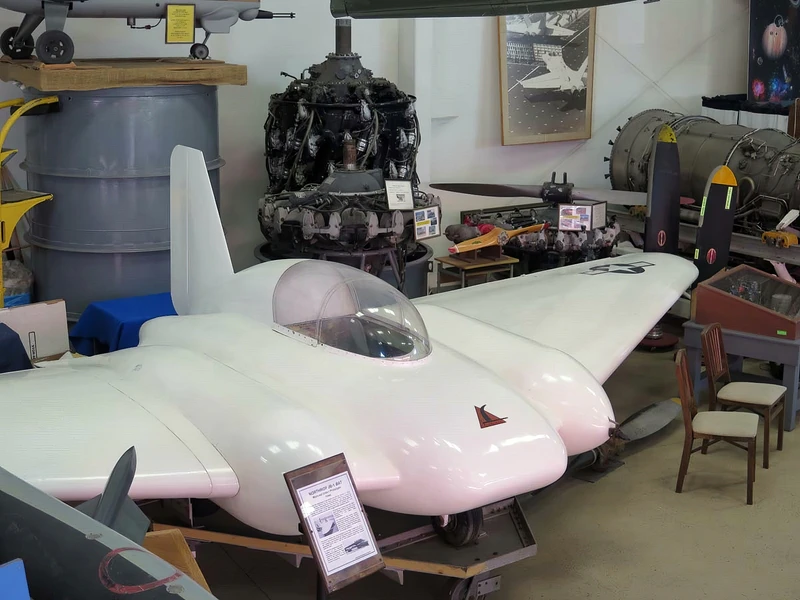
Northrop JB-1 Bat | |
|---|---|
| País | E.e.u.u |
| Papel | Prototipo de ala voladora a reacción |
| Primera mosca | 27 de agosto de 1943 |
| Construido | Unknow |
el Northrop JB-1 "Bat" fue un misil de crucero tierra-superficie de los Estados Unidos que era un prototipo de ala voladora a reacción. El programa MX-543 de las Fuerzas Aéreas del Ejército de los Estados Unidos se inició en septiembre de 1942 para utilizar versiones construidas bajo licencia del motor a reacción de Frank Whittle (General Electric J31). La Northrop Corporation fue contratada a finales de 1943, y sólo se construyeron 10 fuselajes JB-1. Una versión tripulada fue remolcada para el 1er vuelo el "27 de agosto de 1943", desde Rogers Dry Lake y una versión de planeador fue lanzada desde un trineo propulsado por cohete y se estrelló en diciembre de 1944. Un JB-1 no tripulado impulsado por un turborreactor improvisado General Electric B-1 con una envergadura de 28 pies y 4 pulgadas (8,64 m) realizó su primer vuelo desde la isla Santa Rosa de Eglin Field, Florida, el 7 de diciembre de 1944, y se estrelló a 400 yardas del lanzador ferroviario.
Fuente: Northrop JB-1 Bat en Wikipedia
| Northrop JB-1 Bat Walk Around | |
|---|---|
| Photographer | Vladimir Yakubov |
| Localisation | Western Museum of Flight, Torrance |
| Photos | 40 |


Ver también:


General Characteristics and Role
The Northrop JB-1 Bat was an experimental, unpiloted pulse-jet powered flying wing missile developed by the United States during World War II, based heavily on aerodynamic work done by the German Horten brothers. Its development was part of the United States Army Air Forces’ (USAAF) Jet-Propelled Missile program (JB). The JB-1’s design was highly unconventional, utilizing a pure flying wing configuration with twin rudders and a very clean aerodynamic profile. It was intended as a short-range surface-to-surface cruise missile that could carry a massive warhead (comparable to the German V-1 flying bomb). The project was ultimately terminated due to propulsion issues and the end of the war, but it significantly contributed to Northrop’s pioneering work on tailless aircraft.
| Property | Typical Value (JB-1) |
|---|---|
| Papel | Experimental Cruise Missile / Flying Bomb |
| National Origin | Estados Unidos |
| Fabricante | Northrop Aircraft |
| First Flight (Glider) | August 1944 |
| Equipo | 0 (Unmanned) |
| Guidance | Preset gyro-pilot system |
| Warhead | Approximately 900 kg (2,000 lb) |
| Longitud | 4.37 m (14 ft 4 in) |
| Envergadura | 9.14 m (30 ft 0 in) |
| Launch Weight | 3,175 kg (7,000 lb) |
Propulsion and Launch Method
- Engine: 2 x General Electric BQ-7 (pulse-jet engines).
- Thrust (Total): Approximately 4.45 kN (1,000 lbf).
- Maximum Speed: Designed for high subsonic speeds.
- Launch Method: The JB-1 was designed to be launched from a rocket-powered sled running on a fixed railway track, similar to the method used for the German V-1 missile.
- Propulsion Issues: Initial tests with the pulse-jets were unsuccessful due to performance and reliability problems, leading to a modified glide-only prototype being tested first.
Legacy and Further Development
- Pilot Modification: After the failure of the pulse-jet system, the design was briefly converted into a piloted glider (designated JB-1A) for aerodynamic testing, including a side-by-side cockpit, which helped validate the flying wing concept.
- Follow-on: The JB-1 project provided valuable data that directly influenced Northrop’s later, larger flying wing aircraft, such as the XB-35 and YB-49 bombers, and eventually the B-2 Spirit stealth bomber.
- Termination: The program was cancelled shortly after the end of the war, as the need for the short-range missile rapidly diminished, allowing resources to be shifted to long-range missile and bomber programs.
Vistas : 1546
También puede ver:
 Northrop Gamma – Fotos y Videos
 Northrop YC-125 Raider – Fotos y Videos
 Northrop Alpha – Fotos y Video
 Northrop YF-17 Cobra – Fotos y Video
 Northrop F-89 Scorpion – Fotos y Video
 Northrop N-9MB – Fotos y Video
 Northrop YA-9 – Fotos y Video
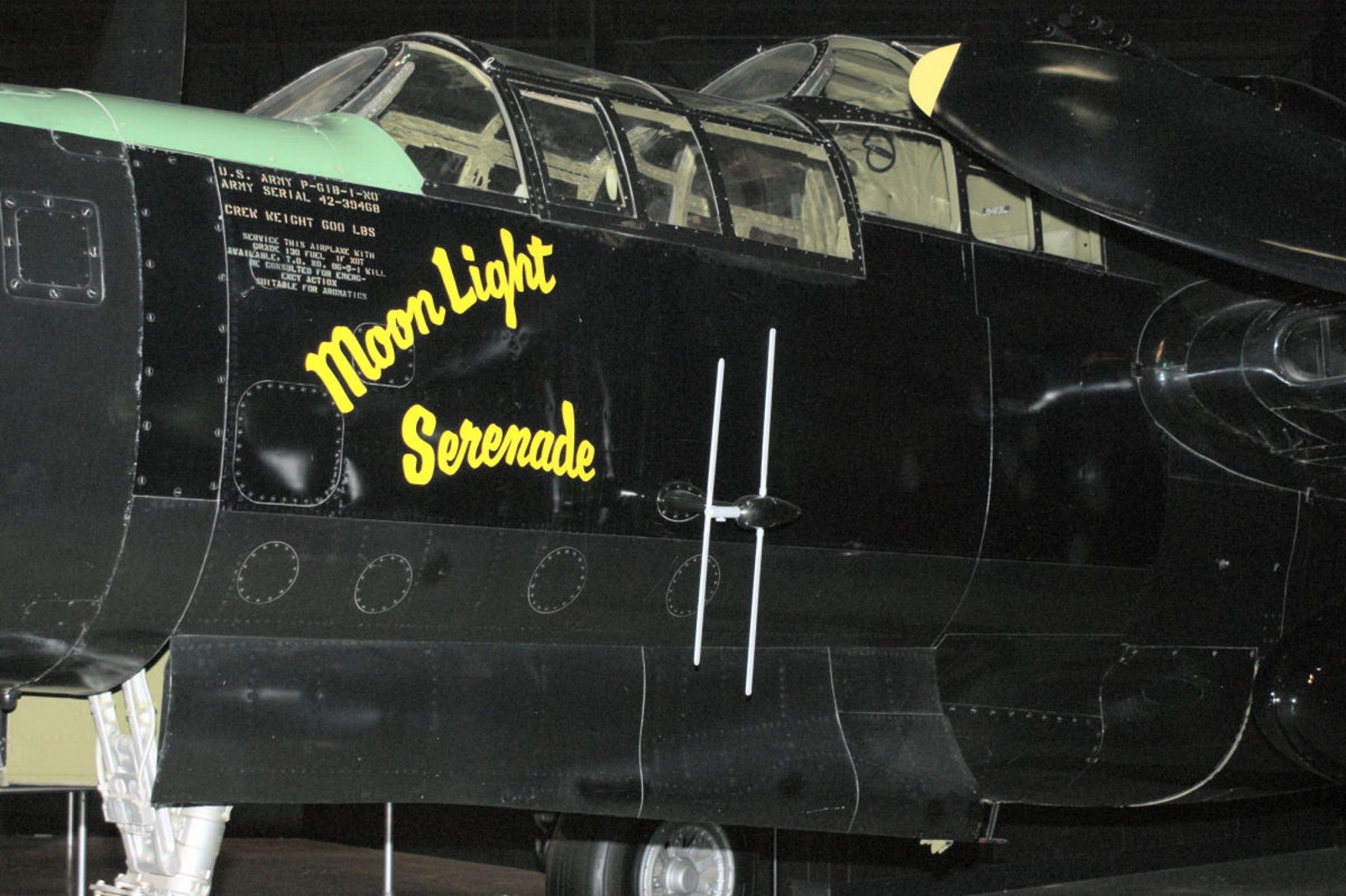 Northrop P-61 Black Widow – Fotos y Video
 Northrop A-17A – Fotos y Video
 Northrop F-5 – Fotos y Video