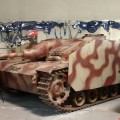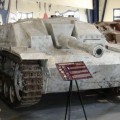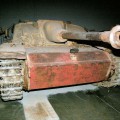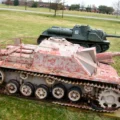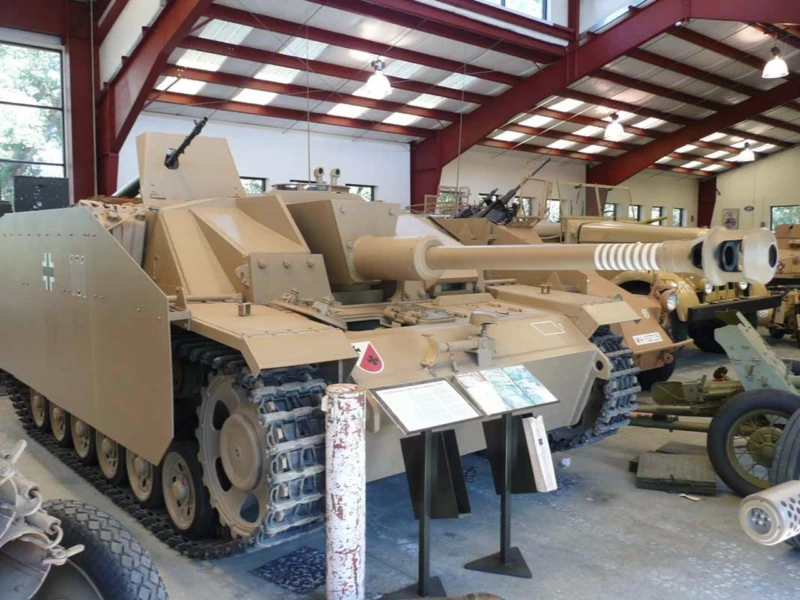
斯图格三世· 奥斯夫。G | |
|---|---|
| 国家 | 纳粹德国 |
| 作用 | 突击枪 |
| 产生 | 1942年12月-1945年4月 |
| 建立 | ~8423 |
决赛和迄今为止最常见的 斯图格 系列。上部建筑被拓宽:两边的焊接箱都废弃了。这种新的上层建筑设计将其高度提高到2160毫米。战斗舱的后墙拉直了,上部结构顶部的通风扇被移到了战斗舱的后面。从1943年3月起,司机的潜望镜被遗弃。1943 年 2 月,Alkett 作为第二家制造商加入 MIAG。从1943年5月起,侧船体间隔装甲板(Schürzen)被安装到G型上,以增加装甲保护,特别是针对俄罗斯反坦克步枪,但也有助于对付空心充荷弹药。侧板是复古安装到一些澳大利亚。F/8型号,因为它们将在1943年6月之前安装到所有前线的斯图格和其他坦克上,为库尔斯克战役做准备。事实证明,舍尔森的山体不够坚固,因为许多登山者在战场上丢失了。从1944年3月起,改进了安装:因此, 侧裙更经常看到与后期模型 Ausf G 。从1943年5月起,80毫米厚的板用于前装甲,而不是两个板50毫米+30毫米。然而,积压的斯图格与完成50毫米装甲存在。对于这些,一个30毫米的额外装甲板仍然需要焊接或螺栓,直到1943年10月。
源: 斯图格三世· 奥斯夫。维基百科上的 G
| SdKfz 142/1 斯图姆格舒茨 (斯图格) III 四处走动 | |
|---|---|
| 摄影师 | 弗拉基米尔·亚库博夫 |
| 本地化 | 雅克·利特菲尔德收藏 |
| 照片 | 34 |
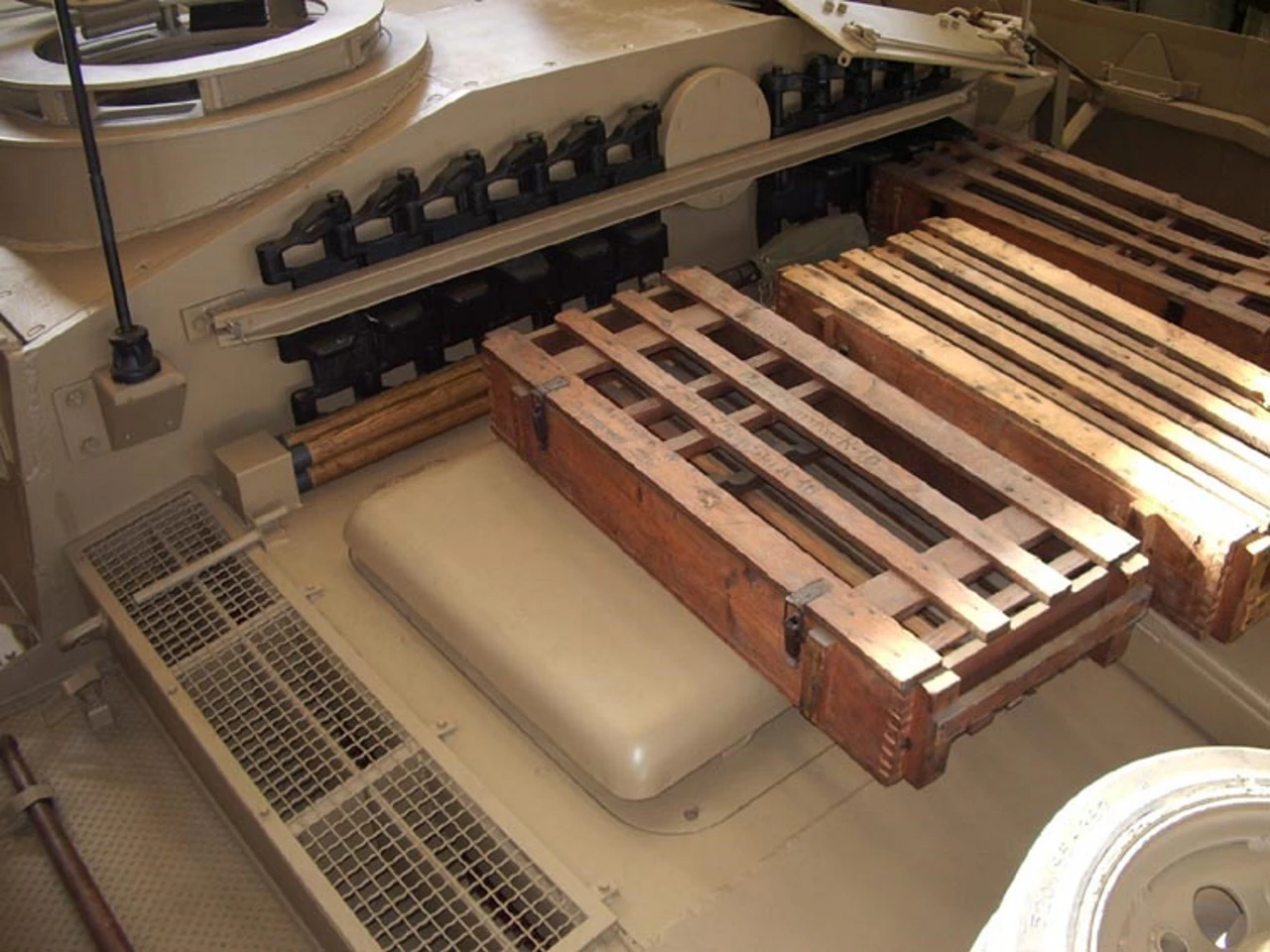
SdKfz 142-1 StuG III 02

SdKfz 142-1 StuG III 01

SdKfz 142-1 StuG III 04
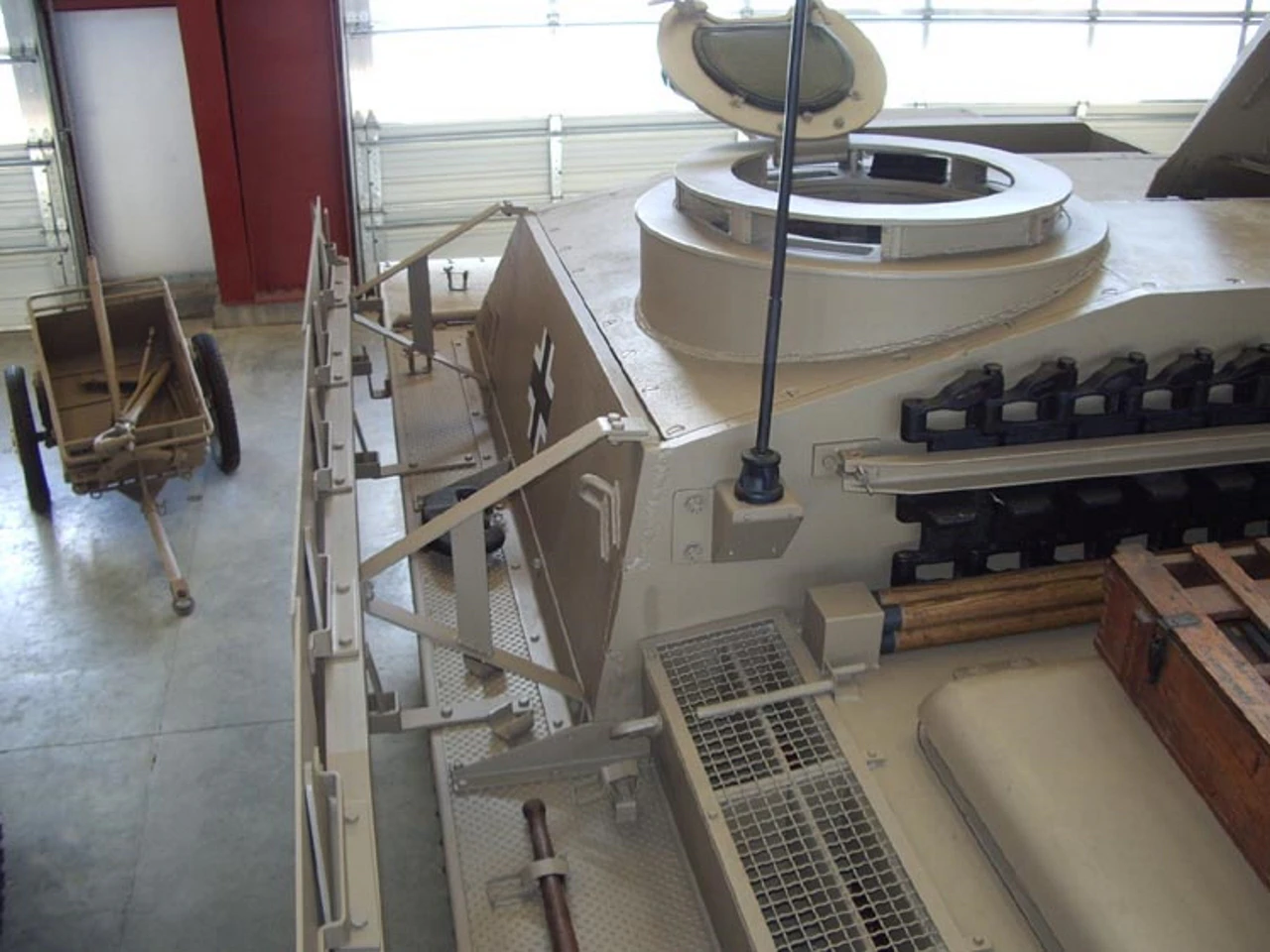
SdKfz 142-1 StuG III 03
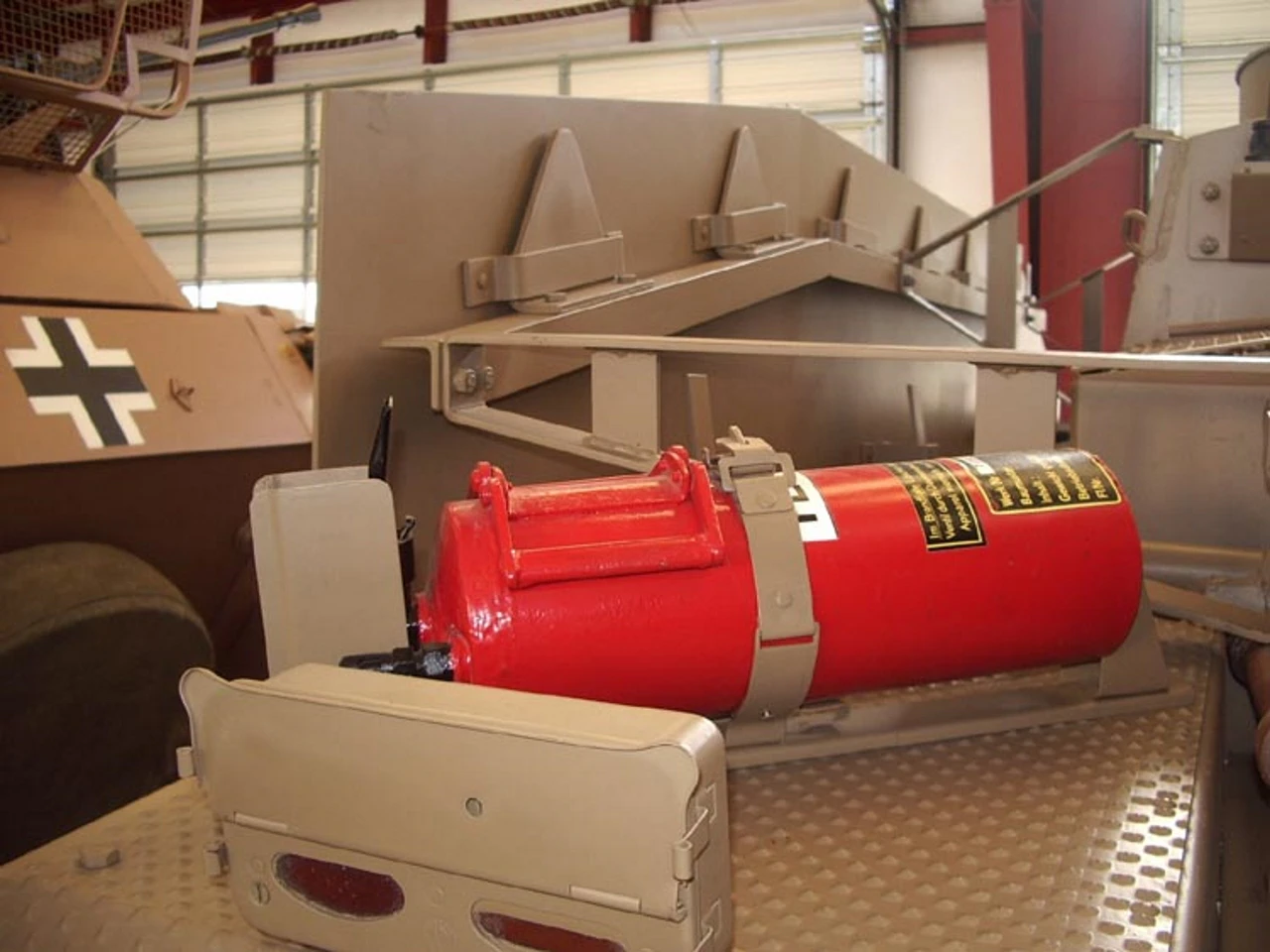
SdKfz 142-1 StuG III 05

SdKfz 142-1 StuG III 06

SdKfz 142-1 StuG III 08
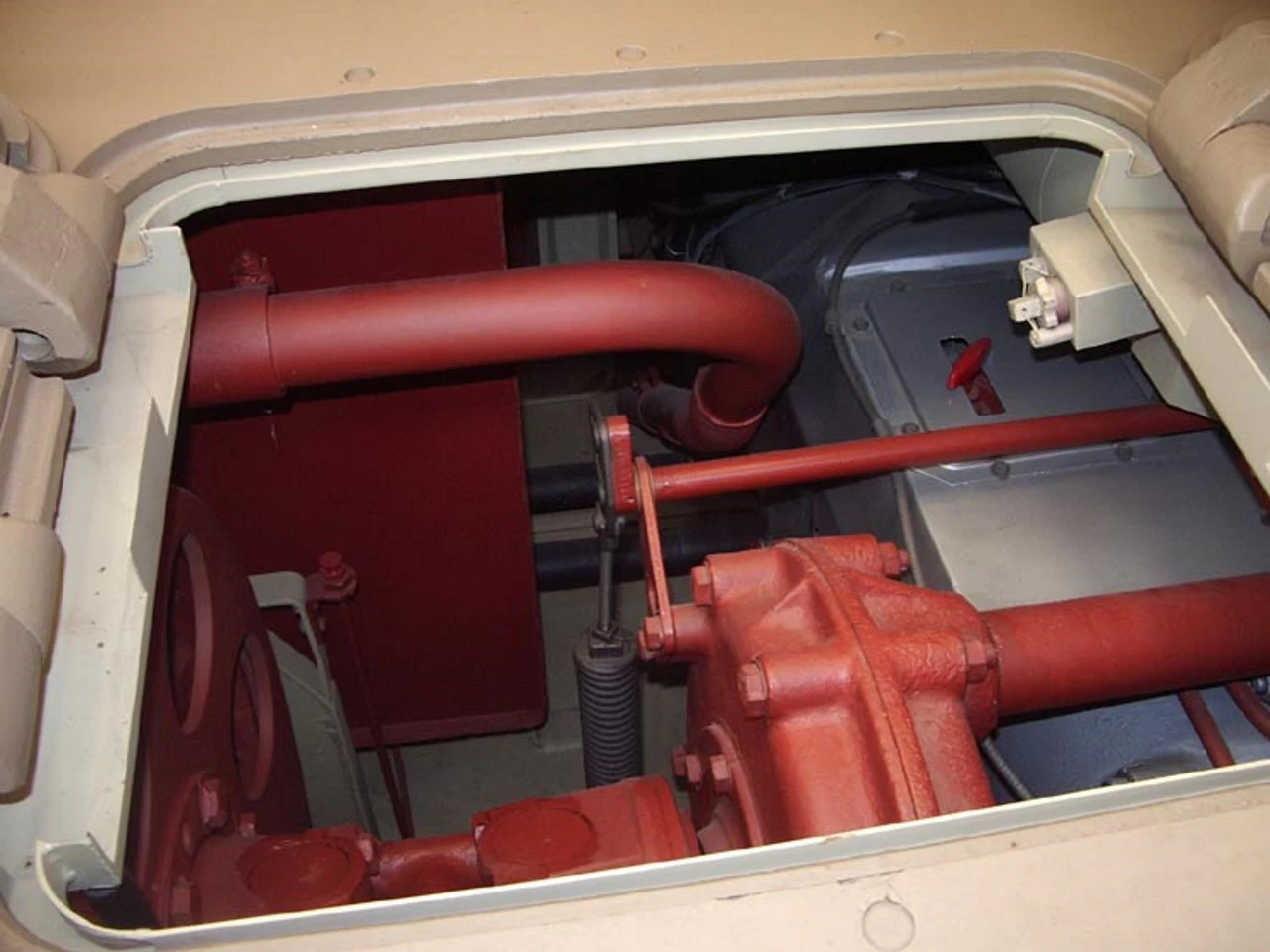
SdKfz 142-1 StuG III 07

SdKfz 142-1 StuG III 09
等等,搜索斯图格一世·奥斯夫G照片给你。。。

| SdKfz 142/1 斯图姆格舒茨 (斯图格) III 澳大利亚 G 四处走动 | |
|---|---|
| 摄影师 | 弗拉基米尔·亚库博夫 |
| 本地化 | 拉特伦盔甲博物馆 |
| 照片 | 107 |
| Sturmgeschutz III Ausf. B Walk Around | |
|---|---|
| 摄影师 | Unknow |
| 本地化 | 未知 |
| 照片 | 16 |
另请参阅:


The Deadliest Silhouette on the Eastern Front
这 斯图格三世· 奥斯夫。G was the final and most prolific version of the Sturmgeschütz series. Built on the reliable chassis of the Panzer III, it abandoned the rotating turret in favor of a fixed, low-profile casemate. Originally designed as infantry support artillery, the Ausf. G was up-gunned with a high-velocity 75mm cannon, transforming it into a formidable tank destroyer. Its low height made it easy to camouflage and difficult to hit, making it the preferred weapon for German “Tank Aces” like Michael Wittmann before they transitioned to heavier armor.
| Attribute | Technical Specification (StuG III Ausf. G) |
|---|---|
| 作用 | Assault Gun / Tank Destroyer |
| 船员 | 4 (Commander, Gunner, Loader, Driver) |
| Production Years | 1942 – 1945 (Approx. 8,400 built) |
| 主要武器装备 | 7.5 cm KwK 40 L/48 |
| 次要武器 | 1 or 2 × 7.92 mm MG34 machine guns |
| Armor (Front) | 80 mm (3.1 in) |
| 发动机 | Maybach HL 120 TRM V-12 (300 hp) |
| Top Speed | 40 km/h (25 mph) on roads |
Design Evolution: The “G” Refinements
- The Saukopf (Sow’s Head) Mantlet: Later Ausf. G models featured a cast gun mantlet with rounded edges. This was designed to deflect incoming shells more effectively than the earlier bolted, boxy designs.
- Schürzen (Side Skirts): To defend against Soviet anti-tank rifles and HEAT rounds, the StuG III G was often fitted with thin metal plates along the sides. These “skirts” would prematurely detonate or destabilize incoming projectiles before they hit the main hull.
- Commander’s Cupola: The Ausf. G introduced a proper cupola with periscopes for the commander, significantly improving situational awareness—a major weakness of earlier turretless designs.
- Zimmerit Coating: Many Ausf. Gs were covered in a ridged, paste-like ceramic coating. This was intended to prevent magnetic anti-tank mines from sticking to the steel hull.
The “Wait-and-Strike” Specialist
- Economic Efficiency: The StuG III was significantly cheaper and faster to build than the Panzer IV or Tiger tanks. Because it lacked a complex turret mechanism, it was also easier to maintain in the field.
- Ambush Master: Its low height allowed the StuG to hide in tall grass or shallow depressions that would expose a normal tank. Soviet tankers often didn’t realize they were being engaged by a StuG until it was too late to return fire.
- Sturmhaubitze 42 (StuH 42): A variant of the Ausf. G was armed with a 10.5 cm howitzer instead of the anti-tank gun. This version returned to the vehicle’s roots, providing devastating high-explosive support for infantry.
- Post-War Service: The StuG III was so effective that it continued to serve long after 1945. The Finnish Army used them until the 1960s, and Syria even deployed them against Israel in the 1967 Six-Day War.
Views : 11337