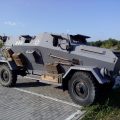
BA-10 | |
| 国家 | 苏联 |
| 类型 | 装甲车 |
| 产生 | 1938-1941 |
| 建立 | 3311 |
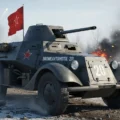
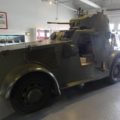
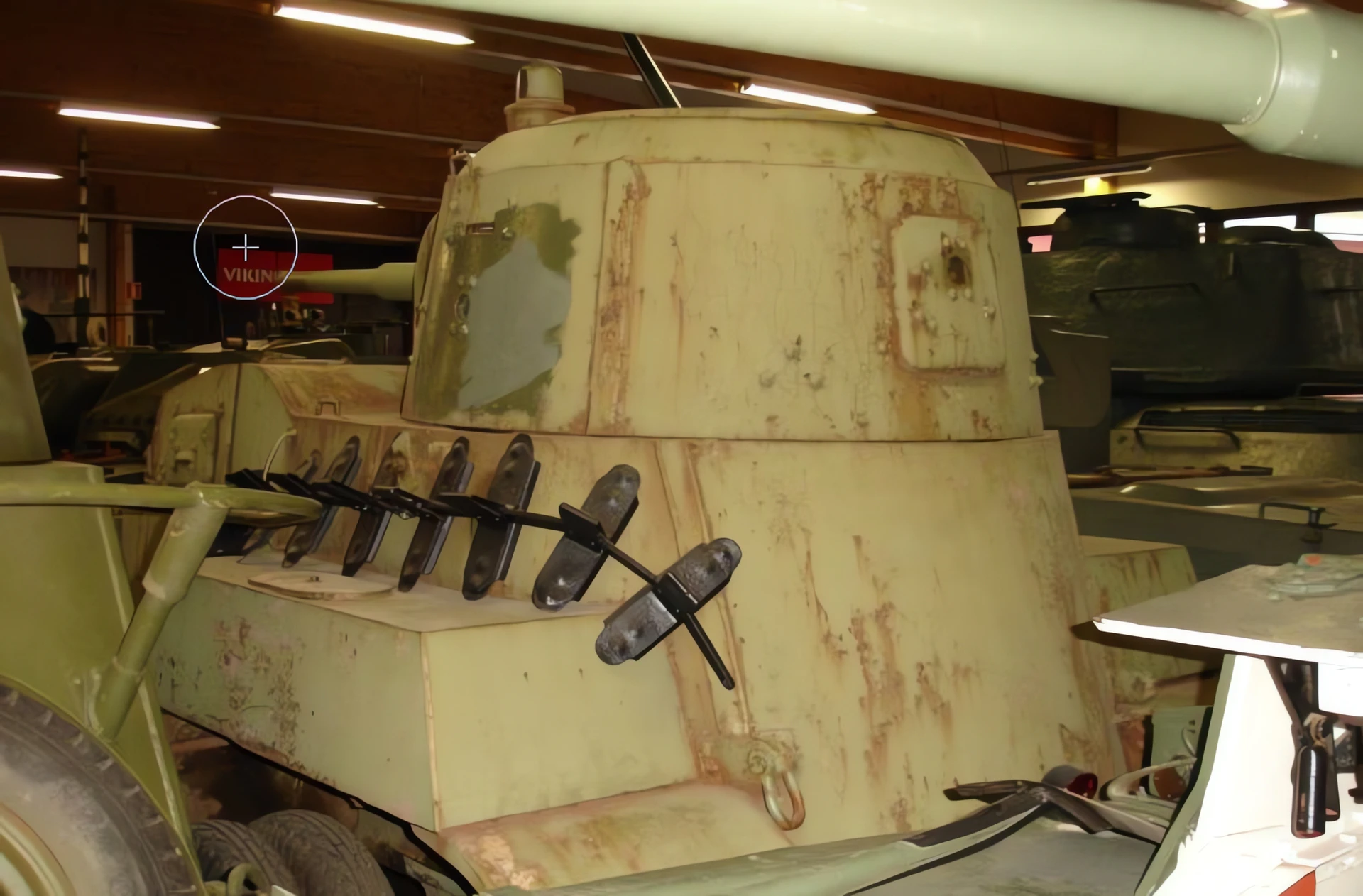
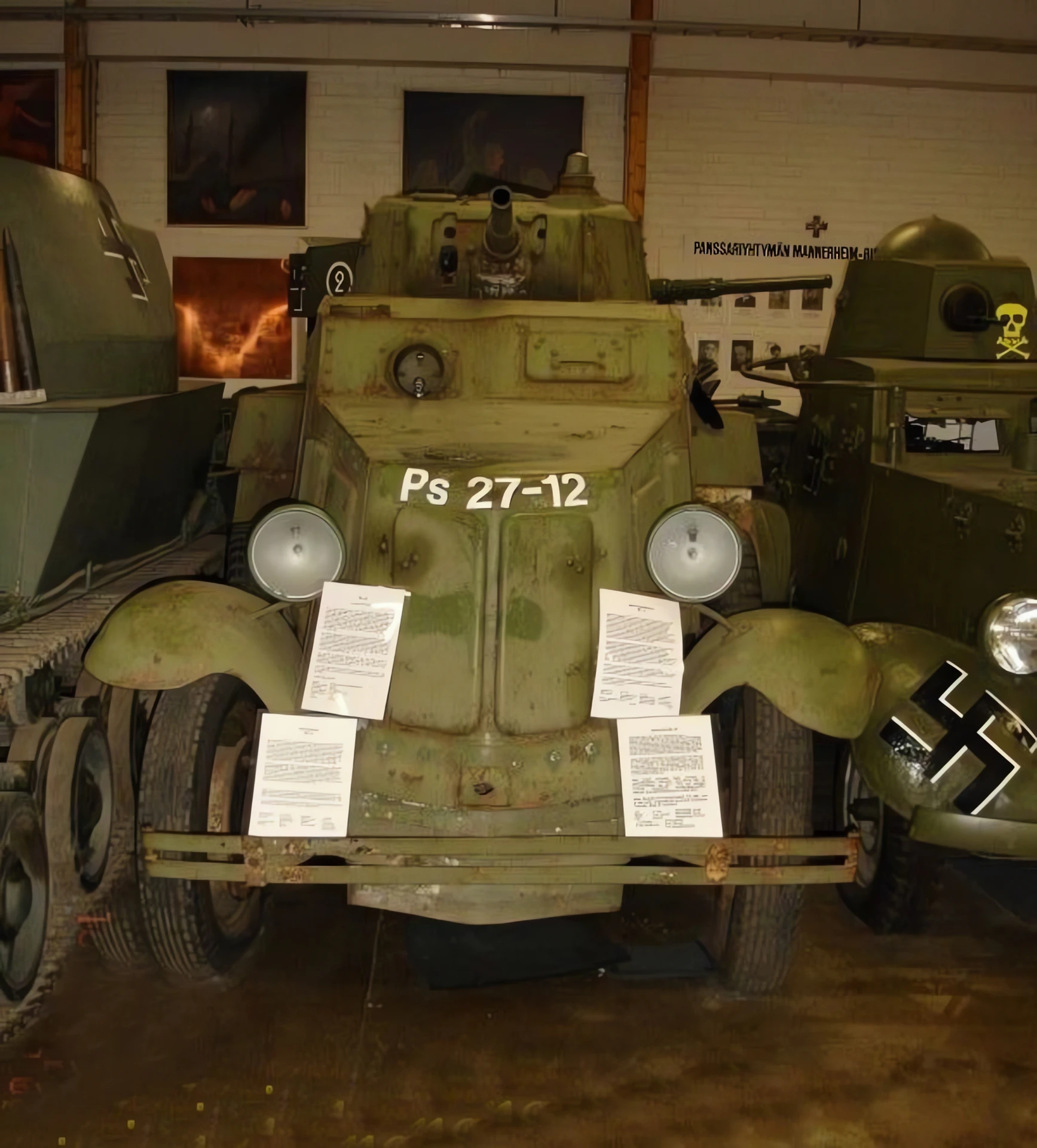
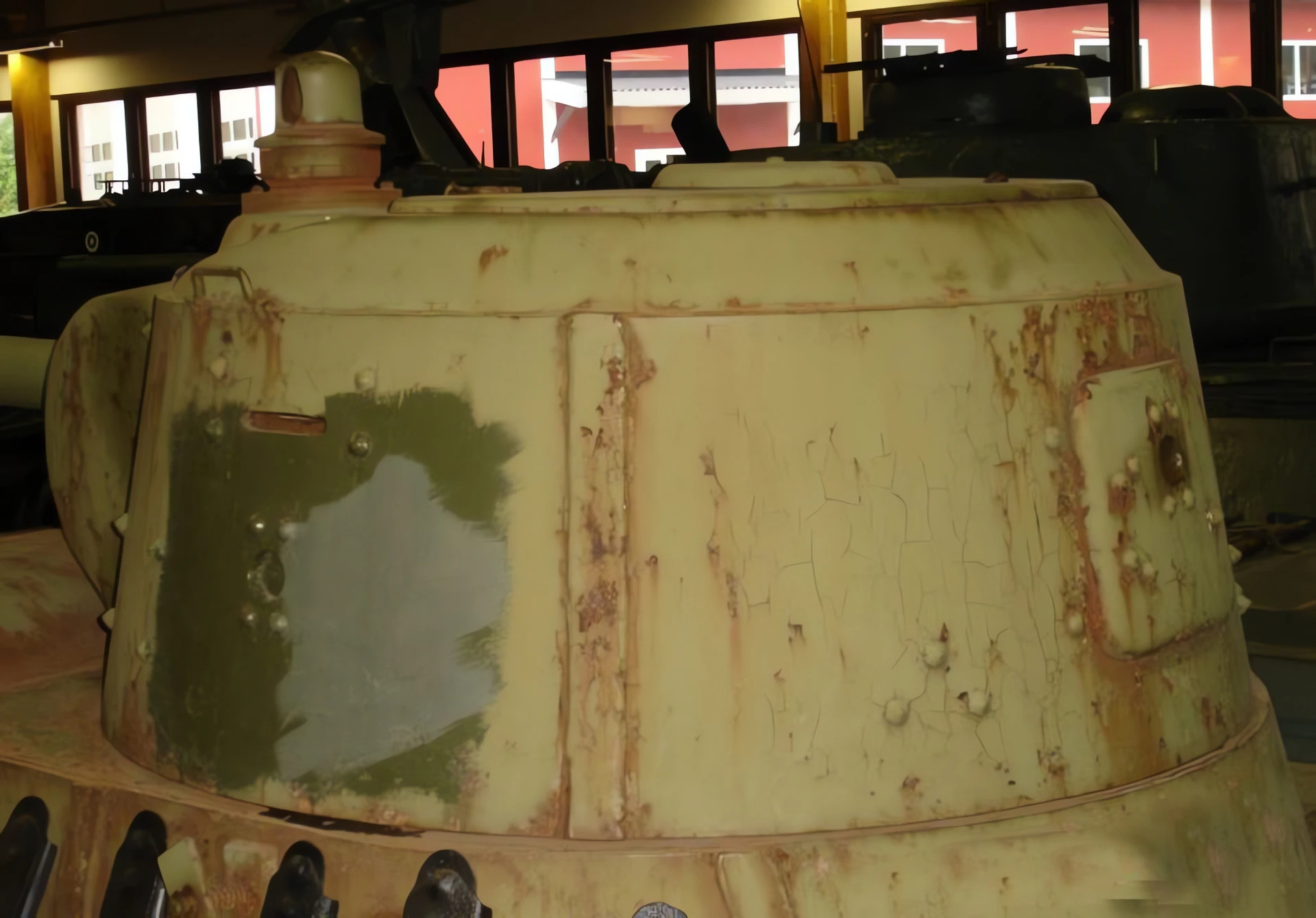
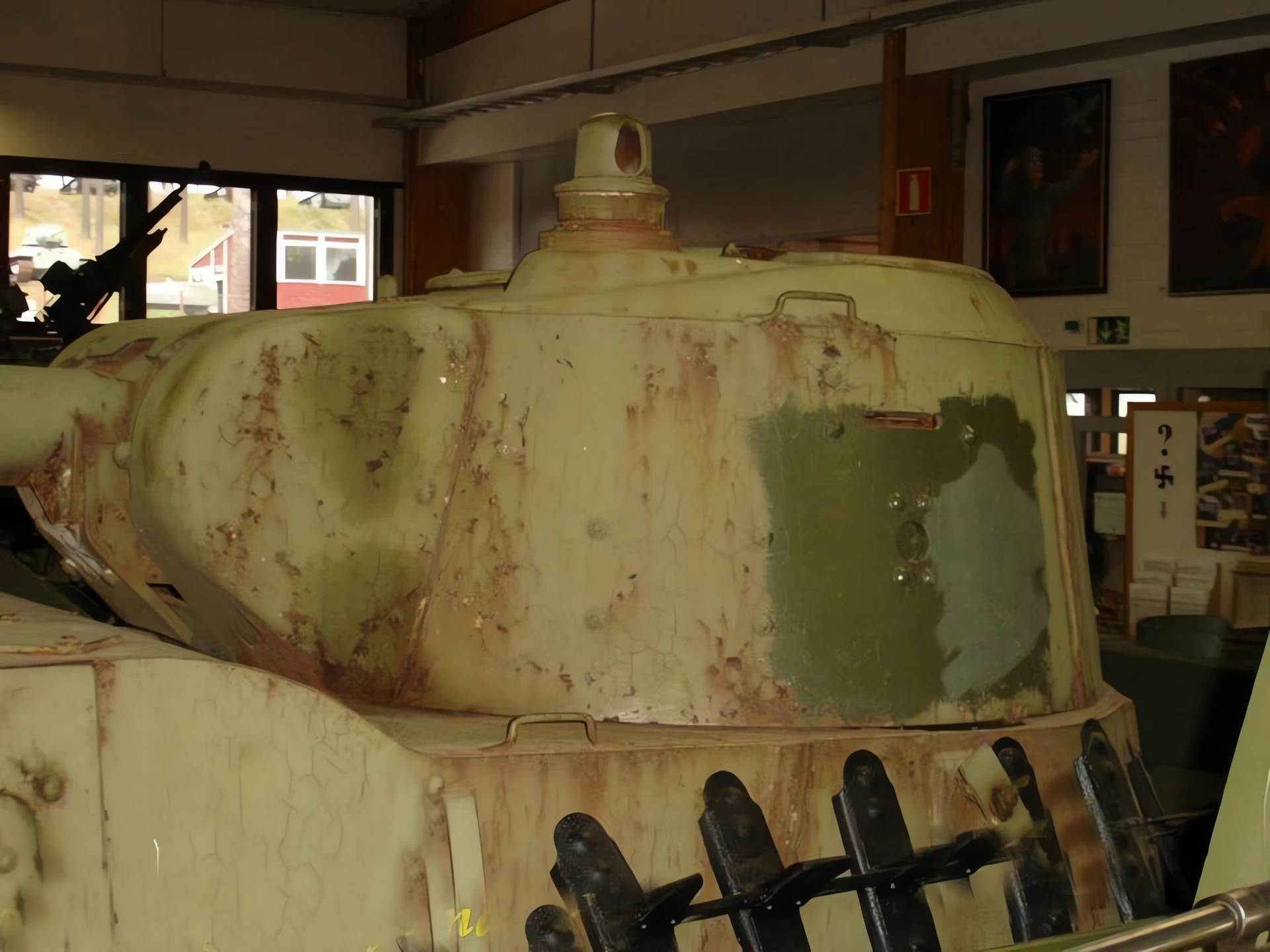
这 BA-10 (俄语:Broneavtomobil 10)是1938年在苏联开发的装甲车,一直生产到1941年。它是1941年之前生产最多的苏联重型装甲车 - 3311制造了三个版本。这些版本是BA-10,BA-10M(带有新无线电的改进版本)和BA-10ZhD(配备用于铁路/公路双用途)。基本的BA-10设计是从BA-3和BA-6重型装甲车发展而来的。它有一个改进的GAZ-AAA底盘和改进的装甲(前部和炮塔高达15毫米)。原计划在1941年将BA-10替换为具有柴油发动机和更复杂的装甲设计的BA-11,但战争的爆发阻止了BA-11的生产。BA-10 一直服役到红军直到 1945 年。大量缴获的BA-10被芬兰(至少24架),德国和欧洲其他轴心国使用。
源: 维基百科上的BA-10
| Broneavtomobil BA-10 Walk Around | |
|---|---|
| 摄影师 | 未知 |
| 本地化 | 未知 |
| 照片 | 14 |
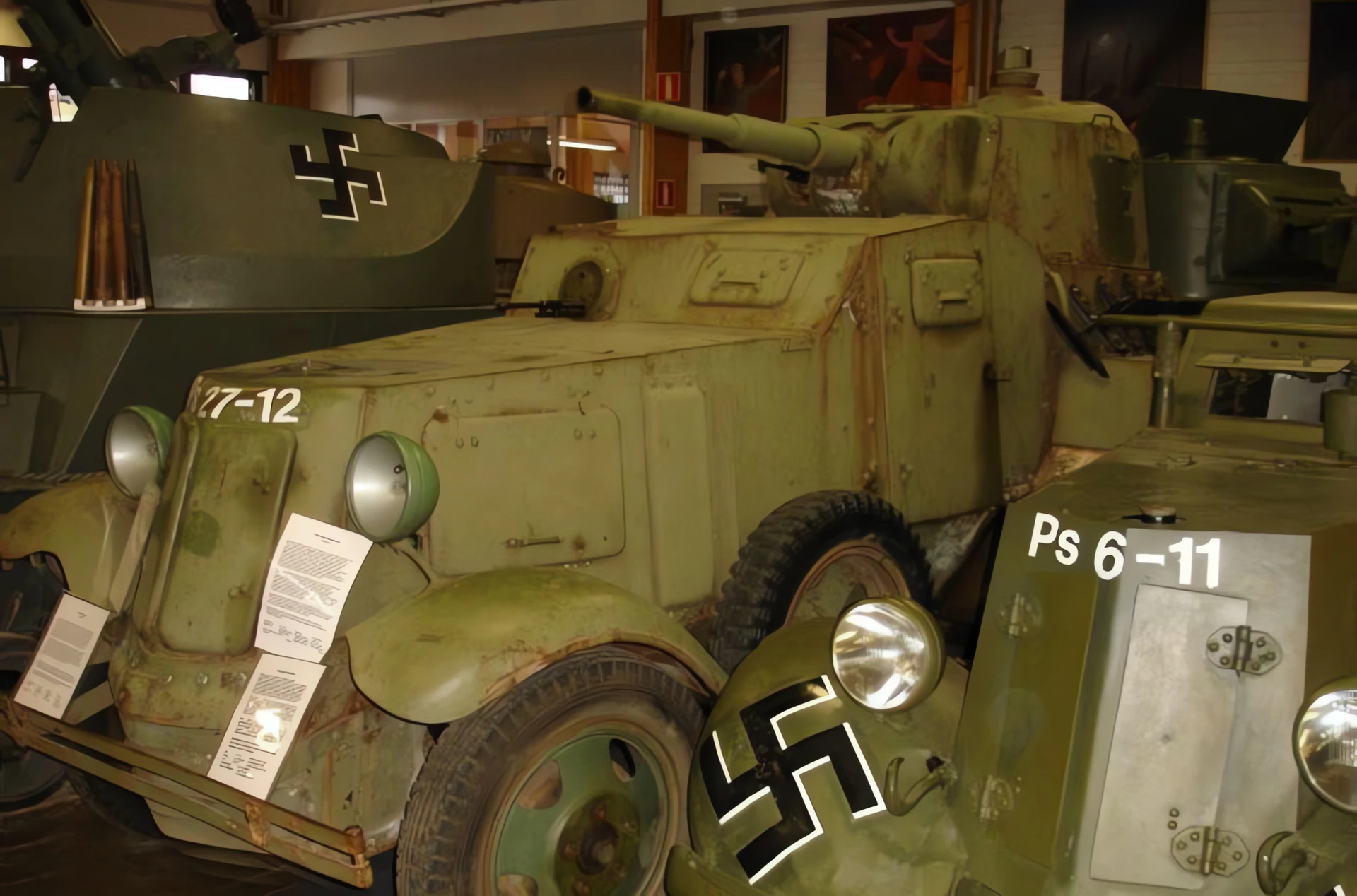
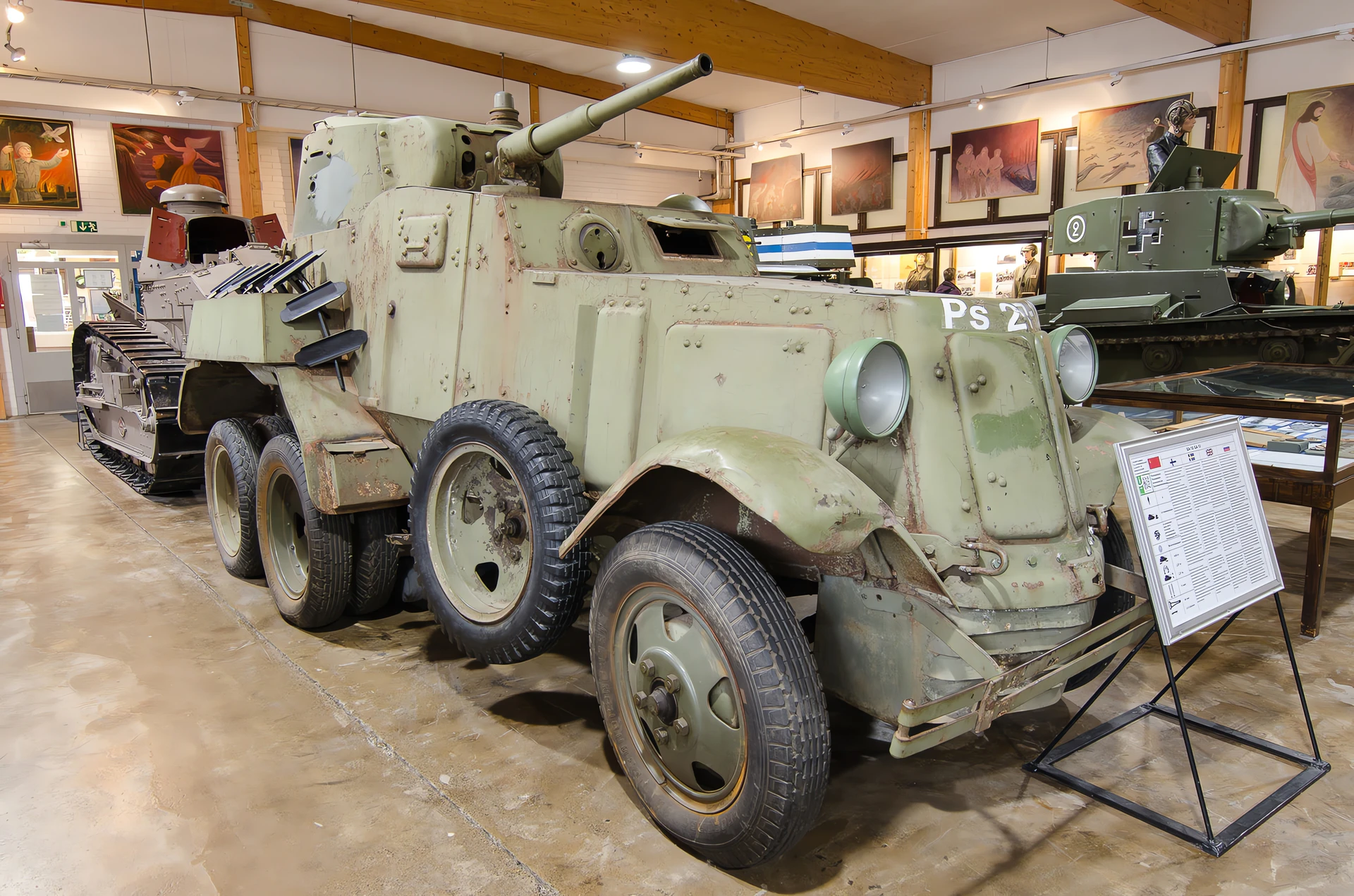
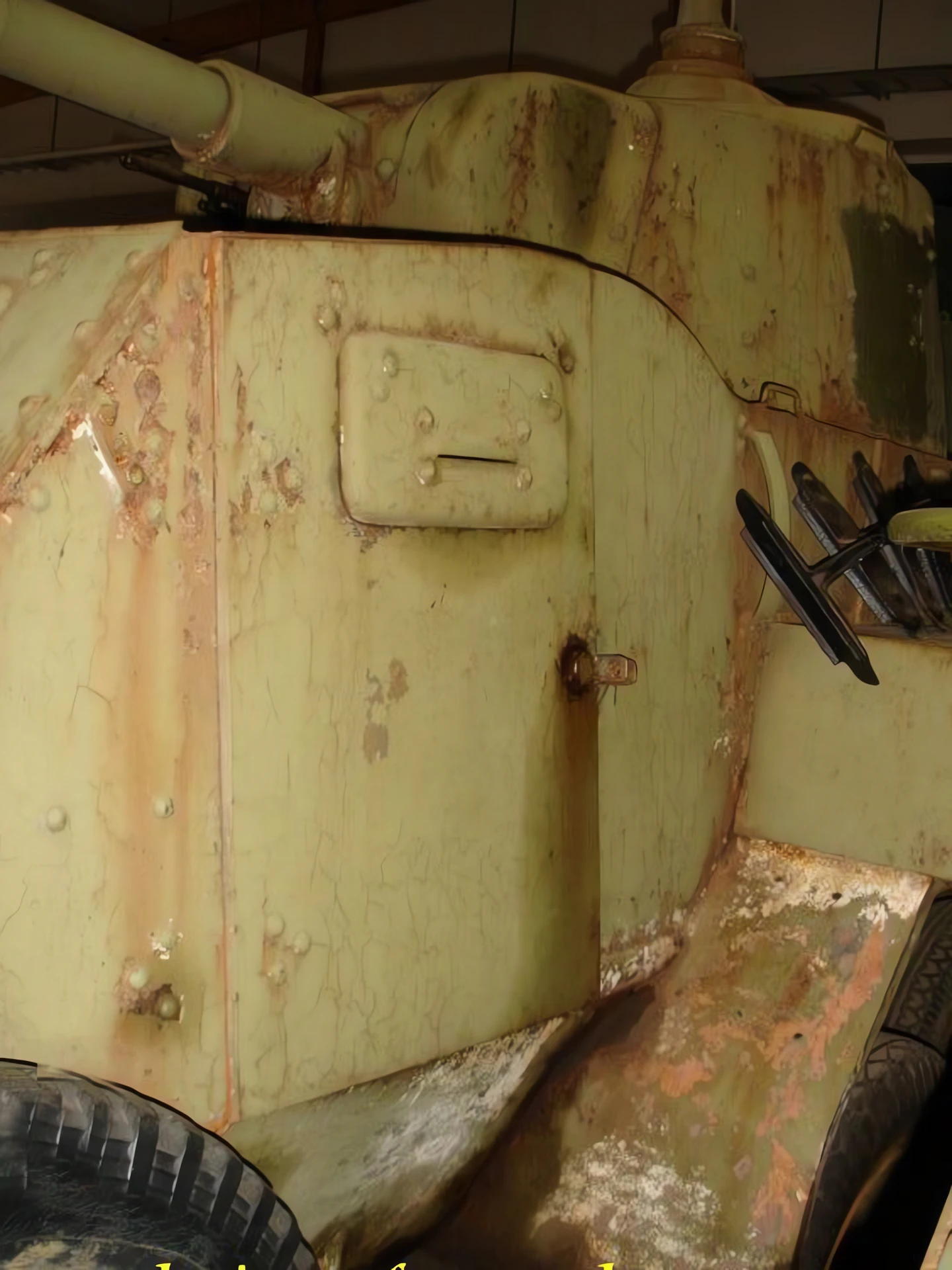
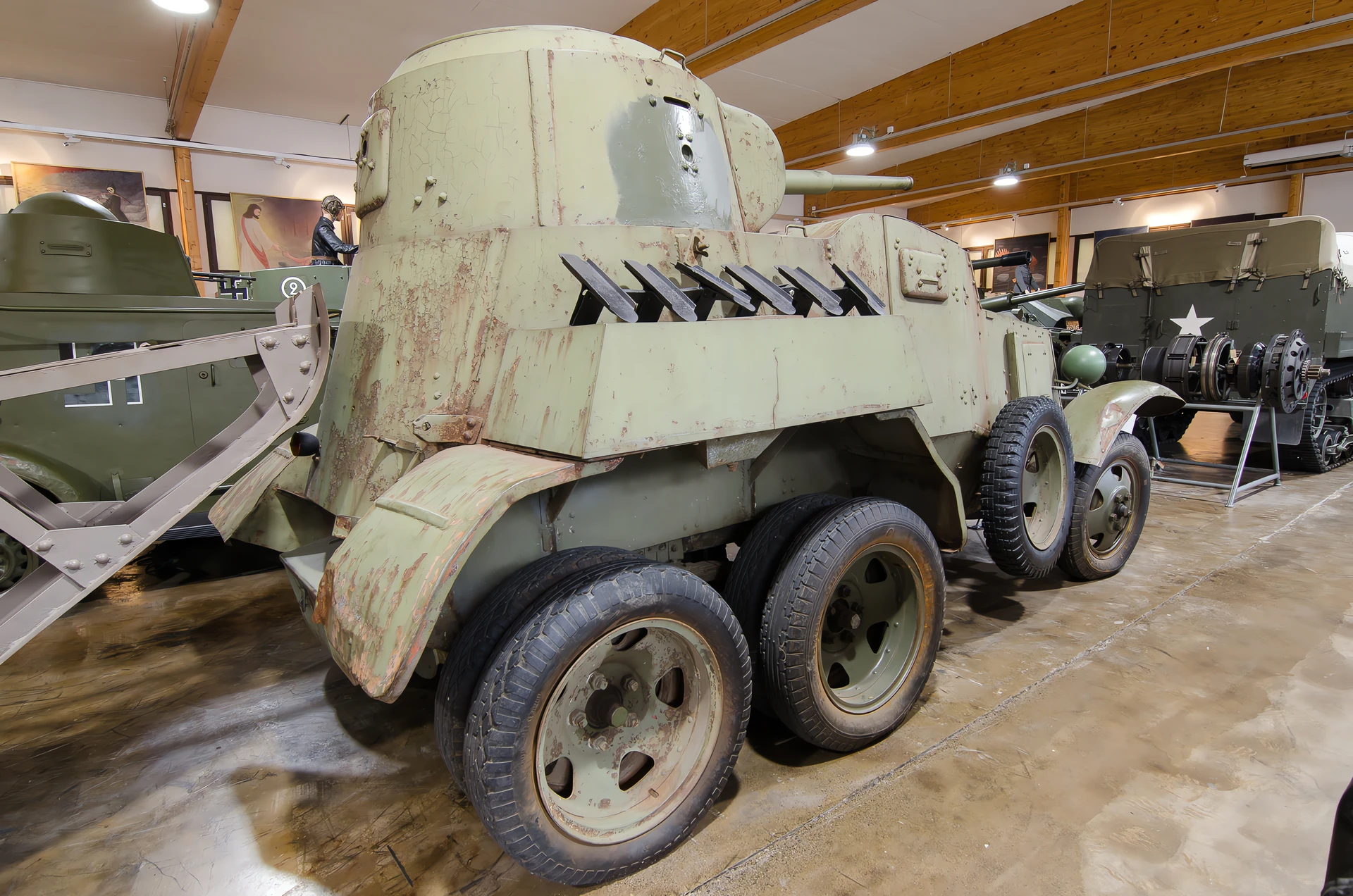


另请参阅:


The Evolution of the Heavy Armored Car
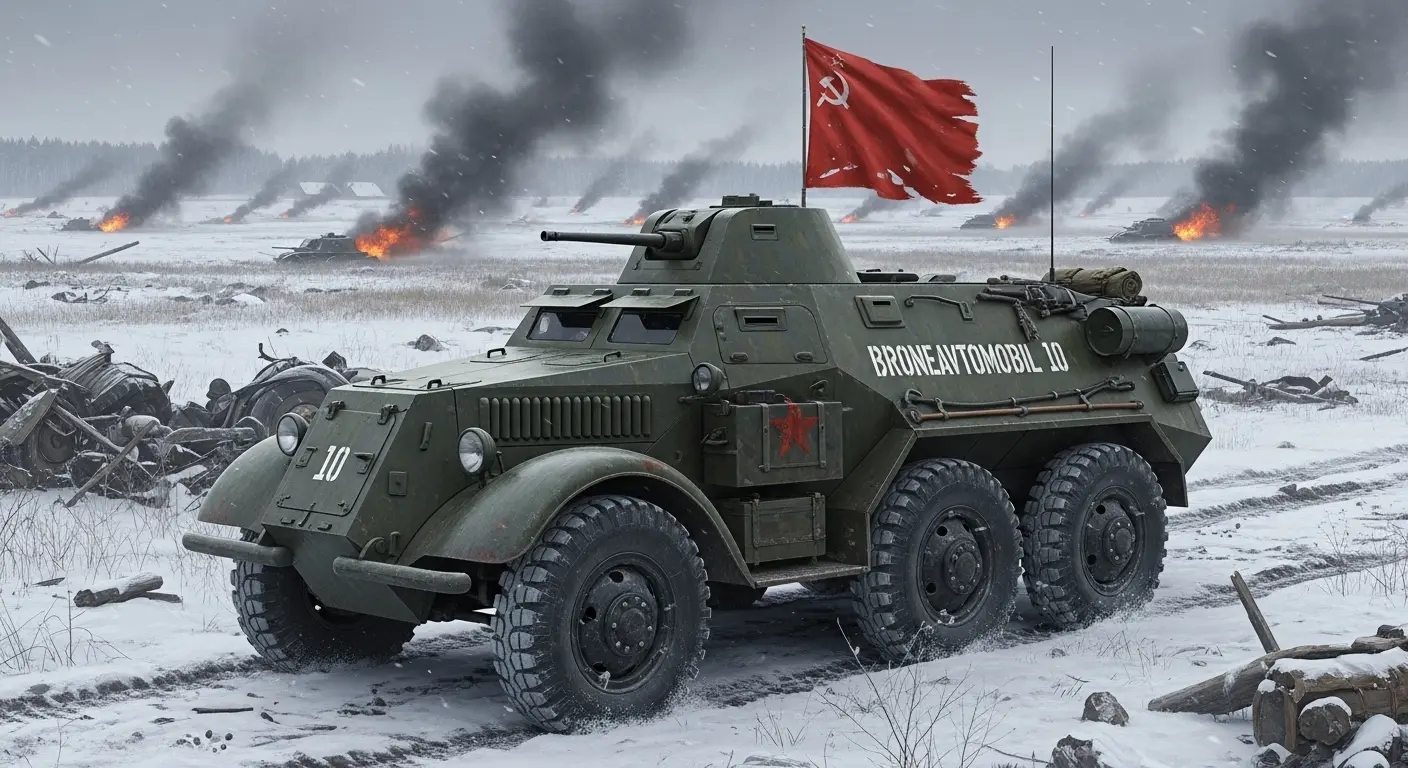
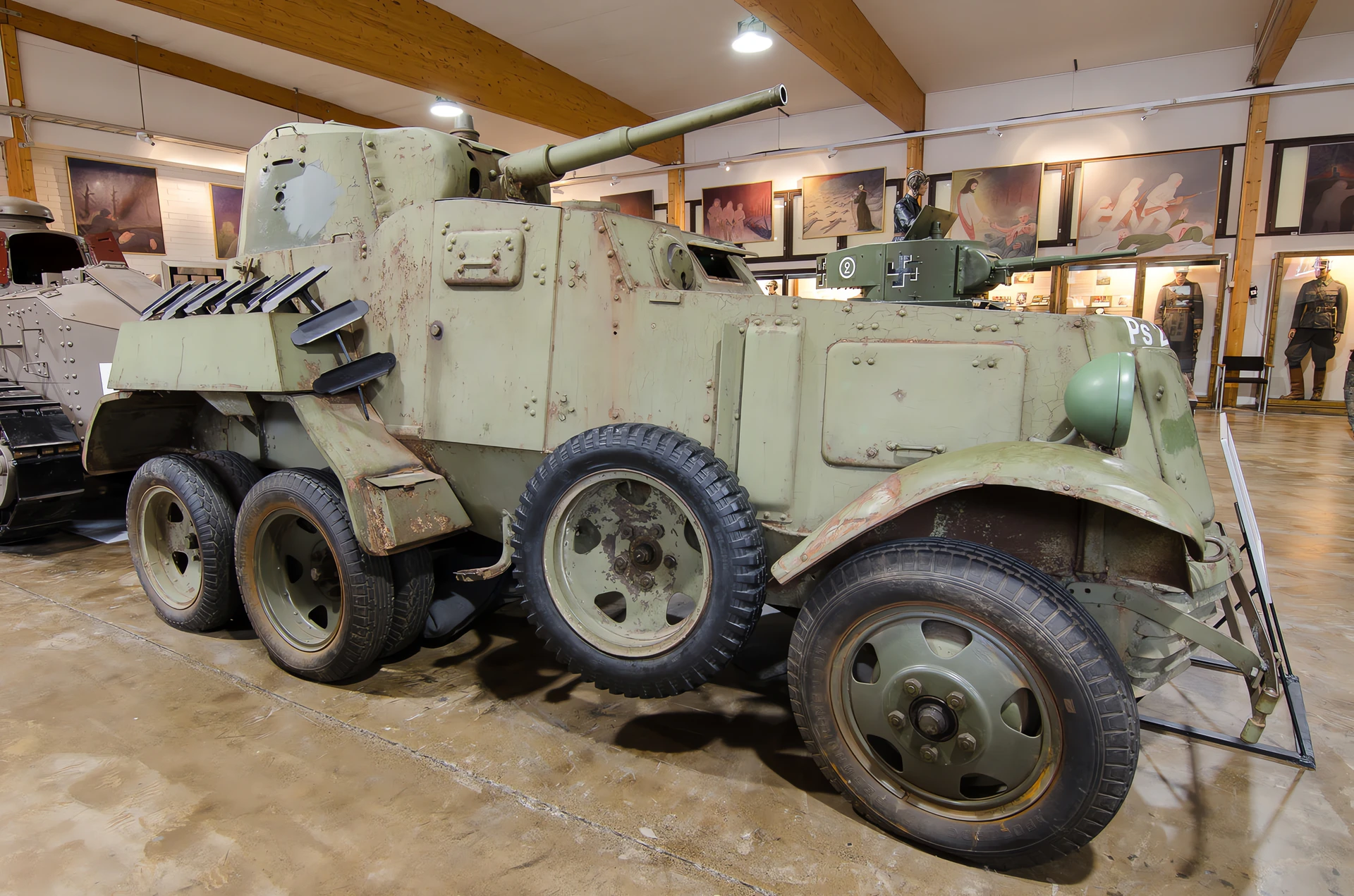
这 BA-10 was the most produced Soviet heavy armored car of the pre-WWII era. Developed in 1938 at the Izhorsky Plant, it was an improvement over the earlier BA-3 and BA-6 models. By mounting the turret and 45mm gun of a T-26 或 断续器-5 tank onto a reinforced 6×4 GAZ-AAA truck chassis, the Soviets created a vehicle that possessed the firepower of a light tank but with the operational mobility of a wheeled vehicle. It was the backbone of Soviet motorized units during the invasion of Poland, the Winter War, and the early stages of Operation Barbarossa.
| Attribute | Technical Specification (BA-10M) |
|---|---|
| 作用 | Heavy Armored Car / Reconnaissance |
| 船员 | 4 (Commander/Gunner, Loader, Driver, Hull Gunner) |
| 主要武器装备 | 45 mm 20-K tank gun (49 rounds) |
| 次要武器 | 2 × 7.62 mm DT machine guns (Coaxial and Hull) |
| Armor Thickness | 10 mm to 15 mm (Frontal) |
| Chassis | Modified GAZ-AAA 6×4 truck |
| 动力装置 | GAZ-M1 4-cylinder petrol (50 hp) |
| Max Road Speed | 52 km/h (approx. 32 mph) |
| 工作范围 | 260–300 km (Roads) |
Design Features and Off-Road Solutions
- The “Overall” Tracks: To compensate for poor off-road performance on soft ground, the BA-10 carried a pair of “Overall” auxiliary tracks stowed over the rear fenders. These could be fitted over the dual rear wheels in about 10 minutes, effectively turning the vehicle into a temporary half-track.
- Step-Down Reduction Gear: The BA-10 utilized a specialized 4-speed transmission with a reduction gear, allowing it to crawl through difficult terrain that would stall a standard truck.
- Sloped Armor: Unlike earlier boxy designs, the BA-10 featured significantly sloped armor plates on the front and sides, which improved the effective thickness and helped deflect small-arms fire and shell splinters.
- Spare Wheels as Rollers: The two spare wheels were mounted on the sides of the hull in a way that allowed them to rotate freely. This helped prevent the vehicle from “high-centering” or bottoming out when crossing trenches or steep crests.
运营历史
- Khalkhin Gol (1939): The BA-10 proved highly effective against Japanese armor. Its 45mm gun could easily penetrate Japanese Type 95 light tanks at ranges where the Japanese guns could not retaliate.
- The 1941 Catastrophe: Thousands were lost during the German invasion. While its gun remained lethal, its thin armor and high silhouette made it a “glass cannon.” It was easily destroyed by German 3.7cm PaK 36 anti-tank guns.
- German Use (Beutepanzer): The Wehrmacht captured hundreds of BA-10s, redesignating them as the Pz.Sp.Wg. 203(r). They were widely used for anti-partisan duties in the rear areas and by the Waffen-SS.
- Final Years: By 1942, production shifted toward the smaller, 4×4 BA-64. The surviving BA-10s were relegated to second-line units, training, or had their turrets removed to serve as armored personnel carriers or tractors.
视图 : 1654