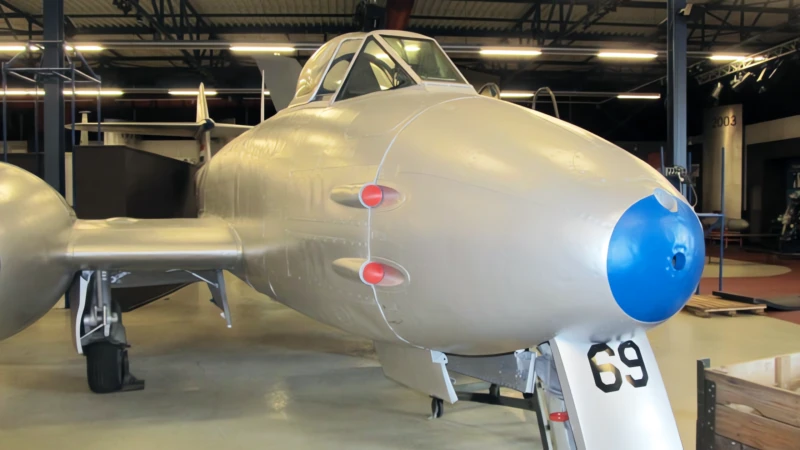
Глостер Метео | |
|---|---|
| Країні | Великобританії |
| Роль | Винищувачі |
| Перший політ | 5 березня 1943 |
| Побудований | 3947 |
У 201 Глостер Метеор це був перший британський реактивний винищувач і єдиний реактивний літак союзників, який досяг бойових дій під час Другої світової війни. Розробка Meteor сильно зане залежна від його новаторських турбореактивних двигунів, піонерами яких був Френк Уіттл і його компанія Power Jets Ltd. Розробка літака почалася в 1940 році, хоча роботи над двигунами велися з 1936 року. «Метеор» вперше піднявся в повітря в 1943 році і почав свою діяльність 27 липня 1944 року з ескадрильї No 616. «Метеор» не був складним літаком у своїй аеродинаміці, але виявився успішним бойовим винищувачем. Цивільний літак Gloster 1946 року «Метеор F.4» був першим зареєстрованим цивільним реактивним літаком у світі.
Джерело: Глостер Метеор у Вікіпедії
| Глостер Метеор Mk.4 прогулянка навколо | |
|---|---|
| Фотографів | Сеес Гендрік |
| Локалізацією | Незнай |
| Фото | 106 |
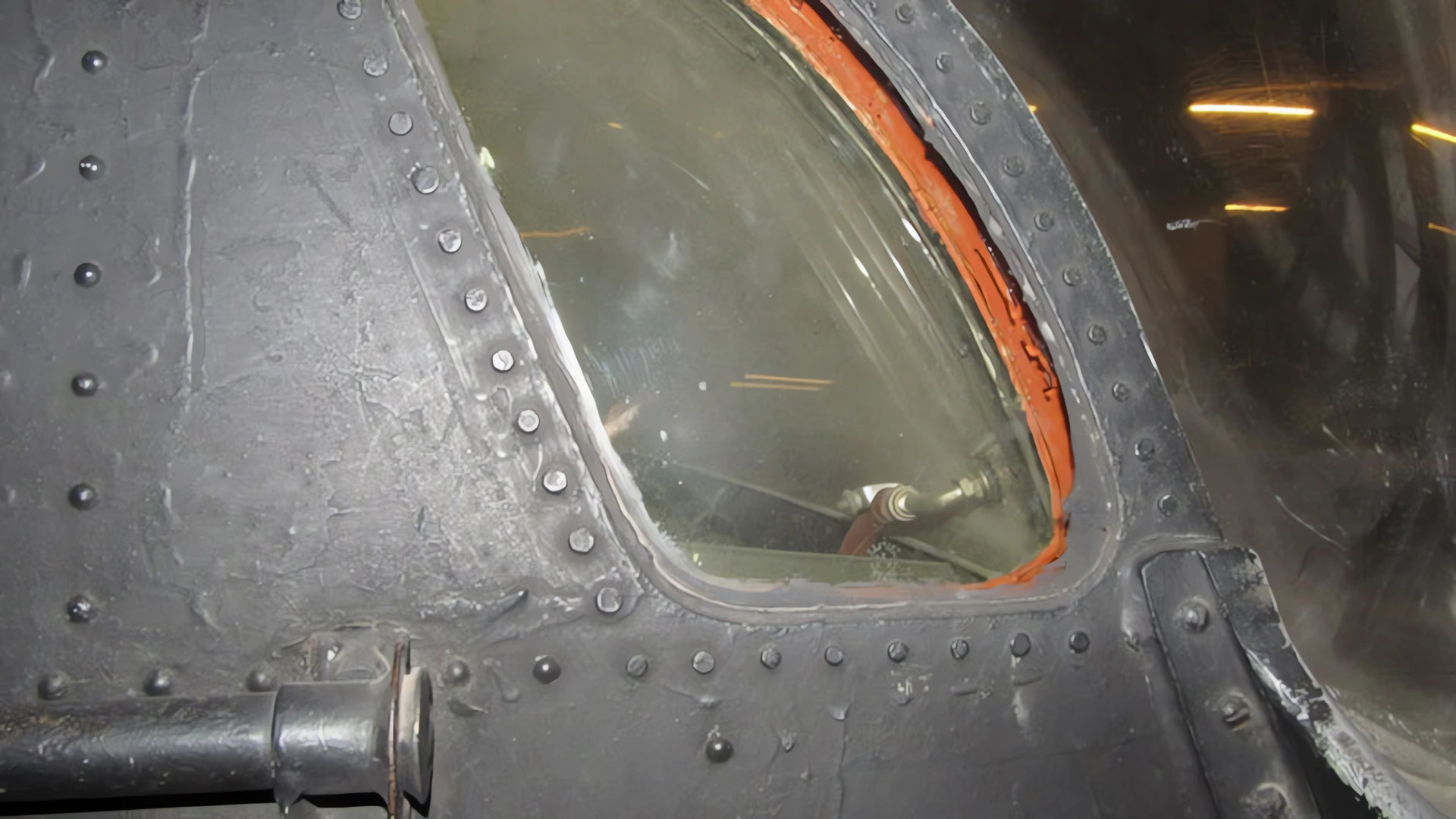
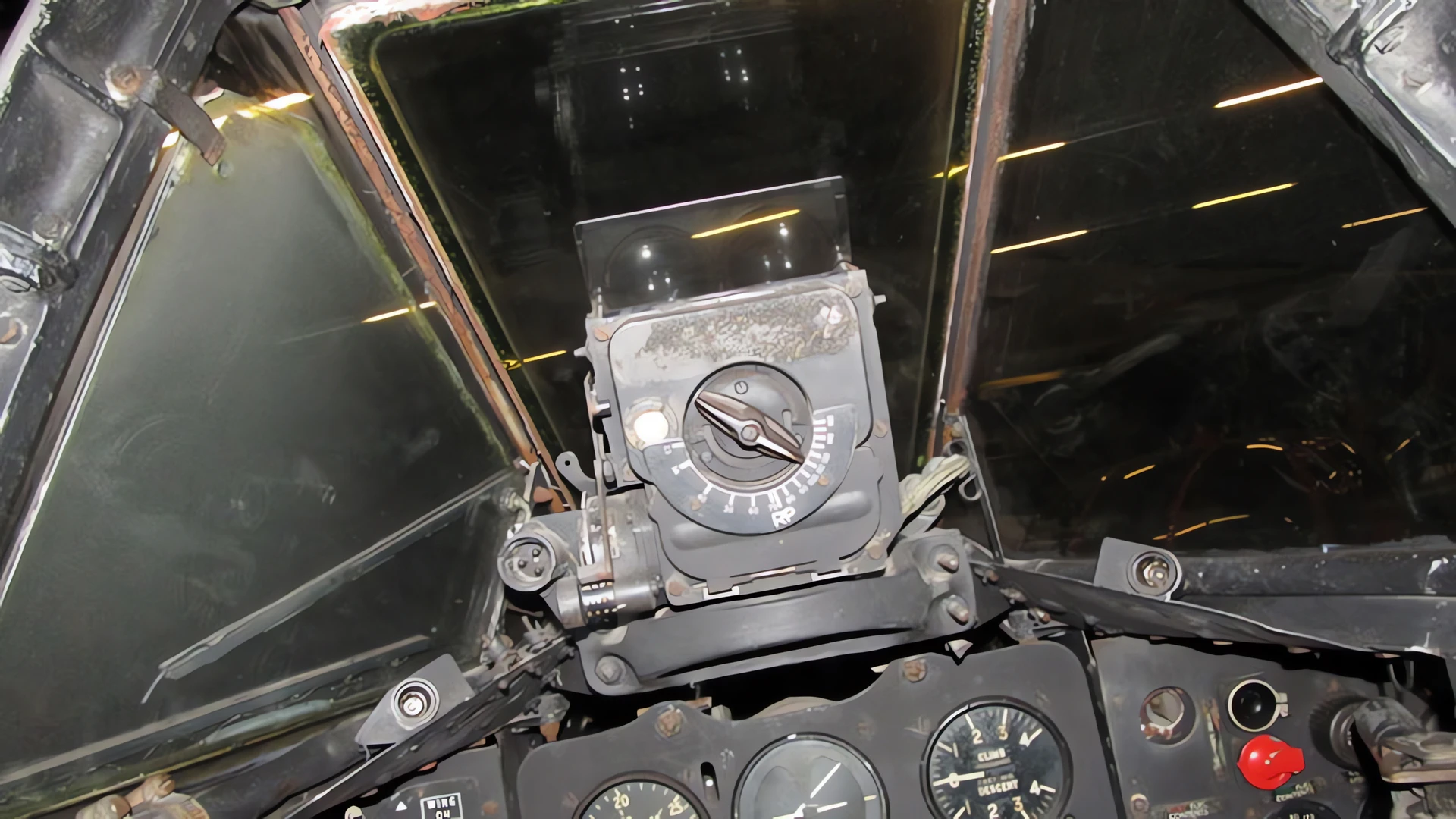
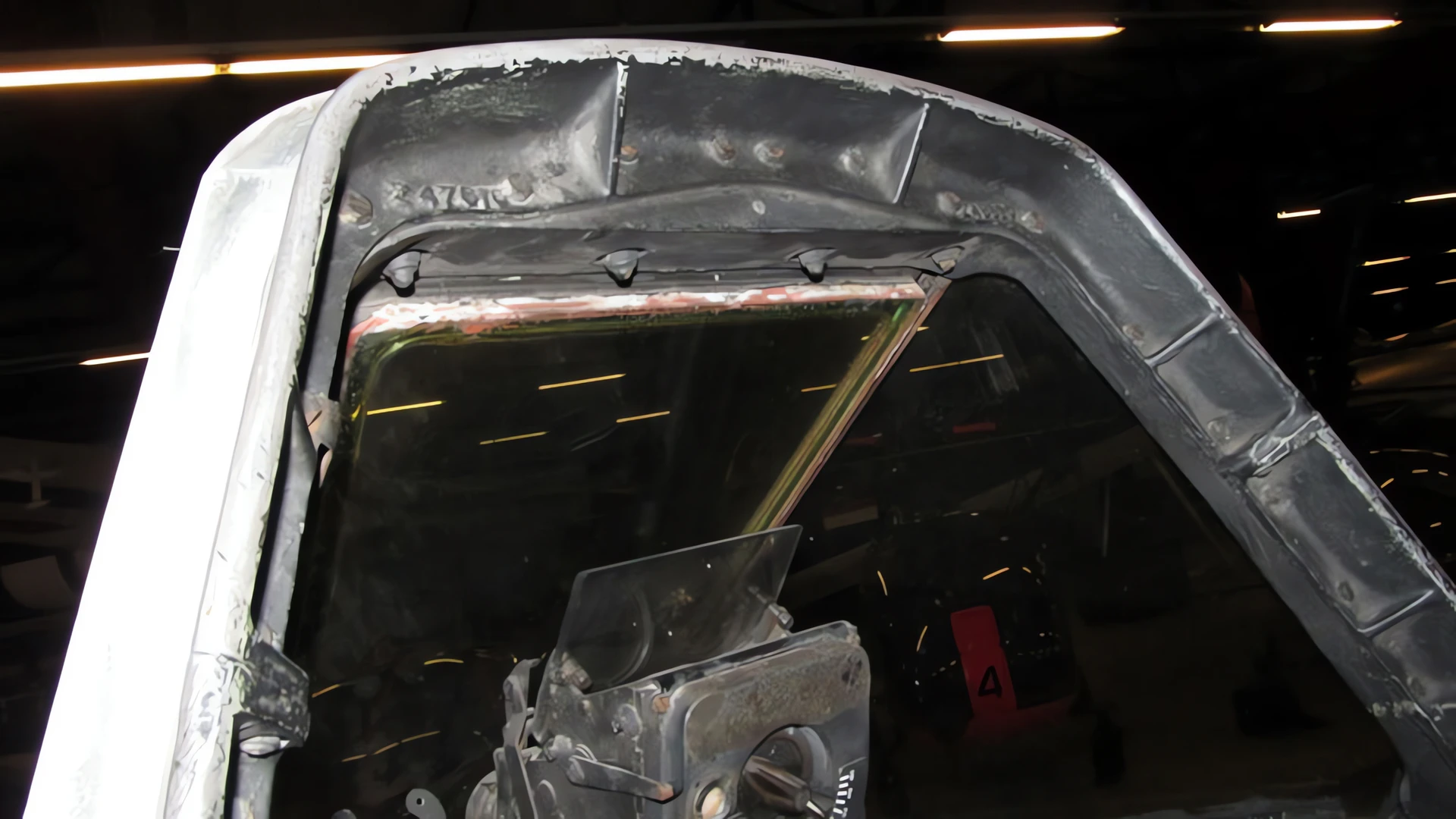
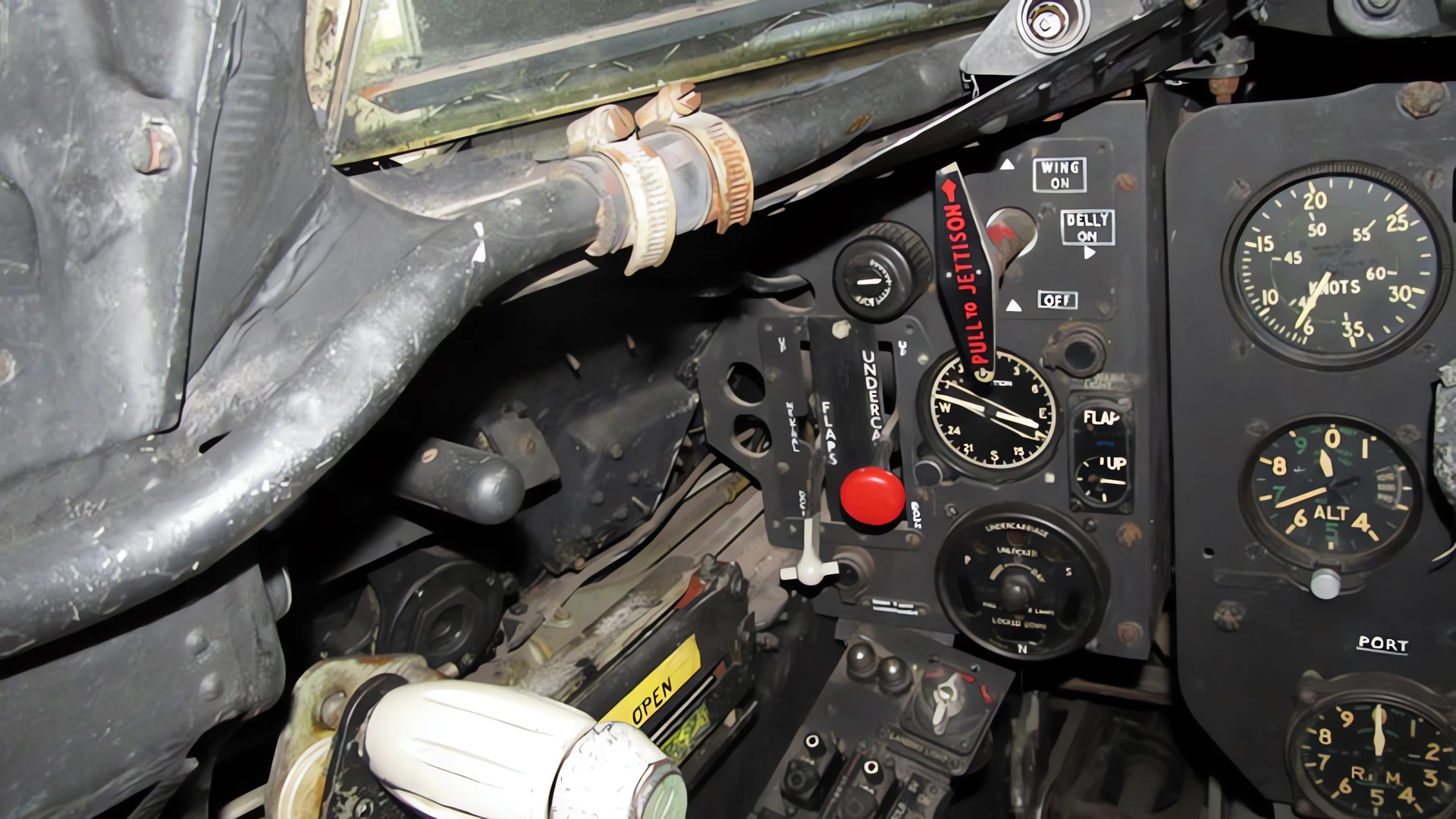
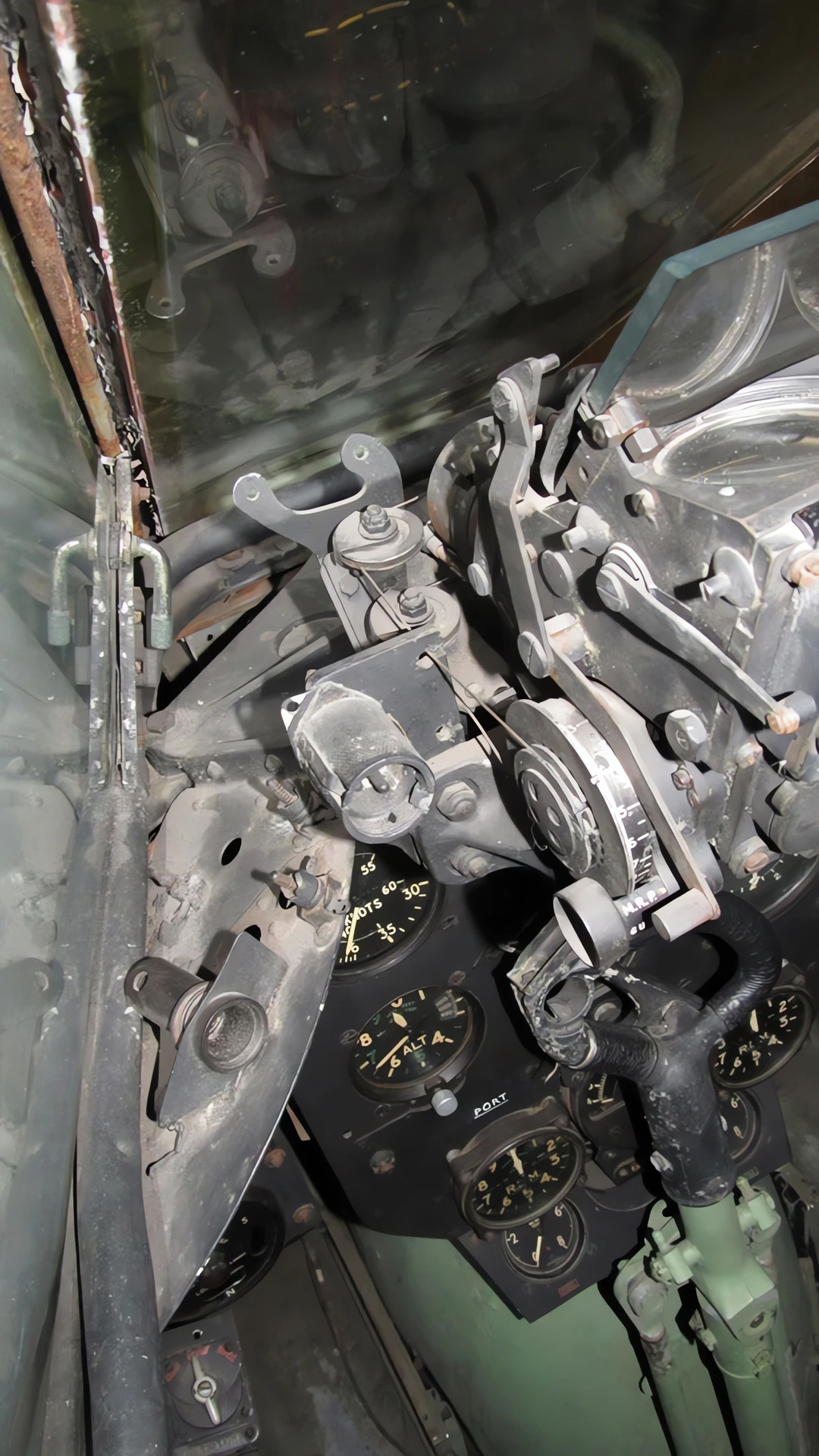
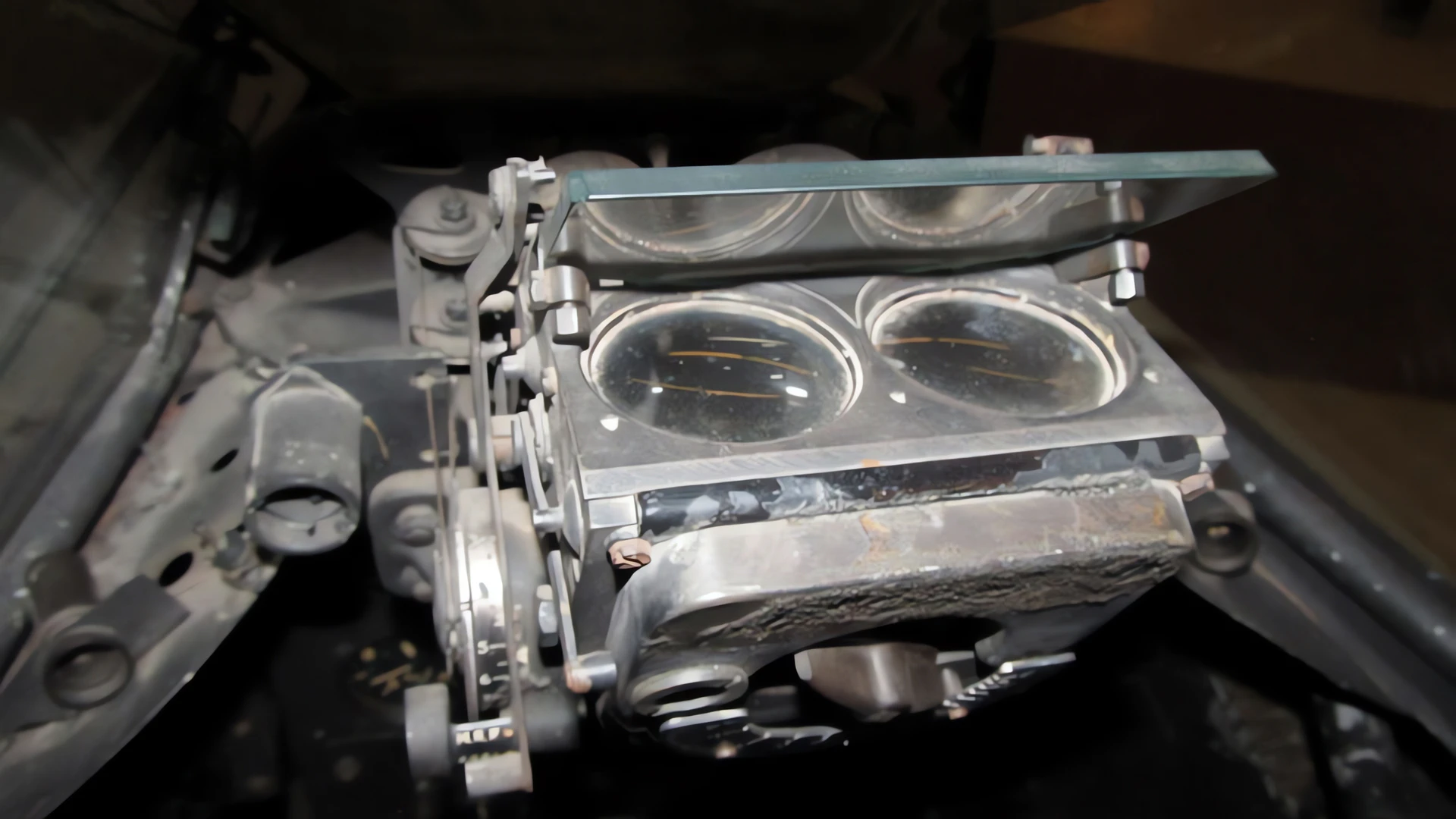
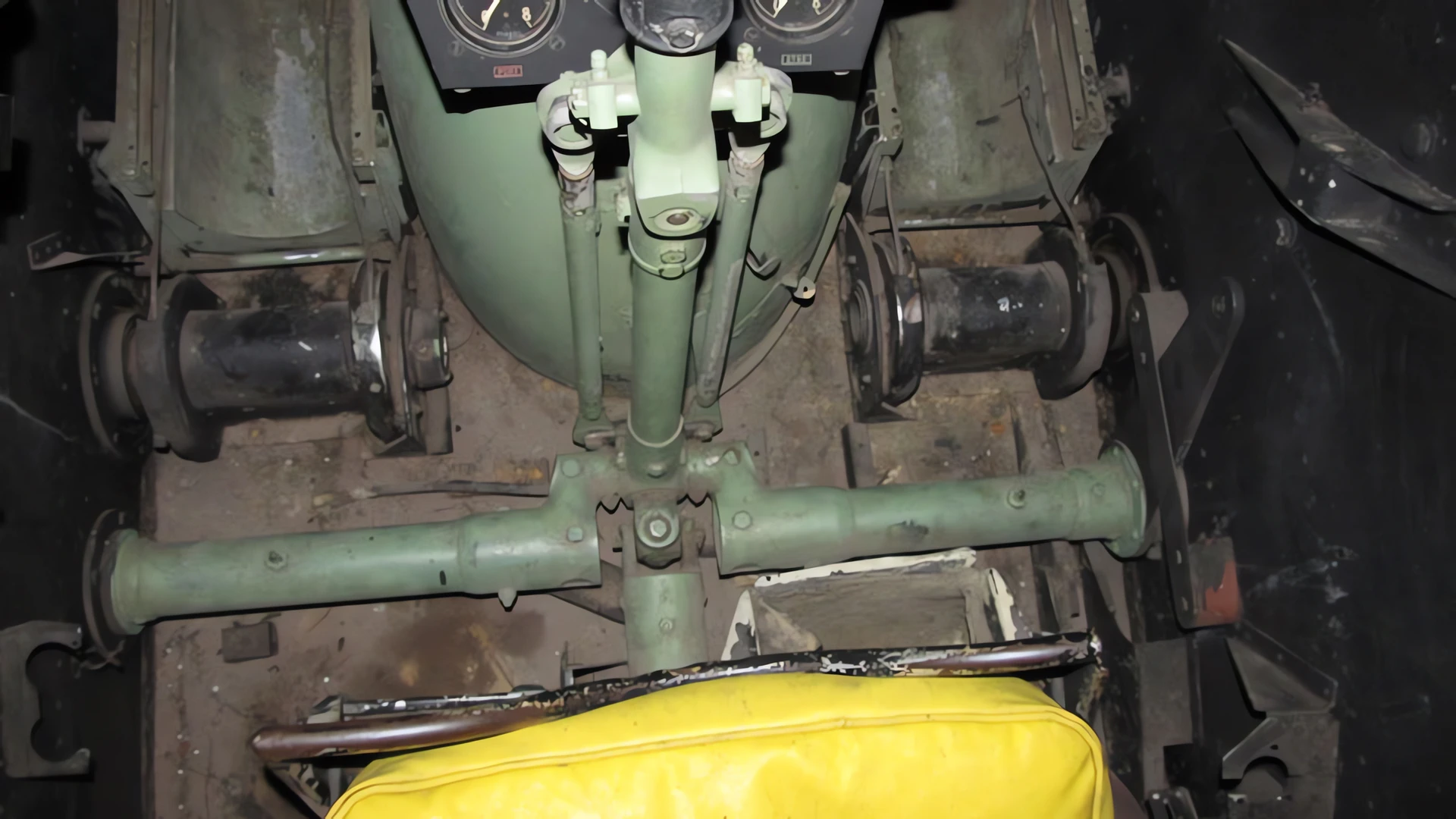
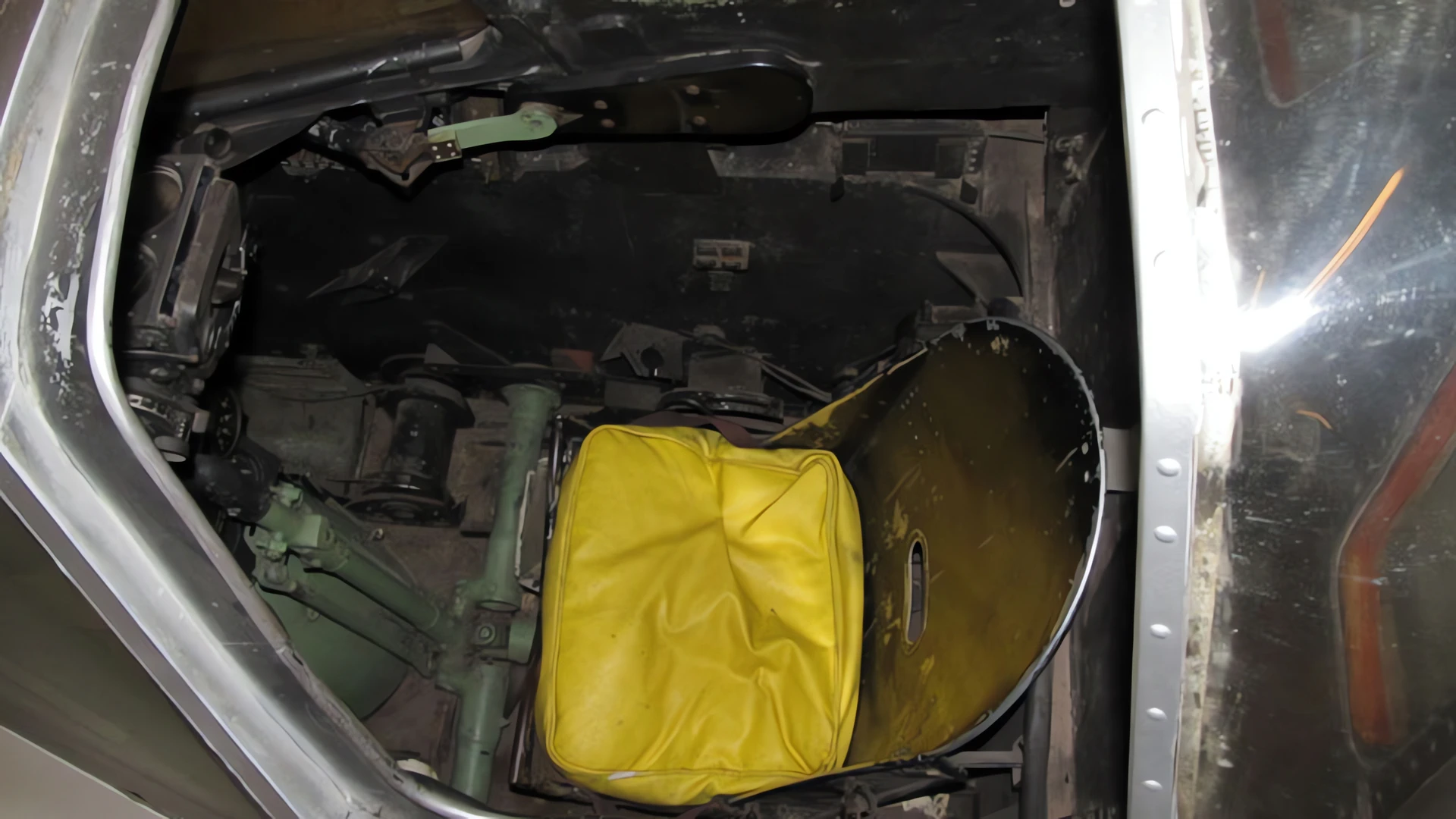
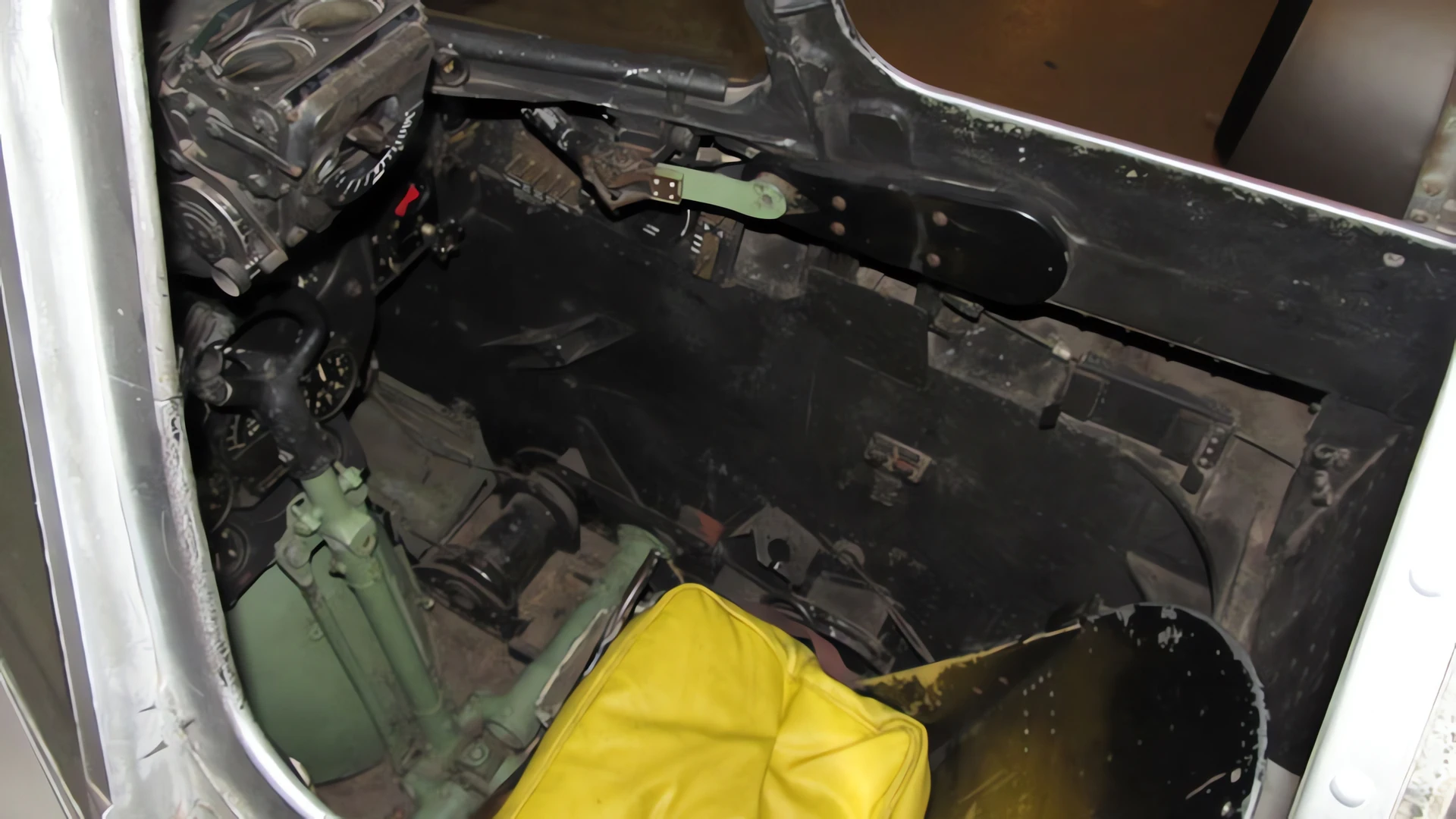

| Gloster Meteor Mk.4 Walk Around | |
|---|---|
| Фотограф | Незнай |
| Локалізацією | Незнай |
| Фото | 38 |
| Gloster Meteor F8 Walk Around | |
|---|---|
| Фотографів | Ian Kaiser and Matt Gannon |
| Локалізацією | Музей авіації Темора |
| Фото | 101 |
| Gloster Meteor F8 Walk Around | |
|---|---|
| Фотографів | Unknow |
| Локалізацією | Незнай |
| Фото | 25 |
Читайте також:


| Gloster Meteor F9-40 N Walk Around | |
|---|---|
| Фотографів | Unknow |
| Локалізацією | Незнай |
| Фото | 27 |
The Refined First-Generation Jet
У 201 Gloster Meteor F.4 was the first major post-war evolution of the UK’s (and the Allies’) only operational WWII jet fighter. While the earlier Mk.1 and Mk.3 models were pioneering but underpowered, the F.4 introduced the significantly more powerful Derwent 5 engines. This variant transformed the Meteor from a curiosity into a world-class interceptor, boasting a climb rate and top speed that briefly made it the fastest aircraft on the planet.
| Attribute | Technical Specification (Meteor F.4) |
|---|---|
| Роль | Fighter Interceptor |
| команда | 1 (Pilot) |
| Введення | 1947 |
| Силова установка | 2 × Rolls-Royce Derwent 5 centrifugal-flow turbojets |
| Thrust | 3,500 lbf (15.6 kN) per engine |
| Максимальна швидкість | 585 mph (941 km/h) at sea level |
| Rate of Climb | 7,350 ft/min (at sea level) |
| Зброя | 4 × 20mm Hispano Mk.V cannons (nose-mounted) |
Design Innovations: Power and Stability
- The “Clipped” Wings: Early F.4s had long wings like the Mk.3, but the increased speed caused structural stress and heavy aileron control. Designers “clipped” the wingtips by nearly 3 feet each. This improved the roll rate and structural integrity, though it slightly increased the landing speed.
- Derwent 5 Engines: These were essentially scaled-down versions of the massive Nene engine. Their increased thrust allowed the Meteor F.4 to set two world speed records in 1945 and 1946, eventually reaching 616 mph in the famous “EE549” aircraft.
- Pressurized Cockpit: The F.4 was the first Meteor variant to offer a fully pressurized cockpit as standard, allowing pilots to operate comfortably at the high altitudes where jet engines are most efficient.
- Extended Engine Nacelles: To reduce aerodynamic drag at high speeds, the engine cowlings (nacelles) were lengthened. This “long-nacelle” look became the classic silhouette for the remainder of the Meteor’s production life.
Global Reach and Legacy
- Export Success: The F.4 was a massive export hit for Gloster. It served in the air forces of Argentina, Belgium, Denmark, Egypt, the Netherlands, and Norway, making it one of the most widely used early jet fighters in the world.
- The Argentine Dispute: Argentina was a major operator of the F.4; their Meteors saw combat during internal uprisings in the 1950s, marking some of the earliest jet combat in South America.
- The T.7 Trainer: The F.4 airframe was so successful that it served as the basis for the Метеор Т.7, a two-seat trainer version that taught a generation of pilots how to handle the unique challenges of jet flight.
- Structural Limits: While incredibly fast for its time, the F.4 was still a straight-wing design. It suffered from “compressibility” issues as it approached the speed of sound, which eventually led to its replacement by swept-wing fighters like the Hawker Hunter.
Views : 6674
Ви також можете побачити:
 Packard-Le Père LUSAC-11 – фото & відео
 Яковлєв Як-1 – фото &відео
 Боїнг EA-18G Growler – фото & відео
 Грумман F7F Tigercat – Прогулянка
 Гарпун Локхід PV-2D – walkAround
 Маккі MC-200 – мобільний
 PZL P.11 – Обхідний шлях
 P-51 Мустанг vol2 – Прогулянка Навколо
 Bell P-63E KingCobra – західний
 Vought F4U Корсар – Прогулянка
Привіт
Коли-небудь я натискаю на сторінку # 2 і вперед я більше не бачу ніяких фотографій літака. Thios для будь-якого з ваших альбомів. Бачити фотографії на сторінці No1 можна тільки на будь-якій темі. Використання Firefox, остання версія.
Будь-які пропозиції?
Дякую!
Я просто оновити менеджер зображень, це добре для вас зараз?
Дякуємо за ваше повернення!