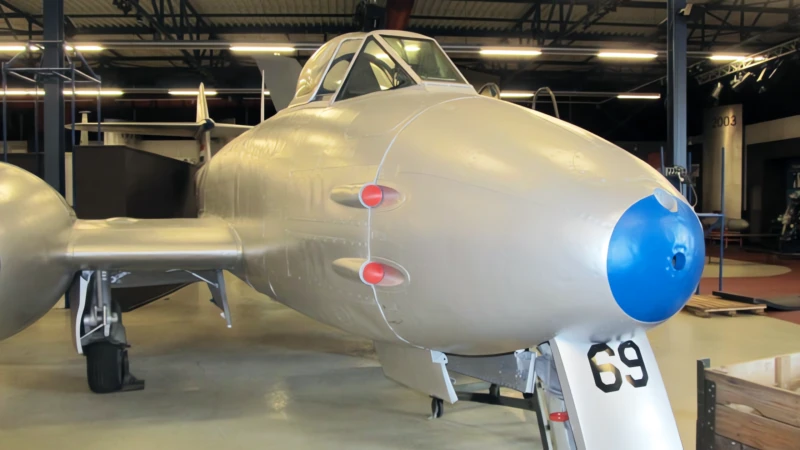
Gloster Meteo | |
|---|---|
| Paese | Regno unito |
| Ruolo | Caccia |
| Primo volo | Il 5 marzo 1943 |
| Costruito | 3947 |
Le Meteora Gloster Fu il primo caccia a reazione britannico e l'unico aereo a reazione degli Alleati a ottenere operazioni di combattimento durante la seconda guerra mondiale. Lo sviluppo del Meteor dipendeva fortemente dai suoi rivoluzionari motori turbogetto, pionieri di Sir Frank Whittle e della sua compagnia, la Power Jets Ltd. Lo sviluppo dell'aereo iniziò nel 1940, anche se i lavori sui motori erano in corso dal 1936. Il Meteor volò per la prima volta nel 1943 e iniziò le operazioni il 27 luglio 1944 con il n. 616 Squadron RAF. Il Meteor non era un aereo sofisticato nella sua aerodinamica, ma si dimostrò un caccia da combattimento di successo. Il G-AIDC, dimostratore civile meteor f.4 del 1946, è stato il primo aereo jet registrato da civili al mondo
fonte: Gloster Meteor su Wikipedia
| Gloster Meteor Mk.4 cammina | |
|---|---|
| Fotografi | Cees Hendriks |
| Localizzazione | Inconsapevole |
| Foto | 106 |
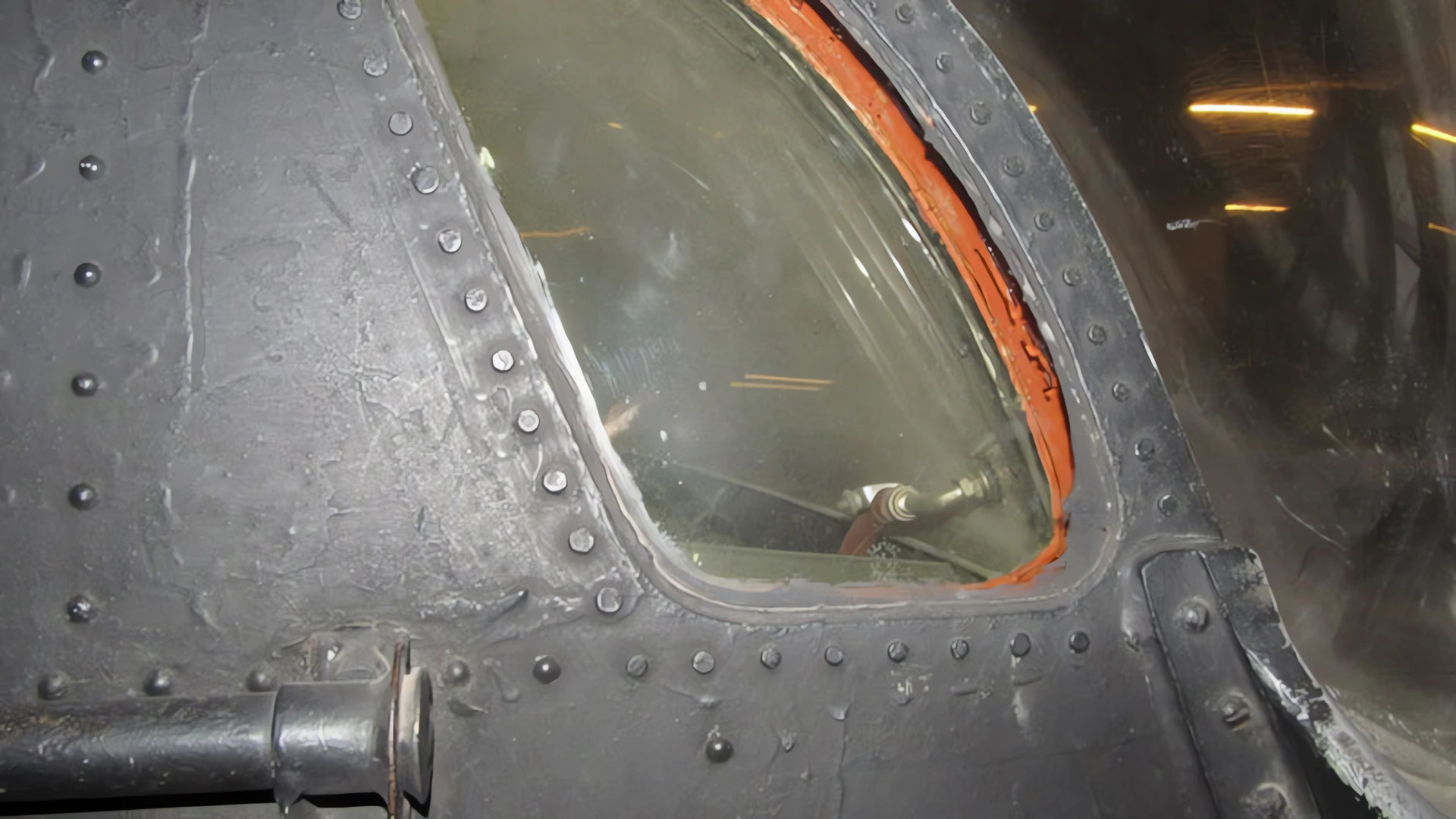
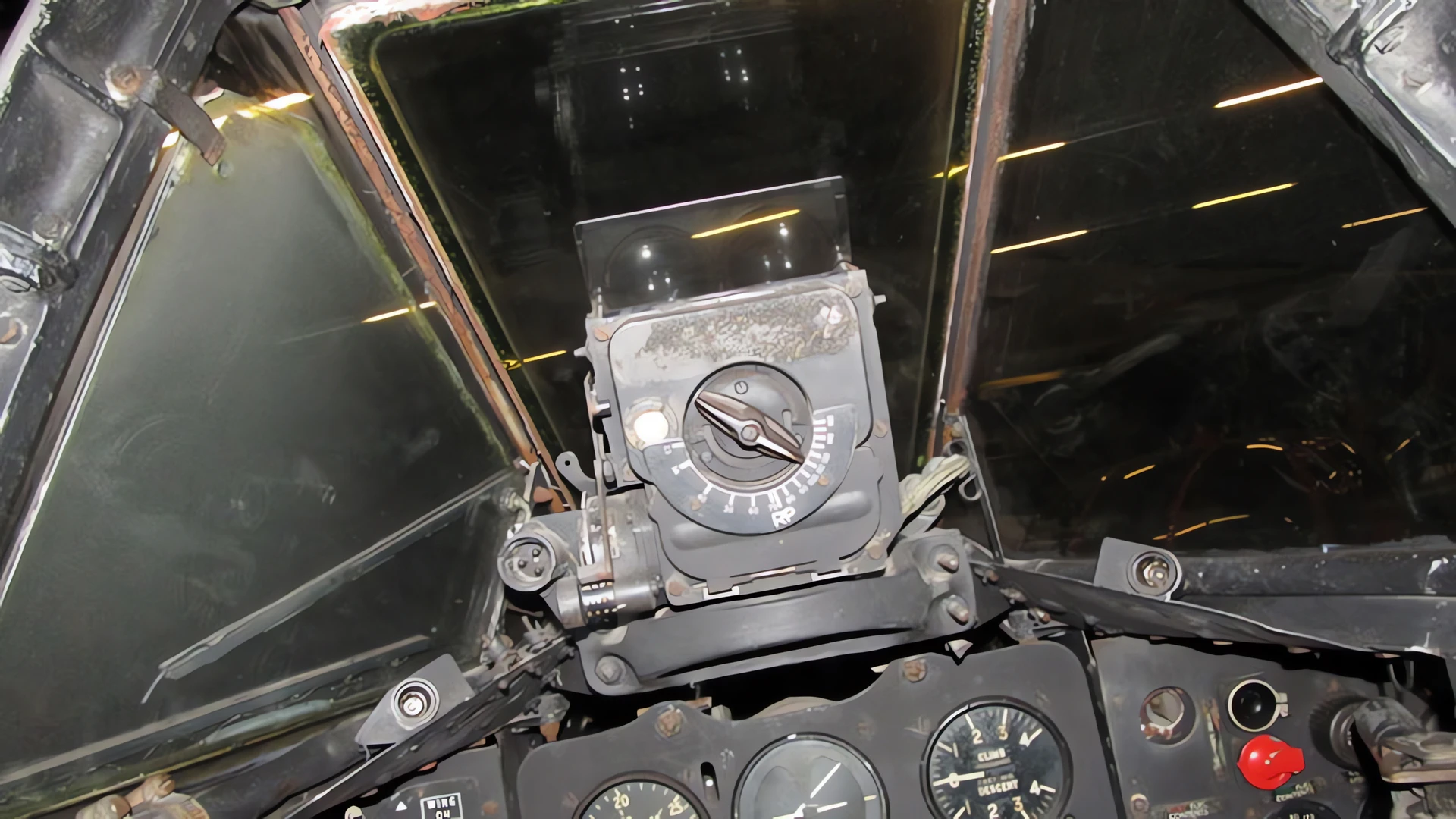
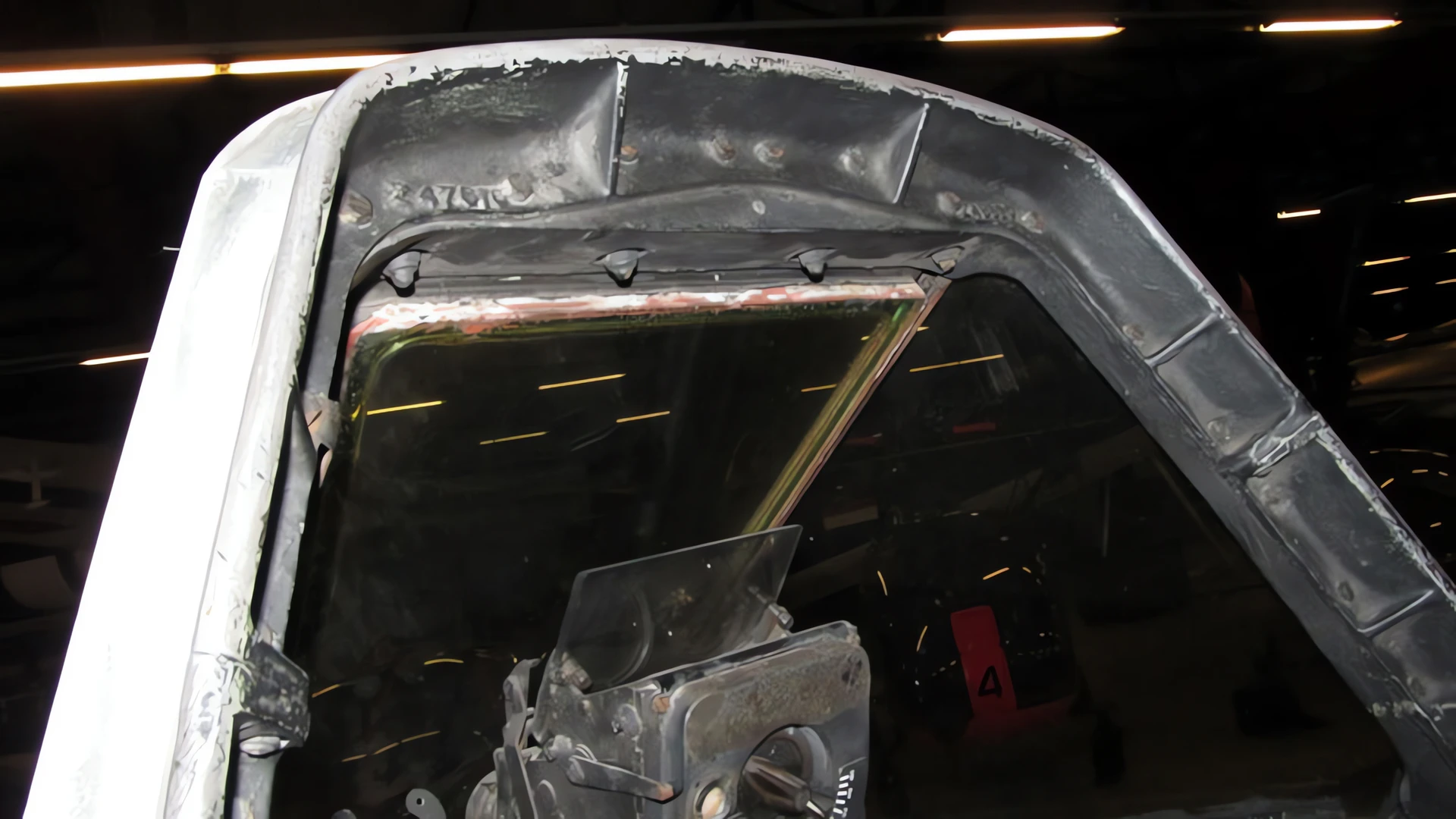
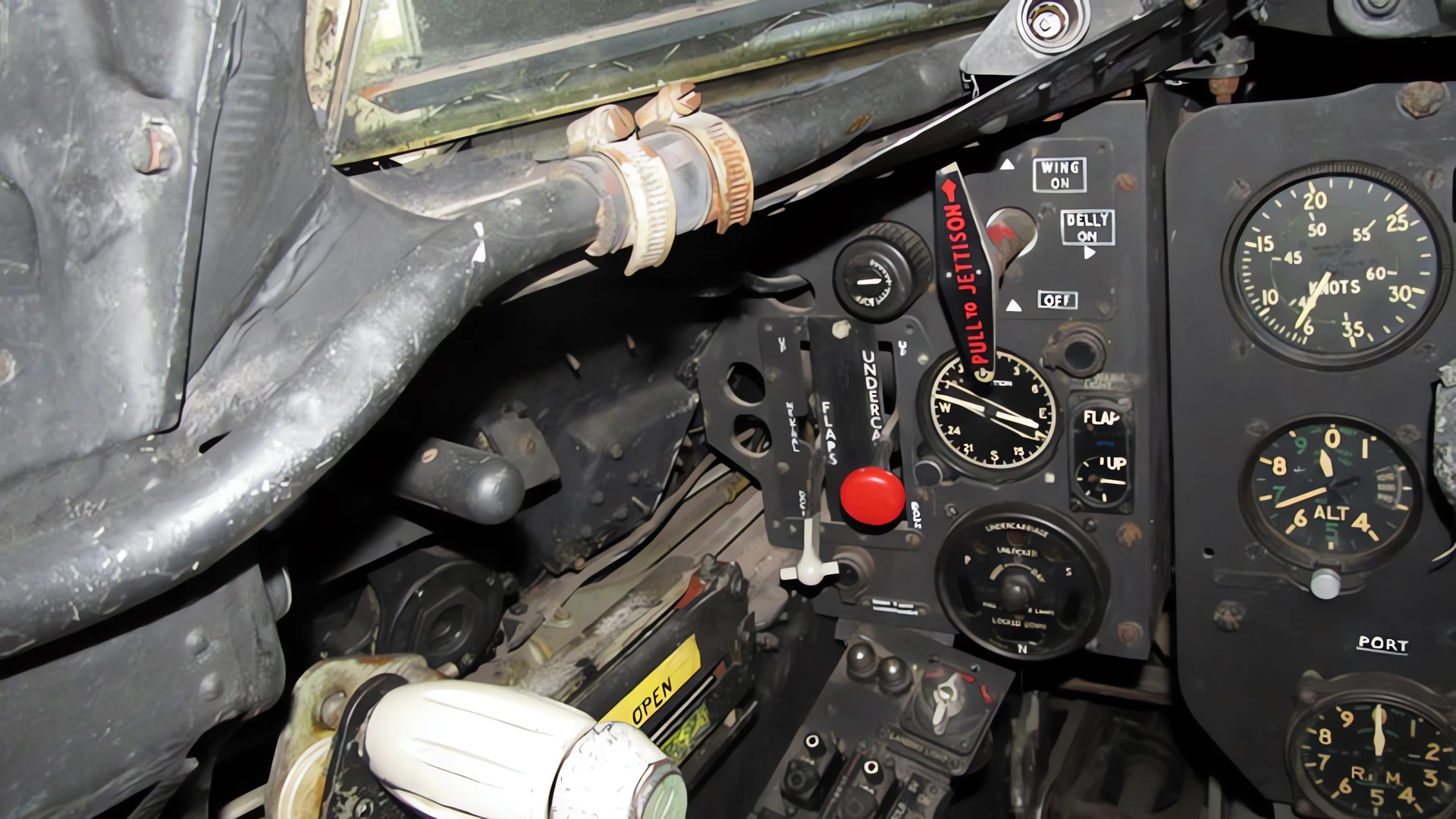
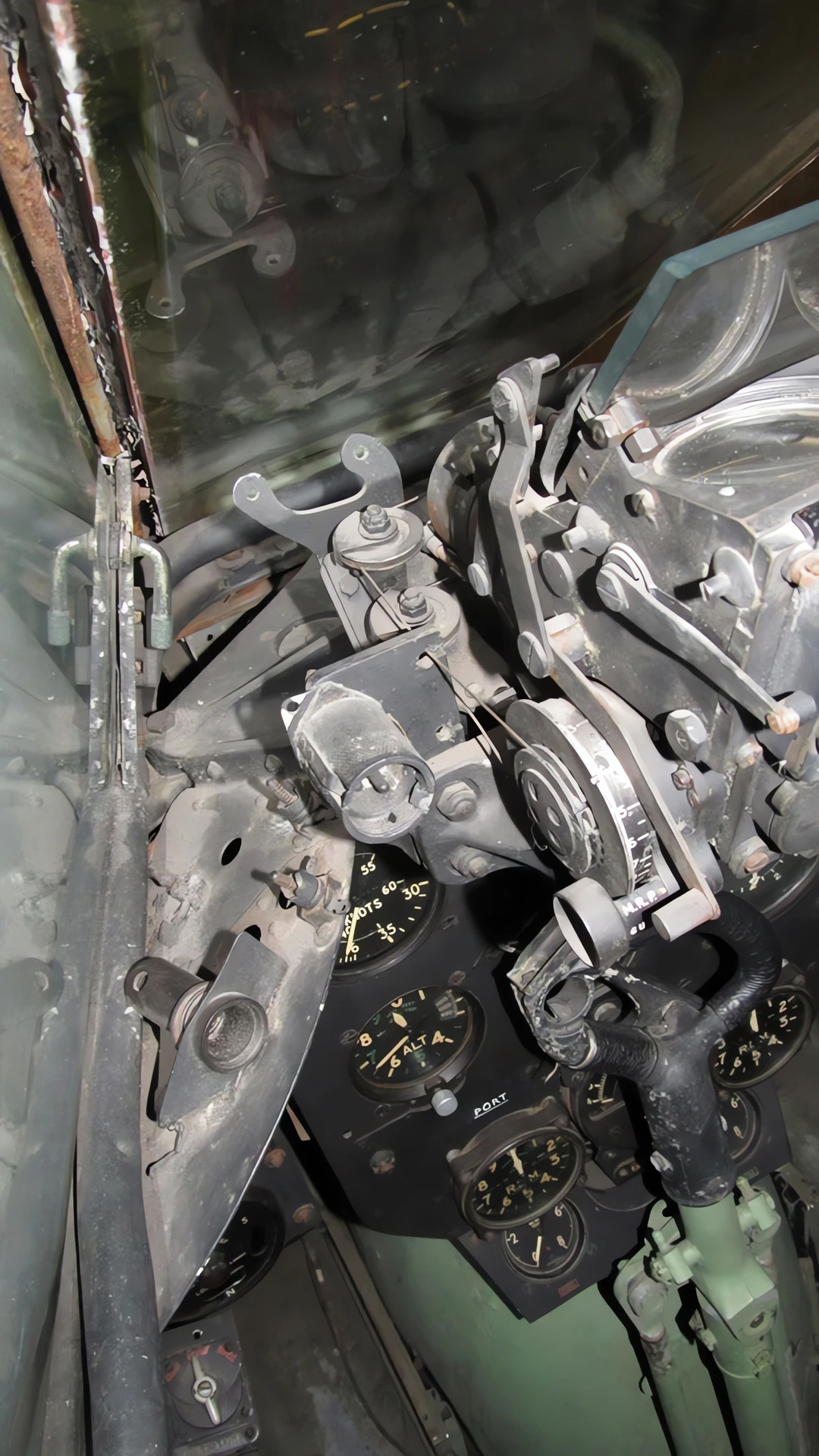
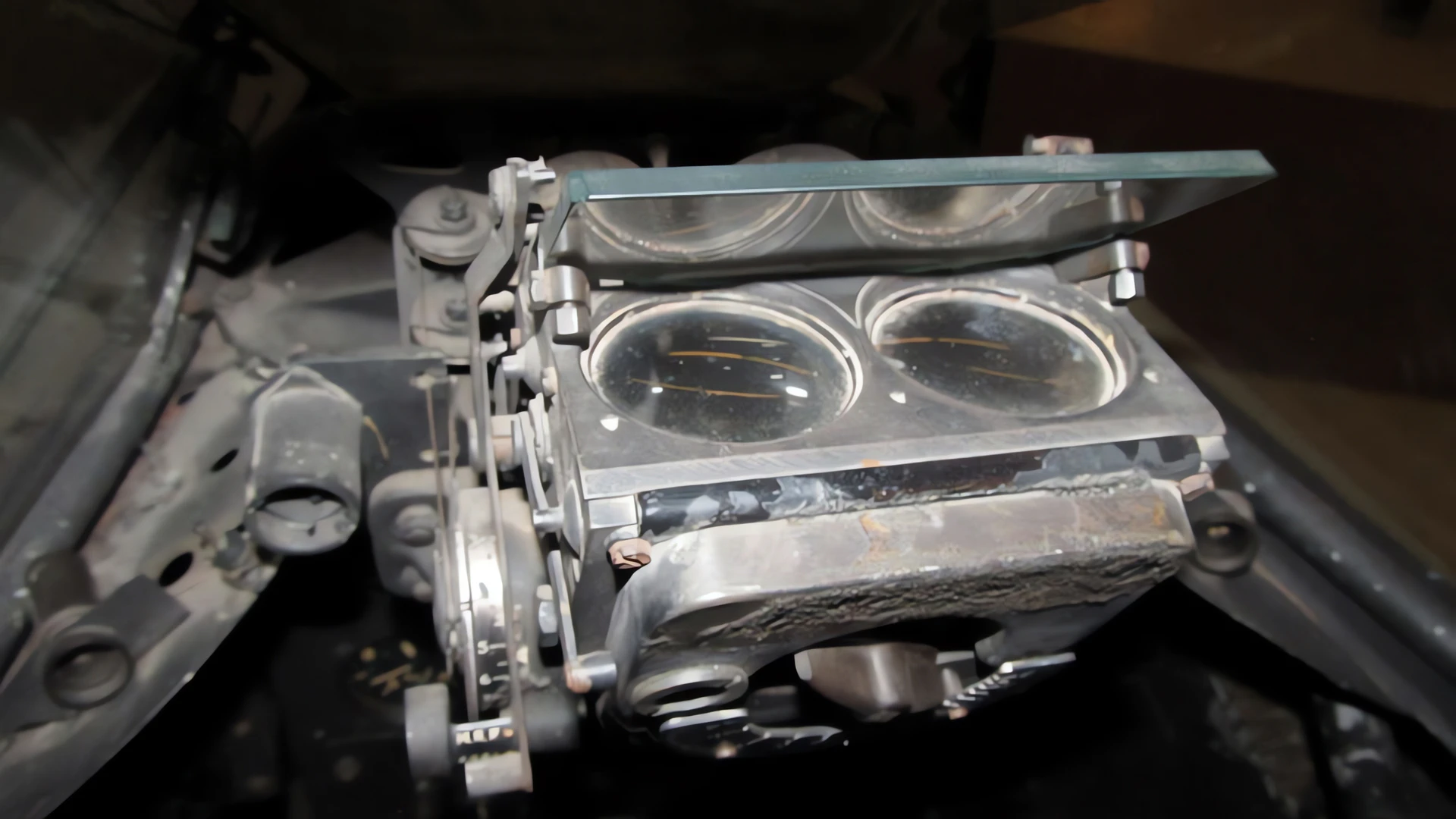
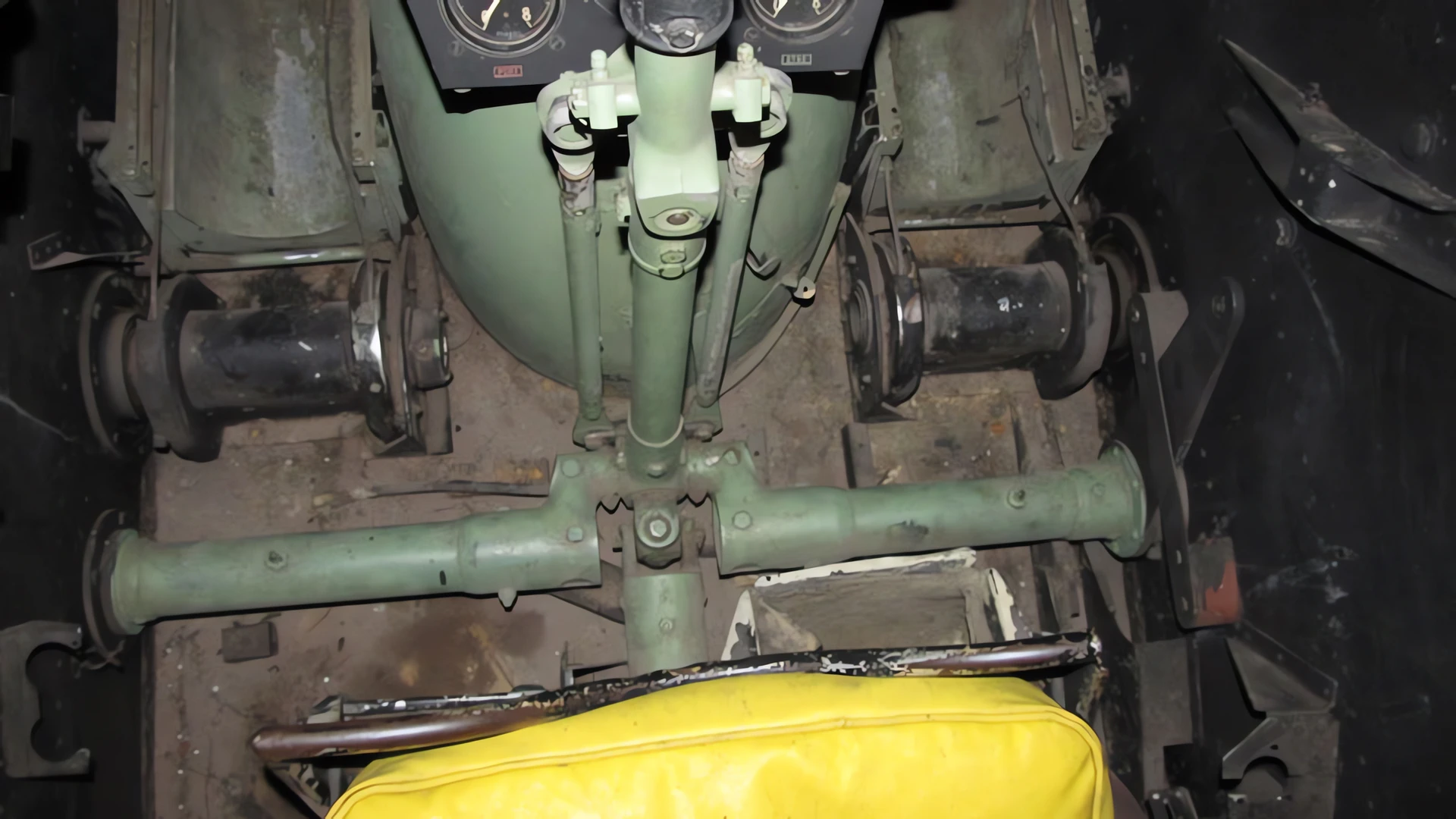
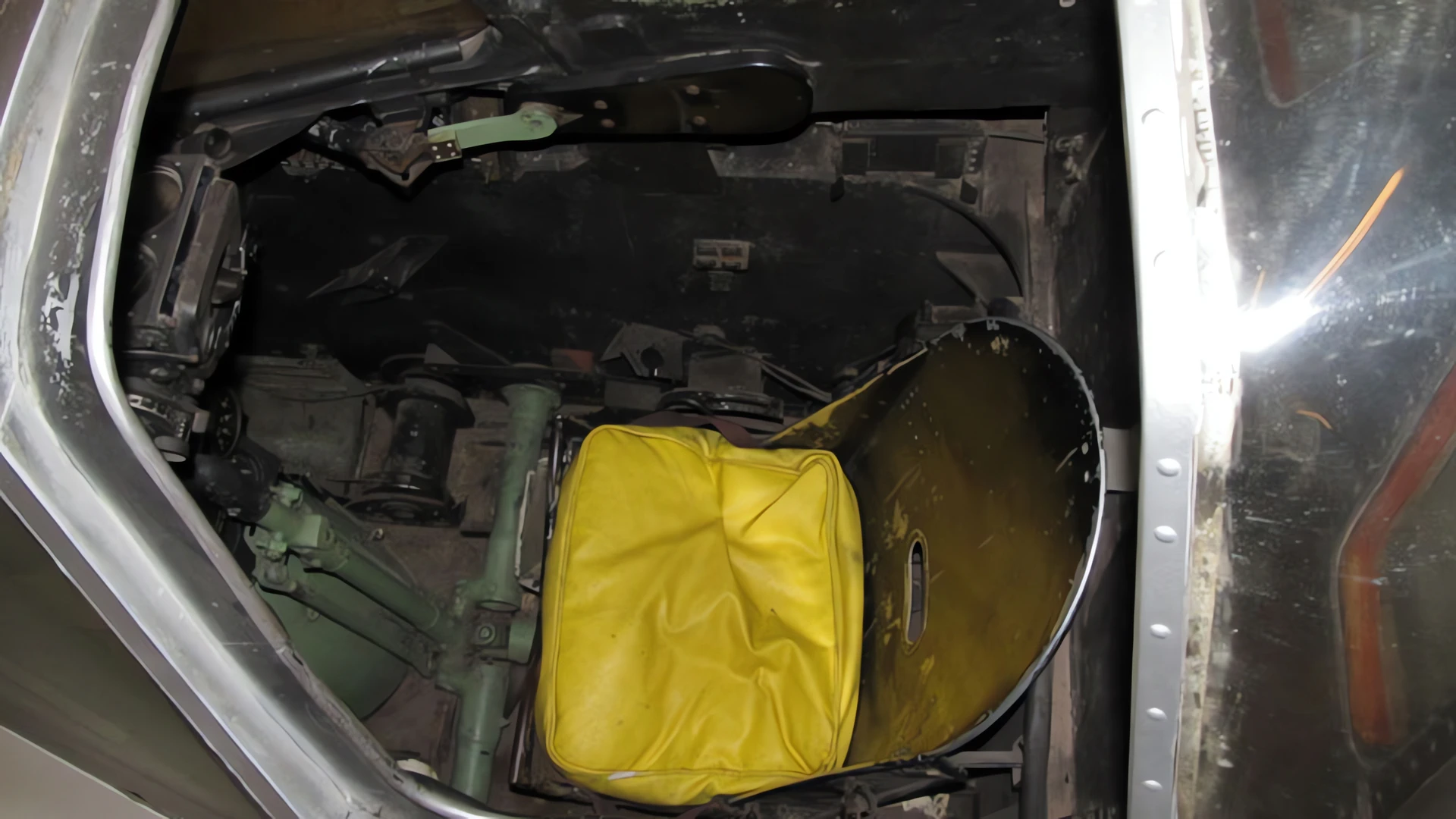
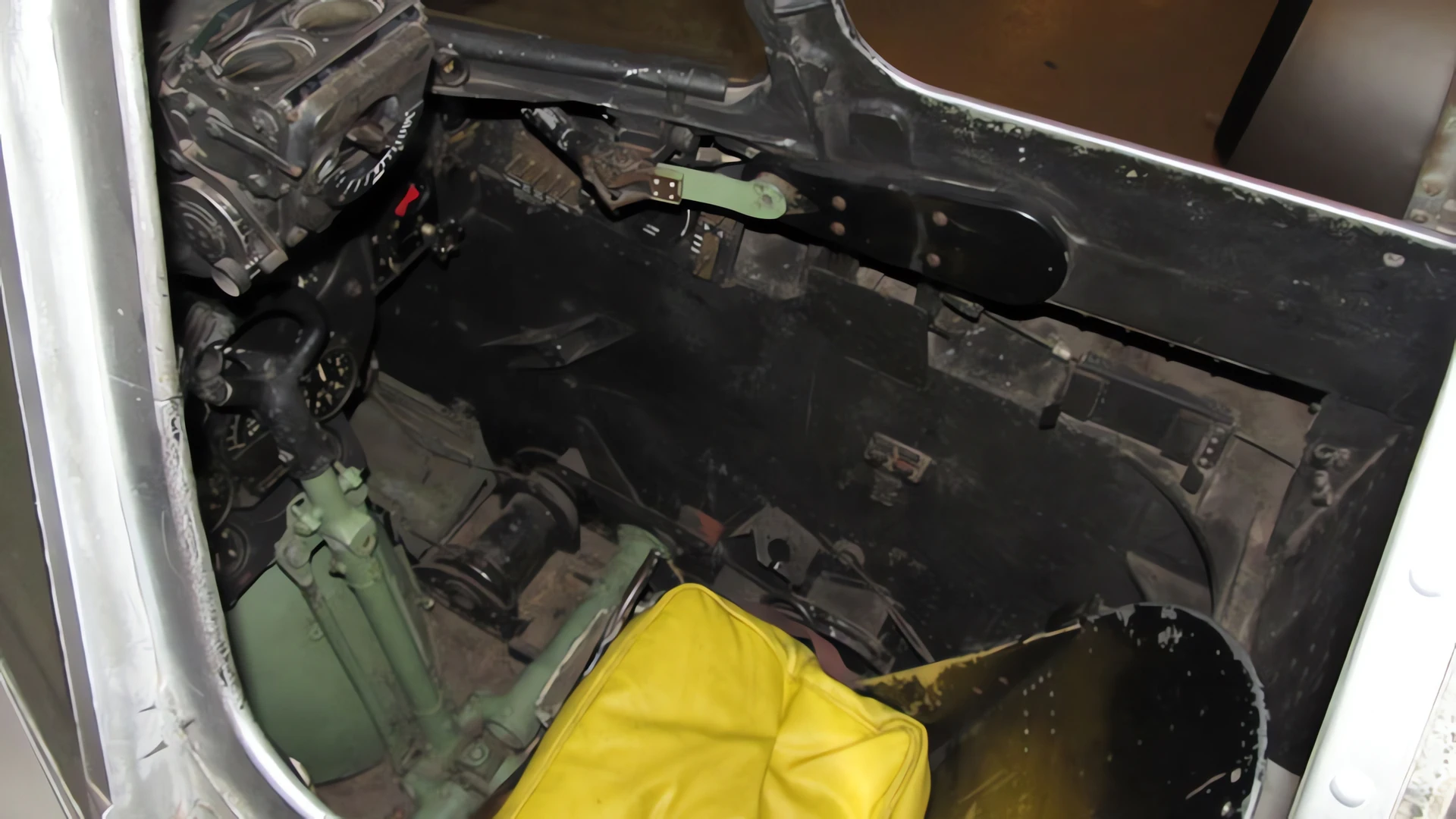

| Gloster Meteor Mk.4 Walk Around | |
|---|---|
| Fotografo | Inconsapevole |
| Localizzazione | Inconsapevole |
| Foto | 38 |
| Gloster Meteor F8 Walk Around | |
|---|---|
| Fotografi | Ian Kaiser and Matt Gannon |
| Localizzazione | Il Museo dell'Aviazione temora |
| Foto | 101 |
| Gloster Meteor F8 Walk Around | |
|---|---|
| Fotografi | Unknow |
| Localizzazione | Inconsapevole |
| Foto | 25 |
Vedi anche:


| Gloster Meteor F9-40 N Walk Around | |
|---|---|
| Fotografi | Unknow |
| Localizzazione | Inconsapevole |
| Foto | 27 |
The Refined First-Generation Jet
Le Gloster Meteor F.4 was the first major post-war evolution of the UK’s (and the Allies’) only operational WWII jet fighter. While the earlier Mk.1 and Mk.3 models were pioneering but underpowered, the F.4 introduced the significantly more powerful Derwent 5 engines. This variant transformed the Meteor from a curiosity into a world-class interceptor, boasting a climb rate and top speed that briefly made it the fastest aircraft on the planet.
| Attribute | Technical Specification (Meteor F.4) |
|---|---|
| Ruolo | Fighter Interceptor |
| Equipaggio | 1 (Pilot) |
| Introduzione | 1947 |
| Motopropulsore | 2 × Rolls-Royce Derwent 5 centrifugal-flow turbojets |
| Thrust | 3,500 lbf (15.6 kN) per engine |
| Velocità massima | 585 mph (941 km/h) at sea level |
| Rate of Climb | 7,350 ft/min (at sea level) |
| Armamento | 4 × 20mm Hispano Mk.V cannons (nose-mounted) |
Design Innovations: Power and Stability
- The “Clipped” Wings: Early F.4s had long wings like the Mk.3, but the increased speed caused structural stress and heavy aileron control. Designers “clipped” the wingtips by nearly 3 feet each. This improved the roll rate and structural integrity, though it slightly increased the landing speed.
- Derwent 5 Engines: These were essentially scaled-down versions of the massive Nene engine. Their increased thrust allowed the Meteor F.4 to set two world speed records in 1945 and 1946, eventually reaching 616 mph in the famous “EE549” aircraft.
- Pressurized Cockpit: The F.4 was the first Meteor variant to offer a fully pressurized cockpit as standard, allowing pilots to operate comfortably at the high altitudes where jet engines are most efficient.
- Extended Engine Nacelles: To reduce aerodynamic drag at high speeds, the engine cowlings (nacelles) were lengthened. This “long-nacelle” look became the classic silhouette for the remainder of the Meteor’s production life.
Global Reach and Legacy
- Export Success: The F.4 was a massive export hit for Gloster. It served in the air forces of Argentina, Belgium, Denmark, Egypt, the Netherlands, and Norway, making it one of the most widely used early jet fighters in the world.
- The Argentine Dispute: Argentina was a major operator of the F.4; their Meteors saw combat during internal uprisings in the 1950s, marking some of the earliest jet combat in South America.
- The T.7 Trainer: The F.4 airframe was so successful that it served as the basis for the Meteora T.7, a two-seat trainer version that taught a generation of pilots how to handle the unique challenges of jet flight.
- Structural Limits: While incredibly fast for its time, the F.4 was still a straight-wing design. It suffered from “compressibility” issues as it approached the speed of sound, which eventually led to its replacement by swept-wing fighters like the Hawker Hunter.
Visualizzazioni : 6641
Puoi anche vedere:
 Packard-Le Père LUSAC-11 – Foto e Video
 Yakovlev Yak-1 – Foto e Video
 Boeing EA-18G Growler – Foto e Video
 Grumman F7F Tigercat - WalkAround
 Arpione Lockheed PV-2D - WalkAround
 Macchi MC-200 - WalkAround
 PZL P.11 - WalkAround
 P-51 Mustang vol2 - Passeggiata
 Bell P-63E KingCobra - Walkaround
 Vought F4U Corsair - Walkaround
ciao
Ogni volta che clico sulla #2 e in avanti non vedo più foto dell'aereo. Thios è per uno qualsiasi dei tuoi album. Solo in grado di vedere le foto sulla pagina #1 di qualsiasi soggetto. Utilizzando Firefox, ultima versione.
Qualche suggerimento?
grazie!
Aggiorno solo il gestore delle immagini, è un bene per te ora ?
Grazie per il tuo ritorno!