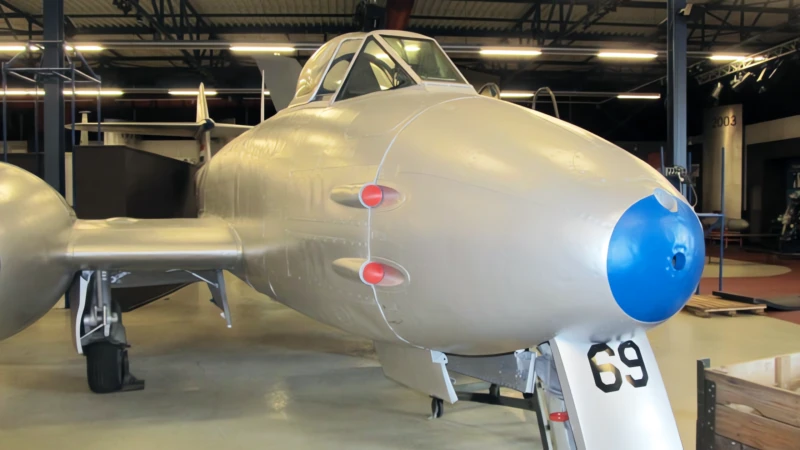
Gloster Meteo | |
|---|---|
| Country | UK |
| Role | Fighter aircraft |
| First flight | 5 March 1943 |
| Built | 3947 |
The Gloster Meteor was the first British jet fighter and the Allies’ only jet aircraft to achieve combat operations during the Second World War. The Meteor’s development was heavily reliant on its ground-breaking turbojet engines, pioneered by Sir Frank Whittle and his company, Power Jets Ltd. Development of the aircraft began in 1940, although work on the engines had been under way since 1936. The Meteor first flew in 1943 and commenced operations on 27 July 1944 with No. 616 Squadron RAF. The Meteor was not a sophisticated aircraft in its aerodynamics, but proved to be a successful combat fighter. Gloster’s 1946 civil Meteor F.4 demonstrator G-AIDC was the first civilian-registered jet aircraft in the world
Source: Gloster Meteor on Wikipedia
| Gloster Meteor Mk.4 Walk Around | |
|---|---|
| Photographers | Cees Hendriks |
| Localisation | Unknow |
| Photos | 106 |
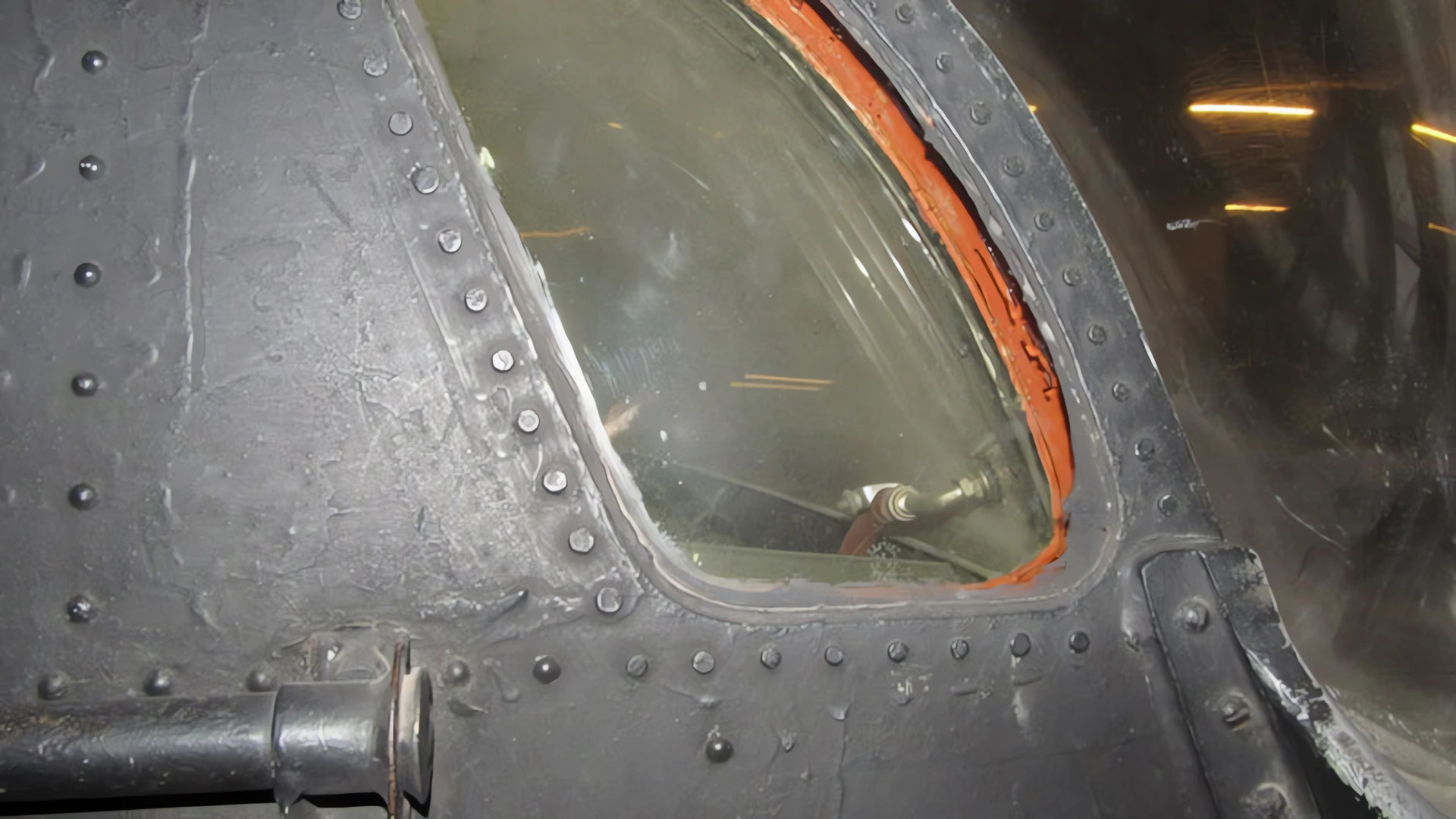
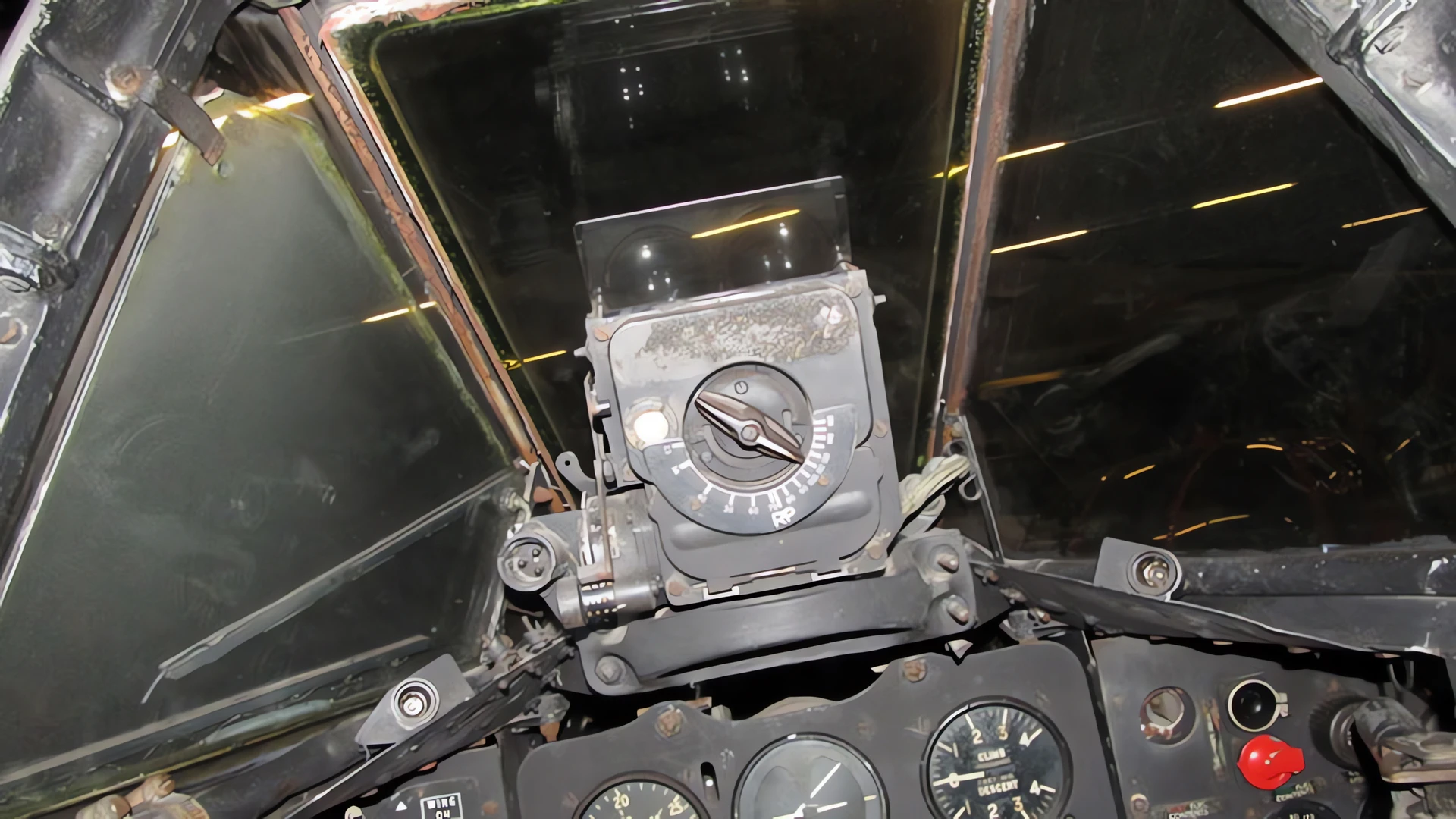
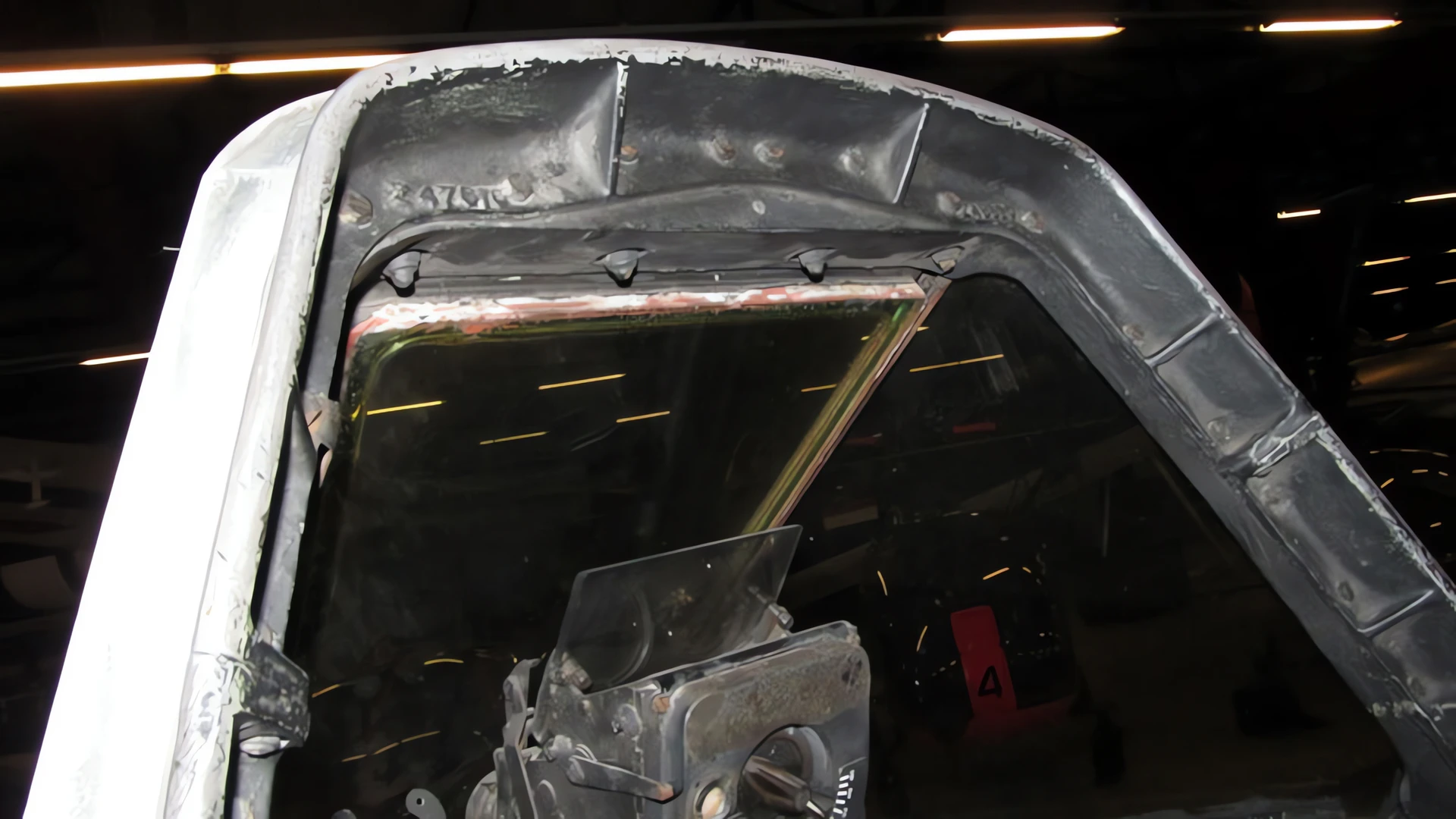
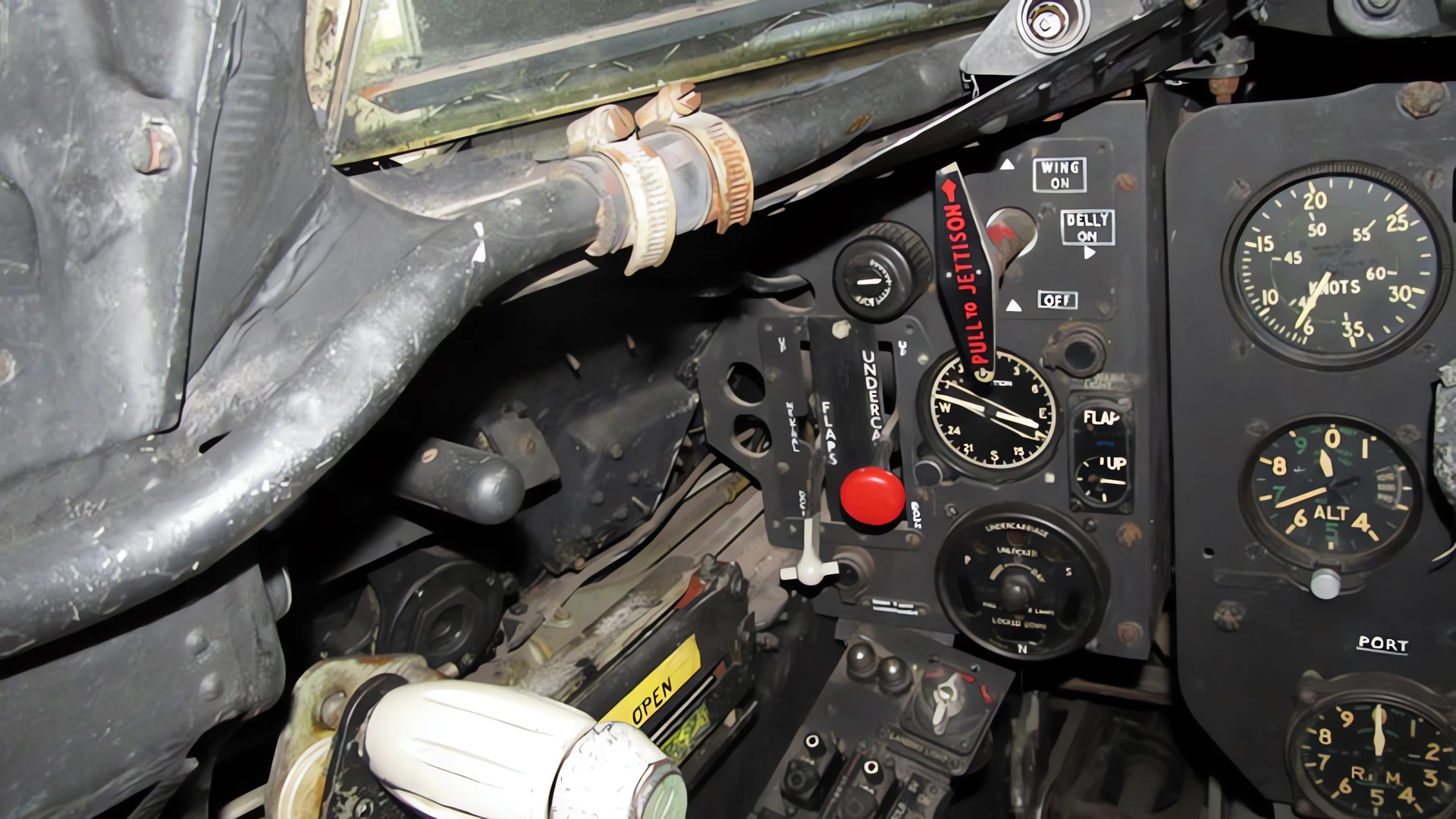
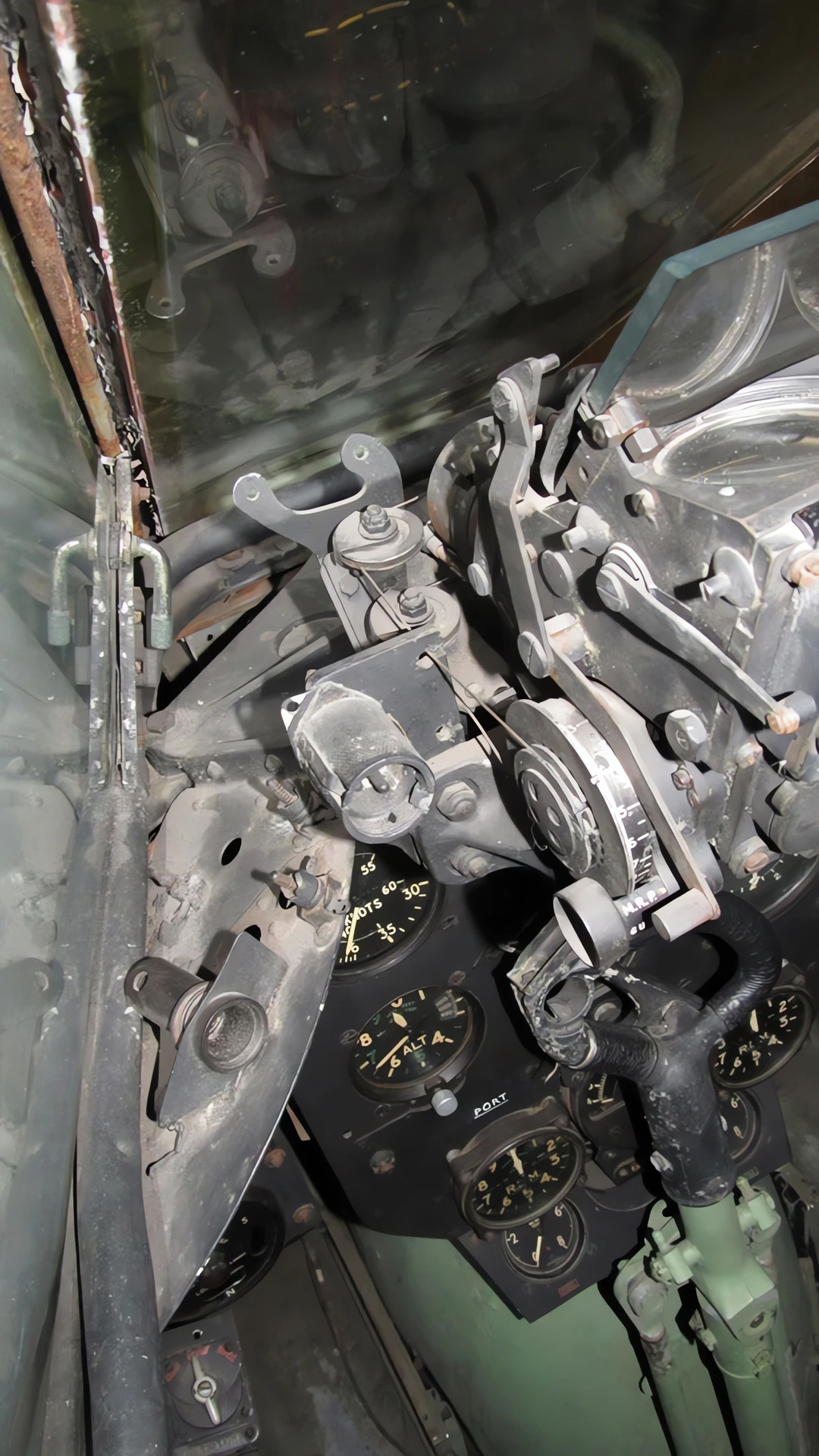
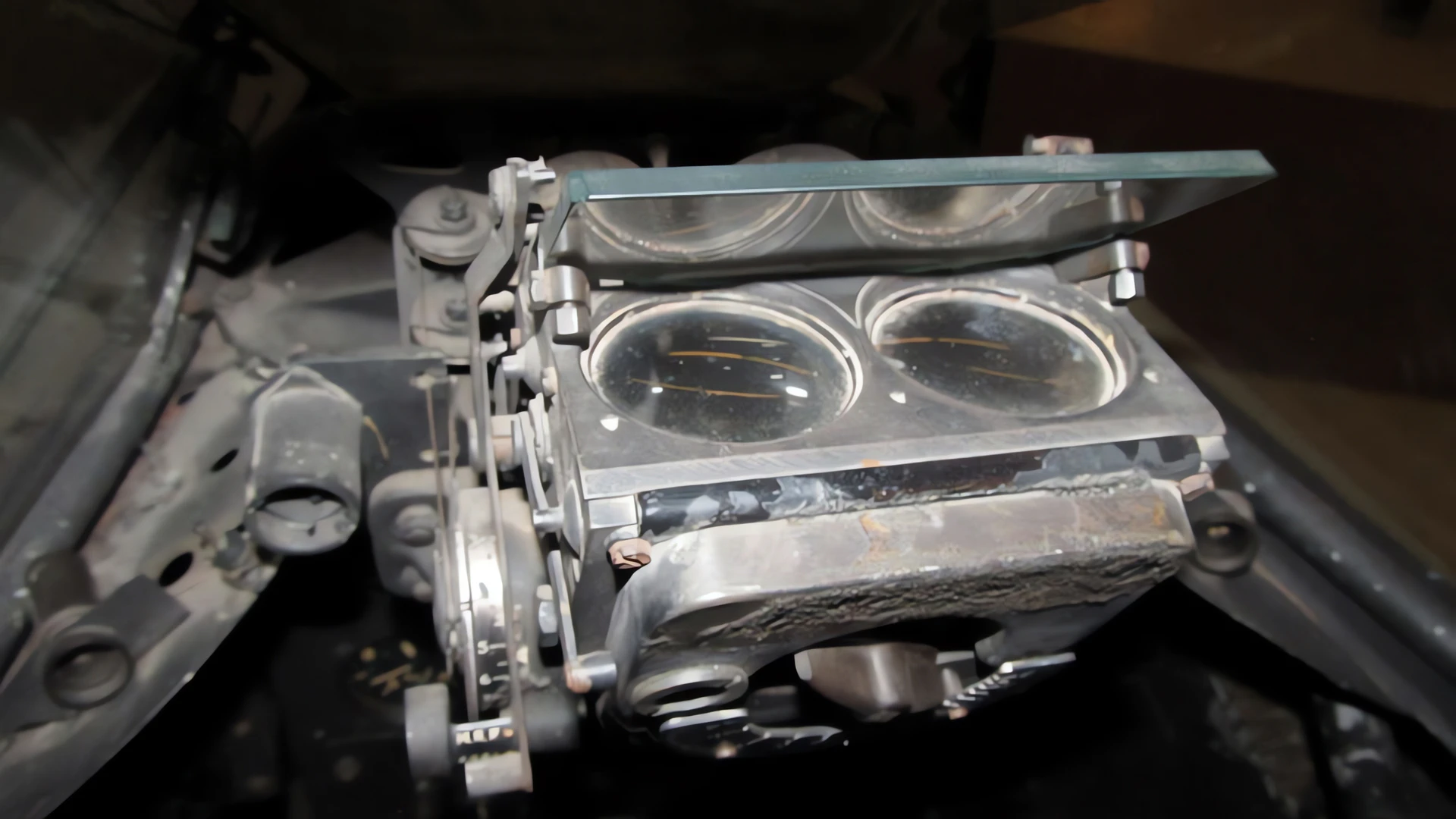
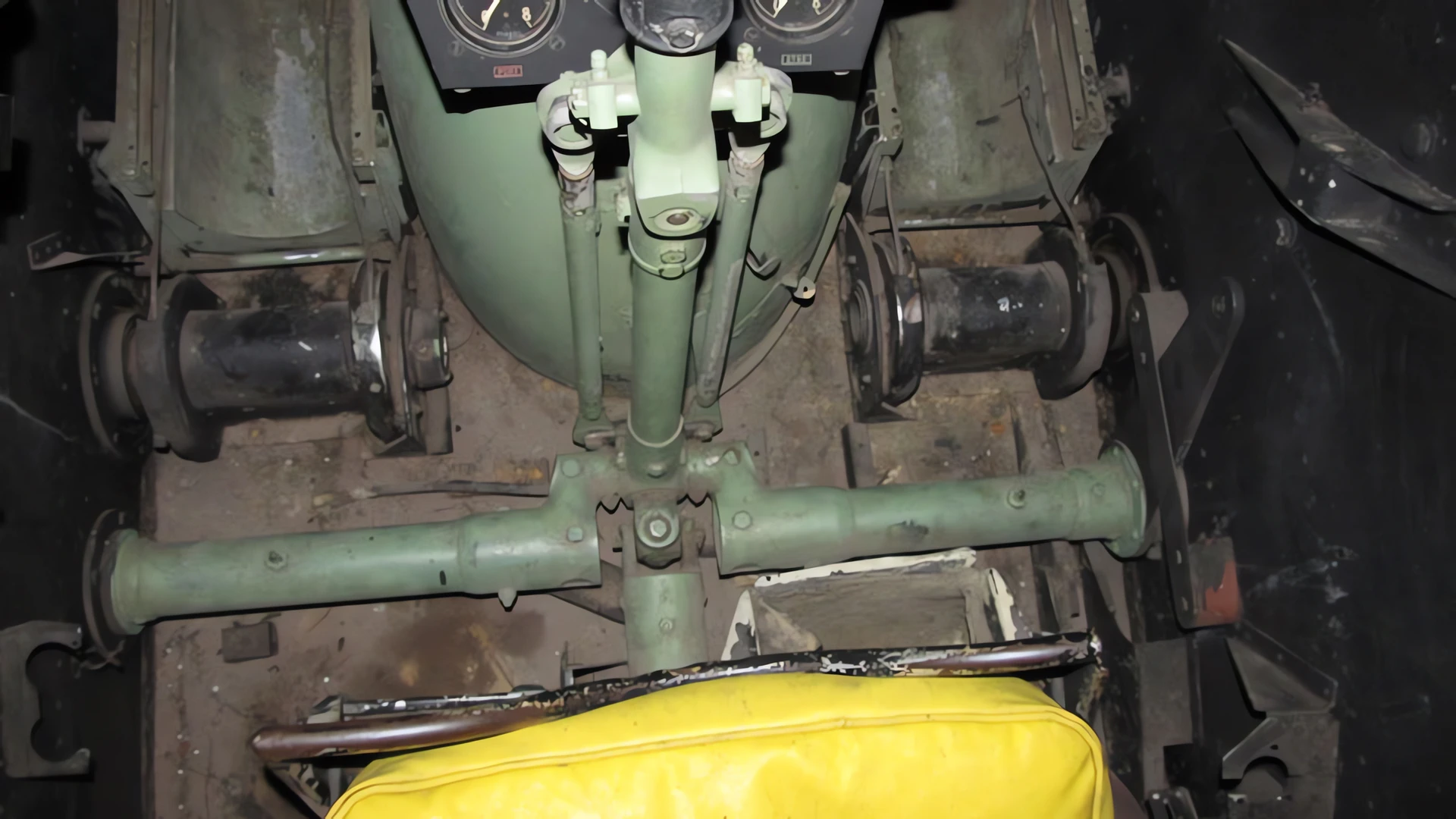
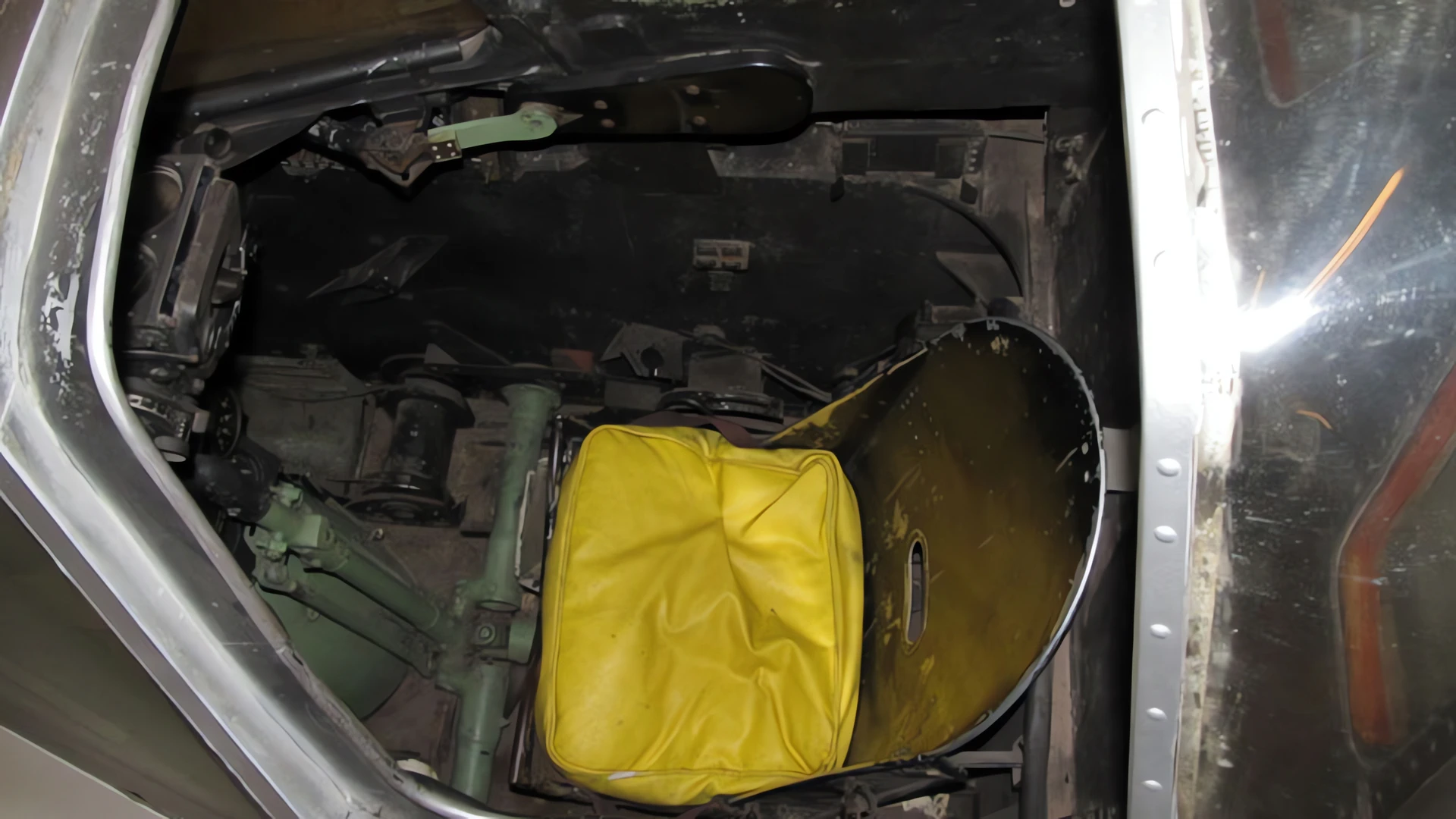
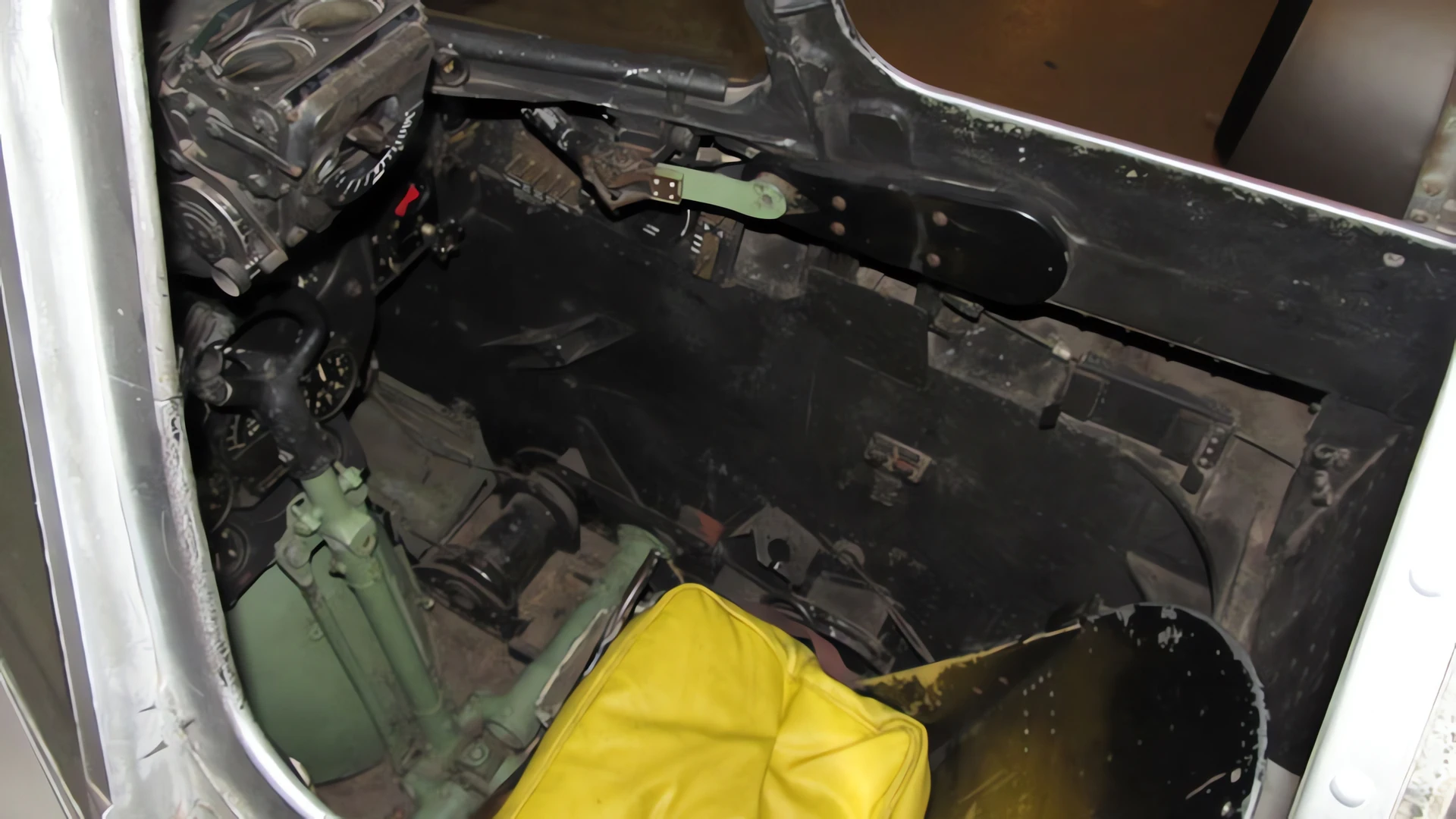

| Gloster Meteor Mk.4 Walk Around | |
|---|---|
| Photographer | Unknow |
| Localisation | Unknow |
| Photos | 38 |
| Gloster Meteor F8 Walk Around | |
|---|---|
| Photographers | Ian Kaiser and Matt Gannon |
| Localisation | The Temora Aviation Museum |
| Photos | 101 |
| Gloster Meteor F8 Walk Around | |
|---|---|
| Photographers | Unknow |
| Localisation | Unknow |
| Photos | 25 |
See also:


| Gloster Meteor F9-40 N Walk Around | |
|---|---|
| Photographers | Unknow |
| Localisation | Unknow |
| Photos | 27 |
The Refined First-Generation Jet
The Gloster Meteor F.4 was the first major post-war evolution of the UK’s (and the Allies’) only operational WWII jet fighter. While the earlier Mk.1 and Mk.3 models were pioneering but underpowered, the F.4 introduced the significantly more powerful Derwent 5 engines. This variant transformed the Meteor from a curiosity into a world-class interceptor, boasting a climb rate and top speed that briefly made it the fastest aircraft on the planet.
| Attribute | Technical Specification (Meteor F.4) |
|---|---|
| Role | Fighter Interceptor |
| Crew | 1 (Pilot) |
| Introduction | 1947 |
| Powerplant | 2 × Rolls-Royce Derwent 5 centrifugal-flow turbojets |
| Thrust | 3,500 lbf (15.6 kN) per engine |
| Maximum Speed | 585 mph (941 km/h) at sea level |
| Rate of Climb | 7,350 ft/min (at sea level) |
| Armament | 4 × 20mm Hispano Mk.V cannons (nose-mounted) |
Design Innovations: Power and Stability
- The “Clipped” Wings: Early F.4s had long wings like the Mk.3, but the increased speed caused structural stress and heavy aileron control. Designers “clipped” the wingtips by nearly 3 feet each. This improved the roll rate and structural integrity, though it slightly increased the landing speed.
- Derwent 5 Engines: These were essentially scaled-down versions of the massive Nene engine. Their increased thrust allowed the Meteor F.4 to set two world speed records in 1945 and 1946, eventually reaching 616 mph in the famous “EE549” aircraft.
- Pressurized Cockpit: The F.4 was the first Meteor variant to offer a fully pressurized cockpit as standard, allowing pilots to operate comfortably at the high altitudes where jet engines are most efficient.
- Extended Engine Nacelles: To reduce aerodynamic drag at high speeds, the engine cowlings (nacelles) were lengthened. This “long-nacelle” look became the classic silhouette for the remainder of the Meteor’s production life.
Global Reach and Legacy
- Export Success: The F.4 was a massive export hit for Gloster. It served in the air forces of Argentina, Belgium, Denmark, Egypt, the Netherlands, and Norway, making it one of the most widely used early jet fighters in the world.
- The Argentine Dispute: Argentina was a major operator of the F.4; their Meteors saw combat during internal uprisings in the 1950s, marking some of the earliest jet combat in South America.
- The T.7 Trainer: The F.4 airframe was so successful that it served as the basis for the Meteor T.7, a two-seat trainer version that taught a generation of pilots how to handle the unique challenges of jet flight.
- Structural Limits: While incredibly fast for its time, the F.4 was still a straight-wing design. It suffered from “compressibility” issues as it approached the speed of sound, which eventually led to its replacement by swept-wing fighters like the Hawker Hunter.
Views : 6387
You can see also :
 Packard-Le Père LUSAC-11 – Photos & Video
 Yakovlev Yak-1 – Photos & Video
 Boeing EA-18G Growler – Photos & Video
 Grumman F7F Tigercat – WalkAround
 Lockheed PV-2D Harpoon – WalkAround
 Macchi MC-200 - WalkAround
 PZL P.11 – WalkAround
 P-51 Mustang vol2 – Walk Around
 Bell P-63E KingCobra - WalkAround
 Vought F4U Corsair – WalkAround
Hi,
Ever time I click on page #2 and forward I don’t see any photos of the aircraft anymore. Thios is for any of your albums. Only able to see the photos on page #1 of any subject. Using Firefox, latest version.
Any suggestions?
Thanks!
I just update the images Manager, It’s good for you now ?
Thank you for your return!