Grumman F7F Tigercat | |
|---|---|
| Pays | USA |
| Category | Military aircraft |
| Type | Fighter plane |
| First flight | 2 November 1943 |
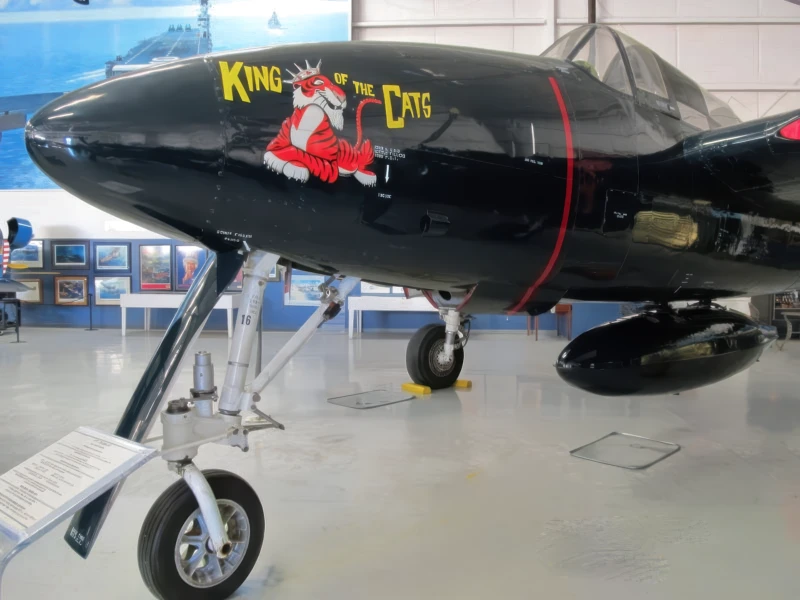
The Grumman F7F Tigercat était le premier chasseur lourd bimoteur embarqué américain. Bien que nettement supérieur au F4U Corsair qui était considéré alors comme le meilleur chasseur de la marine, en arrivant que fin 1944, ces avions ne participèrent pas aux combats de la seconde guerre mondiale. Le Tigercat, produit à 362 unités, a été décliné en cinq versions différentes : – le F7F-1 : chasseur de jour monoplace (35 unités) – le F7F-2N : chasseur de nuit biplace (65 unités) – le F7F-3 : chasse de jour/reconnaissance photo (189 unités) – le F7F-3N : chasse de nuit (60 unités) – le F7F-4N : chasseur embarqué (13 unités)
Source:Tigertcat on Wikipedia
| Grumman F7F Tigercat | |
|---|---|
| Photographer | Unknow |
| Localisation | Unknow |
| Photos | 21 |
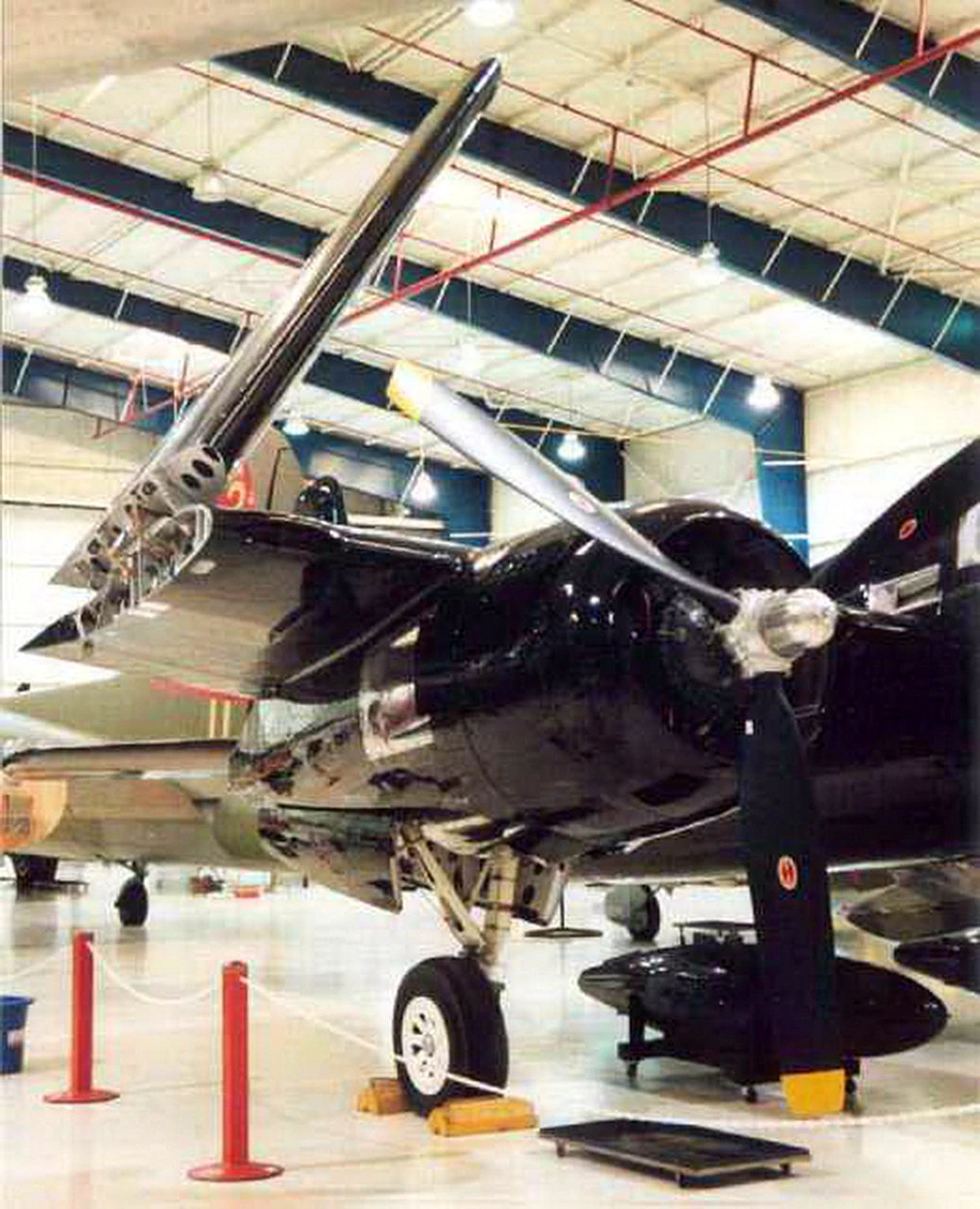
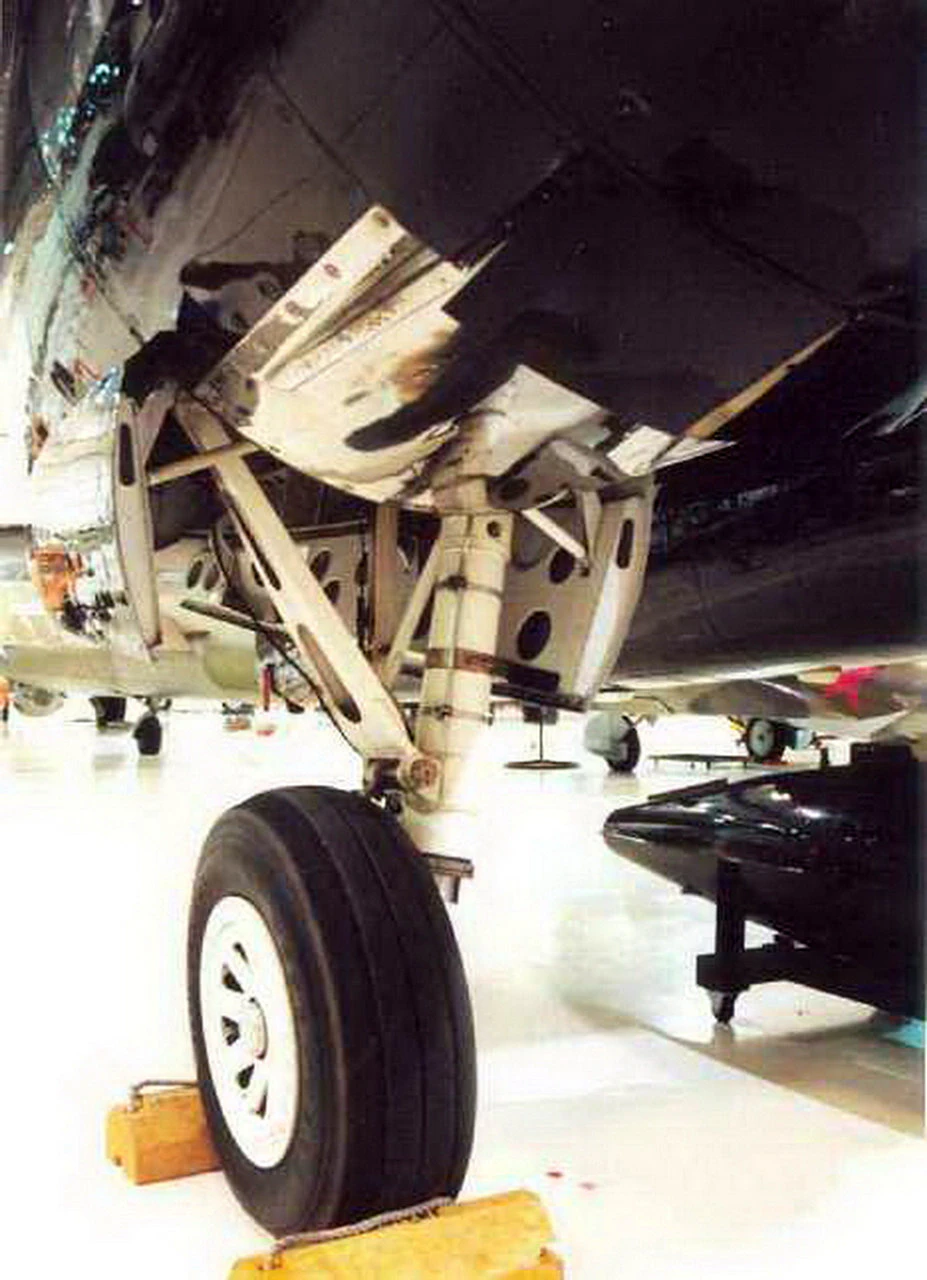
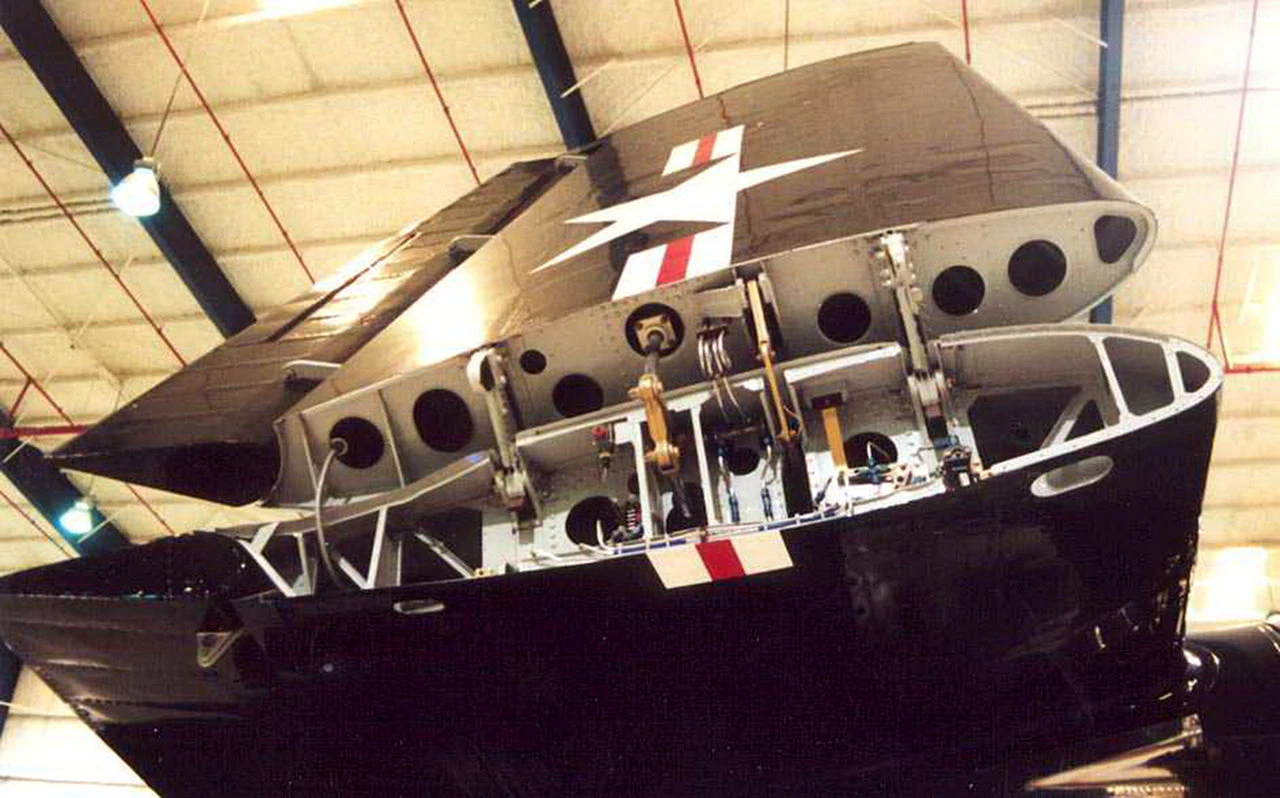
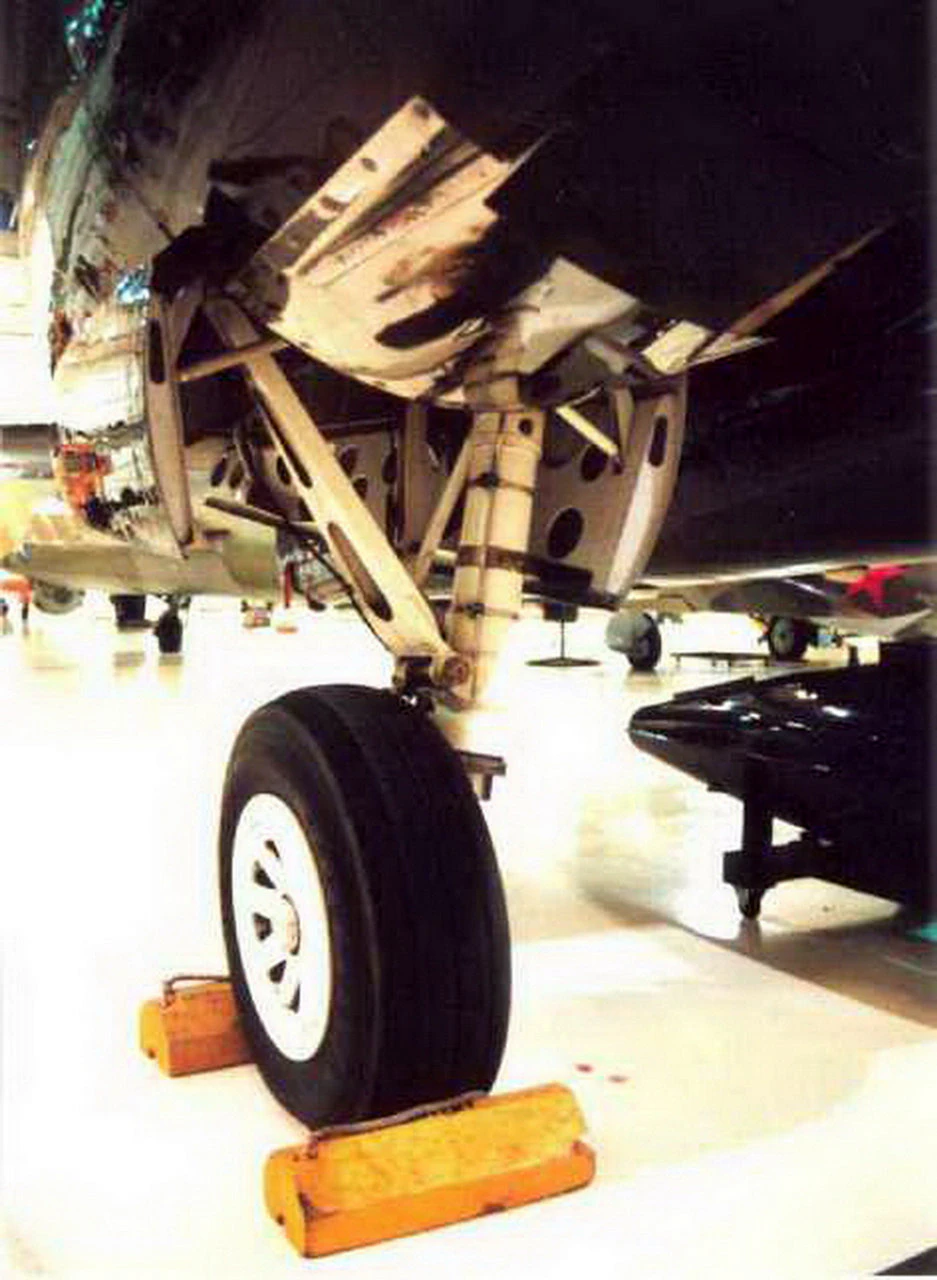
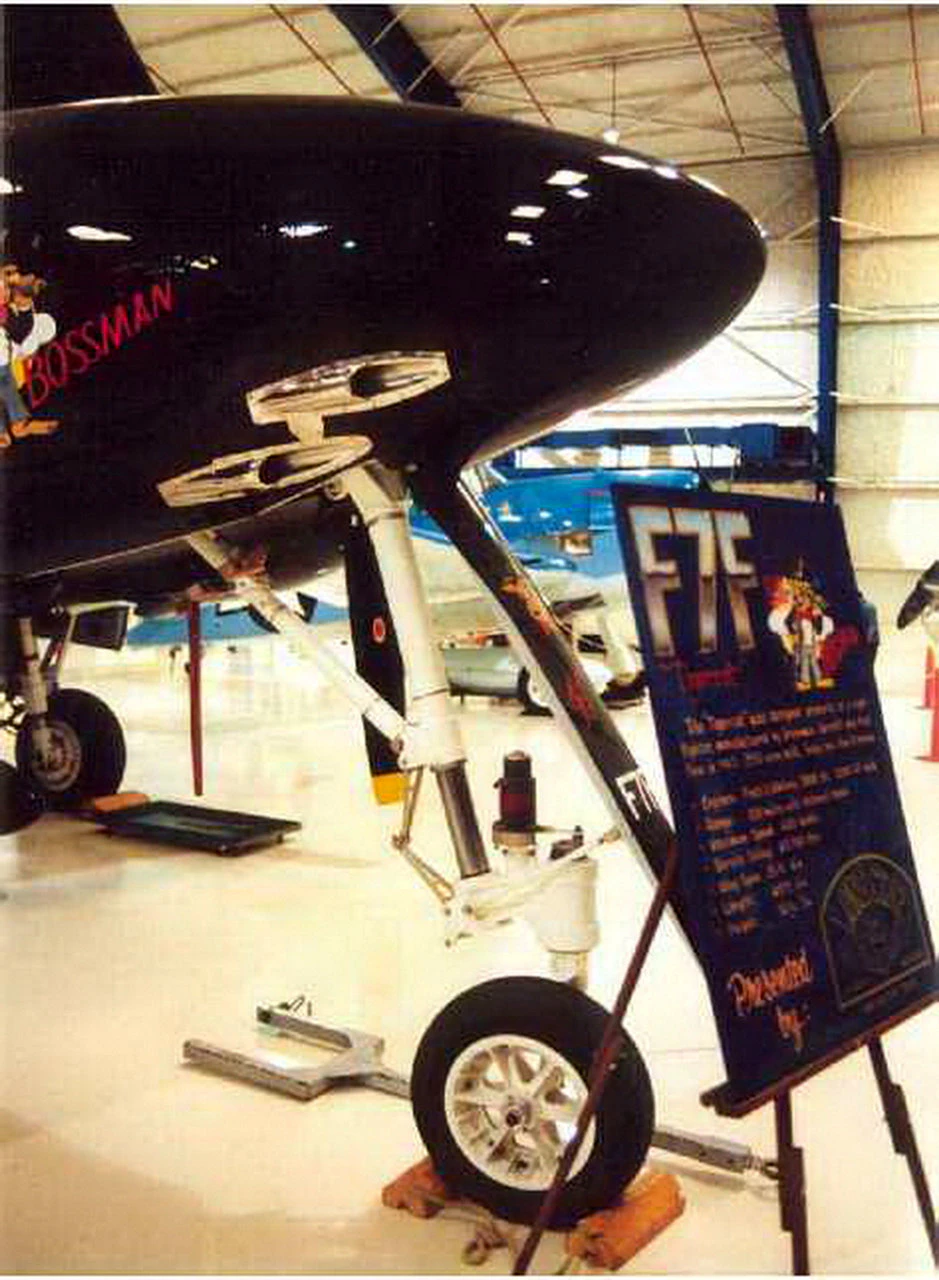
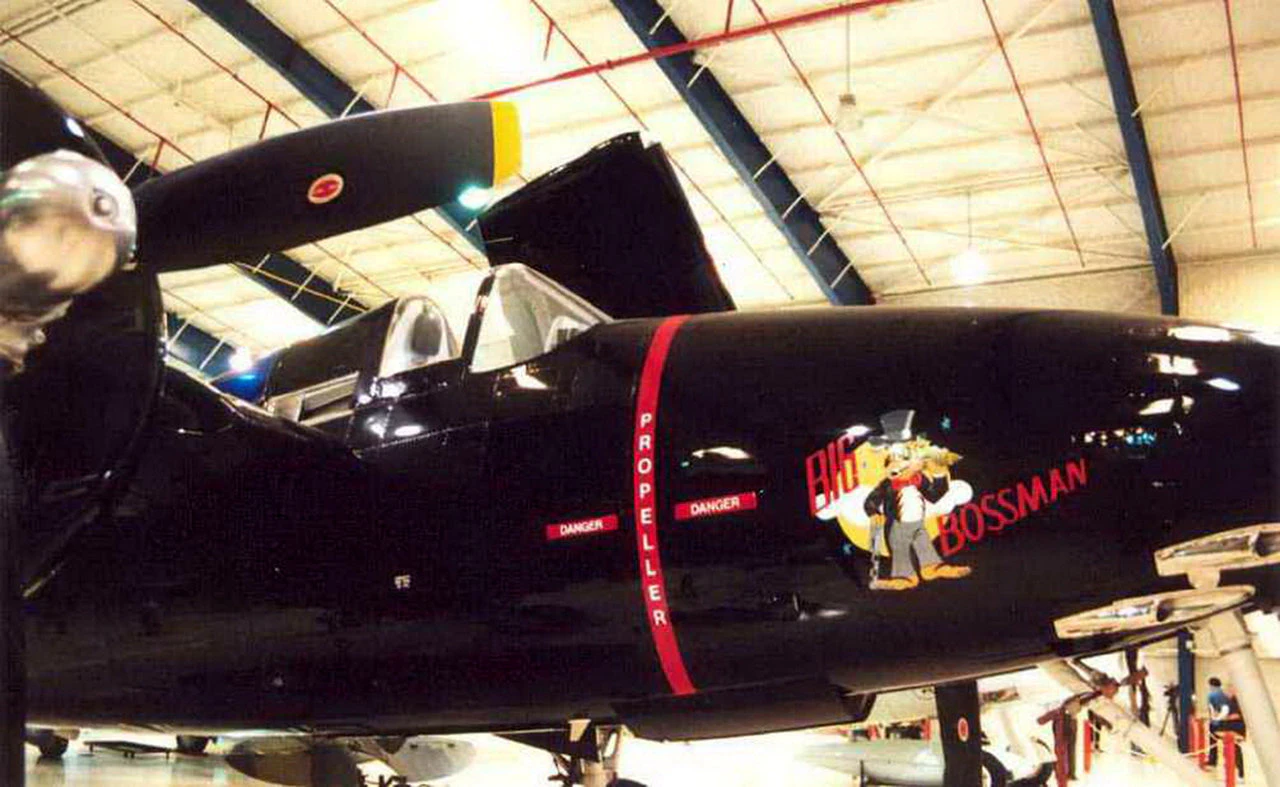
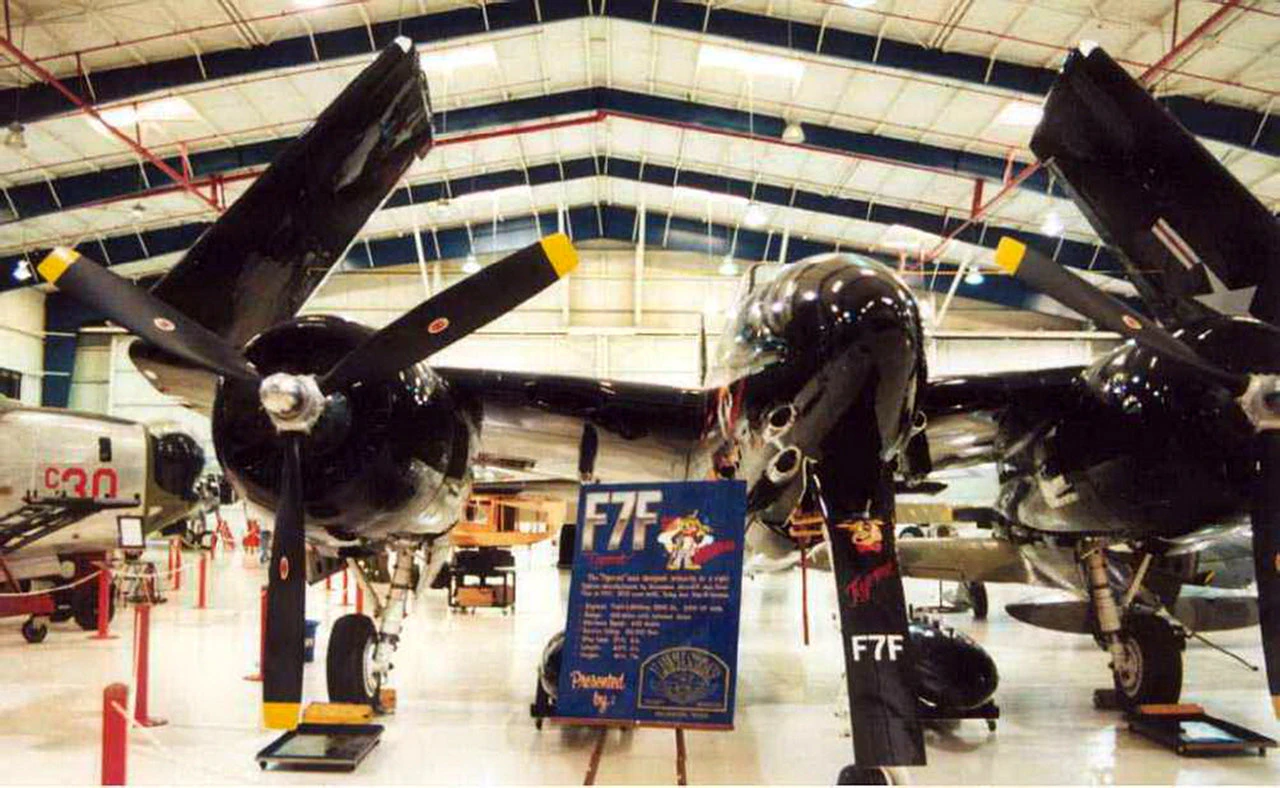
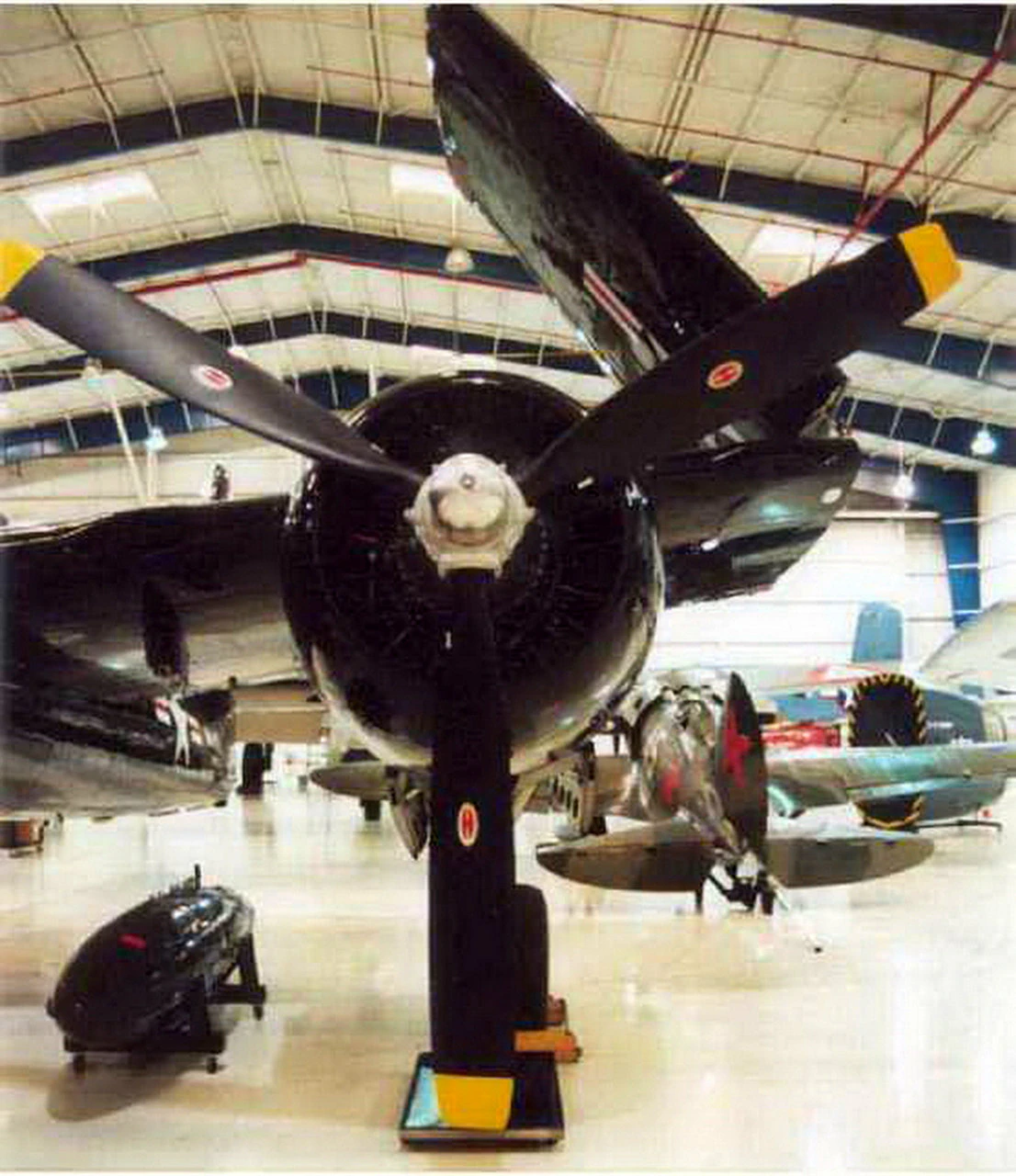

Grumman F7 Tigercat Walk Around | |
|---|---|
| Photographe | Ilya Sobolev |
| Localisation | Unknown |
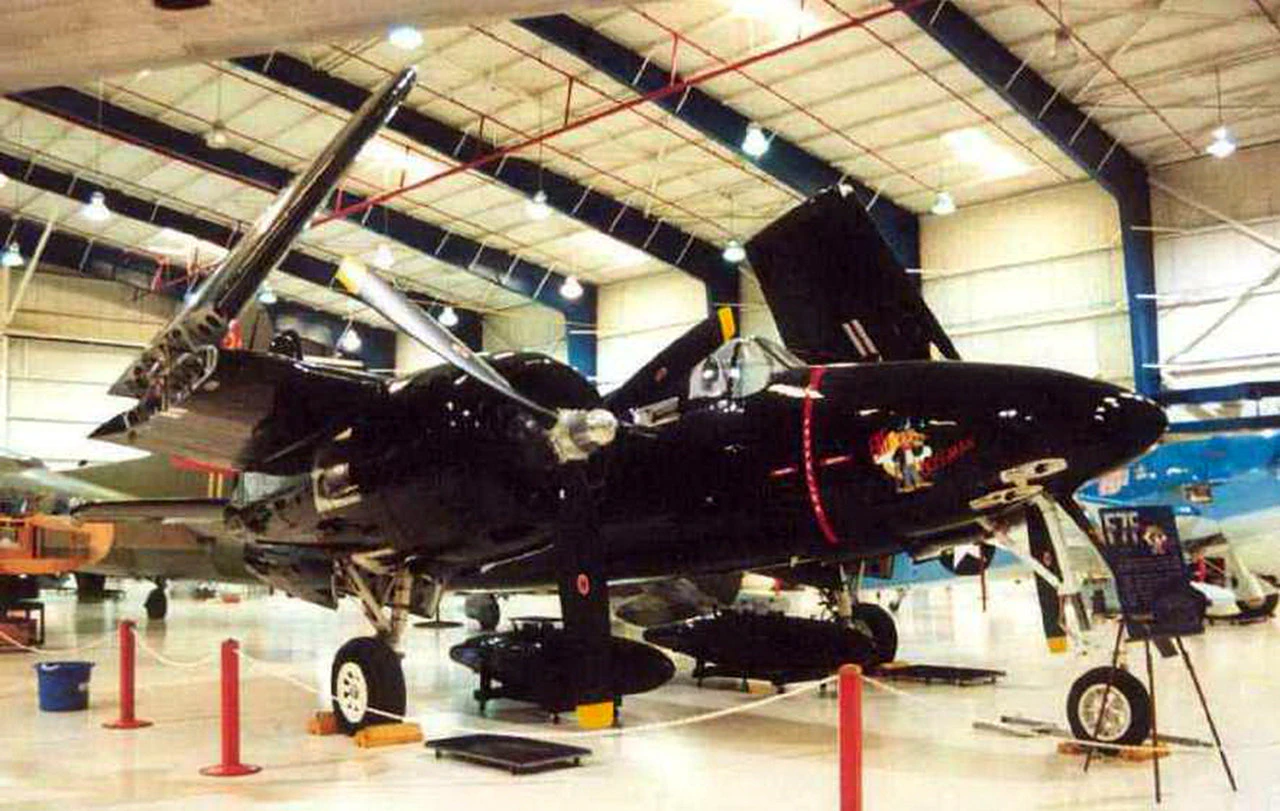
| Description | Album de 11 photos walk-around du “Grumman F7F-3 Tigercat” |
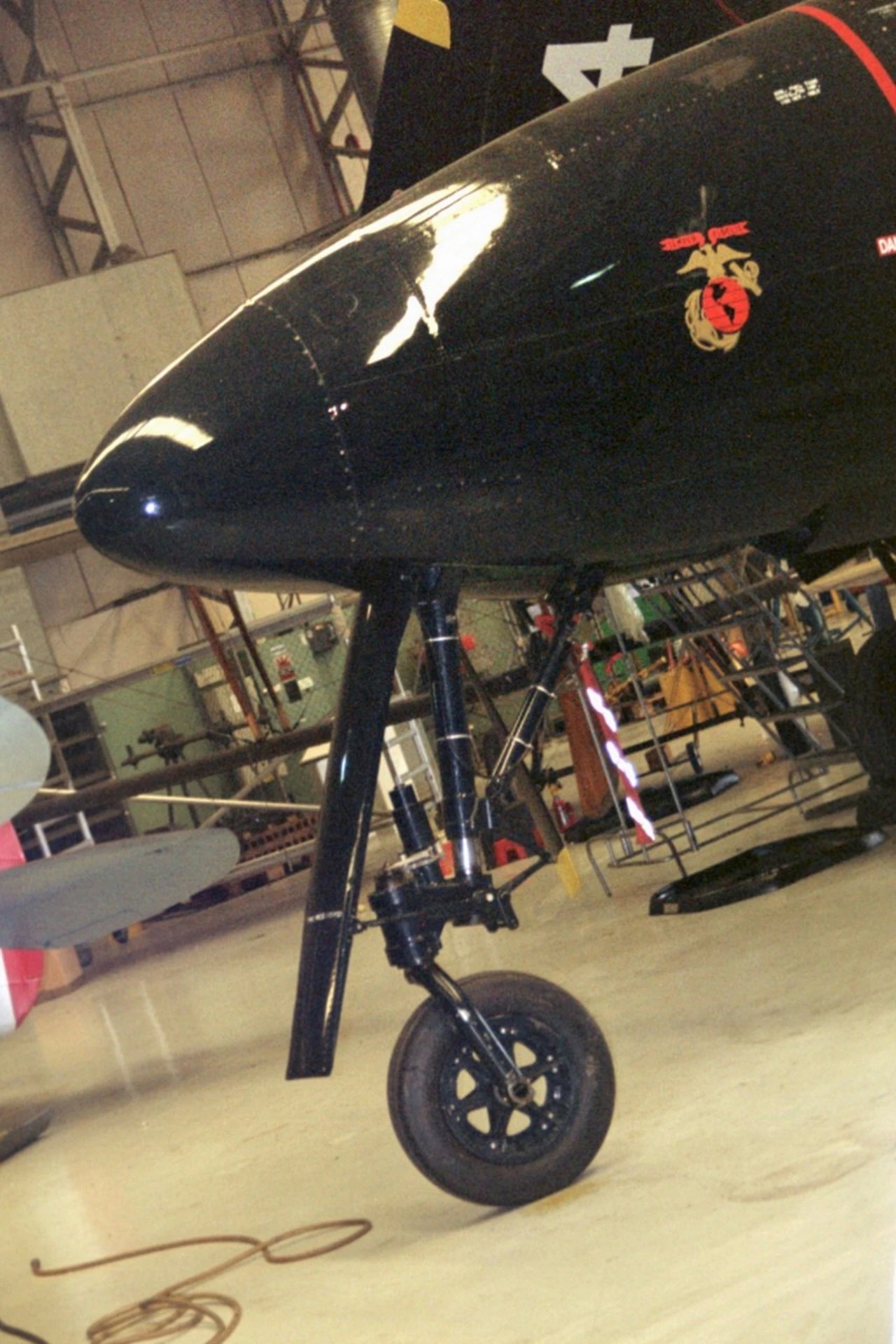
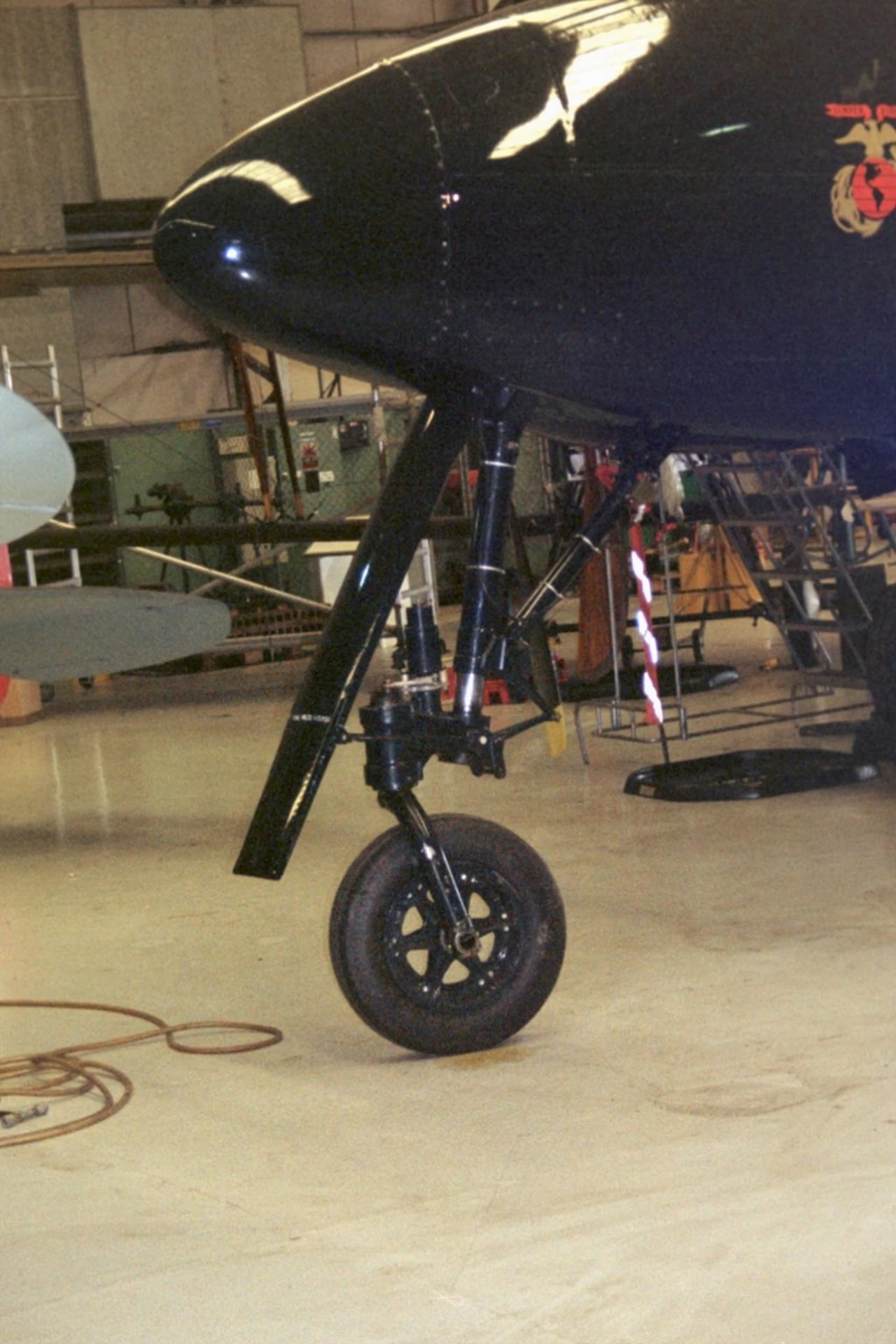
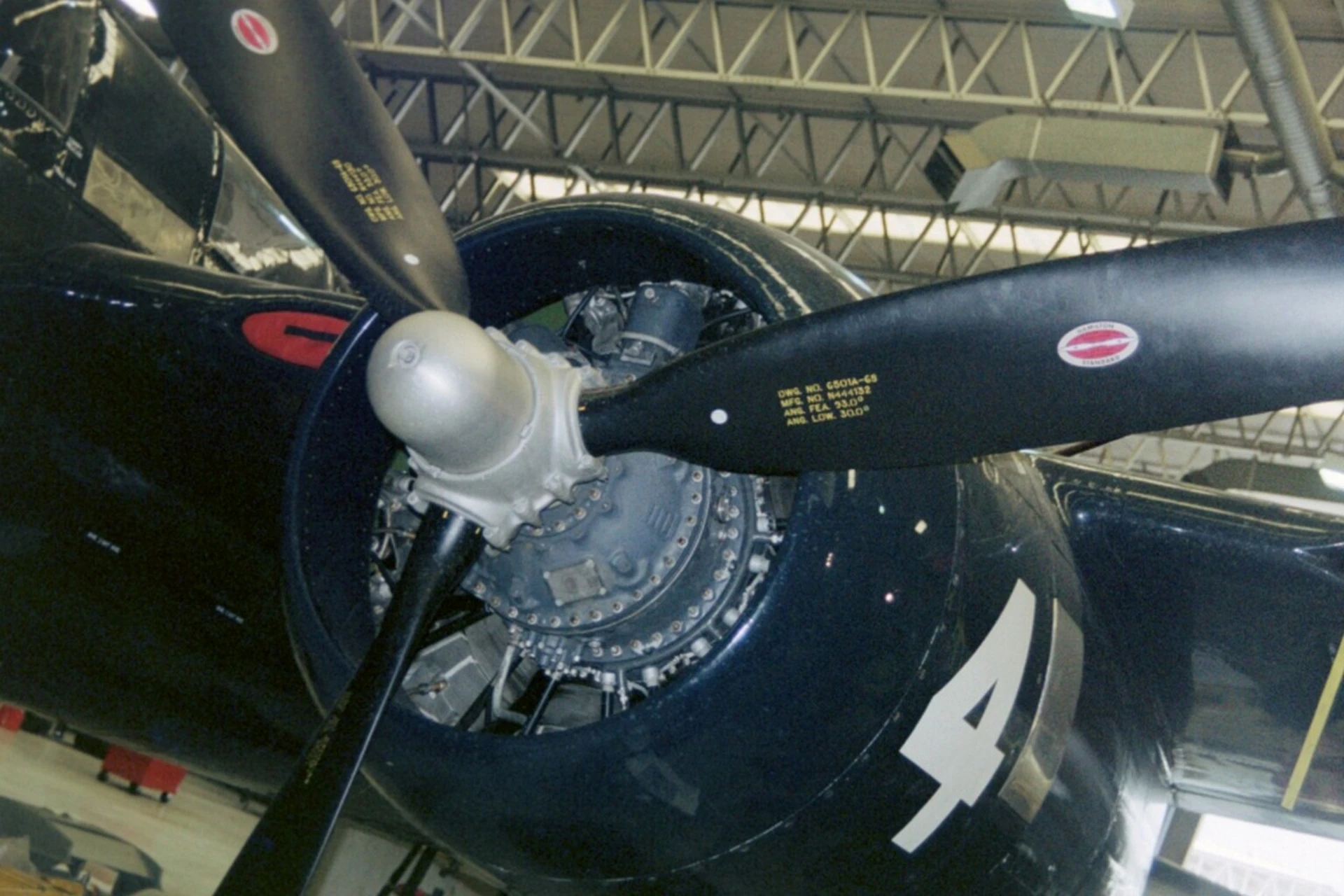
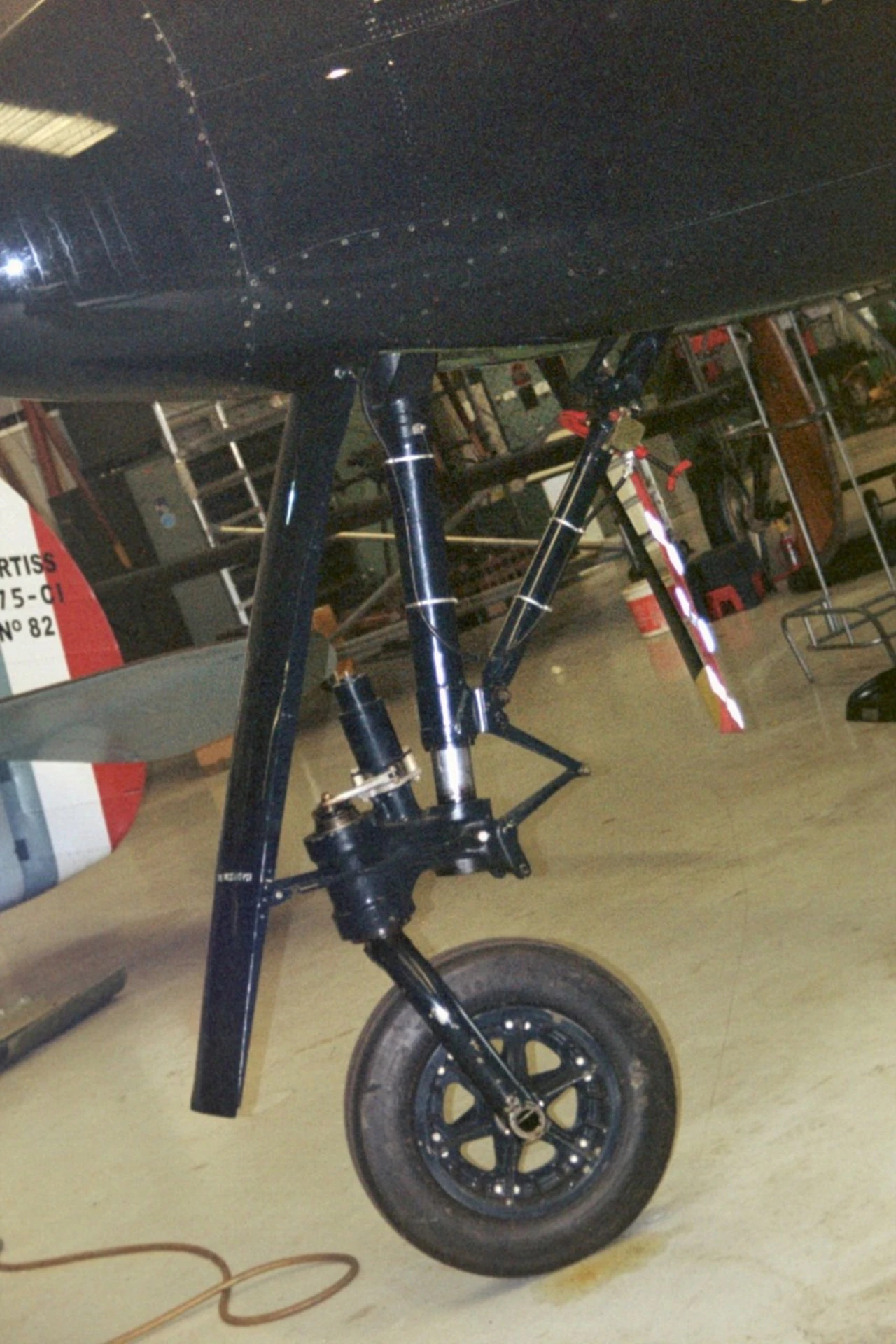
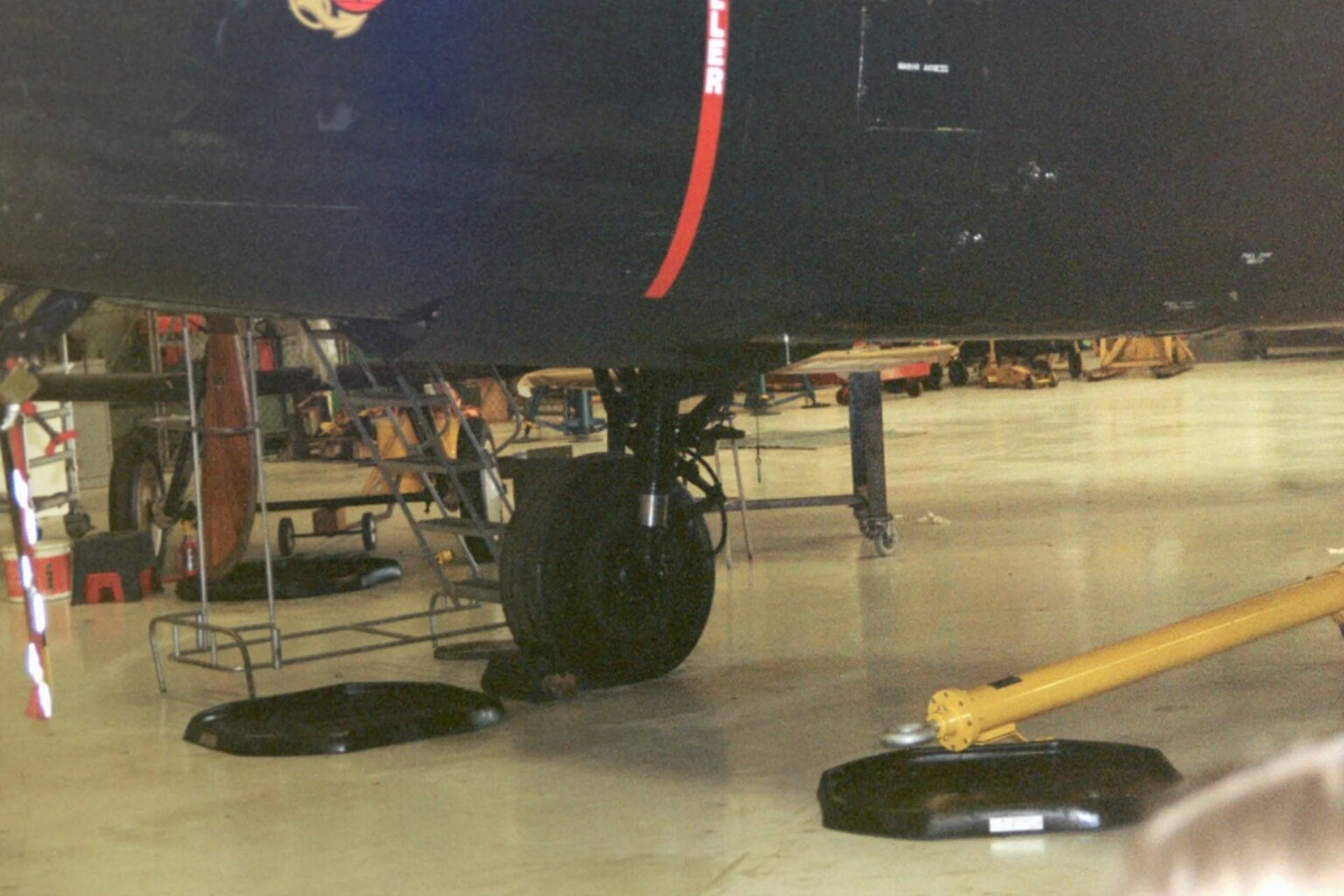
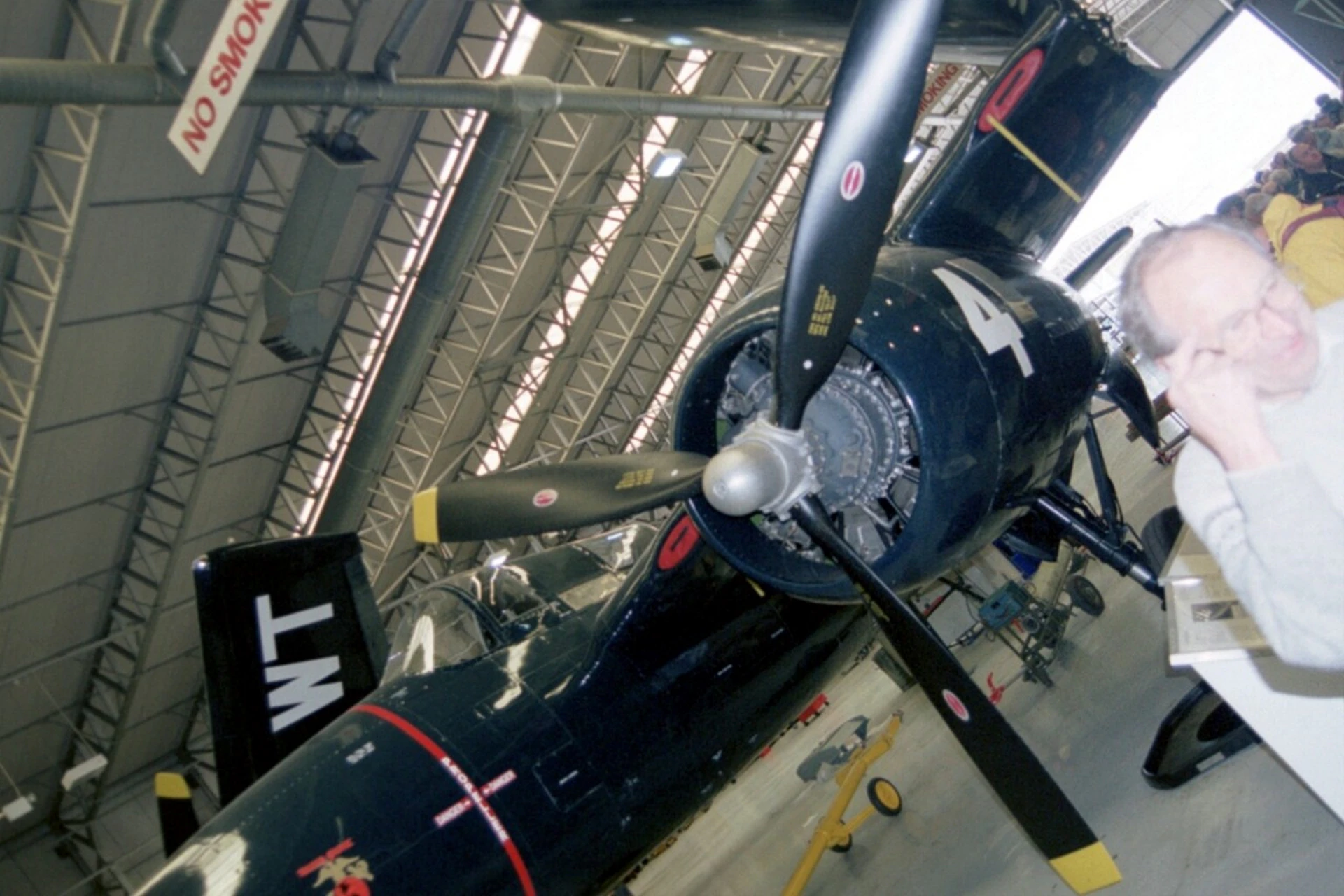
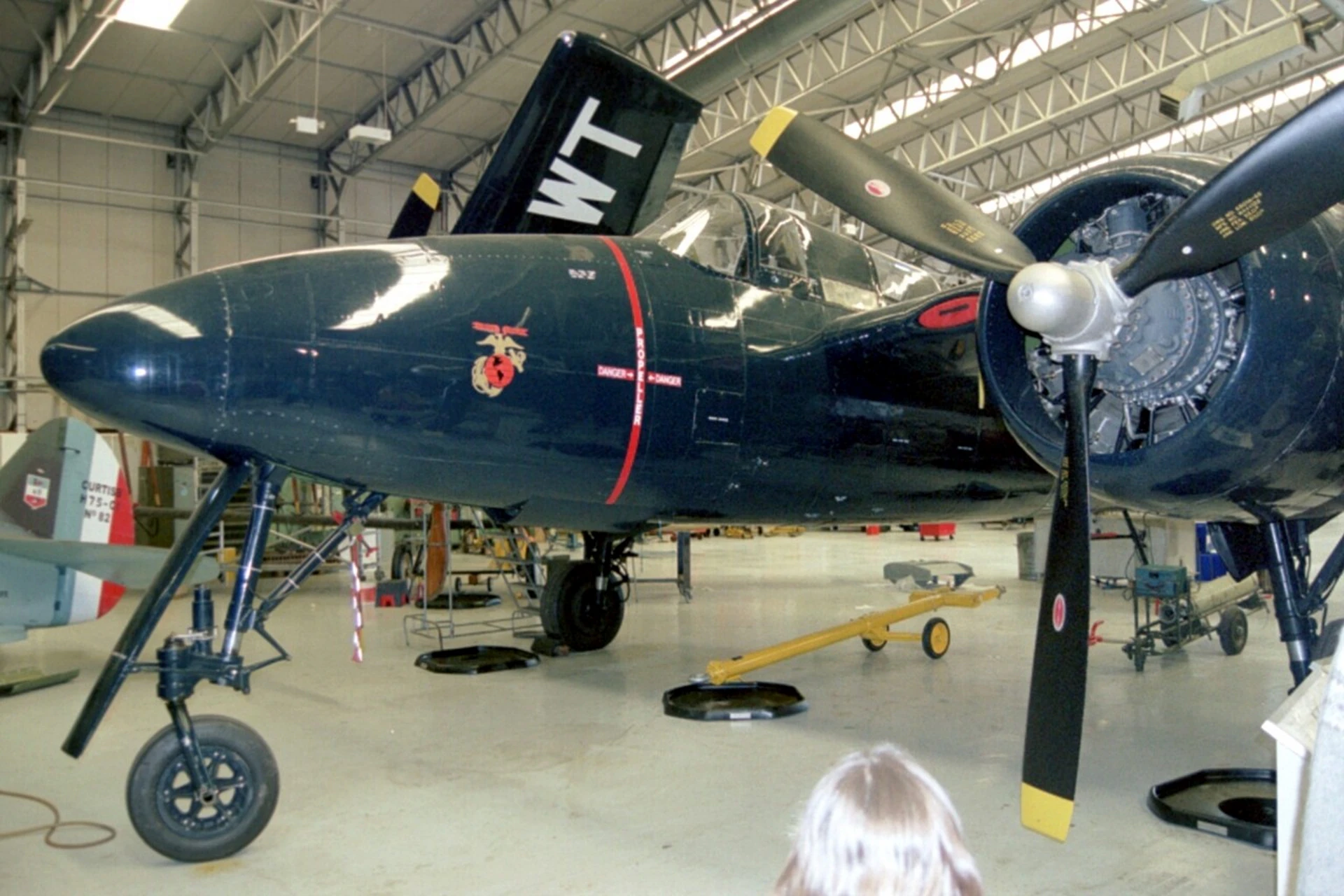
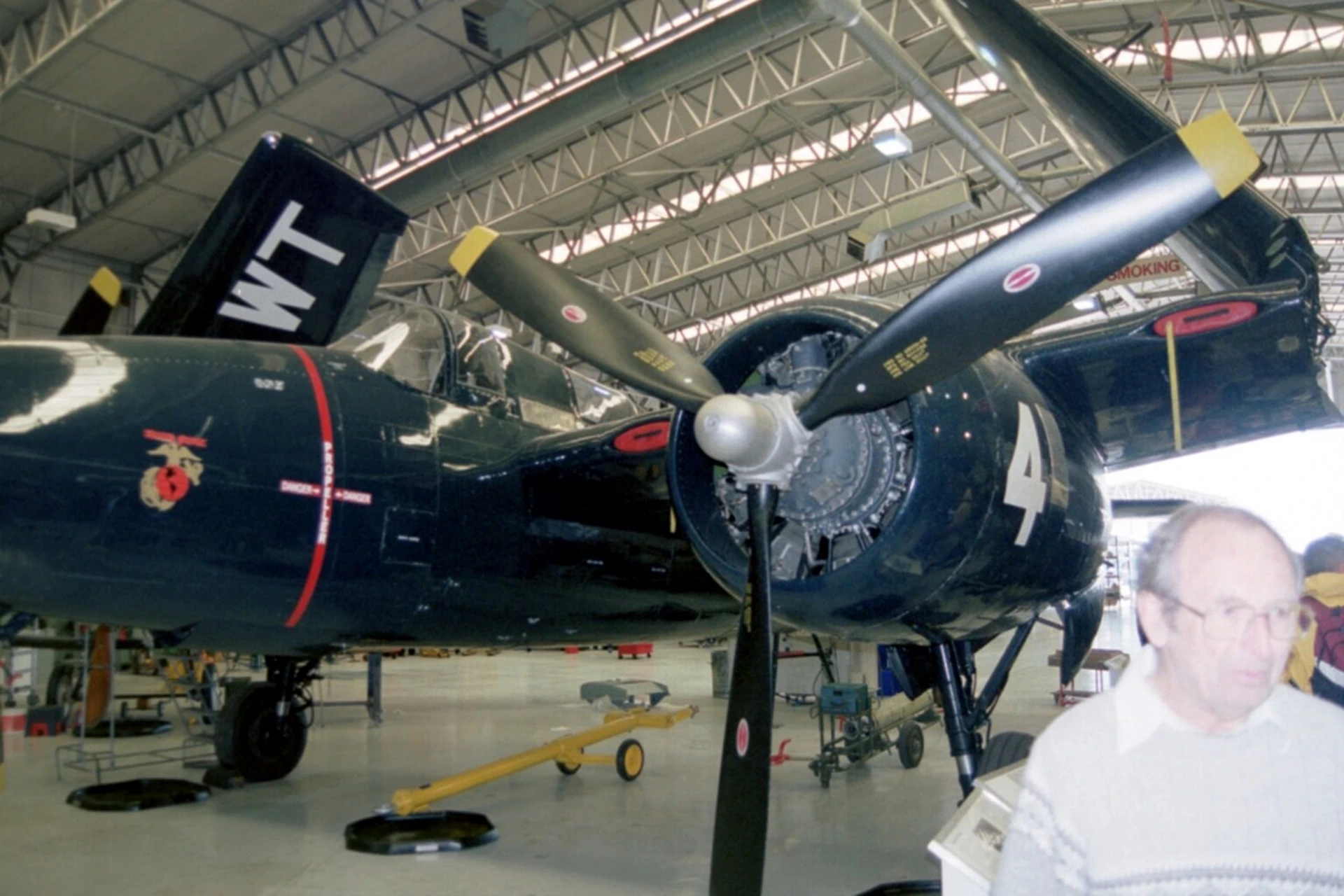
| Grumman F7F-3 Tigercat Walk Around | |
|---|---|
| Photographer | Cees Hendriks |
| Localisation | Unknow |
| Photos | 45 |
See also:


The Best Fighter You Never Saw in WWII
The Grumman F7F Tigercat was designed to be the “ultimate” piston-engine fighter. It was the first twin-engine fighter to go into production for the U.S. Navy and was so powerful that test pilots described it as “the best damn fighter I’ve ever flown.” Intended to fly from the massive new Midway-class carriers, the Tigercat was too fast and too heavy for smaller ships, leading it to spend most of its career as a land-based Marine Corps terror. It arrived in the Pacific just as WWII ended, but it finally found its calling as a high-speed night hunter over the mountains of Korea.
| Attribute | Technical Specification (F7F-3) |
|---|---|
| Role | Heavy Fighter / Night Fighter / Attack Aircraft |
| Crew | 1 (Day Fighter) or 2 (Night Fighter) |
| Engines | 2 × Pratt & Whitney R-2800-34W Double Wasps (2,100 hp each) |
| Maximum Speed | 740 km/h (460 mph) — Over 70 mph faster than a Hellcat |
| Rate of Climb | 23 m/s (4,530 ft/min) |
| Main Armament | 4 × 20 mm cannons (Wings) & 4 × .50 cal machine guns (Nose) |
| External Load | 2 × 1,000 lb bombs or 1 × Torpedo (Day version) |
| Status | Retired 1954; fewer than 10 flying examples today |
Design Engineering: Speed Over Everything
- The “Minimum” Fuselage: The Tigercat’s fuselage was designed to be as narrow as possible to reduce drag. From the front, it looks almost paper-thin between its two massive engine nacelles.
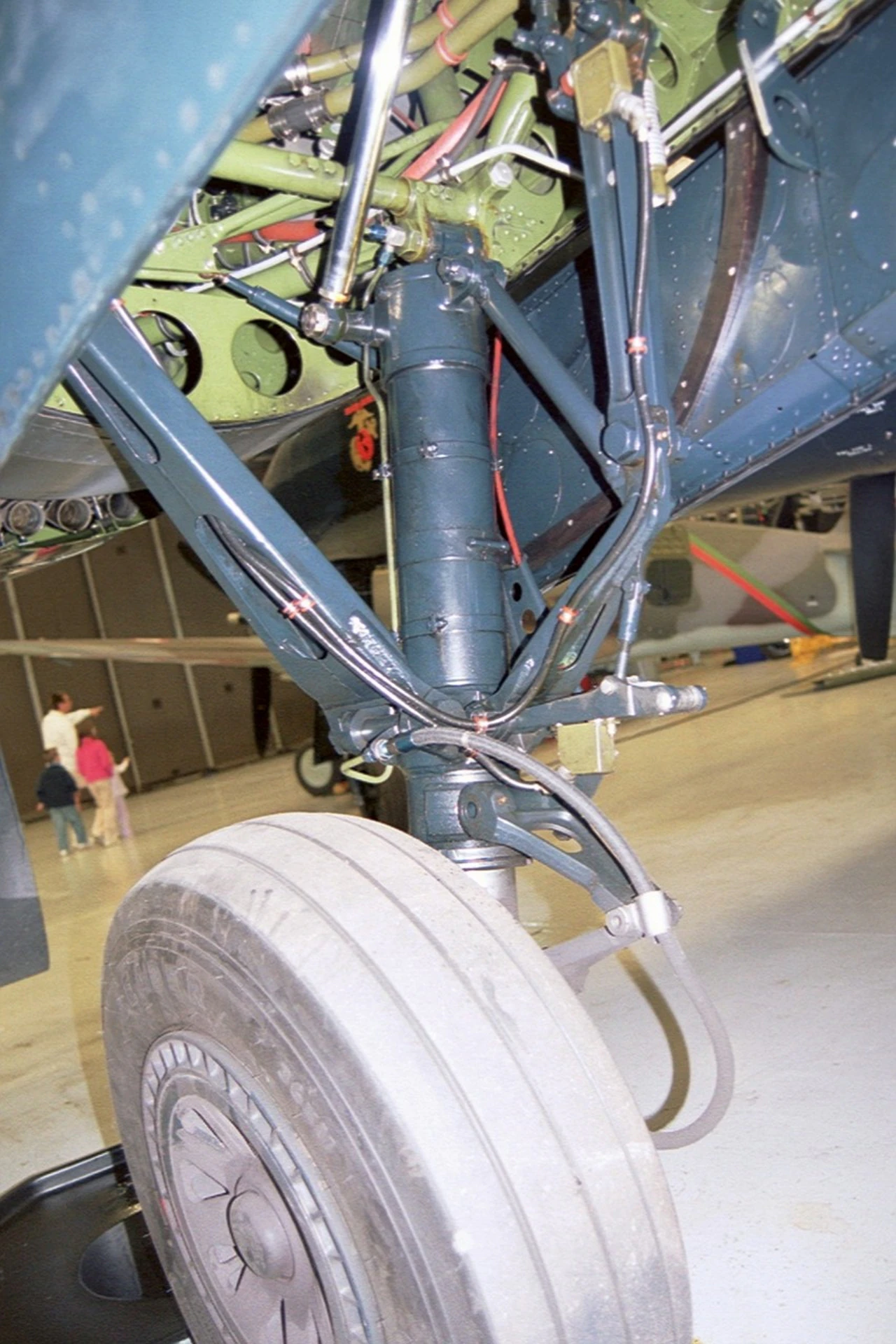
- Tricycle Landing Gear: It was the first Navy carrier aircraft to feature tricycle gear. This improved visibility on the ground but proved difficult for early carrier arrests, contributing to its primary use as a land-based aircraft.
- Concentrated Firepower: Unlike many twin-engine planes, the Tigercat kept its 20mm cannons in the wing roots and its machine guns in the nose. This centralized the “weight of fire,” making it incredibly lethal in a strafing run.
- Directional Stability Issues: The Tigercat was so powerful that if one engine failed at low speed, the massive torque from the other engine could flip the plane over. Later models (F7F-3) added a significantly taller tail fin to solve this “directional” instability.
Operational History: The “Borate Bomber” Second Life
- Korean Night Hunter: In Korea, the F7F-3N (Night Fighter) was the only aircraft capable of catching the North Korean Po-2 “Bedcheck Charlies”—slow-flying wood-and-canvas biplanes that harassed UN troops at night.
- The “Tomcat” Origins: Grumman originally wanted to name the aircraft the “Tomcat,” but the Navy rejected it at the time for being “too suggestive.” The name was eventually mothballed until the 1970s for the F-14.
- Firefighting Legend: After its military retirement in 1954, many Tigercats found a second career as aerial firefighters. Their immense power and airframe strength allowed them to carry 800 gallons of fire retardant into rugged terrain, serving as “Borate Bombers” until the late 1980s.
- Photo Reconnaissance: The F7F-3P version removed the guns for a suite of high-resolution cameras, making it one of the fastest recon platforms of the late 1940s.
Views: 5129