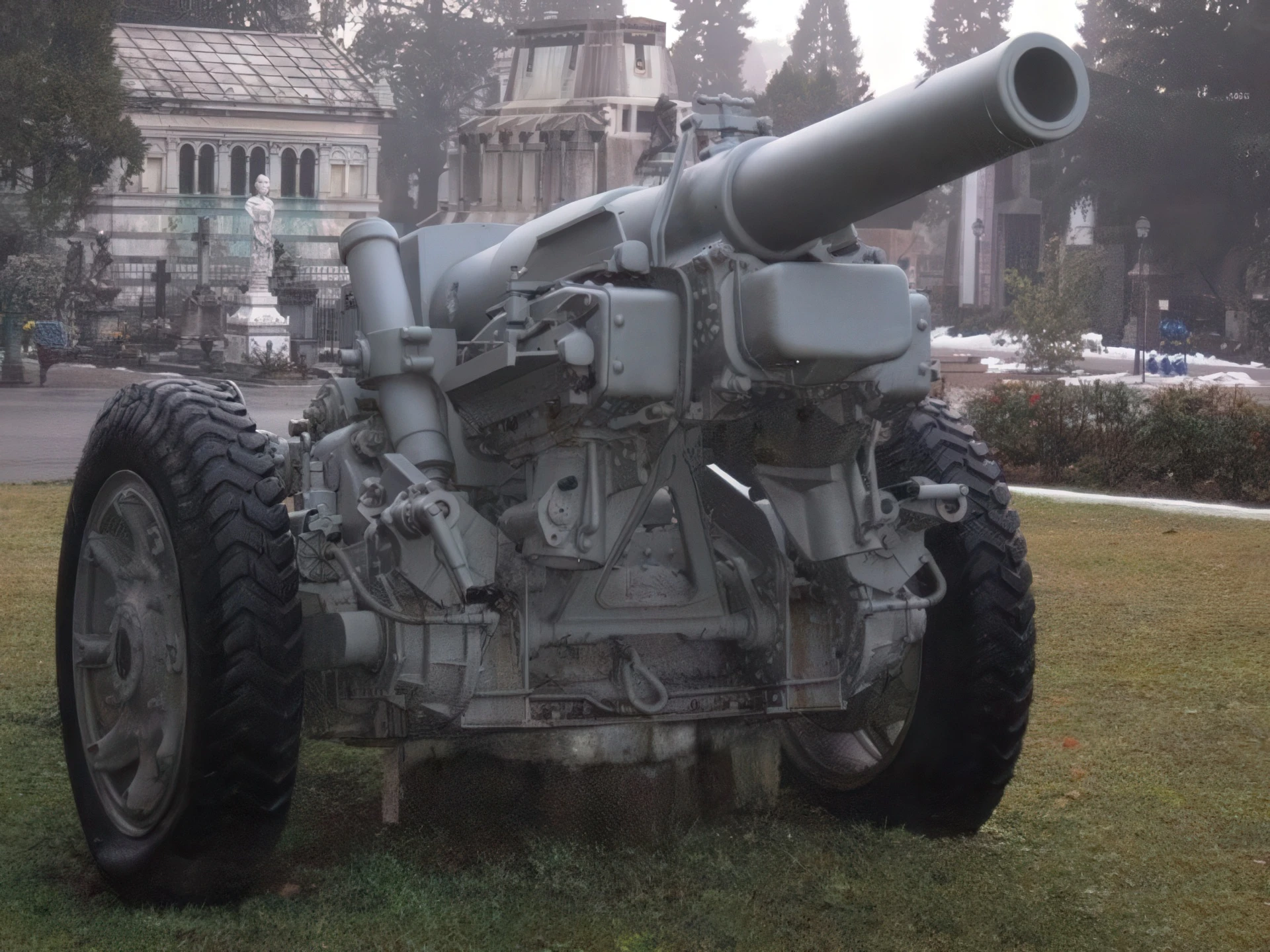
Howitzer 149-19 | |
|---|---|
| Country | Italy |
| Role | Heavy howitzer |
| In service | 1939–1951 |
The Obice da 149/19 modello 37 was a heavy howitzer used by Italy during World War II. It was intended to replace Italy’s assortment of World War I-era heavy howitzers, but its prolonged development and slow production hindered this plan. Despite orders for 1,392 weapons, only 147 had been built by September 1942. There were three models—the 37, 41, and 42—differing only in minor details. The standard tractor was the Trattore SPA TM 40. After the Italian surrender in 1943, the Germans continued its production with the designation 15 cm sFH 404(i). Despite having the same weight as the German 15 cm sFH 18, it had a superior range. The Italian army used it until 1974.
Source: Howitzer 149-19 on Wikipedia
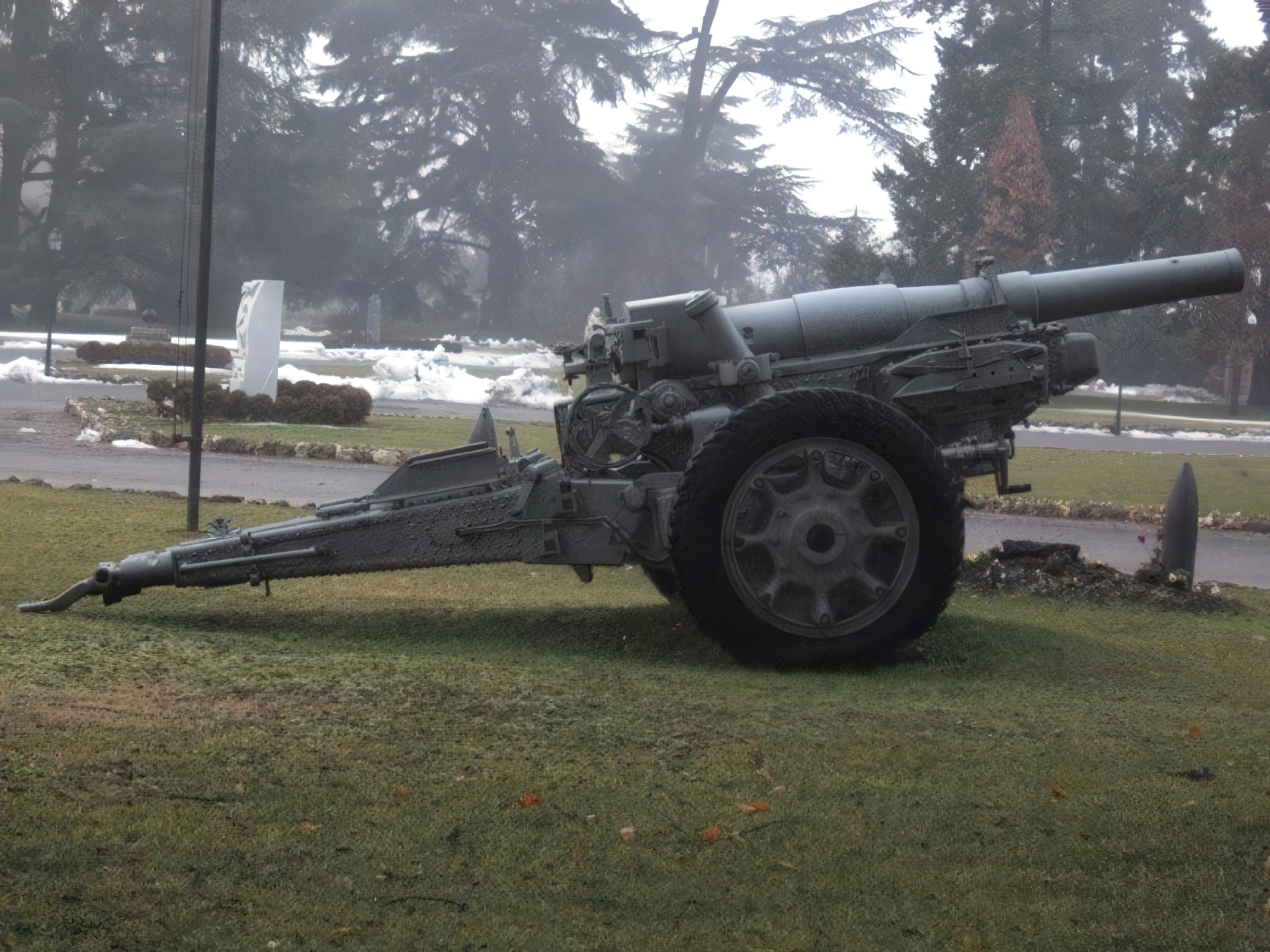
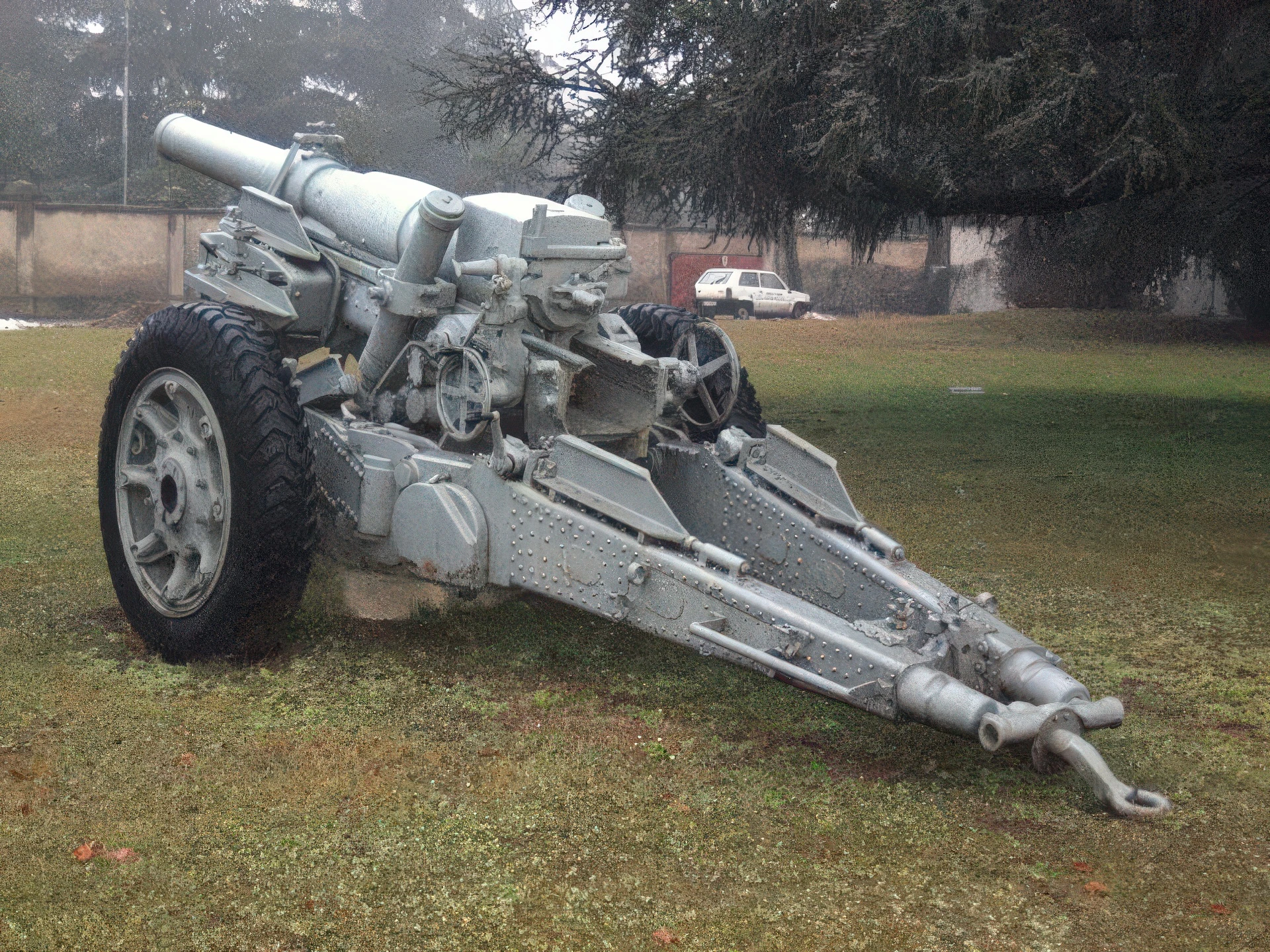
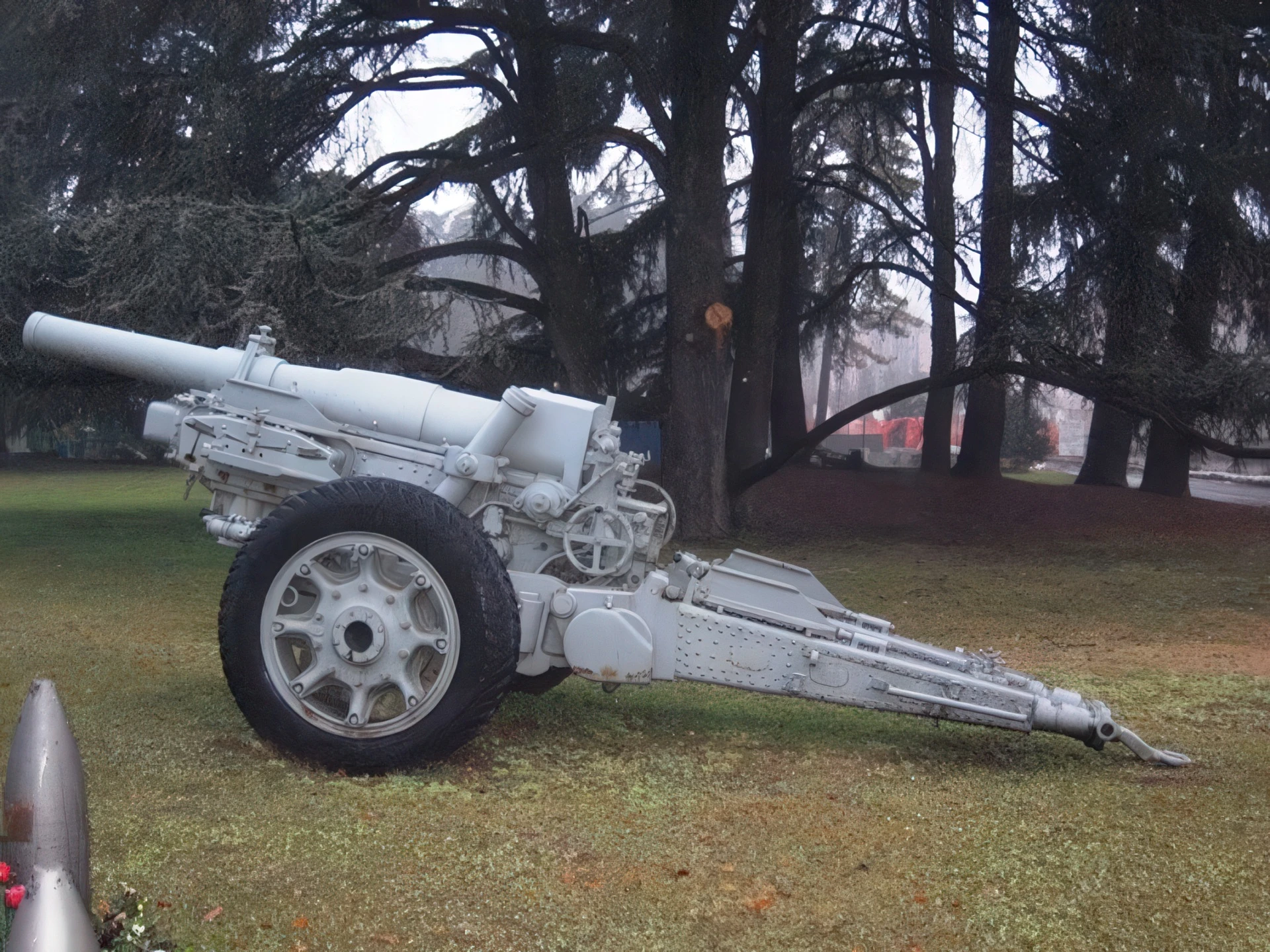
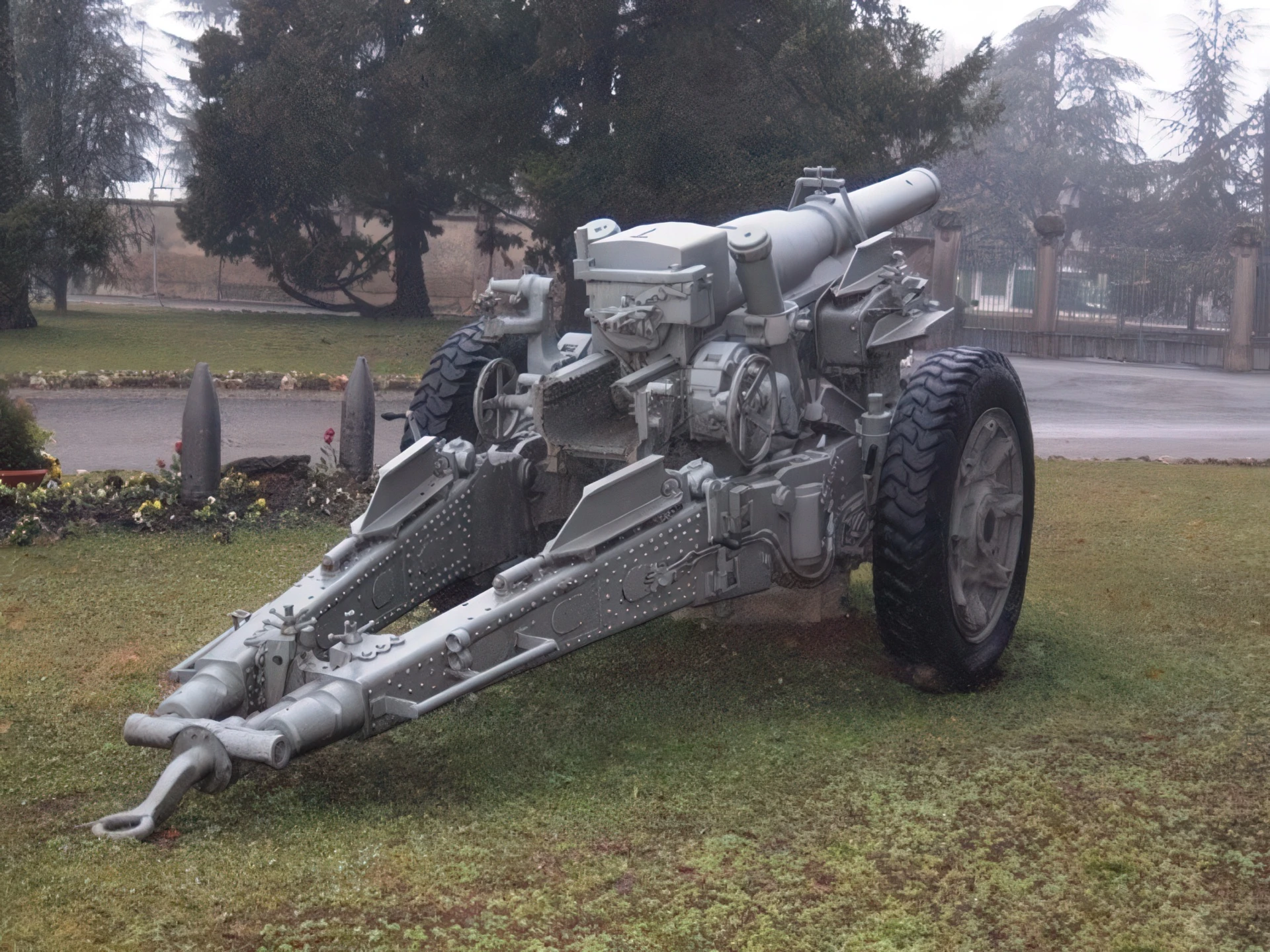
| Howitzer 149-19 OTO Mod.42 | |
|---|---|
| Photographer | Unknow |
| Localisation | Unknow |
| Photos | 72 |
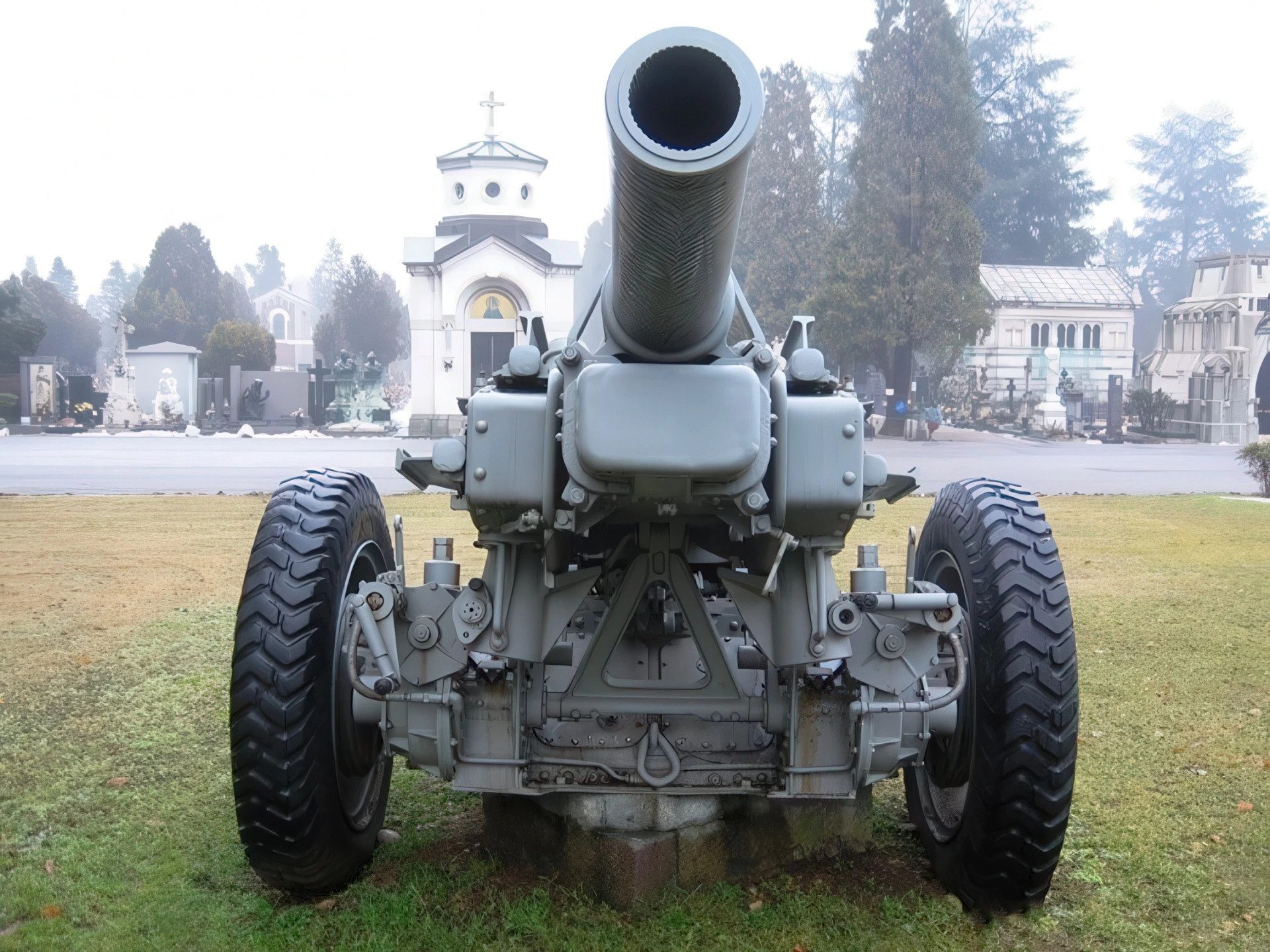
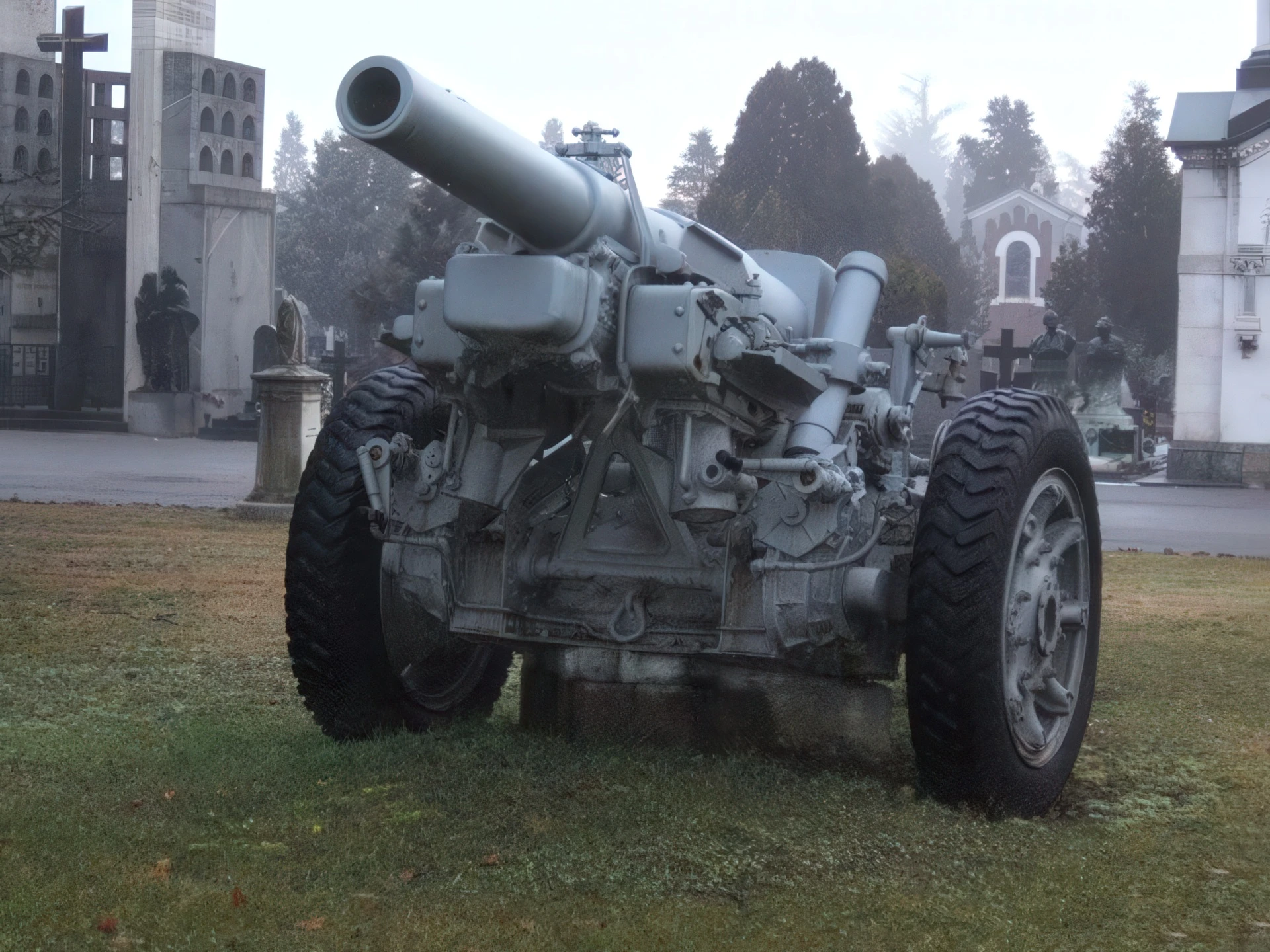
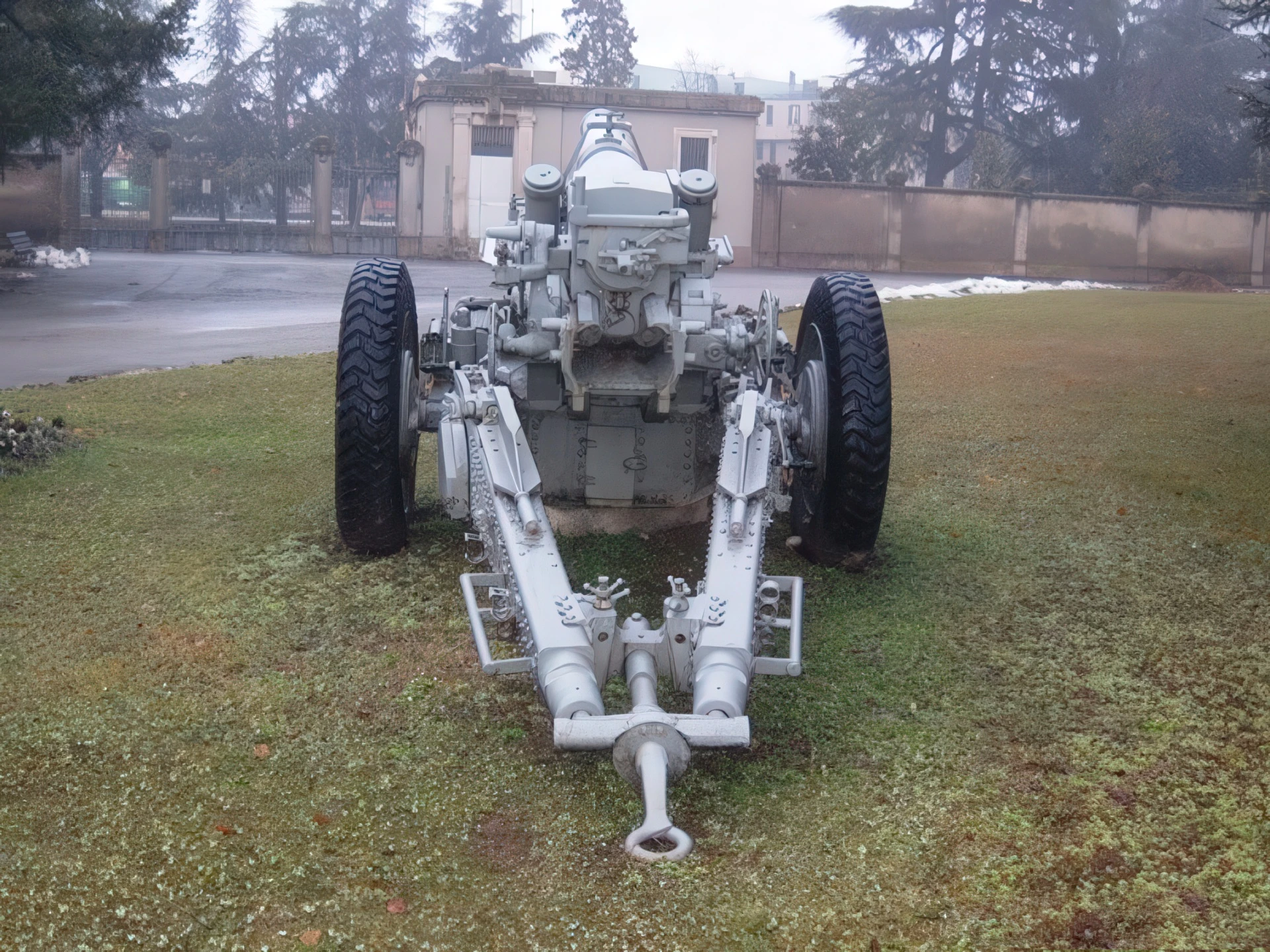
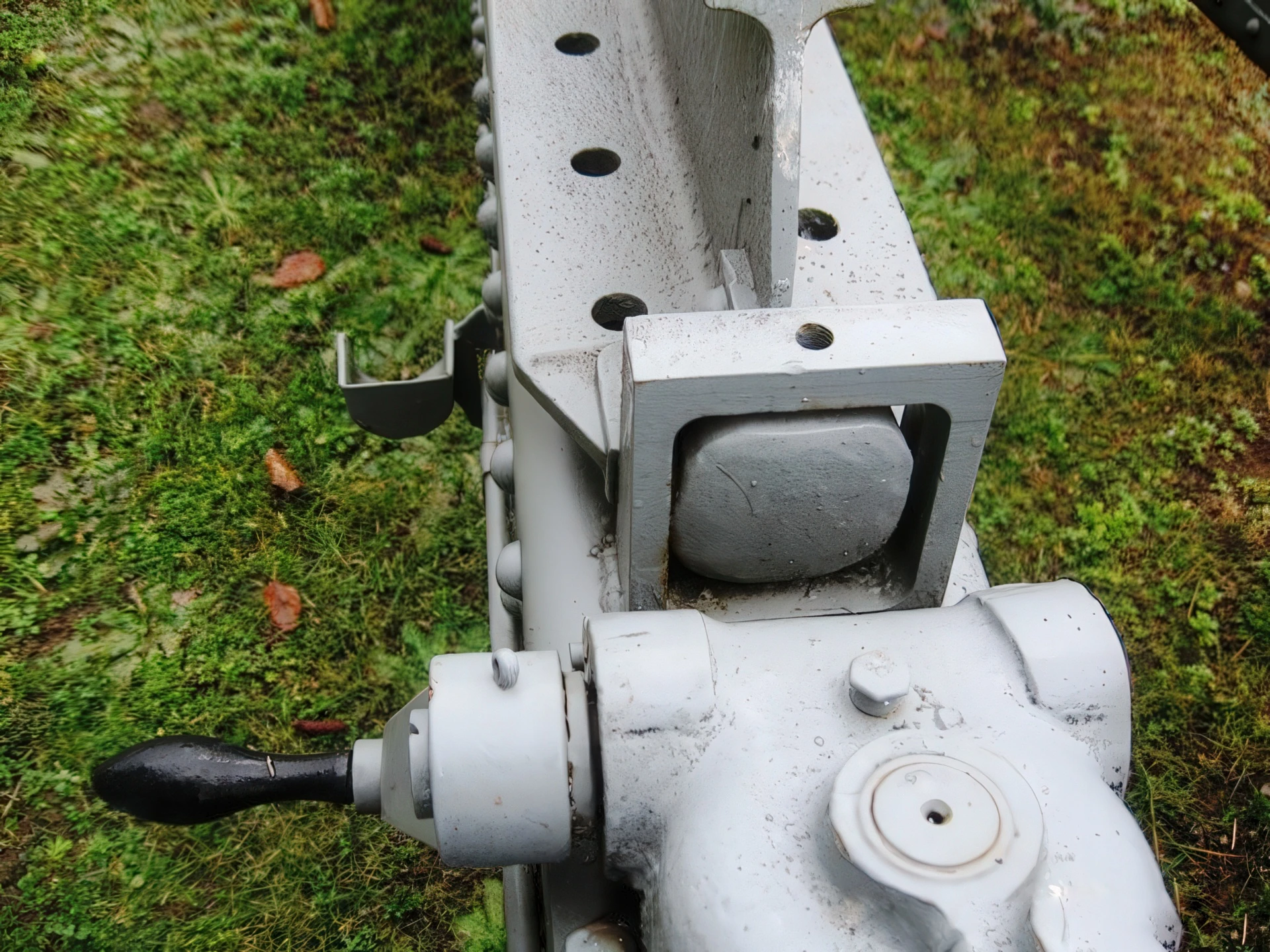

See also:


A Masterpiece of Italian Artillery
The Obice da 149/19 modello 37 was arguably the finest heavy artillery piece produced by Italy during World War II. Designed by the Odero-Terni-Orlando (OTO) company to replace aging WWI-era Austro-Hungarian designs, it was a modern, powerful, and surprisingly mobile howitzer. While the Italian army often struggled with industrial output, the 149/19 was a world-class weapon that compared favorably to the German sFH 18. It was prized for its excellent range and the devastating power of its 94-pound shells, serving on every front from the deserts of North Africa to the frozen plains of Russia.
| Attribute | Technical Specification (Modello 37) |
|---|---|
| Role | Heavy Field Howitzer |
| Caliber | 149.1 mm (5.87 in) |
| Barrel Length | L/19 (2.8 m / 9 ft 3 in) |
| Weight (Action) | 5,780 kg (12,740 lbs) |
| Elevation | -5° to +60° |
| Traverse | 50° (Total) |
| Muzzle Velocity | 597 m/s (1,959 ft/s) |
| Maximum Range | 14,250 meters (15,580 yards) |
Design Engineering: Split Trails and Modern Recoil
- The Split-Trail Carriage: The Modello 37 utilized a modern split-trail design. When opened, these trails provided a stable firing platform and allowed for a wide 50-degree horizontal traverse without moving the entire carriage.
- Hydro-Pneumatic Recoil: It featured an advanced hydro-pneumatic recoil system mounted above the barrel. This design allowed the gun to fire at high elevation angles (up to 60°) without the breech hitting the ground, making it effective for plunging fire into enemy trenches or over mountains.
- Transportability: Despite its weight, the gun was designed for motorized towing. It could be broken down into two loads (barrel and carriage) for long-distance transport in mountainous terrain, or towed as a single unit at speeds up to 20 km/h.
- Screw Breech Block: Like many heavy Italian guns, it utilized a discontinuous screw breech. This provided a tight gas seal for the massive propellant charges needed to reach its 14km maximum range.
Combat History: Italy’s Long Arm
- North African Endurance: The 149/19 was a nightmare for British armored divisions. Its heavy high-explosive shells could disable even the most heavily armored tanks of the time through sheer concussive force and shrapnel, even if it wasn’t a dedicated anti-tank gun.
- The Russian Steppe: Italian artillery units in the ARMIR (Italian Army in Russia) utilized the 149/19 during the 1942 campaigns. Its reliability in cold weather was superior to many other Italian designs, though the lack of heavy tractors often made retreating with these massive guns nearly impossible.
- German Service (15 cm sFH 404(i)): After the Italian Armistice in 1943, the German Wehrmacht quickly seized all available 149/19s. They were so impressed by the gun that they pressed it into service under the designation 15 cm sFH 404(i), using them against Allied forces in Italy and the Balkans.
- Post-War Service: The design was so sound that the 149/19 remained in the inventory of the post-war Italian Army (Esercito Italiano) well into the 1950s, until more modern NATO-standardized 155mm artillery became available.
Views : 478
You can see also :
 220 mm TR mle 1915/1916 – Photos & Video
 QF 3.7-inch howitzer – Photos & Videos
 QF 4.5-inch howitzer – Photos & Video
 FH70 Howitzer – Photos & Video
 M198 Howitzer – Photos & Video
 122 mm howitzer M1910/30 – Photos & Video
 76 mm regimental gun M1927 – Photos & Video
 M55 Self Propelled Howitzer – Photos & Video
 21cm Morser 18 Howitzer – Walk Around
 70mm Type 92 Howitzer – WalkAround