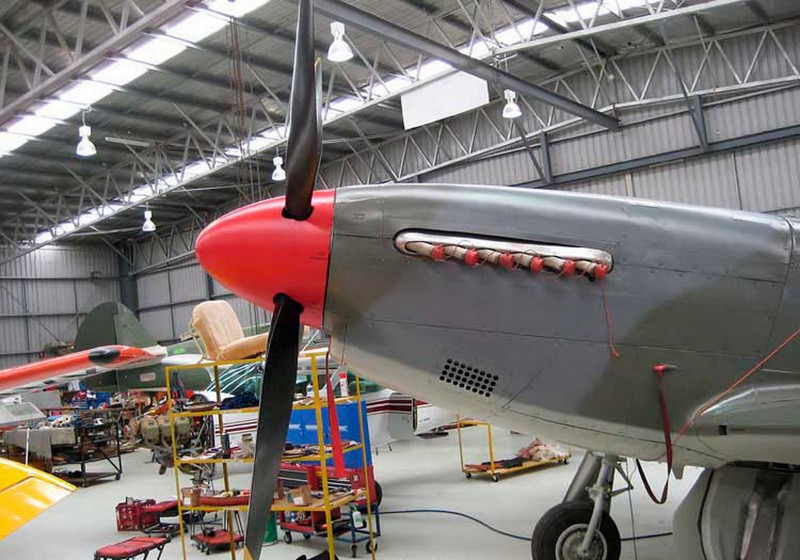
P-51D Mustang | |
|---|---|
| Pays | USA |
| Type | Single-engine fighter |
| Description | Album de 47 walk-around photos of the P-51 Mustang |
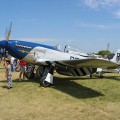
The P-51 Mustang is an American fighter aircraft designed by North American Aviation that was used during World War II. It was developed to meet the urgent need for additional British fighters in 1940 during the Battle of Britain. Although performing at low altitudes thanks to its high aerodynamic finesse, its Allison engine, whose supercharger system is not very advanced, initially limited its use as an air superiority fighter. Following the adaptation of the excellent British Rolls Royce Merlin engine, the P-51D became the escort aircraft the United States needed to accompany its large daytime raids of strategic bombers over Germany. At the beginning of 1944, he had a decisive part in obtaining the air superiority that allowed the invasion of Europe. It is one of the three great American hunters of the Second World War by number, with 15,586 copies produced2. Its main assets are its speed and above all its very wide range of action. Many consider him the best propeller fighter of all time. The name Mustang of the aircraft was given by the British, the Americans having first named it Apache before adopting the British name.
Source: P-51D Mustang on Wikipedia
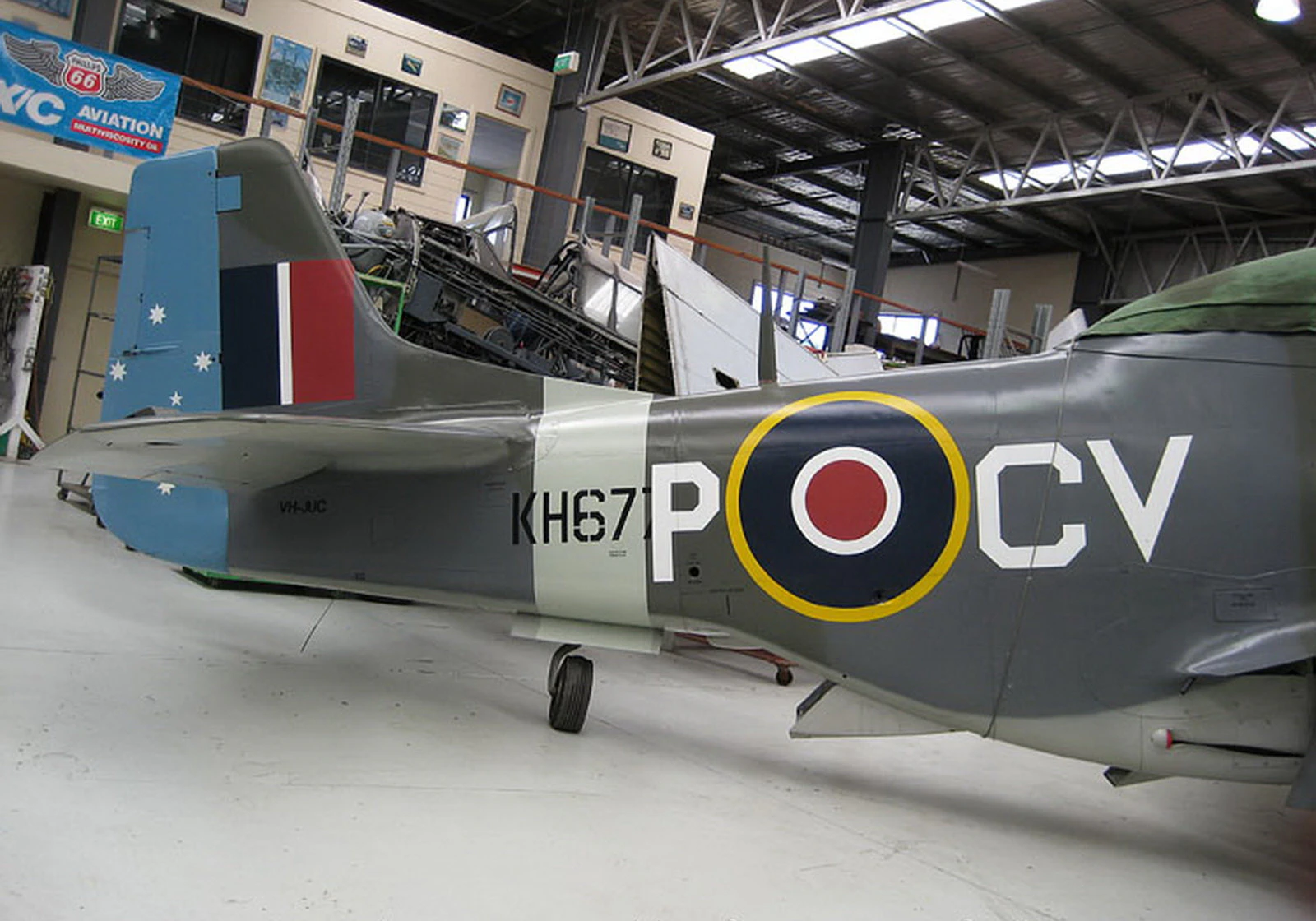
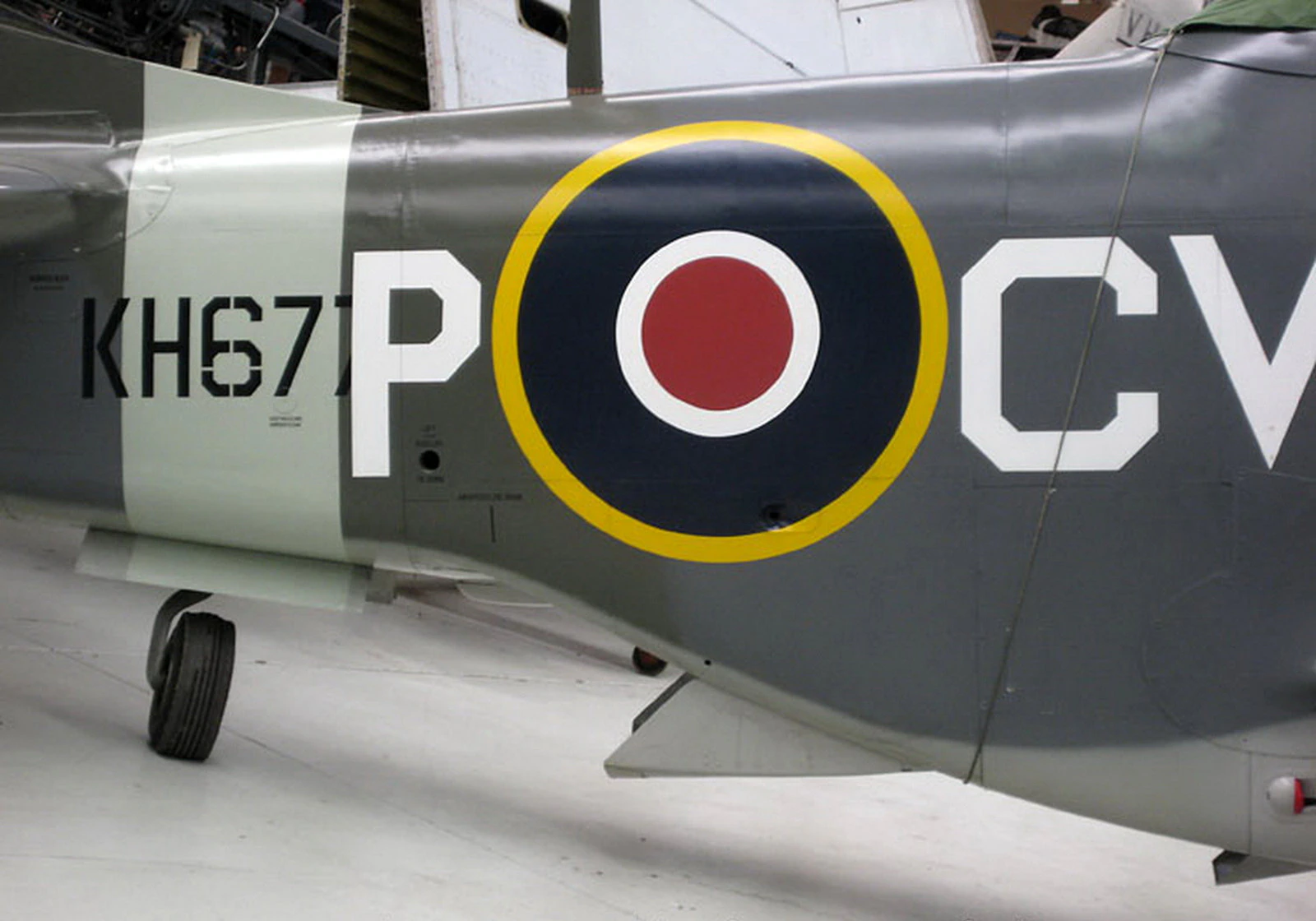
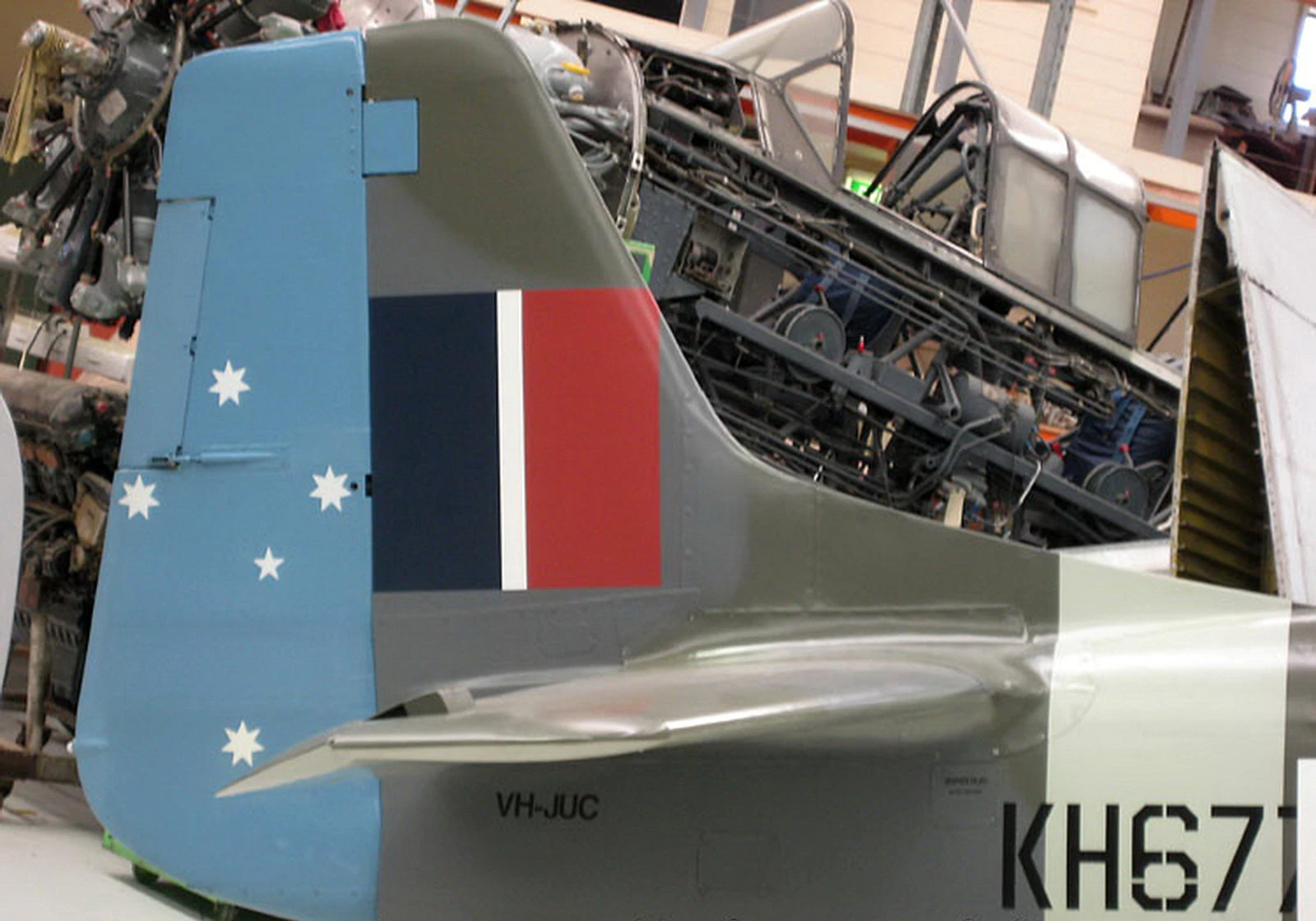
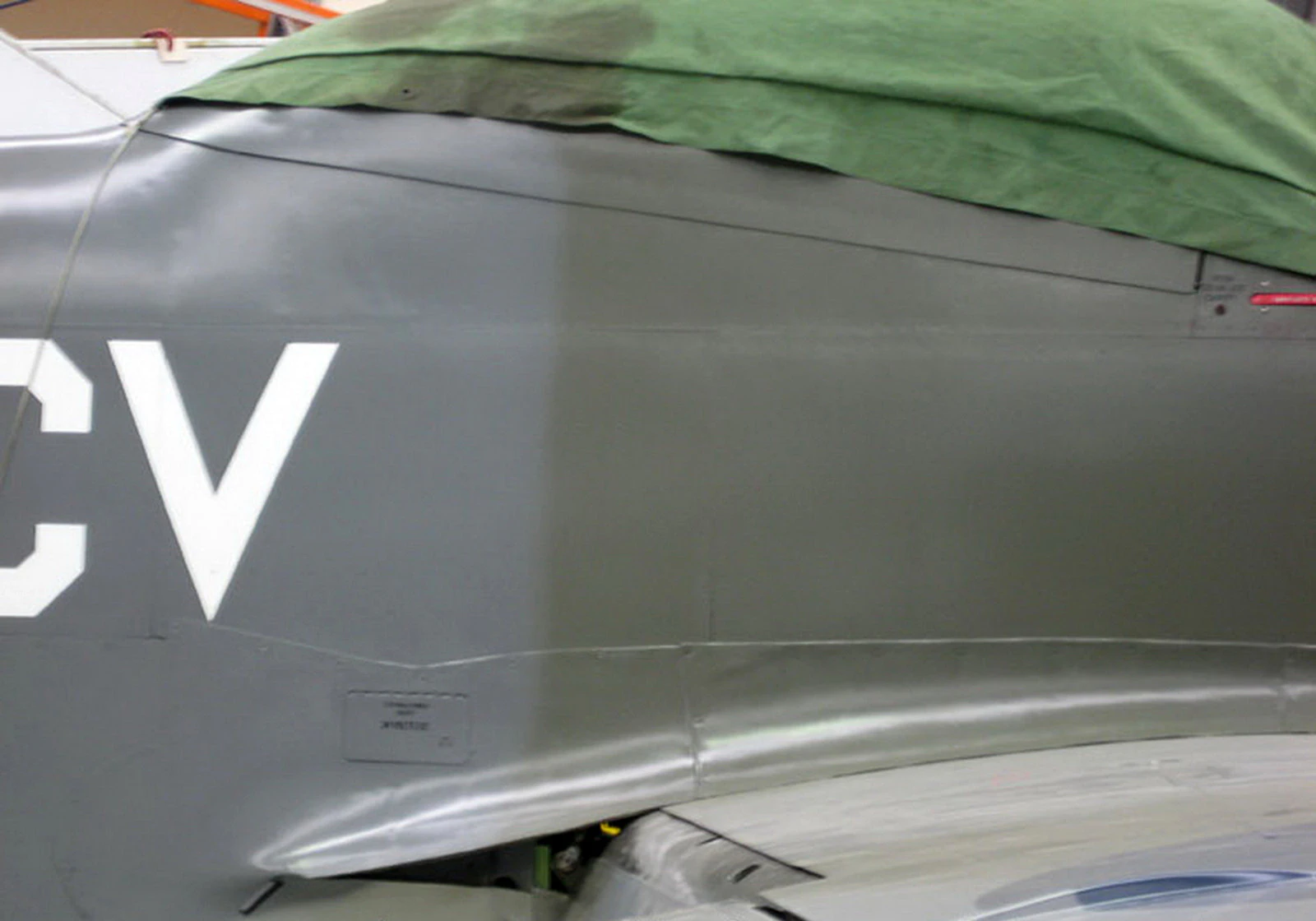
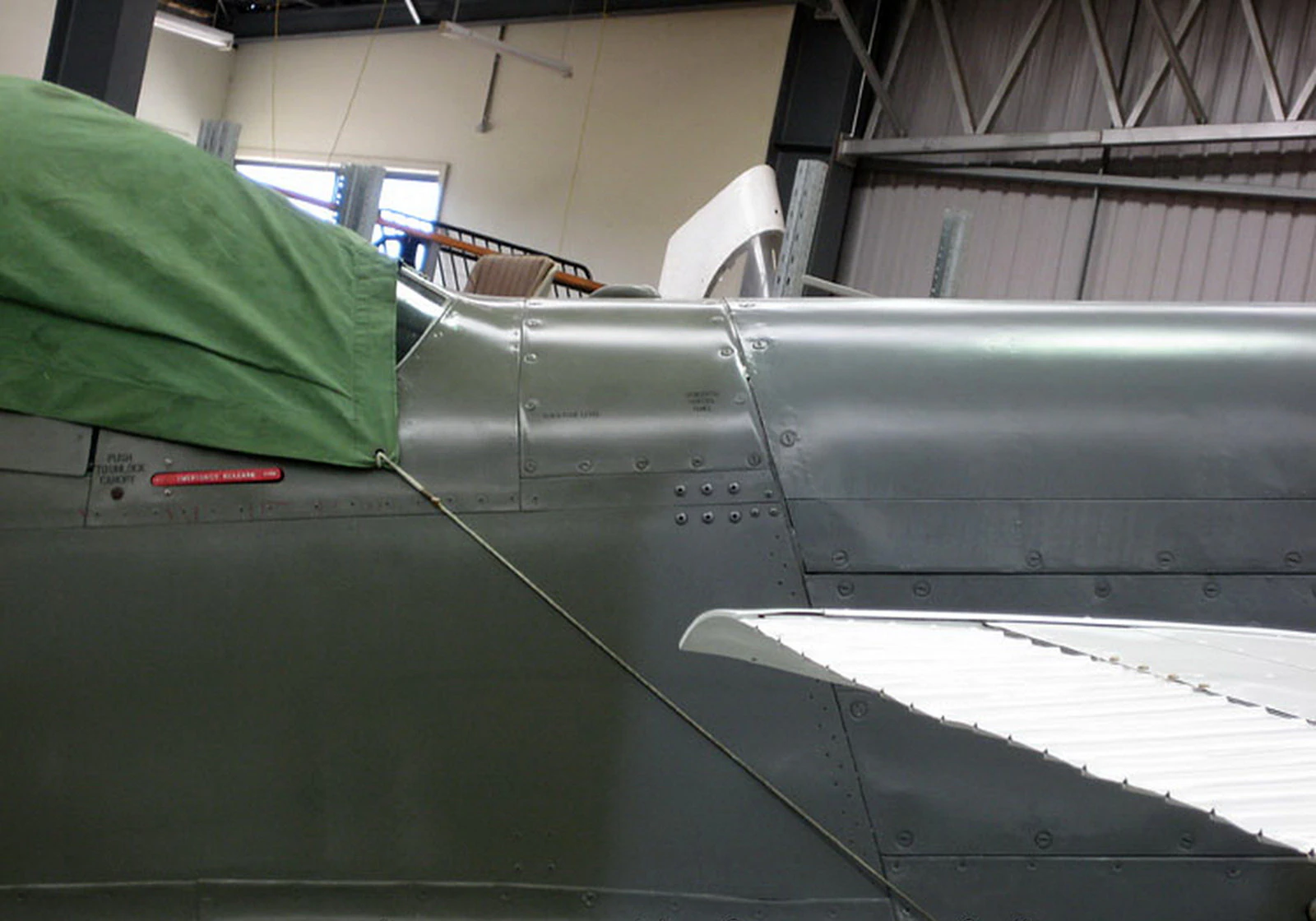
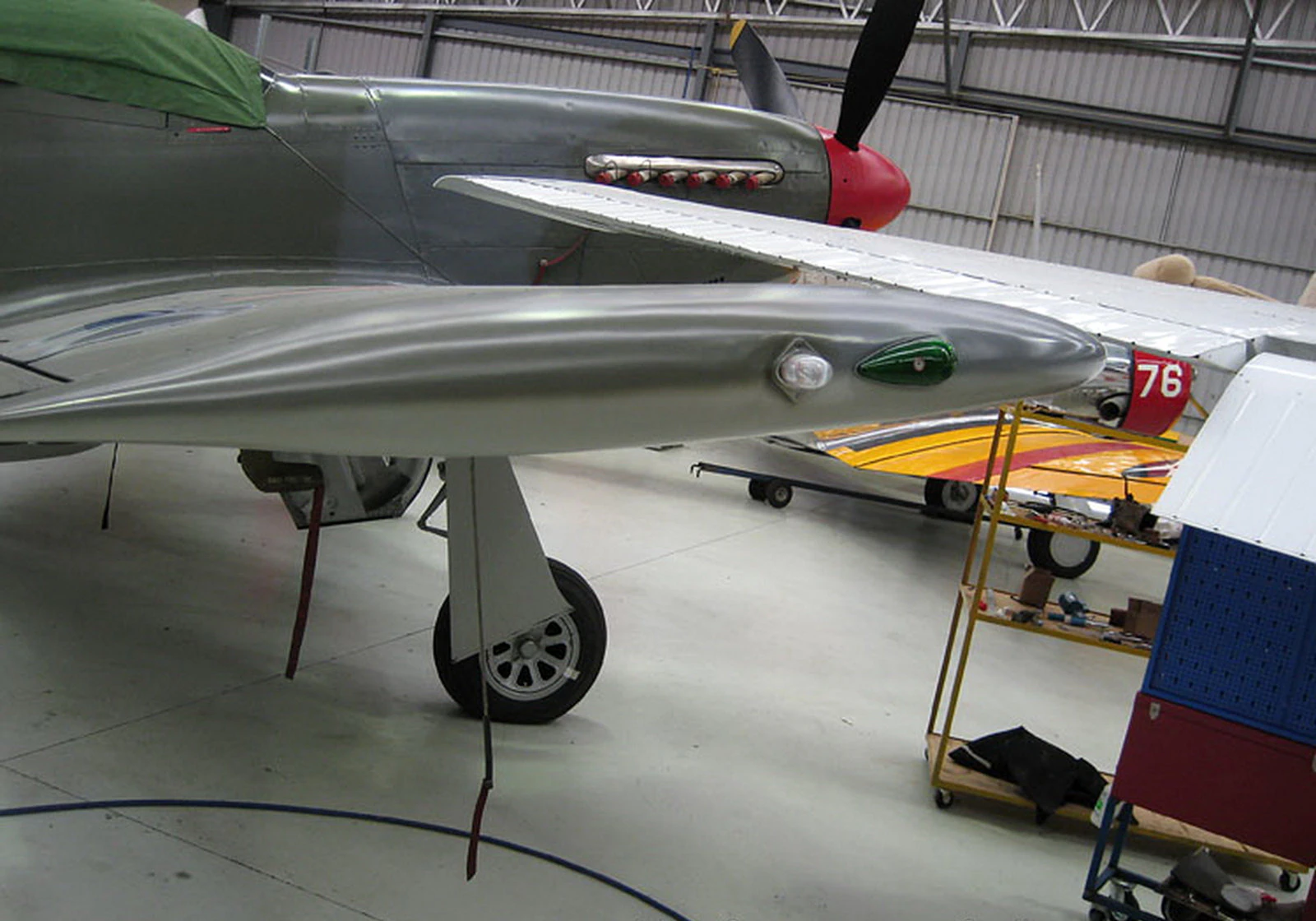
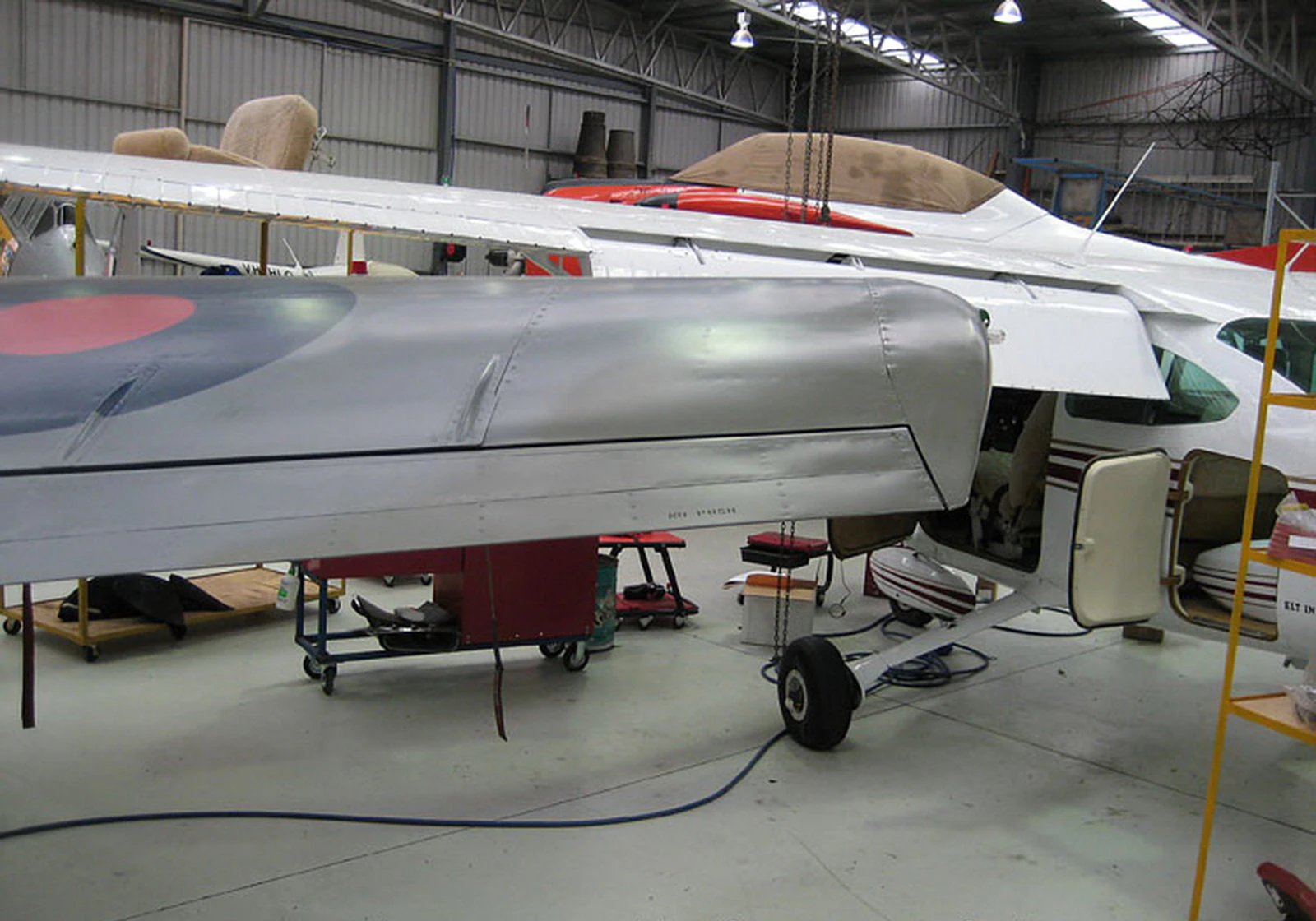
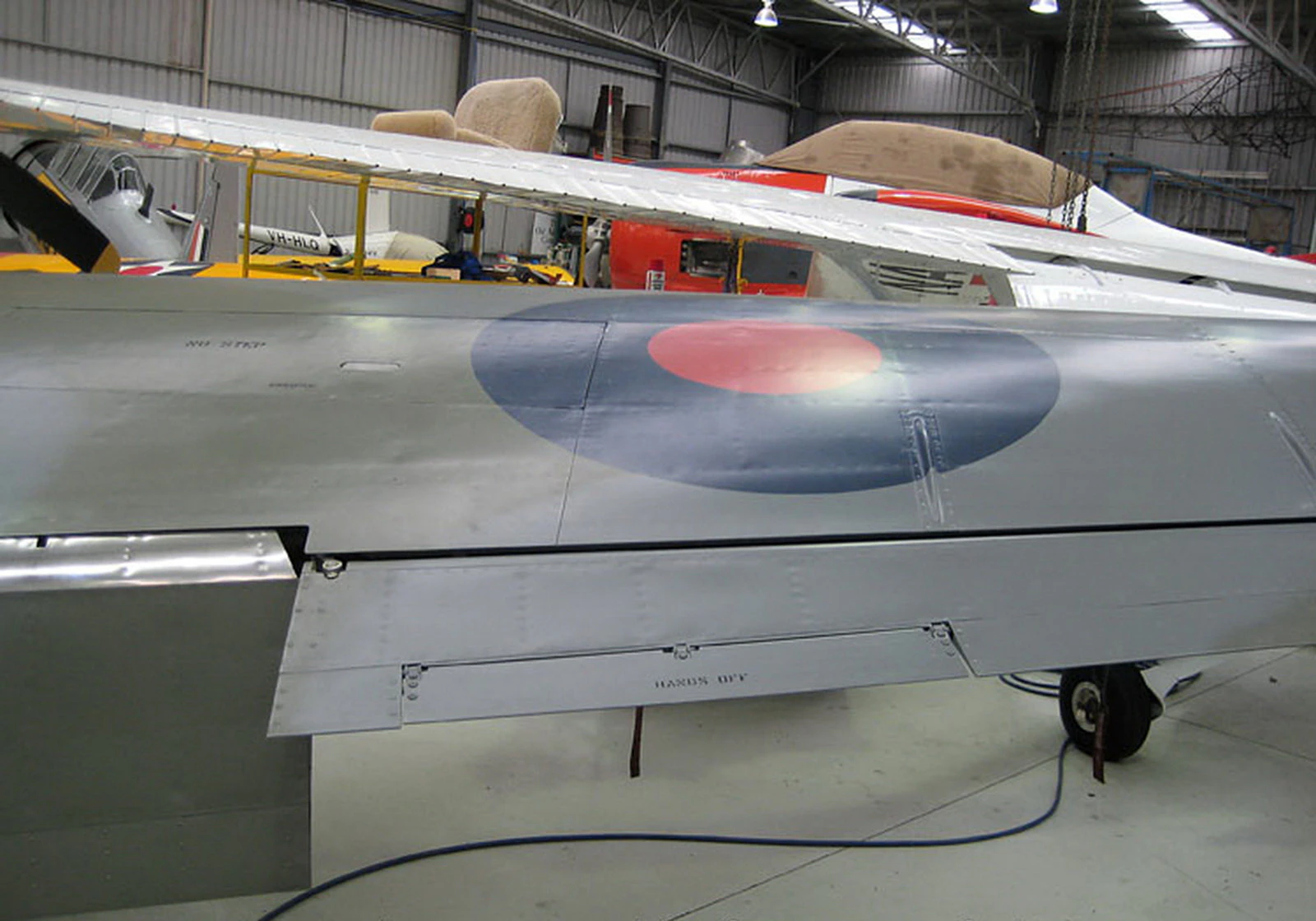
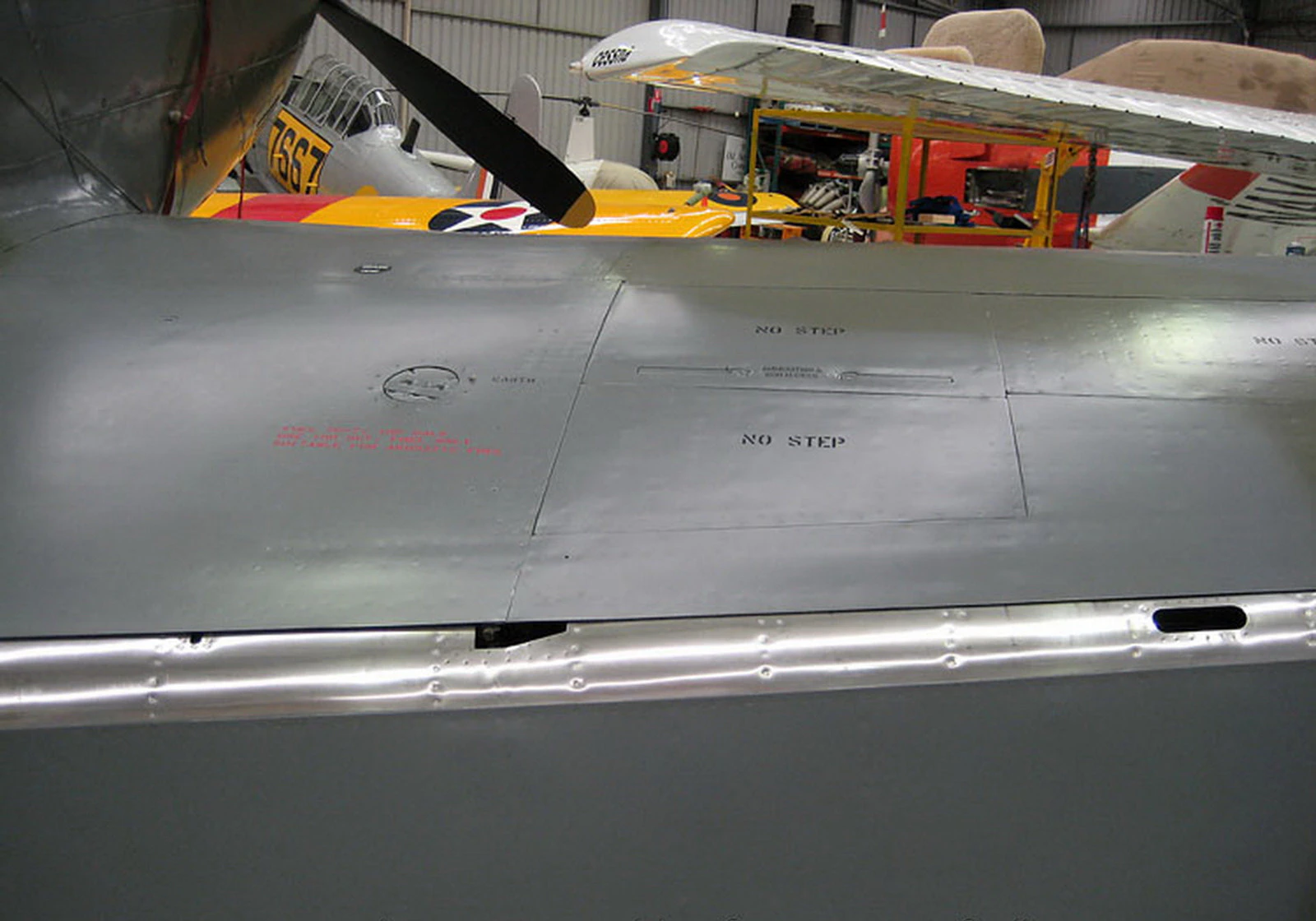

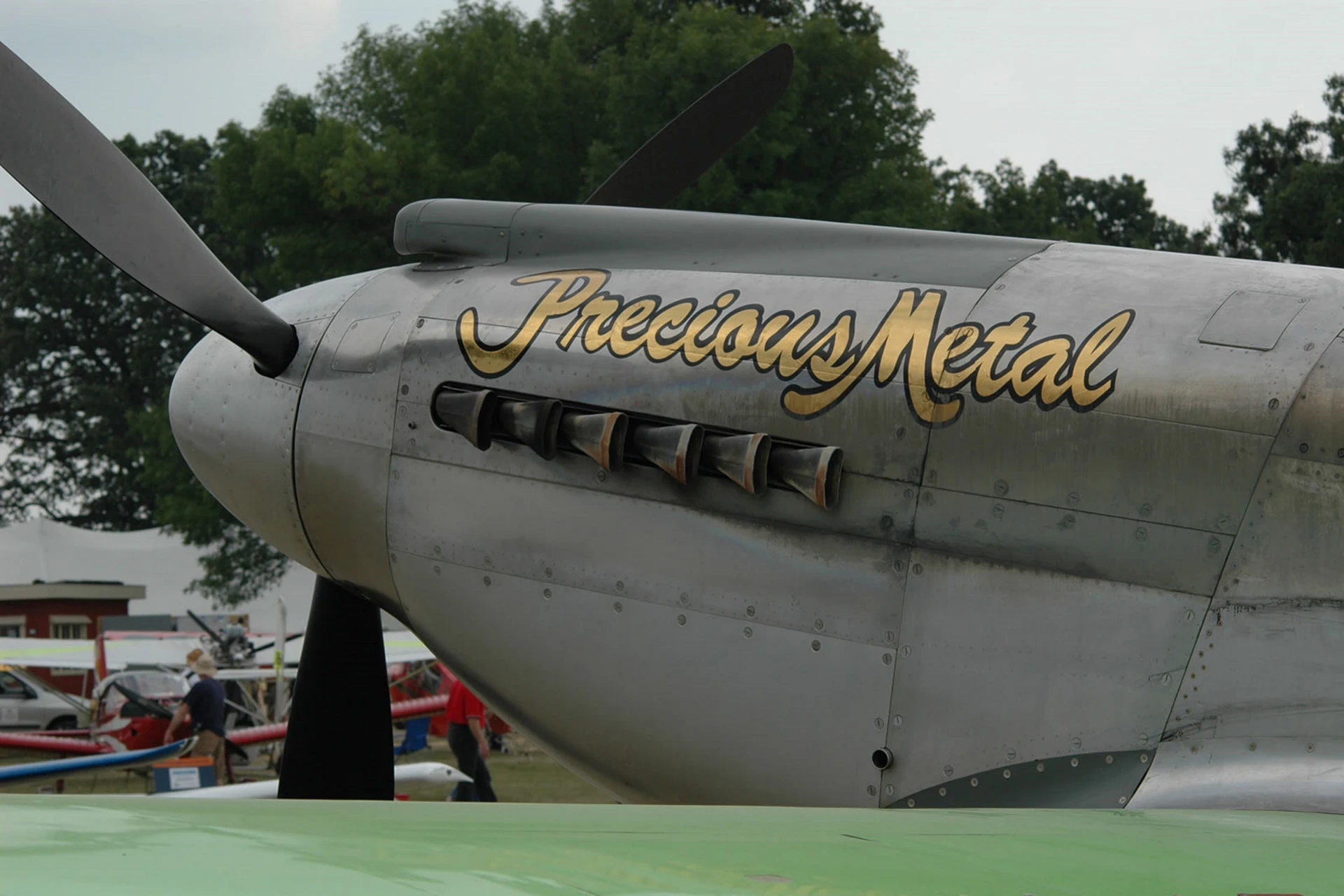
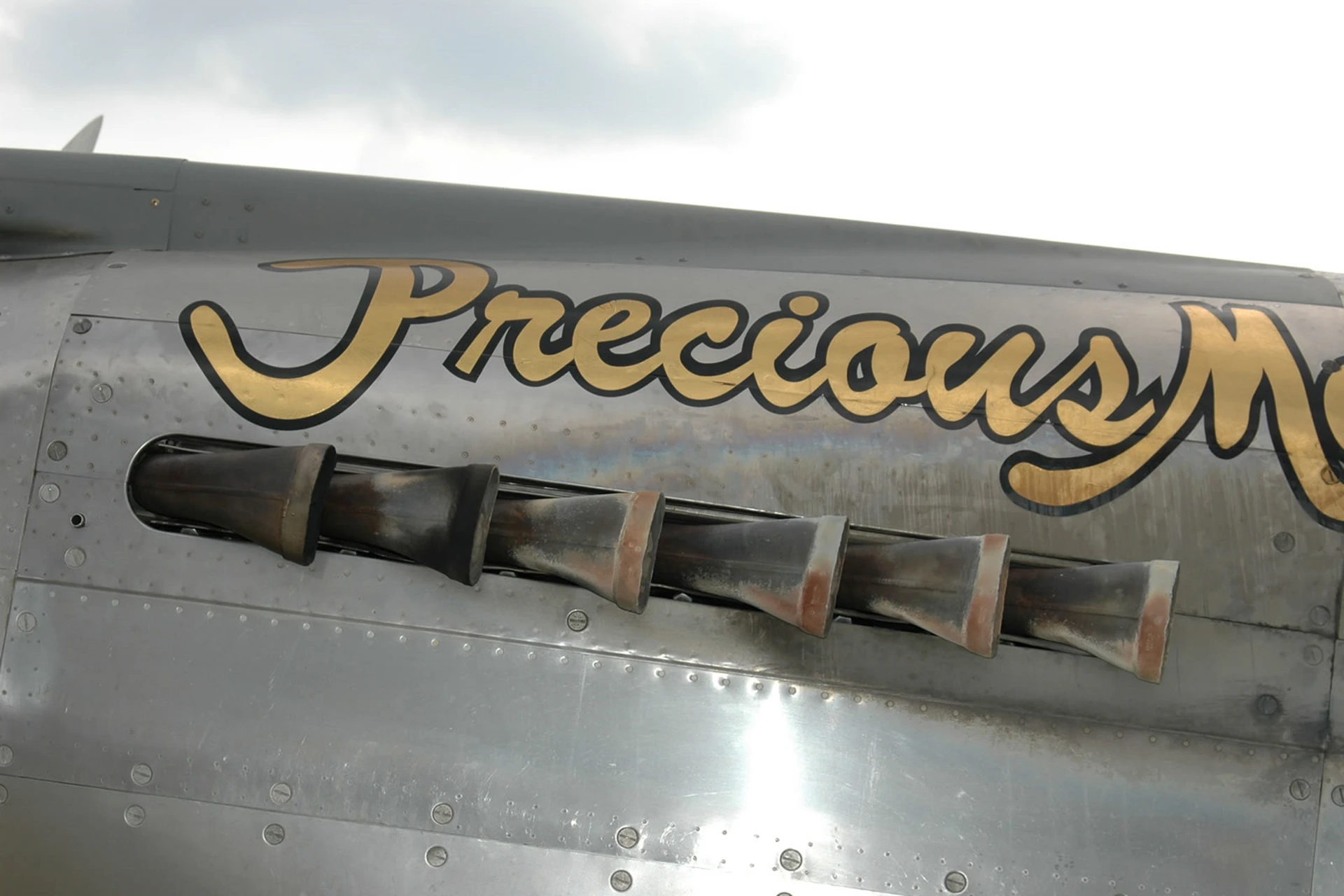
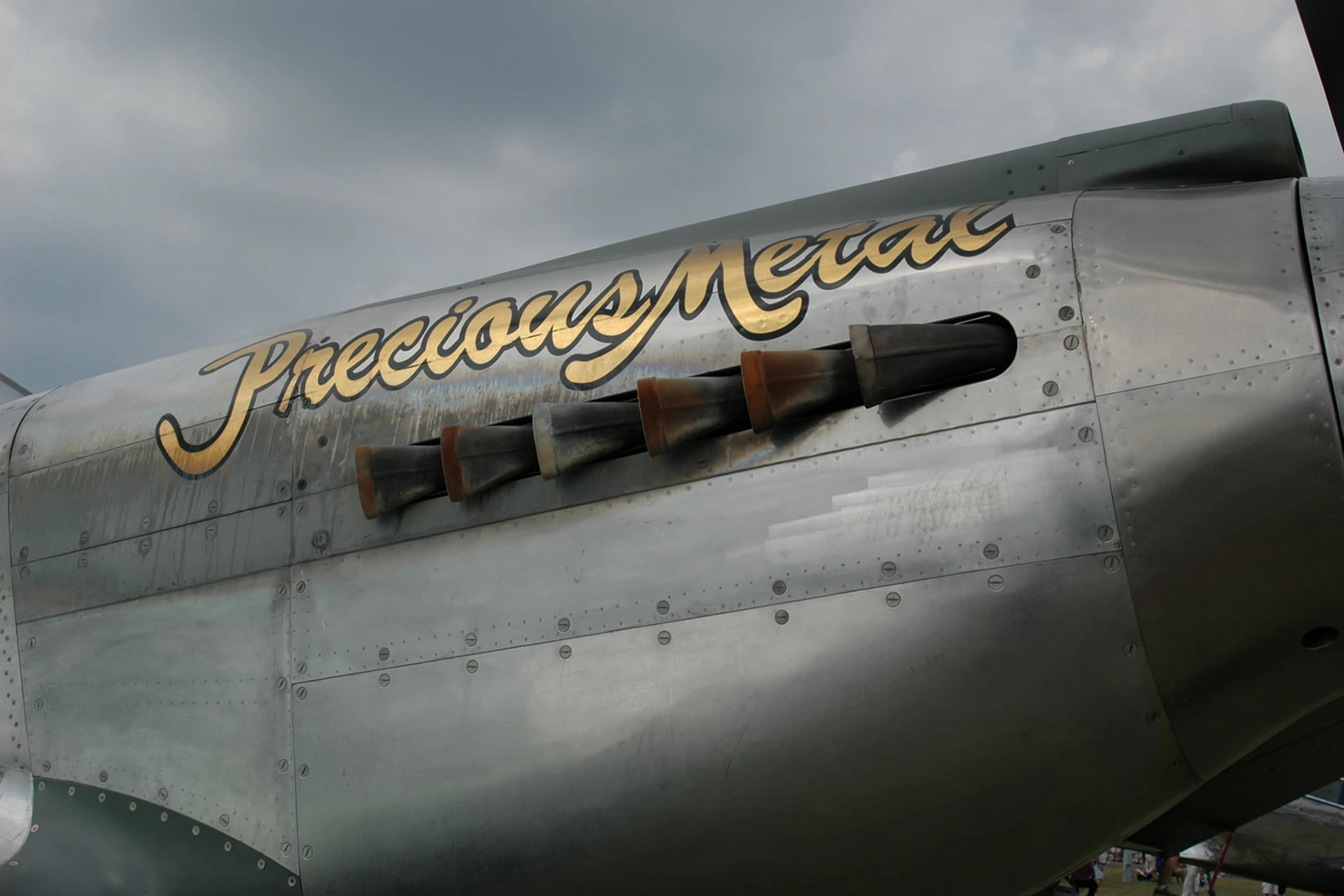
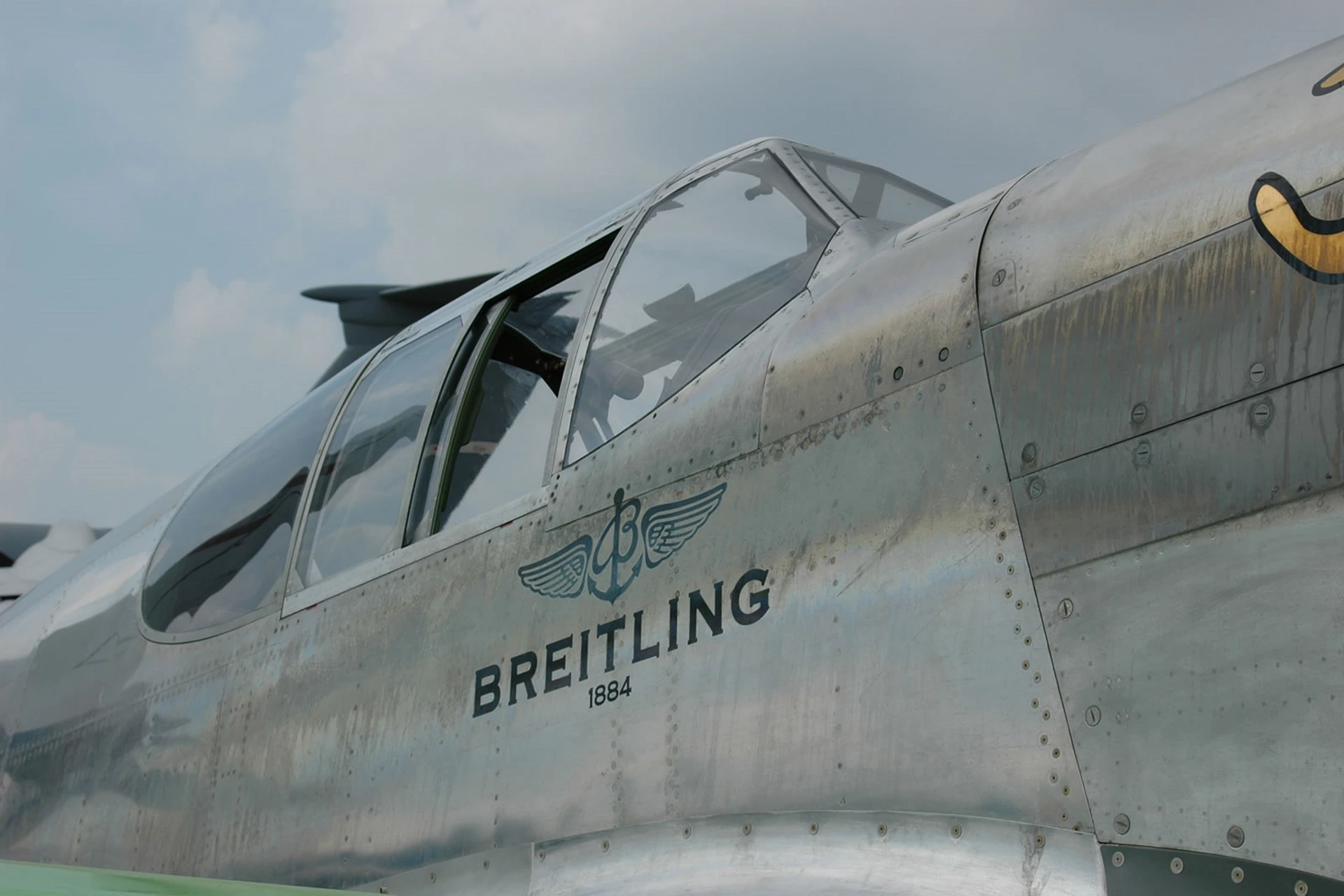
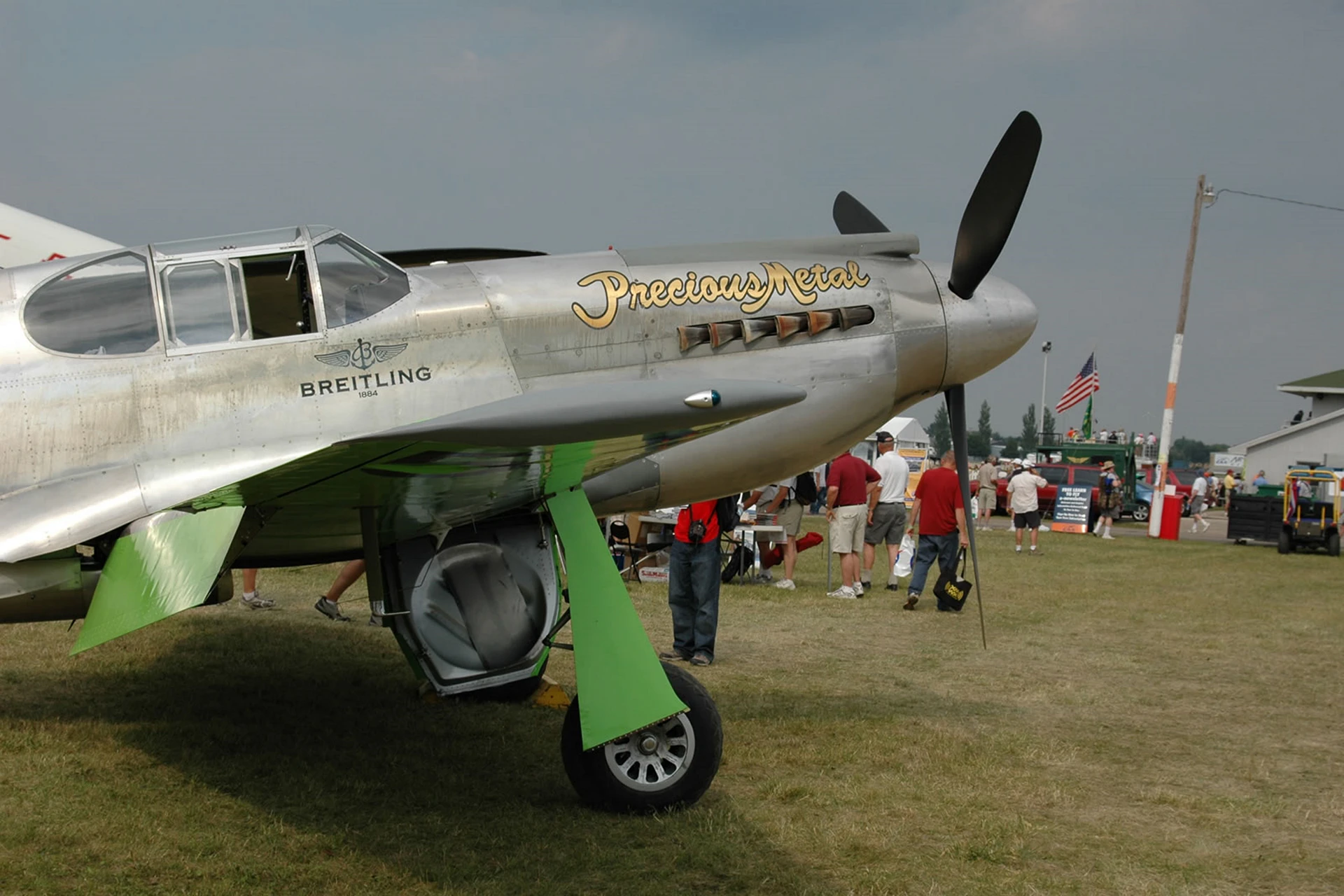
| P-51A “Precious Metal” Walk Around | |
|---|---|
| Photographer | Jeff Herne |
| Localisation | Unknow |
| Photos | 12 |
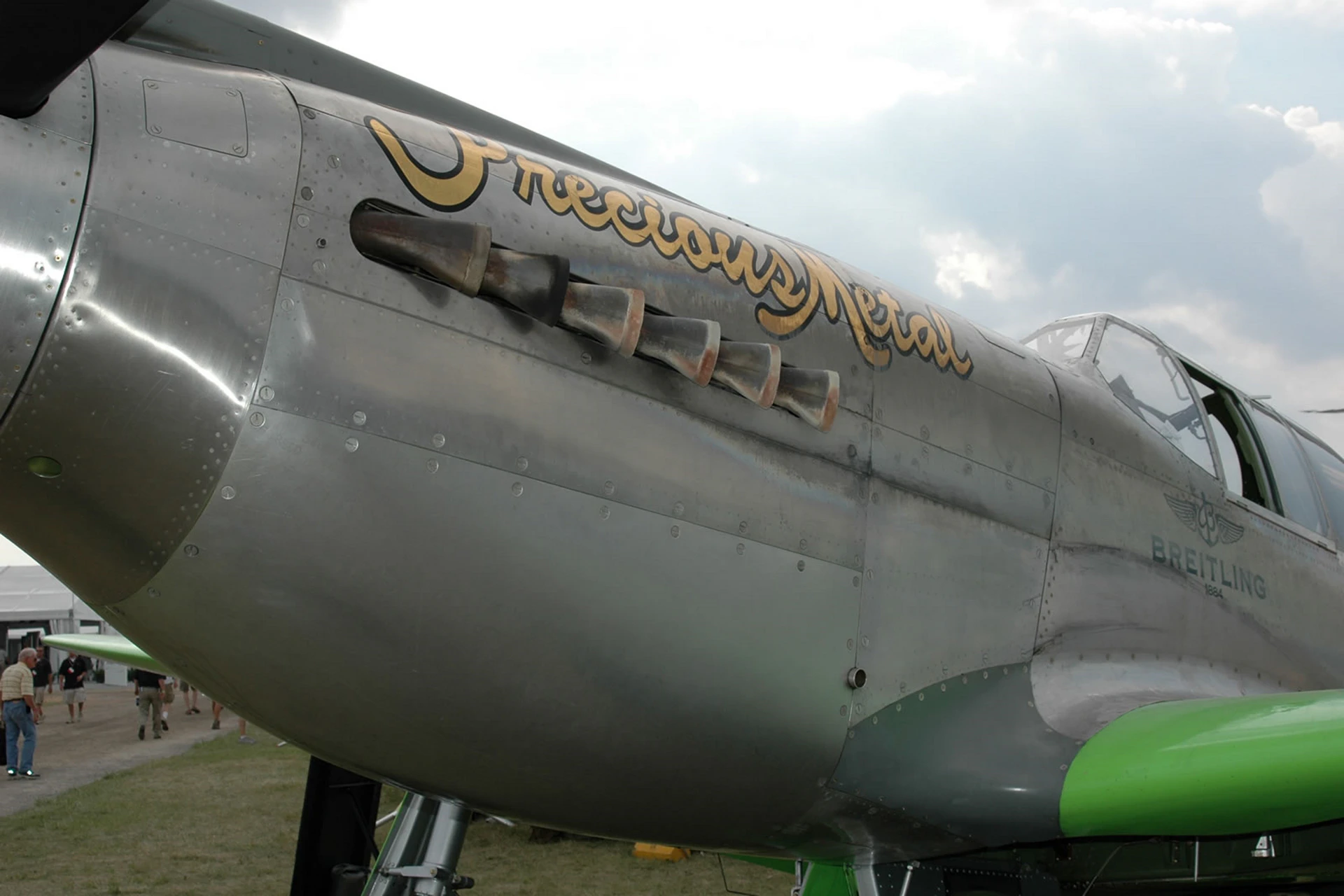
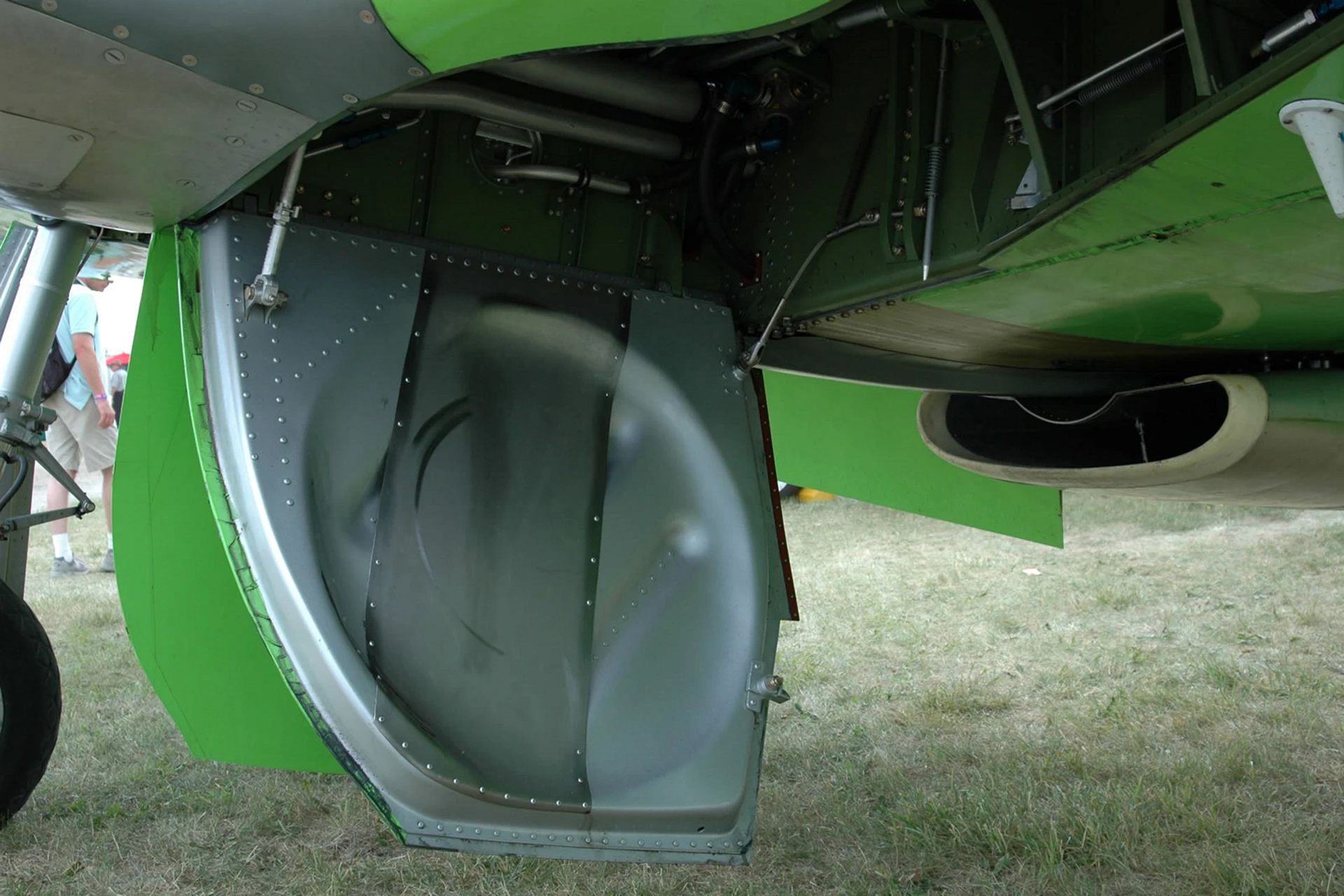
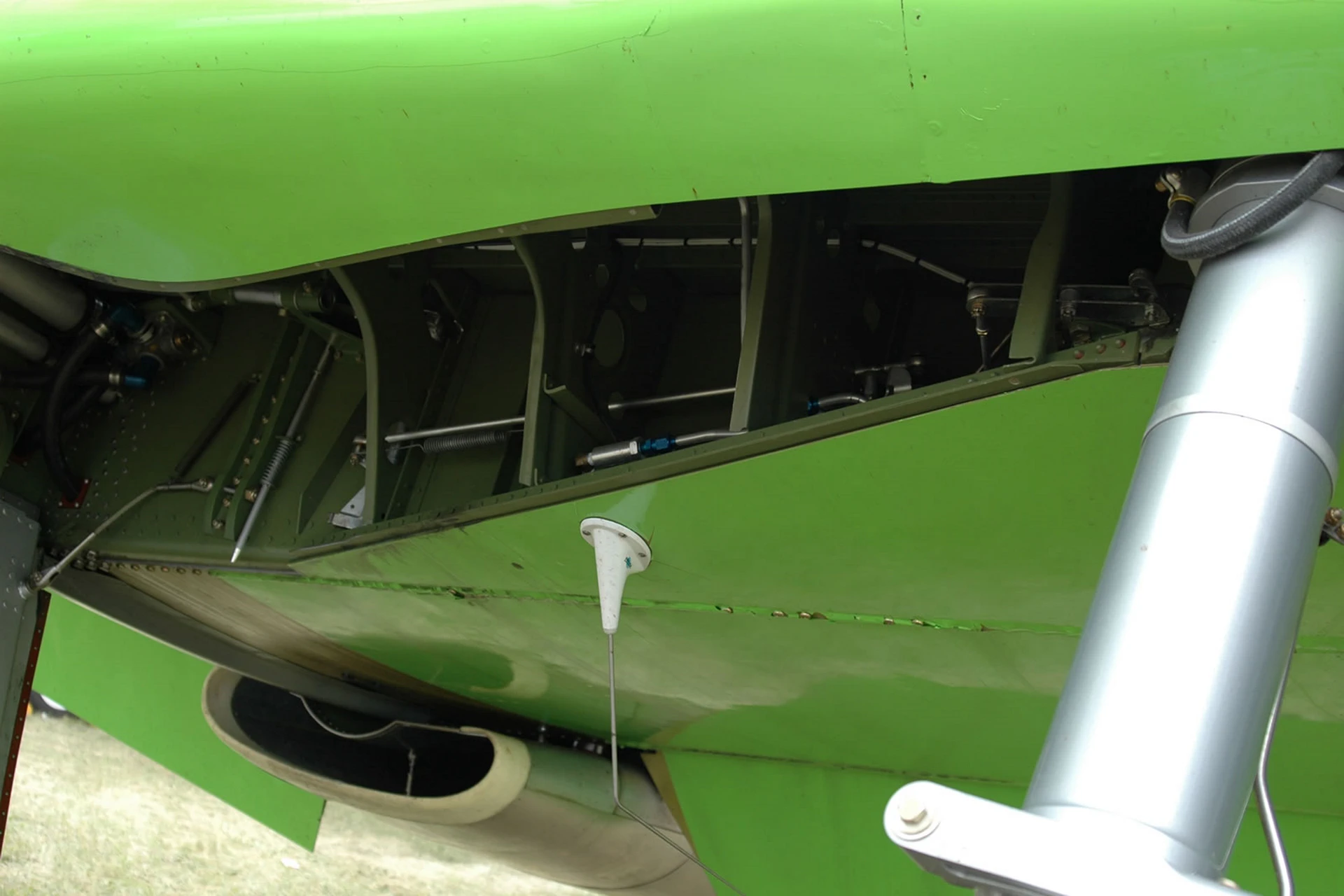
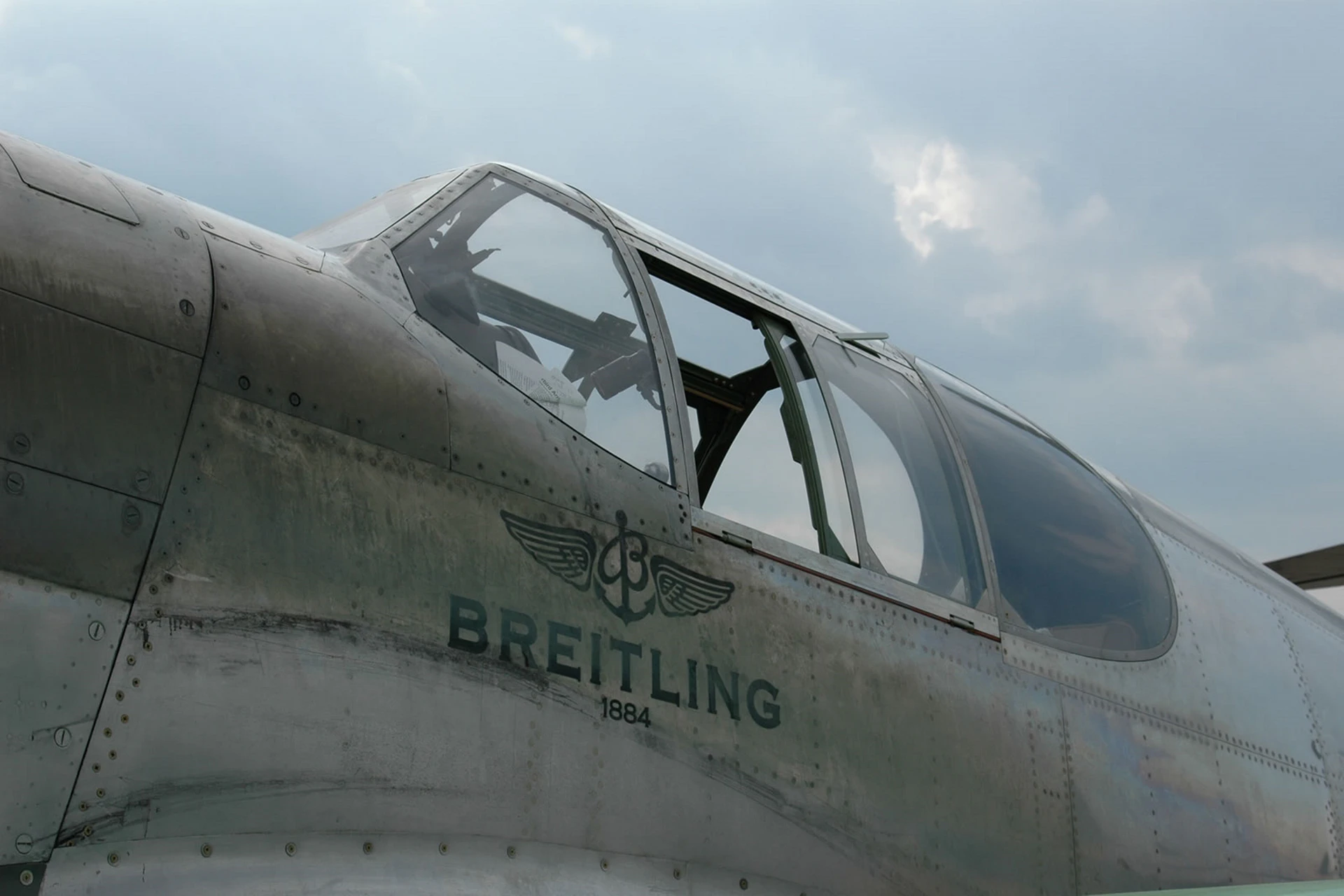
See also:


The Bomber’s Guardian Angel
The North American P-51 Mustang was arguably the most influential and versatile American fighter aircraft of World War II. While early variants were held back by mediocre high-altitude engines, mating the sleek airframe with the British Rolls-Royce Merlin engine transformed the Mustang into a true masterpiece of engineering. With its exceptional speed, agility, and unprecedented long-range capability, the P-51 was able to escort Allied heavy bombers deep into the heart of Germany and back, completely reshaping the strategic air war over Europe and crippling the Luftwaffe.
| Attribute | Technical Specification (P-51D) |
|---|---|
| Role | Long-Range Escort Fighter / Fighter-Bomber |
| Crew | 1 (Pilot) |
| Engine | 1 × Packard V-1650-7 liquid-cooled V12 (License-built Rolls-Royce Merlin, 1,490 hp) |
| Maximum Speed | 703 km/h (437 mph) at 7,600 m |
| Combat Range | ~2,655 km (1,650 miles) with external drop tanks |
| Service Ceiling | 12,800 m (41,900 ft) |
| Armament | 6 × .50 cal (12.7 mm) Browning AN/M2 machine guns |
| Payload Capacity | Up to 907 kg (2,000 lbs) of bombs or 10 × 5-inch T34 unguided rockets |
Design Engineering: Laminar Flow and the Meredith Effect
- Laminar Flow Wing: The Mustang featured a cutting-edge, ultra-smooth wing profile designed to delay the onset of air turbulence. This advanced aerodynamic design drastically minimized drag, unlocking incredible fuel efficiency and high speeds for a single-engine fighter.
- The Meredith Effect: The radiator scoop beneath the belly of the fuselage was an aerodynamic marvel. As air passed through the duct and was heated by the engine core, it expanded and exited the rear flap, creating a small amount of jet-like physical thrust that effectively countered the radiator’s drag.
- Bubble Canopy Visibility: The definitive P-51D variant replaced the older, framed “razorback” cockpit design with a swept-back, single-piece bubble canopy. This dramatic engineering change granted pilots an uncompromised, 360-degree view of the sky during intense dogfights.
- Fuselage Fuel Tank: To achieve its legendary escort ranges, North American packed a massive 85-gallon fuel tank right behind the pilot’s seat. While this temporarily shifted the center of gravity and made the plane highly unstable when full, it allowed the Mustang to fly further than any fighter before it.
Operational History: Escorting B-17s and Tokyo Raids
- Turning the Tide Over Europe: Before the P-51 arrived, Allied B-17 and B-24 bombers were suffering devastating losses beyond the range of standard escorts. Operating under Eighth Air Force commanders like General Jimmy Doolittle, Mustangs hunted down Luftwaffe interceptors, completely breaking the back of Germany’s air defenses.
- The Red Tails Legacy: The P-51 was famously flown by the 332nd Fighter Group, known as the Tuskegee Airmen. These elite African-American aviators painted the tails of their Mustangs bright red and earned a legendary reputation for their fierce, disciplined protection of vulnerable bomber formations.
- Pacific Long-Range Escorts: In the final chapters of the war, P-51s were deployed to the Pacific island of Iwo Jima. Flying grueling, multi-hour over-water missions, they acted as long-range guardians for B-29 Superfortresses conducting devastating high-altitude bombing raids across mainland Japan.
- Into the Jet Age: Even as jet engines began to dominate the skies, the Mustang’s rugged build and precise strike capabilities kept it in high demand. It saw extensive front-line service as a ground-attack and close-air-support asset during the Korean War, solidifying its legendary multi-role pedigree.
Views : 3791
You can see also :
 Miles Magister – Photos & Videos
 Avro Canada VZ-9 Avrocar – Photos & Videos
 Republic RC-3 Seabee – Photos & Videos
 Convair C-131 Samaritan – Photos & Videos
 de Havilland Canada DHC-4 Caribou – Photos & Video
 MiG-23MLD – WalkAround
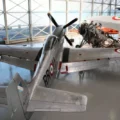 P-51D-25-NA Mustang – Walk Around
 B-47 Stratojet – Walk Around
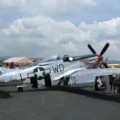 P-51D Mustang vol2 – Walk Around
 P-51D Mustang - Walk Around