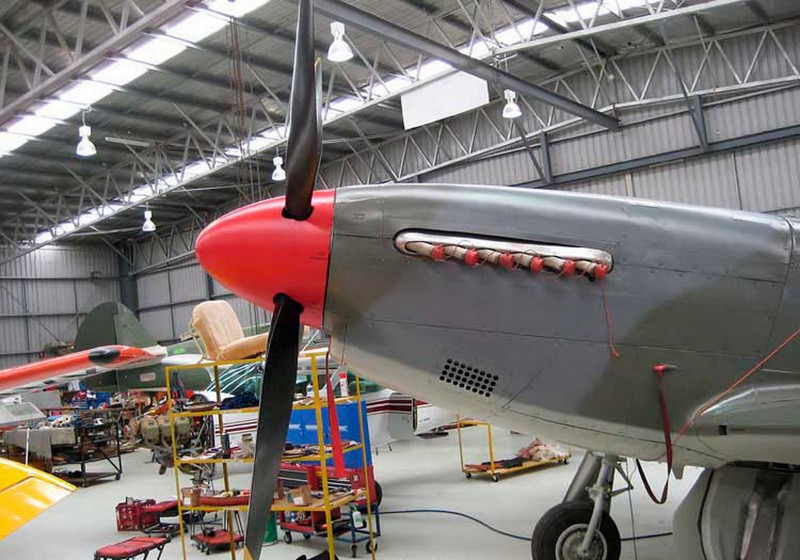
P-51D Mustang | |
|---|---|
| Šalies | Jav |
| Tipas | Vieno variklio naikintuvas |
| Aprašymas / kontrolė | Albumas 47 vaikščioti aplink nuotraukas P-51 Mustang |
2007 P-51 Mustang Tai amerikiečių naikintuvas, suprojektuotas Šiaurės Amerikos aviacijos, kuris buvo naudojamas Antrojo pasaulinio karo metu. Jis buvo sukurtas siekiant patenkinti neatidėliotiną papildomų britų kovotojų poreikį 1940 m. Didžiosios Britanijos mūšio metu. Nors jis yra efektyvus mažame aukštyje dėl savo didelio aerodinaminio subtilumo, jo "Allison" variklis, kurio įkrovimo sistema yra mažai išvystyta, iš pradžių riboja jo naudojimą kaip oro pranašumo kovotoją. Pritaikius puikų britų "Rolls Royce Merlin" variklį, P-51D Tapo palyda orlaivis Jungtinės Valstijos reikia lydėti savo didelių dienos reidus strateginių bombonešių virš Vokietijos. 1944 m. pradžioje jis turėjo lemiamą vaidmenį siekiant oro pranašumo, kuris leido įsiveržti į Europą. Tai vienas iš trijų pagrindinių Antrojo pasaulinio karo amerikiečių kovotojų pagal skaičių, pagamintas 15 586 egzemplioriais2. Jos pagrindinis turtas yra jo greitis ir ypač labai didelis veikimo spindulys. Daugelis mano, kad tai geriausias visų laikų sraigto kovotojas. Pavadinimas Mustang Lėktuvą suteikia britai, amerikiečiai, kurie pirmą kartą jį pakrikštijo Apache prieš priimdami britų pavadinimą.
Šaltinis: P-51D Mustang vikipedijoje
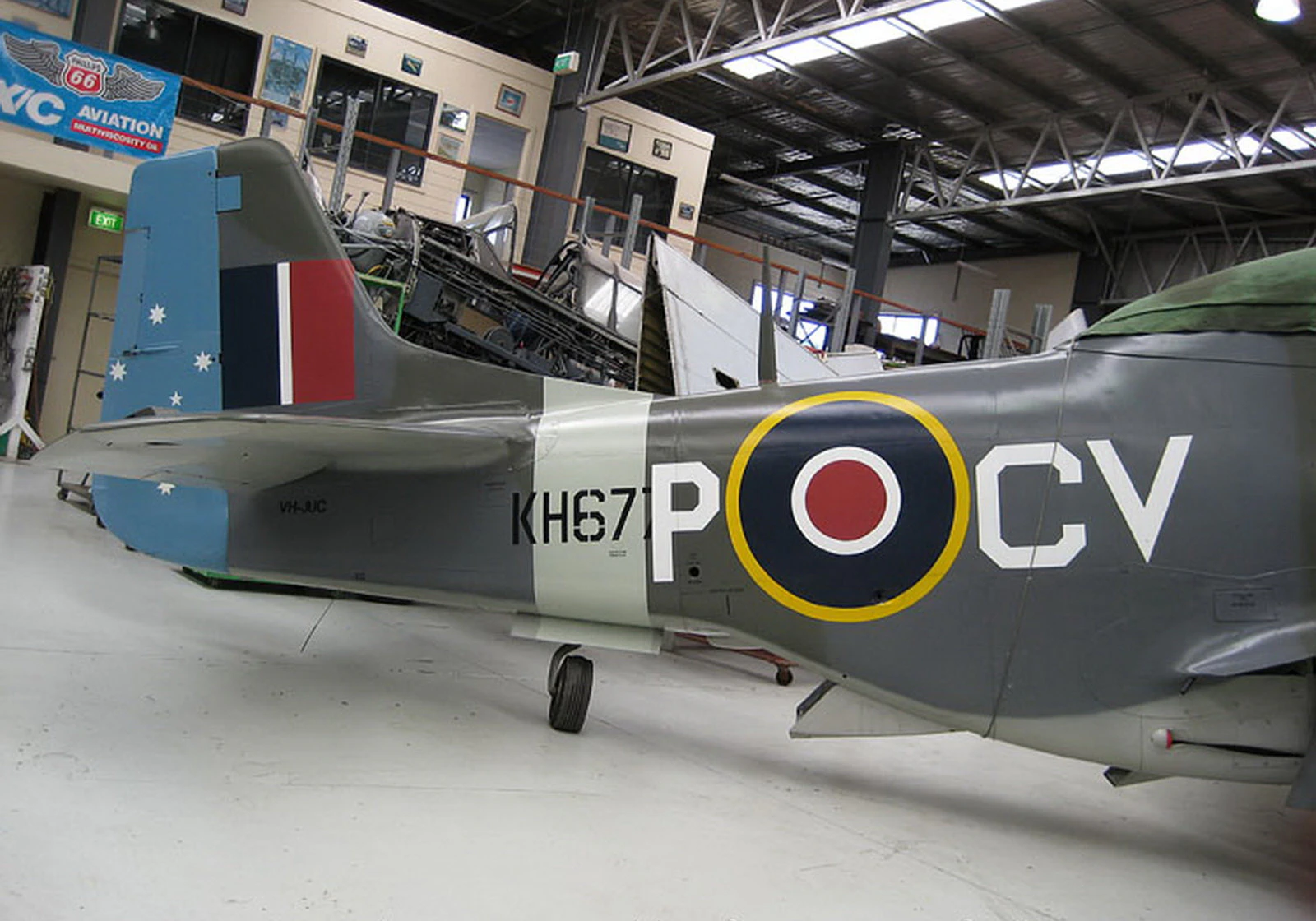
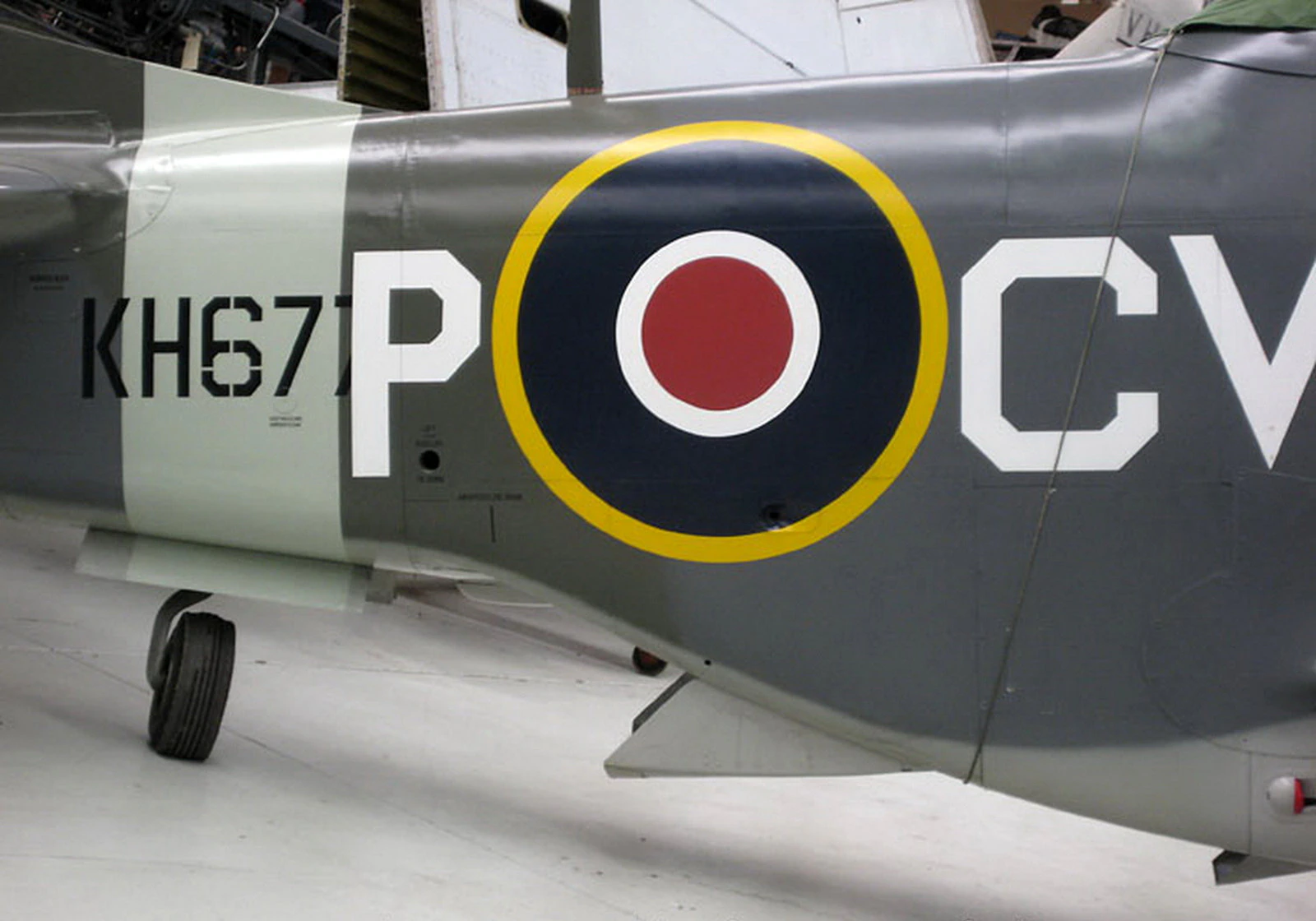
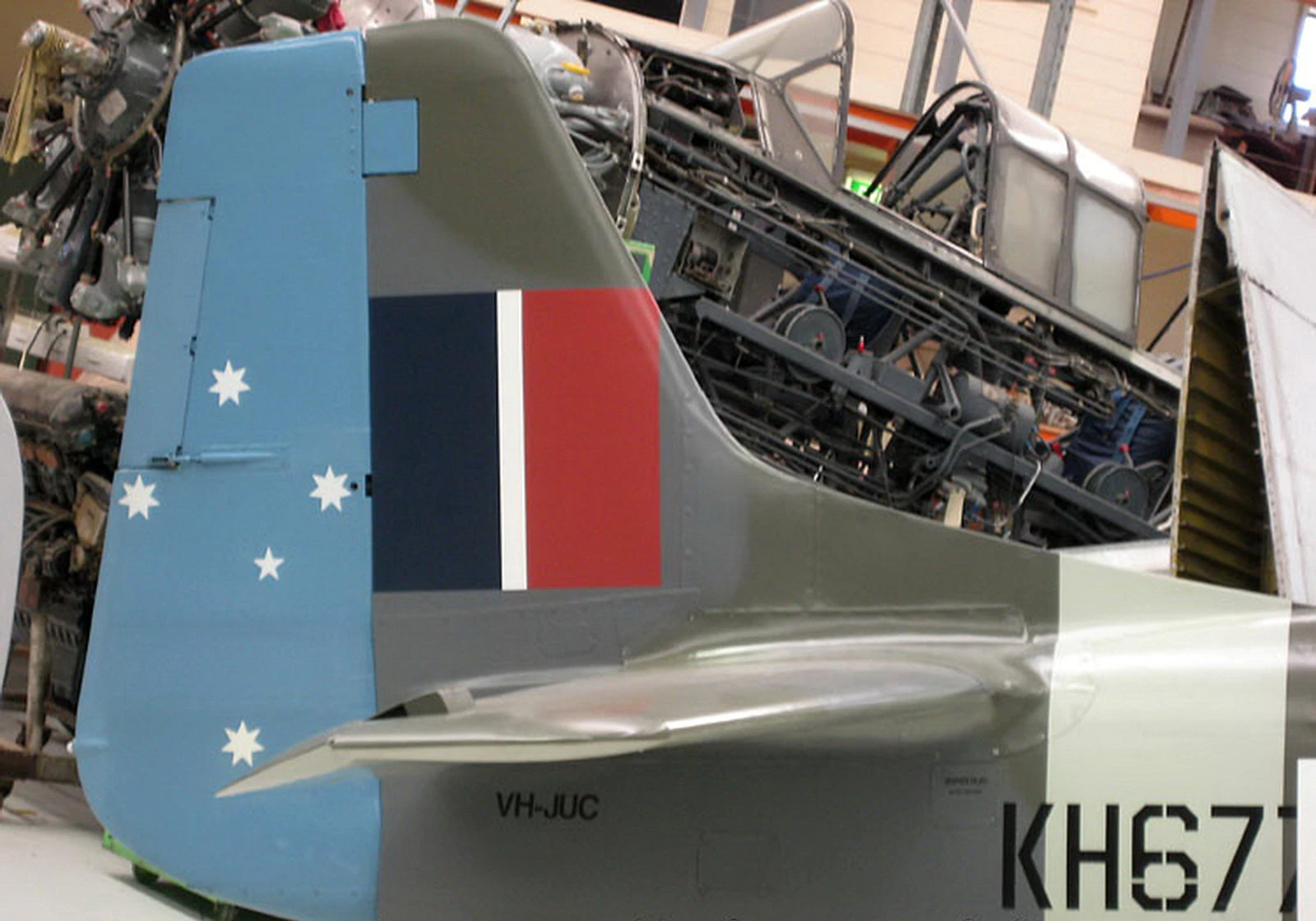
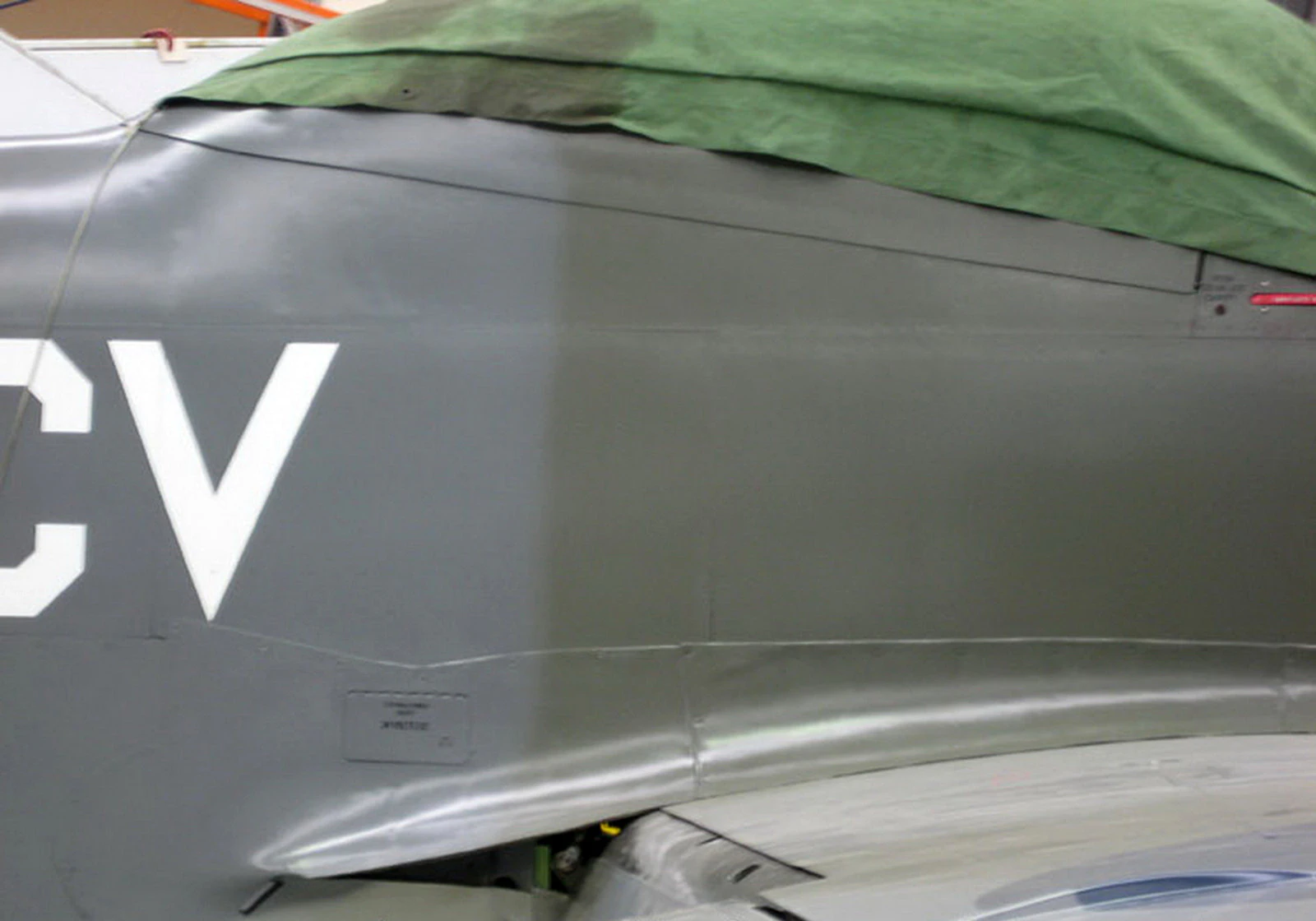
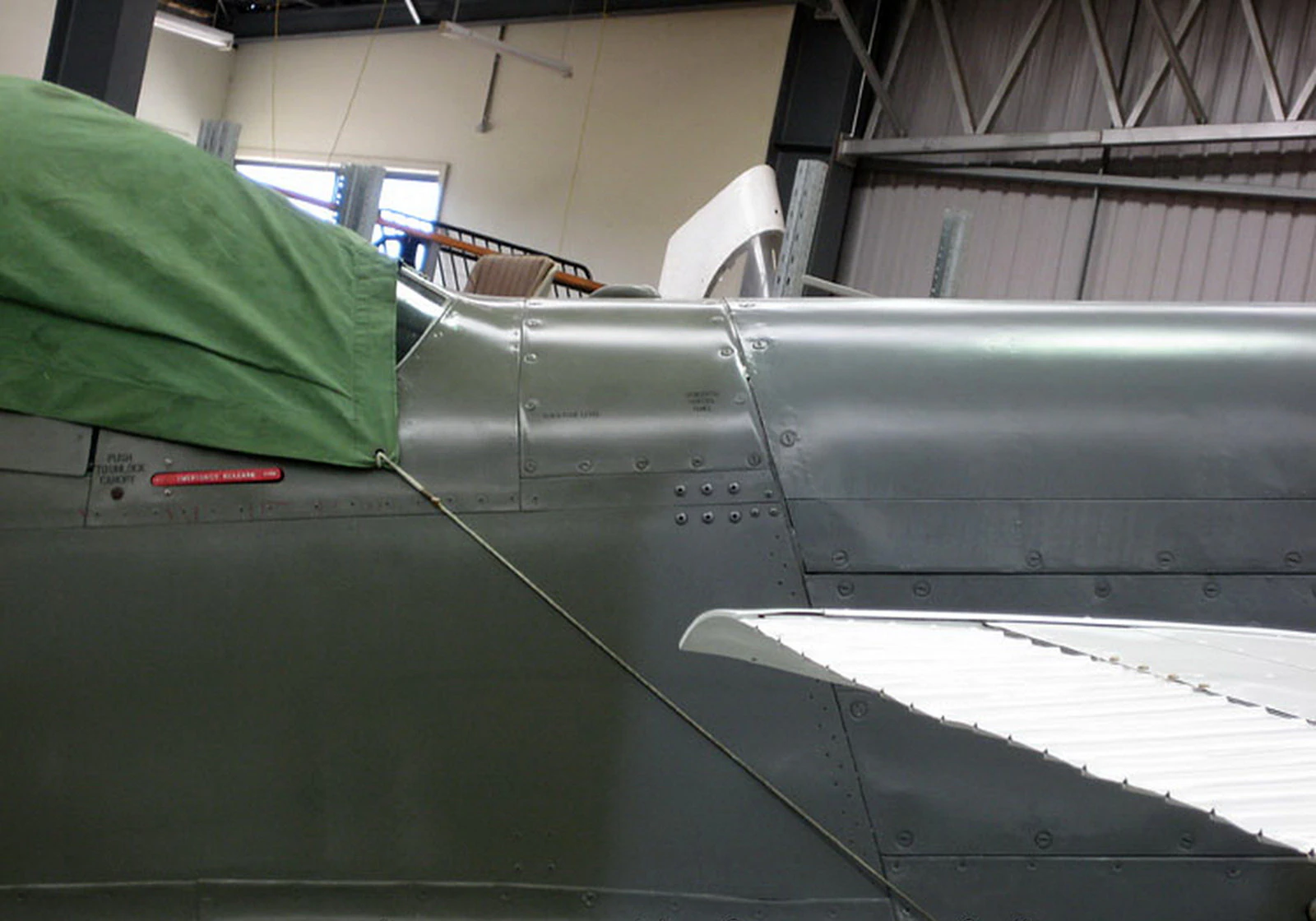
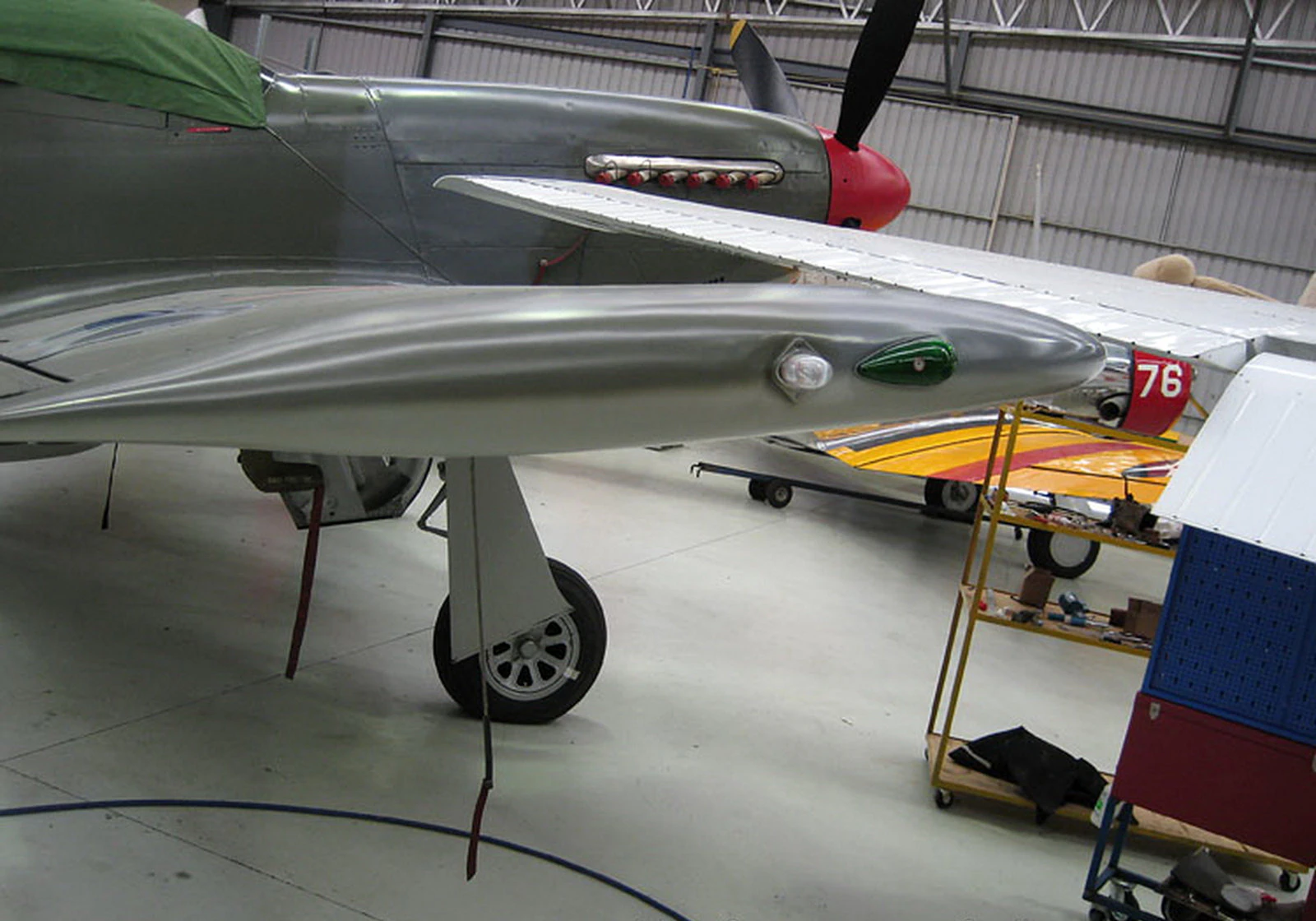
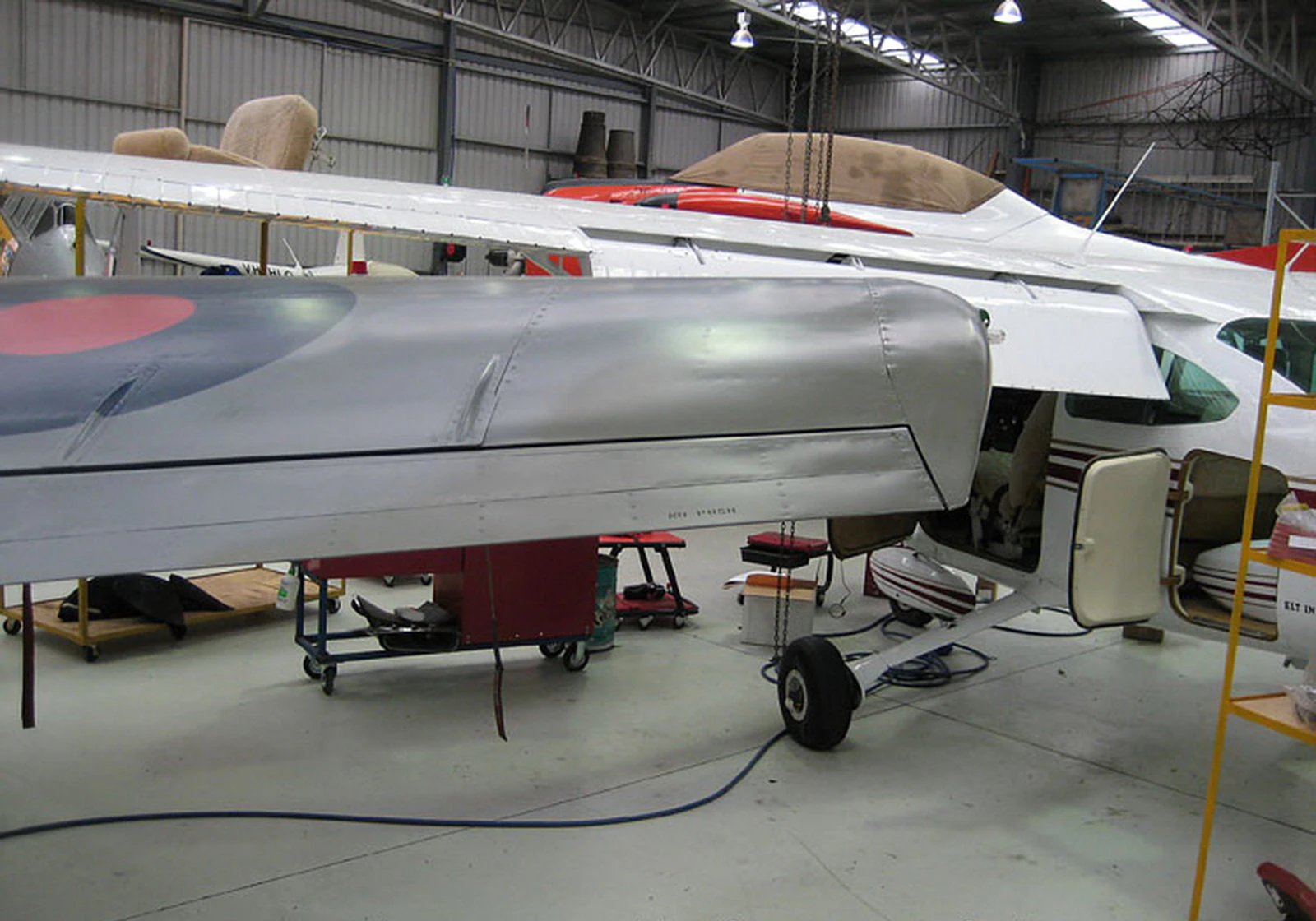
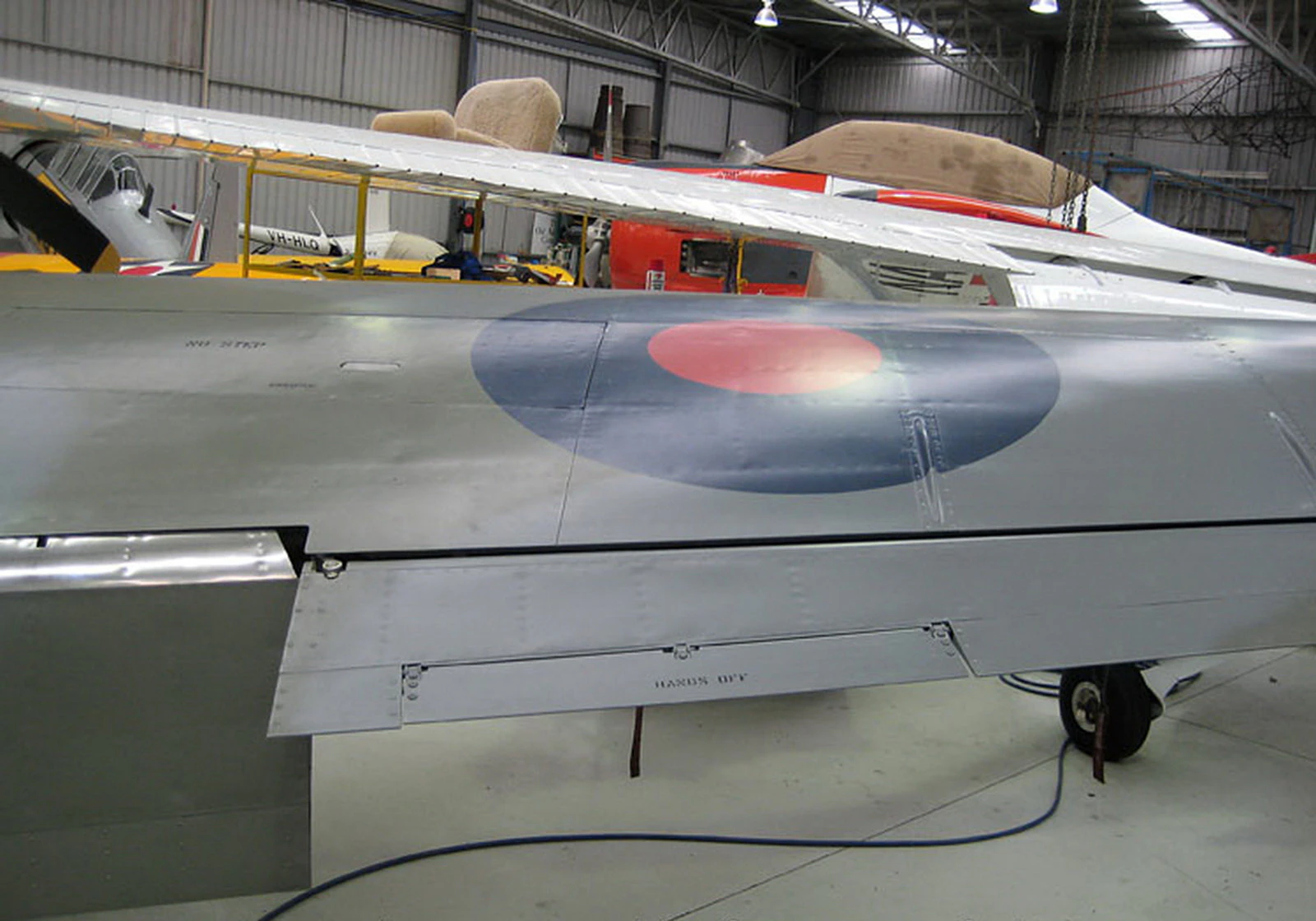
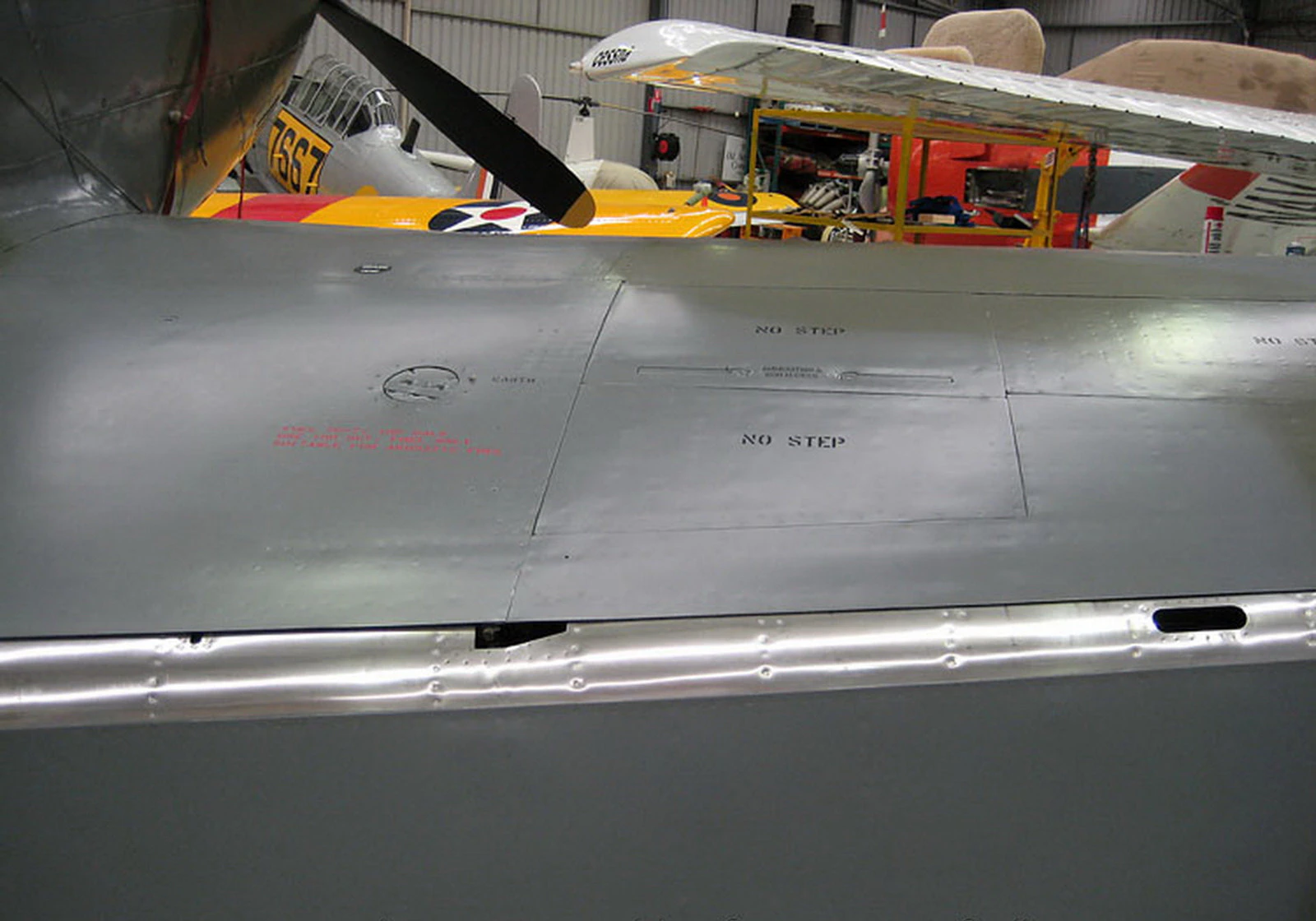

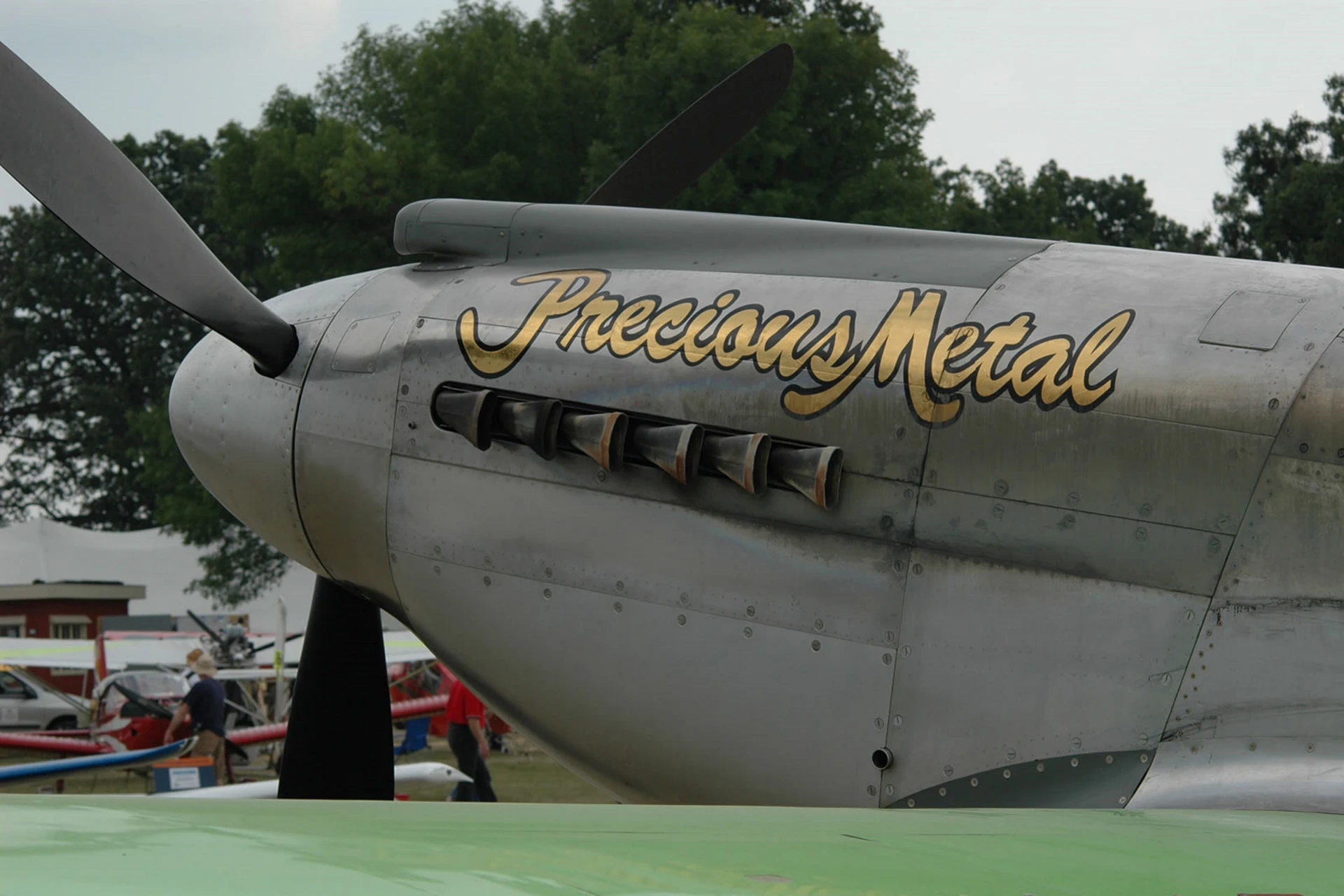
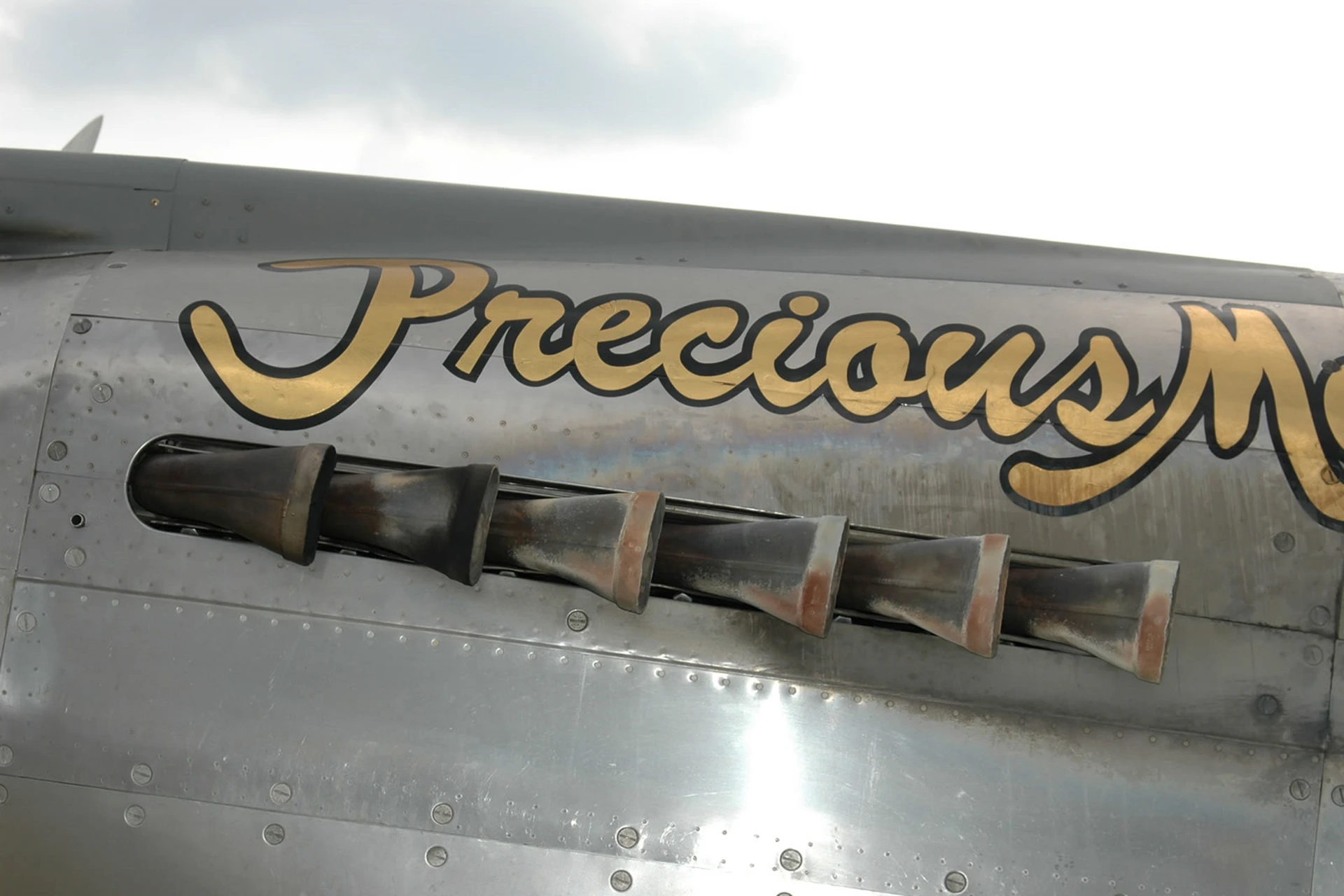
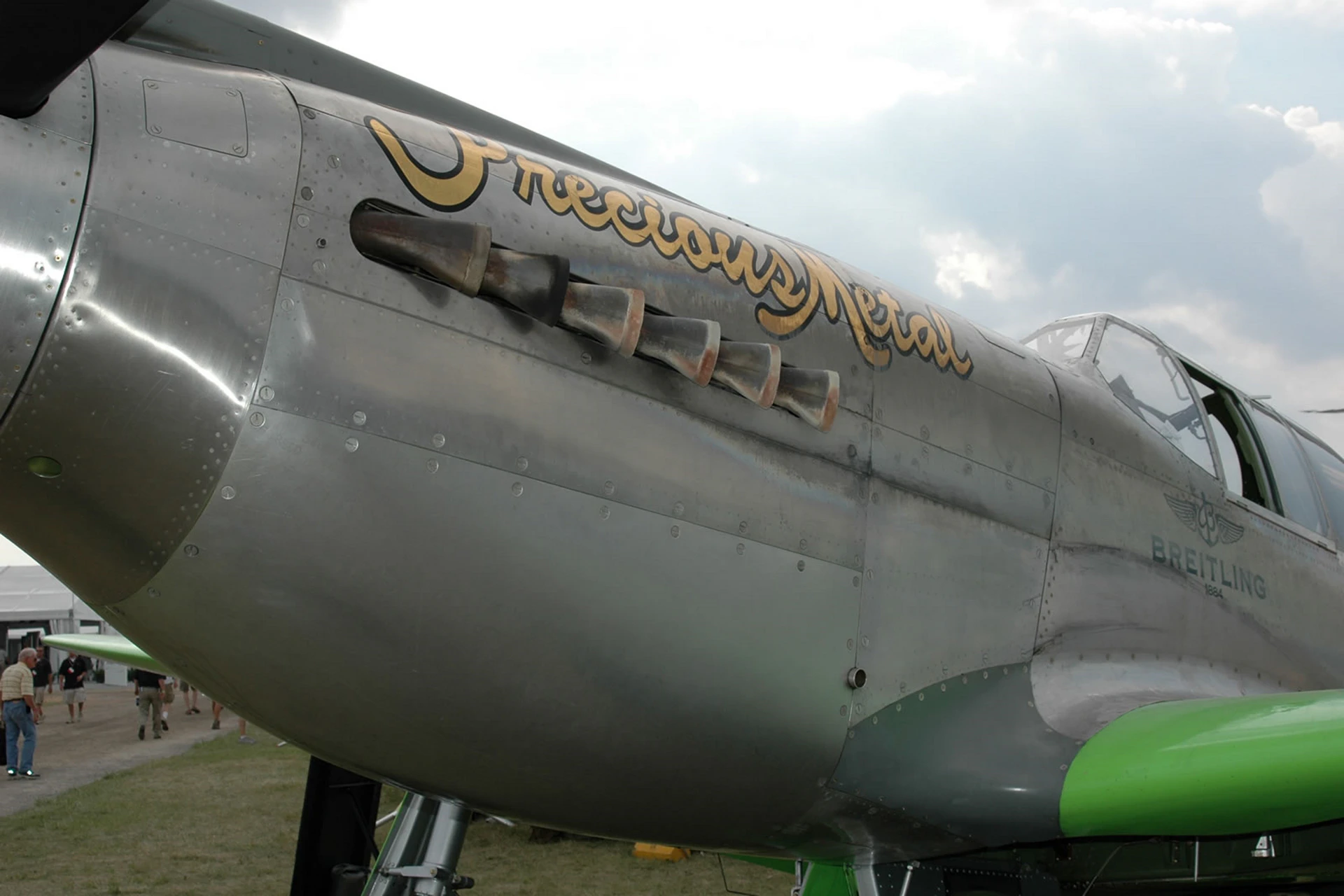
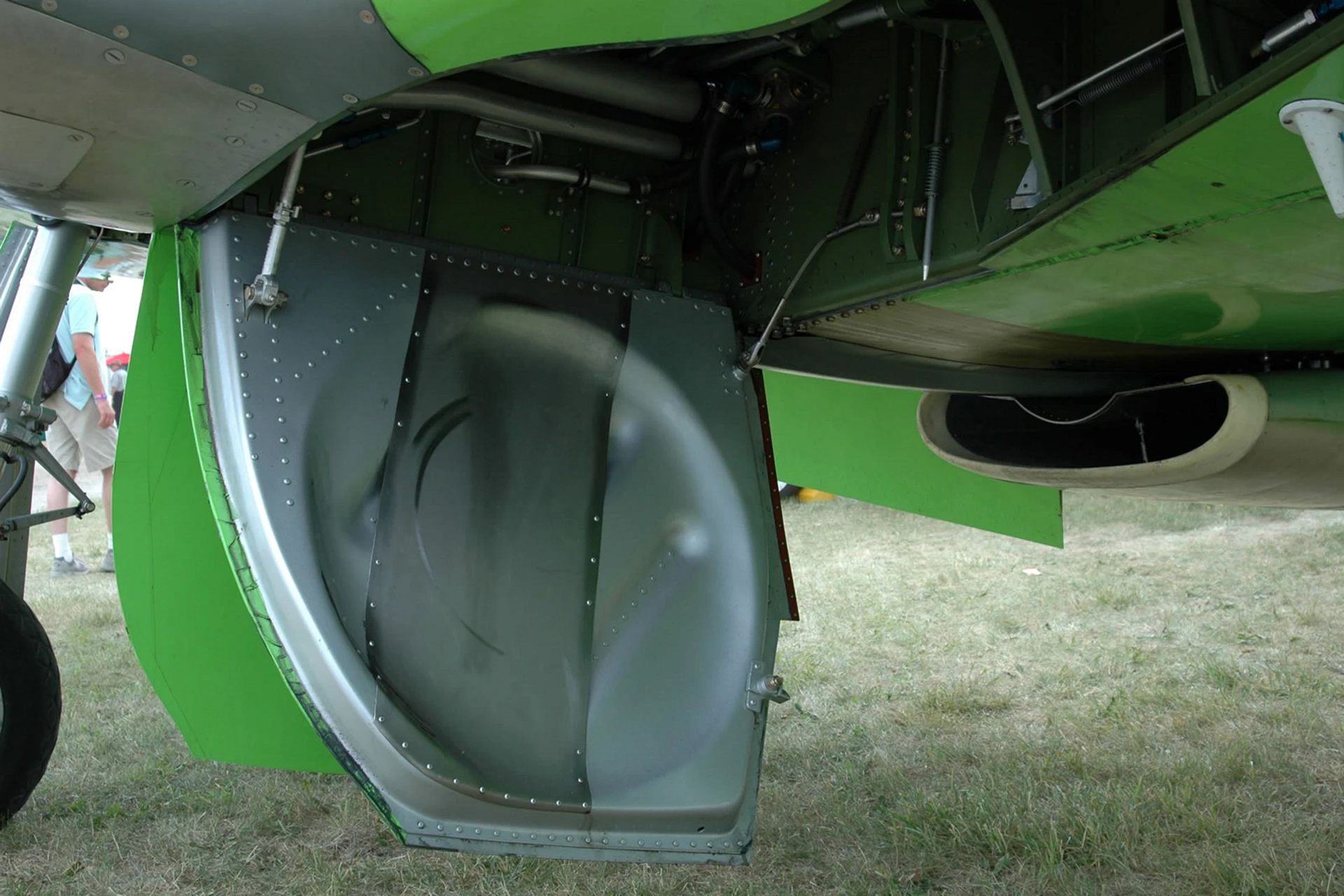
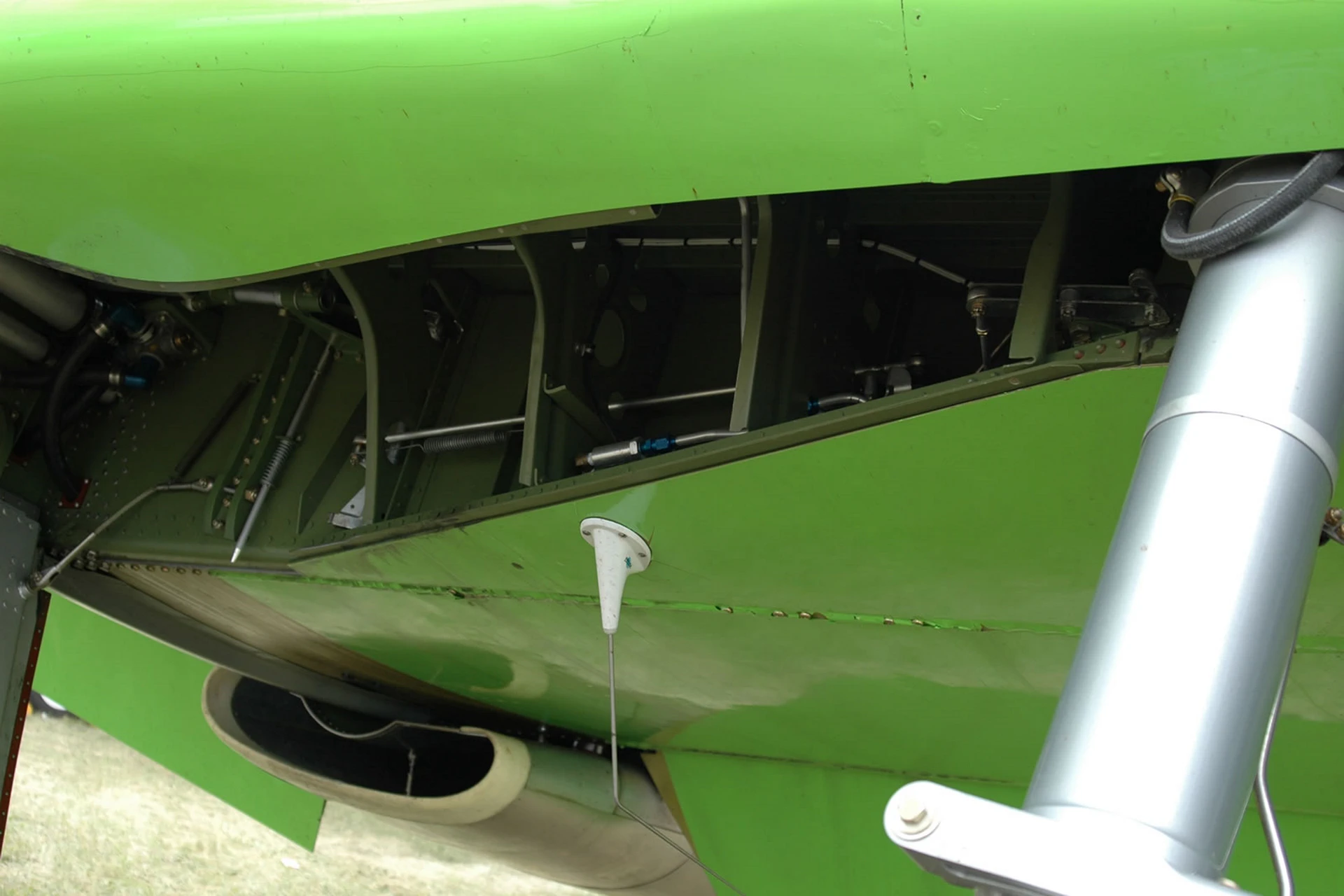
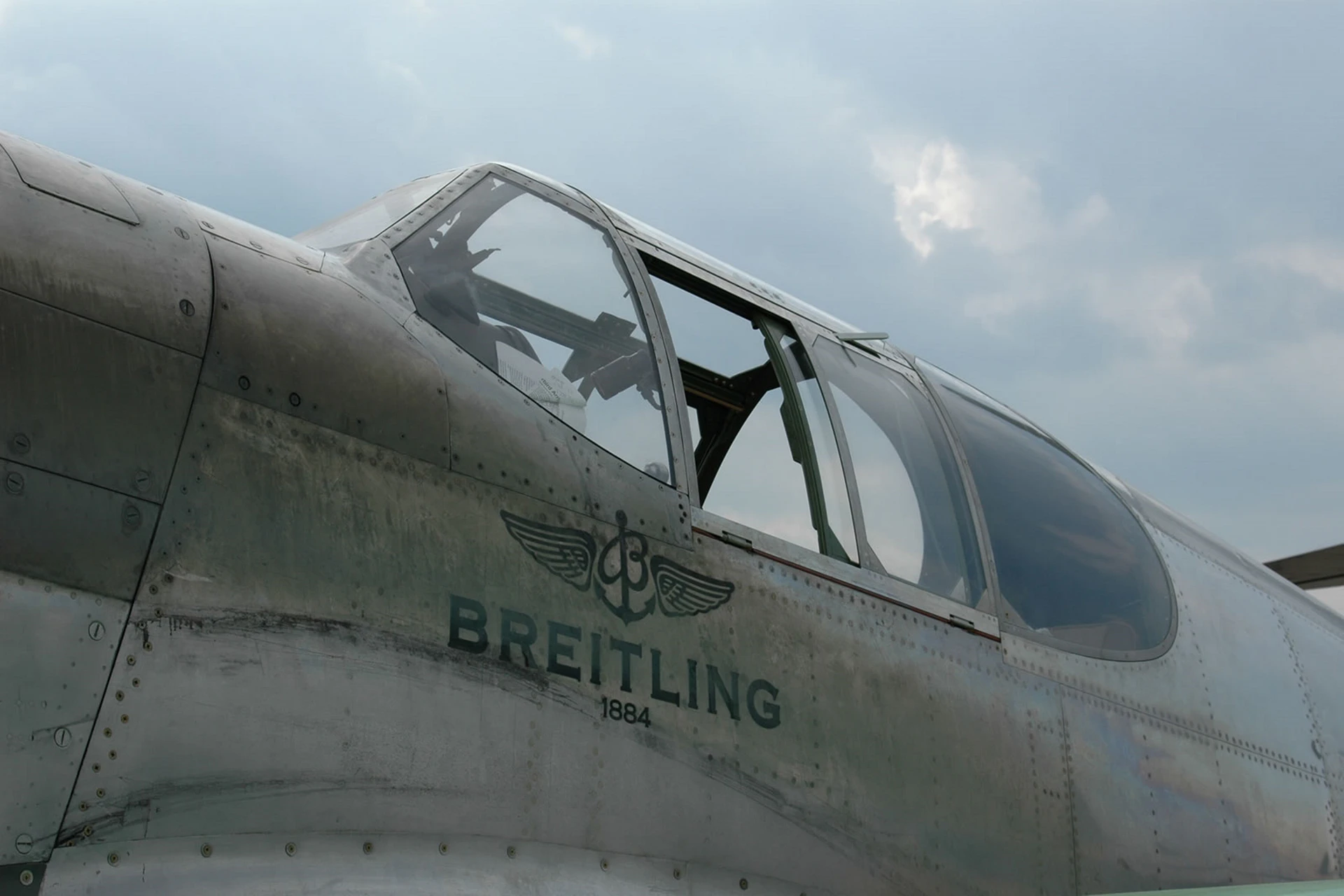
| P-51A "Tauriųjų metalų" pasivaikščiojimas | |
|---|---|
| Fotografas | Jeffas Herne'as |
| Lokalizavimo | Nežinoti |
| Nuotraukos | 12 |
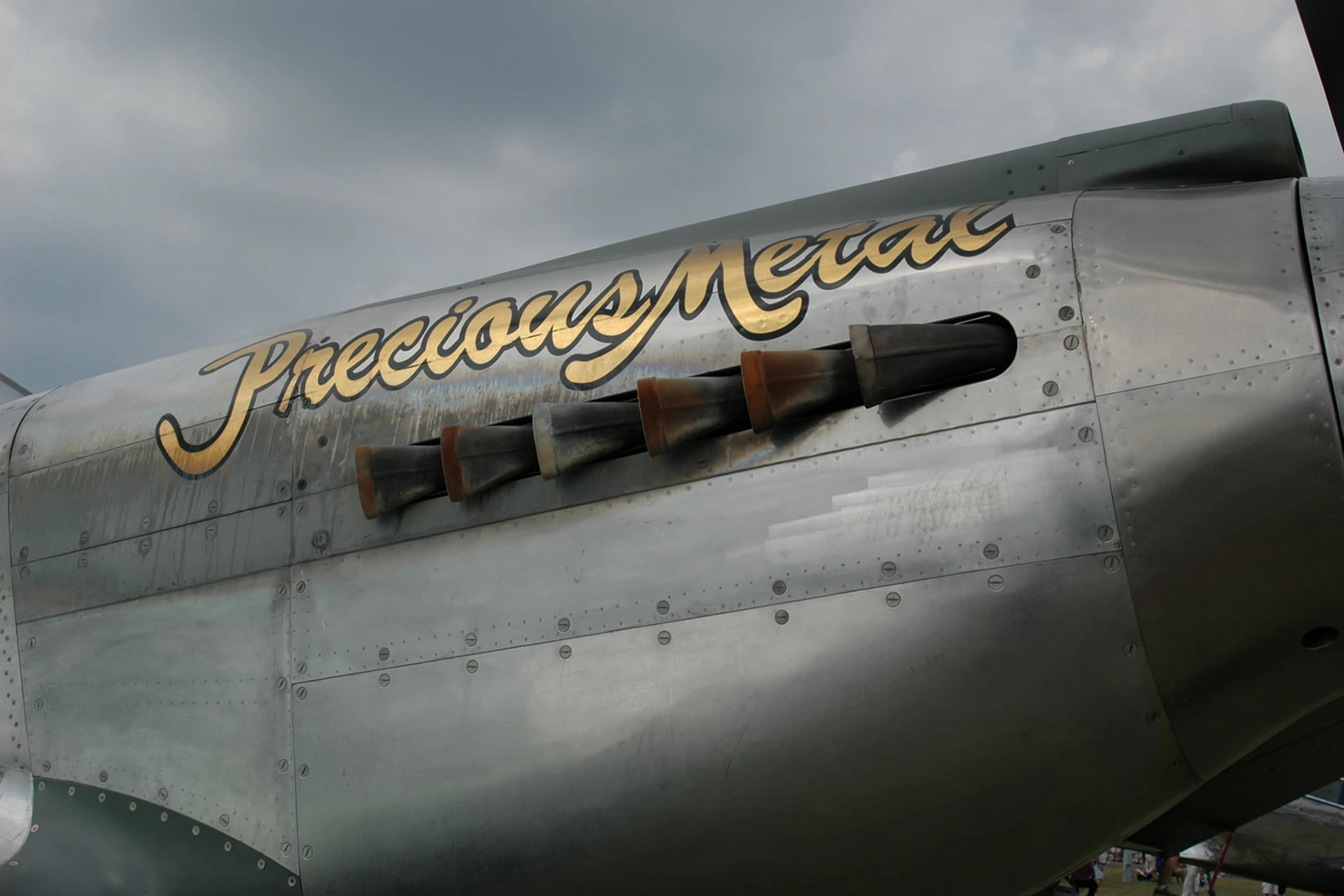
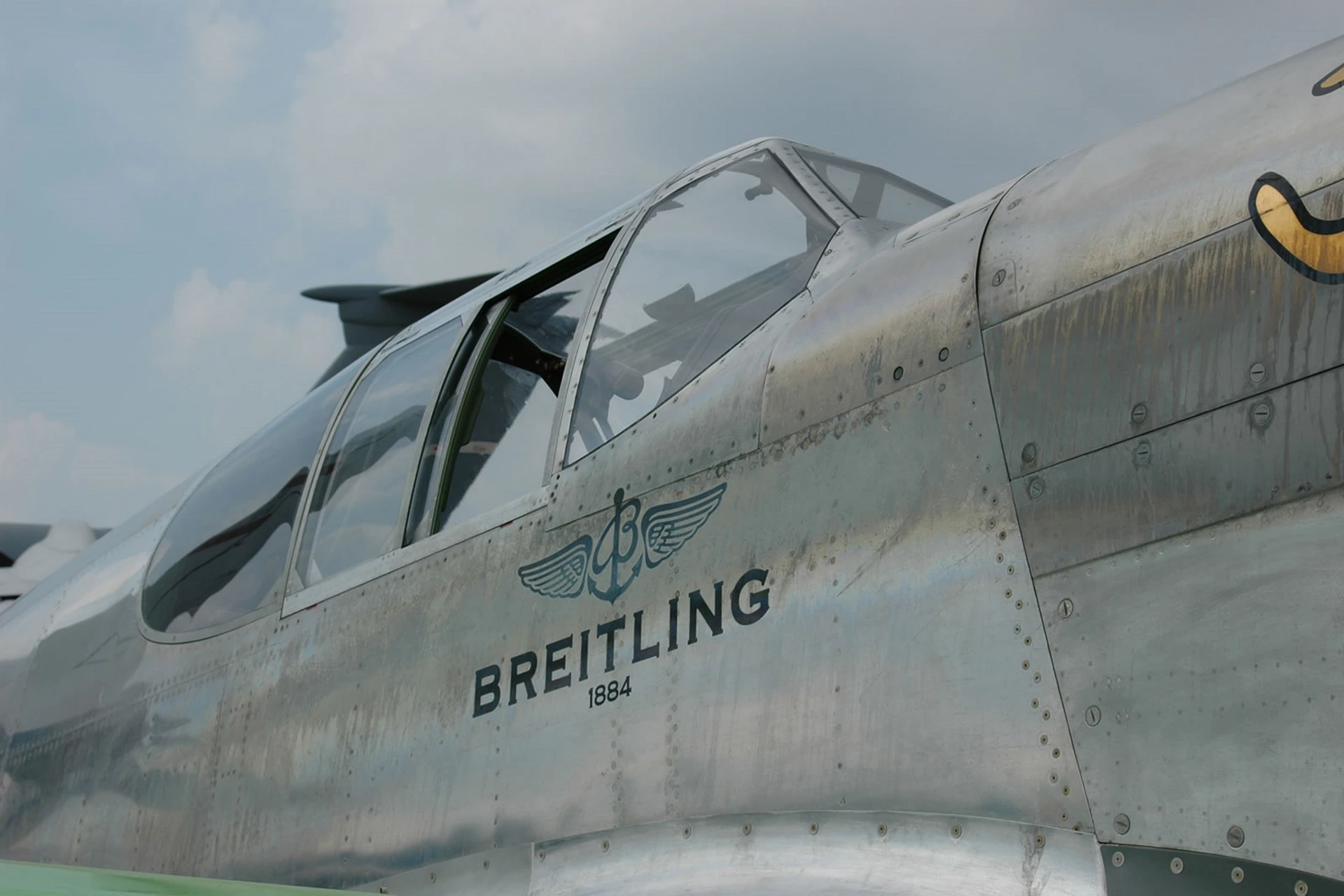
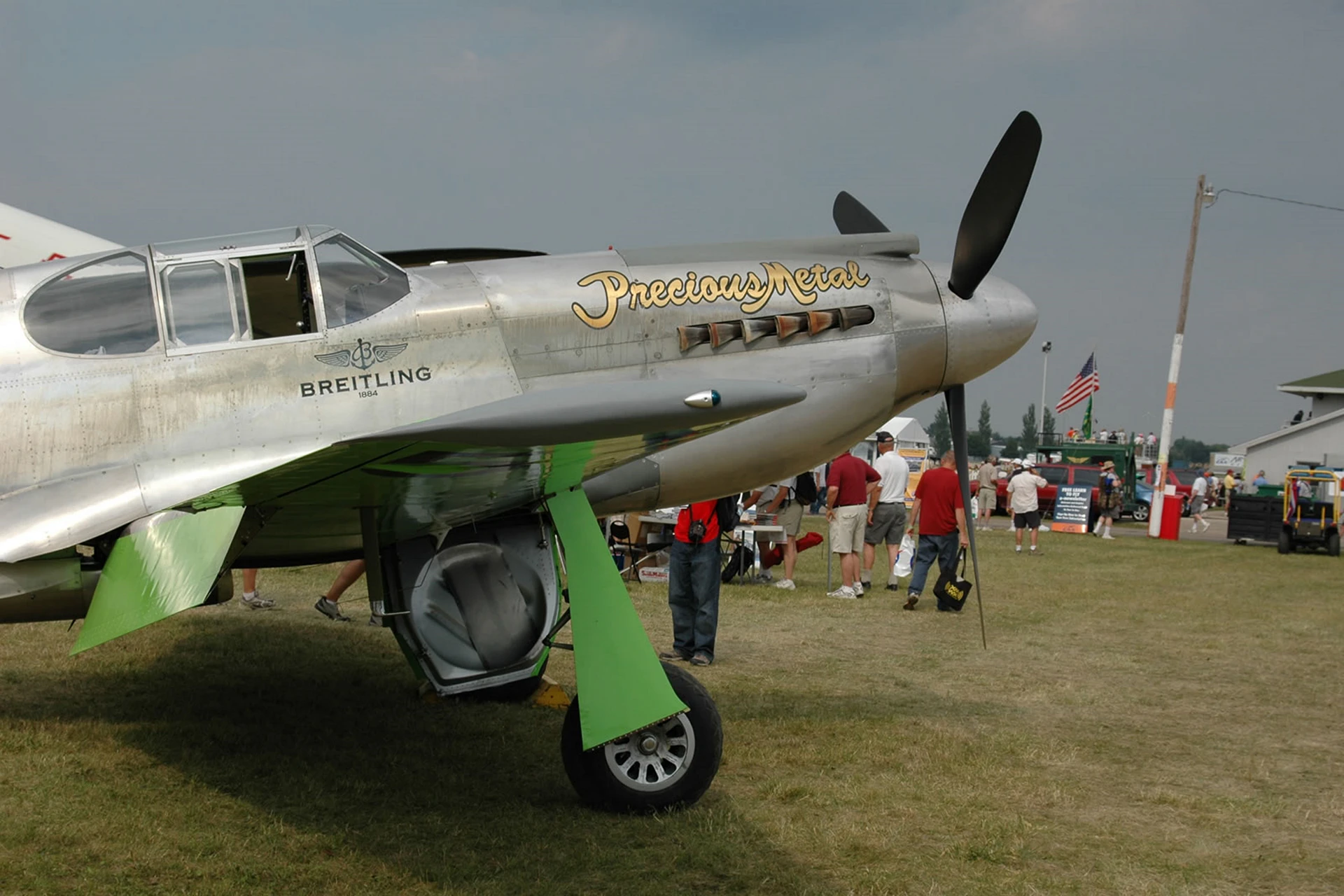
Taip pat žiūrėkite:


The Bomber’s Guardian Angel
2007 Šiaurės Amerikos P-51 Mustang was arguably the most influential and versatile American fighter aircraft of World War II. While early variants were held back by mediocre high-altitude engines, mating the sleek airframe with the British Rolls-Royce Merlin engine transformed the Mustang into a true masterpiece of engineering. With its exceptional speed, agility, and unprecedented long-range capability, the P-51 was able to escort Allied heavy bombers deep into the heart of Germany and back, completely reshaping the strategic air war over Europe and crippling the Luftwaffe.
| Attribute | Technical Specification (P-51D) |
|---|---|
| Vaidmenį | Long-Range Escort Fighter / Fighter-Bomber |
| Įgulos | 1 (Pilot) |
| Variklis | 1 × Packard V-1650-7 liquid-cooled V12 (License-built Rolls-Royce Merlin, 1,490 hp) |
| Maximum Speed | 703 km/h (437 mph) at 7,600 m |
| Combat Range | ~2,655 km (1,650 miles) with external drop tanks |
| Service Ceiling | 12,800 m (41,900 ft) |
| Ginkluotės | 6 × .50 cal (12.7 mm) Browning AN/M2 machine guns |
| Payload Capacity | Up to 907 kg (2,000 lbs) of bombs or 10 × 5-inch T34 unguided rockets |
Design Engineering: Laminar Flow and the Meredith Effect
- Laminar Flow Wing: The Mustang featured a cutting-edge, ultra-smooth wing profile designed to delay the onset of air turbulence. This advanced aerodynamic design drastically minimized drag, unlocking incredible fuel efficiency and high speeds for a single-engine fighter.
- The Meredith Effect: The radiator scoop beneath the belly of the fuselage was an aerodynamic marvel. As air passed through the duct and was heated by the engine core, it expanded and exited the rear flap, creating a small amount of jet-like physical thrust that effectively countered the radiator’s drag.
- Bubble Canopy Visibility: The definitive P-51D variant replaced the older, framed “razorback” cockpit design with a swept-back, single-piece bubble canopy. This dramatic engineering change granted pilots an uncompromised, 360-degree view of the sky during intense dogfights.
- Fuselage Fuel Tank: To achieve its legendary escort ranges, North American packed a massive 85-gallon fuel tank right behind the pilot’s seat. While this temporarily shifted the center of gravity and made the plane highly unstable when full, it allowed the Mustang to fly further than any fighter before it.
Operational History: Escorting B-17s and Tokyo Raids
- Turning the Tide Over Europe: Before the P-51 arrived, Allied B-17 and B-24 bombers were suffering devastating losses beyond the range of standard escorts. Operating under Eighth Air Force commanders like General Jimmy Doolittle, Mustangs hunted down Luftwaffe interceptors, completely breaking the back of Germany’s air defenses.
- The Red Tails Legacy: The P-51 was famously flown by the 332nd Fighter Group, known as the Tuskegee Airmen. These elite African-American aviators painted the tails of their Mustangs bright red and earned a legendary reputation for their fierce, disciplined protection of vulnerable bomber formations.
- Pacific Long-Range Escorts: In the final chapters of the war, P-51s were deployed to the Pacific island of Iwo Jima. Flying grueling, multi-hour over-water missions, they acted as long-range guardians for B-29 Superfortresses conducting devastating high-altitude bombing raids across mainland Japan.
- Into the Jet Age: Even as jet engines began to dominate the skies, the Mustang’s rugged build and precise strike capabilities kept it in high demand. It saw extensive front-line service as a ground-attack and close-air-support asset during the Korean War, solidifying its legendary multi-role pedigree.
Views : 3861
Taip pat galite pamatyti:
 Miles Magister - nuotraukos &; Vaizdo įrašai
 "Avro Canada VZ-9 Avrocar" – nuotraukos ir vaizdo įrašai
 Republic RC-3 Seabee – nuotraukos ir vaizdo įrašai
 "Convair C-131 Samaritan" - nuotraukos ir vaizdo įrašai
 de Havilland Canada DHC-4 Caribou - nuotraukos ir vaizdo įrašas
 MiG-23MLD – WalkAround
 P-51D-25-NA Mustang – Vaikščioti Aplink
 B-47 Stratojet – Vaikščioti aplink
 P-51D Mustang vol2 – Pasivaikščiojimas aplink
 P-51D Mustang – Vaikščioti aplink