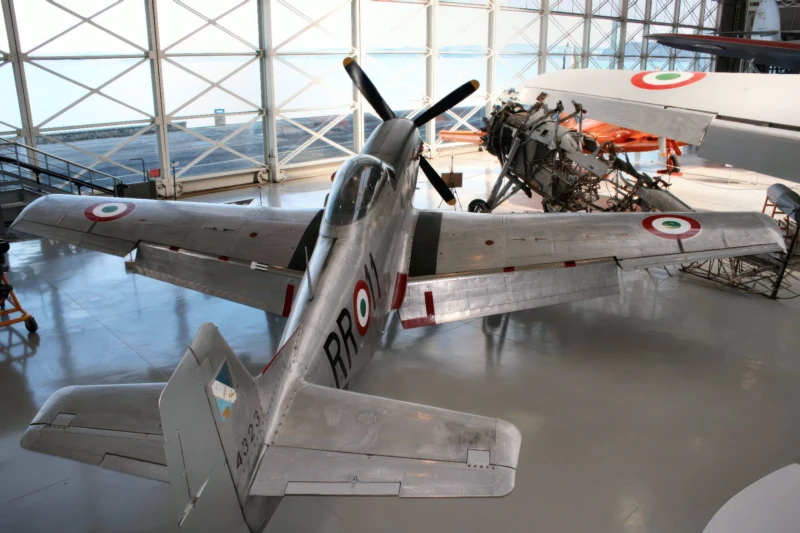
P-51D-25-NA Mustang | |
|---|---|
| Country | USA |
| Role | Fighter and fighter-bomber |
| First flight | 26 October 1940 |
| Built | 15000+ |
The North American Aviation P-51 Mustang was an American long-range, single-seat fighter and fighter-bomber used during World War II, the Korean War and several other conflicts. During World War II, Mustang pilots claimed 4,950 enemy aircraft shot down, second only to the Grumman F6F Hellcat among Allied aircraft.
Source: P-51D-25-NA Mustang on Wikipedia
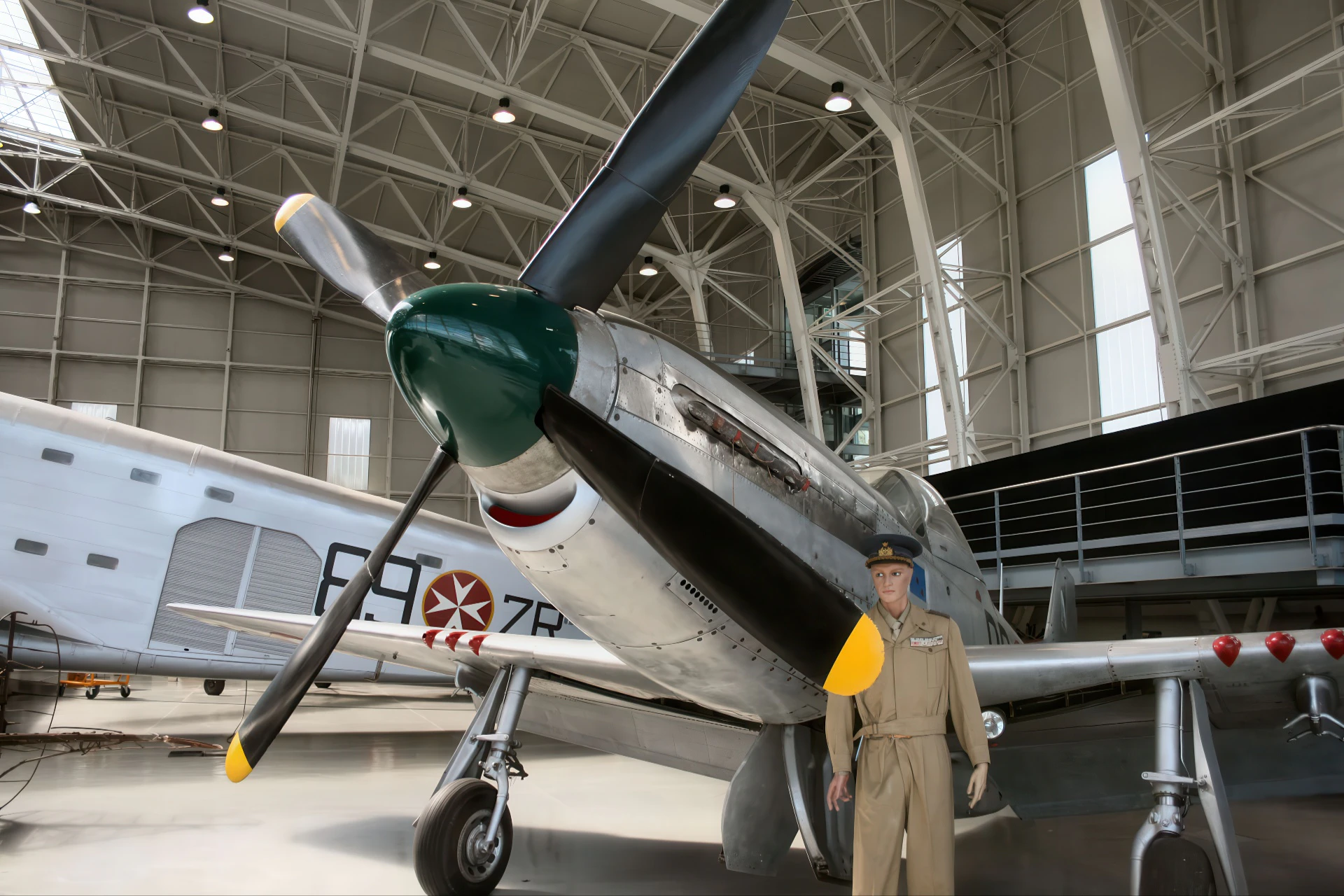

See also:


| North American P-51H-5-NA Mustang | |
|---|---|
| Photographer | Vladimir Yakubov |
| Localisation | Unknow |
| Photos | 85 |
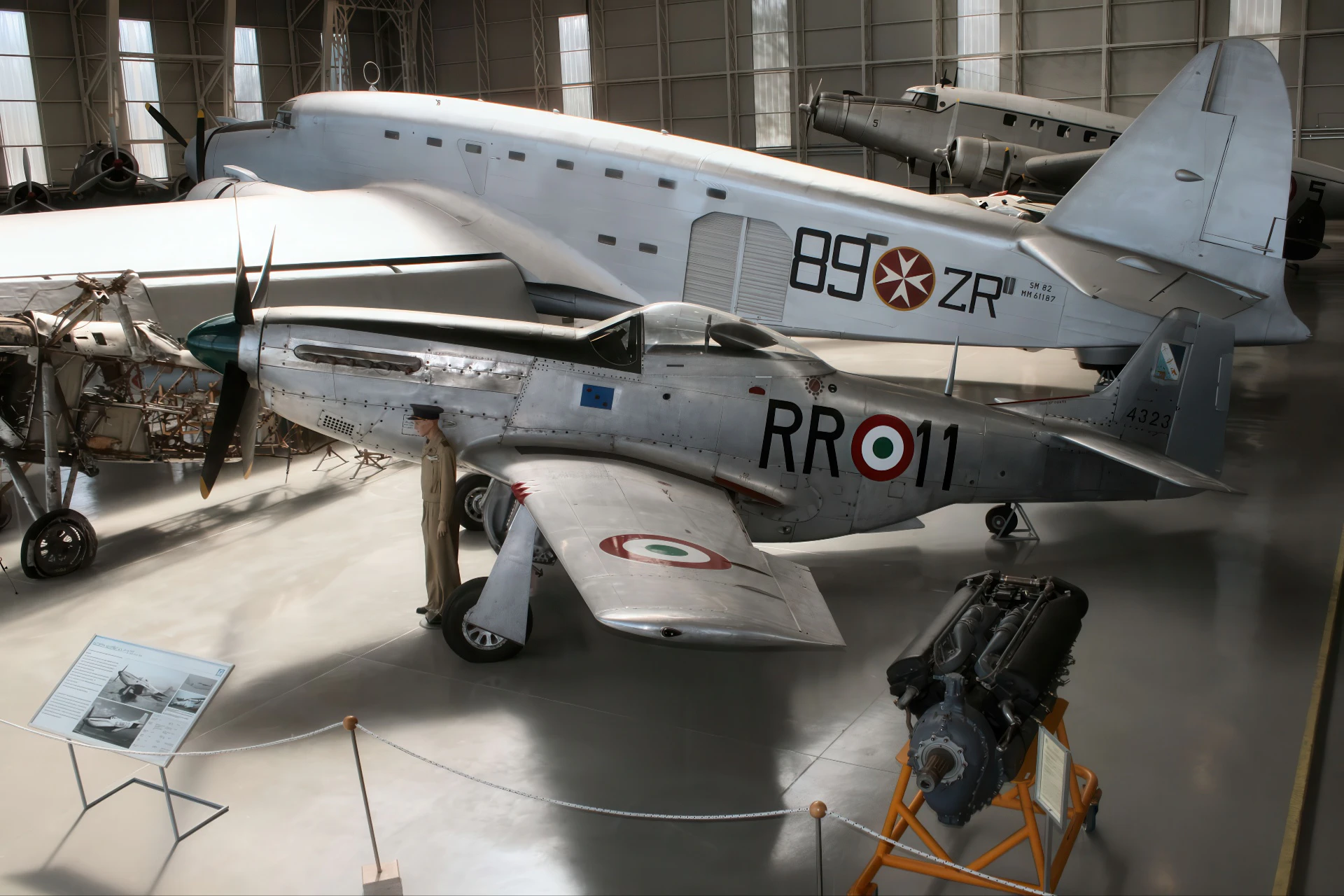
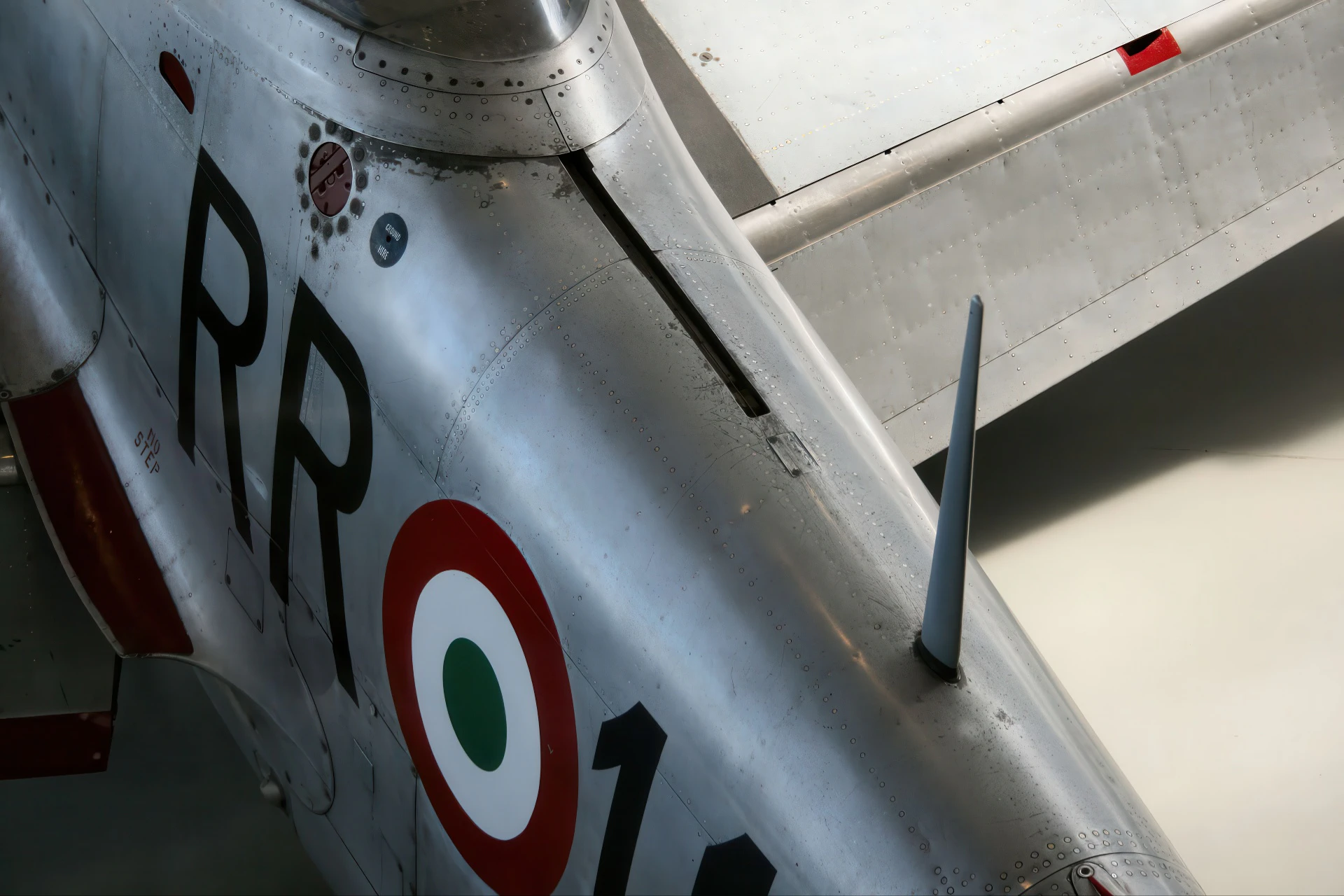
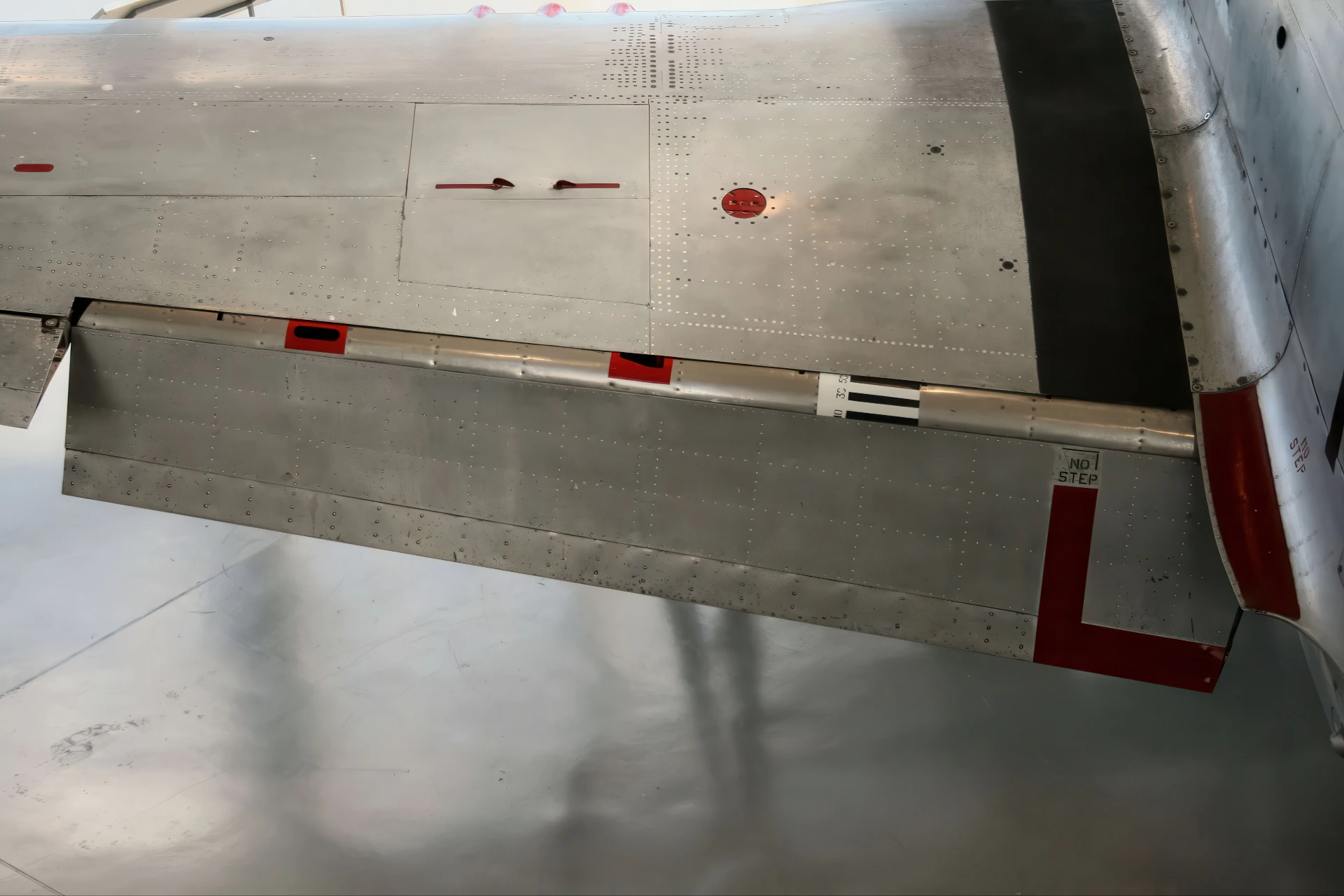
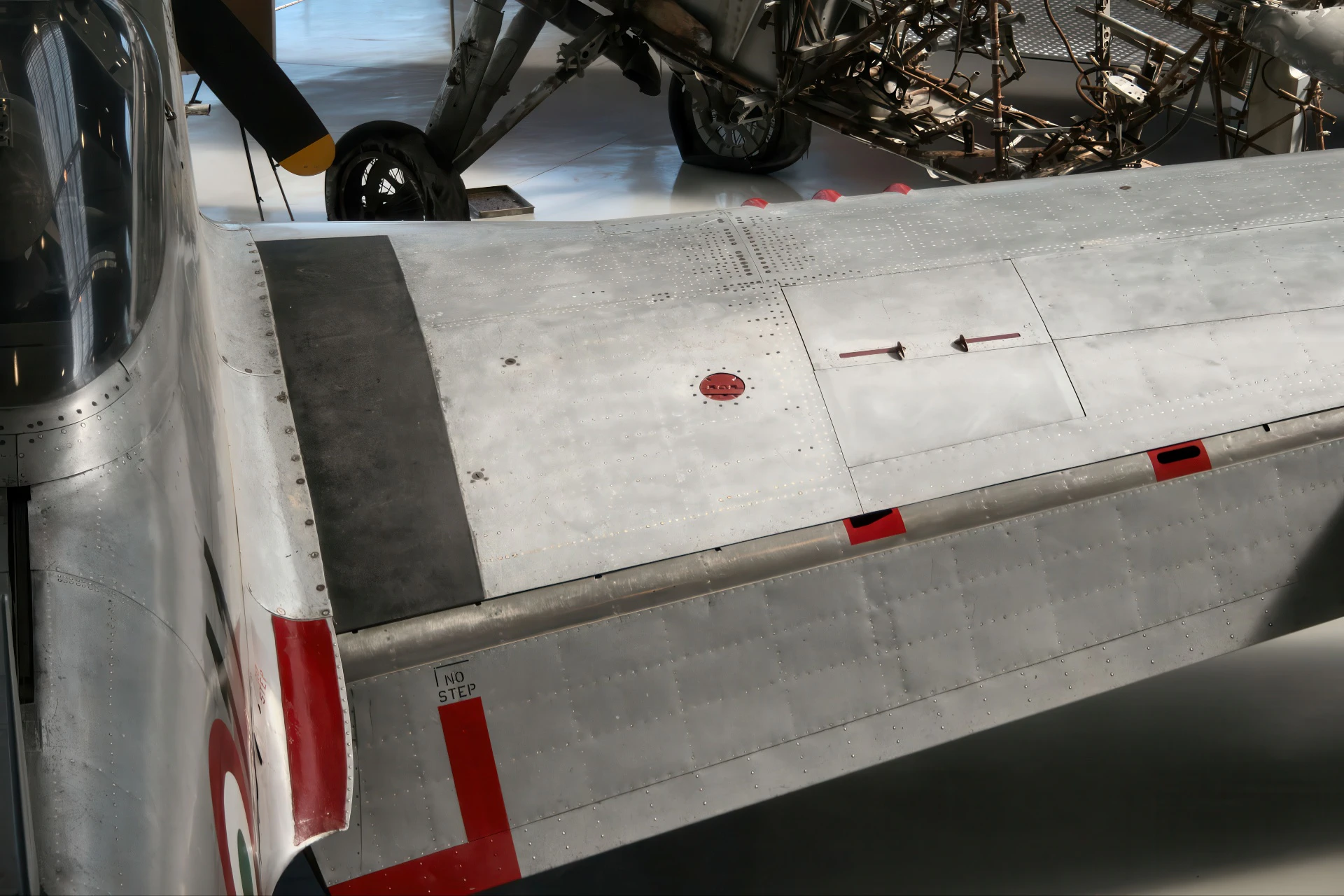
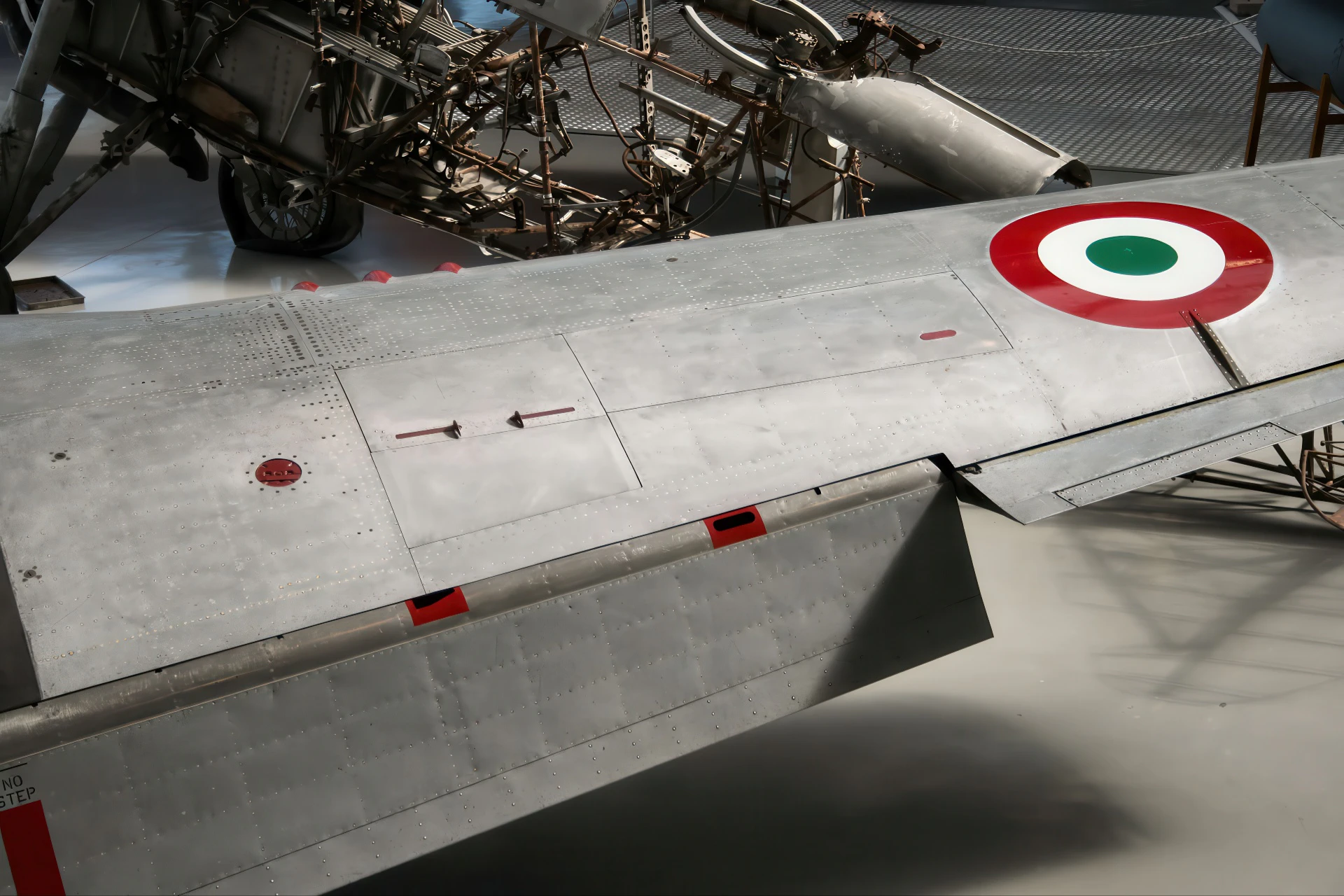
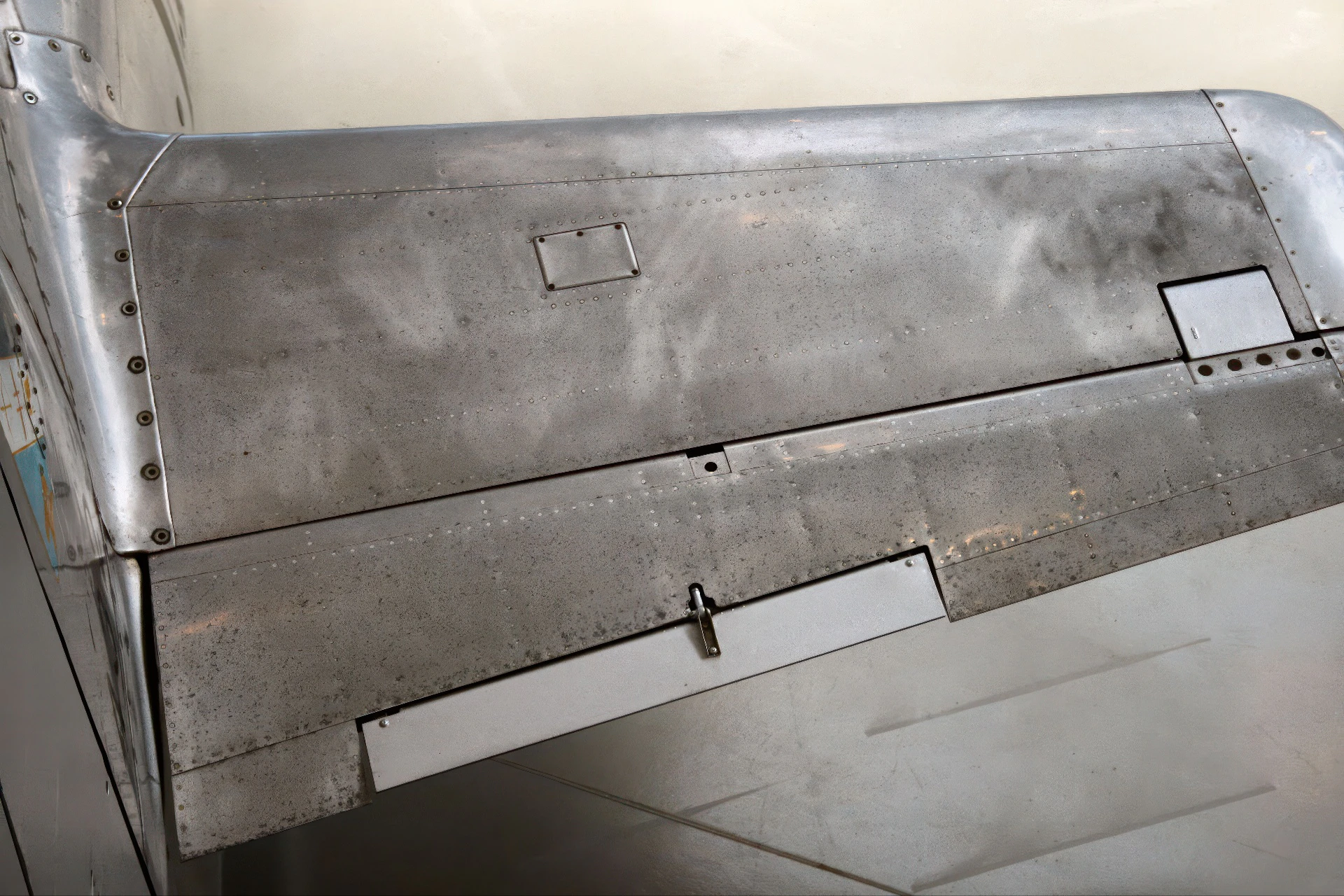
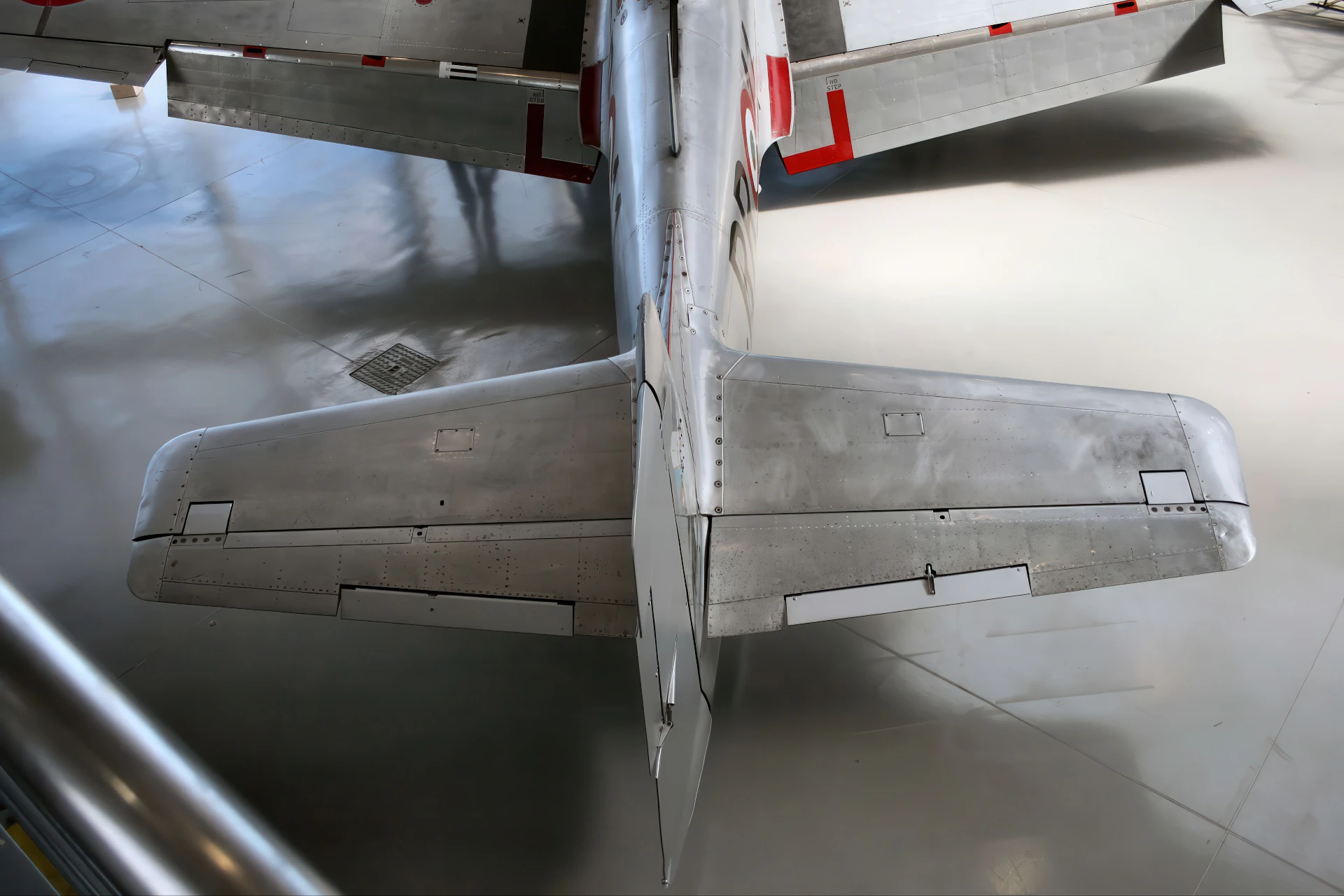
The **North American P-51D-25-NA Mustang** was a specific production block of what is widely considered the definitive and most numerous variant of the iconic World War II American fighter aircraft.
Key Characteristics of the P-51D Variant
The “D” model, which began production in late 1943/early 1944, represented the culmination of the Mustang’s design, transforming it from an excellent medium-altitude fighter-bomber into the premier long-range, high-altitude escort fighter of the European and Pacific Theaters.
- Engine: It was powered by the license-built British Rolls-Royce Merlin engine, specifically the **Packard V-1650-7**. This two-speed, two-stage supercharged V-12 liquid-cooled engine provided superb performance at high altitudes, crucial for escorting Allied heavy bombers on deep penetration raids.
- “Bubble” Canopy: The most visible change was the introduction of the full **”bubble” canopy** (or teardrop canopy), which replaced the framed hood of earlier P-51B/C models. This dramatically improved the pilot’s all-around visibility, a critical advantage in air combat.
- Armament: The P-51D increased the firepower to **six .50 caliber (12.7 mm) AN/M2 Browning machine guns** mounted in the wings, with a redesigned ammunition feed system that significantly reduced gun jamming, a known issue on the P-51B/C.
- Dorsal Fin Fillet: Early P-51Ds (the -5 block) initially lacked directional stability due to the cut-down rear fuselage for the new canopy. Starting with the P-51D-10-NA block, a **fillet** (a small, aerodynamic extension) was added to the leading edge of the vertical stabilizer (tail fin) at the factory to restore stability, an upgrade later retrofitted to most earlier D-models in the field.
The P-51D-25-NA Block
The designation **P-51D-25-NA** breaks down as follows:
- P-51D: The definitive variant with the bubble canopy and six-gun armament.
- -25: The specific production block number, indicating a certain grouping of airframes with standardized modifications and equipment.
- NA: Indicates the aircraft was built at the **North American Aviation (NAA) Inglewood, California** plant (as opposed to ‘NT’ for the Dallas, Texas plant).
The P-51D-25-NA was part of a major production run (NAA Model NA-122) and was a late-war production block. Aircraft in this and later blocks typically featured factory-installed improvements over earlier D models, such as:
- The inclusion of the **K-14 computing gunsight**, an advanced gyroscopic sight that automatically calculated the correct deflection for air-to-air firing, greatly increasing the accuracy of the pilot. The K-14 was introduced in the P-51D-20NA and later blocks.
- Attachment points for **rocket launchers**, providing the aircraft with enhanced ground-attack capabilities in addition to its primary escort and air superiority roles.
The P-51D-25-NA was thus a fully optimized, late-war version, incorporating all the crucial lessons and technological advancements of the war up to that point.
Views : 5182
You can see also :
 Boeing 80 – Photos & Videos
 Lockheed C-5 Galaxy – Photos & Videos
 Canadair CF-104 Starfighter – Photos & Videos
 SPAD S.XIII – Photos & Videos
 Lockheed P-38 Lightning – Photos & Video
 A-7B Corsair II – WalkAround
 Sukhoi Su-27 – WalkAround
 P-51D Mustang vol2 – Walk Around
 P-51 Mustang vol2 – Walk Around
 P-51D Mustang - Walk Around